

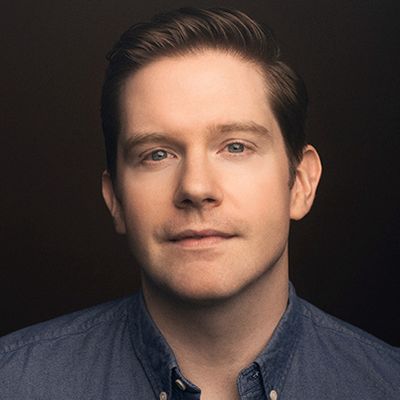
Tony Award nominee Rory O’Malley has appeared on Broadway in THE BOOK OF MORMON, THE 25th ANNUAL PUTNAM COUNTY SPELLING BEE, and HAMILTON, and is a familiar face in films and on television... Read More
From the show: Broadway Gives Back
Guests
Featured Shows


About
Tony Award nominee Rory O’Malley has appeared on Broadway in THE BOOK OF MORMON, THE 25th ANNUAL PUTNAM COUNTY SPELLING BEE, and HAMILTON, and is a familiar face in films and on television. He also supports a number of really important causes, including the fight for gay marriage, arts education with his alma mater Carnegie Mellon University, and many more. Join Rory as he takes us backstage with these hit shows and leads the Broadway charge for marriage equality.
Learn more about about the worthy causes discussed in this episodes and how you can donate and/or help:
Connect with Rory:
- Website: RoryOMalley.com
- Twitter: @RoryOMalley
- Instagram: @mrroryomalley
- Living the Dream with Rory O’Malley podcast
- “8”: A Play About the Fight for Marriage Equality
Connect with The Broadway Gives Back Podcast:
- Facebook: @broadwaygivesbackpodcast
- Instagram: @broadwaygivesbackpodcast
- Twitter: @broadwaygives
Hosted & Executive Produced by Jan Svendsen and co-produced & edited by Jim Lochner.
A proud member of the Broadway Podcast Network.
Special thanks to Dori Berinstein, Alan Seales, and Kimberlee Garris from BPN; Julian Hills from The Bulldog Agency; and Eric Becker from Broderick Street Music.
Transcript
This transcript was automatically generated and might contain errors.
[0:05] Jan Svendsen: Welcome to the Broadway Gives Back Podcast.
[0:07] Jan Svendsen: I'm your host, Jan Svendsen.
[0:10] Jan Svendsen: This podcast spotlights Broadway actors, shows, and organizations in their pursuit of social impact and philanthropy.
[0:17] Jan Svendsen: Join us as some of the brightest lights on Broadway share their stories about their favorite charities and how they got involved and the people on the causes who benefited from these philanthropic efforts.
[0:33] Jan Svendsen: My guest this week, Rory O'Malley, is a Tony-nominated actor who has appeared on Broadway in The Book of Mormon, the 25th Annual Putnam County Spelling Bee.
[0:43] Jan Svendsen: He's played King George in Hamilton on Broadway and on tour.
[0:47] Jan Svendsen: On TV, he's appeared in American Princess, Modern Family, Grace and Frankie, Nurse Jackie, and The Good Wife.
[0:55] Jan Svendsen: In films, Dreamgirls and Mother's Day, and as a voice actor on Bob's Burgers and Central Park.
[1:02] Jan Svendsen: He also supports a number of really important causes, including the fight for gay marriage, arts education through his alma mater, Carnegie Mellon University, and many more.
[1:12] Jan Svendsen: I am so happy to have him here today as our guest.
[1:15] Jan Svendsen: Rory, welcome to the Broadway Gives Back Podcast.
[1:18] Rory O'Malley: Thanks for having me, Jan. I'm thrilled to be here.
[1:20] Rory O'Malley: It is so nice to see you again. I was trying to figure out the last time I actually saw you, and it was at Stars in the Alley.
[1:27] Rory O'Malley: Like I don't even know, like seven years ago or something.
[1:30] Jan Svendsen: Probably a long time ago, yeah.
[1:32] Rory O'Malley: I've been in Los Angeles since 2015.
[1:37] Rory O'Malley: Uh, and then came back to do Hamilton uh in 2016 uh for about nine months.
[1:43] Rory O'Malley: So it's definitely been uh not enough time in New York for sure.
[1:48] Jan Svendsen: That's so it's I'm sure it's been that long.
[1:50] Jan Svendsen: Yeah, wow, that's crazy.
[1:52] Jan Svendsen: Listen, before we get started, I thought it'd be fun to do like a quick little icebreaker Q&A.
[1:56] Rory O'Malley: Oh, okay.
[1:58] Jan Svendsen: So I'm gonna ask you a bunch of questions. Just answer rapid fire as quickly as you can.
[2:02] Jan Svendsen: Um all right. Ready?
[2:04] Rory O'Malley: Yes.
[2:05] Jan Svendsen: Okay. If you could be a member of any fictional family from a Broadway show, a movie, or a TV show, what family would you choose to be a part of?
[2:14] Rory O'Malley: Oh my gosh. That's such an interesting question because usually you're just like, what Broadway show would you want to be in?
[2:21] Rory O'Malley: Um, you know, I think I would want to be in uh, I would want to be in the family made by Cinderella and the Baker in the end of Into the Woods.
[2:35] Rory O'Malley: I love Into the Woods so much. I love like, you know, but that's where it kind of lands.
[2:40] Rory O'Malley: You know, I would say the Baker and the Baker's wife, but you know, they were working through some things.
[2:45] Rory O'Malley: And uh, you know, I think I love that, you know, especially being a parent now.
[2:52] Rory O'Malley: Um singing No One is Alone to the kids. That show has always meant so much to me.
[3:01] Rory O'Malley: But now being a parent and hearing songs like Children Will Listen, No One Is Alone, you know, these stories that we grew up with, and I mean, it's you know, good art, good theater can mean different things to you at different points in your life.
[3:17] Rory O'Malley: You know, it can just it can you can see it differently every time.
[3:21] Rory O'Malley: And uh certainly I'd want to have some parents who've lived through that I want them at the end of the show.
[3:30] Jan Svendsen: Totally get it. Um I love that show too.
[3:33] Jan Svendsen: Um name actually give us three words that describe you.
[3:38] Rory O'Malley: Hmm. Optimistic, uh joyful and nerdy.
[3:50] Jan Svendsen: If you could eliminate one trait from yourself, what trait would that be?
[3:55] Rory O'Malley: Oh I would eliminate anxiety.
[4:01] Jan Svendsen: Good good one.
[4:03] Jan Svendsen: Would you rather be the smartest person in the room or the funniest person in the room?
[4:07] Rory O'Malley: I think I know the answer.
[4:08] Rory O'Malley: Funniest.
[4:10] Jan Svendsen: Yes.
[4:12] Jan Svendsen: What's the last book you read?
[4:14] Rory O'Malley: Uh the last book I read, I'm reading Suggy Bane.
[4:19] Rory O'Malley: Um, I'm listening to it on my long drives to work to the Pantagus uh Scottish book that's really, really great.
[4:31] Rory O'Malley: Um I think I had some nonfiction book that I was reading recently, but I'm a big podcast listener, so I'm in the right place right now.
[4:41] Jan Svendsen: Oh yeah.
[4:42] Jan Svendsen: And I've been listening to Dead Eyes.
[4:43] Rory O'Malley: Have you listened to Dead Eyes?
[4:45] Jan Svendsen: I haven't, but I was gonna ask you about podcasts, Dead Eyes.
[4:48] Rory O'Malley: Oh, you are okay, sorry.
[4:50] Rory O'Malley: No, no, no, this is great.
[4:51] Rory O'Malley: It's Connor Ratliff, who's a brilliant comedian, um, and I've done improv and done some things with him, but he has this podcast and it's in its third season about when he was fired from Band of Brothers the day before filming, uh, by Tom Hanks, who was directing the episode.
[5:08] Rory O'Malley: And this is 20 years ago, and he does a deep dive into why was he fired.
[5:13] Rory O'Malley: And it's crazy. It's so funny.
[5:16] Rory O'Malley: Uh, but you know, if you're a performer or in the industry, it is very therapeutic to listen to him do this deep dive, which I think we all want a deep dive into why things didn't go right here or there.
[5:30] Jan Svendsen: So that's a perfect segue. Now I have to ask you, you had your own podcast called Living the Dream with Rory O'Malley, where you discussed like the harsh realities of being an actor.
[5:40] Jan Svendsen: Right. Um, and I wondered what prompted you to start that podcast.
[5:45] Jan Svendsen: And in fact, what are the harsh realities to being an actor?
[5:49] Rory O'Malley: Ooh, well, we don't have enough time to go through all those.
[5:51] Rory O'Malley: Right.
[5:52] Rory O'Malley: Um, some highlights, a reader's digest version.
[5:55] Rory O'Malley: Yeah, no, I mean, I started that podcast because I was in Hamilton and things were going great.
[6:01] Rory O'Malley: And everyone on social media was like, wow, Rory, things are going great for you, and this is amazing.
[6:09] Rory O'Malley: Congratulations. And no one was acknowledging that I had just been in a Broadway show that was attempting to be a Broadway show called Nerds that had collapsed, and we were uh in rehearsals.
[6:21] Rory O'Malley: The producer came in and said, Everyone go home. We want we're not opening on Broadway.
[6:25] Rory O'Malley: And it was the most crazy dramatic, over the top thing that had ever happened to me in my career.
[6:32] Rory O'Malley: But then a week later I was in Hamilton, and it was this juxtaposition of two things in the industry happening the worst thing and the greatest thing that have ever happened to me.
[6:45] Rory O'Malley: And realizing that my conversation with young people on social media was really curated and completely edited to show uh a rosy picture of what the business was.
[6:58] Rory O'Malley: And I felt like it was irresponsible.
[7:00] Rory O'Malley: And I listened to so many podcasts, especially with interviews with people in the business and actors who were in Hollywood, you know, huge names.
[7:07] Rory O'Malley: And I thought, I really want to have the conversation with my fellow actors in the theater world to highlight the ups and downs of what we go through and give a more realistic picture to people who are uh to young people especially who are trying to make it in this business.
[7:27] Rory O'Malley: And also to give some um voice to people who are are we're currently unemployed.
[7:37] Rory O'Malley: We're current, you know, like it just I feel like it's such a taboo thing to talk about because nobody really wants to admit when things are tough, you know, they're trying to project this positive spin on their career or what's happening.
[7:52] Rory O'Malley: And I wanted to have a much fuller conversation with people in our industry so that people didn't feel alone, so that people in our industry didn't feel like, you know, you're the only one who's in a temp job that you hate, wishing that you were on a Broadway stage, because I've been there.
[8:07] Rory O'Malley: I know exactly how that feels. And I've been on the Broadway stage and then back in the temp job.
[8:12] Rory O'Malley: So I wanted to make sure that everyone didn't feel alone.
[8:17] Jan Svendsen: That's so nice.
[8:19] Jan Svendsen: So that reminds me a little bit. Um we're gonna talk a little bit about CMU.
[8:22] Jan Svendsen: You and I both have a lot of mutual friends at Carnegie Mellon, and we'll talk about Dan Martin, the former um dean.
[8:30] Jan Svendsen: But before we get into that, I want to talk about your time at CMU in the School of Drama and particularly um your friendship with Josh Gad and Leslie too.
[8:40] Jan Svendsen: But um, but you and Josh, you know, you were talking about the ups and downs of being an actor, and you and Josh, it seems like have shared so many of those ups and downs and supported each other.
[8:49] Jan Svendsen: Um you guys were you guys were freshman roommates, is that true?
[8:54] Rory O'Malley: Yeah, we weren't in the same room the first semester, but we were the second semester.
[8:59] Rory O'Malley: I his roommate moved out and I moved in.
[9:02] Rory O'Malley: Um and he thought he was gonna get to have a room to himself, and I was like, no, I'm moving in.
[9:07] Rory O'Malley: Uh we were at Hammerschlag Hall, which is like an all boys' dorm.
[9:12] Rory O'Malley: Uh, and I was also on the same floor as Josh Groban.
[9:17] Rory O'Malley: And so we were all uh the three of us and a few other um drama students were in this dorm room together.
[9:24] Rory O'Malley: And it was just wild just coming, you know, I came from the west side of Cleveland, you know, people in my family thought it was crazy that I was going to school for acting like that.
[9:35] Rory O'Malley: Like, you know, we didn't have a lot of uh college graduates in our family, let alone college graduates in acting, you know, that we have a lot more firemen and and teachers.
[9:46] Rory O'Malley: Uh so it was pretty crazy to show up to a place where it was, you know, Josh Groban and Josh Gad and Leslie Odom Jr. and just these unbelievable talents.
[10:00] Rory O'Malley: Uh that, you know, I was overwhelmed. Like, oh, I don't know if I belong here, but also was so supported by my fellow classmates and continue to be, which is really amazing because it's been a while.
[10:14] Rory O'Malley: Uh it's been since I got out of school.
[10:18] Jan Svendsen: But you know, it's so cool because you and I mean, first of all, to have I know so many CMU alum and you there's just I actually had it when I worked at the Broadway League, we I had an intern and I said, Can you find out which university produces like the most Broadway talent?
[10:36] Jan Svendsen: Um, and it was Carnegie Mellon University.
[10:39] Rory O'Malley: Um, so it's it's incredible, and it's so fitting that you would come from CMU.
[10:44] Jan Svendsen: Uh, but like Josh Gad, you guys both you had your Broadway debuts, didn't you both have probably doing the same show?
[10:51] Rory O'Malley: And then you both got nominated for Tonys the same year in Book of Mormon.
[10:55] Rory O'Malley: Yeah, I can't get rid of the guy. It's just I've tried for a long time.
[11:01] Rory O'Malley: No, uh, it is crazy.
[11:03] Rory O'Malley: I have been in three Broadway shows 25th Annual Putnam County Spelling Bee, The Book of Mormon, and Hamilton, and for all three, I had a classmate from Carnegie Mellon on stage with me, either Josh Gad or Leslie Odom Jr.
[11:19] Rory O'Malley: So it's it's such a small world, it's such a small industry, and I'm so lucky because it kind of made those experiences feel like home.
[11:29] Rory O'Malley: I always felt a lot more comfortable just having my friends be uh at work every day.
[11:35] Rory O'Malley: And um it was wild though.
[11:38] Rory O'Malley: When I I was living in Los Angeles right out of college, and Josh was going back and forth.
[11:43] Rory O'Malley: He was, you know, he didn't, you know, know if he was gonna live in New York or LA, and he kind of settled in LA, and I went to New York and I saw a preview of the 25th Annual Putnam County Spelling Bee.
[11:54] Rory O'Malley: And I saw Dan Fogler and I saw um, you know, Jesse Tyler Ferguson, and I saw uh, you know, Celia Keenan Bolger, these incredible young performers give an outstanding performance.
[12:08] Rory O'Malley: And I saw this preview, I had no idea what it was before I saw it, but I was like, oh, this is why I should be in New York.
[12:15] Rory O'Malley: This is like getting to work on something new like this uh with William Finn and James LePine.
[12:20] Rory O'Malley: Like, this is this is a dream.
[12:22] Rory O'Malley: And I remember calling Josh Gad, who was in LA.
[12:26] Rory O'Malley: We both were, and I was like, hey, I'm in New York, and I just saw this play, Spelling Bee.
[12:32] Rory O'Malley: There's a part in it uh called William Barfay, and this guy is gonna win a Tony, and you're literally the only human being on the planet who can replace him.
[12:43] Rory O'Malley: Like there's no one else. You have to see the show, you have to, you know, get in to be a part of it.
[12:49] Rory O'Malley: And within a year, he was playing it on Broadway, and he still hasn't given me a commission.
[12:56] Rory O'Malley: Uh finding it. But yeah, yeah, right. Um, but I uh I was so certain of it, and you know, it doesn't take uh uh an engineer to to see how close that kind of performance was, you know, and what Dan was was doing and what Josh was able to do. And so I loved the show so much. I moved to New York because I thought I've just got to be in the city to be a part of new productions like Spelling Bee. And then an understudy track uh came up in Spelling Bee, and I was ready. You know, I knew all the parts, and I went in for the audition, and I got it. And um I was an understudy for William Barfay and Leaf Coney Bear and Vice Principal Panch when Josh was playing Barfay. And my Broadway debut was actually going on for Josh as William Barfay when he was auditioning for Avatar or something crazy.
Like he had this wild audition where he had to fly back to Los Angeles and miss a show, and I went on for him, and that was my Broadway debut with my you know dorm roommate. Wow, that's amazing a show. Yeah, it was crazy. That's so cool. That's so cool. Um I don't even know what to say because the like that CMU like alum group is so tight, but this story is incredible. And um we'll have to get Josh Gad on this podcast because I've had Josh Groban. I've had actually I've had a lot of CMU folks here. Um, now that you've had me, he'll he'll be like, I have to do it. If Lori did it, then you know he can't, you know, all right, Josh Gad, if you're listening, you know, it's on you now. I'm on the podcast.
Um I love that. Um so speaking of LA though, you're here in LA, you're yes in Hamilton. Um, you're here with your husband and your adorable little son. How old is he? Yes, three. Jimmy. Three years old. Jimmy, yeah. Yeah. Um, you've been so open about your family life in you know, in over the years, and um I just wondered like, do you guys love living in LA? Is this is this we're gonna be? Are you guys gonna go to New York? Or what happens? Oh, you know, we'll never uh be able to answer that question fully because we love both so much. You know, to me, New York is the totally understand. You understand we're bi-coastal, so yeah, completely get it. Yeah, I mean what's what's wild is like New York City is the greatest city in the world, as Hamilton states, it's the truth.
There's no doubt about it. Like it's it's phenomenal. And I lived there for a decade. I met my husband there. Like the city is the city of my dreams. I love it. Um, but you don't always have to live in the greatest city in the world. You don't you don't always have to be there. It's it's for it to be the greatest city. Uh so Los Angeles is actually where I first came to out of college, and I really just came here to try it because I didn't have an agent or a manager really wanting to work with me in New York at all. I moved to LA because I had like a couple of people who maybe would help me, and I thought, okay, well, I'll try it. I met Gary Marshall and worked at his theater here at the Falcon Theater and met a wonderful group of actors at the Troubadour Theater Company and started working at an Irish pub across the street from there and and working at this theater.
And you know, I found my theater family in Los Angeles first. So the theater community in LA where I got my equity card is very important to me. And so I fell in love with LA before I moved to New York. I knew, like I said, I had to move to New York if I wanted to really be a part of something uh like Spelling Bee. Moved to New York and was there for 10 years. And when I fell in love with Gerald and we got married, I and we knew we wanted to start a family. I I said, I know that we both love New York. You he's not in the industry. He had never lived in California or had any dream to do it. But I said, if we're gonna go through the adoption process, if we're gonna think about starting a family, I really think we should at least try before to live in LA and see how we like it.
And so we moved out here in 2015. I was doing a TV series. Um and you know, had to I had some other jobs out here, but I had this whole base of of uh artists and actors who I loved out here and and Gary and Gary Marshall. And so we moved out here and Gerald got a great job and it was going fantastically. Uh, and then I got a call to do a Broadway show, Nerds, that I just had mentioned. And uh it was a really last minute thing. I think it was like I was sitting at a Starbucks with Josh Gad, and I was like, I just Josh Gad again. I know, once again. Can't can't get rid of him. But I literally got an email and it said, You just got an offer to be the lead as Bill Gates in a musical on Broadway.
Um it starts in eight weeks. Wow. What? I had to keep rereading it. Like what this that's not how anything happens. Right. And so I I I read the material. It was very funny, over the top, campy, funny, and I knew like, wow, this would be a really good experience and to to be a lead in a Broadway show, you know. And but you know, here's my husband. I finally get him to move to Los Angeles and settle into a job. I say, okay, I'm just gonna go do this for, you know, who knows. If we're lucky, we'll get six months out of this show and I'll be back. So I go to do the show and in rehearsals, like I said, it gets canceled. So I go back. I remember. Yes, yes. It was uh it was quite the the news because you know I remember looking at our stage manager the day it happened and saying, Is there a precedent for this?
Like, has this happened? And he said, No. Uh-huh. This is and it's hard to describe, like if you don't really know the ins and outs of our business, how insane this was. Because this wasn't the day before rehearsal started. This was the day before the cast was moving into the theater. The set was on the stage. We had all, you know, a bond had been paid for our cast to be there. You know, it was totally insane. And is still being we don't know exactly why. It is still being litigated. It is, you know, six years later, it is still a mystery um in in some ways. But uh, it was heartbreaking. I flew back to Los Angeles and was like, all right, Gerald, get me pregnant. I'm done with I'm done. I did not, I'm not, I'm done with Broadway.
Like, let's just go back to the plan. And uh two days later, I got a call from my agent saying, How would you feel about going back to Broadway? And I said, Oh no, I d I'm devastated. That was horrible. And she said, Well, what if it's to play the king in Hamilton? And I was like, I'm on my way to LAX. I'll be right there. And she literally said, Do you want to talk to Gerald before I tell them that you're interested? I said, Oh no, to tell them I'll I'll text him when I get there. Uh, but you know, jokingly, I knew, you know, I remember many times, you know, thinking like, okay, well, we're gonna open the show Nerds that nobody even knows it's coming, and we're in the season of Hamilton. Like, this is crazy, you know, like never in my wildest dreams did I think that that would be the sequence of events.
But it turns out we did a we had a rehearsal uh well, uh we didn't have a rehearsal, we knew it wasn't gonna happen. But after it was canceled, our director, Casey Hushin, a wonderful, amazing woman, phenomenal director. She said, Let's come back tomorrow and have a wake, basically. Let's run through the show for ourselves for all the work that we did. Because we did the whole show. We learned the whole thing. Wow. We ran through the show, we had all the designers come in, and uh, you know, everyone was able to invite a friend, and you know, so there were about 30 people. We performed the show, a lot of jokes, a lot of tears. And uh, one of the people who was in that audience was Bethany Knox from Bernie Telsey Casting who cast it, and she also cast another show called Hamilton.
Right. And so at the end of it, she said, Well, uh, Rory's funny, and also I know he's free. So maybe we can offer him the king because it just so turns out that uh Jonathan Groff put in his notice just nine months into the run of Hamilton, which is crazy, which is unheard of, because David Fincher cast him in Mindhunter on Netflix. Exactly. And so he had to leave the show immediately before the Tony nominations or anything. So it was a whirlwind. It was this crazy experience. Um, and I guess I'm telling you this whole story, which maybe you can edit the whole thing out, is it it it put me back in New York and left Gerald to be in Los Angeles for uh another year, and I waited until Hamilton came to Los Angeles um in 2017.
So Gerald was forced to learn LA on his own and have his version of LA and to have a job here and and it was really difficult to be a part, but it was for a wonderful reason of me being in Hamilton and that wonderful experience, but also um for Gerald to have this uh a fantastic job that kind of gave us roots in the city, but we know now not to make any plans that you know, like who knows? I could tell you we're gonna be in Los Angeles for the rest of our lives, and literally tomorrow my agent calls and says the greatest opportunity ever in New York is happening tomorrow. And I'll tell you, any time I can work in New York, both of us would uproot and be there. It's it's very difficult to find great uh Broadway roles, you know, like if they don't they don't come around very often.
So if uh if they do, you better believe Gerald and I will be back in the greatest city in the world. But we're very, very happy in Los Angeles in the meantime, especially when raising a toddler to let him run around outside in our yard. Yeah, I totally understand that. You know, I I was um I was thinking about the whole idea of like being bi-coastal, and it's it is so good to be bi-coastal. But you had this amazing experience of having a theater family in LA, which is very that's not usual. But I and I wondered, I was thinking about you're also your your real family and then your Hamilton family here in LA. And you had talked about um when I saw you that time at first Stars in the Alley, you had talked about a garter ceremony that you do with the kings in Hamilton.
Can you tell everybody about that? Yeah, well, it's uh still happening tradition. Well, you know, I don't know. You know, it's been uh also we did a little two-year pause here. Yeah, we haven't really had a change of a king in a while. Um uh maybe we'll do a changing of the masks. Um, no, it it it was something started by by a Brian Darcy James, and you know, he could give you the full in ins and outs of of what where it came from, but it's the Royal Order of the Garter, which is a a real thing. Um, and it was when when he gave the you know the crown over to Jonathan Croft, and then when Jonathan Groff gave it to Andrew, so we he you know dubbed Jonathan I think King George the Third the Second And then Andrew was King George the Third the Third and I was King George the Third the Fourth.
Because Andrew played it for a a couple of weeks or I I think maybe a month and a half when Jonathan went to do a movie before I took over for Jonathan. So we at that time were just the four people who had played the king but now you know a lot more people have played and I wanted to like you know have the ceremony for um the I had it for Taryn Killam uh when he took over for me on Broadway. And of course he like had tear away pants and turned it into like something way funnier than I ever could have dreamed. Um so yeah it's it's a fun tradition that was started by Brian Darcy James and you know I love stuff like that. You know thank you for sharing that that's so fun. Um let's talk a little bit about about Carnegie Mellon and about this the merit scholarship fund that I know you are a supporter of as well.
[25:47] Rory O'Malley: But Dan Martin, who was the former dean of the fine arts program at CMU, started this scholarship fund. So what's your involvement with it, and how do you help promote it?
[25:59] Rory O'Malley: Well, I love promoting anything for Carnegie Mellon University because I certainly got so much out of my time there. Unfortunately, higher education is so expensive, and when you're an artist, especially a theater artist, you have to be mindful of how much education costs. A lot of talented young people are not coming from wealthy means; I certainly didn't. I remember how scary it was to go to a university. I had a single mom, and for her to find ways to make that happen, I'm still so grateful that she did and that she was able to work with the university on financial aid. This scholarship is such an important one. I just put myself back into when I was a freshman going to school. Would I have been able to say yes, I'm coming and been with Josh Groban and Josh Gad and Leslie Odom Jr. if I didn't have some kind of financial assistance?
The answer is no, I wouldn't have been able to do it. I want young artists to have that as well. This one is not just for theater artists; it's for all different disciplines in the College of Fine Arts, which is amazing too because Carnegie Mellon is really known for its computer engineering, and all its arts programs are phenomenal. I have such a good relationship with Carnegie Mellon, and I have so much gratitude for my time there. It's very clear the relationships that I've made, not just with professors at the university but with the students have gotten me through many years. So I hope that continues. And hey, we might be getting a scholarship for somebody who will then employ me one day. You gotta keep the Carnegie Mellon Mafia going.
[28:18] Jan Svendsen: Quite the mafia. You were awarded the Outstanding Alumni Award for Carnegie Mellon because of your work, your professional work, but also because of your humanity. Did you have to give an acceptance speech? Was there a ceremony for that?
[28:32] Rory O'Malley: I did, yes. I think it was the second time I had been back to the school, maybe the third, because I've gone back to talk to students in the drama school. I just remember my aunt was in the car. We drove from Cleveland to Pittsburgh. I went with my family, which was a really wonderful thing to get to do, to acknowledge them and say thank you to them. My aunt kept saying the whole drive there, "Now, why are they giving you this? Now what? Can you explain this again to me?" When you have to explain to somebody why you're getting an award, it starts to feel like, "Well, I don't know, Annice. Maybe I shouldn't be getting this. Maybe it's a mistake." I was gonna turn the car around halfway there.
But it was actually a wonderful honor, and the school has been so wonderful in collaborating on some of the things that I've worked on, including for marriage equality when we performed "Eight," our show there with Broadway Impact, my organization for marriage equality. I'm so appreciative of the culture of the school and what they've continued to do for me and for all artists and for social causes as well.
[29:48] Jan Svendsen: Perfect segue. Thank you. I couldn't have set it up any better. You founded Broadway Impact with Gavin Creel, who's also been on this podcast. You're a true activist in every sense of the word for human rights, for gay rights, for important causes. I wanted to talk about Broadway Impact specifically because I wondered how you figured out how to start this and what motivated you. What's the mission, and how did you and Gavin sort of, you know, were you talking one night, having beers, or how did this happen?
[30:20] Rory O'Malley: Yeah, you know what's crazy? It's one of those things where you look back a year or two into it and you're like, "How did we get here?" It's not like you had one night where you thought, "Okay, this is the moment we're gonna start something," and we know exactly how to do it and what we're doing because we didn't know what we were doing at all. What really happened is in 2008, I was working for Garry Marshall and "Happy Days: The Musical" at the Paper Mill Playhouse and the Goodspeed Opera House and having an amazing time, but I really wanted to do something more with life. I felt like, you know, I want to challenge myself. So it was 2008. I moved home to Cleveland for the summer and started working for the Obama campaign because Cleveland was a major city to be working in at that time.
I learned how to community organize; I learned how to run phone banks, I learned how to knock on doors and have conversations with people in the neighborhood that I grew up in. It was a life-changing experience. On November 4th, 2008, that election day, it felt like my accomplishment along with my generation, you know, a generation of young people being told, "Yes, we can, and we're the ones we're waiting for." That really resonated in me. I felt like, "Okay, I can either just yell at cable news or I can show up." I showed up, and the result was positive. It was an amazing experience. Unfortunately, on that same night, Prop 8 was passed in California, and voters in California said gay people can no longer get married in the state.
It was so shocking, and I thought, "Did I do the wrong thing? Should I have gone to California?" Everyone just kind of took it for granted that it wasn't gonna pass. So I went back to New York, and there were just tons of protests of Prop 8 all across the country. I kept seeing Broadway friends, and I saw Gavin, and Gavin and I are both from Ohio. I saw him at a bunch of the protests, and we just started talking about what we could do to get the Broadway community more involved. We reached out to a lot of the local New York chapters of the Human Rights Campaign and different gay nonprofits that were working for this, and they said, "Just have everybody write letters or do this," and we thought, "No, the Broadway community will really rally around something.
We've gotta find a way to motivate us to do something more." We realized that they didn't know how to motivate the community, but we did. So we had to figure out how to find actions for the Broadway community to be involved.
[33:13] Rory O'Malley: We did start a light letter-writing campaign. We started with videotaping the casts of "Wicked" and different companies writing letters to the New York State Senate to pass marriage equality in New York. We started this organization called Broadway Impact, and that was our one goal: to make marriage equality the law of the land. We ended up having a bunch of different events and meetings, and then we had a rally off of Times Square on a day that a lot of anti-marriage equality folks, anti-gay people were having a rally. Instead of going there, we did our own thing, and we had this big rally. The cast of "Hair," Cynthia Nixon, and Audra McDonald were there. It was such a huge moment, and it snowballed to the point where the governor's office asked if he could participate, Governor Patterson at the time, and then Mayor Bloomberg asked if he could speak.
We were just running this out of our apartment; we had no idea what we were doing, and it turned into this huge thing. Then there were trips to the Capitol where there was a march for marriage equality, and we had dozens of buses that went to DC, either full of Broadway folks or paid for by Broadway folks. Sutton Foster paid for a bus so that it could go there because people had shows and couldn't make it. It was this huge movement, and we kept the hardest part was trying to figure out what we could do next that was effective. We realized we needed to talk to theaters all across the country to get to talk to theaters in states that, you know, red states and blue states. We knew that our theaters are our churches; they are places where we assemble.
There may not be a ton of people who are fighting for marriage equality in Mississippi right now, but we know where they are—they're at their local community theater. If we can give them something to rally around, we started producing a play called "Eight" that was written by Dustin Lance Black, who won the Academy Award for "Milk." It was the transcripts from the trial to overturn Proposition Eight in California. It was a beautiful play about why marriage equality is a constitutional right, and it was amazing. We ended up doing it in 500 theaters all across the country in all 50 states. It was translated into different languages and is still done around the world because it's such a great argument for why marriage equality should exist.
[36:20] Rory O'Malley: It’s hard to give a theater a pamphlet of, "This is what you should do to call your senator." But if you hand a theater a script, they know exactly what to do. They know how to cast it, they know how to show it to an audience, and what we would do is have local gay organizations do a talk back afterward so that the audience could get involved on the local level.
[36:44] Jan Svendsen: Wow. That is amazing activism and also a way to incorporate that into what you know how to do. It's so interesting because in this podcast, we talk a lot about what can you do? Is it writing a check or giving of your sweat equity or your time? I love the story because you really took what you knew and made it work for the bigger cause. That's incredible. I had no idea that that show "Eight" ran in 500 different theaters. That's crazy.
[37:20] Rory O'Malley: Yeah, well, you know, it started off because I had this idea to do the transcripts because they weren't letting cameras into the courtroom. I thought, "This is the most important trial of my life. I can't believe that I can't see this testimony." There were all these transcripts, and I thought, "Let's put it on a stage." I was very inspired by "The Vagina Monologues" because that was done, and Eve Ensler did such a wonderful job with that, but then it was used to raise money for women's causes and still is. It's such a wonderful piece of theater that is used for an amazing cause. I thought we can take that and make something out of it. But we didn't know what we were doing. We didn't know how to make it happen, but we had the help of Tom Viola, and Broadway Cares has always been so instrumental and helpful to us.
Then we talked to people at AFER, the American Foundation for Equal Rights, who was actually funding the trial to overturn Prop 8, and they said, "We just got an offer from George Clooney and Brad Pitt to be in the production."
[38:38] Rory O'Malley: Uh, is that okay with you guys? I said, yeah, yeah, I think we can cast them. You know. So our leads when we did it in Los Angeles were those two guys, and obviously this huge star-studded thing that was actually streamed on YouTube. And you can go on YouTube and still watch that production. And I got to play one of the witnesses in the trial answering, being questioned by George Clooney and looking at Brad Pitt as the judge. Greatest he had my life. And uh, you know, obviously they donated the, you know, talk about sweat equity, like they donated their time to be a part of something that really was what made it so exciting for us and for theaters all across the country because it was, oh, George Clooney and Brad Pitt did this.
Let's do it at our theater. This is like literally the video of the production on YouTube so we can understand how to do it and how to have this conversation. So, you know, you have to get the right people involved and ask for help. Uh, and you know, we, we and you have to just pretend like you know exactly what you're doing. Uh, well, I know what I'm doing tonight. I'll be watching that YouTube video.
[39:50] Jan Svendsen: Yeah. So Rory, you know, it's so amazing. You've marched in DC, you've performed so many fundraising concerts, you've lent your talent, your voice, you've run marathons, you've you and your husband were featured in a Gap ad called Yes, the B1 campaign where you're wearing the same like gray shirt, right?
[40:10] Rory O'Malley: Yes. How do you, um, I mean, obviously, some causes are very personal to you. I totally understand how arts education had such an impact in your life, and I obviously understand the Broadway impact and, you know, gay rights and, and, uh, human rights. But how do you evaluate or support other types of charitable endeavors or social impact or social responsibility, um, sort of efforts that you do?
[40:37] Rory O'Malley: Well, I mean, you have to, it's kind of like you can't do everything. You, you have to figure out the best way to utilize your talent and your efforts. Like there's, there's a lot of times when I was doing charity stuff where I just didn't want to sing. I was like, I don't want to sing, I don't want to perform. I want to be on the phone, I want to run the phone bank. I want to knock on the doors. But that's not necessarily where I'm gonna be the most affected. I can, you know, say, let's have a concert on Zoom while you write letters, you know, uh, and that was a lot of the pandemic of doing stuff with Vote Writers, which was about voter ID and making sure that people had the right IDs. So, you know, uh, sometimes when doing this work, I want to not rely on being an actor or a performer.
I want to get my hands dirty. Uh, but that's not always, you know, there are other people who can do that better than I can. And it is about performing, and you know, that is, you know, sometimes what it is. A lot of times, like especially with Broadway Impact, people would call us all the time if we had a concert or something, and you start to feel like a booker. You start to feel like, oh, I know somebody who cares about causes and will perform for you, and people will call you and you think like I can't keep going to the same well, but um, I know this person will do it and you start to like negotiate. So you're also, you're also like trying to help everyone not just as a performer yourself but also be a, you know, the middleman, uh, to get to somebody else.
Um, but you know, I always, I find that you really have to diversify what you're giving your time to, what you're giving your money to, um, and there's, you know, there's always a good cause, you know, the Broadway Advocacy Coalition which won a Tony Award this year. That to me has been the most important thing in our community to be donating to, you know, I donate to that monthly and try to show up whenever there's something, uh, put out by them because that's where I need, I need to learn what I need to do. Sometimes, sometimes as an actor we can be very loud and say this is what needs to happen and sometimes you have to just keep your mouth shut and listen and discover. Britton Smith was on this podcast too and we talked a lot about that I learned a lot during that 45 minute podcast and I'm still learning.
[43:23] Jan Svendsen: Yeah. How do you plan to incorporate the idea of philanthropy and activism into raising Jimmy? And I wonder, the reason I ask that is because a lot of people on this podcast have said that a lot of the reason that they are activists or philanthropists is because they learn that from their family or their community and I just wondered if that helps set the stage for you in your charitable efforts and how you will then work with Jimmy.
[43:50] Rory O'Malley: Absolutely. I mean, I think that it's not you learn from example, uh, and I certainly learned a lot from my mother who, like I said, was a single mom but still found ways to donate. I, this is a crazy story. So I have the Beck Center in Cleveland, Ohio, in Lakewood, Ohio, is the theater where I went to for 10 years. And you know, speaking of charities that I give my time and money to, like Beck Center is up in the top three always. I will always be there for them whenever they need anything because I spent 10 years of my life before I went to college in that building learning how to be an artist. When before my mom had me just a single woman, uh, you know, not making a lot of money, she donated to the Beck Center.
And she didn't donate like a huge amount of money, but she donated enough that her name is on the plaque of all the names of people who donated to renovate the building. So that was, you know, I wasn't even a twinkle in the eye, right? And I would show up there and be so proud that my mom, she respected the art so much as a single woman that she gave money to that organization. And you know, I think that really affected me. I think it really made me feel like, okay, this is important to us as a family. My mom also when the teachers went on strike when I was in fifth grade because they weren't being treated fairly and I was at a public school in Cleveland. Uh, she wouldn't cross the picket line.
So I didn't go to school while the teachers were on strike. And, you know, that kind of wakes you up when you're 11 years old to go, oh, okay, so we're taking a stand on something. What does this mean? And, uh, it certainly made me think about the world in a different way, and you know, uh, society. So she's always kind of challenged me and inspired me, not necessarily by educating me or, you know, forcing me to do something, but by who she is. So I hope that Jimmy's probably gonna be like, okay, we need to stop talking about this cause or that, you know, I want to play my video game. So he's gonna get an earful, whether he likes it or not, about you know what's important in this household. And, uh, you know, I think it's just important to raise a child with empathy and understanding of other human beings.
[46:27] Jan Svendsen: Yeah, amen to that. So, last word, can you give me and our listeners some advice on being an activist or a philanthropist? And I thought about your podcast, and you discussed this reality of the ups and downs of being an actor. And in this podcast, I guess we're kind of discussing the reality of making the world a better place. I think in the early days of Broadway Impact, what I kept telling, we had a, what I kept telling Gavin and Jenny Canellos, who was our executive director, and you know, I kept saying we are doing okay. We are doing everything we can. We don't have to beat ourselves up because when you start to know what you want to change in the world, you start to feel like maybe you have some ability to make a difference, and you start to do that work and you really throw yourself into it, it can be very disappointing and challenging.
It can be really difficult, it can be overwhelming, it can be so many things, and I don't mean to be so negative about it, but it's, um, it is like my podcast. Like I love being an actor, it's the greatest thing in the world. And I can tell you for, uh, that for eight hours the most horrible things that have happened to me and how difficult it's been, and how days where I didn't want to be an actor anymore because it was too hard. Well, the same thing has happened while trying to make marriage equality, uh, pass, while getting people to register to vote, while, you know, uh, raising money for any good cause and trying to make people pay attention. There comes a moment where you think, okay, I can do something, and then the next moment you think I'm never gonna have any impact.
I'm never gonna make a difference. This is too big. Why did I get involved with this? I could be sitting on my couch watching Bravo. And there are days where, you know what? You need to go sit down on the couch and watch Bravo because you can't take the weight of it with you every day. But I would say one day at a time, one thing at a time, for most of us who are getting involved, this is not our job. This is something that we're trying to do, uh, just because we want to make a difference. So you're, you just by trying, you're doing it. By trying your best, you are making that difference and to not get depressed when things don't go your way. We started Broadway Impact in, uh, gosh, what year was it?
2009. And you know, I married my husband in 2014, and it wasn't legal in every state, wasn't legal in our state of Ohio and in his home state of Indiana. It took another couple of years before it was the law of the land. So it was completely rewarding, uh, always, but it would, it was devastating at times and overwhelming. So the short answer is, is to don't get discouraged by how hard it is. You are doing okay just by trying. Keep going.
[49:43] Jan Svendsen: Thank you so much. Well, Rory, you are doing more than okay, and you are trying, and you are making a big difference. Thank you so much.
[49:51] Rory O'Malley: Thanks, Jan. This is such a great conversation. Thanks for having this conversation with the Broadway community because I truly believe that the Broadway community is made up of artists unlike any other, because we truly are a community, and we can affect change in a way that's unlike any other artistic community. And if you tell the Broadway community that something has to happen, they'll make it happen. And that's why we're here.
[50:20] Jan Svendsen: Thank you so much. Thanks for listening to this episode of the Broadway Gives Back Podcast. Broadway Gives Back is part of the Broadway Podcast Network. Special thanks to my producing partner, writer, editor, and friend Jim Lochner. And thank you to everyone at BPN, including Dori Berinstein, Alan Seales, and Kimberlee Garris. I'd also like to thank Julian Hills from the Bulldog Agency and Eric Becker from Broderick Street Music. If you like what you hear, don't forget to subscribe and rate this podcast wherever you stream your podcasts. You can also follow Broadway Gives Back on Facebook and Instagram at Broadway Gives Back Podcast and on Twitter at Broadway Gives. To learn more, visit BPN.fm slash Broadway Gives Back. Thanks so much.
© Broadway Podcast Network, All Rights Reserved