

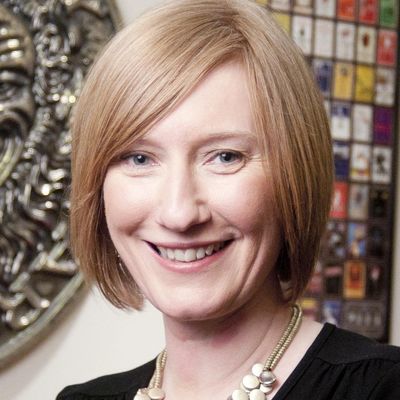
Heather Hitchens is the President & CEO of the American Theatre Wing. As CEO, she is charged with co-presenting and maintaining the Wing’s brand of excellence in the Tony Awards as well as the Wing’s other vital grant-making and professional development, educational, and media programs... Read More
From the show: Broadway Gives Back
Guests
Featured Shows

About
Heather Hitchens is the President & CEO of the American Theatre Wing. As CEO, she is charged with co-presenting and maintaining the Wing’s brand of excellence in the Tony Awards as well as the Wing’s other vital grant-making and professional development, educational, and media programs. Join Heather as she takes us backstage at the Wing, supporting artists and arts education.
Learn more about about the worthy causes discussed in this episodes and how you can donate and/or help:
- American Theatre Wing
- The Andrew Lloyd Webber Initiative
- Jonathan Larson Grants
- Working in the Theatre
- The Actors Fund
Connect with The Broadway Gives Back Podcast:
- Facebook: @broadwaygivesbackpodcast
- Instagram: @broadwaygivesbackpodcast
- Twitter: @broadwaygives
Hosted & Executive Produced by Jan Svendsen and co-produced & edited by Jim Lochner.
A proud member of the Broadway Podcast Network.
Special thanks to Dori Berinstein, Alan Seales, and Kimberlee Garris from BPN; Julian Hills from The Bulldog Agency; and Eric Becker from Broderick Street Music.
Transcript
This transcript was automatically generated and might contain errors.
[0:05] Jan Svendsen: Welcome to the Broadway Gives Back Podcast.
[0:07] Jan Svendsen: I'm your host, Jan Svendsen.
[0:10] Jan Svendsen: This podcast spotlights Broadway actors, shows, and organizations in their pursuit of social impact and philanthropy.
[0:17] Jan Svendsen: Join us as some of the brightest lights on Broadway share their stories about their favorite charities and how they got involved and the people on the causes who benefited from these philanthropic efforts.
[0:33] Jan Svendsen: My guest this week, Heather Hitchens, is the president and CEO of the American Theatre Wing.
[0:39] Jan Svendsen: As CEO, she is charged with co-presenting and maintaining the Wing's brand of excellence in the Tony Awards.
[0:45] Jan Svendsen: In addition, Heather is overseeing and shaping the Wing's other vital grant-making, professional development, educational, and media programs.
[0:53] Jan Svendsen: Founded in 1917, on the eve of America's entry into World War I by seven suffragettes, the American Theatre Wing has spent a century using theater to advance the human experience.
[1:05] Jan Svendsen: So it seemed only fitting that we highlight Heather and the Theatre Wing during Women's History Month.
[1:11] Jan Svendsen: Heather is also on the faculty of Baruch College's master's program, where she teaches cultural policy, and she's a trustee of the Actors Fund.
[1:20] Jan Svendsen: I got to work closely with this incredible, smart and caring woman over the years.
[1:25] Jan Svendsen: So I'm especially happy to have her here today.
[1:27] Jan Svendsen: Heather, welcome to the Broadway Gives Back Podcast.
[1:30] Heather Hitchens: Thank you. I'm delighted to be here.
[1:33] Jan Svendsen: So before we start some serious conversation, I thought we could do a little fun sort of get to know you for our listeners.
[1:39] Jan Svendsen: Would you be down for that? A few questions?
[1:42] Heather Hitchens: Sure.
[1:43] Jan Svendsen: Okay. What are three words that describe you?
[1:49] Heather Hitchens: Patient? No. Not. You know, no not you know that's hard. I look, I think strategic, um passionate, um, and um, you know, enthusiastic. Well, I guess passionate and enthusiastic are the same thing, but I would say strategic, passionate, and focused. Those would be my words.
[2:13] Jan Svendsen: Where's your happy place?
[2:15] Heather Hitchens: Well, you know, really my happy place, I think is you know, wherever my husband Felix and my chocolate lab Olivia are, you know, it's like whether that's Brooklyn or that's upstate New York, whenever the three of us are together, that's my happy place.
[2:32] Jan Svendsen: Oh, so nice. Speaking of your husband Felix, he's an amazing cook. What is your favorite meal that he makes?
[2:39] Heather Hitchens: Oh my god, it's like it's endless because he's willing to do anything. But certainly, I mean, you'll relate to this because you spend a lot of time on the West Coast and we're both West Coast, you know, babies, but you know, getting good Mexican food in New York is a real challenge. Whereas in LA, you just anywhere you get you can get salsa in the grocery store, right? That is like fantastic. So um, because we can't really get it, I think I tend to right now love uh the Mexican uh things he makes. He'll just make salsa on a but you know, I'm just gonna make salsa because I'm not gonna, it's just easier to make it because we can't get it. Carnitas, carne asada, I love all of that. Um, but then you know, um, you know, he makes a lot of French food as well.
It just depends. So um he does anything, but basically whatever he's making that evening. But I do um have a special fondness for the Mexican dishes, especially just because we can't get them here unless he cooks them.
[3:39] Jan Svendsen: Sounds delicious. What is your most used emoji?
[3:45] Heather Hitchens: I don't use emojis, but I don't I don't I'm like the worst texter in the world, but let's just smiley face, whatever pops up, you know.
[3:57] Jan Svendsen: Heather, what do you most give a damn about?
[4:01] Heather Hitchens: I give a damn about art and you know, making art that um supports artists, and that means something, you know. Um, you know, I believe that um art moves the needle. I believe that art is how we have dialogue, I believe art is how we understand ourselves, I believe art is how we feel better sometimes. And so I give a damn about that, and I really give a damn about the people that make the art. And I think through the pandemic, one of the things that was uh made very transparent is that our most valuable people in our industry are our most vulnerable people in our industry, and that they're you know part of this freelance, you know, community um that we're you know, we almost lost, and we need to you know support them, and we need to like none of us made now.
You're gonna get my cultural policy stump, but none of us made the speech, but you know, none of us made the industry that we have, but it was an industry that was built on institutions and based on trickle-down economics to artists, and that trickle never trickled. And you know, and I'm not just talking about the artists on the stage or you know, um, you know, the creative artists, all those people are important. I'm talking about the costume shops that you know, all the sort of um artists and artisans that get a show on stage and I feel like if we don't come out of this pandemic saying we are one you know community and we all we need to find a way to sustain our most vulnerable then we're gonna just end up you know in the same place and we might lose people you know to other places ladies and gentlemen now you see why I wanted to have Heather as a guest on this podcast um thank you for sharing that before we go and like deeper into that and I do want to go deeper can you just tell us a little bit about your journey from a California girl in a high school band I think to one of the top positions in theater in the world.
[6:07] Heather Hitchens: Sure well I was a kid um that grew up with art and music in school from the you know earliest ages I we all took art class we all took music class and there was a school play and that was just there and it wasn't uh it wasn't an elective you just took it it was like oh you had language arts you had da da da and you took it nobody differentiated this whatever that was in the beginning and so usually when you were in first grade they offered you the chance to start on the violin and take the Suzuki method and then move to another instrument and you know unbeknownst to everyone they offered me the violin and I I said no I don't want to play the violin but I would like to play the drums which shocked everybody because I really wasn't the person I am today.
I was very shy I didn't say very much you know generally speaking and you know, there was a big conversation with my parents, and you know, thank goodness they just said, Well, what's wrong with that? And, you know, pretty soon that was my passion, and I studied and played and all through elementary school, junior high, and high school at one point in our house in Westlake, California, where I grew up. There we had a marimba in the living room. We had two uh and two timpani, and we had a drum set in the family room, and it was like, and that was just normal. My parents sort of tolerated all the practicing and all the are I did have one of my neighbors in Southern California come flying over the fence shirtless at like 11 o'clock in the morning on a Saturday because he was hung over and I was practicing and I guess I was bothering him, but in but in any event, um so that's where my passion began.
And of course, as a musician, I was involved in lots of things. So I would play obviously orchestra concerts, I played in jazz ensembles, I played in the pit a lot for opera and for theater, and um I went on to study music. Um I always was interested in the business side of things. My dad was a in in business and my mom was a teacher, so you know, it's kind of like do good, but I understood the business, you know, side. Um, and so I I went to DePaul University in in Greencastle, Indiana, and the percussion teacher actually flew out to LA to recruit me because they really needed percussionists. And so I um went there and actually the other percussionist that they recruited for that year was also a woman.
So, you know, that was really interesting, and we were kind of, you know, bonded. But, you know, during that time I kind of minored in in in business and was just still interested in the business of things, and then I graduated and you know, was looking for any kind of job, you know how hard it is to get started. And so I found a job at a local radio station. My parents had moved to Bucks County, Pennsylvania by that time from Los Angeles. And it was WBF B U X in Doylestown. And I was the traffic manager, which is not like shadow traffic, but is more like scheduling things and don't put the AMP commercial next to the Super Fresh commercial. But there was a woman there that did a culture show.
And her name was Joan Stack, and her daughter, Nina Stack had been head of the New Jersey Arts Council, and she was like, Hey kid, what are you doing? You know, you should go work for the American Music Theater Festival in Philadelphia. They they're hiring interns, they'll pay you more, and you'll learn something. So I went and interviewed with Marjorie Samoff, who was the producing director there. And of course, American Music Theater Festival later became the Hal Prince Theater, but they did a lot of really groundbreaking work. And so I went to apply for a marketing internship, and she said, You're not a marketing person, you're a development person. And here's the da-da-da. And I said, I don't know what that is.
I don't know what that is. Oh, raising money. No, I'm not gonna do that. No, I was like, no way. So um, but then I watched her, um, who, and she was a very artistic soul, but I watched her march into corporations and be like, we're gonna do this really weird stuff, okay? And you're gonna fund it. Okay, here's a hundred thousand dollars. And I'm like, oh, that's kind of cool. Like you get to go say this is what we're gonna do artistically, and people say, hey, we want to support it. So it I I learned and sort of cut my teeth there. Um, I also learned and um developed and deepened my love and respect for artists because you know, we did a lot of work developmentally for the first time, and sometimes it didn't work out, you know.
And um Marjorie would say, you know, because people would be like, whoa, you know, that didn't really work out. And she goes, you know, it doesn't matter, it doesn't matter. It's if if we gave this artist the space to develop this work and the next thing they do, then we've done our job. And it really sort of opened my eyes to how much of our business is is focused on the production and not the development of the production, and how much pressure that puts on artists when they're not given time to develop their ideas, and we see that, you know, all the time, you know, where it doesn't get fully developed, and then it's like wow, you know. So um, anyways, so I worked for um American Music Theater Festival, and there was another mentor, and there are these since we're in Women's History Month, it's interesting that all these mentors are women.
So the first one being Joan Stack, then at American U music theater festival, a lady named Betty Kaiser, and Betty, she ran the group sales um program, and she had one of those typewriters, you know, with one letter off. And she loved music as well as theater, and I was the only person that she could talk to music about, so she would sit next to me and type and be like, blah, blah, blah, blah, blah, blah, blah. And she said to me one day, you know, um, you're not gonna get ahead here, right? And she said, No, I'm not saying that in a bad way, but you have to think about it like boot camp. You can learn a lot from these folks.
[12:05] Heather Hitchens: But, you know, this is so you need to go up, you're smart, you need to go up and get your master's degree from my friend Ed Aaron, who runs the Masters in Arts Administration program at Drexel. I went up and I met with him. Um, he was a cellist uh originally in the Philadelphia Orchestra, and he started this program because there had been such horrible labor relations between the Philadelphia Orchestra and musicians and management that he thought there's got to be a way for people that have the soul of an artist to become into these leadership positions so that we're not so adversarial. And he started that program. And it used to be not so anymore, that you could not get into that program unless you had been a practicing artist.
So I got my master's degree while I was working at AMTF and then went from there to the Delaware Symphony originally as a development director, but in a twist of fate at I don't know, what was I 24? They made me the executive director. And I think I still hold the title for the youngest executive director of a symphony. And then, you know, Meet the Composer, which was an organization I had always admired, um, because it's the largest commissioner of new work in the country in all disciplines, theater, jazz, opera, dance, everything, and uh was looking for sort of a number two, and I came to New York to do that. And that's how I came to New York in 1996. And long story short, I ended up becoming president of that organization because um the person left to go to the Mellon Foundation.
And long story short, I was there for 11 years. Um, and it really also cemented my relationship with the creative artists and new work, and um, and then was kind of like, what am I gonna do with the rest of my life? I can't, I had a mentor say to me, um, you know, you can't stay here forever, you're gonna become like the second founder. And I didn't know what I was gonna do. I wasn't interested in anything, and then one day the phone rang, and it was a a friend, well, who is now a friend, but so an acquaintance at that point who said, you know, Elliot Spitzer is looking for somebody to run the New York State Council on the Arts. I want to put your name in. Is that okay? And I was like, what?
And and I thought, well, I don't know where this is going, but I have always thought that there needed to be reform in how funding was given. And this seems like an opportunity to get on the side to make a difference. And so, long story short, I was vetted and hired and um went there and I served my entire four-year term as an appointee, but but Mr. Uh Governor Spitzer. He needed to be he needed to be vetted, yeah. Um, but um fortunately, uh David Patterson, who was uh the uh lieutenant governor at the time, had called me when he read about the appointments. I was really weird. I picked up my phone and he said, Oh, this is Lieutenant Governor Patterson. I just want to say I'm thrilled with your appointment.
I'm thrilled it's a real person that has is getting this appointment, and I love arts and culture, and if I can ever be helpful to you, please let me know. And it was like, Well, now you're the governor, so you could really be helpful to me. Um, but anyway, so my journey is a little bit zigs and zags, you know, um performing arts writ large, but really um, you know, I want to I want to make meaningful and important things happen, and each one of these things, uh, these opportunities allowed me to make meaningful and important things happen. And the wing has been just a delightful surprise in that uh respect because you know, I think when I came on, we were at the beacon for the first time, and everybody was worried about the economic model and whatever.
And of course, we mastered that, and then it was like, and and we made a lot of progress and headway around the Tonies. But what really stole my heart was this history of the wing and the potential for the wing to be very, you know, in had do very impactful work in developing the pipeline into uh into theater and diversifying that pipeline. And so that's from the beginning to today.
[16:29] Jan Svendsen: Well, I love the fact that you are an artist and that in your heart, there well, first of all, there's so few leaders and executives in the theater world that are truly artists, and so that combination has really served you well and has served our community so well. Um 2011 is when you started at the Wing, right?
[16:52] Heather Hitchens: 2011. And um the Wing has seen quite an expansion since you've been there. So can you tell us a little bit about it? Um, maybe start with the Andrew Lloyd Weber Initiative. Um, I happen to know that one just because I have I was very lucky to have helped that one year with the grant application selection process, and it's an amazing program. So maybe talk about that first and we can segue in from there.
[17:16] Heather Hitchens: Sure. Well, yeah, I think you know, the bottom line is we had some programs that existed that were fabulous but just needed to be expanded. And then we had some, you know, uh what I would call when you look at it, sort of gaps or opportunities to do more. And you know, I was really looking, I think we need to get to people earlier. I mean, we started this conversation talking about I had music, art, and the school play. That is no longer a given, right? In fact, it's probably more of a given that you don't have that, unless you're privileged and you your parents have demanded that in school, and um, or they pay for it outside of school. And so when we look at our industry and we're saying who's sitting in the seats, who's behind the desk, who's on stage, like if we don't get to kids earlier, we're gonna be in a chronic, you know, state of um, you know, a lack of talent and diversity coming into the industry.
So to me, it was like, yes, I believe in arts education, but this is just like I also want to sustain the industry over the long haul, you know, and it's and it's like whoever gets that arts education, whether they end up up on the stage or behind the scenes, or they end up as a board member, or at the charity network, you want people that have this skill set in the mix, so figuring out how we could best do that, looking at where the opportunities were um to make an impact, and then just you know, around that time, School of Rock was on Broadway, and Andrew Lloyd Weber was very interested in arts education and came to see me and said, I don't know, I've got the show, School of Rock, the whole you know, the whole thing is about how music education changes these kids' lives.
Is there is there something that we should do together? And I said, Well, let's think about what the right thing is, and I kind of looked at some of the stuff he was doing in the UK, and I looked at stuff that I, you know, I have a broad overview, obviously, based on all those jobs that I had had previously, and we landed on this three-part program, which was one Title I schools. What we found was a lot of these schools, they might have that theater thing, but they had no way to do theater. They didn't have lights, they didn't have sound. And so, you know, we the classroom resources section of this program provides that kind of equipment, but not only the equipment, we're training young sound designers and lighting designers, not just on because everybody, the only most of theater, they it's like you want to be an actor.
Nobody knows about all these other jobs. So it was really important to us to do that. And then the second component is what I call almost like a fresh air fund for theater because it's kids, sixth grade through 12th, that you know they don't have access to their parents sending them to you know, whatever stage door manor, you know, they don't have that extra access, but they have raw talent that, if given the additional training, would make them competitive and getting into the industry, and that's across the board, it's not just for actors. And in fact, we've worked really hard on expanding the behind the scenes. We have composers, we have stage managers, we all this. Um, and so those provide actual scholarships to get the advanced training, and then the final thing is some scholarship support because we have a higher education crisis in America, if we haven't noticed, in terms of the cost of higher education, and so we provide $10,000 worth of scholarship money, but we also pair them with a mentor from the field for their entire four years.
And new this year is that the Bloomberg um uh philanthropies has helped us connect with a program that they use that advises anybody who applies, it matches them with an advisor to select the right college. Because so much, you know, it's like this person says, I want to go here. And our panel will go, Oh my God, they're making a mistake because they're gonna have a lifetime of debt, like, and they don't know the ins and outs of the system. So anyways, those are the three components, and we've been very thrilled um to to be running this for six years and impacting people. We're seeing people make their Broadway debut, we're seeing people enter the industry, and it's just really exciting.
[21:42] Jan Svendsen: That's amazing. Um the other timely thing is, you know, as I sat there watching Tick Tick Boom that our mutual friend Lynn Miranda directed, um, starring Andrew Garfield, it just you know brought back every feeling and thought and emotion I've had about Jonathan Larson. And you have an amazing program with um with his family and uh grant program. You want to talk about that a little?
[22:04] Heather Hitchens: Absolutely. Um, the Jonathan Larson program, of course, Jonathan Larson, the musical Rent, took the industry by storm. The what it sounded like, what it looked like, how contemporary it was, how of the moment it was. And um, you know, unfortunately, you know, he he died of an aortic aneurysm before, you know, the show actually really he knew how successful it was. And, you know, in in and in the, I mean, I think his sister, I wasn't around then, but I think his sister accepted his Tony Award for him. So, you know, the family and a lot of the you know supporters of Jonathan set up a fund that we now manage and raise uh funding for, and that is because Jonathan got told no so much. No, no, no, no, no, no, not yet.
And this, and what the Jonathan Larson uh uh, you know, program is about is saying yes to artists, saying yes to promising young um musical theater uh writers. Sometimes they're teams of writers, sometimes they're single writers, and to say yes. And if you look at the stats of how many Tonies have been won, how many Oscars have been won, how many, you know, all the awards. The Larson program is a great predictor to the talent. Now, this, of course, was very passionate, uh a great passion of mine coming from the Meet the Composer days. And so we give them money, but we also that give them a concert that is you know produced uh to get people to pay attention to the work, but we also have recording money, residencies, other things that that we provide to them.
I mean, Michael R. Jackson, um, who's gonna be on Broadway very soon was a Larson, you know, winner. Shana Taub, who has the uh suffragist musical at the public was a Jonathan Larson winner, and so it's this goes back to what we were talking about before. We've and this is just a little drop in the in the bucket compared to what we need to do as an industry, because if in terms of supporting these artists, we need to develop the talent, we need to support the writers if we want stories that are going to be current, relevant stories instead of only I mean, now I'm gonna get myself in trouble, but only drawing from existing material, you know, which is important, there's a place for that.
[24:18] Heather Hitchens: But if we're not embracing new stories and new artists, what are we doing? And so the Larson program does that. You know, people want to be told a good story. I hear this doesn't sell and that doesn't sell, and whatever. Good stories sell. We've seen it happen. A story can transcend stars; it can transcend anything else. If it's a good story and it's reaching people, it sells. So, you know, I'm all about supporting these young voices because I think the very art form of theater and its existence depends on the development and the evolution of the art form. So that's what the Larson program is about. What I also love about that is that it's an unconditional investment in these young artists, and you allow them to have the space to do whatever they need to do.
And sometimes that's also making mistakes and failing, right? But you still continue to support them until they get on their feet. And I think that's just incredible, and it's such a great program. Um, so I have to segue a little bit here into the Tonies. Um, so it's very exciting because it's the 75th annual Tony's coming up on Sunday, June 12th, and you just announced some changes for this year's show, which is especially good news for the people living on the West Coast. Can you talk a little bit about that?
[25:37] Heather Hitchens: Uh, well, sure. I mean, one of the things that happened last year that I feel very proud about, and you'll remember is that um for years, you know, the creative arts awards were never televised, right? Um, years ago, there was a PBS pre-show that televised them, and people were pining for that. So we were struggling with how do we, you know, get that to exist again. And then last year, you know, in the midst of a pandemic, it's like, well, if you're not gonna, why not now? We added the Paramount Plus portion, um, you know, which is a you know, uh I love PBS and would do too, but you know, Paramount Plus is a major CBS platform, and so for the first time since PBS, all those artists were recognized on a major platform as a part of the telecast.
And I just want to make sure that message gets through. Those artists weren't recognized before. And so the fact that we were able to recognize the entire ecology of what makes a Broadway show go up for the first time like that was great. Now what happened was we didn't air them live and in sequence. So there was a delay on the West Coast. That's what you're talking about. And so for the first time this year we're gonna air the entire Tony's live so that will be seamless for everyone. Um, that means at 5 p.m. everybody on the West Coast can watch the Tonies live as they do with other award shows. Right. So we're very excited about that and we're very excited to continue, you know, to evolve um, you know, what is an award show.
And you know, I think the Tonies has always had an advantage in some ways because we have the talent of we can show what happens on stage and nobody else, you know, it's not like watching a movie clip. It's not like, but we have a major disadvantage in that um we're the beginning of the story with the national audience whereas the Oscars and the Grammys I would say are the end of the story because everybody knows the movies and the albums and so they're whatever whereas a lot of most of the, except for our, you know, really close tight-knit fan base, a lot of the national audience is watching the Tonies to see, well, what shows might I see if I come to New York or what will be coming on the road.
[27:51] Heather Hitchens: Yeah, right. Um, well obviously, you know, this is near and dear to my heart so um I'm excited for the Tonies and I'm excited that there's a new format and I love the way it just keeps evolving, um, and leveraging in a good way all the new opportunities and all the streaming platforms and ways to sort of rethink things, and I think that's an exciting change. Um, I know some other award shows are trying to do it and a little bit less successfully, I would say. Yeah, and I think there were some nice articles that said that we taught lessons last year, and I think that's look. Anybody like today, I think, look, network television is still a vital thing, and streaming is increasing. So to n I think we position ourselves extremely well.
We have one foot firmly in both worlds, and that's just called strategic management. And you know, I am very pleased with that evolution, and you know, like everything else, we need to continue um to evolve, and you know, you never arrive. You never arrive. And if you're a leader that thinks you've arrived, then it's time to retire. Because exactly.
[29:04] Jan Svendsen: Um, well, this shows why you use the word strategic as one of your adjectives just to describe you. Um, well, you've certainly, you know, made the Tonies um, you know, for the last whatever decade, I guess, you know, something you know, you've added so much value and made it more than what it has ever been. Um, and I'm excited because there's, you know, I think, well, I guess we'll see what happens with COVID and new variants and so forth, and have to pivot if needed. But at the moment, I think it's like 16 shows are opening just in the month of April, and it's feeling starting to feel like, you know, I guess normal or new normal, right?
[29:41] Heather Hitchens: Yeah, it's definitely starting to feel normal. And I think, look, the one thing that we know from what we've lived through collectively is, you know, I think before we had the illusion that we had control because there were, you know, we, you know, you never know when you get it, and this is a little dark, but we, you know, when you get in a car, what's gonna happen? You never know what the outcome is. But we, this was really in our face; we didn't know what was gonna happen. And you know, that was very hard, and there was a lot of devastation, but I hope um we come out of it stronger, and you know, and I think um, you know, as an industry, you know, certainly I think at the dual crisis of COVID and the racial reckoning, uh, you know, if you're not different because of that, and we're not doing business differently because of that, then we haven't learned it was such a, it was, you know, it kind of was an opportunity; it was a gift and very ugly, terrible wrapping paper, not really a gift, but it was, you know, there are parts of it that you have to like look, we had to put everything online at the wing.
And there we're gonna go back and are going back to in-person things, but we're never not gonna stream things because we reach people all across the world that we're dying to be reached. So, how do we take those learnings forward and make for a more vibrant, you know, um industry? And of course, we, you know, where we started, you know, this, you know, the sort of creative folks that are not on salary really suffered, and you know, one of the things we can't do is forget that, and we need to start advocating for a relief and recovery package because I think 23 is gonna be harder in some ways, you know, that puts a safety net under these folks, you know.
[31:27] Jan Svendsen: Um, I do, absolutely. Um, speaking of your other programs and sort of adapting to this new sort of hybrid world, um, you have other programs like Counting Together and Working in the Theater. So Working in the Theater, you want to talk about those a little bit, and those are streaming now, right?
[31:30] Heather Hitchens: Um, yeah, Working in the Theater is a uh docuseries. Um, it used to be, you know, on uh CUNY TV and it was a sort of a round table, but we turned it into a documentary series. It's Emmy nominated, I think four times now. Um, and it really just goes behind the scenes. And Ian Weiss on our team was so ahead of the curve because he said, I wanna document the pandemic now, as it's happening. A lot of people are gonna do documentaries once it's over, but I wanna document it now. It's gonna be messy, we're gonna have to use Zoom, we're gonna have to do things, but I wanna document it now. And he did amazing, amazing work the last uh couple years documenting, you know, that really just documenting, you know, what our industry went through, but I think also documenting how amazing our industry is, you know, why we need creativity in the world.
It there's one where we decided to document how education was adapting. Um, we focused on our friends at Carnegie Mellon for one episode. Watch that episode. It's extraordinary. What a challenge, you know, to like how do you train? I mean, you can take philosophy online, but you're gonna take, you know, dance online, you're gonna take, you know, so it, it makes you feel really good about the industry and um how we responded. So that's Working in the Theater. Um, and then we developed a new program during uh COVID, which was our Springboard program, which was an in-person training program, obviously couldn't happen. Um, so we decided to develop some masterclasses. Um, so Cynthia Erivo did one, and Natasha Katz did one on lighting, and those are gonna continue, and they're continuing in hybrid.
The latest one that was done was by Alex Brightman, and he was doing scene work, and he was in person with the students that he chose to work with, working on the scene work, and then we live streamed it. Um, and so that's what people can expect going forward. I want to make sure that uh the young world, you know, has access to these stars and their insight. And obviously, we audition and accept people to be part of the masterclass, and whoever we're working with helps pick them. And so those students get extra special, you know, attention and opportunity. But, you know, those folks that watch and they can ask questions, they can learn a lot through that. So that's really um our masterclass series.
Then our network for emerging leaders is really about putting people, you know, like you and me and other people in our industry in touch with young people and talking about just like what we talked about. What was your path? How do I do this? You know, I talked to so many young people, and they're like programming to tell me the three things I need to do in order. It's like, well, you know, it doesn't work that way. Um, you know, and really focusing on the kinds of jobs that you can do in the theater, which are vast. Um, and as we know, because arts education is getting ripped out of the schools, they don't know about acting. That's it, you know.
[34:50] Jan Svendsen: Well, the professional development that the Wing has done is incredible. And, you know, I do think that there's now such a strong pipeline, or hopefully the pipeline is developing for not just diversity, but also more people understanding more of the careers that are within the world of theater, which you guys have really helped support. Um, I want to talk to you a little bit about your um your classes at um at the Baruch College and cultural policy. Um, so what's involved in your curriculum?
[35:22] Heather Hitchens: Because I actually don't even know. I'd love to know.
[35:25] Heather Hitchens: Well, that's a good question because when David Milch asked me if I would come teach cultural policy, I was talking to a bunch of friends to say, what how do you teach this, right? And they're like, what is it? And um, you know, it's really about how government and arts intersect, right? So, you know, in the United States, for example, you know, our major cultural policy is the tax deduction. Um, because we're very hands-off and we figure we're gonna spur philanthropy by the tax deduction, and that's gonna be our policy in how helping arts and culture thrive. In other countries, there's subsidy. Um, in some countries, there's subsidy that comes with a lot of control of a cultural minister. So we look at all these models and we look at where we've come, what have been the impacts.
[36:20] Heather Hitchens: So we talk about what is cultural policy, what is American cultural policy, um, and then we look at what have been the unintentional and intentional outcomes. So um diversity and uh inclusion and equity is an issue because of the philanthropic because of the tax deduction, because of where philanthropy is. And that's why there's the imbalance. It was baked in the cake, right? The impact on individual artists. Whereas in some countries, like I have a student that's a dancer from the Netherlands, and he couldn't dance anymore, as happens. So the Netherlands is paying for him to go to Baruch to retrain. You know, um, so we don't have that kind of, you know, um, that safety net. Um, and so it's like comparing and contrasting.
Now, so we do again, what is cultural policy? What is American cultural policy? What does it look like in other countries? One of their assignments is to compare and contrast um a couple of different countries, Russia versus the US, for example. Yeah, it's always very interesting. And you know, when the semester starts, the students are like, damn it, America's so behind. And at the end, they're like, we don't have it so bad. Um, you know, we need more equity, we need to figure out the individual artists. Um, and then you know, their final assignment is really to identify, you know, two to three cultural policy opportunities and talk about how to implement them. We talk about the bureaucracy, we talk, so it's a really it was a really wonderful challenge for me, and I thank David Milch.
I was cursing him at first when I was developing the syllabus. It's just like, I mean, for those of you who have not uh had to develop a syllabus, it's a very character-building, you know, activity. Um, and then I really got into how to talk about this, and it really is about activism, honestly. And I have all these students, and imagine during COVID, we're meeting via Zoom. Many of them have been furloughed, many of them, you know, have been laid off, and they're talking about like I want to dedicate, you know, my life to this, and how do you make change? Um, and you don't make change just by making noise, you have to be smart. Where are the opportunities? Is there an opportunity? Uh, for example, like the gig economy, you know, artists fit into the gig economy.
So for us to separate ourselves from the rest of the gig economy is silly. We need to join with the gig economy to advocate for change. Health insurance. How many people need health insurance? We need to, we don't need our separate campaign. So, how do you how do you identify existing things? And then what things, you know, do we need to do um to make the arts um you know more viable and part of the you know, every day. There's some amazing statistics that we look at in class um that Americans for the Arts has, which is like how many, it's like something like 90 crazy percent of parents want their kids to have an arts education. And you're like, really? You know, and and that kind of stuff. So it's a really kind of um, I it it's it's kind of saved my life, they've saved my life in a way, because um, sometimes in this industry, you get so, you know, especially if you've been down, you get so you have moments of real exasperation of, you know, are why is it so hard to move forward?
You know, why are we so set in our ways? And then you've got this fresh group of people in front of you who are like, why do we do it this way? And they're smart and they're scrappy. I mean, you know, one of my students had four jobs and was taking four classes. I mean, and and he just showed up every week and he had some amazing ideas, and you know, I just you know, to me, you know, as you get older, like that's one of the most important things. I I've gone through this whole thing, what do I have time to do and what I don't have time to do? And I've cut some things out, but that class I'll I'll I'll never give up. Um, and it's a it's a it's a very diverse group of students um both ethnically but also um age wise I mean there are a lot of young people but I have a lot of let's say not young people who are changing careers I had you know a dancer choreographer in her 60s that was like I just I want to learn more about this because I think maybe I have a second act and something else to give so it's a real um you know Baruch is I'm a big believer in pu in the public education and you know worry about the amount of debt kids are taking on to get a degree now part of the reason their tuition is cheap is because you pay adjuncts and we don't we don't get that much but you know but but the idea that somebody can get their masters you know and not end up you know in debt for the rest of their you know um life is is a wonderful thing about Baruch but anyways that's those are the issues we talk about.
[41:23] Jan Svendsen: Well don't be surprised if you see me in your class next semester.
[41:27] Heather Hitchens: No fascinating you know you're talking about the changes and you're talking about the the younger people and and the new ideas they have but what changes would you like to see and what changes are the wing you know working on right now um with regard to theater in general I think equity is a big one you know and it's it's been a long time coming and I think we saw a lot of panic diversity um and uh what uh a good friend of mine will call deck the hall's diversity which is like I'm just gonna do this and instead of the thoughtful painful work involved in systemic um change, and so you know as we come back, you know, and everybody's like patting themselves on the back, you know, they're also forgetting.
I've been part of meetings where it's like, okay, that was last year, now we're back to right, you know, where we are before, and it's heartbreaking, and it's like, no, and it's it's also you know, it's a I talk to a lot of people that see it as a zero-sum game, and it's not a zero-sum game, you know, it it just isn't. And I don't know what needs to happen. And I so I'll be happier um that when I when what's said behind the scenes that it matches the rhetoric that's said, you know, um, you know, in front of the scenes, and that it's not it's not a competition, it's about making space, and it's about strengthening theater and letting it evolve, it's about like telling different stories. It's a you know, there's a lot of other things it's about that involves safety and you know, things like that.
But you know, this is essential to the art form, it's essential to the art form that we evolve. Um, so that's a real big one. And I think you know, I think people want to know, are we done yet? Or no, the answer is no, no, and it's a principle, it's not a program, and that's the thing that we keep saying, Louis Castro, who's been working at us with us at the wing for gosh, six, seven years now. We've that you know, it's a principle, we need to look at it in every way, and um, you know, we so I think that's really it's really important, it's really important. I'm thrilled that James Earl Jones theater is good. There's gonna be a new theater named after James Earl Jones. I'm thrilled that we gave him the lifetime achievement Tony a number of years ago because yes, James won a lot of awards, but by giving him the lifetime achievement award, it says to all the kids of color across the country, you can have a lifetime in the American theater.
And that's the kind of stuff, you know, that is really important. So that's you know, number one. And then, you know, not unrelated to that is the support of the entire ecology. How do we get the entire ecology supported? You know, um, how do we, you know, how do we put a safety net under them? How do we advocate for relief packages that include everyone? Um, that how do we uh uh underscore that we're gonna rise or fall together? We can't put something up without a producer or a theater owner, but there, you know, there's this the theater is going to be empty without all these other people, you know. So I, you know, it's healing, healing may be the wrong word, but bringing us together, because one of the problems that we'll go back to cultural policy class for a minute with our advocacy work and why we haven't gotten over is that we advocate we we can't, we will not unite for some reason on the power of arts and culture.
We have a powerful story to tell. This is not a handout, you know, there will be no economic recovery without arts and culture, but the entire ecology don't just tell the you know the venue is part of it because then you're telling only half your story and you're denying you know the impact. So I think, you know, I did a lot of advocacy work uh around recovery. I'm still doing it because we need it continuously. And you know, we always say, this is we're not asking for a handout, we're asking you to put oil in the engine, you know. You know, so I think this idea that we are one ecology, we are not pitted against each other, we're not adversaries, you know, we are an interdependent culture, and that by uniting and advocating for each other, we have a better story to tell.
[45:54] Jan Svendsen: Right. Last word. Can you give some advice on being a change maker in today's world?
[46:04] Heather Hitchens: First thing is you gotta know your facts, know your facts, be on top of things, be advocating from a place of knowledge, you know. Um, you can't just beat the table, you gotta know, you gotta have the stats, you gotta be advocating from a place of knowledge. Um, and and secondly, is you know, to be willing. It's not easy to be a change maker, because you're often the only person in the room that says something, you're the disruptor. Because in order to change the systems, we have to disrupt the systems, and that doesn't make you a popular person. It doesn't feel good, it doesn't feel good to say, you know, actually, we can't do this because there isn't one person of color, you know, and and being that and then people look at you like, you know, and and so you have to be comfortable having what my mentor Fran Richard, who was the head of concert music at ASCAP for many years, said having the courage of your convictions. Um, and that is not uh for the faint of heart, it's not.
[47:10] Jan Svendsen: Well, Heather, you certainly have the courage of your convictions, and you've always been someone that I've respected enormously. I'm so happy you've been part of this podcast. Thank you so much for your time today.
[47:20] Heather Hitchens: Thank you.
[47:22] Jan Svendsen: Thanks for listening to this episode of the Broadway Gives Back Podcast. Broadway Gives Back is part of the Broadway Podcast Network. Special thanks to my producing partner, writer, editor, and friend Jim Lochner. And thank you to everyone at BPN, including Dori Berinstein, Alan Seales, and Kimberlee Garris. I'd also like to thank Julian Hills from the Bulldog Agency and Eric Becker from Broderick Street Music. If you like what you hear, don't forget to subscribe and rate this podcast wherever you stream your podcasts. You can also follow Broadway Gives Back on Facebook and Instagram at Broadway Gives Back Podcast and on Twitter at Broadway Gives. To learn more, visit BPN.fm slash Broadway Gives Back. Thanks so much.
© Broadway Podcast Network, All Rights Reserved