

Broadway power couple Sergio Trujillo and Jack Noseworthy are as magnetic offstage as they are onstage... Read More
From the show: Broadway Gives Back
Guests
Featured Shows


About
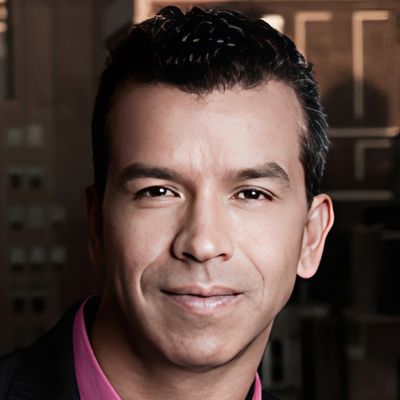
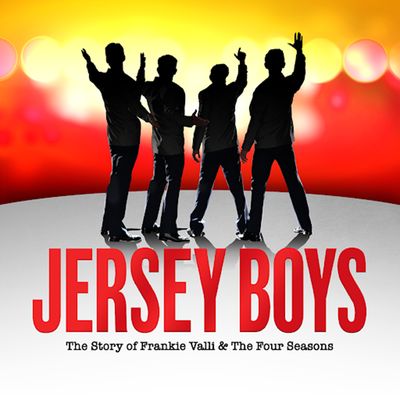
Broadway power couple Sergio Trujillo and Jack Noseworthy are as magnetic offstage as they are onstage. Sergio began his career on Broadway as a performer in such legendary musicals as JEROME ROBBINS’ BROADWAY, GUYS AND DOLLS, and FOSSE before becoming one of the industry’s most sought after choreographers, including MEMPHIS, JERSEY BOYS, ON YOUR FEET, and his Tony Award-winning choreography for AIN’T TOO PROUD: THE LIFE AND TIMES OF THE TEMPTATIONS. Jack is a familiar face on film and television, and is best known to Broadway fans for his memorable performance in SWEET SMELL OF SUCCESS. In addition, Jack is an Individual Giving Officer with Broadway Cares/Equity Fights AIDS, helping to raise money for this iconic Broadway institution. Join Sergio and Jack as they discuss the challenges and rewards of giving back—individually, collectively, and as a family.
Learn more about about the worthy causes discussed in this episodes and how you can donate and/or help:
Connect with Sergio:
- Website: sergiotrujillo.com
- Twitter: @sergioatrujillo
- Instagram: @sergiotrujillo1
Connect with Jack:
- Website: jacknoseworthy.com
- Facebook: @jacknoseworthy
- Twitter: @jacknoseworthy
- Instagram: @jack_noseworthy
Connect with The Broadway Gives Back Podcast:
- Facebook: @broadwaygivesbackpodcast
- Instagram: @broadwaygivesbackpodcast
- Twitter: @broadwaygives
Hosted & Executive Produced by Jan Svendsen and co-produced & edited by Jim Lochner.
A proud member of the Broadway Podcast Network.
Special thanks to Dori Berinstein, Alan Seales, and Kimberlee Garris from BPN; Julian Hills from The Bulldog Agency; and Eric Becker from Broderick Street Music. Social Media Manager for Broadway Gives Back: Olivia Cull.
Transcript
This transcript was automatically generated and might contain errors.
[0:05] Jan Svendsen: Welcome to the Broadway Gives Back Podcast.
[0:07] Jan Svendsen: I'm your host, Jan Svendsen.
[0:10] Jan Svendsen: This podcast spotlights Broadway actors, shows, and organizations in their pursuit of social impact and philanthropy.
[0:17] Jan Svendsen: Join us as some of the brightest lights on Broadway share their stories about their favorite charities and how they got involved and the people and the causes who benefited from these philanthropic efforts.
[0:33] Jan Svendsen: My guests this week are dear friends, a beautiful and talented couple.
[0:38] Jan Svendsen: Sergio Trujillo and Jack Noseworthy are two incredibly talented artists and philanthropists.
[0:44] Jan Svendsen: Sergio is a Tony Award-winning director and choreographer and has worked on shows such as Ain't Too Proud, Memphis, On Your Feet, Next to Normal, and JERSEY BOYS.
[0:55] Jan Svendsen: He's also worked in television on the Kennedy Center Honors on CBS and Andy Live on NBC.
[1:02] Jan Svendsen: Jack is an actor who has made an indelible mark in theater, film, and television, and now works as the head of individual giving on the Broadway Cares/Equity Fights AIDS development team.
[1:13] Jan Svendsen: He takes his amazing talent from acting on stage and in front of the camera to being an activist.
[1:19] Jan Svendsen: Sergio and Jack are indeed the power couple, supporting many causes, including marriage equality, LGBTQ rights, family equality, and food insecurity.
[1:29] Jan Svendsen: They're also the parents of one of the most lovable little boys I've ever had the privilege of hugging.
[1:34] Jan Svendsen: And I'm so lucky to have them here today.
[1:36] Jan Svendsen: Although I must warn you that right now, Sergio is at a swim lesson with his little son Lucas, so there might be some background noise, and Jack is at the airport about to get on a flight.
[1:48] Jan Svendsen: So I appreciate that they've carved out this time to talk to us today.
[1:52] Jan Svendsen: Welcome, Sergio and Jack.
[1:54] Sergio Trujillo: Thank you, Jack.
[1:55] Jack Noseworthy: Thank you so much for having us on the show.
[1:56] Sergio Trujillo: We've been so, so excited about talking to you today.
[2:00] Jack Noseworthy: Thank you so much for that lovely introduction.
[2:02] Sergio Trujillo: That was really kind.
[2:03] Jack Noseworthy: We're so happy to be here.
[2:05] Jan Svendsen: Oh, well, I adore you guys. Um, so listen, I obviously know you, but um, for the sake of our listeners, um, so they can get to know you better, I wanted to do a little sort of quick Q&A at the top of this um podcast.
[2:19] Jan Svendsen: And so I, is it okay with you if I ask you a few questions?
[2:22] Jack Noseworthy: Of course, please.
[2:23] Jan Svendsen: All right. So this is like answer as quickly as you can. So I'm gonna go first, Sergio. If you can be a member of any fictional family on Broadway or in a movie or television, what family would you want to be a member of?
[2:36] Sergio Trujillo: Um, probably Modern Family.
[2:39] Jan Svendsen: Cool. How about you, Jack?
[2:41] Jack Noseworthy: Um, the Brady Bunch.
[2:43] Jan Svendsen: You've already been on the Brady Bunch.
[2:44] Jack Noseworthy: Oh, that's because he started in the Brady Bunch, so but you can never be in the actual family, so that's always been my guess.
[2:51] Sergio Trujillo: I have no words for that one.
[2:53] Jan Svendsen: Um, but speaking of words, um, Jack, give me three words that describe you.
[2:58] Jack Noseworthy: Passionate, happy, and Sergio.
[3:07] Jan Svendsen: What three words would you use for Jack?
[3:10] Sergio Trujillo: Alive, restless, and motivated.
[3:16] Jan Svendsen: Is that you or is that Jack?
[3:19] Sergio Trujillo: No, that's Jack.
[3:20] Jan Svendsen: Okay. And what about you? How about three words for you?
[3:23] Sergio Trujillo: I am very present, very passionate, and very, uh, restless.
[3:35] Jack Noseworthy: I would say focused, motivated, and handsome.
[3:43] Jan Svendsen: So again, we'll say, oh, I should have used those three. Damn it.
[3:48] Jan Svendsen: Okay. This is not the newlywed game, but it's kind of fun.
[3:55] Jan Svendsen: You caught us up, you caught me off guard.
[3:57] Jack Noseworthy: Well, that's the idea.
[3:58] Jan Svendsen: Okay, Jack, what is Sergio's favorite or most used emoji?
[4:03] Jack Noseworthy: He doesn't like emojis at all, and he doesn't use them.
[4:06] Sergio Trujillo: Actually, he's very much against them.
[4:08] Sergio Trujillo: I'm an emoji, I'm an emoji hater.
[4:11] Sergio Trujillo: Most of it because I can never see them, so I don't understand them.
[4:15] Jan Svendsen: Okay. And what about Jack? Does he use emojis?
[4:18] Jack Noseworthy: No, not that we're not an emoji family, unfortunately.
[4:21] Jan Svendsen: Okay, okay. Good to know. Well, on a more serious tone here. What do you each give a damn about? Like what right now do you most care about in the world?
[4:34] Jack Noseworthy: So, in terms of, you know, we're talking about philanthropy in terms of about giving back and what we care about and what we're really invested in. And I have to say that we both care a lot about food insecurity.
[4:46] Jack Noseworthy: And, you know, being part of an organization that supports food insecurity on multiple levels. I think that's important to Sergio and I, really understanding that the idea that food is the portal to everything. It's the portal to health, it's the portal to conversation, and the portal to connection and communication.
[5:09] Jack Noseworthy: So I would say that that would be at the top of my list.
[5:14] Jan Svendsen: Wow. Sergio, I see why you married this guy.
[5:17] Sergio Trujillo: Yeah.
[5:18] Jan Svendsen: 31 years we've been together.
[5:20] Jan Svendsen: I was just gonna say, you guys have been together for so long. How did you meet? I mean, I know the story, but can you tell everybody else?
[5:26] Sergio Trujillo: Yes, we were in, uh, we were doing our first Broadway show, Jerome Robbins Broadway, in 1989. We were great friends for about a year before we got together. But that was the show that brought us together, and what a show. What a moment. I fell in love with the minute I saw him. I thought he was the most beautiful man I had ever seen.
[5:45] Jan Svendsen: Oh, that's romantic.
[5:47] Jan Svendsen: So Sergio, you were born in Colombia, raised in Toronto, you studied science at University of Toronto, you went to chiropractic school, and that all led you to a career in dancing, directing, and being a choreographer. Can you explain that?
[6:01] Sergio Trujillo: I know, right? Just, uh, the formula just sort of all falls into place, right? The thing that you would imagine would be, no, you know, I, um, in my second year of chiropractic school, I was at a crossroads. I really wanted to dance, really. My entire time that I was in university, I really wanted to dance. But you know, being the son of an immigrant, you know, the responsibility is to find yourself or at least, you know, get a respectable career, which would mean, you know, something secure like being a doctor or what have you.
[6:34] Sergio Trujillo: But really, what was in my heart was really to dance. So I decided to take a year off from school. And I said to myself, I'm gonna do it. I have to come to New York. I have to come to America, where the best are at, because I'll never know. And I took a Danny Pope for one year. The clock was ticking. I came to New York first.
[6:51] Sergio Trujillo: Um, I auditioned for many things. I studied, um, and then nothing was really happening in New York, and then I went to LA to try out, you know, because I also wanted to dance. With being in New York, I wanted to dance in Broadway shows in LA. I wanted to dance in film and television, music videos.
[7:06] Sergio Trujillo: And it was while I was in LA that I auditioned for Jerome Robbins Broadway. I was hired as a replacement for the original company. And that my life changed forever and ever, both in my career and in my life because that's where I met Jack.
[7:20] Jan Svendsen: Wow, I've got goosebumps. I really do. You also, you were the first choreographer invited to serve as a voting member of the American Theater Wings Advisory Committee. I wondered, you know, like now when we talk about inclusion and diversity and equity, um, and you know, your being an immigrant and coming from, you know, like a Latinx country.
[7:45] Jan Svendsen: Um, I just wondered what that meant to you and what you think also in terms of just being a choreographer, what that meant for you and bringing that skill set to the table at the wing.
[7:56] Sergio Trujillo: Uh, first of all, I was surprised to know that I was the first choreographer. And walking into the room for the first time, I was very reverent to the people that were in that room. You know, so many people who I've looked up to, so many people who I really admire and respect.
[8:12] Sergio Trujillo: But really truthfully, when I sat on my chair, I realized that I had a huge responsibility. It is important to me to represent, not only as a choreographer, but more importantly, a cultural representation by getting the seat at the table.
[8:27] Sergio Trujillo: And so it comes with a lot, it does come with a lot of responsibility because I want to make sure that people like me, brown people, are listened to, are being paid attention to, are not being overlooked. Last year I went up to BAT to try to get a specific person recognized.
[8:47] Sergio Trujillo: And I was really incredibly surprised by the support I got from the other members of the board. And so I'm just sort of putting it all together for you in a way that it's really become, in a way, a way of making sure that I have a voice, that I am an activist in that way, and I'm taking it really, really seriously.
[9:08] Jan Svendsen: Well, also, I mean, we met because you were on the advisory board or on the actual board for Viva Broadway, helping to bridge the gap between Broadway and the Latinx community. And you've also, you're on the advisory board for R.Evolutión Latina, New York Theater Barn, right?
[9:25] Sergio Trujillo: Uh-huh.
[9:25] Jan Svendsen: So you really do put your time and your effort and your representation in a place where you are, you know, able to make some efforts in that area. And, um, I mean I know I appreciated so much working with you as a board member.
[9:40] Jan Svendsen: And I just wondered, you know, how do you see things changing right now in that regard?
[9:46] Sergio Trujillo: Yeah, I also just became a board member for Ballet Hispanico as well. I am really making sure that the conversation continues, that it's not just a face, that we know that it's not just a moment because of what happened two years ago with and what is happening with Black Lives Matter.
[10:03] Sergio Trujillo: I think that we all together, collectively, the PIPA community have the opportunity, have the megaphone. And I don't want this to just be a face. I think that it's important to carry the work on. And so I am trying to, in any way, shape, or form I can to continue to be one of the people that is in the front lines and fighting for the cause.
[10:26] Jan Svendsen: Well, you certainly are, and you're so respected for doing it. Jack, so I know that your Broadway debut was not in Jerome Robbins Broadway, but in the national, well, maybe it was, was it?
[10:37] Jack Noseworthy: No, it wasn't Cats.
[10:39] Jack Noseworthy: It was in Cats. I came to New York and went on my very first professional audition. I went to an open non-equity call for the Broadway show Cats, and I got cast in the national tour.
[10:49] Jack Noseworthy: And I graduated from college on the road with a Broadway show.
[10:52] Jan Svendsen: Wow. And then your first Broadway show was Jerome Robbins Broadway.
[10:56] Jack Noseworthy: That was my Broadway debut.
[10:57] Jan Svendsen: So I remember like you were in SWEET SMELL of Success with John Lithgow. What does the theater mean to you?
[11:03] Jack Noseworthy: At the center of what it is for me is that it is this shrine that people come to, whether you're on stage or in the audience, it's this cathedral that everyone enters and has a unique congregate experience that will never ever happen again.
[11:22] Jack Noseworthy: And so the idea that you're sharing a story and then you're receiving a story, it will never happen for these people in this way ever again, whether you're telling it or hearing it. There's something so incredibly exciting about that.
[11:39] Jack Noseworthy: I feel like what I'm drawn to is that once-in-a-lifetime experience, but on the flip side of it, there's an enormous amount of technique and respect and really stewarding your talent and your instrument and your relationships within the community to have a long-term career.
[12:01] Jack Noseworthy: So I think that what it means to me is family.
[12:06] Jan Svendsen: You transitioned then from theater to film to television. What was that like? And why did you, I mean, a lot of people who've been on the podcast have said they've come out west to do television and film so that they could then make some money so they could go back to theater and do what they really love.
[12:24] Jan Svendsen: But I wonder, because you've really had the sort of trifecta of being in all mediums.
[12:30] Jack Noseworthy: I was just sort of super lucky that I was able to vacillate back and forth to film and TV.
[12:35] Jack Noseworthy: I had um I I had auditioned for uh the original company of Miss Saigon, and I didn't get the job. And Richard Malpe, who was one of the lyricists, was working on a show in California and thought that I was right for it. So I went out and met the folks on that show, and I had a very brief period of time. I got an agent in four weeks, and six weeks later I was on another series, and I was primed for it. I had trained and I worked on it, but then the opportunities came and I just, you know, I was lucky, but then I'd also done the work. So I think Sergio and I are very similar in that way. Um, that once I’d done that, I saw, oh, this is a really interesting thing. Like I only thought I would ever do the theater, but then I started working in film and television and then I would go from one to the other, and you just sort of learn how to adjust your technique for each medium. And I'm thrilled that I was able to, you know, do all three because it's really satisfying to go back and forth between them.
[13:37] Jan Svendsen: I can imagine it is. But then you took this other jump. And so I just find it so amazing that you are just this incredibly holistic, multifaceted person where now you're working as part of the team at Broadway Cares/Equity Fights AIDS. And I just wanted you to talk a little bit about your work with Broadway Cares. And first of all, as we're speaking, Jack is in a car going to the airport. So you're coming from a show where you were doing some fundraising. So just talk a little bit about the whole Broadway Cares experience, but particularly your experience today.
[14:10] Jack Noseworthy: Sure. So we're currently actually coming to the end of our six-week um fundraising season, which we call um our spring fundraising season, which is the um the uh Easter bonnet competition. And um we fundraise in the spring and in the fall. And this season we're finally back with our red buckets after two years, almost two and a half years of not fundraising because of COVID, right? The theaters were closed. And so it's been really an all-hands-on-deck effort to stand outside of the theaters and hold a red bucket. We're so honored that the theater owners welcome us in, the producers of the shows welcome us in, and the organization and our volunteers are able to stand there as the actors give an appeal from the stage to um ask for assistance.
And then the audience comes out and they drop money into the red bucket. And it's very, very exciting to stand there and know that the dollars that are being dropped into that bucket will immediately go out and help people in need. Tom Viola, our executive director, believes that the need is now. And so our fiscal year is from September 30th to uh, you know, it ends in September and starts in October. So we start at zero every year. So every dollar we raise immediately goes right back out into the community to help people, and that's something that I'm enormously proud of uh of our organization. I work as a development officer on the development team and have a portfolio of donors that I work with who are incredibly supportive and longtime donors as part of our annual giving society.
But also, what you were getting at today, I was also holding a bucket. I happened to be at Hamilton this afternoon, um, knowing that I was coming to talk to you and prepare to get in this car and hook up and talk to you. And as I was standing there, the show ended, and the audience was applauding the show, and they were doing a small auction and they were auctioning off items from the show. And Lin-Manuel walked out to the audience to start the auction. He comes there apparently once a year, every collection season and does one auction. It happened to be this afternoon. And when I tell you the roar that came out of that audience today, I think you could have heard it all on the island of Manhattan.
The audience was so excited. And the idea that Lin came out and did the auction and did the appeal speech and spoke about Broadway Cares was so heartwarming for me to hear as an employee and a fellow actor and part of the community. But someone like Lin, who obviously Sergio is friendly with and has worked with and is part of the Latinx community as well, to speak so eloquently about our community and what it is that Broadway Cares does, then to have the audience dropping the money into the bucket and buying uh somebody's shirt got auctioned for a thousand dollars. I had a woman walk out and I said, and she dropped $25 in my bucket, and she was crying. And she said, I'm from London. I cannot believe this just happened to me today.
And she will have that memory with her for the rest of her life, and she will remember Broadway Cares, and she will remember the good that the community does, and she will remember Lin, and she will come back and hopefully have an exciting experience the next time she comes back. And so it's that feeling and the excitement around our community and the good that the donors and people that are funders to Broadway Cares are doing that is very exciting.
[17:32] Jan Svendsen: It's so incredible that you do all of these things. Now, do you ever take acting gigs in addition to your work at Broadway Cares?
[17:40] Jack Noseworthy: I do. Um, out of the blue, things come up, and I'll take a gig. Um I was actually on Law and Order last week. Um I uh Law and Order called and offered me a role on Law and Order and I filmed it a few weeks ago and it actually aired last week. So I played a senator on Law and Order. It was my fourth time on the show. So that's really that's always fun. You know you know you're a New York actor when you get to be on Law and Order. So it's my fourth time so I think I can uh you know hang on to that as a major feather in my cap. So yeah absolutely so obviously you have this amazing son Lucas and I wanted to connect that a little bit because I know that I've seen you two at galas for um the organization for um family equality I remember when you guys were thinking about starting a family and having that conversation and I just wondered how did this change your lives obviously not having a babysitter today was one thing but in general if like a bigger picture.
[18:38] Sergio Trujillo: You know I think what Lucas has our son has brought us is he's enriched our lives in a way that uh it was part of our evolution as a couple. Jack wanted to have a family close to like 18 years ago, you know Jack was ready for it. I wasn't ready yet and that was just a wonderful thing about Jack and I think what we've been together for so long is that we've been able always been incredibly respectful of each other's sort of time emotional time or whatever phase that we're going through we've always incredibly supportive and you know Jack understood that you know for me it was just a matter of time before I was ready and really I mean, he's brought life and breath and joy and happiness and all of the things that we already feel for each other, but in a way enriched it and taken even further and given it even more meaning.
And you know, when I was choreographing Annie, all I kept thinking about was is Lucas gonna like this? You know, so I looked at I think we're both looking at what we do through his lens and figuring out a way of how do we enrich his life? Is he gonna be proud of his papa when he watches Annie? Is he gonna enjoy the show? All of those wonderful things that come with having children.
[19:54] Jan Svendsen: Well, I'll never forget like oh my god, he was so delicious. We were we were together. I was after one of the Broadway Cares races, and um, oh, those little kiss kisses and those hugs, it was the best, just the best. Um Jack, back to you. So, like, talk a bit a little bit about um, you know, how this child has not just changed your life, but also in terms of being, you know, um a supporter of family equality, like how you guys are kind of a role model for that in many ways.
[20:22] Jack Noseworthy: Yeah, Sergio's right. I mean, I did want to start a family earlier, but you know, that it happens the couple needs to be aligned and we need to have the um the same ideas and goals for what a family means and what a family is. And so it took us a little while to get there. And um, and I think um our child, and it surprises me so much how he really dictates in many ways how this family unit operates, mostly in good ways.
[20:57] Sergio Trujillo: Yes, that's true.
[20:59] Jack Noseworthy: With all children, mostly in good ways, but sometimes not. I had a breakdown on the sidewalk today when I was trying to get him home from school, and you're like trying to get him to move forward. But um, but it was um I think what it did was Sergio talked about the evolution of our relationship, and that is certainly true. Um, but I think I what I would add is that we came to this as older parents, right? You know, we weren't kids and we'd had successful careers and were happy in our lives. And had we had a child earlier when I thought, you know, I was ready and he needed time, I don't think we would have been as happy. You know, we are having children later, our level of management skill is much greater as older parents.
And because we are um we're both so happy and content in our careers, still aggressively pursuing bigger things, but feel that uh we're at a level of confidence about what we've accomplished and don't feel like we've missed out on anything or are missing out on anything. So that when Sergio says it was the next uh you know level, the next evolution of our relationship, um I would definitely agree, but um I would also add that I think the reason why it's a positive is because I think if we didn't have children, I think Sergio and I had also gotten to a place where we were very, very happy. So having a child moved us into another realm of our relationship that started from a place of contentment and happiness.
And so the unexpected joys and frustrations and craziness of having a child are something that we can welcome that elevates our relationship. Whereas I think if we weren't in that place prior to that, it would have just been different. That's all.
[23:05] Jan Svendsen: Let's talk a little bit about, you know, in raising Lucas, how do you plan to incorporate the ideas of charity, of social activism, and of philanthropy?
[23:17] Jack Noseworthy: I grew up in the Episcopal and Methodist churches in Massachusetts. And my church was always so active in giving back to the community, and without even knowing it, we were doing bake sales and pancake breakfasts to raise money for things. And so it I think unknowingly set this kind of philanthropy in me that I want to be able to pass on to my child. So when I think about now and how you do that, I would say one of the simplest things is on Thanksgiving, you know, to sort of start an early awareness of philanthropy, having Lucas go to the Covenant House on Thanksgiving and serve food to young adults and teenagers that are homeless or are trying to find their way so that he can understand where he is and his privilege, privilege to have a loving family, privilege to have a roof over his head, privilege to have meals in his body, right?
And is in his stomach, and know that there's other people out there that need assistance. And I think just gradually introducing him to the idea of giving back so that when he is able to give back on his own, he'll understand what that means.
[24:31] Sergio Trujillo: I totally agree. Um, I think one of the other things that I would really love to do is as, you know, as everything normalizes, is I want to bring him to the revolución Latina dance-athons, begin to bring him to the um Broadway flea market, you know, when I can. Again, if there are events at Ballet Hispanico, I want to be able to bring him back, you know, really expose him and surround himself with the activism and so that he's aware of the kind of work that we're doing, because I think that'll inspire him as well.
[25:03] Jan Svendsen: When you were growing up, was your family or were you in a community where people were sort of demonstrative and being philanthropic? Did you learn from, you know, your family or your members or from your, you know, organizations or churches or anything like that? Or how did you become the philanthropist and social activist that you are, I guess is my question?
[25:26] Sergio Trujillo: Um, I don't, I didn't, you know.
[25:26] Sergio Trujillo: When I grew up, I was surrounded by a community. We grew up in a lower-class neighborhood where the different families, the friends that lived in the same neighborhood would help each other out, and they would pitch in if somebody was down and out or what have you. Someone would bring meals if somebody couldn't provide. I think by watching that, there was really the root of activism, just being kind and providing in kind. That is something I really learned from being in Colombia, by being in that neighborhood, by being surrounded by that community. So that's where I learned it from. It wasn't my family; they didn't have the means to really be in a place where they could be activists in that way. I think I carry all of that really deep within me.
[26:27] Jan Svendsen: When you think about this idea of being a changemaker in today's world, what advice would you give listeners on how they can be changemakers, either activists or philanthropists? Many of us talk about how, you know, I can't write big checks, but I can volunteer my time. What advice would you give people to become involved?
[26:58] Sergio Trujillo: I think the thing is to hone in on your passion, the thing that really motivates you, the thing that drives you, where you want to make change. It took me a while, but really by embracing my past, my heritage, my culture, it has allowed me to put myself in a position where I must do something about helping the community. So find the passion that fuels you and how you want to enact change.
[27:51] Jack Noseworthy: I think that certainly finding something that you believe in or something that's personally affected you, that you feel you can be an authentic voice for that organization or that particular cause is important. Activism really does start with individuals, and it really is about talking and listening to one person. Understanding that when someone's different from you, or you are different from someone else, or if you have something that someone else doesn't have, there's this moment where you can realize we all want the same thing, which is happiness, love, and kindness with each other. Philanthropy starts with listening and respecting each other as individuals, and that is the launching pad for how you can find an organization or a cause for yourself to have an authentic voice for.
[29:06] Jan Svendsen: I want to stitch all that on a pillow, a needlepoint pillow. That was beautiful.
[29:12] Jack Noseworthy: Yeah, I'll take that for sure.
[29:14] Jan Svendsen: What changes would you both like to see on Broadway, in the theater in general, or even broader than that, particularly for you, Jack, in the entertainment industry? What are the most important changes that you think need to happen?
[29:32] Jack Noseworthy: I think that we have so much access because of the internet and because there's so much content available. It's unbelievably exciting how much opportunity for entertainment is at your fingertips. But if there was anything to change about that, I would really love it if people took the Broadway stage and understood the power of it. I wish people had as much need to come to live theater as they do to sit and watch a program on TV. If there was anything I would change, it would be that Broadway and theater was this massive form of entertainment that drove popular culture. I'd like to see some of that happening again.
[30:37] Sergio Trujillo: And I think we saw it with Hamilton, um, you know, where it really did drive popular culture.
[30:42] Sergio Trujillo: But I think artists and creative people, um, can, if they can really invest and tell authentic stories, that people will come and people will come back and, um, and it will be alive as it was before.
[30:57] Sergio Trujillo: Um, I think something that I just want to refer back to, I think that what, um, it just redirect me if I, if I'm straying away from the actual question, but I think it's about making sure that what is happening right now, and I, and I'm specifically talking about the theater community, because that's where I live, that's where I work, that's where, that's where my life is, and that's what I care about.
[31:17] Jack Noseworthy: I think what I want to make sure is that whatever movement is happening right now, specifically in the theater community, is not just transitional, that we collectively continue to be responsible. This is not going to happen today or tomorrow; it's going to take time, education, and exposure. It's going to take breaking boundaries.
[32:07] Jan Svendsen: It's interesting because some of the things we've talked about are this respect for the individual and the feeling of the community and the collective. Those two concepts are really beautiful to merge together. When I go to the theater, it feels like a religious experience in many ways. You're sitting in the dark with a group of people, exchanging energy and experiencing storytelling. I went to the theater for the first time in over two years last week, and I just sobbed before the show even started because it was amazing to be in that shrine. There is something about the collective experience, but there's also something very much about individual responsibility and being sensitive to everything that's going on.
[33:15] Jan Svendsen: Um, so I feel like you both hit on such big macro and smaller micro points that are really important in being um in seeing change and in a life in the theater and being a philanthropist because even back to the idea of just being philanthropic, you know, you can be big and and you can write big checks or you can you know be the chair of a a board of an organization, but you can also to your earlier point, it can be really small and it can just be about being kind to one person, right.
[33:46] Jack Noseworthy: I think that yeah, I I and I and I think that um it, you know.
[33:46] Sergio Trujillo: If there was a way for people to understand that philanthropy doesn't just mean rich people writing checks, I wish we could collectively get people to realize that philanthropy has so many meanings and that everyone can be a philanthropist. It doesn't necessarily have to be giving money to something.
[34:33] Jan Svendsen: It's been wonderful to talk to you both. You have encouraged me to continue the work at hand. I'm reminded that I'm on the right path. There's never enough time to do the work, so thank you for asking me these questions because you've given me a moment to pause and really think about it.
[35:08] Sergio Trujillo: And we must do that in the course of, you know, week, you know, Jack and I, I mean, we're going, but and as you know, having kids as well, you know, but we're going, going, going, and we never ever take a moment to pause and reflect in this way. So thank you for inviting us to be part of this, because I think that it's just given us a moment to talk and discuss the things that are important to us and reassess and really take a moment to continue and remind us that we need to continue rework. So thank you.
[35:40] Jan Svendsen: You both are such role models for being changemakers, whether it be volunteering your time or working at Broadway Cares/Equity Fights AIDS. Thank you both for taking the time to chat with me today. I really appreciate it, and I know that everybody listening will be inspired by both of you. Thank you for giving us the platform to talk about things that are important to us.
[36:31] Jan Svendsen: Thanks for listening to this episode of the Broadway Gives Back Podcast. Broadway Gives Back is part of the Broadway Podcast Network. Special thanks to my producing partner, writer, editor, and friend, Jim Lochner. Thank you to everyone at BPN, including Dori Berinstein, Alan Seales, and Kimberlee Garris. I'd also like to thank Julian Hills from the Bulldog Agency and Eric Becker from Broderick Street Music. If you like what you hear, don't forget to subscribe and rate this podcast wherever you stream your podcasts. You can also follow Broadway Gives Back on Facebook and Instagram at Broadway Gives Back Podcast and on Twitter at Broadway Gives. To learn more, visit BPN.fm slash Broadway Gives Back. Thanks so much.
© Broadway Podcast Network, All Rights Reserved