

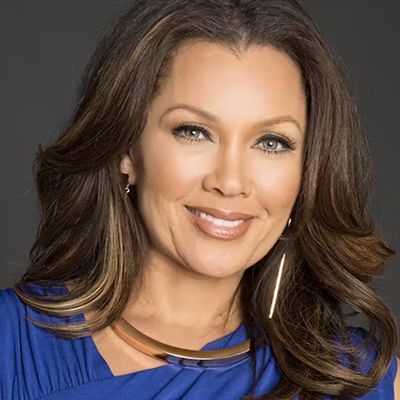
Vanessa Williams is one of the most respected and multi-faceted performers in the entertainment industry today. From her hit recording career to celebrated performances in film and television, Vanessa is equally at home on stage... Read More
From the show: Broadway Gives Back
Guests
Featured Shows
About
Vanessa Williams is one of the most respected and multi-faceted performers in the entertainment industry today. From her hit recording career to celebrated performances in film and television, Vanessa is equally at home on stage. She’s best known to Broadway fans for her memorable roles in KISS OF THE SPIDER WOMAN, THE TRIP TO BOUNTIFUL, INTO THE WOODS, AFTER MIDNIGHT, and her recent performance in POTUS: OR, BEHIND EVERY GREAT DUMBASS ARE SEVEN WOMEN TRYING TO KEEP HIM ALIVE. Vanessa is also a strong advocate for equal rights, embracing and supporting such organizations as Black Theatre United, The Elizabeth Taylor AIDS Foundation, Special Olympics, Broadway Cares/Equity Fights AIDS, and several others. She was honored with the Human Rights Campaign Ally for Equality Award for her humanitarian contributions. Join Vanessa as she discusses the necessary strides for representation on Broadway, in front of and behind the curtain.
Learn more about about the worthy causes discussed in this episodes and how you can donate and/or help:
- Black Theatre United
- Purchase tickets to the inaugural Black Theatre United Gala on Monday, October 3
Connect with Vanessa:
- Website: VanessaWilliams.com
- Facebook: @OfficialVanessaWilliams
- Twitter: @VWOfficial
- Instagram: @VanessaWilliamsOfficial
(Vanessa Williams photo by Kate Best.)
Connect with The Broadway Gives Back Podcast:
- Facebook: @broadwaygivesbackpodcast
- Instagram: @broadwaygivesbackpodcast
- Twitter: @broadwaygives
Hosted & Executive Produced by Jan Svendsen and co-produced & edited by Jim Lochner.
A proud member of the Broadway Podcast Network.
Special thanks to Dori Berinstein, Alan Seales, and Kimberlee Garris from BPN; Julian Hills from The Bulldog Agency; and Eric Becker from Broderick Street Music. Social Media Manager for Broadway Gives Back: Olivia Cull.
Transcript
This transcript was automatically generated and might contain errors.
[0:05] Jan Svendsen: Welcome to the Broadway Gives Back Podcast.
[0:07] Jan Svendsen: I'm your host, Jan Svendsen.
[0:10] Jan Svendsen: This podcast spotlights Broadway actors, shows, and organizations in their pursuit of social impact and philanthropy.
[0:17] Jan Svendsen: Join us as some of the brightest lights on Broadway share their stories about their favorite charities and how they got involved, and the people and the causes who benefited from these philanthropic efforts.
[0:33] Jan Svendsen: Vanessa Williams is one of the most respected and multifaceted performers in the entertainment industry today. Her critically acclaimed work in film, television, recordings, and the Broadway stage has been recognized by every major industry award, including four Emmy nominations, 11 Grammy nominations, a Tony nomination, three SAG Award nominations, seven NAACP Image Awards, and her platinum single, "Colors of the Wind," won an Oscar, a Grammy, and a Golden Globe for Best Original Song.
[1:06] Jan Svendsen: Vanessa is a strong advocate for equal rights, especially concerning the LGBTQ community and minorities. She was honored with the Ally for Equality Award for her humanitarian contributions, and she is a founding member of Black Theatre United. Her charitable endeavors are many and varied, embracing and supporting important organizations and causes.
[1:29] Jan Svendsen: Vanessa and I have become friends during the past few months while she's been starring in the hit Broadway show, "POTUS: Or, Behind Every Great Dumbass Are Seven Women Trying to KEEP HIM ALIVE."
[1:45] Vanessa Williams: Thank you, Jan, and uh wonderful to be a part of this amazing work that you do. You're so spectacular. I mean, I know we're working together now, and your knowledge and your friendship, uh, and your generosity is amazing. So again, I thank you for the friendship and also all the hard work that you're doing for us.
[2:05] Jan Svendsen: Well, I say right back at you. Um, so I'm lucky to have gotten to know you a little bit lately, but I want to have our listeners get to know you as well. So I thought maybe we'd start off with a little warm-up exercise, and I'll ask you some sort of rapid-fire questions and just whatever pops to your mind first, just shout it out.
[2:22] Vanessa Williams: Okay.
[2:23] Jan Svendsen: If you could be a member of any fictional family from a Broadway show or a movie or a TV show, what family would you want to be a part of?
[2:34] Vanessa Williams: Uh probably the Brady Bunch.
[2:37] Jan Svendsen: And who would I want to be?
[2:39] Vanessa Williams: Probably Jan.
[2:40] Jan Svendsen: Oh no, thank you.
[2:44] Vanessa Williams: Marsha, Marsha, Marsha.
[2:45] Jan Svendsen: Marsha, Marsha.
[2:47] Vanessa Williams: It's just one of those families that you grow up with, and um, they're zany, they're funny, they're corny, but it's Americana.
[2:55] Jan Svendsen: I gotta tell you, I've had many guests that have said the Brady Bunch. So there's definitely something about it.
[3:01] Jan Svendsen: What are three words that you would say describe you?
[3:06] Vanessa Williams: Uh adventurous, generous, and loving.
[3:13] Jan Svendsen: Where's your happy place?
[3:15] Vanessa Williams: Ooh, my happy place is with my family. No matter where in the world it is, it's with them.
[3:23] Jan Svendsen: What is your favorite food and beverage at Sardi's? I know the answer, but for everybody else.
[3:31] Vanessa Williams: Well, well, now since it's summer, it's the Aperol Spritz. That's the cocktail that I usually get after the show. And then I would have to say it's the regular chicken club with French fries. That's a Sardi's favorite, and it's just always good.
[3:50] Jan Svendsen: Yes. And I'll have to say that we have met together several times there, and we've had a bowl of French fries and nothing else.
[3:58] Vanessa Williams: Exactly. My favorite meal.
[4:01] Jan Svendsen: What is your most used emoji?
[4:04] Vanessa Williams: Right now it's sun, because I am a grandmother now, and my grandson's name is Sunny. So I say good morning, and I have a little sun, or what's Sunny doing? So I'm, I'm, I'm that's my favorite emoji right now, the sun.
[4:17] Jan Svendsen: Aw, congratulations.
[4:19] Vanessa Williams: Thank you.
[4:21] Jan Svendsen: What do you most give a damn about right now?
[4:24] Vanessa Williams: Most give a damn about? Wow. Um, there's so much.
[4:29] Jan Svendsen: I know.
[4:30] Vanessa Williams: I would have to, uh, it's expansive, but personal freedom, personal choice. You know, we live in a democratic society. I would love that to be reflected, uh, on a daily basis, which I certainly think is not at the moment.
[4:45] Jan Svendsen: Amen.
[4:46] Vanessa Williams: What are you most grateful for today?
[4:48] Vanessa Williams: I am grateful for being able to live out my dreams. I look back at my life at 59 and can kind of tick out all the boxes that I wanted to achieve. But then these other amazing gifts, uh, you know, hearing my voice on the radio, I never thought that'd be, uh, happen in my lifetime. Seeing myself in movies, having portions of my life being quoted and, uh, be remarkable enough to make imprints on people's lives. Having that kind of legacy was something I never dreamt about. And um, it's a reality. So I am grateful for my journey, grateful for the lessons that I've learned and been able to impart on other people. And um, you know, it's grateful to have the wisdom that I do now at 59.
[5:45] Jan Svendsen: Well, I gotta say, 59-year-old gorgeous grandma.
[5:48] Vanessa Williams: Oh my God.
[5:51] Jan Svendsen: You know, I am I am actually so in awe of you, and not just because of the breadth and depth of your work, but and also your philanthropy and your social impact efforts, but because you're such a down-to-earth person. So if I were gonna go back and use some adjectives to describe you, down to earth, I think would be one of them. And I don't think, I don't know if people see that, but you are just you're so practical and you're just so real. Um, so thank you for everything you do, but also just thank you for making it real.
[6:16] Vanessa Williams: Well, I, I, I don't want to say blame it on my parents, but you know, my parents are educators, um, but they also wanted to make sure that me and my brother were very independent. So we, you know, uh today I was just repotting five plants that had died over the, uh, this heat wave thing. And, you know, I, people think I have staff and think that, you know, I've got this amazing life, which is very similar to the people that I play on TV and movies, which is wonderful to be able to have staff and never have to lift a finger. But I enjoy cooking, I enjoy being a part of, uh, you know, being able to fix things. And um, and that was my parents making sure that we had those skills and we were expected to do those things, and we do. My mother is uh 82 years old, and uh, you know, was still, I had to tell her to get off the ladder and stop cleaning her gutters because somebody can do that for you.
[7:13] Jan Svendsen: And I'm gonna have to say, like, you know, I have now witnessed you do the work. It's not just that you lend your name or your talent, but you're involved, particularly we're gonna talk about Black Theatre United, but you are involved in every bit of it, the strategy, the fundraising, the administration, the policy setting, and also setting up your own meetings and getting your own Zoom together and you know, everything. So it's really impressive.
[7:36] Jan Svendsen: But you just mentioned your family and your mom. Um, I do want to talk about your past a little bit and jump into your background before we start talking about other things, because it really has set the stage for what kind of activist and philanthropist you've become. So, how do you think your background helped inform how you are today with regards to your philanthropy and your social activism? Did you see it modeled for you by your parents in your community, or was it something that came to you later in life? But tell us a little bit about like the young Vanessa.
[8:09] Vanessa Williams: Well, in terms of philanthropy, um, my both my parents were very active in the community, uh, not only being teachers and seeing their effect of all the people that they taught and helped to mold their lives. They were both music educators, but they were involved in the NISMA, the New York State Music Education Association. My mother is involved in a women's group called the Lynx, which is African American women that give back in terms of scholarships and all types of programs. My dad was involved in the Rotary, so um, you watched him be a part of that and be a president of that also, but they're worldwide health kind of educational. They had a cardiac thing that they did on a worldwide basis.
So I grew up watching my parents give, you know, going door to door for the United Way back in the day when we would knock on the doors and ask for donations. And then, you know, when we would have our UNICEF little, our little, you know, collecting our little boxes. You see the Salvation Army. There was always a component of giving back that was, I guess, just considered normal or expected. Um, so that's been always kind of a part of growing up.
[9:31] Jan Svendsen: Yeah, and it certainly has set the stage for you. And what about with your kids? Like, do you do anything special with your kids as far as making sure that they are, um, you know, humans that care about others and are philanthropic and socially active?
[9:47] Vanessa Williams: I always would love to, it's almost immersion therapy with my kids. Like when we would go to Brazil, we would of course stay in a beautiful hotel and have room service, but then we would go to a favela and they would have to, we would get our cards, or not even a cards, our shells read by someone who was a, you know, a shell reader, you know, slash psychic, but they would also get a chance to see what that was, but also look around the room. And you know, I remember one of my kids said, Wow, that there was just a mattress on the floor in that room. I go, Yeah, that's their bedroom. That's all they have. So, you know, so going to South Africa and going to the township and seeing um one of our friends was working with AIDS relief down there and taking them and seeing live electrical wires and, you know, the squalor and saying, Look, you know, we're going back to our hotel.
Look at this. This is a brand new year. This is beginning of, you know, we went for New Year's Eve one time so it's really showing them all over the world how lucky they are and they get it. My kids are not entitled. Um, they have great expensive taste because they know what it's been like to travel the world with me, but they certainly understand how fortunate they are and they are always willing to give back.
[11:09] Jan Svendsen: So now we need to talk about "POTUS" because it is the most hilarious show, but it also so relevant and such an important show. And I just wondered what does the show mean to you personally?
[11:20] Vanessa Williams: Well, it's morphed. When I read it, um, the world was different. I read it back in the fall before we all came back to the theater, so I was very anxious to do a comedy when Broadway is back.
[11:32] Vanessa Williams: And then as the spring happened and the leak happened for Roe v. Wade, that changed the dynamic of the show greatly because there is a moment in the show where Dusty, a character who is with child, talks about her volunteering at her local clinic in Idaho, and the audience thinks she's naive, but she says affordable safe reproductive health care is a basic human right. And the night that it was leaked, everyone leapt to their feet and applauded, and it wasn't like, "Isn't that cute?" They were applauding with such vigor and such passion and outrage that it made us stop. We were frozen, and you could—it made us tear up because the power of art meeting real outrage is very rare, particularly in a comedy.
And when the actual decision came down a few weeks later, Julianne Hough, who plays Dussie, who spoke to me before, she says, "I don't know whether I can do this. I don't know whether I can do that line without falling apart." And I said, "Julianne, very rarely do you get a chance to have your own personal beliefs and what you're saying as a character line up and not fall apart. Stand in your power." And she nailed it. I could see her shoulders after she said it start to shake, but she nailed it because it's you—you're the one that has to send the message. And she did a great job. But it's completely changed because yes, it's a comedy, yes, it's a farce, which is wonderful to be the first female farce on Broadway, and to work with these six other tremendous ladies.
But the fact that when Hillary Clinton comes to see our show, and I'm doing a scene playing the First Lady, and Lily Cooper is interviewing me as a White House reporter, and I've listed all my accolades and all my education and Harvard and Stanford and law firm and campaigns and doing all these incredible things, and Lily's character said, "Well, why aren't you president?" And I say, "Well, that's the eternal question, isn't it?" Everyone stood up, turned around, and looked at Hillary and gave her a standing ovation because everybody was outraged, you know, or was there in solidarity saying, "What more do we have to do as women to be liked and to be voted for and to have it happen and to take control?" So, you know, what a cute little comedy that was written by a 28-year-old when I first read it and what it has turned into has been tremendous, and I'm so happy to be a part of it.
[14:22] Jan Svendsen: Yeah, I'm so happy that you are too. And it's so amazing, and it's such a crazy time. And, you know, half our country's rights have been taken away. And it's just scary times, and your show has just become so much of a lightning rod and a catalyst and an important message now for it. So, I think everyone needs to go see it. I think you guys should extend again. I wish you could.
[14:46] Vanessa Williams: Well, I know I think there's another show coming into the Shoebird. I mean, you know, we would love to have it filmed, which would be amazing, just with our cast that we love, and I just think we are a well-oiled machine at this point. But we think that, you know, many people would be affected by it on a bigger, bigger platform. So, you know, we'll see what the producers have to say and what they can get done. You know, again, Susan Stroman did having an all-female cast, but also Susan Stroman at the helm, you know, a young female playwright, Selena Philinger, all-female creative team except for Beowulf Britt, who was amazing and did our rotating stage. But it was very unusual to be in a room that was all female. I've never had that happen before, where there was a sense of safety and security that you get when you don't feel like you're being judged on a different level. And it was really unique, and I don't know whether that'll ever happen again.
[15:50] Jan Svendsen: Well, I hope it will. I hope this is just the beginning of more productions like that. Interesting because you talk about, you know, this empowerment of women and being with women. I want to segue now to Black Theater United because that's different yet the same, right? I'm so lucky to get to work with you as, you know, sort of an advisor, but an ally for sure. This organization is responsible for so much of the change that we've seen on Broadway in the past two years with regard to equity and diversity and inclusion. And I wondered if you could just start at the beginning. You have such an amazing list of founders. How did it all start?
[16:26] Vanessa Williams: It all started with Black Theater United right after, unfortunately, George Floyd. And I think we were all at home. We were all in shock and disbelief, and then the rage rumbles up. I got contacted by LaShans and Audra saying, "I don't know, but we got to do something. Are you on board?" And I said, "Of course." And we all kind of reached out to our friends. And at this point, I guess we consider ourselves veterans because we've all been in the business for, you know, 30 plus years. And that's kind of how it happened. We would do Zoom meetings every Sunday night and try to figure out what are we gonna do, what is our agenda, what can we do? And it was a think tank, and our first kind of initiatives were town halls because people wanted to hear from someone.
So, what we did the first—we had Stacey Abrams and her sister Janine Abrams MacLean. We did the power of the vote at that time of the census and how important those were, especially to just the Black community in general, not even considering theater. Viola Davis was one of our moderators that we used for Sheryl Eifel, who was at the time of the NAACP. We talked about the law and how things slip through the law and how the laws get changed. So that was our first kind of initiative with these town halls, which we will continue. And we got into sponsorship mentorships. We did one with Williamstown Theater last year. Right now, we're doing it with marketing groups in the Broadway community. We also were hosting basically a summit for all of Broadway, all of commercial theater—theater owners, producers, directors, creatives—and talked about how the stories that we were hearing from people of color that were harmed and needed to be heard and what needs to be in place when we start going back into production was very important.
So we had a series of these sessions, and through that, we came up with the New Deal for Broadway, and that was a document that commercial theater makers across the board signed dedicating a change to diversity and media work, and it's been tremendous and wonderful.
[19:18] Vanessa Williams: And, you know, it was one of those things that took a lot of work. And, you know, we funded it and we got, you know, Kenji Oshino involved, who was the person who led our training process that led up to our document. The work is never over, but it's been a wonderful start to be able to have such impact in the commercial theater world.
[19:43] Jan Svendsen: Yeah, I think people need to realize that that New Deal document, which is really more than a document, it is a way of life, right? Or a way of practice, you know, it touches everybody in the Broadway community is on board to strive to make these changes that are so needed on Broadway. And you should know that I would say, like, at least, you know, more than half of the guests on this podcast in the last few years have said that this is the single most important thing for Broadway. You know, how they can support it, how they can learn, how they can become an ally. For many, it's the most important topic.
[20:16] Vanessa Williams: Yeah, absolutely. It's, you know, the door was open, and after everyone was in shock and wanted to make the change, then it was, "How can we help? How can we be allies?" And a lot is looking at a production with a different lens, being able to make sure that the creative teams have someone of color, making sure that there is—when you start a show, that there is an opportunity for people to talk about maybe something that makes them uncomfortable, whether it's in the room or whether it's in the text. And also, you know, theater ownership and concessions and sound and lighting, making sure that those are opportunities where you can hire people of color that can help you make a great show. So it's all about inclusion. And, you know, inclusion is a choice. I mean, diversity is a fact, but inclusion is a choice.
[21:13] Jan Svendsen: Oh, I like that. Say that again.
[21:16] Vanessa Williams: Diversity is a fact, inclusion is a choice.
[21:20] Jan Svendsen: We have to needlepoint that on a pillow. That's actually really good.
[21:24] Vanessa Williams: Yeah. I, you know, I am so lucky to get to work with you on this, and I've learned so much. And I guess we should use this opportunity to talk a little bit about the gala that's coming up in October.
[21:36] Vanessa Williams: October 3rd, we're having our first Black Theater United gala, which will be down at Pier 17 with a live concert starting with BTU members and friends. And we've got a lot of heavy-hitting friends, so we'll be excited to have a wonderful 90-minute concert, kind of showing our talents, but also showing what we've done up till now as a group and what we plan to continue to do in terms of our work not only in the theater community in New York but in the broad sense of things. So we're very excited, and, you know, what I've loved not only doing the work and having all these different components, but like my mentee that I had last year, I keep in touch with her all the time. Now she wanted to be a wardrobe designer for Broadway.
So I would do weekly Zoom meetings with friends that were stylists, friends that were designers, friends that worked out in California in television and film, friends that were in New York. And she now not only followed up with everybody that I introduced her to, but now she's actually working with one of my people that I introduced her to. So being able to see the results of connection and possibility and bringing somebody else who just graduated college and giving her a career, thanks to the work that we do, has been wonderful.
[23:05] Vanessa Williams: You want to drop a few names of who might be at the gala, who might be performing.
[23:09] Jan Svendsen: Well, uh we we chose October 3rd because everyone is so busy that that was the only that was a first date that everybody knew they would be in town.
[23:17] Vanessa Williams: It's a good it's gonna be a Monday night.
[23:19] Vanessa Williams: And of course, Audra McDonald will be there, LaChanze will be there, Norm Lewis will be there, uh Billy Porter, who's one of I just saw him last night uh uh after the show for dinner. He was, he will, he will be there. Uh, you know, Lilius White, Capathia, um uh Darius Tahas, um, Michael McElroy, uh Tamara Tooney, uh Karen uh Ford, who's an amazing sound mixer, will be making sure everything is fine. Lisa Don Cave, who's an incredible uh stage manager who's trained so many people. So not everyone will be performing because there are so many of us, but you will be able to meet uh uh everybody that is part of our wonderful, um, you know, our wonderful group. And uh it should be a really unique but warm and and exciting night.
[24:07] Jan Svendsen: I love the way you said that your group, um you're sort of the elder statesman in the Broadway community. And I think that's really true. And I think people, you know, they look up to you um for how they should behave. The role, the role that you play is so important, and they have so much enormous respect for all of you. Um, so we're so grateful to have all of you really digging in and and and helping. Um, and people should go and support this. And and I do think your of your programs for for BTU, you know, this idea of mentorship and fellowships and you know, creating that pipeline of amazingly talented, qualified people that are diverse, that can do the job is critical, right?
[24:48] Vanessa Williams: Absolutely. And it's more than just when we say diversity, it's more than just putting more black uh black productions up and saying, well, we did it, no one came, so we've done it, we've done our work, and now we're gonna go back to you know, doing the Music Man. I mean again, that's not a diss at all. But um, but we're talking about making sure that people know that there is black wealth. Who are those people, inviting them into the theater with people that they want to see and changing programming so you will get a diverse audience that has the money to come and see those specific shows. So it can happen and it is possible, and that's us being able to show and provide that there are a whole number of people that are missing, and the theater experience is changing, subscribers are changing.
That old model of I will subscribe to this the the season, and uh those those are changing. People are walking up, you know, because they want to see a show, and um, so the whole models are changing. That's why we want to be in the forefront to help make those change and make those changes and make them um more diverse and and expand theater.
[26:01] Jan Svendsen: So when you imagine Broadway in like five or 10 years from now, what are your hopes and dreams with especially with regard to um DEI?
[26:09] Vanessa Williams: Well, my hopes are that we can get um uh not only diversity, which is apparent on on stage now, but uh I want to be able to go back stage and see props and see electricians and see uh a diverse uh working uh environment backstage uh with company management as well, and and uh beyond just the ushers and just the talent that you see on stage. Theater ownership, concessions, all those opportunities which are have been, you know, for years uh uh not diverse. I would love to be able to see it from top to bottom. And and also see a new generation of theater goers, which I'm seeing in POTUS. I see young girls coming back over and over again, now wearing uh, you know, crocs and FML t-shirts, uh, which if they go see the show, they'll understand.
But uh and being empowered every time and laughing at the joke before we even say it because they've been there so many times that they know you know what's gonna happen. I I would love to see uh again more Selena Phillinger's 28 years old and has her stuff on Broadway, which is timely and um and I just have to say kick ass.
[27:24] Jan Svendsen: For sure. And you know, you're talking about the different roles, you know, it's also about the people in power who are making the decisions about what stories get to be told, and more diversity on that level as well.
[27:37] Vanessa Williams: I think that's really important. I was gonna say, well, that goes back to staffing and and people that have been uh executive directors uh for years and years, which have a wonderful, wonderful boards that support them. And um, but you know, there's been many uh heartbreaking stories that none of us were aware of until everyone got a chance to tell their stories about the pain that they've had to endure. There was one particular well-known um theater um uh man executive director of a very prominent playhouse uh who was never given any opportunity to to do any Shakespeare because they assumed that he didn't know how to do it because he was a man of color. So those kind of, you know, I wouldn't say microaggressions, but those little things that that have been dismissed and not even involved in the room where it happened because people assume that you wouldn't have the knowledge or history or wisdom to be able to contribute, are the things that all bubbled up in this past couple of years. I said the summer of reckoning, and all need to be addressed and adjusted.
[28:46] Jan Svendsen: Can you give any advice to the people listening to this podcast about how to become an activist or a philanthropist?
[28:54] Vanessa Williams: You know, not everybody has the platform that you have. Um, but you know, every, you know, in looking at what you do, um, as I said earlier, you do it all. I mean, you do the work. So you leverage your platform, but you also like your hands are in it. And um, so for many people, I think they're, you know, gosh, I can't do anything. I don't, I don't have any money or whatever. So, what would you advise to those people?
[29:18] Vanessa Williams: I completely understand it's very overwhelming. Where do I start? How do I do it? Uh, and that's what we went through with with BTU. Like, we have all this passion. What are we gonna do? What do we start? Is it gun control? Is it, you know, uh police brutality? I mean, we were all feeding off the same rage that everyone else was globally. Uh, and then you have to figure out, okay, what what do I really want to spend my time with and what can I make a change with? So, what I would say to a young person, you know, what are you upset about, or what do you like to do? What do you want to dig in to do? Um, is it is it human rights campaigns? Well, you know, go to their website and see how you can um help by being an ally.
Are there, do they need um people at specific events that you can volunteer for? And then networking, you make friends with people that have the same kind of passion, and then all of a sudden you're doing something as a community and you found your people. Cody Renaiard, who is one of uh uh a black uh stage manager who I've worked with uh a couple times in AFTER MIDNIGHT, and uh I I did uh one of the encores with him, you know, he talked about um, you know, being behind the booth calling a show, and one particular person on stage uh was talking about um, and this article was in the New York Times, so it's talking about the Fourth of July holiday coming up. And he said to Cody, I'm sure you, I'm sure you're gonna have some fried chicken, aren't you?
And again, this person, of course, did not realize how big of a deal it was. Again, yet another microaggression against a person of color. And Cody ended up not only writing a beautiful piece, but started his own um uh uh foundation because he felt the the need to tell a story, but also make sure that people knew the limits. So you never know where your passion will lead you to, but if you there's oh there's a group for anything, so all I would do is Google, you know, whatever you're interested in or what you're passionate about or what you're outraged about, and you'll find your group and find out how you can volunteer, and then who knows where it goes from there?
[31:32] Jan Svendsen: That's great. Yeah, Cody was on this podcast, so he shared some of those stories, but he didn't share that one, so thank you.
[31:37] Vanessa Williams: Mm-hmm.
[31:38] Jan Svendsen: Any last words um that you want to share about um, you know, your career and most particularly your, you know, your activism and your your philanthropy?
[31:48] Vanessa Williams: Well, I I just love uh now that I'm back on Broadway yet again. Um, it's been uh 30 years now. And uh even though it's a grind, it's eight shows a week. There are days when you walk up the stairs to your dress room and you're like, oh once you hear places and you can hear the audience ready for a show, that makes your adrenaline pump and you're there to serve the audience and have a great time. So I'm so happy that I'm back in the groove again. Uh I am so happy that people are back in the theaters in their seats, wanting to be entertained. The theater is something that's live that morphs every night, depending on the vibe of the cast and the vibe of the audience. Uh so uh if you've never been to Broadway, please come because you will be in for the treat of lifetime.
And um, and we are a community and we are there to help each other, to support each other. And I am so happy that not only my passion for what I love to do, which is easy for me to sing, dance, and act, is something that I can make a living with. But the fact that what I do and the community that we have come together with with Black Theater United, and being able to make a change on a global level was something that I never thought would happen. And I'm so happy that it's aligned with my passion. Because people always like, oh, what's my purpose? What's my purpose? I think that's that's too much pressure. You'll your purpose is living and following what your gut is, and it'll you'll find your purpose because your life is your purpose.
[33:24] Jan Svendsen: Thank you so much. Um, we are so lucky to have you on Broadway, but also in all the forms of entertainment, and uh you've added so much to our lives in so many different ways.
[33:33] Vanessa Williams: Thank you.
[33:34] Jan Svendsen: Thanks for listening to this episode of the Broadway Gives Back Podcast. Broadway Gives Back is part of the Broadway Podcast Network. Special thanks to my producing partner, writer, editor, and friend Jim Lochner. And thank you to everyone at BPN, including Dori Berinstein, Alan Seales, and Kimberlee Garris. I'd also like to thank Julian Hills from the Bulldog Agency and Eric Becker from Broderick Street Music. If you like what you hear, don't forget to subscribe and rate this podcast wherever you stream your podcasts. You can also follow Broadway Gives Back on Facebook and Instagram at Broadway Gives Back Podcast and on Twitter at Broadway Gives. To learn more, visit BPN.fm slash Broadway Gives Back. Thanks so much.
© Broadway Podcast Network, All Rights Reserved