

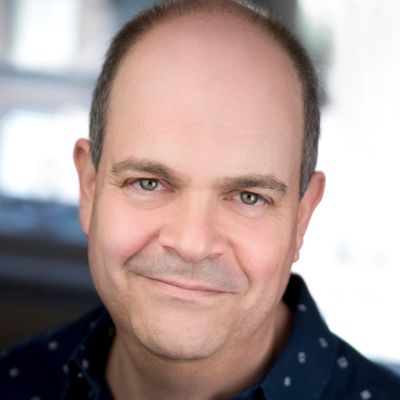
From his current role in LITTLE SHOP OF HORRORS to his Tony Award-nominated performances in SOMETHING ROTTEN! and THE PRODUCERS, MRS. DOUBTFIRE, THE ADDAMS FAMILY, SPAMALOT, and many more, Brad Oscar is one of the funniest men on Broadway and off... Read More
From the show: Broadway Gives Back
Guests
Featured Shows
About
From his current role in LITTLE SHOP OF HORRORS to his Tony Award-nominated performances in SOMETHING ROTTEN! and THE PRODUCERS, MRS. DOUBTFIRE, THE ADDAMS FAMILY, SPAMALOT, and many more, Brad Oscar is one of the funniest men on Broadway and off. For 20 years, Brad has also supported and now serves on the board of Only Make Believe, an amazing charity that brings theater into special needs schools and hospitals throughout New York City and Washington, DC. Join Brad as he discusses the healing power of the arts in the lives of critically ill and special needs children.
Learn more about about the worthy causes discussed in this episodes and how you can donate and/or help:
- Only Make Believe
- Purchase tickets to Only Make Believe’s Back on Broadway gala on on Monday, November 14, hosted by John Oliver
- Broadway Cares/Equity Fights AIDS
- Entertainment Community Fund
Connect with Brad:
- Twitter: @RealBradOscar
- Instagram: @BradOscar64
Connect with The Broadway Gives Back Podcast:
- Facebook: @broadwaygivesbackpodcast
- Instagram: @broadwaygivesbackpodcast
- Twitter: @broadwaygives
Hosted & Executive Produced by Jan Svendsen and co-produced & edited by Jim Lochner.
A proud member of the Broadway Podcast Network.
Special thanks to Dori Berinstein, Alan Seales, and Kimberlee Garris from BPN; Julian Hills from The Bulldog Agency; and Eric Becker from Broderick Street Music. Social Media Manager for Broadway Gives Back: Olivia Cull.
Transcript
This transcript was automatically generated and might contain errors.
[0:05] Jan Svendsen: Welcome to the Broadway Gives Back Podcast.
[0:07] Jan Svendsen: I'm your host, Jan Svendsen.
[0:10] Jan Svendsen: This podcast spotlights Broadway actors, shows, and organizations in their pursuit of social impact and philanthropy.
[0:17] Jan Svendsen: Join us as some of the brightest lights on Broadway share their stories about their favorite charities and how they got involved and the people on the causes who benefited from these philanthropic efforts.
[0:33] Jan Svendsen: From his current role in LITTLE SHOP of Horrors to his Tony-nominated performances in SOMETHING ROTTEN, The Producers, Mrs. Doubtfire, The Addams Family, Spamalot, and many more, Brad Oscar is one of the funniest men on Broadway and off.
[0:49] Jan Svendsen: For years, Brad has also supported an organization called Only Make Believe, an amazing charity that brings theater into special needs schools and hospitals throughout New York City and Washington, DC.
[1:01] Jan Svendsen: Brad, welcome to the Broadway Gives Back Podcast.
[1:04] Brad Oscar: Thank you. I'm very happy to be here.
[1:47] Brad Oscar: And uh certainly tourism in the city, people coming, you know, to go to the theater and obviously the lack of uh so much business that moved outside of the city or is now all remote, you know. So we're adjusting in many ways uh here on Broadway, off Broadway, obviously in the city as a whole, and all across the country, all across the world, if you will, right? As far as live theater, which ultimately is the most dependent on us all gathering together. And uh so yeah, so it was so taken away from us. It's coming back, it's coming back little by little. But uh, but I'm very grateful right now to be able to be on stage and doing something and having a ball. Um, you know, at a great off-Broadway house.
There is something wonderful about just doing a show for, you know, 280 people um sharing that experience together. Uh so um so yeah, I'm in a show that's doing well, and I'm very, very happy to be there, very blessed to have a job at home in the city. Um, yeah, and continue to work right now.
[2:50] Jan Svendsen: Yeah.
[2:51] Jan Svendsen: Well, that's very nice. I know that a lot of people are feeling pretty low these days with everything going on in the world, our country and the economy and rights being taken away and racism and anti-Semitism. And I mean, I don't even know, I don't want to keep going. But I just wondered, speaking of going, like what keeps you going and what keeps you giving?
[3:10] Brad Oscar: Oh wow. Well, I mean, you know, at the end of the day, um, you know, we all go through our days, and so it's all about how you certainly how you treat people, how you deal with the world, how you know, in your immediate world. I mean, of course, your job, the people you get to work with, the people you encounter, your family, your spouse, your, you know, that's where I mean, certainly most of my base of support and or love and positive energy, if you will, you know, all that stuff is is I'm very uh again very grateful to have that. Um, because it is very dark and scary sometimes and so I just try to come back to like what is important and that's the what what can I do what can I take care of what am I responsible for and that's you know the way I go about my day the way I treat the world that way and of course the people I have around me and appreciating that and and uh just trying to find the good in all of that when there is so much negative and believe me tempering a lot of anger and resentment and just such uh frustration with uh yeah how violent opposed we are you know yeah anyway so yes it's a lot it's a lot um but yeah and then at the end of the day uh literally getting to just go and play dress up and sing and dance and make people laugh and tell a great story which you know at the end of the day man is what I you know always wanted to do and right now is in its own way as important and believe me that can lead us right into the conversation about why Only Make Believe is so important the healing power of the arts and that is a huge thing and in its own way it happens every day at the Westside Theater with LITTLE SHOP and certainly the organization we're going to talk about takes that to its highest power to its greatest if you will uh yeah yeah well well I want to talk about that but I want to go I want to go somewhere else for a minute before we get there um you know talk about the healing power of um of the theater so I don't know if you remember this or not but um in um at 9-11 um you were in The Producers and I was at the Broadway League, and we all worked on that uh public service campaign to bring theater back and to really raise the spirits and the morale of people in New York and also all across the country.
[5:29] Jan Svendsen: You also came back 10 years later and you were in our sort of 10th year anniversary of the uh public service campaign that we did. But I remember that night, the Thursday night after 9-11 um the 13th, and like it was yesterday, and being at The Producers and just the amazing palpable feeling of connection, of shared grief, but also shared laughter, and you were such an important part of that. And I wondered, you know, I mean, to me, that was such a demonstration of how theater heals um in some ways and that connectivity. I just wondered if you had any memories of that time of that night or that period of time.
[6:11] Brad Oscar: Oh my god, exactly. I mean, the intensity of that, that the you know, those days were so crazy and so, you know, yeah, from moment to moment, right? Nobody knew what was gonna happen. I mean, this sense of just the uncertainty of it all. And um, but you know, when it was decided we'll we'll get back to work, we're gonna get, you know, we're gonna try to get the city back on its feet in the many ways that it that it needed to, and and uh you know, I don't like special shows, you know, something like opening night, closing night, someone's last performance, something that makes the night, you know, spectral is is good, you know what I'm saying. Just nights that are heightened in other ways, you're not just doing the show because there is so emotion involved in what we do.
There is such connective tissue, obviously, it's all you've got to work with is you know who you are and what you're doing. And so when that when then the you know, you're you're out there, and I know for me, there's always part of my, you know, my mind that knows what's going on and what's happening, and oh, this is so and so's letter, or oh, this is c the closing of this performance, or oh my god, we're just trying to get back to work. And should we be laughing on this night, September 13th? Should we be doing this? Um the you know, the crazy ways in which we made little tweaks in the show for a couple weeks as far as the bomb sounds and the gunshots and stuff, because we were all very sensitive to that.
And so, you know, that becomes like suddenly a strange, weird thing because all of a sudden you're doing the show and something's not there, uh, and you're immediately do you know you know why it's not? Um so um, yeah, I remember, you know, again, just trying to stay in the moment. Um, you know, and again, everybody had their personal story. My folks were in Italy on vacation in Italy. So my folks were, you know, uh couldn't get home at that moment, and you know, thank God we're fine, and it all played itself out. But so, you know, so I was dealing with, you know, so that was there as well that evening, of course, in my mind, what was how, you know.
[8:05] Jan Svendsen: Do you remember Rocco Landisman's speech before the show?
[8:10] Brad Oscar: Um, I mean, not verbatim. I mean, but I do No, but I do remember like I just remember he talked about just the healing power of theater.
[8:17] Jan Svendsen: Yes, exactly.
[8:19] Brad Oscar: How weird it was to be there that night and how difficult it was for the actors, but also for the audience members. But there was this amazing sort of spirit that connected us all that night.
[8:29] Jan Svendsen: Yeah, yeah.
[8:30] Brad Oscar: Yeah.
[8:31] Brad Oscar: No, it was a very certainly a very special night and uh and uh you know, starting that that journey back.
[8:37] Jan Svendsen: Yeah.
[8:39] Jan Svendsen: So before we talk about um the charity stuff, I just wanted to, for the sake of our listeners, um, ask you a few questions about you. Um, like kind of rapid fire, but you know, it doesn't have to be that rapid.
[8:48] Jan Svendsen: It doesn't have to be that rapid.
[8:51] Jan Svendsen: Um what are three words that you would say would that you would use to describe yourself?
[8:58] Brad Oscar: Oh geez. Oh, geez. Uh I guess oh geez, oh no. Um Wow. Three words. Oh wow. That's you know, that's sort of that's I find these questions. It's really hard. I went to dinner with a bunch of girlfriends. Um I was in Berlin a few weeks ago. And I made everybody go around the table and do this. It was so difficult, but we did it. You know what my grandfather used to say? My grandfather used to say, you're as many different people as the number of people who know you. In other words, some people are gonna say Brad is X, Y, and Z, and someone's gonna say Brad is, you know, this, that, and the other. So it's um so for me to try to like objectively look at myself and say, Brad is this, this, and that, for Brad is is. Well, I hope, you know, Brad is uh just three words though. Geez.
[9:45] Brad Oscar: Brad is hungry.
[9:50] Brad Oscar: That works.
[9:53] Brad Oscar: Oh, you well, I hope that I am kind. I hope that I am funny. I certainly do appreciate, you know, a good sense of humor and what that means to you know get through life, much less what I love to do on stage. So let's say kind and funny and uh and hungry. I'll go with hungry because then somebody might bring you.
[10:13] Jan Svendsen: Somebody might bring me.
[10:15] Jan Svendsen: Um what is the thing that scares you the most?
[10:20] Brad Oscar: Or I'll even modify it. What are one of the things that scare you?
[10:23] Brad Oscar: Yeah, right, exactly. I guess like isolation, and I mean that in the way that like not being able to connect, you know, with some to be, you know, and not necessarily again to be alone uh or to be lonely, certainly.
[10:38] Brad Oscar: Yeah, it's sort of a word that I that sort of comes to my mind because I remembered certainly during these last couple of years that the thing that I that really I noticed so much about what I do and who I am was that connective tissue between uh other performers between an actor and an audience between just again just going through life have going to dinner with friends going to you know so yeah so the idea of that being taken away the idea of you know and again thank God I had my extraordinary husband and we we survived beautifully in that way and I was so blessed again and very lucky to have someone but yeah but the idea of you know that being taken away scares me in a way that I'd like to be like uh yeah so yeah yeah I think I'll know the answer to this question but um what is the thing person or place that brings you the most joy?
[10:38] Brad Oscar: Well, I mean yeah I guess yes my husband certainly yeah my husband in that respect again because he has to to to have found someone that you you know want to spend the rest of your life with yeah and then you know just being out you know being on doing the thing and connecting with an you know with an audience is is also of course very very joyful.
[11:51] Jan Svendsen: What is the word philanthropy or the idea of social activism mean to you personally?
[11:51] Brad Oscar: Well again I think it starts with how you go through your daily life because philanthropy often to me implies a financial you know what I mean that that if you're philanthropic you are somehow financially helping and or benefiting others or a cause or whatever. Um, and there are obviously so many other ways that one can be, you know, philanthropic, I think, and help. So, so you know, the way you you you yes, the the way um, and then I guess the way you can pay it forward if you have been blessed or fortunate or have the ability to do something that may bring joy and or you know, solace to others.
[12:39] Jan Svendsen: Um yeah. Was that modeled for you growing up? Like how, what was it like? Did you see your community or your parents or relatives? Like, did somebody show you how to do this, or was it something that came to you later in life?
[12:52] Brad Oscar: Well, I mean, I mean, as far as like, you know, my mother was part of an amazing group uh in the 70s.
[12:57] Brad Oscar: It was called the Hundred Club, and it was a hundred women from the area outside of DC. And they basically that's mostly what that's all that basically all they did was sort of charitable. We delivered baskets, I remember on Thanksgiving morning or the day before Thanksgiving. I won once went as a kid to do that to deliver baskets to those, you know, who needed. They did uh they would do a couple, they would do some stage productions, but they all benefited again, the group and what they did in that respect. So yes, again, being introduced at an early age to the idea of that, what that was. Um yeah, yeah. That was great. Yeah, I think most people would say that they saw it, they felt it. It was either in their DNA or they saw it modeled for them. And so they felt that it's just something that's part of what they do.
[13:44] Brad Oscar: And my grandfather too was very um uh active in that way uh in in DC and part of organizations too that were very helpful too. So, yes, it was sort of part of the fabric of my life in many ways. Now that I think about it, it's funny, I don't think about it until I'm asked. And so yeah.
[13:59] Jan Svendsen: Well, there you go. Okay, so now let's talk about Only Make Believe. Now, I just have to tell you, I had never heard of this organization.
[14:07] Brad Oscar: So I Googled it. Yeah, and I was sort of blown away. I have a daughter who's severely disabled, and she lived at home with me until she was 14. And then I couldn't take care of her. So I had to put her into a residential program. But they have lots of activities in this program. And they actually even have a theater on their campus. And all I could think of was why do I not know about this organization? So the first thing I did was call up the CEO of where the place where she lives. And I said, I think I have an amazing place, you know, that we need to connect with an amazing charity that would be great for the residents at um at this at this place. So I want to hear everything because I am I'm interested on so many levels.
[14:51] Brad Oscar: So first of all, tell us about Just Make Believe's mission and the vision. Um let's start there.
[14:57] Brad Oscar: Yeah, well, again, it is as we talked about. It's the healing power of the arts. It's taking what we do, uh storytelling in that way, to uh as a form of escape, as a form of fantasy, as a form of ideally joy. And so Only Make Believe uh goes into hospitals, facilities, schools. Um it's broadening in scope. I hesitate to, it's funny. I know as as you know the years go by, certainly the last three years, the model has shifted a bit because we relied on live performance. So there's a lot going on. Um, but in general, the mission statement for children that are in some way uh severely ill, disabled in a facility for an extended period of time, um, away from home in that way sometimes too, depending on where where it is.
[15:46] Brad Oscar: Um, and what we do is we have an acting company. There's a group of actors. I'm not one of the actors. I'm now I'm on the board, I was on the honorary board, and I've participated in the benefits over the last 20 years. Uh I have known about and been an active supporter of this organization. But now I'm I'm a real live board member. And so um, so yeah, it uh we have a group of actors. They are they're the gold. They are the literally the heartbeat of Only Make Believe. Uh it's a six-week cycle, three actors per cycle. They return to the facility once a week for six weeks.
[16:24] Brad Oscar: So they establish a rapport and a relationship, ideally with this group of kids. Uh, they are scripted interactive shows. They come with a big trunk of props and costume pieces that the kids get to decide what they want to be, how they want to play. Um it's uh, you know, needless to say, it's it's very free form in how it can go. The last couple of years, we've shifted to online. And believe it or not, there are plenty of facilities that have the ability, thank God, to that kids could participate from their room in some capacity. You know, they could raise their hand on Zoom, they could communicate in some way.
[17:04] Brad Oscar: So, you know, we we pivoted to try to keep going because of course we're we're again little by little, we are be able to re-enter facilities now. And and uh hopefully that will continue on that pace because the live experience is really the ultimate and really the way that uh this was was built to work. Um but yeah, we are expanding, we are finding that, as you say. There are there are you know, we you you start with just children, you start with a certain demographic, and you see, of course, that in action and how it plays, but then you realize how much bigger that can be and how that affects again different groups of people, different groups of people with certain disabilities and or um uh just yeah, it's it's really very special.
[17:49] Brad Oscar: I have uh I have seen many performances. Ironically, my husband is a member of the acting company. So he's one of the, you know, again, he does some of this work. Yeah, when when he found out about it, we we met, I brought him to some benefits. He has done children's theater. He has a brother who is developmentally disabled. It all adds up. And he uh he's fantastic. And he's been doing that for over 10 years now. And so we are, yeah, we are truly an Only Make Believe family in that way.
[18:17] Brad Oscar: And uh, and again, he's doing the special stuff. And it's uh and it's extraordinary. I have seen again when we were in person, um, I have seen kids come into that room in a totally in their cocoon. They do not want to make eye contact, they want, they just don't want to be there. And I have seen in within the course, you know, of the hour the transformation that can occur. And it's it's truly remarkable.
[18:41] Brad Oscar: And it's uh yeah, it uh it's a very special thing. And so what's great is you know, little by little, I mean, look, there are plenty of organizations out there, plenty of very helpful, philanthropic, wonderful uh organizations. But um, but yeah, there is something very special uh about what we do because it is so direct and so hands-on in that way. Um, and you know, we're at well over 50 facilities now in the New York metropolitan area and with and a major base in DC, uh, as far as facilities down there, and now expanding, you know, all across the country.
[19:17] Brad Oscar: Every time, you know, we have our board meeting and we get our update on what's happening, you know, we have a facility uh, you know, in Arizona, and we have a facility now here that you know that is, you know, and uh so yeah, we're we're we're looking to obviously, you know, uh it's a it's a tricky thing. And I know nothing about the logistics of right, what it means as an organization like this does get bigger. But um, but there is no question that something like this, uh, you know, if this could be happening uh at at places all over the the country, all over the uh uh, you know, there's no question that it makes things better.
[19:37] Brad Oscar: It makes things better.
[19:51] Jan Svendsen: Yeah.
[19:52] Jan Svendsen: Absolutely. So tell me, so you got involved, you said 20 years ago. How did you get involved?
[19:56] Brad Oscar: Like why a dear friend of mine um introduced me to Dina Hammerstein, who founded this organization. So Dina Hammerstein, uh, it was the daughter-in-law of Oscar Hammerstein, she was married to Jamie Hammerstein.
[20:10] Jan Svendsen: I was figuring that was a name we knew, yeah.
[20:12] Brad Oscar: Exactly. Um and uh uh Dina, yeah, Dina started Only Make Believe in I think it's 2000 or 2001. Again, don't get you know, don't quote me here. But but literally I think it was like a year or two before I uh uh uh because I think I did their second benefit. And I believe that was 2001, but it could have been 2002. So don't quote me. But anyway, so I was introduced to the organization, they were putting together a benefit. I said, You bet I would love to be a part of that.
[20:43] Brad Oscar: And uh I sang whatever I sang. I think I was doing The Producers at the time, so I'm sure perhaps I did something from The Producers. And then uh subsequently uh almost every year, I know there were a couple years I was away, I was on tour. Uh there were various uh several years along the way, but for the most part, every time the beginning of November rolls around, uh, if I'm in town, and I know once or twice I actually came into town specifically because I could make it work.
[21:09] Brad Oscar: Um, yeah, I'm I I've been a part of the evening. And uh gosh, and you talk about, you know, yeah, what what who what is Brad? And when Brad said funny, let me tell you the stress of having to find a number to do with these benefits now when you do them every year, and everyone's like, oh, Brad's gonna do something funny. I'm like, oh my god.
[21:27] Brad Oscar: So yeah, I'm not worried about that. A lot of stress. Oi. But um, but before we talk about the benefit, can you just take me through, take us through like an example of you know, going into like one of these hospitals or one of these um, you know, facilities for people with special needs. And like just tell me exactly like how it works.
[21:46] Brad Oscar: So there's you said there are three actors that go in, but like are there people is there like are you in a multi-purpose room? Are you in a cafeteria? Are you in like how does it work?
[21:59] Brad Oscar: That's the thing. And that's why these actors, these three actors are rock stars because they're not only doing the show, mind you, they're setting up, they're knocking down, they're dealing with whatever the variables of the space may be. So that's gonna change all the time, right? Some facilities are much more equipped or have a place, but you know.
[22:15] Brad Oscar: So yeah. Uh, but basically they set up, you know, they set up a big screen that they can be behind to make entrances and exits and change clothes for them. You know, the big trunk goes in front. I mean, it's a very basic setup as far as that goes. They have a boom box, so they have their music and they they have the cues of whatever that's gonna be, and um whichever show they're doing.
[22:38] Brad Oscar: They have, as I said, these are scripted interactive shows that that so they're all, you know, they've memorized that obviously, and yet, again, any, you know, things happen, and that's part of the thing.
[22:50] Jan Svendsen: Yeah, exactly, is you know, yeah, you're thinking on your feet in that way.
[22:54] Jan Svendsen: Um is there participation by like either the kids that are patients or the kids that are you're in you're performing for? Are they part of the show?
[23:02] Brad Oscar: Oh, yeah, yeah, yeah. I mean, they are they are a part of it. It's it's an interactive, yes, ideally. Now, again, every situation is going to be different, and they are prepared to do the show however it plays out. But ideally, yes, part of the way the storytelling goes involves these kids if they are able to come up to put on these costume pieces, to play with props, to help the actor in a certain situation accomplish a certain goal in the story kind of thing.
[23:29] Brad Oscar: So that they become a part of the show as well. So, yeah, that's the I that's the idea, you know. Again, which makes my God Zoom such a difficult thing because, you know, it's as we know, it's not it's just not the best way for us to communicate. But the flip side of it is it enabled us to at least continue, you know, again, to try to do what we do and adjust on the fly and have people who were, you know, very smart to to reconceive and or write some shows specifically for the this the Zoom platform, because yeah, knowing the parameters now of how we had to do what we were doing.
[24:06] Jan Svendsen: Yeah.
[24:07] Jan Svendsen: Right.
[24:07] Jan Svendsen: Just make sure they're they're not on mute.
[24:10] Brad Oscar: Um it's so funny. After all these years of zooming now, people are still on mute like half the time, and you're like, you're on mute, you're on mute.
[24:17] Jan Svendsen: Um so and the kids or their kids' ages from like all different ages.
[24:17] Brad Oscar: All different ages.
[24:25] Brad Oscar: Yeah.
[24:26] Brad Oscar: And all different, and I'm assuming different abilities and varying types of yeah it really, yes, it really runs the gamut. And uh, and as I said, it's expanding, you know, in I mean, because I know we're going to schools, and I'm not exactly sure again what the situations are, but but but yes, uh trying to uh also expand outside of just hospitals and medical facilities.
[24:33] Jan Svendsen: Yeah right yeah that's so interesting I'd love to talk to Diego about this one day because um yeah as I said my daughter is has a you know many different um you know disabilities but she's also developmentally delayed and um can't speak um but you know she you know she's so joyful she's my happiest child I would say um but you know I think it's so interesting to be able to be able to leverage what you do and be able to communicate in a way that you know is probably something that that they don't have the opportunity to do and and I I was thinking about like patients like cancer patients like kids you know theater and and make believe and pretend is such an important therapeutic tool too right exactly oh unquestionably unquestionably and it's yeah and it it it's yeah that which is why it feels like oh wow we we've forgotten that in a way and or you know we've forgotten some of these people some of these children who really could you know use this the most in that way it's it's fascinating it's something that that obviously goes to a different part of the brain a different part of the you know the conscience if you will um and especially again in a in in when when one is compromised I think when one sees the world or hears the world differently there's something about I think fantasy there's something about make pretend and play and uh you know I I I don't know I just know that again, I've seen it in action and uh and I sort of feel it.
[26:19] Brad Oscar: I mean, I think it's part of being a performer as well. That heightened, just that sense of something bigger than yourself, if you will, when you're able to sort of lift off and it takes flight in that way. It just it's a different place, you know, to exist.
[26:33] Jan Svendsen: Yeah, I do.
[26:33] Brad Oscar: I mean, well, I think it's that energy exchange, right?
[26:36] Jan Svendsen: Exactly.
[26:37] Brad Oscar: Because I think about like my daughter.
[26:41] Jan Svendsen: Yeah.
[26:41] Brad Oscar: Yes. I mean, my daughter is she can't really watch TV. Like it's too the sensory, it it's just like bombards her sensory system, and she she can't. She's like, it doesn't process for her. But yet, like live in-person stuff, you know, like she gets it. And I do think it's partly because of that exchange of molecules or whatever it is we're exchanging, right?
[27:03] Jan Svendsen: Exactly. No, but to be in the same space, to breathe the same air, to share in a way that you you can only share when it's live.
[27:11] Brad Oscar: Exactly. Right. Yeah, is very special. Well, speaking of live, you guys are having a live gala on November 14th.
[27:19] Jan Svendsen: We are.
[27:20] Brad Oscar: Um I think on Broadway.
[27:21] Jan Svendsen: Oliver's hosting.
[27:23] Brad Oscar: Oliver's hosting. Tell us tell us all about it. I want to allow it. I think John Oliver's hosting it's been the second or third time.
[27:29] Jan Svendsen: Yeah, yeah.
[27:30] Brad Oscar: He's just wonderful. And and we're so grateful to have him. Um, yeah, we're back on Broadway. It's actually called, I think back only make belief back on Broadway, because uh, yes, it's been three years, needless to say, what a what a time it's been.
[27:43] Jan Svendsen: Where are you where are you on Broadway?
[27:45] Brad Oscar: What with the Oh, oh, oh, and even better, we're at the St. James Theater, which is coming home for vocal producers and something rotten.
[27:54] Jan Svendsen: Yeah, so I couldn't be happy.
[27:56] Brad Oscar: Yeah, we actually have we've uh we've done it at the St. James uh again, at least once before, while I was doing something rotten. So that was 2015 or 16. Um, but yeah, it's a terrific house. It's of course one of the classic Broadway theaters and um and uh you know, a terrific uh I'm happy to say that I, you know, I know a lot of the guys who were on the crew at that at that house and and uh and a fabulous, fabulous crew, really good people. And uh yeah.
[28:24] Jan Svendsen: So yes, we're thrilled. We're at the St. James Theater Monday night, November 14th. Um yes, we have a great lineup. Uh if I start down the road, I'm gonna forget someone. Um, but I uh I know Montego Glover, who is currently starring in Into the Woods right there at the St. James joining us and uh Orfe and Andy Carl and oh I should have this in front of me because now see I'm yeah it's always a great evening because we you know, look, the the idea is to give people, you know, give people a great show for you know about an hour, hour 15, whatever the actual show is. We have a great variety of performers and numbers. Um, and then you know, and then go to you know, a great party next door, assuming that people buy the tickets that invoke it, you know, includes the party at John's Pizza, which is a terrific party.
Um and yes, and I'm excited to say, and I think I can say this that I'm going to be uh doing a number from LITTLE SHOP with my co-star Rob McClure. So that's gonna be really fun because it uh uh yeah, it'll actually be a song from show, which is fun to get to do as opposed to just coming out and doing a number in a cabaret setting or whatever. Um so yes, I'm excited about that.
[29:36] Jan Svendsen: That's excited. I just found actually the page that talks about some of the people that are gonna be in the show. And you were right, Andy Carl or Faye, Bass Level, um you, uh Monteco, um, Catherine Allison, um, Rob McClure. So yeah, a great lineup. And uh yeah, and hosted by um John Oliver, who's brilliant and kind and amazing.
[29:58] Brad Oscar: Yeah. Um that's very exciting. You know, it's a wonderful night, and it's a it's a great exposure for people to get to know a little bit more about the organization as well. Um, because needless to say, that's half the battle is getting the word out and people's awareness and one thing leads to another, and someone knows this person, and you know, we make connections and connective tissue, and uh uh yes, as you know, as you're saying as well. It's uh yeah, it's it's great.
[30:23] Jan Svendsen: Yeah, I'm super excited about this. So um I wonder, you know, you talked about how it was a friend of yours who got you into this organization. And I wondered, you know, you also support a lot, you support Broadway Cares and and the former Actors Fund, which is now the entertainment community fund. Very easy to say, not really. You're telling myself. But I just wondered, how do you choose the causes to support? Because I'm sure you're asked all the time to do things. And I'm sure you also are sitting at home, you know, on your phone, scrolling through the news and going, you know, oh my God, this is like I'm upset about this. Like how do you make how do you like sure whether it's you know emotional or we intellectual, how do you make decisions about what I'm saying?
[31:11] Brad Oscar: You know, it's I was about to say, I think it's like both. It's whether it triggers me, obviously emotionally in a way, or because there is so much, you can't, you know, you can't sit and and calibrate, well, this is more important than that, and this means more than that. So, you know, we each make our choices as to what what it is that we're passionate about, whether it's affecting us directly, whether we're we're whether we're helping a friend. I mean, you know, we're living in a world now where people do have the ability when they have medical issues in a society that does not take care of uh, you know, it's it's as far as our healthcare system, blah, blah, blah. So uh when you have friends who have health issues and bills that are ridiculous that need help covering, uh, that's you know, immediately you should, my God, of course, thank God to be in a position where you can throw someone a hundred dollars, you know.
I mean, in that way, that's something like that. So those are things that of course I I feel strongly about. And um it is nice to to have a specific, in this case, uh a charitable organization that I can champion in a way beyond just, you know, being followed them or what they do and and donating or whatever, that I can take more of a a part in the advancement of, you know, people knowing about this and and mostly look, my job, I'm a board member, not because I'm bringing in tons of money. And a lot of our board members are wonderfully connected, passionate people who are also just as fabulous. I mean, you know, about getting, you know, getting grants, getting money to come in because that's what we, that's what we do.
Obviously, that's what we need. And so that's part of what a board in a charitable organization is always about. So I'm not there for for my access to to, you know, money as far as that goes. Um, I'm there to uh as, you know, when certainly our galas are other events maybe during the year that are entertainment centric or something like that, to, you know, just add my point of view, my support and whatever logistics I can help, uh, you know, make it all happen. And I couldn't be happier to to serve in that capacity and then, you know, really be a spokesman for the organization as I am right now, and and uh yeah, whenever I can be.
[33:14] Jan Svendsen: You bring up a really good point, and that is that, you know, not all of us can write a big check or even a small check. Um, we have other, you know, capabilities that can help and make us philanthropists, right? So I was gonna ask you, like, what's your advice to people listening today about becoming activists or philanthropists?
[33:33] Brad Oscar: Well, I mean, I guess again, when you find something that that means something to you that you're passionate about, um, you know, I'm sure there are endless volunteer options in, you know, in many uh of these organizations, certainly, because uh again, that you know, you the money that's coming in you want to put to as good use as you can. And so, you know, that's why we know there's a lot of volunteer work that that obviously benefits, you know, so many of these fabulous organizations. So yeah, I guess you find, you know, if you really want to seek that out. I mean, you know, what a wonderful thing to maybe try to find something that you are passionate about and be able to put, you know, a nice amount of effort behind that to again do more than just you know, write that check or whatever.
There are so many ways. Um, you know, my my mother, up until a couple years ago when the world changed, uh, volunteered at the children's inn at NIH in in uh Bethesda, Maryland, uh down where I'm from, um, uh, which introduced only make believe into their program some I don't know, seven or eight years ago as part of the DC expansion. But you know, my mother would go to the inn once a week and work the desk and just help facilitate these families coming from all over the country with their sick children to try to find answers and cures and and uh you know, and she was there to make just and you know, my mom was I'm I know, and my aunt as well, the two of them would do it together. And I just know that they were uh one, you know, two wonderful faces and presence and people to see when you walked into that facility as you were starting your journey, a very scary, you know, all that stuff.
But um, but again, to see the ways in which that whole organization, that whole not an organization, my god, what is that? You know, that's a thing. And and to see how that functions and to see how uh uh only make believe slid right into exactly what they what they do, what they need to do, because it is a place where these children and their families come to you know to live for a certain amount of time. And so certainly as many uh distractions and things that can again provide that kind of solace and that kind of escape for the family as well as of course the patient. And uh so you know, again, those are ways in which you know my mom continued her, you know, her philanthropic work as you will, uh if you will.
[35:57] Jan Svendsen: Yeah, I mean, there's so many words for, you know, I don't like the word philanthropy necessarily, but yet, you know, you're her charitable work or her kindness or her, you know, do gooding, whatever. Yeah, just taking some time out of your day, your life to think about someone else, to do something exactly, and to do something, yes, selfless in that way.
[36:17] Brad Oscar: And um, yeah. But is it but is it really selfless? Because you know, I've had this conversation where I feel like it's actually a little selfish because you when you do something selfless, when you do volunteer or do something, you actually feel good about it. And it actually is a little selfish too, I think.
[36:38] Jan Svendsen: Self-ish in the sense that it's something that I'm feeling, sure.
[36:42] Brad Oscar: But I think feeling good about yourself is a is a wonderful thing in that way from having done something.
[36:47] Jan Svendsen: Yes.
[36:48] Brad Oscar: So sure, sure. Sure. Yeah, but yeah, it can be both.
[36:49] Jan Svendsen: It can be both.
[36:53] Brad Oscar: Exactly. Um, any any last words before we say goodbye and you're going to be able to do that?
[36:54] Brad Oscar: Oh, no, just thank you so much. I mean, no, it's just it's lovely to be here to be talking to you about this as well. You know, I do, you know, some interviews and podcasts and stuff. You talk about random things that are obviously all showbiz, mostly showbiz related. So it's really lovely to be here and talk uh, you know, about this primarily and how, again, all that connective tissue and all of that stuff that that uh yeah that that uh yeah that is put to a higher power. So so I thank you for that.
[37:24] Jan Svendsen: Well, thank you for all the work that you do, and uh we really appreciate it. And I'm definitely contacting you guys about my daughter's program too.
[37:32] Brad Oscar: Yeah, no, please do. I mean, again, that's that's part of you know how this organization is going to thrive is by yes, by hearing from and uh and being able to, yes, expand in that way. And uh yeah, that's what we're here for.
[37:45] Jan Svendsen: Well, thank you.
[37:46] Brad Oscar: Great, thank you.
[37:47] Jan Svendsen: Thanks for listening to this episode of the Broadway Gives Back Podcast. Broadway Gives Back is part of the Broadway Podcast Network. Special thanks to my producing partner, writer, editor, and friend Jim Lochner, and thank you to everyone at BPN, including Dori Berinstein, Alan Seales, and Kimberlee Garris. I'd also like to thank Julian Hills from the Bulldog Agency and Eric Becker from Broderick Street Music. If you like what you hear, don't forget to subscribe and rate this podcast wherever you stream your podcasts. You can also follow Broadway Gives Back on Facebook and Instagram at Broadway Gives Back Podcast and on Twitter at Broadway Gives. To learn more, visit BPN.fm slash Broadway Gives Back. Thanks so much.
© Broadway Podcast Network, All Rights Reserved