

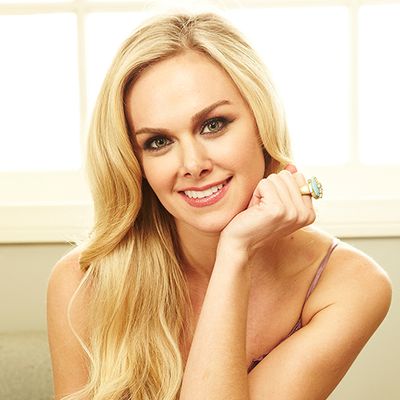
Our guest in this episode is a true activist. Laura Bell Bundy is also an actress, a recording artist, a singer/songwriter, a director, a producer, and a podcaster... Read More
From the show: Broadway Gives Back
Guests
Featured Shows


About
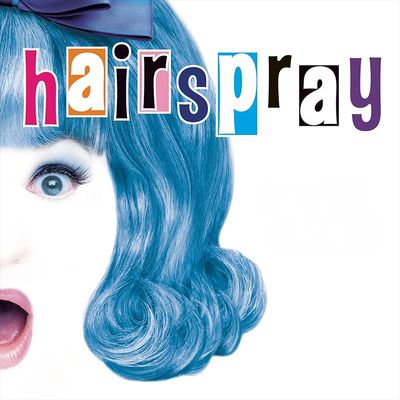
Our guest in this episode is a true activist. Laura Bell Bundy is also an actress, a recording artist, a singer/songwriter, a director, a producer, and a podcaster. Broadway fans will know her as Tina in Ruthless, Amber in Hairspray, Elle Woods in Legally Blonde, where she was nominated for a Tony Award, and she played Glinda in Wicked. She started her own foundation called Women of Tomorrow, which works to raise the social consciousness by bringing awareness to women’s issues through art, education and community.
As part of the Broadway Gives Back podcast's Earth Month series, “United Nations Global Goals” we are talking about tackling the world’s “to do” list to make our planet a better place. I’m joined by my Earth Month co-host Tony Nominee, Anika Larsen. We decided to work together on this series and bring in guests to talk about the ways in which we all can make small changes for the greater good. Join us as Laura talks about Global Goal #5, Gender Equality.
Learn more about about the worthy causes discussed in this episode and how you can donate and/or help:
Connect with Laura Bell Bundy:
- Website: laurabellbundy.com
- Instagram: @laurabellbundy
- Facebook: @laurabellbundy
- Twitter: @laurabellbundy
Connect with The Broadway Gives Back Podcast:
- Facebook: @broadwaygivesbackpodcast
- Instagram: @broadwaygivesbackpodcast
- Twitter: @broadwaygives
Hosted & Executive Produced by Jan Svendsen.
A proud member of the Broadway Podcast Network.
Special thanks to Dori Berinstein, Alan Seales, and Kimberlee Garris from BPN; Julian Hills from The Bulldog Agency; and Eric Becker from Broderick Street Music.
Transcript
This transcript was automatically generated and might contain errors.
[0:05] Jan Svendsen: Welcome to the Broadway Gives Back Podcast.
[0:07] Jan Svendsen: I'm your host, Jan Svendsen.
[0:10] Jan Svendsen: This podcast spotlights Broadway actors, shows, and organizations in their pursuit of social impact and philanthropy.
[0:17] Jan Svendsen: Join us as some of the brightest lights on Broadway share their stories about their favorite charities and how they got involved and the people on the causes who benefited from these philanthropic efforts.
[0:34] Jan Svendsen: Broadway Gives Back is launching a new series called The United Nations Global Goal, where we talk about tackling the world's to-do list and making our planet a better place.
[0:43] Jan Svendsen: I'm joined by my passionate co-host and friend Anika Larsen, who was a guest on this podcast last year and introduced me to the Global Goal.
[0:51] Jan Svendsen: Anika is an amazing actor, a Tony Award nominee, and a devotee of the climate revolution.
[0:57] Jan Svendsen: We decided to work together on this series and bring in guests to talk about the ways in which we can all make small changes for the greater good.
[1:05] Jan Svendsen: Hi, Anika.
[1:07] Anika Larsen: Hi Jan, so good to see you.
[1:09] Jan Svendsen: So good to see you.
[1:10] Jan Svendsen: Our guest today is a good friend of mine and a true activist for social impact.
[1:15] Jan Svendsen: Laura Bell Bundy is also an actress, a recording artist, a singer-songwriter, a director, a producer, and a podcaster.
[1:23] Jan Svendsen: Broadway fans will know her as Tina in Ruthless, Amber in Hairspray, Elle Woods in Legally Blonde, where she was nominated for a Tony Award, and she played Glinda in Wicked.
[1:34] Jan Svendsen: She started her own foundation called Women of Tomorrow, which works to raise the social consciousness by bringing awareness to women's issues through art, education, and community.
[1:45] Jan Svendsen: Laura Bell, welcome to the Broadway Gives Back Podcast.
[1:48] Laura Bell Bundy: My pleasure.
[1:49] Laura Bell Bundy: Thanks.
[1:50] Laura Bell Bundy: Thanks for having me.
[1:51] Jan Svendsen: It is so nice to have like you two amazing women here on this podcast where we're going to talk about many things, including gender equality and you know how to make the world a better place. So thank you.
[2:06] Jan Svendsen: Now, obviously, Laura, we've been friends for a long time. But I want to make sure that everybody knows you.
[2:13] Jan Svendsen: So I thought maybe we could play a little icebreaker game, and that will also help you and Anika know each other a little better too.
[2:18] Laura Bell Bundy: Okay.
[2:19] Jan Svendsen: Are you down for that?
[2:21] Laura Bell Bundy: Sure. I'm always down for games.
[2:23] Jan Svendsen: Yes, you are.
[2:25] Jan Svendsen: All right. So first thing that comes in your head.
[2:28] Jan Svendsen: And Anika and I'll take turns asking you questions.
[2:31] Jan Svendsen: Okay. Um, what are three words that you would say describe you?
[2:35] Laura Bell Bundy: Fun, um, uh reflective, and um determined.
[2:47] Jan Svendsen: You have played some fabulous women. What would be your dream role to play that you haven't played yet?
[2:54] Laura Bell Bundy: Oh, you know, I always, you know, people ask me that question, and sometimes I think that role hasn't been created yet. Um, because I have mostly done roles that hadn't, but I will say, if it has been created, I have a couple of like top three.
[3:14] Laura Bell Bundy: Um and people might be surprised to hear this, but I would love to play Mama Rose because I had one, and I understand that psyche so well, and I understand like the emotional weight and underbelly of that and the psychosis of it.
[3:33] Laura Bell Bundy: And so anyway, I would love to play Mama Rose. So that's the quickest, easiest answer.
[3:39] Laura Bell Bundy: That is I must play that role before I die.
[3:41] Anika Larsen: I feel like that's gonna happen for you.
[3:44] Laura Bell Bundy: I do.
[3:45] Anika Larsen: She's worried about that one.
[3:46] Laura Bell Bundy: Because she's determined or somewhere, but it'll oh boy, I am determined.
[3:52] Jan Svendsen: Exactly.
[3:53] Jan Svendsen: Um, so I've known you before you were a mom, but I want to ask you how would you say motherhood and family life has changed you?
[4:01] Laura Bell Bundy: Oh god. Um, in countless ways, um, it's hard to even measure.
[4:09] Laura Bell Bundy: Um I think the biggest has been sort of like really truly understanding what the experience of being a woman is, um, in terms of uh what it's like to um bear the care, the role of like unpaid caregiver.
[4:31] Laura Bell Bundy: Um, and no matter how balanced your relationship is and how wonderful your partner may be, um, there's just these sort of unspoken things that get thrown on the side for the woman.
[4:44] Laura Bell Bundy: I've never had more to-dos in my life, and I'm a person that enjoys being more than doing, and so that has been a shift, but I've also seen sort of my capacity for love um uh expand and and my sense of compassion for all other mothers out there, my understanding for my own mother, um, and every mother that ever existed, it's such uh an incredible gift to be able to have that understanding and that wisdom.
[5:18] Laura Bell Bundy: And so that's, I think, the biggest thing is I've just been stretched. I've just been, my capacity for love and understanding has been completely stretched, and it's also allowed me to fight for what I think women deserve who have entered motherhood.
[5:34] Laura Bell Bundy: And I think we deserve a lot. And I don't think we have all that we deserve yet. And so that's changed me.
[5:42] Laura Bell Bundy: And the other thing that's changed me is I'm quite a bit more selective than I used to be.
[5:46] Laura Bell Bundy: I say no a lot more because I'm looking at, you know, my time is valuable because it's needed by this young person.
[5:55] Laura Bell Bundy: And this is how I want, this is how I want to show up as a mom.
[5:59] Laura Bell Bundy: And doing all these other things isn't going to allow me to do that.
[6:03] Laura Bell Bundy: So sometimes I'm going to have to say no to that job or no to that free reading or no to whatever.
[6:09] Laura Bell Bundy: Um, because it's just not going to allow me to be the kind of mom I want to be and the kind of partner I want to be.
[6:17] Jan Svendsen: So that leads to our next question pretty nicely, which is what do you most give a damn about?
[6:23] Laura Bell Bundy: Well, I, you know, I mean, the thing that is uh that I just have a bleeding heart for um is equality, right?
[6:34] Laura Bell Bundy: So I care the most about equality for all people.
[6:41] Laura Bell Bundy: Um I have focused very much on women and people who identify as women for uh for fighting for that.
[6:54] Laura Bell Bundy: I mean, I feel like I wake up every day and I'm eating and breathing and sleeping um women's equality and empowerment and how I can help and what kind of art I can make to make that happen.
[7:08] Laura Bell Bundy: So that's the thing that is my passion in my life.
[7:15] Laura Bell Bundy: And I gotta say, I don't, it wasn't always this way.
[7:19] Laura Bell Bundy: I like was struck by lightning or something.
[7:22] Laura Bell Bundy: I mean I literally I'd make a joke I hit my head on the glass ceiling and like everything changed.
[7:27] Laura Bell Bundy: And um and that's and that happened in for many people around the same time which was the end of 2016.
[7:36] Laura Bell Bundy: But then 2017 I did something about it.
[7:40] Laura Bell Bundy: And that's that determination in me and the fire that like I have an idea and I like to see those through.
[7:47] Laura Bell Bundy: And so that led to um doing a concert called Double Standards where Broadway actors came together and did a duet on a jazz standard in the name of women's rights and health.
[7:57] Laura Bell Bundy: And so that was my motto was we can march but they ain't see nothing until they hear us sing.
[8:04] Laura Bell Bundy: You know and so that was like my form of a march.
[8:07] Laura Bell Bundy: So that's where it all began and then it kind of just like a domino effect happened after that.
[8:13] Laura Bell Bundy: But when you're you asked me the question and how did you word it again what do you most give a damn about when I think about it personally um I care about empathy and compassion a lot like those are things I really care about.
[8:39] Laura Bell Bundy: And I think it at the root of it it's that when we can't empathize and we can't have compassion for others, then we can't see the need for equality, right?
[8:53] Laura Bell Bundy: So there's like it's at the root of the underbelly is like is like empathy and understanding, and you know that's what I care about.
[9:06] Laura Bell Bundy: And that impacts so many other, you know, things to care about as well, not just equality.
[9:12] Laura Bell Bundy: And I'm not saying just equality, like it's not important, but it impacts so many other causes and important things.
[9:19] Laura Bell Bundy: Um, as an actor, I have to empathize.
[9:22] Laura Bell Bundy: It's my whole damn job.
[9:24] Anika Larsen: Yeah.
[9:24] Laura Bell Bundy: That is my job.
[9:26] Laura Bell Bundy: I have to understand what it feels like to be in many different shoes.
[9:33] Laura Bell Bundy: And what I have learned is that we are all capable of everything.
[9:38] Jan Svendsen: If you could switch lives with anyone for a day, who would it be?
[9:43] Laura Bell Bundy: So I really do think that it would be so helpful for men and women to swap places for a day so that we can uh truly understand what it's like to walk in each other's shoes, and we can also say like the heels, wear the heels, the heads.
[10:06] Laura Bell Bundy: The heels or the heels.
[10:07] Laura Bell Bundy: Um we can see how just unnecessary gender norms are, um, and these gender rules that like are entrapping us and keeping us from being our authentic selves.
[10:18] Laura Bell Bundy: But I think I would I really think that person would be my husband.
[10:18] Laura Bell Bundy: I really think that that that would be interesting to just see what it would be like to be and to see myself through his eyes too.
[10:33] Laura Bell Bundy: Um and otherwise, I think um I might pick someone like quite awful in a place of power and just try to because it's really about understanding, right?
[10:46] Laura Bell Bundy: So I would just pick like someone I can't really relate to and hate terribly.
[10:50] Laura Bell Bundy: I don't hate anyone, but there's people I just really could do better.
[10:59] Jan Svendsen: Um well, thank you for answering those questions. That was so interesting.
[11:01] Jan Svendsen: Um, I thought I knew you so well and I learned more.
[11:05] Jan Svendsen: Um, let's talk a little bit about your career, because I mean, you've done everything, you do everything.
[11:10] Jan Svendsen: It's not even like you've done it, you still do it.
[11:13] Jan Svendsen: And um, and you do it all with such grace and such determination, back to that word.
[11:20] Jan Svendsen: Um, but I wondered music, film, TV, theater, like, is there like a compare and contrast kind of feeling you have about those different um art forms and and how do you like is there's one art form that you prefer over another, or is it is it changing all the time?
[11:39] Laura Bell Bundy: How do you feel? You want to do it all.
[11:41] Laura Bell Bundy: I know you want to do it all.
[11:42] Laura Bell Bundy: Well, it's all creative, right?
[11:44] Laura Bell Bundy: Like it's all coming from that same space, which is to um to become something, someone else and something else, and to like shape a story.
[11:59] Laura Bell Bundy: So I always say, like, as a as a creator, I love telling stories with music.
[12:06] Laura Bell Bundy: That's my favorite thing to do, and whether that's in musical theater or a music video or a song or um, you know, whatever that I love that.
[12:16] Laura Bell Bundy: Um, but there is no greater form for me of entertainment that I enjoy more than live, a live performance.
[12:27] Laura Bell Bundy: So whether that's a concert or whether that's um a musical or a play, the exchange of love between the actors and the audience is just like getting high.
[12:40] Laura Bell Bundy: You know, it's that's what it is.
[12:42] Laura Bell Bundy: I mean, it's just everybody is like preparing some the actors are preparing something beautiful, the crew, everybody, and they give it to the audience, the audience responds with clapping or laughter, the actors feel energized by that, they give more, and then by the end of it, everybody is like on cloud nine.
[12:59] Laura Bell Bundy: And that's why we can't go to sleep for three hours and we end up ordering rays.
[13:04] Laura Bell Bundy: But um, but that to me, well, nothing will ever compare.
[13:10] Laura Bell Bundy: Ever.
[13:11] Laura Bell Bundy: It never has, it never will.
[13:13] Laura Bell Bundy: And it's like home for me now because I've been doing it since I was a child.
[13:17] Laura Bell Bundy: So I'm sometimes more comfortable on the stage than I am anywhere else.
[13:24] Laura Bell Bundy: You've also been able to combine your career with your philanthropic efforts. And we're gonna talk a lot about this, but I just wanted to go a little back in time because I think when I met you, you were really focused on arts education with our mutual friend Paul Caenan. Um, and you were really giving it back to the next generation of future artists and creators. Um, so I wondered if you could just talk a little bit about sort of the arts ed piece of your social impact work. Because I think that was also very important. Um and you made such a big contribution in that area.
[14:09] Laura Bell Bundy: And I still do. I still do I still do like uh masterclasses. And you know, I think, and I don't know, Anika, if this happened to you, but during the pandemic, everybody was reaching out. All these different Broadway services were like, Will you teach a private lesson or will you teach a will you talk to these kids who didn't get to do their play? Um, and so it kind of put me back into that spot where I was doing that a little bit more regularly. And so I think a few times a year, I'll go to a place and I'll do a master class and I'll work with the students. Um, and I really, really enjoy it. Because going back to that empathy piece, I can teach other kids to have empathy for not only themselves and their experience and accept all of their emotions and see that they're every emotion they have is usable when they're uh a young actor.
Um, you know, we can't have a life of comfort as actors because we won't have the range of emotions we need to have and understand when we're on the stage, we have to make a mess of our lives and have people betray us and stuff so we can feel what that feels like. Um so I explain that to them uh a lot and I I just I really, really enjoy uh them and their energy and their eagerness, and it always gets me back to like the root of why we do this in the first place, and it's that state of play, it's that state of joy, it's that sense of community.
[15:50] Laura Bell Bundy: And so for me, even though while it appears as if I'm there to give back, I'm always sort of like reinfused and re-invigorated by their energy and passion and love of theater. So I love doing that. And I will always do that in a part of my life. And I, and I I've learned a lot about what I think actors need in regards to a process. And I hope one day I can develop that for a university or something with a real program that has an entryway into New York and doesn't just have people graduating with no idea what the hell what to do, which is what's hence happen. Um I would love to design that, but that's in the future, I guess.
[16:32] Jan Svendsen: Okay, well, you put it out here now. Um manifest it. Um, so let's we're gonna talk about women of tomorrow because I think it's so important, but I want to talk a little bit and have Anika introduce the global goal number five, which is gender equality.
[16:49] Jan Svendsen: And um, as part of that conversation, we'd love to ask you more questions about women of tomorrow and the work you're doing there. So I'm gonna throw to you, Anika, to lead this part of the conversation.
[16:59] Anika Larsen: Thank you. Yeah. So that global goal number five is gender equality. And so I'll also be talking with you about that on the Broadway vlog to save the planet. Um, so folks can click on that after they're done with this podcast. Um, but so that global goal is to achieve gender equality and empower all women and girls. Um, and something that I think is really important with this global goal is that you know, they were created for all 193 UN nations to sign off on. So often the language is broad so that people can really tailor it to their particular country and culture. Um, and I think that one of the things that is a criticism of this goal and is valid, is that it doesn't talk about people who are not on the binary, it doesn't talk about people uh I just so I always want to make clear that I think we have to insist that this global goal also means that gender equality is equality for all genders and that we're working for equal rights and respect and empowerment for people regardless of their place on the gender spectrum and regardless of the gender of the people they love because that's not discussed in any of the other global goals which somehow in 17 goals managed to sort of fold in all of our world's problems.
[18:07] Anika Larsen: So this is where we talk about that um uh because we are able to in this country other countries they're not able to so um so we so we must um but yeah so we would I would really love to hear I'm just fascinated by women of tomorrow which is your nonprofit that you started and also your podcast that you have right here on the Broadway podcast network.
[18:27] Laura Bell Bundy: That's right. So tell everybody what that is and why you started it.
[18:32] Laura Bell Bundy: It was a a really organic thing and it it just sort of like I said it was there was a domino effect. I did that concert at the town hall double standards. And after that, you know a lot of people like are you going to make an album of this and and I thought well yeah like we can do an album of these performances but as a songwriter I was taking like the style of a jazz standard and going like well what about equal pay like writing um songs that dealt specifically with issues that women are dealing with and and it gets more broad in that we're dealing with beauty standards as well and we're dealing with um uh uh women in cons and consuming, which is I think the most fascinating topic, and I love to talk about it. I'm happy to talk about it here, and I think that infects the it it impacts the environment hugely.
[19:31] Laura Bell Bundy: Um, but anyway, I so I we started to delve into this, and I um, and I say we because I I had uh a songwriting partner, Shay Carter, who was writing the lyrics with me, and um Jeremy Edelman, who was um writing the music with us and producing the album with us and orchestrating the album. And he was amazing. And so we worked on this, and I was pregnant, and then I had my son, and uh, and I was not finished with the album. So I did half the album pregnant and half in postpartum, and then put it out during the pandemic.
[20:10] Laura Bell Bundy: So um, and then you know, when talking like you know, with Broadway Podcast Network about wanting to do a podcast, it's like, you know, I yes, I would love to do a podcast about Broadway and people's processes. That's something I'd love to do at some point. But the thing that was on my mind was women's rights, and there's just this what I was putting into my brain. And so when I started the podcast, I thought, well, this is a great way to take each song, and we play each song, and we'd say, okay, you know, this song is called Sick of Saints Sorry. And now let's go into the history of why women apologize in the first place.
[20:46] Laura Bell Bundy: Well, women apologize in the first place because of the violence that has been done against them. The earliest known law code, Mesopotamia 2400 BC states if a woman speaks out of turn, her teeth will be smashed by a brick. Then we've got women who were beheaded, put in bedlam, called witches, whatever, for speaking out being different. And so now we have to be in this place of subservience to say, I'm sorry, I'm disarming, don't hurt me. And now we have this thing that perpetuates where we're in a state of quite literally shame by saying, I'm sorry. And so, and then we have a guest on to talk about how we can get out of that. And so that was the podcast. That is the podcast that still exists, and we've been doing hysterically historical during the month of March.
[21:30] Laura Bell Bundy: Um what I noticed is from doing concerts and doing albums in the podcast is that women were getting really fired up and not really having an action plan necessarily. And so Shay, my partner and I, we had we had started the foundation of women of tomorrow around the time we put out the podcast, but we were more focused on how we could do concerts to raise money for other organizations supporting women, essentially. And then we decided like, let's be the PBS of female empowerment. You know, let's create a platform where women can come to activate their activism.
[22:17] Laura Bell Bundy: They can go to over 30 classes a uh a month. There's there's yoga, there's meditation, there's time management classes, there's classes on negotiation, there's classes on parenting, there's classes on whatever we have communicating in a way you can be heard. Um, we have real love has boundaries. We we kind of look at the top 10 things women need, and then we ask our community of women, you know, what do you need? And then we will create a class for it by experts, life coaches. We have a NASA scientist that literally did a class the other day on the um science of empowerment and broke down the science of power and what that means and how to harness that yourself.
[23:05] Laura Bell Bundy: People were like, What? Um and what's great about it is like so we we had this idea a year ago to do this, and and I think sometimes some ideas are meant to happen, right? Because the doors open, and then we met an app creator who was like, Here, let me give you act give you this to use for your community. It's amazing. And then I have all of these incredible female experts that are like, let me donate my time. Um and so uh we have we were able to launch this in January. It's an app and an online community where um we can learn about so we have female fight club where we learn about all of the different various issues that women are facing today, but the facts, the statistics, the roots of it, the history of it, how it's perpetuating, um, which politicians are supporting which policies, um what etc.
[24:12] Laura Bell Bundy: etc. So give you what you need. We have activism sheets, so we have a pre-written letter of how to reach out to your um congressperson or senate what to say, what to do, what not to do if you set up a meeting, um, links to where you can click to get the phone number for your reps. Um, so we try to give as many tools as we can to help activate the activism, and uh, like I mentioned before we started the podcast today, yesterday. Um, we had our female fight club was dedicated to gun violence and what can you do because of of what had recently happened and the um traumatic events that took place this week.
[24:53] Laura Bell Bundy: And so um we we like to respond in that way on the activism side. And then on the intervism side, it's like a self-help junkies paradise. Um but this month coming up in April is sexual assault awareness month. We're very much focused on that. And we have um a lot of classes around trauma healing and um and the history and the root of it and policies of it, and and so um I I'm like so deep into this, it's crazy.
[25:25] Laura Bell Bundy: And then I I just did um shake your money maker Zumba with um Yeah, you did classes.
[25:33] Anika Larsen: Wait, wait, go back to go back to the idea of activism and innervism. I love that.
[25:38] Laura Bell Bundy: Right. So um we we this was us just talking, and I'm like, with Shay, I was like, is it it's like activism and innervism. And she was like, what? And we looked it up, word does not exist. So we uh created this word.
[25:59] Laura Bell Bundy: Um the idea is that it is the internal work that we do to become fully empowered. It's like the mind, body, and spirit of activism. So, and I look at it in in in a couple of ways. It's giving women the tools they need to feel successful, mind, body, and spirit, and that being the greatest form of resistance, but it's also the idea that we must question our beliefs. We must do the inner work. We must do the unlearning, right? Because when we see when we talk about, and we say women of tomorrow is working to change the social consciousness around women's issues.
[26:51] Laura Bell Bundy: The social consciousness is what we all believe women are worth, where women should be. And these belief systems happen in the family nucleus in the home, they happen in the school, they happen on TV and in media, and then these they get reinforced. And then we almost like zombies go along with it, right? And then we look at our lives and we're like, am I happy? Am I empowered? Well, I'm not. And I always think like this: this is like an acting thing, really. Thoughts make you feel emotions, and emotions create the motivation to act, right? And that's our behavior. And when we get in this habit of behavior, that then becomes habit, it is coming from a belief, a belief. The belief is making you have that behavior.
And then the belief was a thought first. And that thought is coming from somewhere. And is that thought yours? Or was it your mother's or father's or grandmother's, or something you learned on TV about who women are and where they're supposed to be, and what's okay to be a lady or not be a lady, or don't say this, or don't say that, or wait to be spoken to until you speak, or any of these things that is now a belief for you that you're now teaching your child. So that's also part of the intervism work. A little heady.
[28:34] Anika Larsen: No, I and I love that you created a word, and that word is so spot on for what you just described. I think that needs to be in the urban dictionary. But activism intervism. I've learned a lot today. Thank you. I also really appreciate because there is work that we all need to be doing, and there is discussion that we all need to be having, but also at the end of the day, we need to be acting, and so often we just don't know how or what to be doing. So I love that you are offering up to people and making it easy for people, serving it up to people, ways to act. That's huge. And that goes back to the global goals, because in a way, that's like this to-do list, right? That's very practical that people can make it their own and do what they need, you know, what they what they're moved to do.
They offer the targets, and then they tell you what you can do as an individual or a school or a business. Because yeah, there's only so much that anyone talking about it is gonna get anything done. What are we gonna do about it? So much of what you talked about with regard to the women's issues is also very relevant to the other 16 global goals, and they're all so interconnected, but so intersectional, yeah, and solving any of them, you're solving all of them. Women are hit harder than anyone by women in and BIPOC poorer communities are all hit hardest by climate stuff. But then we also see everywhere that when women are empowered and when women are educated, their societies always fare better.
[30:16] Laura Bell Bundy: Yes. And I'm going to, if you're comfortable, talk a little bit about women do have a great power to impact both the environment and other women. While we might be 51% of the population and only have 25% of the seats of power in Senate and Congress and beyond and you know, 15% of Fortune 500 companies being run by women, women are 80% of the consumers in the world. When women use the power they have, they're buying power, they can, I always call it we can buy the change we wish to see in the world. We can purchase or not buy in terms of the world. Or not buy, right? We're not buying, right? So the idea is like let's do the research to find out are the places that we're buying products from having good practices for women and the environment and women that are in impacted in countries that are working in sweatshops and beyond, and that's contributing to sex trafficking.
If we can, if we can do the research to understand the domino effect of our purchase at Old Navy, and then go, okay, well, I'm gonna buy second hand or I'm gonna buy from these companies, and I'm gonna change the culture here, and I'm gonna wear what I already wore to an event. I mean, literally wearing the same outfit on a red carpet. We've talked about that.
[32:07] Anika Larsen: That's so interesting. I want to tell a quick story because one of my really close friends listens to this podcast, and she just told me the story yesterday morning. So she and her husband were here in New York. This is for you, Jody, by the way. And her husband forgot his shaving cream. So they had been out for dinner and they were gonna walk back to the hotel they were in and just stop at a pharmacy and get some shaving cream. So they walk by a Walgreens, and he starts to walk in, and she's like, uh-uh-uh-uh. You're we're not shopping at Walgreens. No, we are not shopping at Walgreens. And he's like, Jody, it's 11 o'clock at night. Where what are we gonna do? She goes, nope. She goes on her phone, finds a CVS.
It was still like a half a mile away. But they walk to the CVS, they bought the shaving cream and CVS, and she refused to shop at Walgreens or Duane Reade, which is actually you know owned by Walgreens. And I just want to say kudos to Jody for that. And it is a perfect example of exactly what you were talking about, how women have the power from a consumer perspective to either support or not support a company or a brand that is, you know, doesn't have the beliefs that you want to promote.
[33:19] Laura Bell Bundy: Right. And I think it's not everybody has the luxury of being able to often these choices are more expensive, right? The more responsible companies it costs money to be responsible, right? If something is very, very cheap, someone somewhere is suffering for it. So, but we also understand why some people must. And so I think that it is so important for those of us who have the luxury in whatever the ways that we can do, and then also grant grace to the people who are just trying to get through their day and feed their families. But when those of us who can do, the more of us that do, then the prices come down for everybody. So really I just I think you're so smart, Laura, to be talking about how we really are voting with our dollars. We're voting for the kind of world we want when we buy and and that kind of voting is often even more powerful than voting at the polls.
[34:22] Laura Bell Bundy: Yeah, and I also think we can stop drinking the Kool-Aid of consumption. We can stop feeling like we need to have a new outfit every day. Like we can stop saying I'm not gonna be enough without those shoes, because you know you are. And if you don't know you are, let me just tell you right now, you are. One of the things I was gonna say around you know, women in consumerism is it also means they know this. Marketing agents know these statistics. And so women are marketed to in a way that's like you are not enough without this product. Whole industries were created with marketing plans of like make her feel special with that diamond. Because we just found a diamond mine, you know, like it wasn't even a thing. Diamond rings, right? But it's marketed. It's like she's got it, so you must have it. Let's compete with each other as women. But I think there's it will be we will save more money too.
[35:33] Anika Larsen: Yeah. Right? Yeah, no, and this this the consumption is actually killing us. It's such a direct line. So that if we all I often think about it when it's really sort of hard to it feels like overwhelming of like, but what do I do? If you just in general, as a rule of thumb, think consume less, whatever the thing is. If you consume less plastic, less gas, less electricity, less water, less meat, less everything. Yes, less clothes, less textiles. If you just consume less, the planet benefits so massively that that and we all benefit so massively that actually, and actually I suspect we'd all be happier, we'd all feel better. So yeah, it's but it's switching that it's a cultural mind shift, right?
[36:24] Laura Bell Bundy: Yeah. And it's almost like, you know, there's the whole retail therapy, that feeling you get, right? You need that fulfillment, that gratification from buying something. And I certainly know I feel that way. But if you think about it, you flip it so that there's it's also scientifically proven that if you do good, you release these other chemicals, right? That are also happy making chemicals in your in your brain. And so you're kind of exchanging that momentary retail therapy gratification for a different kind of chemical release that's also a gratification. So you're not even giving up the good feeling inside you, you know, the endorphins or whatever they are. So I would venture to guess there's a scientific sort of quid pro quo with you know giving up the consumerism and the good feeling that you get by doing that.
[37:19] Anika Larsen: I actually went to a lecture on the science of happiness, and one of the things they say that's really interesting is that it's the first time you experience something that you get the most endorphins or whatever the chemicals are that are released. So the first time you drive your new car, and then after that it's the law of diminishing returns, the first time you wear that outfit. So that really because it is so diminishing, it doesn't actually serve you to keep buying you, but they that keeps you wanting a new fix, right? But it doesn't actually the at in at the end of the day, price per wear, price per drive, price per whatever, yeah, that it's it's experience, it's interconnectedness that is the kind of joy that really pays off.
[38:00] Laura Bell Bundy: Well, I think that's where I think that's where gratitude sort of comes into play here too. And this idea of you were talking about empathy, but I feel like empathy is sort of sisters with gratitude and being grateful. And I feel like that also is empowering to women, right? To be able to be empathetic is one thing, but also to be able to be grateful for and be present, you know. And as actors, both of you would understand that better than I would. But this idea of being present and being conscious of the moment and and what's happening. That's we're back to inner vis innervism, right? That's where we're back. And that's where the yeah, where the real joy or even discontentment, you know, peace, where that is found.
[38:48] Anika Larsen: I was also just look thinking about the other global goals. And you know, we've talked about on different podcasts, we've talked about hunger and poverty and education, and so many of these are so related to gender equality. And I think so much of what you just said, Laura, is I mean, I'd like to take it back to those podcasts too, and that and that whole idea of activism, having an action plan and the inner vism, you know, which is that I'm that works, you know, sort of you know, symbiotically with that action plan. Listen, you know, you saying this is striking me because as we as a foundation and and we're offering these courses, I mean, I'm constantly putting connections together between the different issues that we have globally and generally, but also for women.
So, you know, in four women experience domestic violence. Now that's in their lifetimes. And that might be a US statistic that might not be a global statistic. But the number one reason for female homelessness in our country is domestic violence.
[40:11] Laura Bell Bundy: And here's another stat that feels kind of connected: 80% of all single parents are mothers, and 23% of those single mothers are living below the poverty line. And that means their children are. And that also means chances are there's domestic violence. And the age group of the women that are living below the poverty line is the same age group of women that are most impacted by domestic violence, which is 18 to like, I want to say 25. And that's young children living there. So we really want to improve this. We've got to talk about where does it come from? Where does homelessness come from? And where are the different places that it comes from? And how can we then, and how can we raise an entire generation of men to not use abuse as a form of love, you know, within a relationship?
And that's gonna come from the home too. Um, and also the way, well, you know, many different things. I mean, I'm certainly not an expert in that field of what could be done, but I definitely am seeing these connections. And now that we have Roe v. Wade overturned, we're gonna have a lot more single mothers out there. And are these statistics going to get worse when it comes to poverty and hunger and education?
[41:58] Jan Svendsen: Yeah.
[41:59] Laura Bell Bundy: And like, and you know, one of the things that I find so fascinating when you look at the timeline of like rights that women have gotten um in the last 150 years, um, is you see the 70s were a huge time for um women getting rights. Um, 1965 birth control was legal, but only for married couples. And in 1973, it became um legal for uh single women and birth, so birth control and Roe v. Wade was 1973. 1974 was women being able to take out a credit card or a bank loan without the permission of their husband or father, right? I know that seems like way too close to now, right? Like you're like, what? No wonder my mom felt like she had to get married in 1973. Guys, I was in middle school when this was happening, you know, and I was like, I can't believe it was in my lifetime that that existed, you know?
[43:05] Jan Svendsen: Yeah, it's bananas and and well, here's well, I'll give you the so I want to say so. The connection with the 70s is that you see um like women graduating college in droves. We also had Title IX that was passed in the 60s, I believe, that a like you couldn't discriminate um of any federally funded educational program on the basis of sex. So you have women going to college and graduating because they were able to have birth control, and then you see them entering the workforce in droves in the 80s and then getting in places of management in the workforce in the 90s and beyond. So how does it impact us now when we have Roe v. Wade overturned? How does that impact um women graduating and entering the workforce and making contributions? What inventions aren't going to be made? And which sciences aren't going to make discoveries and like, you know, things like that are keep me up at night.
[44:14] Laura Bell Bundy: I want to bring this back to Broadway for a second. And then um, and then I want to uh ask you for some advice. Um so with regard to gender equality and Broadway, would either of you what are some themes that you two um would want to call out, or some issues that you think still exist, or some progress that's been made? I just I'd love to get some of your observations um about gender equality and Broadway.
[44:43] Anika Larsen: Listen, we all know um men have been in positions of power most of the time in most industries. Um industry, I think when it comes to female empowerment, it would be really amazing to see more female directors running ships and but we we are seeing things change.
[45:07] Laura Bell Bundy: I am seeing more female directors and more female music directors designers and designers, right? Um and that's amazing. And uh and so I do think that that hopefully that continues, um and hopefully that's women of color as well.
[45:31] Anika Larsen: Um I think for me, what I've most closely noticed because I'm an actor, is the roles that have evolved of like the women's role in this is uh the side pretty girl, the ingenue. We have a word for it, it's called the ingenue, it's the most boring effing part in the show, and it's the one in love with the guy, right? And it's the heart of the show, and the what but so for me, I always personally rejected that. I'm like, can you just give me like the like the funny girl that has like you know the that's has some fire?
[46:22] Laura Bell Bundy: And um, and I see those evolving too. Like from when I started in in this business, um, the roles, and you look at like revivals of shows, and they always feel like they're um the girl's whole job in the show is pining for a man, um and so that's where I I'm excited to see that evolving and hoping that we continue to write really strong multidimensional roles for women, like Eliza and Hamilton or like Lucy.
[46:58] Anika Larsen: I even I gotta say, I think she's kind of pining for a guy the entire show, I have to say, yeah.
[47:04] Laura Bell Bundy: But at the end of the day, look how strong she was.
[47:06] Anika Larsen: And I know, but I also damn show is about him, and then they they gave her a cherry on top and said, Look, we are all about female equality, um, but she's not on the show in equal parts.
[47:22] Laura Bell Bundy: Controversy.
[47:23] Anika Larsen: Oh, controversial.
[47:24] Laura Bell Bundy: But let's know.
[47:24] Anika Larsen: But that's history, all right.
[47:25] Laura Bell Bundy: But that's it, she wasn't allowed to be back then. If you're telling the story of women back then, it wouldn't be honest if you were trying to say she was allowed to do more than just be a wife.
[47:34] Anika Larsen: Yeah, right.
[47:35] Laura Bell Bundy: Exactly.
[47:36] Anika Larsen: Exactly.
[47:36] Laura Bell Bundy: Um, and and we are but and we are seeing things evolve, you know.
[47:44] Anika Larsen: Yeah.
[47:54] Anika Larsen: Oh, that'd be wonderful.
[47:55] Laura Bell Bundy: And investors.
[47:56] Anika Larsen: Yeah.
[47:57] Laura Bell Bundy: And I guess also I would add one more category to your I'd like to see more women um in roles as theater owners.
[47:57] Laura Bell Bundy: Yeah.
[47:57] Anika Larsen: More female investors.
[48:02] Laura Bell Bundy: I still want to female producers.
[48:03] Anika Larsen: Yeah.
[48:03] Laura Bell Bundy: Yeah.
[48:03] Anika Larsen: Um, but at the end of the day, you know, theater owners, I mean, that's you know, that's I don't think I don't know that there are any women who are super high up in that area. But anyway, um, and then I have another question, and that um, you know, people listening to this podcast are um are your fans um or people who hopefully want to just do good things in the world. Um, what advice would you give them, specifically in the area of gender equality and with regard to Women of Tomorrow?
[48:31] Laura Bell Bundy: Um, what are what would you say to people who um who want to give back or want to do good or want to be philanthropic? There's so many different words for for that activism or intervision. I think education is such an important part of uh you know, educating ourselves about the issues that women are facing, leaning in and asking women, um women of different socioeconomic backgrounds and races, what their experience is like. Hire women, um, you know, lean in, hire women, support women.
[49:15] Laura Bell Bundy: Um if you're if I think, you know, we we say in Women of Tomorrow, there's many different ways to be an activist. And it just depends on your particular skill set and your particular talents. And if you're an artist, you have an opportunity to open hearts by telling stories and you can change minds once you've opened a heart. You can't do it before then. And so art has this great ability and comedy has a great ability to make impact. So if you're an artist, um, create art that um that that is empowering for women or sheds light on women's issues because you can make impact that way.
[50:00] Laura Bell Bundy: Um, if you um if you're wealthy, fund female businesses, focus on the products that you uh can, you know, make the shift of purchasing versus not, like we talked about, like, you know, your buying power. Um, if you know get involved in organizations that are already doing great work, volunteer.
[50:23] Laura Bell Bundy: Um where else if you um if you are a parent and um you can teach your child about consent and what that means, you can cheat teach your child about anti-racism and how that works, and you can do the work to learn how to talk to your kid about it. And if you don't have tools, we have classes for how to talk to your kids about and how to talk to your kids about anti-racism if you're interested in that. But there, there's such a great opportunity if you're a parent to impact the world in a positive way and impact women in a positive way by how you function in your own home.
[51:05] Laura Bell Bundy: And children see and pick up everything, they learn everything from what they see around them. So if they only see mom doing the cooking and the cleaning, then they'll think that that's mom's job, and that's all women's job. If mom is doing the lifting back and forth, like if there's you know what I mean? There's there's that kind of thing. And then the biggest thing is examine your own beliefs. Where did I learn this? Where did I learn this thing? I think about women. You know, and this is kind of going hand in hand with um the work that that we've done to do some unlearning around racism in the last few years. So many of us didn't know what we did not know. But it is important that we lean in and we figure out what we don't know and we ask the questions and we stay curious.
[51:59] Laura Bell Bundy: Um, we're not gonna be perfect, we're not gonna get it right. Nobody is, but um uh it's it's important to to um give grace to one another as we learn and keep trying to improve and do the work.
[52:14] Jan Svendsen: Those are perfect last words. So I'm gonna leave it there. Mic drop. Thank you.
[52:19] Laura Bell Bundy: Thank you so much for being part of the podcast.
[52:22] Jan Svendsen: And um, Anika, thank you for co-hosting with me.
[52:25] Anika Larsen: Thank you.
[52:25] Jan Svendsen: And I look forward to talking about more global goals. Um, but it was great to talk about gender equality today.
[52:32] Laura Bell Bundy: Thank you.
[52:33] Anika Larsen: Thank you.
[52:37] Jan Svendsen: Thanks for listening to this episode of the Broadway Gives Back Podcast.
[52:41] Jan Svendsen: If you like what you hear, please subscribe and rate Broadway Gives Back wherever you stream your podcasts.
[52:48] Jan Svendsen: You can also follow me on Facebook at Jan Friedlander Weiss and on Instagram at JanForGood.
[52:56] Jan Svendsen: Broadway Gives Back is part of the Broadway Podcast Network, produced by Dori Berinstein, Alan Seales, Kimberlee Garris, along with your team of amazing collaborators and wonderful humans.
[53:08] Jan Svendsen: To learn more about this podcast and other Broadway podcasts, visit bpn.fm slash Broadway Gives Back.
© Broadway Podcast Network, All Rights Reserved