

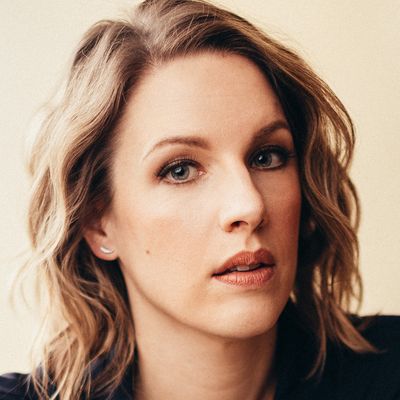
Our guest today is the “Beautiful” actor, and we mean that literally and figuratively, Jessie Mueller! Jessie starred in Beautiful, the Carole King musical and won the Tony Award for her performance... Read More
From the show: Broadway Gives Back
Guests
Featured Shows



About
Our guest today is the “Beautiful” actor, and we mean that literally and figuratively, Jessie Mueller! Jessie starred in Beautiful, the Carole King musical and won the Tony Award for her performance. Jessie also has been nominated for a Tony for the leading roles in Waitress, Carousel and On A Clear Day You Can See Forever. Her body of work is breathtaking and inspiring. As impressive as her acting career is, her social activism is equally as impressive. Jessie supports art education, LGBTQ+ rights, anti-gun violence, women’s rights, Broadway Cares and the Entertainment Community Fund.
In this episode, Jesse joins the podcast along with Anika Larsen, a Tony Award Nominee and a climate devotee, to talk about the environment during Earth Month. This is part of the series, called The United Nations Global Goals where we talk about tackling the world’s “to do” list to make our planet a better place.
Learn more about about the worthy causes discussed in this episode and how you can donate and/or help:
Learn more about composting:
- EPA: epa.gov/recycle/composting-home
- NYC.gov: nyc.gov/assets/dsny/site/services/food-scraps-and-yard-waste-page/composting-residents-organics
- Wirecutter: nytimes.com/wirecutter/guides/how-to-start-composting/
Connect with Jessie Mueller:
- Instagram: @jessiermueller
Connect with The Broadway Gives Back Podcast:
- Facebook: @broadwaygivesbackpodcast
- Instagram: @broadwaygivesbackpodcast
- Twitter: @broadwaygives
Hosted & Executive Produced by Jan Svendsen.
A proud member of the Broadway Podcast Network.
Special thanks to Dori Berinstein, Alan Seales, and Kimberlee Garris from BPN; Julian Hills from The Bulldog Agency; and Eric Becker from Broderick Street Music.
Transcript
This transcript was automatically generated and might contain errors.
[0:05] Jan Svendsen: Welcome to the Broadway Gives Back Podcast.
[0:07] Jan Svendsen: I'm your host, Jan Svendsen.
[0:10] Jan Svendsen: This podcast spotlights Broadway actors, shows, and organizations in their pursuit of social impact and philanthropy.
[0:17] Jan Svendsen: Join us as some of the brightest lights on Broadway share their stories about their favorite charities and how they got involved and the people and the causes who benefited from these philanthropic efforts.
[0:33] Jan Svendsen: Broadway Gives Back is launching a new series called The United Nations Global Goals, where we talk about tackling the world's to-do list and making our planet a better place.
[0:43] Jan Svendsen: I'm joined by my passionate co-host and friend Anika Larsen, who was a guest on this podcast last year and introduced me to the Global Goals.
[0:51] Jan Svendsen: Anika is a Tony Award nominee and a devotee of the climate revolution.
[0:56] Jan Svendsen: We decided to work together on this series and bring in guests to talk about ways in which we can all make small changes for the greater good.
[1:03] Jan Svendsen: Hi, Anika.
[1:04] Anika Larsen: Hi Jan, how are you doing?
[1:06] Jan Svendsen: I'm good. I'm glad you're back.
[1:08] Anika Larsen: Me too.
[1:09] Jan Svendsen: This is fun. So today, our special guest is a beautiful actor, and I do mean that literally and figuratively.
[1:16] Jan Svendsen: It's Jessie Mueller.
[1:18] Jan Svendsen: Jessie starred in Beautiful, the Carole King musical and won the Tony Award for her performance.
[1:23] Jan Svendsen: Jessie has also been nominated for a Tony for a leading role in Waitress and Carousel, and On a Clear Day You Can See Forever.
[1:30] Jan Svendsen: Her body of work is breathtaking and inspiring, and I, for one, am a huge fan of hers.
[1:35] Jan Svendsen: As impressive as her acting career is, her social activism is equally as impressive.
[1:40] Jan Svendsen: Jessie supports arts education, LGBTQ rights, anti-gun violence, women's rights, Broadway Cares, Equity Fights AIDS, and the Entertainment Community Fund.
[1:50] Jan Svendsen: Jessie, I'm so glad to have you here today. Welcome to the Broadway Gives Back Podcast.
[1:55] Jessie Mueller: My gosh, thanks for having me.
[1:57] Jan Svendsen: Jessie’s one of those people also who, when you ask her, when she gets called to come support, help, sing, do a benefit, fundraiser, whatever, she always says yes. She's just one of those people who's always ready to help.
[2:06] Jessie Mueller: Oh, I try.
[2:09] Jan Svendsen: And then sometimes I show up and I say, "What are we doing again?"
[2:13] Jessie Mueller: Fair enough.
[2:14] Jan Svendsen: But you show up. I think that's a good thing.
[2:16] Jessie Mueller: But I get there.
[2:17] Jan Svendsen: But I get there. And that's the first step.
[2:20] Jessie Mueller: Yeah.
[2:21] Jan Svendsen: Now you two, I have to ask, you two go back to Beautiful. Tell me how you guys met. Were you guys did you guys do the workshop together? Like how long ago did you two meet?
[2:31] Anika Larsen: No, we met in the rehearsal process, right?
[2:33] Jessie Mueller: Yeah, because we did San Francisco out of town, but we rehearsed in New York, and we actually we met, um, so that would have been August of 2013.
[2:43] Jessie Mueller: And um, yeah, no, we just met at rehearsal.
[2:45] Jessie Mueller: But I had seen her on a Clear Day You Can See Forever, and um was stunned by her.
[2:52] Jessie Mueller: And so when I learned, because I had been involved with many of the readings, because you've done a bunch of workshops and readings.
[2:57] Anika Larsen: Yeah, for like years.
[2:58] Jessie Mueller: Yeah. Um, and so when I heard they'd chosen you, um, I think I read it on like Playbill. Um, I was like, "Oh, snap! This is gonna be good."
[3:06] Anika Larsen: You're very sweet.
[3:10] Jessie Mueller: It was just such perfect casting. It was just, yeah, yeah.
[3:14] Anika Larsen: So I was wicked psyched.
[3:16] Jessie Mueller: Wicked psyched.
[3:18] Anika Larsen: And then I learned all about Anika and her wicked and her wicked psychedness and her Boston-ness.
[3:26] Jessie Mueller: What do you how does one uh I don't know if we're allowed to say this on this podcast, but I'm a mass hole.
[3:32] Anika Larsen: She's a mass hole.
[3:34] Jessie Mueller: She's a major mass hole.
[3:35] Anika Larsen: I'm a big ol' mass hole.
[3:38] Jessie Mueller: Yeah, no, I fully was backstage in San Francisco watching the Red Sox win the World Series, actually.
[3:45] Jessie Mueller: But gosh, that's on my computer in my dressing room between entrances.
[3:49] Anika Larsen: Yeah.
[3:49] Jessie Mueller: Gosh, that's right.
[3:50] Anika Larsen: Yeah.
[3:51] Jessie Mueller: And we got to be buddies in the show. So, you know, I had the very difficult task of pretending to be Anika's best friend.
[4:00] Jessie Mueller: Um, we got to pretend to be friends, and then I think we just tricked each other into being real friends in life.
[4:07] Anika Larsen: And uh here we are today.
[4:09] Jessie Mueller: Yeah, it's no, it was honestly one of the great joys of my career. I'm not just saying it because she's here, but um, to work with her.
[4:16] Jessie Mueller: We had this scene that I think was sort of like oddly special to uh both of us because it was just a book scene, there was no song.
[4:23] Jessie Mueller: Um, but we just sat on a couch and talked together and sort of like poured our hearts out together in the show.
[4:29] Anika Larsen: But there was something really just so lovely and grounding about that moment every night.
[4:33] Jessie Mueller: Um, I agree.
[4:34] Jessie Mueller: And it was kind of what we would do backstage too.
[4:37] Anika Larsen: Yeah.
[4:37] Jessie Mueller: We were at the Sondheim Theater, it was a very nice theater. We had couches in our dressing room. Sometimes that doesn't happen.
[4:42] Jessie Mueller: The dressing rooms are very tiny, so yeah, we just sort of bounce back and forth to each other's couches backstage as well and just sort of spill the tea, as they say.
[4:51] Anika Larsen: So yeah, that scene felt very, very organic and just yeah, I agree.
[4:56] Anika Larsen: It was a very grounding moment in the show.
[4:58] Jessie Mueller: Because you and I never sang together.
[5:00] Anika Larsen: No, no, we didn't.
[5:01] Jessie Mueller: We didn't have a duet together in that show.
[5:03] Anika Larsen: We should have.
[5:04] Jessie Mueller: No, there was no girl duet.
[5:05] Anika Larsen: Yeah.
[5:06] Jessie Mueller: Maybe podcasts you guys could do a little duet.
[5:09] Anika Larsen: We'll write something.
[5:10] Jessie Mueller: Yeah, we'll, we'll, I'll jot some notes down while we're talking.
[5:14] Anika Larsen: About the global goals.
[5:15] Jessie Mueller: About the global goals.
[5:18] Jessie Mueller: But Jessie, I gotta say, because um, you know, when people say they don't like musical theater, I think what they're saying, I don't know who those crazy people are, but sometimes I think it's the large, yes, sometimes it's like the larger than lifeness of it that the sort of the feeling that like jazz hands and falseness, and um, I always just dispute that that has to be true or that that is even true anymore.
[5:39] Jessie Mueller: That really the now it's about realism in acting on stage in so many of the shows.
[5:45] Jessie Mueller: Um, and Jessie just really embodies that.
[5:48] Jessie Mueller: I mean, you just you sing so well, but also are such a good actor and um brings such honesty in every moment.
[5:56] Jan Svendsen: And I think that was one of the reasons why that couch scene was so fun was because sitting with you and you were just it was just so easy because you were just so present and honest, and it was always a little bit different, and you were always giving a hundred percent, never phoning it in, even when it was really exhausting, the exhausting times.
[6:12] Jessie Mueller: Um, right back at you.
[6:15] Jan Svendsen: Oh well, thanks. That's just that's just who you are, that's who you are on stage.
[6:19] Jessie Mueller: I mean, those are the people I love to work with. I'm all you know, there's time for jazz hands, I'm all for it.
[6:24] Jessie Mueller: I'm and I'm like a movie I grew up on movie musicals, so I love the big stuff, but there has to be that genuine heart, there has to be that genuine intention.
[6:34] Jessie Mueller: I think people, audience members, I mean, I think people just know when something isn't authentic.
[6:39] Jessie Mueller: Yeah, when a feeling isn't authentic, when an emotion isn't authentic, and I think it makes people pull away, it pulls people out of it.
[6:48] Jessie Mueller: And what you want is for people to dive in, you know what I mean?
[6:51] Jessie Mueller: What you want is to draw people in and make people share, share an experience.
[6:56] Jessie Mueller: And so yeah, musical theater is hard, but when it's when it's bad, it's really bad.
[7:02] Jan Svendsen: But when it's good, it's really good.
[7:04] Jessie Mueller: Exquisite.
[7:05] Jan Svendsen: Yeah, it's exquisite, yeah. And I mean, when Carole King loves your own performance, you know, and I'm thinking also of Sarah Bareilles, who's also been a guest on this podcast and is a friend.
[7:16] Jan Svendsen: And when you were in Waitress, I mean, again, just the honesty and the authenticity of your performances were just incredible.
[7:23] Jan Svendsen: And I think that idea of authenticity also translates to social activism and to philanthropy.
[7:29] Jan Svendsen: Because if it's not genuine, people can smell it, you know, they know.
[7:33] Jan Svendsen: Which is why I think you are um what do you are? Quadruple threat or whatever, because you you have it in your acting, but you also have it in your real life.
[7:40] Jan Svendsen: And so I think people really appreciate that.
[7:44] Jessie Mueller: Oh, thank you. I really do appreciate that because I uh even just saying that I do those things, sometimes I feel like I I don't know if I do, or I don't know if I show up enough.
[7:55] Jessie Mueller: And but um I really appreciate the fact that I've had people in my life like Anika, like um, you know, getting connected with people like you, people like Seth Rudetsky, who's very involved in the entertainment industry, and people that sort of know how to make things happen and then reach out.
[8:13] Jessie Mueller: I'm I think I'm good at the responding part. If someone reaches out and I'm available and it's something I believe in, I'll dive in.
[8:21] Jessie Mueller: But I really appreciate what people like you do because to me you do the you do the hard stuff.
[8:27] Jessie Mueller: You create the infrastructure, you create the channels of communication, and so I just I want to throw it back and say how appreciative I am to you for what you do.
[8:38] Jan Svendsen: Oh, that's sorry. I never thought of it that way, but that's nice.
[8:41] Jan Svendsen: So listen, you know, I want to do a little a little um QA here just for the people who are listening who um may not know you as well as Anika does.
[8:49] Jan Svendsen: Um, and we thought we'd just throw a few questions at you and just answer with whatever comes to the top of your mind, you know.
[8:54] Jessie Mueller: Oh sure.
[8:55] Jan Svendsen: Is this like a rapid fire?
[8:56] Jessie Mueller: Yeah, it's rapid as you can.
[8:58] Jan Svendsen: Okay.
[8:59] Jessie Mueller: I was gonna say it's it's past the morning, so I should be fairly rapid. I'm in LA right now, so it's still morning for me.
[9:05] Jan Svendsen: I'm so glad I'm not out.
[9:07] Jan Svendsen: You can ask them slowly and I will try to answer them quickly.
[9:09] Jessie Mueller: There you go. Thank you.
[9:11] Jan Svendsen: All right. What are three words that describe you?
[9:15] Jessie Mueller: Oh empathetic.
[9:25] Jessie Mueller: Messy. It's not like a messy part, like I'd like to be tidy, but at the moment, feels a little messy.
[9:33] Jessie Mueller: And that's okay.
[9:35] Jan Svendsen: Um my question is, where is your happy place?
[9:42] Jessie Mueller: Oh, I'm still trying to find it. I'm still trying to find it.
[9:45] Jessie Mueller: It's usually under a blanket, or sometimes sitting on my little side porch, just kind of listening to the birds and watching the world go by.
[9:56] Jessie Mueller: Um yeah, I think it evolves, and I'm trying to trying to honor that.
[10:02] Jessie Mueller: That the happy place, the happy place evolves. Sometimes my happy place is with my friends, wherever they might be.
[10:09] Jan Svendsen: I don't know if it's if it's one place, but I'm sure you've been asked this question before, but can you recount an embarrassing moment for us from your career?
[10:22] Jessie Mueller: Oh, sure. Um gosh.
[10:31] Jessie Mueller: Um the first one that pops into my.
[10:33] Jessie Mueller: I mean, I've like lost petticoats on stage, you know, they just sort of like dropped to the floor, and you're trying to figure out what to do.
[10:42] Jessie Mueller: Um, I've forgotten lyrics. I remember I was doing a show in Chicago and I just went, I went sometimes.
[10:48] Jessie Mueller: Performers, I guess they refer to I went into the white room. I just I had no idea where I was, what language I should be speaking.
[10:54] Jessie Mueller: I mean, I was just out. I was out.
[10:57] Jessie Mueller: And um my buddy Ed Cross like saved me. We were doing a production and it was a musical, and I just looked at him with these blank, blank eyes.
[11:06] Jessie Mueller: I guess that's the but I'm trying to think if I've maybe that's more terrifying than embarrassing, but um yeah, oh yeah.
[11:18] Jessie Mueller: I feel like I always have those moments too because I think this is part of the work is you know it's all about your relationships with people, and I have pretty good relationships with people.
[11:29] Jessie Mueller: I like to pride myself on that, but man, no matter what, like the one time I want to say something, I just gotta spill it about somebody, it's like they're right behind me.
[11:38] Jessie Mueller: Those are always very embarrassing.
[11:40] Jessie Mueller: So I try to be really good about that, and then the one moment I'm just like, you know what? I've it's like, oh, there you are.
[11:48] Jan Svendsen: Yeah, yeah.
[11:49] Jessie Mueller: I've never heard you dish about anybody.
[11:52] Anika Larsen: Well, we've been pretty candid.
[11:54] Jessie Mueller: We've been pretty candid.
[11:56] Jessie Mueller: I maybe I'm more I like to think of it as being dishy, but like uh more honest.
[12:02] Jessie Mueller: You know what I mean? I think maybe I'm more honest now, but yeah, those moments where the honesty comes out and you're just like this wasn't the place because they're they're around the corner and they just heard me, didn't they?
[12:13] Jan Svendsen: But you know, what are you gonna do?
[12:15] Jessie Mueller: Yeah.
[12:16] Jan Svendsen: Um, okay, Jessie. I mean if you could switch lives with anyone for a day, who would it be?
[12:18] Jessie Mueller: Whoa.
[12:18] Jessie Mueller: Switch lives with anyone for people listening to this podcast, Jessie mouth is hanging open right here.
[12:34] Jessie Mueller: I was gonna I was gonna describe her face too. I was like, it was like shock and awe.
[12:36] Jessie Mueller: Ruby do Scoobs?
[12:43] Jessie Mueller: What does Scooby say? He doesn't say his own name. Does he say the name of his owner? Anyway, it was a two mobile, yeah.
[12:51] Jessie Mueller: It was kind of like that. You know what? Okay, so really the first I'm I was thinking famous person, you know.
[12:57] Jessie Mueller: Oh, I would want to be. It's like actually, I think what I'd want to do is just for a day, I'd like to see what it's like to be my partner Andy and see what goes through his mind and how he sees the world, and it would probably be really great to see how he sees me and how much you know what I mean, and just sort of, but may I don't know, maybe it would be frightening and I'd never be the same again.
[13:19] Jessie Mueller: But I think that's what I'd like to do.
[13:21] Jan Svendsen: Yeah, I think that's great.
[13:24] Jan Svendsen: Um a lot of people have been their answers have been interesting because they have not said like I want to be, you know, Angelina Jolie or whatever, you know, they want to be like people they know, which I think is.
[13:36] Jessie Mueller: Yeah, is oh that's really interesting, isn't it?
[13:38] Jan Svendsen: Yeah, yeah, yeah.
[13:40] Jan Svendsen: What would be the most surprising thing that you could tell us right now that very few people know about you?
[13:48] Jessie Mueller: My gosh. I guess maybe that I let's go for it.
[13:52] Jessie Mueller: I struggle with depression and anxiety. I mean, I know a lot of people are do speak about out about that more, but it's still something for me in my journey with it, where I struggle with talking about it on any sort of platform because I appreciate how important um that work is, and I would never want to say something that I wasn't well informed about because I'm still learning about it with myself.
[14:20] Jessie Mueller: But um, but I think that might surprise people because I think I think sort of generally as performers, we put on a good, we put on a good game face, like that's the job.
[14:29] Anika Larsen: Yeah.
[14:30] Jessie Mueller: And it's one of the challenging things about being a performer is that there's not a lot of, especially in live theater, there's not a lot of time for not having a good day.
[14:30] Anika Larsen: Yeah.
[14:30] Jessie Mueller: There's not a lot of time for your own feelings often. So um, yeah, that's something, especially in the last, I don't know, five or six years I've really been working on. And um, so yeah, I don't know. Maybe that would surprise people. Maybe it wouldn't surprise people at all.
[14:54] Anika Larsen: Can I just jump in for one second and just say Jessie, thank you for sharing that. First of all, you made me cry. Um, and I just want to hug you through this Zoom or whatever we're on. Um, thank you. That's um it it fits so fits with your honesty and your authenticity. And I just really appreciate you sharing that with people because there's so many people that struggle. And I think just hearing that there are um others and and you know, we're kind of all in it together. I think that's really important.
[15:22] Jessie Mueller: Yeah, also others who are so successful, like that you manage to be to overcome and and continue to be successful, I think is heartening for people to know.
[15:35] Jessie Mueller: Thanks. Well, could be because guys, you can so many people live with it and you can work through it, and there are many different ways, and people have really, really different um outlooks on it, opinions on it. Um, and I try to respect and honor that, especially because I think I'm still learning about my own journey with it. But um one of the things I think I continually experience is shame about it while I'm experiencing it, and I so I I appreciate when other people are open about it, so I was like, maybe maybe I can say this. I don't know. So yeah, yeah.
[16:15] Anika Larsen: Um, hey Jessie.
[16:17] Jessie Mueller: Hey Anika.
[16:19] Anika Larsen: What are you the most proud of?
[16:21] Jessie Mueller: Oh I am the most proud of the way I love people in my life, the way I show up for people in my life. And I don't think that's always been the case, not that I haven't done it, but I think I've I'm making it more of a priority now. I think I've placed my pride in many other things over the years, and I think that that is what fills me the most is my relationships with people, and um, so I take yeah, I take great pride in that.
[16:57] Anika Larsen: Excellent. You know, actually, I wanted to ask you, this is not part of the rapid fire. Um, we're done with that. But what what's your next project? What are you working on?
[17:05] Jessie Mueller: Um, I'm kind of in the space where I'm not exactly sure. Um I just I just did I just did my first audiobook, which was really, really fun. I'd never done that before. Um it's the invisible. No, I think I am because I think it's uh called The Invisible Hour by Alice Hoffman. It's her new book. Um I'm so excited.
[17:29] Anika Larsen: Are you a big fan of hers?
[17:30] Jessie Mueller: Yes, and I've I've actually since the pandemic, I do a lot of walking and running, and sure. I've been listening to more and more audiobooks, and I've been listening. Um she had Judith Light narrate one of hers, and I listened to that, and Judith's a friend of mine, so it was so nice to like walk and sort of hear Judith's voice talking, you know, narrating the book.
[17:49] Anika Larsen: I love that.
[17:50] Jessie Mueller: I can't wait to hear this. Um, I hope you enjoy it. I hope you enjoy it. I I think it's a beautiful book. It's very much about um mother-daughter relationships and also the love of reading and sort of the role of magic in our lives, and what can the role of magic in our lives be, and can we still believe in it? And I I just had the most wonderful experience with that. Um yeah, and I've got a couple of um animation projects that I'm working on that I feel like maybe I can't say anything about yet, but um I've just adored doing stuff like that.
[18:24] Jessie Mueller: So as far as getting back on stage, I don't I don't know, I don't know what that might be, but yeah, there's there's been um a little more it's a little bit more life stuff lately, which has been which has been good. And we're renovating a house that takes a lot of time.
[18:41] Anika Larsen: And money I'm learning.
[18:42] Jessie Mueller: Yeah.
[18:44] Anika Larsen: Yeah.
[18:45] Jessie Mueller: Because not on HG TV, it only takes like a half an hour, but it takes more in my life. What the heck? And like Chip and Jo just come over and they make these great decisions, and I can't get them on the phone.
[18:59] Anika Larsen: Is there is there a role that's like your dream role that you would love to do? We can put it out there, you know, we can manage it for you right now.
[19:06] Jessie Mueller: Right. No, um, you know what? There not so much. It's funny because some of the most challenging and fulfilling things that I feel like I've I've been blessed to do were like roles that didn't exist or at least weren't in the canon yet. And so, like, you know, getting to meet Anika and doing what we did in Beautiful, like that didn't that didn't exist, and that was such a special experience.
[19:27] Anika Larsen: Um it's kind of wild. Anika, do you think about that now?
[19:31] Jessie Mueller: Like regional theaters are doing Beautiful.
[19:34] Anika Larsen: Yeah.
[19:34] Jessie Mueller: Like everywhere. They just released the rights.
[19:36] Anika Larsen: They do just release the rights.
[19:37] Jessie Mueller: Everywhere. So everybody's listening to our for all those people like me who couldn't couldn't read music, who would then listen to the cast album to learn the music to learn the same. They're all listening to us. It's bonkers.
[19:47] Anika Larsen: It's wild.
[19:49] Jessie Mueller: Yeah. I had like friends in Chicago who were auditioning for Beautiful, and I was like, this is really weird. It's cool.
[19:54] Anika Larsen: It's so cool.
[19:55] Jessie Mueller: Yeah. Um, so yeah, maybe maybe later in life, like I'm I might want to take on like a Mama Rose or a Mrs. Lovett or you know, some some of those fun, kind of gritty, but um, yeah, or or something really joyful. I don't, I don't know. Anika and I need to do something else together.
[20:18] Anika Larsen: We really do.
[20:19] Jessie Mueller: I know. That was when when you left the show, I thought, gosh, what other show is out there is there that has two great women parts that we could do together. And I don't, I don't know, we have to think about it. Auntie Mame and Vera someday. I don't know that we're supposed to very well.
[20:34] Anika Larsen: There's some fun stuff.
[20:35] Jessie Mueller: But I would do anything with you, Jessie.
[20:37] Anika Larsen: Good costumes.
[20:38] Jessie Mueller: We'd have good costumes.
[20:39] Anika Larsen: We would.
[20:40] Jessie Mueller: We would.
[20:41] Anika Larsen: That's good wigs.
[20:42] Jessie Mueller: That's important.
[20:43] Anika Larsen: This is these are the important decisions.
[20:45] Jessie Mueller: What does my wig look like? I'll do it.
[20:51] Anika Larsen: Um, so let's talk a little bit about um the global goals. And as I said in my intro, um, you know, our our mutual friend here, Anika introduced me to this, and I kind of became obsessed over the holidays, and then contacted her and said, we need to do something, we need to do more. And I started talking to a lot of my friends and family that live around the world, and they knew so much more about the UN global goals than anybody I knew here in the US did.
[21:16] Jessie Mueller: So we um we're excited to be talking about them.
[21:19] Anika Larsen: And your goal today is to talk about goal number 15, which is life on land. So I'm gonna let Anika set this up for us.
[21:26] Anika Larsen: Um, context. Uh, yes, so just for people who don't know, 17 Global Goals, it's like a distillation of all the world's problems and and and but what we can do to solve them. And it's just so heartening and optimism-inducing to feel like somebody is somebody really not not somebody, lots of somebody who are very smart, really sat down and really hashed this out.
[21:50] Anika Larsen: Um it's the idea that all of our problems are interdependent and intersectional. So in solving one of them, you're solving all of them, and solving climate stuff, you're solving hunger, and solving poverty, you're solving inequalities, and that they're all just so related. And so um, so it's not sustainable if we pollute, and that's what we're gonna talk about today is life on land, which is what I think people think of most when they think of sustainability is like make taking care of our plants and our forests and our animals.
[22:16] Jessie Mueller: Um, but I really love the broader notion that it's also not sustainable for us if people don't have access to food, shelter, clean water, toilets, education, equality, the if everybody doesn't have access to prosperity.
[22:31] Anika Larsen: So my favorite definition of sustainability is shared prosperity on a healthy planet. So, but today we are actually gonna focus on the healthy planet part of it, which is really what people think of. Um, and yeah, it's life on land, and the description that the um the UN gives is to protect, restore, and promote sustainable use of terrestrial ecosystems, sustainably manage forests, combat desertification.
[22:57] Anika Larsen: Not sure if I'm saying that right at all. And halt and reverse land degradation and halt biodiversity loss. So basically that's taking care of the earth, right? And Jessie is gonna also be a guest on my vlog, Broadway Vlog to Save the Planet, where we're gonna talk about this.
[23:16] Anika Larsen: And where we get to talk about how Carole King, of course, of all people, was an what is a huge environmentalist starting way back in the 70s. She um has she's testified in front of Congress three different times to talk about logging in the Rockies. Um and she really is has been fighting for that good fight for a long, long time. So we're gonna talk about that.
[23:39] Anika Larsen: Um, and then we're also gonna talk about another Broadway diva. It's gonna be so many Broadway divas saving the planet. Um, because Bette Midler, of course, I'm sure we all remember back in the day, just these people who were saying it decades ago, and it's only now that really everybody's starting to listen with more of a panic because it's here, right? We're seeing the effects of it so immediately.
[23:57] Jessie Mueller: Um, that she started the New York Restoration Project, and that um brings you know it fixes New York parks. I mean, it just takes it the idea that all New Yorkers deserve access to lovely nature.
[24:08] Anika Larsen: Um, and so they do just a ton around New York City area to make sure that um all of our parks are beautiful.
[24:15] Jessie Mueller: And we've got trees to breathe air and all that good stuff.
[24:18] Anika Larsen: Yeah, exactly. You know, that goal as you described it just now, Anika, is so I mean, that's very dense. Those are big words, and a lot of us, at least me, I didn't understand half of them. But I think what's really important to do like today is to like just talk about this in real terms and break it down.
[24:35] Jessie Mueller: And I feel like we've been doing that with some of the other goals, and I feel like it's so important because you know, the people listening today, it's about doing those small things, taking those small steps for the greater good. Um and I just want a little little factoid.
[24:50] Anika Larsen: Carole King was the very first concert I ever saw in my life.
[24:55] Jessie Mueller: Really?
[24:55] Anika Larsen: Yes, in the 70s at the Greek Theater in LA.
[24:58] Jessie Mueller: And my parents let me go by myself.
[25:00] Anika Larsen: I was really young. And it was a really big deal.
[25:02] Jessie Mueller: So she has a very special place in my heart. Um, as did as did the musical. Um anyway, but let's let's talk a little bit about this whole idea of sustainability and environmentalism.
[25:17] Anika Larsen: Um, and let's break it down a little bit because it's overwhelming.
[25:21] Jessie Mueller: It's overwhelming to me.
[25:22] Anika Larsen: Sure.
[25:22] Jessie Mueller: So help me, help me, help everybody. I'm raising my hand as well.
[25:26] Anika Larsen: Yeah.
[25:26] Jessie Mueller: But like you said, the fact the word guidance came came into my mind as you were as you were talking, Jan. We all speak for myself. I love a little guidance now and then. There are certain things that I love to just take the reins on and do myself, but with things like this, that's why I appreciate what you guys do.
[25:46] Anika Larsen: And thanks for bringing me into the conversation because I feel like I'm gonna learn so much. Sometimes I feel like such a novice, and it seems like such a such a big thing, and I don't know how to break it down. But like you're saying, there are people that have done that, they have broken down these bits and made it, put it into bits and pieces that we can we can understand and begin to digest.
[26:06] Jessie Mueller: So I'm excited to like start chewing with you all.
[26:11] Anika Larsen: Um, you know, I think the good news is actually a lot, we're really we we probably are doing more than we, every one of us is doing more than we even realize that we're doing because it is something we've been aware of for a long time.
[26:23] Jessie Mueller: Um, I think everybody is more conscious about their paper use and about recycling their paper, and that honestly, that's a problem that this is great news, which is really it's so much that's a sort of 20 years ago problem, is that really people are doing better at it, and then the companies that make paper, most of the paper that we use now is recycled.
[26:43] Anika Larsen: Um and those the paper is being made from forests that are grown to make paper and then are replaced to make more paper.
[26:50] Jessie Mueller: It's not they're not cutting down rainforests to make paper. Um so all of that is is sustainably managed. Um and so um there are battles that we're winning.
[26:59] Anika Larsen: Um the renewable new renewable energies are here and they're taking over.
[27:03] Jessie Mueller: And um that is the most exciting thing, I think, because that is the hugest problem. That's the scary, like the temperatures are getting scary. That's it's slowing it down. We have to still all act now.
[27:15] Anika Larsen: Um it's still pretty dire, but we're not doomed if we all act now. We we will win this.
[27:20] Jessie Mueller: Um and um sort of the more I've learned about this in the past, I don't know, six months to a year that I've fallen down this rabbit hole, and I do not profess to be an expert about any of this, and I'm sure anyone out there fact checking will find lots of errors in any of the times I've been talking about this.
[27:34] Jessie Mueller: But um I think that the sort of general idea that's really helpful in terms of me flipping the switch for the mindset is just the idea of like how much we consume and in all of the ways that we consume. And if we all just think about consuming less and then think about where the things we consume are going, like trying to keep it circular so that none of just that the it's it's as little as possible ending in a landfill.
[27:58] Anika Larsen: Um, that that's that that's really helpful.
[28:00] Jessie Mueller: And so for the for in terms of taking care of this planet, it's consuming less gas, obviously, consuming a less electricity, consuming less meat is really it is it is crazy. It is bonkers, cow farts, methane, all of that but also cutting down trees to graze cattle um that really the meat industry has a huge impact on the planet consuming less clothes the um clothing industry is I think the second biggest industry polluting industry in the world um so fast fashion is really really hurting the planet it's also hurting people if you're buying if something's like weirdly cheap somebody's suffering somewhere the planet is suffering and people are suffering if it's if it's cheap there's a reason um and so trying to buy clothes that last consuming less clothing wearing it longer um wearing it more often um and you know it's consuming less plastics is so huge for the planet so it's that idea of like how can you simplify and not make it something that's like annoying and onerous in your life but just the sort of joy of the game of wouldn't it feel good to make things less more simple um that yeah that that's the only way it's like the idea of diets don't work it's a lifestyle it's the lifestyle choice it's the decision to eat healthy is actually the thing that's gonna keep you fit um I think it's this it's the equivalent of that is like just sort of remembering that nature's all of ours that's I think why the New York Restoration Project is great is because it's just because we live in a city doesn't mean we don't we aren't a part of nature.
[29:31] Anika Larsen: We are, we all are. It is all this, this is all of our issue. It's not a, it's not a, they say for this global goals, it's not a cause. This idea of saving the planet, it's the key to our survival. The planet will survive; it's people who might not, right? The planet's gonna keep going?
[29:47] Jessie Mueller: Yeah.
[29:48] Anika Larsen: It'll reset and be fine.
[29:50] Jessie Mueller: Yeah, totally.
[29:51] Anika Larsen: So couldn't we, wouldn't it be nice if we could stay and live in harmony with it?
[29:55] Jessie Mueller: Yeah, and leave it in a better condition than maybe we found it.
[30:00] Anika Larsen: Or I know that that's huge for you, Jessie. We were talking about that.
[30:04] Jessie Mueller: You looking at your kids and being like, dang it, I have to be able to tell them that I did my best.
[30:10] Anika Larsen: Yeah.
[30:10] Jessie Mueller: That I didn't put my head in the sand and I care about what this looks like for you in the future.
[30:16] Anika Larsen: Yeah. And I fully recognize that that's because I have the luxury of time and resources to do it. Not everybody does. There's so many people on this planet who are just trying to get through their day, whether it's sort of financial reasons or work, or if it's, uh, could be depression and anxiety. There are people who are just trying to get through their days.
[30:33] Jessie Mueller: So for those of us who are lucky enough to be able to fight the good fight, I feel like we must. And I feel like I'm capable right now in this time in my life of rolling up my sleeves and helping to clean up the mess.
[30:45] Anika Larsen: And so those of us who can have to. We just, we have to.
[30:50] Jessie Mueller: I want to go back to what you just said about depression and anxiety and to the earlier conversation where Jessie was so brave to talk about hers. You know, it has been proven scientifically that if you take a walk in nature, you lower your anxiety levels and you become less depressed. And, um, you know, this is not just me saying it, but, um, this is scientifically proven.
[31:13] Anika Larsen: So it all kind of circles back because if we're taking care of our, you know, our forests and our nature, and even if you're living in the city, if you're walking in Central Park, um, you know, to back to Bette Midler's, um, project for New York Restoration, you know, it all kind of circles back into these global goals and what, you know, mental health is a piece of that, and taking care of our environment.
[31:35] Jessie Mueller: So I feel like they're tied in together, right?
[31:39] Anika Larsen: They're all tied together.
[31:41] Jessie Mueller: It's not, it's not just, it's, I think it's not woo-woo to say we are, we are, that it's a circle of life. It's Lion King.
[31:47] Anika Larsen: It's, but we are nature, and when we're hurting nature, we are hurting ourselves. Um, but when we're, when we're fixing, helping, it's, I have never felt better and more optimistic than when I just started to act. Joan Baez said action is the antidote to despair.
[32:02] Anika Larsen: And it really is. Like I was feeling so scared and helpless about all of this. And then the minute I just took that first step and started to act, I just, I just feel so much better. Um, and then it's, well, that goes, that goes back to just depression and anxiety as well. It's, it's the same sort of action. It's the hardest thing to do when you're in that state.
[32:21] Jessie Mueller: But if you, if you can get guidance, if you can get help, if you can go outside, going outside is an action. Taking a deep breath is an action. And you're right, it is, it is so all so intrinsically linked.
[32:36] Anika Larsen: I personally am very fed by nature, and I tend to forget that sometimes, and or I've lived in a big city that's mostly full of concrete for a long time. Um, you know, I know I don't get fed by concrete; I get fed by air and trees and birdsong, and you're so right, Jan. It's, and that stuff has been scientifically proven.
[32:59] Jessie Mueller: It has, it has an effect on us, on our neurons or whatever it is. It does work. I think this idea of acting too, and I don't, I don't mean what you guys do for as a profession, but taking action. Um, you know, I don't know about you guys, but I'm a bit of a control freak, and I like to feel like I have some sense of control over my life, um, even though I probably don't. But the idea of taking some kind of action gives you some amount of control and it makes you feel calmer, I think, for me anyway.
[33:32] Anika Larsen: Um, so for me, learning, you know, some of the, I call them the hacks because they're like these small things that I know that I can do. Number one is it makes me feel like I have some control and I've taken some action. And then it's a positive reinforcement because then I feel really good about it and kind of proud, and then I'll do more and it just, you know, feeds itself.
[33:52] Jessie Mueller: So I just wonder, Jessie, do you have any, like, are there any things you do, any hacks that you could share with us that you sort of do on a regular basis or things that you've changed in your lifestyle?
[34:03] Jessie Mueller: Oh, and I was just going to ask you all that. Um, so we, we'll share back and forth. I feel, I feel privileged that we have a, we have a property outside of the city. So I'm in Wisconsin right now, and, um, and it's a very different lifestyle, and, and, um, I have to sort of like reacquaint myself every time I go back and forth. But, um, we come, we, we compost here, we started to compost here.
[34:28] Jessie Mueller: Um, and you know, it makes it a little easier because we have a garden plot and we have sort of a corner that we use. Um, but that is, um, that's something that I, that I love. I have to remind myself to do it because I'm not necessarily, like you were just talking about, Jan, the sort of one action begets another. It's not quite a habit yet. But it's getting, it's getting close, and because of the weather's getting nicer, it's a little easier to go out and throw it out the back door in that little spot when it's not the dead of winter and there's four feet of snow. So that really helps.
[35:01] Anika Larsen: Um, I'm trying to think of other things, especially when, when we're out here getting fresh air as much as we can, even if that's, um, keeping windows and doors open and not using air conditioning. Um, we also, we also have, um, a wood-burning stove that helps us heat our house so we're not always using the fossil fuels in that way.
[35:29] Jessie Mueller: Um, and we try to be really responsible about where we get our wood. Like, uh, just, I guess it was just a month ago, tree limbers came by because some, unfortunately, some of the beautiful trees on the other side of our plot were, um, I forget what kind of disease they had, but they had to come down. And I saw the guy and I flagged him down. I said, can you save, can you save the wood for us? Will you, will you kind of chunk it up? He said, sure, I'll throw it over your yard. So Andy and I were out the other day with an axe, chopping up, chopping up wood, something I've never done before.
[36:01] Jessie Mueller: So maybe that's a new hack. It's also good for stress, I will say. It's good cardio, yeah. You also kind of get like this nice tense muscle in your thumb, like when you've been texting too much, it's just a little more intense from where you grab the axe, but thank God nobody lost any fingers or toes. Um, I feel like I've always been one of those people, it's probably from my dad that was like, you leave a room, you turn the light off. Like save that electricity.
[36:26] Anika Larsen: I am, I'm pretty stringent about that. Like you leave a room, you turn the light off. Um, trying to think of what about you gals? Like what are other things you, I'm sure it'll like percolate things in each other's minds.
[36:39] Jessie Mueller: I mean, we always recycle as much as we can. I think the nice thing is that a lot of the examples you've given, it always works best when being eco-conscious is also a cost saver. Um, so that helps in terms of just the general consuming less is you're spending less. Um, and that, so that is super helpful as an incentive.
[37:01] Anika Larsen: Yeah, um, yes.
[37:02] Jessie Mueller: Um, yeah, I mean, I have lots of things that I've started. I started composting too, and I, because I had no idea what a big deal that is, what a, what a problem our food waste is creates methane, which is the worst greenhouse gas.
[37:15] Anika Larsen: Um, that's what it is because this was my question about this. I don't mean to interrupt you, but in my mind, sometimes I've been like, well, what's the, if it's going to decompose anyway? What's the difference of it decomposing in a landfill versus, but is it because it's in a plastic bag and that's what creates the methane gas?
[37:32] Jessie Mueller: Do you, uh, no? I don't think that's true. I think it's that in when it is decomposing in your compost heap. It is, if you're doing it, if you have the browns and greens, do you, are you doing that? You've got the foodstuffs, but then you've also got the stuff that breaks down but doesn't rot. Do you know what I mean?
[37:47] Anika Larsen: Yeah, I'm not sure we've gotten that far yet.
[37:49] Jessie Mueller: But so I need, I need some more training.
[37:51] Anika Larsen: Wait, wait, ladies, can you do me a favor? Because this is something I, I have to confess, like that is on my list of trying to something to try to do. And I have not, I have not got there, gotten there yet. So break, break this down for me.
[38:04] Jessie Mueller: Yeah, no shame in the stand.
[38:05] Anika Larsen: Yeah, how do you, how do you compost? And how do I do it?
[38:08] Jessie Mueller: Absolutely. Because we live in New York City and we live in LA. So how do I do it in both places?
[38:12] Anika Larsen: It is different, it is different.
[38:13] Jessie Mueller: Um, Jessie, do you want to start?
[38:16] Anika Larsen: I think you should start because I am also a novice.
[38:19] Jessie Mueller: So what we have begun is like throwing things in a pile. So I want to hear, which is not, uh, that's not quite what we're going for.
[38:27] Anika Larsen: So you start with your knowledge and then I'll chime in if I can.
[38:30] Jessie Mueller: Yes. And my knowledge again, fact check me, people. Um, I really actually cheated and, um, Wirecutter from New York, the New York Times. They are, give a very handy guide for those of you.
[38:41] Anika Larsen: It's not cheating, it's using a guide, it's using other people's knowledge.
[38:43] Jessie Mueller: That's true. Why, yes, that's such a good point. All we can do is build on the foundation of knowledge before us. Why are we trying to reinvent the wheel?
[38:50] Anika Larsen: Yes.
[38:50] Jessie Mueller: If you like real good at acting and singing, I don't think you have to be a compost expert.
[38:53] Anika Larsen: That's right.
[38:59] Jessie Mueller: And then you can give them a master class.
[38:59] Anika Larsen: That's right.
[39:06] Jessie Mueller: Um, yes, um, uh, actually my Green Mom AF Instagram is a plug for my Instagram. But if you go back in my videos, there's two videos I do with Andrea Varga that, um, talk about it and show you the compost itself, and then we do a fun lightning round of what you can compost and what you can't.
[39:22] Jessie Mueller: But yeah, so basically, um, it, there, yeah, there's two ways. If you live in New York City, the beauty is anybody who lives in a residence, and if it's a commercial building, which is why it's trickier on Broadway, then commercial buildings are in charge of their own waste management. Um, but if you live in a house in a residence, an apartment in, um, in New York City, um, you can, all you gotta do is order one of the brown compost bins, and they will bring them.
[39:46] Anika Larsen: They bring them to you, I believe.
[39:48] Jessie Mueller: I believe they do too. Um, and, um, and so you save it. You can get, uh, we have a little, um, metal tin that's like, I don't know why I want to say the size of an urn that you keep ashes in. That's such a morbid.
[40:00] Anika Larsen: Well, you know, this is a visual medium, so people want to know.
[40:01] Jessie Mueller: You know, also if you would like it to be decorative, you have that option.
[40:09] Anika Larsen: If Aunt Sally has taken up too much room, maybe put her on the garden and then compost in her garden.
[40:16] Jessie Mueller: I don't know if Aunt Sally, if she's a brown or a green, but, um, but yeah, so you keep, so as you're in your kitchen and as you're making all of your food waste, not, not actually, I think in New York City, I actually think in New York City, you can even do meats and dairy and stuff. I think you actually can do that in New York City. Don't quote me on that.
[40:34] Anika Larsen: For, for, so in New York City, put it in your, um, compost bin. There are also, I think, compost bins that are just out that you can put them in.
[40:45] Jessie Mueller: I live in the suburbs now, so I don't actually know.
[40:47] Anika Larsen: But, um, there are every once in a while.
[40:50] Jessie Mueller: You have, yeah. And sometimes restaurants and food court places are getting a little better about that, about having your landfill as opposed to your plastics, as opposed to your, I'm trying to think of what usually the other category is. Your compostables basically.
[41:32] Jessie Mueller: And then when it gets filled, you take it. If you have a compost bin and outside your house, you put it in the compost bin. Um, in New York, you put it in your brown compost bin. Um, if you need, if you have trouble with like sometimes people will put it in a plastic bag and put it in their freezer so that because they don't have a place to store it where it won't stink.
[41:51] Anika Larsen: So that's the thing.
[41:51] Jessie Mueller: You used to do that in Queens every once in a while, yeah. And we even had these special bags that at least first came, I think, with the brown bins. They were composting. So you can put, when they were compostable, they smelled a little bit like shrimp. So that might have gotten, they might have worked on that. But I mean, you know, as things decompose, which is why the freezer trick is a good one.
[42:10] Jessie Mueller: Um, but if you have a house and you have an outside where you can have a compost bin of your own, you can get them of varying sizes and varying kinds. Ours is, I don't know what it's as big as. It's as big as a bread box, much bigger than a bread box.
[42:26] Jessie Mueller: You could climb it. It's probably as big as, you know, a big plastic trash can. Yes, it's about the same size as well. Oscar the Grouch could live in there. He could live in there, yes. Our groundhog on our property, he likes to try and get in there all the time. But he can't because it's made for him not to be able to. And then so it's covered, obviously, with a thing that locks so that the animals, because they're smart, can get in. And then we put our compost in there. And so you can put any foodstuffs, but here at your own home, you should not put meats because they will stink and they will attract animals. But then you want to balance out so that you're also putting in the kinds of stuff that will rot if you put it on your counter a week later, it would be rotten and smelly.
Those kinds of things you can put in as much as you want, but then you also want the stuff that if you put it on your counter, it wouldn't be rotten and smelly. And that's like dried leaves are really.
[43:24] Anika Larsen: Yes.
[43:24] Jessie Mueller: So are browns my old banana peel and my... Yes. I didn't know. And the mixture you churn it. And then the mixing of that means that Mother Nature is breaking it down the way Mother Nature wants to be breaking it down. Making compost. As opposed to the very unnatural way of living in a landfill, and then it doesn't get to break down. You think about always think about it like back millennia ago. People would eat something, they'd throw it on the ground, and then they'd keep walking, right? And it wouldn't be just a soul pile of just foodstuffs. It would be mixed in with the rest of nature. And it would degrade and break down with nature. That is very... So people, when you throw on a sidewalk, I was like, were you raised in a barn?
[44:30] Anika Larsen: I know.
[44:31] Jessie Mueller: I know. And yet if they were raised in a barn, they probably would put that trash of the compost in a compost. No, and people that's really helpful. I think people don't know. I think they think if I'm throwing out this banana peel, it's just gonna disintegrate, you know. I don't think all people are that evil to think that they're just littering. But wait, I feel like there's a song in this whole idea because it's like thinking of like butterflour, you know, right? Runs and greens and manure. I mean, that's basically because then basically what you I was also thinking of turn around, turning up my cobbles and it's making it better. I'm gonna make my soil grow some things, turn around.
[45:13] Anika Larsen: Um, there's amazing.
[45:16] Jessie Mueller: Do everything, turn, turn, turn, turn. Yeah, yes. Yeah, but that's probably the way that's great at it. Yeah, but to get something, but yeah, that's important. That's something to get. And then once it's the compost, they call it black gold, and it's beautiful and it's wonderful, and if you put it all over your garden, your garden's gonna grow better. And if we put it all over our New York City gardens, they will grow better. And yeah, yeah. That's a win-win-win-win. And there's no insects or worms or anything involved with composting, right?
[45:46] Anika Larsen: Uh the worms will get will get up in there.
[45:48] Jessie Mueller: Yeah, they'll be happy in there. But that's not there's no bottom to a compost bin, they don't have a bottom, so the worms can come up from the bottom, but not in your New York City apartment.
[45:57] Anika Larsen: Oh no, you don't have to do that.
[45:58] Jessie Mueller: No, no, no, no. No, because your little New York to the city. Your little brown bin will keep it at right. It will have a bottom. And yeah, if you get worms in there, then that's not the compost. That's you have another issue.
[46:11] Anika Larsen: We have another issue.
[46:12] Jessie Mueller: Okay. Not judging vestation. Yeah, that ain't that ain't the compost. We're gonna put links in the episode page for all of the instructions on how to compost, and I will be reading those.
[46:23] Anika Larsen: I was gonna say, and I will have to reference all of them.
[46:26] Jessie Mueller: And I'm sure New York, and in fact, I know that New York City has a great on their city website, has a great page that explains composting for anyone who lives there.
[46:34] Anika Larsen: Great.
[46:35] Jessie Mueller: These are all just so good, such good reminders because we know I do this, I know the information is out there, but there's a lot of information out there, yeah. And sometimes I get overwhelmed and inundated with just the things that we're all taking in on a daily basis because of how our world works, because of how we get our information, with how we communicate with each other, our freaking phones and devices and the things that bleep and bloop at us. It's good to just to just have reminders and a little guidance, like I said, about hey, here's a great place to look. This person has sussed this out, and this might be a good spot to check out how to do this better.
[47:16] Anika Larsen: And it's not about doing it perfect either.
[47:18] Jessie Mueller: I get caught up in that a lot. I think, well, I don't know how to do it, so I'm not gonna start, or I don't... It's like try it. Oops, I forgot to turn my compost. I next time I will turn it.
[47:30] Anika Larsen: Yeah.
[47:31] Jessie Mueller: Because I'll remember the song we wrote. That's now a top 10 hit. That's now, guys. I think it might be streaming. The money is rolling in. But that's a really, really, really good point. There's simply no way to be perfect at this, and all we're trying to do is be a little better every day. I keep quoting Frozen 2 because I love it so much. Do the next right thing.
[47:52] Anika Larsen: Right thing, yes.
[47:54] Jessie Mueller: Keep doing the next right thing. And then sometimes we're you're gonna figure out, oops, I thought that was the right thing, but it wasn't. Let's course correct and go and do the next right thing because of course there's lots about that. This is that is complicated and tricky, and you know, there's the whole discussion of carbon offsets, and that system is very complicated. But I sort of liken it to this whole though, sort of all of our climate work is necessary and flawed, but it's like medicine, like taking care of the planet is like taking care of our bodies and just through the history of medicine that lots of mistakes have been made, but that what people didn't never just throw up their hands and say, well, let's stop trying to heal people.
It was like, no, we that was a big old mistake. All right, now based on the foundation of knowledge that we have now, let's do better and better and better at healing people. And so I think the same is true with the planet. Like, let's just keep staying ever vigilant and really trying to course correct and just do better and better and better. And we're gonna do it. I just I know we are. There's so many smart people out there innovating and inventing and in their specific lane figuring out how to solve these problems, and everybody's attacking it from all different sides, and so that's the most exciting thing.
[49:06] Anika Larsen: This woman is passionate and I love her enthusiasm. Fire up.
[49:09] Jessie Mueller: Hey, Jessie. I wanted to ask you, so you have done so many amazing things philanthropically and in your social activism. And as you said, you say yes and you respond to people who ask you. But I wondered, where did you get this sort of feeling for doing good? Is this something that you grew up with? Did it was it modeled for you by your family or your community? How why are you a good person? A good person. Why do you do this?
[49:40] Jessie Mueller: I well, I think I think it was modeled for me in terms of I think I think my parents were always giving back was always talked about. It manifested in different forms. That they were always big about like giving back through their church or helping out at the school, or sometimes a lot of it was giving of your time. And I think early on in my career too, I didn't really know a lot about philanthropy because I felt like it was always financial or it was always money-based, and I thought, well, I don't have any money, so I can't contribute. I don't know how to give. But I think when I learned that giving of your time is important, or finding ways to shine a light where it needs to be shown. Is that the right verbiage of that?
[50:42] Anika Larsen: Verbiage of that.
[50:42] Jessie Mueller: Yeah, and also I think I have just felt so fortunate with the blessings that I've received in my career and the people I've known and gotten to meet and I it's like how do I explain it? It only makes sense to give back. I think there was at some point I almost did it not out of guilt, but it's like I have too much. I have to people are being too generous to me, or I have to I have to do, I have to but if I can but I'm working on reframing that for myself too as just being a joyous thing. It's not anything I have to pay back. It's not it's more about paying forward. I feel like I have been given a great deal if I can if I have something to give, I want to give it. If I have if I have extra, I want to give it.
Because people have done that for me in giving back can come in so many forms. I think you would both agree. So it's you know, it's time or money, it's giving someone comfort, giving someone your presence, giving someone your understanding, feeling helping someone feel seen. So there's so many ways to give back.
[52:06] Anika Larsen: And I think that it's sort of like what we've been talking about with all the environmentals and all the environmentalism and all the hard words that are hard to pronounce, like desertification, right?
[52:19] Jessie Mueller: I was looking at that word and I kept thinking of desertification. I was like, ooh, is that the creation of desserts out of thin air or something? I was like, I want to get into that.
[52:25] Anika Larsen: Yeah, flambe.
[52:28] Jessie Mueller: But that it's that it's something that Anika, something you said that this one action feeds this other action, this other need. This, and to me, it just got me in this the word community kept coming to mind. And I think that that's something I would say, especially I would say in the United States. We can lead with the me. What about me? What do I get? Why do I achieve? What do I, and if we can, and I think I think of giving back in that sense of I've been fed, I'm gonna feed somebody else. That cyclical nature of it is just what it should be.
[53:17] Anika Larsen: That's just what it should be.
[53:21] Jessie Mueller: I was gonna ask you as a last question. You know, you have a lot of fans. What advice would you give anybody listening as to how they could give back or be part of that? How can they give back?
[53:34] Jessie Mueller: Well, it's funny, Anika, you said I think you said it's something about like people being in their lane or knowing their lane, or and as you were speaking of the other things you could do, and we were talking about perfectionism. It's not oh, and even the thing about medicine and thank God no one stopped creating medicine, which made me think of healing at healing comes in so many different ways. So, what might what works for one person might not work for somebody else? So, maybe composting is not your thing, right? Maybe you know what I mean? Maybe you're maybe where you're at is like I'm gonna turn off some more lights. That's what I can handle today. I'm gonna buy this glass jar instead of this plastic jar.
I'm going to buy the reusable plastic bags that I can wash in the dishwasher rather than just the regular, you know, zip the zippy brand, or I'm gonna use a mason jar to hold my leftovers rather than the plastic tubs or whatever it can be. But be honest about where you're at and what you do well. You don't have to do what every and what everybody else is doing. You can find out what works for you and what you do well, and that's a contribution. Because if everybody does that, things will start to happen. And I think that kind of goes for life as well, but it certainly relates to what we're talking about.
[53:34] Anika Larsen: I think.
[55:01] Jessie Mueller: It really does. I'm gonna wrap this up, but I think we should keep going and keep having this conversation. Jesse, thank you so much for your time today.
[55:10] Jessie Mueller: Oh, thank you. It's so I like I said, I felt like coming on. I'm the novice and I'm learning things. So thank you for making another space where people can come or discover that it's here and just learn a little bit more and learn a little bit more so they can try this and try this and see what works for them, and then we can make that collective effort to do the right thing. The next right thing, as Anika said.
[55:31] Anika Larsen: The next right thing.
[55:36] Jessie Mueller: Thank you.
[55:43] Jan Svendsen: Thanks for listening to this episode of the Broadway Gives Back Podcast. If you like what you hear, please subscribe and rate Broadway Gives Back wherever you stream your podcast. You can also follow me on Facebook at Jan Freelander Weiss and on Instagram at Janforgood. Broadway Gives Back is part of the Broadway Podcast Network, produced by Dori Berinstein, Alan Seales, Kimberlee Garris, along with their team of amazing collaborators and wonderful humans. To learn more about this podcast and other Broadway podcasts, visit bpn.fm/broadwaygivesback.
© Broadway Podcast Network, All Rights Reserved