

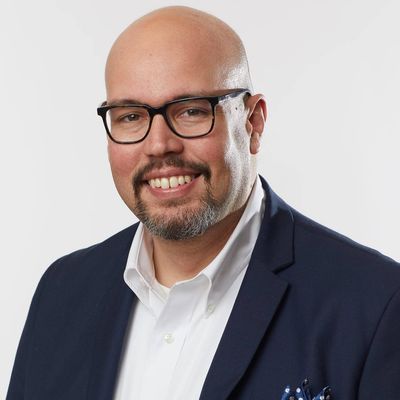
My guest this week is Robert W. Schneider who joins me to talk about his new podcast, Broadway Bound — The Musicals That Never Came To Broadway. Each of the ten episodes in the first season of this wonderfully researched new series focuses on a high-profile musical that was on its way to Broadway but for various reasons never made it... Read More
From the show: BROADWAY NATION
Guests
About
My guest this week is Robert W. Schneider who joins me to talk about his new podcast, Broadway Bound — The Musicals That Never Came To Broadway.
Each of the ten episodes in the first season of this wonderfully researched new series focuses on a high-profile musical that was on its way to Broadway but for various reasons never made it. Analyzing and identifying those reasons is part of what makes this series so fascinating. Musicals featured in the first season include Arthur, Minsky’s, Breakfast At Tiffany’s, The Baker’s Wife, Juliet Of The Spirits, Busker’s Alley, The Graduate, and The Mambo Kings.
Rob Schneider is an original programming producer at 54 Below, where he has produced and directed more than 100 events, and Artistic Director of the J2 Spotlight Theater Company. In addition to Broadway Bound, Rob is the host and producer of two other popular theater podcasts: Behind the Curtain: Broadway’s Living Legends and Fifty Key Stage Musicals, which was inspired by his book of the same title. All three of which can be heard on the Broadway Podcast Network.
Become a PATRON of Broadway Nation!
I want to thank our Broadway Nation Patron Club members, such as longtime members Chris Moad and Judy Hucka, whose generous support helps to make it possible for me to bring this podcast to you each week. If you would like to support the creation of Broadway Nation, here is the information about how you too can become a patron.
For just $7.00 a month, you will receive exclusive access to never-before-heard, unedited versions of many of the discussions that I have with my guests — in fact I often record nearly twice as much conversation as ends up in the edited versions. You will also have access to additional in-depth conversations with my frequent co-host Albert Evans that have not been featured on the podcast.
All patrons receive special “on-air” shout-outs and acknowledgment of your vital support of this podcast. And if you are very enthusiastic about Broadway Nation there are additional PATRON levels that come with even more benefits.
If you would like to support the work of Broadway Nation and receive these exclusive member benefits, please just click on this link:
https://broadwaynationpodcast.supercast.tech/
Thank you in advance for your support!
Transcript
This transcript was automatically generated and might contain errors.
[0:01] David Armstrong: Welcome to another episode of Broadway Nation, the podcast that tells the remarkable story of the Broadway musical and the immigrant, Jewish, queer, and black artist who invented it.
[0:15] David Armstrong: My guest this week is Rob Schneider, who joins me to talk about his new podcast, Broadway Bound.
[0:22] David Armstrong: Each episode of this exhaustively researched new series focuses on a high-profile musical that was headed to Broadway, but in the end, for various reasons, didn't quite make it.
[0:33] David Armstrong: And identifying those reasons is, of course, what makes this series so fascinating.
[0:38] David Armstrong: Among the many hats that Rob Schneider wears, he's an original programming producer at 54 Below, where he's produced and directed more than 100 events.
[0:48] David Armstrong: And he's also the artistic director of the J2 Spotlight Theater Company.
[0:53] David Armstrong: In addition to Broadway Bound, he's the host and producer of two other theater podcasts, Behind the Curtain: Broadway's Living Legends, and 50 Key Stage Musicals, which was inspired by his book of the same name.
[1:06] David Armstrong: Before we begin, I need to send out my heartfelt thanks to our Broadway Nation patron club members who helped to make this podcast possible.
[1:14] David Armstrong: Especially longtime supporters Judy Hucka and Chris Mode.
[1:19] David Armstrong: If you would like to help support the work of Broadway Nation, I'll have information at the end of the podcast about how you too can become a patron.
[1:27] David Armstrong: And now, without further ado, here we go.
[1:30] David Armstrong: Welcome, Rob Schneider to Broadway Nation.
[1:32] David Armstrong: It's wonderful to have you here to talk about your new podcast, which is titled Broadway Bound: The Musicals That NEVER Came to Broadway.
[1:41] Rob Schneider: Yes, David, thank you for having me. I feel like I've made it. I've loved your show for so long. And the fact that I get to be a guest on it, this is like a little thing I can check off my bucket list. So thanks for having me today.
[1:53] David Armstrong: Well, it's a mutual admiration society, as someone from Broadway once sang. Take it, Ms. Norman.
[1:57] Rob Schneider: Exactly. I have enjoyed all of your podcasts. And let's review that for our audience.
[2:05] Rob Schneider: The first podcast I was aware of you hosting was Behind the Curtain.
[2:09] Rob Schneider: Yeah, Behind the Curtain: Broadway's Living Legends, which we started in 2016, and we now have over 600 episodes in the can.
[2:18] Rob Schneider: And that podcast was specifically designed to preserve the history from a firsthand account of individuals who've been in the business 30 plus years.
[2:26] Rob Schneider: And we talked to actors, directors, designers. But the big thing for us was because I know you're an educator as well, like I am. I found that I was running into a lot of students who felt that they need to copy a performer's career that they admired as a template for their career.
[2:41] Rob Schneider: And I wanted to show them that there really is no one right way of doing this. And so we spoke to people like Nathan Lane and Andre DeShields and Stro and all of those individuals, Joe Mantello, and talked a little bit about what were the beginnings of their journey and how they got to where they are today.
[2:57] Rob Schneider: And like I said, 600 episodes later, and I'm pretty proud of it. And filled with some great, great stories.
[3:03] David Armstrong: Even if you're not a young person starting out in your career, you get some great stories about Broadway in the past.
[3:09] Rob Schneider: Oh, it is incredible some of the stories you hear. Because I'm also a producer at 54 Below. And like you would sit in the green room and you would hear these amazing stories, and you would just think to yourself, why is nobody recording these right now? Because we're the only ones lucky enough to hear them.
[3:23] Rob Schneider: So I was like, you know what? No one's gonna record them. I'll record them, I'll do it.
[3:26] David Armstrong: And then you had a second podcast, and all of these are still available. The wonderful thing about podcasting is it never dies, it's just out there forever, presumably until somebody turns the switch off and nothing's there anymore.
[3:38] Rob Schneider: The second podcast was based on the book that you wrote.
[3:41] Rob Schneider: Yeah, I was so lucky. I got like what every musical theater historian like dreams of, which is a publishing company approached me and said, Would you be willing to tell us what the 50 most key musicals in the history of musical theater are?
[3:53] Rob Schneider: And you know, you're like, only 50? So this means I can't include ballroom. So I wrote this book called 50 Key Stage Musicals.
[4:01] Rob Schneider: And then I thought to myself, when this day and age, so many students now are using things like TikTok to sort of get information. And I thought to myself, is there a way of taking what they've learned in the book but putting it in a form that's more accessible to them?
[4:16] Rob Schneider: Because some people just don't like reading. And so we created a podcast series based on the book where each episode is a deep dive into the history of a specific show, but with interviews from people who were either actively involved in the show or people that are brilliant historians that have some sort of deep knowledge of the show.
[4:34] Rob Schneider: And so there's 50 episodes there as well. And we have great like Stro is on that one, Rick Ellis, Richard Malpey Jr. talking about how Ain't Misbehavin' came to be, which I think is one of the greatest, if not the greatest revue ever created, because it's just genius.
[4:48] Rob Schneider: So yeah, so that's on there as well. So if people want to hear that, go for it. And both of those are on the Broadway Podcast Network to put our plug in there for our hosts, as is your new podcast.
[4:58] David Armstrong: So let's talk about that. How did this new podcast come about? What was sort of the impetus behind it?
[5:03] Rob Schneider: Sure, you know, the new podcast is called Broadway Bound, the musicals that never came to Broadway. And over at 54 Below, I have a series called Broadway Bound: The Musicals That NEVER Came to Broadway, how appropriate.
[5:13] Rob Schneider: And when you're doing a show at 54 Below, you've only got 70 minutes, and people are really coming to hear the wonderful music. So you can only tell like just little bits of information about why a show never got into New York.
[5:25] Rob Schneider: But also the big thing for me that I wanted to show was that just because a show doesn't come to New York doesn't mean that it's a bad show. Nobody sits there going, I know this show's not going to come in, so I'm not going to work and create some really wonderful things with it.
[5:38] Rob Schneider: We do this series at 54. It's pretty successful. And then we thought, well, maybe we'll write a book about it. And then I thought, but the joy of it is actually hearing this music that nobody's ever going to get the chance to hear again.
[5:49] Rob Schneider: So I was like, is there a medium where you can be historical and also play music? And I said, Well, yes, that's the world of podcasting. And so that's where the impetus came from.
[5:56] Rob Schneider: But you know, we know the great works that so many of these composers create. But also I think what's just as fascinating is this what were the things that they were passionate about that for whatever reason or not just did not come to fruition.
[6:10] David Armstrong: And I wanted to celebrate that. My podcast focuses on the history of Broadway. And so I don't often talk about flops or failed shows or things like that, because I'm mostly talking about what had the most influence on the form.
[6:23] David Armstrong: But what's so interesting about your podcast and why I think it relates so well to what I talk about is that you're talking about these great creators, these legendary creators in many cases, who, like everything else, most things that people try to do don't succeed.
[6:40] David Armstrong: So why did these shows not succeed either based on their merits or just based on the circumstances? So that story's really interesting.
[6:49] Rob Schneider: Thanks, David. And also, you know, going back to what you were saying about teaching history, one of the things that I think is really important is like one of the shows that we're talking about is a musical called The Mambo Kings.
[6:58] Rob Schneider: And The Mambo Kings was supposed to come out in 2005, and it was a musical that was showing the Latinx experience in a very positive light. And I think now historians will say, Oh, you know, the first musical to really show Latinx characters in an extremely positive light is something like In the Heights, which came out in 2009.
[7:18] Rob Schneider: But had Mambo Kings come out only four years earlier, that would have been the show that people were referencing and referring to. So I think it's also good to give a lot of these shows the credit that even though they didn't get to that finish line, they were still working just as hard to give voice to a group of individuals that really hadn't had a voice in Broadway musicals up until that moment.
[7:40] Rob Schneider: So that's also one of the fun things about uncovering this. Like there's a musical, the episode hasn't been released yet, but there's a Carolyn Lee musical called Enter Juliet, which is about a woman who's going through a midlife crisis and she learns that she has to love herself before she can love anybody else.
[7:55] Rob Schneider: And if you're a fan of RuPaul's Drag Race, you know that's pretty much the last line of every episode. But she was exploring that 40 years before our culture caught up to it. So I don't know. Stuff like that I find really fascinating. And I think they should be celebrated and recognized for what they were trying to accomplish.
[8:12] David Armstrong: Absolutely. And so many things people think they're discovering today have been explored and advocated for so much in the past.
[8:20] Rob Schneider: Oh, yes, David.
[8:22] Rob Schneider: Oh, yes, indeed.
[8:23] David Armstrong: Yeah. Do you get that a lot with some students who are like, oh my gosh, this is brilliant? And you go, well, it was also brilliant 30 years ago when Michael Bennett was doing it, but okay.
[8:31] Rob Schneider: Exactly. And they have trouble even believing when you show them something happened in the past that that's true.
[8:37] David Armstrong: Yes.
[8:37] Rob Schneider: Because nothing progressive happened before 10 years ago or 20 years ago.
[8:42] David Armstrong: Yes.
[8:42] Rob Schneider: And I also wonder when I was in high school or college if I was the same way. And I don't think I was, but if I was, I apologize to my teachers now. Let this be my public apology.
[8:52] David Armstrong: Yes, exactly. So give us a rundown of what episodes are in this first season. What are the shows that you cover?
[8:57] Rob Schneider: Oh, fantastic. So our first season is thematically linked. And the first season we're calling Hooray for Hollywood, and it's movies that got turned into musicals that didn't come to Broadway.
[9:10] Rob Schneider: So far, we have covered Arthur, the musical, which was written by the people who wrote Friends, The Graduate, The Musical. Yes, there was a Graduate musical, Busker’s Alley, Minsky's, The Mambo Kings, Juliet of the Spirits, The Baker's Wife, Paper Moon, Gone with the Wind, and Breakfast at Tiffany's.
[9:27] Rob Schneider: So in our first season, those are the ten. And each episode not only has audio clips from the composers, but also interviews with the people that were there.
[9:37] Rob Schneider: So today we just dropped our Minsky's episode, and that has a pretty extensive interview with Casey Nicholaw, who was the original director choreographer of the show. Plus, you know, I practically lived at the library for the performing arts, and we got so much wonderful information, private correspondence, drafts of things.
[9:55] Rob Schneider: We're revealing things that nobody has heard in public before. So very excited about that. But those are the 10 that we're covering in our first season.
[10:03] David Armstrong: Really exciting and a fascinating group of shows. I've had a chance to listen to the episodes that are out so far. And you're releasing them weekly. What's the sequence?
[10:11] Rob Schneider: Yeah, so every week, every Thursday, we release a new episode, and our first season concludes April 4th, I believe. And then our second season will be in early October.
[10:23] David Armstrong: It's so interesting how seasons work in the world of podcasting. I guess that's how they work on Netflix now, too. It has nothing to do with a year, it's just whatever you decide.
[10:29] Rob Schneider: Whatever you decide.
[10:33] Rob Schneider: Exactly.
[10:34] David Armstrong: I've also enjoyed this, has been a little bit of a trip down memory lane because I'm old enough to know a lot of the people involved in the shows that you've been talking about, and to have seen some of them along the way.
[10:48] David Armstrong: It's really interesting to have this chance to think about these shows that, and again, audience members will come to it with no knowledge or some knowledge, or they saw Minsky's at the Amundsen, or whatever. They're gonna come with different approaches, but then it's really interesting to get this picture filled in so much by the people who were there and the people involved.
[11:08] Rob Schneider: Oh, thanks, David. Do you remember any specifically that you or have you ever seen a musical that was supposed to come in and you thought to yourself, oh well, I'm surprised this didn't happen, or you thought to yourself, I'm not surprised that this didn't happen?
[11:20] David Armstrong: Very, very many, and been involved with some of them myself.
[11:24] Rob Schneider: But very good answer.
[11:27] David Armstrong: Good answer. But it's a fascinating subject. And I was speaking to somebody just a few weeks ago, and they asked me, Well, what were the ones that got away? was the way they expressed it. What were the shows that I had been involved with at some point over my career, either in readings or full productions that I think were the ones that should have been big hits and never were.
[11:47] David Armstrong: I'll just give one example. There was a show I did many, many years ago called The Tabera and the Frontier Rabbi. I don't know if you've ever heard of that show.
[11:54] Rob Schneider: Janine Lamanna talks about this show.
[11:56] David Armstrong: Janine Lamanna went on to be in that show.
[11:59] Rob Schneider: Yes, she was not in the original production, but yeah, there were subsequent productions of it.
[12:03] David Armstrong: And that original production that we did at the Cajose Music Hall in upstate New York, I was certain that that show would be a giant hit. It was so good. The audience response was so phenomenal.
[12:15] David Armstrong: At that time, the first act was sensational. The second act had been written about 10 minutes before we opened. And so there was still a lot of work to do. But it's one of those heartbreaking shows that you just sort of feel go off track as it goes on, and I was not involved past that, but it just didn't ever realize that potential that it had at the beginning.
[12:34] Rob Schneider: And I can name about a dozen of those shows over the time that I thought had incredible potential.
[12:39] Rob Schneider: Yeah, and you know, David, like every show has something different about it. Sometimes it's a star's ego. Sometimes a producer gets nervous, or sometimes the show that was really good if it had come out two years earlier, but the cultural conversation has changed for whatever reason.
[12:54] Rob Schneider: And that's kind of the fun thing about this podcast, which is trying to figure out like not exactly where to lay the blame, but to sort of pinpoint what was the hurdle that this project could not overcome.
[13:05] David Armstrong: And that's exciting. That's exciting. And with these 10 shows that you start with, is there anything that you think got in the way of all of them? Are there common stumbling blocks?
[13:14] Rob Schneider: I think the big common stumbling block seems to be that nobody asks, why are we doing this? Why are we turning this into a musical?
[13:21] Rob Schneider: And I think Stephen Sondheim said this. It's a why musical. Why do you feel the story's going to be enhanced by adding music to it? And I think a lot of times that question isn't asked.
[13:32] Rob Schneider: And I think if it is asked, I don't think the answer is deep enough to warrant creating a show like The Graduate. What can you add that Mike Nichols wasn't able to add or Buck Henry wasn't able to add in the original movie version of it?
[13:45] Rob Schneider: And sometimes the answer is, well, really nothing. So why do you keep doing it?
[13:49] David Armstrong: So why? I think seems to be a big one for me.
[13:51] Rob Schneider: Well, and especially because you're focusing on musicals that were adapted from movies, that why becomes an even more important point because you've got to then make something that will exist outside of the movie and beyond the movie.
[14:05] David Armstrong: Absolutely, absolutely. And I don't know about you, but I find that musicals that are based on cult movies seem to do better than movies that are really well established in the public consciousness.
[14:17] Rob Schneider: You know, Hairspray was kind of a cult movie. The Producers was kind of a cult movie. And then something like one of the episodes we talk about is Gone with the Wind. Gone with the Wind is not a cult movie. You know, everyone is coming with their own baggage. And I think that's hard for an audience to let go to give up their memories of something. I think that's tricky. I would even go one step further and say musicals succeed more when they're based on bad movies that you then can complete and make better and make succeed. And I don't mean bad, but not totally successful movies.
[14:48] David Armstrong: I agree with you wholeheartedly. Like the Producer's musical gives that story a heart, which the movie doesn't have for whatever reason. And that's fine. And same with Hairspray. Hairspray is the same exact way; it gives it a heart that the original movie did not. So yeah, I think that's a fabulous point. Fabulous point. So who are some of the people that we get to hear from in this podcast? You mentioned Casey Nicholaw. Who are some of your other guests?
[15:12] Rob Schneider: So David Crane and Marta Kaufman, who are the creators of Friends, they wanted to do musicals before they got into TV. So they were kind enough to join us. 10-time Emmy Award winner James Burrows, who was the gopher on the original Breakfast at Tiffany's musical. And so I was like, hey, I know everyone wants to talk to you about Cheers and Frasier. I would like to talk to you. And he was like, absolutely. He was awesome. John Bolton, Chris Sieber, like I said, Casey Nicholaw, Steven Schwartz, Terry Ralston, the wonderful press agent Josh Ellis, who's seen just about everything. It's a good group of people. It's a wide array of individuals. And all of them offer something a little bit different because you know, anything like this is always going to be a Rashomon.
Everyone's gonna have their own memory of it and their own recollections of it. And I'm trying to present as many different voices as possible. And of course, sometimes people don't want to talk to you because they feel like reliving this experience is a little too painful. And I get that. I get that. There are some people I would love to have had on, and they politely declined. This is tricky subject matter in a way. These are discussions that deal with disappointments, with career setbacks, with dashed hopes. And also part of that Rashomon is what was the blame? Who gets the blame? Why didn't it work? Which is going to come from so many different perspectives. How did you approach that? And how do you deal with that in talking to people?
[16:31] Rob Schneider: The one thing that I've always told everyone that we approach is that this is to celebrate what work was created. I'm not sitting there being like, ah, The Graduate. That's such a stupid idea. That's not like that's not my attitude, that's not my energy. My energy is y'all worked very hard to create something and it didn't happen. Can we celebrate what you did create? And then explore if for a lot of these people it's therapeutic. For a lot of these people, it's cathartic because they've had 25 to 30 years or so to think about this, and they've never been able to express what they wanted to express, either because people were still alive, either because they hadn't come to terms with it, maybe because somebody like Casey Nicholaw, who was like, oh boy, I don't know.
Did I lead this ship correctly? And then he's had 90 other ships that he's done beautifully. You know what I mean? So it's a chance for somebody like him to look back and go, actually, no, I know what I was doing was right because now I have the track record for that. So I always go from the point of view of there, we're there to celebrate, we're not there to make fun of. There's no gotchas. I never try to entrap anybody. Because that's not the point of this. I think what it is is it's showing people that even the greatest individuals who we worship at their altar, even they don't have all the answers. And I think that's important.
[17:44] Rob Schneider: We get to hear music from these shows, which is, I think, one of the things I was most intrigued about in listening, because these are songs that you don't get to hear that are not generally available. There aren't cast albums for most of these shows. Talk about that. Where did that music come from? And how did you gather it all?
[18:02] Rob Schneider: A lot of it is from my private collection. I love demos. I love demos. And so I will beg every single friend of mine who says, Yeah, I have an old cassette of The Graduate. I'm like, let me take it. I'll transfer it. I promise. And a lot of it is through just reaching out to the composers, reaching out to the estates, reaching out to people who were involved and saying, Do you have anything that we can use? Because, like you said, if these shows had cast recordings, they would still get done. The Baker's Wife, I think is the only—no, Gone with the Wind. Baker's Wife has a pretty nice cast recording. And I think that's one of the reasons why The Baker's Wife still gets done is because of the cast recording.
Absolutely, because that cast recording is actually quite captivating. I actually choreographed the second production of The Baker's Wife after it died on Broadway at the Cincinnati Playhouse many, many years ago, with Scott Bakula and a fantastic cast. Oh my god. Yeah, and we had done a Stephen Schwartz review there the year before. So that was a fascinating thing. Steven was involved, and it was the first sort of rewrite of that script that happened. It still didn't quite work, but I think it was from what Steven said, it worked better than the original production at that point. It was a step on the way.
[19:12] Rob Schneider: Yeah, I just directed the off-Broadway revival of it maybe two years ago. And same thing. Like every time you feel like you're getting just like an inch closer to something that I actually think has really great potential. I think it's one of those shows where they have to figure out still, is this a musical about a village, or is this a musical about a love triangle? And I think just gonna say the exact same thing. That was the problem back then. Which is this about? Yeah, and that balance, and that's something that we really explore, which is what is this story about and why are we telling it? Once again, the why comes back in.
[19:47] Rob Schneider: But that's how we collected a lot of the music and stuff for this particular version. And there's certain shows where we're gonna read scenes from the musical, and we've just brought in actors to read like a radio play. Because that's also hard. You know, we want people to also understand the great librettists and book writers who were working on these shows.
[20:04] David Armstrong: And you also were able to use some of the performances at Studio 54 that you've done for some of your audio for this as well.
[20:12] Rob Schneider: Yes, yes. It's very selfish of me, but yes, it knocks two birds with one stone. Like when we did the Minsky's episode, Rachel Dratch and John Cariani, who starred in it originally in LA, they came and told a story at 54 Below and they sang a song from it, and we were able to use that audio. Why not? It's a great story.
[20:30] Rob Schneider: I want a life where pies are dessert, where flowers are flowers, and none of them squirt, where buttons are something you sew on a shirt, blouse or a skirt. And she isn't followed by string. I want a life where people don't sing. An artist wants true. And places mean Pittsburgh or Kalamazoo. Buffalo too. And wings are the things that birds flap. I want a life where people don't clap.
[21:17] David Armstrong: And that's a fantastic song. I had not heard that song before. Really, really funny. I love it too. And I saw a later reading of Minsky's, but I don't think that song was still in it at that point.
[21:28] Rob Schneider: Oh, that's a shame because it's such a good number. Yeah, yeah. I can't remember what year that was, but it was after the Amundsen. There were several more readings and several more incarnations of at least trying to get it to happen. I think it has great potential. I really do. And that's a show where when we explore it, we're talking about, in my opinion, a victim of time. Which is by the time the show had come out, I think people were ready to move on from the backstage musicals and the meta-theater that had really dominated the arts. And I think had it come out maybe a year or two, like right after Drowsy Chaperone, it probably would have been successful. And I think it was a victim of time. And just the circumstances.
[22:22] David Armstrong: Which is really a shame. And I hope they revisit it at some point because I think it's got a lot of great material in there.
[22:27] Rob Schneider: Yeah. I want a life where I can take naps, where I can drink coffee without hearing taps. Where nobody hollers and nobody yaps. They just shut their traps. And everything's quiet as hell. I want a life where people don't yell or dance or clap or laugh. I want a life.
[23:13] David Armstrong: Broadway Nation will be back right after this quick break.
[23:22] Rob Schneider: What are some of the stories that stand out to you? Give us some little tidbits of fascinating theater stories that come from these episodes that we can look forward to.
[23:32] Rob Schneider: Oh, like the fact that Bob Merrill didn't write anything on a piano, that he played a xylophone, that he would have a xylophone in his office, and that's how he would plunk out songs, or that on The Graduate they brought on Jim Steinman, who wrote all of Meatloaf's songs, and they lied to Bob Merrill, and they said, Oh, he's a youth consultant. He's just there to help you with like vocabulary and certain musical rhythms that the kids are listening to. And he was like, Okay, cool. And then Jim Steinman was like, No, I'm here to actually write the score with you. You know, stuff like that. But the one thing I was struck by was like, no matter what level anyone gets at, there's still always a sense of I could have done better.
What I found so fascinating, like talking to Marta and David on the Arthur episode, these are two people who created probably the most iconic sitcom of the 1990s. They are probably rolling in money, and they're sitting there going, literally, and they're sitting there going, Boy, you know, had we only moved that song from act two to act one, and it's still something that they remember, it's still something that they think about, and to me, I find that so fascinating that, like you, as an artist, you really can't ever really give anything up. These people have no right to think about this tiny show from 40 years ago. And they still do. And they still want to find a way into it. And I find that fascinating.
[24:50] Rob Schneider: I also think it's really a good podcast for people that are trying to write musicals because I think you're gonna hear a lot of what to do and what not to do. And I think it's a good teaching aid in that way. And what not to do is always more instructive than what to do because people usually can't tell you what to do. Because as you just said, it's so mysterious and it's so hard to do that no matter how accomplished you are, no matter how many times you've done it, no how much experience you have, it still feels like starting over every time.
[25:21] Rob Schneider: It does. Every journey is different. And I think the Arthur episode, I think they do a really nice job, David and Marta and Michael Skloff, who was the composer on it. I think they do a really nice job of articulating what exactly needs to happen to make a musical successful, especially when you're adapting, especially when you're starting from okay, there's already something out there that exists. What are we gonna do to it? And why are we doing it to it? And their big thing on Arthur was they felt they stayed too close to the structure of the movie to make it an effective musical. I actually disagree with them a little bit because I think they were able to really flesh out the Lizabinelli character and give her a lot of great stuff to do, which actually doesn't happen in the movies, but I understand what their point is.
[26:03] David Armstrong: Yeah, and they were under the burden of one of the most iconic movies at that time. It's a movie that sort of faded now, but at that moment, it was a gigantic iconic hit with three performances that epitomize great screen performances, and with new actors to adapt that was a really challenging thing to do.
[26:25] Rob Schneider: Oh, it's so difficult for them. And like you said, that movie is so good and so funny. And not just the three of them who are brilliant, but the casting of even like the tiniest Lu Jacobi shows up. And I think it's Geraldine Fitzgerald shows, and you go, how these are it's such perfect casting. And that's tricky. How do you compete with that in an audience's memory? It's sort of like when you tell students, I've heard people tell students, don't go in and sing Somewhere Over the Rainbow. There are some people who can sing it better than Judy Garland. There are some people who can act it better than Judy Garland. You're not Judy Garland. And automatically you're going to be competing with the memory of this person. Do you really want to do that?
[27:02] David Armstrong: Yeah, I always told people don't sing I'm the Greatest Star because you're not.
[27:06] Rob Schneider: And she was. She is. And you just can't beat it. You can't compete with that. You cannot. And there's nothing wrong with that. Just let that one go. Sing it in the shower.
[27:19] Rob Schneider: I haven't heard the Baker's Wife episode yet, but I'm assuming because I remember Steven telling the story to me, the famous story about the music to Meadowlark. Give us a little hint of what that's gonna be.
[27:32] Rob Schneider: So Meadowlark, which is a seven-minute musical number, was the bane of producer David Merrick's existence. He hated this number and he wanted it cut. And Steven Schwartz said, I'm never cutting it. So they're in Washington, DC. Patty LuPone is playing the Baker's Wife. So there we go, a force to be reckoned with. She says the cue line to start the song, and there's dead silence from the orchestra pit. And she looks down, and all she sees is the orchestra just shuffling and looking crazy. All of their music is missing for Meadowlark. Someone has come in and taken all of every other piece of the score is there, but Meadowlark is missing. So David Merrick never confessed to it, but he stole all of the music from that song when people were on a break.
[28:18] Rob Schneider: And Steven Schwartz went ballistic and said, I'm going to call my agent and I'm going to call the Dramatists Guild. And David Merrick apparently said to him, Stephen, we're in Washington, DC, the land of the FBI. Somebody will find our little Meadowlark. And the next morning, all the music magically and mysteriously showed back up again. But David Merrick went into that orchestra pit and he stole every copy of that song. So I've always loved that story. I love Daddy. In the dark of night, he's in the orchestra pit removing. Isn't it good? Are there any other stories like that that we can look forward to?
[28:54] David Armstrong: Oh my gosh.
[28:55] Rob Schneider: The Breakfast at Tiffany's saga, where all the female cast members found out they were getting fired over the radio. So Edward Albee came in to write the book for Breakfast at Tiffany's. And this book is weird, David. This is bizarre. Well, and such a bizarre choice to begin with.
[29:11] David Armstrong: Yes.
[29:11] Rob Schneider: I mean, you're gonna hear scenes from it in our episode. But one of the things Edward Albee decided on was he said, Well, I'm gonna remove all the female ensemble. So the only woman in the show is Holly Go Lightly. And the female ensemble was at home, all getting ready to go to rehearsal with the radio on in the background, hearing Edward Albee going, Yeah, well, I'm gonna fire them all tomorrow. So all these actresses are like, Do we go in? Like, should we even show up today? There's a wonderful actress who we interviewed named Carolyn Kirsch, who was the ensemble, and she said her autobiography is gonna be called I Was Fired Over the Radio. So it's stuff like that. You know, you just go, How did this happen? How did this happen? How did it get to that point?
[29:50] David Armstrong: Yeah.
[29:50] Rob Schneider: Different times, that's for sure. So which of these shows would you put your money in? Would you invest in to come to Broadway finally?
[30:00] Rob Schneider: Baker's Wife, Baker's Wife. I feel like they're really close eventually of cracking that. I really do. They just need to make a decision on what is the A plot and what is the B plot. Yeah. I don't know if you can have your cake and eat it too. And I've also always wondered if David Merrick was right in some way that Meadowlark is such a brilliant piece of writing as a standalone song in a cabaret, you are completely captivated by that song. But somehow, at least in my experience in that show, number one, it's hard to follow that story. You lose the track of what's being said about halfway through because it's a huge metaphor. It's not actually telling the story of the show, it's telling another story as a metaphor for what's happening in the show in a very sophisticated way.
[30:47] David Armstrong: Yeah, you know, it's one of those things when we did it off Broadway, we had a lovely actress. Her name was Madison Claire Parks, and she was able to make it work. I've never seen it work before. And she was able to do something with it. I always felt like maybe that's where intermission should go. You know, she's run off, he's alone, what's gonna happen next? And then after that big huge seven-minute number, there's another scene and there's a group number, and then it's intermission. And so for me, I'm like, can we get to this ending? Can this be the cliffhanger? But then if that's the cliffhanger, then is the story about the community? It's all these different balancing acts. But I agree with you. And I think that was his complaint. And David Merrick used to call it Dickie Bird. He would be like, Uh, here comes Dickie Bird, and he would get up and leave the audience because he's like, I can't sit through this anymore.
[31:31] Rob Schneider: I don't know. And but 54 Below, we have a thing where there's a post-it on the lightboard, and ever since the club opened, anytime anybody sings Meadowlark in their act, they make a tally mark. And right now there's five post-its, front and back, that are filled up with tiny little tally marks, because that's how many times we've heard Meadowlark sung on that stage.
[31:50] David Armstrong: That is amazing.
[31:52] Rob Schneider: That is hilarious. Seven glorious minutes.
[31:54] David Armstrong: Seven glorious minutes 400 times.
[31:58] Rob Schneider: Is there going to be a season two?
[32:00] Rob Schneider: There will be a season two that will launch in October, and we're currently playing around with what we want the theme to be. So right now, a couple of themes that we're looking at, and we love feedback. So if anybody wants to say anything, reach out to me. Either one, the theme being star power, and it's about 10 musicals that did not come in where it had a star in its lead. So something like Miss Moffitt with Betty Davis or Lone Star Love with Randy Quaid. Um, yes, uh, Pa might reach out to you. And the other one is you're only as good as your last, where it's major composers with a work that didn't come in. So like Stephen Sondheim, Cy Coleman, Charles Strouse, people like that. So right now trying to figure out because you also want to make sure that you have enough material to make it interesting and to make sure the story is interesting in some way of why this didn't come in. So right now, trying to figure out what that's gonna be. But there will definitely be a season two. It's been so much fun to produce.
[32:54] David Armstrong: And is there a particular show that you are so looking forward to, whether it happens in season two or after that?
[33:01] Rob Schneider: Pretty Bell. Pretty Bell, which would fit into both of those categories. What I find so interesting about Bob Merrill is that here was a person who was trying to push the envelope in what a musical could accomplish in terms of dark subject matter, but he never got the credit for it. Everybody goes, Oh, Stephen Sondheim, and I'm like, Yes, Stephen Sondheim, yes. But Bob Merrill was right alongside him. Breakfast at Tiffany's, Pretty Bell, The Graduate. I mean, all of these shows have something dark about them. And I don't think he gets the credit that he deserves. So I'm very excited to celebrate him a little bit. He's such an interesting character.
[33:37] David Armstrong: Yes.
[33:38] Rob Schneider: And you know, understandably undervalued in some cases because you start with how much is that doggy in the window? And it's hard to then give him a lot of credit for his theatrical sense that he's clearly had. Oh yeah. And he just never was in the right place at the right time with those darker shows. Funny Girl, amazing. I love Sugar, so I'm a Sugar fan. But after that, he just couldn't get anybody interested in his stuff, which makes me so sad because it is dark. And like I said, it's always, oh, Sondheim, Hal Prince. Yes, but he was trying to do what they were doing, and I think he should have some acknowledgement for that.
[34:14] David Armstrong: I would also argue that Carnival is a very dark musical.
[34:18] Rob Schneider: Yes, of course. Carnival, yes. That somehow has dropped out of the discussion entirely. No one ever talks about Carnival, thinks about Carnival, and yet at the time it was a gigantic hit. And not only for Bob Merrill's work, but for Gower Champion's work, clearly had a major impact on the form at that time. And between you and me, David, they're going to be reviving Carnival quite soon, which you might already know about, but it's going to be a John Doyle production, I believe. And so that seems to be in the works. So maybe we'll get to see Carnival very soon.
[34:52] David Armstrong: That will be very fascinating to see.
[34:55] Rob Schneider: I've looked at Carnival many, many times, and the idea of what's the leading character's name? Lily. Where is Lily on the spectrum? Is a very interesting question today. And I've always thought it was sort of like Light in the Piazza is the sequel to Carnival in a way.
[35:12] David Armstrong: I love that.
[35:13] Rob Schneider: Boy, those would be two shows that would be great in rep together, wouldn't they?
[35:16] David Armstrong: That would be really fascinating.
[35:17] Rob Schneider: Yeah. Okay, great. I'm very excited to see this. But like you said, but it's a dark show, and people don't give Bob Merrill the credit that he actually deserves because you listen to that, listen to Pretty Bell, listen to Breakfast at Tiffany's. There's some things on some of the other shows that he's done that have an edgier quality to it. So let's celebrate him. As much as I love Stephen Sondheim, he wasn't the only one trying to lead this charge. He just wasn't. And we get Bob Merrill in this first season. Get a lot of Bob Merrill in this season.
[35:48] Rob Schneider: Yeah, which is fascinating. Fill in our audience first of all on what you do at Studio 54. We've you've mentioned that previously, but what exactly is your position there?
[35:56] Rob Schneider: So I am very lucky. I get to work with my heroes and I get paid for it. I'm one of the programming producers over at 54 Below. And as 54 Below is open seven days a week. There's two shows every night. So my job is to help fill up some of those slots. And my area of expertise is doing older musicals in concert, or doing reunion concerts, or doing shows like this. So coming up March 6th, I believe, is Broadway Bound six, and it's uh it'll be presenting 13 songs from musicals that never got into Broadway. And then after that, I'm doing a roast for Leroy Reams, the one and only the legend of Broadway, Mr. Leroy Reams. And I think everybody in that cast has won a Tony Award, which is exciting. And then I'm very excited because on April 30th, I'm doing the Sheldon Harnick Centennial.
We're working on with Sheldon. Unfortunately, he passed away, but his family is still allowing us to go on with it. And that's gonna be April 30th, 7 o'clock, 9:30. Two separate bills, two separate evenings of performers. The performers include people like Laura Benanti, Kate Baldwin, Richard Kind, Howard McGillin, Amanda Green. It's a really lovely group of individuals, and that's gonna be streamed. So if you can't get to New York to celebrate Sheldon, please join us on the live stream because I think it's gonna be a pretty special event.
[37:13] David Armstrong: Yeah, so got all that coming up at 54.
[37:17] Rob Schneider: Wonderful. Rob Schneider, it's been delightful to talk to you about your new podcast, Broadway Bound, the musicals that never came to Broadway. Thank you so much for joining us on Broadway Nation.
[37:28] Rob Schneider: David, thanks so much for having me. And once again, I'm a huge fan of the show, so thank you for allowing me to be a small part of it.
[37:33] David Armstrong: My pleasure. Thank you.
[37:34] Rob Schneider: When I was a girl, I had a favorite story of the metal lark who lived with a river's wide.
[37:44] Rob Schneider: Her voice could match the angels in its glory. But she was blind. The lark was blind, and old king came and took her to his palace where the walls were burnished bronze and golden bread. And he fed her fruit and nuts from an ivory chalice. And he read for me, my metal lark. Sing for me of the silver morning. Send me free. My metal lark. And I'll buy you a priceless jewel. And call off the brigade and cool. And I'll never life if you will. Sing for me.
[38:39] Rob Schneider: Now here's the information about how you too can become a patron of Broadway Nation. A donation of just seven dollars a month will not only keep Broadway Nation rolling along, it will also provide you with exclusive access to the complete unedited versions of many of the interviews that you hear on this podcast. And all patrons will receive special shout-outs and acknowledgments of your vital support for Broadway Nation. To join, simply go to Broadway Nation Podcast. That's Broadway Nation Podcast. Or click the link in the show notes to this episode. Broadway Nation is written and produced by me, David Armstrong. Special thanks to Pals Mox for his help with editing this episode and to the entire team at the Broadway Podcast Network.
[39:36] Rob Schneider: We will dance in the coral beaches, make a feast of the plums and peaches, just as far as your vision reaches.
[39:58] Rob Schneider: So the sun god flew away, and when the king came down that day, he found his metal lark had died. Every time I heard that part, I cried. And now I stand here, starry-eyed and stormy. Just when I thought my heart was finally numb, a beautiful young man appears before me singing calm. I'll watch you come, and what can I do it finally for the first time? The one I'm burning for returns the glow. If love has come at the last its pitch the worst time, still I've got to go fly away on the silver morning. If I stay and grow the curse, the dark. So talk for the days won't bind me. I know I leave wounds behind me, but I won't let tomorrow find me back this way before my past once again can glide fly, and we will wait to say goodbye my beauty and.
© Broadway Podcast Network, All Rights Reserved