

2022 marks the 5Oth Anniversary of one of the most popular musicals in the history of Broadway – GREASE. My guests on this episode are two of the many stars that emerged from the original Broadway and touring productions of that long running, record breaking show – Barry Bostwick & Marilu Henner... Read More
From the show: BROADWAY NATION
Guests
Featured Shows
About
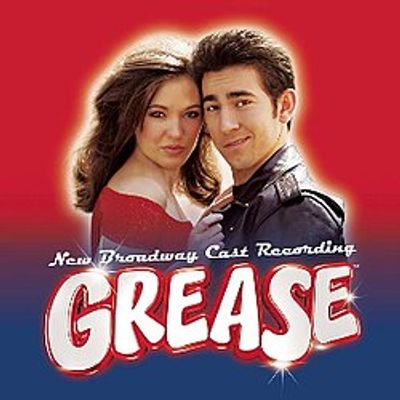
2022 marks the 5Oth Anniversary of one of the most popular musicals in the history of Broadway – GREASE. My guests on this episode are two of the many stars that emerged from the original Broadway and touring productions of that long running, record breaking show – Barry Bostwick & Marilu Henner.
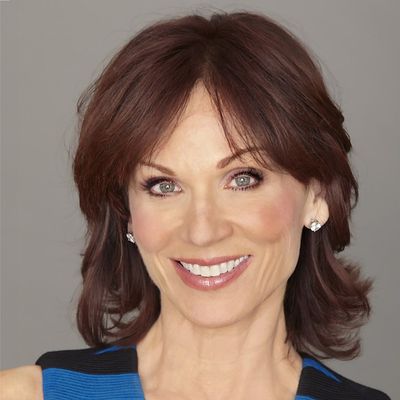
Marilu Henner’s association with Grease goes back to the very beginning when as a teenager she created the role of “Marty” in the original Chicago production of the show. A few years later she played the role again in the First National Tour and then eventually on Broadway. Her other appearances in Broadway include the plays and musicals, Over Here!, Chicago, The Tale Of The Allergists Wife, and she starred in the National Tour of Annie Get Your Gun in 2000. She is of course best known for her role on the hit TV series Taxi, as well as her many other film and television appearances.
Barry Bostwick created the role of “Danny Zuko” in the original Broadway production of GREASE for which he received a Tony nomination. He has appeared in seven Broadway plays and musicals including his Tony Award winning performance in The Robber Bridegroom. He has starred in dozens of film and television productions including the mini-series George Washington, the hit sitcom Spin City, and as “Brad Majors” in the cult classic the Rocky Horror Picture Show.
Both Marilu and Barry have contributed anecdotes and memories to a new book that was released just last week, entitled Grease – Tell Me More, Tell Me More – Stories From The Broadway Phenomenon That Started It All.
In this delightful conversation Marilu shares impromptu performances of songs that never made it out of the Chicago production, and tells us why she turned down her initial offer to be in the show in New York. You will also hear about the wild times and amorous adventures that a dynamic young cast of future stars got up to on tour, as well as the immense contribution of Grease’s choreographer Pat Birch, the infamous tight pants that Barry thinks helped win him a Tony Award, and much, much more.
Enjoy!
Transcript
This transcript was automatically generated and might contain errors.
[0:03] David Armstrong: Welcome to another episode of Broadway Nation, the podcast that tells the remarkable story of how immigrants, Jews, queers, African Americans, and other outcasts invented the Broadway musical and how they changed America in the process.
[0:18] David Armstrong: I'm David Armstrong, and I call this episode 50 Years of Grease Part 3.
[0:24] ♪ Musical number: "Freddy My Love" — performed by Marilu Henner ♪
[1:01] David Armstrong: This year, 2022 marks the 50th anniversary of one of the most popular musicals in the history of Broadway, Grease. My guests today are two of the many, many stars that emerged from the original Broadway and touring productions of that long-running, record-breaking show, Barry Bostwick and Marilu Henner.
[1:20] David Armstrong: Marilu Henner's association with Grease goes back to the very beginning when as a teenager she created the role of Marty in the original Chicago production of the show. Then a few years later, she played Marty again in the first national tour and eventually on Broadway. Her other Broadway plays and musicals include Over Here, Chicago, and The Tale of the Allergists Wife. And she also starred in the 2000 National Tour of Annie Get Your Gun. She is, of course, best known for her role in the hit TV series Taxi, as well as her many other film and television appearances.
[1:55] David Armstrong: Barry Bostwick created the role of Danny Zuko in the original Broadway production for which he received a Tony nomination. Overall, he has appeared in seven Broadway plays and musicals, including his Tony Award winning performance in The Robber Bridegroom. He's also starred in dozens of film and television productions, including the miniseries George Washington, the hit sitcom Spin City, and as Brad Majors in the cult classic The Rocky Horror Picture Show.
[2:24] David Armstrong: Both Marilu and Barry have contributed memories and stories to a new book that was released just last week entitled Grease: Tell Me More, Tell Me More, stories from the Broadway phenomenon that started it all. During this delightful and hilarious conversation, Marilu shares several impromptu performances of songs that never made it out of Chicago and tells us why she initially turned down her offer to be in the show in New York. You'll also hear about the wild times and amorous adventures that a dynamic young cast of future stars got up to on tour and on Broadway, as well as the immense contribution to the show of Grease's choreographer Pat Birch, the infamous tight pants that Barry thinks helped win him a Tony Award, and much, much more. Here we go.
[3:11] David Armstrong: Barry Bostwick and Marilu Henner, thank you so much for joining me today on Broadway Nation. It is a thrill to have you here to talk about not just Grease, but 50 years of Grease, with a new book, Tell Me More, Tell Me More. And Marilu, I understand you were the one who came up with the title for the book.
[3:26] Marilu Henner: I was. I said, you can't just call it Grease. I sort of had a dream about it. I thought, no, it's got to be called Tell Me More, Tell Me More, because it's such a Grease phrase, and it's going to go deeper, and you know, you're going to learn so much more about the whole show and how it started and about all the people who have done it. So I figured that that was a good title. And everybody seemed to spark to it.
[3:44] Marilu Henner: But where did we sing Tell Me More, Tell Me More?
[3:44] David Armstrong: In what?
[3:44] Marilu Henner: Summer Nights.
[3:44] Marilu Henner: Tell Me More, Tell Me More.
[3:50] David Armstrong: Come on, baby.
[3:51] Marilu Henner: Oh, that was a song I did, right?
[3:54] Marilu Henner: Oh yeah, okay, I got it now. All right. It wasn't in the Chicago production. A lot of songs made it over from Chicago production, but the original Summer Nights was actually called Foster Beach because it was about the two of them meeting at a beach, and it was like, oh, on Foster Beach, when you walk by the water, you can see a heart with two names inside. One is his, the other's mine. It's our summer Valentine, which of course did not make it into Broadway. And Nights was a much better song. But we got to hear a bit of that original song right now, so sort of lost in Chicago.
[4:24] Marilu Henner: Oh, I remember all of them. There were 37 songs in the first act alone. Well, of course, most of them were cut. There were a lot of crazy songs, but a lot of them made it. Magic Changes, Freddy My Love, Worst Things I Could Do, Look at Me, I'm Sandra D, Mooning, Raining on Prom Night.
[4:38] Marilu Henner: It's raining on prom night.
[4:48] Marilu Henner: It's running all over.
[4:59] Marilu Henner: The quilting in my maiden form.
[5:05] Marilu Henner: And mascara flows.
[5:10] Marilu Henner: Because of a storm I don't even have my corsage.
[5:21] Marilu Henner: Oh gee.
[5:23] Marilu Henner: It fell down as soon with my sister.
[5:31] Marilu Henner: All of those were there from the very beginning. And you were the one person connected to the show that continues from the very first production.
[5:39] Marilu Henner: No, two of us, Jim Canning and I.
[5:41] David Armstrong: And what part did he play?
[5:43] Marilu Henner: Fantastic. So what I'm really interested in, I mean, it's 50 years. Who knew that we'd be talking about Grease 50 years later, and that it would still have such a big presence in American culture and society? The first time you read the script, read through it, heard the music. What was your reaction to the show? Take us back to that moment of your young actors getting a job.
[6:03] Marilu Henner: I don't think that there was even a script that we as actors ever read before the audition. I think maybe they handed us pages, if I can remember correctly. And there was a lot of improvisation. And I never heard any songs. They just wanted us to come in with a rock song, a ballad, and an upbeat song. And Tom said you had to do a classical monologue as well for your audition.
[6:25] Marilu Henner: I don't remember that. What was I gonna do? Yeah, I came in with my Hamlet monologue for Grease. Come on. No, I mean they think they had to, if you were auditioning consequently afterwards, that they were just trying to filter people out because they had all of these open calls with thousands of people over the years. I think Tom and Ken and Pat, I think they earned their money. When I read the book and I realize all of the auditions that they went through with every actor all over the country, they earned every penny they made off of that, listening to a bunch of crappy actors singing and dancing and trying to get into show business.
[7:04] Marilu Henner: That part of the book is amazing. I met Jim Jacobs when I was 15. I did community theater in Chicago because I grew up in a dancing school and they'd call and ask for kids from the dancing school. So I got involved with a production of The Boyfriend, and Jim and I just hit it off right away. He was older than I was. But we became buddies. And when I was 17, he called me, he said, I've written a show, it may never get off the ground. It's called Grease. I wrote it about the kids I went to high school with. We're going to perform it in a converted trolley barn. And when we got to the first rehearsal, there were two stacks of papers about a foot high in front of each of us. And not only the 37 songs in the first act alone, but also they passed out, oh, here's the book report scene, the polio shot scene, the bum scene, the rumble scene, pajama party, lunchroom, air raid shelter scene, you know, all these different scenes, and we fashioned it into Grease.
And then Hennet and Maxine saw it in Chicago, and some people went to audition for it. I never thought it was going to be a hit. I thought, no way am I giving up college and the University of Chicago because no way is this thing, it's so Chicago centric. There is no way it's going to be a hit. And then when I saw it, of course, I just couldn't believe it because I saw it on a spring break from college. And the thing that was most spectacular, besides the way they restructured and picked the best of and sort of not sanitized it, but sanitized it enough. My mother wouldn't come to see me in the Chicago production because I said F U in it seven times. She said, Mary, I don't care if you take your clothes off. I just don't want to hear you swear. But the thing that was the most incredible thing about Grease was Barry Bostwick.
[8:27] Barry Bostwick: Oh my God.
[8:27] Marilu Henner: Stop. No, stop, stop. More, stop, more, more, stop. Barry had added such magic to that part, and it became such a star-making role. And every person, I don't care who they are, from Jeff Conway to Johnny Travolta to Peter, all of them. They all did what Barry did and what he created. And when you have a star like that at the centerpiece, it becomes something that people want to keep seeing and seeing and seeing. And also, you always think like fish stinks at the head. I mean, the people who ran it, Ken and Tom were fantastic, but it was Barry's performance, I think, that created that iconic role of Danny Zuko that made it the show that it is today.
[9:05] Barry Bostwick: Wow.
[9:06] Marilu Henner: Sandy, do you have a lacool?
[9:10] Barry Bostwick: Wicked.
[9:11] Marilu Henner: So you noticed, huh?
[9:14] Barry Bostwick: Tell me about it.
[9:15] Marilu Henner: Stud.
[9:19] Barry Bostwick: Hey, wait.
[9:20] Marilu Henner: Well, I feel so strange.
[9:30] Barry Bostwick: Will upon my word.
[9:37] Marilu Henner: Now my brain is reeling, and my side's blur.
[9:50] Barry Bostwick: Will I tremble a lot?
[9:53] Marilu Henner: I'm nervous and I'm hot.
[9:57] Barry Bostwick: Uh-huh.
[9:59] Marilu Henner: I'm ultra. I really do, because I know what that part was like before. And it wasn't what it became because of Barry. And Johnny Travolta, he's the first to admit that he saw it, fell in love with it, and took the best of it. That was really Barry's character.
[10:14] Barry Bostwick: Well, but we were all on the road together in the first national tour with Johnny.
[10:18] Marilu Henner: Yeah, you came in in Denver. Remember, because we were gonna open in Los Angeles. So everybody was like waiting with bated breath. What's Barry gonna be like? What's Barry gonna be like? Who's he going to pick among the girls?
[10:28] Barry Bostwick: You mean socially, uh sexually, what are you talking about?
[10:31] Marilu Henner: Yes, all of it, Barry.
[10:32] Barry Bostwick: Oh, okay, yeah.
[10:33] Marilu Henner: And who did I pick?
[10:34] Barry Bostwick: We don't need Candy Early.
[10:36] Marilu Henner: We don't need Candy Early, that's right. God bless her, it's passed away.
[10:41] Barry Bostwick: Yeah, but Johnny came in and played duty, and we had the same manager at the time.
[10:46] Marilu Henner: He was so did I, yeah.
[10:47] Barry Bostwick: Well, we were all with Lamont Zetter, right?
[10:49] Marilu Henner: Yeah.
[10:50] Barry Bostwick: Right. If I remember Bob Lamont, our manager at the time, he grabbed every young talent from any company of Grease and tried to make them stars. And he made a few of them stars. Peck Swayze, John, obviously, and Tariq Williams.
[11:04] Marilu Henner: Right.
[11:04] Barry Bostwick: Yeah. He didn't pick me until a little after Grease, right before Taxi.
[11:08] Marilu Henner: Oh, did he?
[11:08] Barry Bostwick: Oh, right before Taxi.
[11:10] Marilu Henner: Oh, so he got the money.
[11:11] Barry Bostwick: He got the money.
[11:13] Marilu Henner: Yeah. What show has ever produced as many stars as Grease? The first cast, the touring cast. Unbelievable how many stars have spun out of that show. They just knew how to pick young talent.
[11:23] Barry Bostwick: Oh, it was crazy. I didn't want to go and do Broadway because I didn't think it was going to be a hit. And then I was kicking myself in the ass. And then I get a call, and Jacobs calls me, and I'm on my way to the library, and he calls me one morning and he says, it was November 27th, 1972. He says, Henner, we're starting the national company tour tomorrow. I've saved the part of Marty for you, but you have to come to New York today to audition. I said, Jen, I had two papers to do I'm on my way to the library. I'm in a show and in a relationship. I'm in college. Remember, thank you. Hung up the phone, walked to the library, and realized my car was parked in front of the library. So I looked at the library, looked at my car, the library, the car, library car.
And I threw my books in the car, flew student standby, went to New York, auditioned, and I got it. And they said, be here for the first rehearsal tomorrow. And I walked into that room on November 28th. I walked into the room, and in that room was Jeff Conway playing Danny Zucco, Jerry Zach's playing Kanicki, Michael Lembek playing Sonny, Judy Kay playing Rizzo, Johnny Travolta playing Duty and rehearsing with us for the London Company was Richard Year. I knew I hadn't made a mistake, and I went home 15 hours packed at my life and went on the road. It was star-making parts. It was incredible. And every company became a family.
[12:30] David Armstrong: So you joined us, Barry, in Denver, so that you could then do the LA run.
[12:35] Barry Bostwick: Yeah, and then we went on to Chicago for a while.
[12:37] Marilu Henner: Yeah. I just remember Denver, we had to have oxygen off stage because we were all working so hard. And in LA, because everybody was kind of settled in apartments, but we had all these young ushers at the Schubert Theater. And my brother was 15. I flew him out and he became one of the ushers. And there was a big usher versus cast baseball game every Sunday. And my brother loves that he beat you one.
[13:00] Barry Bostwick: You were the pitcher on the star team and the cast team, and he was the pitcher on the Usher team.
[13:05] Barry Bostwick: Well, I think he's lying. You can see in the show. I don't lose when I pitch.
[13:14] Marilu Henner: Certainly in the book, everybody, all of the amazing men who played Zuko credit Barry Bostwick in how much they stole from you, how you inspired their performance. And he never did the same show twice. He wasn't like one of the actors that we've all worked with who like do it almost like they practice rather than rehearse. You know, they figure out how to do it, and then they don't want you to deviate because they're not going to deviate. But Barry was always on stage, fresh in real time, and did a different show every night, and they were all brilliant. I'd remember Tom Moore. I mean, that was the big thing after we opened, is that Tom Moore would come and tell us to get rid of all the improvements. I remember one point, I think he just said the show's frozen. You can't come in with flippers on anymore in the park scene. It just wasn't fun after that.
[14:00] Barry Bostwick: Well, you didn't stop anyway. Who are you kidding? Please. I suspect stopping you all from doing it would have been a challenge.
[14:04] Marilu Henner: Uh yeah, well, yeah, because we were a bunch of hoodlum guys. There was a lot of energy on that stage. A lot of energy. You could have a subtext going with any two characters because everybody, especially in the road company, everybody intradated. One week you might be dating Doody, and another week you might be dating Kanicki. You always had a subtext going on stage. It was like high school. It really was.
[14:23] Barry Bostwick: That's funny. I didn't know that.
[14:25] Marilu Henner: Yeah, I know. You just came in in Denver and picked somebody. On a side note, I did not see Barry Bostwick in the original production of Grease, but I did see Barry Bostwick in the original production of The Robber Bridegroom, which was one of the greatest performances I have ever seen on a stage. One of those performances, and I tell this to people all the time, where you just wanted to hand them the Tony Award at intermission because it was so clear no one else was going to top that performance. So I can imagine how your performance of Danny must have been.
[14:53] Barry Bostwick: Did I have my arm in a sling when you saw it?
[14:55] Marilu Henner: You did not.
[14:56] Barry Bostwick: Oh, so you saw it in a preview because the final preview, the invite for all the actors, I fell. I was flying on a rope across a stage, and the rope broke from about 12 feet up. I landed on the stage and broke my elbow and my wrist and everything. And this was like the night before we were supposed to open.
[15:15] Marilu Henner: You kept that through the whole run.
[15:16] Barry Bostwick: Pretty much. And then I got a sling made out of leather. But what it did was it prohibited me from flying on ropes, which is probably a good thing, but also playing instruments and doing all this stuff I would embellish the part with, and it forced me to just focus on the acting part of it and the singing part of it and not try to show off as much. Basically, when you do musicals at that age, you're just showing off.
[15:41] Marilu Henner: He was fantastic. It worked. I think I might have had the leather strap when I saw it.
[15:45] Barry Bostwick: Yeah, I definitely saw it with the leather straps. Oh, also, and the leather deer pants, deer skin pants. I think that's why I won the Tony.
[15:52] Marilu Henner: Everyone remembers the pants.
[15:54] Barry Bostwick: Yes, for sure. Well, that's what you do on Broadway.
[15:57] Marilu Henner: Exactly. So back to Grease.
[15:59] Barry Bostwick: Oh, okay.
[16:00] Marilu Henner: Mary Lou, can I ask you a question? Who was the original Zuko?
[16:04] Barry Bostwick: Oh, his name was Doug Stevenson.
[16:06] Marilu Henner: Doug Stevens. Not Doug Stevenson. There was an actor named Doug Stevenson. And he was good, but it wasn't. I mean, there were extra characters. Marty was with Judy and Rizzo was with Miller, and Frenchie was with Kanicki. Then they took the Miller character and named it Kanicki and got rid of the other character, the original Kanicki character. Things like moved around like crazy.
[16:24] Barry Bostwick: The song "All Choked Up," which I still think is you were so fabulous in that and was like so sexy with so elsey. There's a fire alarm wheeling in my head, and my circulation cries. Condition red, I'm in a cold sweat. My t-shirts are wet. Aw, I'm all choked up. Hopefully, but take my home before it breaks. My knees are weak and my back all breaks. My hands are cold in the eyes. My throat is locked in the mice. Come on, change my pain to the fever heat running through my skin. Don't you hear me? You know I'm your foe! So don't you be cool? Uh-huh. I'm all choked up.
[17:10] Marilu Henner: That song was called "Kiss It" in Chicago.
[17:13] Barry Bostwick: The "Kiss It and Make It Better." Ain't you sorry that I made you sore? I mean, everybody had a song in that show. There was a tattoo song to Taddichi where all the guys were gonna go get tattoos. Miss Lynch had a song called "Think of All the Starving Orphans."
[17:36] Marilu Henner: I love that.
[17:37] Barry Bostwick: You never heard these songs.
[17:39] Marilu Henner: No, no, I never heard any of them.
[17:40] Barry Bostwick: Oh god. You have to do an album of all the cut songs from Grease.
[17:43] Marilu Henner: Yeah, we're doing a thing at 54 Below on June 1st and June 6th. And then I'm doing my own show on June 8th, where I also tell some stories. But we have a bunch of people coming June 1st and June 6th. And Canning and I are doing a little rundown of all the songs that didn't make it. And then Eileen Kristen is gonna sing "Yuck," which went in for one show in New York.
[18:02] Barry Bostwick: In New York. She was so different from the Patty Simcocks we had in Chicago. I mean, the Patty Simcocks in Chicago, you could tell that the character Danny Zuko didn't like her. So when she sang "Yuck," it was kind of funny. But Eileen Kristen is such a bombshell that you felt like Barry, and she had such sexual chemistry that no way would he be trying to avoid her on campus.
[18:21] Marilu Henner: The description of that first preview performance in New York in the book is really interesting. All the changes that you then went through from then to opening night is quite staggering. Do you remember that period? What was it like to deal with a new show every day, basically?
[18:37] Barry Bostwick: Uh I don't, I don't, I just you just went with it. I don't remember any of that. I do remember when I did this little show called Nick and Nora, what a horrible experience that was in the 90s, where we were changing it on a daily basis, adding songs and this, but that was a huge budget show. I think Grease was like a basement show. We had so much flexibility that even if you didn't remember what we were supposed to be doing that night, you'd make something up.
[19:03] Marilu Henner: I had forgotten how filthy the show could be.
[19:06] Barry Bostwick: Oh my gosh. Tell me, Mary Lou, how filthy was it in Chicago?
[19:10] Marilu Henner: Maybe 10 times filthier than it was on Broadway.
[19:13] Barry Bostwick: Really?
[19:13] Marilu Henner: It was so oh, we were like such a tough gang of girls. We'd put razor blades in our hair, we'd run our stockings on purpose. Everybody was swearing constantly. There were so many things that were said that I thought, oh my god, it's become so sanitized. It became such a sweet little high school show compared to what it was in Chicago. It's crazy in Chicago.
[19:31] Barry Bostwick: Well, and even the original Broadway production, I produced the show just about 10 years ago, and they won't let you use the original script anymore, which I was actively trying to get them to let me do, because I think it's part of the sort of power of the show is this sort of anarchic young energy that was going on. What's interesting is I think every iteration of Grease it becomes cleaner and cleaner. And there's also a children's version because my voice did it at nine and seven and a half. My son Nick was Danny at nine, and my son Joey at the same time was Sonny at seven and a half. So there's really, you know, a sanitized version of it. And I have no problem with that, of course. There should be.
[20:09] Marilu Henner: Got a fever. 100fold Fahrenheit, need your loving. Can I come over tonight? Oh now. My equilibrium shop. Demand. The tranquil Lila, you go. Don't go away. Mary Lou and Barry will be back right after this short break with more memories from 50 years of Grease.
[20:32] Barry Bostwick: You're right in my potato. That's just tough enough. You're gonna make me die. Don't let me laugh.
[20:47] Marilu Henner: I look in your eyes. The supper in dies. I'm all true tough. Hey, hey, hey, hell. I'm on too tough. Hey, hey, hey, hell. I'm on top of the...
[20:58] Barry Bostwick: Everybody talks about a show as a family, and everybody falls in love with one another, but it seems like you are the rare exception where the cast of Grease continue to be close to one another for 50 years.
[21:21] Marilu Henner: Yeah. Well, first of all, Sherry Seph, who played Chacha in one of the companies and then played it on Broadway, she's been great about keeping everybody on Zoom. And so we do these Zooms every few months. So everybody's been very connected during the pandemic. Just like my taxi group, we've done 13 Zooms and we all get to be super current with one another. But I think there's something built into Grease that creates a family. Most people remember most things in their lives between the ages of 10 and 20 because there are so many firsts. And for so many people, Grease became their first big job. They got their Broadway credit or they got their equity card or whatever. And I think when you have so many people and it's such an ensemble, they become very, very close, especially if they're on the road and sleeping together and becoming friends for life. So I think it really is a family. I mean, don't you have friends, Barry, forever?
[22:05] Barry Bostwick: I've known Canning and Jacobs since before, and I've stayed close to Ellen March. She's been my maid of honor twice. It becomes it, it is, it's a family.
[22:13] Marilu Henner: Yeah, I mean, only because we were all around the same age when we did it. So we were all starting out, and I think we were more than just being hot pants. We also were supporting each other in their early careers. And I think we celebrated everybody's next step, whether they became a big director or a teacher at a school in Connecticut like Jim Canning. We kept up and then we just watched Jim Jacobs get richer and richer.
[22:41] Barry Bostwick: You know, it's funny. There's a song in the book that Jim Jacobs was having a cast party at his house because he was doing community theater, as I said before, and there's like Led Zeppelin music on at a party, and he just goes to his bedroom, takes out a stack of 45s, puts on Dion and the Belmont's record scratch, and pretty soon Dion starts singing. And he says to Warren, who's his buddy, he says, How come there's never been a Broadway show with rock and roll music? Those exact words. He said, Well, what would it be called? And he said, Well, you know, uh, I don't know. Uh, well, everything was so greasy then, guys with grease in their hair, and they would be under their cars, they'd come out greasy and their food was greasy.
He said, I don't know what we could call it Grease. And a couple of weeks later, Warren says, Okay, I've been working on that show you talked about. And he said, What show? Because they were both so drunk the night that this party happened. He said, You know, the show you thought we'd called Grease. He said, I wrote a pajama party scene, and I wrote the first song for it called Freddy My Love, which was kind of like a takeoff on Eddie My Love. And that's how it started with those two guys.
[23:40] Marilu Henner: Barry, did you ever meet the original friends of Jim and Warren who he based these characters on? Like who was the original Zuko, a friend of theirs? Because obviously it's based on their early friendships. Did you ever meet any of those real people?
[23:56] Barry Bostwick: Yeah, some of them came to the shows. I mean, the girl that Marty's based on Mary Margaret Hawk. It makes me crazy when people say, Oh, you're playing Marty Maricino. No, that's such a stupid made-up name for the movie. You know, it's crazy, like a Maraschino Cherry or something. Anyway, yeah, some of them came to see the original company, and you'd see them and think like, Wow, I can't believe these people were ever greasers like this, but yeah, I guess they were. Zuko was based on his cousin.
[24:21] Marilu Henner: Oh, it was? Didn't he go to jail or something finally?
[24:23] Barry Bostwick: Oh yeah. Oh yeah. Is he still in jail?
[24:26] Marilu Henner: No, no, I think he passed away.
[24:28] Barry Bostwick: Oh Barry, I think you say in the book that your cast, the original cast of the show, had a take on the show because you actually lived in the 50s, unlike almost anybody who's played Grease since then. Am I getting that right? Did you say that?
[24:41] Barry Bostwick: Yeah, I did say that, but we were younger in the 50s, but we at least so many of us had older brothers and sisters, and or we were privy to this mores of what was going on in the 50s. I mean, when I was in the eighth grade, I mean, I had a duck tail, and I was a very poor example of a middle-class white greaser who lived in a nice house with a pool in the backyard. We were listening to Elvis, and we were listening to all those people at the time. I remember in grammar school that we would have little folk dancing things outside on the playground. And I remember one time they played some of early Elvis Presley stuff. And I must have been eight or nine when I first hit him. Maybe I'm making all this up. I don't know. You don't have my memory very much.
[25:24] Marilu Henner: No, I know.
[25:25] Barry Bostwick: So, yes, we were there for the phenomenon of what was really going on. My brother was five years older than me, so you know, he and his friends would hang around the house and create trouble. You know, it's really incredible when you think about it. When we did the show in '71 and then '72, and it was about 1959, that was really only 12 or 13 years before. And that's like paying homage now to 2009, 2010, which is crazy. But because the 60s were so different from the 50s, and they were so action-packed with so many different things, and there were actually three different phases of the 60s. When people looked back in those days, it seemed like the 50s really was a long time ago and very different.
And the fact that it has endured for so many years is really pretty amazing. But it's because it's high school too. Everyone has the experience of high school, and those things are universal, but the specifics of the 50s, you're right, Mary Lou. It seemed like a million years ago, even though it was only a decade or a little more than a decade before.
[26:21] David Armstrong: That's really fascinating. Also, I think one thing people don't understand is that Grease really starts the nostalgia for the 1950s to a great degree. 50s nostalgia took over American culture for a while, but Grease was the instigator of that, I think, to a great extent. We won't get credit for that, though. Because I've never read that anywhere that Grease was the instigator of that. It was always Happy Days or, uh, what was that movie with, uh, Harrison's American Graffiti.
[26:47] Barry Bostwick: American Graffiti.
[26:48] David Armstrong: Yeah, but Grease is before all that.
[26:49] Marilu Henner: Well, wasn't American Graffiti and Grease being put together around the same time?
[26:54] Barry Bostwick: Yes.
[26:55] Marilu Henner: Yeah, you remember.
[26:56] Barry Bostwick: They were so it was in the ethos.
[26:58] David Armstrong: Exactly. I mean, Sha Na Na was already around at that time because I think they were at Woodstock, weren't they?
[27:04] Barry Bostwick: Didn't they sing at Woodstock?
[27:05] Marilu Henner: Yeah.
[27:06] Barry Bostwick: Yeah, you're right, Barry. The show doesn't get credit for starting that. It seems like it was just part of it as opposed to sort of really bringing this to the surface. And as you said, Marilu, it was already in the air, but Grease was the show that kind of got there first.
[27:18] Marilu Henner: Oh, yeah. And you know, another big thing about Grease, on Broadway, there were pink contracts and white contracts. Pink contracts were people who might have had a few lines, but it was mostly chorus and stuff. I think Grease and maybe Godspell, they were the first shows that had all white contracts. So it was all these young people at the early stages of their career having songs, having scenes, having real characters, and having white contracts, which was a big deal on Broadway.
[27:41] Barry Bostwick: And the idea that in the Chicago production, I took Marty's microphone out of my pajama bag to sing "Freddy My Love." But the idea that there were microphones placed strategically on stage, that all of a sudden this rock and roll with a loud band in the orchestra did amplified guitars, et cetera, et cetera, that had never been done before. So it was really amazing. It turned Broadway on its head too.
[28:02] David Armstrong: On opening night on Broadway, Barry, did you think the show was going to be a hit before the reviews came out?
[28:08] Barry Bostwick: Or not on Broadway, off Broadway. I mean, that's a long story. Was it off Broadway? Was it Broadway? That's a whole chapter in the book. But the original opening night in New York, before the reviews came out, what did you think the future of Grease was going to be?
[28:21] Barry Bostwick: Oh, I have no idea. My father, he thought it was he got drunk at the party with me, and as we were going up the steps of my loft out on the Bowery, he goes, "You better find another job. This ain't working." I've never let him forget that. You know what? We were all just so heady and just so full of ourselves, and just so full of the excitement of whatever that night was that I wasn't privy, and I don't think anybody was really privy to the mixed reviews that were coming out, and that the producers and the directors were running across the street, panicked. By the time all that happened, I think we were just so happy to go home and have had a fulfilling theatrical experience at a young age, and we didn't get our closing notice the day of opening, which has happened to a number of shows that I've been.
[29:06] Marilu Henner: Yeah.
[29:06] Barry Bostwick: But the audience reaction was there from the beginning.
[29:08] David Armstrong: Is that true?
[29:09] Barry Bostwick: I think so. Yeah. I mean, if I remember correctly. And then we started getting repeaters, you know, just sort of like the Rocky Horror people. You know, they would come back and come back. All of a sudden people would show up in what are those pony skirts?
[29:22] Marilu Henner: Poodle skirts, yeah, not pony skirts.
[29:24] Barry Bostwick: And guys in leather jackets. It was a phenomenon, and it was a slow-growing phenomenon. In terms of opening night, I don't think anybody other than the people who had money in the show were really focused on that. We were just having a great time because we were a gang. And then all of a sudden the show really got credibility because Tony nominations came out. You know, and there's a whole story in the book about Ken and how he was, you know, this is a Broadway show, et cetera, etc. Because the size of the house. Barry got one, Adrian Barbeau got one, Timothy Myers, the show, Tom, so many things. And that gave it a little more gravitas than just a bunch of kids playing around on the Lower East Side.
[30:00] Marilu Henner: Yeah, that was very smart of Ken and Maxine. They were young and they whipped that thing into shape. If it wasn't for them, obviously this thing never would have happened from bringing it from Chicago. But through all of the bumps and starts in New York, I mean, they made some brilliant strategic moves to keep this thing alive in people's eyes.
[30:21] Barry Bostwick: Yeah, and then the passing process, they kept bringing people in and bringing people in. And how many iterations have happened since then? Different companies, every so many years, they bring people, it's been a reality show, et cetera, et cetera. But there's something as raw as Chicago was, Broadway maintained that kind of rawness where you really believed like Sonny couldn't dance, so he wasn't all of a sudden a chorus boy, chorus person in one of the numbers. The original Broadway company, like the original Chicago company, honored that these were real people on stage. They dressed like it. Kerry Robbins found clothes from thrift stores, et cetera, et cetera. It didn't become this Broadway eyes sort of, oh, this is what it's like, and everybody looks alike or has the same hair or whatever. It was as raw as you could possibly get away with on Broadway with that original company.
[31:07] David Armstrong: It's clear from the book that one of the less sung heroes of the show was Pat Birch. Everybody talks about how much she contributed to the show. What was both of your experience in terms of Pat and putting those dances together for the show? Because you had to be dancers in the show, whether you started out that way or not.
[31:23] Barry Bostwick: Well, she was very short and wily and wiry. She had a great energy. And I think it's mentioned in the book many times about how she would tap into any individual actor's strengths and weaknesses and use them. Her initial take on it was don't turn these people into dancers. The ones who sing have to sing okay, but they don't have to move okay, you know. And apparently, during a lot of the auditions, I mean it was simply, can you do the hand jive? And people were freaking out because actors who had never done anything with their hands and now they have to jive with them.
[31:59] Marilu Henner: Everybody bone to hand jive, baby.
[32:10] Barry Bostwick: Oh yeah!
[32:10] Marilu Henner: So if you pass the hand jive and the stroll and you showed some personality, I think you were a step ahead with Pat's choreography, which kept it alive, I think, for her too over all the years, because she never had to just, well, you know, Sonny does this, or you know, Rump does that. What are you gonna do as Sonny? What are you gonna do as Rump? And Zuko. Hello, can you go? Hello, can you go? DJ! Hello, can you go? Yeah, jump! Yeah! Yeah, you got it! Yeah, jump! Go! Yeah!
[32:48] Barry Bostwick: At one time we did that roundy roundy thing on the stage. And I think a lot of people did that and maybe the splits, but that's only because I knew how to do the splits and knee slides and things like that. See, original Danny choreography, the best of Danny Zuko right here. Everybody's listening. Very desperate created it. And some of those actors were cursed for those knee slides, weren't they?
[33:10] Marilu Henner: They were crippled for life.
[33:12] Barry Bostwick: Actors were crippled for life trying to reproduce that knee slide. I'm still in good shape. I haven't had to replace a knee, a hip, or anything. So screw them, you know. I'm still around. They should never have tried to follow my lead. Again, they shouldn't have done some of those things if they couldn't do it, if they weren't comfortable with it doing eight shows a week. But yeah, we just did what we could do from the dances that we went to in high school. Yeah, just remembered. Maybe that's going back to what you're saying. Because we were close to the 50s. We remembered that feeling of going to the dance at the gym and going to maybe a local YMCA dance and how we would show off and bring home what we saw on American Bandstand.
[34:15] Marilu Henner: Oh yay!
[34:19] David Armstrong: Marilu, you have any Pat Birch stories?
[34:21] Marilu Henner: Well, I worked with Pat when I came into the show. I added some things because I knew them from the Chicago company. But I worked with Pat creating a character, and over here, if you liked a step, you would just start doing it, and she'd go, "Okay, let's use that." You know, she was very good at taking what you did well and turning it into something for you. And she was great. She choreographed a taxi number for me and designed it so that it was like my fantasy and everything else. And of course, she did the choreography for the movie and got to direct Grease 2. Everybody knows that Pat Birch was really the heartbeat in so many ways, or at least the footprint of Grease. She's really the connecting glue to Grease from where it starts to what most people know about it.
[35:01] Barry Bostwick: Yes, for sure. That and stealing Barry Bostwick's comedy bits.
[35:04] Marilu Henner: Well, everybody steals Barry Bostwick's comedy bits.
[35:07] Barry Bostwick: Well, you know, I stole Kevin Kline, so screw it. He never did Grease, but when I did Pirates of Penzance on the West Coast, I stole everything from Kevin. That's what you do. You steal from the best. Otherwise, you're stupid.
[35:16] Marilu Henner: No, otherwise, it's like, I'll show me. Why? It's not gonna be dumb. Somebody said, amateurs borrow and artists steal.
[35:25] Barry Bostwick: Yeah, and then you make it your own. You put it through your filter, whatever you have to do. It's so funny because when we were working on the national company, I did something that I had done in Chicago because I thought it was funny. It's Marty's House, the Pajama Party. When the lights go up, I'm teaching Sandy how to do bust exercises, which was very big in the 50s. I did it at the run-through we did for the company and for other people before we were leaving for the road. And sure enough, that night we went to see Grease, the lights go up, and there's Marty doing bust exercises. And sure enough, that became something that I saw a lot of subsequent Martys do. And it just made sense. She was just that kind of character, you know, very flirty and very girly, and celebrated her kind of feminism. So yeah.
[36:03] David Armstrong: What is a bust exercise?
[36:04] Marilu Henner: Oh, I wish you could see me. You can't see me now. You know, it's like we must, we must, we must improve our bust.
[36:09] Barry Bostwick: Oh, oh, okay. When we're at the 50th anniversary in New York at Sardi's, you'll do it when we see each other at Sardi's.
[36:16] David Armstrong: Tell us about Sardi's. Tell us about this 50th anniversary.
[36:19] Marilu Henner: Well, it's gonna be a big celebration. I mean, there's like 150 of us or something coming, and it's just gonna be a big reunion, a really fun, great reunion. I'm sure everybody is planning their outfits, and I think everybody's very excited to like connect with one another in real time in person.
[36:35] Barry Bostwick: You're gonna see 150 people slapping themselves on their own backs, going, "My God, we made it through it. Oh, aren't we great?" And then looking at the next person and going, "Jesus, I thought you were dead."
[36:48] Marilu Henner: Yeah, no, it's great. I said to Sherry, I said, "We gotta have name tags, first of all." And finally, we got an email two days ago saying, "Okay, we're gonna have name tags."
[36:57] Barry Bostwick: Yeah, you've got to have name tags. It's a reunion. It's gonna be like a high school reunion on steroids in a way.
[37:03] Marilu Henner: Yeah, that's right.
[37:04] David Armstrong: And it sounds fantastic. I'm sure we all wish we could be flies on the wall to see what goes on at that reunion. It'd be fascinating.
[37:11] Marilu Henner: Yeah, and the book is so fabulous, and everybody's stories are so great. And I'm so glad Tom and Ken honored all the different companies and let them tell their story. That's so great about the book, is it really goes through the whole initial life of Grease? How long did it run on Broadway?
[37:25] Barry Bostwick: Oh my god, it was like eight years.
[37:27] Marilu Henner: Eight years. About halfway through the book, I didn't know any of the people they were talking about because it was all the other companies, and we were all onto something else.
[37:34] Barry Bostwick: Oh, yeah, so many people came out of it. I found it fascinating because every page I'd turn, there'd be somebody I knew that I didn't know had anything to do with Grease that I had worked with at some point along the way. But there they are starting out in Grease.
[37:47] David Armstrong: It really launched a thousand careers. Thank you, Barry Bostwick, thank you, Marilu Henner. It has been an absolute pleasure to talk to you today about 50 years of Grease.
[37:56] Marilu Henner: Thank you so much for this opportunity. It's always fun to talk about Grease. And I hope everybody goes out and gets the book.
[38:01] David Armstrong: Thank you, David. Thank you, Marilu. I'll see you with the bust exercises at, uh, wear those pants, Barry.
[38:09] Barry Bostwick: Oh no.
[38:10] David Armstrong: Yeah.
[38:11] Barry Bostwick: All right.
[38:12] David Armstrong: Okay. See you later.
[38:14] Barry Bostwick: Bye.
[38:15] David Armstrong: I've been collecting photos and video of that 50th anniversary party at Sardi's, as well as the two recent Grease reunion shows that Marilu hosted at 54 Below in my Broadway Nation Facebook group, where I invite you to join me and more than 2,000 other fans of this podcast, who probably, much like you, are crazy for Broadway musicals. It's a great community, and we have a lot of fun.
[38:59] David Armstrong: Broadway Nation is written and produced by me, David Armstrong. Special thanks to Pals Mox for his help with editing this episode, to KVSH 101.9, the voice of beautiful Vashon Island, Washington, and to the entire team at the Broadway Podcast Network.
© Broadway Podcast Network, All Rights Reserved