

Broadway legend Jerry Zaks (Tony Award winning director of Hello Dolly starring Bette Midler, The Music Man starring Hugh Jackman, the original production of Lend Me A Tenor and Guys and Dolls starring Nathan Lane) boldly talks about his life in the theatre – and what makes a good director on stage and off... Read More
From the show: Broadway Teachers Podcast
Guests

Featured Shows

About
Broadway legend Jerry Zaks (Tony Award winning director of Hello Dolly starring Bette Midler, The Music Man starring Hugh Jackman, the original production of Lend Me A Tenor and Guys and Dolls starring Nathan Lane) boldly talks about his life in the theatre – and what makes a good director on stage and off.
Transcript
This transcript was automatically generated and might contain errors.
[0:07] Pam Paraso: Hello and welcome to the Broadway Teachers Podcast.
[0:10] Gordon Greenberg: I'm Pam Paraso.
[0:11] Gordon Greenberg: And I'm Gordon Greenberg.
[0:13] Pam Paraso: And today we have one of my comedic heroes, Jerry Zaks.
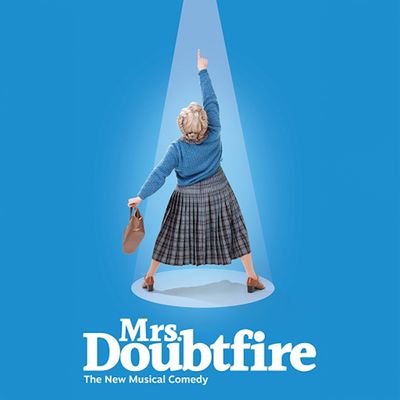
[0:18] Gordon Greenberg: He has directed numerous Broadway shows, so many Neil Simons, Mrs. Doubtfire on Broadway.
[0:25] Pam Paraso: He directed. What are some of our favorite Jerry Zaks? The Music Man Revival, of course.
[0:31] Gordon Greenberg: Alright, the Music Man Revival. But that wasn't my favorite thing that he's ever done. It was great. Everything he does is great, but he just knows comedy like no one else.
[0:42] Pam Paraso: And he started off as an actor, um, like I did, like you did, like we all did, um, and moves so seamlessly into directing, and he's like a surgeon. He knows when to like stand still, don't talk, like all the basics.
[0:58] Gordon Greenberg: Yes, you know, you know, like the things that are so true, like never walk on a laugh line, make sure you can be heard and seen so that people know what's going on. Um, he is just at the top of his game still. He teaches at Dartmouth, he works all around the world, um, and he was so kind and delightful, and I loved talking to him.
[1:21] Pam Paraso: It was like nourishment for me.
[1:24] Gordon Greenberg: Yes, and the teachers loved hearing his stories.
[1:26] Pam Paraso: Teachers loved hearing his stories, so uh we're so excited to share them with you right now. The following was recorded live at the Broadway Teachers Workshop, an annual program that brings theater teachers together with the Broadway community for behind the scenes classes, workshops, intimate discussions, and Broadway shows in New York City and online.
[1:48] Gordon Greenberg: Learn more at www.broadwayteachinggroup.com.
[1:56] Pam Paraso: What an honor. For literally the last 22 years, as long as we've been doing the Broadway Teachers Workshop, we have we've had hi, welcome back. We have had we've been waiting for her. Um we've had like a dream list of guests, and um Jerry Zaks has been at the top of it.
[2:17] Gordon Greenberg: He is the king of comedy on Broadway. Um I couldn't be more pleased and and um just honored to have him with us today. Um he's represented this year on Broadway, um, recently by Mrs. Doubtfire, um, and currently by uh the star-studded production of The Music Man, playing just a couple blocks away with Hugh Jackman and Seth Foster.
[2:42] Pam Paraso: Um and we all many of us saw Hello Dolly with Bette Midler, among others, um, which he did. Um, but uh my fandom goes all the way back to uh the first version of Guys and Dolls that I ever saw, which was on Broadway in the 90s.
[2:58] Gordon Greenberg: Um was it the 80s? 92.
[3:00] Pam Paraso: 92 not that old or 90.
[3:04] Gordon Greenberg: I just I might be making it up. Go ahead.
[3:06] Pam Paraso: Ish, ish, that sounds about right, but it was amazing. It launched the careers of Nathan Lane and um uh who else was in it? Faith Prince, so many amazing people. Um please welcome Jerry Zaks with a big hello.
[3:29] Jerry Zaks: It's great to be here. I'm terrified, but not really. I'm uh I'm jazzed to be able to spend an hour with you, uh, talk about the stuff I've done, the life I've led, the work I do, why I do it, how I do it, how I would suggest you should do it, you know. Uh I uh I understand that you're teachers, yes, of theater, and so you're very important because you will impress young people in a very profound way. You will either traumatize them or you will inspire them. So simple as that. Nice to see you.
[4:10] Pam Paraso: Yeah. Can we start uh by talking about your rehearsal room? We were talking about it a bit backstage.
[4:18] Jerry Zaks: Yeah, my rehearsal room is uh a safe place. My rehearsal room is a very important place. And whether you're a young kid uh in your first show, or you're Hugh Jackman or Nathan Lane or Sutton Foster, or any of these great people that I've been fortunate to work with, you're vulnerable. You're vulnerable. This is why I don't do a read-through of the play on the first day of rehearsal. I think it's pointless. It only puts the actors on the spot. Uh they haven't prepared the material, they don't know the material. If it's a musical, they certainly haven't learned the music. So there's no point to doing it. I have a meet and greet where everyone is introduced, and then I hold forth, sort of like I'm doing right now, about the rehearsal room. It's a room where no one embarrasses anyone else. So uh is that's clear, right?
[5:15] Pam Paraso: Yeah, okay, good. No one embarrasses anyone else. I was an actor for 10 years, and I loved every second of it, except those two or three moments when I was embarrassed. I will always remember them. Uh I'm vindictive, so I love revenge. You know, so I, you know, I'm only half kidding. But uh I yeah, you know, so it's important that the rehearsal room be safe. There's no open door policy, I don't allow producers to come and go. It's just me, the stage managers and the actors and my choreographer, obviously, if it's a musical. Um, I would suggest, and and you because I don't want actors, nor do actors want to try stuff out in front of an audience before they're ready. Anyone who comes into the rehearsal room who isn't part of the cast constitutes an audience or isn't part of the design team, obviously, or the stage crew. Um, so I will protect the actors from having an audience until I think they're ready, at which time I will invite people in to see them. But um, so that that's that that's my room.
[6:33] Jerry Zaks: I have a mantra. Uh I don't think I've ever used that word. Um I like to protect the possibility of a happy ending as long as possible. So I make it clear on the first day that if actors have questions for me, uh, important questions, that they not ask me those questions in front of the group. Because as soon as that question is asked in front of the group, I have an audience and I'm aware of the audience when I fashion my answer. If you want to protect the possibility of me hearing what you have to say, you will ask me privately. Also, I have a rule actors do not tell other actors what to do. Enforce that. Make sure that busy, busybody actors who should be tending to their own gardens. You'll f you'll faux cultivate Notre Jardin, right?
Tend your own garden, right? There's enough, as an actor, you have enough work to do without worrying about what Marsha Pipick here is doing and whether he's feeding me the line correctly or not. I say this, I say this from experience. I was an actor for 10 years, as I mentioned. One of the shows I love doing was Grease, which we just mentioned briefly. I just read there's a new book all about Grease that's an oral history. And there at the beginning is Jerry Zaks playing Kanicki.
[8:02] Pam Paraso: Yeah.
[8:03] Jerry Zaks: Wait a minute, what's so funny about that? Yeah, no, I was good. Hey, where are you at? You know, I mean, that was to say, you know, uh I was a really good Kanicki, but I was also a busybody Kanicki, and once we're out on the road, it was the national tour. And I would give notes, I would, but I would do, I would I would say, listen, Johnny, John, Johnny Travolta, right? Come on, you know, it might, you know, I just listen, or when replacements came, I would behave in a way that I would have fired me for doing. So, but really, the it's really important that you are you you know, you're dealing, I imagine, with younger people, you know. They're vulnerable, even more vulnerable than the most seasoned professionals.
They're so you know, make it a fun experience for them. You know, don't embarrass them. I used to have a professor at Dartmouth when I was in college, uh, a great guy, you know, but he was a director, and we'd be on stage, and from the back of the house we'd hear, relax, you know. Right?
[9:17] Jerry Zaks: So I've gleaned a lot from my experience as an actor and my 40 years of directing to try to get this right. It's uh there is no such thing as perfection, you know. A man's reach should exceed his grasp, or what's a heaven for. So you keep trying to get it right. I'm going to London on Saturday to do the fourth production of Doubtfire, Mrs. Doubtfire the musical, and we're gonna get it right, you know. We're lucky enough to have another opportunity. But anyway, I'm now I'm just meandering.
[9:52] Pam Paraso: So uh this is great meandering.
[9:54] Jerry Zaks: But the rehearsal room, a safe place. People should have fun. It should be structured, it should be structured. I don't believe in anarchy. John Gielgud said, I'm all in favor of spontaneity, provided it is carefully planned and ruthlessly controlled. You know, so I believe structure rules are important because they lead to freedom. You're really truly free when you feel safe. And though I think those rules are important. Communicate, be on time, be prepared. Make your actors do their homework, you know. You know, come in with your lines learned. Not necessarily with the way you're gonna say them, but come in with them learned. So you can be free to discover what it is you want to do with them, you know.
[10:49] Jerry Zaks: Anyway, I have a bunch of rules, as you probably can tell.
[10:53] Pam Paraso: Um we want to hear all of them. Before we go on to the next rule, coming in with your lines learned, that is um you sort of debated sometimes. Um I, you know, having just finished a process on a three and a half hour play where some people came in all learned and some people came in with no text learned. And I agree with you that I think it's easier, but what are the how do you impress that on it?
[11:19] Jerry Zaks: It's just common, it's like it's you know, it just makes sense. Characters in a situation don't know that you know, the actors who are playing characters, the actors know more than the characters do at any given moment. The characters, when they're speaking, are speaking impulsively, right? And they're speaking. The most interesting writing is the ones where characters speak impulsively before they have a chance to really plan what they're going to say. You know, it's what I'm doing now. I, you know, I'm just I'm here because I know I've got an hour, and I know I really want you to walk away with something useful. So I'm gonna keep talking until until no, but I just believe that an actor is free when they're not trying to think of the next word to say.
[12:04] Jerry Zaks: You can it's very easy to spot when an actor has learned their lines or not, because a speech that should be going the way I'm talking to you now. I'm making one point, I'm making another point, I'm making a third point until I finally feel I've exhausted the point I'm trying to make. You know, uh, you know. But I'm speaking off the top of my head. Uh an actor who doesn't know his lines will find reasons to pause internally within lines. I don't know exactly what I'm gonna say, but you know, and what it does, it it, you know, actors love the space before and in the middle and at the ends of their lines. Those spaces are not as valuable as they feel as an actor feels, you know. I love the sounds of my silence, but all it does is it's insulates me for having from having to speak impulsively, you know, as though my life was at stake, you know.
So I I'm in favor of uh learning lines ahead of time. If people don't want to do that, that's fine. Some people can't do that until they have a sense of what it is they're trying to do, and that's fine. So I cut a certain amount of slack. But at a certain point, if everyone in the cast knows their lines and one person doesn't, then you by definition cannot create that beautiful machine that you're trying to create, that beautiful team, you know, where people are passing the ball to each other without thinking, because they know what they're trying to do.
[13:40] Jerry Zaks: Let me just briefly add. I would think, I would I would suggest that you work on sc that you're working on scripts you love. I would assume you're doing that. Which is to say, if you're working on a comedy that you know uh uh you're working on something that makes you laugh when you read it. I assume that's to be the case. Um I I would um so uh um I I think it's important um that an ac act that you helped actors understand the difference between how that character is feeling and what that character is doing because of the way they feel, you know. So I think much too much emphasis has been placed on how I'm feeling, trying to create how I'm feeling, rather than finding the behavior that suits the the play that because of the way I feel.
I guess what I'm saying is I feel I am sad. I am sad. I don't necessarily behave sadly if what I'm trying to get, if behaving sadly will drive away that thing that I need. Does that make sense? Make a distinction between, you know, if the definition of acting is truthful behavior and imaginary circumstances, I would amend that to say truthful behavior and imaginary circumstances designed to protect the possibility of a happy ending as long as the script will let you. Does that make sense?
[15:14] Jerry Zaks: Yeah. So it's the difference between acting emotion and acting action, right? Absolutely. I can give you a very specific example you may or may not be familiar with. The House of Blue Leaves, does anyone know that play? Yes, you're familiar with it. Someone won a Tony Award for that. Yeah, yeah, yeah. Someone sitting up here and what's going on. I you know, I just got off the phone with John Guare. I love him. He's uh well and he sends you his best, you know. Um yeah, in uh the sorry, uh, in the the first scene of that play, right at the very beginning of that play, the character of Bananas, the long-suffering wife of Artie the zookeeper, who has described as being clinically depressed and in her room for the last six months, emerges at the very beginning of the play, and we see her see her husband caborting with his mistress.
Then she goes back out, the mistress goes home, and now the first scene begins with Bananas coming out, saying, How are you? Are you fine? The writing is inspired, the writing is the most important thing. Let me just say to any director. Um so proceeds a scene between Bananas and Artie. And if you look at the scene, and it wasn't working in rehearsal. I had Swoosie Kurtz and John Mahoney playing these parts. Great actors. And there was nothing, the scene was not coming to life. And one morning in the shower, I, you know, I realized, wait a minute, she is Swoosie is trying to fulfill the emotional state of the character and display it, right? She is displaying to the audience that she is depressed, clinically depressed.
So she had no will, she had nothing to do. And if you take a close reading of the script, goes back to the script, it will always tell you what to do. It's clear that that scene is about Bananas doing everything she can to keep Artie from leaving her and going to work. She is terrified of being alone. She does not, and everything she's and the writing is inspired because she makes transitions like light switches. I love you, I love you, I hate you, I hate you, but I love you. Don't the whole scene is designed for her to keep him from going to work and for him to do everything he can to get away from her because she's driving him nuts. And so that was when I when that note was given to the actors, suddenly the scene became interesting.
It became funny, it became desperate, you know. And if you then when you what if you add to that mix, make it life and death, how badly does she not want him to leave the room as though her life depended on it, you know. Then you have the makings of uh good comedy. Uh that's another reason why you learn your lines.
[18:28] Jerry Zaks: So you don't have to be searching for the next word if you're trying to get this person to sit down, to sit down, you know. Anyway, that's it. That's that's amazing and um uh the sign of good writing. Um sometimes it's difficult as a writer when you're constructing a scene to remember that these people have to want something. Um, and in the case of we were talking about Guys and Dolls, which um was an extraordinary and and definitive revival. Um, Nathan and Adelaide are so appealing because in fact they want the same thing but on different terms. Right, you know, watching people struggle to connect, you know. Ian Forster, what did he say? Only connect, right? Oh, he said it should be so easy, right?
It's never easy, it's hard. So watching people resist connecting, give in to connecting, deny they need to connect, but then give in watching that push and pull, I promise you, is the greatest spectator sport there is. You know, you've got, you know, you've got Harold Hill and Marion a couple of blocks away. You couldn't have two people more, two characters more committed to not falling in love, not needing nobody, you know, at all, uh, than those two. And what happens? They meet and they start to affect each other. And before and and watching that push and pull of people resisting and giving into the need to connect is at the heart of most really good comedy, I believe.
[20:01] Jerry Zaks: So and what are the other rules that you think are important for creating good comedy, truthful comedy? Don't try to be funny. You know, it's it's hard. It's hard, you know. When you've got people like Nathan Lane who are so gifted and just stuff can be funny, you know, but don't be fooled. The amount of work that goes into what appears spontaneous would blow your mind. You know, whenever he shows up on these talk shows and does 10 or 15 minutes of hilarious nonsense, it's all worked out, it's all written out, you know. Um so I'm I'm forgetting what the rule was that I was don't try to be funny.
[20:42] Jerry Zaks: Yeah, don't try to be funny, you know. So it's but it's it's like you've got to try and fail before you you if you don't try, you never will be. But what I I but so dealing with that in rehearsal is a delicate thing, you know. But uh there's a difference between somebody meaning what they say, and because the writing is good, and because their timing is good, it being funny or not, you know. But there you can tell when someone is trying to be funny. Um, usually it's in bad writing.
[21:17] Jerry Zaks: Uh I I remembered when I went to London to see the original production of Sister Act, there were three bad guys, you know. Forgive me, I'm just free associating here. Three bad guys, three henchmen to the villain. And it was clear that this was the glutton, this was the irrational, passionate Latin one, and this was the stupid one. So they played these character traits all the way through the show. So they were trying to be funny. I'm gonna try to be funny by showing you how stupid I am, you know, as opposed to trying to be smart. You know, a person who was not very smart trying to be smart or believing they are smart is funny, you know. A person trying to look stupid is just idiotic, you know, and will make you angry.
So it's sort of this, it's it's the principle of opposites, right? So if you're trying to play drunk, you try to walk a straight line, you know. Una Hagman or someone of these great ones, I'm coaching someone on how to navigate walking. You you try to get to point B from point A. It's just that you have a difficult time. But you've got to be trying to get to point B. That will make your walk funny. If you try to be drunk, you're just a mess, I guess.
[22:36] Jerry Zaks: Yeah, because the audience gets it in the first second, and then they get bored. You know, once you've gotten it, you've gotten it. You know, it's yeah, yeah. Um when you took over Sister Act, um, can you talk a little bit about what you changed? Because I thought the writing. The writing was a big part. The writing was the right the writing But you didn't personally rewrite it, you directed them. No, no, no. But there was something about the writing that made the characters look like fools. And uh I gave the writers an opportunity to make it better, which did not did not work, you know.
[23:19] Jerry Zaks: And then I s I told the producers that if they want listen, I you know, you learn lessons. I did when I did the Cape Man and I took over the Cape Man a million years ago. The moral of the story is never try to do a book musical without a good book writer. Period. No matter how and you know, no matter how great a director you may think you are, you know, the script is gonna bite you in the ass if it's no good. You know, it it it is, and and so uh with Sister Act, I uh brought in uh Douglas Carter Bean, uh who is a brilliant comic writer, and we worked together for ages. Uh and uh when the writing changed, when the approach to the characters changed, when for two or three songs were cut, two or three new ones were written, um, then then that result was that the show was a much better show when we were finished because because the writing became better.
[24:17] Jerry Zaks: And then um, can we sorry I'm I'm surveying your career.
[24:21] Pam Paraso: Yeah, no, it's all right.
[24:22] Jerry Zaks: I just want to talk a little bit about Hello Dolly, which was such a triumph and working with Bette. That I mean that that show you made it hilarious, and it felt like so fresh and like it was written yesterday.
[24:35] Jerry Zaks: Well, you know, I don't know a lot of music. I didn't grow up loving musicals. I grew up loving 50s rock and roll, so I didn't know a lot of musicals. So, you know, uh I a lot of these shows I was were not, I was not familiar with them, and so it's easy to treat them as though they were written yesterday. Wow, look, now let's pretend it was written yesterday. Here's the approach. Dolly's special. Uh, when I fell in love with theater in college, and I knew I decided I wanted to be an actor. Uh, it was around 64. I came into New York and I stood in the back of the St. James to see Carol Channing do Hello Dolly. And I went crazy, you know. And then I went back and I stood in the same place at the St. James to see uh Pearl Bailey and Ginger Rogers.
I went back and saw it three times. And so it's you know, it's it's it gets me emotional, you know. It's like, well, it had such a huge impact. So, you know, I wanted my production of Dolly to do for audiences what Gower did to the audience that I was a part of. A joy, and a joy, you know, an uplifting, make you happy, make you laugh, make you fall in love with characters. Look, why do I love laughter? I love laughter because it's the sound of people falling in love, period. It just is, and uh that's why I like to hear it. That's why I like to do whatever I can to make people laugh, you know. Uh, it's the sound of an audience beginning to care about the characters, so that when the shit hits the fan for the characters, you care.
You care, you've fallen in love with them. Um, so yeah, no, the rules are the same, and work. I just had great people, you know, uh David Hyde Pierce and Bette Midler, and uh, you know, but the but the but the rules that the rules are the same. One of the rules is simple. Make sure the first thing you say to an actor is a really good idea, right? It's a really good idea, and it's an actable idea. Don't go philosophizing about the universe and the characters. It's like unactable, you know. What is this character? Simple note as you know when you ask that question, why don't you pretend that you want an answer? Now, I don't do it as nastily as that. But almost, but almost you'd be you want to actors when they ask a question and ask yourself, do they really want an answer from the person they're asking the question?
When people make a point, are they really trying to change the expression of the person they're talking about? In other words, get the attention off yourself and on to the other guy. Another reason why you should learn your lines. It's easier to focus on the other guy. It's easier for bananas to focus on keeping Artie in the room when she knows what she's knows what she's saying. It's easier for Artie to get the hell away from her if he knows what he's saying, you know. Anyway, um that makes perfect sense.
[27:54] Pam Paraso: Does it?
[27:55] Jerry Zaks: Yeah, good. There are other uh sort of we would call them like classic rules on stage about needing to sort of see who's talking and hear who's talking to understand where to look so that the comics are. I take care of that. I take care of that. I I think in the theater, you've got one lens. I can't cut, right? I can't cut. And if my objective is for the entire audience to be looking at the same place at the same time, I have to make that happen. And I need the cooperation of everyone on stage and my lighting designer. And by that I mean uh if you have a large crowd scene, tell everyone to just watch who's talking. Tell everyone who does not have lines to watch who's talking and to pretend it's just happening for the first time.
What I don't want to see is if I'm on stage, if there's twenty people on stage and you say something to me, I don't want everyone on stage to go, oh, oh, oh, ah, ah. I see, right? That's static. That is if you're looking for a radio station and you static, and then finally you get it perfectly. No, if if I really if I turn to you and go, oh, wait, what do you believe? Someone in the audience will be seeing that and not what I want them to see. And so you, as the director control the, you know, what where the audience is looking and when they're looking, you know, uh, when they're looking there. And time is precious. You've got 15 minutes of audience goodwill before it deteriorates into boredom or polite attention.
You know, uh, you know, 15 minutes to really I 12, 18, whatever. You've got a finite amount of time before someone that you have to pull people into the show and make them feel like they're in good hands, you know. Uh uh, you know, and that's it's it's physics, it's music, it's rhythm, it's it's all sorts of little things. Over at the Music Man, the house is that half of the pre-show announcement, the and welcome to the Music Man, applause, applause, applause. And then on the boom, the house lights smacks, snap off. There's no fade to black. They snap off right on the beat. That's not an accident. There are no accidents. Everything you see on the stage is a result of a decision made somewhere along the line. Oh, forgive me for talking so breathlessly, but I'm, you know, I I just want you to. These are great lessons.
[30:49] Pam Paraso: Um I'm curious when you're working with a big ensemble in in a group scene, because so much of us, or so many of us are, um, how do you explain that in nice language to people like stop talking, stop moving?
[31:04] Jerry Zaks: I I I you know, I say I'm not interested in parenthetical reactions. I don't want to see parenthetical reactions. I want you to watch the action and make me imagine what's going on inside your head. And by doing that, you will help me help the audience look at what they're supposed to be looking at. You know, if in the last scene of the Music Man, when uh Marion takes center stage and starts to defend Harold Hill and she's speaking to a whole crowd of citizens. If you watch, none of them turn to their neighbor. All of them are listening as though it was happening for the first time, and absolving, absolve your younger actors of the need to react for no reason. You know, uh, they're serving the play and themselves much better if they don't. And what about the moments when you do want them to react when you want the I'd say do it with gusto.
[32:00] Jerry Zaks: Okay. Do it with gusto, you know. I I've I choreograph group reactions. So there are moments where you'll say, at this beat, yeah, yeah. I want to I want to see a big reaction. Yeah, I want everyone to go, yeah. And then I want everyone to go, yeah. And then on the third one, just when we think everyone's gonna go, yeah, they all go. They do nothing because they've heard something they didn't expect, right? People talk about pauses. There are earned pauses, there are indulgent pauses. Earned pauses are when you hear something you didn't expect to hear. So you stop and you give the audience the pleasure of imagining what's going on inside your head. There was a moment in Lend Me a Tenor, which I did a million years ago, where Philip Bosco, this great actor, comes in and he says, Well, where is he?
Where is he? This this guy that they've got to get on stage, and uh Victor Garber said, sir, he's dead. Yeah, that's all he said. Sir, he's dead. Um Phillips' next line was, What? Right? Well, it became clear in rehearsals that if Philip didn't move after sir, he's dead, it was really funny. And then if he continued to not move, it became funnier. If he came with my friend Phil Rosenthal, has got this great show called Somebody Feed Phil on Netflix, calls a Broadway laugh, where people laugh and then they laugh some more, and then they keep laughing because Phil would want to say what much sooner than he should have. And I kept him I kept urging him to wait longer and longer and longer. So that when he finally said, what? It was, you know, but that all that is music and physics and trial and error, and you know, maximizing the possibility of getting an audience to laugh.
[34:09] Pam Paraso: Do you think some of that comes with uh an audience's knowledge of an actor? I remember when I was an actor, I remember covering Matthew Broderick in How to Succeed, and the difference between what he could achieve and um his replacement was John Stamos, I think, who had a huge following, but different.
[34:28] Jerry Zaks: Yeah, no, I it's so the question was does it differ from actor uh yeah, it it does. Some some have, I mean, you know, Matthew Broderick inherently understands comedy, I would think, better than John Stamos. I'm guessing. Stamos is a great guy and probably a talented guy. And this is being recorded. John Stamos is hilarious. He's a good friend of mine, and I trust yeah, but but yeah, but but you you know, you you you you can you adjust with the people that you have. I mean, I went through this with uh with Dolly with uh Bette and then Bernadette Peters and Donna Murphy and Betty Buckley and Carolee Carmelo, you know, all very different, very talented people. But again, you know, getting to them to trust themselves and trust the work and finding their way through the work is um, you know, it's uh it's a delicate process. But as long as no one embarrasses anyone else, as long as no one gives in to their fears of failing, uh, you can have a good time.
[35:39] Jerry Zaks: So which becomes trickier, I think, the more um let's say the higher profile performers you're working with, I would imagine, in in my experience, the higher the higher the profile, the bigger the fall, if it doesn't work.
[35:54] Jerry Zaks: Yeah, but the the biggest ones that I've worked with don't seem to be concerned with that. They don't seem that doesn't seem to be in the forefront of their mind.
[36:04] Jerry Zaks: They what Hugh Jackman and Sutton Foster and Nathan Lane and Bette Midler and Bernadette, you know, I said Nathan, but what they all have in common is a work ethic that you would not believe.
[36:19] Jerry Zaks: You know, I'm talking about, you know, I'm talking about the Hugh dancing for two years before we went into rehearsal to get a year and a half to get into shape for The Music Man. I'm talking about Bette dropping, I don't know, 20 pounds to get into the best shape she could be in to dance and sing and, you know, singing every day. Nathan Lane, tireless. I mean, you know, the thing I love, you know, the thing I loved about Nathan, I've done about five or six shows with him, and you know, he's someone that I just love dissecting. How do we get a good laugh here? How do we get there?
[37:03] Jerry Zaks: In the opening number, "Comedy Tonight," uh tragedy tomorrow, comedy tonight. The curtain goes up. And I thought, well, what happens if this is a rep company that alternates tragedies and comedies, right? And this night the whole company got it wrong. Or Nathan got it wrong, doesn't matter. But it went comedy tonight, bum, and the curtain went up, and it was Medea. I stayed. And the music changed, much breast, you know, beating a wailing, and then the curtain came down. That was it. Yeah. Tragedy tomorrow. Before he said tragedy tomorrow, there were six laughs to be had. At first, there were only two.
[37:46] Jerry Zaks: So remember, he's gone comedy tonight, and he stayed there so that when the curtain comes back down, this is the position he's in. Not doing anything. That's your first laugh. Then he would, and then he would look back. He would just, and he like he couldn't believe his eyes, right? And then he went, that's three. And then finally he would say, you know, and then he went on. It was, we did that twice in the number, and it was after the second time that he went, tragedy tomorrow, comedy. Anyway, as only Nathan could do it. But there are the best ones that I, the ones I've mentioned, are the ones that I've loved, discussing the comic beats and the possibilities for a laugh.
[38:35] Jerry Zaks: And it's so delicate, you know. When Nathan would go and he would do a take, and he'd come back and he just would do this. He would just smile at us. I said, "Sweetie, we got to hear the smile. We got to hear the smile." And that became we have to hear. So I'm in a back and forth. Look, this is what I love about directing. This is why I went from acting to directing. It was to work with actors and help them give the best performances that they could give. I live vicariously through all the characters that I'm directing. You know, sometimes that's useful, sometimes it's not. You know.
[39:16] Jerry Zaks: So yeah, that's do you have any rules of thumb for staging, other than we talked about the group scenes that keep people clear? Yeah, no, no, no, know who is trying to get what from whom in the scene. If Mike Nichols was right, quoting somebody saying there's only three kinds of scenes, you know, seductions, arguments, and negotiations, if that's true, then someone is always trying to do something to someone. Someone is always trying to get away from someone.
[39:49] Jerry Zaks: If both people are invested in getting through to the other guy, very often, you have a fight. But know who is pursuing whom. It will inform your blocking. And if you really want to have fun and you're coming in to direct the scene with actors, and you have the time, I did it because I love doing it. And what I'm talking about is having the ground plan, knowing what the set looked like, having my script, and then blocking the whole script in pencil in the margins.
[40:25] Jerry Zaks: So and so enters from up left, crosses down left two steps, person A, you know, give them initials, gets away, it crosses down, you know, and I come up with a little dance that tickles me no end, you know. And then when I come into rehearsal, I pretend I don't have that. Right? Right? I last thing I want to do, I remember in that as an actor, I had first day rehearsals, and the director started the rehearsal by starting to write on a blackboard. And I thought, oh, we're so fucked, you know. You know, that's not a good way to start.
[41:08] Jerry Zaks: Was he also the football coach? No, no, no. He was just very smart. Sometimes being very smart does not necessarily mean that you're using the skills to be a good director or a good theater director, or you know. Um, yeah, anyway, I'm just, yes. I think we can open it for questions if anybody has, yes, sir.
[41:30] Jerry Zaks: Well, he's sort of done this already. Yeah, yeah, yeah. We uh I'll repeat the question was can you you sort of done this already, but can you describe another bit of staging you're particularly proud of?
[41:47] Jerry Zaks: Sure, sure. You know, um, yeah, yeah, but I have to get up. Uh no, no, I don't. Oh yeah, yeah. Can you hear me now? Yeah, there are several, there are a whole bunch of them. I play like a video in my mind of these moments, you know. In Guys and Dolls, there was a big crap game, and I had an enormous and Big Julie was rolling the dice, and Big Julie was a big guy. There have been productions where Big Julie is like tiny, you know.
[42:15] Jerry Zaks: And that I you get the humor of that is great for about a minute, right? You know, but Big Julie is Big Julie, he's the big boss, you know. So he would roll and he would lose. And so I remember in auditions, I had the guy who was gonna eventually play the part, do it, and I saw him lose, and I said, "Do me a favor, pretend you rumble still skin when you lose, right? Just do it, just just do a give me a little in-place tantrum."
[42:22] Jerry Zaks: So he would roll the dice and he went, "Wait, that's all out." So now cut to a month or two months into rehearsal. He rolls the dice and he does that thing, and everyone on stage, 20 people on stage, that's right. They all went, you know, you know, because he was so big that he jumped me on. They all went, just a demi, a demi a little this, you know, but everyone at the same time, you know. And, you know, and in Lend Me a Tenor, at one point, Victor Garber's objective was to drug the tenor by making him drink this, you know, a Mickey.
[43:23] Jerry Zaks: He slipped him a Mickey, and he gives him the glass, and I said, "Victor, come here. What you want to make sure that this is dissolved. You want life and death. Remember, when the stakes are life and death, you'll forgive all sorts of behavior. You know, oh he would never do that. Well, yes, he would if his life depended on it, you know. And so I said, "You want to make sure he doesn't uh so why don't you stir? Why don't you stir it?"
[43:51] Jerry Zaks: He said, but I don't have and then he got it. Yeah, he gave him the drink and they toasted it, and Victor stuck his finger in the drink and just did this. Now the tenor looked at him as like he was crazy, because I didn't tell the tenor that he was gonna do that. And then he thought this was a local custom, and he stirred his. Those are moments, those are moments I live for, you know. I mean, I'm sure there are a bunch of others, but you know, if it's in service to the play, it's bright. If it's trying, I was not trying to be funny. That was a guy trying to make sure that you know the drink wasn't detected.
[44:43] Jerry Zaks: Can you just tell us a little bit more about when working with actors? How do you help them find the funny in something that may not appear to be funny on the surface? It depends on the situation, you know, if I'm looking at a specific piece of script. I, you know, I would start by taking them aside and saying, something, something, something is not right here, and I can't figure out exactly what it is. Let's what if? And then I make up some what ifs. Try this, try that, you know.
[45:14] Jerry Zaks: Um, it's a great question, and I don't have a formula for it off the top of my head. I just I think the first thing is to acknowledge that something is not working, you know. It's so easy to uh directing a show, you're responsible for a million moments, right? And it's so easy for one to slip by and make it's acceptable until you've watched it about 30 times in rehearsals and in previews, and you go, "This stinks," you know, and it's my fault.
[45:51] Jerry Zaks: At one point I had Hugh enter from stage left on his way, and he stopped as if to sense someone was right behind him, and he looked and there was no one there, and he continued, and four guys came out right behind him. It felt like something that was supposed to be funny that wasn't funny, and I finally solved it by saying, "Hugh, just enter and just go, and they'll catch up to you." And suddenly, you know, when something feels like it was supposed to be funny, but it wasn't funny, that's the worst.
[46:25] Jerry Zaks: So you try to identify those moments where you know, where it's got the rhythm of a joke, it's got the rhythm of something that should be funny, and yet no one is laughing. You know, rule of thumb. I did a terribly unfunny play that was a huge failure once, and I remember an intermission. The producer coming up from the audience saying, "It's great, they're loving it." And I said, "Who's loving it?" He says, "Everybody, it's so funny." I said, "Who's laughing?" He said, "Well," I said, "You're laughing, you're the only person I hear laughing."
[46:59] Jerry Zaks: So, you know, I yeah. Thank you. Hello. Okay, I this you gotta understand this for me has been the love affair of my life, working on making theater. So if you detect an enthusiasm, it's real, anyway. Anyway, yeah. So I got to see The Music Man last night. Cool, and it was amazing. Your kid ensemble is phenomenal. Yeah.
[47:27] Jerry Zaks: Um, so my question is, Sutton Foster, huge fan. The way she sang "White Knight" and "Goodnight My Someone," she is such a master at phrasing and speaking of "Goodnight My Someone." Good night. I mean, who does that? Does she make those choices or do you direct her to make those choices? And some of the comic moments where she does, she does the Sutton, I call the Sutton Foster thing. She's like, you know, she does that's her, or is that do you direct that, that phrasing?
[48:01] Jerry Zaks: Both, both. I watch her and I learn from her, and I learn to shut up when she is, I learn to not, you know. But when she's walking in from stage left and Hugh is walking in from stage right and she sees him, I'm the one who says, Sutton, I need you to see what happens if you just go, ugh, ugh, ugh. I mean, you know, just that sound tells you exactly how she feels. Plus, it becomes a running thing. She does it when she sees in the library, you know, and it's just where she is at the beginning of the relationship. It's a combination. She is such a she's she's incapable of lying. You know, the great ones are incapable of lying when they say something. They mean everything they say. And there were some places where I helped her find what she was going after, and there's some places where I left her alone to find it, you know.
Uh, if she was making me pay attention and I believed it was real and appropriate, you know, um there's one there's one moment in that show that I would change, but it would be too much trouble, and it would be messing with something that they love doing in the third scene they have together in Act Two. She finally puts it together that he might, Harold Hill might not be as bad as he's been made out to be by Charlie Cowell. And she figures it out and she celebrates and she accidentally gives him a whack. She just sort of hits him, she's so excited, and he reacts to that, and then they pretend to crack up for a second or two, and the audience goes crazy, and then the scene ends up with you not being able to hear a pin, you a pin drop, where he says 15 minutes, and she says, 15 minutes, and you know that her life she's made a decision to change her life.
Um I would what I would change is that should be a big hug. When she puts it all together, her celebration should be her throwing her arms around him and then realizing what she's done. We could probably get the same mileage out of what we we could probably get the audience as involved as they are now in that moment. But but I don't I wouldn't want to, I I couldn't do that in a note. That would have to be a rehearsal, you know.
[50:22] Pam Paraso: Yeah.
[50:24] Jerry Zaks: Yeah, no, it's it's there's nothing wrong with it. It's just I it's one of those things you're walking down the street and you go, shit, she should give him a hug. Oh my god, why didn't we do that? Well, yeah. This whole hour has been me realizing how many memorable moments that I've had in the theater you're responsible for.
[50:46] Pam Paraso: Yeah.
[50:46] Jerry Zaks: And um writers, the writers, I think.
[50:48] Pam Paraso: Well, yeah, that's not that's not false modesty.
[50:51] Jerry Zaks: The biggest mistakes I've made in choosing material are when I discounted the writing because I thought I was such hot shit. You know, so but last night was such, you know, so great watching these masters of the contrasts, right? Of the of the the planned speech that Harold Hill's giving, and then the impulsive thing. I mean, and the highs and the lows. It was so technically awesome. But she made a comment that I what blew me away were those kids.
[51:21] Pam Paraso: Yeah.
[51:22] Jerry Zaks: Well so what's your process? How does it change? There's no different ideas with them than it is for the adults. And you gotta know that they were they're the result of seeing hundreds, hundreds and hundreds of kids. So they were to they're the best of the best. It was made clear to them on the first day of rehearsal that they have to be nice to each other. They have they must not correct each other, they must not help each other by showing them how it should be done. And so what you when those rules are clear and everyone is paying attention, and I like to tell the actors that I see everything, and I sort of do actually at this point. So I know if something's going on. I used to do it, as I said, you know.
Uh so you make clear what the rules are. I think rules have gotten a really bad rap recently, and I think that if they're smart, sensible rules that are designed to enhance the possibility that these young people it everyone says they look like they're having so much fun on stage. They are. They are, you know, but they stay in their lanes. There's 40, 45 people running around at the same time, tons of scenery, the discipline that has to, you know, this is not have a good time and screw the rules, it's just the opposite. Once you get once we got on stage, that making sure they pay attention and making sure they're responsive, and making sure that no one's personal agenda upstages the work is really important.
You know, if you've had a bad day, you know, cry and scream in the dressing room, be upset, you know. Tell someone, tell the stage manager. I think we're trying to be more sensitive to the emotional needs of all the actors. So it's important for us to know when something is bothering you, but don't let it get in the way of the work. If it's such a big issue, then go tend to it. Tend to it, you know. Someone is ill and you have, you know. But the kids are the way they are because they've been very carefully taught, you know, uh, if you will. And yeah, well, you have to be carefully taught. And so, you know, uh, but but you know, and they bring a lot to the table. The talent of these kids, some of them can dance and sing.
I feel like I'm running over time, am I? Okay, all right, good. I love them. They're a great army, they're a great team. I see my job as red hour back in the Boston Celtics, or you know, well, who is the Giants coach that I love? Bill Parcells. You know, it it those are my inspirations. People who take individuals and then help them become a team. And that's what you've got down at Music Man, yeah.
[54:27] Pam Paraso: Thank you.
[54:27] Jerry Zaks: Yeah. Sure. Sure. Sure. So how do you tell young children basically not to upstage whoever's whoever you're trying to draw the attention to?
[54:45] Pam Paraso: No, no, no, no, no.
[54:48] Jerry Zaks: Like, okay. No, no, what I do, what what I what I don't do is say to them in front of a large group, what are you doing? You know, what are you doing? You can't no. I say, come here for a second. I say, you know, when she does that, and you do this, if you do this reaction, if you do that, that's what the audience is gonna see. And I don't want them to see that. I want everyone to be watching her. So don't do that, sweetie, okay? You know, and and no one, no one's embarrassed. I don't do it in front of a group. I don't make them feel the way that I felt when I went up on an audition song in front of Gower Champion, and the casting director embarrassed me. You know, never forget it. Um, he's dead now. Um, it's it's over. I'm sorry. That was so cheap. True, true, true. But those are not connected. No, no, no, no. No, no. And are we still recording?
[55:54] Pam Paraso: As um, I saw Music Man too. Bravo. Bravo. It was what an interpretation. My question being that I'm a choreographer and a director. I want to know at you being a director, yeah, you get with that choreographer. Yeah. Did you it was so stylized, it looked like it had so much essence of the original, and yet it was modern. So was that you? Was that him? Was that you together?
[56:21] Jerry Zaks: That was us. That was him. That was him with me being a really good editor. Right. Um the, you know, one of Warren is great. We've done a bunch of shows together. Warren Carlisle, our choreographer. But he had a year and a half or two years in a studio with his associates and Hugh working dance up. And it's his dance arranger. So they came up with an enormous amount of dance in the show, you know. But at the end of the day, when I felt there was too much, we had that conversation, and he very appropriately and graciously made the adjustments, which is all about the rate of new ideas. The rate of new ideas in any player musical is critically important. And if the dance goes on a little too long, or if a scene goes on a little too long without a new idea being revealed, then you get into trouble.
But it's it's so much it, but it's it's 95% him. My philosophy is really simple. When the music is playing, you know, you do it, you know. The big exception was um, but here's the uh Warren and I at our best. He put up a version of Rock Island, that's the opening number, the a cappella opening number on the train, you know, and he had people moving between seats in stylized way, and it was overphysicalized in a way that precluded being able to understand anything anyone says. It's still challenging, you know. It was originally done at Capella. Uh, we found in rehearsals, and we when we put the snare drum in, it gave it uh uh unshakable tempo, and it felt like a train moving a little bit, and then and everyone's I mean, all the motion that he was in his first draft basically became this with an occasional back to that, and uh where the train stops. So that's that's the that that's when the director, choreographer collaboration is at its best. But generally, when the music is playing and people are moving, that's him, you know.
[58:44] Pam Paraso: Yeah, that's it.
[58:45] Jerry Zaks: That's a really great point to end on, which is uh the idea of uh of economy. And you know, who who said uh it's falsely attributed to to Boswell or someone. Uh if I had the time, I would have written a shorter letter. Um it takes a long time to be economical and simple, and it takes a great director to help find that essence. The rate of new ideas, you're you're the only one who can really identify when an idea is growing old and it's time for a new one. Generally, the script will help you, but often it's about just getting on with the storytelling. Jerry Zaks, it has been such an honorable thing.
[59:22] Pam Paraso: So we get a standing ovation.
[59:33] Narrator: You have been listening to the Broadway Teachers Podcast, recorded live at the Broadway Teachers Workshop, an annual program that brings theater teachers together with the Broadway community for behind the scenes classes, workshops, intimate discussions, and Broadway shows in New York City and online. Learn more at www.broadwayteachinggroup.com.
© Broadway Podcast Network, All Rights Reserved