

Legendary dancer Donna McKechnie joined us at the Broadway Teachers Workshop where she regaled the audience with stories about everything from the development of A Chorus Line, to her work with such acclaimed choreographers as Bob Fosse and Michael Bennett... Read More
From the show: Broadway Teachers Podcast
Guests

Featured Shows
About
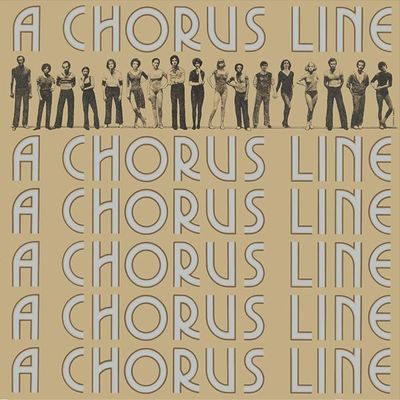
Legendary dancer Donna McKechnie joined us at the Broadway Teachers Workshop where she regaled the audience with stories about everything from the development of A Chorus Line, to her work with such acclaimed choreographers as Bob Fosse and Michael Bennett.
Transcript
This transcript was automatically generated and might contain errors.
[0:07] Gordon Greenberg: Hi, welcome to the Broadway Teachers Podcast.
[0:09] Pam Parasot: I'm Gordon Greenberg.
[0:10] Pam Parasot: And I'm Pam Parasot.
[0:12] Gordon Greenberg: And today we have the phenomenally talented Donna McKechnie.
[0:17] Pam Parasot: Oh my gosh. When we were able to book her for the Broadway Teachers Workshop, and she said she'd come talk to the teachers, I was beyond thrilled because I have memories of buying standing room tickets at the Schubert Theater for A Chorus Line, probably a dozen times to see her in the iconic role of Cassie.
[0:35] Gordon Greenberg: And of course she's an amazing, amazing dancer, but you see her in that role, and she's such a phenomenal singer and talented actress as well. She's like the true definition of a triple threat.
[0:46] Pam Parasot: And it was great to meet her, and great to find out that she's as lovely a person as she is talented, a real gem. And currently joining the Broadway cast of Wicked to play Madame Morrible, which is gonna be so cool.
[1:03] Gordon Greenberg: I think it's great that she gets to do that role.
[1:06] Pam Parasot: Yes, and she has clearly made a pact with the devil because she looks about 35 years old.
[1:11] Gordon Greenberg: Yes, she's beautiful, she's talented, and she's all ours for the next hour.
[1:16] Pam Parasot: Yay! Enjoy. The following was recorded live at the Broadway Teachers Workshop, an annual program that brings theater teachers together with the Broadway community for behind-the-scenes classes, workshops, intimate discussions, and Broadway shows in New York City and online.
[1:34] Gordon Greenberg: Learn more at www.broadwayteachinggroup.com. I think I mentioned to you that this audience is largely comprised of theater educators from all over the country, actually all over the world. We have some international folks here.
[1:50] Pam Parasot: And so I thought we could start by talking about some of your educational influences, teachers that meant something to you in your life.
[1:57] Donna McKechnie: Oh gosh. Anyone here from Michigan?
[2:00] Audience: Yeah.
[2:02] Donna McKechnie: So God, this is going way back, way before you were born. Can you hear me? All right. Let's see. Oh, well, I was raised in an area outside of Detroit called Royal Oak, Michigan, and there was a little dance studio on Main Street, Rosemary Floyd, one studio, one room. And also in Dearborn, I was lucky to find the Pamela Dunworth School, Dunworth School of Dance.
[2:34] Donna McKechnie: This is long before we had courses in school for musical theater. Well, I mean, really, it was just, um, it's so, uh, how can I make this a simple thing? Well, there's a story in A Chorus Line.
[2:56] Donna McKechnie: Um, there's a story in A Chorus Line that when we, all of the original cast members, when we sat around talking about our past, our childhood, this story came up about me, my training, and when I used to, my mother took me to my first ballet class when I was like in first grade.
[3:23] Donna McKechnie: And I used to dance around the living room with my arms up like this. And my mother would see me, and she thought I was trying to be a ballerina. I had no idea what a ballerina was, but I had this imagery, and I don't know where it came from, where I saw this in from maybe television, this Indian chief, all this headdress, and so I was dancing with him.
[3:51] Donna McKechnie: Of course, later on, I told this story, and Michael liked it a lot because it was a little different. But so many young girls and boys would hear music and they would get up and start dancing. And if their parents saw that they were so inclined and they could support their dream, it was born out of that, going to my first ballet class.
[4:13] Donna McKechnie: Um, then much later, when the story was told in the show, of course, Ed Kleban, this wonderful lyricist, put an ending to the story that it was her father, Maggie's father, when she said, "Daddy, uh, daddy, uh, yeah, yeah." You know the lyrics more than I do. It's been a long time since I did that show.
[4:36] Donna McKechnie: Um, yeah, and that was the very touching part of the psychology of that little girl. And it was mine, of course, but I never tapped into it the way that Ed did. So that's the artistry at work.
[4:52] Pam Parasot: And so you started...
[4:54] Donna McKechnie: So I was a little ballet girl.
[4:54] Pam Parasot: I was gonna say, I was surprised when I was, you know, researching for this interview that, um, you know, early on it was ballet, ballet, ballet for you, right?
[5:03] Donna McKechnie: For a very long time.
[5:04] Pam Parasot: And so much so that when you first came to New York, it was to take class at ABT, right? American Ballet Theater.
[5:10] Donna McKechnie: Yeah, all those great teachers. Scary, great. Um, and that was a dream and I auditioned for Lucia Chase, and I was 15, maybe 16.
[5:24] Donna McKechnie: And it was my first audition, and they have a week's long audition, and you go and you take a bar, and there's the 40 people, and then you go the next day, there's 20 people. And I just was so determined to do this and having no idea when she came to me and said, "Look, we don't know you. Why don't you stay studying with Ballet Theater for the next year because we're going to Russia and you're very young, so continue another year and we'll take you in the company."
[5:57] Donna McKechnie: And of course, I took this as a total rejection. It's just crazy when I look back.
[6:03] Pam Parasot: You didn't realize that she was...
[6:06] Donna McKechnie: Yeah.
[6:06] Donna McKechnie: So I went to jazz class.
[6:12] Pam Parasot: Well, their loss was everyone else's gain, so you know, right?
[6:16] Donna McKechnie: And it, of course, was so much better for my life and my body. I mean, maybe not better for my body, but my body was better suited for it.
[6:24] Pam Parasot: And did you feel that immediately when you started taking jazz and exploring other kinds of dance?
[6:28] Donna McKechnie: Well, I was in that place where I had to survive. I had to, and I felt like I could maybe audition and get, you know, I adapted to it. I really loved it actually.
[6:42] Donna McKechnie: And so I knew that if I got a job, if I auditioned for Broadway, because by now I kind of understood what the audition thing was, and I thought I have a chance to maybe work on Broadway.
[6:54] Pam Parasot: So you saw it as an opportunity that you could see yourself succeeding in, and it was a path that made sense to you.
[7:00] Donna McKechnie: I had no references. I mean, it was just survival. I just had to get a job. My parents, whom I loved very much, and I felt so guilty because it's a cautionary tale a bit.
[7:14] Donna McKechnie: You know, I ran away from home when I got this job opportunity in this concert tour, this dance company. And so I was in New York determined, I was fueled by that desire, but I was determined to show them that I could be okay, that I could work and I could, you know, take care of myself.
[7:38] Pam Parasot: So that was, you know, that's what kept you going.
[7:38] Donna McKechnie: Hard part. And what was your, do you remember what your first big audition was like? What was the first big audition that you went to that you landed?
[7:42] Donna McKechnie: Well, it had to be How to Succeed in Business Without Really Trying, but I had no idea what it was. I thought it was an industrial, which it was in part, but Cy Feuer and Ernie Martin, of course, were the producers of Guys and Dolls and How to Succeed in Business.
[7:42] Donna McKechnie: We used to audition in the theater on stage, and so I went, I had this agent submit me, and I thought I was auditioning for this industrial. And I did, I had just done summer stock, and I did the dance, the Lori, the young Lori, "If I Loved You" from Carousel.
[7:42] Donna McKechnie: Thank you, this the story. Um, and I did my little dance on the stage. I can't remember the theater, Helen Hayes, and Cy Feuer was in the audience.
[7:42] Donna McKechnie: And I had bare feet, the costume, everything. I just thought this is, and no song. And he came running down the aisle and said, "What are you doing?"
[9:00] Donna McKechnie: Uh, no, he said, I ruined my own joke, but that was kind of funny too. "What have you been doing?" Meaning that he hadn't heard of me or seen me before, and he wanted to know what I was, I had done.
[9:14] Donna McKechnie: "What does my bio say?" Uh, I had no bio. And I said, "The dance from Carousel." I got very grand on him.
[9:22] Donna McKechnie: And then he took me to the back of the theater. I was all alone with him, Cy Feuer, and so I thought this is what producers do. They just sit you down on the stairs and they ask you if you want to be in their Broadway show.
[9:37] Donna McKechnie: And I said, "Yeah, after the industrial, I'd love to." So that was the beginning.
[9:44] Donna McKechnie: And let me just quickly say that getting in that show was really like going to school, like going to university, because I started understanding what it was all about.
[9:56] Donna McKechnie: I went, this little ballet girl, you know, ballet dancers sometimes get a little self-defensive, maybe, or haughty about, they look down, or they used to. Now they're trying to get in Broadway shows, but they used to look down on it because it wasn't the art form that they thought it should be or could be.
[10:16] Donna McKechnie: But I was witness to Abe Burrows directing, Bob Fosse, Gwen Verdon was our dance captain. I mean, she was a great star, but she was acting as dance captain because she was between shows, I guess.
[10:32] Donna McKechnie: And all of these great people, so that it was like an education. I went, "Oh, this is what I want." To be with all of these people telling a story with text and music and dance and movement.
[10:48] Donna McKechnie: And Fosse, of course, had this incredible, as a choreographer, his vocabulary. You know, he picked people who were very individual. From the get-go, I learned that always make it personal. Always use yourself. Don't try to imitate anybody.
[11:12] Pam Parasot: Well, talk about, you know, a first Broadway show and this amazing creative team that ran it. But you were 18 years old.
[11:19] Donna McKechnie: Yeah.
[11:19] Pam Parasot: And so to have that opportunity so young, I mean, you probably didn't know how lucky you were at the time.
[11:26] Donna McKechnie: I didn't, but yet I did because when I saw what I was in and how much I could learn and how much I wanted to do this, I thought if I study voice and if I go to acting class, I mean, I was making like 160 dollars a week, which was Broadway chorus then.
[11:46] Donna McKechnie: And because your apartments are only 75 a month. I know. Crazy.
[11:52] Donna McKechnie: Um, but I thought if I can improve, if I learn how to act and I learn how to sing, maybe I can have a career doing this longer than a dancer's life even.
[12:05] Donna McKechnie: And so that was a very smart thing for me to take in because the show ran for two years, a Pulitzer Prize-winning show, and just great, a great training ground.
[12:19] Pam Parasot: But I think it's amazing that at 18 you had enough forethought to realize like I need to learn to sing and to act, and I want to tell a story.
[12:29] Donna McKechnie: Yeah, I think there are some dancers who maybe never get there in terms of knowing how important that is or wanting to develop that part of their own.
[12:37] Donna McKechnie: Some dancers, they'll communicate their talent is different. Their creativity, their need to tell a story through dance, through movement is quite profound.
[12:50] Pam Parasot: Absolutely. But I think the other interesting thing I read when I was reading Donna's book, which I recommend to all of you, which is, I'm gonna get the title right, Time Steps: My Musical Comedy Life.
[13:00] Pam Parasot: So if you're looking for a good read this summer, I recommend that you check it out.
[13:06] Donna McKechnie: But that after you finished with How to Succeed, you said like, "Yeah, I don't want to be in, I'm not gonna be in the ensemble anymore, I'm not gonna be in the chorus anymore."
[13:13] Donna McKechnie: This was so silly, so young to say something like that.
[13:18] Donna McKechnie: Um, but then things were different then, a little different. Now my young dancer friends are so good. They're triple threats, each and every one.
[13:30] Donna McKechnie: And they go from show to show because they want to work with new choreographers, and it's not something that the wonderful line in A Chorus Line, since I'm referring to that, you know.
[13:42] Donna McKechnie: Um, Priscilla Lopez says, um, she talks about the time limit. "I want to be a star by the time I'm 20." People used to put limits on, or "I gotta get my first part before I'm 25."
[13:57] Donna McKechnie: Um, and we used to do that. And when I say we, I don't mean the royal we. I mean I used to say, "I'm going to challenge myself."
[14:10] Donna McKechnie: I would never do that now after knowing what I know. Do you know what I mean? I just kept stepping. I mean, what can I say? I mean, the outcome is I'm okay with it. But no, I think it was.
[14:24] Donna McKechnie: But I was always going into, I was so scared and shy, basically, and I'm always stepping into this unknown territory. You know, on the city. I think it shows so much confidence. I just wanted to do it. And it was a survival thing. I mean, I spent many years just trying to stay in, because I couldn't type. I make a joke about that, but I always felt very, very sorry that I didn't have a better formal education. So whenever I would go on tour, I would go to museums first thing or graveyards. You learn a lot about the area when you... so this loomed over me, you know, the idea that I didn't have an education. So I just felt I couldn't do anything else. I wasn't qualified. I think I filled out a form to work at Woolworths, and I didn't get it because I didn't have the education, high school education.
[15:31] Donna McKechnie: And you really stuck to your word in that after you finished with How to Succeed, and correct me if I'm wrong, but Bob Fosse called and offered you a job in the chorus, and you said, "Well, no, I'm not going to do that." That's one of the embarrassing parts of my book.
[15:46] Donna McKechnie: Oh, I think it's fabulous. Is it because this is the youth? I mean, it's like I'm turning red. He called me to be in his next show, which was Pleasures and Palaces. And I didn't have to audition, you guys. It's all horrible auditions; they're still horrible. And I said, "No, I'm not doing the chorus any longer." Of course, the horrible thing about that is you say no to Bob Fosse. And it's never in the chorus when you work for Bob Fosse. It's always ensemble, and you're always a star on stage. So then he called me again and asked me about Sweet Charity, and I said, "No, no, I'm not." And then he stopped asking me until 25 years later. We did Sweet Charity. That's full circle. His last production, yeah. That's amazing.
[16:39] Donna McKechnie: Yeah. So when you made this determination that you were gonna, you know, not work in the chorus anymore, and you danced on television in Hullabaloo, which is where you met Michael Bennett originally.
[16:51] Donna McKechnie: Yeah, how did that come about? Um, in audition, West Side Story had been a tremendous hit, and all of the young dancers, myself included, coming to New York, those dancers, those Jerome Robbins dancers were like gods to us. And a lot of them started teaching. And so David Winters was one of my teachers, Jaime Rogers, a few of them. And he, David, was the choreographer for this show, and it was really a very sophisticated variety show on television. It was the popular music of the day, but it was Peter Matz. If many of you are musicians and know Peter Matz with an NBC orchestra, these great musicians. And they would have, you know, a popular movie star or a recording artist come on and MC it, and then all these great groups, the Rolling Stones—I mean, I'm trying, I can't think, there's just so many.
[17:52] Donna McKechnie: But were there different choreographers for each? No, David. He was the choreographer. Wow. Rogers did a lot of them.
[18:01] Donna McKechnie: And so at that point, when you met Michael Bennett, you guys were both dancers. He was not choreographing at that point. He was core; he just started Summerstock things, his agent, you know, who he kept all his life. But I remember dancing with him on this NBC sound stage, and I said, "Gosh, you know, what are you gonna do when you grow up? You can't keep doing this the rest of your life, you know." And he said, and he looked at me, and he had this look. It was so serious, and he said, "I'm going to be a choreographer." I mean, whoa, good luck, that and don't forget about me, you know. And so, and Michael was so determined and so good. I mean, in terms of what he wanted to do, that even when he was in the chorus of shows, he had many friends who believed in him, and they would just kind of like follow him.
Not that he had a clique, but he had dancers who, you know, if he wanted to do some work, he would call certain people, his favorite dancers, and work out, you know, things, dances. And so people had their eye on him in terms of his future.
[19:21] Donna McKechnie: Right, early on. That's great. Yeah, and so your next really big show that I wanted to talk about was Promises, Promises.
[19:28] Donna McKechnie: Yeah. What was the audition process like for that? Well, that was my first really singing role on Broadway. And it was not a dancing role. So I was very proud all of a sudden, "Oh, I'm no longer in the chorus." Uh, I have a role, and okay, so this ended quickly, that idea, because we had a great, great company. David Merrick was the producer. So David hired me. And then Michael, it was Michael's first big Broadway show, as I mean, he had done one other show, Joyful Noise. And it didn't really work. But this was this Burt Bacharach and Hal David. And there were 20 minutes that needed to be cut out of town, so all of the lesser parts were cut, the three secretaries. And Michael, knowing that I was a dancer, said, "I need a first act finale, so maybe keep her and her and her."
And so our number that was really kind of silly turned into this big dance number, and my job was saved thanks to Michael, and yeah, it was that turkey lurky time number. And it keeps coming around every year, right?
[20:51] Donna McKechnie: But it ended up being that the lift that the show needed at the end of the first act stopped the show every night, right? Yeah, though when before it was there, it didn't stop the show. It horrified the audience, that's what it did. It was horrible. I love that. I have to share this with you because Michael, even then, um, and he had ambition, you know, he wanted everything to work to be that commercial success, but he always was trying to tell the truth. And he wanted, he had this, you know, idea for the three secretaries. Um, they put a dance together. He said, "As if you did this, you made the costumes and you did it in your living room. So I don't want it to look too good." So we have to, as if you made it up.
And so we went, "Oh, that's that'll be fun." And so they pushed the desks together, our first night in Boston, I think, our opening night, and we got up on the desk and we started doing this ridiculous number on a desk. And the audience, you know, I've said this before, it was like springtime for Hitler. And Michael's in the back with Neil Simon running back. He goes, "Oh my god, I know how to fix this. I know how to fix this." Um, and so the next day, um, after Bob Avian, who was his dear, dear partner, um, they got in front of this, you know, the hotel, they have a little mirror in the closet, you know, and they got there and they were doing—they put this whole dance number together like overnight.
Came in the next day, and we learned it. And um, yeah, it was the response and then they, oh my god, the response. It was like night and day. But what I loved about it is that he knew he tried, he tried and failed. And it's so rare that you get a chance to try and fail in theater today. It's really hard. You know, the process is cut down, way down. Especially if you're not out of town or you can't get it. Yeah, we built it; it served a great purpose anyway. But I love the fact that he tried and then he tried again and it worked. Wow.
[23:08] Donna McKechnie: And the fun story that I read about that, you know, you stopped the show, and this is a great big moment for you. And in the review, yeah, it said that she stopped the show and it named another actress instead of their name. But also if you remember, um, Bob Moore, who was the director, who was great. We were at El Morocco. Does anyone remember El Morocco? No, I do. Um, that was where we had opening night parties like Sardi's. And um, Bob Moore read that because the Times would come out late and you can read it while you're at the party. And if it was a good review, the food would remain, you know, and if it wasn't, everything got moved back to the kitchen. Uh, it's true. Um, but he saw that review and that it was misquoted, and he ran to the phone, which we didn't have phones; he had to find one in the street, and he called the Times and gave them the correction so that the next edition, my name was in it. Isn't that wonderful?
[24:16] Donna McKechnie: That is nice. That's a director. So it's Margot Sappington got the first edition, but then you got the second. Excellent. That is very kind that he did, yeah. And we're still friends.
[24:27] Donna McKechnie: Oh great. And so after, and so that show was a big hit. You stayed at that show for a long time. And I did it in London, which was life-changing for me. Um, it was the first American show, I guess, that went over there with the English American cast, and then the ensemble was English, and they had never seen anything like Michael's choreography, and it was a big smash. Um, and I was able to go over and open it for the first month.
[25:01] Donna McKechnie: So did you find anything different in terms of the audiences or just doing a show in London versus doing one here? Oh yeah, they love it. They loved it, they loved it. I mean, but they respected it. Um, you know, you'd get into a cab or a taxi, and the taxi drivers, you know, they loved the theater; they knew all about it, you know, kind of like New York, but not. Yeah. I think in some ways with London, uh, I don't know if it's as much so now, but it is a little more reasonable. It's not quite as expensive as it is here. We were like the working men and women. Right. We were like the workers of the, you know, part of the fabric of the city, and yeah, yeah, was it a greater, you know, percentage of the population goes to the theater. Yeah, it's available, yeah.
[25:51] Donna McKechnie: So when you finished that, was that the point when you thought, "I need to try something else. I'm moving to LA, I'm moving to the West Coast, I'm gonna give TV and film a try"? Yeah, I don't know what was going on in my brain then. But you have to try, you know. Um, I don't even remember why I guess that, yeah, I think I was in that frame of mind. Well now I have to, you know, knock down a new boundary, you know, go a barrier is there, so I have to go through it. Um, and I would have been fine, but I was too impatient. I didn't—I went into therapy soon after because I was being really hard on myself. When I teach now, I ask the students how many people here are critical, are very critical in their thinking, and all the hands go up, you know, especially dancers, you know what I'm talking about, because we have to criticize ourselves every day because what we're asked to do, what we ask our bodies to do is beyond what's kind of normal, natural.
We're kind of taking it and putting it in places, and it's difficult; it takes a lot of discipline. So the criticism can be harsh on oneself. So I put myself in, you know, if I wasn't—I couldn't find my—I couldn't find a way to live peacefully and just go about my business and do my work and wait for the next thing. If it didn't happen right away, I felt like, "Oh, I made a big mistake."
[26:27] Donna McKechnie: You know, and when you were out there, were you sort of hungry to come back to the theater? Did that? Yeah, and that happened, I think, with Company, right? Um, gosh, you probably know better than I do. Well, and you know, it's what's interesting is this whole group is seeing Company; they're seeing the revival of Company tonight, right? Is tonight Company? Um, I think, yeah, it had to be after Company because I didn't go out there until I was like, uh, 30. I mean, that's before A Chorus Line. And that's when we pulled some of the story of Cassie from that experience. From being out in LA and thinking it's over. I mean, it wasn't over. It was just starting. But I didn't know that. I thought it was over.
Um, when Company came knocking, they offered you the part, right? It was you didn't have to audition; they called me. Well, this is great because Hal Prince, uh God, I loved him so much, invited me to his office, and Company was the first show where I didn't have to audition. I didn't know it yet, but he invited me, and I had my sides, and I'm nervous to read for him. And I'm intimidated also because I'm in his office, and it's gorgeous.
[28:46] Donna McKechnie: And uh he shows me he's talking to me, and he's very charming, and he says, and uh, I want to tell you about the show and Stephen Sondheim's writing this. And I went, Oh my god, that's fantastic. And he goes, and Boris Aronson, our set designer, this is his little set. Isn't it great? There's an elevator here, and there's a staircase, and I'm getting more and more worked up. And I say, Mr. Prince, would you like me to read for you? And he goes, read. No, you've got the job. And it was the first time I got a job without an audition, so I went. Well, later, there's a funny thing about this. Um, he had asked Michael Bennett to choreograph it, and Michael didn't really want to if there weren't dancers in it.
So I was like the bait. It's okay. I don't mind being the bait. Um, and so when Michael heard that I was doing it, because he didn't want to, he was being careful um about make he didn't want to make any mistakes, and he went, I don't know what I can do with um a lot of actors who aren't dancers, and what can I what can I do? How can I move them around? I mean, tell a story with them. Um, so this gave him a you know more incentive. Wow. And what was that process like working in company with that team? Was it a happy rehearsal process? Was it um I I thought it was. Maybe it wasn't for everybody, but I thought it was. I thought it was just fantastic. I mean, the first day, they gave you the music and it was all taped.
And there were like Barbara Berry opened the music and it just cascaded. It just went blum. And it was like 22 pages. Just when I and she said, Can you imagine people doing this years from now and getting this music and this opening number was um I guess I want to say that they were so prepared, everything was done, all of the work was done that first day of rehearsal. Not to say that it wasn't changed or numbers were taken out and revamped, but it was pretty much there. Wow. Yeah. And I I think I um remember reading that that TikTok dance, which was that your big dance in the second act, um, which we'll talk about a little bit because when you see it tonight, have you seen the revival? That's yeah, so very different, right?
It's so different. It's not the same show, but it's great. I really loved it. Yes, but um, yeah, but the dance that you were working on at one point, I hope I'm getting the story right, you'll correct me. You know, they said, we're gonna cut this, it's not working, or you know, it doesn't, it's not, it's not, it's not fitting in the way we had hoped. And you marched up to that team and you said, I know, and you said, This is gonna work, and this is how it's gonna work, and you have to let me make this work. I know. I said that too. Hal Prince and Stephen Sondheim. But you have to realize my emotional state. It was just before half hour. I I knew that my number was gonna be cut. That meant I'm out of the show.
And I have to have a job. I have to work. And also I just had, I don't know, I had some nerve. It came from some other place. Yeah. But I I challenged them. I said, um, this this can't be uh um just a rock and roll, you know, accompaniment. This has to be, we have to like maybe bring a reprise of other songs. And Sondheim says, Yeah. And Sondheim says, I don't want reprises in this show. And I go, well, it's not a lyric reprise, it's not that hasn't have to be sung, maybe just the music. I mean, this is where and I was desperate. I will was like a desperate lawyer fighting my case. And Hal Prince was just, you know, as a gentleman standing there saying, Donna, we'll talk about this later. Go up and get your makeup on its half hour.
And I said, No, Hal, I'm not leaving this stage until you tell me that you're gonna fix it. And he said, Okay, I'll fix it. Go upstairs. I just love that. I love that you had the tenacity and the conviction to stand up, and you did it twice in terms of because Turkey Lurkey at one point was gonna be cut, and this was gonna be cut. It always happens to be. Like, no, it's not. No, it's amazing. That's great. Um, and so um, how did that I I'm I'm only dwelling on this number because they're gonna see the show tonight, and I think it's an interesting um, you know, way to compare the different productions, both of them valid and interesting in their own right. But how did you develop the TikTok dance?
Like, what was the the story or the genesis of of the dance that ultimately came to be? Well, it it's abstract. I mean, so it was really connected. Uh being one of the girlfriends, Kathy, um, I came the it came out of this scene in the middle of the scene that you'll see tonight um in the bedroom and with um Bobby and the stewardess. Um it starts at the top of their after in the middle of the scene, it's when they're when they go into into the bed and they're into the seduction, and then the elevator goes up, and I'm in this little French slip, and so I'm kind of like in it. It the whole thing becomes like kind of a dreamscape. So on I'm going up and I'm going across the platforms, and then they're talking, so you hear dialogue of them in the bed, but you see me on the stage, and so then I I personalize some of the the frustration of the girlfriends of the women in his life, the the angst and the the yearning and the desire and the passion and the frustration, all that stuff goes into the dance, and it ends in a big orgasmic kind of thing.
And I invite you all, there is, I think there's a clip somewhere on YouTube from a production that was done that of you. Oh, yeah, it was it was a very modified like a concert version or something very short, just to give a a sense of it. And I was gonna say, if you if you are interested after you see the show tonight, you might want to check out that clip just to see the difference because it's a very different um presentation in the show. Unfortunately, you don't get a really great idea of it because they're no the the beauty of it was the dance happening on all the different parts of the stage and the platform and stairs and the main floor and yeah. Ah well it was um a beautiful dance and I'm so glad that you fought for it and it stayed in the show.
So that's amazing. And we did that in London. That was the first time that uh an American cast or producer sent an entire cast to uh London's West End at Her Majesty's Theatre. So we were back in London and yeah that's great. I think we have to move on a little bit to A Chorus Line at this point just because obviously it was such an important part of of your career and um so many people do it now and it's you know it's part of the great American musical canon and I I I'd love to know I'm sure a lot of you know um how it started but if you could tell a little bit about how the project started. Okay let me put that this well it started with um Michael Bennett who wanted to do you know graduating from choreographer to assistant director to then um direct he had directed a play he wanted his own uh complete piece of work as director choreographer his own original work and he had an idea about something about dancers it was very general because we had been talking about it with Bob Avian for like three years before we really started and I kept saying he kept saying there's a part in this show for you and I kept saying, hurry up, because I'm, you know, I'm 30 years old, and I'll I've I'll be too old very soon.
And um, so he had the image of an empty stage, like Afternoon of a Faun, and where dancers come in and there's no dialogue, but they just go to the bar, and you could tell from the way their attitude, where they are emotionally, who they know, who's a friend, who isn't. So he had that kind of life or behavior going on in his mind, but with a big space with a studio. Um, and then he he optioned a um a murder mystery that was gonna be about dancers. So it had all these evolved stages, and then finally, um uh Tony Stevens and Michan Peacock, who were dancing in a show that was really terrible. I don't want to, you know, I can't remember if it was a very long name. You probably know, and it doesn't matter.
Um, they brought him the idea the same way he was thinking about it a dancing show, they brought him the idea of doing something together as dancers. So that pulled together to brought brought us all invited, you know, the dancers that he knew into that room late at night on the east side, and we talked into this real-to-real uh tape recorder, and I remember a big jug of very bad red wine right in the middle of the floor. Uh Wayne Salento taught a dance class before, and then we sat around on this rug and just Michael started out with the three questions essentially that Zach asks uh the dancers, uh, which is uh say your name, where you're born, and why did you want to become a dancer? So we went around and kind of and he started, and he was so available, and he wanted to again find the truth behind all of our motivation, our reasons, uh, our desire.
So we went around and we were all kind of stunned at people we thought we knew we didn't really know, and all the the private lives, the personal lives came out. Dancers, of course, years ago, never got the lines in the show. It was always the singers. Does anyone relate to that ever? Doesn't happen as much anymore. But all of a sudden, dancers are speaking, they're asked to talk and share. And uh so that was the beginning. Um we did two sessions like that all night, um, and people gushed forth. Some people were you know shy, then they became very giving, and then he took it to Joe Papp, and Joe Papp was our real champion because he heard like five minutes of this and said, I'm giving you a theater and developed this, and we had two workshops.
The first one was God awful, it was terrible. Why was it terrible? It was there was no music, and there was us sitting around telling each other how uh depressed we were, and and and we started, we knew that parts were going to be written, so we all started competing with who had the the worst childhood, and it got really depressing, and then we were sitting in a like a semicircle on stage, and then it became standing up, and then it became not a semicircle but a line, and then one day he discovered the white line, which became a metaphor. I just got chills. Um which became a metaphor for all these years later, we had no idea how not just how far reaching it would be, but but how it would touch people in ways that people that weren't in theater, people who were not dancers or singers, but people who either related to one character or the other that that connected with their life or their their inability to have their life the way they wanted it, you know, to like people who wanted a second chance.
The Cassie character was always the one who you know spoke to that person. Um it was just it's it's very moving that it it keeps moving forward and and uh reaches people like this. Well, I think it's because we thought it was a theater piece, we thought it was about musical theater. I mean the show business. We didn't think it was, but people would relate to it any other way in a commercial way. And I think that the fact that it's as relevant today as it was the day that you open, it just speaks volumes to to exactly what you're saying. You know, everyone seeing themselves up there or a piece of themselves up there, or putting themselves on the line, no pun intended. Yes, right. So that's great.
So you did the second workshop, and that's when you stood up and things were more organized. Yes, and Marvin Hamlisch walked in the room, who was great, and Ed Kleban, and the first song we heard as a company uh was At the Ballet. And when I heard At the Ballet, I went, Oh my God. They they really nailed it. This is a dancer's life. This is the heartbeat of the whole show. I mean, it wasn't the first number they wrote. They wrote, I Can Do That. And you know how many uh young men who I know that that was their story? Hundreds and thousands of these boys that were dragged to their sisters' dance class. You know, and ended up being the dancer in the family. Yeah, yeah. And um let's talk a little bit about how your number developed in the process of putting the show together.
So just stand up. It almost was cut because it didn't work. It's like, yeah, yeah, yeah. Um and Michael was trying to. This is something I think he learned, I certainly did. Um, he was trying to give me a star's entrance. He wanted to do something for me, you know, special. And it almost killed me. Because after you have those dancers auditioning, and then they come to the line like everybody, and then you have this Betty Bacall come in with her silk pants and her fur coat, waving a $20 bill, saying, anybody got changed for a 20?
[43:11] Donna McKechnie: I have a cab waiting outside. And she's there to audition. You hate her. Right. The audience hated me. And I said, you can't do this to me. I can't have to be like everybody else. Um, and that's kind of what the number was because he had me come out with eight, uh, maybe six boy dancers. That's what we call them in boy dancers. We don't do that anymore. Um, and I like I was Ann Margaret on a Vegas stage or something, and the number was like after the show being so, you know, special, then this big production number, it didn't work. Did you say that it didn't work? I mean, I no, no, I was they saw it. They saw that it didn't work, and they checked it big time. That's amazing. Yeah, and again, it shows again how I owe everything to him in terms of my theater career because he never gave up on himself on the number, or he always found a way to make it work.
It was always his challenge. Um, because anybody else, I think it would have been out, as it is so many times, and we don't know how to fix it, so let's cut it. Um, then that's when we discovered that it had to be a journey, a more of an acting piece, uh, a psychological journey for this dancer who is coming in, you know, fragmented, and then finds herself in this dance and becomes a whole person again because of her spirit.
[44:43] Pam Parasot: I mean, it's so clear that you are such a muse for him in terms of who you are as a dancer, and I can't think of a more perfect dance created for somebody. I mean, that the choreography is so iconic, and to see you dancing that is one of the theatrical highlights of my life. So I'm, you know, just beautiful, beautiful. Um, and tough. I mean, what a how long is that number, roughly?
[45:08] Donna McKechnie: Seven minutes, seven minutes, and it's just you, yeah, and you are singing an enormously difficult song, and you I used to say to him, and Bob did too, Bob Avian. At the end, uh, if anyone sees a dance, there's like this series of very difficult things, and after you you're winded, and you have to like there are four turns in this combination. You turn, whip your head back, turn four times, and then pull back four times. And I said, Michael, can we just maybe just eliminate one of those turns? So we three, three is a nice number. I have like bum bum, bump, bump, bump. And he's and I said, because I'm struggling, the audience will see that I'm he goes, that's what I want. Well, and my I have a memory.
I mean, isn't that great? I love that because that's what you have to and I remember seeing it, and when you're doing those turns, the sweat pouring off of you know, I mean, it was you could see that struggle in a way that did make it so visceral and so much more powerful in a way. Um, he was right, but this is why everyone needs a director.
[46:12] Pam Parasot: Yeah. You know, we can't see these things or appreciate them in a way. This sort of leads a little bit into I do want to leave some time for questions, but one other thing I just wanted to touch on briefly, talking about how demanding that role was. You went through a real health uh scare after your time in Chorus Line. That I just think if you don't mind talking about it, is fascinating, and that you look as wonderful as you do today.
[46:40] Donna McKechnie: A new knee. Yeah. But I mean, you did that dance for uh, uh, so I'll let you speak about you came back to Chorus Line after the ten years later, yeah. Uh, so how how can I give this, you know. Um, yeah, I had what I call the um one year, the list of loss was long. Um, marriage, divorce, I lost my home, I lost my father, I lost my job, and it was just and I wasn't able to deal with the loss. I didn't know how to grieve. A dancer, what do you do? You go to the bar and you do your plas and your tendus, and everything is fine. But the feelings go somewhere. So they went into my body, and my body at a certain point, um, kind of like out of the blue, it seemed, but not, it just shut down and uh. And uh I from being very strong and and and having a lot of you know ability, I all of a sudden I could barely walk, and I had this uh develop this rheumatoid arthritis in a very quickly, and so then the journey became to try to find out why and how do I get get through this?
How do I without taking drugs? You know, I was of the thought that that's always there if I have to, but I want to do find out another way to do this so that I can really heal, and uh, that was psychotherapy and food, uh, a diet, and a lot of um self-education. But it's amazing, and I and it did it started coming back, and then Bayoric Lee, God bless her. You know, I was in Los Angeles yet again, and um she said, I'm doing a national tour, we're going to uh Paris and Tokyo, and I want you to to do it. And I went, uh Bioric, I haven't danced and I don't know if I could I could do it. I'm just starting back again. And she said, I'll give you three months, and she hung up the phone and it gave me the incentive, and I really got back.
And when Joe Papp um found out that I was doing a national tour, and then I was in Tokyo, and we were a big success. He invited me back to New York 10 years after I left uh because the Cassie was pregnant, and so would I just come in and do it for a few weeks? And I went, absolutely great. Amazing. Yeah, that's amazing. I stayed for eight months. She decided to stay home with the kid.
[49:16] Pam Parasot: Well, I do want to open this up for questions if anyone has a question that they want to ask.
[49:22] Audience: The most memorable memorable note.
[49:26] Donna McKechnie: Well, I'll again I I go to Michael. Um, I would was in company in New York, and I would say to him, Um, it gives you an idea of my personality. I would say, any notes for me? I just love notes. I want to get better, I want to improve. What am I doing? There's always something better to do, you know, you can improve on, right? And he would say, I I don't have any notes, I don't have any notes. And I finally asked him again, and he got so frustrated, he said, Okay, here's a note. Stop working so hard. And that was a brilliant note. It was really hard for me to take that note, you know, just to relax and just trust and be. And uh, and when I start when I started being able to do that, um, maybe when I came back to Chorus Line the second time, I was older, 10 years older, and I was able to relax. Maybe I didn't jump as high or I didn't turn as many times, but I had a sense of not work not killing it all the time, you know, just relaxing into it.
[50:34] Pam Parasot: Yeah, yeah.
[50:36] Audience: Yes, up here. Um speaking were gonna be your teaching that you're getting.
[50:42] Donna McKechnie: Yeah, well, I I had I I taught at HB Studios here, uh, but I taught musical theater, not so much dancing, and when you know, we were all stuck in our apartments. Remember that couple years for two years, um, I started teaching online musical theater um and it was actually it was able I was able to be productive with it I didn't like it because there's something about being in a room where the energy and you see the nuance of people uh comprehending or getting it or taking it to a place but it's still the work got done I mean it was we were able to achieve things so I don't do it so much anymore but um I did I did love it I love it yeah.
[50:53] Audience: Yes I have a question I feel like hard line is so rare in that beat on paper sport I just like what that experience like you're you know as an actor you're always putting yourself out there right like the point you're like literally putting yourself out there you know when you have my favorite way but it's very well it you know to have this the the the the second chance I mean to go back again that was really telling for me to have that experience because it was a much happier experience for me in the beginning what I what can I call it we didn't know we were like this this insular kind of living in this insular way with it and it was like chorus line fever if anyone is old enough to remember it was you know you you were doing eight shows a week but also it was like on everybody's you know everybody was talking about it you did interviews all day long you did and it was just too much.
[52:45] Donna McKechnie: So going back, um, it was wonderful because I could leave the part in the dressing room, as they say, and then I could go out to dinner with my friends and and in and have a separate life, be able to live my life in a way that that is just makes you happier, you know, when you're able to, you know, put the work, keep the work where the work is. It never leaves you completely, but I don't know if that answers your question, but also at the time, and I I'm still feeling this way. I'm so proud of the show. When I was would be standing as as a character, Cassie, we at the ballet was being performed, and we would face this black velour wall, and the audience would be there, and the singers, and I would be hearing my story through another character.
I just went, wow, this is this is wonderful. Because this show, I'm going to leave this show, and this show is going to go on for years and years, and hopefully decades and decades, and other people will hear these stories. And I felt very uh very proud of it.
[53:59] Donna McKechnie: I had to change. I had to, yes, great question because of the obvious. And I know this is if you all know what I mean when I say it it's it's uh I had to learn how to love myself. It sounds like a simple thing. It's not when you've been so critical of yourself your whole life, and it's not something you so I had to learn how to respect and listen to myself, and not be just this little um you know survivor. When do we start breathing? When do we start um seeing more clearly? And I had to come to terms with the grief, and I had to resolve that and really experience that. And I know you've you've maybe heard these things before, but it was a whole journey that I had to go through while I was healing, while I was getting better and getting back in my physical body.
Um I had to find a way to uh love myself first and then see everything else much more clearly. And it's kind of what I pass on without I'm not a psychiatrist, but um teaching and and performing is very therapeutic, and you have to have a sense of yourself when you're on stage. You have us have to have a center, and you have to be there for yourself. And I abandoned myself when I got sick. I mean, before I got sick, and that's why I got sick, I think. So I try to pass that on to every young person is be there for yourself and be um because everything else follows that that self-love, and it's not always easy, but it's worth the effort.
[55:49] Audience: Oh, sorry, yes, Radio.
[55:51] Donna McKechnie: I I know I know that I had uh a moment in performing when I let myself be more free. I experienced that and it was terrifying, and I went, Oh, this is freedom, you know, when all of a sudden I wasn't planning it or plotting it out, when I would just start trusting more to be and let the the as long as you have your plan, your intention, you know what you're doing, everything follows that. And you let your life live in that. You left your emotional life live in that. And I think though that might have been, I'm thinking back to our early workshops where that started happening. I would uh I started feeling that. And Michael, again, I I praise him because he left me alone. He never gave me direction. Um, and I found out that you know most directors deal with the people that are really in trouble or need them, you know, or the the part of the show that really needs to work, you know, to be fixed.
[56:55] Pam Parasot: Well we cannot thank you enough.
[56:57] Donna McKechnie: I know.
[56:58] Pam Parasot: Oh, such a huge inspiration. Thank you for being here.
[57:01] Donna McKechnie: Thanks.
[57:04] Announcer: You've been listening to the Broadway Teachers Podcast, recorded live at the Broadway Teachers Workshop, an annual program that brings theater teachers together with the Broadway community for behind the scenes classes, workshops, intimate discussions, and Broadway shows in New York City and online. Learn more at www.broadwayteachinggroup.com.
© Broadway Podcast Network, All Rights Reserved