

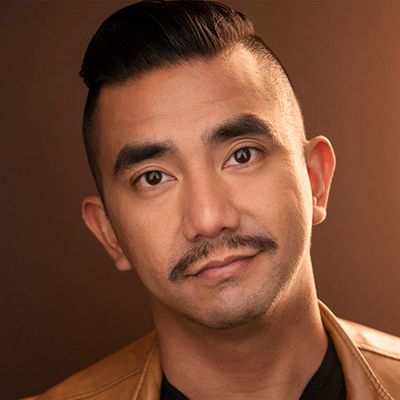
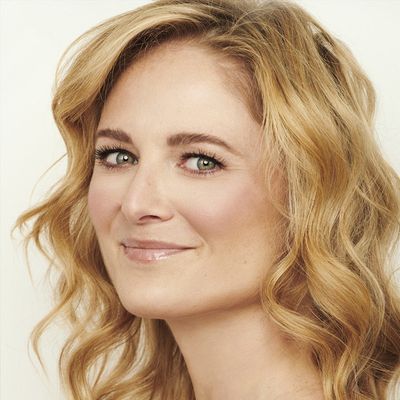
It's Juneteenth! Play along as Aaron J Albano (Newsies, Hamilton), Hayley Podschun (Hello, Dolly, Hairspray) and Nikisha Williams (Hamilton, The Color Purple) join Bryan, Kevin, and Kimberly via video chat to break down Been So Long, American Son, and Passing Strange... Read More
From the show: Broadwaysted!
Guests
Featured Shows
About
It's Juneteenth!
Play along as Aaron J Albano (Newsies, Hamilton), Hayley Podschun (Hello, Dolly, Hairspray) and Nikisha Williams (Hamilton, The Color Purple) join Bryan, Kevin, and Kimberly via video chat to break down Been So Long, American Son, and Passing Strange. Come for the bad puns and wine but stay for the musical talk and Tanteo tequila.
Extended cut and full video is on Patreon. Become a supporter on our Patreon: https://bit.ly/2Q2zELG
Transcript
This transcript was automatically generated and might contain errors.
[0:04] Bryan: Did you bring wine?
[0:05] Kevin: I got the glasses.
[0:06] Kimberly: Hey guys, I made a quiz.
[0:08] Aaron J Albano: I didn't bring anything, but I hear it's a bug.
[0:20] Bryan: Hello and welcome to the official Broadwaysted Podcast.
[0:23] Kevin: We're drunk on theater.
[0:24] Bryan: I'm your host, Bryan, and we must have been high because Paradise Stoned is youth's unfinished song.
[0:30] Kevin: It's starting to feel real.
[0:32] Kimberly: Amsterdam, Arlington Hill, Berlin, a black hole with taxis.
[0:36] Aaron J Albano: Merci Buku, M.
[0:37] Kevin: Godard.
[0:38] Kimberly: And everything's alright.
[0:39] Bryan: It's alright, Soul Brother, Phyllis Signs.
[0:41] Kevin: Am I right, Arguina Hill?
[0:43] Kimberly: It's not a May Day, but grab the keys because the system does all kinds of damage to the black one's identity at a Baptist fashion show with Desi.
[0:51] Bryan: Are you ready to explode?
[0:52] Kevin: Because listening is waiting in this passing phase where we work the wound on the surface, because that's because what's inside is just a lie.
[1:00] Bryan: Cue the music.
[1:01] Kevin: Is it all right?
[1:02] Kimberly: We just had sex, so come on, come down now.
[1:05] Aaron J Albano: Because with a love like that, we might play all night because music is the freight train in which God travels.
[1:11] Bryan: A church blues revelation called Mom Song.
[1:15] Kevin: Passing Strange is a lot of songs, guys.
[1:18] Kimberly: I was gonna ask if that was all Passing Strange or something.
[1:22] Aaron J Albano: No, well, and it's um it's all Passing Strange, and then and then coming up.
[1:25] Bryan: Joining us today are the usual thunder and gold fire text receivers who smile on a park bench at closing time when love is against the whole world wanting a fella, including Kevin, Primus Humanist, man of steel Jaguar.
[1:39] Kevin: Yeah, I'll take that.
[1:40] Bryan: Kimberly, what you say in game master, an unofficial babysitter for the hour.
[1:46] Bryan: And with us, and with us are three guests.
[1:50] Bryan: One is of Bombay Dreams fame.
[1:52] Kevin: The other is just Tammy.
[1:54] Bryan: Our third is now a returning guest because she also loves movie musicals and TV shows.
[1:58] Kevin: Also, this is our second episode, so returning guest.
[2:01] Bryan: Let's give a big Broadwaysted welcome to Friends of the Show.
[2:01] Kevin: Friends of the show.
[2:14] Kevin: We're all ready for this.
[2:15] Bryan: Those intros are getting uh much longer now.
[2:19] Kevin: Well, you had 900 songs to choose from with just two musicals.
[2:23] Bryan: I know, it's crazy.
[2:24] Kevin: And I also um what I also did was um I even did the Passing Strange. Like, you know how each track has like breakdowns on it.
[2:32] Bryan: Well, if you go on Wikipedia, it's that way.
[2:34] Kevin: So I tried to include as much as I possibly could with taking out the reprises.
[2:38] Bryan: That show was a lot of reprises.
[2:39] Kevin: Um, that's fair, yeah.
[2:41] Bryan: Um, but um yeah, so today we are talking about oh, let's start with what are you drinking?
[2:41] Bryan: Drinking drinking.
[2:50] Kevin: Let's start with you. What are you drinking?
[2:52] Kevin: I'm drinking uh a variety of white claws. Right now it's a watermelon, but it's the last one, so it'll change a bit.
[2:59] Bryan: Oh uh Nikisha, what are you drinking?
[3:02] Nikisha Williams: It's kind of a rosé all day moment, so we're just gonna be that basic person today.
[3:09] Kimberly: I think all the girls are being very basic today.
[3:12] Nikisha Williams: We all got rosés.
[3:13] Nikisha Williams: How basic my rosé is I did not purchase this myself, it appeared in the fridge.
[3:19] Nikisha Williams: This is Vanderpump Rosé.
[3:22] Nikisha Williams: It's so good.
[3:27] Aaron J Albano: Um, I'm having a sober day because I just got back to New York.
[3:31] Bryan: Welcome back.
[3:33] Aaron J Albano: Thank you.
[3:33] Aaron J Albano: And I have not gone to the liquor store yet.
[3:37] Bryan: That wasn't your first stop.
[3:38] Aaron J Albano: I know, you know.
[3:41] Aaron J Albano: My priorities are all messed up for a well.
[3:44] Aaron J Albano: I don't know. I got just did a berries at home workout, so I'm drinking a lean body protein shake.
[3:51] Bryan: Beautiful.
[3:52] Aaron J Albano: But don't worry, though.
[3:55] Aaron J Albano: So it's gonna be fine.
[4:00] Aaron J Albano: Um that was a joke.
[4:03] Aaron J Albano: That was a joke.
[4:04] Aaron J Albano: I'm drinking Tanteo uh with some seltzer uh on the rocks.
[4:09] Aaron J Albano: Um, and I love Tanteo.
[4:11] Aaron J Albano: Um just the normal one, like the the regular one, no spices or anything.
[4:14] Aaron J Albano: I just wanted this, yeah.
[4:16] Bryan: It's really good.
[4:17] Bryan: Um cool.
[4:18] Bryan: Uh so when this airs, it is Juneteenth.
[4:21] Bryan: So we have selected some pieces um that reflect those voices.
[4:25] Bryan: Um, and that is inclusive of um Been So Long, which you can find on Netflix.
[4:31] Bryan: We're also watching American Son based on the play that ran on Broadway, and we also watched um Passing Strange.
[4:39] Bryan: We watched the 2009 um Spike Lee directed uh motion cap.
[4:45] Bryan: That's not true.
[4:46] Bryan: Um, the um live cap um of their final performance um of the short run of the 2008.
[4:53] Bryan: Um and we'll get to kind of more about its Broadway run and stuff like that.
[4:57] Bryan: Um, and we're doing a play sandwich with musical bread.
[5:01] Kevin: Yeah, that's it.
[5:02] Kevin: Nailed it, nailed it, nailed it.
[5:04] Bryan: Let's start with uh Been So Long.
[5:06] Kimberly: This was a Kimberly suggestion.
[5:08] Kimberly: Um who um who had seen this before, who had not seen this before, Kimberly.
[5:13] Kimberly: We'll start with you because I know you'd seen it before.
[5:16] Kimberly: I saw it before because when a new musical comes on Netflix, it tells me immediately, and I watch it.
[5:22] Kimberly: And so I think it came out uh like last summer, like a year ago at least, I watched it.
[5:31] Kimberly: Um and I enjoyed it. It was one of those like nights where I was home alone and I drank a bottle of wine and I watched a musical.
[5:39] Kevin: Good for you.
[5:40] Kimberly: Uh Hayley, I'm just gonna go around my screen.
[5:43] Kimberly: Hayley.
[5:43] Hayley Podschun: Yeah.
[5:44] Hayley Podschun: I had never heard of this.
[5:46] Hayley Podschun: Um, this was the first time viewing, and I had so much fun.
[5:51] Kevin: I had never heard of this either, and I had a great time watching it.
[5:56] Kevin: So thanks, Kimberly.
[5:57] Aaron J Albano: Same.
[5:58] Aaron J Albano: I I think Kimberly um sent all of us the um trailer when we were deciding what movies to watch.
[6:08] Aaron J Albano: And I watched the trailer and I was like, I'm in for that. That looks great.
[6:10] Aaron J Albano: And I was not disappointed.
[6:16] Nikisha Williams: Yeah, never heard of it, didn't know what to expect.
[6:19] Nikisha Williams: But when I watched the trailer before I watched the whole thing, uh the lead actress is in a couple of episodes of Black Mirror.
[6:24] Nikisha Williams: Yeah, and she's on Chewing Gum and Um uh That's where I recognize her from.
[6:32] Nikisha Williams: It's not just from Chewing Gum, like she wrote, yes, like she was like the break and everything behind that.
[6:38] Nikisha Williams: And her new show is currently on um HBO.
[6:42] Nikisha Williams: Um, she's so it's like she's incredible to watch.
[6:51] Nikisha Williams: She's so talented, but just and so stunning and so like unique looking, and just everything about her.
[6:56] Nikisha Williams: I was just like, Yes, I'm gay, but like maybe you like I am not, and I was like, Yep, mm-hmm.
[7:07] Nikisha Williams: It's I made I made this I made Destroy You is her new show on uh HBO.
[7:12] Bryan: Let's just go around. What's we'll go the opposite way.
[7:14] Bryan: Uh Nikisha, you're on my screen.
[7:16] Bryan: Uh what uh what you think?
[7:19] Nikisha Williams: Uh I literally, as I was watching it, was like, this is so charming, and the couples are so sexy.
[7:25] Nikisha Williams: I was just like couples intriguing.
[7:30] Nikisha Williams: Um I loved the um lead guy's voice.
[7:35] Nikisha Williams: I was obsessed with it when they were like singing like in the shower and stuff.
[7:38] Nikisha Williams: I was like, yes, all day.
[7:40] Nikisha Williams: Um, but it definitely wasn't anything that I expected it to be.
[7:44] Nikisha Williams: Like when it first opened up, it gave me like the In the Heights vibe of the dancing in the streets and everything.
[7:50] Nikisha Williams: And um yeah, it it was an interesting storyline.
[7:55] Nikisha Williams: I I don't know, there was a there was a couple of storylines that were kind of like randomly thrown in there for me, like the bartender story.
[8:03] Nikisha Williams: Yeah, and I was wondering how that would all like encompass in everything, but overall, as far as just like if you want something charming and cute, musical that seemed to me to uh weave in the music and the dialogue pretty well for like a movie musical.
[8:21] Nikisha Williams: I would say yes, please watch it.
[8:24] Bryan: And before we move on to anyone else, just uh just to let everyone know, uh Michaela Cole, uh, who we just mentioned plays Simone.
[8:31] Bryan: Um Aaron Zay Kenny plays Raymond.
[8:35] Bryan: Um, and uh it was um uh Tinge uh Krishnan uh is the director who directed this.
[8:41] Bryan: Want to give them all their due for that.
[8:44] Bryan: Um, but um it's uh it was a British production.
[8:47] Bryan: Um, I think it ran at the uh the Young Vic for a little while, and then they adapted it to film, which is super interesting.
[8:54] Bryan: I bet that would have been an awesome awesome production.
[8:57] Kevin: Oh, I had no idea.
[9:01] Bryan: Yeah, it ran in Edinburgh for a while.
[9:03] Bryan: So, like it like went to the Young Vic that went to Edinburgh and then it came.
[9:07] Bryan: And the guy that played uh Raymond played that part the whole time.
[9:11] Bryan: The lead the guy who played Raymond is the only one who is from like the stage cast.
[9:16] Kevin: Everyone's oh that makes sense.
[9:18] Bryan: See, that's why I enjoyed his voice.
[9:21] Kevin: I would say, just like to wrap up, I uh because the other two were kind of so uh heavy as far as just like in the climate that we are now.
[9:31] Kevin: I just want to say it was very nice to see black people just being black people living their normal daily lives and falling in love and taking care of their families and doing anything, and it wasn't um in the extremes of stereotypes.
[9:45] Kevin: So it was very refreshing just to see that on the screen.
[9:49] Aaron J Albano: Absolutely.
[9:50] Aaron J Albano: Um I loved it, I thought it was great.
[9:57] Aaron J Albano: They're the I texted the entire group being like, This is the most beautiful couple I've ever seen in a movie, because both Raymond and Simone are just gorgeous, and especially when they like just so magnetic and so like I couldn't take my eyes off of either of them.
[10:17] Aaron J Albano: And when they were like getting intimate, even then they're like contact improv dances.
[10:22] Aaron J Albano: I was like, I'm here for this.
[10:24] Aaron J Albano: I normally probably wouldn't, and I'm here for this.
[10:27] Aaron J Albano: How beautiful when they're like Spider-Man kissing, like all the way around, or just the like tension of the dance when they're sitting on the park bench and she was like, move closer, and he's like, Why?
[10:41] Aaron J Albano: And then just that like subtle movement, like where all of a sudden we were watching like a like a really powerful dance piece in the middle of such a driven movie.
[10:50] Aaron J Albano: Like it was so sexy and so good for storytelling.
[10:54] Aaron J Albano: So like I totally agree with you that just their magnetic, like they could have done the rest of the movie like that, I would have understood the whole thing.
[11:00] Kevin: Yeah.
[11:01] Kevin: But also, if I can if I could just add to that, um the colors in the cinematography of this film were gorgeous.
[11:08] Kevin: Especially a lot of it takes place at night, and a lot of those colors pop against the complexions of the uh leads.
[11:15] Kevin: So like someone like it reminded me a lot of Moonlight in terms of like the blue behind um.
[11:22] Kevin: Um and um uh it's just it was such a gorgeous um it was just such a gorgeous film, and that that is like something I'll always remember about this movie, those colors, the lights, even the aesthetic of the the Arizona bar that they go to, like was very like that.
[11:38] Kevin: They had a lot of pinks and purples and reds.
[11:40] Kevin: She even wore a lot of like purples and pinks.
[11:43] Kevin: Uh her quote that fur coat in the beginning.
[11:46] Kevin: Gorg, like beautiful.
[11:47] Bryan: Sorry, uh back to Aaron.
[11:49] Aaron J Albano: No, you're good.
[11:49] Aaron J Albano: I think I loved it more as a rom com than I did a musical, to be honest.
[11:54] Aaron J Albano: Because I think some in some ways, like the musical is so British that I would and some of it was a little jarring because I'm used to like a certain way of storytelling, but also it like made me accidentally fall in love with these characters.
[12:10] Aaron J Albano: Like at first, I was just like, all right, I'm not sure what I'm watching, and then I'm invested and I didn't realize that I was, which is great, given that like it didn't follow the like pattern or the formula that I'm used to, if that makes sense.
[12:25] Kevin: The pool table scene was so great between the daughter who's awesome.
[12:33] Kevin: Yeah, she's a daughter.
[12:36] Kevin: Yeah, the daughter who's so cool, Dad and Raymond.
[12:41] Kevin: And I was it was like it's probably my favorite scene in the whole movie.
[12:47] Kevin: My one, my one note about the entire movie, though, was I was like, if your daughter is in a wheelchair, why do you give her the bedroom upstairs?
[13:02] Aaron J Albano: That's that was my one.
[13:04] Aaron J Albano: I think she was trying to keep normalcy, maybe like because it seemed like a lot of it she was trying to like help her but not help her.
[13:11] Aaron J Albano: So like maybe it was just it also seemed like for me is like like the way that she moved around the apartment, like the protected area was upstairs, so it seemed like but also like putting your kid in a tower kind of vibe, too.
[13:26] Kevin: That like maybe that's also she cares upstairs, and then she can't come down by herself.
[13:32] Kevin: Because and because she's so protect she protects her own heart, she's protecting everything.
[13:37] Aaron J Albano: Okay, I'm convinced.
[13:38] Bryan: I I cancel my notes.
[13:41] Kevin: Who knows if that's true, but no, I can buy it.
[13:41] Kevin: I can buy it.
[13:45] Kevin: Um, yeah, I had a blast with this.
[13:48] Kevin: I thought it was super fun.
[13:49] Kevin: Uh, my parents are obsessed with British TV and movies, so growing up we watched a lot of them, so like the sensibility like fit right in with me.
[13:56] Kevin: I felt like I was having a whole movie night, um, with how British everything was.
[14:00] Kevin: Fun fact for all of you nerds out there listening or watching.
[14:03] Bryan: Uh, the music and lyrics for this, if you didn't look it up, were written by I believe his name is Arthur Darville, and um he is an actor who was uh very darn wrote this who was very famous in British TV for playing um on the Doctor Who series.
[14:23] Kevin: He was one of Doctor Who's companions for over a season.
[14:26] Bryan: That's why there's a ginger in this show.
[14:28] Kevin: Yep, he was also on the TV show Broad Church.
[14:32] Bryan: He was the vicar or like their like priest guy, uh, through that whole series as well, which was pretty popular.
[14:38] Kevin: So it was him and Christopher Nicholas Bangs, according to Wikipedia.
[14:42] Bryan: So yeah, that was just a fun thing for me to discover. Um about this, I thought it was really nice. I thought it was uh like we all said, I agree with everybody how sexy everybody was. It was great seeing a story that wasn't like uh stereotyping anyone. And um, I thought some of the outlying, I agree with Nikisha, some of the outlier stories like were kind of like kind of felt thrown in. Like some of the drug addict stuff was just kind of a little like I don't care, especially when like the big buildup led to him just like them both being like, We're both in love and love hurts. I'll rub your head, and then it's over.
[15:16] Kevin: Like that dissipation of that tension was like I was I was expecting the way they were laying things on. This was any like West Side's story, and like he was gonna get stabbed, she was gonna find him, and then like scream at everybody and realize that like she has to let go of her heart because of it. Like I didn't, but then when it just kind of dissipated, I was like, um what? He's also the if you if anyone here saw 1917, he's one of the boys in 1917.
[15:43] Bryan: I didn't feel like they very coherently came together. I saw what they were trying to do of like uh everyone touches everyone's lives in different ways and that whole piece, but like it didn't fully come together, but it was still such an enjoyable experience because I loved the central story so much that I was like in it in that same way. Everybody had a happy ending, except for the delivery man, like he just kind of got left.
[16:09] Kevin: Yeah, yeah.
[16:11] Bryan: Yeah, I was like, Oh, he was trying to be a good dad, and we just sort of left him by the wayside. Let me hang out with this meth addict instead. I had a great time. Um, I mean, I really only wrote like two simple notes. My first one was I loved that the musical numbers didn't feel like musical numbers. Like, I think a good for me, what makes a great musical, at least like I mean, out of the like 900 things that make it a great musical, is for you know, as we're taught as actors, like a song is just a continuation of your speaking, but it just becomes a song because you don't know how else to say it.
[16:56] Bryan: And I feel like this did an incredible interpretation of it was just continuing dialogue, and you never felt it go into a song. Um, and while it was a song, it just continued being dialogue, and I'll specifically I'm gonna use the song um with the women, like towards the beginning, all of the women in the apartment. I love that number so much. Um the colors were beautiful. Um, I thought it had an awesome point of view, like artistically, of like the design of everything, specifically with the colors that it used.
[17:37] Kevin: Um again, that female lead. I had to Google, I was like, why do I know her? And it's a Black Mirror, and she's in a few episodes. And I just remember being so obsessed with her when she did that the newest season where they're in that spaceship or something.
[17:54] Bryan: Absolutely. Yes.
[17:55] Kevin: I was like USS Callister.
[17:57] Bryan: Yeah.
[17:58] Kevin: Like, yes, girl. That's such a good idea. It literally was like, who is this alien of a person? Because she is so utterly perfect. Where I was like, I cannot keep my eyes off. I'm sweating. Um I think this also became our pride episode as well.
[18:19] Bryan: Yeah.
[18:21] Hayley Podschun: Jumping off of what you were saying, I love the way that sexuality is used in this movie as like a positive, like strong thing for women to do. Like there is no like crazy slut shaming or anything. Like, like the sex that's happening in the sex is from the perspective of the women for most of the experience. And the one time that we get a like man like fluffing his feathers and being like super sexual, like she shuts him down.
[18:50] Nikisha Williams: Yeah. Remember when he rhymed wet with yet? I will never forget that moment.
[18:57] Hayley Podschun: You'll never forget.
[18:58] Nikisha Williams: Yeah. But I do want to second what Nikisha said of like I did enjoy, um, and this was my other note was I I enjoyed that this was just like human beings telling a story. And it felt very real, and not pulling out of the hat of like, well, we've gotta have, you know, this person of this color, we've gotta have someone of a character who's who has a disability, you know, we gotta put it this in. It's like, no, that's our world.
[19:30] Hayley Podschun: It didn't feel like a checklist.
[19:32] Nikisha Williams: No, not at all. But I yeah, so Nikisha and I um have the same thoughts about that, and I loved it. And also because when you were talking about Haley, the uh fact that uh it seemed like a continuation of dialogue, I think that really also kind of had to do with the fact that the mixing in the movie didn't seem like it went straight from now we're speaking into now this super mixed, like auto-tuned singing is happening, which at first I was a little like annoyed by because that's what we're used to when we watch musicals like that, like you know, pitch perfect happens and that's the thing, but in a way, like as you stated, Haley, like it makes it seem like it's just straight dialogue the whole time through, even though there's music there, even though there's musicality there, and so I think that it really added to putting you in the world and not thinking of it so much as a musical, but you're just following the story, so really cool.
[20:29] Kimberly: Totally, Kimberly. Yeah, um, as the only one who'd seen it before, yeah. We had a great time revisiting it. Weirdly, the way it was shot and mixed reminded me of Hello Again since we just watched it.
[20:45] Bryan: Yeah, yes, some of like the pinks and the blues, and that like it all felt like they were singing live, like when it went into a song, which I think annoyed me the first time I watched it because like the first two songs is like I can't tell if they're good.
[21:03] Kimberly: Sure, yeah.
[21:05] Bryan: You just sound like you're talking, and then I was like, Oh, this is the point, and that's why this is more interesting. I also felt like the way, yeah, it's like so British in that it is not the format of an American musical, which was kind of cool. That it was just like a play that happened to have these musical moments, whether they were dance or song. Uh the park bench was my favorite part.
[21:29] Hayley Podschun: Oh I love that part.
[21:32] Kimberly: So because it was just like the way it was the same way of like going from speaking to singing was like seamless, like just from sitting to dancing was seamless.
[21:43] Bryan: Sure. Um, so I enjoyed this. Um, I uh I actually enjoyed this more after than watching it. Um I thought that all of the pieces together were more, if you will, delicious afterwards than while I was watching it. Um, I thought I was the whole time I was trying to figure it out because I kept throwing random things out at you. Um, but kind of when it was all over, I was like, oh, that was I I like liked how everything gelled and like thinking back on it. I really enjoyed it in that way. I loved the opening number.
[22:15] Kimberly: I thought the shift in tone in that opening number, like it starts with like who said in the heights feel. I thought that was nailed it, and then like, and then she gets like into the Camden market, and it really makes you feel like Camden Town's a community. Um I really like that, and then like when it became more about her in that opening number, it really toned down, it was a little bit more somber. Um, and I really dug that because I just thought that was a really good use of that. Um, something else. Um, there was a picture, I believe, of Martin Luther King Jr. in their home above the couch, which you know, I always think of him as an American figure um for rights and justice.
[22:54] Bryan: Um, but it was really kind of nice to that, even just that sex decoration touch to to kind of just encompass that. Like, I don't know. I I just think of him as American, and I don't think of the impact he probably had on a global level. So that was kind of something that really stuck out to me, especially because of their accents. Uh the first date is so charming. Their first date is so charming, and even when he makes fun of her, it's not in a malicious way. It's like, and and she can hold her own like nobody else. Like, I don't know, that like in that restaurant that was super charming, and then their chemistry is like oh so sexy.
[23:29] Hayley Podschun: It was so organic.
[23:31] Kimberly: Yeah. I have a huge problem with movies or musicals that give songs to the wrong person. And I did not, and I have the same feeling about waitress when the uh husband sings, and because to me, singing a musical brings empathy on a character. And I thought that the husband or the baby daddy or the ex-husband or however we're defining it, him singing and saying about how she needs to change because I'm changing, did rub me the complete wrong way. Um I don't like when the bad guys and characters or someone who is opposed to the main character that um sing and give you a little bit of empathy because like singing is nice, regardless of if they're singing a negative song.
[24:15] Hayley Podschun: There's like a there's like an I don't know, that's something that always bothers me. I also thought that that song was weird that all the men were and and then her best friend were singing that song that like she needs to loosen up. She needs when like I didn't think that the whole time for some reason. I don't know. I just thought it was weird that they all like blamed her for the way that their problems are. I don't know. And I understand that the point was that like she pushed them away, even though they made like mistakes, and like the whole thing about forgiveness. That that I don't know, as an act two, like song, her change didn't come on a song. Her change came when her daughter was yelling at her that she's scary. Um, as opposed to like, and then she doesn't so good. It was such a good scene, but it was weird that like all these people were singing for her to change, but nobody like sang it to her.
[25:06] Kimberly: It was all like these weird internal monologues that had the action to it, which was like that was kind of weird in terms of where that song was placed. I still really like the song.
[25:15] Hayley Podschun: Like I liked all the Simone rhymes.
[25:17] Kimberly: Oh, anytime she texted and said thanks for your calls, I was so charmed by that. I love that. I thought it was so sweet. And like so sweet in the worst way.
[25:17] Hayley Podschun: Yeah, I know.
[25:17] Kimberly: Thanks for your calls. Absolutely not. That's like literally when someone says I love you, and they're like, Thanks for that. Like, but um thanks for calling me 12 times while I ghosted you.
[25:42] Hayley Podschun: Yeah, it's the nicest passive aggressive British thing I've ever heard.
[25:50] Kimberly: Thanks for your calls.
[25:52] Bryan: No thanks. Don't call it. I I loved it.
[25:54] Hayley Podschun: Yeah, anybody else have anything to say?
[25:57] Kevin: Let's let's just do rotten tomatoes.
[25:59] Bryan: Yeah. Um, cool. Uh let's go around. I'll start with Nikisha.
[26:03] Nikisha Williams: Uh 75.
[26:06] Bryan: Rotten tomatoes.
[26:07] Aaron J Albano: I accidentally cheated and saw the rotten tomato score on Wikipedia, so I'll remove myself.
[26:12] Bryan: Okay, cool. I'm gonna say 68.
[26:17] Kevin: All right, 90.
[26:20] Hayley Podschun: Yeah, I can't vote either because it randomly popped up in my Netflix when I scrolled over the thing, it showed it immediately.
[26:29] Bryan: And I was like, well, this before I could even click on play.
[26:33] Hayley Podschun: So I can't vote.
[26:34] Bryan: Well, Kevin wins, it was 92.
[26:37] Nikisha Williams: Oh god.
[26:38] Bryan: Beautiful. There's no critics consensus. It's only based on 12 reviews.
[26:43] Kevin: The audience scores a little bit.
[26:45] Bryan: Must have been bad because Wikipedia says based on 11 scores, it has a 100.
[26:50] Nikisha Williams: Oh, interesting.
[26:53] Bryan: Number 12.
[26:54] Kevin: Yeah.
[26:55] Bryan: Woof. The audience score was 70.
[26:57] Nikisha Williams: The audience score was uh 72% with 106 ratings.
[27:01] Bryan: That seems about more correct.
[27:03] Kevin: Yeah.
[27:04] Bryan: Great. In terms of our consensus.
[27:06] Nikisha Williams: Cool.
[27:06] Bryan: Solid. Good choice, Kimberly.
[27:08] Kimberly: Yeah.
[27:10] Bryan: Liked it. All right. Next up, we watched American Sun.
[27:15] Nikisha Williams: American Sun is on Netflix.
[27:17] Bryan: It's from 2019. But it was uh had a limited run on Broadway uh from 2008 and just into early 2009, 2018 into early 2019.
[27:30] Kevin: Um everybody transferred over in terms of uh the actors, the director, all that fun stuff um was still intact for this.
[27:38] Bryan: Um, and the uh playwright um also um uh uh adapted his material for the screen as well. Um so let's uh let's talk about this a little bit again. Uh the playwright is Christopher Demos Brown.
[27:55] Kevin: Um, but let's um let's talk about this.
[27:57] Bryan: Let's go around. Had anyone seen this before? Um I will I'll just start quickly and we'll pass it to Kimberly. We'll go the opposite way.
[28:05] Kevin: Um, I saw it on Broadway. I had not watched the movie, um, but I had seen it on Broadway when it ran. Watch the movie when it came out. I didn't see it on Broadway. Um, I missed seeing it on Broadway. I had a ticket, but then I had to switch to go see the gypsy run of Cher. Sorry, Jeremy. Um, but then I watched this on my flight to Japan last year. Kevin, I had never seen this before. I saw the invited dress on Broadway. Um, and then I but I had not seen the movie until this time. Okay.
[28:57] Nikisha Williams: I did not see it on Broadway, and I was hesitant to even watch it on Netflix. But I'm glad that this experience has led me to finally watch it. Sure. Um, let's just go around. Thoughts.
[29:17] Bryan: I remember it was a lot to watch, like during the current climate, and uh there were a lot of really infuriating moments, which are like the same infuriating moments I have when I see things on social media right now. So it was like this was like a very, very intense time to watch this film. I'm not I I think saying if you enjoyed it or not is like a weird place to go to because of like what it I think the performances are incredible. I think that like the power of the message of this show is incredible, but it was a I felt very cringy the whole time, which is the point. Um, it was just this was a this was an emotional journey to have during the current I mean any time, but especially during the current climate of what's going on in the world.
So let's take a step back, just for those of you who haven't watched it or uh just for whatever reason. Um, it is about uh an African American woman who is sitting in a police station. Um, her son has gone missing and she's trying to find information. Um, the four characters are um her, her ex-husband, her separated husband, however they define it, um, uh Steam Pascual. Um, and then Jeremy Jordan plays the young uh police officer who's trying to quote help her. Um, and then you have Eugene Lee um who plays the detective um as well. Again, all reprising the roles. I don't like I don't like being this bad at Jeremy Jordan. Like it was just like you bitch. Like um, I guess let's talk about the um let's talk about the performances. Uh Kevin started with that.
[31:03] Kevin: Um, I mean, these are this is incredible performances. Um, I saw it on Broadway. They they trend I thought it translated to screen in terms of their performances really well. Um, these people have had experience um on screen. Um, I thought it was they were able to kind of be big when they needed to, a little when they needed to. Um, I thought that the cutscenes that they included, um, obviously were there for a little bit of obviously they want to extend it, give them a little more back scene in terms of like Oh, they added stuff from the play. The only stuff they added were like her in the hallway at the water fountains and the flashback of her like in bed or them at the first time they're meeting and with that like with that blurry lens.
[31:46] Bryan: Yeah, I guess you can't do that in a play.
[31:48] Kevin: Yeah. Um screen and a projectile actor screens. Oh, spoilers. We can talk about anything here.
[31:56] Bryan: So super super spoilers. When um I actually think the best thing in this in the play and the movie in general for my for me, um, in terms of in terms of theatricality and using certain twists and turns to your advantage. Um, I think that the opening sequence with just Jeremy and Carrie Washington is super powerful. I think, as a again, I can only watch this from my point of view. You you wonder what the playwright is doing. Is this um is this character inherently racist? Is he subconsciously racist? Because he's obviously there's a there's racism within him. Um, and so you wonder like the questions that he's asking, yes, they border, they start to turn towards like you wouldn't ask this to a white mom, you just wouldn't. But the the brilliance of this show is when was is when the husband comes in, and you as the audience member, he's wearing his FBI badge, think that he is the guy that he's been talking about, and it turns out when he turns around, and then like the staging is that like he's on one side with his ex-wife with Carrie Washington, and like that, and and you actually get insight, it's like seeing behind the curtain of like, oh, he is racist.
Those questions were very pointed towards him, and he thinks he's being having a camaraderie with his white counterpart, and then like, because he's never seen that character either, and that, like, I'm getting goosebumps right now. That turn to me is what opens up the play.
[33:26] Kevin: Like, to me, that's the that's even more of the inciting action of the theme than even the son going missing before the actual play starts. The most engaging parts of this to me are the conversations between Carrie Washington and Stephen Pascal and how they play them. Because I'm gonna take Passing Strange for a second and compare the two. To me, and we'll get to that, Passing Strange, and I'm talking about this primarily from just like a writing perspective and a structure perspective, um, and how I can connect to it in the ways that I found to connect to it, were um Passing Strange is a specific person's story that encounters all of these themes of racism, finding yourself, growing up, isolation, alienation.
It's a specific person's point of view on that, traveling the world, and we'll get to that obviously. That like you can connect to this individual story and see through the prism of this individual all of those giant themes that this one individual is grappling with and how that interacts with society around him. Where I feel like this play, American Sun, and this is not a negative thing, this is just how they're written, is taking so many people's stories. The the moms, the the black moms waiting in hearing this news, waiting in this, and putting it all on these characters. So while it doesn't necessarily feel like a specific point of view that you're looking in from the Carrie Washington character, you're you were taking these actors and putting society's issues on them.
[35:01] Bryan: To me, the most engaging thing and the most interesting conversations about these themes, before you even get to the devastating finale, is the conversations of how they raise their son through the prism of their relationship was to me the most engaging stuff because you have people on two sides of the coin, having them have conversations like but being so off both on and off the same page at the same time, and how they both deal with the officer differently, where like he'll he's the first one to like give the card and like say he'll help him out because these are clear tactics to try and get the person to work with him to get more information about his son, versus um, and then and then their their tone flips completely.
Um and then I think the sorry I'm going out a lot about this, but I think that the second piece of that is having the the casting and writing that last officer, um, because I think it's very no pun intended, it's very black and white in terms of what side these people are on. And then once you bring in this black officer who blurs the lines of the conversation, that's when for me the conversations that the play presents is way more engaging in terms of a play, in terms of what it's kind of presenting.
[36:13] Kevin: Um, again, that's from my perspective, having seen the play, being a white person, that's what I took from it. And in that alone, this before you even get to the end, was so powerful a conversation to be having. And regardless of what you think of the quality of this play, the the conversations that it starts are the most important thing, and it kind of gives you a checklist of points to talk about with people, which is kind of super not kind of, it is super important. So I'm gonna step back and let you all talk. Sorry.
[36:42] Hayley Podschun: Yes. Can I can I say because it was it was definitely a lot in this climate, but um so many things, Bryan that you said I a thousand percent agree with. Um, but first uh I told my dad to watch this right after I watched it. My dad has been a police officer since before I was born, and he worked his way from being at the bottom of the totem pole of a police officer to being the chief of police, and I'm from Alabama, so that was like a huge thing. And we had a black mayor at the same time that he was the chief of police. Um, so the first thing he he immediately uh watched it right after I told him about it, and he said he was pissed when it first started and he cried when it ended, and it's it's just kind of how uh society is right now for the black race for African Americans.
And um, one thing that I wrote specifically was about the privilege of relatability in the sense of having the uh Stephen Pascal's character and the lieutenant, even though they have argued and such there were moments where they were using their privilege as white people to help each other, but then when you get to Carrie Washington and the black officer, there wasn't that privilege, and you would think that they would be on each other's sides, but because uh the black experience is is so blurred, you really have a sense of like fight or flight, and so you're always just kind of thinking about yourself in a sense and how you can survive, and so that's kind of where I feel like the black officer has come was coming from, and it was just so relatable because those are things that I have definitely heard from my parents of making sure that I went to this.
[38:35] Nikisha Williams: This is gonna be a lot, and I'm gonna try not to be a lot, but um Bryan was an awkward but it's it just hit me so hard, and I knew that when I watched it, that's why I waited so long because I heard those conversations from my parents about we are not putting you in this all black school, we are putting you in this Catholic school where you are one of five black people in the whole school, so that you can be presented in a certain way. Um, and even down to the name, who because my name was supposed to be Courtney. But if you said Sheamus, his name was supposed to be Seamus. Um my name was supposed to be Courtney, but my dad named me Nikisha, and so having that be the forefront before I am the forefront is definitely a thing.
And uh there was a lot of things about just um talking uh white or you know, wearing cornrows as opposed to wearing your hair in a different way, and and how she was describing her son and and uh like what he does and and all the things, and it was just um the content of it was so great because like you said, Bryan, it was about societal things and it was general generalizations to the outside eye, but they're just they're still so specific that any point in that a black person has experienced, and so it was just kind of a big pool of like uh the whole black experience as a black person in America, and I just thought it was very poignant.
[40:15] Nikisha Williams: I thought it was spot on. I thought that the performances were excellent. The um the viewpoints of um my world, a lot of the times they're talking about my world, which was the white world, like Stephen Pascal, like him being in my world, my world, whatever, and like conforming to that. It was just it hit home because that is what you try to do. You try to pretend to fit in, even though you know that there's not room for you. Um, and then you get I don't know, just uh caught up in that lie. So now that the son was having those like identity issues, because you get caught up in what am I supposed to do? How am I supposed to present myself? But I am this, and people will only see me as this no matter what I uh study, no matter what my degree is, no matter how I talk, no matter whatever, like people are still gonna in the forefront just see your skin color.
Uh so it was just devastating and heartbreaking the whole thing, but I think it was definitely something that um a lot of people need to watch and and realize that this is not just a few black people talking about this, this is every black experience. And if you want to be more in touch, you should definitely watch this because this is what this is the day-to-day. This is my mom worrying all the time, like where am I, what am I doing? And my dad wondering if he, even from uh being a police officer family, like wondering if he's gonna come home, you know.
[41:45] Hayley Podschun: And so it's just like that double-edged sword of like all the things, but uh yeah, it was it was excellent. The performances were beautiful, Carrie Washington. I stand for her every day, all day. Um because Scandal is my jam. And uh Stephen Pascal, ever since Bridges of Madison County fell in love with his voice. He is absolutely incredible.
[42:08] Aaron J Albano: Um, but yeah, I just think the main thing that rings true is just the content, the relatability of everyone, people just getting in their clumps, even though Carrie Washington and Stephen Pascal are trying to achieve the same things, they're going about it in a different way, and it's based on their skin color.
[42:27] Aaron J Albano: Uh so um it was just really nice to have that defining line of tactics to try to get the same thing.
[42:36] Hayley Podschun: I agree with everything that's being said. I think this was a deeply affecting journey that I'm really glad that I went on. Um especially because, like Bryan said, through the lens of looking at their relationship, you saw all of these issues, but not from—and not that I'm saying like it's amazing how we're hearing all these people speaking, like in the grand scheme of things—but it was also really beautiful in this play to see things on like small, like the heat was saying, small day-to-day, everyday feelings and like things that like he—I think watching her separated husband understand and realize what she was saying was a great experience for as a white man to have. Like I was following his journey, even though like he wasn't my favorite character, like he's not supposed to be, but as like a white audience, I feel like realizing that like I'm going to the same journey as he is every day of learning, like that's not something I would have even thought about.
[43:43] Hayley Podschun: But like, of course, she thought about it, and of course her son thought about it, and like the world that they live in and like how he was a part of their actual world, but didn't understand what world they live in, was like so powerful, and like there were so many moments that I just felt were like really lovely teaching moments for me to kind of like take his character's perspective as a great opportunity to see like things that I didn't even think about on like a very small scale.
[44:13] Hayley Podschun: The two moments that really like punched me in the face were his—really Kevin touched on it, his realization, and he never even thought about it—that the bumper sticker and not going to West Point and the cornrows and the baggy pants and the swagger that he talks about are actually directed at him because he's a cop and he's very torn about his identity.
[44:34] Hayley Podschun: It never even crossed his mind because of that built-in privilege where like he automatically thinks—like however his brain is wired and how a lot of our brains are wired to was very disassociative. Um and then um when after the big blowout scene and everyone quiets down and then she asks him why he walked over to her at that party was just like I was just about to say that. I don't know if I misinterpreted this because like as a writer I took it in this perspective, but like that whole story that she makes him retell, but also it's like she needs to hear it to like for validation, but she also like cringes when she hears it was such an expertly acted moment because I felt like they were trying to say that he—like what he didn't say—that she was like the fact that he said she was the second most beautiful creature at the party was such a like in like small scale and what she probably felt at the time like such a lovely, beautiful thing to say, but then like by calling her a creature, like it—the way that the story was told when it was told in this play, I felt like was a double-edged sword of like making her not a human with him, like the way that he kind of treated her, possibly to their relationship.
[45:55] Bryan: Aaron, you were gonna say something.
[45:56] Aaron J Albano: I just—I mean, I’d like because I had seen this before, and I knew the bullet points of the show. It had been a while, and I'm glad that I got to watch it again. What but I remember like clicking in when I watched it, because this was on Broadway, what, three years ago, two years ago?
[46:14] Hayley Podschun: Uh end of 2018 into the beginning of 2019.
[46:18] Aaron J Albano: Yeah, and so like—and I remember like at the time being like, wow, this is really dense and really current. And I was like, oh, that's what art's supposed to be. Like, it's art, it's provocative before it's supposed to be entertaining. And I was like, This is where this is the kind of art we should be watching, because this is the kind of art that we should be seeing. Um, what hit me this time more than anything, and I don't really under—I don't really know why, but we'll go with it. Um, were the husband and wife scenes and I think what stuck out to me most about them, especially watching now, where this country has is full of households having conversations like this right now, is hopefully that hopefully that relationships are not immune to this kind of racism.
[47:15] Aaron J Albano: I think a lot of like before, like oftentimes people just assume because they loved someone that was not their race that it was all kind of water under the bridge, and it's absolutely not, and that's what stuck out to me most is like they loved each other for at least—what if he turned 18 in the—they talked about him turning 18. So at least for 18.
[47:15] Hayley Podschun: Yeah.
[47:15] Aaron J Albano: They loved each other. Like and yet all of these issues existed in their lives for whatever like reasons they didn't settle out. Like what like, but the details of the relationship, this exists even in love. This all—like nothing is immune to this kind of racism. And like I when I look at the Stephen Pascal character, Scott, you know, here he is. He marries this black woman, and like his character, whether he says it explicitly or not, feels like the second that they got married, she was protected under his whiteness. When that is not the case at all. And his son was protected under his whiteness. But like that—that was something that like really stuck out to me this time watching and like definitely taught me a lot about the characters and that.
[48:33] Nikisha Williams: Yeah, I was gonna say it's the white savior complex that we all have of they are going to be the ones that will help us because they are the only ones that have the power to help us. So what can we do but try and I don't know for lack of a better word, ally ourselves under that so that because they can lead us to wherever or thinking like you're marrying up. Um I've definitely had conversations with people about in their interracial relationships, specifically white males and black females, and the fact that that's marrying up because you feel like you're gonna get some of that privilege, but you don't. And I think that the movie definitely explains that very well.
[49:21] Hayley Podschun: Yeah. Um, Kimberly.
[49:25] Kimberly: I'm so glad I got to revisit this. Um, I remember the first time I had to watch it, I had to like take breaks, even though I was on an airplane for like 14 hours. I was like, I gotta take a breather because it's just heavy, but I loved um how much I learned just as a human being, but also as a white person. It was like I read some beautiful quote, and of course I can't remember what the quote is now, but um, but it was something this week, and it's just like an—we've all been taught this from I feel like kindergarten, but it's like you can have the same experience as someone, but you will have different interpretations of how it happens, and I just thought that this was like another beautiful lesson of how um like just as human beings, you can grow up in America, but yet you're gonna have different stories and different tales.
[50:30] Kimberly: Um, and I don't know if that's the right way of describing it, but I just thought that it was a beautiful way of—I don't know, learning that. It's all one country, but there are different Americas.
[50:42] Nikisha Williams: Yes, yeah, yes.
[50:44] Kimberly: Um, the way we experience it. Sorry, what I was just gonna say, which is why the title is brilliant. Calling the play American Son is so brilliant because especially with the way that the play like plays out and the way that like the title card at the end, I was just—it was just so powerful and like being like, This is what we're raising. This is—this is America, this is what we're teaching because it was—it was a very hard—that title card against the background of the car with the flashing lights was such an incredibly striking. I really remember it through tears.
[51:20] Hayley Podschun: Like oh yeah.
[51:23] Kimberly: I could not—it was very hard, but I was happy that I was watching it because it's just—it was a beautiful, in a way to say beautiful, like another lesson. Like we are all learning, hopefully, right now, as much as we can every day. And um, I was happy I got to experience it, even though it was so insanely heavy. Um, and then on like the theatrical side of things, I was just selfishly happy that they did this as a film because I missed the show, and everyone was saying, Oh my gosh, you have to see the show, you have to see the show, and you could not get a ticket. And um I was happy that they respected everyone who did the show and like brought them over. Obviously, like you're casting it with heavy hitters in the first place, so of course they're gonna take those people, but you just never know.
Like they could have hired someone else for you know the lieutenant's role, it doesn't matter, but I'm just happy that they kept everyone. Um, and it made me really, really sad that I missed seeing it on stage because I would have loved um to feel that emotion from the stage as an audience member, um, and sit in that uncomfortableness, like in the reality of it. Um, because I feel like when you're in your home, you can sit with it and you know, like I did on the airplane the first time I saw it, I paused because I was like, I need a break. Um, but I—it would have been really nice to sit in that—what why we go to the—the why we go to the theater to sit in that uncomfortableness and to experience that. Um so I think A plus of the choice, it was awful but awesome.
[53:13] Kimberly: Yeah, I mean I obviously agree with everything there too. It was definitely having already watched it, it was tough to wrap my brain around watching it again right now. Cause I was just like, I knew how it affected me what six, eight months ago when I watched it the first time. And I was like, to watch this with now like what everyone is sitting in as a country is insane.
[53:42] Hayley Podschun: Um, but I was glad that I did. I also, when I brought it up to my mom that it was something we had to watch this weekend, she was like, Oh yes, Netflix told me about it because of the new Black Lives Matter category that I went through. Because when we logged on to our Netflix on our before you could click into Netflix, it said, How about these five things about Black Lives Matter? And American Son is the one that my mom saw, like, oh Jeremy's in that. Okay.
[54:10] Aaron J Albano: It's like Newsies, right?
[54:18] Kimberly: Um you know what? If that's a way for her to get to watch it, then like hell yeah. Bring it. All these, yeah. Like all these um apps, whether or not like their money that the founders and the CEOs are going towards is like helping the cause, at the very least, I'm not like defending them or anything like that, at least on a very like consumer level, when you log into Amazon Prime, when you log into Hulu, when you log into Netflix, the iTunes, the first things that pop up now are these types of stories. 13 on Netflix, um, Selma, Selma, um, just mercy. Um, there are so I forget what other else is all American. I'm looking at them now. Or all free. You don't even have to pay for them to rent them. You can just rent them right now, which is like you know, if that's what gets people to watch this and hear the stories when they're leaning towards stories that look like themselves.
[55:15] Hayley Podschun: The last thing that I want to add is just that like one of the parts that crushed me the most was when Carrie Washington starts saying the names to Steve Pascal and watching it now, knowing how many more names that can be added to that list was just like it's so important that people watch this. It's so important that these conversations are happening right now, and like it's so heartbreaking that this was being told in 2018-2019 with a list of names that has gotten longer. And so it was just really—that was a really powerful moment for me where I was just like, Thank god, like this movement is actually happening. Cause like this—this isn't new. Like the names she was saying in 2018 and 2019, like we're just adding to a list and adding to a like an existentially giant problem that we need to face.
And it's really amazing that, like you said, not defending the CEOs or anything specific, but like the fact that these stories are being pushed forward right now so that people can have these and have these difficult experiences of watching this and learning and having these realizations and talking together.
[56:23] Aaron J Albano: Like, I think it's really important that it's out there. And Carrie Washington gives such an amazing performance because these kind of performances, even if it's incredible, can feel exhausting by the end just because of what they go through. But she is so a master of subtlety. She just knows the camera, she knows her performance, she knows how to do it. Where, like, obviously, by the end, I was emotionally drained because of how the story plays out, but like her specific performance never once felt exhausting or chewing the furniture or chewing scenery. It was just everything was so well played that I was just like she hits every note perfectly. It was almost as if it was scandalous.
[57:08] Hayley Podschun: Absolutely.
[57:11] Aaron J Albano: Shearing up for this her whole career. I do I do want to talk about the ending before we go on to our last one. Um, because we didn't really talk about it at all. Um, 30 seconds if you haven't watched this yet.
[57:24] Kevin: Yes, fast forward 30 seconds if we haven't watched this yet.
[57:27] Aaron J Albano: Um, two things really stuck out to me at the end of this one that I didn't stick out to me when I saw the play. Um, the two things I will point out are um that the final line in the movie is I can't breathe, but said by the white father. Um, I thought that was uh perfection. What really stuck out to me this time, and it actually has a lot to do with what Kevin just said about the names on the list and how it gets longer. The fact that that officer could stand there and just read the report as fact to those people, whether or not that's protocol for a situation like that, shows very little empathy until the very end. Um, just goes to show that like he's done this before. This is a this is a occurrence that has happened before. And even though he has to break these two people's hearts, like he's not treating it as anything other than a professional courtesy to tell them what happened.
[58:22] Hayley Podschun: I I one thing that I didn't know, and I still don't know is how much did those two officers know that entire time. Um, I even said in our text group, I said this lieutenant's you know, bedside manner is to me, it was appalling.
[58:37] Aaron J Albano: Um, three rows of angry faces, you just I could not, and that was before the end. I just I I can't actually get even into it because it makes me so upset.
[58:50] Hayley Podschun: Oh, no, I was gonna say, just speaking on what you said, Bryan, about like how much did they know if this already happened before? That was one of the things that my dad um pointed out as um he after he watched it, he told me like he was furious because he was like, Those police officers knew exactly what happened the whole time and they didn't and they didn't say anything. So, like him speaking from like his background and and and the fact that that isn't necessarily the protocol, like they are just flat out like lying, knowing the whole time like what exactly happened and what transpired, and it's like a matter of what you can and can't say be because of your higher up situation, you know, like what you're allowed to say, like the lieutenant kept saying, like, I'm not allowed to say this, or I'm not allowed to, you know, whatever.
[59:35] Aaron J Albano: And so um, yeah, it's I mean, from my dad's perspective, who was a police officer, he felt that they definitely knew exactly what was happening.
[59:44] Kimberly: So I have some questions for you based on that. Um, the um, do you think that like so the the officer Larkin, the Jeremy Jordan character? So you're saying you think he knew at whether it be at the very beginning or at some point, you think he actually knew what happened?
[1:00:00] Aaron J Albano: I think that he knew I think he knew that people were shot, but I think he probably didn't know exactly who. But I feel like in that in that situation, just with talks with my dad, that when things like that happen, you have to like keep the information because you have to get ahead of it once it comes out, because when it's out, it's out.
[1:00:25] Kevin: Sure.
[1:00:25] Aaron J Albano: Um, so I think probably in that situation, he knew that people that shots were fired, but to what extent he didn't know. Any we have to do the talk about passing strange or whatnot. This is a great conversation. Any last thoughts on uh American Son?
[1:00:42] Hayley Podschun: I'm just so glad we got to watch it.
[1:00:46] Aaron J Albano: I thought yeah, yeah, it's definitely an important watch.
[1:00:49] Kimberly: Okay, uh, let's go around and talk through um uh Rotten Tomatoes. Um I have to abstain because I cheated.
[1:00:56] Aaron J Albano: Um, I'll tell you why I cheated later.
[1:00:58] Kevin: Oh, just like how you cheat every week.
[1:01:02] Aaron J Albano: I don't cheat.
[1:01:03] Kevin: I just once so that we think he's not a cheater.
[1:01:07] Hayley Podschun: Yeah, yeah.
[1:01:09] Kimberly: Um, Kevin, you want to start?
[1:01:11] Kevin: I don't know, 98.
[1:01:13] Hayley Podschun: That's what I was gonna say.
[1:01:14] Aaron J Albano: That's what I was gonna say.
[1:01:18] Kimberly: 99.
[1:01:20] Kevin: 97.
[1:01:23] Aaron J Albano: All right.
[1:01:24] Kevin: Well, um, you're all very wrong. It is a 48%.
[1:01:30] Hayley Podschun: Um, Carrie Washington capably anchors American Son with her nervy turn as a concerned mother, but the staginess of the production ill-serves its heavy-handed social commentary.
[1:01:42] Aaron J Albano: What?
[1:01:43] Hayley Podschun: No, because it's about the content.
[1:01:45] Aaron J Albano: This is why I this is why I cheated. Because after I watched it, I was like, how did like two that like in 2017 or 2018 or whatever? I wanted to see what people were saying, and I accidentally saw the bottom tomatoes, but it was full of white critics who like were uncomfortable watching the show.
[1:02:07] Hayley Podschun: Totally.
[1:02:08] Aaron J Albano: That's absolutely the critics as indicative of America. Like with this show being such a mirror/slash magnifying glass into culture as a whole, instead of actually looking internally and like reflecting on it as a provocative art piece, they were just like, oh, that's too uncomfortable. Uh, I don't like this, I'm uncomfortable. It's a bad shit. Like, and that's where the buck stopped with these white critics watching this important like art.
[1:02:44] Hayley Podschun: And that's where I'm like, yeah.
[1:02:46] Aaron J Albano: I like that's why I was like, oh, that all makes sense, and it makes sense why this score is so low because you're there's a lot of fear in that number.
[1:02:55] Hayley Podschun: Yeah, I mean, I'll just say, imagine how uncomfortable it is just being black in America on a day-to-day basis, and you're just watched an hour and a half exposure of yourself, and then you got to go and continue with your life.
[1:03:09] Aaron J Albano: This is us every day.
[1:03:12] Hayley Podschun: Um that's what the like the three things that I just read were all like, oh, it was over dramatic, and the like it was just about like themes, but no plot.
[1:03:24] Aaron J Albano: Get out of here.
[1:03:25] Hayley Podschun: I wonder if they would have said it was over dramatic if it had just been a movie instead of a play done as a film.
[1:03:33] Aaron J Albano: I don't think it would have changed anything because it's all still white critics.
[1:03:37] Hayley Podschun: I think that if I would put all of my life savings, so like negative amounts of money, but I would put all of my life savings on if this came out came out this month or last month, the um the percent rating would be very different.
[1:03:54] Aaron J Albano: Yes.
[1:03:55] Hayley Podschun: A thousand percent.
[1:03:57] Aaron J Albano: No, just a hundred.
[1:04:00] Kimberly: Uh um, okay.
[1:04:01] Aaron J Albano: So we watched, we also watched Passing Strange.
[1:04:04] Kevin: Passing Strange is a musical from 2008.
[1:04:07] Aaron J Albano: It had a very, very short run on Broadway.
[1:04:10] Kevin: It was nominated for uh I think seven Tony Awards, it won one.
[1:04:16] Aaron J Albano: Uh Stu won Best Musical, uh Best Book of a Musical.
[1:04:20] Kevin: Um, he is the only, not even just uh black man, he's the only black person to ever win book of a musical.
[1:04:27] Aaron J Albano: Um so we are watching the uh the spike lee directed live cap of the final performance of Passing Strange on Broadway.
[1:04:39] Hayley Podschun: Um this is a uh story of a boy, a black uh boy in the 1970s, and kind of his self-discovery of both his uh musicality as well as his identity and his place in the world, um, and how his where he grew up juxtaposes to where he's learning and traveling um and even the class system that he grew up in is juxtaposed to what his or what society's concept of how his skin color should define him uh versus how he was raised um and this is semi uh autobiographical um of uh Stu's experience um and so um let's go around quickly um since just uh we'll start with Nikisha we'll go the opposite way we did last time um what was your experience with um this uh musical if you had heard of it or you had seen it if you'd seen the movie um and just your thoughts overall.
[1:04:39] Nikisha Williams: Yeah I remember um when it performed at the Tony Awards and it was something that I was like this seems really weird and I don't think I'm a fan of this and so I just kind of wrote it off to my own disappointment because it was a religious experience for me. I loved every single second of it Daniel Brager, Rebecca, Naomi Jones, I stand for all of you, Stu, everyone the diversity of the cast, um the cast's acting abilities was something that just really stuck out to me. I love love love love loved it have been telling everyone to watch it.
[1:06:15] Aaron J Albano: I missed it in this was Aaron oh by the way this was Aaron's suggestion for Juneteenth.
[1:06:22] Nikisha Williams: Yes I I had never watched it and it is a great broadway regret now because I loved all of it.
[1:06:32] Aaron J Albano: And I like I'm it was so it was such a wonderful piece of theater that I wish I had seen it in real life.
[1:06:41] Hayley Podschun: And I wish it had a bigger life than it did.
[1:06:44] Aaron J Albano: I would like all of the things.
[1:06:47] Kevin: Yeah, yeah.
[1:06:49] Aaron J Albano: I that's all I have to say. It was fantastic.
[1:06:55] Kevin: I did not see this one on the Broadway, but I was the same as Nikisha. I saw it on the Tony Awards, and I was like, I don't know what this is. And I'm really glad we got to watch this. Um, it wrecked me by the end. I was like a slobbering, sobbing mess. Um, yeah, I think it's a really cool and exciting way to tell a story.
[1:07:17] Hayley Podschun: And I because of the way that my only like issue with it as like a whole from what we were watching was that it seems like something that I would have been even more emotionally invested in if I was in the room.
[1:07:32] Kevin: Like it definitely has that black box feel to it, and I felt like some of the director's decisions and how he filmed it made it a little like took away from some of that like incredible black box experience.
[1:07:45] Hayley Podschun: So like that was my like I didn't have an issue with material as much as I had an issue with how it was captured because like I wanted to be in the room, so everything about it I wanted to feel so in the room, and there were a couple moments in the way it was filmed that made me like took me out of that, where I was like, no, no, no, I just want to see everything.
[1:08:02] Aaron J Albano: Like I want to be like in this black box and know what they're doing and where they're moving.
[1:08:05] Hayley Podschun: And so there were a little too many close-ups for me, but like besides that issue, like I just I didn't expect this to hit me as hard as it did, and it really, really, really, really was a great experience to watch.
[1:08:20] Hayley Podschun: Um, I did not get to see it on Broadway when it ran.
[1:08:28] Hayley Podschun: Uh, this is my first time experiencing it.
[1:08:31] Hayley Podschun: I wish that I had seen it just so I could have been in the room and like again felt that energy to see if I would have enjoyed it.
[1:08:42] Hayley Podschun: Um, same as Nikisha and Kevin. I remember seeing the performance at the Tony's and going, I don't know about this. It looks like a concert with some people in front of it.
[1:08:51] Hayley Podschun: Um then I have like two friends from college that are obsessed with it.
[1:08:56] Hayley Podschun: And I for the past what 10 years have it's been one of those shows where they bring up how much they love Passing Strange, and I go, Yeah, it's so good, so good. Actively never seen it.
[1:09:10] Hayley Podschun: So it was very nice to finally be like, oh yeah, so good.
[1:09:17] Hayley Podschun: Um yeah, I I don't even remember seeing the Tony's performance for this.
[1:09:21] Aaron J Albano: Like, oh, really?
[1:09:22] Hayley Podschun: Yeah, I uh so I I didn't I had heard of it.
[1:09:25] Aaron J Albano: I I had no idea what this was about.
[1:09:27] Hayley Podschun: I didn't know anything about this.
[1:09:28] Aaron J Albano: So dipping my toe into it on this um was brand new, and I'm gonna hop on the Nikisha train like this was everything.
[1:09:36] Hayley Podschun: I I truly was surprised by it.
[1:09:40] Hayley Podschun: I I loved this so much.
[1:09:42] Hayley Podschun: I agree with Kevin um that the beginning half of this is a little claustrophobic in terms of getting the storytelling down um and trying to track it at the beginning.
[1:09:51] Hayley Podschun: But once he kind of no once he once it lands in Amsterdam, like it settles down a little bit in terms of storytelling.
[1:09:57] Hayley Podschun: Um, but um and that's that's less about the show itself and more about the spike lee choices at the beginning of this.
[1:10:05] Hayley Podschun: Um yeah, I agree that there were a few too many close-ups on student like narrating it, and I was like, I want to see how what they're doing though.
[1:10:12] Hayley Podschun: Yeah, um, but I truly loved this. Bryan, I want to know more about your opinion because you're a little different than everyone else.
[1:10:20] Bryan: I know. Like, I watched the same show. Um, I actually enjoyed the beginning more. That's when I was like really into it. And then it's I don't know. Um, I say I really lean into this heavily. I really wish I would have seen this in person because I did not have the experience that you guys did when I watched this. Um, I am I am a very open theater goer. I love experiencing new stuff, and this is very performance art for me. And I I don't want to say I don't enjoy that stuff because sometimes when I see performance art or I'm like, this is amazing. Why don't I see more of this, you know? So that's why I'm like, I don't I feel like I'm I'm held back from giving a real um uh experience about it because I don't I it it did not grab me.
I had a really hard time wanting to watch, wanting to watch like knowing that I had to watch another hour of it, I was like, I can't do this. I really can't do this. But and it also made me sad to have that feelings because I remember in the Broadway community everyone talking about the show, and every talk everyone talking about Stu. And like I I'm just any show that starts this big, and like even if they make it to like here, like that is so exciting. And then for a show to come to Broadway, like one that's impossible for any show to come to Broadway, but then for something like this to make it, I think is so incredible. Um, so I'm happy for him and his uh is it writing partner, the woman who plays with him.
I his band. Collaborator, thank you. Yeah, um, I'm so happy for them. And even though it didn't run very long, I'm very, very happy for them. I'm sad I missed it, but I just didn't I couldn't do it. So previews began February 8th. Um, it opened February 28th, and it c after 165 performances, it closed in July, July 20th of 2008. So it's still a pretty good run. Yeah, not an open and closed run, but like still like Tonies are over, it dies down, won't make it past the summer. Let's put something in there for the fall, and then maybe open something in January.
[1:12:46] Nikisha Williams: Um, yeah, I think what really drew me in was the relatability aspect of it because that whole church scene is my entire existence as far as like we dress up and people talk about other people who don't dress up, and it's just like these little church ladies and their gossip and joining the choir, and you know, the stereotypical of having a choir director that is gay and all this stuff. So, like that kind of drew me into it. Um, and I will say it also related to my like the aspect of the the black nerd and in an outcast in that sense. Um, because you're you're talking about like going, you're talking about being in Amsterdam and you're talking about rock and roll music and playing the guitar and um being in this rock band, you know, and um like when they were growing up and in the garage and being the rock band and stuff like that, and that um is is kind of like a uh typical it's it's not a typical like black stereotype, I will say.
So it's it talks to a specific type of black person, which is what I enjoyed about it. Um, and I want to say one of my favorite uh lyrics I wrote it down because I like rewound it a million times when I heard it. It's um in the keys song, right before all right, uh the line uh I guess no one ever made him feel as real as when she mended him by lending him her keys. I cried when I heard that. It's like in and by the time it gets to all right and it pans to the audience getting into it, like that's when I really felt revved up in like everyone is having this experience, and I'm even though I'm watching it um on a computer, I feel like I'm still having this experience with this audience. Um and in the music, like the harmonies, the chromaticisms, um, the rock and roll and blues aspect of everything uh just was so beautiful. I I enjoyed all of the music, the lyrics, um, the the melodic lines uh were beautiful. It's I I enjoyed, I can't say enough about how much I loved it. Um yeah, Aaron, uh deeper thoughts?
[1:15:14] Aaron J Albano: Yeah, I I mean just going off in the teacher, the lyrics in the show are next level. I took notes. I haven't taken notes this entire like series, and I took notes. Hey, and I don't know if it was after I say that the lyrics are next level. I can't tell if I was just like not paying attention at the beginning, but at the beginning, especially with like all the like the church environment, the churchy stuff, I didn't realize until a little bit later that it was semi-autobiographical. And so as we were getting into the story, I was like, is this a prodigal son allegory? And I like, and I drew that parallel out a long time, up until I realized, oh, this is his story, so there's fact here. It's not like an I mean, and you can still draw the parallels out, but it's not like an intentional like retelling of the prodigal son.
Um, but I found that interesting. The lyrics that the concept, and this is probably the most basic one, but like the like the concept of passing in this show just blew my mind, and especially when I think it's Rebecca Naomi Jones when she's singing to Daniel Breaker, when she says the little the line, what does it mean to you to both be to be both seen and be seen through? I like and just repeating it over and over and over again. Just this, like it was uh, and we can talk about that in at length. But the other thing, because even when at the end, what this really hit me was this dichotomy of Stu and the youth singing to each other about what art does, and they're on very opposite viewpoints where Stu says, You see, a song is a bong, but song cannot heal.
You believe in it too long. Now I need something more. I need something more than real. But then Daniel Breaker says life is a mistake that only art can correct. That was the best line for me in the whole show. I said, ah, but they're both and the they're both right. And it's in various ways, they're both right. And you could probably argue those conflicting viewpoints till you're dead. It's so brilliantly stated. Because is art our therapy, like where it's just like us vomiting, or is art what like an actual way we heal? Is it a drug, or is it actual like health? And it's yeah, I love yeah, and it's those kind of things through those there. It's so dense thematically that you could just like talk about it forever, and it's great. I love it.
[1:18:10] Kevin: Um, yeah, I mean, I agree with everything that you guys are saying. I think this show is very surprising to me because I didn't expect it to go where it went to. Um, I agree with Bryan what he said. I felt like the first, like with these kind of things that are very performance art, like black box based. I feel like from the gate, they try to like put everything in the kitchen sink into what they're doing so that you get like kind of like a nerved and in a weird head space so they can then like reel you in with like what they're trying to say. So I felt like when I watched this the first like 15 minutes, I was just like, I I even texted Bryan, and I was like, I don't understand. Like, I is are these things happening, or is he dreaming?
Like, it was very like kind of hard to follow where they were going with like I was like, so he he's mad at his mom because she he doesn't feel comfortable at church, so he's creating a band, and now he wants to move to Amsterdam. Like, I didn't understand how this was adding up. I felt like I I missed it, it was like as I watched it, you know, you watch a movie and you feel like you somehow missed three scenes. You're like, wait, I don't understand what where the connection, the connective tissue is, but then like by the time it got past that first 20 minutes and he got to Amsterdam, and then I started realizing, oh, we're on an artist's journey to understand what's the difference between creative inspiration and love and like all these things like that.
I started to settle into it, and then I mean the performances were great the whole time, which really helps to like keep the thing moving. Um, but the ending, like the last like 20 30 minutes of this, like really gutted me. I like called my mom in tears and was like, I love you, like because that's been a thing that I've struggled with as a person. Like, I moved to New York City away from my family in Florida, and like I'm making a decision to be here and live a life where like all of my other relatives are very close, and they go to birthday parties and they go to like small little events, and like I don't do that because of what I'm pursuing, and like so a lot of that really hit for me. And um the most powerful moment for me in this whole piece was when I realized that Daniel Breaker and Stu were wearing the same colors when it was like to that I like finally connected, he was passing the torch back to Stu.
Um and when he is singing that song, like when they're like when his mother what happens with his mother was so heartbreaking, and because people of our age are all dealing with that fear of like in however long we're all gonna have to deal with that experience. Um that really resonated with me as a 35-year-old man. But when Daniel Breaker's character goes off on how it's like, I'm gonna sing rock and roll, I'm gonna do all these things, like, and it started getting like it started going to this giant rock song, and Stu pulled him back, and he's and with that line that is a thematic material all the way through from Amsterdam to Berlin to his parent and his mother, when he says, like, just when things were starting to get real, and that was so powerful to me to realize that he had connected all of these experiences to see throughout everything, he was still a scared boy who couldn't deal with the reality of what life is.
And like when Stu yells at his his younger self, like you were just starting to get real, like that was a powerful moment, but then like it's true genius of writing that like within 15 beats of music, Daniel Breaker is then teaching him a lesson because you says to him, You were just getting real, you can never ever speak to her again, you can never see her again, and then he says, but I can, and then when that scene happens with his mom coming in the dress and all of that, it was just so perfect how that played out. It was so unexpected writing-wise that like the true genius really showed where it was just like I found myself every like 10 seconds for the last like 15 minutes catching in my throat, all of our creative people understand the difference between like this is art and this is life, and how do we juggle that? Um I really liked it, but the one I don't know why my main takeaway was um that it felt oh so very 2007 and eight.
[1:22:48] Aaron J Albano: Sure.
[1:22:49] Kevin: Totally. That's like what they were wearing, but also like that it was staged, kind of like really minimalist, and they went into the audience, and like sure, sure, sure. It was cool. And I was just like, oh, this is why everyone when I was like 19 loved this show. Sure. It was just like we could do this tomorrow on the quad. We can do this tomorrow on the quad. Yes. Like the feeling of theater. Like, yeah. It feels like very gorilla we can do it in our black box too. Yeah, yeah, yeah, for sure. Five people like more people on stage than watching, like so. There was like that element to me that I kept having to like reinvest in the story because it felt like because it was so 2007, I was like, there's a nostalgia here that I am missing.
And watching Stu and the cast or that last moment of like the last like tag of the show that they kind of kept going with, and like watch like when Stu like literally can't sing anymore for a bit because he's like realizing it's ending. That was like like that gut input. Some things that I put that kind of uh that stuck with me are um I I wrote this down, I'm just reading what I wrote. Um, it walks the fine line of being about race and individual identity and not letting one overshadow the other one because it's a specific point of view, but it shows them working together for the sake of self-discovery.
[1:24:25] Aaron J Albano: And I thought that that was really interesting. That like again, are you a writer? No, no, no. I'm a I'm a I'm a noodler. Um I was so upset that there were there's a moment in a musical where you know someone's gonna die, and that last that last phone call with the mom, you're like, oh no, oh no. Um I was so mad they killed his mom. I was so mad that the script killed the mom. Um, but that last call brought me to tears because it wasn't the mom's phone call that you made you think it was the last one, it was Stu's close-up face. Oh, I couldn't. Because like this, not only was that the last phone call he had with his mom, whether it was beefed up for the musical, but this was the last performance of him being able to see someone play his mom and have that phone call.
And like that realization, like in that moment was something that Spike Lee and maybe only Spike Lee could capture in the way that um he did. Um and then I think that my favorite quote of this was actually not in a song, it was I I'm paraphrasing, but it was something like um uh your whole adult life is based on a decision of a teenager. That was like that, like really hit me hard. It was so good, yeah. Um, and even though I they never explicitly say it, um, you infer for them for 75% of the show based on the color of the shirts, how the play is structured, that the character is Stu as a younger person, um reflecting on that. Um, but even though you know this, like you deep down know this, the moment that the two of them are singing to each other at the mother's funeral, I got goosebumps because like where Stu is like sitting watching the funeral and then he and then they start singing to each like and then he becomes a part of the action was like that that devastated.
And that is the sign of a true genius performer because I can't even imagine what emotions he was feeling in the last show, the last time he could sing with Daniel, like Daniel Breaker, like at this moment for his mom's death. Like the fact that he sounded for years, too. Yeah, the fact that he sounded so amazing, but I also thought it was interesting that the staging had Stu go off stage and then sit in darkness. Yes, and I was like, if I was him as a performer, this is where I ball for like a couple minutes to get it out, so that you know what I mean, so you can go back on stage and be like, I'm doing my job now, but like in the darkness, like let it out, girl. Like, just like also what if yeah, when when he starts harmonizing with himself, when I like that's when I lost it. I was like, oh, like this at his at his mother's funeral, I was like, yeah, forget it. And that shows the formidable talents of Daniel Breaker.
[1:27:28] Kevin: That Kevin, where's he from, Kevin?
[1:27:31] Aaron J Albano: Oh, he might have he might have lived in Jacksonville, Florida and gone to Douglas Anderson School of the Arts, which is very near where I live. So I'm just but um no, but he is so talented because Stu is like Stu is this show. Like obviously it's his life. And as someone who loves soup, I appreciate it.
[1:27:51] Hayley Podschun: Oh my god.
[1:27:53] Aaron J Albano: That was an equipment.
[1:27:54] Hayley Podschun: I quit, I quit, I quit.
[1:28:02] Aaron J Albano: He's the story of this show.
[1:28:03] Kevin: The Helen Hardy of the show.
[1:28:07] Hayley Podschun: Thank you.
[1:28:08] Aaron J Albano: But like the fact that Daniel Breaker in that moment, especially where Stu is coming on stage and sharing the mic with him, they are both such powerful forces that that's why that moment works. Because if Stu overpowered that actor is his young self, that switch around when like Daniel Breaker teaches him, we can do this through this song.
[1:28:29] Nikisha Williams: She'll speak again.
[1:28:30] Aaron J Albano: Like that moment would never work if you didn't have somebody as talented as Daniel Breaker doing this.
[1:28:35] Hayley Podschun: I do want to say really quickly on the title, because it speaks a lot about the grandmother passing white. And then Rebecca uh Naomi Jones talks to Daniel Breaker and like criticizes him for trying to pass black. And so I felt that that also, like you said, Bryan speaks to the um individual growth, and it's that fine line between like race, but also just like a growing up story.
[1:28:57] Aaron J Albano: It's great.
[1:28:58] Hayley Podschun: There was something to piggyback on that because I Googled, I wanted to Google the history of Passing Strange, but they did say something about the title specifically. Stu uh he was inspired by reading um about the old globe and about Shakespeare Productions. And um he stated that the title Passing Strange comes from Shakespeare's uh Othello.
[1:29:23] Nikisha Williams: Othello, yeah.
[1:29:25] Hayley Podschun: And you know, there's a uh my story being done, she gave me for the for my pains a world of size. She swore in faith, twas strange, twas passing strange, blah blah blah, and then it keeps going.
[1:29:36] Aaron J Albano: And then exactly what it's like.
[1:29:37] Hayley Podschun: Are you a Shakespearean actress?
[1:29:40] Nikisha Williams: Well, I've done so many Shakespeare shows.
[1:29:42] Hayley Podschun: I don't even talk about it because it's embarrassing.
[1:29:45] Nikisha Williams: I've done so much.
[1:29:48] Hayley Podschun: Um I'm I'm just so good.
[1:29:51] Nikisha Williams: Uh but what he just said, which I was I did not know this, so it was interesting, but it says um Stu commented that the quote reminds him of a rock musician who tries to attract a girl with his on the road stories passing, in quotes, it says, also refers to the history of African Americans passing as white as well as the passage of time, which I was I found all of that very interesting, and I learned something.
[1:30:17] Aaron J Albano: Okay.
[1:30:18] Hayley Podschun: Even the speech that the gay choir director gives about I want to go through your uh what you think the passing strange Rotten Tomatoes rating is.
[1:30:27] Aaron J Albano: 94.
[1:30:29] Kevin: 97.
[1:30:30] Hayley Podschun: All right, Haley.
[1:30:34] Kimberly: Uh just because it's a Broadway show and not a lot of people understand Broadway shows. I'm gonna say 84.
[1:30:43] Aaron J Albano: Kimberly.
[1:30:45] Kimberly: I have the exact same reasoning as Haley. Uh, and I've never wanted to cheat on a Rotten Tomatoes so much as I really almost Googled it right now.
[1:30:58] Kevin: You didn't pull an Aaron, yeah.
[1:30:59] Kimberly: No, but um, I'll say 88.
[1:31:05] Kevin: 70 Rotten Tomatoes.
[1:31:08] Aaron J Albano: Kevin with 97 wins, it is a hundred percent.
[1:31:13] Hayley Podschun: Oh production.
[1:31:16] Kevin: I need to have my faith in people.
[1:31:19] Aaron J Albano: Uh Spike Lee's document of the Tony Award winning musical Passing Strange is every bit as compelling on screen as it was on stage.
[1:31:28] Hayley Podschun: That's awesome.
[1:31:30] Aaron J Albano: That's good to hear.
[1:31:31] Kevin: Okay, 100%.
[1:31:33] Aaron J Albano: And it has a listen to this.
[1:31:36] Kevin: With 706 user ratings, it has a 90%.
[1:31:40] Hayley Podschun: That's great.
[1:31:42] Aaron J Albano: That's crazy.
[1:31:43] Kevin: That is very crazy.
[1:31:45] Aaron J Albano: All right.
[1:31:47] Kevin: But now we are the critics.
[1:31:49] Hayley Podschun: I mean, not really.
[1:31:50] Aaron J Albano: Um, rank them, baby.
[1:31:52] Hayley Podschun: And you can choose whatever theme you want to go with ranking them.
[1:31:55] Aaron J Albano: I'll go first. Um, I'm gonna say my my most favorite um was hold please, Been So Long.
[1:32:05] Hayley Podschun: Uh huh.
[1:32:05] Aaron J Albano: Because it was unlike anything I've ever seen, and I was just like, I just thought it was so cool, and I was happy I was exposed to it. Um, then my second favorite was American Sun because I learned a lot. I got to see a piece of theater that I didn't get to see. And then third passing strange, just because yeah.
[1:32:32] Hayley Podschun: There.
[1:32:33] Kevin: Um, I'll go next.
[1:32:35] Hayley Podschun: Mine is the exact flip of uh of Haley's.
[1:32:39] Kevin: That's a fun number one is Passing Strange.
[1:32:42] Hayley Podschun: It just blew me away in every sense of of what it was.
[1:32:45] Kevin: Um, American Sun was number two, Been So Long is number three.
[1:32:49] Kimberly: Okay, I'll go.
[1:32:50] Hayley Podschun: Mine is a wine list of just what wines I would drink with it.
[1:32:56] Kimberly: So really in no particular order. Um I have Rose with Been So Long, which is what I'll we'll put that at the top. With American Sun, I would like like a whole bottle of like a very deep red wine with a bowl of popcorn.
[1:33:12] Aaron J Albano: Carrie Washington, of course.
[1:33:16] Kimberly: Um, a true woman's dinner, uh popcorn. And uh with Passing Strange, I will pair an entire bottle of champagne.
[1:33:25] Aaron J Albano: Oh, very European.
[1:33:29] Kimberly: Passing Strange, I would drink two bottles of red and just cry at the end.
[1:33:35] Hayley Podschun: All right, who's next?
[1:33:36] Nikisha Williams: Uh I'll go.
[1:33:38] Nikisha Williams: Um, I would just echo exactly what Bryan said.
[1:33:42] Nikisha Williams: Um three, um, American Sun two and Passing Strange One.
[1:33:48] Aaron J Albano: American Sun Two because I'm just tired.
[1:33:52] Nikisha Williams: And it was a lot at the time. People, your black friends are tired.
[1:33:56] Aaron J Albano: Okay.
[1:33:57] Nikisha Williams: So it was just a lot, but it was definitely a must watch um learning experience for everyone. Um, so I don't necessarily put them below each other. They're kind of all in the same plane, living in different universes for me.
[1:34:15] Aaron J Albano: But ranking wise on just how I felt in the moment, I would say what Bryan said.
[1:34:22] Hayley Podschun: I agree with Akeisha too. I would say this almost the exact same thing that like American Sun and Passing Strange both deeply affected me, but just going off the sense that like I'm a musical theater gal, and like that extra like kick of like the power of songs and musicals to like really get a point across and really gut me.
[1:34:42] Nikisha Williams: Like that was what gave Passing Strange an edge for me.
[1:34:45] Hayley Podschun: Because like Been So Long was a beautiful story, it was fun to watch, but like the other two felt like really deeply. I felt passionate about like why I was watching them, but like Passing Strange for me, just adding that musical element, just like tickled that extra part of my heart.
[1:35:03] Aaron J Albano: So that's why I put it them away.
[1:35:05] Kevin: Yeah, I think I go, I'm going with the majority.
[1:35:09] Kevin: I think I'm going with Passing Strange, American Sun.
[1:35:15] Aaron J Albano: Been So Long.
[1:35:17] Kevin: But it's a very thin triangle.
[1:35:19] Aaron J Albano: Like it's very, it's a very thin high like ranking.
[1:35:25] Hayley Podschun: Yeah.
[1:35:25] Nikisha Williams: Well, I got love.
[1:35:26] Aaron J Albano: I got love, sweeter than a flower, grown by the hour, because I got love.
[1:35:30] Hayley Podschun: That is our quote.
[1:35:31] Aaron J Albano: Uh that is from the uh musical Pearlie.
[1:35:34] Hayley Podschun: Um, and uh it's a great score.
[1:35:36] Aaron J Albano: If you haven't listened to it, absolutely listen to it.
[1:35:39] Nikisha Williams: Uh it's Juneteenth, and uh, I'll be totally honest.
[1:35:42] Aaron J Albano: I did not know what Juneteenth was.
[1:35:44] Nikisha Williams: I was never taught it in school.
[1:35:46] Aaron J Albano: Um, it was never only now because um I saw it on Twitter and then Aaron mentioned it. Like I did my research and just learning, and I went to a blue ribbon school in the Northeast in New Jersey and high school, and guess what? I just never learned about it.
[1:36:01] Hayley Podschun: It was not whether they mentioned it in terms of the emancipation proclamation, like I never learned it.
[1:36:07] Aaron J Albano: I'm very happy I know it now. I'm happy we did this episode.
[1:36:10] Kevin: Um, again, for those of you who don't know, um, it's the emancipation of the last remaining slaves in the United States on June 19th, 1865.
[1:36:18] Aaron J Albano: This was two and a half years.
[1:36:20] Kevin: I did not know this.
[1:36:21] Aaron J Albano: It was I didn't know any of this.
[1:36:22] Kevin: It was two and a half years after the emancipation Proclamation went into effect.
[1:36:27] Aaron J Albano: Um, and people don't quote, don't know why it took so long, but the assumptions are that messengers were killed um to bring them, or the information was kept from slave owners to not upset the economy.
[1:36:41] Kevin: Um, and this was in Texas.
[1:36:43] Aaron J Albano: It's also called Freedom Day, Jubilee Day, and my favorite, um, Cell Liberation Day.
[1:36:51] Kevin: Um, but uh celebration.
[1:36:56] Aaron J Albano: Um I love that. I I went out a rabbit hole of reading about it. I just learned so much.
[1:37:01] Kevin: Thank you all for not to like hand on a somber note.
[1:37:04] Aaron J Albano: Um, but uh thank you all again.
[1:37:06] Kevin: There's a pun in there, like that made me very happy.
[1:37:08] Aaron J Albano: Um but um uh thank you all so much for joining us, Nikisha, Aaron, and Haley. Thank you for spending a hundred hours with us on Mondays.
[1:37:17] Kevin: Um this particular Monday.
[1:37:19] Aaron J Albano: Yeah, I know this was great.
[1:37:21] Kevin: Uh I really enjoyed watching these.
[1:37:22] Aaron J Albano: I hope everybody watches these and more.
[1:37:24] Kevin: Um, but uh we end every episode with um oh you can find oh my god, you can find us on Spotify, iTunes, rate and review us there.
[1:37:32] Aaron J Albano: Find five stars, please.
[1:37:35] Kevin: Thank you.
[1:37:36] Aaron J Albano: Um, thank you again to everybody who listens who subscribes to Patreon.
[1:37:40] Kevin: We're able to do things like this because of you all.
[1:37:43] Aaron J Albano: Um, you can uh find the video on Patreon if you're watching Patreon.
[1:37:47] Kevin: Hey um again, uh you can uh find us at Broadwaysted.
[1:37:54] Aaron J Albano: Um, but we raise a glass and we say things like that.
© Broadway Podcast Network, All Rights Reserved