

Can you hear the people Zoom? Play along as Aaron J Albano (Newsies, Hamilton) and Nikisha Williams (Hamilton, The Color Purple) join Bryan, Kevin, and Kimberly via video chat to break down Fiddler on the Roof, Les Misérables, and for Patreon, Rent... Read More
From the show: Broadwaysted!
Guests
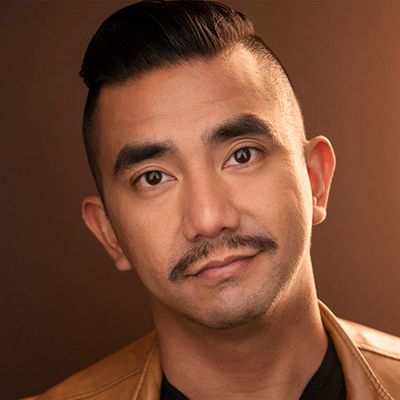
Featured Shows
About
Can you hear the people Zoom?
Play along as Aaron J Albano (Newsies, Hamilton) and Nikisha Williams (Hamilton, The Color Purple) join Bryan, Kevin, and Kimberly via video chat to break down Fiddler on the Roof, Les Misérables, and for Patreon, Rent. Come for the bad puns and cocktails but stay for the musical talk and beer.
Extended cut and full video is on Patreon. Become a supporter on our Patreon: https://bit.ly/2Q2zELG
Transcript
This transcript was automatically generated and might contain errors.
[0:20] Bryan Plovsky: Hello, and welcome to the official Broadwaysted podcast where we're drunk on theater. I'm your host, Bryan Plovsky, and I'm crazy for you. Contact Fossey, and we'll have a Titanic party in Memphis once Sunset Boulevard is Avenue Q. I spam a lot in the Heights, but the Book of Mormon starts with Dear Evan Hansen. And in the City of Angels, or even Hades Town, there are thoroughly modern Millie's as well as Billy Elliott's that read the gentleman's guide to love and murder. It may be a spring awakening when the bands visit for the Will Rogers Follies, but for Hamilton, it's just the kiss of the Spider-Woman. Joining us today are the usual Lion Kings and kinky boots, including Kevin, Passion Jaeger.
[1:00] Kevin Jaeger: Yes, my favorite.
[1:02] Bryan Plovsky: Kimberly, our fun home game master and unofficial babysitter for the hour. And with us today are two returning guests. One is from Hamilton, and the other is also from Hamilton, but there's an age difference of 82 years. Let's give a big Broadwaysted welcome to friends of the show, Aaron J Albano and Nikisha Williams.
[1:30] Aaron J Albano: Y'all ready for this?
[1:32] Bryan Plovsky: So I think we did a Rent intro before. I think we've done a Fiddler intro before, and I think we did a Le Miz intro before. So I went through all of the musical winners for Best Musical, the Tonies, and picked everything that doesn't have a movie. Um, that's what I did there. The only difference is I did choose Hamilton and In the Heights because those movies are not out yet, so they don't exist to the public until they exist.
[1:49] Aaron J Albano: Exactly.
[2:01] Bryan Plovsky: Um, but uh, this actually is coming out the day that Hamilton is airing on Disney Plus. Uh, and we're covering no spoilers, we're covering that next week for you. So I'm sure you've already watched it by the time you listen to this. Spoilers, Hamilton dies, but you know, details.
[2:10] Nikisha Williams: That was rude.
[2:21] Bryan Plovsky: Um good. No, let's just start with what are you drinking? What are you drinking? What are you drinking? Aaron, what are you drinking?
[2:31] Aaron J Albano: Uh, so I am back in New York, and uh one of my friends.
[2:37] Kevin Jaeger: Did you get your hair done?
[2:38] Aaron J Albano: Thank you. I did. Phase two. We can get our haircuts now.
[2:44] Bryan Plovsky: Thank you.
[2:44] Aaron J Albano: But uh, so uh my friend Hansel Tan, when quarantine began, started uh they he started this uh company called Qcox Quarantine Cocktails, and this can you is it where is it like the best? There it is. Um and this was the Pride cocktail, which is called Lav is Lav is Lav, which is Earl Grey infused, monkey in paradise vodka, lavender syrup, lemon juice, blueberry puree, guanabana nectar, sassy fairy dust, and unicorn farms. And I think you can see it's sparkling the sassy frassy, the sassy fairy dust. It's delicious looking. So cheers. If you if you're interested, uh on in on Instagram, go to at QCocktails, and you'll be able to find the cocktail of the week. And he delivers anywhere in New York if you're listening in New York City.
[3:42] Kevin Jaeger: New York City, yes.
[3:43] Aaron J Albano: He's not like going up to Rochester to hand you a drink.
[3:46] Bryan Plovsky: That'll be crawl though.
[3:46] Kimberly: Me?
[3:56] Bryan Plovsky: Yeah, what are you drinking?
[3:58] Kimberly: I have what we affectionately call in my house the Gin Schmidt, which is just gin and fresca.
[4:08] Kevin Jaeger: Drinks vodka fresca.
[4:11] Kimberly: And so any variant is just a variant on his name. So I have the gin Schmidt.
[4:15] Kevin Jaeger: That's really cute.
[4:18] Kimberly: Which is tequila.
[4:18] Kevin Jaeger: Yes.
[4:22] Kimberly: What is the tequila one called?
[4:24] Kevin Jaeger: Jose Schmidt.
[4:26] Kimberly: Jose Schmidt. That's so cute.
[4:28] Bryan Plovsky: Perfect. Kevin, what are you doing?
[4:29] Kevin Jaeger: Oh, sorry. We got some other ones too. But I like a gin schmidt. What are you drinking, Kevin?
[4:35] Kevin Jaeger: I'm keeping it classy with a raspberry white claw in one hand and a cran a Raz cranberry LaCroix in the other.
[4:43] Bryan Plovsky: Sure. And I am drinking a strawberry banana smoothie with some vodka in it, because it's that kind of day. Yes. I did look at it. I was like, oh Nikisha has a protein shake. And then I was like, oh no, I've got three of some kind.
[5:04] Bryan Plovsky: Aaron, what are you drinking?
[5:06] Aaron J Albano: I'm drinking Dogfish Head beer, Namaste White, a Belgian style with beer.
[5:12] All: Cheers.
[5:13] Bryan Plovsky: Cheers. Cheers, guys. All right. So today for this week, this is actually part two of Tony winning movie musicals. So these are musicals that won the Tony for Best Musical, not revival, but Best Musical of its year. And we're watching the movie adaptations that are based on those Tony winning musicals. So previously we did the Jersey Boys film, the Hairspray film, and the Sweeney Todd film.
[5:45] Kevin Jaeger: I don't mean this.
[5:47] Bryan Plovsky: That seems like two years ago, right?
[5:49] Kevin Jaeger: It was a long time ago.
[5:53] Bryan Plovsky: And uh you didn't know Nikisha yet.
[5:56] Kevin Jaeger: No, that's pre-Nikisha.
[5:58] Bryan Plovsky: Pre-Nikisha. Aaron was in his 30s, like it was a crazy time. Um, so we're doing today. We are doing uh the Le Miz that recently came out. We're doing the Rent movie for Patreon, and then you'll also hear us do Fiddler on the Roof here. So again, we're gonna do Le Miz, Fiddler on the Roof, and then for Patreon, we're gonna be doing the Rent movie. Um, so um keep your ears open for that as we continue through this podcast. Um, but uh let's just get right into it. Let's start with Le Miz.
[6:30] Bryan Plovsky: Uh a couple things about that Le Miz. Um uh so that Le Miz is from 2012. Um, it won the Tony in 87. Uh, this was directed by Tom Hooper, who we will get into. This won two Oscars. Um, but it was nominated for the big awards. It won for Anne Hathaway.
[6:49] Kevin Jaeger: Anne Hathaway won.
[6:56] Bryan Plovsky: Uh and I think costumes or makeup won. I have to double check on that. Um, but uh, and then um, and we'll get into the Rotten Tomatoes a little bit later. Um, but let's just go around before we talk about anything about this film. Um, let's I just want a sentence of your relationship with not necessarily the show, but just with this movie. Uh Aaron, let's start with you.
[7:27] Aaron J Albano: Yeah, just have you seen it before?
[7:29] Aaron J Albano: Yeah, I watched it in the movie theaters.
[7:32] Bryan Plovsky: Cool. And how many times have you seen it since?
[7:35] Aaron J Albano: That time and this time.
[7:37] Bryan Plovsky: Oh, cool. And that's perfectly fine with me. Ryan, was this a Christmas release?
[7:45] Kevin Jaeger: It was a Christmas release.
[7:46] Bryan Plovsky: Thank you. Thank you. This came out December 5th, 2012 in London. Uh, and on Christmas here in the States. So I'll go ahead and go next since I asked the question. The reason I asked is I was pretty sure my memory was correct, but that's eight years ago plus quarantine time, so like forever ago. But um, when this movie came out on Christmas Day, my entire family went together to see this movie in theaters. Le Miz is like a huge deal to all of us. Um yeah, so we like we were so excited for this movie to come out, and so we had like bought seats in advance, like picked our seats in the theater and had like perfect seats to see this movie. It was like, and it was one of my first times seeing a movie like on opening day.
[8:34] Kevin Jaeger: Sure.
[8:35] Bryan Plovsky: Um, it won sorry, Aaron, it won for best sound mixing, but was nominated for best picture, best actor, best one for supporting actress, uh nominated for best original song, uh, nominated for best costume. Um sorry, it won three. Um I wrote it won two in addition to um Ann Hathaway.
[8:57] Kevin Jaeger: Okay, got it.
[8:58] Bryan Plovsky: It won makeup and hairstyling and sound mixing was nominated for production design as well. So it won three total.
[9:09] Nikisha Williams: I don't remember the first time I saw it, but I know that I watched it at some point in life. And then I watched it again for this. But I was in love with the Liam Neeson non-musical version of this.
[9:24] Aaron J Albano: Oh, yeah.
[9:25] Nikisha Williams: Was Uma Thurman in that?
[9:28] Aaron J Albano: I don't remember.
[9:30] Bryan Plovsky: Maybe. Kimberly, what about you?
[9:34] Kimberly: Um I saw this in theaters with my mother and absolutely no one else.
[9:41] Bryan Plovsky: Really?
[9:42] Kimberly: Yes. I think we were like a week late, so it was after Christmas. Um, but just her and I and not another soul in the theater.
[9:52] Bryan Plovsky: Awesome.
[9:53] Kevin Jaeger: Wow.
[9:54] Bryan Plovsky: Um, Kevin, that Liam Neeson version from 1998 is with Uma Thurman, as and Kimberly said, it's with Claire Danes, uh, as well as Jeffrey Rush played Javert.
[10:05] Kevin Jaeger: I think I literally every version of this show. Like I am obsessed with Le Miz. Did you uh and I just recently watched the amazing um masterpiece theater version?
[10:15] Bryan Plovsky: Yes, which was spectacular.
[10:17] Kevin Jaeger: Not me not a musical, just an adaptation of the book.
[10:20] Bryan Plovsky: Um I think my dad watched that because he was like very into saying he likes Le Miz, but not the musical.
[10:28] Kevin Jaeger: Sure.
[10:31] Bryan Plovsky: Um, but I I saw this in the movie theater at the AMC on Lincoln Square, uh my favorite one, um by myself on Christmas. Um, but uh yeah that's and I've seen it this is my fourth time watching it. The first time I saw it in theaters, the second time my roommates were watching it, so like I this is my second time sitting down to watch it. The other times, like background, it's on HBO, roommates are watching it, whatever.
[11:02] Bryan Plovsky: Sure. All right, okay, let's get into this. I want to start this off. Okay, tell me your overall feelings, your high view overall feelings, but then I also want to hear one thing about this that you like.
[11:18] Aaron J Albano: Okay. Um, I'll start.
[11:20] Bryan Plovsky: Aaron, go for it.
[11:22] Aaron J Albano: Um, okay. I remember liking it more when I saw it in the theaters. And so I sat down, like being okay, like let's watch Le Miz. Um, it had been a while, it had been literally eight years, and I was wildly disappointed. Um what I and but I do remember thinking that while I was like while I was watching it back then, and especially even right now, um that this movie was a perfect example, and I remember yelling it from the mountaintops, being like, this is how I know just like Javert at the beginning. Like San Jalvan. Jal Vaughn. Like when like I remember saying to everybody, I was like, see, this is the movie that shows the world that what we do is difficult. Because movie stars think that what we do is like anybody can do it, and we just saw in this movie that no, you cannot.
Russell Crowe, no, you cannot. Like, but that said, my favorite things about the movie, and this is this is controversial opinion. One of my favorite things about the movie is Anne Hathaway. I think she's great.
[12:45] Kevin Jaeger: Sure.
[12:46] Kevin Jaeger: Okay, um, I don't, and my other favorite thing about the movie are the students that are all, well, Colm Wilkinson, all the Les Mis alum, all the Les Mis alum that are in the movie, sure, like Colm Wilkinson playing the priest, and um, and all of the Les Mis alumni playing all the students, because at that point I'm like, okay.
[13:09] Bryan Plovsky: The one plus about this movie is that you were you like honored your own. That like you were they weren't famous enough for you to like hire them in their roles, but you still threw them a bone and was like, hey, you've been a part of this family for so long, come be in the movie with us. And I was like, that's that's great. I like that. Sure. And Hadley Frazier is my favorite. Kimberly, high level thoughts and one thing you like about the movie.
[13:36] Kimberly: Um high level thoughts about this film in particular. Yes. I mean, yes. Um, not a fan. It like all of it just seems like a test. Because remember, all of the hype behind it, like they're singing live. They're really doing it. So look at it. And then let's take a step back for a second. Just as a reminder to listeners, this movie, they had a pianist on set, and those takes are actually them singing. This was they say this was not dubbed over in another um situation. This is very much like the live singing on set, um, which positive or negative means that you can't get as many takes because you're tiring the actors out. So you know, the you may not get as many takes. There's a lot of close-ups in this, um, because they have to reset the person to sing again.
Um, so there are pros and cons to them actually singing on set. Obviously, one of the pros is that like you're actually getting them performing a song. A lot of these people are definitely performing in this film. Um, sorry, I just wanted to take a step back back to you, Kimberly. Yes, I did not like that. Umly because this movie, like Aaron said, is the movie that proves that it's hard. This is also the movie that proves that, like, hey, it's okay to dub a movie musical because you've chosen to make a movie musical and not film a musical. Sure, like it's different to be like, hey, we went and got that great take, so that you can be singing out here in the rain for 12 hours and not have to worry about your vocal chords.
It's just a little fall of rain. Just a little. And like a few other things, and I was like, I understand from like a film concept that this makes sense because it matches the realism of the novel, it matches the miserableness of the like what these people are going through. However, it is a musical and it's nice when people sound pretty. Um, things I really liked in this film are close-ups of Eddie Redmain's freckles.
[16:23] Kevin Jaeger: Um, high-level thoughts. I think that this movie is a, and this is a hot take that may people may not agree with. I think this is a bad film that has the best possible parts. So it saves it. I think, in all in all honesty, I watched this movie twice this weekend. Um, and I'll explain why when we when I get a chance to talk a little bit more. But um barely watched it once, Kevin.
[16:52] Kevin Jaeger: Yeah, so I watched it twice because of a conversation. I'll tell you, I'll just tell it now. So um when I uh I I saw the movie and I had one I was not a big fan of this film. What I saw it in theaters like Aaron, it was those like a lot of the directing choices. The director fails this film. Let's just get that. That's my immediate thought is the director fails this film because he does actually have all the correct pieces to make a really beautiful film adaptation of Les Mis. I think there's some really what I like about it is I think there's some really strong performances. I think Hugh Jackman is doing a great job if he had been like reeled in into the right piece and like told what he was doing better.
I think that Russell Crowe's performance is bad vocally, but could have been saved by really strong direction, especially vocal direction, to like take me, like he's not gonna be able to do it like this, so let's change it and do it a specific way. Like they they failed him. Like, I feel like all these actors were failed by the people who were trying to help them shine in this movie. Um, but I had a conversation with my friend, my close friend Rebecca, and I was talking to her specifically about how Anne Hathaway in this movie made me mad, and this was also a time that I like to joke that the gays turned on Ann Hathaway because we all worshipped her until about this movie, and then the way this press was handled and like leading up to the the Oscars, she came off as so pretentious, yes, she absolutely kobby that it was just like all the gays were like see a bye, so much so that on all my dating profiles, the last line is remember when we all used to like Anne Hathaway.
And nine times out of ten, people messaged me with strong feelings about that. So, um, so I but I told her I thought that Anne Hathaway was so pretentious and all this stuff like that, and she was like, it's so unfair because it's the way the media spun it because she is the exact same like seriousness about her craft as Joaquin Phoenix as like like uh Robert Press, like all these people. I almost said Robert Preston, but I meant yeah, I just gave you like the music man. No, I meant the I meant the one who uh was in Twilight and is now a very serious actor. Robert Pattinson Robert Pattinson, thank you. But like she was like, but because she was a pretty young woman who wanted to be very serious about her craft, everyone played her as smug.
In that moment, I just kind of realized like in the the world that we're in right now, we're all trying to learn and see from different perspectives. I was like, I'm gonna watch that again. And I watched it again to give Anna Hathaway another chance, and she's actually brilliant in this movie. Um, and I think there's a lot of good pieces. I just think the director failed them.
[19:21] Kevin Jaeger: Um before we move on to Nikisha, I do want to take a step back and talk about while we're here, talk about Tom Hooper as well as um uh uh Ann Hathaway. Um I am in I will always be in defense of Anne Hathaway because one, she's from the part of New Jersey that I'm from. We she did paper mail and all that fun stuff. But people only look at certain parts of her career. She is spectacular as a supporting part in Brokeback Mountain. If you've ever seen movies like Colossal, or have you seen she was Oscar nominated for Rachel Getting Married, which she is spectacular in playing against her nice type. She's a great actress, and I I definitely second um Kevin's secondary opinion on his rewatch. I I do think that she gets so had has anyone here watched Oceans 8?
No. So in Oceans 8, she plays um this like uppity, she plays the media version of what Kevin just described. She plays that type of a pretentious type of character who all the other like Sandra Bullock and Cate Blanchett and all those are trying to steal her jewelry. Um, and and that's the the plot of that. But she clearly made this choice as an actress to play that media version of herself, and the movie kind of deep weirdly, she's wonderful in it, and the movie deconstructs that. So you know that it's very meta, and like to me, that's one of her best performances because she she like took what her perception of her, the perception of her was and like doubled down on it to make that part like super layered.
I I will definitely be always in defense of her, but it's very interesting. If you actually look at her filmography, because we all remember from like Princess Diaries and this and stuff like that, but um, that's an interesting point that you made, Kevin. But let's talk about Tom Hooper.
[21:11] Kevin Jaeger: Tom Hooper won the Academy Award for The King's Speech. Objectively speaking, the King's Speech is a perfect 1970. He won in the he didn't win the 70s, but it's that type of Oscar-winning 70s movie. Like that like cut and dry, this is a drama, it's a period piece, we're gonna win the Oscar. It's like the English Patient kind of a thing. Totally, but like even on a smaller scale. Um, so like they at that point in time they loved that stuff, like the artist and all that. Also, a specific producer who's a total horrible person, was um was in charge of all those films at the time, and he was known to be like he his Oscar marketing machine was like almost perfect at the time. But Tom Hooper won that year for a movie that is fine, and Colin Firth is wonderful in it, but he should have won for Oscar Nord coming out.
He should have won for a single man, I think the year before the year after, whatever it is. He's spectacular. That's a great film by Tom Ford. Um, but the reason I'm bringing this up is because he did this, and then he got the movie Les Mis from there. He directed the movie The Danish Girl, which has a ton of problems because it's told it's directed by a cis male who doesn't understand where that story is coming from. Um Vikander won Best Supporting Actress for that, so technically it's two supporting actress wins for his movies, which is weird. Um, but also the reason I bring this up because he also directed Cats. This is a man, I believe Kevin is 100% right. The failing of this movie is the directions, and we keep giving this person who doesn't understand these movie musicals, these movie musicals, and it just like doesn't make sense.
So Tom Hooper is a very interesting like person in this, but I did want to mention that he did direct the cats movie and did win an Oscar. Like he's not just some like schmo they threw into this, like he had tracked records growing. On cats, did they sing live in cats? I don't believe I think so. I think so. I don't know. Certainly seemed like it, but that's another example. If he doesn't understand musicals, no, he doesn't do one thing to make cats easier is don't make them sing live. We'll get there. We'll get we'll get to Tom Hooper. But um uh but Nikisha, let's go to you.
[23:30] Nikisha Williams: Overall thoughts. Yeah, uh uh I definitely agree with everything that we're talking about as far as direction, because it just seemed like you couldn't go 10 seconds without either the camera moving or like bad singing happening. And I would say that I liked the idea of singing live, um, but I think that it's failed because these people are not singers. I feel like if you were to actually put people in there who you know use are used to doing this eight times a week and then put them in a film version of this, I think the idea was was clever to try that aspect of it, but it just wasn't executed well. Um but you know, it was fun seeing Wolverine and Gladiator yelling at each other. Uh I'm um uh did anyone so I'll I guess we'll go.
Um I uh I am not a huge fan of this film, however, I uh do enjoy um a lot lots of pieces of this. I do think Anne Hathaway is good. I think that the character journeys, like the mapping out of all the character journeys is one of the better versions of Les Mis that I've seen in terms of like truly understanding where point A is for everyone, and then tracking how they get to point B throughout the whole thing. Whether or not I like the way that it was the movie took them there or how they got them there, I do think that everyone's path and journey is very, very clear in this movie. Um I do think that this is a case where the movie got away from the director and then all of a sudden became about um making sure that uh Hugh Jackman sounded good by lowering take make um um uh what's it called?
Take me uh take it take him home. Like it very much became about the individuals, and you could you could like hear the managers for each one of these actors like talking in a room, like it felt didn't feel cohesive. Also, all of the it was the movie was very claustrophobic for me. Yeah, um, because there were so many close-ups, and so um, when I really liked when there were big sweeping shots of France, even though they look CG, I just felt like I could breathe as an audience member, so I did like that.
[26:03] Aaron J Albano: Yeah, um you did feel like you had to look away because they were just like all in your face the whole time, and like so intensely staring at you, like they were just trying to be like, see how miserable I am?
[26:15] Kevin Jaeger: Like it was just like so in your face that you were just like, Yes, I see the tear, you did it.
[26:20] Aaron J Albano: You did it, stop being like well, my this movie made a lot of money.
[26:26] Kevin Jaeger: So, so like he was that's all that matters.
[26:29] Aaron J Albano: So, like, of course he's the director's gonna keep getting jobs because he wasn't asked I saw it.
[26:35] Kevin Jaeger: Yeah, yeah.
[26:38] Aaron J Albano: Um but I do have some Oh no, go for it, Aaron.
[26:41] Aaron J Albano: Well, it's lame, it's lame is it's gonna make some money, but like I think my like my biggest issue with the movie.
[26:48] Kevin Jaeger: Wait, are are we going into like yeah, now we've already the we've we've lifted the flooding?
[26:54] Aaron J Albano: We've we've left high-level thoughts, now we're at mid to low-level thoughts.
[26:57] Aaron J Albano: Yeah, um my favorite thing, like, because here's my here was my issue about both this one and Rick, which we're not talking about yet.
[27:05] Aaron J Albano: But like not only was this movie like sort of mismanaged, but I think what was the most difficult thing to see, because I know all of the all three of these musicals very well, and to take these like musical operas for lack of a better term, and add to take away songs and add dialogue to them, it doesn't work, it doesn't work at all because you're then losing like fundamental musical properties of the show, where you're like, hey, there are motifs here that you're losing because we're putting in dialogue instead.
[27:45] Kevin Jaeger: Like, and it's like so here's a question.
[27:47] Kimberly: Go ahead.
[27:47] Aaron J Albano: Um that's a really good point.
[27:50] Kimberly: Um, but this is a different media.
[27:52] Kimberly: Do you think that that's coming from a place of you knowing the source material so well that any change is going to affect you?
[28:01] Aaron J Albano: But or but do, or on the flip side of that, um, do you think that that actually does take away from the fact that you're watching this being filmed and not in person?
[28:10] Aaron J Albano: Well, to I mean, to to like piggyback onto our next conversation, like Fiddler is basically the show on camera.
[28:20] Aaron J Albano: Like, there's like it's pretty much verbatim.
[28:23] Aaron J Albano: But the thing with that, yes, there's dialogue in that show, but everything that's included are all of the thematic musical tropes of the show, and that's what's included to aid the storytelling.
[28:36] Aaron J Albano: What is cut from both the other two are those fundamental things.
[28:41] Aaron J Albano: Like, hey, guess what? This reprise of look down is important.
[28:44] Aaron J Albano: This is like the fact that like we need to sing, like, do you hear the people sing early and not at the like top of act two is very important because that then carries into the actual rebellion, like, and it's these fundamental storytelling elements where I'm just like, yo, you don't get this medium because you're skipping over this stuff that are seeds laid in act one that need to be here.
[29:14] Kevin Jaeger: See, I think I agree with you, but I think that I see it in a different direction.
[29:18] Kevin Jaeger: I agree with like where your end is, but I think it's not that the they don't understand the medium, it's that the director doesn't understand the story enough and what it is to make a decision.
[29:30] Kevin Jaeger: I think that if the scenes had been stronger, like that when they had dialogue and like with more purpose, it would have worked, but it just felt like it was giving the actors time to breathe and feel like they had a moment to do something they were confident they knew how to do.
[29:45] Kevin Jaeger: Because like there, it just it it felt like like it felt disjointed.
[29:49] Kevin Jaeger: Like it just that's another director failed to me that like the movie was not sculpted, so that he understood.
[29:54] Kevin Jaeger: If they had cut, I love this show, and I'm just like you, where like I want to hear the whole thing sung through exactly how it's written, because I understand why it's so perfect in my head, but I also understand that like Fiddler worked that way because the time period of when that movie musical came out.
[30:08] Kevin Jaeger: Like nowadays, people are so much more about realism that you need to have dialogue in a musical for it to work.
[30:14] Aaron J Albano: Like I it was interesting.
[30:17] Kevin Jaeger: Sorry, Kevin.
[30:18] Kevin Jaeger: I totally get that.
[30:19] Kevin Jaeger: I just think that like the director needs to make a stronger decision of how he's telling the story, and it seemed like they were doing like mostly a stage version sometimes, but then they were doing like a abridged, like let's jump to a scene.
[30:32] Kevin Jaeger: They added like like all these fights and like dramatic pop things that didn't happen, like it just he didn't know what he was doing.
[30:42] Aaron J Albano: Oh, sorry, go ahead.
[30:43] Kimberly: Something that I read recently.
[30:45] Kimberly: This this kind of relates to it, but something that I read recently.
[30:49] Kimberly: I forget if I just read an article or a tweet like thread, which is like sad, but I don't remember.
[30:54] Kimberly: Um, the concept around it was that the failure of the modern musical is and why it's so niche now and doesn't have the same audience it did like in the 70s when the fiddler movie was made, um, is because originally musical theater was the songs were reflecting of the pop um what was pop culture at the time, so like these tin pen alley type songs were in musicals and vice versa.
[31:22] Kimberly: As time went on, musicals kept with that same formula of these like structured standards, if you will, while the evolution of music on the pop culture went totally different, so that's why Hamilton and a lot of other musicals are so now dug into the pop culture, because because those songs are matching what kids are listening to or people who listening to on their iPods, um, iPods on their phones and stuff like that.
[31:48] Kimberly: So I feel like like it's interesting that you brought up that the the fiddler one and why people were connected, why people were even just more connected to theater in general there, because it was still closer to the time when those two things were intersecting and then like going out and then coming back in.
[32:03] Kevin Jaeger: It's just an interesting trajectory of how audiences respond to music versus how you know and musicals in general.
[32:11] Aaron J Albano: Um I will say to that though, is Le Miz is a massive hit.
[32:18] Aaron J Albano: So like everyone knows the like the people that they are banking on coming to see the movie know the show.
[32:24] Kevin Jaeger: Sure.
[32:24] Aaron J Albano: I was just talking about too.
[32:26] Aaron J Albano: That like well, absolutely there are these movies that do cross and intersect.
[32:31] Aaron J Albano: Like a lot of the 80s musicals have that like gross keyboard in it that we no longer like, but we associate with the 80s that like harpsichord weird techno sound.
[32:45] Kevin Jaeger: Yeah, exactly.
[32:46] Aaron J Albano: But like, and rent is a perfect example of that intersecting again and then coming out and coming in.
[32:52] Aaron J Albano: And that's what to me, that's when you the hits come through.
[32:55] Kevin Jaeger: But then wouldn't that wouldn't that then be an argument for it to work if you did it in its original form?
[33:01] Aaron J Albano: Yeah, that's why I'm not sure of what your point is.
[33:04] Kevin Jaeger: I was talking more about fiddler and watching it in its entirety.
[33:08] Kevin Jaeger: Okay.
[33:10] Kevin Jaeger: As opposed to switching, changing things out and taking some of the music out to put the the dialogue back in, whatever whether you think that's um for the medium or whether you think that's for like do you think that it worked?
[33:24] Aaron J Albano: In La Miz?
[33:25] Aaron J Albano: I think it works, I reckon it works fine.
[33:26] Aaron J Albano: It's a movie.
[33:27] Aaron J Albano: There was dialogue.
[33:28] Aaron J Albano: I think it's totally fine for the movie, but I agree with Kevin.
[33:30] Aaron J Albano: That's a that's a director misstep.
[33:33] Aaron J Albano: Like whether I think it works or not, I think it makes sense in the movie, but like it doesn't necessarily work.
[33:40] Kevin Jaeger: The director could make a decision.
[33:47] Aaron J Albano: This movie is about non-decisions or decisions without a to me, there was no thesis statement.
[33:52] Aaron J Albano: The director had no thesis statement aside from let's make Le Miz.
[33:56] Aaron J Albano: Like even that's more of a strong thesis statement than this, because by taking the dialogue out, it's almost like they didn't think, okay, we're taking the dialogue out in these 10 scenes because X, Y, and Z.
[34:07] Aaron J Albano: It was more like we just don't want to record another song.
[34:11] Kevin Jaeger: Let's just say it's a dialogue.
[34:12] Kimberly: Yeah.
[34:13] Kimberly: Um thoughts more detailed.
[34:18] Kimberly: Do you know how well do you know the musical?
[34:20] Kimberly: Was this you kind of watching without like a deep knowledge of the musical, or do you love Le Miz, and this was you being like, oh no.
[34:26] Nikisha Williams: Yeah, so I didn't have a super deep association with Le Miz, aside from like in my literature classes watching the non-musical movie.
[34:35] Nikisha Williams: So I knew the premise of it.
[34:38] Nikisha Williams: Um, and then I saw the whole Broadway show, um, a touring uh company, and I thought it was beautiful and I loved it more than I thought that I would, because I had heard like certain songs from it, and I was like, oh, okay, maybe not my cup of tea, but when I watched it as a whole, I was like, this is gorgeous and beautiful, and I didn't realize I was sitting in a theater for three hours.
[35:00] Nikisha Williams: So when I saw the movie, I wasn't expecting it to be exactly like the show because I had seen other movie musicals like Rent.
[35:12] Nikisha Williams: And to me, it just seems like the movie audience is different from a theater audience.
[35:18] Nikisha Williams: And I can understand why some people would want to cut down on things and not have things as a whole just to maybe appeal to a broader audience.
[35:28] Nikisha Williams: Whether that's a good decision or not is, you know your opinion about it.
[35:33] Nikisha Williams: But I feel like Le Miz try to just put a musical out there so that they could have even more of an audience or a broader audience, which might have meant them making the decisions that they did.
[35:49] Nikisha Williams: I don't agree with those decisions by far, but I can understand why they would make some some of those choices.
[35:56] Nikisha Williams: Um, because I know I love the point that Aaron makes about motifs, but I feel like if I never saw Le Miz, I wouldn't miss those motifs.
[36:07] Nikisha Williams: I would still get what the story is, if that makes sense.
[36:10] Nikisha Williams: Which is how I feel about rent, which we'll get into that.
[36:13] Nikisha Williams: Um, because I saw, well, because I saw Rent before I saw anything else.
[36:19] Nikisha Williams: That was like one of my first early experiences as far as musicals.
[36:23] Nikisha Williams: So I didn't know what I was missing.
[36:25] Nikisha Williams: I just saw that and said, I love this.
[36:28] Nikisha Williams: Now I want to watch the Broadway show.
[36:31] Nikisha Williams: Now I want to figure out what's the actual whatevers.
[36:34] Nikisha Williams: So I think it's a matter of just trying to put something out there in the movie world so that people can be interested enough to go into the Broadway world.
[36:43] Nikisha Williams: I think is what some might be some folks' um opinions on on why they put the movie musicals out the way that they do.
[36:51] Kevin Jaeger: Uh again, just to get like a broader audience.
[36:54] Aaron J Albano: Yeah, I mean, a perfect example of that is the Sweeney Todd that we covered.
[36:58] Aaron J Albano: The trailer had no songs in it.
[37:00] Aaron J Albano: No one even obviously it's not as well known of a property for like the masses as as Le Miz is.
[37:06] Aaron J Albano: Um, but like I feel like at least we're for for I think I feel like Le Miz and that um the Lay Miz we watched and that version of Sweeney Todd are really interesting to put next to each other because they both removed music and put in actual scenes of dialogue.
[37:25] Kevin Jaeger: Um, whereas I feel like the Sweeney Todd movie, because Tim Burton is a more focused director in terms of his theme and his overarching like vision, it felt like the reason he took out certain things was made sense at all.
[37:38] Kevin Jaeger: It had a similar tone across the board.
[37:41] Kevin Jaeger: Whereas this one, because the director isn't as strong and the themes aren't as strong in his vision.
[37:46] Kevin Jaeger: Anything swapped out feels weird because they're not they're they're not underneath the same umbrella.
[37:52] Kevin Jaeger: Whereas the Sweeney Todd one kind of did because it feels more like a Tim Burton film, as this one just feels like uh like a uh a mismanaged product of Hollywood, if that makes sense.
[38:04] Nikisha Williams: Yes, it's not cohesive at all.
[38:06] Nikisha Williams: It's very sporadic.
[38:07] Nikisha Williams: You don't know what time you're in, what day, what's happening.
[38:11] Nikisha Williams: It's just like a scene and then another scene and another scene, and you don't realize the progression of everything, like nothing is cohesive about it.
[38:18] Aaron J Albano: Yeah, one thing can we it's also like the aspect of oh, sorry, go ahead.
[38:22] Kevin Jaeger: No, no, no, go for it.
[38:23] Aaron J Albano: I was gonna talk about how small the barricade looks when it's not on stage in front of you.
[38:26] Kevin Jaeger: Yeah.
[38:27] Aaron J Albano: Yeah.
[38:33] Aaron J Albano: Like in the musical, it's like this big musical moment where you're just watching them slowly do like theater dance, which is super powerful to I cry.
[38:40] Aaron J Albano: But like it was really difficult to watch like young men cry like babies begging to be let in a room knowing they're gonna die, like and seeing all the bodies laid out, like all that realism, like him in the sewer, and like how like what an epic thing that he did to save that guy's life was like yeah, that all of that hits a lot harder when it's like in the film medium, and you're seeing how gritty and dirty and sad everything really was.
[39:03] Aaron J Albano: And I do believe that Wolverine would be extra strong, so strong, so bad, but Dookie in that, like in that gun wound would be infected, for sure.
[39:15] Kevin Jaeger: Sure.
[39:18] Aaron J Albano: Just doo-doo in in boon. But um were you saying, but no, I mean, because that was also because yes, yes, those uh moments of realism I think are very strong in this movie. What I don't like, and I think where, and maybe this is us being a musical audience. The idea of the singing live with the lavalier in the in the ear and whatever. I think the people who are the strongest in the movie, because even Samantha Barks is a musical girl, she's an old Eponine. She like she knows what she's doing. She's like, far above everybody else. We haven't even talked about her. Yeah, but again, but because she's like this, like, and uh that was me going very close to the camera. Um, like it forces her, and and because it's like a random little piano, she is great, but even gets trapped in this like singing small, yes, because she's in a film.
Like, I think why Anne Hathaway is great is because she's treating her song like a musical. Like she like when when the emotion gets high, she sings louder because that's what the emotion requires when you sing. Like she follows the rules of musical theater. She adapts musical choices the entire film. Because I will say for every time that she sings, she makes the like correct choice. Hugh Jackman sounds beautiful and I loved him. He's one of my favorites but it sounds like he was making sure he sounded beautiful because like he has a lot of reputation because he's like a Broadway guy. Like he yeah like I gotta do this right. I'm leading this musical it's all on my shoulders and I feel like the director wasn't really like helping him create a role and it seems like they didn't give a music director who was like helping him color things because he just made a lot of like bland sound pretty choices where like he sound that pretty I mean I think he sounded good in his like Broadway like belt of like just kind of like I'm like Ethel Mermaning it like but a guy through a song.
[41:18] Kevin Jaeger: Ethel yes that's a good description.
[41:21] Aaron J Albano: That's how he gets their stuff he likes he like gastons through a song. Yes. And which I don't I'm it works for some parts really well he's very talented man but it just felt like in this movie no one was like this is quiet. Like he was the only one that was loud and everyone I mean Russell Crowe was just sometimes just like a like a like bog horn he was speaking well for most of the movie. Russell Crow also is a rock like what they knew he had a rock band.
[41:50] Kevin Jaeger: He did yeah like he has a rock band where he does like like they need to stop hiring the right also what they did in the Phantom of the Opera movie, Gerard Butler had a rock band with his friends on the side.
[42:05] Aaron J Albano: And they're talking about it. Was it called Geo Storm?
[42:08] Kevin Jaeger: Oh Geostorm will always be the greatest movie ever. And I love that he has his own genre movies, just like Amanda Binds. Like it's like a Gerard Butler movie. You're like, great, he's saving the president, or like killing every bad guy by himself with like a MacGyver knife. Like, yeah, I mean, the everything you're saying to me just sounds like this is a failure of the directors and the producers doing some of these actors dirty in terms of like if I were Russell Crowe's quote, people, and this was the final cut of the movie, I'd be furious that they made him look like this. Like, I don't know what happened behind the scenes, but like him, and and I mean, we can talk about um Red Beside from his freckles, Red Main, and uh Sophie from Mamma Mia.
Um, like they serve their purpose, and I feel like those two Marius and um Cosette always serve their purpose. 90% of the time, those characters just serve their purpose because Fantine, Valjean, and Javert are doing the work.
[43:09] Aaron J Albano: Yeah, and Eponine.
[43:10] Kevin Jaeger: And Eponine. And Angel Ross, depending on who's playing. Yeah, so let's talk about some of the supporting characters. Um, Sasha Barron Cohen, uh Love It, Miss Lovett, and Elena.
[43:24] Aaron J Albano: Yeah, Helena Bottom Carter, and uh and Aaron Tove. Ithaca College is Aaron T'Vay. We got Helen both of our weeks of this.
[43:33] Kevin Jaeger: Yeah, yeah, that's so true. Um and Christopher Walken wasn't this week, so no.
[43:40] Aaron J Albano: They were um they were fine, the two of them.
[43:44] Kevin Jaeger: They were fine.
[43:44] Aaron J Albano: All three I'd say all three of them are fine.
[43:46] Kevin Jaeger: Yeah, they were all fine. I mean, Aaron did Aaron does his thing, he just kind of like does the Aaron to Vit show like very well. He's very talented, he sings it very pretty, and he's he acts pretty well. Like he does his job, he gets in there. I'm I kind of just wanted he's a little like I would have rather had him as Marius and maybe had Eddie Redmane play the more like stronger character, but I feel like they only got Eddie Redmain to sing if he could like coo through it.
[44:00] Kevin Jaeger: Yeah.
[44:00] Aaron J Albano: But I feel like they're not going to be able to do it. Tavate was that person in it where, like, when he started singing, I could like relax my shoulders.
[44:25] Kevin Jaeger: Yeah.
[44:28] Aaron J Albano: And the other two are fine. Always like one in like a movie musical like this where you're like, sing more. And it was air.
[44:35] Kevin Jaeger: Yeah. Um, yeah. Any thoughts about the Thenardier's um are you sick of the Helena Buck, bottom Carter, Sasha Baron Cone shtick that they just like filled in. Do you think they added something to those roles? What were Nikisha? Any thoughts on those two?
[44:51] Nikisha Williams: Yeah, I mean, I love Helena, and I think they just served their purpose. I mean, it it was like Sweeney Todd reincarnated, and they were chosen for that purpose for a reason. Um, also sorry if you can hear this like massive brainstorm that just happened is happening outside of my house. But um, yeah, I I think that all the supporting people served their purpose, but it was just under an umbr uh a blanket and umbrella of awfulness that I still even like watching Aaron, I was just still like, this is not my my cup of tea. But the Helena Shtick will always forever be in my heart. So she does what she does well and she stays in her medium, and sometimes that's how you have to be staying your lane.
[45:36] Kevin Jaeger: Fair. All right. So um I like the Gavrash. I think the Garavash is great.
[45:40] Nikisha Williams: She was great.
[45:41] Kevin Jaeger: Um, let's go around one sentence with final thoughts, uh, as well as give me your percent on rotten tomatoes. We're gonna guess that now. I haven't even thought about it. Thought and a rotten tomatoes.
[45:54] Aaron J Albano: Okay, I'll go first. Okay. Um my thought is I'm sorry, Aaron Hathaway, and I'm gonna do my best to like change the tie to the gay hate, because like you're pretty damn fantastic, and I give you props to being a chick in this world, like just owning your craft. Cut her hair.
[46:12] Kevin Jaeger: What?
[46:13] Aaron J Albano: And she cut her hair on camera. Like that's terrifying. Uh, but we actually would be really great. Um so yeah, so that's my final thought in a felicity. And um, I would like to put my guests in at 74.
[46:31] Kevin Jaeger: All right, Nikisha.
[46:33] Nikisha Williams: Yes. Um my final thought is that musical theater is hard, and that's why only uh certain people do it. And I would give this an 80% on the rotten tomatoes, because I feel like there are people who really still loved it and were tried and true in their fanship of it.
[46:53] Kevin Jaeger: Sure.
[46:54] Kimberly: Um face smudges.
[47:06] Kevin Jaeger: Face smudges and breathy close-ups is how I explain this film.
[47:13] Kimberly: Cool. And I'm gonna go very low. 48.
[47:21] Aaron J Albano: Okay.
[47:22] Aaron J Albano: My final thought, and it's uh after I gave this entire tirade about changing the thing. I will say, I think the one change that I did like is I like where the different place that they put I dreamed a dream. I thought that that was a very strong choice for the movie itself. Um and I'm gonna go high because I assume everyone else thinks for these movies. I'm going to assume everyone else thinks differently than I do, because I get very peaceful.
[47:58] Kevin Jaeger: How dare you? I don't cheat.
[48:00] Aaron J Albano: Um, I'm gonna say like 92.
[48:04] Kevin Jaeger: Okay. Um this was a 69%.
[48:09] Kimberly: Oh, Kimberly.
[48:13] Kevin Jaeger: Um, the consensus is impeccably mounted but occasionally bombastic. Le Miserab largely succeeds thanks to Bravo performances from its distinguished cast.
[48:24] Kimberly: Largely succeeds and a 69. I mean I think I think this movie is fine. I think this movie is better if you don't the the less you know about like the Broadway show, the better this movie is because I still think it comes off as good, but like you hear him snap his neck, when when Javer's suicide, there's a very yes, there's a very audible sound. Why did we do that? I didn't just see where he hit in the water, just let me see him fall over the water and let it go. Well, there's a slow fall as most people standing as the bridge. As most people say, I was so happy when Javer killed himself in this version.
[49:16] Aaron J Albano: Correct. Um, I would say the only truly overtly bad thing about this film is Russell Crowe singing.
[49:25] Kevin Jaeger: Yeah.
[49:26] Aaron J Albano: My little sister was eight years old when we first saw the 10th anniversary cast. And so from eight years old, like till she was like 12, she said she wanted Philip Quast, who plays Javert to be her confirmation sponsor, which for like Catholics is like a big deal. So like she literally told people she was gonna write up a letter and ask to be her confirmation sponsor.
[49:47] Nikisha Williams: Wait, that's the cutest thing I've ever heard.
[49:50] Aaron J Albano: My family is like lame is obsessed. Yeah, 10th anniversary, like the we do have to move on from Lame is. We're gonna go back in time to night the cool 1970s, 1971. Um this is when the music movie musical version of Fiddler on the Roof was released. Um this one best musical in 1964. It was directed by Norman Jewison, not a Jew. Um it won three it won three Oscars. Sailor on the roof is directed by a guy named Norman Norman Jewish Jewerson.
[50:34] Kevin Jaeger: Jewison.
[50:34] Aaron J Albano: Jewison, not raised Jewish. Um, he is also known for movies like Moonstruck. Um he uh directed that he directed The Hurricane with uh Denzel Washington. Um so he directed the movie version of Jesus Christ Superstar and and a lot of others. Um but um uh so Norman Jewison directed this um in 1971 at the Oscars, it was uh uh nominated uh for all the big awards, best picture, best director, uh best actor, best supporting actor, best art direction. It won uh it won best music for John Williams. Uh it won best cinematography and best sound uh at the Oscars. Um the topple didn't win. Topel did not win that year. Um so he but he was nominated uh that year at the Academy Awards. Um he uh um I forget 1971. Um I'll look that up. Um but um regardless of that um uh let's get into this.
[51:55] Bryan Plovsky: What is your relationship with um what is your relationship with the movie?
[52:02] Nikisha Williams: Uh this movie. Uh uh let's go reverse. Uh Nikisha, let's start with you. Never saw it. Uh this is my first time. The only the first time I ever heard the song "Matchmaker" was in Mrs. Doubtfire. So this was our first everything. Um, if anyone cares, The French Connection won uh Best Picture that year. Great movie. Um and Gene Hackman won best actor. One best actor for The French Connection. Yes, it's a great film if you've never seen it. I've never seen it, but I own a dress from French Connection UK. Perfect. So um, but um let's go with uh Kevin.
[52:48] Kevin Jaeger: Oh, um, I had seen like maybe 10 minutes of this movie because it was one of my mom's ironing movies, and she'd sit at the iron board and just watch a movie and just because she ironed for like all five of the other ones of us, plus her. So she just make a day out of it, watch like three movies. So um you didn't bother her when she was doing that, so I never really watched it. Um it was nice to see the story in English.
[53:12] Kimberly: Oh yeah.
[53:13] Kevin Jaeger: Oh yeah. Because I'd only ever seen the Yiddish with her with me, and it's so sad.
[53:18] Kimberly: Um, this was like on heavy rotation as a child. It was like this and The Sound of Music were my mom's favorite movie musicals. Sure, two real, two real happy ones, real happy, exciting ones. I do remember that I would always prefer to watch The Sound of Music when I was really little because I was scared of Fiddler on the Roof because of the dream, and so we would have to fast forward through the dream, and also the many close-ups on Topol's face while he was thinking and talking to God somehow always scared me. Excellent. And they don't anymore. But when I was little, I remember being like really freaked out whenever he was like making a decision. I think because I always felt very sad after Hava, and then I would get really upset.
[54:09] Aaron J Albano: Sure.
[54:10] Bryan Plovsky: Um, Aaron.
[54:12] Aaron J Albano: I had never seen this movie all the way through. I'd seen um snippets, I think I'd seen I'd seen um The Hava Disownment. I'd seen with the song and everything. Um and I think I had seen The Wedding into the Bottled Dance. But outside of that, all of my other fiddler experiences were on stage. Cool. I've seen this a million times, but I haven't seen it in a very long time. I don't even know. At 34 years old, I don't know how I sat through this at eight years old. Like it's crazy.
[54:50] Bryan Plovsky: Like it's crazy. But this movie, just a couple facts about this movie. It took away they wanted to do it as if they were in an Anatevka village. They do it very straightforward. So I would like to start and talk about. Obviously, if you watch this, there's a there's a pseudo overture and an um an entrect that uh movies used to have that I miss. Um I always think of Kimberly when I hear overtures because that's her favorite.
[55:27] Kimberly: They're my favorite. We were we saw Tootsie in Chicago and she grabbed Kevin Eye's arm, like there's an overture.
[55:32] Bryan Plovsky: I don't know. Anymore. Oh sure. Um, but the first thing I want to talk about, I want to talk about two things to start, and we'll go around. We'll start with Nikisha. Um, I want to talk about one, your overall thoughts of this this movie. Uh one, and two, um did how they presented it in terms of this very straightforward narrative. Um, just like doing the show for what it is, did that work for you? And those will probably intersect because your feelings about one will probably affect your feelings about the other. Um, so Nikisha, let's start with you.
[56:06] Nikisha Williams: Yeah, I loved it. I was texting Aaron in the middle of it, and I said, Oh, this is like Seven Brides for Seven Brothers. And then I got into the actual story, and I was like, This is depressing. I'm gonna cry. Yeah, but I still loved it. Um, I thought that having not known anything about the premise of the story, everything worked for me. Everything translated, um, the mix of the movie, the choreography, the storytelling. Topol was excellent, he was just so lovable. Um I loved everything about it. I thought it was a great time, a great story, and just the inner conflicts uh with Topol and his family and tradition, um, are just themes that are still relevant today. So I had a great time watching it, even though it was very, very depressing and had uh, you know, a really sad ending.
But I loved it and I thought it definitely translated well. And now I do want to actually see the live version of the show. Sure. Um, they are just for everyone, they are uh remaking the movie. Tommy Kail is directing it. Um, but um there's no it's only been announced as being in pre-production, no cast or anything like that. But they are remaking the movie. I mean, we all know Jack Effray. I'm assuming Michelle Williams and Zach Efron. I'm assuming Lin-Manuel Miranda is gonna be Tevye, so real life. Um we get Harvey Fierstein.
[57:43] Kevin Jaeger: Yes. This has turned into a dreamcast of Fiddler.
[57:49] Bryan Plovsky: Kevin, thoughts on the movie now that you know it, and this is your first time in English.
[57:52] Kevin Jaeger: Yeah, this is my first time in English. I've seen it, and I had the same experience when I first saw it as Nikisha, but I was like, Oh, this is a lovely film. It's about a family, and they're all gonna trick their dad into marrying people, and it's gonna end in a wedding. And then I was like, Oh, it's getting sad. Oh, there's hatred. Why is this happening? So then the last part you're like in a theater position. Um, but the movie does a really great job of like making it real, and I liked the way that they directed it. I think it's so interesting that the character of Tevye is like larger than life on stage, and trying to translate that effectively on film is a difficult task. But Topol does such a beautiful job of still being larger than life, but never feeling like he's doing a theater performance on a screen.
And I think that's a really amazing line. He walks, and everybody kind of takes his lead and plays lowered versions, be like below him effectively. I just thought it was really well crafted but really well handled. Like, this is when a director takes the reins, and everybody has their cog in the wheel to make a good piece. This is what it comes out.
[59:10] Kimberly: I love this movie. I also don't know how I watched it as a six-year-old. We truly must have fast forwarded a lot. Uh mostly past the dream sequence. Um I don't know, watching it again is so funny because I just remember like all of the like weird emotions I associate to things from like my childhood. Like anytime there's a long shot down the driveway, like as he's with his milk cart, and I'm just like, oh, the I don't like I know what couch I would like. I just picture like our couches from home. Sure.
[59:46] Kimberly: Um I enjoy it still to this day. I think it works as a movie because it's just the show, but a movie. Um I think it's a better representation of how to do a really realistic musical than Les Mis.
[1:00:03] Kevin Jaeger: Sure.
[1:00:04] Kimberly: Um I think everyone's so good on it. Every time I'm in a forest with a bunch of little trees that are close enough to each other, I just miracle miracles my way through them. But like anytime I see like a tree, I just like wonder, wonder, and like leap through. Um I never remember how short that song is, which is very fun. It's the best song. Um yeah, and the Hava stuff always makes me cry. The part that makes me cry the most anytime I see any production of Fiddler on the Roof is no, there is no other hand. Hmm. Forget it. Forget it. Um but I also say that as a joke sometimes if I'm thinking of things. I'm like, nope, there is no other hand. I have to do this.
[1:00:52] Aaron J Albano: Um, Aaron, thoughts?
[1:00:54] Aaron J Albano: Uh Fiddler's my favorite show of all time. Fiddler is one of them is my favorite show, and I love it in every form that I've seen it in. Even like my children's theater production of it when I was growing up. But like I this movie, like like Kimberly said, like, I think this is you were doing this show before it came out. I mean, yeah, like I mean, I actually made it up and told like a bunch of Hardigan Bach or whatever. Uh-huh. Fun facts. Yeah. This Jewish show came from a Filipino brain. Um Yeah, you what was his name? Moisha Moisha, something wrote the book. Show Malah, yeah, yeah, yeah. Show Malem. Who wrote the book really? Like the book of the speech ball. Oh, the book and Harnett. Oh, the book?
Was it still them? No, it was like a really good playwright. I don't remember. I'll look it up. I'll look it up. Oh, what's his name is writing the book for the new movie? Joseph Stein. Joseph Stein, thank you. Oh, got it. Uh, but what's his name's doing the uh uh so what's his name? The guy who wrote Dear Evan Hansen's book is doing the movie.
[1:02:05] Kevin Jaeger: Oh cool Levinson?
[1:02:07] Aaron J Albano: Is that his name? No. Okay. Anyway, yeah, Aaron, keep going.
[1:02:12] Aaron J Albano: Yeah, but I like I I think this is it's a because it's the show on stage, it's just it's the show on film, but because they understand like every film element that they do that they use in the movie is there to augment the story of the musical. Like when like when he starts like my the one that jumps in my head is when he starts talking to God, when the couples are both there, they then become so far away because he has left them to talk to God, and then when he comes back to them, they're back to where we are. Like it's such a simple thing. That's such a staged mechanism, and the director does such a good job that you never question like laser wolf freezing or ever, you know, like you never question those those pieces. Um, those are such stage mechanisms that like that. That's a very good point, Aaron.
[1:03:09] Aaron J Albano: Yeah, and it's and this I mean, this is how like you don't need to do like the filmy crap, like do the show, and then use the medium tools to do the show. Like, that's and that's where my that's why I love this show, and then on top of it, like where I cry every time is when he's like, but look at my daughter's look at my daughter's eyes. Like, she's in love. I have like every time, and this is just the show, like every time he chooses his daughters over his tradition, but then he like but then each pillar of tradition like falls with the theme music, like, and he yells the word, and even the last one, leave even Hava when he's like, God be with you, that pillar fell too. Like, it's I love the show, I love it so much.
Um, I obviously I love this show. I think this is one of the few shows where like I know every word. Um, like and I when I saw the Denny Burston version, like I forgot that I knew every word. So a new song would come on, a song that I hadn't heard maybe since I saw this movie, and I can sing along though, like not even skip a step. Um, it's interesting. This was my first experience with this show. Um, and this is a good this is a great piece of filmmaking to be the someone's first experience with this show.
[1:04:34] Kevin Jaeger: Yeah, um, I will say that I have preferred other Tevyes to Topol's in terms of what they brought to him.
[1:04:53] Aaron J Albano: Um, I almost I prefer the Danny Burston kind of joking with God a little bit, but it comes from like a sad, not a sad place, but like a the tradition place wherever it is. And even I forget his name, but the man who played him in um the Yiddish version. He was so good. Brilliant. There was such a sternness about him, but when it about everything except for his daughters, and I think he played a little bit more like Topol, if we're gonna talk like the Tevya Spectrum. Um whereas Danny was actually a spectrum. That's gonna be a TV show side of that. I know, right? Um but that's the thing. I feel like I haven't seen one, but I'm sure there are versions where like the actor playing Tevi is doing his own thing, and it just doesn't feel like it matches with how his family is or raised.
But this one the the true success of a fiddler production is the interaction with the daughters and how he has a specific individual relationship with all through the three major daughters, not the five total five, I think, yes. Um but like that is a this like nails that um and and then the goal, and I also thought his relationship with Golda in this one, where like she's like yelling at him to be on time for Shabbat, and then um like all of that works, and then the way that um do you love me comes up in this? The way that a good production of Fiddler also shows that the organic way that do you love me comes into play, and this one just like it's it doesn't sneak up on you because this is a major question.
This one, and other ones it sneaks up on you in a good way, but this like Nikisha said earlier, and our are are things that we didn't like about last uh about the Miz. This like is the opposite of that, and how cohesive of a piece it has a mission statement. Like the fiddler is, and even the change at the beginning of tradition and how they do it um from the stage version, um, where they cut some stuff, they move stuff around, they turn some dial some singing into dialogue, they do a lot like that totally works because it's it works as a prologue, and then you get the like Lion King. I it reminded me of Lion King, where like everyone is coming to Pride Rock, everyone's talking about tradition, you're getting a feel for everything.
They they do these beautiful wide shots, the cinematography of Anatefka is gorgeous, and then boom, like Lion King, or boom, like the fiddler's on the roof, like and then you get on with your story. I like I'm getting goosebumps. Like, it's world building, it's great, it's so good. It's so good. This is a well-made three-hour movie that deserves every minute of it in there.
[1:07:30] Nikisha Williams: Yeah, it also like is so ingrained, like in my family's like quotable lexicon fiddler, because we watched it so much, and my Bubby and Grammarty, my dad's parents at their 50th wedding anniversary, they renewed their vows and then saying, Do you love me to each other? That's amazing. Oh, they're not like they had I held the hoppa, and then they and we made fun of it all the time because my grandmother was like, Do you love me? And my bobby just goes, Do I what? And that is how we sing that song to each other in my household.
[1:08:08] Kevin Jaeger: Kevin, you were gonna say something.
[1:08:11] Aaron J Albano: I what? Were you gonna say something?
[1:08:13] Kevin Jaeger: No, no, no. I was just teasing about what she was talking about. Uh Aaron, sorry. What was also really cool about watching this movie in the time that we're living in right now is this idea of breaking traditions because they're traditions. Like holding on to these troops that we've just lived with forever, despite times are changing, and really grappling with what that actually means, like why we're holding on to things. And I thought that I thought watching the watching the I mean, arguably, like all three of these movies were very poignant in their own ways. That's gonna say weirdly that I didn't realize until I was watching them. Yeah, I didn't just want to. But also it was such like a 60s movie.
Like I always equate this, the show and the movie with like the 60s and 70s. But it's so like rebelling against tradition and like the young generation coming up. And then I always have to remind myself, like, it doesn't take place in the 60s. Like 1905. So there has always been this like generations catching up to each other, catching up to each other and having to change each other. Sure. With the current climate of the world right now, just with the pandemic and with Broadway just announcing that they're closing through the end of the year and everything. I felt like I watched these three movies in a completely different way than I had before a lot of it. Cause like with Lai Miz, watching young people be on the streets and getting mowed down is like way too real for like what's happening with like some of us and some of our friends who are out at the protests, winning the training, like all of that.
Like I watched all those scenes differently. I felt like with this movie, I watched a lot of like a lot of the themes of this are very similar to like things that are happening in the world of like traditions and like why people hold on to things that they can't realize or not okay with what's happening with life now. And and then with Rhett, just see I like you even see the same thing. So it's just like all three of these movies were interesting to watch this weekend.
[1:10:15] Bryan Plovsky: All right, let's let's go around. Um, I want to hear the thing that made you cry, like really got you. Um, and uh what do you think it's rotten tomato score is uh Nikisha, let's let's go the same order for this one.
[1:10:32] Nikisha Williams: What made me cry was the disownment of the daughter uh towards the end, because he was just going along with everything that was happening, and it was just like he was like, Nope, this one thing I just can not accept. And I was just like, This is this is awful, and I cried a lot. Um, but I would give this uh 95 Rotten Tomatoes score.
[1:10:58] Kevin Jaeger: All right, Kevin.
[1:11:00] Aaron J Albano: Uh I have the same cry moment as Nikisha, like that just seeing that there's a limit to a parent's love based on what they believe in their heart of what is right, um, was a hard moment, and I would give this a 86.
[1:11:17] Kimberly: Okay, Kimberly.
[1:11:20] Kimberly: Um, there is no other hand, and then all of Little Bird, Little Havela. And I always cry when they're waiting for the train after Far from the Home I Love. Says, I promise Father, we will get married under a canopy. That she's bringing part of the traditions with her. Sure. I love um, oh, and I think it's probably like a 93.
[1:11:45] Aaron J Albano: My cry moment, it's the disownment, obviously. Not obviously, I don't know why I said obviously, but where I where the show also gets me is the first is when he's wrestling with Zeital. When he's wrestling the like decision with Zaytal. Because that's the first crack. That's the first crack. And he when he says, like, but look at her face and what and like values her happiness, look at them in love, look at and values her happiness over his tradition. That's why. Tevia's a progressive guy. Yeah. And that's when I that's that's when I tear up every time. Um and I would say 100.
[1:12:29] Kevin Jaeger: Oh boy. Um, the part that gets me all the time in the movie, um, is obviously everything you spoke about, but something surprised me in this one. The bottle date.
[1:12:39] Aaron J Albano: I what'd you say?
[1:12:40] Kevin Jaeger: The bottle.
[1:12:42] Aaron J Albano: Yeah, because they were in a bar with other people.
[1:12:44] Kevin Jaeger: No, uh what actually got me this time was this is so weird. When Tevya says goodbye to Laser Wolf at the end. Yeah, they have this front that they're gonna see each other again, but they know they won't. And even though they hated each other, and he made a he made a scene at the wedding, like they were still from the same village, they had this connection, and like, and then he walks away, like the head turn, and then he they hug each other, and it was this moment of like these two older men who lived their whole lives all of a sudden, like that was it. They just they weren't gonna see each other anymore, and they both knew it. Like that really got me like hard. Um, but I know the score because the score is 83%.
[1:13:33] Aaron J Albano: No, all over. We're all over. So the total count was 40. You'll appreciate this. The audience score. Um, 52 um, 52,000 people reviewed it with an audience score of 92%. Right. Um, but the consensus is a bird may love a fish, and musical fans will love this adaptation of Fiddler on the Roof, even if it isn't quite as trans, um uh transcendent as the long running stage version.
[1:14:08] Bryan Plovsky: Oh, where will they make home?
[1:14:12] Kevin Jaeger: That's fair. Um all right. All right. So for all of you listening on the podcast, we're gonna skip directly to ranking all three of these films. So let's get into the ranking of these three films. Um, and uh again, you can rank them however you want. Um uh who wants to go first.
[1:14:32] Nikisha Williams: I'll go first because I'm gonna be the one that's the odd man out. So because of sentimental value, rent is number one for me, but I did love Fiddler on the Roof. It was a nice surprise of a great musical. That would be number two, and Le Miz will not be on any list of Nikisha Williams.
[1:14:53] Aaron J Albano: All right, uh, who wants to go next?
[1:14:55] Kimberly: I'll go.
[1:14:56] Kimberly: Sure. Fiddler is my first, rent is my second, lame is my third.
[1:15:01] Kevin Jaeger: Interesting. Okay, uh Kevin Kimberly.
[1:15:06] Aaron J Albano: Name is Aaron Fiddler Rent Lay Miz.
[1:15:09] Kevin Jaeger: Uh mine is Rent is my third. Fiddler is my second because it's just too long, and uh Lame is is my first just because I'm so obsessed with that show that that music is like your password to everything. Wow, we're whatever with all your issues, it's your first it's still your first. Yeah, no, yeah. It's just I my my heart is just with that show, and like I love Fiddler, but it's just a lot of like it's like so happy, and then they just really keep gut clutching you. I'm just like at least Lay Miz up front is like, oh, it's gonna be hard, and then you're like, all right, let's do this. But like this just even with that dumb sword fight in place of actual tension and the confrontation. Yeah, I yeah, it's just yeah.
[1:16:00] Nikisha Williams: Uh mine is Fiddler, Lamez, and Rent.
[1:16:04] Bryan Plovsky: Okay. Just as movies.
[1:16:07] Bryan Plovsky: Um, but cool. Um, well, that brings us to the end of our episode. Thank you all for joining us and watching these delightful films. Um, delightful is a relative term. And um uh let us uh um um thank you all for joining us. You can follow us on um you know at Broadwasted on Instagram, on Twitter. You can find us on Facebook and our face group group for uh group for some theater nerdy stuff. Um of course you can find us on uh Patreon. Uh for those of you who heard the Ren conversation, thank you. Uh for those of you who have not, you can always find us at um patreon.com backslash broadwasted. Hey, that's up. You can find all of us uh our stuff on uh things like Spotify on iTunes, rate and review us there.
Five stars stars, please. And thank you. And thank you. Um need to relax, need to escape. Go see Faye Ray and Paw of the Ape. Watch Errol Flynn shooting his bow. Just go to the movies. Just go to a picture show. Oh, that's let's go to the movies from a day in Hollywood, a night in Ukraine. But uh thank you all for joining us. And as we end every episode, we raise our glasses and we say Cheers.
[1:17:28] Nikisha Williams: For next week, we know for a fact you guys can start watching Hamilton and 1776. Um cool. Bye everyone.
[1:17:35] All: Bye.
© Broadway Podcast Network, All Rights Reserved