

High School Shakespeare! Take 2! Play along as Aaron J Albano (Newsies, Hamilton), Hayley Podschun (Hello, Dolly, Hairspray) and Nikisha Williams (Hamilton, The Color Purple) join Bryan, Kevin, and Kimberly via video chat to break down the Othello adaptation "O"... Read More
From the show: Broadwaysted!
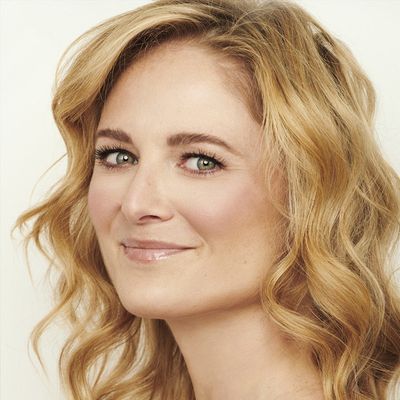
Guests

Featured Shows

About
High School Shakespeare! Take 2!
Play along as Aaron J Albano (Newsies, Hamilton), Hayley Podschun (Hello, Dolly, Hairspray) and Nikisha Williams (Hamilton, The Color Purple) join Bryan, Kevin, and Kimberly via video chat to break down the Othello adaptation "O". Come for the bad puns and wine but stay for the musical talk and Milagro tequila.
Stay after for Kevin's review of the movie Divos! Watch the trailer here.
Extended cut and full video is on Patreon. Become a supporter on our Patreon: https://bit.ly/2Q2zELG
Transcript
This transcript was automatically generated and might contain errors.
[0:00] Kevin: Hey guys, Kevin here. Just wanted to tell you all to stay tuned after today's episode because I want to tell you briefly about Divos, a new fun, campy, and theater-tastic movie. I think a lot of you will really love. More on that after the episode, so be sure to listen in. But now, here's your regularly scheduled Broadwaysted episode. Enjoy.
[0:27] Bryan Plaske: Did you bring wine? I got the glasses. Hey guys, I made a quiz. I didn't bring anything right here to that bug.
[0:43] Bryan Plaske: Hello and welcome to the official Broadwaysted podcast where we're drunk on theater. I'm your host, Bryan Plaske, and you brought me through. Don't be hating on you and me, because something fresh is something you best believe. I got what you want. Who ride with us? They're long gone because we ride us. Just let me in the club because it's mightier than the sword. Are you down? Joining us today are the usual bum bum bums, including Kevin, freak it out, Jaeger.
[1:08] Kevin: Always, baby, always.
[1:10] Bryan Plaske: Kimberly, our basketball game master and unofficial babysitter for the hour.
[1:14] Kimberly: I'm very bad at basketball.
[1:17] Bryan Plaske: And with us to continue our high school Shakespeare adaptations are students from Palmetto Grove Academy, Go Hawks. Let's give a big Broadwaysted welcome to friends of the show. Friends of the show. Two hammies and a Tammy, Aaron J. Albano, Hayley Podschun, and Nikisha Williams.
[1:39] Aaron J Albano: What's really crazy is I'm in South Carolina right now, so watching all of this, I was like, this is trippy.
[1:48] Hayley Podschun: Doesn't it take place in South Carolina?
[1:50] Aaron J Albano: Yeah.
[1:51] Bryan Plaske: Did I miss that?
[1:53] Hayley Podschun: Work.
[1:54] Bryan Plaske: Okay. Well, uh, today we're gonna talk about O, a terrible name for a movie if you're trying to search for it anywhere.
[2:03] Kevin: Oh god.
[2:05] Bryan Plaske: Um, we're gonna talk about O as the second installment in our high school Shakespeare adaptations theme that we're continuing on. Um, but before we get into O, uh, let's uh talk about what are you drinking? What are you drinking? Kevin, what are you drinking?
[2:25] Kevin: So I am drinking a uh key lime La Croix.
[2:30] Bryan Plaske: Beautiful. I also really like is that a new built for the stage tank top?
[2:34] Kevin: It is.
[2:35] Bryan Plaske: I know yes, look at those guns. I love it. Kevin, you can make mocktails.
[2:43] Kevin: Oh, I should.
[2:46] Kevin: It's fizzy and it hits the spot. I'm good.
[2:48] Bryan Plaske: Yeah. Um is a mocktail. You heard it here first. Hayley, what are you drinking?
[2:55] Hayley Podschun: Jose all day, baby.
[2:57] Bryan Plaske: Beautiful. Um, Nikisha.
[3:00] Nikisha Williams: I'm boring. I'm drinking water today. I had to lay off some of the moonshine, you know.
[3:07] Bryan Plaske: Um, Aaron, what are you drinking?
[3:09] Aaron J Albano: I am drinking a mix of San Pellegrino and Patron on the rocks.
[3:17] Bryan Plaske: Um Kimberly.
[3:20] Kimberly: I have a gin and tonic.
[3:22] Bryan Plaske: Beautiful. Um, and then I am drinking uh Milagro tequila uh with a lot of um uh seltzer lime seltzer. So in an If/Then cup.
[3:35] Kevin: Yes, nice cheers.
[3:38] Bryan Plaske: Cheers. Here's the sliding doors the musical.
[3:42] Kevin: Sliding doors is a wait. We should do we should do a theme where it's like movies that like really aren't have nothing to do with musicals, but like might as well be.
[3:56] Bryan Plaske: Right. Um okay. So um we're gonna talk O, but before we begin with O, I want to do a little breakdown of this movie. Um was originally intended for release October 17th, 1999, but it was shelved. Uh finally released on August 34th, 2001, and it was shelved because of the Columbine massacre. Um, and they did not want to release uh a movie with that type of an ending. Uh understandably so. Um, so this would have come out. This will actually would have either come out just before or after. I I won't remember um 10 Things I Hate About You. So Julia Stiles would have been like two Shakespeares in a year. Um Shakespeare's in a year, and uh um some other things about the Shakespeare. Um that's why she looks like super young. You think she has grown since 10 Things I Hate About You, but that is why I had to look, I like had to look that fact up because I was like, she looks so much younger, but I know these came out at the same time.
[4:55] Hayley Podschun: Yeah.
[4:56] Bryan Plaske: Um another thing is uh Christina Ricci originally had the part of Desi, but had to drop out um for uh um uh uh conflict, scheduling conflicts. So that's interesting there too.
[5:10] Kevin: I would have lived for that.
[5:11] Bryan Plaske: That would have been pretty good. I love this. There was a better person though that was uh like uh uh as an option to be cast.
[5:20] Kevin: It was right.
[5:21] Bryan Plaske: There were there was a lot of people listed um in the the Amazon like tidbits.
[5:27] Kevin: Yeah, mine was IMDB.
[5:29] Bryan Plaske: Who wrote Suvari, I think.
[5:31] Kevin: Amazon bought IMDB, so all of those facts would filter into those Amazon screens.
[5:36] Bryan Plaske: Oh that's why, oh, because on my Fire Stick I can watch IMDB TV, which I thought was a weird thing to have. Um so while Hayley's looking that up, um this was directed by Tim Blake Nelson, who you may know mostly as an actor from things like Kimmy Schmidt, um or The Watchmen recently. Um he was also in Buster Scruggs, Oh Brother, Where Art Thou. Um he was in the Green Lantern movie. Um, but Tim Blake Nelson, um you he played Kimmy Schmidt's father.
[6:09] Kevin: Oh he always he always plays like a country bumpkin.
[6:12] Bryan Plaske: Yes. Anyway, he directed this. Um so uh yeah, that's uh you know, this stars um as we saw Julia Stiles, Andrew Keegan again, uh nice little combo platter there. Um we have Mekhi Phifer, also Dr. Pratt on ER, as we all obviously know him from that. Um or or or Eight Mile, um, and um uh also um Josh Hartnett, um among and and Macaulay Culkin's father in Home Alone.
[6:44] Kevin: Um so let's let's let's Martin Sheen and Martin Sheen, of course.
[6:54] Hayley Podschun: Real quick, I found it. Um considered for the roles were Natasha Lyonne and Mina Suvari, which I was like, Mina Suvari would have been.
[7:02] Bryan Plaske: Oh, yeah, Prince Jr. Love of My Life was considered for Hugo.
[7:07] Kevin: Oh wow.
[7:10] Bryan Plaske: Um, so let's let's let's talk about let's go around the horn. What was what did you have any previous relationship to this movie? Um, and uh and let's just do previous relationships and then we'll do overall thoughts, but we'll wait on because we have the time. Um Aaron, uh how what was your relationship with this movie previously?
[7:27] Aaron J Albano: I had never seen this movie before.
[7:29] Bryan Plaske: Oh, and how well do you know Othello?
[7:31] Aaron J Albano: How well do you know Othello? That's another one I'd like to ask.
[7:34] Aaron J Albano: Beyond the Wikipedia um synopsis that I read today after watching the movie, not very much. I knew it was a tragedy, and that's all she wrote.
[7:46] Bryan Plaske: Cool. Nikisha.
[7:49] Nikisha Williams: I want to say I saw this play a long, long, long time ago at Alabama Shakespeare uh festival. And but I did not remember the whole premise of it. Uh, but I knew again that it was a tragedy. I never saw this movie before. I never knew it was made. Um, so yeah, this was my my first time watching it, and I have a lot to say about it.
[8:13] Hayley Podschun: Uh, Haley.
[8:15] Hayley Podschun: First time seeing this movie, did not know Othello. I've never done it, so why would I know it?
[8:23] Kevin: Uh Kevin.
[8:24] Kevin: I had never seen this movie before, but I was aware of its existence. Um, I wanted to rent it at Blockbuster when I was younger, and my mom said no because it looked violent. Um, she said no. Oh, I know the basic story of Othello because I'm pretty sure there's an opera based on Othello. Um and I knew that from like my opera school days, but like I didn't know like the actual Shakespeare play beyond that.
[8:53] Kimberly: Sure.
[8:54] Bryan Plaske: Kimberly.
[8:55] Kimberly: When we studied Othello, my senior year of high school, we watched this movie in New Jersey.
[9:02] Kevin: Jersey.
[9:03] Kimberly: Oh my gosh. The South is ahead of its time. We should this to you in school.
[9:10] Kevin: Yeah.
[9:11] Kimberly: Yeah. With a disclaimer about the rape scene.
[9:14] Kevin: Yes.
[9:15] Kimberly: And I think I also then went ahead and rented it for like a sleepover because we liked it so much. I don't know why. I think like my like emo, like my like, what was it? Like 2007 emo self was just like, what a sad movie. Like, let's watch it again.
[9:34] Bryan Plaske: I love that your emo self has such a thick vocal fry.
[9:38] Kimberly: Yeah.
[9:40] Bryan Plaske: Oh my.
[9:42] Kimberly: But I was also like into Shakespeare. So I remember like having to explain Othello to all of the kids in my group when we were doing a group project.
[9:54] Kevin: I don't get it.
[9:55] Kimberly: And I was like, I mean, if you just read it like this.
[10:00] Bryan Plaske: Um, I same as Kimberly. I what uh I watched this in in high school in class, um, as kind of they wanted to get us into it more um in terms of that adaptation and kind of relating to a little bit more. Um, and um in class, where would you have to break up the movie? Because you couldn't watch the whole thing in one sitting.
[10:16] Kevin: I don't know, after 40 minutes.
[10:20] Bryan Plaske: Yeah, okay, yeah. Um, but um, I know Othello pretty well. I've seen it multiple times in different versions of it. So um I'm I I'm not an expert, but I'm pretty familiar with the the at the very least the plot.
[10:34] Kevin: Yeah.
[10:35] Bryan Plaske: Um, so let's go around. I overall thoughts. I have some questions that'll kind of bring out more as we get into this, but um, I want to hear overall thoughts, but Kevin is about to jump out of the screen, so go for it.
[10:46] Kevin: So I have a theory about this movie. So I feel like this movie is the 13-year-old at a senior class party who's trying to show how like cool and like extra rich and like crazy they are by like cursing, drinking, spitting more than anyone at the party. Like it just felt like they were trying so hard to be edgy that that's all I could think the whole time was like this is that 13-year-old who like shoved half a bottle of vodka to prove he's awesome, and then threw up all night the rest of the night. That's that's my high thoughts. These movies. I'm sure we'll talk about a lot of the other things that have to happen with this movie. Sure.
[11:25] Bryan Plaske: So that's my overall like high thought sentence. Let's okay, Aaron.
[11:30] Aaron J Albano: Just going off of that, just even just not even about like the content of the movie, well, sort of the content of the movie, but I was thinking while I was watching it, I feel like because we love like this podcast specifically, these six people love the like light, airy, cheesy 90s movie. And then we watched this, and there's definitely like a yin to that yay, where like it's a dark, edgy, no subtlety at all 90s movie where it's like The Skulls and like Cruel Intentions and like Dangerous Minds. I'm like, it's all and so this definitely falls, I feel like in that same category, just energetically. Where if we were to watch if we were to watch it now, just like this one, there's because these movies, both the light and the dark, don't have any subtlety in them whatsoever. There's a lot of cringiness to it.
[12:30] Kevin: Sure.
[12:31] Aaron J Albano: But that's sort of indicative of like this, like this late 90s, early 2000s movie, I feel like.
[12:38] Kevin: Totally.
[12:39] Aaron J Albano: I just kept thinking the entire time how happy these actress agents must have been, because these I I'm not kidding you. The entire time I was like, these agents must have been so happy for their clients, because all they're thinking about are their clients who have done these like 10 Things I Hate About You, and like, you know, all these like Bop movies, and then they get this like acting movie where it's serious and it's dark, and I'm like, this is a dream for an agent to present this to their client to be like, we have this for you.
[13:17] Kevin: Sure.
[13:26] Nikisha Williams: Yeah, there's a lot of things that uh um okay, I'll just I'll start. So go in, go in, go in.
[13:34] Nikisha Williams: How stereotypical is this movie? Let me count the ways, okay? Because I watched this movie and I knew the premise of the story, so I understand the reasoning of why Othello is portrayed by a dark-skinned person because in the Shakespeare play, where he is from, where Othello is from, is from uh parts of the country where there are dark-skinned people. But my thing was like you're gonna take this modern version of this and put it in the most stereotypical way, in the fact that why does this black man have to play basketball and be only going to this all-white prep school because he's on a basketball scholarship? Why uh do why does he have to be from the hood? Because there was a scene where um Hugo was like, look, I know you're from the hood and you know hustlers, but I know white girls, and also that whole scene in general. What was that? Oh god, that's cringed the whole time. Just in the gym while they're doing like lap pull downs. Oh god, awful. And then at the end, he's like, I'm not though.
[14:46] Nikisha Williams: Doesn't he say he's not? But at the end, he kills himself. No, he says that his mother's not a crackhead. He doesn't say that he didn't grow up in the hood. He was just like, I'm just like you guys, my mother's not a crackhead, and then I don't have any of these other stereotypical black things, but I have this, and so the whole time, and I guess it's also like where we are in the world right now, and I was just like, this literally made my skin crawl so much because reading going back and reading the Spark Notes version of the play, it's like there were so many things that were added to this movie to get to this point when it didn't need to happen. Like that whole entire rape scene didn't have to happen.
Oh the fact that like in no form or fashion, and the whole his whole background again didn't have to happen. And so I literally, I also thought that this was not Makai Pfeiffer's best work in general, as far as movies were. Um, I've seen him be a lot better, but I also looked up who the writer of the movie was, and it looks like it's a person of color. So I also was just like disappointment on you. And this is why when we talked about last time how black movies go to the extreme of being so outlandish and funny because they're trying to get away from the stereotypes that this kind of movie presents I rest my case.
[16:19] Kevin: Yes. It's also incredibly dangerous. It's also incredibly dangerous to let a wild hawk fly free through your gymnasium while you play basketball. And that's catch him. There were so many things that I was like, why do we keep cutting to see different birds? Like, I understand your metaphor, but like you're literally taking this bird and shoving it down my throat. Also, did he need a hawk thing in the play? That's the only thing I could think because that sounds Shakespearean to like compare. I was like, why what's the significance of the hawk?
[16:51] Nikisha Williams: Well, they really tried to so this is one of the so correct me if I'm wrong, but like this is one of the only kind of things this is told, Othello is really told from the villain's point of view. Like Iago has like a ton of the asides, the a ton of the breaking of the fourth wall, all that stuff, and that usually doesn't happen. It's usually like the Hamlet, the person going through who has those moments. So what the movie is clearly trying to do, which and it doesn't really um doesn't we can argue if it does it well or not, but the thing is like oh oh uh oh is supposed to be like our quote main character who we're supposed to empathize with and like be like upset when Iago tricks him a lot, uh Hugo, sorry, along the way, tricks him, but like the movie is also trying to present. I don't think the movie does a good enough job presenting Hugo as the like the bookend character because then it like at the end, it like it weirdly gives you this sensation.
[17:50] Aaron J Albano: Oh, he has a voiceover?
[17:51] Nikisha Williams: You're empathizing with him, but you're not it's oh I never did. It's the movie like asking us to when I don't want to, yeah.
[18:01] Kevin: Yes, yes. Whether you do or not, the movie has clearly positioned itself to be like, well, maybe I mean he's wrong, but like think about it from his point of view. It's like, no, if he's wrong, he's wrong. I'm good.
[18:10] Nikisha Williams: No, no, I don't mean to do that. Right. Like, I mean, I just oh I I understand from what they were showing in the film that Martin Sheen is literally the worst father of all time. And like a lot of his actions, I was like, he's also racist. Like, there were like so many things wrong with that character, and like I get they were going for like the Friday Night Light style like coach mentality, but like whoa, don't conflate Coach Taylor with the dude.
[18:42] Kevin: Right, but he Martin Sheen is terrible in this movie, he overacts this movie so hard. He's like ready. I think he's right on brand with this movie, Kevin. I mean, he's I'm pretty sure he's doing what the director wanted from him, but like he's so over the top that it's like he's not even fun to think of as a villain. And I think they kept trying to make us feel like Josh Hartnett is only convincing random 18-year-olds to kill each other because his dad doesn't love him.
[19:12] Nikisha Williams: But like I want to argue so that that the Kevin, amazing segue. This is my qu this is one of my first questions, and I will we'll start with Kimberly first.
[19:24] Kimberly: Okay. This movie, do you think obviously this movie is based on a Shakespeare play? That's why we're doing it with in Shakespeare plays as as truthful as you might want to find things. There, there's a lot, there's their melodrama. There's a lot of this in there. Um, when you set something in a and and we look at these plays as being set in the way away past. So when they are brought to the future or adapted into a world that we can comprehend with like actual, like trying to ground it a little bit more. A lot of that melodrama can get lost because the tone is off. Where do you think this movie succeeds in that? Where do you think that movie fails in that? Does that does that question make sense to everybody?
[20:07] Nikisha Williams: In the let's try to answer it. Bryan, you're basically saying when does the melodrama work and when does it not?
[20:14] Kimberly: Sure, especially taking into account this is based on something that melodrama probably works on stage in iambic pentameter versus updating it. And like the reason I asked this question is because of what Kevin said. Getting a you to believe that O would go from A to Z in such a quick span, like and that Hugo would be able to convince these people to do these things within a span. Like, is that believable in this versus when you're watching it on stage knowing it's a melodrama? I guess that's my real question. Um watching it just from pure like plot points, was like this is a pretty fair adaptation because like all the right people die, all the right people maybe die. Um so like they did the end right, and but weirdly, the whole time, Jay and I had both seen this movie before, and the whole time we said, does he kill her at the end?
Because still in our minds, we couldn't wrap our head around the fact that a modern movie would make that choice. We were like, maybe in this one she doesn't die because that's ridiculous. Um yet she does.
[21:33] Kimberly: And so, and I like, I don't know. It it doesn't, it works in a way that like putting the crazy jealousy of a melodramatic Shakespeare play in the hands of teenagers makes sense, especially at boarding school. If anyone has ever gone to camp when they were like in their early years, like you know that everything is heightened to this crazy degree. So, yes, like that jealousy makes sense there, and like, but the manipulation, I don't know that I ever completely bought because I was just like, you're told that he hates him, which I think is the true in the play too. Like Iago just comes on and it's just like I hate the more and then goes into why, and it's like so small that it was hard to be like, you hate this person so much you want him to kill his girlfriend, like it's just such a crazy place to go with it. That if you don't know it stems from old text is insane.
[22:39] Kevin: Sure.
[22:48] Nikisha Williams: Kevin, you were nodding aggressively.
[22:50] Kevin: No, I mean, I agree with a lot of what Kimberly said. I think this movie kind of surprised me because I felt like it started, and I was like, okay, I'm getting a feel. Oh, oh no, we're starting. Like it felt like the plot of like Iago trying to like ruin everything or Hugo happened very quickly and abruptly and out of nowhere.
[23:08] Nikisha Williams: Yeah.
[23:09] Kevin: And like that seemed really strange, and I that should like shook me. I also felt like they were trying to um the like language that they used and like the dialogue about like specifically about race felt like very, very like cringe worthy, and like it just it was a it was like they were just trying, like obviously in the in the play and in the story, like the fact that he is a moor, and it like is plays into it in a way, but like in this, it just it just felt like they were like smacking you in the face with like stereotypes and like negative strong language, like that little playful conversation that like Desi has with him when they're in bed together, and like it was so cringy and terrible. And I was like, I don't believe that a black man would say this to his girlfriend, or that she would say these things to him, and it was just it was so like it felt like a white person's writer's room was writing this script ding ding ding ding ding ding ding, and it was so cringy.
[24:15] Nikisha Williams: So I felt like I agree with Kimberly, like a lot of the high school antics work because like I remember when high school, like if you broke up with somebody, it was literally the end of your existence. Like I understand why they placed it in a high school, I think that was smart. I think boarding school was smart, then self makes it, yeah.
[24:35] Kevin: The South make the Yeah, the melodrama, the relationships didn't didn't work, and like the like gross misogyny that was used that wasn't being used to show that it was bad, but just kind of understood that like we talk about girls this way, and that we like there was no like they never got punished, or like it was shown as a bad thing for like ripping on Brandy. Like Brandy's a sex positive woman, like let her do her thing, like and also the fact that like the original, like the lead character is a white blonde woman who we we like think is even better because she was a virgin before him, like using virginity as a tool to make her a better person before him was like all of those things. I just thought were like icky ways to like interpret the melodrama of the story, yeah.
[25:23] Nikisha Williams: And in true Othello adaptation, um, Desdemona does nothing of import.
[25:29] Aaron J Albano: Yes.
[25:30] Nikisha Williams: Um, I worked on Othello the Remix, which is oh, that's right, yeah, which was a 20-minute like comedy. It was like a it was like a freestyle love supreme did Othello is what it was. And my favorite part is that there were no females in the cast, and that when he kills Desdemona, um, he just has a pillow and like a hip hop track behind him of a heartbeat, and then slowly the heartbeat fades away. But there's no woman ever on stage.
[26:06] Kevin: Yeah, they don't they didn't need a woman, they were just like, ah, women are pointless, let's just do this with three men.
[26:11] Nikisha Williams: They and they mean Desdemona would have been a man with women, but no one was ever Desdemona, yes. Because why have that? It was so like uh Nikita said, I looked up the writer. Um, his name is Brad Kaya, I believe. Um his entire filmography is comedy, except for Bo, which is very interesting. Um I don't know if he is, I don't know of uh what his background is in terms of his ethnicity. Um, but um it's like he's interesting. I feel like he probably pitched like a let's do a Shakespeare adaptation, like 10 things I hate about you, and like how clueless was it? Cool, do a fellow. And he was like, Yeah, sounds great. And then he read it and was like, Oh, damn it, it's like, or he was like, This is my moment to do something.
[27:04] Nikisha Williams: It was insane. This movie was so uncomfy, and like I truly had nightmares, and like partly because I was just like too engrossed in that, like it exists, and that I liked it when I was 17. I remember this being I remember before I watched it again, and I I don't I have to like after this discussion, I'll decide what I think, but like I remember this, I remember it being a good adaptation of a film. Whether or not I remembered it being a good movie or not, I remembered it being like a good adaptation.
[27:43] Kimberly: Yeah, um, um, instead of using the word good.
[27:51] Nikisha Williams: Like, I don't remember the rape scene. I think my teacher skipped it.
[27:55] Kevin: What no excuse.
[27:57] Nikisha Williams: What is the point of that? Like, what did everyone like regardless? Like, I think we were all cringing, but like that he was like turning turning there, maybe it's like his jealousy was driving him mad. Like, or maybe they didn't want to give him his monologue, so they just did that, and he stared at himself in the mirror. I have no idea. But then also Iago never drugs him.
[28:22] Kevin: That was like the turning point for me.
[28:25] Nikisha Williams: I was just like, why did any of that need to exist in this character at all? Why the flaw he has already overcome? The point is that he's like the highest most general and he's about to like be the Duke, and like what's interesting about the person what's interesting, I to me the drugs and the cocaine in this movie. Well, I don't think that I think the this is more interesting if if I was going mad on his own with the help of Iago, as opposed to like being fed cocaine and stuff like that. But I will say that in terms of getting them from point A to point B, it felt like the cocaine was a cheat. Because I agree with Kimberly, I never felt as if he got to the point where he would actually kill Desi.
Like that just like in this particular adaptation. But when Iago's like, well, it's never a thing in the play. It's not Iago's idea for him to do that. He just does it. He says, go kill Cassio. I feel like the drugs are like another way, it's very indicative of like an early 2000s, late 90s movie.
[29:31] Nikisha Williams: Yeah, I mean, drugs are just such an easy, an easy thing to get people to like not think clearly as well, like of the plot device. But I mean, also so crazy. That is a lazy plot point. Okay. If you also go back to the um, if you also go uh uh if you also go back to the um uh that sex scene, I one thing that I thought was interesting about that sex scene from a directorial standpoint is when he sees himself in the mirror as Andrew Keegan. Like I think I don't again, I don't think that that scene should have been there in general, but I like that concept that he's like now seeing her with him, even when they have their intimate moments together. Again, the follow-up from that is like unacceptable and like didn't need to be in this movie at all.
But I thought that was an interesting concept to be played with. The second thing I want to say, going back to the drugs is I don't understand why they didn't play up more of the um the steroid usage. That's such a good plot device when you're in sports that like gets your testosterone up and like really messes with your head and your aggression. I feel like they just didn't dive into that at all. And that was something I remembered them doing more of, which is not the case. Because I have any thoughts on that?
[30:48] Aaron J Albano: Yeah, at the beginning, when they say stuff about drugs, I feel like it's implied that it's steroids. And then at the end, when it's cocaine, I was like, oh, that's not I was like, oh to jump back to your Andrew Keegan. Isn't it interesting that in 10 Things A Hate About You, Andrew Keegan was the guy who did that to Julia Stiles, and now he's doing it again to Julius? Oh, he'd do this first because when it was filmed, we'll never know.
[31:17] Nikisha Williams: We don't know. Um any thoughts about the steroids and and kind of that plot device?
[31:27] Hayley Podschun: Yeah, I didn't even um think about it again. Like after Hugo like got his injection, like I feel like y'all are right on when they could have played on that being more of like him going crazy and why he's like plotting with all of this stuff, but it like happened, and I was like, Oh, okay, that's that's a thing, and then like y'all said, there was no reason for Mikai Pfeiffer's character to just partake in it. Like, it didn't add to to anything as far as like the order of events to him leading up to killing Desi. Like, it was just like I said, it was it was lazy. But I do agree that going through um the actual play again, as far as like the movie being a good adaptation of the overall um plot points of the play, but it's just like he veered so much to the left to try to make it so dramatic that all of that was kind of lost.
It's like, yeah, in the play, there was the handkerchief and and the mischief with all of that, and um all of the uh him being at the top, and that's why Hugo Iago's character was like jealous of him and all of that stuff, but and all the right people die, but also a question um Cassio's character, what's his name in the actual movie? I forgot Michael, okay, Michael.
[32:58] Nikisha Williams: Andrew Keegan Bulger. Yes. So I don't know who whose character names are who. Andrew Keegan Bulger dead. Um he gets so he gets shot in the leg, and then you never see him again. And I was like, is he gonna come back and like testify? Because he was only just shot in the leg.
[33:16] Aaron J Albano: In the leg. Yeah. And then nothing happened, and you don't ever see him again. But like in the play, he actually died.
[33:24] Nikisha Williams: No, he doesn't die.
[33:25] Aaron J Albano: No, no, no, he doesn't. He gets he doesn't die.
[33:26] Hayley Podschun: Right.
[33:27] Aaron J Albano: And he gets promoted to testify.
[33:29] Nikisha Williams: Yeah. Yes. So I was like, okay, they don't just kind of left him aftermath at all. They just end right after the deaths.
[33:36] Hayley Podschun: They end with I'm like a bird. I want to fly away.
[33:39] Nikisha Williams: How dare you? It's like y'all could have went back and like said he was alive at least or something. But you just when they go back to the car and they like put the his name's not Foggy in this Raj.
[33:56] Aaron J Albano: Roger.
[33:57] Nikisha Williams: Roger. In the um they're not going to be able to do Roger died. And then you see.
[34:03] Hayley Podschun: Yeah, he dies.
[34:01] Nikisha Williams: And then you see Michael still on the ground, but not covered.
[34:07] Aaron J Albano: Oh, I didn't catch that.
[34:08] Hayley Podschun: Oh, I didn't catch that.
[34:09] Nikisha Williams: I thought it was definitely just I thought he was dead. I thought he was straight up dead.
[34:12] Aaron J Albano: Foggy, or I think you mean one of the one of the uh Fulton Reed of the Mighty Ducks fame.
[34:17] Nikisha Williams: Fulton Reed. Also, like they don't delve in enough to that character.
[34:24] Hayley Podschun: Yeah, so right.
[34:27] Nikisha Williams: Like, yeah. What a sad, sad character. And also just the like in the dream sequence for like, well, not dream sequence, but like the the montage where like sexy Josh Hartnett is explaining how their plan is going to go. Their plan is for him to decide to kill himself and shoot himself here.
[34:48] Aaron J Albano: Oh, I who shoots them who murders kills themselves by shooting themselves down into the chest.
[34:55] Nikisha Williams: I don't know, but then that's how killed himself by shooting himself in the chest. And I was like, who is gonna be like, I'm gonna kill myself, but in an awkward way that makes me curl my arm like you would keep you'd shoot yourself in the head. Like the only thing I can think of, Kevin, and that I have notes about that. I was like, this you don't make it look like a suicide with a bullet wound to the chest.
[35:16] Kevin: Yeah, like so. My only thought is that they tried to stay faithful in terms of falling on your sword.
[35:22] Nikisha Williams: One, oh, like, yeah. Two, if they wanted to they if they wanted to show the bodies in a pan after that, they probably didn't want to do like the headshots, but like I do, I do I would guess it was the sword, but I agree with you. Like, if you're trying to make this feel as real and normal as possible, like don't don't do that.
[35:42] Hayley Podschun: Yeah, and I like especially with like the scene where like where at the end where O kills himself and he shoots himself in the chest and then it just like freezes. I thought something went wrong with my internet.
[35:57] Nikisha Williams: Truly. I thought that was gonna be the end of the movie. Like, I thought it was like freeze frame and credits, like 1985. Like, or I was waiting for like it to like it froze and then for it to like slow-mo or something, and it just like froze, and I was like, oh, something happened to my internet, and so yeah, maybe Brian's right that it's faithful to daggers, because yeah, I think a fellow usually kills himself with a dagger to the heart.
[36:25] Aaron J Albano: That's the only thing I can think of.
[36:26] Nikisha Williams: Yeah, I did not think of that any.
[36:30] Kevin: Well, you know where else you can take a dagger to the heart?
[36:36] Nikisha Williams: No corner.
[36:38] Kevin: Oh god. I forgot the synthesis now.
[36:42] Nikisha Williams: No, no, no.
[36:45] Kevin: That might have been the worst transition so far without earlier.
[36:49] Nikisha Williams: That was not it.
[36:51] Kevin: Earlier, Nikisha said lost, and we kept getting further and further away from that. And so I was just like, Well, I'm just gonna do whatever.
[37:00] Nikisha Williams: Oh, sorry.
[37:02] Kevin: Wow. Welcome to Kevin's Corner, where we have a more light-hearted segment. Um, that's called a light-hearted segment. Get out, get out of here. I'm calling this summer in Ohio. Um, because it's about letters. This is a letter people game. So I have a list of questions where the answers are a letter. Okay, and you understand as we go on. Some of them I fudge, but you'll you'll get it. Okay. So let me finish the question and then you guys can answer. So, question one developed by Victor Company of Japan in the early 1970s. This was released in the night, the United States on August 23rd, 197 as a standard for consumer level analog video recording on cassette tapes. Like it's only one letter. It's it the answers are letter or letters.
[37:57] Nikisha Williams: BHS.
[37:58] Kevin: Say it one more time.
[38:00] Nikisha Williams: Correct. I understand. I'm just yeah, okay. I understand now. I was like, am I too drunk?
[38:05] Kevin: Question two. The lyrics, it took so long, it took so long, it took so long for you to call back. And normally I would just forget that, except for the fact it was my birthday, my stupid birthday. I played along, I played along, I played along, rolled back, rolled right off my back, but obviously my armor was cracked. What kind of boyfriend would forgive that? Who would forgive that? Is a song by Disney Pop sing sister group Ally and AJ about ending a relationship with a bad boyfriend. Therefore, the boyfriend that they no longer are dating becomes their what?
[38:43] Hayley Podschun: X.
[38:44] Kevin: X?
[38:46] Nikisha Williams: No one knew.
[38:48] Kevin: Whoa.
[38:49] Nikisha Williams: That was nice.
[38:51] Kevin: Question three. After having an informational meeting or giving a presentation, the leader of the group may elect to have one of these sessions to clear up any inquiries from the audience.
[39:04] Nikisha Williams: QS.
[39:05] Kevin: QA, correct. Quick. This is the universally accepted exclamation for one who attacks and robs ships at sea.
[39:15] Nikisha Williams: SOS.
[39:17] Kevin: No, that's wrong.
[39:19] Nikisha Williams: R.
[39:19] Kevin: R, correct.
[39:25] Nikisha Williams: Attacks, darn it. When Nathan Detroit offers his marker in the musical Guys and Dolls, it is essentially this.
[39:36] Hayley Podschun: Um an IOU.
[39:38] Kevin: Correct. An IOU.
[39:40] Nikisha Williams: Oh, yes.
[39:41] Kevin: I'm gonna get some ice. Hold on. I can still hear you. In early 1995, Mars ran a promotion to allow the general public to vote on which color would replace the tan variety of these sweet treats.
[39:55] Nikisha Williams: Oh, M M.
[39:56] Kevin: M M's, correct. I remember that voting. That was so crazy. I wanted the purple one. Um when you are invited to an event such as a wedding in non-correct.
[40:13] Nikisha Williams: Good job.
[40:15] Kevin: A slang term for hibernating, resting, or reposing is often referred to as catching these.
[40:21] Nikisha Williams: These?
[40:22] Kevin: These, correct.
[40:24] Nikisha Williams: Resting or reposing. I'm trying to sound like Jeopardy. Um this is the U the ITU designation for radio frequencies in the range between 300 megahertz and three gigahertz, also known as the uh this decimeter band as the wavelength range from one meter to one tenth of a meter.
[40:49] Nikisha Williams: A M.
[40:51] Kevin: F M.
[40:53] Nikisha Williams: UHF.
[40:54] Kevin: Uh F, correct. I'm drunk. It's the name of the weird owl film.
[41:01] Nikisha Williams: Yes, that's what I'm saying. I'm not listening to most of the questions. I'm like listening to half the question and thinking I know what the question is. That's what's happening.
[41:09] Kevin: This is this is a worldwide lifestyle magazine of French origin that focuses on fashion, beauty, health, and entertainment.
[41:18] Nikisha Williams: GQ?
[41:20] Kevin: No. YM.
[41:23] Nikisha Williams: XY.
[41:24] Kevin: This is a fudged one.
[41:29] Nikisha Williams: A fudged one.
[41:31] Kevin: Okay. L?
[41:33] Nikisha Williams: L is correct.
[41:35] Hayley Podschun: Oh.
[41:38] Kevin: Well done, Tipperly. The last question is complete the lyric. Give me the microphone first so I can bust like a bubble. Compton and Long Beach together. Now you know you're in trouble. Ain't nothing but a what?
[41:55] Nikisha Williams: If you seek Amy, I don't know.
[41:58] Aaron J Albano: Love you.
[42:00] Kevin: A G thing?
[42:01] Nikisha Williams: It is correct. Ain't nothing but a G thing, baby. Great job. That was a good Kevin corner.
[42:07] Hayley Podschun: Awesome.
[42:11] Kevin: Honestly, that's good.
[42:13] Nikisha Williams: I'm sorry.
[42:16] Kevin: Because I didn't know any of those. Before we play our game, um, I would like to go around and what worked for you in this movie? Because obviously we weren't super keen on it, but like I I personally don't think that it's all bad. Um, what what did work for you? Um Kimberly, we'll start with you.
[42:37] Kimberly: Uh we could come back.
[42:41] Nikisha Williams: We can come back.
[42:41] Kimberly: No, I again think that like the jealousy in high school and replacing um like a military hierarchy with a sports hierarchy. Cool clever. Sure, sure.
[42:56] Nikisha Williams: Um, I will say I was hating on the movie until probably the last like 20 minutes of it, and maybe it was just how they were tying in all the loose ends and the justice that happened. So that kind of all around made it not as awful for me. Um, but I think that's probably it.
[43:18] Aaron J Albano: Sure, sure, sure. Um, I think because I had to think about it and like afterward. Because I mean, even with the liberties that the movie took, towards the beginning, I was like, man, I hate Josh Hartnett. I really hate Josh Hartnett. I really hate Josh Hartnett. And as the movie kept going, I was like, I hate this man. I hate him so much. And I and then only like about like a maybe two thirds of the way through, I was like, oh, but I hate him in the way I'm supposed to hate him. Sure, sure. So in that way, this movie's succeeding because this is like exactly how I'm supposed to be feeling good yoga is hard to stomach yeah and that's and that's exactly what we got from Josh Hartnett so Hugo's my answer um Kevin um I was happy that Josh Hartnett Andrew Keegan and Makai Pfeiffer were so hot the entire time that really worked for me I actually like when we brought up how like Makai Pfeiffer saw Josh Hart like saw uh like Andrew Keegan as himself when he was like first having sex with styles I was like well he looks really hot in that mirror and then things got bad so like it was it was a very weird feeling to have in that second but um that was the best thing for me is the three of them were like quintessential that time period hot guys and so like that all worked on all the right levels sure Haley um since I knew nothing about Othello before this um I thought it was a good adaptation from what I read from Wikipedia after and during um I didn't have much to like fully dislike about the film because I was like well I learned what the plot essentially was so for me I was like I learned something so I was okay with it.
[45:25] Kevin: Sure.
[45:27] Aaron J Albano: Yeah, I think that there are some really good performances in this regardless of kind of the tone of the movie and how it kind of works out. Um, I think that it's really fun in this movie to watch some of these actors knowing. I like watching movies like this, knowing what these actors' careers turn into. Um, whereas like this for someone like Martin Sheen, this is just kind of like a stop on the way to like, you know, it's just like, oh, just another movie in my, you know, filmography. Whereas like this was, but you look at someone like a Mekhi Phifer or Josh Hartnett or Julia Stiles, you know, I like filling in the blanks in their kind of filmographies early on. I think that some of those performances are good.
Um and I think that like I think it's a, I think it's a semi-faithful adaptation, and I think that is useful. I will say I would love, and there's no way, there's like no possible way I can do this or find out, but like wanting to know what how this movie because you can't help but watch this movie in the context that we're living in currently.
[46:33] Kevin: Sure.
[46:34] Aaron J Albano: And to see this movie when it was made in the world what we in the world that we lived in in 2001, whatever that would have looked like for us individually in wherever parts of the world we had lived in at the time, like that I wonder how my viewing of this would have been colored that way. Because I also feel like in the same way, like I remember, and I text Nikisha about this for a second, like I feel like this movie in terms of this the Shakespeare tragedies, like I feel like watching R and J, like Baz Luhrmann's R and J would hit very differently now than it did before. I have very fond memories of watching it at the turn of the century or even in the late 90s.
[47:23] Nikisha Williams: But every summer party possible, yes.
[47:26] Aaron J Albano: But watching that now, as adults and in the world we live in, like I have a feeling I would feel very similarly about that movie.
[47:36] Kevin: Sure.
[47:37] Aaron J Albano: And I think context is everything, as you said, because quite frankly, like when I don't know this, and I'm this is an assumption, but like in terms of race relations and talking about racism, the context, it's gross and weird now. But like I don't know how advanced and nuanced this felt in '99 or 2001. I'm not saying that that's an excuse for like it being okay, um, but I do think that like God knows if any other movies of this caliber in terms of teen movie, whatever, was actually having that conversation between um Mekhi Phifer and Julia Stiles. I'm not saying it was a good, well-written conversation or like a realistic conversation, but like and I also don't know if it felt like extremism in terms of like let's make this scene where they say these words and they talk about it.
Like, how awesome would that be for them? Or like if they were actually like maybe we do investigate this further. Like, I would I don't know the answer to that. I'm just kind of posing that to the group as like sure possibility.
[47:37] Nikisha Williams: I don't know.
[48:37] Kimberly: Yeah, I always, oh go ahead, Kimberly.
[48:41] Kimberly: I was gonna pose a question in the vein of like our entire series on Shakespeare high school adaptations. I would argue that this is the one where you have to know it's a Shakespeare adaptation. Because I feel like sure people don't know that the things I hate about you is Taming of the Shrew. People don't know that She's the Man is Twelfth Night.
[49:03] Aaron J Albano: That's a very good point.
[49:04] Kimberly: Everyone knows that O is Othello.
[49:06] Kevin: Yeah, but I think like it doesn't make sense if it's not based on such a, I think people only know that the reason because of the title of the show.
[49:15] Aaron J Albano: And if they had not named this O, no one, if they named it something else, you know, very private school basketball.
[49:24] Kevin: Or whatever.
[49:24] Kimberly: Yeah.
[49:25] Kevin: Yeah.
[49:26] Aaron J Albano: No, it would be taken in the exact same way as Ten Things I Hate About You and She's the Man or whatever.
[49:31] Nikisha Williams: Oh, Meadow Grove.
[49:32] Kimberly: Yes.
[49:34] Aaron J Albano: Scarf.
[49:35] Nikisha Williams: Like Scarf.
[49:38] Aaron J Albano: Two quick final thoughts. I will forever wonder what this would have been like with Christina Ricci now. Um because she's a genius.
[49:43] Hayley Podschun: Oh, see, I wanted to be Mina Suvari.
[49:48] Aaron J Albano: Oh, she was so good too.
[49:50] Hayley Podschun: Uh oh.
[49:51] Aaron J Albano: And then second final thought. Anyone who's listening to this, if you ever have a boyfriend who decides to brag about his member to you, he's not a good boyfriend. Just literally, I don't care the context, I don't care the situation. If they brag like that to you and they're not doing it as like a complete like I'm being a jerk, like they're not worth it. Like, cut it off.
[50:15] Kevin: I had to pause it and voice memo it for the group. I was like, this cat, this calf's down. There is no real man in the world that would ever do that, like a real man.
[50:28] Nikisha Williams: So just stay away.
[50:30] Aaron J Albano: I mean, but the best part about that scene is like, but right after he's like, but wait, do you think I'm cocky? Like, like then all the insecurity came out, and I was like, okay, fine.
[50:40] Kevin: But then we went to the worst, the worst dialogue ever.
[50:45] Kimberly: So let's play a game.
[50:47] Kevin: Uh, for those of you who are on Patreon, we're gonna play this game for you. It's gonna be super fun. Um, for those of you who um are just listening to the podcast feed, we're gonna skip right to um our Rotten Tomatoes and our rankings.
[51:01] Aaron J Albano: Let's jump right into our um let's do our Rotten Tomato scores first.
[51:07] Kevin: Um so um let's get deep into those Rotten Tomato percents. Um who wants to start?
[51:14] Aaron J Albano: Let lay it on me.
[51:15] Kevin: 74.
[51:17] Nikisha Williams: Literally what I was going to say.
[51:19] Kevin: Really?
[51:22] Aaron J Albano: Oh, not 96.
[51:25] Kevin: You know what? 96. Keep it.
[51:27] Nikisha Williams: Actually, 69.
[51:31] Kevin: Okay.
[51:33] Aaron J Albano: Uh 60.
[51:36] Kevin: Okay.
[51:36] Hayley Podschun: I'm gonna say 81.
[51:39] Kevin: 72.
[51:42] Aaron J Albano: Uh okay. Was that everyone? One, two, three, yep.
[51:46] Kevin: Um, Nikisha is our winner. It has a 64.
[51:49] Nikisha Williams: So you went under.
[51:51] Kevin: Um, but you were there. 64% on Rotten Tomatoes. Um, and I do think that this um critic consensus matches what we all thought. Um the well-intentioned, I didn't read it. I just think it is great. We've got no um the well-intentioned and serious in its exploration of teen violence. O is an uneven experiment that doesn't quite succeed.
[52:19] Aaron J Albano: Yep, um, so that's that.
[52:22] Kevin: But now the most favorite part. Um while I pull up the the uh uh the air table. Kevin, would you like to uh go through what these uh rank and rankings are or and rankings?
[52:35] Kevin: So we're we got Annie and rankings, and rankings. So basically, we rank these movies on an easy scale. It's either one, two, or three. One being is an amazing movie. Easy street scale. So it's one, two, or three, one being amazing, two being like pretty good, and then three being like maybe not the best. And then on top of that, each level has a plus or minus. The plus makes it that much better, the minus makes it that much worse.
[53:05] Aaron J Albano: All right, so let's go around.
[53:07] Kevin: Um, I'm sharing my screen so everyone can see.
[53:10] Hayley Podschun: Um I can't see it.
[53:12] Kevin: We see a strip of white.
[53:15] Hayley Podschun: Yeah, yeah, we see a white strip.
[53:19] Kevin: Give me one for a second, and then it went away.
[53:22] Kevin: Yeah, there we go.
[53:24] Kevin: Um, so what uh let's go with oh um who wants to start.
[53:31] Aaron J Albano: I will.
[53:32] Kevin: All right, Kevin Ren.
[53:33] Aaron J Albano: I will give it a two for being a good adaptation, but a two minus for being not very good.
[53:40] Hayley Podschun: Sure.
[53:43] Kevin: Um I'm gonna do the same, but say three plus.
[53:46] Aaron J Albano: Okay, same reasoning, three plus.
[53:49] Nikisha Williams: Yeah, same with Aaron, three plus for me.
[53:51] Hayley Podschun: I agree with the two, then three plus.
[53:54] Kevin: I'm a two minus. I originally was just a regular old three, but then the more we talked about it, I was like, no, I actually thought it was a great adaptation because again, I learned a lot. So two minus.
[54:09] Kevin: Cool. Kevin, you said three plus. I missed that.
[54:11] Nikisha Williams: I did.
[54:12] Kevin: Okay.
[54:13] Aaron J Albano: Um, and I think that I am also gonna, I think I'm gonna do a two minus um on this one.
[54:19] Kevin: Oh no, that now it's there's high breaker.
[54:23] Nikisha Williams: The average is three.
[54:25] Kevin: There's three people saying three plus and three saying two minus.
[54:28] Aaron J Albano: But stuff you said you you said we round up if that's if there's a thing, right?
[54:31] Kevin: Well, yeah, I guess we'll round up.
[54:33] Kevin: So it's uh uh two minus.
[54:35] Kevin: All right, it is now a two minus as an average. Um, and if we go down to the two minus section, this movie joins the rankings of Hello Again and La La Land.
[54:46] Nikisha Williams: Y'all are the worst.
[54:47] Kevin: Hello Again.
[54:48] Nikisha Williams: That's appropriate.
[54:49] Kevin: I feel like that's wrong.
[54:52] Nikisha Williams: Kevin will never ever ever let that go.
[54:54] Kevin: That movie's so good.
[54:56] Nikisha Williams: It's um fine.
[54:59] Kevin: But we end every episode with a quote, and this time it's oh Klahoma.
[55:18] Aaron J Albano: Every night my honey lamb and I sit alone and talk and watch a hawk making lazy circles in the sky.
[55:24] Kevin: Well that works for me. I got oh and hawk in there, baby. Um, but uh again, thank you all for joining us. You can follow us at Broadwaysted on all social media. You can uh join our Facebook group that Kevin runs, does some really super fun stuff in there. Um again, if those of you for those of you who are listening in our podcast feed, we do have a Patreon.
[55:47] Aaron J Albano: Uh, there you get the full video of these, a little bit of extra conversation, inclusive of one of Kimberly's awesome games.
[55:54] Kevin: Um that's on Patreon. Um, and uh then you can always, as you know, you can always find us on things like Spotify and iTunes, where we appreciate you rating and reviewing us there.
[56:05] All: Five stars.
[56:09] Kevin: Thank you. Um, so next week, uh, we're closing out adaptations, Shakespeare High School adaptation for now, with um what I anticipate will be a film.
[56:20] Nikisha Williams: Uh the man.
[56:22] Kevin: It is a film.
[56:23] Nikisha Williams: She's so excited.
[56:25] Kevin: And get excited. Kevin is going to lead that discussion.
[56:28] Aaron J Albano: Yes, this was part of this was part of my gay awakening.
[56:32] Kevin: Um, so stay tuned for she's the man there.
[56:35] Aaron J Albano: Um, so we're gonna watch that.
[56:37] Kevin: That you can find on HBO Max.
[56:40] Nikisha Williams: Um, so get that on HBO Max, Amanda Bynes, um Haley's best friend.
[56:45] Aaron J Albano: Um Tammy and oh, from the movie, yeah, definitely from the hair.
[56:51] Kevin: Um, and so um we'll talk through that.
[56:54] Kevin: Um, but in the meantime, we raise our glasses and we say, Cheers.
[57:14] Kevin: Hey everybody, Kevin here, and I really hope you're all enjoying these movie club episodes. If you're looking for another movie to enjoy right now, you should check out the new comedy Divos, a mad cap dose of a guilty pleasure good time that is Mean Girls meets High School Musical. Divos tells the story of what happens when egos collide as a self-proclaimed Broadway legend is forced to share the spotlight in the high school musical his senior year with the school's star athlete.
[57:44] Kevin: The claws come out in this vicious and campy battle for the spotlight, and through lies, manipulation, and blackmail, it quickly becomes clear that all is fair in war and musical theater. Starring Matt Steele, Tony Winner, Marissa Jurette Winnaker, Timothy Burndage, Mad TV's Nicole Sullivan, Jason Bernard, Jason Stewart, and Jake Busey, Divos is available to rent and own on DVD and North American Digital HD internet, cable, and satellite platforms through Freestyle Digital Media.
[58:17] Kevin: I had a blast watching this film. It definitely has that vibe of cult classics like Camp, and it brought back plenty of memories of my high school and community theater years. Plus, Marissa Jurette Winnaker is a wisecracking nun. Yes, please. So check out Divos and let me know what you think on social media.
[58:36] Kevin: And that concludes today's episode. So until next time, stay safe, stay happy, and most of all, stay dramatic.
[58:44] All: Sudo wabum.
© Broadway Podcast Network, All Rights Reserved