

This spring, Henry will appear in the Broadway revival of CABARET at the Kit Kat Club as Ernst Ludwig. His directing and associate directing credits include Broadway and Off-Broadway projects, as well as NYC concerts and the development of new works... Read More
From the show: Built For The Stage Podcast
Guests
Featured Shows
About
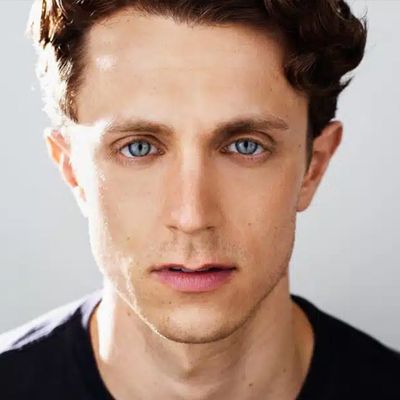
This spring, Henry will appear in the Broadway revival of CABARET at the Kit Kat Club as Ernst Ludwig. His directing and associate directing credits include Broadway and Off-Broadway projects, as well as NYC concerts and the development of new works. Henry has also developed new plays as a director/collaborative dramaturg at Ojai Playwrights Conference, Hedgebrook Playwrights Festival, and Vineyard Arts Project. As an actor, he has performed in the Broadway production of WAITRESS (original cast; later, the role of Dr. Pomatter), the national tours of BRIGHT STAR (Billy) and PIPPIN (u/s Pippin), and the world premiere production of THE DEVIL WEARS PRADA at Chicago’s Nederlander Theatre. Henry performed with the televised broadcast of Peter Pan Live! on NBC and has appeared on Good Morning America and the Macy's Thanksgiving Day Parade. Henry holds a BA in Theater Studies from Yale University. At Yale he traveled with the world-famous Whiffenpoofs to over 30 countries worldwide.
To try working with Built for the Stage at no cost go to www.builtforthestage.com
Transcript
This transcript was automatically generated and might contain errors.
[0:11] Joe Rosko: Hey, what's going on? Welcome to Built for the Stage Podcast. This is Joe Rosko, founder and host of Built for the Stage, Broadway's number one fitness platform with clients and over 20 Broadway shows. Stages on the West End in London, uh Disney in Tokyo. We're everywhere. We love to have you. Check us out, builtforthestage.com. You can work with me on an interactive fitness app. No charge. No catch. Built for the Stage.com. All right. Special thanks to Broadway Podcast Network. You can check them out at bpn.fm. Let's get on to our special guests. Special guests, as always. Uh they'll be uh on the stage on Broadway in a new Broadway revival. Um, new as far as a revival of the show, but definitely not a show that's new to any of us.
Uh Cabaret is coming to Broadway. I actually got to see this rendition on the West End. And from start to finish, from when you're waiting outside the theater to the pre-show to the actual show to the intermission show. The whole thing is an experience, and I'm really excited uh for the Americans over here to get a taste of it under the bright lights of Broadway. Our guest will be playing uh Ernst Ludwig in Cabaret. Please welcome to the podcast, Henry Gottfried. What's up, Henry?
[1:36] Henry Gottfried: Hey, how's it going? Thanks for having me.
[1:38] Joe Rosko: Oh, it's my pleasure. Uh Henry's not only a talented performer, but talented on the tech end. We were having a time over here trying to connect, but we did it. We're here. I appreciate that spin. It's not my talent on the tech end that made this possible. It's my ineptness that made it a challenge. But we're here.
[1:57] Henry Gottfried: But you were resilient, you were unwavering. You made it happen. So thanks for joining us.
[2:03] Joe Rosko: Yeah, let's jump in with something fun since it's uh 10 till 11 a.m. here. You're braving the morning for me and all of our listeners. So I appreciate that. Do you drink coffee in the morning? Are you a coffee person?
[2:15] Henry Gottfried: Absolutely do. Every day.
[2:19] Joe Rosko: I yeah, I every now and then I have a little moment where I think, should I try and cut back on my coffee intake? And then I don't do anything about it.
[2:27] Henry Gottfried: Right, right. Okay, how do we take your coffee over there?
[2:30] Henry Gottfried: Iced throughout the year. Yeah, I'm one of those guys.
[2:33] Joe Rosko: Yeah. For some I I've heard um mixed opinions or science behind it that the ice version is actually supposed to not, I don't know, have as much caffeine or effect, or I don't know, Barista told me about this, but for me, I feel like I get a better kick when it's iced.
[2:34] Henry Gottfried: I don't know.
[2:53] Joe Rosko: Yeah, it's also that thing where you know how they say that like holding a cup of coffee and having one sip of it is almost the same like mental stimulant effect of drinking the whole cup. I that is something that I read once that I now am saying without citing any source. And I feel I remember drinking iced coffee, which is like it's almost just the feeling of having like a cup with ice in it and a straw.
[3:15] Henry Gottfried: Yeah, yeah. Tells me now I'm waking up. So I'm addicted.
[3:20] Joe Rosko: Yeah. Okay. Do we have a favorite New York City coffee shop?
[3:24] Henry Gottfried: Good question. I I mean, I'll drink crap, like I really am not picky. Um Folgers.
[3:33] Henry Gottfried: Well, if you put it in front of me, I'll drink it.
[3:36] Joe Rosko: Okay.
[3:37] Henry Gottfried: Um but you know what? I want to shout out uh Ground Central in the town because there's a couple of them and the a couple actually both right around the corner from where Cabaret is. So I'm there a lot now. Yeah, Ground Central is always uh a go-to. There they do good stuff over there.
[3:53] Joe Rosko: All right. Well, let's just keep riding this wave of just little nothingness of chatting about who you are off the stage. All right, so we just covered Ground Central. How about like an eating spot in New York? Is there a restaurant that you frequent that the paparazzi could find you in?
[4:09] Henry Gottfried: Oh my gosh. You know what I always this is a cop out answer, but the thing about being an actor is that like if you're working, it's exactly the hours when you when anyone else might be going to dinner when you might be like meeting people at a restaurant. So if you're working, you I feel like you miss out on that part of living in New York, which is like eating out, like trying restaurants. Maybe you have a night a week when you can do that. And when you're not working, you really don't want to be eating out because you're probably stressing about money. So I don't know. I always feel like I live in like a parallel New York City where there I know there are great restaurants, but I'm not like uh uh I'm not tapped in. Um but I'm also a really loose vegan, so that also influences where I eat and what I eat. So I love, I mean, there's a couple of New York staples like Peace Food and Luanz Wild Ginger that are awesome vegan places.
[5:10] Henry Gottfried: Yeah. There's something uh on eighth and uh I want to say it's like 52nd. I've I've eaten at this vegan restaurant maybe three, four times before Broadway shows, and like remember, you know, the exact route of you could just kind of swing right around and you're you're at the theater. But I'm there yeah, there's a place called PS Kitchen. Maybe is that what you're thinking of?
[5:35] Joe Rosko: Yeah. Yeah, yeah, yeah. Okay, thanks. Thanks for pulling that out of the hat for me. Um, so you you were chatting about uh the frequent topic of like the money thing, the restaurant thing, the actors got the gig, don't have the gig. What's like a crazy time in in life where I don't know, you're working odd hours, but then running to auditions or rehearsals. I love to talk about the non-sexy things of the industry so that actors that are listening could be like, okay, I can relate to this. I'm not the only one.
[6:12] Henry Gottfried: Yeah. Totally. I mean, uh, you know, I wish I was talking to somebody who doesn't work in theater recently and saying, like, oh yeah, I've waited tables a lot in my life. And he was like, Oh, good for you. I mean, that's like I think people who have worked restaurant jobs and service jobs like are better people. And then I had to kind of clarify to him, like, oh, it's not that I did that and paid my dues in the past and then like graduated from it. It's that at many times in my life, even in a career where I've gotten to do the big jobs that I've been lucky to get to do, like I've been still between them, gone back to cater waitering and uh waiting tables. So yeah, many times. I mean here's a good story.
One time I was between theater jobs, and I got this exciting job on the national tour of Brightstar. And um as one of the lead roles, it was really exciting. Uh, you know, it's this beautiful show, and it was this great part. And it was like I got the job, and then there were you know a couple months before it was gonna start. And in that time, I was still cater waitering. And the show was written by Steve Martin and Edie Briquel, and I was catering um an event, like a big art show at the Park Avenue Armory, holding a tray of champagne glasses at the entrance. And it was the day that the announcement came out on Playbill.com about the new casting for the show. So like my name was in the Playbill headline, it was very exciting to me.
I sent it to my parents. I was very, you know, friends were texting me, we're seeing your article, it's so exciting. And so I'm sort of like checking my phone every now and then while I'm holding this tray and then you know, passing out champagne. And Steve Martin, the writer of the show, walks right by and takes a glass of champagne off my tray. And I in the moment slowed down, and I was like, oh my god, I I have to say something to him. Like, I'm gonna be in his show, and you know, I and today it feels so serendipitous. The announcements been made today. I never saw him again. Like that was it. He took the the glass off my tray. I missed the moment to say hello to him. He never came and saw the show. I know so that was humbling, and that is what the life is like, you know.
[8:22] Joe Rosko: Yeah, yeah, yeah. Okay, uh, last random question. If you weren't doing theater or acting, no arts, what do you think you'd be getting into?
[8:34] Henry Gottfried: Man, I always like yeah, my brain immediately goes to other artistic pursuits, so it's hard to think. Like, if it really weren't the arts, what would it be? But um I kind of love this because it it's it's kind of telling of your success. Like a lot of the times you just you're in it and you're not even entertaining a thought of something else.
[9:04] Joe Rosko: Yeah, I mean, I I wish I could say that were totally true. It's more that like I've I it's more that like every all of my other interests are still artistic, even if they're not strictly about theater. Um so I would really be at a loss, like if it were not the arts at all. But uh yeah, I don't, I mean, what would one of your arts what would be something maybe not theater, unless it is like directing or producing or something like that?
[9:35] Henry Gottfried: Well, I do, yeah, I do direct. And so that has been a big piece of my life, especially over the past five years or so, is like uh folding that into my life as well and and opening both those avenues to be acting and directing back and forth and on different projects at the same time. So that's been really exciting to me. So I mean, yeah, even in the pandemic, I was sort of like my I had been spending a lot of energy in the couple of years leading up to the pandemic trying to figure out how I could get into rooms as an assistant director, observing other directors, doing assistant work and some small projects of my own. And then when theater totally disappeared in 2020, and it was like you gotta figure out something else to do. I was so paralyzed by it because I was like, I've been trying to do something else, but the something else was also theater.
[10:23] Henry Gottfried: So now that's it's like I can't be acting, but I can't be doing the other thing that I was also trying to make happen in my life. And I just sort of sat on my ass for 18 months. Like I really didn't do anything.
[10:35] Joe Rosko: Yeah. Well, you're uh plenty, plenty rested with everything to come. We're gonna jump into Cabaret in just a second, but uh before we hit record, I mentioned I was intrigued by you uh studied theater uh at Yale, and you had quite the extensive travels uh while being a part of it. I think it's I read 30 some countries.
[10:55] Henry Gottfried: 30 something I yeah, it's also about that experience, maybe some highlights, some memories you'll never forget. Uh like I said, I love traveling and would love to hear something about it.
[11:05] Henry Gottfried: Yeah, I did a group, uh a singing group called the Whiffenpoofs, and they are the country's oldest collegiate a cappella group, um, a hundred and some odd years old now. And the way that the year works is that it's just a one-year commitment. And you for the most part, the students who do it, it's 14 students unenroll from school for the year because there's so much performing and gigging and traveling. So my group, it's sort of different year to year what that group does, what their itinerary is for the travel. But my group, I think, yeah, went to 30 something countries. It was crazy. I mean, it was uh once in a lifetime and incredible.
[11:44] Henry Gottfried: And in another way, it was so densely packed with experiences that they bleed together, and it's like hard to remember everything I saw and experienced in that year. Plus, we were like chronically sort of underslept and probably drinking too much. So it really is like a blur. We were all 21 years old, and I just like planned the trip like 21 year olds would, planned the travel like 21 year olds would with no um, yeah, making no accommodations for our own health and well-being. So it was bizarre, but yeah, I mean, incredible. We went to Madagascar and Jordan and places that I probably would not have ended up with a reason to travel to, let alone a lot of like the major world capitals that I might have otherwise, Tokyo and Paris and places that I might have already been, had already been, or might have gone otherwise in my life.
[12:42] Henry Gottfried: So it was an incredible range of like just yeah, this dense, dense year of the Galapagos. I mean, crazy things. I can't even like begin to like remember the highlights because there are things that sometimes friends of mine and I have reminisced about that year and gone, oh yeah, we did, we were at the pyramids that morning. Like I just so many experiences.
[13:04] Joe Rosko: Yeah. Well, if you unenrolled, did you have did did it take you one year longer to complete school? I'm assuming.
[13:09] Henry Gottfried: Yeah, yeah, I did. So I was I was there at Yale for five years, only, you know, that that one year in the middle, I wasn't a student, but I was still on campus and feeling sort of like I was still in it, kind of feels like I got five years of college, which I was totally happy with. I was like so happy to just sit in the other and bake longer, you know, like yeah.
[13:32] Joe Rosko: All right. Well, okay, cool. Well, maybe uh you can relive some of those uh visits later in life and and then remember, like, oh yeah, I had a massive hangover the last time I was here. Now I can see this a little bit clearly.
[13:45] Henry Gottfried: Yeah, totally. I hope so.
[13:47] Joe Rosko: All right, well, let's jump into Cabaret. As I mentioned in the beginning, uh I was lucky enough to see the show on the West End, the show or heard about it. Did you just think like, you know, last puff of the cigarette, put it out, Cabaret as usual, you know. I know the drill, or did you know going into it, like this is gonna be special? This is gonna be different, you know?
[14:07] Henry Gottfried: I did no, I I did have a feeling that it was gonna be special. Even before I um had the audition, I had heard really interesting things, and they have um guarded very closely in a way that I think is very exciting what that physical production looks like. So there was a lot of hype and excitement about the London production, but very little to see and go off of. Um, you know, I had heard that it's immersive and experiential, that the whole theater has been turned into the nightclub. And it's sort of hard to understand what that means without having seen it, because you know, the last couple of revivals of Cabaret have also sort of treated the theater like the nightclub. So I thought, yeah, that's that doesn't sound so unheard of to me, but it's it's hard to explain the extent of just how much uh, especially on Broadway here, like the August Wilson Theater has been completely rebuilt inside to be this um this nightclub space where the theater's performed, the show is performed in the round, and it's like the architecture alone of what they've made in that building is unbelievable.
[15:17] Henry Gottfried: And then yes, this whole experience with this amazing prologue of performers who get you in the spirit of that nightclub and multiple different bars around the building. So, anyway, it's been very cool to see that come to fruition. But I did have this sense from early on that this was gonna be very special, that it's very elegant and thoughtful what that what they've done with the show, and that they've really made it into an experience that has to you have to like be a part of it to understand it.
[15:53] Joe Rosko: Yeah. Tell us a little bit about the rehearsal process and your experience. If you've uh had any profound experiences during rehearsal, whether it's just the development of your character, whether it's maybe something that relates to you personally in life. Are there any moments so far that have been highlights for you in the rehearsal process?
[16:15] Henry Gottfried: I mean the team, because they're remounting something that they've already made, have been really generous with the actors in this production allowing us to make something really original and uh personalized to this company. So it really felt like they were rehearsing these scenes from scratch. They were not prescriptive about this is how the scene works, this is how the blocking works. Rebecca Frecknell, the director would like begin any of these scenes and say, okay, let's let's you know let's play, be on your feet and let's see what feels right. Um so I've yeah I felt a lot of freedom um at times almost so much freedom that I was like is this what you have in mind knowing that they had made it before and they've put many actors uh over several years of this London role into these roles over and over again.
[17:06] Henry Gottfried: Um so I was you know there were some moments where I thought you surely you must have something in mind of how it has worked in the past and yeah Rebecca has just like gave a lot of license to say you do it your way until a moment where that it was necessary to say you know what actually we have a here's an offering they would say if you uh turn over this shoulder it'll read better. Um so it was really exciting. And all of the scenes that I do, really the bulk of everything I do in the show is with the character of Cliff, who's played by Achu Blankson Wood.
[17:43] Henry Gottfried: And I just am I'm such an instant fan of his and think he's so special. So it's been really cool to make something with him. That my my function in this role in the play is primarily as a a person like that he meets and a relationship that he develops, one of the relationships that he develops, it's a story we're really following, Cliff. So it's been cool to construct those scenes with him as a partner. Uh yeah, I've just I loved that experience.
[18:11] Joe Rosko: What's it been like kind of painting the layers of your character, whereas an audience, uh especially in the beginning, you want to love your character, or you want to, oh, this is a you know, fun, boisterous person that I don't know, kind of brings life to the play. And then, you know, we later find out the the darker side of your character. What's it been like kind of layering that cake uh in the rehearsal process?
[18:38] Henry Gottfried: Yeah, totally. I I feel like my responsibility to the show is just that that part of it at the front end, which is about being charming, being friendly and personable and welcoming Cliff and making him feel like like how amazing that that it's possible to meet someone on the train and kind of instantly have a new friend in this new city. And the more that that is really felt by the audience that like these are two guys who are really getting along, and and this beautiful serendipity of uh of a chance meet on the train, like results in like a real kind of friendship where they have a good time together and he helps him out and he helps him figure out how to make money in town.
[19:21] Henry Gottfried: Um that makes the twist, the the sort of betrayal that Cliff feels when he finds out what Ernst's politics are. Um, that the audience experiences a version of that too. Um, so yeah, I I as far as like the layers go, I I thankfully don't feel like I need to like figure out the psychology so much. I mean, it's interesting to ponder, but I don't think it's uh necessary for what I have to do on stage for this story, yeah, to figure to figure out those layers of psychology of why Ernst's politics might be what they are. I mean, I have ideas about that, but it it really doesn't show up in this play.
[20:01] Henry Gottfried: He doesn't have to justify his politics.
[20:05] Joe Rosko: Yeah.
[20:05] Henry Gottfried: Right.
[20:06] Joe Rosko: Good actor, not not uh making a thing out of what is actually not a thing within the piece.
[20:12] Henry Gottfried: Good for you.
[20:12] Joe Rosko: Yeah, I mean, yeah, I guess we because we've all we've all been there where you're in a rehearsal process and someone is so uh consumed with let's just say themselves that it's a it's a play about uh I don't know, their their character's arc and it really has nothing to necessarily. I mean, I you know it's very it's very that it's very it can be very special crafting a character where you want to just go so deep about like I have asked a lot of questions about who this person is and I've answered all those questions, but um, but you're right, like you can get hung up on things that are like have no bearing really on what happens on stage.
[20:52] Henry Gottfried: Yeah. Um so again, like that's not to say that I haven't sort of asked some of those questions about who Ernst is. It's fun to ask them and read about the time period, read about the politics and who what their messaging was and who was falling into um being indoctrinated by these thoughts, this ideology. But um yeah like the scene I what I do in the play is actually so isolated it's just like a few very small scenes and so in order to make those scenes function well my real responsibility is just to be the person that Cliff experiences Ernst as being I think.
[21:00] Moving on to uh you were talking about just the other elements of history that tie into this piece do you think that there's anything from your studies that were interesting that you would think oh if an audience member stepped into the theater and had this little piece of information it could alter their perspective even more about how they're viewing the show?
[21:00] Yeah, it's a good question. I mean I think for a lot of people separate from like you said like the piece people are really familiar with the piece Cabaret a lot of actors are really or a lot of audience come already with a relationship to Cabaret but even beyond that I think like if you haven't seen Cabaret you probably know the era that it's set in, the timing and the context and what the implications of what's to come are. That was a half-baked sentence but anyway I think that um what's interesting about how Cabaret works is that it's actually like fairly early the place set 1930, and it's actually fairly early as far as what's to come in the politics and the horrors of the Holocaust that are yet to follow.
[22:58] So it's early, it's like all about the rumblings of what is just beginning to take place and what ideologies are beginning to take root. Um so I think it can be I think yeah, it's like if you come in already knowing what horrible atrocities are gonna happen. The play is using your knowledge of that a little bit to like create that foreboding, but it's also um interesting to just remember how early 1930 is in the scope of what will happen over 15 years after.
[23:38] Um I don't know. I mean, I think like we I was talking with friends the other day about how like um there was like it I mean, just the politics of the time were so fragmented. There were many parties, like there were different groups. There were communists, there were social democrats like who had different ideologies and a government that was sort of spread out amongst these different parties. It's not it wasn't a two-party system the way we know it in America. It was really like there were different um totally different vantages for these different politics, and the Nazis were just one at that time, we're just one of many different political groups, and it was easy to dismiss them as being potentially fringe until they weren't.
[24:28] So Cabaret is sort of in that brinks time where they were until they weren't. Yeah, a valuable lesson for us to remember in current times as well.
[24:37] Totally, totally terrifying. Um okay, opening is coming April 21st.
[24:44] April 20th, 21st, yeah.
[24:46] 21st? Coming up. What are you what what are you gonna wear for opening night?
[24:50] That's the million dollar question.
[24:52] Well, it really always is, and with this group of people, like in Cabaret, they're like a it's a bunch of very cool, very stylish people at every level in the cast and creative team. So it feels like the pressure's on. Um, thankfully, I got connected with this beautiful, beautiful menswear company called Tom Sweeney, and they are generously dressing me.
[25:13] And so I get to wear this gorgeous tuxedo, very classic, probably very subdued compared to what other people might be doing with their looks. But I'm it's I'm happy. It's really, really beautiful clothing.
[25:27] Okay, amazing, amazing. Uh, this is your uh second Broadway show.
[25:31] Waitress was your debut?
[25:33] Yeah, Waitress was my first, and I did it actually in like those two different incarnations. I was in the original company on and off over the years, and then when it remounted after the pandemic, I was in that company as well.
[25:44] Yeah. How's that experience? Obviously, aside from the material being vastly different, how's that experience uh yeah, been different or the same uh in comparison to what you're going through now?
[25:57] And what did you maybe perhaps learn from the first one that now you maybe walked in with a little bit more wisdom or insight that helped you along this process?
[26:08] Good question. I mean, I'm 33 now. I was 25 when Waitress was first opening on Broadway.
[26:19] And so it's been interesting, you know, because I've had other these experiences, like the parallel of opening a new show. This is my first time really doing that. Obviously, I've I have had other jobs that were new projects, and I've had other, you know, doing Waitress again on Broadway, I assist interacted on a Broadway play.
[26:40] But these feel really paralleled, especially also the timing of like, you know, rehearsing in the early spring opening in the spring right before awards season. It I've had many flashbacks to that experience in 2016 of opening Waitress and remembering what it was like to feel that excitement of a first preview and um hear the buzz of people being psyched about your new show and seeing the ads for your new show around town on the subway, that kind of thing.
[27:07] So it's been funny to remember and just take stock of where I am and that big time, you know, that that age span of where I was then at 25 and where I am now.
[27:20] Um I'm trying to remind myself to enjoy it, which is easier said than done.
[27:25] Or it's hard to do. There's a lot to be stressed about and there's a lot to fret over, and um the schedule can be tiring, especially with a new show where there's a lot of shifting terrain and it's hard to fall into a routine yet.
[27:39] And I had an actor friend recently say, Yeah, but remember to enjoy it because you're not gonna make the experience any better by just suffering over it, by just leaning into your anxiety, even if there is stuff to be anxious about.
[27:55] So I keep saying it out loud to remind myself and see if it holds.
[28:01] I like that. I I think you can't deny anxiety or the justification of feeling that way, but taking the moment to realize, yes, I'm feeling this way, and yes, it's justified, but there's so much good that's going on around me.
[28:19] And the anxiety is partially from the good. Um the saying, what's the saying? Uh heavy is uh heavy is the head that wears the crown.
[28:31] And yeah, yeah, it's totally it's it's it's a um uh not a right but a privilege that you're in this situation and and and to remind yourself there'd be thousands of actors that would love to feel anxious, like I'm feeling right.
[28:48] Totally. I mean, that's part of the um the the like I was talking about this with Otto and with several of the other actors in Cabaret, like it's very special to care so much about the thing you're a part of to know that it is really like that that it has this excitement around it and that that I we all really feel I think that it's a very beautiful piece, and so with that there's a responsibility to want to do it well.
[29:17] Um, both this show, Cabaret, because it's just such a great musical. It's like top five, it's so good, it's so good on the page, like the writing is so brilliant, and it has this amazing history and legacy.
[29:31] And then this production in specific um is just really beautiful and very unique and very moving. So, yeah, there's a feeling of like wanting to do it justice and wanting to execute well for the show and for the production.
[29:46] Yeah. Um, which is a good feeling. You're right. It's like an indicator of caring.
[29:51] It's an indicator that, like, oh, this matters to me, and I want it, I want to do it well.
[29:55] Yeah.
[29:56] Okay, Henry, thank you so much for your time. Appreciate you being on Built for the Stage Podcast.
[30:00] Good to know you a little bit uh better. Best wishes for April 21st.
[30:05] Everyone that's listening, make sure you run to the theater to see Cabaret.
[30:09] Uh, like I said, I'll say it again. I got to see it, and this it's the real deal.
[30:15] It's not your oh, I've seen Cabaret, you know, a handful, 10 times, however many times. This is gonna be a different experience.
[30:22] And I hope that you make your way to the theater to see Henry and the rest of the cast.
[30:27] Henry, thanks so much.
[30:28] Awesome. Nice talking with you, Joe.
[30:30] Thanks for having me.
[30:31] Yeah, my pleasure.
[30:32] All right, everyone. Henry Gottfried, make sure again go to Cabaret, see Henry.
[30:37] You can check out Henry's Instagram in the description of this episode. Go ahead and give him a follow, follow along with his journey as he uh revives this epic piece.
[30:47] I'm Joe Rosko with Built for the Stage. You can check us out on the gram as well at Built for the Stage.
[30:52] Actors are athletes, train like one.
[30:54] Later.
© Broadway Podcast Network, All Rights Reserved