

Paula Leggett Chase / @paulaleggett is a Broadway vet that was recently seen in Tootsie the musical. She shares great wisdom on how to establish a lasting career in this ever changing industry and also the hopeful message that it's never too late... Read More
From the show: Built For The Stage Podcast
Featured Shows
About
Paula Leggett Chase / @paulaleggett is a Broadway vet that was recently seen in Tootsie the musical. She shares great wisdom on how to establish a lasting career in this ever changing industry and also the hopeful message that it's never too late.
BROADWAY:
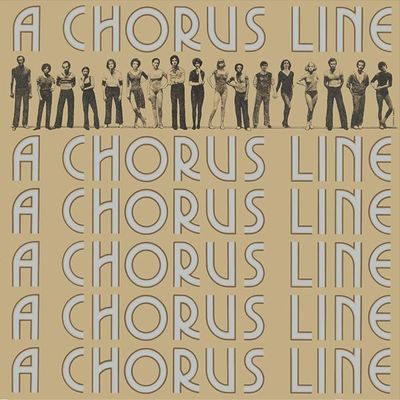
A CHORUS LINE
CRAZY FOR YOU
DAMN YANKEES
KISS ME, KATE
THE PAJAMA GAME
DIRTY ROTTEN SCOUNDRELS
CURTAINS
BYE BYE BIRDIE
ON THE TWENTIETH CENTURY
TOOTSIE
www.builtforthestage.com - Schedule your one week trial today!
Transcript
This transcript was automatically generated and might contain errors.
[0:00] Paula Leggett Chase: It became not even really about the business for me. It just became joy and life to see how far can I push this? How far can I go? Um, I went on point for the first time when I was 27 years old. Path Modelski at steps said, "Why aren't you taking my point class?" Oh, I couldn't do that. She goes, "Why not? You're doing three and four pirouettes, you know, in ballet and clean. Why aren't you doing this?" I'm like, okay. So she told me, and I went down, I got the shoes, I strapped on those hard things and nothing inside them, and did double pirouettes on point inside and out the first day, ecstatic, came off and pulled off those bloody shoes, just happy as I could be.
[0:24] Joe Rosko: Try a free trial. Seven days of workouts of our flow program, which is specifically catered to performers to enhance their mobility and flexibility, conversations with coaches. Yeah, try it out. Built for the stage.com. Thanks again to Broadway Podcast Network for producing the podcast. You can check them out at BPN.
[1:28] Joe Rosko: All right. As always, we have an exciting guest for you today. She'll be helping us out extending our series fitness on the Broadway Stage. But we're also gonna cover a whole lot more with her. She's actually a 10-time Broadway show veteran. Super excited to have Paula Leggett Chase on the podcast. Welcome, Paula.
[1:49] Paula Leggett Chase: Hi, Joe. Nice to be here. Thanks. Thanks for having me.
[1:54] Joe Rosko: Our pleasure. So nice to see you on the other side of the screen as we are in this thing called 2020. Yikes. So for everyone listening right now, Paula made her debut in the original company of A Chorus Line. Um, and later on, she was also involved in Damn Yankees. Um, Damn Yankees was one of the shows we'll be highlighting in this series. But since we have Paula on the podcast and she is a seasoned vet, she has a lot to share with us. So we're just gonna kind of touch on Damn Yankees and probably take a quick right and start talking about the plethora of other exciting things that we have to talk about with Paula. So, first off, like how is it to just be a part of that iconic show, A Chorus Line, like from the beginning?
You know, that's something that just has to be a legacy that you carry with you through life. That wow, what a just I would feel so lucky. I would be like, I was a part of the original A Chorus Line. It makes me giddy just pretending. So, how does that make you feel?
[3:07] Paula Leggett Chase: Oh, it's really amazing. But look, right, I have to jump in here and say I wasn't like I was part of the last year of the original cast because when the thing started, I was 14. I mean, I remember being down in my friend Paula Evans. I was I remember being down in her basement and she had this record album and she put it on of A Chorus Line, and we were listening to it and "Tips and Ass" came on, and we were giggling and we were, oh, oh, it's just something else. And so the really amazing thing about that is that show ran long enough for me to grow up and be in it. You know, I think I was oh I was even younger than that I was I did A Chorus Line I was 28 years old when I went in the Broadway company of A Chorus Line and I got to do the last year of it and it really was an amazing thing.
It's a Pulitzer Prize winning play. I mean everybody I'm sure everybody you've ever talked to who has ever done A Chorus Line has a really great feeling for it because you get to use so much of yourself and uh and I did and it was really it was a stupendous Broadway debut. Um, I played I played uh I first came in and I covered Judy and Sheila and then very quickly they added Christine for me because I've always been a comedian. I mean they're all funny all these characters Sheila with her big heart and funny and Judy just dancing everything front and center and full out but funny, you know, funny and the insecurities and all the joys and the ups and downs of growing up, you know, growing up and making your way and then of course the layers of what it means for us as performers so yeah, I really I really dug A Chorus Line.
[4:57] Joe Rosko: Speaking of us as performers, we all are in a very unique situation right now. What were you in the midst of when the shutdown officially happened? You were kind of sharing with us about that before we hit record.
[5:03] Paula Leggett Chase: Oh well I was in Tootsie and Tootsie closed um January 5th, I believe, and January 6th, I started The Unsinkable Molly Brown. And uh, and that was with Kathleen Marshall had reached out to me, and somebody had left it. And I actually was with that show oh, almost 10 years ago. I had did several incarnations of it, readings and uh did a new play sections that they did at um the Denver Center, and so asked me to be in it, and it was like coming home, but it was a much smaller pared down event. And so we got to play some really great roles, and that's what I was doing. I actually got a Drama Desk nomination for um for that. And uh we were, you know, we were everything we I had a feeling we were going to close, and I remember it was March 12th, and I was getting ready to go out the door, and Beth Malone called me because we were traveling down to the theater together, and she said, "It's over, we're not doing the show."
I had I had good friends that were coming down to see me that night, and other people that were coming, and I had to call them. And I remember I just burst into tears, and I thought, well, shows close, it happens, you've been around for so long. Why are you crying about this right now? And I think it was it was the first time. I mean, you cry at closings anyway, but it was the first time that I had done my last show and didn't know it was my last show. You know, the night before I had done my last show and I didn't know it, so I hadn't been able to really wrap my head around it. So we all went down and thought I'd better go down there and get my stuff before they close up the theater. And we all kind of played some music and hung out on stage, and uh, and then pretty soon, you know, all the city closed down, and that was that.
[7:10] Joe Rosko: So, yeah. I think as performers that were currently employed when the shutdown happened, they have you yourself as well, have a unique opportunity where you know how the saying goes, you know, live each day like it's your last. Essentially, as performers, you actually got to experience that, but yet, you know, whether it's spring of 2021 or whenever it might be, you'll get to uh live to see another day, which I think is a unique gift to have, where you know, it lifts the importance and the gratefulness even more as performers when you've lived through something like that.
[7:56] Paula Leggett Chase: Yeah, I agree. And it's um I mean, it's so funny, you know. Here I've been around for a very long time. And I still have those feelings though of I said to my husband yesterday, "Oh God, will I upper slide into half hour again?" I mean, will I? And he said, "You will, you will." I'm like, okay. And I know TV and film will probably come back a little faster. And it's just, it's it's a huge, it's a huge change in every way. I mean, I think it's, you know, 9-11 was a huge change in the culture and and and I think affected everybody. I mean, in a very different way, but in a huge way, it it changed how how we travel. It changed all um so many things about our lives, just our daily lives. And I think I, you know, there a vaccine will hopefully come, but this will change. You know, this will even when things are back, I think it has it, it's an altered, it's a shift in our lives.
[9:04] Joe Rosko: Definitely. How if you can recall that back in 2001, how was that during the return? And and how was that with just the feeling of yeah, uh reality being altered a bit?
[9:20] Paula Leggett Chase: Well, I have um I have two boys. Um, I have an 18-year-old who's a sophomore at uh NYU online remotely, and uh I have a 23-year-old who is working for Deutsche Bank and online. He's actually going to go in, start going in for a few days a week. But for them, um, I was pregnant with Dasha when the towers went down. And Kyler was in nursery school, and uh, and I was you know, very close to that was you know, September 11th, and my younger son was born October 23rd, 2001. Um I when I talked to them about we were just talking about travel in general and and what that means, I said I I find it stressful going on planes, not that I'm afraid of flying, it's not that, but I remember when you just got on a plane, you know, you you just got on a plane, you just went up there and your family came with you and they went to the gate and it was no big deal.
And if you forgot something, probably someone in your family could run up and hand it to you on the plane. I mean, it was really, it was very, very different. So my boys know nothing of that world. So I think that's an interesting thing for them. Going through all the security measures and everything that were put in place after 9-11 and the TCA all that's that's nothing, that's just normal for them. But for me, I can remember things before and how that was. And so I think that's something that um illustrates that, you know, of how how there's a change and for, you know, young people forge their way ahead. I'm like, how are they gonna do this? How's my son going to do online uh school? Do the classes all online?
I'm like, what a bummer. And he was kind of like, uh, yeah, well, but they forge ahead, you know, it's it's just this is what it is, and and they get on with it. And um, and I, you know, I think that's great. And I think all of the young people are going to um they are going to make New York live and breathe in in new ways. And I think they will find opportunities in the chaos and and destruction left behind from everything being shut down like this. I absolutely believe that.
[11:53] Joe Rosko: With your vast career, with your accomplishments and and the ups, uh there there are inevitably going to be downs. And and I just uh am curious to know how one, how you have um kept so consistent in your career, and also maybe how fitness was involved with that, if we can tie fitness into this as well. Um, I love to kind of with our our listeners parallel a pursuit of fitness with a career in the theater. Um because as we say in fitness, that your fitness is never owned, it's rented, and that you know, you have to keep pursuing that daily. And as far as a career in the theater business, you know, my opinion is that it's the same. You know, you're you're never you never own the stage. It's never yours forever. And you have to keep either putting the work in or doing your due diligence to make sure you you quote unquote earn that right to to be up there.
[13:00] Paula Leggett Chase: Oh, I absolutely agree with that. Um so tying fitness into it. Um well, uh obviously I'm I'm a I'm a dancer, and that's been a huge part of my life. And um, and I think, you know, and here I am now. I am I am now 59 years old. And I am still, I am still, you know, I'm still kicking and stretching and doing my things. But yeah, I I actually came into uh dance kind of late. I was um, oh dear, I'm almost five foot 10, but I was a gymnast when I was young. Isn't that crazy? Um, not a really great one because they couldn't make the um the uneven bars wide enough for me because I would hit the ground or or my hips wouldn't wrap on it correctly. So there was that.
[13:56] Paula Leggett Chase: But um I probably should have been dancing, but everybody has their path. And uh, but I always could go out in the middle of a dance floor and like tear it up, right? That was always something I could do. But when I um I all through college, I was a voice major and I was very active in a group called the Singing Hoosiers, and I actually choreographed for them. Mind you, I couldn't do a double pirouette, but you know, I could I could move around. So fast forward, I'm in New York, and um and I can sing really well, and I can read music like just instantly, just great, because from all my training at Indiana University. But people wanted me to really dance. And I remember going into a class and and talking to a teacher afterwards, and and he would be like, Oh, and he told me when he first saw me, he was like, Oh, she can dance.
Oh, no, no, she really can't. Oh, she can, no, not really, because there would be things of my, you know, my technique that were lacking. So I I went on this quest. Uh I went on scholarship at steps and I took class all the time, and I was waiting tables and doing pirouettes when it got slow in the restaurant in the late afternoon and their mirrored tiles, you know, in midtown. And I um when I did start to book jobs, I kept at it. When I was on the road with I did cabaret with Joel Gray, was my first production contract. When I got that, I um I auditioned for the Broadway company as a singer and was typed out. And but then when the tour was going out right afterwards, I went in as a dancer and um and I booked it.
And um I remember like after we did the dancing, and then it was time to sing, and I was like, Yes, let's go. And then I but on that tour, we pretty much did one week or I would find the ballet company in every city, and I went to class and I took um sometimes it was so incredibly humbling. But I got really, really good. I mean, really good. I had I had the gifts and I had the talent. And it became not even really about the business for me. It just became joy and life to see how far can I push this? How far can I go? Um, I went on point for the first time when I was 27 years old. Path Modelski at steps said, Why aren't you taking my point class? Oh, I couldn't do that. She goes, why not? You're doing three and four pirouettes, you know, in ballet and clean.
Why aren't you doing this? I'm like, okay. So she told me, and I went down, I got the shoes, I strapped on those hard things with nothing inside them and did double pirouettes on point inside and out the first day, ecstatic, came off and pulled off those bloody shoes, just happy as I could be. And I so I come to it all kind of late, and it's really a treasure to me. It's something that I love very much. And um, and it's even though I can't begin to do what I used to do when I was younger, it's still a huge part of my arsenal, a huge part of my toolbox. It's um it's something that I bring in everything that I do, and I always will. I always will. I I know I will. And I I think you I loved what you were saying about like that dedication to a career of performing and the stage.
You do have to stay at it, and you and you have to, and in the same way that you do with dance, with fitness, and you also have to go at it with um a little bit of kindness to yourself too. If you if you overdo it, you can, you know, I would go to an audition. Sometimes you can't get every job, and there are times you're gonna be disappointed, and you have to just like understand that you go and you eat pancakes and you go to bed and you get up the next morning and you take class. And that's how you do it. And so, you know, I try to be kind to my body and like remember how old I am. And because I have worked so hard for so many years, a lot stays with me. And now when I look back, I'm grateful for the gymnastics because I can still walk on my hands.
I can still do a back walkover. I can't do an aerial walkover. I can't do a front walkover anymore. It's too much torque on my back. But I still can do a lot of things, and I don't have fear of being upside down. So there were times when I was younger, I was like, oh, why didn't I start dancing more seriously, younger? Everybody has a journey. And that's the lovely thing about getting older. You you look back and you kind of understand all of the pieces that that puts you together and and make you be you. And um, at least for me, I feel like I can love myself, appreciate myself, appreciate others in a kinder um way because I have a lot more security in myself than I did when I was younger, if that makes sense.
[18:54] Joe Rosko: Yeah. Wow. You're fabulous. Thank you so much. I talk a lot, don't I?
[18:59] Paula Leggett Chase: No, I was just like internally thinking like, wow, just listening to like this amazing uh wisdom bombs from you right now. Thank you so much for sharing all that uh truly. Um let's just let's just touch on uh damn Yankees since this was a part of it. I'll just ask you this one question. Just like I I know is um for for you, you're sharing um off the recording that physically for you it wasn't the most demanding show. Um, but for uh the male ensemble, um basically talk to me just about what it was like maybe in rehearsal when Vicky Lewis as Gloria was jumping off that second like second level into the guy's arms. That's just oh it was it was just fantastic. I mean, Vicky Vicky is just an incredible talent.
She's got that, she's got a belt, like what I call a turbocharged belt, you know. I mean, it's just it's just almost otherworldly and like it just comes from her basement and out of that little body, you know, that little darling body. And and so here she was, just you know, keeping up with them. And she's she's a great uh athlete herself and dances quite well and has this great voice, really great comedian. And so in in rehearsals, the men folk in that show were extraordinary, all of them. They were all really, really wonderful. And so um Rob Marshall, who did incredible work on this show, and just the the details of each of the characters and what they were like and what they were about and the eccentricities of all of it was really really impressive.
Um Gregory Jabara playing this kind of um Neanderthal guy, but sexy, you know, and um and you had Michael Baress and um the amazing Scott Wise, these guys with great tricks, um, Joey Peasy. I mean, it just was um it was an astonishing group of men. Um, and so watching them, I would watch them work and they would, yeah. I mean, they would just, and she was totally game for all of it. They would toss her from up high. I think they had built something. This was down at uh old school 890, and they had built a kind of dugout thing to work with, you know, to jump off and do that. And then they did that number, the shoeless show from Hannibal Mo. Um, and they did it on the Tony's. And I remember if you you can see it, it's on YouTube, and it's just incredible.
And it is at this speed, because you know, you only have so much time on the Tonies, and so you have to go really fast to get it through. And so it is at this incredible speed, and it was already really just a killer to do every night in the show. So they were just astonishing. Um, yeah, it was so fast. Share with us, thanks for that. Share with us about your time um in the pajama game. And I know that was one of your your favorites. You had mentioned in your and just like what what made you um quote unquote live up on that stage um every night doing the pajama game?
[22:28] Paula Leggett Chase: I think at the pajama game, um, the pajama game, which was also a Richard Adler show, and unlike Damn Yankees, um, the pajama game really, really featured the women. And I've always been a person, I've done a lot of revivals, and I've also worked with um Kathleen Marshall quite a few times. And in fact, she was assisting Big Brother Rob on um Dam Yankees, which was when I met her. And so I have done um several things with her, including um the kiss Me Kate with Stokes and Mary Maisie. And doing the pajama game, it was a point where, you know, I had come from doing a chorus line, and I had done, and I have done Crazy for You, very showgirl. And so getting to do the pajama game, I got to play this really, really great character.
And I remember I got to go when I was getting my wig done and talking with Marty Packladinas. He was there with uh Paul Huntley. So it was like a joint thing when I came in to get fitted for a wig. And I said, I would like, and this, you know, the show is set in the um the 50s, and I said, I would like to have a hairdo where I'm this, you know, I'm in the it's in a sewing factory, uh, they make pajamas. I would like to have a hairdo that shows that I'm one of those women who kind of had this hairdo that was that she loved in high school and she's kind of never lost it. You know, she's now she's older, but she still keeps that same hairdo. So let's say it was kind of like a a Betty Grable hairdo, but it has a little nod to the 50s. So I had this updo that was kind of like the Betty Grable looking over the shoulder World War II uh pinup shot, but with a nod to Lucille Ball because it had the curls and everything bouncing around.
And then talking to Marty Pacladinus, I got to really be a part of it. And when you put on a costume with people like that, um you really know who you are. And I had some ideas, and then when the whole thing was on, I really knew who I was. And um, and it marked a time of me really showing in my career here. I have all of these tools, and I have some age, and I'm a comedian, and um I just really enjoyed the creativity of it. Um, Hernando's Hyde, also my husband was the dance arranger on it, which was amazing. Hernando's Hideaway was a joy. Um, and it was just this jewel of a show. And I really, really felt good about my work in it, and I I loved doing it. And I feel like it really made a lot of people who maybe had just had me in kind of a pile of tall, pretty girls look at me in a different way.
And uh, and that was really empowering. You know, you you change in a career. Um, every five years or so, things change of how you view yourself, how how the others view you, and um you know, you you go with that on that journey, and sometimes it's kind of hard to go, oh, okay, bye. That's who I used to be, and now I'm this, but uh I I found that like a really significant, wonderful thing for me at that time.
[25:53] Joe Rosko: Yeah, fabulous. Well, hopefully, everyone listening just is um taking all of this and and and hearing obviously what um Paula is directly saying, but indirectly, we can take so many um just golden nuggets, I'll say, from just like what she was saying to adapt, you know, to be adaptable, whether it's in your career or whether it's um with the people you surround yourselves with or it's in fitness, it's life is ever changing. So those that kind of thrive the most are those that are able to pivot and adapt. And I think that this coronavirus has shown us just that, you know, who can pivot, who can adapt, who can um just morph into this new stage of life.
[26:46] Paula Leggett Chase: Well I think it's astonishing what some people are doing now. I I marvel at it, you know, but truly I think I think people will find opportunities in the chaos and that's a beautiful thing. It's a beautiful thing.
[27:00] Joe Rosko: Absolutely Paula that's it for this episode. Thank you so much for giving us your time today.
[27:05] Paula Leggett Chase: Thank you for having me. I loved it.
[27:07] Joe Rosko: Our pleasure. Okay everyone, that'll do it. Thanks so much for listening to Built for the Stage podcast. Once again that was Paula Leggett Chase. You can check out the description um of this podcast episode. You could see where to follow her on Instagram and just some other details about her. So thanks again to Paula for joining. If you want to try free trial go to the website builtforthestage.com and don't forget about our friendly producers at Broadway Podcast Network DPN dot FM. All right it's me Rosko signing off.
© Broadway Podcast Network, All Rights Reserved