

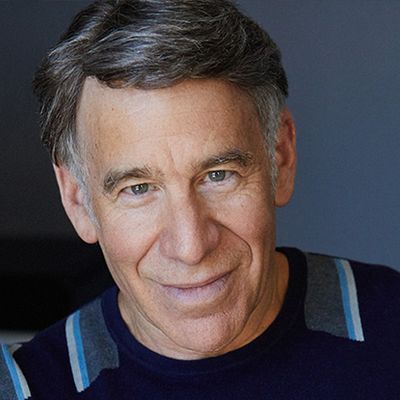
In this episode, Ben and Daniel talk to Tony, Grammy, and Academy Award-winning composer and lyricist Stephen Schwartz about Judy Collins' 1967 album Wildflowers. They also discuss Joni Mitchell, Laura Nyro, The Supremes, Who's Afraid of Virginia Woolf, Motown, Bye Bye Birdie, and Leonard Cohen... Read More
From the show: Cast Offs with Ben and Daniel
Guests
Featured Shows
About
In this episode, Ben and Daniel talk to Tony, Grammy, and Academy Award-winning composer and lyricist Stephen Schwartz about Judy Collins' 1967 album Wildflowers. They also discuss Joni Mitchell, Laura Nyro, The Supremes, Who's Afraid of Virginia Woolf, Motown, Bye Bye Birdie, and Leonard Cohen. Stephen talks about the conception and creation of a number of his works, including Wicked, Godspell, Pippin, The Baker's Wife, Working, Rags, and The Prince of Egypt. He tells stories about working with artists such as Howard Ashman, Charles Strouse, Steven Spielberg, and Whitney Houston, and talks about collaborating with Alan Menken, with whom he wrote the songs for the hit Disney films Pocahontas, The Hunchback of Notre Dame, and Enchanted.
Transcript
This transcript was automatically generated and might contain errors.
[0:01] Ben Rimalower: Broken records, the albums you wouldn't shut up about.
[0:06] Daniel Nolen: Broken records.
[0:07] Ben Rimalower: The music our guests can't live without like Judy.
[0:10] Daniel Nolen: Barbara, Liza, Bette, Fatty, Audra, Bernadette.
[0:14] Ben Rimalower: We broadcast this podcast with hopes that someday we might get Patty LaPole.
[0:25] Daniel Nolen: Broken wreck, broken wreck, broken wreck, broken wreck, broken wreck.
[0:33] Ben Rimalower: Welcome to Ben Rimalower's Broken Records on Broadway World. I'm Ben Rimalower, and I'm here with my lovely co-host, Daniel Nolen.
[0:41] Daniel Nolen: Hey y'all.
[0:42] Ben Rimalower: Today's guest is Oscar, Grammy, and Tony-winning songwriter Stephen Schwartz, here to talk about Judy Collins's Wildflowers.
[0:49] Ben Rimalower: Stephen is probably best known as the composer and lyricist of the international mega hit Wicked.
[0:55] Daniel Nolen: Mega.
[0:56] Ben Rimalower: His other major musicals include Godspell and Pippin, and he wrote lyrics for the animated movie musicals Pocahontas, The Hunchback of Notre Dame, and Enchanted.
[1:05] Ben Rimalower: He wrote music and lyrics for the DreamWorks blockbuster The Prince of Egypt, including its Academy Award-winning song, "If You Believe," legendarily recorded as a duet by Whitney Houston and Mariah Carey.
[1:16] Daniel Nolen: Yes, yes, yes, yes.
[1:17] Ben Rimalower: Jaka Khan.
[1:19] Daniel Nolen: Don't.
[1:20] Ben Rimalower: Stephen is gonna chat with us about Judy Collins' 1967 album Wildflowers.
[1:25] Daniel Nolen: And we are here for it.
[1:29] Ben Rimalower: Every episode should start with me clearing my throat.
[1:32] Daniel Nolen: Every episode should also start with, um, I don't know, like a dick joke or some kind of a penile reference.
[1:39] Ben Rimalower: You know, yes.
[1:40] Daniel Nolen: No, we should call it like this the Susan Johnson Hour.
[1:48] Ben Rimalower: I like the Susan Johnson hour.
[1:49] Daniel Nolen: Susan Johnson hour.
[1:52] Ben Rimalower: That's what I call mine in the privacy.
[1:54] Daniel Nolen: The privacy of my own.
[1:57] Ben Rimalower: Badrilla.
[1:58] Daniel Nolen: I need a funny Johnson.
[2:00] Ben Rimalower: Van Johnson.
[2:01] Daniel Nolen: No, I don't do that.
[2:03] Daniel Nolen: Uh, I mean, I want to say Troy Britton Johnson, but like I feel like it should be a woman.
[2:09] Ben Rimalower: Yeah, it needs to be one.
[2:11] Daniel Nolen: I mean, my penis.
[2:12] Ben Rimalower: Isn't this the monologue?
[2:13] Daniel Nolen: Oh, it could be Margaret Johnson from Light in the Piazza.
[2:16] Ben Rimalower: Ew.
[2:20] Daniel Nolen: Ew.
[2:21] Ben Rimalower: You get the greatest belter in history, and I get a Vicky Clark Soprano character.
[2:26] Daniel Nolen: That is some bullshit.
[2:28] Ben Rimalower: Be kind.
[2:29] Ben Rimalower: I did not fight all these decades on the off-off-Broadways to host a podcast on Broadway World where you get to have your penis be named Susan Johnson.
[2:40] Daniel Nolen: That is fucked up.
[2:42] Ben Rimalower: God, this is the problem with the millennial generation.
[2:45] Daniel Nolen: They all want Susan Johnson for their dick.
[2:47] Ben Rimalower: Oh God.
[2:48] Daniel Nolen: Anyway, yeah, so the Susan Johnson hour is when we just get all the dick jokes out of the way and in a clean fashion, so we can quickly has precedence.
[2:56] Ben Rimalower: Edit them out at the spot.
[2:57] Daniel Nolen: Or precedence, if you like.
[2:59] Ben Rimalower: When I was a child, and um, I was very young, and the world was younger than I.
[3:08] Daniel Nolen: So um, but for reels though, um for real and for true.
[3:15] Ben Rimalower: When I was a yute, um, my grandparents used to have bad word day with me and my sister, which was not a day, it was just every time we got in the car for the length of the ride.
[3:28] Daniel Nolen: Maybe not the length of the ride, maybe it was a minute even, but it was called bad word day.
[3:32] Ben Rimalower: And um, we would just be allowed to say all the bad words we knew, which was only like fucking shit.
[3:37] Daniel Nolen: Fucking bitch ass.
[3:40] Ben Rimalower: Yeah, and like I feel like we were equal opportunity. Like, like we weren't gonna like leave behind like a damn or you know, like we hell as Jews don't consider hell a bad word.
[3:50] Daniel Nolen: But we would just say them like a lot.
[3:52] Ben Rimalower: I don't even remember like the experience. Did we have a lot of things? We had one car ride cart block. Every car ride, we would have a short period of bad word day where we would just short was this period, like seconds.
[4:05] Daniel Nolen: I do know that it always left me satisfied.
[4:10] Ben Rimalower: So that's the precedent. So that game, uh, I feel like a dick joke thing would be a good thing. So I will start, okay, um, with the dick joke that I know that is also a dick joke that you know, and that dick joke is uh stretch.
[4:29] Daniel Nolen: Okay, and then here's where you'll just edit in editing dick joke that I'll I'll look up on the internet later and I'll find the best one.
[4:36] Ben Rimalower: That will be so obvious because it will not be raining when you tell the dick joke.
[4:39] Daniel Nolen: Okay, so next time it's raining, we're just gonna have to record a dick joke, and I'll be prepared by the time it happens.
[4:44] Ben Rimalower: Absolutely.
[4:45] Daniel Nolen: Um, I have a little surprise for you.
[4:49] Ben Rimalower: I'm terrified.
[4:50] Daniel Nolen: Give me some music.
[4:51] Ben Rimalower: Dun dun d-un.
[4:56] Daniel Nolen: This is very move this weird barette that's holding your moo close.
[5:04] Ben Rimalower: This is very like uh uh Madeline Kahn in Frankenstein.
[5:07] Daniel Nolen: It's like okay, guess what I have underneath.
[5:16] Ben Rimalower: Underneath the moo.
[5:17] Daniel Nolen: What is it?
[5:18] Ben Rimalower: Icy striped shorts.
[5:20] Daniel Nolen: Uh-oh.
[5:21] Ben Rimalower: Uh-oh.
[5:21] Daniel Nolen: Taking off, he's taking off the Moo Moo.
[5:23] Ben Rimalower: He's pulling it over his head.
[5:26] Daniel Nolen: No!
[5:30] Ben Rimalower: The fucking singlet.
[5:32] Daniel Nolen: That actually doesn't look bad on you.
[5:34] Ben Rimalower: No, that's why I bought it.
[5:35] Daniel Nolen: It looks really good.
[5:36] Ben Rimalower: Well, I'm having a little lip slip moment.
[5:40] Daniel Nolen: You know what? You could wear this to the underwear party.
[5:43] Ben Rimalower: You totally should.
[5:44] Daniel Nolen: That looks really good on you.
[5:46] Ben Rimalower: Turn around. Let me see it from the other side.
[5:48] Daniel Nolen: It is good in the back.
[5:49] Ben Rimalower: I'm not sure.
[5:49] Daniel Nolen: Oh, I mean there's a big hole in it, but.
[5:51] Ben Rimalower: No, there's not.
[5:54] Daniel Nolen: The listeners need to know the truth.
[5:56] Ben Rimalower: There's not a hole in it.
[5:58] Daniel Nolen: That actually looks really good on you, though.
[6:01] Ben Rimalower: I'm like that it almost looks on you.
[6:03] Daniel Nolen: It looks like one of those like like Sweeney Todd swimsuits I'm gonna see.
[6:08] Ben Rimalower: I know, I know.
[6:09] Daniel Nolen: It's very like you and a non-switch baby and me and strong.
[6:13] Ben Rimalower: Because it's black and white.
[6:15] Daniel Nolen: That's a you should totally wear that underwear party.
[6:19] Ben Rimalower: But the thing is, I don't want to go to the underwear party anymore.
[6:23] Daniel Nolen: Uh, I feel like if you wore that, it would give you a whole new lease on life.
[6:27] Ben Rimalower: Wow.
[6:28] Daniel Nolen: And you would go.
[6:28] Ben Rimalower: I'm glad that you've enjoyed this sexy number.
[6:30] Daniel Nolen: I'm now taking it off.
[6:32] Ben Rimalower: Wait, should I get one? Should we get his and hers singlets?
[6:36] Daniel Nolen: Um, only if I can be the hers.
[6:39] Ben Rimalower: Of course.
[6:40] Daniel Nolen: Oh no.
[6:41] Ben Rimalower: Now he's removing it.
[6:48] Daniel Nolen: This is assault.
[6:51] Ben Rimalower: I have it on the pod that I am being.
[6:54] Daniel Nolen: Pass me the clip, please.
[6:57] Ben Rimalower: Here's your tie clips. This tie clip is the only thing that separates Daniel from the abyss.
[7:07] Daniel Nolen: Oh, from the Susan Johnson hour.
[7:11] Ben Rimalower: Now, I have a better idea.
[7:14] Daniel Nolen: Okay.
[7:15] Ben Rimalower: It's called the Susan Johnson Hour.
[7:17] Daniel Nolen: But the stars, this is where we do the flip.
[7:21] Ben Rimalower: Oh, it stopped raining.
[7:22] Daniel Nolen: Oh, it's just spring.
[7:24] Ben Rimalower: It's just literally Pit Petty Patting.
[7:25] Daniel Nolen: It's just like when you're adding it.
[7:27] Ben Rimalower: We're done peeing basically.
[7:28] Daniel Nolen: This is like some like juice in the shaft.
[7:31] Ben Rimalower: There's still some dew on the lily.
[7:35] Daniel Nolen: So much nicer.
[7:36] Ben Rimalower: Okay, the Susan Johnson Hour.
[7:39] Daniel Nolen: Um, it's not about your dick being named Susan Johnson.
[7:42] Ben Rimalower: That's the name of the hour.
[7:43] Daniel Nolen: Your dick is the parts she played.
[7:45] Ben Rimalower: You have to choose when.
[7:46] Daniel Nolen: Well, I only know like one part of it.
[7:48] Ben Rimalower: Well, I called Most Happy Fella already in the previous session that you were.
[7:54] Daniel Nolen: What's her name in that? Like Nelly or something?
[7:56] Ben Rimalower: I'll look it up and that will be my penis' name.
[7:58] Daniel Nolen: Okay.
[7:58] Ben Rimalower: No, no.
[8:00] Daniel Nolen: I'm no racist.
[8:00] Ben Rimalower: No, I think your penis should just be named The Most Happy Fella.
[8:04] Daniel Nolen: If not true.
[8:06] Ben Rimalower: Okay, Most Happy Fella.
[8:08] Daniel Nolen: I do love that show.
[8:11] Ben Rimalower: I saw it.
[8:12] Daniel Nolen: Have you seen it? Did you see it?
[8:13] Ben Rimalower: I saw it at Encores with Laura Benanti.
[8:15] Daniel Nolen: I didn't see Jai Jackson.
[8:17] Ben Rimalower: I bet it was amazing.
[8:18] Daniel Nolen: And um who was my penis?
[8:20] Ben Rimalower: Uh it was um Schuler Hensley.
[8:26] Daniel Nolen: Good for him.
[8:27] Ben Rimalower: But uh but so who was Susan Johnson of your penis?
[8:30] Daniel Nolen: She was in Something Rotten on Broadway. She played like the wife.
[8:33] Ben Rimalower: Her name is I Can Do It.
[8:35] Daniel Nolen: Don't say a goddamn thing.
[8:36] Ben Rimalower: Okay, I just need to go through the cast.
[8:38] Daniel Nolen: Jeff and Bowen and Susan Blackwell and Heidi Blick and Staff.
[8:38] Ben Rimalower: Heidi Blick and Staff.
[8:48] Daniel Nolen: Yeah, it was that it was her. She was the Susan Johnson role, and she sang "Big D" with uh Jay Armstrong Johnson, and it was That's my Venus' name.
[8:49] Ben Rimalower: Jay Armstrong Johnson!
[8:59] Daniel Nolen: Brilliant!
[9:00] Ben Rimalower: Oh my god, I'm so excited.
[9:01] Daniel Nolen: And yours is Susan Johnson.
[9:04] Ben Rimalower: Absolutely.
[9:05] Daniel Nolen: Well.
[9:06] Ben Rimalower: And yours is.
[9:07] Daniel Nolen: Wait, who did he play?
[9:08] Ben Rimalower: Yeah.
[9:09] Daniel Nolen: Uh the little uh standing on the corner.
[9:11] Ben Rimalower: Oh, I bet he was wonderful.
[9:13] Daniel Nolen: Brilliant, wonderful.
[9:14] Ben Rimalower: I love that so much. I mean, it couldn't move to Broadway because it's just I don't know.
[9:18] Daniel Nolen: Nothing.
[9:19] Ben Rimalower: I think Jay and Cheyenne shared that dressing room.
[9:26] Daniel Nolen: Um you think you think Cheyenne, you think Jay let Cheyenne in his stage door.
[9:33] Ben Rimalower: Broken wreck, broken wreck, broken wreck.
[9:38] Daniel Nolen: Well, we are over the moon to have Stephen Schwartz here with us.
[9:42] Stephen Schwartz: Hi guys, I'm happy to be here.
[9:43] Ben Rimalower: This should be fun. We were just saying you're our dream guest, the ideal guest for this show because you're such a major force and so influential as a musical theater songwriter with such a distinctive sound that's been such an influence on a whole, you know, further generations.
[10:01] Ben Rimalower: But for this podcast, it's so fascinating to talk to you because you are such a product of the generation that you're from and the music that came before you, not just in theater, but I mean when you we asked you the album that you want to talk about, and the first thing was Judy Collins' Wildflowers, which Daniel knew it better than I did.
[10:19] Stephen Schwartz: I only knew "Both Sides Now," and I knew some of their songs.
[10:25] Ben Rimalower: Daniel knew the album.
[10:26] Stephen Schwartz: Yeah, but then going and listening to it, it's like, oh my god, like of course this is Stephen Schwartz.
[10:33] Ben Rimalower: I know, and maybe I'm giving away a secret. Um, you know, and then the the other one that I cited, though I know you're only supposed to pick one album.
[10:41] Stephen Schwartz: No, you have as many as you want. You could have ten if you wanted.
[10:43] Ben Rimalower: But the other one that I mentioned to you was the Laura Nyro album, um, Eli and the Thirteenth Confession.
[10:49] Stephen Schwartz: Yeah, that is one of my favorites for sure.
[10:52] Ben Rimalower: Yeah. The thing about Laura Nyro is that the songs of hers that were really influential on me are mostly on Eli and the Thirteenth Confession, but they're actually spread out between her first album and that and New York Tendaberry, which is where "Save the Country" is.
[11:08] Stephen Schwartz: Yeah, yeah, yeah.
[11:09] Ben Rimalower: Which was sort of the big one for me.
[11:11] Stephen Schwartz: "Come out, people, come out, children. There's a king of the glory of our in the precious king of the people to sing."
[11:21] Ben Rimalower: Baby's in the blinking sun, say we settle.
[11:28] Stephen Schwartz: Again, but then really you ask me what album did I completely wear out by listening to over and over again, and if it, you know, the the cast recording of Who's Afraid of Virginia Woolf I felt didn't count.
[11:43] Ben Rimalower: Wow, hold on though.
[11:46] Stephen Schwartz: That's a whole other story.
[11:47] Ben Rimalower: So I think people don't even know that there was an LP of is it the whole play?
[11:53] Stephen Schwartz: It's the entire play.
[11:54] Ben Rimalower: Uta Hagen.
[11:55] Stephen Schwartz: Uta Hagen and it's the original Broadway cast.
[11:57] Ben Rimalower: It's on Spotify.
[11:58] Stephen Schwartz: I have this.
[11:59] Ben Rimalower: Oh, there you go.
[11:59] Stephen Schwartz: I need to get that.
[12:00] Ben Rimalower: And they recorded this is so sick, and this is like a neurotic confession. But when I was in college, sometimes if I was like, you know, anxious or hyped up or whatever.
[12:10] Stephen Schwartz: I thought you were gonna say stoned.
[12:11] Ben Rimalower: Yeah.
[12:12] Stephen Schwartz: No, it's the opposite.
[12:13] Ben Rimalower: Yeah.
[12:13] Stephen Schwartz: I would listen to the very the last side of Who's Afraid of Virginia Woolf to go to sleep.
[12:19] Ben Rimalower: Because it was so cathartic.
[12:20] Stephen Schwartz: Oh, absolutely.
[12:21] Ben Rimalower: And then when, you know, the at the very end when you know George would sing "Who's Afraid of Virginia Woolf?" and then she would say, like, "I am George. Who's afraid of Virginia Woolf?"
[12:21] Stephen Schwartz: Virginia Woolf.
[12:21] Ben Rimalower: I am George.
[12:21] Stephen Schwartz: Who's afraid of Virginia Woolf?
[12:27] Ben Rimalower: I am George.
[12:51] Stephen Schwartz: Then I'd be like, You might be the only person who's so ill with that experience.
[12:59] Ben Rimalower: Totally.
[13:00] Stephen Schwartz: I mean Elaine Stritch had an orgasm.
[13:02] Ben Rimalower: Oh no, I can't, I can't.
[13:03] Stephen Schwartz: I had orgasms for other people.
[13:04] Ben Rimalower: But not Uta Hagen.
[13:08] Stephen Schwartz: You know, Alice Ripley has been doing this thing. I don't know if anyone has mentioned it to you, but where she does a whole scene from Who's Afraid of Virginia Woolf? It's like the first like in her cabaret show.
[13:17] Ben Rimalower: That's hilarious.
[13:19] Stephen Schwartz: Of course she does.
[13:21] Ben Rimalower: By the way, is equally good in each of the four roles. Come for her, Martha, stay for her, George.
[13:27] Stephen Schwartz: Yes.
[13:28] Stephen Schwartz: Followed by her metal arc.
[13:30] Stephen Schwartz: There you go.
[13:31] Stephen Schwartz: Perfect. The whole everything you could ever need from the world.
[13:33] Stephen Schwartz: It's sort of like my dream, like of a little cabaret.
[13:37] Stephen Schwartz: Who's Afraid of Virginia Woolf followed by Meadow Mark?
[13:40] Stephen Schwartz: So totally.
[13:42] Stephen Schwartz: It's, you know, 15 minutes of Who's Afraid of Virginia Woolf, 15 minutes of Schwartz, and you're good to go.
[13:47] Ben Rimalower: I love it.
[13:48] Ben Rimalower: No excellent. Um, you said this in college.
[13:51] Ben Rimalower: Because I'm glad you said that because I was imagining your parents would have been scared if they heard you listening to Who's Afraid of Virginia Woolf.
[13:58] Stephen Schwartz: My parents were pretty scared anyway.
[14:00] Ben Rimalower: So what were you doing that was scaring your parents?
[14:03] Stephen Schwartz: Now, where, sorry, where did you grow up? I don't even know.
[14:05] Stephen Schwartz: I grew up on Long Island. I'm a Long Island Jewish boy.
[14:07] Stephen Schwartz: Long Island.
[14:08] Stephen Schwartz: Yeah. I went to Mineola High School, not too far from here.
[14:12] Stephen Schwartz: Consequently, I would come into the city when I was in high school. I came into the city every Saturday, purportedly to go to Juilliard.
[14:19] Stephen Schwartz: And many times I did wind up at Juilliard, but other times I played hooky and went to a matinee.
[14:24] Ben Rimalower: Was that like classes for high school students?
[14:26] Stephen Schwartz: Like, yeah, it was the preparatory division of Juilliard. And you know, I was studying piano for a while, but then I switched to composition and theory, and you know, all the sort of usually what you'd expect from somebody at Juilliard Prep to be studying.
[14:41] Ben Rimalower: And so you, even though you were an aficionado and a huge fan of pop and rock, you obviously were also a big musical theater lover.
[14:49] Stephen Schwartz: Oh, yeah. I became—I actually was not that big a fan of pop music for really until towards the end of high school for me.
[14:59] Stephen Schwartz: I'm not a fan of sort of fifties music.
[15:02] Ben Rimalower: Right.
[15:02] Stephen Schwartz: Um, and fifties, particularly fifties rock and roll. I, it's pretty boring to me to be, um, what is that like Elvis?
[15:08] Stephen Schwartz: Yeah, it's just, you know, the sort of like magic changes, three chords. I didn't find very—I liked the folk music of that time, which is, you know, where Judy Collins came from.
[15:19] Stephen Schwartz: Um, and I played the guitar and I liked that, but sort of what was then considered pop music, top 40 radio or whatever it was called in those days, I really wasn't interested in until the right, the end of high school, right when I went to college, which was the advent of the Motown sound and the beginning of the singer-songwriters and the, um, you know, the Beatles, of course, but Beach Boys and, um, you know, that was the beginning of James Taylor and Paul Simon and all those people who really influenced me a lot.
[15:54] Ben Rimalower: Yeah, and they—but you worked with—did Motown produce Pippin or whatever?
[15:58] Stephen Schwartz: I did, yeah.
[15:58] Stephen Schwartz: Yes, they were the record company for Pippin.
[16:01] Stephen Schwartz: Um, that they were—I believe it's their only cast album, maybe in Tum Town.
[16:07] Stephen Schwartz: I don't know if the Motown cast album was on Motown.
[16:10] Stephen Schwartz: Those covers though, like the Supremes doing I'll Miss the Man and The Jackson Five did Corner of the Sky. Was that all part of the package kind of deal?
[16:19] Stephen Schwartz: Yeah.
[16:19] Stephen Schwartz: So, I mean, that must have been pretty exciting for you.
[16:23] Stephen Schwartz: Unbelievable. Are you kidding? It was crazy because that had been the revolution for me.
[16:29] Stephen Schwartz: Was suddenly hearing, in fact, the Supremes, hearing, you know, I got to college and my roommate had the Where Did Our Love Go album.
[16:29] Stephen Schwartz: Where did our Love Go, Newman?
[16:53] Stephen Schwartz: I just—it was so revolutionary to me and revelatory, it completely changed the kind of music that I listened to, and of course ultimately the kind of music that I wrote.
[17:04] Ben Rimalower: Sure. So was the stuff that you were writing before that less Stephen Schwartz sounding to be?
[17:10] Stephen Schwartz: It was more theatery, yes, definitely. More like a Bach and Harnick kind of a feel.
[17:14] Ben Rimalower: Of course, exactly right, because that's basically what I was listening to. You know, some what we would now call world music and folk music and of course classical music.
[17:25] Ben Rimalower: When you talk about the folk music from the fifties, like before Judy Collins, what was—who were folk music?
[17:29] Stephen Schwartz: Weavers, you know, group folk groups, um, particularly the Weavers, I was very fond of and went to see them in concerts several times.
[17:38] Stephen Schwartz: But there were a lot of, you know, guitar-based groups that were doing, you know, early Dylan and Pete Seeger, of course, was the leader, and that kind of sound, very, very guitar-based and would be, you know, doing Woody Guthrie songs, that kind of music.
[17:58] Ben Rimalower: Yeah. So when did you discover Judy Collins? Did your parents have that album or did you buy it?
[18:04] Stephen Schwartz: No, I bought it. I bought it. I discovered Judy Collins because I was playing guitar and folk music, and she started out at the same time as Joan Baez and those sorts of folk singers.
[18:15] Stephen Schwartz: She started out, um, I think her first album was called like Maid of Constant Sorrow, and it was, you know, basically guitar-based folk songs.
[18:26] Stephen Schwartz: And then, so I really loved her voice, and I liked the songs that she chose, and so I would, when she'd get a new album, I would get it immediately.
[18:34] Stephen Schwartz: And the album before the Wildflowers album, um, which I'm not remembering the album name, but it had on it a song called Suzanne.
[18:45] Stephen Schwartz: And you want to travel with her, and you want to travel by, and you think you maybe trust her.
[19:09] Ben Rimalower: Right, yeah.
[19:10] Stephen Schwartz: Which I had never heard. Not only never heard that song, never heard of Leonard Cohen.
[19:14] Stephen Schwartz: Oh, wow.
[19:14] Stephen Schwartz: And I remember listening to the song and just bursting into tears and listening to it over and over again.
[19:20] Stephen Schwartz: So I was very primed when Wildflowers came out, and I went to get it, and it was um orchestrated and arranged by a man named Joshua Rifkin, of whom I had never heard.
[19:31] Stephen Schwartz: But he created this whole sort of harpsichordy sound.
[19:36] Stephen Schwartz: And the first time I heard Both Sides Now, which is still my favorite song of all time. Whenever anybody asks me, what is your single favorite song ever written? It's Both Sides Now.
[19:54] Stephen Schwartz: And ice cream castles in the air, and feathered canyons everywhere. I've looked at clouds that way.
[20:06] Stephen Schwartz: But now they are both lyrically and musically, but particularly in the Joshua Rifkin arrangement.
[20:15] Ben Rimalower: Well, that feels so totally.
[20:22] Stephen Schwartz: Yeah, of course, you can hear how influential that was on Morning Glow.
[20:26] Ben Rimalower: Yeah. By the way, Morning Glow is the song that it—I could be in the middle of a circus on like helium, but if I put that song on for two seconds, I just cry.
[20:40] Stephen Schwartz: Morning.
[21:02] Stephen Schwartz: Morning glory is here.
[21:12] Stephen Schwartz: I mean, I—it just hits that chord, you know.
[21:15] Ben Rimalower: Absolutely.
[21:16] Stephen Schwartz: And Both Sides Now has in it, I know this is a little technical, but it has an interval in it that no one to my knowledge had ever done before in a pop song, which is a jump of the seventh.
[21:29] Stephen Schwartz: So it's like when she's—well, when the song goes, um, for instance, um, something and feather canyons that bomb, that—that interval no one had ever written before, but now everybody does it.
[21:48] Stephen Schwartz: It's in the sun'll come out tomorrow, the thing about them dollar that tomorrow they'll be sung.
[21:55] Ben Rimalower: Yeah.
[21:55] Stephen Schwartz: And it's—you—I mean, you can find it in so many songs, including mine.
[21:59] Stephen Schwartz: And Joni Mitchell, she didn't invent it, but she—no one else had done it.
[22:04] Ben Rimalower: So, I mean, I know that's stupid to talk about an interval, but it completely—my little headache.
[22:09] Ben Rimalower: I'm glad you brought up Charles Strouse.
[22:11] Ben Rimalower: Um, because I actually—and one of my favorite scores of yours is also Rags.
[22:16] Stephen Schwartz: Thank you.
[22:16] Stephen Schwartz: And I always thought—I'm glad to have the chance that I don't think I even thought of asking you this until now, but I always thought it was odd that so far into your established career as a lyricist and composer both, that you went and did that project as only the lyricist.
[22:32] Stephen Schwartz: And I love that piece so much.
[22:35] Stephen Schwartz: Well, I—I love this.
[22:36] Stephen Schwartz: No, I guess I saw a concert of it once.
[22:38] Ben Rimalower: Yeah.
[22:38] Stephen Schwartz: But what—you finally have fixed it, by the way. I mean, that sounds like a funny thing to say.
[22:42] Stephen Schwartz: But, you know, it's a show that never worked, and for me, it was always like the little orphan child of the show that got away, the show that I thought, well, there's an idea there, but we never solved it.
[22:54] Stephen Schwartz: And my—the other shows of mine that originally didn't work, like Children of Eden or Baker's Wife were working, all then, you know, were we were able to fix and they went on to happy endings, and that never happened for Rags, except it's just happened.
[23:08] Ben Rimalower: Well, that's very exciting. I want to see that.
[23:10] Stephen Schwartz: That is exciting, yeah.
[23:12] Stephen Schwartz: Um, are there any productions coming up that we can find?
[23:15] Stephen Schwartz: Um, there was just one in, um, actually in Manchester, England, that I think may be coming down to London.
[23:21] Stephen Schwartz: It was very successful there, and I know the producer wants to bring it down there, and then the one at Goodspeed two years ago was—that Goodspeed was the first iteration of this new version.
[23:31] Stephen Schwartz: Wow.
[23:32] Stephen Schwartz: Yeah. If—I mean, we've done some improvements to it since then, but yes, that was the—when we sort of really went back to the drawing board, and Tommy Thompson, David Thompson came in with the blessing of, uh, Alisa Stein, Joe Stein's widow, and really went back to Square One and looked at a lot of earlier versions that Joe did and, um, you know, just recreated, uh, recreated the story.
[23:56] Stephen Schwartz: And consequently, a lot of the, uh, the lyrics are new, though we were able to retain a lot of the music, though much of it is repurposed.
[24:07] Ben Rimalower: What about like the whole penny a tune, uh, sequence? Is that some of it is there because the alcohol—I'm such a nerd for that segment.
[24:15] Stephen Schwartz: I feel like the klezmer musicians actually go through the whole show now.
[24:20] Stephen Schwartz: Oh, that's awesome.
[24:21] Stephen Schwartz: And consequently, Penny A Tune, that little segment is there, and then there are other, um, others of the tunes that were in that whole sequence are repurposed for other people.
[24:32] Ben Rimalower: Oh, I think I'm gonna love the new Rags.
[24:35] Stephen Schwartz: And I realized as I was asking about that, that Mass was another example, although I—I guess I always understood you working with Leonard Bernstein as being such a—how can you resist?
[24:44] Ben Rimalower: But so did that—is that what led you to then work on Rags with Charles Strouse, or how did that come about?
[24:49] Stephen Schwartz: No, it was really a completely different issue. Actually, I've been approached originally about writing, uh, about directing Rags.
[24:59] Stephen Schwartz: And there was another lyricist involved. And then for various reasons, it wasn't working out with that lyricist.
[25:05] Stephen Schwartz: And, um, they asked me if I would, you know, now take over as the lyricist, and, um, because it was going, uh, rather, um, tortuous in both senses of the word, um, development process, it began to seem to me that I shouldn't be both the writer and the director.
[25:25] Stephen Schwartz: That's not really—I kind of learned from working that at least for me you shouldn't be the writer and the director because there are—those are two different jobs, and in some ways they're, um, uh, slightly adversarial to one another and should be, yeah, by the way.
[25:40] Stephen Schwartz: There should be—even when I work with my son Scott as a director, um, we never fight, but you know, there are like, uh, um, there's push and pull, which I think is important to getting a show right.
[25:52] Stephen Schwartz: Um, anyway, once I became one of the writers of Rags, I thought I shouldn't also be directing this, and so didn't anymore.
[25:59] Stephen Schwartz: But so I sort of, um, that's—this is way too long an explanation, but I became one of the writers of Rags kind of through the back door.
[26:07] Ben Rimalower: No, that's a great answer. I mean, I think it's fascinating that you are someone who, um, even after having success as the thing that you're most known for, you still have done all kinds of different sides of it, including directing, including the things where you wrote the lyrics for somebody else's music.
[26:25] Stephen Schwartz: Um, and you know, and you talk about, um, uh, because weren't you sort of like the, uh, the creator of Working? Was that kind of your baby?
[26:25] Stephen Schwartz: That was exactly, yeah. I mean, I came across the book. I was very interested in the idea of a documentary musical, um, and then I was very, um, moved by some of the interviews that I'd read, and so I became excited by the idea of theatricalizing it in some way. And, um, as it was developing, originally my intention was to write the score, but then there were all these individual characters, of course, because they were—there were all these inter—individual interviews, and I felt in many cases if I were writing something for that character, I was essentially going to be writing pastiche.
[27:17] Stephen Schwartz: I was basically going to be imitating someone else's style in order to really try to get the veracity of that particular character. And so I thought, well, this is silly, why don't I just call people who actually write like that and ask them to participate in? So it became the sort of group composer compendium or whatever you want to call it, which was really fun. It's so cool because it really feels to me like a score good piece. And it's, I mean, it's just so for you to have had that humility to have that idea but then also to know the right collaborators. I mean, I assume Mickey Grant and Craig Carnelia were kind of, you know, people in your community and in your radar at that time.
[28:05] Ben Rimalower: Exactly right.
[28:06] Stephen Schwartz: But I mean, and I guess James Taylor makes sense also, you know, well, you know, I grew up listening to, he was one of the people that changed how I heard music. I went to other pop writers. I'm in fact met with Joni Mitchell. I talked to Paul Simon. You know, I went to my heroes to see if they would be interested, and for various reasons, like Paul was doing One Trick Pony and he wasn't available, and Joni Mitchell played around with the idea for a while, but then she was doing a new album, blah blah blah. James was the only one who really jumped on board. The disappointment is that after the show was done and it was sort of too late to bring in new, I heard from Billy Joel who volunteered to write something, and I just, you know, I was like, I got it.
You weren't like, you know, Patti LuPone still needs a song. I didn't hear Billy. I should have done it, you know. I don't know. We just had so many songs at that point. But that was the one that got away because he would have done it.
[29:06] Ben Rimalower: So I have to ask, how was that meeting Joni Mitchell? 'Cause I'm such a huge fan.
[29:09] Stephen Schwartz: Oh my god, can you imagine? Yes. Well, you know, I'm very, very seldom starstruck, uh-huh, but that was one. Yeah, we met at, I think like the Bel Air Hotel or something. But of course. But then I actually went back to her, I guess it was her studio or her house. And we spent a whole afternoon together and, you know, it was incredibly exciting for me, but ultimately she didn't do the show, but I did get a chance to gush and tell her that she changed my life and I'm sure just, you know, horrified and mortified her with my gushing.
[29:48] Ben Rimalower: Wow, I'm sure she loved it.
[29:49] Stephen Schwartz: Okay, going back to that moment when you discovered all these people and Judy Collins and everything, you talk about it like changing the way that you wrote. I mean, I, you know, I think we assume or imagine that just means kind of aesthetically or, you know, changing the kind of sound that you created. Is there something more? I don't know, how would you describe the way it's like?
[30:05] Stephen Schwartz: I would certainly say that. Certainly the sound that, um, the kind of music I wrote which was much more up till then more traditional musical theater. This was the time when there really wasn't pop music in the theater. I mean, you talk about Charles Strouse and actually another album that I wore out was Bye Bye Birdie, which I heard when I was like twelve or thirteen. And nothing sounded like that. No other show sounded so pop to me. So that was very exciting and inspiring. That was daddy. But basically I just thought show music was Bach and Harnick and Stephen Sondheim and Rogers and Hammerstein and, you know, Lerner and Lowe and all that's what I thought show music was and that's what I was somewhat writing though not as well. And then, you know, this new sound became the sound that I was actually listening to and then I fell in love with.
[31:25] Stephen Schwartz: And in those when I first started, there was a lot of resistance in certain parts of the critical community and certain parts of the theater community to the use of pop music in shows. It was okay to do something like Hair or even Godspell which were inherently plotless. I mean, Godspell was not really plotless but they seemed more like reviews. But when it came to Pippin where one was actually telling a story with characters and they were singing in a pop idiom, that was, believe it or not, quite controversial at the time and many people said, well, you can't illuminate character with that kind of music. Well now all show music is essentially pop music. But I mean the music in the generation before was the music they played on the radio, so is it such an arbitrary where they drew the line?
Many people have arbitrary, you know, people have a lot of arbitrary things that they justify. But the point being that that really was not theater music and you, myself, and Andrew Lloyd Webber over in England and slightly afterwards, Alan Menken, you know, we were three of the first who wrote shows with characters telling stories and using what was considered rock pop, whatever you want to call it.
[33:04] Ben Rimalower: So, and but you had the strength of your conviction that you thought, no, I know what I'm doing, this is good.
[33:09] Stephen Schwartz: I don't need them to get behind it with that sense. Yeah, I mean, I wouldn't put it that strongly. You know, um, but I was just writing the way I wrote. I was trying to write what I would want to hear and write shows that I would want to see. Um, which sounds I suppose arguing people always say like the audience this and I always just say like I never worry about the audience.
[33:33] Ben Rimalower: Yeah.
[33:33] Stephen Schwartz: I just write what I would want to see and what I would want to hear and hope that there are enough other people who will respond to it. Um, and then I was fortunate enough to get off to a very successful start early on so that even though there was a lot of criticism and there remains a lot of criticism to this day, it didn't make me feel, oh, unless I play the game their way, I'm not gonna succeed. I was succeeding even though I wasn't playing the game the way some people felt I should be.
[34:05] Ben Rimalower: I mean, so how was that? What was that like to have these critics and people whose respect you wanted being harsh and yet Godspell's this hugely landmark show and there's productions happening everywhere and it's, you know, and Motown is getting in bed with you for your next project. I mean, was that just in line with the kind of cultural chasm that was going on at the time?
[34:31] Stephen Schwartz: No, I mean it was, I, it was, it, I mean to be honest, it was very hurtful. It was very upsetting to me. Not Godspell didn't really encounter that because it was acceptable to do that kind of score for the kind of show that Godspell was. It was like a hippie show.
[34:46] Ben Rimalower: Yeah.
[34:47] Stephen Schwartz: Yeah, and it didn't, it was kind of, there was a story but there weren't really characters beyond the songs defined the characters if you know what I mean. And it was really Pippin where the, you know, and subsequent stuff where I started to feel a lot of antipathy and attacks. And I mean, I certainly had fans and supporters and I was doing well but, you know, it's hurtful to read how untalented you are. And even if like Barry Gordy and Bob Fosse are telling you the opposite, that doesn't like, no, I mean, it didn't discourage me from writing. Well actually at a certain point it discouraged me for a little while. But, um, but since you asked what it was like, it didn't, I, it didn't roll off my back and I didn't say, well, you know, fuck them and I'm, I don't care and I'm right and they're wrong.
It was, I will admit to you, it was very hurtful and, you know, I've never been a critic darling and I'm still not. It's not like the score to Wicked got such great reviews. I mean, it's so funny to remember that now because it's just, you know, it's Phantom of the Opera. I mean, it's like it's Broadway history.
[35:59] Ben Rimalower: Right.
[36:00] Stephen Schwartz: But to think that there was a time when it was like, what is it? Can happen to it? I mean, it's so bizarre now to look back at that.
[36:07] Ben Rimalower: That I have gotten you.
[36:08] Stephen Schwartz: I j now I just, I assume that I'm always gonna get bad reviews. I just assume it's like, yes, of course my score is gonna get bad reviews. Um, and sometimes it matters in terms of the success of the show, and sometimes it doesn't. And I feel whiny now talking about this.
[36:26] Ben Rimalower: No, I mean, I think it's look, it's a very valid thing. I mean, what is the role of criticism and where, you know, where if the critics are so out of touch and closed-minded culturally to what is actually going on, you know, uh, you know, it's the people that say Hamilton's too loud or what, you know, what?
[36:29] Stephen Schwartz: Well, the Hamilton was very completely embraced.
[36:52] Ben Rimalower: Yeah, no, no, totally.
[36:53] Stephen Schwartz: But if it had not been, that would have been of an equally valid, you know.
[36:57] Ben Rimalower: I mean, I think that that shows a little bit of them catching up, you know, at least from what, you know, what was newer.
[37:07] Stephen Schwartz: I mean, the nice thing now is that they don't matter as much.
[37:11] Ben Rimalower: Yeah.
[37:12] Stephen Schwartz: The nice thing is that they basically, they can do good, but they can't really do harm.
[37:17] Ben Rimalower: Right.
[37:18] Stephen Schwartz: If there's a show that really has an audience and appeal, and it speaks, it can speak directly to its audience because of social media and the way word gets out there. On the other hand, they can anoint a show and create interest in that show, so which is, which is in a way I feel the best possible role for critics to be able to say, you may not have heard of this, but look at it because I think it really has value, check it out. Um, and the shows that they really don't like, as I say, if they're, if there's an audience for it, they can tend to find their audience more easily now.
[38:01] Ben Rimalower: So what was that? Because I remember, you know, you said that about Wicked. What do you think about that show in particular? You know, it has this whole life now and it's become such a huge mega hit. What do you, what was that like seeing the audience reaction in relation to the critics' reaction and seeing that journey of it becoming such a huge hit and having such a life and having such a fan base?
[38:24] Stephen Schwartz: Well, we knew really early on because of the way audiences were responding, and to be honest, even out of town in San Francisco, because of what happened at the box office, we knew we were on to something. Um, and, you know, there was a little bit of concern when we opened and got panned by the New York Times and a couple of the other, you know, conducive reviews. Um, but we were already doing pretty well. And I don't think anybody thought, oh my god, you know, we're dead now. Um, because already strong and then we were, you know, within three weeks we were, you couldn't get a ticket. So it, we didn't have that kind of six months of holding on by our fingernails and then gradually catching on.
Um, you know, so it was okay. I mean, listen, I would love to have opened and gotten the reviews that Hamilton got from our store. Of course, you know, once in my life I'd like that to happen, but I've, but I'm also resigned to the fact that it's really probably not going to.
[39:37] Ben Rimalower: Well, I don't know. I mean, I, you know, I think if I think the younger gen, bless you, the younger generation of critics like that wasn't me sneezing by the way, that was someone.
[39:46] Stephen Schwartz: An outsider, an outsider.
[39:48] Ben Rimalower: It's Ben Brantley.
[39:49] Stephen Schwartz: You know, the Daily Beast and Vulture and you know, all these websites that are sort of, you know, becoming more of the tastemakers of the younger generation, you know, these are people, I mean, it almost was unfair to compare Wicked to Phantom because, you know, we think of Phantom as Broadway fans as sort of somebody else's show, it's for tourists, it's for non-theater people or whoever. Not when it first opened, it was, you know, it was really cutting edge, particularly how's staging. No one had ever seen staging like that. But still, all these years in, Wicked still belongs to the Broadway people.
[40:23] Stephen Schwartz: I mean, it's out, you know, you if you go to the piano bars on any given night, they're not singing anything from Phantom. They're singing Defying Gravity. Yes, they are, but they're also singing Defying Gravity. I mean, I think it's a little more like home team love for Wicked, you know, that um uh I don't know, maybe it's just my personal preference. But um but I'm but but but even going back to the beginning of that with Pippin, like did you at all consider maybe I should try to write something more Bachinharnicky and not not put my my Judy Collins taste into the really because I was getting away with it. I mean I did do Baker's Wife, which is a different kind of score. I mean it's it's uh a stealth pop score.
Yeah, you know, but it's very French inflected and it seems on the uh surface to be more traditional musical theater, though if you really listen to it with certain ears, you recognize that it's a pop score because that's how I write. Um, but that was because it was set in the 1930s in a small French village, and it didn't seem appropriate for there to be electric guitars.
[41:33] Daniel Nolen: So what does that even mean when you say if you really listen to it, it's a pop score? Like, you know, what what what is an example from the Baker's Wife score that is somehow, you know, because I think when I think of like pop in terms of like a categorical way like that, you know, does that mean that there's a more repetitive chorus or something? You know, what what because the I mean those songs don't seem to me to be lacking in anything, the Baker's Wife songs that a theater song ought to have.
[41:59] Stephen Schwartz: So what makes it a sort of thing? Well, I hope none of the, you know, none of my work whether whether it's more overtly pop music or not, but I if you really listen to Metalark, I mean it it's basically pop I I I it's hard to define me with me on the silver money with an open war we will dance on the coral beaches make a feast of the plums and peaches just as far as your vision reaches fly with me but the metal but but I don't think that you know Richard Rogers or Jerry Bach would have written music that sounded like Metal Ark or we're talking still just like about a style a style it's a style sound I feel it's still within my stylistic sure voice. I don't think it it was so outside that people said wait a minute I I didn't this doesn't sound like him but it's definitely not as overtly a pop score as Pippin or or um or even Wicked.
[43:20] Daniel Nolen: Mm-hmm. And so and some and with the Baker's wife was that your first thing that was not a success?
[43:21] Stephen Schwartz: Yes, the first the first show that wasn't a commercial success once I was once I was working professionally.
[43:32] Daniel Nolen: Yeah.
[43:33] Stephen Schwartz: I mean and that and that's such I mean I my understanding is that from the beginning but certainly now it's such a favorite score of so many theater people and then you know I mean I don't know anyone that knows those songs and doesn't treasure them.
[43:45] Daniel Nolen: Thank you.
[43:45] Stephen Schwartz: Well, I've had you feel that way about it, like, oh, this is a great score. I felt really good about the score. Um, though it went through there were so many songs in and out and in and out of the way.
[43:56] Daniel Nolen: Yeah, we've heard Patty LePone tell that story, and I'm always like, what are the other songs? I want the other songs.
[44:01] Stephen Schwartz: You don't trust me. But one of the things that you know people say, like, well, that that little album that got released, which was such a fluke in those days to have an album of a show that it closed out of town. Um, but what people are surprised when I tell them is that there was not one single performance of the show out of town where every single one of the songs that's on that album was in the show.
[44:27] Daniel Nolen: Oh, interesting.
[44:28] Stephen Schwartz: What I did was I put together what I thought should be the score of the show. So the album is actually the beginning of the revision process.
[44:36] Daniel Nolen: That is correct.
[44:37] Stephen Schwartz: The album was really the beginning of the remote. You're like, now that David Merrick is out of the building, here's the score.
[44:42] Daniel Nolen: Yeah, yeah, exactly.
[44:44] Stephen Schwartz: Amazing thing. I mean, it took quite a while to to get that show right and it had to go through many false starts. And um uh finally, I mean, I always credit Trevor Nunn um when he did the production in England, even though we didn't entirely solve it and it was half an hour too long.
[45:02] Daniel Nolen: That's like ten years later or something, right?
[45:04] Stephen Schwartz: Oh, it's more than ten years later. It was uh late eighties, yeah.
[45:08] Daniel Nolen: Yeah, well, I guess like fifty fourteen, fifteen years later.
[45:11] Stephen Schwartz: But um maybe not quite that many. Anyway, the point being that that's when I thought it really started to get solved. That Trevor s kind of showed us the way to do it, and then subsequently to the to the uh London production, we made some further changes and finally got the show right.
[45:29] Daniel Nolen: And I remember after the show was done in in Paper Mill directed by Gordon Greenberg, really beautifully directed by Gordon.
[45:37] Stephen Schwartz: And um and really we felt like okay, we have the show now, and it got wonderful reviews finally.
[45:44] Daniel Nolen: And so on.
[45:45] Stephen Schwartz: See they only remember the bad ones. No, that we did get good reviews for that and including I think actually the Times. But anyway, um then my my son Scott said to me Ever since I've known you your entire life you've been working on fixing the Baker's wife and now what are you going to do for the rest of your life?
[46:05] Daniel Nolen: So yeah but I've you know I've had the good fortune of having shows that did not work commercially originally that then through adjustments and changes etc we were able to fix and and make into commercial successes that that then went on to happy lives and I feel extremely lucky in that regard because um so often that's not the case and you kill you work just as hard in fact probably harder on an unsuccessful show than a successful one and then usually those just fall by the wayside and have never are never heard from again and I actually haven't had that experience.
[46:42] Stephen Schwartz: So what was that you must I mean it's such a unique journey that you've had and your perspective is so singular because to have had this incredible success whatever uh critical disappointment you experienced but with Godspell and Pippin and and it was the magic show before the Baker's wife also you know to go just hit hit hit hit and then have this show that then doesn't even come in but I mean you're still a very young man and you've had this incredible um success bef leading up to that. Where how did you go?
[47:14] Stephen Schwartz: I guess that's when you had the inspiration to do working?
[47:18] Daniel Nolen: Yeah, I mean I th working was working was supposed to be not really revenge, but working was going to be like, okay, this is my show, you know, I'm gonna be in charge of this.
[47:30] Stephen Schwartz: And then you know that didn't work initially. So that was very um really upsetting and exhausting. I was very burned out and I didn't work after that for um a couple of years. You know, I basically hit out and and um wasn't sure I was going to work again.
[47:46] Daniel Nolen: But you know, I I'm uh I I I no matter how hard I try to stay depressed, I just can't do it. Ultimately I I get over.
[47:54] Stephen Schwartz: It's a good problem.
[47:57] Daniel Nolen: It is a good problem. But you know how like you were like, no, no, I wanna stay angry and bitter.
[48:01] Stephen Schwartz: Right.
[48:02] Daniel Nolen: And why can't I just be bitter a little bit longer?
[48:05] Stephen Schwartz: But um but unfortunately it's just not in my personal. And so when we what you talk about like Johnny Mitchell and stuff, what did you did you go out to LA then?
[48:13] Daniel Nolen: What I mean, I guess uh your son Scott was already born because I know.
[48:16] Stephen Schwartz: Yeah, yeah, yeah. Both both my kids were born and I spent a lot of time actually um being a dad, which was really fun.
[48:23] Daniel Nolen: Yeah.
[48:23] Stephen Schwartz: Um, and you know, I've often said that the three happiest years of my life were when I was depressed. I just stayed home with my with my kids.
[48:32] Daniel Nolen: Yeah, but then I I did go out to LA and then, you know, ultimately this movie career kind of happened.
[48:38] Stephen Schwartz: But that that's like in the like ninety.
[48:39] Daniel Nolen: That's much later.
[48:40] Stephen Schwartz: Right. So I mean Rags Rags was in between that.
[48:43] Daniel Nolen: Yeah.
[48:43] Stephen Schwartz: But then Rad's was eighty-five.
[48:45] Daniel Nolen: Yeah, mid-shaped.
[48:46] Stephen Schwartz: So I mean that's still Then I went to London and we did um Baker's Wife with Trevor and Children of that's where children of Eden began.
[48:53] Daniel Nolen: And so But like what were you doing from like um after working until Rags?
[49:00] Stephen Schwartz: Um, well, first of all, I took three years where I didn't do anything. Then what happened was there was a a television show of working and and kind of working sort of got resuscitated. And so I started to feel, oh maybe I'm not such um an idiot and you know a talentless hack after all.
[49:16] Daniel Nolen: And is that the place you would go to?
[49:18] Stephen Schwartz: Like it's about my talent, like Yeah, sure.
[49:22] Daniel Nolen: I mean, yes, absolutely.
[49:24] Stephen Schwartz: I may maybe everybody does that.
[49:25] Daniel Nolen: Yeah.
[49:26] Stephen Schwartz: Yeah, a lot of times.
[49:27] Daniel Nolen: I think.
[49:28] Stephen Schwartz: And how whenever you had those feelings, did you use, you know, for me it's like whenever I'm depressed or or or I feel like, you know, burnt out, like music for me, like I do go back to that Joni Blue album. You know, I do go back to Ron Hero and like I use that as like self-therapy, you know. Is that something that you used?
[49:45] Stephen Schwartz: Like, of course, absolutely. And uh and actually for me playing the piano a lot. I mean, I know in those in those years off, um, I took out all my old classical piano pieces and would practice every day and I g I got to be so much better, you know, than I ever was. You know, I was playing like all the Beethoven sonatas and Rachmaninoff concerto and things like that.
[50:08] Daniel Nolen: Yeah, now I can't do that anymore.
[50:11] Stephen Schwartz: But I was really good for a while back.
[50:13] Daniel Nolen: That's fascinating.
[50:14] Stephen Schwartz: I mean the thing it's funny, like about um my friend and I were talking about this the other day in terms of like art that you want to comfort you in dark times, and we were talking about it in the Trump era, but I mean, you know, it can be different times in our lives, but that sometimes it's not the escapist happy, happy, go lucky things that are comforting because that kind of I don't know if those
[50:14] Stephen Schwartz: Well it feels false.
[50:37] Daniel Nolen: Right, exactly. So is it that they're in a minor key or slightly dissident? Or is that that music it's the sense that you already are so you can have that kind of release.
[50:47] Stephen Schwartz: Yeah.
[50:47] Daniel Nolen: That other people have sh are sharing or have shared the um whatever angst for one of the things.
[50:55] Stephen Schwartz: Well, something like Joni, you know, it's so angsty and confessional. It's like that that's why I think she was such a uh a big deal whenever she came out with blue, because that's you know, people were like, Oh, she's saying what I feel in a very beautiful poetic way.
[51:07] Daniel Nolen: Yeah, yeah.
[51:09] Stephen Schwartz: And I've certainly, I mean, for me, that album was wicked. You know, in high school, I was like, Oh my goodness, like, I'm not that girl.
[51:15] Daniel Nolen: Well, I think that's I mean, obviously, that's the secret, I believe, of Wicked is that we, as David Stone, one of our producers says, we all have that green girl inside us.
[51:24] Stephen Schwartz: Totally, totally.
[51:25] Daniel Nolen: I mean, I think that's what originally when I very first heard about the book, Wicked from Holly Meer, of the folk singer who had sung with Ronnie Gilbert, who was the voice of the Weavers that I fell in love with.
[51:42] Stephen Schwartz: So, I mean, there's there's such a connection with that.
[51:45] Daniel Nolen: What was her connection to Wicked?
[51:46] Stephen Schwartz: She just told me about the book.
[51:48] Daniel Nolen: Oh, like heard about it.
[51:49] Stephen Schwartz: She was like the novel you should read out.
[51:51] Daniel Nolen: Yeah, she well, it's not even that. She said, Oh, I'm reading this really interesting book. It's called Wicked, and it's kind of the Oz story from the Wicked Witch's point of view. And I just knew right then, like I'm it's happening again.
[52:03] Stephen Schwartz: Every hair in my life.
[52:08] Daniel Nolen: Oh, sure.
[52:09] Stephen Schwartz: Like all of us. Well, you know, in my generation, the Wizard of Oz was on television every single year.
[52:15] Daniel Nolen: Yeah, sure.
[52:15] Stephen Schwartz: We all knew the whole movie by heart. I knew the record album by heart.
[52:20] Daniel Nolen: It was the very first thing I had ever seen on colored television.
[52:23] Stephen Schwartz: The very first time it was um i i it it was shown. I had to go over to my friend's house because we did not have a color TV, and I got to see the Wizard of Oz in color on his television set.
[52:36] Daniel Nolen: Yeah, it was it was so central to my childhood, and then the idea of taking this character and making looking at it everything from her point of view, which is so what interests me.
[52:50] Stephen Schwartz: You know, I've always done the Rosencrounds and Gildensern thing.
[52:53] Daniel Nolen: And it's I mean it's so amazing because the um it sure we all have the green girl inside of us, but by making her the focus, I it almost is like a force for good because all these some of those girls in the audience are probably gonna be the bitchy popular girls in their high school.
[53:12] Stephen Schwartz: And I think a little bit because they listen to Wicked, yeah, they might be, you know, they're thinking that what they think is cool is a little more um, you know, uh subversive now.
[53:26] Daniel Nolen: It's like it's like a hidden.
[53:27] Stephen Schwartz: But even those even those girls, it's interesting because uh on the way into town today, uh, you know, I listened to serious radio and I was listening to Christine Petty and she was talking about mean girls.
[53:36] Daniel Nolen: Yeah.
[53:37] Stephen Schwartz: And she said that one of the things she likes about the show Mean Girls is that the girls that you think at the very first five minutes you're supposed to hate, you kind of get to understand them too.
[53:49] Stephen Schwartz: And they have their own issues and their own things that are driving them and making them be the way they are.
[53:56] Ben Rimalower: Um, and I think that's what sort of the Glindas in the audience feel too, because inside they're just as insecure and just as desperate to fit in.
[54:09] Stephen Schwartz: And in some ways their job is harder because they have it.
[54:13] Ben Rimalower: Yeah.
[54:13] Stephen Schwartz: And so the fear of losing it is in some ways stronger than the need to have it when you never have and never do.
[54:22] Ben Rimalower: In some ways it's easier to reconcile that than reconcile actually being able to look at yourself in the mirror and lose this thing that you have.
[54:32] Stephen Schwartz: So I think that's why it's been speaking to Glindas as well.
[54:36] Ben Rimalower: Totally.
[54:37] Stephen Schwartz: Well, that's the relationship their friendship is then so moving. And wasn't there some crazy like synchronistic thing where both you and Winnie Holtzman were like wanting to meet the other one to write the show?
[54:48] Ben Rimalower: Like you separately had the idea and then felt like a little bit of a little bit of a little bit of a little bit of a little bit of seen the book in a bookstore and was very intrigued by it.
[54:58] Stephen Schwartz: I she bought it, she called her agent, her agent said, Oh, they're already making it to a movie and Linda Wolverton is writing it.
[55:05] Ben Rimalower: And Linny and Winnie said she was so crushed, she put it on her shelf and never read it.
[55:10] Stephen Schwartz: And then, you know, a couple of years later, I sort of called her and said, So I think I'm gonna get the rights to this. Do you want to do this?
[55:18] Ben Rimalower: I mean, and so that was a long time coming, that return to Broadway for you.
[55:23] Stephen Schwartz: For me, yeah, yeah. I had I thought I was never going to do another show. I had not had happy experiences on Broadway in the last several things that I did, and you know, I received all this criticism and I felt like boy, they really don't want what I do.
[55:41] Ben Rimalower: And then I had this very unexpected huge success in Hollywood.
[55:47] Stephen Schwartz: And I just thought, well, I'm like what Howard Ashman did.
[55:52] Ben Rimalower: Yeah.
[55:52] Stephen Schwartz: I felt like, well, I'm like Howard Ashman. He felt he got booted out of Broadway.
[55:56] Ben Rimalower: Yeah, he went out to California, he had a whole new career, he had a great time there. Why would he ever go back?
[56:02] Stephen Schwartz: And I thought, well, I you know, there's absolutely no reason for me ever to go back until Holly Near told me about this book.
[56:09] Ben Rimalower: And how was that Hollywood experience for you? I mean, now we take it for granted that there's all these wonderful animated musicals.
[56:15] Stephen Schwartz: I mean, that's you know I loved it. I had the best time. I loved doing movies, and at that time in animation, you know, when I first came to Disney, first of all, I love Alan and we were friends before we started working together, and he's such a great collaborator and such a good friend.
[56:36] Ben Rimalower: So that was very happy.
[56:38] Stephen Schwartz: And you know, I got to Disney and it was Tom Schumacher and Peter Schneider were and Jeffrey Katzenberg, who could be difficult, but also was so inspiring and so smart, and it just was really a happy creative time.
[56:54] Ben Rimalower: Um, and what about then like doing Prince of Egypt?
[56:56] Stephen Schwartz: Like Yeah, well, that was Jeffrey, you know. Jeffrey went to DreamWorks, and I really admired Jeffrey and I was inspired working with him and for him, and he called me and said, We're forming this new movie company, and it's me and Steven Spielberg and David Geffen coming with us.
[57:18] Ben Rimalower: You must have already had some relationship with David Geffen at that point.
[57:21] Stephen Schwartz: I knew David from when he was an agent. In fact, I had a long conversation with David when he was representing Laura Nyro and Joni Mitchell about the two of them.
[57:32] Ben Rimalower: Oh my god.
[57:33] Stephen Schwartz: And, you know, sort of David's preference, which I won't tell you what I'm dying. You know, and I talked about how both of them were so influential on me. But I really had not seen him at all since then until I walked into the room and Jeffrey and David and what about Spielberg had the guys crossed paths?
[57:50] Ben Rimalower: No, not until then. I mean, I would like to see like a Stephen Schwartz E.T. musical, you know, that seems like a good fit.
[57:56] Stephen Schwartz: Well, Steven Spielberg, well, obviously he's doing much of Steven's story now, but he loves musicals, and I have to say that early on in Prince of Egypt, one day we were in an office. There was some place we were where there was a piano, and Steven Spielberg walked over to the piano and said, like, oh, I really like this, you know, deliver us or whatever it was. And he played it.
[58:18] Ben Rimalower: Wow on the piano.
[58:20] Stephen Schwartz: I had no idea he could play the piano, let alone play by ear.
[58:24] Ben Rimalower: Yeah.
[58:25] Stephen Schwartz: Whose idea was it to have Whitney and Mariah record one? That must have been Jeffrey, you know. I mean, we never had anything to do with who the pop singers were going to be. Because but they were usually like much less exciting people on those movies, you know, when they would have the pop version of you know, was it Pe Bob Bryson or I mean it was not a little bit of a big thing? You know, they got who they could get, you know, and in this case, I guess Jeffrey could get the two of them and I mean because of the subject matter.
[58:53] Ben Rimalower: Had you been a fan of Whitney's?
[58:53] Stephen Schwartz: Of course, who wasn't? Yeah, you know, did you get to meet Whitney?
[58:58] Ben Rimalower: I did.
[58:58] Stephen Schwartz: Oh, how would that you know? This is really I like telling the story because she had such a reputation and maybe still has of being like difficult and flaky and all the stuff. I only I had one day with her in the studio, she was consummately professional.
[59:17] Ben Rimalower: Mariah had already recorded her vocal in Spain or something.
[59:23] Stephen Schwartz: Literally, and she sent back the vocals and Whitney sang to those vocals, and somehow matched all those riffs and things and just so expertly, so professionally, such a pleasure to work with. Maybe she was difficult every other day of her life. I have no idea, but on that day she was fantastic and delightful.
[59:40] Ben Rimalower: Wonderful.
[59:49] Stephen Schwartz: So can you spill any tea on the wicked movie?
[59:52] Stephen Schwartz: I wish I could. I wish I could tell you. Um, all I can tell you is that work is ongoing. We're on it. We're working on the screenplay.
[1:00:03] Ben Rimalower: Oh my god.
[1:00:03] Stephen Schwartz: Um, progress is being made.
[1:00:05] Ben Rimalower: So exciting.
[1:00:06] Stephen Schwartz: Um, I think everyone knows that Stephen Daldry is directing.
[1:00:09] Ben Rimalower: Oh, yes.
[1:00:10] Stephen Schwartz: Um, which we're thrilled about. And right now, of course, he's working on the inheritance on transferring that.
[1:00:16] Ben Rimalower: Did you see that?
[1:00:17] Stephen Schwartz: I didn't.
[1:00:17] Ben Rimalower: I hear it's fantastic.
[1:00:18] Stephen Schwartz: Yeah, we always saw that anyway. Yeah, don't tell me anything about it. I'm gonna go knowing nothing about I don't know what it's about.
[1:00:26] Ben Rimalower: I mean, I know a little too much. It's about six hours long.
[1:00:28] Stephen Schwartz: Yeah.
[1:00:28] Ben Rimalower: That's fine with me. I'm one of those people I love when something is good and it's eight hours long and you have to take a day break.
[1:00:35] Stephen Schwartz: The line that's my favorite. It's like the original binge watching.
[1:00:38] Ben Rimalower: Yeah, it is.
[1:00:39] Stephen Schwartz: That's exactly right. To me, it feels so immersive. The first thing I ever saw like that remains the best thing I've ever seen in the theater of my life, which was Nicholas Nickleby. And by the time you emerged from that show, you were like friends with everybody who had sat around you. And it was and it stays inside you.
[1:00:57] Ben Rimalower: Yeah.
[1:00:58] Stephen Schwartz: Just so because you've invested so much time in it.
[1:01:01] Ben Rimalower: You've brought so much to it that it just remains such a vivid part of your heart then for the rest of time.
[1:01:07] Stephen Schwartz: Well, that is a good way to describe how we feel about your work.
[1:01:10] Ben Rimalower: Oh, totally. It's the magic of theater. It's exactly what you say. You bring yourself to it, you know, you lean forward and you live inside the songs, you know, and your songs across such a breadth have had that experience, Brad. You know, I you may or may not have heard my sort of fatuous quote when people say like how do you write a song and and my little glib answer is tell the truth and make it rhyme yeah but I I know it's cute right but but but it's also true I mean the fact is that I learned with the song Metalark but but other songs as well that the more I got down into myself and and my own truth and really reveal well Joni Mitchell you know she she actually writes about her own life I don't have that courage I hide behind characters but I'm always writing about myself right and really you know and I feel like I'm naked in these in these songs and there have been a couple of songs where I thought oh I can never play this for anyone because everyone will know everything about me but they don't yeah they don't they they just think it's about them.
[1:02:22] Ben Rimalower: I've had like I remember I wrote a very very personal song I'm not gonna tell you which one it is but I played it in a cabaret one time and Shirley MacLaine came up to me and said I felt when I heard this song like you had read my diary and that's the thing we all rever you know Ben you said before about the things that when you were talking about comforting yourself with music and how it speaks to your heart and you like gesture to a place in your in your chest yeah deep below where your brain is that's the thing about songs and music we all vibrate on some kind of similar human wavelength there.
[1:03:06] Stephen Schwartz: And if you can reach that in yourself, it does tend to be able to reach other people in the same place. It's scary to do it, but ultimately if you do it, if you can do it skillfully enough and you can communicate it enough, it does tend to work, I've learned.
[1:03:26] Ben Rimalower: Wow, that that's a very concise description of the art of songwriting, really of all writing, I guess.
[1:03:35] Stephen Schwartz: Maybe all art.
[1:03:36] Ben Rimalower: Yeah.
[1:03:37] Stephen Schwartz: But that's lovely. Um, we play a really trashy game with our guests.
[1:03:43] Ben Rimalower: I'm so bad at these things.
[1:03:45] Stephen Schwartz: Like if you were a color, what color would you be?
[1:03:47] Ben Rimalower: I hope you're not gonna do one of those things.
[1:03:50] Stephen Schwartz: Um, have you heard of the game Fuck Mary Kill?
[1:03:52] Ben Rimalower: No, but I like the name of it.
[1:03:55] Stephen Schwartz: In Black Mary Kill, well, since you haven't heard it, we can just go straight to our version, which is Dolly Concert Kill. So we're gonna give you three performers.
[1:04:03] Ben Rimalower: Uh oh.
[1:04:04] Stephen Schwartz: Um, I can already see the skin. We have to give we probably have to give them dead people.
[1:04:08] Ben Rimalower: Oh, I'm so good at it.
[1:04:09] Stephen Schwartz: You choose one that you would like to see as Dolly Levi in her one you'd like to see in a peak concert concert.
[1:04:15] Ben Rimalower: Okay, and one that unfortunately you only give in the axe.
[1:04:20] Stephen Schwartz: Oh, oh gosh, that's so scary. Alright. So well, and am I serious about this? I would really like to see well, that's alright. Uh you know what? No conditions.
[1:04:29] Ben Rimalower: No conditions.
[1:04:29] Stephen Schwartz: And you can think you can I think we have to say Patty.
[1:04:34] Ben Rimalower: Patty, Judy Collins, and um and uh Judy Garland or Whitney Houston.
[1:04:41] Stephen Schwartz: Winnie Houston.
[1:04:42] Ben Rimalower: Okay. Patty LuPone, Judy Collins, Whitney Houston.
[1:04:45] Stephen Schwartz: Okay, and one I'm seeing Dolly Levi.
[1:04:48] Ben Rimalower: Well, well, that has to be Patty, obviously.
[1:04:50] Stephen Schwartz: Absolutely.
[1:04:51] Ben Rimalower: Yeah, no, she she'd actually be wonderful. Very interesting and wonderful. Patty can really be funny, yeah.
[1:04:56] Stephen Schwartz: Which people don't know.
[1:04:59] Ben Rimalower: She can be really funny.
[1:05:05] Stephen Schwartz: Um, which I think is helpful when you're playing Dolly Levi.
[1:05:09] Ben Rimalower: Yes.
[1:05:10] Stephen Schwartz: So and she God knows she'd sing it well.
[1:05:12] Ben Rimalower: Oh, yeah.
[1:05:13] Stephen Schwartz: So yeah. I mean, I think there's no question about that.
[1:05:15] Ben Rimalower: Wonderful.
[1:05:16] Stephen Schwartz: Um, I guess of my own personal feelings about her and how influential, not just wildflowers, but later work that she did, earlier work that she did. I mean, uh Judy Collins doing a career summation concert.
[1:05:33] Ben Rimalower: I am there.
[1:05:34] Stephen Schwartz: Absolutely. I mean so there. Well, this worked out great because we sin's already dead. She's gone.
[1:05:38] Ben Rimalower: So you haven't done any harm.
[1:05:40] Stephen Schwartz: This is wonderful. And I feel like, you know, Whitney and I had our day, and so um, we can I can treasure that one.
[1:05:47] Ben Rimalower: We all can treasure that one along with the rest of the Stephen Schwartz discography so far.
[1:05:53] Stephen Schwartz: Thank you.
[1:05:54] Ben Rimalower: Thank you so much. This was so much fun.
[1:05:56] Stephen Schwartz: Yes, we love you so much. It was different than just talking about an album.
[1:06:00] Ben Rimalower: Yeah, you know, we can go sometimes. I had more to say about that album, but I'll just say we'll have to have you back. People just should go and download or Spotify or whatever they can. Wildflowers, if you've never heard that album, do yourself a favor.
[1:06:14] Stephen Schwartz: Thank you, Stevie.
[1:06:15] Ben Rimalower: Thank you. This was so much fun. Love you so much.
[1:06:17] Stephen Schwartz: Thank you.
[1:06:20] Ben Rimalower: Thanks for listening to Ben Rimalower's Broken Records on Broadway World. For more episodes, visit Broadway World, iTunes, Stitcher, or wherever podcasts do be.
[1:06:31] Ben Rimalower: Come back next week for Tony Award winner Santino Fontana coming in to chat about Stevie Wonder's songs in the key of life. Other upcoming guests include downtown goddess Bridget Everett, playwright slash songwriter Michael R. Jackson, and Broadway star Telly Leon.
[1:06:47] Daniel Nolen: This episode was edited by me, Daniel Nolen. Special thanks to Emmy winning composer and lyricist Lance Horn for the broken records theme song. Follow us both, Ben Rimalower and Daniel Nolen on all y'all's socials. That's Ben Rimalower, B-E-N R-I-M, A L O W E R. And that's Nolan with an E, not Nolan with an A. Because Nolan with an A isn't it.
© Broadway Podcast Network, All Rights Reserved