

Introducing GIANTS IN THE SKY, a brand new podcast hosted by BEN RIMALOWER. The first first episodes will drop here, but make sure to follow the podcast everywhere you find your podcasts, or using http://bpn.fm/giantsinthesky... Read More
From the show: Cast Offs with Ben and Daniel
Guests

Featured Shows

About
Introducing GIANTS IN THE SKY, a brand new podcast hosted by BEN RIMALOWER. The first first episodes will drop here, but make sure to follow the podcast everywhere you find your podcasts, or using http://bpn.fm/giantsinthesky.
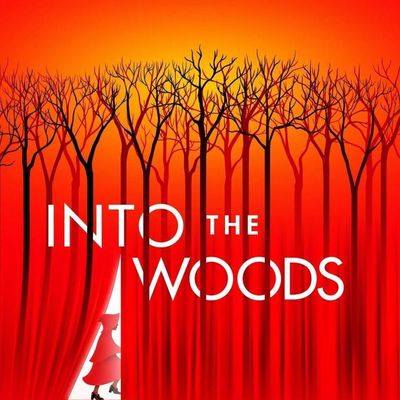
Chip Zien charts his journey Into the Woods from James Lapine's dissatisfaction with his performance as a prince in the first reading to the night late in the Broadway run, he walked in on Stephen Sondheim all alone and crying in his darkened dressing room. Join host Ben Rimalower for this candid conversation exploring how Sondheim and Lapine went Into the Woods.
Transcript
This transcript was automatically generated and might contain errors.
[0:00] BEN RIMALOWER: Broadway Podcast Network presents Giants in the Sky, How Sondheim and Lapine Went Into the Woods with me, BEN RIMALOWER.
[0:08] BEN RIMALOWER: Today's guest, Chip Zien.
[0:11] BEN RIMALOWER: Once upon a time.
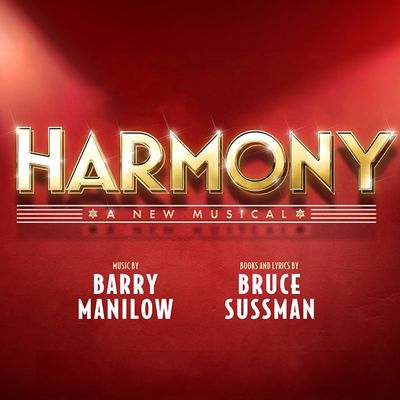
[0:17] BEN RIMALOWER: My guest is Chip Zien. Chip created the role of The Baker in Into the Woods, as well as the roles of Mendel in Falsettos and Mr. Bungie in A New Brain, both by William Finn and James Lapine's. And the role of Marvin in In Trousers by William Finn. His numerous other Broadway credits include Caroline, or Change, Les Misérables, and Grand Hotel, as well as the upcoming Harmony.
[0:46] BEN RIMALOWER: Like I said, I've been dying to talk to you from the actually now I'm looking back years ago. I don't remember the context.
[1:11] Chip Zien: Real, really. Well, uh that's I was curious, like, uh to hear what everybody else had to say to see if anything that I remember got, you know, I'm older now. So that's the thing. I waited too long. Everybody says it's you know, 35 years. They don't remember every detail. You know, that everything I'm saying jives with what other people might say, or I have a completely different slant. I thought Paul Ford's book was kind of interesting when I when I Yes, totally. I mean, he had some thoughts about it that were really interesting to me. And you know, he was he was so quiet and gentle sitting at the piano. I had no idea he I loved Paul. I had no idea he was thinking so many different things while we were, you know.
You know, he played us all into the theater with a little theme song for us. And if you were like, you know, he'd be at the Roundabout or Studio 54, you know, and you'd see him sitting up there and he'd play us, you know, Into the Woods to that the doubt, whatever. Do you remember your Paul Ford theme, like for rehearsals and stuff?
[2:18] Chip Zien: Uh well, I think he p I I th before Into the Woods I don't remember anything. Uh after Into the Woods it became blah blah blah bum, blah bum ba bum bump ba bump ba bump or something even more, you know, sometimes a silly version of no one in the woman. I uh it was a lot of different things. Yeah. But you know, but I I you know, I I loved him and and uh parenthetically because I don't know if you know, I I I was around for that moment when he suddenly decided he he had had it that it uh at least temporarily with show business.
[2:54] BEN RIMALOWER: Yes, on the people in the picture, right?
[2:57] Chip Zien: Yeah. Yeah and um I I was there that day. And you know, it was it was a moment in show business I will never forget. Oh my Paul Gemignani was just i it it just w what's going on? H have you talked to Paul? Have you had any comp you know, what were he just sent me a ta uh, you know, it was was that kind of thing. Pandemonium.
[3:22] Chip Zien: Well, Paul Gemignani is my um my what do you call it, my my Moby Dick on this. I mean, he had originally said yes and then he said he couldn't do it and I haven't been able to get him to, you know. I thought if I could if I could get James Lapine's from a note to a yes, I could get Paul Gemignani, but so far no luck.
[3:40] BEN RIMALOWER: Well, that's interesting. That's interesting. I mean, uh y you know, I I I was um you know, Lapine's book about um Sunday in the Park was so interesting and I thought um you know, really sort of you know, for for a th book about the theater where we all lie like all the time, his book was like phenomenally honest.
[4:01] Chip Zien: Yeah. Yeah.
[4:02] BEN RIMALOWER: And I thought it was really uh interesting.
[4:05] Chip Zien: Totally. He didn't do one about Into the Woods.
[4:09] BEN RIMALOWER: No, and and since he left me hungry for it, I that's why I wanted to do the pod. So let's start with, you know, I mean I I know that you were very much in the sort of Lapine um repertory at that point in time. I mean, having done uh March of the Falsettos and uh then Merrily we Roll Along at uh La Jolla and um and I actually just found out maybe you don't even know this, Ira Weitzman told me that the actual first collaboration between uh Bill Finn and Lapine was that uh James did the graphic design for the In Trousers album.
[4:46] Chip Zien: Yes, no, I I knew that. That blew my mind. Um I I did know that.
[4:52] Chip Zien: Um so well, um, let's see. Was is there a question on the yes m my relationship to Into the Woods I mean, you know first of all w without Lapine I have no idea what my career would have been. So I you know, I um but uh I I was in I had um left I had gone to California a uh in i uh and I decided that um I wasn't you know, I was gonna try to get a T V series or whatever and I was staying at Oakwood with yeah, with sad people you know, and that you know, have you ever been to Oakwood out in LA?
[5:36] BEN RIMALOWER: Yeah.
[5:37] Chip Zien: I in the old days it was actually kind of fun because it used to be a lot of um naked people in hot tubs and i this is in I'm talking late seventies.
[5:46] BEN RIMALOWER: Yeah.
[5:47] Chip Zien: It was kind of really cool and then it turned into guys who had just been thrown out of the house, you know, who were just wipes who just kicked them out or anyone that d that doesn't know, uh she was talking about the Oakwood apartments in in Burbank or Toluca Lake and it's well Bourbon uh it was uh, you know, on on Barham but uh sliding down into, you know, Warner Brothers of the furnished apartments that people can get by the month or whatever for come actors coming to do shows from New York, that kind of thing.
[6:14] Chip Zien: I love I used to swim laps out there and if you to if you know, depending on which way you turn your head to breathe, you could look out at the lights over uh the valley. And one time I did that and I was swimming right next to a duck that was swimming along with me.
[6:29] BEN RIMALOWER: Oh, was that the inspiration for Howard the Duck?
[6:32] Chip Zien: I thought that I thought that was just one of the finest moments of of uh of nature and I don't I don't know, I loved it but sounds beautiful.
[6:40] BEN RIMALOWER: What's the depressing part?
[6:41] Chip Zien: Well the depressing part came when w as it as it aged, uh we're talking about Oakwood apartments still up in South California where people stayed when they were working out there. It became uh literally guys who whose wives had kicked them out and then there were a lot of kids there who um whose parents had taken them out there to try to get a T V show or to audition in Highway. Uh at one point I w I had finished when well, I guess it was a little bit later, but when well when Falsettos ended on Broadway, uh Jonathan Kaplan, all everybody was at Oakwood and trying to decide if that's exactly where they wanted to be at that point in the life. It was it was weird.
[7:25] BEN RIMALOWER: Well were you married yet at this point?
[7:27] Chip Zien: I was we Susie and I have been together since like seventy one.
[7:32] BEN RIMALOWER: Oh wow.
[7:32] Chip Zien: Late seventy one. Uh we've been together longer than anybody I know in showbiz. You know that Susie my wife danced the danced in the New York City ballet. That this this is a personal life, you know, she danced in the ballet and then we had she got injured in the uh eighties, early eighties.
[7:50] BEN RIMALOWER: Yeah.
[7:51] Chip Zien: And that's when we had our we had kids and then she continued to dance and then she's taught now at the School of American Ballet for thirty five years or forty years.
[8:00] BEN RIMALOWER: So you were already a dad at this point and in Into the Woods?
[8:00] Chip Zien: I was a dad. I had just bought um well i it there was a timing issue which was that um I I was very excited that to get to go to San Diego where we first worked on the show.
[8:19] BEN RIMALOWER: Was that your first iteration of Into the Woods, the one at the Old Globe?
[8:24] Chip Zien: Well actu yes it was well actually what happened was I I had done a reading well first I found out that Merrily wasn't gonna come into New York. Lapine had invited me up to a summer house to uh for a barbecue and for a day in the country. And uh and as I got out of the car, he said, If you talk to your agent, I said, about what? He said, Oh yeah, we're not gonna do Merrily. And I s I w I I the color drained from my my my body. I I was really counting on that. That would have been the first time that Merrily had ever been done since we opened and I loved doing it. And I you know, but we thought we were coming in and then we weren't.
[9:10] Chip Zien: Um anyway, uh Did that color your experience later with Into the Woods where you were more skeptical of whether this was actually gonna go in after San Diego?
[9:22] Chip Zien: Well at that barbecue with Lapine at his country house, uh he took me upstairs. He had a those uh this was a generation of old K pro computers. I don't know if you're way too young to know what that is, but it was what they considered a portable computer, but it weighed over like it was like hundreds of pounds.
[9:41] BEN RIMALOWER: Yeah.
[9:42] Chip Zien: Massive thing with a little four inch black and white screen. On the screen, Lapine said, Yeah, I I d I don't want to deal with Merrily, but I'm working on a new show, it's about woods into the woods. And he showed me a scene that was on this little black and white screen that had little uh uh little animals and like bugs and little people running around in the snow. And he said, This is it we're do I'm doing a show about fairy tales. And and I said to him at the time, I said, Very t I mean, like we just did real people in Merrily with really interesting problems about show biz and the greatest thing I've ever gotten to do and like what? What do you you're dealing with little fairy tale characters, why are you doing that?
[10:24] Chip Zien: So um so that was my first exposure to it. The next thing that happened is that they did a reading at Playwrights Horizons of uh pretty much act I think I don't remember if it's the whole show, but it was certainly was act one.
[10:39] BEN RIMALOWER: Mm-hmm.
[10:39] Chip Zien: In which I read Cinderella's Prince.
[10:42] BEN RIMALOWER: Oh wow.
[10:43] Chip Zien: Yeah. And and uh I I thought I crushed it. I mean I really thought like I was just, you know, amazing. And Lapine came up to me afterwards and he said, What are you doing? So I said, What do you mean? I s I just I crushed it. I mean it was great. I got this great response. He said, Oh god, it was not right. It wasn't what I wanted.
[11:06] BEN RIMALOWER: Was Agony in the show at that point?
[11:08] Chip Zien: Uh no, no. But the scenes were there, you know, just the agony wasn't I d I don't remember that we even saying anything. We just remember the rest of the cast. I I remember that Joanna Gleason was there. And uh and uh and I had known Joanna from a previous show. So that was nice.
[11:30] BEN RIMALOWER: What show was that?
[11:31] Chip Zien: Um I I got fired from a show called uh it was it was on Broadway with Matthew Broderick a while back or or Nathan Lane and Matthew Bro called um It's Only a Play.
[11:43] BEN RIMALOWER: Oh sure, yeah.
[11:44] Chip Zien: You know, uh Terrence McNally wrote it.
[11:47] BEN RIMALOWER: Yeah.
[11:48] Chip Zien: I re somebody got fired, I replaced the person who got fired, then I got fired, then I got replaced, and then he got fired, and it ended a David Jackson ended up playing that part, but that's that's another story.
[12:00] BEN RIMALOWER: Yeah.
[12:01] Chip Zien: So um uh Joanna was there. The baker was Ray Gill.
[12:06] BEN RIMALOWER: Uh I Ray Gill is an actor who who had been in Merrily and a great guy, and he really looked like a baker. Like a big kind of guy. Did you know him?
[12:15] Chip Zien: I mean, I don't know if he was he you know, he was just this wonderful person that was a friend, a close friend.
[12:23] Chip Zien: Um so that so where am I? So that was my first exposure to the show.
[12:29] BEN RIMALOWER: Anyone else from that cast?
[12:30] Chip Zien: Ray I can't remember other than Joanna and Ray. I'm like, who was the other prince for I can't buckley the witch in that in that version?
[12:41] BEN RIMALOWER: No, no, no, no, no, no.
[12:43] Chip Zien: I that's kind of an interesting story too, but that's later. Um so so um That was just like a one day table read kind of yeah, and it was it was like maybe an eighty si like even before we had gone to San Diego, it it wasn't like a workshop or anything. It was just uh everybody got together, I think we rehearsed a few hours and then read it.
[13:02] Chip Zien: Mm-hmm. I told this to by the way to James, and he claims that it's just completely made up, but he's wrong.
[13:19] Chip Zien: Yeah, well no. So so okay. So then I'm I end up I'm in LA staying at Oakwood, uh, and um I get a call from Ira Weitzman who said, like, you know what, uh Lapine's about to call you. He has an idea. Steven and James have an idea that you should play the baker. And I said, you know, really? I mean, I mean, he said the problem is they want you to fly back to New York to read for them. And Ira said to me, to his everlasting credit and my gratitude, he said to me, Don't do it. He said, They're so up in the air. He said they wanted Tom Holtz and they can't get him because I think he might have been making the movie of Mozart at that time. So um he said, Don't Lapine is about to call you. Tell him you're I was shooting but at this point I was on a TV show that nobody ever saw.
It was an hour it was fun, but it but Sydney I saw every episode in real it wasn't even Love Sydney. It was a show called Shell Game. No, never seen it Margot Kidder and on the first day Margaret some issues at that point in her life and the producer came up to me and he said, Keep your bags packed. This will never literally on the first day of filming he said this will never go. We made seven episodes it aired opposite Cosby on television and it was dead last in the ratings and that was the end of it. Um but I didn't know that at the time I was f I actually was filming Shell Game. So uh Ira said tell James that your shooting schedule prohibits you from coming back to New York. You're not able to do it you'd love to play the part which is what I which is I said okay but you're making me nervous Ira because I really would like to play this part.
[15:08] Chip Zien: So did you have a sense from the reading that this was a great role that you that you know yes I had known I I mean I I don't know that I necessarily saw myself because I don't think I look uh like a baker. Except of you know bagels or s I I don't know. I don't feel like I you know I don't know that I looked like a big so so and Ray did and I and also was a friend. So anyway um uh so I so I so Le Pine called me and I I I said you know James I can't make it I li I was lying I said, uh I really would love to do that that that would be unbelievable, but I'm s kind of stuck. And he said, Oh God, I you know, I don't know what to do. Then he said, We really wanted to see you read some of the scenes and blah blah and I hung up and I, you know, I called Iran.
I said, Well, I told he said, Yeah, just sit tight. I I I'm on it. I'm I'm on it. And uh a couple days later Le Pine called and he said, Well it's too late, we can't figure about we can't think of anybody else. So you get you you'll do it, you do it. And that's how I got the part. And so I came back to New York and um the f they were a little I was maybe a day or two late to to to the rehearsals and uh very quickly he was throwing me out there to do act one and it didn't go so well and I I said, James, I just I'm off the plane, you know, don't you're making me nervous. I uh uh and and uh I said I I you know I'm on a T V series, I don't need to do musicals on Broadway. And uh thinking that the show wasn't as bad as in fact it was the T V show and uh but Joanna Gleason pulled me away and she said, Chip, chip, chip, chip, let's have lunch, let's go have lunch, let's let's not j let's just let's chip come with me and let's go have lunch.
She pulled me away from potentially what could have been a bit of an argument and and then we you know the uh like I think about a day later, Le Pine we we did this run through holding scripts and i you know uh he came up, he said it's uh he said, I just I had Ray Gill in my mind and but this is great, it's gonna be great. And um that that was so there we were. And it we were we were rehearsing down in the uh in the West Village someplace.
[17:36] Chip Zien: Oh, West Beth and Yeah, at West Beth, exactly. How'd you know that? That's like I think Ira Whitesman told me that. Yeah, yeah, we were at West Beth, like in this weird place. And um uh you know, uh No More hadn't been written yet. Yeah. Uh uh No One is Alone had not been written yet. And uh one day Sondheim came in. We had you know, he had checked uh my keys, the key that I'm comfortable singing in. And you know, a few days later he came back with no more. And uh we went into the other room, Geminiani grabbed me and Steve was there and we went into this other room with the piano and it's in the old days of like a c when they take music together like an accordion and they unfake it and it's falling out on either side of the the piano and it's you know and Sondheim sat down at the piano and played for me and Tom Aldrich and Geminiani no more for the first time.
Wow. And it was you know, first of all, he he's fun, he he's playing it and he's singing it. It's always fun to hear composers singing the song. Yeah. And I turn around to Geminiani who is uh you know, a bear of a guy. Just tears stream streaming down his face. And we were all just a mess. I mean it was just I couldn't believe and I I remember thinking, oh my god, it's in it's it's in my key. Uh you know, this is Stephen's Sondheim. Yeah. Uh i you know, it was an amazing, amazing moment. So so you know, eventually then we go to San Diego and yeah w uh you want to interrupt me with uh it with any question that makes me more coherent than I no, that's extremely coherent. That's incredible. I mean, I'm I'm curious if um between uh having had that positive feedback at last from Le Pine and then having this incredible song.
I mean, you know, whatever wound up happening with Into the Woods after that point, the show could have been a flop and never been heard from again. You already had this just incredible song written for you that just would last time. I mean, did your attitude change in terms of wow, this is exactly what I want to be doing.
[17:46] Chip Zien: Uh you know, uh I think we had a sense, I think Joanna and I both had a sense that that our lives were changing in some sort of dramatic way. I mean, we w when we did come back to Broadway, we were rehearsing down at 890 Broadway, and we would share a cab back up to the upper west side and and we would go by the Martin Beck, which was where the show was at the time. Yeah. And uh you know, we would look at the marquee and think like this is unbelievable, you know. I mean, this is really unbelievable. Um but we went to um so we we get to San Diego. Yeah. And um you know, there's a qu I'm sure you've heard the classic story that like people after the first act they started going home. Yeah. And uh I believe that my my sense of that whole thing was that it was Stephen Sondheim and went out into the parking lot.
He said there's a second act. You know, I I mean I I think we had dressing room windows. I my memory of it is vague, but I you know, people were saying we were all laughing because people started going home. You could see cars leaving. It was like you know, great show's over, and Sondheim said no. And then he added that line in at the end of the first act, which was uh w what's the line? The second one he continued. So you know.
[21:25] Chip Zien: But when we set keys we had to go to Sondheim's house. Oh to set keys in his piano and stuff and w there's an interesting thing there, which was that did you know who this Ste Steve's next door neighbor? Katherine Hepburn, right? Yeah. Okay. And they weren't that they weren't fond of each other. Right. Did you know that? So I had been in fact well, I I don't think I'll say it. I was in I was in a movie. I had I had to go to Katherine Hepran's house to be approved for a film. I was in a film with her. Oh wow. Which was very exciting and I thought it was also gonna be a big moment, but it was m possibly the only bad film she ever made. What was that? Do I have to say the name of it? It's called the ultimate solution of Grace Quigley.
I I rarely say the name. I mean I I I remember after we finished shooting it or it was like the word of mouth was getting out, like the New York Post called me and said, What happened? Like you know, like was it Hepburn's fault? Like, you know, I was just like amazed. I had all these scenes with Catherine Heifer and you know, um, but she was so I had to be approved by Hepern. I had to go to her house. And uh she she greeted me at the door, which was amazing, and we walk into her den and she says, What do you drink? What do you drink? Whoops, what happened? What do you drink? Do you drink scotch? Yeah. And I I said yes, I don't drink scotch, I you know, ever and but I said yes. And then she came out she said, This is the glass that's fed.
Oh wow out of and uh so we went and then we walked into her backyard which was an open courtyard uh uh that all the brownstones on that block uh turtle day tur yes backed up against there is a a an historically preserved beautiful park that was behind all of those that block of brownstone and um uh so I'm standing there with her and I'm really there it's Hepburn and she said you know there's this guy who lives next to me who writes music and like I c you know he I he plays the piano at three o'clock in the morning and he's just she said I climbed his rose trellis the other night and pounded on the glass because you can't have people playing the piano at three o'clock in the morning. Yeah. Okay now jump ahead I I'm now in Sondheim's house setting feet for the show and he said to me you know who lives next door and I said yeah I happen to have and I said it's very weird but I happened to have been in Catherine Hepburn's house and he said yeah and um he said she she was scared the hell out of me she climbed up the side of my house and and pounded on the glass window and uh I believe the point of this story is that I kind of believe that there's a sort of a well known line in into the woods which is it's the witch next door I I I'm not a hundred percent positive, but I think that was like an in joke.
[24:34] Chip Zien: Yeah. About how Steve felt about Catherine Hepburn. That's hysterical. Yeah, so that's that's that. Anyway, where are we now? We're in San Diego. We're in San Diego, yes. And uh you're feeling now that you're part of something special and yeah, it's like great, and San Diego's kind of fun and it's and and the old globe is very pretty and um so uh But did you have that haunting you that just a year or two earlier you'd been there across town in La Jolla doing Merrill thinking you were going to Broadway that this was you know another um stalled pre-beat. Y you know the truth is um I didn't. I I I just assumed that with with Stephen Sondheim the I think my I my brain was saying like well this of course this is gonna go back to New York.
But there was it was disappointing because what happened is um we so we finished in San Diego and I I bought and uh thinking that we're going basically right back to Broadway and I bought an apartment. I I uh I had made money on the TV show and I I you know I had down for not enough money to buy a condo up on the upper west side where I lived for a hundred years and um the thing and the the apartment and I bought I had a I bought I got a sob car I got a car, I bought a sob, had to have a sob and then and then there's uh an announcement that uh we're going back into workshop. And uh we probably wouldn't open for another like maybe eight months or so. Yeah. And I that was devastating to me because I thought like, oh my god, I thought I was gonna be on salary, I've just taken this giant leap in my life to buy it. Yeah. And I'm supporting my two kids and like, oh my god, I and now and I don't want I don't want to not do it, so I have to keep myself free to do it.
[26:42] Chip Zien: And um then we went through all these things. We we we auditioned uh uh choreographers. We would he Le Pine would call us in, we he we'd audition different choreographers. Wow. Lar Lubovich always referred to me as Chuck. Chuck. And I used to say to him, Larry, my name is Chip. Okay. And um he was the selected choreographer. Famously, by the way, when the show um when we were actually putting the show on, Lapine one day in front of the cast. He he he walked on stage and he said to Lara Lubovich, I love I love this whole number's great. I love everything about it except for the steps. Can we just take out all the steps? You know, and I think Lara Lubovich almost fainted at that point and said, like, uh kind of dances kind of about steps and movement.
Lapine said, Yeah, but I just if we could just kind of get rid of all those steps. Uh I I I I've always you know, I think Lap I think James was really smart, so I yes, I I I think it was and maybe it was a little too dancy, you know, yeah. I mean were there were the other choreographers that didn't get the job? I mean, did you have people coming in giving you like you know, jazz hands and stuff? Yeah. Well, we had all different styles of choreography. It it was actually very weird. Kind of fun. Uh I was in the workshop process. Well, what happened was is that I I I'm I'm I'm a little foggy. We we we we we basically we had a workshop to to re to fix um the the main thrust of it was uh in San Diego Joanna Gleason ate an apple and died.
Right too. Yeah someone threw an apple out onto the stage, she ate the apple and died. Yeah, never seen again for the rest of the show. Mm-hmm. And um that seemed to be uh not not sufficient. And so so um I I can't remember if we worked with the choreographers first or we had the workshop first, but basically when we came back from San Diego, the show closed in San Diego in January of eighty seven. That's right, right. And the workshop was in was in August? The workshop you know what? I I we did all these different versions of Act Two and Joanna's stuff, and uh I can't re I I've lost it, but but but that but the the other part of it was uh oh well just that basically those workshops were were mainly to figure out what to do with a baker's wife, uh that was a little m more fleshed out in terms of what her arc was.
But that's when the choreographers were coming in, hopefully. I think the choreographers came in maybe before that. Before that. Do you remember any particularly uh you know not different ones? No. I I I I think uh Lars scared to be I mean you he had a famous uh modern dance company. Yeah. But he was trying to do what uh what are the uh the paint the painter with the fat people um you know the strange uh um starts with a beat uh the like you know they're they're round bulb bulbish oh yeah who is that and he basically he was saying to us that that's the style of uh of that I want you all to get which is to walk around like to do this. Oh god we're not we're not live the you know to to kind of clump around and uh I I remember thinking oh god I don't know what what it I don't know what this is but but um uh and what anyway so so that we went back in the workshop and then it became pretty obvious that we would continue and then 'cause that was pretty quickly from workshop to yes your Broadway rehearsals.
Well yeah it was about you know say well when we closed in San Diego was in January and then I think back by the time uh September rolled around we were back in rehearsals to do the show in Broadway and um and then that that workshop was where Betty Buckley was the witch. Right. So so um yeah this Ellen Foley uh slugged me on the street at one point because you said you know we were pals and sh and she said look I haven't heard what is going on with this show like did did you have an offer to do the show? And um prior to the workshop. Yeah, pr well, prior to no. A I post I think it was I can't remember how this all worked up, but post it was just before we started rehearsals for the Broadway production.
And she hadn't heard anything and yes, I had and Yeah. You know, um I mean I I I was nervous about the whole thing of it whenever there's a uh a break in time. Yeah, you know, you always think, well Mandy can do it. I mean, you know, you know. And Mandy bought a condo and a song. Yeah, I bought a condo and a so and we I had like uh uh uh uh Mandy and I had kids at the same time and we were pals and we had uh w we were having dinner one night and he was saying that um generally if a show goes out of town uh once it comes into town they offer him the part. And my wife turned to me and she said, Wow, that's weird. Weren't you just out of town with the what you're doing? And so so um I was negotiating so then I got nervous at Mandy's house and I w I stood up and wandered around and I looked on his piano, he had the script and score of Into the Woods and I you know, I told the next day I said to my agent, I said, What whatever the deal is, just to take the deal.
I mean you know, it's I mean it's like I'm I'm terrified now, you know. I I re you know, so that but that that made me close my deal a lot sooner than I might have. Wow, that that's an interesting way the producers uh and have Mandy Patinkin go to dinner with you. Yeah, exactly. So so um so anyway, uh where are we? So so you know, then we we're rehearsing the show, now it's Betty Buckley. Yeah. And that's an inter a whole interesting chapter too, because uh Betty Buckley would have been fantastic. Yeah. I mean, she she was but we were all a group already. We had done a show in San Diego, you know. Yeah. And um so that it got a little tricky, but I'm also a I mean, I mean I just was uh you know, uh Betty Buckley was on the road with Hello Valley and I flew out to see her.
I I I loved her. Me too, me too. I saw her in Amy Beach. So real and funny yet funny, and then she you know, the voice it's the voice and uh I you know, she she's so great. Uh but somewhere along the line uh I was um in the country somewhere and I got a phone call from Geminiani saying that uh Betty Buckley had been replaced, but that she had been replaced and that Bernadette had agreed to step in. She would have been fantastic. I mean, it it's also weird to me, like all the um the legend around Bernadette's casting in the role. I mean, I've heard stories, oh she was at lunch with Sondheim or they called her begging or something like that. But uh it seems so odd to me that after Sunday in the park with George, I mean if Mandy had the music on his piano when you were having dinner, how is it that like it had never occurred to anybody to even think about Bernadette?
And the the closest um I mean it may have been that Bernadette didn't feel uh I I I don't know the answer to that. Yeah, yeah. I can speculate that Bernadette in looking at the show as we had done it in San Diego thought maybe the part wasn't right uh all that she would want it to be. Right, that Joanna was playing the lead and that this was a sort of secondary role. Right, and that and and um you know, songs like Boom Crunch, which was involved, you know, stuff like that uh were complicated and and you know maybe you know I I don't know. I never I never I don't know. But wouldn't she know? I mean having I mean reading that amazing book by Le Pine about Sunday in the park and Bernadette having lived through it knew that at the eleventh hour they gave her children and art and uh man do got uh you know or vice versa you know lesson number nine and like w that that this stuff I mean that they were gonna get it make it happen, right?
Yeah well and well and and she did agree to do it and and you know Bernadette is just um you know she's so loved she's everything that we all think that she is she's just the lovely person and she's really fun to be around and I think they just were and and they love her Le Pine and Sondheim and I think they just felt it took some pressure off of them Yeah in a way that um made them more comfortable and not have to worry about stuff. But they did also they they you know at some point Le Pine came up to me and he said, you know we're gonna have to a com we're gonna have to add stuff in for Bernadette. Yeah. We're gonna have to kind of move some things around and he said I you know I I think you're gonna probably lose some things that you probably really like and one of which was my favorite scene in the entire show which I did lose which was that uh what after I rescue uh Little Rod Riding Hood from the wolf yeah uh I have a scene with Joanna where we're sitting there and we're saying, Well what the hell do we do now?
She's you know, she w w where's that kid gonna go? And Joanna says, Well I think we'll have to take her in. I mean like what else could we do? And I say, no, I can't stand her. I hate her. I don't want her anywhere near the kitchen. Okay. And it was it was i it it was the best laughs like I I felt some of my best laughs in the show. I just wasn't having it at all. I didn't want any part of her and uh and I said to Le Pine I said, no cut anything. I love that this is one of my favorite scenes he said I know but you know it's just where it is in the show and we you know Yeah. And you know and the other thing about Boom Boom Crunch was that um hi has everybody talked about that number? Well I know it was the song that preceded uh before last midnight was written that was the witch's song after It's your fault and that it was uh I don't know j uh Paul Ford was talking about how much he loved that song but I mean I've listened to a few versions of it now.
It doesn't sound as good as last midnight to me. Well I I agree with Paul. I I thought Boom Crunch was a really good song and I think this this is another thing but I pr uh again probably totally wrong. Bernadette was struggling with it because she hadn't been rehearsing that long. Yeah. And um was it late in the process when she was well she came in she came in after we had been rehearsing to go to Broadway. So she missed a couple weeks. I mean you know and Boom Crunch is a really hard song. And um and then there's a complicated orchestration and the blocking was a little nutty and difficult. At some point James and Le Pine uh James and James and Steve decided to um I think they had made up their minds that they were going to replace the song.
Yeah. And so they missed a couple shows. This was in previews. They missed a couple shows. And uh um I thought one night I thought Bernadette sang that song, Boom Crunch. Yeah. I I just it was a massive success. I mean it was like the audience went crazy and I I you know, and I said like gosh, I wish the guys had been here because I don't know if they've ever seen that. It it was like this amazing response. And uh she did it was brilliant and um but it was like gone the next day when they came in with last midnight. Um well speaking of the songs that came and went, um one that I've now heard a lot about is Second Midnight. The the that's the long version of Second Midnight. But you what do you remember about that?
I don't you know what I I can't rem I I always hear about that and I barely remember any, you know. I mean, the big thing musically that happened that when we were in i in in um oh well it was in San Diego was that no one is alone came. We opened the show without no one is alone. Right. And uh I know that Le Pine has talked about having too many ballads, you know. Um Right 'cause it's no more, no one is alone, children will listen. Right, right. Uh but you know, when no one is alone came in, uh you know, that was an amazing experience too.
[39:53] Chip Zien: I mean, you know, I yeah, the sort of transitional first midnight said, you know, second midnight gone, whatever those things all changed and I for the life of me, you know, I can't remember how all that was.
[40:07] BEN RIMALOWER: Sure.
[40:07] Chip Zien: But I mean the second midnight it was I guess the version that now like I mean I've heard several different incarnations, but they were all over five minutes long and they had, do you know that melody from "Children Will Listen" that people use as a verse in "Children Will Listen"?
[40:23] BEN RIMALOWER: I think Sondheim put it in for Barbara Streisand and now it's sort of part of the pop version.
[40:28] Chip Zien: Yeah, yeah, yeah, yeah. But that was in that and you sang it.
[40:32] BEN RIMALOWER: Yeah.
[40:36] Chip Zien: Well listen, you can put that in your act, Chip.
[40:36] BEN RIMALOWER: It's John, we'll do that at the green room.
[40:42] Chip Zien: Yes, yes. Waiting for it.
[40:44] BEN RIMALOWER: Yeah, I don't remember, you know, it's weird.
[40:47] Chip Zien: Yeah. And then, um, so Bernadette came in, I guess they wrote "Last Midnight," they made little changes, the show was coming together. I mean, do you remember it being, um, or did you feel rocky during the preview period or did you have this underlying sense of these things were tricky?
[41:07] Chip Zien: I remember the previews being kind of tricky because things were changing still.
[41:12] BEN RIMALOWER: Yeah.
[41:12] Chip Zien: And, you know, it was complicated and I think I still thought that nothing could stop it because, you know, the people involved, but that might have been a bit naive. And I know that, you know, I think James got pretty, you know, at one point he said something to me about like, you know, you can't believe the pressure I'm under, you know, from the producers and the cut they may get. Maybe he said, but they, you know, Bernadette, they want more Bernadette. They want to see the audience is nervous because they're worried about Bernadette.
[41:44] BEN RIMALOWER: Yeah.
[41:44] Chip Zien: And, um, you know, she left the show rather early.
[41:51] BEN RIMALOWER: Right, because I think maybe that was part of why hopefully I'll get to talk to her because I know she had movies that she had already, what that was exactly all about. But when it happened, James called me and he was upset with me about some scene he was giving me notes, but I said, you know, James, I said, it's, is it what's your, why are, why are we? And he said, all right, all right. He said, Bernadette is leaving. I said like, oh, well, you're kidding. First of all, I thought like it was amazing that she was leaving. She had only been open for a few months and it was, she was like, she was leaving. It was like March or something.
[42:39] Chip Zien: We had left in November, you know, we had opened in November and, you know, and she, and it was like, and she decided to leave November. And I think all of us were concerned that, um, you know, it wasn't, though it wasn't as though we, you know, we weren't calling card in terms of ticket sales and stuff.
[43:00] BEN RIMALOWER: Yeah.
[43:00] Chip Zien: So I think everybody was concerned and, um, he was concerned.
[43:07] BEN RIMALOWER: Yeah.
[43:08] Chip Zien: And, um, I don't know, I never also have never talked to Bernadette about what exactly went into that calculation, but, you know, I didn't want her to leave.
[43:19] BEN RIMALOWER: Yeah.
[43:20] Chip Zien: Yeah. We had a thing where when she came, when the witch came into the house at the beginning of the show, where there's a thing where she stomps on a bug.
[43:28] BEN RIMALOWER: Yeah.
[43:29] Chip Zien: It's on the floor.
[43:30] BEN RIMALOWER: Eats it, right? Yeah.
[43:30] Chip Zien: And the thing was, I never knew when she was gonna do that. She used to look at me kind of sideways, like look at me like that and then she kind of, this is in the show, you know, then she down at the ground and then she'd pause and not deal with it. And so I never exactly knew on any given night when that was gonna happen.
[43:52] BEN RIMALOWER: And the other thing that she, Bernadette did was that, um, well, a lot of things, but she was friendly with Tony Bennett.
[43:59] Chip Zien: And I'm a huge Tony Bennett fan.
[44:01] BEN RIMALOWER: Wow.
[44:02] Chip Zien: Very close with Tony, as she called him. And, uh, one night I thought I'd had a bad show and I stormed, I stomped up to my dressing room and, uh, stormed past the doorman and like climbed the steps to my dressing room and shut the door and I was so upset with myself. And, and, uh, Bob Westenberg was my neighbor up there, uh, there's before he was in the room next to me and I hear a knock on my door and I hear somebody say, hey, it's Tony. And I thought like it was Westenberg saying that he was gonna kill me for acting like a jerk, you know, he was gonna like put out on me or something. And in my underwear, I take the door, yank it open and I say, Tony fucking who? And it's Tony with his daughter.
[44:55] Chip Zien: So, and for a while there I became known as Chip Tony fucking who. And, uh, I don't know, but you know, Bernadette was just a tremendous amount of fun.
[45:06] BEN RIMALOWER: Yeah.
[45:06] Chip Zien: And I didn't want it, none of us would have wanted her to leave.
[45:11] BEN RIMALOWER: Well, it must have at least been a relief that their first replacement was a big TV star and that, you know, the show wouldn't shut her.
[45:17] Chip Zien: Yeah, and then Felicia Rashad sold an amazing amount of tickets. I mean, you know, the ticket sales zoomed, but I think the Tony nominations helped because we, at some point there, we got like twelve nominations and, uh, you know, it was thrilling and, you know, we gathered some momentum.
[45:36] BEN RIMALOWER: In the fall when you were in rehearsals and previews and when you first opened, were you aware of the sort of hype machine around "Phantom of the Opera"? Was that part of your sort of, uh, purview experience?
[45:48] Chip Zien: I don't think at the time that I took it as seriously as I should have.
[45:54] BEN RIMALOWER: Yeah.
[45:55] Chip Zien: I mean, it's inconceivable to me that it's still running. I mean, like, you know, we opened at the same time. I mean, right.
[46:05] Chip Zien: It's the third Broadway revival, the New York production of "Into the Woods." I mean, that a show opened and ran like that forever. It's just unbelievable. I also, the other thing about George Lee Andrews, I thought of our generation was gonna be the greatest leading man that we had.
[46:23] BEN RIMALOWER: Yeah.
[46:23] Chip Zien: George Lee Andrews. And he, you know, twenty-five years, he, you know, he raised his, he made a choice and raised his family and did all this, you know, for that length of time. And, you know, I knew so many people that were in and out of it. But speaking of George Lee Andrews, I have a question that no one has known the answer to that maybe you will. They're demo tracks, these like, um, sort of cleaned up demo tracks. Some of them were re-released on the remastered "Into the Woods" CD and others have been on a Sondheim box set and they're, um, George Lee Andrews, Maureen Moore, uh, John Cameron Mitchell and, uh, Kim Crosby and, uh, Betsy Joslin singing, uh, early there's the boom crunch, the second midnight, uh, really you know what I, I send those to me.
[47:12] BEN RIMALOWER: I will.
[47:12] Chip Zien: I absolutely will. I don't remember ever hearing that. What were they, when were they made?
[47:19] BEN RIMALOWER: Nobody knows. Ira Weitzman was floating theories to me. Maybe they were done later.
[47:23] Chip Zien: No, they couldn't have been done. I mean, I don't think so. I think they had to have been done earlier.
[47:27] BEN RIMALOWER: Of course, yeah.
[47:27] Chip Zien: I mean, and, uh, well, you know, George Lee Andrews was the lead in the first national company of "Little Night Music."
[47:35] BEN RIMALOWER: Oh yes, and yeah, I saw him play the role in the City Opera broadcast of it.
[47:40] Chip Zien: Yeah. Um, and he had a relationship with Steve, so, you know, so, but I think it had to have been done, I really honestly don't know.
[47:51] BEN RIMALOWER: Yeah.
[47:51] Chip Zien: You know, when we recorded the record in, uh, New York, yeah, "Into the Woods," uh, there was a lot of press there. And Steve said to me, he said, this is why I have a problem with actors. I said, what is, what? He said, they, they're all talking about me. They don't know me. He said, you know, they're all making up stories about me. And I said, I made the mistake of saying, well, Steve, I'm gonna be totally cool, don't worry about a thing. And I said to him, I said, because I just told the reporters, I said that no one knows that Stephen Sondheim is a six handicapped golfer.
[48:34] Chip Zien: And he looked at me and what the hell are you talking about? That's not funny. I don't even know what that is. I don't know what you're talking about. And I, something I've regretted all my life. I thought it was a smart ass remark. I should not have said it. And, uh, you know, but when I recorded "No More," yeah, and on New Year's Eve of 19, what, 87 going into 88, I got a call at about six o'clock at night saying, Chip, it's Steve, you gotta fix the last note on "No More." I said, well, what are you talking about? He said, it's not right, it's a little flat and it's gotta be fixed. And, um, I said, well, you know, they had already gathered like a millions of people at Times Square. It was late.
It was like six o'clock at night. You know, and I went, he said, you gotta get down and just get down here. We're gonna re-record the last note. And I went down there and when I walked in, he said, oh no, it's fine. We just took it, we just grabbed another take. It's all good. It's all good, but, you know, I was not gonna not go to fix the last note, you know, but.
[49:37] BEN RIMALOWER: Well, it's, uh, the important thing is that we have that beautiful album. Um, what, uh, so Bernadette said left maybe sometime in March and then you, uh, you had already left though and then came back to do the video, no?
[50:03] Chip Zien: I never left.
[50:04] BEN RIMALOWER: Never left.
[50:09] Chip Zien: I think I'm the only person who never, I never left. Uh, I, I, I, you know, um, I had a little bit of a nibble on, uh, uh, Robin's Broadway. Jerry Robbins had come to chat with me about it.
[50:25] BEN RIMALOWER: Oh yeah.
[50:26] Chip Zien: But I didn't, I was nervous to leave "Into the Woods." I had, I had two kids in a new apartment.
[50:32] BEN RIMALOWER: Yeah.
[50:33] Chip Zien: Needed the money. Yeah. And I couldn't think what else am I gonna, what could be better than what I'm doing. So where, where am I gonna go? And, and the television thing got complicated because I didn't miss out on, you know, there's this thing where you fly to California and do network tests and you have to, I like, it's always a huge, uh, nerve-wracking experience. But I, I, I sort of was too late, you know, I got to that point, but I said, you know, I don't feel comfortable leaving here and I, you know, and so I, you know, I stayed the whole run.
[51:10] BEN RIMALOWER: Two years.
[51:11] Chip Zien: Yeah.
[51:15] Chip Zien: Everybody. I did it with everybody. And, and, and, um, I was a little upset because in the summer and late in the summer before we closed of the, you know, the nineteen eighty nine.
[51:27] BEN RIMALOWER: Right.
[51:28] Chip Zien: I had taken my two, uh, of my vacation and I found out while I was on vacation that the show was gonna close and I was mad at myself for having left for the most two weeks. When everybody came back, it was sensational experience. It became like a, you know, I, we, I, we had to kind of readjust and kind of get back to the way we had originally done the show. But each performance that we taped, we taped three nights in a row. I have other people talked about it. We taped three nights in a row and it was like a giant rock concert. I mean, it was, you know, it's, it's, it's, I'm so stuck, I, you know, the reaction that "Into the Woods" is getting here now, you know, is so thrilling. I mean, people are carrying on and, you know.
[52:11] BEN RIMALOWER: The closest we came to that was those three tape performances where everybody was practically trying to sing along and was every, every number stopped the show.
[52:20] Chip Zien: Yeah. And after that show is, I had a really bad weird superstition that I would turn the light off in my dressing room until I left to go home at the end of the evening. Dumb because it's not good for the environment. But now, now I don't do that. But at the time, I just, I would turn it on when I arrived, then I would turn it off dramatically when I was done for the evening. And after the third taping, I walked up to my dressing room and the light was off. And I thought like, you know, I, I don't know, I don't buy into all that stuff, but, but I thought like that's kind of weird. Who would have turned my light off? We've been doing this for a couple of years. Nobody's ever turned my light off.
[53:05] Chip Zien: And I walk in the room and turn the light on. Tears rolling. In the dark screaming. Yeah, dark in the dark. And he said, Chip, greatest night of our lives. The greatest night of our lives. And I it was the m you know, that was my special moment was the I mean it was like he said I thought you'd understand. And uh it was it was just was amazing.
[53:34] BEN RIMALOWER: That's so impressive. I mean it it's so interesting to hear this perspective on the video because there've been so many, you know, um high wattage Sondheim events. Of course, the eightieth birthday where you and Joanna sang "It Takes Two" and for people watching, I mean I grew up watching that video of Into the Woods and it has that energy and I sort of never understood why because it one would think that it was just any night in the run, you know.
[54:03] Chip Zien: Yeah, it wasn't. It was really special. And it's so great that it got ca I thought like I've always thought like this somehow the second act on camera, the way James and I forget who else directed. I mean that's the other thing compared to Sunday in the Park where they had a television director do the cameras. James directed the cameras. Yeah, yeah. So I there's something about the intimacy of those shots that capture a lot and uh I I you know, I'm very pleased obviously that we did it and proud that I thought the second act would really look great.
[54:45] BEN RIMALOWER: Yeah. You know, I was thrilled by that. I mean there it's it's really uh I don't think we can appreciate how much impact that has had on making Into the Woods the kind of landmark iconic show, you know, that it is. I mean, just gener I I'm forty six years old and I think I'm probably near the top age bracket that had that or sorry, the uh yeah, the top age bracket that had that. And um and everyone younger, I mean, that is that's like the Bible, that's the gateway drug to musical theater, I think, and certainly to Sondheim. Um it's such an amazing thing. I mean, you know, you don't when you're worried about your part and you're creating this show and you're rehearsing and going home every day and thinking like, oh god, I gotta be better than that or I gotta fix I you know, I didn't get a laugh there and what can I do and you know, you're worried you're also so horribly focused on your own performance to be and um well I've been accused of that anyway before, but but um you know, the scope of it uh geometrically expanded. I think based on that tape.
[55:57] Chip Zien: Yeah. And and the life that it's had has been so thrilling and uh I I I don't know that we really I I certainly didn't think in those terms at the time. I mean I was proud of it, but the life do you remember the light the first time that you saw that that tape?
[56:17] BEN RIMALOWER: Yeah.
[56:18] Chip Zien: Yeah. Bob Westenberg called me and he said we both we all got copies. You know, in those days, I mean like that's a long time ago. Yeah. You know, in terms of like social media and what was available to see that might have been photographed that you could see on YouTube or something. Yeah didn't exist. So we're going like, wow that you know that was kind of beautiful, you know. And it's like glad I was in it. You know that feeling had you ever um gone and seen a performance with the understudy on or had you seen the show at all?
[56:51] Chip Zien: I never I never saw my understanding was Phil Hoffman. I never saw him do it. Uh I I never no I I never sat out and sa the only thing I could see that I knew about the audience was that my my uh my younger daughter would always get carried out in in act two she couldn't take she was terrified of the witch and that uh dad was gonna get hurt.
[57:16] BEN RIMALOWER: Oh see from the stage I could see the door at the back of the theater open because you could see the light coming from side and I knew it was my my wife and daughter leaving before it got too scary. But so that tape was the first time you saw Into the Woods?
[57:28] Chip Zien: Yeah that that was the first time I really had a sense of what the show might look like. I guess we did we sh we must have shot some sort of commercial but it was really that tape that gave me a sense of the show. I I don't remember having seen that before.
[57:46] BEN RIMALOWER: Well, I mean it is so perfect. I mean it's uh when th I see I feel with Into the Woods they can make the movie, they can make any revivals. They could do it in any incarnation, modernize it, do anything. It doesn't matter 'cause we have it preserved and as you know, ideal a light of the original intention. My my daughter was at an all girls camp and one of the uh you know, they invited me up to you know the rehearsal and that production w which was all young, young girls, uh was the first production I saw where they had like a storybook and the people were coming out of the storybook and I I actually thought that was one of the most imaginative productions that I've seen. I j I enjoyed it so much. And um that but yeah it's done so many different ways. I mean like and I think the version that's being done now, the concert version, uh I mean, I I I loved it and I felt oddly um I thought like wow that's a good show.
[58:47] Chip Zien: Yeah. I thought they were wonderful to see and I love the fact that that beautiful orchestra was behind them and so obvious, so visible.
[58:54] BEN RIMALOWER: Yeah.
[58:55] Chip Zien: The scenes themselves were center stage.
[58:57] BEN RIMALOWER: Yeah.
[58:58] Chip Zien: You know, and the and so the the uh pristine quality of the scenes were so it was very intimate in that way.
[59:05] BEN RIMALOWER: Yeah.
[59:06] Chip Zien: I'm center stage always, you know, not it not that much movement. And I I found myself um I j I just really I really enjoyed it. I I I thought it was great.
[59:20] BEN RIMALOWER: I also really enjoyed the version that you did in Central Park where you played the narrator and the mysterious man.
[59:26] Chip Zien: No that yeah that's um there's some issues Le Pine had Le Pine Le Plain had some issues with that.
[59:33] BEN RIMALOWER: Oh 'cause they took liberties with the script and
[59:35] Chip Zien: Yeah, he well he he took a meeting one day I got really scared 'cause I thought like I knew he had some he was texting me saying what's going on, what's going on and uh uh I anyway he came to the previews and and he was upset uh about a coup a couple things. Well one was that he said I've never seen a production at the Delacourt where nobody comes in the VOMs. You know the house they're not using the space. He said that and he said in that huge uh multi-level thing it's like so far upstage he said what what were they what why what's going on? Why did they do that? But but eventually when we were in previews he came in one night he's he we got a message that we had to come to the theater a little bit early because James wanted to talk to the cast and he said he was he came in to say um he gave a note to the cast and you know it was directed by Britz but you know and you know the and Le Pine came in and he he said like I'm I he said it seems to me that works a little better and it's not quite so naturalistic and it goes a little faster.
[1:00:41] BEN RIMALOWER: Yeah you know and that's you know, that was a big note and uh he had he had feelings about it but but um I had I loved being in that production and you know Jesse Mueller and and and Sarah Styles and you know people were just unbelievable and and uh uh oh gosh I'm blanking one of the actresses' names that she was wearing it was a hundred and ten degrees I I'd ne I'd never played the Delacourt before or after and we were running around on mulch that was wet.
[1:01:15] Chip Zien: Yeah. Mulch on the States raccoons came up and stole the fake bread, which I felt terrible about. They took they stole the plastic bread that looked you know the little in the in the baker's kitchen.
[1:01:27] BEN RIMALOWER: Yeah.
[1:01:27] Chip Zien: And I thought but then I heard a fight, but we could hear the raccoons fighting underneath the stage and I they were fighting over plastic bread. And um But uh you know, I I had a really I really also had a good time at that production too. You know, John Murphy played.
[1:01:44] BEN RIMALOWER: Yeah, sure, and Gideon Glick and Christine.
[1:01:48] Chip Zien: So that must have been such a sort of um seminal experience to come back to the show and sing the other half of "No More."
[1:01:56] BEN RIMALOWER: I mean Uh I loved it. I yeah, I have to say I you know it was uh Amy Adams, you know, was amazing. Um they the the the uh all the women in the cast followed me home one night.
[1:02:11] Chip Zien: Um I didn't they decided we were gonna have a party in my apartment. I I I I I was doing this stupid thing where uh you know well it doesn't matter. Uh they all decided to lag behind, but uh suddenly all of them show up in my apartment.
[1:02:29] BEN RIMALOWER: And uh, you know, it was great fun.
[1:02:32] Chip Zien: And they got up here and I had no food, nothing.
[1:02:34] BEN RIMALOWER: I had nothing.
[1:02:35] Chip Zien: They opened the refrigerator, so you're pathetic. This is the thing. And we just you know, I've been eating out every night, I was like, you know. And uh that was that was a good group too. They were fun.
[1:02:50] BEN RIMALOWER: Would you ever would you ever wanna go back and do that again? Like possibly in in the Broadway production or a different one.
[1:02:59] Chip Zien: I I think I never realized uh how many times Tom Aldrich had to change his clothes. And and and like what a uh what an unbelievable unbelievably difficult that part was. We did a tenure concert of it. And I remember sitting there with Tom who I just loved.
[1:03:20] BEN RIMALOWER: Yeah.
[1:03:23] Chip Zien: Great. Just great guy. And and he was saying he said, you know what? He said, I'm I'm gonna say it. I think I'm going to die right now. He said, I think I'm too old. I can't this is killing me. I can't do it. I I'm exhausted. And uh and he said I'm not even I don't even have to change my clothes. You know.
[1:03:44] BEN RIMALOWER: Um but it was I never I never appreciated until I uh you know, I did his thing uh in the park that the you know, uh changing clothes. I mean it was insane.
[1:03:56] Chip Zien: Yeah.
[1:03:57] BEN RIMALOWER: Well that wasn't really an answer.
[1:04:00] Chip Zien: Oh, what was it what was the question?
[1:04:01] BEN RIMALOWER: Would you would you ever be open to stepping back into that?
[1:04:04] Chip Zien: I think I've you know, I I I I don't think I wanna do it anymore. Because I'm afraid of I don't know, it's I don't think so because you know, in a funny way I was upset when they did it through Delacourt I couldn't be the baker again.
[1:04:23] BEN RIMALOWER: Yeah.
[1:04:23] Chip Zien: And I was too old for that. And um Well, so is so No, I mean I I think I wanna s I think I think uh you know, Joanna Gleason said, You've changed. You're what you're you know, what's the where you and You're thriving, you're different in the woods.
[1:04:39] BEN RIMALOWER: Yeah, you're you're all it's you know, she should it should be now, you know, you're old, I'm w you uh y you know, you're older, we're we're too old to play these parts.
[1:04:49] Chip Zien: No. And um you know, so I I no, I don't think so. I couldn't I I'm I'm trying to keep my next gig and then who knows if that happens, is the saying will happen.
[1:05:06] BEN RIMALOWER: Yeah, it seems like there's a lot a lot of energy behind that now. That's very cool.
[1:05:15] Chip Zien: I I really I can't tell you how grateful I am.
[1:05:21] BEN RIMALOWER: Are you kidding? This is uh I don't barely have to edit anything. This is absolutely wonderful.
© Broadway Podcast Network, All Rights Reserved