

Welcome to the final episode of Closing Night’s first season! We’ve covered eight different Broadway musicals at the Marquis Theatre that closed too soon, with our final show being Victor/Victoria, written and directed by Blake Edwards and starring his wife Julie Andrews... Read More
From the show: Closing Night
Guests
About
Welcome to the final episode of Closing Night’s first season! We’ve covered eight different Broadway musicals at the Marquis Theatre that closed too soon, with our final show being Victor/Victoria, written and directed by Blake Edwards and starring his wife Julie Andrews. And in this interview episode we're featuring two members of that Broadway cast.
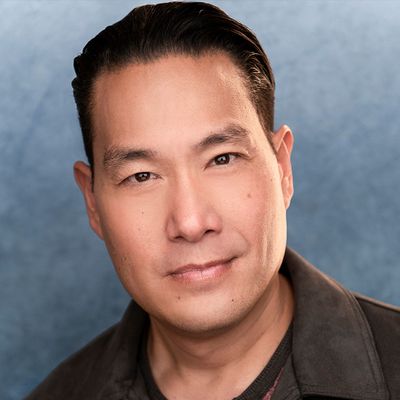
Darren Lee - We talk about his experiences working with legendary leading ladies like Julie Andrews, Liza Minnelli, and Raquel Welch, including the rehearsal process, behind-the-scenes dynamics, and the impact of star power on the overall show experience. He also discusses the challenges of being an Asian actor, yet the thrills he's had being a part of various Broadway productions.
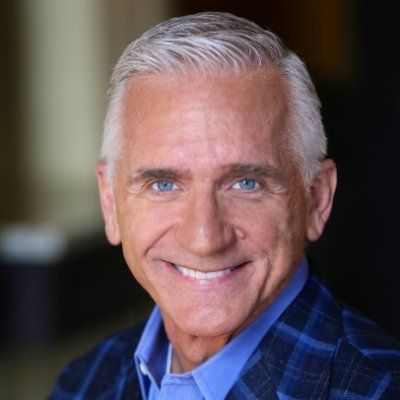
Mark Hoebee - Our conversation revolves around the experiences and challenges of producing a theatrical show, including the intricacies of staging and directing, the impact of key personalities, and the dedication and resilience of the cast and crew. The conversation covers the creative process, the influence of notable individuals such as Julie Andrews, the dynamic nature of live performances, and the unwavering commitment of those involved in the production.
Follow Closing Night on Instagram and listen on your favorite podcast app.
Closing Night is a production of WINMI Media with Patrick Oliver Jones as host and executive producer. Dan Delgado is the editor and co-producer, not only for this podcast but also for his own movie podcast called The Industry. Blake Stadnik composed the theme music, and Maria Clara Ribeiro is co-producer.
Transcript
This transcript was automatically generated and might contain errors.
[0:00] Patrick Oliver Jones: Welcome to the final episode of Closing Night's first season.
[0:05] Patrick Oliver Jones: I'm your host, Patrick Oliver Jones, and we've been covering famous and forgotten Broadway musicals that closed too soon.
[0:13] Patrick Oliver Jones: I've led us through the journey of eight different shows this season, with our final show being Victor/Victoria, written and directed by Blake Edwards and starring his wife, Julie Andrews.
[0:25] Patrick Oliver Jones: And in this bonus episode, we're ending with my conversations with two members of that Broadway cast.
[0:32] Darren Lee: Hi, my name is Darren Lee. I'm originally from Southern California. I moved to New York to pursue a career on Broadway, and I have more recently, well, not so recently, uh, transitioned also to becoming a director and choreographer.
[0:45] Mark Hoebee: Hi, I'm Mark Hoebee. I'm actually originally from Freehold, New Jersey. I'm currently the producing artistic director at Paper Mill Playhouse, but earlier in my career, I was a dancer, performer on Broadway, and I performed in both Victor/Victoria and Nick and Nora and held the same position on both. I was the swing and the dance captain.
[1:05] Patrick Oliver Jones: Both of these performers provided such unique perspectives on all the changes that kept happening to Victor/Victoria before it came to Broadway as well as after it opened in New York, as Andrews was dealing with health and vocal issues.
[1:19] Patrick Oliver Jones: Well, now you'll get the full interviews to learn even more about what was going on backstage as well as after Andrews left the show.
[1:56] ♪ Musical number: "One Minute" — performed by Julie Andrews ♪
[2:04] Patrick Oliver Jones: Despite having only starred in three Broadway shows, Julie Andrews is an icon of musical theater, whether on stage or in the movies.
[2:16] Patrick Oliver Jones: And so I asked both Darren and Mark what it was like working with this living legend.
[2:23] Darren Lee: Working with Julie Andrews is absolutely amazing. She is just as delightful and kind and generous and brilliantly talented and warm as you would expect her or want her to be from seeing her in movies.
[2:41] Darren Lee: She actually is that wonderful.
[2:45] Darren Lee: Okay, she is everything you could ever hope for and more. She's the consummate professional, you know, gives a hundred and fifty percent all the time.
[2:55] Darren Lee: She was a true company leader, really cared about everything, everybody. Um, was very kind. I can't say enough good things about her.
[3:05] Darren Lee: She is not as goody two shoes as maybe she portrays. Like, you know, she does sometimes have a mouth like a sailor, but it's so much fun.
[3:13] Darren Lee: It always starts from the top. Like whoever is the lead in the show, and if they're wonderful, then even if your show is terrible, it makes the experience so great.
[3:20] Darren Lee: You know, Julie Andrews was someone's secret Santa. Julie Andrews would be involved in every ensemble thing. Like she was just great. I mean, she was just delightful.
[3:48] Patrick Oliver Jones: You'll get to hear from both of these men as we talk about the Broadway production of Victor/Victoria.
[3:54] Patrick Oliver Jones: From Mark, you'll get to hear about the challenges of producing a musical, including the intricacies of staging and directing, the impact of star personalities, and how Mark took those lessons with him as he directed the national tour of Victor/Victoria.
[4:11] Patrick Oliver Jones: But first, Darren and I talk about the creative process, some behind the scenes dynamics, and what Asian representation has meant to him throughout his career.
[4:25] Patrick Oliver Jones: Welcome, Darren, to the podcast. It's certainly a pleasure to meet you, and I'm so glad to have you here.
[4:30] Darren Lee: Thank you. It's a pleasure to be here.
[4:32] Patrick Oliver Jones: Well, being at the Marquee Theater, uh, what is your overall impression of that theater compared to some of the other Broadway houses you've been in?
[4:40] Darren Lee: Well, I made my Broadway debut at the Marquee with Shogun the Musical. I was um 18 at the time, and so it sort of represented everything that I thought Broadway was.
[4:52] Darren Lee: Only after, you know, doing the show or after seeing other theaters did I realize that the Marquee was really the most contemporary of all the theaters, and the one that wasn't um, you know, uh hadn't been around as long.
[5:04] Darren Lee: And so I didn't realize that it didn't have any of the sort of charm or history that a lot of the other theaters had, you know, but it was my first, and so it was very exciting.
[5:13] Darren Lee: But it does sometimes feel a little bit like you could be um anywhere across the country at a performing arts center when you're at the Marquee.
[5:21] Darren Lee: Yeah, it is very um nondescript in many ways, and it's very much hidden inside of the hotel, so it can get lost in that whole building.
[5:30] Darren Lee: Absolutely. Um it is um, but you know, but there of course have been some really really amazing shows. I I'm very grateful to have been able to perform there.
[5:38] Darren Lee: The dressing room space is large because it's a more modern building.
[5:43] Darren Lee: Um, you know, you can sort of step right out into the lobby area in a way that you can't. A lot of other Broadway theaters, you have to climb stairs, you know, flights and flights of stairs just to get to your dressing room.
[5:53] Darren Lee: And so the Marquee is very convenient for the actors and crew backstage.
[5:58] Patrick Oliver Jones: Well, uh getting to the show itself now, Henry Mancini was originally doing the score, you know, based on his work from the movie, but then he passed away. Frank Wildhorn was brought in.
[6:05] Patrick Oliver Jones: Were you able to work with either of or both of those men?
[6:11] Darren Lee: Well, um I did not get to work with Henry Mancini. I did get to work with Frank Wildhorn, or at least we had his songs come in, and so we were able to collaborate on that.
[6:22] Darren Lee: Um, there was a number in the show that we opened in. We did this number in Boston and Chicago, but when we came to Broadway, they replaced it with a number called Attitude.
[6:33] Darren Lee: And so it's really interesting when you're in previews, you have very little time to honestly change that much because you have to tech everything.
[6:40] Darren Lee: And sometimes you're doing an old number during the show at night, but then you're rehearsing a new one during the day, but it doesn't go in until they can tech it and all that kind of thing.
[6:49] Darren Lee: So they tried to create a new number that we could utilize the same set and the same costumes, but had a different song.
[6:56] Darren Lee: And so um, it was called Attitude, and that went in, and that was uh yeah, a Frank Wildhorn song for sure.
[7:01] Patrick Oliver Jones: And then he also did a balladic.
[7:02] Darren Lee: Yeah.
[7:03] Patrick Oliver Jones: How was the out of town going into it? Was it a fun experience? Or as you say, were things kind of tweaking and changing as it went along?
[7:10] Darren Lee: Yeah, I mean, things always tweak and change as you go along. The out of town was very exciting. It was really thrilling to be part of that show.
[7:18] Darren Lee: It was such an amazingly talented group of people.
[7:22] Darren Lee: And Julie was just a delight. You know, at the same time, you know, I by then I had been in a few other things.
[7:28] Darren Lee: And so I knew that it wasn't amazing. I also knew that this show as a vehicle for Julie Andrews, it is more idealistic when it was closer to when she did the movie, right?
[7:39] Darren Lee: You don't take a good 20 years or so and then you try to have her play the same role.
[7:44] Darren Lee: And it's it there was definitely this innate idea that oh, we are not doing her justice by showing her off or exposing Julie in this particular way, or supporting her by making her play the same part at a different time in her career, and so it was both exciting and challenging, knowing that that's what we're doing.
[8:08] Darren Lee: And Andrew, when it came time for Tony, she was the lone nominee that year, and then she decided to refuse it.
[8:15] Patrick Oliver Jones: Did she let the cast know what was happening before, or did you find out when everyone else did?
[8:19] Darren Lee: I don't remember if we I don't think she said, Oh, I'm gonna turn down my Tony Award and I'm going to say that everyone has been egregiously overlooked.
[8:29] Darren Lee: Um, she did not say that, so it basically just happened.
[8:32] Darren Lee: That's how we found out.
[8:33] Darren Lee: Um, really uh I admire and respect the fact that she did something like that, and you know, the because as an industry, I do feel that there was this feeling like it's just not doing her justice, it compromised the show's ability to be able to be seen for its actual value.
[8:52] Darren Lee: You know, the choreography in that show was absolutely gorgeous, the scenery was gorgeous, the costumes were fantastic, so there they were absolutely wonderful, wonderful technical and design elements that were all overlooked, I think, because it was basically this general feeling of well, it shouldn't be being done, if that makes sense.
[9:10] Patrick Oliver Jones: And how did you enjoy your part in the show? How did you feel like you fit in? How was it working with the rest of the cast, not just Julie?
[9:17] Darren Lee: I had a really, really great time doing that show.
[9:20] Darren Lee: Um if I backtrack a little bit, so I was um uh I was in another show, I maybe it was I don't remember what show it was, and I and I auditioned for Damn Yankees, and Rob Marshall was the choreographer of Damn Yankees.
[9:35] Darren Lee: And at the audition, I got down to the very end, and he basically said, Um, you're not gonna get this show, but uh because I want you in another show.
[9:44] Darren Lee: And I remember saying to him, and I was relatively young at the time, I said, Well, I hope I get it, and it happens.
[9:50] Darren Lee: And he said, You will.
[9:52] Darren Lee: And that was maybe a month or two later, the auditions for Victor/Victoria started, and I did end up being um in the show.
[9:59] Darren Lee: Um, it was really fun and exciting. I felt like I had a really featured dance track in the show, and it was just a super exciting time.
[10:08] Darren Lee: My relationship with Rob Marshall then continued into I was um cast in the um feature film Chicago that he directed.
[10:16] Darren Lee: He was definitely a very um loyal and talented collaborator.
[10:21] Darren Lee: And when it came to Shogun, and then you did Miss Saigon after your shows after that, including Victor/Victoria weren't Asian shows.
[10:30] Darren Lee: And so, how did that kind of representation, how did you feel about being outside of these Asian musicals?
[10:36] Darren Lee: Yes.
[10:37] Darren Lee: So I was in Shogun, that was my Broadway debut, and then I did Miss Saigon.
[10:41] Darren Lee: Um, and then I left Miss Saigon about a maybe about a year after it had opened.
[10:47] Darren Lee: Because Saigon ran for 20 years. It ran for a really, really long time, right?
[10:49] Darren Lee: But at the time that just wasn't, I just wanted to keep doing something new and fresh.
[10:56] Darren Lee: I had seen the Broadway production of Guys and Dolls.
[11:00] Darren Lee: And I auditioned for the, I went to the open call to audition for the national tour.
[11:05] Darren Lee: I remember that Scott Weiss, um, who won a Tony Award for Jerome Robbins Broadway, had a very dynamic, tumbling feature in the crapshooter specialty.
[11:14] Darren Lee: And I was cast as that track in Guys and Dolls.
[11:17] Darren Lee: And then I was very lucky.
[11:19] Darren Lee: I was actually cast in the original company of Beauty and the Beast.
[11:22] Darren Lee: But um, when I put my notice into Guys and Dolls on the national tour, the choreographer called me, Christopher Chadman, and he asked me if um I wanted to do Beauty and the Beast or I just wanted to come back to New York because my track that I was doing on the national tour was gonna open up on Broadway.
[11:38] Darren Lee: And so I actually was able to do the same role um that I was doing on the national tour on Broadway, which established me, I think, as a featured dancer or performer um that was completely separate from being Asian.
[11:52] Darren Lee: It was in a way that really also allowed me to have the confidence, I think, to then probably go to some calls that I wouldn't have otherwise.
[12:01] Darren Lee: You know, I think that you need to be given the opportunity sometimes and the green light to be able to know that you can do it and discover that you can do it.
[12:10] Darren Lee: So yeah, Saigon and Shogun were my first two shows, which are Asian based.
[12:14] Darren Lee: And then I did like eight Broadway shows in the middle, and then like the latter part of my career, um, I did Pacific Overtures, the sort of last Broadway revival, and I got to work with Steven Sondheim, which was amazing, and also um, and then the final show that I that I've been on Broadway with was Allegiance, which is another Asian show.
[12:31] Darren Lee: So there are these Asian shows that sort of bookend my career, and I did consciously try not to necessarily work in an only Asian show.
[12:38] Darren Lee: So if if there was a production of King and I or something happening at the same time, and another show that I was able to get cast in was also happening, I was shooting to get cast in that other show.
[12:50] Darren Lee: It was just, it was a conscious decision at the time.
[12:52] Darren Lee: But then later in my career, as I became more of a character man, per se, and that I and and I had a more of a range of things that that I felt like the industry saw me as, as well as I saw myself as, then I embraced being able to be in a show like Allegiance or Pacific Overtures.
[13:09] Darren Lee: And now I'm super happy to the like the first production of the King and I that I've ever been in was the national tour, and I'm doing the UK tour, and I'm um fortunate enough to play the king, and it's just really, really great.
[13:21] Darren Lee: It's really great to come sort of full circle of like pushing away what your identity is or what others might see you as, and then embracing it in a way and taking control of it.
[13:31] Patrick Oliver Jones: It sounds like that for the first part of your career, it did identify you, but now as you've been able to do other shows, it was a part of your identity, but not your sole identity, is what it sounds like.
[13:41] Darren Lee: Absolutely.
[13:42] Darren Lee: I'm super, super grateful that the industry or whatever allowed me to be able to be seen as just an artist as well as to see myself as that.
[13:53] Darren Lee: Um, because you know, sometimes how we see ourselves makes a huge difference in the way that we present ourselves and the way that opportunities present themselves to us.
[14:02] Patrick Oliver Jones: Yeah, and just the way we audition can have a big impact on that.
[14:05] Darren Lee: Just how we feel going into that room.
[14:07] Patrick Oliver Jones: Absolutely.
[14:08] Patrick Oliver Jones: Well, getting back to Victor/Victoria, when everything happened with Julie Andrews and her voice and the surgery, what was the reaction backstage to all that?
[14:19] Darren Lee: Um, it was difficult, of course. Um, it was difficult because you know, it was already sort of pushing the limits of her energy and her stamina and vocally, it was something that her voice is so iconic, right? And so this idea that she could be at a doctor's appointment and be scoped and have it bruise her or ultimately affect her in a way that basically I think in the press it was like that she's never singing again or something like that, was really, really devastating, um, of course, for all of us. Sort of as that was happening, Liza Minnelli came in to replace Julie.
[14:55] Darren Lee: And that had its own sort of energy in that Liza came in, and I think I'm pretty sure that the show announcement was the role usually played by Julie Andrews will be played by Liza Minnelli. And then the audience goes crazy. So it was strategic, it was also very fun, but it was also, as you can imagine, um, just a really, really crazy time, but exciting. I'm so grateful.
[15:21] Patrick Oliver Jones: And I imagine a different show with Liza, obviously.
[15:24] Darren Lee: Oh, a completely different show.
[15:25] Darren Lee: Yeah. So as much as um, as much as Julie was very group oriented and nurturing and family-based, Liza, she's an absolute star. She just exudes this amazing performance energy.
[15:39] Darren Lee: Well, to sort of create that performance energy, she kind of absorbs it from all around her. And so off stage and like backstage and getting to the stage, it is insane. It's like a whirlwind tornado of like, oh my God, we're never gonna make it. How is it possible? And then she steps out on stage and she is calm as a cucumber and amazing. And everyone, like the ensemble behind her is all like frazzled because they just got run over. But like, yeah, it's unbelievable. She like absorbed it like a tornado and then just goes out there and shines.
[16:18] Darren Lee: Yeah, I got to see her in Vegas, not to do her actual show, but she did a Gypsy performance for just all the performers that were there. And it was a midnight show. She'd already done two. She did a midnight show of her set, and I'm sure some extra things. She brought on Sam Harris to sing.
[16:34] Darren Lee: Oh, yes, he's doing that. But I mean, this was, you know, this was 2006 and seven. So her knees weren't what they used to be, her body wasn't what it used to be. But yet, I by God, she was just like what you say, it was just energy shining through everything.
[16:51] Darren Lee: Yes, by all means a star, and by sheer will, like, I'm gonna do this. And she did it.
[16:58] Darren Lee: Yeah, it was just throwing. And then you got to see Raquel Welch after that, another different kind of show with her.
[17:04] Darren Lee: Yes, because I came in and out of the show a little bit. And so I was actually leaving the show, but Liza was coming in. Um, and Rob Marshall was kind enough to ask me to stay for her opening night. And then I took off after that, but I'm not sure. But I did get to do the show with Raquel as well, which of course was a whole nother thing. Raquel was a movie star, right? She's a star from Hollywood.
[17:26] Darren Lee: And so the things that she expects to happen in Hollywood are not necessarily the same things that can happen in the wings and the hallways of the Marriott Marquee. And so, I mean, one of the stories I remembered is that we were on stage doing a number and we're looking out at the audience, but we can sense this glow coming from offstage left. And we come to find out that for Raquel, they had installed these quick change booths with this like super wattage light, and we could we were on stage and we can literally like see it out of our periphery. And that's what that was.
[18:03] Patrick Oliver Jones: How funny, how funny. Now, I also understand that there was a filmed performance done in during '95 of this. And I think that was like one of the first kind of filmed Broadway shows that was happening while our show was running.
[18:18] Darren Lee: That is correct. Um, so um it was like a collaboration with PBS Japan. So there was like a little announcement that Julie made before it basically saying traditionally shows are not shown on television while they're running on Broadway, but as a gift to all of my friends and fans in Japan, this is what they're gonna do. And so it was taped in like high definition for Japan, and then has I think subsequently become released on Broadway or something like that. But yeah, it was completely unheard of outside of Lincoln Center tapings, which are more for documentary purposes, and maybe archival exactly, and you can go see it. But yeah, this was sold as DVDs, and so even then we were, of course, it's different now, but at that time exploring, oh, how are we paid as if we're members of SAG, or we also paid for equity?
Like, how does this work? Because this isn't a movie. It was where they're trying sort of a new way of doing it. And I think that at the time they thought that more media or doing it would reduce our audience you know involvement. But I think that over time, I don't want to say this in a bad way, but I think that it seems like people like more is more. If they can see a version of it on YouTube and then get a ticket to see it live and then see it on the national tour, they do it all. And it's kind of proven to be helpful to have a presence in social media.
[19:41] Patrick Oliver Jones: Stick around after the break for my conversation with Mark Hoebee.
[19:55] Patrick Oliver Jones: All right, let's get into Victor/Victoria now. So getting to the writing of it, Henry Mancini was originally doing the score and was based on his work in the movie. And then he passed away, and Frank Wildhorn kind of took over some of that.
[20:07] Darren Lee: Okay. Well, at first, before the show opened, they had trouble getting rights to the Henry Mancini music. So Frank Wildhorn wrote an entirely new score.
[20:16] Darren Lee: Interesting. That none of the movie music was in. And when the show was first cast, there was a big switch originally. It was Michael Smuin, I think was choreographer, and then they cast the show, and then something happened, and then Rob Marshall came on and they recast the show.
[20:31] Darren Lee: And that's when I joined in the new cast. But originally they were gonna go into rehearsal for New York with none of the film music because they couldn't get the rights. And then they got the rights, and then it became this hybrid version where Frank was writing some new stuff. Um, and we still had, you know, the jazz hot and um other other things from the movie.
[20:51] Darren Lee: Um, all the new stuff that came in. Um Frank was there. Frank was with us out of town. We did two out-of-town stops. We went to Minneapolis, then came back to we rehearsed in New York, which was a crazy process um with Blake. Never ran the show before we left the studio and went into tech.
[21:09] Darren Lee: I think he directed the show kind of like it was a film. He would spend hours and hours and days on one tiny little thing and then move on and never go back. So the first time we tried to run the show in the studio, nobody choreographically we knew, but as far as the sequence and scene wise, nobody knew what was happening, blocking, nobody could remember because we had never done it.
[21:28] Darren Lee: So yeah, never did it. And then our first preview in Minneapolis, the show was like uh three hours and 45 minutes long. So it because we'd never run it. But um my gosh. But anyway, so we were in rehearsal in New York, went to Minneapolis, came back into rehearsal in New York, went to Chicago, and then went to New York and started previewing.
[21:49] Darren Lee: And there was a lot of changing music and things. And I remember we were in Chicago. Uh Julie used to have this song called Victoria's Variations that introduced her character, and it was a whole long thing about you know her life leading up to this moment where um she meets Toddy and the whole thing takes off.
[22:08] Darren Lee: And there were several different versions of that song. And I always got to hear them early because I was part of the creative team as you know, Rob's dance captain. And they would come on cassette tapes from Frank Wildhorn, and it was Linda Eder who was singing them because you do.
[22:25] Darren Lee: Yeah, because they were together, right? So we would sit around a tape recorder and listen to Linda Eder sing a song that Julie Andrews was eventually going to sing. And I remember in Chicago, like the third version of that song came in, and we were at the I think at the Schubert Theater and called in early one day, and Julie was there.
[22:42] Darren Lee: And it was one of the few times that I saw Julie not happy, and they played this new Victoria's variations, and she just stood up and said, When you write a song that is good enough for me to sing for my return to Broadway, then I'll come back to the theater. And she left.
[23:01] Darren Lee: And what wound up happening was they just cut those scenes out. And the show opens with a song called Paris by Night in the Shea Louis Nightclub with Toddy singing. That used to be scene four. There were three scenes ahead of that, and all they did was chop it off, and they began the show at the top of scene four.
[23:18] Patrick Oliver Jones: So yeah, that was part of that process.
[23:22] Darren Lee: Wow.
[23:22] Darren Lee: Yeah, it sounds like in different ways, because this did have an out-of-town, two out-of-towns. It was a similar process, Nick and Nora, as far as just constantly changing and they didn't know what they wanted. And Julie obviously had her ideas too.
[23:34] Patrick Oliver Jones: Yeah.
[23:35] Darren Lee: Also, this one definitely was producer, director, author was all Blake and married to the star, and had never done a Broadway show.
[23:44] Patrick Oliver Jones: Right.
[23:44] Darren Lee: Yeah, he was a movie guy. So the real savior to that show was Rob Marshall. And that was, you know, earlier in his career, he'd established himself as a choreographer, but just started really directing.
[23:55] Darren Lee: And had Blake allowed Rob to be more involved, that show would have been, you know, a thousand times better. But that's it, you know, Rob was walking a very difficult line there because he had his job on the show and then was trying to help the process move along.
[24:10] Darren Lee: But there's only so much you can do when it's, you know, the producer, the writer, the director, married to the star. How much can you say, hey, I think we should do la. But you know, the show got better uh because of Rob's ability to um help Blake through the process.
[24:28] Patrick Oliver Jones: Now, what was the rehearsal process like? Just kind of getting into the nitty-gritty. Obviously, you do have this huge star, Julie Andrews. How was that accommodated? What how did you work with her? That kind of thing.
[24:39] Darren Lee: Well, first of all, I was, you know, in awe and scared to death at the same time, and she immediately like hugged me and said, I'm gonna need your help. And I love notes, and I want to hear from you. I want you to treat me like you would every other dancer. And that was amazing.
[24:58] Darren Lee: But we rehearsed at 890, the old Michael Bennett studios. We had a whole floor of studios there. And Julie wore a body mic in rehearsal. So they had a whole sound, because she hadn't been on stage in I don't know how many years.
[25:12] Darren Lee: And so very early on, they were trying to protect her vocally.
[25:16] Patrick Oliver Jones: Oh, so she wouldn't oversing during rehearsals.
[25:18] Darren Lee: Yeah, yeah. So she was body mic'd in rehearsal, which was fine. I mean, occasionally they wouldn't turn it off on breaks and funny things would happen or be said. And we remember that. But um, it was actually a really great company, Michael Nouri and Rachel York, unbelievably funny.
[25:37] Darren Lee: Like to step into Leslie Ann Warren's shoes, right? Really tough. And the process was really joyful and uh great dancers, the choreography was really fun. The challenge was that Blake didn't know or understand the process of rehearsing a show and then running it in the studio so that you're routining it.
[25:59] Darren Lee: He was used to getting it right on film and putting that in the can and then moving on, you never have to look at it again until you're editing it all together. So that was the challenge.
[26:09] Darren Lee: And what happened was we left the studio and the show wasn't done, and we had to go to Minneapolis. And so as we were teching the show, which is you know, the whole show falls apart in tech, right? We were trying to finish the show.
[26:31] Mark Hoebee: Yeah. And so, and it wasn't bad, it was just really long, and there was a lot of extraneous material. And the set kept breaking down. And we were it in tech, it seemed like forever. And at one point, everybody was standing backstage, fully dressed, and they were waiting and trying to fix the set. And I was standing in the wings with Julian. She said, This is going on a long time. And I said, Yeah. She goes, Do you think it's time I throw a hissy? And I said, if you want to, she was like, All right. She was totally in a fine mood. She walked out on stage and she like put on her anger mask and was like, if you're gonna make this whole company stand backstage while you try to fix the set, can we at least go back to our dressing rooms and rest?
And then they were like, Oh, yes, yes, yes, go back, go back. Then she walked off stage and was, you know, laughing, and the whole company was laughing. And she did that just, you know, she never threw her weight around like that at all, never. And it was more as a joke to the company to break the mood and you know, add some levity to what can be grueling days of teching a new show, you know. Um, so it was all done in love and jest, but she was that's the way she is. She's funny, she's a cuddle.
[27:43] Darren Lee: That's good. Yeah, yeah. Certainly sounds better than uh than Nick and Nora in many ways, as far as in the rehearsal process. Now there was a similar event. We wanted to get t-shirts. Cynthia On Rubio was um was a friend as well, was Rob's one of his associates. He had two associate choreographers, Sarah Miles and Sydney Amrubian. And so we were very close. And we wanted to get t-shirts that said, I survived the blue Danube room. So when we were in Chicago, the same thing started to happen on Victor/Victoria as was happening on Nick and Nora, which leaks to the press. The show wasn't going well. And so we were all called on the carpet in this room at I think it was the Drake Hotel called the Blue Danube Room.
And again, I knew by this time not to sit in the front row. I was way, way in the back. And Blake went off, um, was just going crazy. Um, Rob was actually not there. He was putting company together in New York. So Kathleen Marshall was with us. And Blake just was screaming bloody murder.
[28:46] Mark Hoebee: Julie wasn't there. And they fired the stage manager and they fired a couple of other people.
[28:51] Darren Lee: Like at the meeting?
[28:52] Mark Hoebee: At the meeting. They put them on flights back to New York, and we were like running. The show was running in Chicago. We were like, what is gonna happen? I remember leaving that room, and somebody got Blake and talked sense into him. And I remember one of the ASMs, Kim Russell, was just devastated because none of it was her fault. She was an assistant stage manager, but she had been fired. And um, she was crying, left, went to the airport in Chicago. By the time she landed in Newark, got a message that she should get on another plane and come back. So she did. She came back, and everybody who was fired that day in the Blue Danube group came back and was on the show. We got through the Chicago.
[29:35] Mark Hoebee: Um I'm sure they were happy to be there.
[29:36] Darren Lee: Yeah, well, you know, I mean, I think Blake apologized and it was his own frustration. And then Rob came back to the show after company opened. But again, it was another show that I think it could have been much better than it was. And Julie was great and the cast was great, but the show never got quite to where I think it could have gotten.
[29:55] Mark Hoebee: Well, yeah, I mean, you have this movie as kind of the pedestal to reach for, and you're saying that it's never quite reached that level.
[30:02] Darren Lee: Yeah. And there were things like Blake didn't really understand theatrically um what was possible and what wasn't. And you remember the scene in the where they go into the restaurant and she has the roach in her purse, and they're gonna eat her and Toddy, they're gonna eat a big meal and then dump the roach in their meal and get it for free. And the funny thing about that in the movie is they dump the roach and they can't find it. And then the they show you from the outside the chaos that's happening in the restaurant, but it's all silent. So I remember that Blake was trying to recreate a scene like that on stage, and he just didn't have the tools to do it. And he wanted everybody to move in slow motion, and he wanted it to be about chasing this wig that got pulled off.
And so Arturo Perazzi was the stage manager, and he was standing on a table at 890 with a fishing pole and a rope on a wig, trying to guide that over the company as everybody was moving in slow motion, and it was just like, you know, that was ill-fated from the start. It was just never gonna happen. So Blake just needed some help. You know, if he had let Rob be his co-director, I think Rob could have made that really, you know, an incredible show.
[31:17] Mark Hoebee: And then, you know, it was hugely successful when when Julie was in it because she was charming and funny and could still sing, you know, and but the cast was great. Rachel was funny. Um, the set was gorgeous. Robin Wagner, the set got applause every night when the hotel was revealed. But then she started, she started missing performances. Her first missed performance was actually not about a vocal thing. I think it was her gallbladder. And I still have the facts that she sent. I pulled it off the wall. And all it said was in Magic Marker, and it said shit XOXO Jules. And that was put up on things. So she was out. And that was the first night Ann Ranolfson, her standby had to go on. And Anne was ready and she was great. But you know, there was like 150 people in the audience because when they announced that Julie wasn't there, they left.
[32:11] Darren Lee: Now there was a conversation. I remember in Chicago that they said, if Julie's ever out, we're just going to cancel the show. She will never not be in the show. And all of us kept thinking, well, that's not real, a realistic way to approach this. Um and we knew eventually Anne and she had another understudied Tara O'Brien would have to go on. Um and then you know, she started missing things. She had a vocal issue, she was out for a little bit, and then she had to take a break and Liza went in.
[32:38] Mark Hoebee: Um was she as I mean, that's a completely different energy.
[32:43] Darren Lee: Okay. Well, I had just left the show before she joined.
[32:46] Mark Hoebee: Okay.
[32:47] Darren Lee: And the story is that Tony Adams, who was one of the producers and one of Blake's very good friends, um said, called Liza and said, You have to do this because Julie needs a couple of weeks' break, six weeks or whatever it is. And there's no star big enough to carry the show but you, and you have to do it. And Liza didn't want to do it. And so he, you know, made her do it. And um, I wasn't there, but there's an infamous story that they they rehearsed her for weeks, John DeLuca and Siddhan room Sarah Miles, and she would leave rehearsals and she just wouldn't show up. And Liza, she was in and out. And on the Friday that was supposed to be her put in, the whole company was there, like fully made up, ready to go.
And Liza wasn't there. And they called her assistant and they said, Where is she? And the assistant said, Oh, she's not coming. They said, What do you mean she's not coming? She's not ready. She doesn't feel that she knows the material. And Julie's last performance was Sunday, and Liza was supposed to go on on Tuesday. So Tony got on the phone to Liza and said, You're gonna be on on Tuesday. So they called the whole company after the matinee on Sunday, and they rehearsed them with Liza Sunday night, all day Monday and all day Tuesday, and basically spoon fed her the show.
[34:03] Mark Hoebee: Um then there's the infamous story about how she didn't remember her lines in a couple of scenes. She would drop things, she didn't really know the show very well. And there was one scene with Tony Roberts where and he had just had it, and she just stopped talking and walked off stage and left him there. And at the end of that performance, he said, I'll come back when Julie comes back. And he left too. And the rest of the Liza ran his understudy, played Toddy.
[34:27] Darren Lee: Wow. So and then Raquel Welch took over. Um, and she didn't want to look like a man. So she had all the costumes redesigned. She always wanted her, you know, bosom showing, and which is kind of the whole point of the show. Oh my god, she was so far off, but they were just trying to get names to carry the show. And um, again, this is third told, right?
[34:56] Mark Hoebee: Yeah, exactly.
[34:56] Darren Lee: Yeah, they rehearsed her and they called Blake in to see a rehearsal. And apparently he said, after he watched her, you're right, she is a triple threat, she can't sing, dance, or act. And she went at him and he walked out. And you know, the show closed. I went, I went back to see her in it, and it was it just wasn't very good. The person who was vying for that role was Tony Teneal. You remember Captain?
[35:21] Mark Hoebee: Yeah, that would have been interesting.
[35:23] Darren Lee: Well, I wound up directing five productions of the show, two national tours afterwards. Blake handed the show to me and said, I want you to protect it and do it. And I went up uh directing a national tour that Tony Teneal did, and she would have been better than Raquel. And at that time was still had some cue. She absolutely looked like a man, you know, in the man drag and was 100% invested in it and did a really, a really terrific job in the role. But um, I don't know, they they thought Raquel would sell tickets. She'd done woman of the year and she'd been on Broadway.
[35:57] Mark Hoebee: But sure, yeah, she was a big name, yeah.
[35:59] Darren Lee: But she didn't want to play the part. That's a problem. So, with everything that happened with with Julie and losing her voice and everything around that, how did that affect the cast? You you were still with the show when all that was going down, right?
[36:13] Mark Hoebee: I was with it when it started. I actually left the show, um, and she was still in it. And then Liza came in, and then Julie came back and realized she couldn't continue. But you know, the cast really rallied around because um, and actually it got to the point where the show, once audiences knew that sometimes Julie was in and sometimes she wasn't, that the show didn't tank anymore. Like people didn't walk out. Anne Ronaldson was an amazing singer and really good in the role. So um, you know, the show continued on even when Julie was out for a short time or for you know, performances here and there. But um, so the cast really rallied around, and she was so kind and so good to everybody that you couldn't, you know, not give everything all kinds of love and support to her, hoping that she would be back.
[37:07] Darren Lee: Now, I don't think any of the company was really privy to what was actually actually going on with her. She called them swellings, she was, you know, the what eventually developed into nodes. You know, I have a little swelling on my cord, but I'm I'm fine, I'm gonna be fine. And, you know, she would take alternate vocal rips and passages and and would get through the show, but you know, it was just too much and she had to stop. It was, and it was of course devastating for everybody what happened, and most of all to her, but who knows what she would have done had that, you know, her voice not been taken away from her. But um, you know, she's she's found great success and she's just an amazing woman.
[37:51] Mark Hoebee: Yeah, amazing.
[37:52] Darren Lee: Yeah, whenever she turned down the uh Tony nomination was I mean, we all knew, and they they you know, we knew she was gonna make this announcement, and the press was there, and I was out in the audience that day because I wasn't on. Um, and you know, she really felt she was so bonded to the company and really felt that, and she said it in her speech that there, you know, there were other people involved in that show, Robin Wagner, you know, Rachel York, um uh Rob Marshall, who deserved a nomination in her eyes. And you know, she would have gotten that Tony. You know, everybody knew the award was hers if she just showed up. But this is the kind of person she is. She didn't care. The award didn't mean anything to her.
It was more important for her to stand in solidarity with the people that she had been working with for so long and that she believed in it. She didn't need anybody else to tell her she was good. She loved that family and was proud of the work that everybody was doing.
[38:56] Mark Hoebee: And you know, yes, she was above the title, and yes, her name sold it and all of that, but she considered herself part of a company of actors and people who were deserving of acknowledgement. Now she wasn't saying that they should all win, but they should be recognized. And when that didn't happen, she said, I'm gonna step back. I'm gonna stand with my egregiously overlooked fellow company members. And it was an unbelievably moving moment. I remember standing in the audience and watching that and watching her deliver that speech. And the company was both exuberant and crying at the same time because we all wanted her to get that award. She deserved it, right? She'd worked so hard, she was so good, she carried that show, and she didn't want it.
[39:46] Mark Hoebee: She didn't want it in that way, she didn't need it. She would rather go down in history as, you know, part of that family, the matriarch of that company, which she truly was.
[39:58] Patrick Oliver Jones: That's wonderful. As you said, you got to direct the tour, which was a nice bump in position and pay for you. What was it like?
[40:05] Mark Hoebee: Yeah, yeah, right. But did you do the first national tour after it?
[40:12] Mark Hoebee: So you did do the first one. Well, the first production after it was actually in Houston. Okay, at Theater Under the Stars, because, and I can't remember how that worked, but there was a deal that after Broadway, I don't know if they were supposed to do an out-of-town tryout there. There was some contractual thing that Julie was going to go and do the show in Houston. And that was where they were going to launch the national tour, I believe. So when, um, and I think they even went into rehearsal. Um, and Julie was part of it was going to be on tape, and then they disbanded the whole production. So I think it was a year later that Blake asked me if I would go and put up that production because he just couldn't be involved anymore.
And I said, yes, of course. And Tody Adams, um, who's since passed was still around then, and he was a great supporter of mine, you know. And my directive at that point where the Houston production was to direct it exactly like the Broadway, just to restage everything. And Anne Renolfson did it, Michael Nori did it, Tara O'Brien, who closed the show as Norma went and did it. And then Anthony Newley was supposed to be Toddy, who was Blake's original idea. And so my job was to re-stage the show exactly the way it was, which I was happy to do.
[41:29] Mark Hoebee: So the first day of rehearsal, before we start, I get a phone call that Anthony and Lilly would like to see me in his apartment. I was like, okay, great. So for like two hours, as the whole company's waiting in the rehearsal studio, he's going through the script page by page, telling me, I'm not gonna say this, I'm not gonna do that. Um, we need to rewrite this, we need to rewrite that. So I was like sweating like bullets. And then we got to the rehearsal studio that afternoon and started working on the show. And the next morning he came in and started learning a number, and then he went home for lunch and never came back. And I found out he flew back to London and he was not gonna do the show.
And it was, yeah, I mean, the stories just continue. So, um, it was crazy, but he was ill. We found out later he had cancer, and he just didn't have the energy or the excitement or the drive to put in what needed to be done. So that was kind of good for me because then I staged the show, but we had no Toddy, we had nobody. And the producer to Tut said, Don't worry, don't worry, we're gonna get you somebody great. I'm like, okay, we open in two weeks, get somebody quick. So the next day they called up and they said, Oh, this is great. We have answer your prayers, he's coming in, gonna be here tomorrow. Barry Williams. Like great rating. Yeah. I was like, what? They're like, Yeah, he sings. I was like, okay.
So he came in the next day and um flew in from wherever, and he started reading the show and doing an incredibly offensive, over-the-top caricature of a gay man as Toddy. And I had to talk to him and I said, Okay, hey, Barry, you don't have to do any of that. Toddy's a showman, he is an MC, he just like, you know, runs the show. I said, That's who you are. So you just have to be Barry Williams in this role. And he was like, Oh, okay. And then he actually was very good, it was great. And that production went from Houston to Seattle, but Barry couldn't do the Seattle run. So Tony Roberts came back in and reprised his role. And then after that was the national tour where I was hired to direct, and Tony Teneal was already hired, and so I directed the show with her.
[43:44] Patrick Oliver Jones: Now, for that production, for that tour, were you able to kind of make it your own and do, you know, things you wanted to do?
[43:50] Mark Hoebee: Had different choreographer, talked to Blake, actually did two tours, and then I think five regional productions or four regional productions, the final one being here at Paper Mill Playhouse before I worked here. And um, Blake let me play with a bunch of stuff, including how the show began. And at Paper Mill, we put back in the meatball scene from the movie. I don't know if you remember that, where she's, you know, offers to sleep with the landlord who she owes money to for a meatball. And you know, he just set up her character a little bit. Um, but he let me put some music in, some music out. But before the national tour with Tony Teneal, I had a meeting at um Carroll Studios, the recording studio in New York with Frank Wildhorn, because Frank wanted to restore all of his music.
He wanted none of the Mancini music in the tour, and he wanted his music in. So I met with him and he played through all of that stuff, and I listened to it. He was very, very kind at that time, very nice. But you know, the iconic movie music you want to hear. You'd have to have at least some of it, yeah. Yes, and it wasn't my decision anyway. I just went and had a meeting with him, and he was lobbying.
[45:07] Patrick Oliver Jones: Right, right. So we kept it with that, but just another story of like, you know, craziness.
[45:15] Mark Hoebee: That's so funny. That's so funny. Oh my gosh. And so, um, I'm curious, you know, looking back, because Victor/Victoria, was that the last time you actually performed in a show on Broadway? It was, right?
[45:17] Mark Hoebee: On Broadway it was. It's not the last time I ever danced in a show, which was a freak thing, but yeah, it was the last time, my last Broadway show was that, yeah.
[45:34] Patrick Oliver Jones: I obviously you didn't know that at the time because you just started to transition elsewhere.
[45:39] Mark Hoebee: Well, I had been choreographing and directing in Chicago alternately while I was, you know, dancing in Broadway. So I had developed a career and knew I was in my 30s then, um, and knew I wanted to start a family. And so, uh, a couple of jobs lined up directing gigs. And so I left Victor/Victoria with three or four directing jobs lined up over the next year. And I knew that that was my transition year. I figured that I would, you know, you've got to make the leap sometime. And the signs were all pointing towards you should move in this direction. So I didn't know for sure it would be my last time really dancing, but um, I was pretty sure it'd be my last Broadway show. And it was so funny. On my last day, um, you know, the whole company surprised me with a party and some lovely gifts, one of which was Julie gave me a leather-bound um zip-up uh portfolio, which I know your listeners won't hear, but this is it.
[46:42] Patrick Oliver Jones: Oh yeah, I'd hold on to that thing too.
[46:45] Mark Hoebee: Yeah, I still carry with me. And it, she said, you know, this is for you as a director for your notes and all of that. And you know, I have the facts in this right here with me and several other notes. She sent, you know, Christmas and birthday cards to me over the years. I keep them all in that. So, you know, Victor/Victoria is always a piece of bread at my side.
[47:06] Patrick Oliver Jones: Yeah. But it seems like the trials and tribulations of Nick and Nora and Victor/Victoria to a lesser extent, but it seems like those were great background and experience for you as you became an artistic director and really began to produce your own stuff.
[47:20] Mark Hoebee: Absolutely. I mean, to be able to sit in the audience, um, and even as a swing, right? I learned it, I started learning it without even knowing it, watching and learning all the choreography for Jerome Robbins and watching him and working with him and listening and understanding the why directors say and do things, why they choreograph things, you know, that really good direction choreography writing all has intent behind it, right? It's not just a series of steps. The real lessons, I think, from Nick and Nora and Victor/Victoria were sitting out in the house and watching how quickly things can go wrong and what a challenge it is to fix them. Um, even in the greatest minds, um, it's often difficult to fix things.
And a lot of that has to do with time and money, right? Because it's so expensive. So, and everything changes. You know, I don't know any show that starts the first day of rehearsal and opens on Broadway and doesn't change a word. You know, that's just not what happens. I mean, that's the evolution. And the big thing is getting it in front of an audience. They tell you, right? They are that missing piece. You can have what you think is the perfect show. And I'm not saying Nick and Nora was, but they thought when we left the studio and when we tech the show, it was in really good shape. And then that first audience was like, no, the whole ending of your show does not work, right? The audience is going to tell you that.
They tell you where it's funny, they tell you where they're bored, they tell you where they cry, where it's moving. Um, and you cannot find that out until you get it on stage in front of a paying audience, right? People who come for free, friends and family, they are gonna, it's like music, man. They're gonna love anything you do. When you get in front of those paying audiences who have laid down their hard-earned money, they're gonna tell you whether they like it or not.
[49:18] Patrick Oliver Jones: Yeah, very true. And that's something that you go through every season at Paper Mill now.
[49:23] Mark Hoebee: Yeah. Every show, literally. Every show. And you know, we do a combination of uh premieres and brand new shows and then revivals. And it's the same thing. You know, a revival has a proven track record, right? Like Rent ran into you for how many years? It was hugely successful. But this is a new vision, a new version, a new cast. And the audience is gonna tell you whether those choices are, you know, viable or not, whether they like them or not, whether they like this cast or not. Um, you know, and then new shows too. That's why they come to try out. And I think that's part of the reason they come to Paper Mill is because our audience is kind of as close outside New York as you can get to a New York audience, right? The majority of our audience goes into New York and sees Broadway shows too. So, you know, jokes and things that might land or might not land in the Midwest or in the West Coast, um, you're gonna hit the same kind of tones here with our audience.
[50:18] Patrick Oliver Jones: So makes sense. But I think the lesson we're talking about today is go out of town.
[50:24] Mark Hoebee: Yes, yes, right, right. Yeah, I was just at uh at Goodspeed last summer doing Anne Green Gables and 42nd Street, both of which, you know, they hope to have a future. We'll see what happens. But yeah, that I would say, yes, that out of town is so important.
[50:39] Mark Hoebee: It's expensive. Yeah, it's a whole other expense. Yeah, you know, maybe you can help make some money and you know, regional theaters kind of help bear some of the weight of that money as shows try things out. But at the same time, yeah, it's still time and money. Those are the things that every show runs into.
[50:53] Patrick Oliver Jones: That's right. That's exactly right.
[51:00] Patrick Oliver Jones: Thank you for listening to this interview episode with Darren Lee and Mark Hoebee. And a big, huge thank you for joining us in this first season of Closing Night. Especially those of you who connected with me on Instagram at Closing Night Podcast. Your comments and messages were greatly appreciated.
[51:21] Patrick Oliver Jones: But this podcast isn't just done until next season.
[51:25] Mark Hoebee: That's right, there will be a second season.
[51:27] Patrick Oliver Jones: Because you may be getting some bonus mini episodes here and there, along with some special interviews. So be sure to follow Closing Night on this podcast app so you get those episodes when they come out, as well as on Instagram. Again, that's Closing Night Podcast, all one word.
[51:46] Patrick Oliver Jones: Well, I certainly couldn't have done this season without my editor and producer, Dan Delgado, as well as co-producer Maria Clara Ribeiro. They've helped me chronicle these famous and forgotten shows and their journey to closing night.
[52:11] Mark Hoebee: She was at a book signing in New York, and my partner and I went with our kids and we were standing in the crowd. And you know, I called out and she saw us. She pulled us out of the crowd and took us backstage to her dressing room. We sat and chatted, and it was lovely. And then we went to the book signing. And then we got home that night, and there was all this footage on TV of that book signing. And I was sitting there with my partner Larry, and I was saying it's so funny because that Julie Andrews, the, you know, quintessential movie star persona is not the Julie Andrews that I know and that we were just with, right? She's a real person, a mother, uh, a friend, um, just a regular old gal who, you know, happens to be famous and incredibly talented. She was, I can't say enough good things about her.
© Broadway Podcast Network, All Rights Reserved