

Welcome to the Rock! Live from BroadwayCon we ‘Deep Dive’ with the creators, director, choreographer and several original actors from the hit musical COME FROM AWAY. How did this incredibly moving, universal story of hope, generosity and compassion come to life?.. Read More
From the show: Deep Dive Broadway
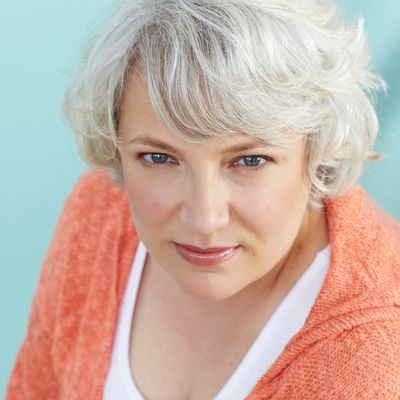
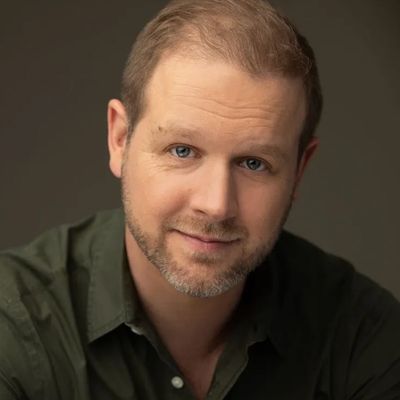
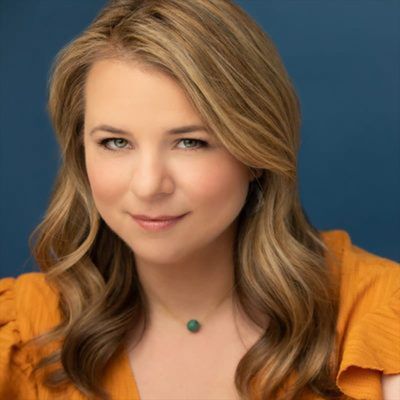
Guests
Featured Shows
About
Welcome to the Rock!
Live from BroadwayCon we ‘Deep Dive’ with the creators, director, choreographer and several original actors from the hit musical COME FROM AWAY.
How did this incredibly moving, universal story of hope, generosity and compassion come to life? Creators Irene Sankoff and David Hein, Director Christopher Ashley, Choreographer Kelly Devine and original Broadway cast members Joel Hatch and Astrid Van Wieren, share their process of creation from day one.
During these challenging times, this remarkable story of human kindness…of ordinary people being extraordinary…could not be more timely.
Connect with Dori
Transcript
This transcript was automatically generated and might contain errors.
[0:00] ⚠ About 3 minutes of audio could not be automatically transcribed.
[2:34] Dori Berinstein: Uh, I think I truly am obsessed with the show, and just like Josh, I send everybody I've ever met. So just to get an idea here, um, how many people here have seen Come From Away? Wow. Wow. I rest my case. And you'll all need to see it again and again and again. And I mean that because I think in the crazy world we're living in, a show that is all about heart and hope and harmony and giving and kindness, you know, it's just such an important thing to be reminded of over and over again. And so it is with incredible admiration and gratitude that I welcome our panel today. We are so fortunate to have the creators, Irene Sankoff and David Hein. The incredible director, Christopher Ashley. Who is also the artistic director at La Jolla Playhouse? Kelly Devine, the incredible choreographer. And two incredible actors you've all seen who were in the original opening night performance of Come From Away, Joel Hatch and Astrid Van Wieren.
[4:08] Dori Berinstein: So you know, I know you're a dancer, and I know you even have a degree in set design and lighting design. But you decided you were going to work together and you were going to write a musical. Like who doesn't want to write a musical? But you guys did. But that was day one, and you heard about this reunion taking place in Gander. Could you set the scene for us? Day one, blank page. What happened?
[4:38] Irene Sankoff: So this was our second musical. We, uh, a friend of ours, Michael Rubinoff, who I think is back there waving, uh, introduced us to the story and said, "Do you think this would make a good musical?" And we started researching it, and we found out that there was a commemoration ceremony happening for the 10th anniversary out in Gander. And we decided to go out there and we applied to the Canadian government for a grant. I know, right? Um, and they gave us money to make art because Canada.
[5:11] David Hein: Do you remember how much it was?
[5:13] Irene Sankoff: I think it was between 18 and 21,000.
[5:16] David Hein: Was it 18?
[5:17] Irene Sankoff: I think 18 was the first installment, but wasn't there more?
[5:19] David Hein: I don't know why I'm nitpicking, Kiko.
[5:22] Irene Sankoff: Okay, go.
[5:23] Irene Sankoff: So we got to go out there and we got, uh, we got there early. Um, we got to stay there for about, um, uh, three weeks to a month. We got to stay longer because our hotel budget, um, was not used at all because no one would let us stay at a hotel. Like they, uh, they kept putting us up and feeding us, and we got screeched in, um, multiple times. Um, I was just listening to, uh, to another podcast about Come From Away, and Beverly Bass was talking about her experience of, uh, walking down into the lobby of the Comfort Inn and being told there's a couple playwrights here, and so we just randomly, uh, met everyone and, uh, we're just really lucky to meet, um, some really incredible, wonderful people and here every story we heard was better than the last one.
And we just, um, we came home, uh, so excited to tell every single one of them, uh, in a hundred-minute musical. What was it about the idea when you first heard it that made you think this is a musical that we want to write?
[6:20] Irene Sankoff: So David and I lived in Manhattan over September 11th, 2001, and we were living in a residence for international students from seven, if it was 110 different countries, um, and, uh, 700 students. And, uh, when we moved back to Canada, we'd kind of put that experience behind us, but something about the story of being somewhere with people from all different cultures, all different backgrounds, and coming together. I was like, oh wait, we kind of lived this. You know, I feel like I, I feel the music that, you know, one of our friends pulled out a piano that night and started playing, and we all started drinking wine and staying up way too late. And I was like, wait, I think, I think I get this.
I think, I think I know what happened out there, even though it was far, far away. And, um, uh, being out there and, and trying to like capture in a bottle, if you will, uh, just the amazing generosity and goodwill and gratitude from the people who returned ten years later was, uh, even more amazing than I could have thought when I first, when we first started thinking about turning this into a musical.
[7:28] Irene Sankoff: And, uh, your creative process, this is before, uh, we get to La Jolla, but your creative process, um, uh, you ended up preparing a script, and I believe you were pregnant and you were at the hospital and you were turning in a draft. Is that true?
[7:45] Irene Sankoff: Oh yeah. Oh yeah, I think it scored me another night because I was like, no, you don't understand. We're taking a show to New York. And they're like, uh-huh, okay. Let's, uh, we'll just give you another night here then and we'll keep an eye on you. And I was like, okay, that's good because, you know, the draft is due tomorrow, and I'm just, yeah, yeah. I think there's a picture while holding a baby and a breast pump, so you'll never see that picture, but like, yeah, yeah. Um, so, uh, so we came back from, uh, the creative process was, uh, we came back from Gander with every piece of paper we possibly could. We wrote, we had this, um, uh, if you, if you look at, uh, Come From Away, Welcome to the Rock, the book that came out.
It's got one example of a page where we wrote down every little story anecdote we possibly could hear. And we just had hundreds and hundreds and hundreds. We also had every letter that people sent back. Uh, we had, um, uh, newspaper articles from the Gander Beacon from St. John's, we had, uh, websites from around the world with people telling their stories, and we spread it out in a huge room. We tried to, um, compile stories into stories about love or stories about food or stories about faith, and tried to somehow link them all together and then, um, and then put them together.
[8:51] Irene Sankoff: And the first, the first, uh, the first version of it was about five hours long, or it was, it was a hundred pages before they even got off the plane. Um, then, uh, and, and then we were very lucky to, uh, to be able to workshop it at Sheridan College at the Canadian Music Theater Project, which Michael's starting, um, and then, uh, to take it down to Goodspeed, uh, musicals for their festival of new musicals that they have there, and then take it to the NAMPT festival as well, which is where, uh, we met Junkyard Dog. And did you, uh, in terms of shaping it, you have, you're sitting on thousands and thousands and thousands of stories, and you're trying to figure out how to shape it into a show with 12 actors playing. Did you figure out early on that they're gonna have to play 20 parts a piece? You, you in terms of the parameters that you set up for yourself to be able to tell this story, what you know, early on, did you, did you set clear rules?
[9:46] Irene Sankoff: I think it was a very Canadian sensibility of, of like, uh, let's get as many people as we possibly can, and if we have chairs, we'll be okay. Then like, like let's, you know, we'll get a barn, we'll put on a show, we'll save the theater. You know, right. But, but like, like Astrid, you get this. You get in a van, uh, like that's, can a lot of Canadian theater as you get in a van. A lot of vans. Right. And, and it's, your entire show has to fit in a van. I've, uh, for Sheridan, um, uh, we had 14 students. I don't remember how we negotiated that, but we clearly we wanted to represent as many as we possibly could, but, uh, but also it emerged really quickly that telling a story about Come From Aways and, uh, and Ganderites, uh, became really powerful when people switched between the characters and, uh, it just reminded us that you could always be in any one of those positions. You could, you know, in an instant you could need to be helped, or you could be the one who's able to help in those instances, and that's what it reminded us of. And it's just fun, right?
[10:45] Irene Sankoff: And but before we get on to the next phase, just a little bit about the music and how that came together.
[10:52] Irene Sankoff: Yeah. So I grew up on Newfoundland music, um, listening to bands like, uh, Great Big Sea. Here is, here's some bands you should check out. Uh, Great Big Sea, uh, Shani Ganook, um, what's it? Now the once you disrupt. Yeah, the once, the, uh, um, there's a bunch of incredible, um, uh, Newfoundland bands that inspired me. And when we first started working, um, uh, with Ian, our amazing music director who's working with these guys on Diana right now, um, uh, he asked for some influences, and I made this like massive mixtape, uh, a company with this huge drop box of like every single song I had ever loved. And, and I, there was a whole bunch of things that I wanted to put in there from, uh, you know, a heavy Bowron beat that there's a Great Big C song, uh, that inspired that to specific mandolin and penny whistle lines and, and, and things like that.
So I, I, I knew that I wanted to put that stuff in. And it was this, um, music that I'd grown up with that has been in Canada for hundreds of years, uh, but it's never really been on a Broadway stage. And so it, it's, there's something about it that's even though it's ancient, uh, it, uh, it feels brand new when you put it in this new context.
[11:56] Irene Sankoff: And it's also, it's how they respond. Everyone we interviewed out there, you know, brought out three instruments and played us something when we, you know, and it's how they get through their terrible winters out there, and it's, uh, you know, they released. Yeah, yeah. Right now they are buried to death and they are having parties, and it's like they're the only people in the world who could be having like the, you know, a massive natural disaster, uh, and this huge climate change natural disaster, and they, and everyone wants to be there because it looks so joyous, and they're digging ice tunnels and, and, uh, you know, um, skiing down hills, and it's, uh, and, and pulling out an instrument. So that's how they respond to, um, to things going wrong is they respond by getting up and dancing and playing music, and that's, that's where the music of the show and helping each other.
[12:39] Christopher Ashley: Uh, so Christopher Ashley, artistic director of La Jolla Playhouse.
[12:44] Christopher Ashley: Uh, you've seen so many shows that he has directed, and I know that you care deeply about creating shows with social awareness. Um you like to play with forum, things that are culturally relevant. So this certainly checks off all the boxes, but I am curious to know how you first found out about the show and what your initial reaction was, and how what you know, what were your early stages in getting involved in the show?
[13:09] Christopher Ashley: Right. So uh our producing director at La Jolla Playhouse, a woman named Donna Harrell, um, was working on the NAMT festival, and I think was uh kind of dramaturging gently with you guys. Uh and she brought a script into my office at La Jolla and put it on the desk and said, I'm not leaving your office until you read this, which was a reference to that I had a stack of 55 scripts I was backed up on uh next to it. And um I I I four pages into it, uh I was in love with it. Um I think and and it's actually hard to read the script, it's so kind of like dense and specific. Um, but like David and Irene, I had been in in New York during 9-11 and had really raw and and very unprocessed feelings about it.
So it felt like wow, that seems like a thing to make a piece about when you you you have so much um sort of feeling still in there that has no way to um to get out. Um and uh I had also grown up in a small town, so I thought that the you don't see that many shows where small people who live in a small town are not condescended to, there's no sense of local yokelness in it. Um the kind of ways that those people in that town are used to taking care of each other and just um you know without skipping a beat, um, take care of 7,000 people who arrive at their doorstep. I found very moving. And the next uh step was uh Kelly, did you get involved early on at that point?
[14:34] Kelly Devine: So the two of you um was Gander uh uh on your itinerary in the early stage, or did is that something that happened later?
[14:42] Kelly Devine: I went to Gander the second time. These guys did a did a trip with the producers. Yeah, we had an amazing first research trip, uh David and Irene and Sue and Randy, the producers, and Kenny and Marlene. And uh I gained we were there for six days. I gained five pounds. Uh they just like feed you all of the time. Uh and we met pretty much all of the characters uh from Gander um that day, and they're incredible storytellers. You know, that the whether it's talking about um the events of that week uh uh after 9-11 or just their lives, they're like they're they're funny, they're emotionally available, they know right how to like add lemon right before it's gonna get too the story's gonna get too sweet and start to cloy.
Uh so I I like you fall in love with those people immediately, and they're really in our lives still. The the the named characters from this show are kind of some combination of groupies and spirit guides. I don't know. They like they show up at every opening. Uh they keep on like inspiring and amusing and moving us.
[15:48] Christopher Ashley: Um and Kelly, for context, you've seen so much of her work. You guys worked together, I believe, on Memphis, and you did Jersey Boys also, and then you went on to choreograph uh Rocky and Rock of Ages.
[16:01] Kelly Devine: Yes.
[16:01] Kelly Devine: Yeah. But you got your start at a fashion uh show in a mall, is that right?
[16:06] Kelly Devine: I did. Did you know that?
[16:09] Christopher Ashley: Oh my God.
[16:11] Kelly Devine: Perfect. An amazing, amazing career. You know, obviously. I was still in shock. That is a long wow. There are, you know, this isn't just a show that has kick lines and you know, the typical, but um I imagine the collaboration between the two of you to figure out the movement and the voice of the show from that vantage point was started to shape it early on. Could you talk about that?
[16:36] Kelly Devine: Yeah, I mean, Chris's initial idea along with Beowulf was like, let's see if we can do this with 12 actors and 12 chairs. That was that was it. I thought, oh fun. That's all. Um, but it really what was so interesting about it is that it really forced you to um make these things and these places uh, you know, come alive, and it pushed every step forward of like, do we buy that this is a plane? Does this look like a bus? We're in the Legion, how do we switch the chairs here? How does somebody flip from character to character? Is it just a hat? And it was an amazing exercise. And I think once we started, we did a little workshop uh uh in Seattle, and we just staged the first like the middle 25 pages, and it was the first time I would set something off.
I'm like, do you buy this? Does this look like a plane? Does this look like a big plane with a center aisle? You know, you know. Can we separate and be on one bus? Are we in two buses? All of those moves we discovered early on, I think that we had something, like it was effective. So then it was the task of starting at the top and working your way through.
[17:46] Kelly Devine: But the funny thing that you don't even think about sometimes, Chris, you know, because we we we worked on this for a long time. We got lots of chances at teching this and refining and fine-tuning. Um Chris would say, you know, can that chair just be over there? And I would just want to cry because it was like it's like pulling that thread on a sweater. I was like, yeah, but we'd have to change every single move prior to that to get back to that chair because it really is much the way the community came together. It's like the whole company works together every moment to make all of those things happen. So it's like you have to get along, or somebody's gonna be like, oops, I forgot your sweater, you know.
It is, it takes a it takes a village the whole time and and really paying attention, listening to each other and helping each other get through the show because there are so many little sneaky pass-offs, and um, and there's just a chair move every 10 seconds. It does turn out it's not just about kindness and generosity and working together, you actually have to work together at a really deep level just to make the show go.
[18:48] Kelly Devine: Um, and I don't I don't know that I've ever actually asked uh actors to do a harder thing than learn this show. Once you know it, it has like your body remembers it. But the process of learning it, I'd be interested to know from from Astrid and Joel how much they hate me. But um it's it's fiendishly difficult to put in your head because it just it doesn't never settle, right? It's just there's two lines in in this place, and then you have to turn in a dime, imagine yourself in a different place, drop the dialect, change your physicality, change the sweater. Like it's like it's like it's just turning so fast, and you have to hold it all in your in your line and make it in your head and look make it look easy.
All of that. Um but it actually the wonderful thing about it is you you get such an incredible sense of accomplishment during I remember in La Jolla like getting things like it in rehearsal that thing of knowing I got that or like Patrina's got like and this things are moving and it's just so exciting. So every moment felt like something to build on. So yes there were moments of like oh my come on or like it seemed difficult but once it all started to flow yeah and then it's fun to be sort of like the person who sees the new person come in going you'll get this and it's gonna feel really good when it all clicks like anything that you work hard at and it and it comes together.
[20:10] Kelly Devine: And Delon was saying the other day too the thing that's difficult about all the chair moves and the choreography chariography and stuff is it's not always connected like as actors you're connected to what you're saying and what you're doing but the chair sometimes it's just like you're part of a community and you're setting up for somebody else's scene. So it really is what you're talking about that you your ego is you can't have one. You're all lifting the story together so it does something to you it makes you want to only do this kind of work where you're all participating. I'm spoiled for for anything else really.
[20:41] Kelly Devine: We were talking about chairs now I'm talking about that. Well about about the chairs my favorite thing is anybody who comes in in Petrina's track because she's from Newfoundland so when they'd say oh we need somebody to move these two chairs you go I got it and Lee McDougall and I would be behind the piano going, did she take that? Is she gonna do that? Because and so every time we're doing the show and somebody's in Petrina's track, we all sit there and smile there as they're sweating, trying to get all the things moved that she had been so nice to say she'd do.
[21:15] Kelly Devine: Yes. I remember there was a there was a moment when we were working on it that uh the uh downstage, uh Chad needed to change from Garth to Kevin T, and uh and we didn't know how to do it, and Irene and I were sitting behind you guys, and we could feel like it was dead center. We were like, oh no, there's a rewrite coming. We have to we've made this, we have not we've made the scene impossible, and and we could feel Chris about to turn and say, I think we need to reorder this in some way or something. And Pete Petrina was like, I'll just take his jacket off. And and she like she's the one behind him who just pulls his jacket off and suddenly he's Garth, and you're like, Oh, and then there was like this you there was this universal moment of like, oh, that's what this show is. Someone else does it for you, and and it's you don't have to do it yourself.
[22:00] Joel Hatch: It's a community, yeah. Well, speaking for I think everybody in this room, I I was a thousand percent from the first second with every part you played, and with every part played by the um entire cast. You know, you just move from the plane to the bar to you're you're with it and with all these different characters. But how do you, as actors, move back and forth so seamlessly with the dialect and with the posture, even and not to mention all the jacket shifting and chair moving? How do you do that?
[22:35] Astrid Van Wieren: I think that's what we love as actors is playing other people and telling stories. So really it's a chance to show off a bit on one level, but also each character, um, what David and Irene wrote and and and how you know Chris would talk to us about it and and Kelly would move us around the stage. Every character has respect and an and a need in a moment, whether I'm, you know, the the customs officer for a moment or something, or or whatever at that person is having that day, that 9-11 moment, that whatever's happening, and it you you bring your best to it, like you can't slough off one a couple seconds there because everything's going so fast, and you need to pull your audience in so quickly and let them know what's happening that you just you you bring your best, you bring your A-game to every every character, hopefully, and then it that happens, and it's kind of a bit of a bit of magic.
[23:25] Astrid Van Wieren: And and I find even sometimes when I'm looking at people, their eyes look a bit different, or I mean, particularly with Caesar, because I have some scenes with him as Kevin when he says freaking that you know, F out, and and uh then when he's when he's Ali, and he's just so different. I almost forget sometimes that it's Caesar both times. So, you know, you want to make sure you're you're matching your your colleagues. And the movement uh and and the direction. I felt like I was on a plane. I I I would imagine that like imagining what it would be like to be on a plane for over 24 hours and the movement and the feelings.
[24:02] Christopher Ashley: Yeah, how could we talk about your creative process and communicating that? One of my favorite things that Kelly brought right away is an idea that that the it's the little details, the little naturalistic details of living your life that then get multiplied and and uh abstracted and turned into movement. So, like almost everything that the actors do as part of the choreography is like something that comes from life, whether it's like opening up a little air vent on an airplane or the way you you know shift the the angle of the chair, and like the fact that it's life multiplied and intensified is one of my favorite things about Kelly's work. I mean I and I do travel a lot, so I do spend a lot of time on planes, and there was it was very interesting while we were in the middle of doing it.
Every time I'd be on a plane, I'd be like, What's the action on this seat? Okay, great. And how does it where's that knob when you push up that TV? What's the all of those things? And then it was just really being super super specific. Whether you turn on the vent and then feel the air on your face because you're stressed and you just need some fresh air. It was finding those moments too when people are trapped on a plane and and your legs get restless and you get tired and you get uncomfortable. And finding all of those physicalities with that, I think was um what was fun. But one one thing that I think right at the top that I thought was really cool, the very first transition they do, right? We're in Gander, blankets of May, everybody's freaking out.
[25:25] Joel Hatch: The very first time we make the plane, it is an insane, it's just an insane transition. People are just everywhere, moving stuff all over the place, and then in the last split second, they're on the plane and they sit. So you don't, it's like the chaos that's happening in their town from what they're hearing, what they're trying to prepare for, and you cut to this plane where people don't even know what's happening yet.
[25:46] Joel Hatch: So tell you the the cast, the original Broadway cast came to watch the tour, first tour cast in the rehearsal room. And this is an amazing moment that would never happen unless your audience was a cast that had performed this. That tour cast did that transition that Kelly's talking about, and they did it on time and they sat on time, and the original cast gave them a standing ovation just for the transition. Yeah, it was incredible.
[26:10] Joel Hatch: And another one of my favorite stories about that too, with all the plane stuff is now where were we going? And and uh Q was was doing the choreography on the plane, like just joking around. Oh no, but it wasn't just us. There were other like just passengers, and this woman was like put the scene in front of her, going, what the so we we had to sort of settle that like let her know it's it's okay, she's not crazy, you're gonna be safe. It's just we're doing a show, and and Q is just enjoying the moment. It was pretty fun.
[26:43] Kelly Devine: I would imagine that this was probably one of the most challenging cast albums ever to record because it's so integrated. It's you know, dialogue, song, everything. It must have been a massive undertaking to figure that out.
[26:59] David Hein: It was it was really like David and Ian and Irene that really like condensed it down into something that would work for an album. Also, we were just we we recorded it uh uh late in Toronto before we hit Broadway, and there were still new songs going into the show at that point. So Q's big song is Hannah, she learned it in the studio, and it was being recorded as she was learning, like she would learn a line, record the line, learn a line, record the line.
[27:25] David Hein: So it's like and it's and when you listen to it, you think like what a beautiful performance of that, which is just like incredible mind over matter. And it was sort of the end of the day. We you were you were there, I was there, Randy were there, we were watching, and we were just weeping, and I remember turning to Randy, and I think it was Randy, and I said, and I tell a joke after that? Great. But but you know, because I was trying to lighten the moment as Newfoundlanders do, because I was just weeping because it's such a perfect and she was so she was just so committed, even though that was the hardest thing I'd ever seen anybody do.
[27:57] Joel Hatch: Yeah, we were throwing post-it notes at her and then taking them back and rewriting them and giving them to her again. It was it was an amazing task what she did. The thing that I loved about recording it, if you ever get to see pictures of it, is um you typically do a cast album, and there's you know, there's one singer, or you or you'll do the background singers, and then you'll do the the lead singer on top. This was 12 people in a circle. Each one has a had a little isolation booth.
[28:17] Joel Hatch: We tried to take a picture, you know, panning all around, and Irene and I got to sit in the middle of it, and you could see them singing to each other and bouncing off each other, and it was uh it was it was really magical. The the hardest part of that was again, just like making the show was we couldn't include the entire show on the album and how to make a good album uh that represented the experience, but still left some new material for people to find in the theater as well.
[28:44] Dori Berinstein: Your process of development and the trajectory to Broadway is unique and in so many um stops along the way. And I love for you all to talk about what that was like in terms of introducing this show to the world. Also, as far as it, you know, how did that help your figuring all this out? And you know, I'm sure it evolved along the way. Um, and talk about, you know, from La Jolla on, by the time you got to Broadway, um piece of cake, all those chair moves.
[29:18] Christopher Ashley: Well, just I mean, we did. We went um after what uh David and I read described of uh of Sheridan College, Good Speed, and NAMP'd. We we did La Jolla Playhouse, Seattle Rep, Ford's Theater. We had an amazing couple of days. We we did a benefit concert of the show in Gander in the ice rink that had been turned into a refrigerator during the week of 9-11.
[29:42] Christopher Ashley: And 2,500 seats, we did it twice, so 5,000, like more than half of the town of Gander was there at those two of those two performances. And the feeling in that room, the like they're telling our story that that this is a this is our story made made theatrical and about five minutes before the end of the show you could feel it sort of like the story was starting to end they just started to scream I've never seen like an audience watching and screaming just like a wall of sound coming back at the actors it was a really emotional moment it was like being a rock star and when Patrina stepped up to the to the mic because she's from Newfoundland that it was like David Bowie had just entered the building or or fill in the blank fill in whoever your you know your rock icon is it was amazing.
[29:51] Christopher Ashley: And one of my favorite things of of that is that when we sing um there's a part of a a sort of a sea shanty part way through you know when we sing farewell to all you pretty na the heave away and uh it came back at us from the audience they sang back to us so they participated and just it felt like the benediction we needed to like the the blessing or whatever you want to call it to to go forward knowing that we were honoring their stories and they felt like we were taking them with us and it was yeah it was pretty pretty amazing and we all balled with everybody started to dance at the end like that thing that you always want your curtain call to turn into like a big dance party they actually just everybody got up and danced for for 10 minutes.
[31:07] Joel Hatch: Rodney and I helped Derm up on the stage and he grabbed both of us and screamed we're gonna have whiskey so I guess I guess we passed the test oh I'm sorry David go ahead.
[31:07] David Hein: I was just gonna say how magic it was you know all the way along we've had um the real people coming along so in in La Jolla um Beverly Bass came and said uh she had no idea what we were doing and sat there and cried constantly, and we looked at we watched the back of her head and were terrified about what she would think and um in Seattle, Claude came um so many times the real people have come and given us their blessing, or in um in Washington and DC, uh when we had uh people who were directly affected who had been in the Pentagon who came to see the show and gave us their their blessing on the show and said that it was a testament to the people they had lost.
[31:58] David Hein: Um that's that's what meant the world to us. And then coming to Gander was incredible. I think the thing for us that um starting in La Jolla, I it was the first time that show the show was going to be reviewed. It was the first professional thing. It was the first time working with with almost everyone, and we were really scared.
[32:14] David Hein: And I remember um, you know, to Chris's genius about working this out and working with our producers about mapping out this development process. I remember Chris said, I think we're gonna get about 80% there. And we were like, Would you it needs to be a hundred percent there? And these, you know, and uh and I don't even know if we got 80% there. You know, we were probably like 60 or so. We we we kept refining it.
[32:34] David Hein: It was such a gift to take it and have the chance to bring the real people there and have the chance to really develop it over and over and over again and have gander and you know, have the pressure of getting the accent right and uh and then bring it to Toronto and get the Canadian uh 12 actors that don't have a Newfoundland accent that have to all of a sudden perform this show besides Patricia perform the show in front of five you know 2500 a show was I your faces were I was feeling for you that was that was quite the feat.
[33:05] Kelly Devine: And and again, they just embraced it with you it was great, embraced you all open arms. I felt like one of the things that really changed the most in that in those last five productions uh on The Way to New York was the darker tones in the show all got leaned into, beefed up.
[33:24] Kelly Devine: I mean, and I think some of that's because the original interviews people gave, like the people are so generous with each other that they told all the generous parts of the story instinctively and immediately, and all the moments of tension and discord, and the moments people did not behave beautifully with each other, or the the difficulties that had to get dug for, so that the song about Hannah um and her son and her son, the firefighter in New York, and the strip search of Ali at the airport, both of those were two of the last pieces to come in.
[34:00] Kelly Devine: Um, and and I think in balancing the show, it was pretty clear to us that some of the generosity and kindness of these people was even more heroic because it was hard. They didn't speak the same language, they didn't have the same religions. A lot of prof there was a lot of impulse to profile people from the Middle East. Um, there was a lot of reasons why this shouldn't have gone as well as it did. And digging into some of those were some of the last pieces that came into focus.
[34:27] Dori Berinstein: I would imagine your stage door is ridiculously emotional.
[34:32] Astrid Van Wieren: I was gonna point out that you asked earlier about us playing all these multiple characters. Each character is so vitally important because at some point we meet that person, or we meet a relative of that person, or we meet somebody who was on the planes, or somebody from Gander.
[34:51] Astrid Van Wieren: Almost any show of the week. And we have to be there for those people, every performance. Yeah, you can't ever have a show where you just don't care about that character.
[35:03] Joel Hatch: We this last week we had a woman come up to us after a show, and she had a rose for each of us. Her mother was from Germany and was on one of the planes that got uh diverted to gander. She said, My mother never got to see the show, but she told me stories.
[35:18] Astrid Van Wieren: So yeah. And she's friends with the people who took care of her mom.
[35:23] Joel Hatch: Yeah. So she gave us all a rose, which was very sweet. There's always, I mean, there's so many stories, and it's hard sometimes not to sort of that's the the thing about being an actor and and also just being a human in the world, is like to take it to take it on so much.
[35:37] Astrid Van Wieren: So trying to find skills. I think finally I'm finding the skills to to be present with people when they're giving their their story of grief or their story of of tragedy and and be present with them, and then when they go, realize I don't need to carry it as well.
[35:56] Astrid Van Wieren: And that's uh that's been really great. I don't know exactly why that came up, but it's just been recently there's been some people who really they're they're kind of coming around to people have said, No, you'll be okay if you come to the story. They take care of you, even in the beautiful way that it starts and the way it's designed.
[36:12] Joel Hatch: It's not an urban setting, it's trees, it's chairs. You meet the you know, people from gander first, and then we go to the plains.
[36:20] Joel Hatch: So there's just this, you know, because we had different openings. We had an or one of our first openings was was sort of a this beautiful but eerie, kind of a little scary thing.
[36:31] Kelly Devine: So this kind of having the bra on, like this this drum beating with this heartbeat, you already feel like right away, like, oh, it's a you know, something, you know, it's a heartbeat, and there's oh, these people are really nice.
[36:41] Joel Hatch: And we meet Claude, and who wouldn't love Claude, and especially as Joel does him, and he's just we're just talking to you, and it's like, hey, come on, welcome, and uh, and so people come and they feel taken care of, and that's that's a great thing because we wouldn't want them to be add to any of their trauma in any way.
[36:59] Dori Berinstein: So and catharsis, like you said, those unresolved feelings you have about 9-11, or anybody does. I mean, theater at it at its best is a cathartic moment, a moment to be together as a community and cry together and laugh together at the same time.
[37:14] Joel Hatch: I mean, it's I love our show. And the way it the way the show ends, you know, that there's it moves right into music and nobody wants to leave.
[37:26] Dori Berinstein: It's uh did that uh was that part of it in the from the beginning, or is that something that you introduced later on?
[37:32] Christopher Ashley: So that was in La Jolla. Um Chris asked for some exit music. We we're like, well, the audience is gonna leave and maybe we can have some music when they go out. And and so uh with Ian we put we put together, you know, this fun collection of tunes and uh it was the worst exit music ever because no one left.
[37:55] Joel Hatch: Yeah. So they did, and like so over like the first four previews, like and they were off stage. We hadn't really brought them at that point.
[38:04] Joel Hatch: This the odd band wasn't really on set, they were kind of very much in the wigs in the back. So we were like, well, I guess if they're gonna stay, we'll get at least a little bit on stage. So this instead of the next night they were like the band was kind of beaking in a little bit. And by like three nights later, they were like center stage with choreography of lighting cues, because the audience clearly like needed to be, they weren't done. They like needed to be together with the music, together with the band, and they that whatever community is formed in that room by experiencing that story, they needed another couple of minutes in the music together. Genius. I have so many more questions, but I'm sure you do too. So is there anybody here that would like to ask a question?
[38:48] Audience Member: Yes. Um my question is uh obviously there's something very special about Michelle. I actually got right as one of the teachers teach engines before, and I convinced it had a couple offerings, and I'm like, if you don't take them from away, we're not friends anymore. Um but what is it crucial actors who won't stay for five, six years of the show. What is it to you guys that makes you say and I'm just gonna repeat it so that we can capture that. Um the question is for the actors, there's so many actors that have been part of the show from the very beginning, and you are all still there and giving it your all every single night. That is a rare thing.
[39:30] Astrid Van Wieren: Good question. Well, most of us have been in this business quite a while. I mean, most of the cast are, you know, have been around the block. So we've experienced doing many different types of shows and many different types of theater, and we know a good thing when we see it. We don't really want to walk away that because we're kind of spoiled right now. Um this is a story that we feel has integrity, um, that we have great respect for, that we never feel like, oh, I gotta do that tonight. Um we really and the and also the community, um our producers and our creative staff have done a brilliant job of creating a community. They were very, very careful in their casting, and the people that they've hired have been really generous, lovely folks to work with.
So, and that's true of the crew, that's true of the band, that's true of everybody. And that makes it really hard to leave. And adding to the crew and the band and everybody, also the people who come and see our show, as you said, it does kind of create a community in the room in the theater when people go. And that's really magical, that sort of communication with rare because a lot of shows you do. There's the fourth wall, and yes, you can feel the audience plugged in with you, but here there's so much direct address. We really go on a ride with everybody every night. So that keeps it fresh and new. So as long as it's still feeling fresh and new, I think Yeah, it's a great place to work.
[41:06] Audience Member: Yes. Um on behalf of the Care Technical Relief Fund, I'm on the board, and um my family is literally uh Cardiff's job. Um the whole uh group, whole families came to see the show. I don't know if you remember me. Um, but I just want to thank you because ongoing this is making a difference in so many people's lives. So just a thank you.
[41:34] Joel Hatch: Beautiful. Uh yes, sir. Uh this show um obviously has a viewers of kindness and caring, but at the same time, it's it's a very Canadian and uh about a Canadian story about events that happened in the United States. So when you took it to Australia and to London, was there a concern that it wouldn't translate? And and if so, did you make any tweaks with those companies that aren't you know necessarily within the show that that's in in Canada over here? Just to repeat the question such a Canadian story and an American story, and how you approached bringing it to Australia or London and any kind of changes that you had to make anticipating a different reaction from the audience.
[42:29] David Hein: I think uh we've been we've been surprised from the very beginning. We you know, when we first wrote this, we thought Canadian high schools would be forced to do this. So we're very surprised that we're here, and it's it's a delightful dream that we're having. And um, so every time we take it somewhere else, we're a little like, what's it gonna be like there? Um but we've what we've been what we found is that this story is a really universal story. Not only um on 9-11 were we all in the same boat and were we all wanting to help and felt helpless at the same time, but um but uh unfortunately since then there's been so many times where we felt similarly to uh to tragedies and to things that have happened.
So we found that that that universal response to the show, I think is fueled by each country's individual response to 9-11 and to tragedy since then. Um we've been very fortunate about not having to change too much. Um of the things that we found in the UK, uh there's one line about the tube, which I think we actually kept in, but but but you know, there's a question of do you know do you refer to a TV as a tube or is it a subway? Uh but the biggest change that we had to change is that no one had any idea who Tom Brokaw was over there. Um but fortunately um we had a backup because uh Brian Mosher, who the character of Janice is half-based on, um uh he was approached by Oprah Winfrey. Uh and he and he will proudly uh if you go to his house, which he will invite you to your his house, he will proudly show you his answering machine, which he still has out, and he will play you the message for uh that he was uh communicating he was contacted by Oprah Winfrey to uh to get his footage and so and so we changed it to Oprah because she's international.
[44:07] David Hein: Just uh following up on that, uh it it is uh we were worried that it was gonna be a North American story and and it wasn't gonna translate all the way, but it is really uh uh, you know, in England with all the Brexit, in um in Australia, there's really they have their own version of a society that's kind of dividing left right and uh and and blaming people who look different and seem different and seem other and seem foreign, as opposed to uh feeling like you're all in it together. So I mean I think there is something about the story that turns out to be really universal. And also the 9-11 was actually a worldwide event, right? Like it not quite as intense as it was in North America, but but it was in a lot of people's lives.
Scary thing is now sometimes that you have actors who actually uh were barely born at 9-11. So you actually have to do some kind of dramaturgical backdrop with them. Uh and then there's one character in the show, uh Joey, who's like kind of the party guy on the plane that does hasn't heard anything about it, and every country wants that to be theirs. They're like the Australians are like, we're like that. And the British are like, oh, we have that. So that actually that character tends to be from whatever country we're doing it in. And what a uh it's timeless to be telling this important story about welcoming refugees. You know, really important.
[45:29] Audience Member: Yes.
[45:58] Kelly Devine: Well, so the staging is really a collaboration between Kelly and I all the way. I mean, we were a lot of times w with Kelly and I when we work together, we'll sort of do two separate rooms and have like a dance room and a scene work room. This was really always together. Um do you want to answer that one?
[46:14] Kelly Devine: Yeah, I mean I think it was just it literally was scene by scene. So it would be whatever the next location was, we would move the chairs, make it look the way we needed it to look, backtrack, go through the scene, block the scene where it made sense and it was most effective, and then and then it's like okay, and it just felt like a little puzzle. So I'd say, you're gonna take this chair, you're gonna go there. We would just do it chair by chair, and then you do it 15 times, so they do it effortlessly, and it lands in, you know, five, six, seven, and plain. So it's it is gonna be checked.
[46:50] Joel Hatch: Like Lobian response. There was a moment of like five, okay. So it was. It was just it literally scene by scene, and we just kept doing that every day and just keep going forward with it. We also just having that there's five companies out right now, and I and we've done it enough times that you can actually recognize the nervous breakdown day. You can re like, here it comes, this is the nervous breakdown day. We're like, like there there will be tears, there will be I just uh like a la uh suddenly the cast doesn't believe that they will ever learn it. Uh and it you it's like it's like day four of week three is like the average nervous breakdown moment. Uh it never stops either. I mean, that's the thing, they never stop.
And so the moment, especially when you guys are learning it, the moment that they're sitting in a chair thinking about what's next, they've missed their chair move. Literally. I mean, uh, you'd see that you're like, ah, because they were just thinking about where they were supposed to go, and everybody else is already on the plane, and they're like, Well, I miss I missed that flight. Did you guys uh have musical chairs at your opening night?
[47:54] Audience Member: I mean killer, you know, team of people playing that. Uh okay, we have time for one last question.
[48:02] Audience Member: Oh my goodness. Uh sir.
[48:04] Audience Member: I think Chris mentioned this about generations. I'm just kind of curious because obviously those of us who lived through 9-11, and then the real people are so impactful, and you've met a lot of those. We've also got a teenage daughter who was born after 9-11, and she's a big Broadway fan, and so she knows every word come from away, and she just loves it. But it's kind of I wonder how much of that burden of this is her emotional attachment and experience of 9-11 is truth come from away. So have you had interaction with young people that played into that?
[49:36] Irene Sankoff: So much so. We do a lot of um QA's with high school students and stuff, and really, I mean, they've been born into this 9-11 world, so they're curious about why there's so much security at airport. Like there was a time when people didn't have to take off their shoes, like those kind of things. But on a bigger scope, I think they're responding to the sense of community, the sense of people being kind to each other in a world where they in social media and the internet and TV, everybody's just gr, you know, and and you know, being kind feels good, and it doesn't cost anything, and it's it's something everyone can do. And I I really have great, great optimism when I meet.
[49:38] Dori Berinstein: Well, I wish we could keep talking, but um uh I want to just thank our panel so much for telling this beautiful story. It is a timeless classic story of uh how love can grow out of darkness uh that means the world to me. So Astrid and Joel and uh Irene and David and Kelly and Chris, thank you all so much, and thank you for being here for Deep Dive Broadway.
[50:20] Dori Berinstein: Thank you for listening to Deep Dive Broadway, produced by Dori Berinstein, edited by Alan Seales, and special thanks to Bia and Brittany, who are fabulous. You can find me at VPN.fm slash deep dive broadway. My Instagram is Dori.berenstein, which is B E R I N S T E I N. Please subscribe and leave lots of fabulous comments. And check out my website at dramatic forces.com.
© Broadway Podcast Network, All Rights Reserved