

Live from the studios of KGNU in Boulder, Colorado, Destination Freedom Black Radio Days comes to you with The Difference by Peter Trinh. The Difference is a candid dive into racial dynamics and the chasm that grows between the perceived and global majority... Read More
From the show: Destination Freedom Black Radio Days
Guests
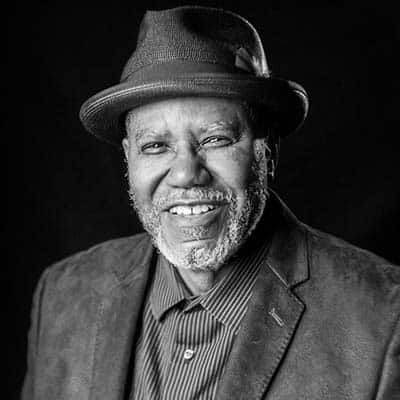
About
Live from the studios of KGNU in Boulder, Colorado, Destination Freedom Black Radio Days comes to you with The Difference by Peter Trinh. The Difference is a candid dive into racial dynamics and the chasm that grows between the perceived and global majority. Peering into the veiled, uncomfortable, underbelly of neo-supremacist ideology. Produced and directed by donnie l. betts.
Stay tuned after the audio dramas for a conversation with playwright Peter Trinh. Featured in The Difference are Latifa Johnson, Peter Trinh, Brian Landis Folkins, Josh Levy and donnie l. betts. Plus a Q and A with college and high school students. Many had questions about culture and identity.
Produced by No Credits Productions LLC and donnie l. betts. Listen again at wherever you get your podcasts #BroadwayPodcastNetwork #itunes, #radiopublic, #spotify #amazon, #stitcher or www.nocredits.com.
Transcript
This transcript was automatically generated and might contain errors.
[0:00] Unknown speaker: Next up on Destination Freedom.
[0:02] Unknown speaker: They're clean, sir.
[0:03] Unknown speaker: What?
[0:04] Unknown speaker: HR didn't come up with anything.
[0:06] Unknown speaker: Some flirtatious messages between Keno and Jim from accounting, but nothing that would suggest Anaya or Tom had anything to do with Keno's.
[0:16] Unknown speaker: Gross.
[0:16] Unknown speaker: That Jew in accounting is gay.
[0:19] Unknown speaker: We need to clean house.
[0:21] Unknown speaker: Get with HR.
[0:23] Unknown speaker: I want to downsize your team to just Sam, Seth, and yourself.
[0:26] Unknown speaker: They'll spin it so it's kosher, budget cuts, downsizing, discontinuing positions, that kind of thing.
[0:32] Unknown speaker: With all due respect, sir, Sam and Seth aren't half the engineers Anaya and Tom are.
[0:38] Unknown speaker: I don't think it would be a good idea.
[0:40] Unknown speaker: I didn't really hire you to think, did I, John?
[0:43] Unknown speaker: I hired you so I could keep a finger on these high-profile projects.
[0:48] Unknown speaker: But I trust Anaya and Tom.
[0:50] Unknown speaker: We've worked together for more than three years.
[0:53] Unknown speaker: I can watch them, John.
[0:55] Unknown speaker: This is a simple task.
[0:57] Unknown speaker: Remember, you fall in line and do what the company needs of you, and in the not so distant future, you'll be set for the rest of your life.
[1:07] Unknown speaker: Huh?
[1:07] Unknown speaker: Just like I promised your mother.
[1:19] Donnie L. Betts: Welcome to Destination Freedom Black Radio Days Podcast.
[1:22] Donnie L. Betts: The copyrighted program of No Credits Productions LLC.
[1:26] Donnie L. Betts: Our producer director, Daniel Betts.
[1:29] Donnie L. Betts: The difference.
[1:30] Donnie L. Betts: Written by Peter Trinh and directed by Danielle Betts.
[1:34] Donnie L. Betts: It is performed live from KGNU Studio in Boulder, Colorado.
[1:38] Donnie L. Betts: The playwright Peter Trinh describes a difference this way.
[1:42] Donnie L. Betts: When the details of a colleague's suicide become threatening to two BIPOC engineers, their white boss and friend must face his own racial blind spots and confront the tyrannical CEO, his patriarchal uncle.
[1:55] Donnie L. Betts: The difference is a candid dive into racial dynamics and the chasm that grows between the perceived and global majority, peering into the veiled and uncomfortable underbelly of neo-supremacist ideology.
[2:07] Donnie L. Betts: Next on Destination Freedom, Black Radio Days, the difference.
[2:18] Unknown speaker: Oh freedom.
[2:26] Unknown speaker: Freedom of me.
[2:30] Unknown speaker: And before I say, I'll be in my brain.
[2:41] Unknown speaker: Be free.
[2:42] Unknown speaker: Be free.
[2:44] Unknown speaker: Be free.
[2:45] Donnie L. Betts: Destination Freedom is sponsored in part by KGNU, Arts and Society, Bonfils Sanford Foundation, the ULPI Fund of the Denver Foundation, the Urban Spectrum, and No Credits Productions LLC.
[2:59] Unknown speaker: Be free.
[3:02] Donnie L. Betts: Cast of characters.
[3:04] Donnie L. Betts: John, Caucasian male, late 20s to mid-30s.
[3:07] Donnie L. Betts: Anaya and Tom's boss.
[3:10] Donnie L. Betts: Anaya, African-American female, speaks with a southern accent.
[3:14] Donnie L. Betts: Tom, Vietnamese American male.
[3:17] Donnie L. Betts: And Bob, Caucasian male, 40s to 60s, John's uncle and boss.
[3:22] Donnie L. Betts: Scene.
[3:24] Donnie L. Betts: The time, the present.
[3:26] Donnie L. Betts: Act one, scene one, the setting.
[3:28] Donnie L. Betts: Outside, the front of a funeral home.
[3:31] Unknown speaker: John is pacing, frantically talking on the phone with his boss and uncle, Bob.
[3:36] Unknown speaker: Bob?
[3:37] Unknown speaker: Bob.
[3:38] Unknown speaker: Uncle, can I speak?
[3:41] Unknown speaker: Okay, first off, I can't believe you're not here for Keno's funeral.
[3:46] Unknown speaker: It's not very professional, considering the complications.
[3:52] Unknown speaker: Secondly, you're crazy if you think I'm doing this here.
[3:56] Unknown speaker: It can wait until Monday.
[3:58] Unknown speaker: Is that priest gonna go on forever?
[4:01] Unknown speaker: Buddhist funerals are a time of reflection on mortality.
[4:04] Unknown speaker: Some priests are more long-winded than others.
[4:08] Unknown speaker: What's with the air quotes?
[4:10] Unknown speaker: Huh?
[4:11] Unknown speaker: Oh, the topic of Buddhist monks versus priests is a long debated topic.
[4:16] Unknown speaker: Oh, please enlighten me.
[4:18] Unknown speaker: There are no priests in Buddhism.
[4:20] Unknown speaker: A priest is considered a servant of the divine.
[4:23] Unknown speaker: He acts as an intermediary, a sort of conduit between God and his devotees.
[4:29] Unknown speaker: So what do you call them then?
[4:31] Unknown speaker: A monk is a servant to no one.
[4:33] Unknown speaker: He is a free man, seeking salvation by awakening divinity within himself.
[4:38] Unknown speaker: Then why do people call them priests?
[4:41] Unknown speaker: The term most likely emerged from layman observers using Western terms to describe things they didn't understand.
[4:47] Unknown speaker: But of course, I only have a Vietnamese perspective.
[4:49] Unknown speaker: I can't speak to Japanese monks.
[4:51] Unknown speaker: Huh.
[4:52] Unknown speaker: I did not know that.
[4:54] Unknown speaker: That got you pretty riled up, huh?
[4:56] Unknown speaker: Kinda like how that term Oriental ain't actually considered racist to Asians.
[5:02] Unknown speaker: Oriental literally means from the Orient, which is a specification of Asia.
[5:07] Unknown speaker: The Orient being mainly Southeast Asia, it is the antonym of the Occident, which specifies the Western cultures of Europe and America.
[5:17] Unknown speaker: If we are talking semantics, the preferred Asian American would include Russia.
[5:22] Unknown speaker: But isn't more tolerance a good thing?
[5:25] Unknown speaker: Like in general.
[5:26] Unknown speaker: You know how I found out you're not supposed to call me Oriental?
[5:30] Unknown speaker: A white person told me.
[5:31] Unknown speaker: Yeah, they had a limerick and everything.
[5:33] Unknown speaker: Oh, sorry.
[5:34] Unknown speaker: Food and rugs are Oriental.
[5:36] Unknown speaker: People are Asian.
[5:38] Unknown speaker: First, the term was imposed on us in order to marginalize my people, and now there's this overcorrection, stripping away the term that has been standardized for centuries.
[5:47] Unknown speaker: Meanwhile, we stand muted as our identity is dictated by external forces.
[5:52] Unknown speaker: The whole thing is just another example of white people telling Asians how to feel.
[5:57] Unknown speaker: It is a conversation about us, not for us.
[6:00] Unknown speaker: And don't get me started on Caucasian.
[6:02] Anaya: Anaya, will you stop antagonizing Tom?
[6:06] Unknown speaker: We're not even at the office.
[6:08] Unknown speaker: Okay, fine.
[6:10] Anaya: So, Tom, what do monks say about suicide?
[6:14] Tom: Anaya.
[6:15] Anaya: What?
[6:16] Tom: It's bad.
[6:18] Unknown speaker: What do you think, John?
[6:20] John: Huh?
[6:21] John: About what?
[6:22] John: Sorry, my head's swimming with all of this.
[6:26] Unknown speaker: Yeah, we all pretty shook up about it.
[6:31] Unknown speaker: Y'all know, if we were down in Texas, there'd be a whole lot of hootin' hollin' coming from that room right now.
[6:38] Anaya: Southern Baptist, right?
[6:39] Unknown speaker: That's right.
[6:40] Unknown speaker: When someone dies, we celebrate with song.
[6:43] Unknown speaker: We send them to heaven with the power of soul.
[6:46] Unknown speaker: I went to a Southern Baptist funeral once.
[6:48] Unknown speaker: I'll tell you what, it was definitely the most uplifting funeral I've ever been to.
[6:52] Unknown speaker: Is it customary to have a big reception after?
[6:55] Unknown speaker: Absolutely.
[6:56] Unknown speaker: With all the trimmings: fried chicken, fried fish, fat back, every part of the pig.
[7:01] Unknown speaker: Hogs, jawl, maw, every kind of green, collard, mustard, turnip, kale, and don't forget the cornbread.
[7:08] Unknown speaker: Food brings people together.
[7:10] John: Guys, can we please talk about something else?
[7:13] Unknown speaker: Yeah, okay, John.
[7:14] Unknown speaker: Let's talk about work.
[7:16] Unknown speaker: How's that secret project you, Sam and Seth are working on?
[7:20] John: How do you know about that?
[7:22] Unknown speaker: I know a lot about a lot of things.
[7:24] Unknown speaker: Like how Keno was embezzling money from the company.
[7:27] John: How do you know about that?
[7:29] Unknown speaker: To be honest, I really didn't know anything until you just confirmed it.
[7:33] Unknown speaker: I know Keno was into some bad stuff, and he was scared as hell.
[7:38] Unknown speaker: What do you know?
[7:39] Unknown speaker: I know HR is on full alert.
[7:41] Unknown speaker: Everyone is under the microscope right now.
[7:44] Unknown speaker: Don't you think it's kind of convenient?
[7:47] Unknown speaker: Keno commits suicide after he comes to me raving about how my tech is trying to... You don't think there was foul play involved?
[7:56] Unknown speaker: What do you mean?
[7:57] Unknown speaker: It's textbook corruption.
[8:00] Unknown speaker: Is it too much of a stretch to believe a company run by a bunch of straight Caucasian males?
[8:00] Unknown speaker: Watch it.
[8:00] Unknown speaker: I'm sorry.
[8:00] Unknown speaker: A bunch of straight Anglo-Saxon males.
[8:10] Unknown speaker: I don't think that's right either.
[8:11] Unknown speaker: A bunch of straight white men.
[8:13] Unknown speaker: Would want to keep an embezzlement scandal involving a homosexual Japanese employee under wraps.
[8:20] Unknown speaker: Y'all wouldn't want those investors thinking my tech's rep is anything but squeaky clean in case they pull funding.
[8:28] Unknown speaker: Hey, my uncle is on that board.
[8:31] Unknown speaker: What are you saying?
[8:32] Unknown speaker: That Montec murdered Keno and covered it up as a suicide?
[8:36] Unknown speaker: You guys are ridiculous.
[8:38] Unknown speaker: Not everything is about race, you know.
[8:41] Unknown speaker: Simple words coming from a person born in your situation.
[8:44] Anaya: You know what? Go to hell, Anaya.
[8:47] John: I've never treated you any different than anybody else.
[8:50] John: I don't see color, okay?
[8:53] John: When I look at you, I don't see my black friend.
[8:57] John: I see Anaya.
[8:58] Anaya: Perhaps that's the problem, John.
[9:01] Anaya: What?
[9:01] Anaya: Perhaps your insistence on treating everyone along some sort of status quo is what keeps you from getting to know people different from yourself.
[9:11] Anaya: As long as you don't have to hear about where we're from or the struggles of our people have lived or the details of our religion, you can ignorantly proceed as if we aren't completely different from you.
[9:23] Anaya: If you don't see me as black, then you don't see me at all.
[9:27] John: But I thought all minorities wanted to be treated the same as everyone else.
[9:31] Anaya: We want to be treated the same, but we don't want to be looked at as the same.
[9:36] John: What's the difference?
[9:37] Anaya: What's the difference?
[9:38] Anaya: The difference is I want you to recognize I'm different, but don't treat me differently because of it.
[9:44] Anaya: If you ignore what makes me different, you take away my individuality.
[9:48] Anaya: My roots matter.
[9:50] John: But why should they matter when we're all here now, huh?
[9:54] John: Who cares how we got here?
[9:56] John: We're here now.
[9:58] John: So let's just be here.
[10:00] John: Like you guys should just feel lucky to have jobs as engineers.
[10:04] Anaya: Oh, hell no.
[10:06] Anaya: You know, it just boggles my mind how the person who took the shortest route is so quick to pacify the rest of us when all we want to do is bear our scars and say, look what it took for me to get here.
[10:19] Anaya: Look what I overcame.
[10:21] Anaya: Oh, sure.
[10:22] Anaya: Y'all can force us to dress and talk like y'all, but I'll be damned if you're gonna take away what I've accomplished to get here.
[10:30] Anaya: Me?
[10:31] Anaya: I'm the first person to graduate college in a long line of factory workers.
[10:36] Anaya: Everyone in my family is blue-collar except for me.
[10:40] John: Oh, good for me.
[10:42] Anaya: Sure.
[10:43] Anaya: But when you make three times more than anyone else in your family, guess who fills in the gaps when they have certain expenses?
[10:52] Anaya: And Tom, his family came to this country on a damn boat.
[10:56] Anaya: So when our starting line is so much farther back than the one your uncle started you at, you damn right we're gonna be prideful about where we come from.
[11:06] Anaya: All roots matter.
[11:08] Anaya: We care about how we got here.
[11:11] Anaya: Maybe, just maybe, if you got to know your team members more, you would have found out Keno's family has deep criminal ties.
[11:19] John: What?
[11:19] Anaya: See?
[11:20] Anaya: If you got to know your staff, you might come across this stuff.
[11:25] Anaya: Look, John, we like you.
[11:27] Anaya: You're not like the rest of the managers.
[11:29] Anaya: You care.
[11:31] Anaya: Tom and I are just sick of people trying to fit us into a box.
[11:34] Anaya: Every time I bring up my church or the type of southern dishes I be preparing, people glaze over.
[11:40] Anaya: They don't want to hear it.
[11:41] Anaya: It's like we're monkeys standing upright, acting like humans.
[11:44] Anaya: But when the other humans notice us walking on our knuckles, they look at us like they just wish we were better at being human.
[11:51] Anaya: We just never liked the culture at Martech, John.
[11:54] Anaya: And if this company wants real growth, at some point, they're gonna have to hire more staff from the global majority.
[12:00] Anaya: Keno, Tom, and I are the only minorities, and now it's just Tom and I.
[12:04] John: Yeah, well, that might not last for very long either.
[12:07] Unknown speaker: Excuse me?
[12:08] Unknown speaker: You two are on suspension until further notice pending investigation.
[12:12] Unknown speaker: Pending what investigation?
[12:14] Unknown speaker: Pending the investigation regarding your collusion with Keno and the embezzlement of over 3.2 million in company funds.
[12:14] Unknown speaker: 3.2 million?
[12:24] Unknown speaker: On what basis?
[12:25] Unknown speaker: Are we the only ones suspended?
[12:27] Unknown speaker: What about Sam and Seth?
[12:29] Unknown speaker: Are y'all suspending Sam and Seth?
[12:31] Unknown speaker: Keno spends far more time with the two of them.
[12:33] Unknown speaker: 3.2 million?
[12:35] Unknown speaker: Look, I can see you guys were upset.
[12:37] Unknown speaker: Damn right we're upset.
[12:39] Unknown speaker: 3.2 million?
[12:40] Unknown speaker: And he didn't even think about cutting us in.
[12:42] Unknown speaker: Are Sam and Seth suspended?
[12:44] Unknown speaker: No.
[12:45] Unknown speaker: Why?
[12:46] Unknown speaker: Because they're white, that's why.
[12:48] Unknown speaker: Come on, Tom.
[12:49] Unknown speaker: Let's finish paying our respects.
[12:52] Unknown speaker: End of scene.
[12:55] Donnie L. Betts: Act one scene two.
[12:57] Donnie L. Betts: Setting.
[12:58] Donnie L. Betts: Bob's office.
[13:00] Donnie L. Betts: Bob was working at his desk.
[13:02] Unknown speaker: Come in.
[13:04] John: Hey, Uncle Bob.
[13:05] Bob: John.
[13:06] Bob: Come in.
[13:07] John: Hey, Uncle.
[13:07] John: Uh, I gotta talk to you about something.
[13:10] Bob: Tell me, did we find anything on that darkie from Texas or that Oriental guy?
[13:15] John: Um, that's what I came to talk to you about.
[13:19] John: They're clean, sir.
[13:20] Bob: What?
[13:21] Bob: HR didn't come up with anything.
[13:23] Bob: Some flirtatious messages between Keno and Jim from accounting, but nothing that would suggest Anaya or Tom had anything to do with Keno's envelope.
[13:32] Bob: Gross.
[13:33] Bob: That Jew in accounting is gay?
[13:36] Bob: We need to clean house.
[13:38] Bob: Get with HR.
[13:39] Bob: I want to downsize your team to just Sam, Seth, and yourself.
[13:43] Bob: They'll spin it so it's kosher, budget cuts, downsizing, discontinuing positions, that kind of thing.
[13:49] John: With all due respect, sir, Sam and Seth aren't half the engineers Anaya and Tom are.
[13:55] John: I don't think it would be a good idea.
[13:57] Bob: I didn't really hire you to think, did I, John?
[14:00] Bob: I hired you so I could keep a finger on these high-profile projects.
[14:05] Bob: Right now, we have trust issues in the company.
[14:08] Bob: I need to be sure the people handling our data are people that can be trusted.
[14:12] Bob: If Keno was tainted, they all could be tainted.
[14:16] Bob: We could have a full-blown insurrection on our hands.
[14:18] Bob: But I trust Anaya and Tom.
[14:21] Bob: We've worked together for more than three years.
[14:23] Bob: I can watch them.
[14:26] Bob: This is a simple task.
[14:28] Bob: Remember, you fall in line and do what the company needs of you, and in the not so distant future, you'll be set for the rest of your life.
[14:37] John: Huh?
[14:38] Bob: Just like I promised your mother.
[14:41] John: Tell me, Bob. Did Keno know we were on to him?
[14:46] Bob: He made his choice.
[14:47] John: I'd appreciate a straight answer.
[14:51] Bob: He knew.
[14:53] John: All right. Let's just say he chose the option that ensured his family's safety.
[14:58] Bob: I see.
[15:00] John: Bob, you need to fall in line with the order of the world. Make sure you take care of Ashlia and that Oriental guy.
[15:10] Bob: I'm counting on you to take care of it.
[15:12] John: Her name is Anaya.
[15:14] Bob: What does it matter?
[15:15] John: It matters a lot. And you shouldn't call people Oriental either.
[15:20] Bob: What? Why?
[15:21] John: Actually, I'm not quite sure about that one, but it still makes me feel weird. You should definitely refer to people by their name. It's called common human decency.
[15:32] Bob: Decency should be reserved for real humans.
[15:35] John: What the hell does that even mean? Is this really how you treat people? Mom would never approve of this.
[15:42] Bob: Your mother was a drug addict. An altogether embarrassment on the family. Even in death, our pure and holy name continues to be besmirched by her one and only spawn. Everything you have you owe to me. Your education, your career, your position.
[16:00] John: Look, I get it. When I was your age, I was sensitive to culture too. But your grandfather showed me the natural order. He showed me our mistake is allowing millions of people from third worlds into our land. And we have sat stagnant for far too long. We permitted these people to thrive, multiply and throng together, these animals whose ideals and cultures are incompatible at best and at worst, directly hostile with our very own existence.
[16:33] Bob: Our birth rates drop, their birth rates rise. Did you know by 2045 we will be the minority in this country? They will make us out to be the hated race, and they will all band together in revolt and take everything that is. But not before the great correction. As we speak, there are unforeseen forces working deep in the darkened corners of this country, and we are patiently waiting to retake what is rightfully ours. With every mass shooting, every time one of our brothers makes a statement, a thousand more brothers join the cause. And I guarantee when history happens, you'll want to be on the right side.
[17:15] Bob: I want you to take some reading material. Look it over.
[17:20] John: What is this? Raddock's publications? Richard Spencer? I think it will give you a glimpse of what the future of the Western civilization will look like. Now is the time for you to open your eyes to the natural order of the world, John.
[17:37] Bob: Look, I know you've had a rough week, and you've handled yourself well. I know I can really trust you. I tell you what, with the cutback on staff, your department can afford a boost in your salary. I'll give accounting a call. And once we replace Jim, we'll work out the figures later this week. Go back to your office and make sure Anaya and Tom. Yeah, make sure those two don't come in tomorrow morning and take the rest of the week off. And tell you what, I want you to start coming to church with your aunt and I on Wednesday nights. Your cousins will be there with their kids, and we can all go out for foe after.
[18:21] John: No.
[18:22] Bob: Oh, all right. We don't have to go to foe. We can get barbecue.
[18:25] John: No. If you want to fire Anaya and Tom, you do it yourself. I don't want anything to do with you or Ma Tech or my racist family.
[18:36] Bob: I would choose your next words wisely, John.
[18:39] John: Go screw yourself, Uncle, and you can take your alt-right propaganda and shove it up your holy I quit.
[18:48] Bob: John, you walk out that door and you walk out on paradise. You become just another monkey like the rest of them, and you'll end up just like your mother. This is your birthright, John.
[19:00] John: Oh, yeah? What birthright is that, Bob? The fact that I happen to have your blood, which apparently has some kind of holy righteousness that gives me some kind of privilege to life's trials. But it's those trials that make me who I am. My roots matter. Christ, you don't even know I existed until I was a teenager. My father's parents are Jewish. Did you know that?
[19:27] Bob: No wonder mom told me never to mention it to you. Do you know the only birthright that matters? It's the one that everybody has. The right to live and make a home and create a family and create their own culture and traditions. I mean, it's easy to criticize people and use fear tactics to promote your own racist ideas. And well, what is this crap about our land? What are you, Native American? You neo-Nazi sheet clown.
[20:00] ♪ Musical number ♪
[20:03] Act one, scene three. Setting. Coffee shop. Anaya waits alone.
[20:11] Anaya: Dude, what is going on?
[20:12] Tom: Shh, beats me. He just told me to meet him here.
[20:16] Anaya: Same. Have you talked to him recently?
[20:19] Tom: Who?
[20:20] Anaya: John.
[20:21] Tom: What do you think?
[20:22] Anaya: Oh no. Not since Keno's funeral.
[20:25] Tom: Yeah, me neither. So, what have you been up to?
[20:30] Anaya: I've just been hanging out. What have you been doing?
[20:32] Tom: I reread the Graham of Thrones series.
[20:35] Anaya: You mean a song of ice and fire?
[20:38] Tom: Yes, but no one calls it that. Not unless you're some kind of sexist nerd who can't get a date.
[20:45] Anaya: You know, as an Asian male, I resent that.
[20:48] Tom: You have never faced the kind of uphill battle Asian males have undergone in history, in the media, the type of persecution, the type of emasculation.
[20:56] Anaya: Excuse me. Are you comparing a lack of sexual representation on television to hundreds of years of slavery?
[21:03] Tom: Oh, sure. Play the slavery card. You know, you are so predictable. I beat that tiny yellow behind the baby.
[21:12] Anaya: Guys, guys, guys, no need to fight. Besides, you're both the least matched demographic on OK Cupid. So let's just call it a tie.
[21:22] Tom: Well, look who it is. Hey, John. How you been?
[21:28] John: I feel different.
[21:27] Anaya: John, how long has it been?
[21:31] John: Six months?
[21:32] Anaya: Just about. So, where are you guys at now?
[21:36] John: I'm on the analytics team for this company that offers online interior design services. You know, measure your room, create a replica on your computer, paint the walls, put up an end table with a vase.
[21:48] Tom: You like it that much, huh?
[21:49] John: Everyone there is so beige. No one gets my humor. Imagine that.
[21:54] Anaya: What about you, Anaya?
[21:56] John: I'm still collecting unemployment.
[21:58] Anaya: Oh, I'm sorry.
[22:01] John: It's all right. So it's good I can be home with her.
[22:07] Anaya: Oh, I'm sorry, Anaya.
[22:12] John: Get to it, man. Why'd you call us here?
[22:15] John: Okay. Look, you two were right. Ma Tech and my uncle are just, like you said, a bunch of racist, corrupt butt wipes. Anyway, I just wanted to apologize to you guys. I would love to say that I was different from them, that I was above the noise, but I can see how I was just as much a part of the problem. I had somehow convinced myself if I had just treated everyone as white, regardless of who they really were, I could stay inside my own comfort zone.
[22:51] John: You know, I grew up in a small, very white town. I didn't even have my first multicultural friend until college. Even then I remember feeling weird when he talked about his family and where he came from. It was this feeling of annoyance. And it if his very person bothered me because it didn't match the version that I had created of him in my head. And I've come to realize whatever this uncomfortable feeling inside me is, it's my problem. Not everybody else's. But I'm trying to work through it.
[23:33] Tom: What the hell is this?
[23:35] John: Well, you know the secret project Sam, Seth, and I were working on. We are starting a new platform, and we need two top-notch engineers to help build it. We'll be leading the disruption of the crypto investment industry. You'll be designing novel trading indicators and diceys and analysis. We'll be spearheading the development of the exciting new field of crypto analysis. Sam and Seth have been wrangling backers for the past year. I'm on the board as director of operations, and we've been talking about bringing you guys on board for months now.
[24:14] Anaya: Excuse me, I think I can speak for myself.
[24:17] John: Come on, Anaya. We're such a good team together. And I miss both of you. But we pretty much fight on a constant basis.
[24:25] Anaya: That's what I miss. It's how we get along. It's how we celebrate our differences.
[24:30] Tom: I miss you too, Tom.
[24:32] John: So is that a yes?
[24:35] Anaya: I guess it is.
[24:36] John: Hell yeah.
[24:37] Anaya: Shh, do you really have to curse so loud? In the middle of a crowded coffee shop.
[24:41] John: Oh, there's one more thing. I wanted to show you before I sent it out.
[24:46] Anaya: What's that? A check?
[24:50] John: A check for one and a half million?
[24:53] Anaya: Haru Nakamura? Kino's wife? I cashed in my Ma Tech stock.
[24:59] John: Oh.
[25:00] Anaya: All of it.
[25:02] John: Well. Come on. We better order some coffee before they kick us out.
[25:07] Anaya: Oh, no, they won't do anything. After those two black guys got wrongfully arrested, they have a policy to just let people loiter now. They had a nationwide meeting about it.
[25:19] John: You know, Anaya, it's kind of cool when people can surprise you.
[25:23] Anaya: Yeah? It's pretty cool when you can surprise yourself, John.
[25:27] John: Hey, can I ask you something?
[25:30] Anaya: What does Anaya mean?
[25:32] John: It means the one that favors God. My middle name is Fun Pao, which means fragrant grass.
[25:39] Anaya: Too bad I don't smoke weed. You know, I've been meaning to ask you, what's wrong with the word Caucasian anyway?
[25:47] John: I'm glad you asked. It actually refers to the Caucus region, which is a small cluster of countries between Europe and Asia.
[25:54] Anaya: So there's...
[26:00] ♪ Musical number ♪
[26:02] You just heard Destination Freedom Black Radio Days production of The Difference by Peter Trinh. The cast for The Difference was Latifa Johnson as Anaya, Peter Trinh as Tom, Brian Landis Folkins as John, and Josh Levy as Bob. The show was engineered by George Figgs. The series is based on Richard Durham's Destination Freedom. No Credits Productions LLC and Donnie L. Betts produce it in the spirit of the original series, sharing the stories of Black, BIPOC, and Indigenous people. You can subscribe to our podcast at BroadwayPodcast.network, iTunes, Apple, Stitcher, Audible, or wherever you get your podcasts. Be sure to download, subscribe, and leave a comment. Follow us on Twitter at Donnie Betts, on Instagram at No Credits Productions LLC, and on Facebook at No Credits Productions LLC.
[26:57] Donnie L. Betts: I'm Donnie L. Betts. Next up, our conversation with playwright Peter Trinh and the cast, and some of our amazing students who are out there watching us with those amazing eyeballs that they have.
[27:09] Donnie L. Betts: Peter, Peter, how are you doing?
[27:11] Peter Trinh: I'm good, thank you.
[27:13] Donnie L. Betts: Good. Thanks so much for being part of Destination Freedom Black Radio Days.
[27:16] Peter Trinh: Yeah, thank you for having me.
[27:17] Donnie L. Betts: Thank you for having my play. You are in our, we are in our 24th year, Peter. I don't know if you know that.
[27:24] Peter Trinh: Okay, yeah.
[27:25] Donnie L. Betts: 24 years of producing this production. It started in the 1940s, 1948 to 1950 in WMAQ in Chicago, all written by Richard Durham, who's one of the first Blacks to be into the Radio Hall of Fame. He was an amazing writer. He wrote about the current events of that day and also some historical figures too. So when I asked you to produce your play and your script, it fit right into that mode.
[27:51] Peter Trinh: True.
[27:51] Donnie L. Betts: Be writing about people who are biting, who wanted to be seeking freedom. So I think your play fits into that mode of seeking freedom from stereotypes.
[28:00] Peter Trinh: Right. One of the things that you say very nicely is in your script is the character of Tom saying, I don't see color.
[28:11] Donnie L. Betts: This is the Johnson.
[28:12] Peter Trinh: John says, I don't see color. Yeah. It's one of those terms that rouse a lot of people up. So let's talk about the evolution of this script. What was the inspiration for it?
[28:23] Peter Trinh: I initially wrote this script in 2019, 2020 for a theater company called 5280 Artist Co-op, out of Aurora, Colorado. And they do a lot of race-specific stuff, some avant-garde stuff, and so I wrote it for them. But it really branched out of those kinds of terms that I as a person of color have heard all my whole life, like, oh, I don't see color, or this the part about Tom talking about how he learned how you weren't supposed to call him an Oriental from a white person and the limerick, that's like all real from a friend of mine, actually.
[29:09] Peter Trinh: And they thought they were being um, uh, sensitive or inclusive, but it just kind of like showed me their level of ignorance, really, and then I would like look into it. And the funny thing is like with specifically that now when people say Oriental, I am I'm prickly about it. Like I you're like, oh, you know, don't know you're supposed not supposed to say that, but that was like endowed on me by a white person, you know, and I had this time where it was like ignorance was bliss. But so is these kinds of things that I've heard my whole life that I know people other people of color have heard, and I wanted to kind of shine a spotlight on those. Well, now people will say, Well, you shouldn't be so sensitive, and what's in the past is in the past.
What's done is done. How do you respond to that? I mean, that that's why the that line, uh, my roots matter comes, you know, there's three characters that say that. And yeah, I think everybody wants like there's people that want like a status quo, like everybody to be equal, and like we let's just forget the past, like John talks about like who cares where we came from, we're here now, let's just be now here now. And I think that's where like these Tom and Anaya pushing back, you know, presenting that their roots matter, um, talks to like how like the history is everything, because the history makes my identity, you know, and it makes how we see people of color.
[30:49] Donnie L. Betts: Let me bring some of the cast into this conversation. You need to go ahead and you can do a no?
[30:54] Brian Landis Folkins: Okay. Um that's first start with Brian. Brian, you've done several of these uh audio dramas now. So um welcome back.
[31:01] Brian Landis Folkins: Thank you. Thank you so much for having me back.
[31:03] Donnie L. Betts: All right. Let's talk about the difference. Um, you did um my piece that I wrote about Emmett Till.
[31:11] Brian Landis Folkins: Mm-hmm.
[31:11] Donnie L. Betts: Yeah. So you you dealt with this type of before. And we also did um uh John Fruitrail's piece too.
[31:19] Brian Landis Folkins: Yeah.
[31:20] Donnie L. Betts: Um about his family and their connection to Patrick Henry. Those are two that I know that you were part of. So how is this different?
[31:30] Brian Landis Folkins: Yeah. Or how is it the same? You know, being a very white male, middle-aged, uh, I often in this time find myself playing a lot of the more difficult characters in order to tell the story. And what was nice about this particular piece is that there is kind of a realization for this character uh on what the right thing to do is. And so there's a big kind of growth curve for him, which uh I really enjoyed.
[32:02] Donnie L. Betts: Beautiful. Yeah. Um and then we'll bring in Josh and we'll come back with Peter. Josh uh Levy is uh new to Destination Freedom Black Radio Days. I'm very honored to have him uh had an opportunity to work with him on another piece that it's definitely about race called An Octoroon, um which is amazing. He has an amazing performance. Uh Josh, welcome first off to Destination Freedom Black Radio Days.
[32:27] Josh Levy: Thank you so much, Donnie, for inviting me and and thanks, Peter, for letting me be a part of this. And let's talk about your role in this and also your thoughts on the subject matter of the production itself.
[32:40] Josh Levy: Um I think it's all very relevant. Um as you know for some reason you keep casting me in these difficult parts, Donnie. I don't know why.
[32:48] Donnie L. Betts: But uh nothing you can't handle.
[32:53] Josh Levy: I really appreciate it. And um as uh you know, a Jewish middle-aged man as well, um, you know, it it's really kind of just fascinating to see how much of this is still currently happening. I think we talked about it in one of the rehearsal periods where even my um children who are, you know, 14 and and 12 and they're in middle school, and and they're still getting confronted with comments, whether it be directly aggressive or passively aggressive, towards just them being Jewish. So um uh the awareness of this um and all these themes, like it can't stop. For me, it's um it's really vital and important that the arts continue to bring it forefront because we're the ones that really have a a great I'd say privilege and skill at putting the mirror in front of people's faces and letting them know what's really happening out there. Um so I again I I think it was really important and and I really appreciate you, Peter.
[33:53] Donnie L. Betts: Now, this uh Destiny's Freedom has always been performing from a live audience since 1999 when we started. Of course, we couldn't do that when it caused COVID. But this morning is live from KGNU. We've been able to do a few uh live from KGNU, and we're very excited to have uh some students with us today that are observing, and I think they have a couple questions. So uh please say your name first and then state your question who is for, or if it's in general.
[34:19] Poor: Oh hi, my name is Poor and I am from Thailand, so I am also Asian. Um, and I'm also a creative writing student at some point in my life. And so I guess this is for the playwright. Um I've tried to tackle race before, and I feel like I've always struggled to find the words. I don't know if it's because I'm young or I'm afraid my white classmates are gonna come after me for saying the wrong things. But I really wanted to know how you find the right words, the piercing words, and to have the dialogue flow so smoothly.
[34:54] Peter Trinh: You really gotta find an audacity inside you. Like that hurdle that you have about the judgment that you're gonna get from your white friends or from anybody, is everything. That's that's the racial blockage that has been imposed on you. And as a writer, in order to really speak your truth, you have to dig into that and you have to figure out what that blockage is for yourself and work through that. And I find for me it it was the writing that allowed me to find that and move through that and find my own voice. But you have to find audacity. You have to you have to want to speak your truth so much that you're not gonna care what anybody else thinks.
[35:50] Donnie L. Betts: What a beautiful question and beautiful answer. I think we have uh another question for another student.
[35:55] Kira: Yeah, so my name's Kira and I guess this is just like a general question for everybody. Um like this audio drama really highlights a lot of workplace tensions that unfortunately we still see happening. Um so what are some actionable steps that we can take to make sure that workplaces are more equitable and welcoming to communities of color?
[36:17] Peter Trinh: Whoever wants to take it that's great question.
[36:19] Josh Levy: Yeah I think um I I have the I guess fortunate opportunity to work both in in the arts on the side but still work in a very corporate environment as well. And at least at my current company, not to I won't plug them by name or anything, but they uh they've done a really really good job of kind of putting um a a policy in place as a corporation to do education, to do what we call lunch and learns. We just had one um last week it was, you know, to kind of actually uh a couple weeks ago um to purposely cater around pride that was just an education basing uh on you know using the the correct terms and he him her they and how to um you know relate to each other if that is part of the DNA of of the kind of company that you work for I would just say that's a great place to start um and when you are looking to get hired at any type of corporate place um ask that question in the interview it you know they'll probably post it but you'll you'll get a better answer when you actually ask the question and you might even get a sense of it by who's interviewing you are they a person of color themselves are they trans or are they you know not that you have to identify that yourself but you'll you'll get a sense of it pretty quickly um and hopefully is what keeps me optimistic as I'm now working for a company that does put this at front of front of mind um and in our kind of DNA as a group um that's going to continue to spread throughout the rest of our uh professional workforce.
[36:52] Brian Landis Folkins: Brian you want to take that? I mean I I would just uh add I mean I'm lucky enough to work in creative environments as my job in in my the way I make uh my living and I find that just listening more and talking less is is a good way to kind of start to make any kind of adjustment uh you know uh it's amazing how little people don't listen and they're just waiting for a chance to talk. They're just like looking for their end to talk. And so I think listening and really kind of focusing on the skill of listening uh would be a good uh start for that.
[38:41] Donnie L. Betts: Beautiful. Peter.
[38:43] Peter Trinh: I think I've worked in a lot of corporate um environments, and if you can imagine, my mouth has gotten me in a lot of trouble. I've ended up in a lot of HR offices. You know, and um I don't know what the answer is or like, but what I find is I I I think you need to put people of color in positions of power in HR in management, because I think what really happens a lot is you have employees of color, and then you have a white management that has this brings up this facade of inclusivity. And there, you know, we have HR meetings, and we're like, we're we're inclusive here and this and that and this and that, but then what happens like actually in the trenches is the complete opposite. But the people of color are never feeling able to speak up.
So I think if you can give your employees of color a voice, or you know, if you're unable to provide that perspective for management, then you bring in there's plenty of like third parties that you can bring in to develop that for your for your company. But you gotta give people of color a voice. Don't you like don't tell them what the situation uh what the solution is. Ask them, you know, just ask them.
[40:00] Brian Landis Folkins: And I I'll add real quickly that I've been fortunate enough to work most of my life in the arts. Uh when I have been in corporate situation, I usually haven't last that long. Um because like Peter, um I speak my mind. Uh I'm fortunate now to be able to be a professor at uh CU Denver, and that's something that the universities are always constantly dealing with. You know, how to represent and what how what is representation? I think you look at any kind of job situation, it's a microcosm of society. And society, uh, at least in America and most of the world, when you listen to the world news, is operated on fear. It's a fear in the unknown, a fear that somebody's gonna take your job, or this and that, and the other fear of the other.
And so right now, people are the uh people of color are the other. So that fear is there. So you have to keep that in your mind when whatever situation you're in, that there's a fear that you're not even aware of, and that person that even talking to you might not be aware of. It's uh something that's in inbred uh and embedded into our minds from a young age. So that's what I would just say. Beware of the fear that might exist in whoever comes, whatever conversation you're having.
[41:07] Donnie L. Betts: So I know there's another beautiful question come from one of our students. Uh I'm ready for it. Come on.
[41:12] Emily: Uh hi, I'm Emily. Um, I'm Indonesian and I'm also Asian. So as an Asian in a majority of a white school, how do you make sure that the people surrounding you also respect your roots and respect your cultural identity and make a community that's full of people who are not like you safe and more respectable to everyone?
[41:38] Peter Trinh: Wow. Why is everybody looking at me? Look at me when they ask the black question. Um, thank you for the question. Um gosh. The first thing that comes to my mind is pick your battles and probably let go of any perfection of what that concept would be to you. Because that may be beyond people's ability, you know. I would say live your truth, live your authenticity, find your tribe, you know, find the people that that you identify with that are sensitive to you and recognize and become discerning with those that are unworkable and and don't work with them, you know. Um I think we get your your question makes me think like how do I how can I make it so that everybody's accepting of me and that they're gonna accept me.
That's not gonna happen, you know, and that you gotta realize that that's not gonna happen. And but you can make your own bubble within that with the people that you know are are like-minded with you, and then you create that with them and then you keep everybody else from a distance. I think for me, that's that has worked for me. Um that's why I say like pick your battles, because you're not gonna change anybody's mind. Not the way John changes his mind. Like, like John's fairy book. John's, yeah, that is fairy book. It's like it doesn't happen all the time. We don't live in a Disney world.
[43:34] Brian Landis Folkins: Actions over words. Like big bold actions. Always be looking for what you can do, uh, rather than getting stuck with talk. Yeah, people will talk forever about nothing. Let me give you a quick example of action. Thank you for mentioning that. Uh so a lot of times I've worked in schools for close to 30 years as an artist and resident on most of them. So I was out of school last year uh in Aurora. That was a whole issue of um gender neutral bathrooms. Uh and this one trans uh person was really, really uh struggling with how to approach the administration about this. Um and just like Peter's been saying, speak your truth and pick your battles. So I advised them because they came to me for my advice, and I said, What have you done so far?
And so they've just mostly been talking about it. Go to your principals, because there were three principals, go to your rest of the staff, go to your fellow classmates, and ask them their opinion, maybe start a petition, whatever the case may be. Well, the person took that upon themselves to make that action and went to every principal and went to as many students as they could talk to and administration, and they got the action and result that they wanted. Now it wasn't easy because all the principals weren't on board. I said that was three. So two were on board, one was not. So they had to convince them mostly by the power of that petition, which was signed by maybe 70% of the students. So that's a large number.
And this is a big school, too. So action will do it every time. The power of protest is the reason why we had police reform in Colorado. Um it still needs a lot of work, but the power of protests and using your voice as a community member, that will get action every time. We hope. Sometimes it doesn't change anything, but don't be discouraged. Keep doing it. Next question.
[45:40] Zach: Hi. So my name's Zach. First of all, great job with the play. I thought it conveyed a very strong message and a great feeling to it. I kind of want to ask having conveying a strong message or having a strong feeling is kind of an element of a good story. What do you think is the secret ingredient that gives stories such power?
[46:04] Peter Trinh: Truth. That's it. It's simple. Always look for the truth. Because that's gonna resonate, right? Truth speaks. We can relate. Um yeah, for me it's truth.
[46:20] Brian Landis Folkins: Um my acting one professor, the first thing he ever said was every story is a story about humanity. And for me, that like reaching for that humanity, which is that truth, um, always works. It always works because we're all here having a human experience. And I think that's why we latch on stories because the stories that speak to us, they speak to our humanity.
[46:57] Josh Levy: I mean, I think those are two incredible answers um that are really true. And I think the good stories um they don't have a fear of being bold. Like I've never saw a good story that was boring, right? Um, and so the best pieces, the ones that really invoke a cathartic experience in an audience, um, are ones that go ahead and ask the difficult question and come up with an answer for it. Um so I think that's really what's gonna be probably most compelling and um not to praise Peter too much, but you I'm okay with it. You you you uh it'll go to his head. You did a good job. You you didn't shy away from it. Um this, and that's what makes it compelling.
[47:49] Donnie L. Betts: Well, thank you, Josh. And you know, I think when you're specifically talking about race, like you have to have that. We have to talk about these things that nobody talks about because it then normalizes it, you know, it takes brings it out of the shadows and it's not this taboo anymore.
[48:09] Unknown speaker: I'll see someone typing up a question now. Go for it.
[48:14] Jackie: All right, hello there. My name is Jackie. I'm actually not a student, but I'm the new KGNU Climate and Environment reporter here. My question, much like the previous ones, touches on something from my personal identity. Um I am queer and I'm pretty visibly identifiably queer in my personal opinion and for all intents and purposes. And visible difference can be a scary thing. I just moved to Boulder and Boulder is a fairly inclusive feeling place, but this is the first time I've really had to consider visible difference in new spaces and how scary that can feel when your community isn't there. So I guess my question is just based around the idea of um working with that and feeling empowered in your visible difference when you know that the area may not feel the same way and accept you in the same way that your previous communities have.
[49:05] Brian Landis Folkins: I mean, I uh Peter said it earlier, you gotta find your people, right? Find your people because when you have people around you that support you and love you unconditionally, then a lot of the other stuff doesn't matter. Because you have a place that you can go to and be like, oh, I had this experience today or this interaction, and there's like they listen, they love, they say, don't worry about it, they say it's you know whatever, but having that having your people that you can go to and that they understand your point of view, I think is super important. So being in a new community and no, you know, Colorado, Denver, Boulder, there's there's a lot of love to have. There's a lot of good people around, so find them.
[49:52] Josh Levy: Yeah. The only other thing I would add to that is um just don't forget to have empathy for yourself too. Give yourself some self-care. Um, I think you know, the challenge of trying to make people accept you, right? Is um one that is really, really hard to take on. So give yourself some grace as well through that process. Um nobody's gonna do it perfect. Um, and I think to every everybody else's point, finding your tribe, so where you feel accepted is is a great way to start. And if you're fortunate enough to have good friends and family that are gonna accept you, then um you you're living in a in a great place. And if you're unfortunate enough to not have a family that accepts you, um, you know, finding that community it can be really important.
Um, and luckily again, we're in a in a place here, I'd say, where you're gonna find some good people around you. And I would say big a big plug always, just go to the arts. The arts are where the good people are. Um and so that's where you'll find your community.
[51:02] Latifa Johnson: Yes, definitely. And I would just add um a couple things. One is um there are pros and cons to affinity bias. Affinity bias is being with your tribe. But you also can find comfort outside of that tribe too. So use the pros and cons of affinity bias to your advantage. Uh I don't have the privilege, and you said identity. When I walk into the room, you know who I am. I'm 6'3, 250 black male. Okay. And uh let's be intimidating to people, or it can be warm and welcoming to people. So but I don't let it identify I don't let it define me as who I am and what I am about. I I think you say to Josh, I found the arts early in my life. Um that's what it's carried me through. Um and so the arts will always carry you through.
There's always someone who'd identify with you in the arts. Okay, and that can be part of your tribe. Um identity is an interesting thing. It is. And I roll on the topic I roll around, you know. Is my identity who I say I am, or is my identity what people say I am. And I I just go back to this like living your authenticity and being unabashedly you, regardless, because you have control of that, but you don't have control of the way people perceive you. And they're gonna perceive you no matter what. And I I you know, it took me a long time, but I learned, you know, not everybody's gonna like me. And I'm okay with that. It's like a long journey, but I am okay with that. You know, and I found that once I found that I could be me.
And I found more of who I am. And it's interesting when you find that and you walk into a room, you set the tone. People fall into your frame because you're unmoved, and they see that, and it's an energy, and then they accept you for the frame that you've chosen for yourself.
[53:13] Donnie L. Betts: Latifa, do you need to leave? Go right ahead. I'm giving you the opportunity to step on out. No. No, you good? I'm she's gonna stay listening. All right. Uh so you've been listening to a great conversation with the cast and director of me, Donnie Betts from Destination Freedom Black Radio Days on KGNU, Denver and Boulder. And it's very exciting to be able to do it live here today, this morning. Uh, all you uh up bright and early, driving in your cars. If you didn't hear the production, it will be up later on, I'm sure, by tomorrow or the next day. So you can listen to it once again as a rebroadcast. If not, you can listen to it again on the podcast, um, Destination Freedom Black Radio Days. The primary platform is Broadway Podcast Network, and just go to audio dramas and you can find us there.
If not, if you listen to iTunes, Apple, Stitcher, Audible, or you can go to my website at nocredits.com and listen to it again, or listen to any of our podcasts. I think you'll be very excited about it, listening to it. Not only are there audio dramas there, they're also interviews. We just had an interview with two-time Pulitzer Prize playwright, Lynn Nottage, who played MJ, uh, was still running on Broadway. She did Clyde. Clyde is the most produced uh drama in America this year. Uh 23 theaters are producing that. And she happened to be a personal friend of mine. So, anyway, and classmate from grad school. So, those are the places you can listen to Destination Freedom Black Radio Days. Do we have a student with a final just amazing question they want to ask? Don't be shy now.
[55:03] Unknown speaker: Nobody's jumping in, so I'm not a student, I'm the news director, but uh, I am gonna You count too. I'm not a student. But uh I'm just wondering what are some of the your challenges, the challenges of and successes with adapting a centuries old storytelling technique like theater to new formats like podcasts to keep it relevant.
[55:25] Donnie L. Betts: Oh, it's a great question, and I'm so glad you asked it. That has been my challenge. Uh like I said, this is our 24th year of doing this, and but I had a great template, and that was the original Destination Freedom series, which was produced in Chicago uh in 1948 to 1950. I looked at, I was a student of and love, because I grew up on the radio, listening to the radio. I grew up in a small rural town, so that's what we had. We had radio. So I listened to not only audio dramas like The Lone Ranger and Johnny Dollar and that kind of stuff, and I took that experience and said, how now can I move it up now to 20, in this case, 2023? At first it was 1999. And so nothing is new under the sun. So you take that template and you work it.
My goal was the same as the original writer. That was to keep telling stories of people of color as they sought freedom. So by sticking with that, I was able to continue that. So you take that, you add more sound effects, you add all the things that we have available today, but still, you know, rely on that. You know, it's not a Marvel movie, you know. So I don't have to rely on a lot of effects. But however, a soundscape is very important. So any students out there who think about writing that script, so think about if you want to add some soundscape in there, you want to add a song in there, you want to add a special effect in there, do that. Okay, if not, but it starts with story. It starts with the truth.
So if you have a good story, everything else is fine. Then you get a producer director like myself and sometime writer, and we can make the rest of it happen for you. So it's a great question. Thank you for asking it. And once again, thanks to KGNU for already stepping out on faith and having faith in Destination Freedom Black Radio Days.
[57:19] ♪ Musical number: "Oh Freedom" — performed by Unknown performer ♪
© Broadway Podcast Network, All Rights Reserved