

Social Media is uniquely poised to be either the greatest contributor to the fall of our democracy or the tool that allows us to mobilize and save it. In this week's episode, we break down the "do's" and "don'ts" that allow for a more efficient use of social media instead of wasted hours screaming into an echo chamber... Read More
From the show: Do You Hear the People Sing?
Guests
Featured Shows

About
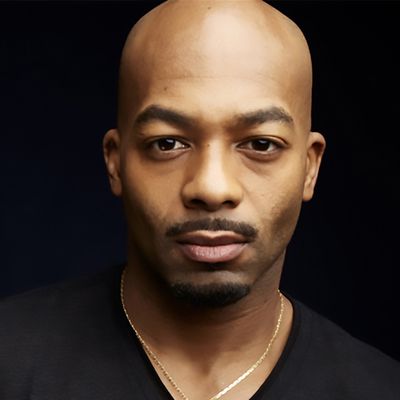
Social Media is uniquely poised to be either the greatest contributor to the fall of our democracy or the tool that allows us to mobilize and save it. In this week's episode, we break down the "do's" and "don'ts" that allow for a more efficient use of social media instead of wasted hours screaming into an echo chamber. We also hear from actor/activist Brandon Victor Dixon on the importance of using one's prominence to fight for those who are underrepresented and at risk, and how he navigated his way through the insanity stirred up by his address to (then) Vice President Elect Pence on behalf of the cast and creatives of Hamilton.
Transcript
This transcript was automatically generated and might contain errors.
[0:07] Eric Wiola: Hello! I think the country's going to hell. I can't stand Donald Trump. Did you see what he just did? Feel like you're in an echo chamber? You are. Feel like you're making change? You're not. But today we're gonna help you make your social media work to its fullest potential so that you can truly make change in the upcoming elections. A few months back, I had a thought. Well, more than a thought, the beginnings of the plan. What if the theater community and theater people alike came together and used what they inherently have within them? That activist voice. And what if we use that voice and those powers to keep the House, take the Senate, and win back the presidency this fall? And what if I put together a limited series where every other week we give you an action plan and an artist slash activist to inspire you to go out and get to work?
Well, let's do it. I'm Eric Wiola, and this is Do You Hear the People Sing, a Theater Person's Guide to Saving Democracy. Oh, and if you're here to re-elect Donald Trump, you're in the wrong fucking place.
[1:35] Eric Wiola: A place where friendships are destroyed, conversations are impossible, and opinions somehow magically become fact. But here's the real pain in the ass thing about it. Social media, the place where you can make the most difference on a person if you just know how to navigate it correctly. So today I want to go through some do's and don'ts with you about how to navigate it and things we can do that will help us and the things that we do that only detract from our cause. Now, the thing to note is that there is a major difference between an activist and a slacktivist. And this is a term that I learned years ago from an Oklahoma lawmaker, and I thought it was genius then, I think it's genius now, and it's actually now in the dictionary.
So it's a real term, slacktivist. And they describe it as a person who supports a political or social cause by means such as social media or online petitions, in a way characterized as involving very little effort or commitment. Let me repeat that last part. In a way characterized as involving very little effort or commitment. And that's the trap we fall in, and we fall in through this horrible nightmare of a necessary tool called social media. We think we are making this great change when we post something or when we get angry. And so, like I said, let's take you through these. And let's start with some don'ts, some things that I think will help us so that with all the stuff out there, we don't get labeled into the fake news and everything else going on, and we can make sure.
[3:00] Eric Wiola: The first thing I want to say is, guys, it's the easiest, and it happens all the time. And I've fallen for it too, and we all feel really stupid when it happens, but read the article. You gotta read the article before you post it. You gotta read the article because in a world of clickbait headlines, we see something, we can become enraged, we post it, and then when you read the article, you realize that that headline has nothing to do with the article. That's made for the fact for you to click on it, and so that you just post it immediately and creates more waves, more traffic for their sites. So please read the article. I can't tell you how many times I have just even tested it, and people have just commented on the headline and not even read the article, and then posted it without a thought.
So please read the article. Please read the article. Check the facts behind an article. You know, you can't trust, once again, you can't trust everything out there that we see via so many forms of media. You know, these things come out instantly too. Everything nowadays, as you know, I think we've all turned our notifications off on our phones from news, but everything is breaking news. Breaking news happens every 18 seconds, it seems now. So you have to make sure that the facts behind an article are correct. All you have to do is simply go to Google and just source it. Type in the main thing you're looking for, whatever it is. Donald Trump killed four children. Who knows at this point? And go see if you see enough articles that support that and have been verified, that have been verified by respectable news associations.
Make sure they're verified. And guys, look, if it's wrong, take it down. So many times you leave them up there and all this stuff. It's not, look, take it down and then post something saying, hey guys, I made a mistake, I posted something earlier, it's incorrect. Because the people that read your feed, these are the same people who are constantly due to algorithms are reading your feeds. So post something up there that's gonna help them out. Hey guys, guess what? Earlier, I fucked up. I put something up, I didn't verify my choices. I'm a human, I make mistakes, and guess what? I'm telling you I made a mistake. Do not listen to that. It's not true. Right there, we cleared the air, and what are we doing? Responsibility. The easiest task we have in all of this.
[3:24] Eric Wiola: Another thing, check the date of the article. I can't tell you how many times this breaking news that comes in is something that happened two or three years ago. And right away, you know, what have we done? We shot a hole in our foot. We're no longer responsible. We're no longer somebody they can trust for facts, they're no longer somebody they can trust for information. Now, here's something that we all fall victim to, and I will say I have cleansed my soul and my spirit of this a while back, and I can't tell you guys how much better life is when you realize that you cannot change the mind of a diehard Trump voter. I want you to repeat this with me. Just repeat it out loud. Wherever you are, I cannot change the mind of a diehard Trump voter.
Guys, you're actually what you're doing in the end is you hurt the cause because you go back and forth, back and forth in these tangents of fights. These are people who are so warped by crazy theories and debunked myths and stuff they read in the far recesses of the internet. And your time could be a better use. Your time could be a better use. So do not try to change the mind of a diehard Trump voter. You're not gonna get anywhere. So what are some do's you can do? Here are some things I think are very helpful. First thing, when you see an article, is it necessary that I post this? Do I see that everyone I know has posted the exact same story? Am I just, as I call it, am I just making noise?
Am I just making noise to add to more noise that's already a really, really noisy 2020? You know, next thing, can I pair this with an action plan for someone to do? For example, if I'm posting about something that I can't stand about Trump, can I pair it on the bottom with a way for my readers, my followers to get information to go register to vote, to get information to go pick up postcards somewhere, to get information to go phone banking? Can I pair the article with an action plan? Think about that action plan article.
[6:53] Eric Wiola: Now, the other thing I've done for myself because I, like everyone, am guilty of posting a ton of things online. And so now what I do is it's kind of like the old swear jar back in the day that people used to have, or you said a bad word, you put it in a coin. Well, now I literally I take stock of what I post online. If I post an article about something shitty Donald Trump did, or the 17 shitty things he did today, what I do is I make a check mark in a book, and I look down there, and every single check mark is something I do either fiscally or physically to help the campaign. If it's one thing a day, I'll send 10, 15, 20 bucks to the Biden Harris campaign or to a local Senate to a local campaign or a Senate campaign or something else that needs my assistance.
Another thing, too, I will go write 20 postcards that night. I will do phone banking for one hour that night to attest for the sins of my posted material. Think about it that way. I think it helps us limit the amount of things we post, or it actually helps us get more work done. If we're regular posters like I am, it's increased my physical output by quite a lot. Quite a lot. And when you are posting, this is something that we all have to realize. Emotions are not won by logic in America. And what do I mean by that? Look, we are smart people. We are not all of us, not all of us, but we are smart people. But there is so much information, there's so much coming at people. People have such busy lives.
Even in a pandemic, people have such busy lives that they are not logic sometimes evades them. You know, we vote based on emotion. So I say to people, stick to emotion, stick to things that really, really, really churn your stomach and grab at your heart and tug at it, and then deliver in a way that you know can tug at the heartstrings of other people.
[8:37] Eric Wiola: You know, we are working truly for an elusive 5%. That's it. Really, 5% of people out there that still are undecided. You know, so we are working for that 5%. Well, how do we get them? Let's get them through emotion. Let's find a common core principle we believe in. Let's find something that our hearts beat on the same level as in order to get that vote. Logic does not work in these cases. It's emotion. We always do it. Barack Obama's election for as wonderful of a president as he was and the policy we all believed in, Barack Obama became president because of emotion. America wanted to do something great. It's an emotional feeling. We all got very emotional when he won. We had that giant reaction we had.
Elections are based on emotion. Now, the last thing I want to give you is something that I find extremely useful and something we can all do. Video testimonials. So what are these? This means as simple as get your phone, we all have our video feature, flip that camera around. Think of something within the election that really strikes at you. Something that, and keep it, you know, keep it a positive. I say keep it a positive at this point, not about what Trump's doing, the horrible things he's done. Think about something on the Biden Harris agenda that really grabs at you, that you think, I want him to be the president, and I want her to be the vice president because that could come to fruition.
And that's why I'm voting for them. So find something on there. There's tons of stuff out there. As I said before on this pod, it will be the most progressive policies in history if he is elected president. Find one of those. You will find one on there and grab onto it. And whatever that is, make a video. Make a video and put it a hard post on your Instagram, put it on your Twitter, put it, make a TikTok video, put it on your Facebook, whatever your social media is, and put it out there and talk to your followers. Make it a minute long. No one needs more than a minute. And let them know why you're voting for Biden Harris and that policy, that detail that really makes you want to vote for them.
[10:38] Eric Wiola: Years ago in 2018, for the I say years ago, two years ago. It feels like a hundred years, just two years ago, for the midterm elections. I'm very, very, very drawn to gun control and mental health issues. My history with my play 26 Pebbles of having been in a community targeted by gun violence has really made me in many ways a one-issue voter on in many elections, especially if the candidates are within a primary in the Democratic primary. I look to the ones who have substantial goals in gun control. So I did a testimonial in 2018 to draw in the voters to come out and vote, especially students and actors and technicians and everyone that have worked on my play throughout the country, and it went something like this.
This message is for all of you who have been part of the incredible movement we've had with 26 Pebbles this past year. I have watched with such pride as you have taken the message that Newtown Connecticut taught me and spread it not only across this country, but all over the world. You've done exactly what the play asked for. You've rippled out. Now tomorrow, I challenge you to ripple out further. Tomorrow, November 6th, is the most important election of our lifetime in this country. Tomorrow, we have a chance to start the beginning of the end of gun violence by electing leaders who will put a check and finally curb gun violence with common sense gun control. So you have to ask yourself three questions.
Am I voting? The answer is yes. When am I voting? And where am I voting? Don't know where? Find out here. So tomorrow, let's come together as a community and finally put an end to all this. I know we can do it, and I'll see you at the polls. See, it's super simple. All it is you, a camera, you can do a little writing there. I had somebody do it for me because I am not tech advantaged in that way, but you can do it on there through iMovie, and you have a little movie there that can go out there and your friends can share for you, and you can put it out there, and you can talk to people, and you can find common core principles that you believe in. If you speak a different language and you want to talk to your different communities, I'm planning on doing one this cycle for all my Cubans down in Miami and ask them what the hell's wrong with them and why they're leaning towards Donald Trump in a kinder way.
But you know what I mean. Use your culture, use your race, use your people and talk to them directly. So, all of these things are things that we can all do, things that we can avoid, and things we can do to make our social media actually productive and not the horrible wasteland that it is. Now, let's hear from an incredible artist activist who knows the power and responsibility that comes with using your voice to make change.
[13:16] Brandon Victor Dixon: In the days following the 2016 presidential election, the weight of what had just happened felt as if it were suffocating you. The impossible had happened, and a man comprised of hatred, ignorance, and unyielding narcissism was set to sit in the Oval Office and lead us all. Yet, just a couple of weeks after, the vice president-elect attended a performance of Hamilton and was offered a message constructed by the cast and creatives, but that somehow came from the mouths of us all. Vice President elect Pence, we welcome you and we truly thank you for joining us here at Hamilton and American Music. We really do. We, sir, we are the diverse America who are alarmed and anxious that your new administration will not protect us.
Our planet, our children, our parents, or defend us and uphold our inalienable rights, sir. But we truly hope that this show has inspired you to uphold our American values and to work on behalf of all of us. The man chosen to deliver those remarks had not only just played our nation's third vice president, but as a man who is no stranger to advocacy and knowing how to use that voice well. He not only speaks out for underrepresented communities and a multitude of causes, but like so many of the greats before him, he questions those who live a life in silence. Please welcome. And wouldn't it be nice if he was actually our vice president?
[14:40] Brandon Victor Dixon: Hello, how are you? Thank you for having me.
[14:43] Eric Wiola: Oh, my pleasure. Thanks, man. Thanks for coming on. Um, so I have a lot I want to talk about, obviously. But let's start with the beginning of all that, with that infamous night at Hamilton. Um, take me through that night for you because, uh, you know, it's all fun and games, uh, when people have an idea and then when you're the messenger of it, things obviously change. And you know, we all want a moment with one of those two men or anybody in the administration, but you actually had that moment. So take us through that moment for you, that night, the planning of it, and then also some of the backlash you received and how that all went down.
[15:20] Brandon Victor Dixon: Um, well, you know, it was, uh, I was in between shows, uh, eating dinner when I received a call for, uh, from our producer, uh, Jeffrey, to, uh, to inform me that, you know, they had received notice that the vice president was gonna be, the vice president elect was going to be at the, uh, performance that evening, and that they had decided as a result of all that had been going on, that they felt a responsibility to use the platform to make a statement, um, considering also the very intersectional nature of Hamilton, uh, Tam Wilson's message and platform. And you know, and he asked me if I would be willing to deliver the message on behalf of the company. And, uh, and you know, one thing to understand is that in our community, uh, by, uh, you know, kind of, um, naturally seasonally, we do, after the show is done, we will step out of our characters and we will address the audience to raise money for, um, various charity organizations.
So, you know, that element in and of itself was not unique. But yes, the decision to address a single individual was. Um, I then went to the theater, they shared with me, you know, what they had in mind to say. Um, you know, they had put together an initial draft, and then we as a company, uh, you know, shared it as a company and agreed to share it. We made some adjustments, and then, you know, for me, it was simply a matter of you to you take each moment. I didn't make a big deal out of it. We did the show, but the thing I was conscious of was the desire that it was important for this message to get spoken to the man directly. Um, and I did understand, having been in the theater long enough that when you have dignitaries or celebrities of a certain status there, whether they stick around for the curtain call, sometimes they'll leave early, sometimes, you know, various things will happen.
Um, so I did notice at the end of the play that, uh, he was, he and the security were making their way out, and so, you know, we cut the curtain call and just I went right into it. Um, and really I think, you know, in the moment it's very much just an element of make sure you get the message out clearly. Uh, obviously a very variety of things started to happen. Um, there were, you know, because we didn't do the curtain call, people were a little taken aback, and then there were boos and then there were cheers, and so in the moment you manage the situation just so you can get the message across. And also it's always my instinct to diffuse and to calm things down. And I wanted to let everybody know that we weren't reprimanding. We were simply delivering a very, uh, you know, a very open, nonpartisan message about kind of what we had just come through and where we were hoping to go, um, as a united, uh, United States.
[18:27] Eric Wiola: So now this kind of like, you know, this, this one, there's actually like a famous, uh, I'm sure you've seen it, a famous meme out there that has you on it that says like, no, not this way, not this way, not this way, not this way. And it has how everyone tells, uh, other communities how to protest. You know, and it famously has you all up there on stage, it has, you know, Kyle Kaepernick, you know, taking a knee, it has different forms of it.
[18:50] Brandon Victor Dixon: And not other communities, black communities.
[18:53] Eric Wiola: Well, yeah, this is very true, correct. Black communities.
[18:56] Brandon Victor Dixon: Um, you're 100% right. And they, and the, I know I'd heard from, you know, directly after from Javier about the backlash that came at you all. What was that like and how, you know, again, in this series and developing a new generation of theater people who are also activists, I want to give them the full perspective so that they know that activism, you know, does have backlash and how to handle it correctly. What was that like and how did you all handle it?
[19:22] Brandon Victor Dixon: It was interesting. Um, on one hand, you know, they, uh, you know, we literally we asked everybody to pull out their phones to record it and tweet it and like, uh, the Hamilton press people were there. Um, I didn't think too much of that because again, it's Hamilton there. Press people all the time. We're always doing things. You're always publicizing whatever we're doing. Um, but obviously that amplified the message, which was the point. Um, but you know, the, I would say the backlash, which would be the negative response, I was surprised by because I didn't think anything of it. I didn't think anything of what we did, really. Um, and had I thought it through, then I probably would have been aware. But you know, really what ended up happening is then because I wasn't on social media, I wasn't, I'm one of these individuals who when my phone blows up, I leave it alone.
[20:10] Eric Wiola: Yeah.
[20:11] Brandon Victor Dixon: You know, I was just like, uh, the second I saw like a couple of IG thing, I was like, you know what, I'm gonna leave this alone. And from that point on, it was really, uh, communication with members of my team, fortunately, my publicist and my manager. Um, but then I did start to hear, you know, because people what what ended up happening is that so they, you know, then news, particularly Fox News did stories on me for a couple days. And what they begin to do is what they do with everybody is you know, they go into your social media profiles and they begin to look for anything and everything you might have said or done that can be construed in a negative, not even but in a controversial light, in a divisive light.
And, you know, those are the things and the stories that started. And I, because again, I didn't pay too much, I didn't really focus on it, I kept doing the things I was doing. And really having the conversations internally because there were threats coming to the theater about me and about Hamilton. There were threats coming to my manager. So I was having to have the conversations internally and externally.
[21:19] Brandon Victor Dixon: So externally, it was it was really just about me not feeling the need to respond. I remember like the next morning because I had been tweeted by the president. I, you know, I tweeted Beth. Um again, not thinking much of it. Um, but you know, I had colleagues and friends eventually, as time went on, telling me I needed to say something, or you need to change this, or you need to delete this, or you need to remove this from Facebook. You need that you need to do things. And that that was a pressure that built for me, you know, about like, well, what should I do? Should I should I say something? Should I change something? Should I delete something? Should I, um, and then also internally there was the all right?
Well, the company wanted a security detail to be with me for the, you know, next month, which I thought was ridiculous. Then there were, you know, then there were the press, the press opportunities, because the show wanted to respond. Um, I wanted to respond to some of the things that were being said, but there's also there's there's me, there's the show, I'm both myself, but I'm a representative of the show, and I did this as a representative of the show. So, you know, so there are all those there were those were the things to navigate throughout all of that.
[22:42] Eric Wiola: That's that's a lot of roads to have to go down, uh, for that. But, um, so we started off this whole limited series with a quote by Nina Simone about an artist's duty, which is one that I personally lived my life by. And it seems that you are of the same ilk. Uh, I found a quote by you that said, in this day and age, I feel like if you are not advocating for somebody or something, then you have to ask yourself what you're doing. Um, can you go further into that?
[23:08] Brandon Victor Dixon: Um, yeah, you know, I actually, so I did, uh, I did a socially distanced concert the other day, and I did talk about this concept. Um, you know, about the intersections of art and advocacy. Obviously, that statement that I made was a bit broader, but I was talking about it within the context of the limitations, uh, the boxes we tend to put people in and put each other in. You, you know, you're an athlete, shut up and dribble, you know, you're acting learn your lines, good to so on and so on. And to understand that we are not, we are not our professions. Like we are human beings, citizens, we are members of a society, and the basis of that society has to be equity amongst us. And then once that's taken care of, we can go play games and we could go do, you know, things. It sounds like there is these things aren't mutually exclusive. You know, we are we are our actions, really, and and we can't separate those things from our from our our jobs, etc.
[24:04] Brandon Victor Dixon: Um, but talking about this element of not believing in art for art's sake or frivolous entertainment. And I did say in the concert, I'm probably gonna say a number of contrary things because I'm a contrary individual. Because I, I do I do understand the need for escapism, right? And I do I do recognize the value in that, but on a larger level, I don't find that entertainment and substance, um, are have to be mutually exclusive. You know, I just I think it is in and and and but then I think additionally, when you look at the challenges around you, there's no point in wasting anything, right? So if we're gonna use this media platform, media is one of the most influential things in our society and our culture to tell stories about who we are, who other people are, how we interact with one another, what ideal societies look like.
If I'm going to engage in that, if I'm not gonna be out saving babies or being a doctor or a lawyer, if I'm gonna put on costumes and pretend to be other people, let me at least engage in stories that are gonna have meaning and be of substance to people's lives, and that can address the kinds of things that we're dealing with presently, which doesn't necessarily mean I gotta go do a a Black Lives Matter play or I gotta do an immigration movie, but it means that I endeavor to engage in work that seeks to bridge gaps of understanding.
[25:33] Eric Wiola: That that's so true. And in 2020, you know, there to me, and I say this as an actor and as a writer and in multiple ways, that there is you don't nothing has to be frivolous anymore. You you can tell you can do a musical comedy and ha and and put it out there, and it could still leave an audience affected by something in the messaging of the story that can create can create a better breed of humans out there, you know. It doesn't have to be about something political or controversial. You can just teach them a simple life lesson and they can walk out the door and guess what? They have been transported and changed by what theater does best. It seeps into your subconscious.
[26:10] Brandon Victor Dixon: And the next thing you know, you know, yeah, no, no, no, no, keep going. No, no, wait, we I mean it we're I think we're on the same page here, that it just it becomes we have I've said it in past episodes that theater to me is the most powerful tool we have.
[26:23] Brandon Victor Dixon: Absolutely. Yeah, you know, I mean, most basic story concepts are based off of like parables, right? Just very basic, exactly golden rule conceptions. So yeah, you know, we can set it in space, we could blow things up, but just, you know, give me some concepts. Absolutely, you know, exactly all that stuff, all those things we talk about. Yeah, we're talking like Star Wars, Harry Potter, that's just the story of Jesus Christ, that's what it is. Exactly, you know, and it's in its own way. So now what? How did advocacy start for you? When was that moment where the spark lit inside of you and you said, you know, I want to dedicate my life in some way to that? And with that, what's your proudest moment of activism thus far in your life?
Well, I've always been a deeply empathetic person, and that comes largely from my mother. You know, she did a lot of social work when we were growing up, you know, sociologist. And so, you know, as I have developed a career, performance, particularly in theater, and theater entertainment is a contact business, it's a people business. So you find yourself integrating with organizations, with your city, with people doing talks, and very naturally, I gravitate towards wanting to support others, share what I have, build collectives. And fortunately, you know, this is a credit to the theater community quite specifically, there is a great deal of integration with community support, nonprofit work, and in that kind of element in our industry.
And so it was very natural to become connected to these things. But then as I, you know, as you mature and you begin to draw become drawn more specifically to certain things, you know, I started to do work. And actually, this is another theater connection, but I started to do work with the Fortune Society, which creates programs for formerly incarcerated individuals. And I actually got connected to them through the public works project that Leo de Vessanay started, you know, because I was doing a production of the Odyssey and all of the, there were kind of four principal professional performers, but every other member of the, you know, hundred something cast were members of community groups throughout the entire city.
And so, you know, the Fortune Society, they played Odysseus's men. So that's how I became connected with them. That's how I became connected with Bryan Stevenson and the Equal Justice Initiative and hearing him talk in great deal about mass incarceration and the problems that affect our society on that level. And so then I started to do work with Young New Yorkers, which creates arts and mentorship programs for 16 and 17-year-old first-time juvenile offenders. So it was just kind of a natural building, you know, kind of step by step just becoming getting in contact with organizations and people who are engaged in this kind of work, learning more about, you know, the world and how things work and recognizing that the privileges that I am afforded, a lot of those, a lot of the reasons that I'm able to participate in certain infrastructure and systems is because those systems and that infrastructure are built upon the backs of people who are less privileged than I am. And you know, I find it more and more difficult as time goes on to ignore that fact.
[30:07] Eric Wiola: Now talk to me more about, because this is something we have not hit on this series, and it's extremely important, and something that I completely agree with you on, with the mass incarceration system. What work have you done with them since? And how does that, what are your thoughts on that? Because I know there's definitely a problem there. We have a system that was originally meant to be set up as a rehabilitation program, to take people that went off the path in some way, and to rehabilitate them and put them on the right path, put them back into society and give them another chance or other chances in general. Somehow it's become now this business that is just making money off ruining people's lives and futures.
[30:49] Brandon Victor Dixon: Yes. You know, that in theory, how you talk about it, that is how imprisonment is supposed to operate and how we set out to build a system. Correct. But if we're being honest, and it's the thing you then have to start to look at really kind of across our society and history. America has since its inception engaged in the commerce of bondage. And that's really what this is all about, right? There has always been money in human energy, human capacity, human people, human chattel. And so after, you know, the dissolution of slavery, you have kind of the Reconstruction era after the, you know, the Reconstruction was defunded and, you know, the Democrats and the Republicans made peace and gave the South back really control over the states.
Suddenly all these free slaves, now you put in vagrancy laws and all these other things, and then you have kind of a new force that you're able to employ to round up freed people and put them back to work on the plantation as convicted felons. And so you begin the process all over again. It's like how do you assert your control over these people in this new circumstance now that things have changed? And it's a process that continues, but you know, you're right. It saw kind of like it eventually hit kind of a plateau of quote unquote normalcy until the 70s. And in the 70s, it exploded once people recognized the really the scalable economics of the industry, but also that it could create money, but it would also solve a problem of unification that you were starting to see amongst a lot of groups, because this is after the rise of the civil rights movement in the 60s and 70s. So you see kind of never more foreseen organization along political and economic lines amongst the number one targeted group in America at the time, which were black Americans, right?
The CIA and the FBI were targeting Martin Luther King and had them at the top of the list, like organization amongst the blacks and other liberal organizations were kind of like their number one priority targeting those things. And so, you know, drug laws and mass incarceration that allow you to kind of gut a generation of nuclear families, a generation of political leaders, a generation of men, and kind of you kind of kill two birds with one stone. So you start making money and building an industry, you limit social activism, and it kind of grows and keeps going from there.
[33:40] Eric Wiola: Yeah, and this is something that we, you know, we do so many times, and because we are a country, you know, I keep telling people during this election cycle, because everyone keeps posting, like, oh, they misspelled a word. I go, stop using smarts in this, stop using logic, get down to emotion. We are an emotional country. Even with Barack Obama, who, you know, spoke from the same heart that I feel like I beat from, that was an emotional election. The results are always based in emotion because we want to feel great and feel like we're doing great things. Also, we are also very scared people, and so fear works on us really well. And it is extraordinary how little time, energy, and shrift we give to feelings and emotion, considering that they are the most powerful things to us as human beings, and they're the only things that fuel anything we do.
[34:31] Brandon Victor Dixon: Yeah, they're literally, that's all we're acting on. Yeah, and most people, and I, we all look, we all forget this because we are all, you know, we live in New York City. We have, we are open, we access so much, we live in this, what I think is a very utopian society that we somehow make this experiment work here. And in some ways, some ways we obviously fail at it, but we have this, we somehow have figured out the fact that, you know, we go to logic right away, but people, most people don't. They don't turn on their news that much. They don't read the papers and those stories that much, so they only have access really quickly. And you're right. What do they go to? What's the human instinct?
Feelings. And so with this system now, with the mass incarceration system, they found a way in the 70s to then allow good people, which I think, you know, a lot of Americans are good people, well-meaning people, they found a way to let fear dictate it to be okay to lock up this many people.
[35:13] Brandon Victor Dixon: Absolutely. But also, there's fear and lack of information too because, yeah, most people aren't aware of how many people are getting locked up, right? Most people who aren't under the auspices of the criminal justice system don't understand at all how it works. You do believe because it doesn't seem reasonable to you that things would be different. That, yeah, if I do something wrong, I go to jail. Okay, maybe, you know, that there's a margin of error, you know, it could go a little further, a little left, but if I don't do things wrong, I'm gonna be okay. Generally speaking, like Khalif Browder is not a thing that you can conceive of. When I heard of Khalif Browder, I was like, that doesn't make any sense.
What do you mean he got, he was accused of stealing a backpack and he got arrested? How was he in jail in solitary confinement for three years? Yeah, exactly, because the system was too backed up for him to be able to get a trial. So that doesn't make, that's not possible. That doesn't make any sense.
[36:30] Brandon Victor Dixon: No, it was like, so you don't believe, and then when you begin to start to really do research and you recognize this, like, what do you mean that the state has to keep this jail 97% capacity? How is that a thing? Oh, because they needed, they needed, they needed more prison space. And so this private company subsidized it, but the drivers company said they would only build the prison if you made it worth our while. It's only worth our while to invest in if you keep it filled to this capacity. Then it's like we're incentivizing. And so then you unpack and you unpack. And that's one of the reasons why this year's, I was having this conversation the other day, why the current generation, like the younger generation, it's why they are so, and sometimes this isn't good because they don't always have all the information or the facts.
And that's also partly because we miseducated them. But they are, they're up in arms. And they're also up in arms about a lot of things that we're like, uh, I don't know, that's maybe like extra politically correct. I don't know you really need to be up in arms. But I hear you, and but they're up in arms because the lies that they have been told about how the world works, how the country is, what life is, have been shattered far more quickly for them than us because the internet is their whole lives. Like they have access to information and windows into everybody's lives. So I tell you X and it doesn't match up with Y and Z, then very quickly you're like, no, that doesn't, that make any sense.
That's not true. That's not true. Whereas for us, you know, my generation, it's not until we got, you start to get into your mid-20s, late 20s, and they start to be like, hold on a sec. Wait a minute. Nah.
[38:07] Brandon Victor Dixon: Yeah. But you know, it's so true. We really, we really were, we were yielded by ignorance because we just didn't know. You're right, we didn't have these machines in our pocket that gave us instant information. And they are so, they are, this, I mean, like people better watch the fuck out because this next generation, like they are, they have the tools, they have the smarts, they have the research, and they are, and they're entitled. They are entitled, and they exactly, and they are ready, and they also live in a generation of like, I now, right now, please. So they don't, they don't wait for anything. Because like I tell, you know, because for us, again, it's that thing like the American narrative, which was at its most powerful in this last generation, right?
The American narrative of its moral integrity and superiority in the world came out of the triumphs of World War II and the civil rights movement and women's lib. So you're coming into the 70s and the 80s and the 90s, and suddenly like we're like the first generation where it's like, yeah, we can do anything, we could be anything. And you can believe the hype because you can kind of live the hype in the 80s and the 90s, depending on where you were. But then everything starts to really come full circle and hit home. And for the younger generation, yeah, they are because they were born into all of the, you far more of that. And so that's why they're like, yeah, now, no. I saw this incredible video yesterday. It was such a one, it was such a like a swift juxtaposition. There's a police officer, there was a white kid, white girl, and a black kid.
[39:36] Brandon Victor Dixon: So they're clearly their friends. I wasn't getting the whole video, so I don't know what the hell was going on. But the blue officer, white officer throws this black kid up against, you know, the police car, and both the friends are like, just don't resist, Joan, don't resist. And then the second the police officer throws his hand on the kid's neck, then they immediately like, yo, get the fuck off him. What are you doing? Don't you touch, don't you touch him? Get your hand. And like the immediate switch in them, and like they charge the police officer, they push the police officer off their friend. And I was just like, just the to go from telling your friend not to resist, but then the second that police officer did something that you believed was unreasonable, they went off.
And it was just like, no, not having it, that's not right. We're not here to stand for it. And it's a very interesting thing to observe. So with that note, I think because I think you know, something you know, we want to push for on this also is, you know, a progressive agenda. And what I I hate the way they've weaponized the word progressive. You know, when I think of progressive is, yeah, the fucking country moves forward always. We have to. Look what's happened these last four years and we've gone backwards. Uh so progressive, I mean, as we move forward. So if you had to, and you know how progress works in this country at a glacial pace. If you had to tell um a fingers crossed Biden Harris administration, uh, with mass incarceration, what's the what's what's the the go to you say you need to get this done with it right away? What is to start the path towards the end of the way it works?
[41:09] Brandon Victor Dixon: Here's the thing. And the challenge is that policing incarceration are such such local issues, right? Yeah. It's challenging to try and find a national federal mandate and a path to one that can solve solve these problems. I think that's that's one of the main things. But you would have to start with some key things like on a on a national federal administration level, you have to work to break the power of the police union. Um because that is what prevents transparency in the uh transparency and accountability in the dealings with police. Um you have to address the relationship between um police officers and uh and the state's attorney's office, right? Prosecutors. Because they are so reliant upon one another, it's impossible to actually get care carry out justice there.
You have to take a look at private the privatization of prisons and prison industries, right? So it's not just the building of the prison, but that's how the commerce services are run in prisons. It's how the telecommunication services are running. If if it if in if I can make money by incarcerating more people, then I'm going to incarcerate more people. Of course. We are a we are a capitalistic society that has found a way to bastardize capitalism every way possible. Now, I'm gonna be honest with you. I think that there are ways to limit and reform, you know, uh legislate. There's no way that anybody should be incarcerated off of um, you know, uh marijuana offenses or small drug crimes, because you've got uh Apple store, you got weed stores that look like Apple stores now.
So it's like, you know, there are things like that, but you know, when I tell you again, it's not it because it is not a it's not a thing that just started, it's kind of woven into the fabric of how our country manages its economics. Uh it's one of the reasons why it's very hard for us to how have we not been able to stop going to war?
[43:32] Brandon Victor Dixon: Yeah. Like in general, but also we have we've forgotten because of war, how war is waged now, we've forgotten that we've been in war for like over 20 years. Like literally. I have literally just, I just was uh before I got on on this pod with you, I was listening to my uh a podcast I love called Missing America. Um it's really fascinating. It's about our country since Trump took us out of all world affairs. Um, what's happening to the world now with us missing from it. And it's really really fascinating. And this last one is called Endless Wars, and it's all about that. And at the end, this man who is Obama speechwriter and who takes his own administration to task, um, talks about what the path forward is. Brandon, check it out. It is so fascinating. I'm literally about 10 minutes till the end of it. Uh, and it's so good.
[44:18] Eric Wiola: That sounds really interesting. Um, but yeah, you know, war, war generates so much money for um for for economic industry, and economic industry at this point is so globalized, it's so multinational that you're you're you're you you're looking at economic interests that that in that influence the United States that are geopolitical, right? That are international. And so trying to trying to look at these, these looking at these issues becomes daunting from a certain perspective. But I I I think when you when you look at it, it's about tackling the things that are that I think are before you. And that's that's policing, that's drug offenses, that's who we lock up, that's how we lock up, it's getting rid of um mandatory minimums.
Um it's you know, it's it's how you train the judiciary. Um, and it's also being able to have regular conversations about systemic racism and prejudice, systemic prejudice. Uh, you know, uh if it makes it easier for people to see it like that, so it doesn't feel like we're exclusively talking about prejudice against black people. Um, because prejudice we do systemic prejudice exists in the system that affects other groups as well.
[45:43] Brandon Victor Dixon: Yeah. Um, so you know, being able to push those kinds of conversations forward, um, that the that's that's how we that's how we get it done. But I I would tell I thought Biden Harris administration, if y'all manage to get in there, you're gonna you're gonna have to have a real come to Jesus moment with the Democrats and tell them that you're not gonna be able to stay the same and survive. You cannot stay the same and survive. Well, and and they're you know, and the thing is we're learning the Republicans, you know, in my opinion, for worse, they found a way to shift towards the devil that is Trump and and and thrive in that way, whether it be momentary or not, they sh they found a way to survive by a line.
So I so exactly we have to find a way, we have to listen to the voices out there, listen to the generation that's coming even after us and saying they want change, they want change now, because that generation is facing a future that is completely uncertain in almost every category you can find. You know, will we be able to live on this earth and breathe the air? Will there be money left for our retirements? Well, there everything they were pro we were all promised, they have absolutely no guarantee to the very air they breathe and the water they drink.
[46:52] Brandon Victor Dixon: Uh so uh let's say, and I'm gonna say this while all of our listeners are gonna be make like working their ass off for the campaign for Biden Harris, and and they're gonna be asking themselves today what they've done today. Um, so if all goes well, and if we have a president Biden and a vice president Harris, um I want to offer you a follow-up statement, you know, four years later to Mike Pence from that original statement you said to them uh to him as he was leaving the theater. What do you say to him and and and Trump now, knowing that they did not listen to those wishes in any way, and in fact did the complete opposite times about a million.
[47:38] Brandon Victor Dixon: I would say the shame is gentlemen, it wasn't personal because I'm about to walk in this room and say the exact same statement to Joe Biden and Kamala Harris. Because as citizens of this country, it is not that we there are sets of values that we need represented that our government as a whole has failed to represent. For me, it is less about, and obviously there are there are there are candidates and parties that I think will create a more favorable landscape for myself and the people I care about and the values that I uphold. But I mean, I think it's very important to say, even with that, even if the people whom I think are best fit, you know, hold office in January, the the parties themselves have a great deal to answer for, a great deal to answer for, and and and how we've chosen to engage in our government, they have a great deal to answer for.
And that point about the the Democrats themselves, it's like if you you you can't win playing small. The Republicans will win if you play small. They play small better than you. So you actually have to operate according to how you market yourself. You have to be the party of the people.
[49:12] Eric Wiola: Yeah. You have to be a populist, progressive labor party. You have to be that. And you can't continue to engage in corporate politics the way you have been. Because that's what has that's what loses you people. They become disillusioned with your uh with you because they at the very least, a lot of people feel that the Republicans do what they say. They are who they say they are. They don't do what they say they're gonna do, but that's who they are. And the Republicans don't that the Republic, I mean, and Democrats claim to be something far far different and far better, but yet regularly end up operating in a lot of the same ways when they're pushed outside of their comfort zone or when their leaders themselves are threatened.
And they you can't continue to operate that. I mean, we will we will only have years from now, the books that will be written will be numerous, and we will have to look back on ourselves and say, oh yeah, we were the party that somehow allowed a giant slew of blue-collar Americans to think that a millionaire who or a billionaire, whatever he says he is every day, uh, who shits on a golden toilet had more in common with them than our party, and that that's on us.
[50:26] Eric Wiola: You know? Um, yeah, Brandon. I I I'm so happy your voice is out there fighting for change. It is an incredible voice, and thank you so much for sharing it today, man.
[50:36] Brandon Victor Dixon: No, no, I appreciate you having me, and uh real pleasure.
[50:44] Eric Wiola: Voter registration deadlines, New York State, New York State. If you live in another state, please go and Google that state. It's very easy to find the information. I'd love to do it for you, but there are 50 of them, and you do not want to be on the podcast that long. So, New York State, here we go. Your voter registration has to be postmarked by October 9th. Guys, we are in the final weeks. October 9th. We're almost there. Received by October 14th. Now the last day to have a postmark request for an absentee ballot is October 27th. The last day to do it in person is November 2nd. The last day to postmark that absentee ballot and send it in is November 2nd. The last day to drop it off in person is November 3rd, Election Day.
Now, as I said before, if you are feeling healthy and you are feeling like you can, please think about it. Have you been to a grocery store? Have you been outside? Have you been to a restaurant? Have you been to a store? Have you left your home? If you left your home and you feel safe about it, I don't want to make anybody go out there if they don't feel safe. Slap on a mask and get to those polls. They're going to be taking the utmost precautions. And for us, it is the utmost precaution that we get there because we know very well who is running the post office. And we know very well who's breathing down their neck to steal this election. So we want to make sure we are out there in person and that it is the hell of a blowout election that we dream it will be.
[52:04] Eric Wiola: Well, that's our show. Thanks for listening, and don't forget, we're here every other week, so go get to work and we can't wait to have you back. Also, please consider making a donation to Fairfight at WWW.fairfight.com. We know when they can't win fairly, they always try to cheat. And Stacy Abrams and Fairfight are working hard to ensure that doesn't happen. Do you hear the people sing is the production of the Fabulous Invalid LLC and the Broadway Podcast Network. Today's episode was edited and engineered by Kyle Moore. Our theme music is by Brett Ryback. Our photography is by Michael Kushner, and our graphic design is by Aviva Sakhalau Shahar.
© Broadway Podcast Network, All Rights Reserved