

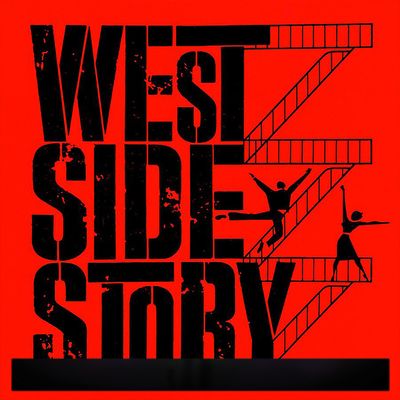
WEST SIDE STORY. COMPOSER: Leonard Bernstein. LYRICIST: Stephen Sondheim. BOOK: Arthur Laurents. SOURCE: William Shakespeare’s play Romeo and Juliet (1595) DIRECTOR: Jerome Robbins. CHOREOGRAPHER: Jerome Robbins... Read More
From the show: Fifty Key Stage Musicals: The Podcast
Featured Shows
About
WEST SIDE STORY
COMPOSER: Leonard Bernstein
LYRICIST: Stephen Sondheim
BOOK: Arthur Laurents
SOURCE: William Shakespeare’s play Romeo and Juliet (1595)
DIRECTOR: Jerome Robbins
CHOREOGRAPHER: Jerome Robbins
PRINCIPLE CAST: Larry Kert (Tony), Carol Lawrence (Maria), Chita Rivera (Anita)
OPENING DATE: Sep 26, 1957
CLOSING DATE: Jun 27, 1959
PERFORMANCES: 732
SYNOPSIS: Romeo and Juliet is now set amongst to the turf warfare of 1950s New York City, as two rival gangs, The Sharks and The Jets, compete for dominance. The gangs are forced to confront their own mortality when Tony, the leader of the Jets, falls in love with Maria, the sister of the leader of the Sharks.
Jennifer Delac outlines the ways Jerome Robbins’ work on West Side Story established a new model in which the director and choreographer could serve uniquely as an auteur. The chapter breaks down key plot points in the Bernstein/Stephen Sondheim musical which are conveyed through dance and traces the influence the show had on later dance-centric musicals by the likes of Bob Fosse, Tommy Tune, and Susan Stroman.
Jennifer Delac- A graduate from Fordham University (Lincoln Center) with a BA in Theatre, Jennifer is now pursuing her MFA in Directing at the Pennsylvania State University under the mentorship of Susan H. Schulman. She has directed, choreographed, and stage managed in NYC and regionally throughout the United States. Select credits include: Diana (Directing Intern, Broadway), The Beast in the Jungle (as Assistant to the Director to Susan Stroman, Vineyard Theatre), Song From the Uproar (AD, LA Opera/BMP), The Wong Kids (Choreographer/ASM, Ma-Yi Theatre), Disenchanted (Director/Choreographer, Festival 56), and Mr. Burns (Choreographer/Assoc. Director, Fordham).
Carla Mirabal Rodríguez (she/her) is a Boston based actor, director, and producer originally from San Juan, Puerto Rico and is thrilled to be working with Central Square Theater! She has worked with theatre companies such as Boston Playwrights’ Theatre, Company One, Teatro Chelsea, and is the Artistic Assistant at The Huntington. Recent credits include Macbeth (Malcolm, Newton Theatre Co.), Temporary (Director, Teatro Chelsea’s A-Típico New Play Festival), and Romeo + Juliet (AD/understudy, Apollinaire Theatre Co. and Teatro Chelsea). She holds a BA in Theatre Performance from Northeastern University. www.CarlaMirabalRodriguez.com
Caridad Svich- Caridad Svich received a 2012 OBIE Award for Lifetime Achievement in the theatre, a 2012 Edgerton Foundation New Play Award and NNPN rolling world premiere for Guapa, and the 2011 American Theatre Critics Association Primus Prize for her play The House of the Spirits, based Isabel Allende’s novel. Her play Red Bike received an NNPN rolling world premiere, and her play Ushuaia Blue will premiere at the Contemporary American Theatre Festival in 2021. Her most recent book is on Hedwig and the Angry Inch (Routledge, 2019).
SOURCES
West Side Story: The Jets and The Sharks and the Making of a Classic by Richard Barrios, published by Running Press (2020)
Something’s Coming, Something Good: West Side Story and the American Imagination by Misha Berson, published by Applause Books (2011)
A Place for Us: West Side Story and New York by Julia L. Foulkes, published by University of Chicago Press (2016)
Mainly on Directing: Gypsy, West Side Story and Other Musicals by Arthur Laurens, published by Knopf (2009)
West Side Story: Cultural Perspectives of an American Musical by Elizabeth Wells, published by Scarecrow Press (2010)
The Making of West Side Story by Keith Garebian, published by ECW Press (1995)
Somewhere: The Life of Jerome Robbins by Amanda Vaill, published by Broadway Books (2008)
Transcript
This transcript was automatically generated and might contain errors.
[0:03] Andrew Child: Hi, I'm Andrew Child and welcome to Fifty Key Stage Musicals, the podcast, a companion piece to the Routledge Press publication Fifty Key Stage Musicals, which is available for purchase by going to Routledge.com or clicking the link below in today's show description.
[0:20] Andrew Child: Today's episode focuses on chapter 15, WEST SIDE STORY.
[0:25] Andrew Child: And with us today is Boston-based theater artist Carla Mirabal Rodríguez.
[0:25] Carla Mirabal Rodríguez: Carla Mirabal Rodríguez is a Boston-based actor, director, and producer originally from San Juan, Puerto Rico.
[0:38] Carla Mirabal Rodríguez: She has worked with theater companies such as Central Square Theater, Boston Playwrights’ Theater, Company One, Teatro Chelsea, and is the artistic assistant at the Huntington.
[0:49] Carla Mirabal Rodríguez: Recent credits include Macbeth, Temporary, and Romeo and Juliet.
[0:56] Carla Mirabal Rodríguez: She holds a BA in theater performance from Northeastern University.
[1:01] Andrew Child: Carla, thank you so much for chatting with me today.
[1:04] Carla Mirabal Rodríguez: Thank you so much for having me.
[1:06] Carla Mirabal Rodríguez: I'm so excited to be here.
[1:08] Andrew Child: Yeah, so I'd love to dive right in and sort of ask the big question. Uh, not to say, you know, why are you here today? What are you doing? But I would love to know, as a Puerto Rican theater artist, what do you have to say about WEST SIDE STORY? What is your connection with the show in question, WEST SIDE STORY?
[1:31] Carla Mirabal Rodríguez: Oh my gosh, how much time do you have? Um, no. Well, of course, I would say it started early, right, quote unquote early. Right.
[1:44] Carla Mirabal Rodríguez: I heard about WEST SIDE STORY right around the beginning of when I really started getting into theater and seeking out um like all these movie musicals and things to see. Um when I was around, I don't know, after Les Mis came out, the Les Mis movie. Um but I never I don't think I ever watched it until I was already in college.
[2:08] Carla Mirabal Rodríguez: I th for some reason I probably couldn't find it, but I knew I had known about WEST SIDE STORY anyway. Um it's just the minute you hear about anything theater and you are Puerto Rican, you know about WEST SIDE STORY.
[2:21] Carla Mirabal Rodríguez: Um it's kind of the first thing to come up. But I think the like not to start on a down note, but the like first experience I had with WEST SIDE STORY was actually my first audition in the United States when I came to audition for universities, and in my very first audition, which happened to be like this group audition setting, um, as if auditions aren't stressful enough.
[2:51] Carla Mirabal Rodríguez: Um it was this group audition setting, and the person auditioning who must have been something, a professor or something in that college, was looking at my resume and she said, "Oh, you're Puerto Rican," and then said something along the lines of, "Do you want to live in America?" like very in the like tone of the "America" song from WEST SIDE STORY.
[3:12] Carla Mirabal Rodríguez: Okay. And I was just like, what do you do with that? What do you do? Right. When you are confronted with that, it was a little, it was pretty unexpected. And it's not like I had any in that moment any like bad feelings about WEST SIDE STORY or anything. It was just a little like, I don't know that that's the way I want to be identified.
[3:34] Carla Mirabal Rodríguez: Right. I mean, it would be one thing if you were to say, I was, you know, when people saw in my resume that I'm from Puerto Rico, that people are asking, have you ever been in WEST SIDE STORY? Have you ever seen it? It's like another level to sort of do a joke from WEST SIDE STORY. It's it's it's kind of wild to just have this like write this like theater professional who what who she she was a white woman say to like sing this song at me while I'm about to audition for a program.
[4:08] Carla Mirabal Rodríguez: Um so that was like kind of like a defining experience for what it gave me an idea of what how WEST SIDE STORY has defined what Puerto Rican is in American theater.
[4:24] Andrew Child: Okay. And do you think was that experience an anomaly, or when you are meeting people who are working in theater, is their mind immediately saying, oh, like WEST SIDE STORY?
[4:38] Carla Mirabal Rodríguez: It hasn't happened to such an extreme level.
[4:43] Carla Mirabal Rodríguez: Okay. Um, but it comes up. Like West Side STORY does come up.
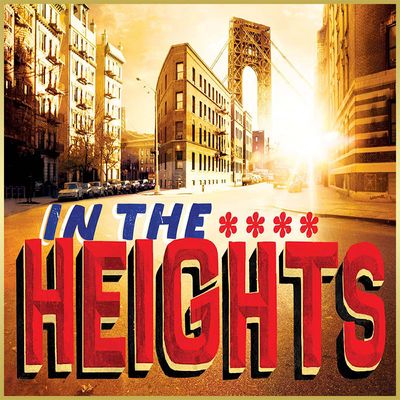
[4:49] Carla Mirabal Rodríguez: I yeah, it really is just, I mean, of course, now there's like a couple more things, right? Now there's In the Heights, um, there is there are more writers or more Latina voices in the mix or more Puerto Rican voices in the mix, but still the thing that is like very well known is WEST SIDE STORY.
[5:11] Carla Mirabal Rodríguez: And the thing that you quickly learn is that everybody has an opinion about it. Every Puerto Rican, like, there is no agreement. Like, there are people who hate it, there are people who love it.
[5:24] Carla Mirabal Rodríguez: Um, and then there's the nuance. And I like to think that I mostly live in the nuance, but then again, I it's not like I actively try to make an active effort to participate in WEST SIDE STORY either.
[5:36] Andrew Child: Okay. So, but you have seen or you're familiar with the original movie version.
[5:42] Carla Mirabal Rodríguez: Yes.
[5:42] Carla Mirabal Rodríguez: Okay.
[5:43] Carla Mirabal Rodríguez: Yes. And I haven't seen it in a while, but that's okay.
[5:46] Andrew Child: Do you remember like what is your response to that? What are your feelings that come up with that movie, or what was your response at that time?
[5:56] Carla Mirabal Rodríguez: So the first thing is Rita Moreno being an icon. I just have to say, like, she is she's truly so inspiring.
[6:05] Carla Mirabal Rodríguez: And I watched her documentary recently, which I just thought was amazing. Is just to see in that sense of like, oh, this was her first real role. This was the first time she got to play a real person rather than just essentially being like a sexy Latina prop.
[6:26] Carla Mirabal Rodríguez: Right. Which is what she had been interpreted as before. Or a sexy, just non-white prop, you know, because it feels like she wasn't, she was not always Latina.
[6:37] Carla Mirabal Rodríguez: It's true. Right. It was just like, well, you're not white, so we're gonna you're gonna be Siamese, you're gonna be quote unquote. We need.
[6:45] Carla Mirabal Rodríguez: Um but so seeing her in Anita and knowing that she is actually from Puerto Rico, is that is that something that sort of brings you into, like you said, some people can sit in the nuance with WEST SIDE STORY. Was that something that kind of did that for you?
[7:06] Carla Mirabal Rodríguez: Yeah, I mean, that's like the first thing about it that drew me in, knowing that she was in that because I knew who Rita Moreno, like as like an aspiring Puerto Rican actress theater maker growing up, I knew who Rita Moreno was, but I hadn't really seen her in much.
[7:24] Carla Mirabal Rodríguez: Like she just it's just the kind of way that you like she has celebrity status, you know.
[7:30] Carla Mirabal Rodríguez: Um, but I hadn't really seen her until I watched the actual film.
[7:36] Andrew Child: Okay.
[7:36] Carla Mirabal Rodríguez: Um so I would say she was like definitely the thing that drew me in.
[7:40] Carla Mirabal Rodríguez: And then the thing that stopped me from watching it many times, it did take me a second to get through it, was the fact that nobody else on it was not only they weren't Puerto Rican, they weren't Latino.
[7:53] Carla Mirabal Rodríguez: Right. Latina, Latinx, period. Like it was just a lot of brown face, including Rita Moreno, who they also like they darkened her skin tone to make her seem more like what was seen as the stereotypical Puerto Rican.
[8:09] Carla Mirabal Rodríguez: Um that definitely has to be acknowledged.
[8:14] Carla Mirabal Rodríguez: It has a lot of the movie has a lot of issues.
[8:19] Andrew Child: Yeah, no, to say the least.
[8:22] Carla Mirabal Rodríguez: So would you say, because now we have a new adaptation, sort of a remake of the movie, um, if you will, and while I still think there's a lot we can discuss there, um the issue you just hit upon, uh is no longer as present, is no longer as prevalent because they aren't actors in brown face playing different roles.
[8:50] Carla Mirabal Rodríguez: They are uh Latinx actors, they are Puerto Rican performers. Um, do you think does that solve all the problems in WEST SIDE STORY and this movie gets a gold star?
[9:03] Carla Mirabal Rodríguez: Absolutely not.
[9:04] Carla Mirabal Rodríguez: Okay.
[9:05] Carla Mirabal Rodríguez: Um I will say that is one thing, and that I am very glad to see.
[9:05] Carla Mirabal Rodríguez: I am very glad to see all this um new and established Latina talent being uplifted. I love that.
[9:19] Carla Mirabal Rodríguez: What I don't love is how it is every what I don't love is that the people behind the scenes are so they're also white and male usually.
[9:34] Carla Mirabal Rodríguez: So we've got right, Tony Kushner adapting the book. We've got Steven Spielberg directing, um, and then of course Sondheim wrote the music, Bernstein. Sondheim wrote the lyrics, Bernstein wrote the music. We know this.
[9:50] Carla Mirabal Rodríguez: Um I would say that also causes a disconnect.
[9:55] Carla Mirabal Rodríguez: And while I have not actually seen the remake, I have been reading a lot from specifically Puerto Rican um theater makers, Puerto Rican filmmakers, and scholars saying, and just Puerto Rican people offering their opinions on like why they like the film or why they didn't like the new film.
[10:19] Andrew Child: Right.
[10:19] Carla Mirabal Rodríguez: Yeah, yeah, yeah.
[10:21] Andrew Child: And is there any sense of consensus or are you leaning more toward any arguments for or against enjoying or even seeing the movie?
[10:37] Carla Mirabal Rodríguez: Hmm.
[10:41] Carla Mirabal Rodríguez: I would say I'm probably just leaning against it because of that, because I I know this happens all the time, but I just see this huge budget film, and it is still, but it is still you there's still things about it that you well, they could have, but they didn't change.
[11:00] Carla Mirabal Rodríguez: So in the end, in this story, the Puerto Ricans are always gonna be the antagonists.
[11:06] Carla Mirabal Rodríguez: The sharks are always gonna be seen as the antagonist. That is the way the story is written, and that was not changed for the new movie, um, even if a little bit more nuance was thrown in there.
[11:18] Carla Mirabal Rodríguez: And this has been something that I have been seeing crop up in articles of like yes, you can solve these sort of like surface level problems, which of course were huge problems, right?
[11:33] Carla Mirabal Rodríguez: But in the end, what is the benefit of reviving this story, this movie, this iconic movie that really defined in not just the theater space, but just culturally defined for the world what Puerto Ricans were and what Puerto Ricans look like, what Puerto Ricans sound like, what Puerto Ricans are like, and that painted a very violent image.
[12:05] Carla Mirabal Rodríguez: Um which coming from this place, like right, I'm Puerto Rican, I grew up there, I my whole family is there, I moved here when I was 18 to go to college.
[12:16] Carla Mirabal Rodríguez: Um, so I'm I very much am still like home is Puerto Rico, right?
[12:20] Andrew Child: Okay.
[12:21] Carla Mirabal Rodríguez: So seeing that and even just hearing the words like let it sink back in the ocean, like that that hurts.
[12:29] Carla Mirabal Rodríguez: That is hearing those things and knowing that they weren't, this is not like a Puerto Rican critiquing Puerto Rico.
[12:40] Carla Mirabal Rodríguez: Like this was a white person who wrote this. Putting words in the Puerto Rican characters' mouths.
[12:45] Carla Mirabal Rodríguez: And then when you add the lens of colonialism onto it, when you add the fact that, you know, Steven Spielberg had said that he wanted to revive this movie because he wanted to draw attention to the situation at the US Mexico border.
[13:01] Carla Mirabal Rodríguez: But Puerto Ricans are US citizens.
[13:06] Carla Mirabal Rodríguez: Like every port you Puerto Rico is a US territory, but if you ask a Puerto Rican, they're more likely to call it a colony.
[13:13] Carla Mirabal Rodríguez: Or at least let me not speak for all Puerto Ricans. If you ask me, I would call it a colony because that is very much the way it feels, and the way a lot of laws and rules and boards are imposed upon us.
[13:29] Carla Mirabal Rodríguez: So people, what isn't taught what, or at least I don't recall being talked about in the movie, the reason they migrated was because of colonial reasons.
[13:38] Andrew Child: Right.
[13:39] Carla Mirabal Rodríguez: Right. And so the it it kind of fails, and I can't speak for the new movie, of course, but it kind of fails to represent that aspect of it all.
[13:51] Andrew Child: So I'm curious because not only do we have two very popular movie adaptations, um, we also have, you know, there was a recent Broadway revival that sort of re envisioned the whole thing, pared it down, Ivo Van Hove.
[14:08] Andrew Child: Uh shortly before that, Arthur Laurents came in and directed a Broadway revival that Lynn Manuel came in and rewrote some of the libretto for.
[14:19] Carla Mirabal Rodríguez: Um, we at the Bernstein Centennial, we saw everyone around the country sort of engaging with these conversations like does Maria have to be sung by a Puerto Rican performer if we're just doing the songs out of context, you know?
[14:34] Carla Mirabal Rodríguez: Um, and other conversations like that. So it really does feel like WEST SIDE STORY is still popular, is still being programmed, is still being seen. I'm curious because you've worked as a performer, you've worked as a director, you also work in an administrative capacity with different theaters.
[14:54] Carla Mirabal Rodríguez: What would you say to an eager producer who's saying I'm going to revive WEST SIDE STORY in the season uh in 2022?
[15:11] Andrew Child: Well, I would f my first question would be why right? Why why this specific piece, other than you know, if the answer is gonna be money, that's to me that's gonna be disappointing.
[15:24] Andrew Child: Even though I do I do understand that it is something that will likely sell very well. Okay, um, especially right now with the film, like this is something that I'm sure like I'm sure we're gonna start seeing even more revivals crop up now that the film just came out.
[15:39] Andrew Child: Um, my other question, my next follow-up question would be can you program something if you want?
[15:49] Carla Mirabal Rodríguez: Right? May maybe their mission isn't to accurately represent Puerto Ricans, but I would say, would you consider maybe doing a play by an actual Latina person, like an actual Latina playwright, and putting those funds towards that because there are so many amazing ones.
[16:09] Carla Mirabal Rodríguez: Um, and the thing that is still really missing are multiple Latina perspectives. And then if they say we really want to do a musical that will sell tickets, I'll say, Okay, do In the Heights, you know.
[16:23] Andrew Child: Okay. Would you would you say that In the Heights is not just from a commercial standpoint, but from the standpoint of representation, from the standpoint of equity, from the standpoint artistically, is In the Heights, would you say a worthy counterpoint to the portrayal of Puerto Ricans in WEST SIDE STORY?
[16:46] Carla Mirabal Rodríguez: I would say it's definitely much more generous. Um, and I one of the reasons I'm in theater is because my high school did a production of In the Heights, and it was the first time I wasn't in it, which is still a regret to this day that I did an audition.
[17:06] Carla Mirabal Rodríguez: But I saw it, and it was the first time I was hearing this music, and I was like, this is music that is home to me. Like this is an thinking that this could possibly be seen on a Broadway stage, and that people were actually experiencing this and enjoying it, and I was just thinking, this feels like me, like this is something that is so familiar to me, and it's so it hits me so deep.
[17:32] Carla Mirabal Rodríguez: Um, and I would see these characters on the stage, and I would think these are real people. I know these people, and there's just such a depth to them, and such there's more nuance there, and there's more there's more types of people rather than the way I think WEST SIDE STORY really plays to stereotypes.
[17:55] Carla Mirabal Rodríguez: I think In the Heights offers more perspectives. No piece of this is the thing that I deeply believe, no piece is ever gonna be perfect, which is why we need more representation because when it becomes that we are putting all of our eggs in one basket, like we only have this one thing to represent us, which was the thing with WEST SIDE STORY for so long.
[18:19] Carla Mirabal Rodríguez: If we only have this one thing that we can point to and say, there we are, not everybody's gonna be there. It's impossible for one thing to a be perfect and be like encompass the entirety of what in the case of In the Heights it means to just to be a Latino in New York.
[18:39] Andrew Child: I'm curious when you compare In the Heights to WEST SIDE STORY, how much of that nuance, how much of that familiarity you felt for the characters, do you think can we chalk up to well it came decades later and the art form had progressed?
[18:59] Carla Mirabal Rodríguez: And how much do you feel like we can chalk up to there were actually Latinx people in control who were writing this story, who were writing this music, who were creating these characters, performing these characters? Would you say that one of those two or something else is more to credit for that big difference?
[19:19] Carla Mirabal Rodríguez: The jump from West Side to In the Heights. Well, it's definitely both and is right. Like that's that's my immediate answer of well, yes, definitely in the US in particular something like In the Heights well would not have been funded in the times of WEST SIDE STORY like it was I I do see that in its time its depiction of even just Puerto Ricans as humans was seen as revolutionary I do I do see that for its time but it is 2022 right 2021 when the remake got made I just at this point I think we can do better I think we know better I think more money should be going to Latina artists telling their own stories which is what In the Heights did and that's just one example right there are other there are other plays there are other Latina creators um but yeah I mean that's what happens when you have that sort of that genuine perspective of you don't need to do research you don't you don't need to do research what it to understand what it means to just be a Latina person living in the world.
[20:42] Carla Mirabal Rodríguez: Like maybe you should because Latina people aren't a monolith um so regardless you probably should do some but you are starting from a much more from a I would say a much more genuine point of view to be able to tell the story.
[20:59] Andrew Child: So I'm I guess I'm a little bit curious. So in this book, we sort of have to jump. If we're just looking at uh Latino representation in theater, we have WEST SIDE STORY, and then decades later, we come to In the Heights, and then just a few chapters later, we get to Hamilton.
[21:22] Andrew Child: Um, and I'm curious, uh is the answer to everything like bring in Lynn Manuel, because it seems to, at a certain point, it does seem like Broadway and Disney, and I think at one point like Star Wars, like they're all just saying, Oh, we can fix this.
[21:42] Carla Mirabal Rodríguez: Get get Lynn Manuel consulting.
[21:45] Andrew Child: Yeah, yeah, like get him rewriting or reworking or translating or something, just get his name on it. Is that the solution, or is there something else that these theaters should be thinking about, should be engaging with?
[21:59] Carla Mirabal Rodríguez: Listen, I love that Lin-Manuel is getting so much work. I love it. I think he's wonderful.
[22:04] Carla Mirabal Rodríguez: Um, of course. He's just one human being though. So I think we need more than that, because right, it's sort of like when you flip the narrative and you think like you would never just be like, oh yeah, this one white person is like perfect for absolutely everything.
[22:25] Carla Mirabal Rodríguez: Like, yes, every project. They can they can just do that. And that's obviously not like a great example, but sort of the way to put it into context of Yeah, he's one human. He's a great artist.
[22:39] Carla Mirabal Rodríguez: Um, and he is truly opening so many doors and creating so much work for artists of color in general. Um, but it's a lot to put on one person, and it definitely shouldn't be because you know, everybody has their own perspective, and there are still perspectives that are missing, especially in within Latinx theater, like and Latinx filmmaking, um, and storytelling.
[23:08] Carla Mirabal Rodríguez: Like, we are still there are so many there's so much, of course, nuance. I keep saying Latinx people aren't a monolith, there are so many countries, there are there are white Latinos, there are indigenous Latinos, or Afro-Latinos, and they're at certain points, especially when it comes to being in the US, some perspectives get erased.
[23:35] Andrew Child: And that often comes at the cost of the perspectives of indigenous Latinx peoples and Afro-Latinx people.
[23:45] Carla Mirabal Rodríguez: So you sort of hit on that In the Heights was a formative experience for you.
[23:52] Andrew Child: Yes.
[23:53] Carla Mirabal Rodríguez: Uh have you been able to see productions of it since high school? Or were you able to see the movie version or anything like that?
[24:01] Carla Mirabal Rodríguez: Yeah, yeah. I saw I saw a version of it at Wheelock Family Theater in Boston a few years ago.
[24:09] Carla Mirabal Rodríguez: I don't that was pre-pandemic. I don't remember when they did it, but it was definitely pre-pandemic.
[24:15] Carla Mirabal Rodríguez: So I think that's the only other version I've been able to see live.
[24:18] Andrew Child: Okay.
[24:18] Carla Mirabal Rodríguez: But I did see um, I did see the movie.
[24:23] Andrew Child: Yes.
[24:24] Carla Mirabal Rodríguez: And what what did you think about that movie? Like was that a good experience? Or similar to seeing it at your high school, or it fell flat? What what where would you do that?
[24:35] Carla Mirabal Rodríguez: Honestly, I just so much to say about it, but like in general, uh-huh, I I did have that feeling of like, oh my gosh, I I do love this.
[24:49] Carla Mirabal Rodríguez: I this is like the sounds of it, just like the sounds, the like the Spanish of it, it all feels so genuine and so I just I can't even explain I feel it so deeply in my soul where I'm like, oh my gosh, I feel seen by this.
[25:09] Carla Mirabal Rodríguez: Um but recognizing that not everybody felt that way. And this is also part of what I think we don't have nearly enough.
[25:13] Carla Mirabal Rodríguez: We don't have nearly enough representation. One piece cannot encompass all.
[25:28] Carla Mirabal Rodríguez: Um there's also one thing that like really one story that wasn't in the movie that really bothered me because it isn't the original musical is Nina's dad doesn't want Nina to date Benny, specifically because Benny is black.
[25:45] Carla Mirabal Rodríguez: And that is that is a plot point in the musical, but it is not it has been taken out of the movie um and replaced with a different narrative.
[25:55] Carla Mirabal Rodríguez: Um, of course there were plenty of shifts between the two. But that was one thing that I very much missed being acknowledged, at least in the film, because there is so there is racism in Latinx countries that doesn't stop existing.
[26:11] Carla Mirabal Rodríguez: Um for that part of it to just not come into the movie, like racism within Latinx communities rather than like racism outside coming in.
[26:22] Andrew Child: Okay.
[26:22] Carla Mirabal Rodríguez: Um, that was something that I definitely and I'm I know a lot of other people also felt were missing from that narrative.
[26:31] Carla Mirabal Rodríguez: That felt important to acknowledge, especially now.
[26:35] Andrew Child: Okay.
[26:37] Carla Mirabal Rodríguez: Yeah.
[26:38] Andrew Child: So we'll go back because you have these positive things that you said about In the Heights, uh, feeling seen, feeling like there's there is some nuance, um, even if it didn't totally translate to the movie.
[26:52] Andrew Child: I'm curious. I'm curious as a theater artist and ostensibly as someone who's engaging with theater as an audience member as well. Are there performances you've seen or that you've been a part of? Are there artists whose work you really have gotten to admire, whether you've seen it or engaged with it in a different way?
[27:14] Andrew Child: Or are there groups that you think are consistently putting forth work that you could say the same about that you feel seen, that you feel like are bringing nuance to the table, or that are giving that level of depth to the representation of the Latinx community?
[27:34] Carla Mirabal Rodríguez: Yes, sorry, you were cutting out of it, but I think I got the gist of the question.
[27:38] Carla Mirabal Rodríguez: Okay. Um, yes, definitely. So um, first of all, a theater company that I worked with, um, and still am very close to Teatro Chelsea.
[27:47] Carla Mirabal Rodríguez: They are based in Chelsea, Massachusetts, which is just right outside of Boston. Um, and Chelsea has a very large immigrant community, specifically from Central America.
[27:59] Carla Mirabal Rodríguez: So they are doing some really incredible work. While I was there, we worked on a new play festival, um, specifically to highlight Latina voices and Latina playwrights and help to develop their work.
[28:10] Carla Mirabal Rodríguez: And they're actually gonna be doing their first world premiere. Um wow in this summer, summer 2022.
[28:19] Carla Mirabal Rodríguez: I don't have exact dates, but summer 2022.
[28:21] Carla Mirabal Rodríguez: So that kind of thing is really exciting. We'd also worked with In the Margin, which is a theater company out in California that really works to highlight indigenous Latina voices, and indigenous voices in general, so they're very wonderful. Um, because it's not all about me being seen, like my perspective should not be the only thing I see, is something I also deeply believe. Um, so they're wonderful, um, particular. There's so many artists. Oh my gosh. I mean, Melinda Lopez has been a huge inspiration to me. She is a playwright based here in Boston. I have the pleasure of now working with her. Um, and she is so lovely. And how is that getting to work with someone that you admire? Like Melinda Lopez, who's fabulous.
It is the best. Good. Um, she's really she's so wonderful. We I assistant directed her play. So well, her play is Sonia Flew, but Teatro Chelsea did Sonia se fue, which is the Spanish translation of it. Um, and it ended it was actually a Zoom play, and so that even just getting to talk with her about it over the phone. Um she just like offers such incredible insight to things, and now I'm getting to work on another one of her plays. So I just truly I love I love Melinda a lot, and I just think she has such a unique voice um and an important voice. Um, theater companies that are doing really right, most of my knowledge lies in Boston because this is where I live right right but I mean of course in New York there's the Puerto Rican traveling theater um is like they've been around forever or not forever but they are very well established um and still very important to the community overall um so they're really great my gosh who else I mean they're just playwrights that I truly just so deeply admire and hope to get the chance to work with like Jose Rivera is one of my favorite playwrights um you have a favorite play that you would love to work on by Rivera oh my gosh I love Marisol because it's so kooky like it's so weird I'm so glad you said that I love that play cool would you say and this just sort of came to mind um these names that you're mentioning these theaters that you're mentioning would they also make your list if we were to say there are listeners right now who are hearing this and saying oh yeah the only Latinx theater I'm familiar with is from this book it's two Lynn Manuel musicals and WEST SIDE STORY if we qualify that as Latinx theater would these names um Jose Rivera uh Melinda Lopez would those be a good starting place for people to be looking if they want to read more or see more Latinx theater I think so yeah, for sure.
[31:31] Carla Mirabal Rodríguez: Um, and these are like their plays are not hard to find. You can right like they are you could likely go into like whatever your nearest bookstore is check out their play section. Um, there's also I would also say like in terms of not just plays, but reading Latin American writers. Um there is some like really incredible Latin American literature, and most of it has been translated and is or not most of it, but a lot of it, a lot of the most popular stuff has been translated and is available, and they it's so different. I mean, it's some some of my favorite works. Um, like Isabel is my favorite novelist, and she writes a lot of magical realism, and that's so fun to look at. Um also wrote the book for In the Heights, and she's also she she is a playwright, she has many plays out.
She also has a book out as well. So even just looking at the people who like contributed to these works, like you can definitely find more in their own body of work. She has um correct me if I'm wrong, I believe she did um now. I can't think of the name of it. She had a musical though, um Mission. Yes, Missy Like Hell. Were you able to ever see that anywhere? I haven't. I oh oh my I got so close to directing a production of it once, and then we couldn't get the rights. But I I did I have listened to the music. It's it's it's fun, it's deep. It's good. It's it's also it's devastating if folks listening want to give it a listen. I'd recommend it. Some of the songs, first of all, it literally it takes journey.
There is actually a journey, but it does. Some of the songs, just warning are so catchy, they'll never leave your head. Um, and then it's it's just a it's a devastating musical, I think. Um I mean, ultimately, there's a lot of uplift, there's a lot of humor, there's a lot of joy. Um but ultimately is not a happy ending, no spoilers, but um, yeah, that's all really fabulous, really good stuff.
[33:49] Carla Mirabal Rodríguez: Uh so I'd also love to ask if we have any listeners, because you know, we've got people all over the spectrum listening to this show. Um, if we have listeners who are in Puerto Rico or are elsewhere in the world thinking about coming to the United States to study theater, to work in theater, would you have anything that you would say to them? Any advice, any messages, anything. Yeah, I would say, first of all, don't let people put you into a box. Don't let people define who you are and tell you what you should want to do. Um, because that's something that I ran into quite a bit, especially with typecasting and all that kind of stuff. Um, you know, you're gonna have to fight for it, but fight to do what you want to do and fight for the things that you want to do, and then also the other thing I would say, just in general, remain curious, remain so curious, try things out just because you never really know.
I also came into my bachelor's, like not knowing much beyond acting. I came in very clearly set on I'm an actor and that is it. And I don't do anything else. And then I happened upon a directing class, and then I was like, I had a whole crisis where I was like, wait, am I a director? Am I not an actor? Uh-huh. Um, and then I was like, why can't I be both? Why couldn't I do both? Um, and then cut forward like another year. I'm like, wait, this producing thing. That's interesting. That's a whole different perspective. Um that I never not that I never thought I would enjoy, that I just simply wasn't aware of. I didn't know what a producer did. I didn't even know what that how that job differed from like a stage manager, like when I first started out, you know, that kind of thing. Um which is a great place to be if you're looking up to and working with someone like Melinda Lopez, who as a playwright has I believe a day named after her in the city of Boston.
[36:21] Carla Mirabal Rodríguez: She does. Um also every once in a while you go and see a show in Boston and you open the program and it's you know featuring Melinda Lopez with you know the little asterisk, like proud member of Actors Equity, you know? Yeah. Um, and she's someone who I don't know, I don't want to speak for her, but she epitomizes to me this ability to excel and succeed in multiple areas of this art form of this industry. Oh yeah. She is definitely an inspiration to me of oh yeah, I can be more than one thing. Like I don't because I, you know, the freelance life, not to say it's hard. The freelance life is so hard. Um freelance life, you're you have to be more than one thing, you know. You have to be. You really, you really do.
You need a day job. You need but you need flexibility and you need to be able to wrap your head around your taxes. Um there's all that kind of fun stuff. But I just like to me, I was like, I know that I want not just like a little more stability, I also wanted to be able to feel like I'm consistently making a mark on something, and I'm not always moving from one thing to the next. Um which is also good. It's all good and well. This is like just speaking for myself. That part of me that wanted to like sort of like have an impact and have a voice, it felt like I wasn't getting that need totally filled without having something like well, Death or Chelsea and now the Huntington, like where I get to have a more artistic voice and be part of that producing side of things. Um all the while, still loving to perform, um, still love directing. Just all the things. Hopefully, not all at once. I try to not let it be all at once.
[38:26] Andrew Child: Yeah, I don't know if Melinda Lopez has ever done that, has done. I don't know. She might have. If anyone has.
[38:35] Carla Mirabal Rodríguez: Oh, she definitely has. She wrote Mala.
[38:40] Andrew Child: Um, you're right. And then she performed in it.
[38:43] Carla Mirabal Rodríguez: Right. And that's when the city names a day after you when you do that successfully at a major regional theater, they say, listen, you get a holiday because you deserve a day.
[38:55] Andrew Child: Because she does. She really does.
[38:57] Carla Mirabal Rodríguez: She does deserve a day. Read her work, uh, listeners, check her out. Melinda Lopez.
[39:01] Andrew Child: Absolutely.
[39:02] Carla Mirabal Rodríguez: Becoming Cuba. Mala, she did an adaptation of Yurma, a musical adaptation of Yurma.
[39:08] Andrew Child: Oh my gosh, another amazing person, Mel um Melia Bensusan.
[39:14] Carla Mirabal Rodríguez: Melia Bensusan, who is the music director of Hartford Stage? Incredible.
[39:17] Andrew Child: She's also great. When so now I'm curious, and I promise I'm not just doing that thing where it's like, let's go back to what we're supposed to be talking about.
[39:28] Carla Mirabal Rodríguez: No, no, no.
[39:29] Andrew Child: But I genuinely am curious because now we've talked about some people who when you it came to mind when you mentioned Becoming Cuba, if you look up images from uh Melinda Lopez's Becoming Cuba when it was presented at the Huntington, it's possibly one of the most gorgeous stage designs that you'll ever see. Um, and I think you know, credit where credits do, Melinda does work frequently when she's at the Huntington with scenic designer Cameron Anderson, who has like fabulous vision. Um, but I think Melinda's texts just lend themselves to this extreme beauty. So you mentioned we were talking about Melinda Lopez, and then you mentioned Melia Ben Susan. Do you think when we're talking about names like this, if Melinda Lopez were to rewrite the book of WEST SIDE STORY and Melia Ben Susan were to direct it, is there a world where this libretto or some snippet of this, some moment of this, is salvageable and could become something with this kind of beauty and depth?
[40:38] Carla Mirabal Rodríguez: I also promise that I don't necessarily think the answer is yes. So I'm open to whatever your thoughts are on that.
[40:46] Andrew Child: Yeah.
[40:47] Carla Mirabal Rodríguez: Oh man, that would be the case where I'm suddenly like, oh, do I want to work on that? Like that would be the moment where I'm like, wait. Um, but I I I very much go back to I and this is again nothing against any like people particularly nothing against particularly Puerto Ricans who love West story, because I struggle with it because I'm like, I think the music is actually like stunning. I I do in fact think the music is great. It's just really hard for me to like disconnect that from like my own experiences and like knowing how hard it is to like even just get your work seen and produced as a Latinx artist, and I'm not even a playwright, but right, you know, it's hard, it's hard, and there's a lot of people out there trying to make it happen, and it's hard.
Um and then seeing like this multi bil million dollar movie get money by helmed by all these white folks, but also just what movie it is. Uh-huh. There are just some problems with it that I think are too integral to the story, like the fact that it is gangs, like if you take away the gang aspect, does it keep being WEST SIDE STORY?
[42:03] Andrew Child: Right.
[42:03] Carla Mirabal Rodríguez: Like, does it does it continue to do that? Um, like if you take away that Chino kills Tony at the end, is it still is it still West Side's story? Like, is it still all these things? So that's when I just question like right originally it is an adaptation of Romeo and Juliet. Which I guess at one point. Right. At what point are you just like, all right, forget Romeo and Juliet.
[42:32] Carla Mirabal Rodríguez: West Side's story, it's its own thing.
[42:34] Andrew Child: Uh-huh.
[42:35] Carla Mirabal Rodríguez: But I again, maybe somebody can wrap their head around it, but I'm not totally sure that I'm there yet.
[42:41] Andrew Child: Okay.
[42:41] Carla Mirabal Rodríguez: Yeah, which is totally fine. We'll totally allow that.
[42:45] Andrew Child: You got to work on it was a bilingual production of Romeo and Juliet.
[42:50] Carla Mirabal Rodríguez: Um could you shed a little light on what that looks like, what that process is like, what that production was like?
[42:56] Carla Mirabal Rodríguez: Oh my gosh, so it was outdoors. Let's start there.
[42:58] Carla Mirabal Rodríguez: It was outdoors in the summer of 2021 when it felt like we might be free of COVID, but then we weren't.
[43:07] Carla Mirabal Rodríguez: Um but it was outdoors. I will say it was just such a lovely ensemble.
[43:14] Carla Mirabal Rodríguez: Um it really, really was like I'm still very good friends with a lot of the people I got to work with there.
[43:21] Carla Mirabal Rodríguez: Um but it was it was definitely like trying to make it not be WEST SIDE STORY, like trying to just it was trying to just be like, oh, okay, the families weren't necessarily separated by language.
[43:41] Carla Mirabal Rodríguez: Um so there were people, although Juliet did speak English, Juliet spoke English, Romeo spoke Spanish.
[43:48] Andrew Child: Okay.
[43:49] Carla Mirabal Rodríguez: Um, but there were part people on the Capulet side who spoke Spanish and people on the Montague side who spoke English, so it was kind of like having more of a mix, and I would say the like goal of it was to just make it more accessible specifically to the community of Chelsea, which has so many um Spanish speakers.
[44:08] Andrew Child: Okay.
[44:09] Andrew Child: Which you mentioned there is a huge community in Chelsea.
[44:13] Andrew Child: Was that something conscious in the room? Like we're not doing WEST SIDE STORY, we're not going to be close to WEST SIDE STORY, or is that just sort of in hindsight?
[44:26] Carla Mirabal Rodríguez: I don't think it was actually. I think we would get asked about it.
[44:29] Andrew Child: Okay.
[44:30] Carla Mirabal Rodríguez: It wasn't like an attitude in the room. Like nobody came into it being like, it's WEST SIDE STORY.
[44:36] Carla Mirabal Rodríguez: Um I think maybe we like talked about it at the beginning of the process.
[44:39] Carla Mirabal Rodríguez: I was because I was assistant director on that.
[44:42] Carla Mirabal Rodríguez: Um, so we probably talked about it, like when coming up with the concept of it and um talking about design and all that kind of stuff, but it wasn't once we hit the rehearsal room.
[44:54] Carla Mirabal Rodríguez: I don't recall it being like such a present thing.
[44:58] Andrew Child: Okay.
[44:59] Andrew Child: Got it.
[45:00] Andrew Child: Well, thank you so much for making the time to chat with me today about WEST SIDE STORY.
[45:04] Andrew Child: I really appreciate hearing your thoughts.
[45:06] Carla Mirabal Rodríguez: We went on such a tangent, but I'm not I'm not mad about it.
[45:09] Andrew Child: No, me neither.
[45:10] Andrew Child: I think this was fabulous.
[45:11] Andrew Child: So thank you so very much.
[45:13] Carla Mirabal Rodríguez: Cheers.
[45:13] Carla Mirabal Rodríguez: Thank you for having me.
[45:15] Andrew Child: Next, I'm speaking with Caridad Svich.
[45:24] Andrew Child: Svich has been a guest artist at the Traverse Theatre in Edinburgh and the Royal Court Theatre, and has taught playwriting workshops at Payne's Plough Theatre in London and the US Cuba Writers' Conference in Havana.
[45:36] Andrew Child: Svich sustains a career as a theatrical translator as well, mainly of the dramatic work of Federico Garcia Lorca.
[45:44] Andrew Child: She has received fellowships from the Radcliffe Institute for Advanced Study and the California Arts Council.
[45:50] Andrew Child: She has trained for four consecutive years with Maria Irene Fornés.
[46:01] Andrew Child: Hello, Caridad.
[46:03] Caridad Svich: Hello, Andrew, how are you?
[46:07] Andrew Child: I'm doing great, thank you.
[46:09] Andrew Child: So let's dive right in.
[46:11] Andrew Child: Can you tell me a little bit about your relationship with and your perceptions of WEST SIDE STORY?
[46:21] Caridad Svich: I mean, sure. I think that for a lot of people, this is maybe, I mean, it's a canonical musical.
[46:28] Caridad Svich: And, you know, my first encounter with it was with the first film version, uh, the 1961 version.
[46:37] Caridad Svich: Um, seeing it, I think on TV.
[46:40] Caridad Svich: It might have been on TV at some point or some channel.
[46:43] Caridad Svich: Um, and just being, I was captivated by the music, which is story.
[46:48] Caridad Svich: I think I'd heard, you know, I'd obviously had heard like Somewhere and Maria and There's a Place for Us, and you know, in like Barbara Streisand recordings and stuff like that.
[46:57] Caridad Svich: You know, so I sort of knew it as a like a pop culture phenomenon, and that it was based on Romeo and Juliet.
[47:03] Caridad Svich: And so I was like, oh, okay.
[47:05] Caridad Svich: But I'd never seen the film.
[47:06] Caridad Svich: So I saw the film.
[47:07] Caridad Svich: I remember on TV when I was, I don't know, as an adolescent, and I was like, and I remember not really liking it very much.
[47:17] Caridad Svich: I was just, but I couldn't articulate why.
[47:19] Caridad Svich: Do you know I was a little bit like um, oh why does this have to happen to these characters?
[47:27] Caridad Svich: And why are the Puerto Rican characters being sacrificed continually throughout the film uh in favor of you know upholding kind of a white power structure and and it's specifically I would say you know, interestingly, I think given the politics of the story as it's represented in this iteration.
[47:50] Caridad Svich: So I'm not gonna talk about Romeo and Juliet for a second, but in this iteration, so it's its own thing, um, is that I feel like the white working class is pitted against the uh Puerto Rican working class in this film.
[48:03] Caridad Svich: And and in the middle of that, I think is this other story, which is the aspirational white middle class.
[48:11] Caridad Svich: Um, and that actually what's happening, I think, in the storytelling is that everybody's scrambling to be part of the white middle class.
[48:19] Caridad Svich: And there's a kind of alignment with political whiteness that's happening uh in the in just the narrative, like the structures of the narrative, uh in terms and determines who gets to be sacrificed where, when, and how, and including, you know, um, if we fast forward now to the recent film version, um, you know, here's this new character called Valentina, uh, played by Rita Moreno, who at the end of the film um basically sacrifices Chino to the police, right?
[48:49] Caridad Svich: So hands him in.
[48:51] Caridad Svich: Um uh so upholding uh uh that power structure.
[48:57] Caridad Svich: Um and of course, you know, I I'm sure we've all seen that uh the mini debate on Twitter about um oh Maria sleeps with Tony uh after her brother is killed, which of course it's in the Shakespeare, it's also problematic in the Shakespeare, but um, but um, but I think that in the given the politics of WEST SIDE STORY, what happens is that it's a it's again positions Maria as someone who will do anything to kind of literally sleep with the white power structure, right?
[49:31] Caridad Svich: Uh and so that that's and that you know, my brother sacrificed who else is being sacrificed.
[49:36] Caridad Svich: You can argue that Anita is sort of sacrificed in the storytelling because she's assaulted.
[49:41] Caridad Svich: Um, so the brown bodies in a storytelling are kind of pushed aside in favor of the white or white assimilating bodies.
[49:49] Caridad Svich: Um, and uh I find that you know, obviously I find it incredibly problematic and um needless to say, and and I also think the fact that it's the musical that for a lot of people, maybe, you know, like okay, I'll phrase this this way, which is that if you're a Latinx person, um, and you're moving through um politically white spaces, invariably as an artist, you'll be like, WEST SIDE STORY.
[50:24] Caridad Svich: Don't you just love it?
[50:25] Caridad Svich: You know what I mean?
[50:26] Caridad Svich: There's a kind of like you should you're aligned with that because it was, I mean, truthfully, it was a mainstream film, the 1961 film is a mainstream film that featured not all the not all the actors, there was a lot of brown face happening in that film, but um, but there were you know, Rita Moreno, like there were there was a kind of the notion of uh a kind of bid to representation.
[50:52] Caridad Svich: And so for a lot of people that was like, oh, Puerto Ricans exist, you know, and um, and so you know, and the music uh is not actually Puerto Rican.
[51:02] Caridad Svich: I mean, the music is like colonial.
[51:04] Caridad Svich: I mean, Bernstein is doing um uh Spanish uh kind of structures in the music, he's doing flamenco and pasodoble, and like you know, and so but it somehow gets people so it it kind of I mean the music is also reinforcing colonialism, which I think is fascinating.
[51:20] Caridad Svich: So um, but that becomes sort of reference point, like we're like if you're a Latin person and an artist that that you can't not deal with a WEST SIDE STORY because it's just there and it's sitting there as a monolith.
[51:31] Caridad Svich: Um and I think that the opportunity of the film, the new film was like, oh, what are they gonna do?
[51:31] Caridad Svich: What are they gonna do?
[51:43] Andrew Child: No, no, this is did you feel like what did they do?
[51:47] Andrew Child: Did the new film respond to anything you've sort of touched on in a way that you thought progressed from the original movie or from the original libretto?
[52:01] Caridad Svich: Or did you feel like the same problems are still there, maybe just in a different reframing?
[52:09] Caridad Svich: Yeah, I think the same problems are still there.
[52:12] Caridad Svich: Okay, um, with some cushioning around it, right?
[52:16] Caridad Svich: So, oh, we have um Spanish, some Spanish spoken to the film, but it's not translated in the subtitles.
[52:24] Caridad Svich: Boo.
[52:25] Caridad Svich: Um, so again, the language is kind of demoted, right?
[52:28] Caridad Svich: In terms it doesn't occupy the same hierarchical space as English.
[52:32] Caridad Svich: Um we have, you know, the Puerto Rican national Anthem, uh revolutionary version of the anthem is sung briefly.
[52:40] Caridad Svich: Uh, but that's kind of like an Easter egg.
[52:43] Caridad Svich: Like I think that you know, most audiences wouldn't know that that's what's happening.
[52:47] Caridad Svich: There's like a mural and the first confrontation with the gang members, which, you know, if you're looking at the mural, you know, it's not there for a very long time on frame.
[52:57] Caridad Svich: But if you see it, it's kind of like calling back to Puerto Rican leaders fighting for independence on the island.
[53:07] Caridad Svich: So there's some weaving, obviously the casting, we we've we've now have Latina actors playing those roles.
[53:15] Caridad Svich: Um with I think addressing um, you know, after Latinidad, you know, in the casting, uh, which is really important.
[53:25] Caridad Svich: And I think that I think it's fascinating to look at the the politics of casting Rachel Zegler and Ariana DeBose because Rachel could be considered white passing uh for some folks.
[53:41] Caridad Svich: And um, and of course, she's the character that's climbing, that's climbing the white ladder uh in the film.
[53:47] Caridad Svich: Um but I think what's what's and of course there's you know, Chino is now like at the beginning of the film at least, until other things happen, um, becomes, you know, is a is now a student and is not initially a gang member and all of that.
[54:01] Caridad Svich: Um but I but I still feel that, you know, I mean it's funny, you know, and I I don't know what the legalities of the estate are in terms of making radical changes.
[54:14] Caridad Svich: But I thought, oh, this is an incredible opportunity to actually change, change the ending, change the, you know, um, to actually do things that kind of really bust it open and not reinforce uh the same narrative uh upon these characters, um, and give them a different kind of agency, uh, and maybe have them recognize the traps that they're in, you know.
[54:38] Caridad Svich: I mean, the the sort of white middle class aspirational trap um is how they're being pitted against each other.
[54:46] Caridad Svich: You know, that power structure is actually what's determining this.
[54:50] Caridad Svich: I mean, one of the things that's determining uh besides supremacy is like uh my supremacy is this is kind of like you will, you know, you will fight each other for the crumbs, you know, to death while you know, everyone else is like the powers that be.
[55:06] Caridad Svich: The powers that be, the invisible powers that be, are actually moving everything around, you know.
[55:10] Caridad Svich: And so I think that that is I think slightly more illuminated in this film, uh, through some of the staging and um maybe in thinking about it, or maybe just time has caught up with it, you know.
[55:21] Caridad Svich: I do think that they amplify Tony quite a bit.
[55:24] Caridad Svich: His narrative gets kind of a little bit of boosting.
[55:27] Caridad Svich: And I think that to that degree I'm like, why?
[55:31] Caridad Svich: Okay.
[55:32] Caridad Svich: Uh, you know, because it's like, you know, actually, first of all, I mean, I can't I can't even begin with uh Ansel Elgort or um I just can't.
[55:42] Caridad Svich: Um but but I also I think that that actually hurts the film, interestingly.
[55:47] Caridad Svich: I think to have uh that storyline boosted because uh it privileges again, it privileges his storyline, you know, like why not boost somebody else's storyline?
[55:47] Caridad Svich: You know, like why not boost Anita's storyline more or or Bernardo's storyline more, or you know, like I I feel like so it it kind of it weirdly I mean the film is very you know, both films are very super complicated.
[56:10] Caridad Svich: I think this film, because it's coming from Spielberg and Kushner, I think it's exceptionally complicated in that regard because they're they're both, I think, I can only assume are aware of all these issues, you know.
[56:24] Caridad Svich: This is me thinking the the best of everyone, you know.
[56:27] Caridad Svich: I assume they're aware of these issues, and therefore, oh, you can actually address them even further.
[56:33] Caridad Svich: Uh instead of right now what feels like a little bit of lip service is being paid, but not actually a full digging into um digging into the the problematics of of the story and how it resonates and it and I think what hurts me more, you know, having you know, Ariana uh I mean obviously she's doing great work and she won the Oscar and um many other awards and and for her to say like on national television uh we all aspire to play Anita, you know, that was like our dream role.
[57:07] Caridad Svich: And I was like, no, like no, that should not be the role that you're aspiring to play. That should be like not the role that like all Latina actors are aspiring to play. Like, um, and so I think that by her saying that, she's kind of like reinforcing that idea of like, see, this is the role I always wanted to play, and therefore everyone else is always aspiring to this. And it's like, no, we need to like demolish all of that and like start over and like choose other stories, and plenty of them exist for one thing. We have plenty of writers, you know. So I think that an artist making work and um, yeah, so I I I uh and of course now with the awards and everything, I mean, then that film will now be part of the canon too, and it'll just perpetuate itself. So I have obviously have issues, you know, but I still love listening to Somewhere and Tonight and all those songs.
[58:01] Andrew Child: Do you think they're great songs? Because the music is so beautiful, so iconic, do you think is it worthwhile for someone somewhere to attack this and go full on and restructure, replot, rewrite the book? Or do you think it's just like we can move on, we can do something else now?
[58:25] Caridad Svich: Yeah, I wonder. I mean a part of me wishes that it could happen. Like just do a complete restructuring with that incredible score. Um that would be fun. Uh as a just a dramatic project. Um, but I I I can't I can only imagine that it's probably legally not possible to do that. Um but then I also think we can move on. And like it's it's there and it's been there and it's not gonna it's never gonna go away. Do you know what I mean? So so I think the the effort needs to be in in boosting new stories and and you know, making sure they're heard and um new narratives and new characters and stuff like that, not returning continually to the source of what has been a lot of pain for many people.
[59:16] Andrew Child: Well, uh one question that I did I asked to Carla, because in this book there's a chapter on WEST SIDE STORY, and then decades later we've got the chapter on In the Heights. Um and sort of in between and since then, do you have any other shows that you think students of musical theater history, people who are interested in this book in this podcast, any shows that put uh Latina, Latinx people on stage or are involved with the creative process? Do you have shows that they should be checking out that they should be interested in?
[59:57] Caridad Svich: Yeah, you know, I mean Zoots, are you guys doing a chapter on Zootsuit?
[1:00:01] Andrew Child: No, no chapter on Zootsuit.
[1:00:03] Caridad Svich: Do you want to talk about that a little bit?
[1:00:04] Andrew Child: I know. What's happening?
[1:00:07] Caridad Svich: No, it I mean it's a music, you know. I think of it as a musical, you know. Um maybe people think of it as a play with songs, you know, but uh it certainly qualifies as a musical in my book. And um, yeah, and I think that that there should be I'm actually surprised that there aren't more uh revivals of Zoots. I don't maybe it's because the cast is quite large, but that's true of other shows as well. Um it's it's you know, it's of course it's it's uh, you know, this this notion of the universal is really fascinating because I story is seen as a universal uh thing, uh and uh and zootsuit is seen as a niche a niche thing only about Chicano culture. Um when I when I also I think it's also like a universal story, you know what I mean? If we're gonna play the universal game, then I would say uh that's as universal as and belongs alongside the West Side Stories of the World, right?
[1:01:03] Andrew Child: So um so I definitely would say Zootsuit. I think there was also like a you know, I don't know if there's even a recording of this show.
[1:01:12] Caridad Svich: But uh a gazillion years ago, I guess it feels like a gazillion years. It wasn't a gazillion years ago. It's like in the uh it might have been in the 90s, maybe early two thousands. No, maybe it was the 90s. There was a musical called I'm gonna get the title butchered, so you might have to look it up, but it's something like uh five five guys and Maria. It's one of the first, like mid, it was in a New York. Uh-huh. Five names, five guys named Jose and Maria or something like that. Um it was directed by Susanna Tubert. It was a commercial musical. It ran for for a little while, um uh kind of in a commercial midtown space.
[1:01:57] Andrew Child: Um it was kind of like a very, very pre, like super pre, obviously historically in the heights. Um, but it was positioned as um, you know, uh commercial at Latina musical. Uh and it's never been revived.
[1:02:17] Caridad Svich: Oh wow.
[1:02:18] Andrew Child: Uh it had that short run.
[1:02:19] Caridad Svich: Yeah.
[1:02:20] Andrew Child: Yeah.
[1:02:20] Caridad Svich: Five guys, I think it's like five guys named Jose and a girl named Maria. It's got like, you know, it's like like a funny title like that. Um I think if you just look up Five Guys named Jose and Susana Tubert, it will come up in the like archives from the New York Times or something. It was favorably reviewed. Um, it had an audience. Uh it it never moved to Broadway, you know, but it but it did play Midtown.
[1:02:44] Andrew Child: It was a midtown show, and it was like a mid-size budget show.
[1:02:48] Caridad Svich: Okay. Um, and quite, you know, in a way, significant, and I think kind of been erased from obviously it's been kind of weirdly erased from history.
[1:02:57] Andrew Child: Um bring it back.
[1:02:58] Caridad Svich: Uh, and so that show I think is worth looking at. There was also like a version of um Gracila Daniel did a piece around the music of Astor Piazzola.
[1:03:16] Andrew Child: Okay.
[1:03:17] Caridad Svich: Um also in the 90s, uh a kind of dance theater, but with me with like songs um uh that played Lincoln Center.
[1:03:27] Andrew Child: Oh wow.
[1:03:27] Caridad Svich: If memory serves. Yeah, it was like a Lincoln Center, you know. This is like, I feel like it's like the heyday, like the heyday that will never come back. But it was it was Lincoln Center and Inter, Inter Hispanic American Arts Theater, uh, which is a very super small company, right?
[1:03:43] Andrew Child: Uh budget size, collaborated.
[1:03:45] Caridad Svich: Um they collaborated first on a on a musical version of Chronicle of a Death Foretold, which is really interesting. And then they were they worked on this tango project with Graciela Daniel and the music of Piazzola. Uh and it had a commercial run.
[1:04:04] Andrew Child: Um, and then um, you know, and then it's never been seen again.
[1:04:08] Caridad Svich: Um, so I think that there's something around digging into certain some of these shows that were at the beginning of like what some people call the first multicultural boom in the US, uh, where there was like funding all of a sudden. Suddenly there was funding for some things, um, and interest, right?
[1:04:28] Andrew Child: Um, and to see to see if there's to kind of trace those that genealogy a little bit before in the heights, because in the heights didn't come out of nowhere, actually.
[1:04:40] Caridad Svich: Um, although it it seems, you know, it sort of burst onto the scene in a very bold way, but uh, but there were like steps, steps along the way to make that happen. Um, you know, and then to look at the work of you know, Dolores Prida, I think worked on a musical for a while, um, that uh again played kind of smaller venues.
[1:05:00] Andrew Child: So I think look at like the writers that were working in Latinus spaces that were actually making musicals.
[1:05:07] Caridad Svich: And I will say that Repertorious Paniol, you know, in New York City has been doing musical, has been doing musicals for a while. Uh, you know, none of them have moved to Broadway, but they have been done, you know, and and they absolutely all Latin A, everything, right? Um, and it's sort of fascinating that they don't get uh reviewed uh, you know, in the same way with the same attention.
[1:05:35] Andrew Child: Do you think when we talk about this this first multicultural boom?
[1:05:40] Caridad Svich: Yeah, I think are we building up for another something like that, just looking at sort of what is coming on the scene, what we are seeing as commercially viable currently.
[1:05:55] Andrew Child: Yeah, yeah, I think so. I mean, uh, you know, I think it's funny because I think there've been like I was uh like in the nine the nine, so there was this period in like the mid 80s where suddenly there was money started to appear, like it's suddenly and suddenly there were right, I mean there was also had to do with like writers and artists that foundations and theaters were kind of like, oh, we should be promoting them, right? You know, so you get in like the early 90s, you start to get late 80s really nice. You get like José Rivera's writing and Eduardo Machado's writing and City Moraga's writing, and Lynn Alvarez, you know, there there is a kind of extraordinary, you know, it does feel like a boom of just artists that are making like really compelling and beautiful work that is getting produced, right?
[1:06:44] Andrew Child: You know, so suddenly, and a lot of it was getting produced not just in Latin A spaces, but also in um historically white spaces.
[1:06:52] Caridad Svich: Um, and so suddenly there was this attention and a desire to nurture and develop artists, right?
[1:06:59] Andrew Child: So, so out of that you get like all these development programs like South Coast Rep had their program and Inter have theirs, and like you know, exponential.
[1:07:08] Caridad Svich: Um that then the all of that sort of died down uh when Needle Cruz won the Pulitzer Prize.
[1:07:16] Andrew Child: Um literally that same year, like a lot of those programs like the South Coast Rest program got shut down.
[1:07:23] Caridad Svich: Um there was a kind of like mentality of well, now that Needle's won the Pulitzer, we're done.
[1:07:30] Andrew Child: Like we're sort of done developing, like we did our work, you know.
[1:07:33] Caridad Svich: Um and this was coming from PWI.
[1:07:35] Andrew Child: So so there was this feeling of like, check, we did that.
[1:07:39] Caridad Svich: Um, while at the same time, Latin A companies are and were and still are scrambling for dollars.
[1:07:49] Andrew Child: Like this, I think the irony of all of this is that you have uh privilege white institutions getting funding to develop Latin artists, Latin A companies who have been historically developing artists and making work and producing work, getting less funding, you know, it gets kind of divided up, right?
[1:08:08] Caridad Svich: And so you have like very little still um you have the same scramble for dollars with um Latin A companies that you did in 1995, you know what I mean?
[1:08:28] Andrew Child: So, which is shameful, right?
[1:08:30] Caridad Svich: But on the other hand, you have in the Heights and you have Hamilton and you have Encanto, and you have you know what I mean?
[1:08:37] Andrew Child: Right.
[1:08:37] Caridad Svich: So um so it does feel like we're in a new like, oh, this could make money.
[1:08:37] Andrew Child: Right.
[1:08:37] Caridad Svich: This could make money.
[1:08:49] Andrew Child: Um I like this, this is good. Let's sell this.
[1:08:52] Caridad Svich: Um we'll see. I mean, I I think you know, my my sort of hat is always that I I'm slightly skeptical of everything. Um and partly because I feel like I keep wondering, okay, that's awesome. People are getting work and the work is being platformed on reaching wide audiences. That's awesome. Uh and maybe it means more work will happen. Do you know what I mean?
[1:09:14] Andrew Child: Um, and more people will get jobs and all those things.
[1:09:18] Caridad Svich: Uh and be a and be and be trusted, and be trusted to tell their stories, right?
[1:09:23] Andrew Child: Um what I'm what I'm skeptical of is um a little bit, sometimes a lot, but a little bit about how the power is being held, and what are the value systems behind those power structures that are um upholding the work.
[1:09:50] Caridad Svich: And and I think that that that is obviously a much more complicated question around um decadent capitalism and and uh political agendas uh that are tied to that.
[1:10:02] Andrew Child: Uh so but I but I feel like that's where the thorn is, you know, I think.
[1:10:08] Caridad Svich: Uh and that that's gonna take a while to dig dig up.
[1:10:12] Andrew Child: Yeah.
[1:10:13] Caridad Svich: Yeah. Maybe forever.
[1:10:15] Andrew Child: Forever.
[1:10:16] Caridad Svich: Fingers crossed, hopefully not, but thank you so much for making time to chat with me today.
[1:10:22] Andrew Child: This was fun.
[1:10:24] Caridad Svich: I hope it was useful.
[1:10:25] Andrew Child: Absolutely.
[1:10:28] Caridad Svich: Absolutely.
[1:10:29] Andrew Child: And thank you, listeners, for joining us today. Please make sure to purchase a copy of 50 Key Stage Musicals by visiting Routledge.com or by clicking in today's show description. If you want to learn more about WEST SIDE STORY, please also review the links in the below description. I am Andrew Child, and thank you for listening to 50 Key Stage Musicals, the podcast.
© Broadway Podcast Network, All Rights Reserved