

AIN’T MISBEHAVIN. COMPOSER: Fats Waller. LYRICIST: Fats Waller. BOOK: Richard Maltby Jr and Murray Horwitz. DIRECTOR: Richard Maltby Jr. CHOREOGRAPHER: Arthur Faria. PRINCIPLE CAST: Nell Carter (Nell),Andre DeShields (Andre), Ken Page (Ken) OPENING DATE: May 09, 1978... Read More
From the show: Fifty Key Stage Musicals: The Podcast
Guests
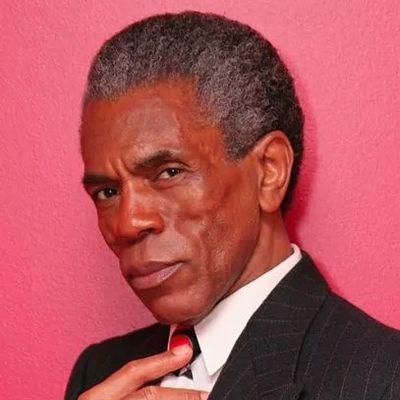
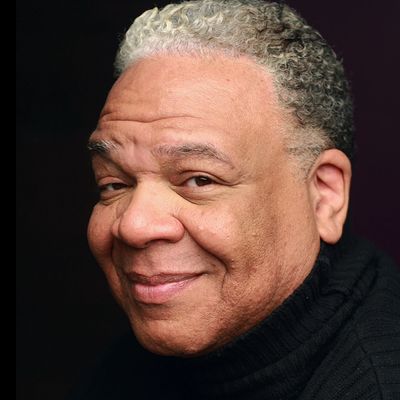
Featured Shows

About
AIN’T MISBEHAVIN
COMPOSER: Fats Waller
LYRICIST: Fats Waller
BOOK: Richard Maltby Jr and Murray Horwitz
DIRECTOR: Richard Maltby Jr
CHOREOGRAPHER: Arthur Faria
PRINCIPLE CAST: Nell Carter (Nell),Andre DeShields (Andre), Ken Page (Ken)
OPENING DATE: May 09, 1978
CLOSING DATE: Feb 21, 1982
PERFORMANCES: 1,604
SYNOPSIS: Using the pre-existing music of 1930s jazz pianist Fats Waller, Ain’t Misbehavin uses three women and two men to sing Waller’s songs in a plotless revue celebrating his music.
Richard Dueñez Morrison’s highlights the significance Ain’t Misbehavin’ had as a highly regarded, character-driven Broadway revue. Though a comparatively simple lineup of Fats Waller songs without book, elaborate set, sizable ensemble, or major stars, the show brought the world of the Harlem Renaissance to life in a way that was both novel and accessible for largely white audiences. Director-lyricist Richard Maltby Jr., and writer Murray Horwitz abandoned the idea of crafting a conventional, dialogue-driven telling of Waller’s life in favor of a more nuanced evening which showcased the diverse talents of the five Black performers in the cast, including future stars Nell Carter and Andre DeShields. Maltby carefully guided the transition of the show from its intimate premiere at Manhattan Theatre Club’s off-Broadway venue to the larger Longacre Theatre, ensuring the intimacy at the heart of the piece translated to a Broadway stage. When the revue won the 1978 Tony Award for Best Musical, new avenues were opened for Broadway revues as well as Black representation on the Broadway stage.
Richard Dueñez Morrison - Richard Dueñez Morrison is a music director and voice teacher in San Diego, California. He holds a bachelor’s degree in Stage Management from Webster University and a master’s degree in Musical Theater from San Diego State University. His favorite musicals include Sweeney Todd, Nine, Andrew Lippa’s A Little Princess, The Will Rogers Follies, and Caroline, or Change. Eternal thanks to husband Kurt, parents Renee and Dennis, piano teacher Dorothy Winnard, and theatrical mentors Neil Rothschild, Debbie Luce, Mary Elledge, and Ole Kittleson.
SOURCES
Ain’t Misbehavin, Original Broadway Cast Recording. RCA (1978)
Ain’t Misbehavin, starring Nell Carter and Andre DeShields, directed by Don Mischer. NBC Television (1982)
Transcript
This transcript was automatically generated and might contain errors.
[0:08] Robert W. Schneider: Hi, I'm Robert W. Schneider, and welcome to Fifty Key Stage Musicals the Podcast, a companion piece to the Routledge Press publication 50 Key Stage Musicals, which is available for purchase by going to Routledge.com or clicking the link below in today's show description.
[0:24] Robert W. Schneider: Today's episode focuses on chapter 28, the 1978 production of Ain't MISBEHAVIN.
[0:31] Robert W. Schneider: The first two interviews that you're going to hear were collected from the podcast Behind the Curtain, Broadway's Living Legends.
[0:38] Robert W. Schneider: And they are with original cast members of Ain't MISBEHAVIN, Andre DeShields and Ken Page.
[0:44] Robert W. Schneider: And after that will be our interview that was conducted with the author of that chapter, Richard Dueñez Morrison.
[0:52] Robert W. Schneider: Thank you. And enjoy the podcast.
[0:58] Ken Page: And then after the whiz comes Ain't MISBEHAVIN.
[1:01] Robert W. Schneider: Is that right?
[1:02] Ken Page: Yes, after the whiz comes Ain't MISBEHAVIN.
[1:05] Ken Page: And telling the stories in song of Fats Waller, how did were you did you grow up listening to that music?
[1:12] Andre DeShields: I did not grow up listening to a Fats Waller score.
[1:16] Ken Page: Yeah.
[1:17] Andre DeShields: But certainly in my house, my father and my mother would sing songs from their youth.
[1:23] Ken Page: Right.
[1:24] Andre DeShields: And one of them, first of all, was Black and Blue.
[1:28] Ken Page: Yeah.
[1:28] Andre DeShields: My mother would sing Black and Blue. Um Ain't MISBEHAVIN was one.
[1:35] Andre DeShields: And my mother remember my mother wanted to dance.
[1:38] Ken Page: Yeah.
[1:39] Andre DeShields: My mother would dance the snake hips.
[1:42] Ken Page: Really?
[1:43] Andre DeShields: Now, if you recall Ain't MISBEHAVIN, my tour de force moment, my stop the show moment in Ain't MISBEHAVIN, was as the Viper to a song called The Viper's Drag Reefer's Song.
[1:56] Andre DeShields: It was a conflation of two moments. One, the instrumental from Fats Waller, and the Dance from Snake Hips Tucker.
[2:07] Andre DeShields: And of course, I I'm this is the man who hits himself in the head often. So I'm hitting myself in the head again. This is what my mother used to do around the house.
[2:38] Ken Page: Yes.
[2:39] Andre DeShields: And he's also the one who trained in Balinese dance.
[2:44] Andre DeShields: So when you look at Ain't MISBEHAVIN, when you look at the viper and you see all the flourishes in the fingers, that's Arthur Faria teaching Balinese dance.
[2:54] Andre DeShields: But when you see the hips rocking, that's my mother.
[2:58] Ken Page: That's your mother.
[3:00] Andre DeShields: She finally got on stage.
[3:03] Ken Page: Yeah, yeah.
[3:05] Andre DeShields: I could not have, we could not have at the time told you the exact path Ain't MISBEHAVIN was going to take. But we all knew that we were cooking something special.
[3:16] Andre DeShields: We're back at the cauldron. We've got a recipe that really has something never before experienced.
[3:24] Andre DeShields: And the proof of the matter is that what critics wanted to categorize as a revue took the Tony for Best Musical.
[3:32] Andre DeShields: Now, to be a musical, you have to have a story. You have to have a book. And if you when you when you put up Ain't MISBEHAVIN, all you get is a score.
[3:41] Andre DeShields: But in that score are the connective tissues or the intersturse, I think that's the term that give you a complete narrative that connect the songs in such a way, because the songs are stories unto themselves.
[3:57] Ken Page: Yes.
[3:58] Andre DeShields: But when you connect those stories, you get a look at the complete life of this jazz and comedic genius who it was Thomas Fats Waller.
[4:08] Ken Page: Brilliant.
[4:08] Andre DeShields: Ain't MISBEHAVIN is the perfect show. Not only because of the cast, the other storytellers were Nell Carter, Ken Page, Amelia McQueen, Charlene Woodard, and Andre DeShields.
[4:22] Ken Page: Now that's a piece.
[4:23] Andre DeShields: Yes, that is a cast. Sign me up.
[4:25] Ken Page: Preserved on film, correct?
[4:27] Andre DeShields: Well, yeah, preserved on film for television.
[4:29] Ken Page: Yes.
[4:30] Andre DeShields: Yes, absolutely. But still there's a there's a and well done. Very well done.
[4:33] Andre DeShields: With a live audience on the NBC sound stage that Johnny Carson would do his show on.
[4:38] Ken Page: Oh, I didn't know.
[4:38] Andre DeShields: Yeah. And they built a cabaret on the sound stage.
[4:42] Ken Page: That's wonderful.
[4:43] Andre DeShields: And we performed the show for a live audience. And one of the issues was how do we do the Viper's Drag?
[4:51] Andre DeShields: Which starts stage right and moves stage left. Now you could put up a long shot, but it would look very flat.
[5:01] Andre DeShields: So I don't know the gentleman's name, but I remember his Herculean Herculean task to put a camera on his shoulder and follow me.
[5:11] Andre DeShields: And then when you watch it, you don't see any jiggling except for the hips. That's the jiggling you want to see.
[5:18] Andre DeShields: But it's it's a I mean it's as if there was a camera on a tripod, but that's a man. That's a man holding a man with a camera on his shoulder.
[5:25] Andre DeShields: Before steady cams, before steady camera. It's preserved beautifully, and it is sorry, going back to what you were saying before, it is the perfect revue.
[5:32] Ken Page: Can you tell us a little bit about Harlem Nocturne?
[5:32] Andre DeShields: Did, yeah. 1984. First, I should say to you that Ain't MISBEHAVIN was based on an idea by Murray Horwitz.
[5:49] Ken Page: I'm saving my love.
[5:52] Andre DeShields: Um yes, again in a certain way. I mean, they asked. I like to joke that they it went out on the wire that they were looking for someone sort of like the guy who played Nicely Nicely.
[6:07] Andre DeShields: We'd like a Ken Page type. And I thought, well, what about me?
[6:13] Ken Page: Yeah.
[6:13] Andre DeShields: That's Ken. Maybe Ken's interested. Well, I think because it was off Broadway, and it was, you know, Manhattan Theater Club was not the Manhattan Theater Club we know now then.
[6:22] Andre DeShields: And I had been in The Wiz and Guys and Dolls, I think they kind of thought, well, he probably won't do it. But somebody like that, that was their thinking, I think.
[6:31] Ken Page: And I was like, well, I ain't doing nothing. I wasn't working at the time I'd left The Wiz.
[6:36] Andre DeShields: And um, long story, I went over an audition, blah, blah, blah. And um, when they called about it, they said we have Andre DeShields, who of course I had done The Wiz with.
[6:47] Andre DeShields: Um, uh uh Nell Carter, who I knew from the cabaret circuit in the city. She used to do her act at Reno Sweeney's and all the different places.
[6:56] Andre DeShields: And I knew him, she was in those infamous shows like Dude, oh yeah, If a Janaya, yes, If a Geniah.
[7:02] Ken Page: Yes.
[7:03] Andre DeShields: You know. Dude, I always teased her about the stage.
[7:06] Ken Page: But don't get grand with me. I know you're in Dude. Don't get grand with me.
[7:10] Andre DeShields: You and you and Dude, you know.
[7:12] Ken Page: And she'd go, don't bring that up.
[7:17] Andre DeShields: She was in Dude, yeah, and out of town, and Miss Moffitt.
[7:21] Ken Page: Yeah.
[7:21] Andre DeShields: Oh. I knew who she knew the history. So uh, and uh at that time, Irene Cara, who uh uh, you know, I knew from me nobody knows, I guess whatever she did.
[7:32] Andre DeShields: And Amelia McQueen, who I didn't know, but I knew she'd been in the movie of Sparkle. And I knew she was too nan in the movie.
[7:38] Ken Page: So you kind of knew who the other people were.
[7:41] Andre DeShields: And it was one of those experimental things where you thought, well, you know, they're not paying anything, what am I gonna get out of this? You know, and I thought, oh well, what the hell?
[7:48] Andre DeShields: Now, what pre uh happened right before the audition was that uh Twilight Thorpe's company had done a uh dance to Your Feet's Too Big, and it was on uh PBS, and a friend of mine called me because they had a big picture of Fats Waller back of the dance thing on the scenery, I guess.
[8:04] Andre DeShields: And they called me and said, There's a man's face on the screen right now on PBS, and it looks just like you. I thought, that is not good news.
[8:13] Andre DeShields: You know, and they said it was Fats Waller, blah, blah, blah. So I had actually started researching to do a one man piece about Fats Waller.
[8:20] Ken Page: Oh, I didn't know that.
[8:21] Andre DeShields: Well, you know, I found out who he was and everything, and true enough, I certainly knew I could do it, you know. Uh, but he was, of course, a piano virtuoso, so I'll play the piano. That was just a little minor thing.
[8:33] Andre DeShields: And right after that, this came up. So it was kind of fortuitous and you know, just sort of serendipitous and all those words.
[8:40] Andre DeShields: And uh when I went over and they called and they said, these are the people we have, and I said, Yes. And with that one we got in the room and really created from scratch. That was really created organically.
[8:50] Ken Page: Yeah.
[8:51] Andre DeShields: When we had Richard Maltby on, he he spoke at length about the rehearsal process. Um tell us from your point of view, what's it like?
[8:58] Ken Page: So we'll take Your Feet's Too Big as an example, which is a pretty much a standalone song until it's now in the context of the show. So now you need to take a standalone song and give it a three-dimensional life. How do you go about doing that?
[9:11] Andre DeShields: Well, as much of the show was, to be perfectly honest with you, it really was a matter of just saying, what do you think? And then you'd said, with Feats Too Big in particular, I think Arthur and Murray and probably Richard as well came up with the idea of me sitting at a table and singing the number about somebody.
[9:29] Andre DeShields: I thought, well, okay, that sounds and I asked for, I said, Well, can I sing it to someone? And they thought, What do you mean? You want one of the girls to sit there? So, oh no, I don't want anybody to be there. I just want, just give me an empty chair.
[9:40] Ken Page: Right.
[9:40] Andre DeShields: So I can see the woman that I'm talking about in that case. So that's how that happened as far as what the physical thing was.
[9:47] Andre DeShields: And um, you know, the number was the same. I mean, not a lot was changed. I think it was a couple of sides and things put in. But I think by making it a theater number and not just a song, yeah, and having a point of view and a point of reference, it changed it into an actual theater performance number.
[10:06] Ken Page: Right.
[10:07] Andre DeShields: But uh, with a lot of the numbers, we were given, because you know, I I credit us with saying this, and I I always like to say it because I think it's fair. We were five very, very let's put it this, we were supporting people in most of the shows we've been in.
[10:21] Andre DeShields: So we were very dynamic character-driven people. Which meant we were used to building characters and making things that were very real for ourselves and so forth.
[10:31] Andre DeShields: And that's when you put five people like that together, you've got a really tremendous lot of creativity going on. And um a lot of it came from us, you know, and that's not in deference to Richard, because he thought of the whole thing and he hired us.
[10:46] Andre DeShields: But a lot of it really did come from our personalities, obviously. And our personifications of ourselves and people we knew and grandparents and aunts and uncles and things like that to create those people.
[10:58] Andre DeShields: And more than anything, of course, bringing whatever you could bring of Fats' personality and ideology, his humor and stuff into those roles. Of course, for me it was direct because I bore the resemblance and that, but and yet I still wasn't playing him.
[11:12] Ken Page: Right.
[11:12] Andre DeShields: Yeah. You know. So it was very interesting to watch the creative. I was telling this company, I just directed a production of it out at La Mirada in California.
[11:21] Ken Page: Kathy Rigby's company.
[11:22] Andre DeShields: Oh, wow. Really great cast. I gotta give them some props. Great cast.
[11:28] Ken Page: But I was telling them how some of the things happened, you know, the history of it. And a couple of them had done the show and stuff, but they didn't know all the background.
[11:34] Andre DeShields: Sure, sure. So I was telling about Squeeze Me, the woman who does Amelia in the show. I said, You would not believe how that happened.
[11:42] Andre DeShields: It was the end of the day, we all wanted to go home, and they hadn't worked sung through Squeeze Me yet. And they said, Oh, Amelia, we just want to go through Squeeze Me before you go.
[11:50] Andre DeShields: And she was like, Oh, I want to go home. I'm tired. I want to go home. And they said, No, just sing through it once so we can know what we have to deal with musically.
[11:58] Andre DeShields: So she leaned up against the wall by the piano and put her hands behind her back and just said, Oh, Daddy, squeeze me, and squeeze me. And we all, you know, you look around the room, we're all looking at each other going, that's amazing.
[12:11] Ken Page: That's it.
[12:12] Andre DeShields: That's it. And Arthur was like, it's magic, it's magic. And Richard went, That's perfectly fine.
[12:19] Andre DeShields: You know, it's just and I remember we got to the end, and Andre DeShields said, Diva, at the end, bat your eyes. Just bat your eyes.
[12:26] Ken Page: She went, What?
[12:28] Andre DeShields: Go back, sing the ending. And she went, When you squeeze me. And she's battered. And he went, that's it. That's it. And it never changed.
[12:37] Ken Page: That was it.
[12:38] Andre DeShields: So there was a real collaboration.
[12:40] Ken Page: Absolutely.
[12:41] Andre DeShields: Absolutely. So when it went to Broadway, I mean she sang it like that at the Manhattan Theater Club.
[12:45] Andre DeShields: She's leaning against the wall and sang the song. And when they went to Broadway, I remember Richard saying, We can't lose that. We have to find a way to keep that.
[12:52] Ken Page: So that became the thing of turning her around on the piano and her leaning against the back of the piano.
[12:57] Andre DeShields: So we kept they kept it was kept of her leaning, just standing there and just singing against the quote-unquote wall.
[13:06] Robert W. Schneider: What do you mean you didn't know Girl Scouts deliver?
[13:08] Ken Page: They do, yes.
[13:09] Ken Page: Hey, Miss Behavin.
[13:13] Robert W. Schneider: And with us today is the author of that chapter, Richard Dueñez Morrison. Mr. Morrison is a music director and voice teacher in San Diego, California.
[13:21] Robert W. Schneider: He holds a bachelor's degree in stage management from Webster University, and a master's degree in musical theater from San Diego State University.
[13:30] Robert W. Schneider: Richard, I'm so happy that you're here with us today. And my first question for you is who was Fats Waller and what were his contributions to the world of entertainment?
[13:41] Richard Dueñez Morrison: Well, Fats Waller basically was one of the first musical superstars of the modern era of the jazz era. He really got big in the late 1920s as a writer and a performer. Ain't MISBEHAVIN' is all songs that he either wrote, co-wrote, or at least performed. He had some role in it. He definitely did not write all of the songs. I mean, he had different collaborators in terms of writing over the years. He always wrote the music and he had lyricists. But some of the songs in the show he simply recorded and popularized. But he became famous for playing Harlem Stride piano. He was a well-known performer, not just a songwriter. Not to use the word just, but you know what I mean. But he was a personality, he was a force of nature.
He was so jolly and jocular, and he was a physically large man with a large personality. He loved, you know, the cliché, wine, women, and song. That's absolutely who he was. He had a large appetite for all things in life. He absolutely lived life to his fullest. Forgive the cliché. Ultimately, that's probably what killed him. He caught pneumonia at the age of 39 and died on a train crossing the country to a gig. But he toured the country, he toured internationally, he absolutely helped popularize Harlem Stride piano at the height of the Harlem Renaissance. He was right there, he was a big part of that community. And his trademark, one of his trademarks was, you know, he's performing a song, like say "Honeysuckle Rose," and you know, he's playing and singing, and in between the lyrical phrases, he's interjecting.
You know, he's saying jokes, he's commenting. So it was he kind of never stopped making noise. He was this person that just kind of kept going, and I don't think anyone had seen somebody like that before. And he became really popular around the world. In terms of the Harlem Renaissance and all the great artists that came out musically, how would you compare him to say somebody like Duke Ellington or Count Basie?
[16:08] Richard Dueñez Morrison: Aha. Good question. I'm gonna use Duke Ellington because to me, Duke Ellington, his sort of image and his musical style was such sophistication. You know, Duke Ellington had his orchestra, he was very, he to me, Duke Ellington just was so like not just upper class, not only upper class, but like that's what Duke Ellington was about. When I think of Duke Ellington, I think of sort of elegance, a sophistication to the music and the image. Whereas I think Fats Waller was very working class. He became known for he would play piano at rent parties. His musical and artistic voice was very much the voice of everyday people. He was so his artistic voice was so down to earth. He wrote about and performed songs that were about everyday things.
Like, I'm thinking of "Cash for Trash," like selling, you know, kitchenware. I think I said that in my chapter, selling kitchenware for the war effort to make money. Lost love and being jealous, but like always in a playful way, always in a very just everyday way. His lyrics weren't, they were fun and they were joyful and they could be heartbreaking, but they weren't what I would call elevated in the best way. You know, I think a lot of people connected with him for that reason. And when Ain't MISBEHAVIN' emerges in the late 70s, do you happen to know where Fats Waller was in the national consciousness? Did people remember him? Had he been eclipsed by somebody like say Duke Ellington or Count Basie? Or where exactly was he in terms of everyone's collective memory?
[18:13] Richard Dueñez Morrison: That's a great question. He was not very much in everyone's collective memory. He very much had been largely forgotten. When Richard Maltby Jr. and Murray Horwitz, his associate director, were doing the research to put together the show, they had such a hard time. I mean, they really had to dig to find a lot of the works to get hard copies of the sheet music. I mean, I can't imagine. I was barely not alive at the time, but like, you know, now everything's online, you know, in some form. And not only was everything hard copy back then, but a lot of Fats Waller's work had been lost. Because when he was alive, he died in 1943, by the way. When he was alive, he had such a penchant for spending money, he was often selling his songs just to make money just to pay his bills.
So he sold a lot of his songs to other people. Back in the day, especially at that time, there was a habit of Black writers selling songs and then they would sell the rights to their songs, but then they would find their song, they would hear of their songs or see their song later somewhere credited to another author, probably a white author. So let's talk a little bit about, we know that Ain't MISBEHAVIN' after reading your chapter, we know that Ain't MISBEHAVIN' changed the way revues were performed in New York City at least. Can you tell us a little bit what revues were like prior to Ain't MISBEHAVIN' coming on the scene?
[19:48] Richard Dueñez Morrison: Yeah, they had been larger, they had been basically spectacle-based. Like I said, you know, dancing choruses, costumes, more about the artifice and the spectacle. Less, I think, about the humanity. I think the most obvious difference was the larger cast, usually with a fuller orchestra. The revues back in like the first part of the 20th century were often written by a lot, there were songs from a lot of different artists. What we think of now, what we take for granted as jukebox musicals in the 70s, they were starting to kind of come back a bit. They certainly weren't as popular as they are now, but in the 70s there was Ubi. Oh, Ubi is a great example. Oh yeah, Ubi's. The Songs of Ubi Blake.
That was a larger, a physically larger show. It didn't do as well. That was certainly a jukebox musical, but that was a physically larger show. A lot of people attribute that show's sort of lack of success to the music itself not being as accessible to the audience in the 70s, or rather the treatment of Ubi's music in that show. It didn't land with a 70s audience as much. There certainly was, I know Bubbling Brown Sugar was a big hit that ran for a couple of years. And one of the things I think is that's so interesting about the structure of Ain't MISBEHAVIN', and maybe you can shed some light on this, is it seems like revues prior to Ain't MISBEHAVIN' were the shows that we call, and then he wrote, so that there really was no story to it?
It was people in tuxedos and evening gowns coming in singing, "Here's the song that he made famous." But there was no story. How did they craft a story for Ain't MISBEHAVIN' without using any dialogue?
[21:47] Richard Dueñez Morrison: Well, they basically decided, like most revues, we're not going to have an overarching story. But each song is going to be a very clear story, very theatrical in its storytelling, both staging and musically. Maltby and Horwitz wanted to evoke the world of Fats Waller. They didn't want to recreate it. They wanted to sort of represent it, give us a sense of it. They wanted these five performers to be basically consistent characters, and they wanted these five characters to have backstories so that they had relationships, and every different combination of these five performers was a different story and a different relationship or set of relationships, if that makes sense. I think that approach, combined with the brilliance of the performers themselves, really is what sold the show.
So they created this world and these specific people, and we watched these people go through new circumstances every, you know, two or three or four minutes. Was Ain't MISBEHAVIN' created specifically to be on Broadway?
[23:00] Richard Dueñez Morrison: No, absolutely not. It was originally Maltby and Horwitz wanted to create a biographical musical of Fats Waller's life, and they were doing the research, and they basically were like, okay, he died at 43, and he was at the height of his career. So it's really an act one of a story. There was no act two. So they were like, okay. Oh, actually, I believe it was Lynn Meadow, the artistic director of Manhattan Theatre Club at the time, who said to them, "Hey, do a cabaret. We have an opening in our season. If you want to do a revue of Fats Waller's songs, you can do that, and it'll run a month." So they did that. And then that's where the idea for the show came from. And they took their left turn and made a revue, and the theater, the cabaret space at MTC was like 60 seats, and it sold out, got rave reviews, and producers were fighting to be the ones to take it to Broadway. Let's talk about this cast of then unknowns.
[24:07] Richard Dueñez Morrison: Oh my gosh, it's incredible. So the three females were Armelia McQueen, who recently passed, sadly, I believe it was last year. Nell Carter, who passed several years ago. Of course, she went on to probably become arguably the most famous one of the cast. She became like a TV star, really, with Gimme a Break in the 80s, and other things. Charlene Woodard, and then the two males were Andre DeShields, the icon, the Broadway icon, oh my god, and Ken Page. I mean, all these people went on to have such wonderful, fascinating careers, both mostly on stage, also on screen. One of the things that I would love to talk about is why did Maltby decide to have five performers as opposed to an even six, so you could have three pairs of couples?
Ain't MISBEHAVIN' was originally going to be one woman and two men. And in the casting process, Maltby found Armelia McQueen and Nell Carter, and he literally could not decide between which of them to have as his star. So he decided to change the number of cast members and use both of them, and then have two men and then a third woman. He wanted an odd number so there would be, you know, so the couples couldn't really be matched up, you know, so there was always a different combination of people. And there was always someone, you know, the third wheel, the fifth wheel, you know, so there would be lots of comedic conflict and just different stories. Every story was so compelling. I'll never forget Nell Carter singing "Oh, Mean to Me."
Oh, mean to me. Oh my god, mean to me changed my life. I have just never seen anything like it. And then you have something like "Your Feet's Too Big," you know, just opposite end of the spectrum. And I don't know, it was that just I had never seen anything quite like this world presented in this way with these insanely skilled performers, and just staged to go just boom, boom, boom, one thing to the next, so clearly and simply. One of the things you also talk about in your chapter, which I thought was so fascinating, was that the characters in the show were really based on the personalities of the actors in the rehearsal room. And if you look in the score, the libretto, you know, the characters are named after the original five actors, you know, it's Andre, Armelia, etc. And they did really create the show in the rehearsal process of the cabaret.
They really created it together. They didn't go in with, you know, Andre's gonna do this and Armelia's gonna do this. They figured it out. And yeah, so my understanding is when you mount the show now, yes, these sort of templates are there for the characters, but there's absolutely room to bring you as the performer to it. What are some of the benefits, would you say, going into a rehearsal saying, "Hey, I know I'm using you five individuals, I just don't know what anyone's doing right yet"? Are there advantages or disadvantages to that sort of freedom, which is so antithetical to how we do shows today?
[27:20] Richard Dueñez Morrison: I know, right? I know it's hard to imagine, especially with the review of so much material.
[27:25] Richard Dueñez Morrison: Um, I mean, I you know, I think it depends on who you ask, but certainly there's gonna be pros and cons. The pro being that you can tailor it to who you have in the room. One of the quotes that I found so fascinating in your chapter was Richard Maltby saying, I'm the king of revues because I don't like revues.
[27:44] Robert W. Schneider: Can you expand on that a little bit?
[27:46] Richard Dueñez Morrison: Yes. Because that's all he's not that's not all he's done, but as a director, that's what he's primarily known for.
[27:52] Robert W. Schneider: Yeah, exactly.
[27:53] Richard Dueñez Morrison: I mean, he directed the two musicals that were because he directed Fosse, which is oh, yes, Fosse and Ain't MISBEHAVIN', the two revues that won Best Musical.
[28:08] Robert W. Schneider: Um, I'm trying to think if there's any others.
[28:10] Richard Dueñez Morrison: I don't know, is Contact a revue?
[28:12] Robert W. Schneider: No, technically no.
[28:15] Richard Dueñez Morrison: It feels like it is, but technically it's not saying that.
[28:17] Robert W. Schneider: How is it technically not?
[28:19] Richard Dueñez Morrison: Because it's that's all pre-recorded.
[28:21] Robert W. Schneider: It's all pre-recorded.
[28:23] Richard Dueñez Morrison: There's uh there is a book to it, believe it or not.
[28:25] Robert W. Schneider: Um, I don't I saw it, I don't remember it well.
[28:28] Richard Dueñez Morrison: Yeah, it was I no, no, no. Listen, I think it's a very moving dance piece.
[28:33] Robert W. Schneider: Yes, agreed.
[28:35] Richard Dueñez Morrison: Yeah, it was a slim season that year.
[28:37] Robert W. Schneider: Slim season that yeah.
[28:38] Richard Dueñez Morrison: Yes, agreed. Yeah, but I remember in my research going, oh wow, the only two revues that have won the Tony for Best Musical happened to be directed by Richard Maltby Jr.
[28:46] Robert W. Schneider: Yeah.
[28:47] Richard Dueñez Morrison: Like, that's kind of nuts. Between that and Closer Than Ever, Starting Here, Starting Now, yeah, he's known for his revues, and I appreciate that he doesn't quote unquote doesn't like revues because he's like, how can we make this interesting? How can we make every moment part of a story? You know, um, and I mean, my life is musical theater, and I will basically agree with him.
[29:11] Robert W. Schneider: Uh, I don't, revues are not it's not a place I it's not a style I pursue.
[29:18] Richard Dueñez Morrison: You know, and why is that?
[29:21] Robert W. Schneider: Because it's hard to make, you know, 20 or 30 songs in a row.
[29:26] Richard Dueñez Morrison: You know, it's hard to keep an audience engaged for two hours. It really is, I think.
[29:31] Robert W. Schneider: Um, I don't want to say anything bad and anything negative about any other pieces, but uh I'm working on a show right now. It's a revue, and it's a it's a known revue.
[29:42] Richard Dueñez Morrison: Uh and literally like in preparing right now for this podcast, I was thinking, oh, the show that I'm doing now, I can see where it could have done a couple of the things that Ain't MISBEHAVIN' did. I think it would have been more compelling.
[29:59] Robert W. Schneider: So we'll just say that.
[30:00] Richard Dueñez Morrison: No, of course, and can you identify what some of the things that Ain't MISBEHAVIN' does very well that you wish other revues, regardless of whatever you're working on, other revues would implement into their structure?
[30:11] Richard Dueñez Morrison: Uh first off, off the top of my head, Ain't MISBEHAVIN' doesn't have that many ballads. It really removes. Um, which, and as much as I love ballads, I think that was really smart of that. The show that I'm doing right now, I think one of its flaws is that it has too many ballads, and they are beautiful, brilliant works of storytelling these songs, but I think this revue has too many ballads, and we lose the audience here and there.
[30:41] Robert W. Schneider: Totally understand.
[30:43] Richard Dueñez Morrison: Totally understand.
[30:43] Robert W. Schneider: Yeah, it's it. I mean, one of the things that I think Ain't MISBEHAVIN' does really well, and you mentioned this in your chapter, is it creates a template for how best to do a revue?
[30:54] Richard Dueñez Morrison: And if you follow the template that it lays out, you should be in pretty good shape. The abundance of up-tempo songs, the uneven casting, bringing the person, the personalities out to the forefront.
[31:07] Robert W. Schneider: And one of the things I found so interesting in your chapter was the cross-section of humanity as you call it, in terms of the casting. Can you talk a little bit about that, please?
[31:20] Richard Dueñez Morrison: Uh, so all these five actors, they looked different, they sounded different. Uh, the two men, Ken Page and Andre DeShields, I mean, they're so different from each other, very different voices.
[31:35] Richard Dueñez Morrison: Um, Ken Page is a large man, Andre DeShields is a smaller man. Um, Andre DeShields has kind of like a bright, I would almost say reedy voice, fascinating voice, so unique. Ken Page has more of a rich baritone.
[31:51] Richard Dueñez Morrison: Um, and of course, they could both do so many different things within those sounds that they have. Um, but they were so different from each other. Uh, the three women, Armelia, Nell, and Charlene, they were different types.
[32:06] Richard Dueñez Morrison: Charlene was kind of like the skinny kind of ditzy one. I mean, to really oversimplify it. Um, and she had a broad vocal range. Um, Armelia McQueen was like kind of to me, she was the most sophisticated of all five of them. Her character certainly was kind of trying to be sophisticated, elegant, a little upper crust, maybe a little snobby at times.
[32:30] Richard Dueñez Morrison: Uh, she was the soprano, you know. Nell had that trumpet voice that just was like sounded like it was coming right through her nose, but in the best way. Um, and I Nell was, I think, more down-to-earth, more of a down-to-earth character.
[32:46] Richard Dueñez Morrison: Uh, Nell and Armelia, specifically as the larger women, physically, as the plus-size women, um, I think I say this in my chapter, they are really. It was maybe one of the first times in a hit Broadway musical where large women, and who happened to be black, but large women were seen as sexually desirable, as beautiful, as elegant, as sexy.
[33:10] Richard Dueñez Morrison: Uh, not only were they seen as that within their world, but they had desires. You know, they clearly had sex lives. They clearly were dating and, you know, seeing these different men, and that was new at the time.
[33:24] Robert W. Schneider: And not played for laughs.
[33:26] Richard Dueñez Morrison: Exactly. Thank you. That's a great point. Um, I think still to this day, very much you see larger women, they're only allowed to be comedians.
[33:38] Richard Dueñez Morrison: I think most of the time. Um, so back then that was that was a new thing. And yes, these women were funny, but they were also so real in so many ways.
[33:49] Richard Dueñez Morrison: Um, like I said mentioned before, mean to me. You know, Nell Carter, that beautiful, heartbreaking song she sings. Um, you know, she wasn't just a comedian. This larger woman, we could we could shed a tear for her and her story of love, lost love.
[34:05] Richard Dueñez Morrison: Um, had Ain't MISBEHAVIN' stayed off-Broadway at Manhattan Theatre Club, it would have been still groundbreaking because it's giving us a successful template on how to do a revue, but it moves to Broadway.
[34:20] Robert W. Schneider: Why take this thing that's praised for its intimacy and put it in a 1,052-seat Broadway theater?
[34:27] Richard Dueñez Morrison: Well, money, of course.
[34:30] Robert W. Schneider: Why anything on Broadway?
[34:31] Richard Dueñez Morrison: Money. Who doesn't love money?
[34:33] Robert W. Schneider: I know, right?
[34:35] Richard Dueñez Morrison: It was something new that had, I would say arguably had not been seen before, and why wouldn't, you know, a lot of producers want to make that commercial?
[34:45] Richard Dueñez Morrison: Um, I think the success of the show on Broadway was due to Maltby and friends absolutely keeping the integrity of the show, not quote unquote opening it up, expanding it for the larger stage and the larger house.
[35:03] Richard Dueñez Morrison: They kept the design simple. They kept the cast, what it was, who they were.
[35:08] Richard Dueñez Morrison: Um, they I mean, I obviously didn't see the MTC cabaret production, but if you watch the PBS filming of the original production, it's small, you know.
[35:20] Richard Dueñez Morrison: Um, so it just really sounds like they absolutely kept the heart of the show.
[35:25] Robert W. Schneider: So this show it goes to Broadway, I really against all odds, like you're saying, because you would assume that if you're a ticket buyer in 1978, you're probably going, Who's Fats Waller? There's only five people I've never heard of in this thing.
[35:40] Richard Dueñez Morrison: Yep.
[35:41] Robert W. Schneider: What is this?
[35:43] Richard Dueñez Morrison: And rejecting it.
[35:46] Richard Dueñez Morrison: But not only does it go to Broadway, not only does it get fantastic reviews. Can you tell me a little bit about the upset at the Tony Awards?
[35:53] Richard Dueñez Morrison: Oh, yeah. Uh, well, it was up against On the 20th Century specifically. This way more traditional book show. It was an operetta, basically kind of a combination between an operetta and a musical comedy, directed by Hal Prince with uh Madeline Kahn for crying out loud.
[36:10] Richard Dueñez Morrison: Movie star, um, John Cullum, a young Kevin Kline, oh, Imogene Coca, another huge star, you know. Um, and it was by all accounts well received and did very well that season.
[36:23] Richard Dueñez Morrison: Um, so that was his main competition. There was also Dance in the Bob Fosse revue, um, which was more along the lines of what revues had always been.
[36:33] Richard Dueñez Morrison: Even though that was largely dance, it was it was a spectacle, you know.
[36:39] Richard Dueñez Morrison: Um, and that show actually ran for years too. That became one of the longest-running musicals ever.
[36:44] Robert W. Schneider: But um, uh, but yeah, so just no one expected this little show that maybe from the outside, I don't know, seemed a little niche. Maybe because it was black, maybe some ignorant people thought that. I don't know, but it just had such more traditionally successful competition, you know.
[37:02] Richard Dueñez Morrison: And what message does it send to potential commercial producers?
[37:07] Richard Dueñez Morrison: Hey, no matter how big or how starry the names are on a project, like On the 20th Century, we're going in this direction.
[37:16] Robert W. Schneider: What is that telling future producers?
[37:20] Richard Dueñez Morrison: It's about the material, it's about the product, it's about there's different things that compel people. We don't just need names, we don't just need formats that we know already and are used to and familiar with.
[37:38] Richard Dueñez Morrison: Uh, we can break the mold a little bit.
[37:41] Robert W. Schneider: What are some other things that have been created because of Ain't MISBEHAVIN'?
[37:46] Richard Dueñez Morrison: Oh my gosh. Well, something I forgot to mention earlier was I draw a direct line between Ain't MISBEHAVIN' and these larger desirable women. Fast forward a few years to Dreamgirls and Effie White, you know, the lead in Dreamgirls.
[38:02] Richard Dueñez Morrison: I mean, part of the plot of that show is the fact that she is a plus-sized woman and what that does to her career.
[38:09] Richard Dueñez Morrison: Um, but just like Ain't MISBEHAVIN' in Dreamgirls, she is seen as a desirable woman by some of those men.
[38:16] Richard Dueñez Morrison: And she has desires, you know, we see her love life play out for better and for worse.
[38:22] Robert W. Schneider: Um, so that in terms of book shows, even that happened, and we all know you know how huge, how huge Dreamgirls was.
[38:30] Richard Dueñez Morrison: Um, in terms of what else that came after it. Gosh, I mean Ain't MISBEHAVIN' was the first jukebox musical of any size to win the Tony for Best Musical.
[38:41] Richard Dueñez Morrison: So I mean, now I think we take jukebox musicals for granted.
[38:44] Richard Dueñez Morrison: Um, I mean, it also in the early 80s, though, there was Sophisticated Ladies, the Duke Ellington jukebox musical.
[38:50] Richard Dueñez Morrison: Um, that was more traditional in its spectacle.
[38:53] Richard Dueñez Morrison: Um, there what else was there?
[38:56] Richard Dueñez Morrison: Oh, there was Black and Blue in the later 80s.
[38:59] Richard Dueñez Morrison: Uh, and that actually people don't talk about that show ever anymore, but that had a great run.
[39:04] Richard Dueñez Morrison: And that was a revue of basically black culture and music in Paris between the two world wars.
[39:10] Richard Dueñez Morrison: Um, but then I mean, look at Smokey Joe's Cafe in the 90s.
[39:16] Richard Dueñez Morrison: I believe that still is the longest-running revue in Broadway history.
[39:20] Richard Dueñez Morrison: Um, but then God, I'm jumping around, I know time-wise.
[39:24] Robert W. Schneider: No, no, no, this is exactly great.
[39:26] Richard Dueñez Morrison: There are so many, but it's like think of all the Gershwin jukebox musicals that have come since then.
[39:32] Richard Dueñez Morrison: Uh, My One and Only in the early 80s, Crazy for You in the early 90s, uh Nice Work, you know, several years ago, An American in Paris, all these Gershwin, you know, jukebox musicals.
[39:43] Richard Dueñez Morrison: Um, what else?
[39:44] Richard Dueñez Morrison: Oh my god, Cats.
[39:46] Richard Dueñez Morrison: I mentioned that in my book or in the chapter.
[39:48] Richard Dueñez Morrison: Uh, I mean Cats has taken some T.S. Eliot poems and making in all those songs, you know, slash poems became individual stories, and each character has its song, has its story.
[40:01] Richard Dueñez Morrison: You know, I mean, it's uh, I think it was a huge Ain't MISBEHAVIN' absolutely was a huge wave that moved towards those other things, whether they be black stories or not black stories, whatever kind of jukebox musical revue.
[40:16] Robert W. Schneider: Richard, thank you so much for getting the chance to speak with us today. It's been an absolute pleasure.
[40:21] Richard Dueñez Morrison: And the chapter is fantastic.
[40:23] Robert W. Schneider: Let's hope that we'll see more productions of Ain't MISBEHAVIN' soon so people can revisit the brilliance of this show.
[40:30] Richard Dueñez Morrison: Seriously.
[40:31] Robert W. Schneider: Yeah.
[40:31] Richard Dueñez Morrison: Uh listeners, please make sure to purchase a copy of Fifty Key Stage Musicals by visiting Routledge.com or by clicking in today's show description.
[40:39] Robert W. Schneider: If you want to learn more about Ain't MISBEHAVIN', please also review the links in the below description.
[40:43] Robert W. Schneider: I'm Robert W. Schneider, and thank you for listening to Fifty Key Stage Musicals, the podcast.
[40:48] Robert W. Schneider: Bye bye.
[40:54] ♪ Musical number ♪
© Broadway Podcast Network, All Rights Reserved