

DREAMGIRLS. COMPOSER: Henry Kreiger. LYRICIST: Tom Eyen. BOOK: Tom Eyen. DIRECTOR: Michael Bennett. CHOREOGRAPHER: Michael Bennett and Michael Peters. PRINCIPLE CAST: Loretta Devine (Lorrell), Jennifer Holliday (Effie), Sheryl Lee Ralph (Deena) OPENING DATE: Dec 20, 1981... Read More
From the show: Fifty Key Stage Musicals: The Podcast
Featured Shows
About
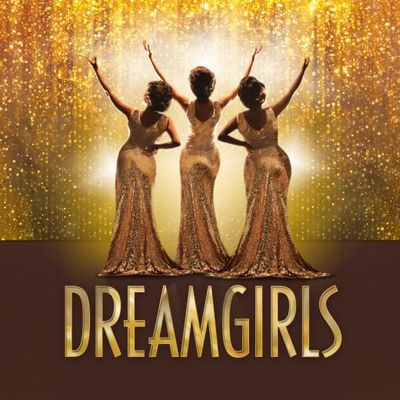
DREAMGIRLS
COMPOSER: Henry Kreiger
LYRICIST: Tom Eyen
BOOK: Tom Eyen
DIRECTOR: Michael Bennett
CHOREOGRAPHER: Michael Bennett and Michael Peters
PRINCIPLE CAST: Loretta Devine (Lorrell), Jennifer Holliday (Effie), Sheryl Lee Ralph (Deena)
OPENING DATE: Dec 20, 1981
CLOSING DATE: Aug 11, 1985
PERFORMANCES: 1521
SYNOPSIS: In 1960s Detroit, three black women form an R&B group called The Dreams. As their stars rise in popularity, their relationships are torn apart as they try to balance their love for one another and their love for the spotlight.
Dreamgirls was born out of a desire to tell the story of Motown backup singers who wanted the chance to sing in the spotlight. Individually successful and well-established creative team members often butted heads through the workshop process, which allowed the show more intensive rewrites than the conventional out-of-town tryout process. At the time of its Broadway opening, Dreamgirls was the most expensive musical ever produced, but cinematic staging by Michael Bennett, a breakthrough performance by Jennifer Holliday, and an audience-pleasing score ensured ticket sales. Bill Russell argues that Henry Krieger and Tom Eyen’s Motown-inspired sound of Dreamgirls appealed to baby boomer audiences in new ways and inspired a plethora of musicals scored with a pop soundtrack.
Bill Russell is an internationally produced playwright, lyricist and director. He received Tony award nominations for the book and lyrics of Side Show. He co-authored the book and lyrics for Pageant and has directed that show in the Fringe and West End of London and many productions around America. He has also directed Elegies for Angels, Punks and Raging Queens (book and lyrics) around the US and in the Fringe and West End. Other book and lyric credits include Unexpected Joy, The Last Smoker in America, Brave New World and The Texas Chainsaw Musical. For more visit: billrussell.net
SOURCES
Dreamgirls, Original Broadway Cast Recording. Geffen Records (1982)
Dreamgirls starring Beyonce and Jennifer Hudson, directed by Bill Condon. Dreamworks (2006)
A Chorus Line and The Musicals of Michael Bennett by Ken Mandelbaum. Published by St. Martin’s Press (1989)
Transcript
This transcript was automatically generated and might contain errors.
[0:06] Robert W. Schneider: Ladies and gentlemen, the Crystal Room is proud to present the club debut of America's new recording stars, The Dream.
[0:15] Robert W. Schneider: Hi, I'm Robert W. Schneider, and welcome to Fifty Key Stage Musicals: The Podcast, a companion piece to the Routledge Press publication, Fifty Key Stage Musicals, which is available for purchase by going to Routledge.com or clicking the link below in today's show description.
[0:31] Robert W. Schneider: Today's episode focuses on chapter 30, the 1981 production of Dreamgirls.
[0:37] Robert W. Schneider: And with us today is the author of that chapter, Tony-nominated librettist and lyricist Bill Russell.
[0:44] Robert W. Schneider: Mr. Russell is an internationally produced playwright, lyricist, and director who received Tony Award nominations for the Book and Lyrics of Sideshow. He co-authored the book and lyrics for Pageant and has directed that show in the Fringe and West End of London and many productions around America. He's also directed Elegies for Angels, Punks, and Raging Queens, for which he also wrote the book and lyrics, around the United States and in the Fringe and West End. Other book and lyric credits include Unexpected Joy, The Last Smoker in America, Brave New World, and The Texas Chainsaw Musical.
[1:16] Robert W. Schneider: Bill, it is such an honor to have you with us today.
[1:19] Bill Russell: Thank you. Great to be here.
[1:21] Robert W. Schneider: So, Bill, my first question for you is why is Dreamgirls a key musical?
[1:27] Bill Russell: Dreamgirls is a key musical because it opened Broadway to a new sound and to many people of color who went on to become major stars, though they were unknown when the show opened. Um, and I do think it ushered in baby boomer music or music that appealed to baby boomers in a way that Broadway hadn't seen before.
[2:01] Robert W. Schneider: And when we gave you the list of possible shows that you could choose from, you chose Dreamgirls. Why did you want to tell this story?
[2:11] Bill Russell: Well, I have a personal connection to the show. Um, when I first saw it in previews on Broadway, I was absolutely electrified by the show, but especially by Henry Krieger's music. And I immediately thought, oh, I just I have to write with this guy. And um, I did go on to write five shows with him, or four shows with him, including Sideshow. But that didn't happen immediately by any means. My husband was a critic at the time that Dreamgirls opened, and he reviewed it, and he was often invited to these special symposiums about the whatever show they were for, and they had the whole creative team of Dreamgirls there at one of these luncheons he was invited to, and I got to go, and that was the first time I really saw Henry.
But then two years later, I met him in a television studio in Los Angeles. He was there for the LA opening of Dreamgirls, and I was with a comedy team I directed, and we talked for half an hour, and it was fantastic. Um, and I kept thinking, God, I would love to write with him, but I didn't have any ideas at the time, and he was working with Tom Eyen, who wrote the book and lyrics for Dreamgirls. Um, and then 10 years after that or so, nine years, um, Bobby Longbottom and I were talking about the Hilton sisters. We had had this, he had seen a movie they had done, a terrible movie, and he said we had discussed it for several years, but never gotten to it because we were doing Pageant. And he said, well, we should do those twins, that twin musical, and who should we ask to write the score? And I immediately said Henry. Um, and that launched us on our collaboration.
[4:20] Robert W. Schneider: What is it about Henry Krieger's music that spoke to you when you first saw the show?
[4:26] Bill Russell: Well, my musical influences were much more rock and roll than musical theater, really. And I always, um, when I did start writing musicals, I really was interested in writing rock musicals. I was inspired by Hair. And so, uh, Henry's music just, I mean, it had such energy and such drive, and that's what really appealed to me about writing with him.
[4:55] Robert W. Schneider: And what impact did Dreamgirls have on you that in terms of its construction or in terms of its performance style that you still take with you today when you're crafting a musical, whether it's with Henry or with somebody else?
[5:10] Bill Russell: Well, it had a fluidity. I mean, the staging was often called cinematic, Michael Bennett's staging, because he did use a lot of techniques that really came from film. There's this wonderful moment in Act Two where Effie is making, she's the lead character in Dreamgirls. She's making her comeback. And the spotlight came in on her. She's trying out in a nightclub, and the spotlight came in just on her face, and then it pulled out, and she was in a completely different costume and dressed for performance. And it was like a close-up in a film and then a zoom back created on stage, which is not easy to do. Also, the whole production danced, even the set and lights really danced. Everything moved.
Robin Wagner, who also designed Sideshow, and I got to know after Dreamgirls, but had a lot of questions about it with him, had designed these lighting towers that were the basic set, and these lighting bridges were lowered and rose, and it was just in constant motion. The towers all moved, the lights moved. Um, that kind of dynamic is very exciting, it's very visceral on stage.
[6:40] Robert W. Schneider: And could you define for us a little bit what exactly is the baby boomer generation of which you are so proudly a part of? And what music did your generation listen to that was popular at the time? Some examples.
[6:55] Bill Russell: Well, baby boomers are generally defined as being born after World War II, 46 to say 64. And um, well, you know, hit songs, so many big hits for my generation came out of Motown, which is what Dreamgirls really tapped into. And that was thrilling to audiences. I mean, there had been Ain't Misbehavin', which was Fats Waller, which was really an earlier era of music, but it did, it was a big hit, won Best Musical. Uh, it brought that music to a much wider audience because it was such so commercially successful, and Dreamgirls just upped that even further. I mean, it really, um, Henry has a great ear and a great sense of, he loved that music. He grew up with it, you know. I grew up in the Black Hills of South Dakota, which was not a theatrical bed and not where Motown was played on the radio a lot, but even so, I was still really inspired by those songs, and I think audiences, that kind of rhythm and blues beat was something that my generation was very familiar with.
[8:20] Robert W. Schneider: How did Henry Krieger and Tom Eyen meet one another and start this collaboration?
[8:26] Bill Russell: Well, Tom had a show playing off-Broadway called The Dirtiest Show in Town, and Henry was doing some press for it. That's how they met, and then Tom wanted to turn that into a musical called The Dirtiest Musical in Town. And it didn't happen immediately, but at one point he called Henry and said, Can we just spend an afternoon together and see if we can write together? And um, they did, and that worked out, and Tom was already thinking about a musical about backup singers, especially Motown, you know, that whole era, the Ronettes, the Shirelles, and of course The Supremes, which, you know, many people say Dreamgirls is based on. I don't know, so much based on, it's certainly inspired by that.
[9:22] Robert W. Schneider: Tom Eyen is one of these individuals that like such a long list of other individuals that we lost too soon. He passed away of AIDS at the age of 50. Did you ever have the chance to meet Tom Eyen? Um, or if not, what are the contributions that Tom Eyen made in his short time on this earth to musical theater that you might still see being used today?
[9:46] Bill Russell: My very first Broadway experience, which never made it to Broadway, but I worked on this musical Brainchild, which had a score by Michel Legrand and Hal David. And there was a stage manager on that who was really good friends with Tom Eyen, but I don't think I ever met him. And of course, by the time I started writing with Henry, he had passed away. Um, I think, well, his contributions certainly with Dreamgirls, um, there was a kind of storytelling. I mean, much of Dreamgirls was song, and Henry is so good at making the sit sound like conversation. He really can do that so well. And we, much of Sideshow, especially the initial versions of it, were sung through, and we played with that a lot.
And I think Michael, uh, well, Tom Eyen with Michael Bennett, found a fluidity as I spoke about earlier. Somebody has said that musicals are all about the transitions. You know, if you can nail the transitions, the musical will work. And that show, the transitions were just absolutely seamless. You were never aware of them because it was always constantly in motion.
[11:18] Robert W. Schneider: And you know, when you were doing your research for this chapter, was there anything that you came across that surprised you that even you did not know?
[11:30] Bill Russell: Oh, yeah. Some of the last minute changes they made, I mean, um, because they had done several workshops. A workshop is when a show is put on its feet, usually in a rehearsal studio, often fully staged and choreographed, but without costumes or sets or lights. And it gives you, well, because taking a show out of town, which was the standard way to develop a musical for many decades, became prohibitively expensive. And so Michael Bennett with A Chorus Line developed the workshop idea of just working on the material, and then, and I think it's actually a brilliant way to do a, um, to develop a musical because there are so many parts involved, and uh, I find as a writer, just hearing my stuff is so helpful.
So we often do a number of readings and then we'll do a workshop ultimately. They're not cheap, and you know, but they are very helpful. And um, so they had done a number of those, then they took it to Boston, and it actually opened in October of 1981 in Boston. Um, and it opened on Broadway two months later in December. So I mean, that never happens, first of all, you know, it was a miracle for that they could get a theater for one thing. It was easier back then before all the mega hits started running for 30 years, you know, and tying up all the theaters, and it was a Schubert house, and they were in a Schubert house in Boston, so they came in right away. But they added, um, well, they replaced Effie's song "One Night Only," and I forget what the other one was called, but um, I was surprised by that.
Also, they brought in Harold Wheeler, a brilliant, brilliant orchestrator who I'm happy to say I've worked with three times on shows with Henry, um, and he's African American, and he absolutely understood this music, Henry's music, and uh, they brought him in. That was late in the process, also. Um, so things like that kind of surprise me. I really didn't know.
[13:59] Robert W. Schneider: By moving to Harold Wheeler, did somehow the orchestrations become more authentic?
[14:05] Bill Russell: I think they did, yes, yes, because he really knew that musical genre, those genres, I mean, he's multi-talented in all sorts of genres. But you know, he told me once he started when he was 14 playing trumpets in strip clubs in St. Louis, and his father would take him to work, drop him off, and then come pick him up, you know, late early in the morning after his gig. So he really understood that kind of music.
[14:52] Bill Russell: Well, it was huge. I mean, uh the um the music industry uh uh was divided into black music and white music for for decades, and there was uh a whole you know, record industry and touring uh aimed at black audiences, but there was very little crossover. And of course, Elvis synthesized that. He he took the black sound and and sold it to white America, basically. Um, and Motown then happened around that the height of Motown happened around that time. And I think um because of Elvis, white audiences' ears became more attuned to that sound, and they started discovering all these authentic black artists. Um so I think that's kind of what happened. Would you walk us through a little bit of if you know how Dreamgirls changed from its original workshop process, of which there was many?
It wasn't just one workshop right off we went. Not at all, not at all. It seemed like there was quite a bunch. How it changed from those first couple of workshops to eventually what audiences got to see in December of '81.
[16:10] Bill Russell: Well, I think when it started, they uh, you know, Tom had always wanted to write about backup singers. Uh, and I'm not sure how much of a uh how many, how much of a script there even was for that first workshop. I think they just he had the opportunity. Um uh Joe Papp at the public theater gave them the workshop before they really had a show. So uh there was a lot of stopping and starting and discoveries along the way. And um eventually I I think the the story became clearer. Uh Effie in the original version, the original workshop disappeared at the end of act one. She never came back. And in fact, Jennifer Holliday quit at one point because she didn't appear in act two. Um, and there was a lot of, I mean, they originally wrote it for Nell Carter, who had been in the dirtiest musical in town, and uh they had written a song for her that stopped the show, and then she got a uh television, well, she got a soap opera first, and they were gonna do another workshop and they didn't want to wait for her.
Jennifer had made her uh Broadway debut in Your Arms Too Short to Box with God uh when she was 20. And uh Michael, well, I think they all went to see her in that, and then invited her into the process. And um she, you know, she was young and volatile, and there were a lot of lot of issues. Um, but they were really sold on her. But then she quit at one point, and uh Michael Bennett kind of wooed her back. It's so interesting because when you think of Dreamgirls and you really think of Effie, it's so hard to separate it from Jennifer Holliday because it feels like the part was just custom made for her, the way you know a perfect dress would be made. But to know that Nell Carter was the original inspiration. Let's imagine that we had a time machine and you got to see Nell Carter. Could you imagine what you think Nell Carter would have brought to that role?
[18:26] Bill Russell: Well, Nell had a very distinctive voice. I mean, there's the tone was just really like you couldn't mistake her for anyone else. Uh I think dare I say, I think she was a better, more experienced actor. Jennifer uh came up through the church uh and was a gospel singer, and I I didn't I never saw Your Arms Too Short to Box with God, but I got the impression that she basically sang in that show. It wasn't like huge acting performance. So I think uh also Nell was a great comedian, uh, which Jennifer is not. Um so I think that would have brought a different color to to Effie, you know. Now, can we talk a little bit about how Michael Bennett, the you know, golden boy of Broadway at this point, because of A Chorus Line, how did he get involved with this particular project?
[19:28] Bill Russell: Uh well, he let me see. Tom Iron knew Robin Wagner, who ended up designing the sets. Robin was on the board of the public theater. He brought it to um Joe Papp, and also Robin had done the sets for A Chorus Line. So he was sort of the link, I think, that that got Michael involved in this. What do you think appealed to Michael Bennett about this particular show?
[20:02] Bill Russell: Oh, you know, Michael loved Showbiz, and this was this had it all the flash, the music. I mean, uh, in fact, his his concept uh for the show was that everything would take place in a showbiz context. There are no scenes, you know. I always felt in act two, it would have been great if um Deena's mother uh died and they all had to reconnect at her funeral because they were all close to her, but Michael wanted everything w in a showbiz context. So everything's taking place on stages and dressing rooms, exactly. It's all uh yeah, nightclubs, it's all in the context of some kind of performance, basically, even though there are backstage scenes and you know, but all in that world we that world, yeah. And do I understand correctly that Tom Iron was supposed to direct it originally?
[21:07] Bill Russell: Oh, he wanted to direct. He he was he was like the writer director. Then when Michael came in, uh they were co-directing for a while, and they were at loggerheads a lot, apparently. I mean, they were both fairly high strung personalities. Um and then at one point, I think Michael said, No, I want to direct this. Also, the money, of course, wanted to go with Michael. I mean, because they were as these workshops developed, they brought in the Schuberts, they brought in David Geffen to see it. And they were all, they were all like, Well, Michael has to direct this. Michael was very involved at that point with Chorus Line productions around the world. Uh, and he brought in uh a co-choreographer, Michael Michael Phillips. Is that right?
[21:58] Bill Russell: Uh, I have to Is it oh, I'll look for you. I think is it Michael Peters? Michael Peters, that's it. I'm sorry. Um, yeah. Brought in Michael Peters, who was African American, and I think that uh balance worked out really well. Have you heard any stories about what it was like to uh work with Michael Bennett?
[22:21] Bill Russell: Oh, yes. Would you would you share some? We've heard some others, so would you would you share what that experience was like? This this visionary individual.
[22:29] Bill Russell: Well, he was he was visionary, um, not particularly nice, I would say, would be and he was driven. I mean, he just was a bulldozer that would sort of, you know, roll over anyone. Um Henry liked working with him a lot, but other people did find him very difficult. And you know, one of the things that you mentioned, and it's so ironic, is that he had such a cinematic eye when it came to directing, but yet he never directed any movies himself.
[23:06] Bill Russell: No, just didn't happen. What do you think his film work would have been like had he lived long enough to achieve that?
[23:13] Bill Russell: Oh, that's interesting. I mean, I th I can see because he did have such a cinematic sensibility. Um I I could see him making that transition like Bob Fosse did. I mean, I I think he did have a very strong visual sense for one thing. I've always been surprised that he wasn't able to direct the Chorus Line movie, or uh I mean it would have been a little different. Um, or to it to have brought Dreamgirls to the screen, which it eventually it came to, and we'll we'll talk about that in a second.
[23:43] Bill Russell: Right. One of the things that you mentioned in your chapter, which is which I thought was such an interesting observation, was that there was an assistant insistence from the creative team that the uh the ladies that are cast as the the Dreams are darker skinned African American performers as opposed to lighter skinned African American performers. Can you talk a little about that and why that occurred?
[24:06] Bill Russell: Well, Tom Ion from the first was really set on that. And I think that was really brave because the crossover of African Americans tended to be the lighter you were, the more likely that was to happen. And um uh to be palatable to white audiences, supposedly was the idea. Uh, but Tom really insisted on on casting darker women. Um, and that was revolutionary. One of the in the in the past, you know, 40 years or so, musical theater rarely moves over into the pop charts. And I'm telling you, I'm not going, is one of those rare occurrences. Can you tell us the origin story of and I'm telling you I'm not going, because I had no idea this this was even a thing until I read your chapter.
[25:05] Bill Russell: Right. Well, um, Henry, I think Tom had written the lyric, and Henry was struggling with it a bit. And they were in um 890 Broadway Studios, which was a building uh near Union Square in New York City that Michael had purchased after the success of A Chorus Line. And it was full of rehearsal studios, and it was he had his offices there, Robin Wagner had his office there. Uh it was a real beehive of creativity. Um, and so Henry, though, they they knew they wanted a song for Effie, and he was having trouble with with it. He always writes from the lyric first, or almost always. Uh, and he was in a one of the rehearsal studios at 890, and Ray Stark, the movie producer, very successful. He had uh done Funny Girl and many other major films, came into that studio and asked if he could use the phone.
And Henry said, sure. And he was wheeling and dealing and you know, making this Hollywood, this his Hollywood cause, and he left, and something about that, just hearing all that really pushed Henry, and he just sat down and basically wrote the song. And he shared a tape uh with me of him teaching it to Jennifer Holliday for the first time.
[26:37] Bill Russell: Oh, wow. Which is extraordinary. Um, because uh I well, Henry doesn't read music. I mean, he's an ingenious composer, but he doesn't read music, and I'm not, I don't think maybe Jennifer does either. So they were just in the room and he would sing a phrase and then she would repeat it, and then they would go back and forth like that. It's really fascinating to hear it. It's all there. I mean, it's all there in that first rehearsal.
[27:05] Bill Russell: That is incredible. Oh, to get my hands on that tape, I would be such a happy person.
[27:09] Bill Russell: Okay, I'll send it to you.
[27:11] Bill Russell: Oh my gosh.
[27:12] Bill Russell: Okay, thank you, Bill. I'll listeners, I'll let you know how it turns out.
[27:16] Bill Russell: Um now, one of the things I found so interesting in your chapter was that you know, you said that there was a $3.5 million budget for this particular production, making it the most expensive musical to that date. But what's interesting, at least because I never saw the original production, when I look at photographs from the original production, it seems like it's just an empty stage with scaffolding. So I'm curious where did all that money go?
[27:43] Bill Russell: Well, you know, it looks empty, but or it might look empty in the pictures, but the the it was a technological breakthrough that set and lights because it moved everywhere. So those lights were all remotely controlled, which I don't think it happened at that point a lot. Um, and as I said, they danced, the towers danced, the light dance, the lights danced, and then there were these bridges which came down um that people could stand on, but they had the lights underneath them. Um and it was it was stunning to to watch. Also, the costumes, I mean, were very expensive. Um you could see the money on stage.
[28:33] Bill Russell: Let's just got it, got it, got it. Unlike A Chorus Line, which was very, very sparse, you know, there basically it was an empty stage with a white line. Uh so that's that's fascinating because there are some people who look at that, you know, those are that original production, you go, Where's the set? But for those of us who've never seen it, we've heard about the towers that danced and the lighting that danced. And I think you know, I know the famous effect of like you were saying of Jennifer Holliday, where she was able to change costume without moving a muscle. And I also heard there was a section where the three Dreams are wearing one outfit, they walk through a mylar curtain and come right back again, and they're in totally different outfit and wigs.
[29:20] Bill Russell: Oh, yeah, yeah. That the costume changes were just oh, they were remarkable, and the the costumes were stunning. Um, and I remember a moment I where the Dreams come out and there's this wall of lights behind them that was just like whoa, you know, you just it was showbiz pizzazz to the nth degree.
[29:41] Bill Russell: Have you ever seen a production of Dream Girls that did not use Michael Bennett's staging?
[29:49] Robert W. Schneider: Oh, yeah.
[29:50] Bill Russell: I mean, uh the the West End production, that was not Michael's staging.
[29:54] Robert W. Schneider: Uh the most recent one?
[29:56] Bill Russell: The most recent one. Casey Nicola, who directed that um and choreographed it, I mean he certainly uh was inspired by Michael's production, but it was it was rethought.
[30:09] Robert W. Schneider: And it still works, right?
[30:10] Bill Russell: With I mean the show is strong enough that you can have many different interpretations.
[30:14] Robert W. Schneider: Absolutely absolutely.
[30:16] Bill Russell: If you're a musical theater uh aficionado, I would say that probably one of the most uh one of the things that'll encourage the most debate is best musical 1982 Nine versus Dream Girls.
[30:31] Robert W. Schneider: Yes.
[30:32] Bill Russell: Can you talk a little bit about what was going on with this rivalry?
[30:38] Bill Russell: Well Michael Riedel um the columnist theater columnist uh has written a wonderful book Razzle Dazzle about the history of the Schubert organization and the key focus of that is the whole Dream Girls Nine um competition for best musical. Uh there's a couple things that were going on underneath just the shows. One was that the Schuberts had torn down the Morasco and Helen Hayes theaters and there was an outrage in the theater community about that.
[31:13] Bill Russell: So we uh he he posits that part of the reason Nine won best musical was a backlash against the Schuberts because uh Nine was in a Niederlander theater. I mean these are the things you don't think about when you see those awards, you know, but that also what's interesting about it is uh well uh we were at the uh opening of Nine and and I mean it was it was really inventive um but it was also very cold, I felt and um but it opened Dream Girls opened in December and Nine opened the day that Tony eligibility for that season closed in May, and often shows that are closer to the actual Tony Awards win because people you know know them better or whatever.
[32:14] Bill Russell: But I think there was all this this underlying stuff about about the Schuberts that really did hurt um hurt Dream Girls, which ran twice as long as Nine, and uh, you know, has uh much bigger hits than Nine did.
[32:34] Robert W. Schneider: So regardless of who tore down what theaters you you you are happy, are you not? Would you like to have seen Dream Girls win?
[32:42] Bill Russell: Oh, absolutely. I think it absolutely deserved best musical.
[32:46] Bill Russell: And Henry, uh uh well, I'm very prejudiced, but he deserved best score. Tom won for best book, but I think Henry and Tom should have won for best score.
[32:59] Bill Russell: And Dream Girls, like you were saying, has lived on much, much longer than Nine has uh through its uh it had a very long run, but then there was a very successful film adaptation in the early 2000s. I'm assuming you saw it.
[33:17] Robert W. Schneider: Oh, yes.
[33:18] Bill Russell: I'm also connected to the film in a lot of ways because Bill Condon, who directed it, went on to direct uh the revival of Side Show, and uh so I did go to the premiere.
[33:31] Bill Russell: Uh he had Henry and I had a show, Lucky Duck at the Old Globe Theater in San Diego in 2004. And he and Bill were already uh working on the movie of Dream Girls. Bill came down to San Diego to see the show, and we went out to dinner and everything.
[33:49] Bill Russell: So I I had met him and then uh was invited to a um a screening actually of the movie, and I I was just blown away by it. I just thought, wow, you know, incredible. He he always loved the show, and uh I thought he really, really nailed it.
[34:10] Robert W. Schneider: Did you find it uh more impactful on film than you did on stage, or do you feel that both have things that make it impactful regardless of its medium?
[34:19] Bill Russell: I I thought both worked really well. Um I thought he was able to uh to really find cinematic language for it that you know really worked. It's often hard to do musicals on film, I think, because it's such a realistic medium.
[34:41] Bill Russell: But um he he really brought it to life. And going back a little bit to once again musical theater controversies and debate, if you know 1982 isn't isn't a big one, another big one would be you know, why didn't they record the entire score of Follies, and why didn't they record the entire score of Dream Girls?
[35:05] Bill Russell: Can you talk a little bit about the original cast recording of Dream Girls that even though it went gold was very different from what people were hearing in the theater?
[35:13] Bill Russell: Right. Well, it's very expensive to do a two-album set. This is back when it was everything was vinyl. And well, actually, CDs were just coming out then.
[35:26] Bill Russell: But um double CDs, double albums are expensive and they don't necessarily sell. But the movie did cut some songs and um and trimmed uh some of the recit.
[36:18] Bill Russell: And uh once again, listeners, if you've never seen the movie version of Dream Girls, you should. It's probably one of the greatest movie musicals made in the past 30 years.
[36:26] Bill Russell: Uh it's it's done so brilliantly. Can you tell us a little bit about the show that uh Henry Krieger followed Dream Girls with?
[36:34] Bill Russell: And that's the Tap Dance Kid, a musical that has sort of faded away over time.
[36:41] Bill Russell: Right. I I saw that, and um, and actually, it's going to be done uh this season at Encores, the um the series in New York where they do script in hand uh versions.
[36:56] Bill Russell: They're usually much more elaborate than script in hand, but uh of past musicals. So I'm looking forward to seeing it again because I don't remember it that well.
[37:07] Bill Russell: But again, um it was uh it's about a uh upper middle class black family, the father's a lawyer, and the son, the young son, wants to tap dance.
[37:20] Bill Russell: Um, you know, it's great. It's uh Henry is so has so many multiple musical worlds within him.
[37:30] Bill Russell: Um it's not like the Dream Girls score, really. Um but and and that one also I think uh covers in the Black experience this idea of you know, how can you pursue your dreams while not playing into a stereotype of a specific community?
[37:50] Bill Russell: Because I and I think that's something that'll be really interesting to explore when it gets uh revisited, like you said at Encores in 2022. One of the things I found so fascinating about your chapter was when I was reading it, I came across the show titled Big River.
[38:04] Bill Russell: And I thought to myself, how does Big River relate to Dream Girls? And you pointed out uh an interesting fact that I had no idea about. Can you talk a little bit about why Dream Girls opened the door to Big River?
[38:18] Bill Russell: Well, because Dream Girls tapped into that baby boomer music music that appealed to baby boomers. I think it it made uh producers think, oh, oh, we we need to get to that audience.
[38:35] Bill Russell: And so Roger Miller, who was certainly had no relationship to Motown, uh, but was a very popular songwriter with the baby boomers. I think it was Rocco Landisman, the producer, who approached him about doing this version of Huckleberry Finn.
[38:56] Bill Russell: And um, and that opened up that that was really pretty much one of the first um instances after Dream Girls of a pop composer writing a score for Broadway.
[39:15] Bill Russell: And then that that opened, then they did Buddy based on the Buddy Holly catalog, and that opened the door for all these uh jukebox musicals where instead of going after the composers of pop hits, they just took the catalog and wrote shows around them.
[39:32] Bill Russell: But but Dream Girls to Roger Miller to Elton John writing for the stage, um, all of that is a pretty interesting progression.
[39:42] Robert W. Schneider: And what do you think uh or have what examples have you seen of a pop composer that can successfully transition to the world of musical theater composition?
[39:57] Bill Russell: Um, well, Elton, Elton John certainly has done that in spades. Uh I mean, Lion King uh, you know, barely qualified for a best score nomination because much of the score had been written for the film, the animated film first.
[40:16] Bill Russell: But they decided that over 50% of the Broadway show was original, so he was nominated.
[40:23] Bill Russell: Um so he's been very successful. Uh Sarah Bareilles is having a great success with Waitress.
[40:32] Bill Russell: Um many uh pop stars have tried it and and not succeeded, but others have.
[40:42] Bill Russell: Um so but you feel that Elton John and Sarah Bareilles understand the theatricality that's needed in order to put a score across.
[40:50] Bill Russell: I think they worked with people who understood. I you know, I'm not sure how much they actually understood theater, but they were brought in and started working with people who really did.
[41:06] Robert W. Schneider: Um, you know, we've we've covered this a little bit, but I'll I'll ask you again, which is what do you think the impact of Dream Girls will be going forward now as we move into 2022 and we go forward, especially with you know so many discussions about uh the BIPOC community and all of those those issues that are going on.
[41:30] Bill Russell: What do you where do you think Dream Girls stands in uh the canon of musical theater?
[41:38] Bill Russell: Well, I I think it's it's a classic and it's iconic, and um it opened the door for so many black performers.
[41:49] Bill Russell: Um, and I think that it will continue to uh people keep playing Effie and winning awards, you know. Jennifer Hudson won won the Oscar, uh, Amber Riley won the Olivier Award.
[42:03] Bill Russell: Uh that role roles like that are not gonna disappear. And one of the things that it's you know, and please correct me if I'm wrong because you'll know this better than I do, but the Dream Girls itself is a musical about a re a realistic non-review contemporary music about the African American experience.
[42:25] Bill Russell: And we really had not had a lot of that prior. Original, original. We had had Raisin, which was based on a Raisin in the Sun, but it seemed to be tons of reviews or fantasies like The Wiz.
[42:36] Bill Russell: So this is one of the first black musicals to be grounded in a reality. Is that correct?
[42:41] Bill Russell: That's true. Yes.
[42:42] Bill Russell: A contemporary one, which, like you were saying, opens the door to so many other wonderful things.
[42:47] Bill Russell: Bill, it has been such a pleasure getting to talk to you today about this magnificent show.
[42:53] Robert W. Schneider: Um, I wish we had more time to talk about all the wonderful shows that that you've done, but they might they might pop up in a future uh edition of 50 Key Musicals, so don't be surprised.
[43:03] Bill Russell: Okay.
[43:04] Robert W. Schneider: Um are you work are you working on anything right now?
[43:08] Bill Russell: Uh well, I'm working on some things, but not necessarily musicals. They j right at the moment, they take so long.
[43:15] Bill Russell: And of course, the the pandemic is just like um there we had so many productions of Side Show that were in rehearsal that you know had to be canceled because of the pandemic.
[43:27] Bill Russell: So um, and I I direct quite a lot, and I'm continuing to do that. Um, and I love that.
[43:34] Bill Russell: In fact, I hope to be coming over to your neck of the woods uh uh for another production of Pageant.
[43:40] Robert W. Schneider: So oh, that makes me so happy to hear.
[43:43] Bill Russell: That makes me so happy to hear. It's such a wonderful show.
[43:46] Robert W. Schneider: It is such such a joy. Friends, thank you so much for listening today. Please make sure to purchase a copy of 50 Key Stage Musicals by visiting Routledge.com or by clicking in today's show description.
[43:57] Robert W. Schneider: If you want to learn more about Dream Girls, please also review the links in the below description. I'm Robert W. Schneider, and thank you for listening to 50 Key Stage Musicals, the podcast.
[44:06] Robert W. Schneider: Bye bye.
[44:09] Bill Russell: Life's not as bad as it may seem if you open your eyes to what's in Fabio.
[44:21] Bill Russell: Yeah, we have your dreamers.
© Broadway Podcast Network, All Rights Reserved