

In this episode, Jonathan and Devon chat with six-time TONY Award Nominee Chad Beguelin about his new novel "SHOWMANCE" and his life as a Broadway writer. About SHOWMANCE: Noah Adams’s career as a playwright is circling the drain, thanks to a scorching review of his first Broadway musical... Read More
From the show: Gather by the Ghost Light
Guests
Featured Shows

About
In this episode, Jonathan and Devon chat with six-time TONY Award Nominee Chad Beguelin about his new novel "SHOWMANCE" and his life as a Broadway writer.
About SHOWMANCE: Noah Adams’s career as a playwright is circling the drain, thanks to a scorching review of his first Broadway musical. So when a family emergency sends him back to his Podunk hometown of Plainview, Illinois, he figures he’ll hide out for a bit. But to Noah’s horror, his agent has secretly arranged for him to stage an amateur version of the career-ruining musical at the local community theater. As if trying to work with a bunch of artless amateurs wasn’t enough, Noah runs into Luke, the jerk from his high school years, everywhere he goes. Luke somehow grew up to be beloved by everyone in town…and undeniably gorgeous. As rehearsals begin, Noah is surprised by his cast’s insights, the warmth of the town he’d dismissed, and the reality of what happened with Luke all those years ago. Just how much has Noah misjudged?
Available at Penguin Books
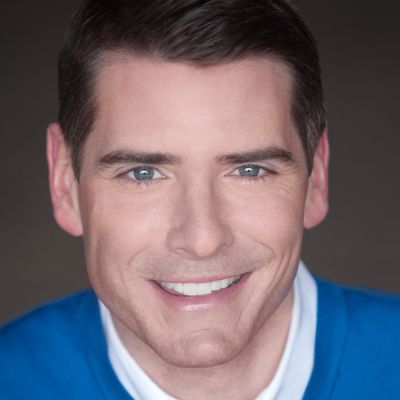
Guest - Chad Beguelin
Chad Beguelin is a six-time Tony® nominee. His works include Disney’s Aladdin (Tony Award nomination for Best Book and Best Original Score, Drama Desk Award Nomination for Best Book and Outstanding Lyrics), The Prom (Tony Award nomination for Best Book and Best Original Score, Drama Desk Award Nomination for Best Book and Outstanding Lyrics) and The Wedding Singer (Tony Award nomination for Best Book and Best Original Score, Drama Desk Award nomination for Outstanding Lyrics). He also wrote the lyrics for the Broadway musical Elf, which broke several box office records at the Al Hirschfeld Theatre. His play Harbor premiered Off-Broadway at Primary Stages. He is the recipient of the Edward Kleban Award for Outstanding Lyric Writing, the Jonathan Larson Performing Arts Foundation Awards, the Gilman & Gonzalez-Falla Musical Theater Award and the ASCAP Foundation Richard Rodgers New Horizons Award. Chad is a graduate of New York University’s Tisch School of the Arts Graduate Dramatic Writing Program. He currently lives in Bridgehampton with his husband Tom and their dog, Tucker.
Produced and edited by Jonathan Cook
Intro music by JK/47
Gather by the Ghost Light merch is available at www.ghostlightpubs.com
If you would like to further support this podcast, please visit https://buymeacoffee.com/ghostlight
If you enjoy this podcast, please leave a rating on your preferred podcast app!
For more info or if you wish to contact us, please visit www.gatherbytheghostlight.com
Transcript
This transcript was automatically generated and might contain errors.
[0:01] Chad Beguelin: Hi, I'm Chad Beguelin, and I wrote the novel Showmance, and welcome to Gather by the Ghost Light.
[0:17] Jonathan Cook: All right, welcome back to Gather by the Ghost Light. I'm Jonathan Cook, your host's producer, and sometimes voice actor on this thing. Very excited about it today.
[0:29] Devon McSherry: I'm Devon McSherry, and I'm the Sonny to his chair.
[0:33] Jonathan Cook: Uh, before we get started, we do want to remind you that our upcoming live event, Stage Fright, is in a couple of weeks, October 12th. We're gonna be recording a collection of horror audio dramas in front of a live audience. It's gonna be a lot of fun, so come on down and check that out at La Chatte Noir in Augusta, Georgia.
[0:52] Devon McSherry: Yes.
[0:53] Jonathan Cook: All right, so today we have a special guest who's from a little place you may have heard of called Broadway. That's right, he's a six-time Tony Award nominee, and he's written musicals you may have heard of, including Disney's Aladdin, Elf, The Wedding Singer, and The Prom, which not only ran on Broadway, but is also now a major motion picture, which you can find on Netflix. That's right, ladies and gentlemen. We are talking about the writer and lyricist Chad Beguelin, who is not only writing musicals nowadays, but he is about to release his first novel on October 1st, and it is called Showmance. So we were lucky enough to be able to read this before we had our interview with him, and we had such a blast reading and talking to him about this book. We talked about this book as well as all things theater. All right, so join us for our interview with Chad Beguelin, which is about to happen right about now.
[1:51] Devon McSherry: What should we do?
[1:52] Jonathan Cook: Like, right, right, go! Now, so with us today, joining us is an amazing writer and lyricist. He's a six-time Tony Award nominee. His Broadway credits include Disney's Aladdin, Elf, The Wedding Singer, The Prom, and he has a new novel, his first novel he's ever written coming out in October. It is called Showmance. Ladies and gentlemen, this is Chad Beguelin. Thank you for joining us.
[2:22] Chad Beguelin: Thanks for having me.
[2:24] Jonathan Cook: So you've written several musicals over the years, and now you have your debut novel coming out called Showmance in October. And much like yourself, the main character of this novel, he writes musicals. And he has much of the same background that you have. He's got a musical premiere that premieres on Broadway, and unfortunately for him it ends up flopping, and he ends up going back to his hometown, which is in rural Plainview, Illinois, and he ends up putting this musical on for his community. And from what I understand, you pulled a lot from your own Broadway experience as well as your own roots growing up in community theater in a rural town. So from there, how did you get your start into musical theater and eventually making your way to Broadway?
[3:16] Chad Beguelin: Well, very much like the character Noah in the novel, I was fortunate enough to have a really active community theater in my small podunk hometown. And I actually, just like Noah, went one day as a kid. I was taken by my parents to see Oliver at the community theater, and I was just blown away. And when it was over, I didn't want to leave. I wanted them to do it all over again. I was like, what is this place where people sing and put on costumes and dance and act? And so from that moment on, I was completely hooked and I became sort of obsessive about the community theater. I would go there and I would organize their files and the prop room and categorize the costumes. I was just completely obsessed. And they were so like, they finally just gave me a key because we were like, just you know, you're here all the time, just here.
[4:14] Devon McSherry: Yeah.
[4:15] Chad Beguelin: Yeah, yeah, yeah. So, and then amazingly, they let me start directing shows there when I was very young, and then writing and directing shows, and they were really super supportive. And so that happens to the character Noah, but it also happened to me. And so that's why I'm such a big fan and believer in community theater, because it's really a lot of people's gateway into the arts. So that's sort of what happened. And then I ended up going to NYU, and I originally was gonna major in acting, but I took a playwriting class, sort of like in a bonus class, and my teacher was like, you should be doing this. And that teacher turned out to be Pulitzer Prize winning, of course I'm blanking on his name.
Kill me, Doug Wright. So of course he was just a TA back then, but that changed everything for me. So I ended up getting a double major and then getting a master's in dramatic writing. And then I just formed a little off, off, off, off, off Broadway theater company. And we, you know, I directed and wrote shows and sent out demos, and finally somebody said, Yeah, we'll produce your musical. And so it was a lot of bartending and answering phones and you know, that kind of stuff until it finally took off.
[5:39] Devon McSherry: As one does when they're making their way to Broadway, bartending, you know, that's exactly. Actually, we are both very involved in our community theaters around here. And so reading through the book, we were like, oh my gosh, we know this life. We love this life. And yeah, once you start, it's hard to stop. And so that theme of community and supporting each other was something I loved reading.
[6:02] Jonathan Cook: Yeah, one of the lines in the novel that really stuck with me, because you know, for decades, we haven't, me and Devin, we haven't acted on Broadway, of course, but we've done decades of community theater. And when Noah goes back to his hometown, he's like, Well, you know, this is community theater, so they have real jobs, so we can only rehearse on nights and weekends. I'm like, oh, I relate to that so much because that's community theater. You know, you don't, on Broadway, that's our day job, they do that all day long. And so it was kind of neat his transition back into community theater after being after working with Broadway for as long as he did.
[6:37] Devon McSherry: Yeah. And you know, like you said, you pulled that from when you were going through community theater. Was that, was it kind of fun reconnecting with those memories that you have from those days?
[6:48] Chad Beguelin: Yeah, absolutely. And it's, you know, my mother still lives in the town, so I still go back there and I still see all those people. And I also set up a scholarship through with the community theater. So once a year we give a college scholarship to, the only prerequisite is that you had to have had some affiliation with the community theater. But yeah, it was definitely, you know, I see a lot of the people that I knew when I was younger, and they have done some of my shows, which is always great to come back and see, you know, them do Elf or The Wedding Singer. But yeah, it was really, that's the thing that I think also is so amazing about community theater is that you're doing it for the love of it.
You're not doing it because it's a job, you're not, oh God, I gotta take this role. You're working a whole other job and you love it so much. And it's just really, you know, I think that's one of the things that Noah sort of realizes when he's giving the big pep talk at the end of the novel, right before they go on, is that he realizes how he sort of forgot the love of it. And that, you know, they sort of bring that back into his life.
[8:01] Devon McSherry: I like how when I was reading through it, he felt at the beginning that he was a complete failure, and then he had to reexamine what success means. And success doesn't always mean you're the best of the best of the best, or that you have, you know, a 20-year run on Broadway, right? It's success is going out there and trying.
[8:25] Chad Beguelin: Absolutely. And you know, I think, you know, there's a scene towards the end where he's back in New York and he goes by the theater where his show crashed and burned. And it is always, you know, you know it's gonna happen, but every time you see the marquee taken down and your show taken down and some other show up there, it's always kind of like, uh, you know. So it, but in that moment, you know, he calls one of his friends from back home and she said, you know, look at how you've touched our lives and look at how we all cared so much about this little show. And you know, that makes him really realize, you know, oh, it isn't, you know, just like you said, it isn't about being the guy who wrote Hamilton.
Yeah, although I do say I always say whenever something's going bad to my collaborators, I'm like, no, not everything can be Hamilton and Hairspray, and there's gonna be a day when some community theater or some high school can't get the rights, and that's where we shine.
[9:27] Devon McSherry: Run around.
[9:28] Chad Beguelin: Exactly. But also seeing the character Noah transition back to this rural area where he's putting on this musical that flopped on Broadway to his community theater, and he goes into town, and I don't want to say he comes off as a villain, but he comes off as this New York snob sometimes. But then I love that every time he does that, he catches himself. He's like, Oh my gosh, I just yelled at those people. What is wrong with me? And he has a conversation with one of his old friends there. But he goes there thinking that they're gonna learn so much from him, and then he ends up learning so much from, you know, what they call amateurs that are putting on his work. And they kind of act as this sort of collective dramaturg for revamping his play. Have you ever had any sort of experience like that where you got, you know, maybe you got some input from someone that you weren't expecting, but like, oh man, maybe I should rethink how I'm all the...
[10:10] Chad Beguelin: I mean, all the time. I think it was Ed Burroughs or maybe it was Hal Prince, some director said, You listen to everyone, you listen to the usher, you listen to the janitor, you listen to anybody because they're all experiencing the show and they're all gonna have the same thoughts as an audience member. So it's not, and it's also the reverse is true. You can get the worst notes in the world from some of the most, you know, smartest, brightest people will give you the worst advice ever. So I, you know, I try and listen to everybody. It's just, you know, if somebody says something and it rings a bell, then you know there's some truth to it. So yeah, absolutely. And you know, I, yeah, my mother's of course also named Nancy Kay.
And you know, I directed this production of Midsummer Night's Dream in college. And I did this whole like suffragette gender twist thing on it. And I videotaped it. This was a while ago, and brought it home and I showed it to my dad, and my dad was like 10 minutes in. He's like, I don't understand a thing that's name. I don't, and I explain it to him. I was like, okay, whatever. And then my mom was like, Well, I want to watch it. I'm like, well, okay, but you're not gonna get it, but sure. And I go into her room and she's laying on her bed watching it, and she's about an hour in, and I'm like, now do you understand what's going on? She's like, Yeah, well, Lysander loves Helena and Demetrius loves Helena or Hermia, and Helena's really upset about, and I was like, and it just goes to show you never know where you're gonna get a great idea.
[11:50] Chad Beguelin: You never know how someone's gonna experience the show, and you know, sort of expose my own prejudices, like, oh, mom's not gonna get it. And then she was like Shakespeare expert by the time it was over.
[12:01] Jonathan Cook: That's awesome.
[12:02] Chad Beguelin: You have a longtime collaborator, Matthew Sklar. He's a composer, I think he's been a composer on all the musicals you've worked on.
[12:09] Chad Beguelin: Uh, except Aladdin.
[12:11] Jonathan Cook: Oh, oh, okay. Um, so what was it like, you know, writing a novel that seems more of like an isolated, you're on your own individual creativity? Uh, what was it like not having a collaborator helping you through the novel or giving you, you know, some advice or anything?
[12:27] Chad Beguelin: Yeah, it I mean, I love working with collaborators. Um, I wanted to do this because in especially in musical theater and Broadway, there's so much waiting. You have to wait for a theater, you have to wait for your director's schedule to open up, you have to wait for actors, you have to, it's just a lot of waiting. And that's why you know it usually takes seven to eight years. It's not because it takes that long to write, it just takes that long for the stars to align. And so when I started thinking about this, I thought, I don't know, that's a marathon. Can I do it? And then I thought, but I don't have to wait. So I can go as fast as I want to. So I wrote it pretty quickly. I wrote it in like six months, and it just sort of came pouring out of me.
And then I sent it to my theatrical agent who sent it to book agents, and they came back with notes, and it was so exciting for me because it was the first time, other than you know, my husband, you know, but someone in a professional capacity was able to give advice and give notes. And you know, the there's a kiss on in chapter two, and the agent was like, whoa, whoa, whoa, whoa, whoa, whoa. No, that happens in the middle of the novel. You want to really drag that out. And you know, I turned that rewrite around so fast because I was so excited about having somebody to sort of not collaborate, but at least you know, get ideas from, and especially somebody that I don't know this industry at all.
So I'm learning all kinds of new terminology, and you know, it's sort of fascinating. But uh, but so yeah, it's the you sort of have to rely on your own pokey brain and nobody else. But on the other hand, you know, you sort of you can just dig in.
[14:07] Jonathan Cook: Uh so the book did end up getting picked up by Penguin Books, right? That's the publisher. Uh, how many rewrites did it go through before you finally did get that yes of being published?
[14:19] Chad Beguelin: Well, it we did, I think like three rounds of notes with the agents, and then they sent it out to um I think like 13 publishers, and it's actually was picked up by Pamela Dorman Books, who has a deal with Penguin Viking. Um, and they wanted an exclusive. Oh, box reading, sorry. They wanted an exclusive, which means they will give you a larger chunk of money, but you have to stop talking to everybody else. Like all bets are off. Um, so which was great. And you know, but uh then what they do is something called once you have a publisher and you have a deal. Uh my editor Marie Michaels, who is wonderful, uh they you do something called a line edit, and they go through the entire document and they just you know talk more here about this.
Where where are his hands here? What's what what time of day is it? You know, and then maybe we don't need this, like calm down, Tolstoy, take that out. So, you know, it's uh, but it was fascinating to me because and my agents actually took me aside and said, you know, you don't have to take every single note. Uh because in the theater, I'm just used to okay, I'll make it work. Like, you know, I was told when we're working on Aladdin that Aladdin, after friend like me, you have two and a half minutes to uh have Aladdin change into Prince Ali. And I was like, that is a lot of story to cram in there, and they're like, Oh, that's what we need. So uh you know, I'm used to that. I'm just like, okay, I'll figure it out.
Um, but they were they were like, you know, you don't have to take every single note. And I said, but these are really great notes, and you know, there was only one time where I was like, I don't know. And I called Marie and we talked about it and we came up with a solution. Um, but yeah, it's been a it's been a really knock on wood, it's been a great process so far.
[16:12] Jonathan Cook: Very cool. Um, as far as the works you've had on Broadway, the musicals you've adapted, most of them have been adaptations of other works, other than The Prom. Uh so what is the sort of differences in adapting an already established work, whether that other than you know, coming up with your own uh or at least collaborating with an original story like you did with The Prom?
[16:37] Chad Beguelin: Well, the good thing about you know adapting a property that already exists is you have already have branding, so everybody knows what it is. Um so the tricky part is how to not just mimic the movie where they could just go and see the movie. Um, and so you know, you want to make sure you have those sort of flagpole moments that happen in the movie, but you know, you sort of get the songs, I think are sort of you know, ways to flesh out the character, and you know, it's sort of like they seeing their subtext and uh, you know, um their inner thoughts. Um, and you know, Aladdin was a ton of pressure, but the uh the other thing that happened with Aladdin is Alan Mencken wanted to get all the songs that were cut from the original animated feature into the actual stage show.
So that meant creating whole new characters. There was a song called Babcak Omar, Aladdin Kasim. So I was like, okay, so now he has to have three friends, so we're gonna get rid of the monkey. And you know, so it was a lot of sort of puzzle, like trying to figure out the puzzle with an original one, it's just completely blue sky, you know, you just start from scratch, and it to me, I think it takes a lot of uh a lot more experimenting, uh because you're trying to figure out, you know, for The Prom, we had this character. Um, you know, they're uh they're all actors that go to this small town to be activists. And we had this character that originally was going to be her deal was that she was alpha bazunder study and she never got to go on, and she was always slightly green because she couldn't get the makeup off.
And um, so we did that for one reading, and it sort of became a one-note joke, and we were kind of like, okay, that runs out of steam. So then we were like, okay, let's get rid of that and let's make her a Bob Fosse girl that's you know in Chicago, and she never gets to go on it for Roxy. Um, so making big you know, switches like that, you it's much harder to do, especially if it's established and everybody's expecting the rapping granny in The Wedding Singer, you better give them the rapping granny. So you know, or there'll be there'll be problems, there'll be trouble. Right here in River City.
[18:49] Chad Beguelin: So for creating a new musical, obviously, you have to create lots of content and then narrow down to find your focus of the show. And uh, when I was listening to, or when I was reading this book, the only thing I felt was missing was the soundtrack. I really wanted to hear these songs. So do uh, do you feel like you have these songs like rattling around in your brain, or did you just stick with the lyrics and that's what you wanted for the book?
[19:15] Chad Beguelin: I mean, I have certain feels for the songs in my mind, and of course, you know, depending on how the book does, it certainly could be made into a musical. So it's definitely something on my mind. I mean, I think it's I wanna see, you know, what the sort of reaction is, and if it's a positive one, then it might be worth you know exploring as a stage show.
[19:38] Jonathan Cook: Absolutely, absolutely. Um, and you also you've written many musicals, but you also have a stage play called The Harbor. Um is that one?
[19:46] Chad Beguelin: So what's the difference in writing a musical as opposed to writing you know a straight stage play like that for you?
[19:55] Chad Beguelin: Yeah, for me, it was another one of those situations where I was like, you know, waiting around. I was like, everybody's working on other projects, and I was like, well, I had this idea for the play. And uh so it was again sort of very much more self-regulated. There isn't a producer, you know, breathing down your back. There isn't, you know, a corporation. Uh so it was sort of just like a uh labor of love and uh you know, and thankfully it got produced. But uh it was it was an idea that I had for a long time, sort of based on my personal life. Um there was the play is about a gay couple and uh whether or not they're going to uh take uh one of the guys uh his sister's pregnant and if they're gonna take her baby or not, because she doesn't want it.
Um and that was sort of like uh something that I didn't have, you know, uh my sister trying to give me a baby, but uh there was a time when I was asked if I would uh, you know, donate so that uh lesbian couple could have a kid. And I said, sure. And I came home and I told my husband, and he was like, Are you crazy? And I was like, Well, what's the problem? He's like, Well, you're not gonna have any control over that baby. That's gonna be their baby. Are you gonna be okay with that? And I was like, Yeah. And then he's like, What if they want to raise it in a religious cult? I'm like, Yeah, that'd be weird. And he's like, What if they want to send it to a really horrible school? And I was like, Oh, that'd be hard.
And he's like, What if they give it a mullet? I'm like, Yeah, I can't do it. There’s a line. There is a line. And that so um that was another thing that was sort of, you know, you have no collaborators until you get a director and a cast. And so it's sort of just you know, writing and sort of winging it. And uh, you know, with the musical, it's very, very structured. You at least every musical I've ever written, you start with the creative group and sometimes even the director, and you make an outline, and then you song spot where you decide where you think the songs are gonna go and what they're gonna be, and then you break off, and the book writers, you know, go off and write a scene, and the songwriters write a song, and then you come back and you share it and you discuss. So it's very solitary when you write a play or a novel, it's a totally different sort of experience.
[22:08] Jonathan Cook: Makes sense. Yeah, in the opening of the novel Showmance, there's this really tense moment where the show ends and they're waiting for the reviews, and you can sort of feel the anxiety in his inner thoughts and all that. Um, so for you, is that like a real situation that you've gone through just waiting, like, oh my gosh, I cannot it is the absolute worst.
[22:32] Chad Beguelin: It is so painful and horrible, and you're just waiting. And the, you know, the the best uh the worst opening night was The Wedding Singer because the New York Times did not like it. And you can feel you can feel this just shift in the room, and it's like, oh wow, okay, like everybody gets a little solemn, and the everyone, you know, stops dancing. Oh no. And you wonder, is it gonna run? Is it gonna, you know? And the best one was Aladdin because we got creamed out of town. We went to Toronto, and they every paper just hated everything. Just from top to bottom. And so we had three months of the most intense, like rewriting everything, throwing things out, throwing writing new songs to just like so intense and horrible, and like just not sleeping and just pit in your stomach.
[23:32] Chad Beguelin: And then Disney threw this big opening night party, and you know, we're all sort of like waiting around, and all of a sudden there's this huge roar from the dance floor. And I was like, it's out, it's out. And uh this guy, the agent of Alan Menken ran up to me and he's like, It's good, it's a rave. That's great. And so it was just such a reversal from Toronto where everybody felt like they got kicked in the face. Um, but that's that's the downside of you know, writing a musical or a play that gets reviewed by the New York Times. I it's just you have to like grin and bear it, and you know, that's like like he says to his mom, them's the rules. Uh just keep the way around it. You gotta like stand there like you're about to get executed.
And then and in his case, Noah, he actually did get ex only a one-night showing and they shut it down. Yeah, and uh uh in the novel, the his his uh father has medical issues, so that's what makes him go back uh to his hometown, but you know, re-reconnecting with his past and being able to revamp it uh with his old community. Uh there's a lot of themes of uh not only forgiveness, um, with uh with his old old old school buddy Luke and um uh uh redemption, uh a lot of great themes throughout this novel that I'm sure you've brought from your own real life experience and not only on Broadway, but also you know, growing up. So it's great, great work.
[24:53] Chad Beguelin: Yeah, oh thank you. Yeah, it's it's funny. The uh my uh the father character is sort of an amalgam of my dad and my stepdad. Um both have passed away now. But my stepdad was the high school basketball coach. Uh you know, was gay, could be. Not on the basketball dude. Yeah, not at all. And uh, you know, so we had a sort of not great relationship, and then in my 30s, I get this phone call, and it's him. And he said, you know, I just have been thinking a lot, and I just realized, you know, you always treated me so well, and I didn't treat you so well. And I'd like to apologize for that. And you you were actually the bigger man when you were just a teenager. And I I just want to say I'm sorry and I'm gonna do better.
And I was just completely floored. And I thought, and I thought of that when I was writing this, and I wanted uh the father to have a moment like that at the end of the novel where he's you know, he's he can't say I love you, but he does as close as he can. And uh so, you know, I thought I thought that was like um sort of the as you said, it's a running theme. Everybody has a little bit of redemption, you know, mom, uh, you know, Noah for sure, uh all over the place. Um so yeah, so that's that's I hope people laugh and and you know enjoy it, but I hope you know there's little you know, message to go along.
[26:20] Jonathan Cook: Oh, yeah, absolutely. There's I was literally laughing a lot out loud constantly. Like I was loving it. And uh you you have those heartfelt moments. And one of the things I loved about Noah, the character, was his ability to recognize when he was wrong and admit when he was wrong and it and apologize because I think that is one of the biggest strengths anyone can have is to be able to realize when you're wrong.
[26:45] Chad Beguelin: Yeah, but even but not just him, even people from his past, uh, just like you just said, all your your stepdad had called you an apologetic. There's like there's a lot of people who realize you know the past may not have been the way it should have been, and they reconcile that. It's a is it like a lot of good themes throughout?
[27:01] Chad Beguelin: Yeah, it's it's very funny how like everyone does it in their own way. Like his high school bully Eddie, it's like, well, just punch me. If you still got hard feelings, come on, bring it. Yeah, yeah, yeah. The opposite of dad.
[27:14] Jonathan Cook: Yeah, for sure. Um, what what do you have coming up? I saw on your social media that on October 3rd you'll be at the drama bookshop, uh talking about the doing a QA there.
[27:31] Chad Beguelin: Um doing uh an event in Carmel Clay uh with several other uh authors in Carmel Clay, Indiana. And then I'm going to my hometown community theater and doing a QA and book signing there.
[27:46] Jonathan Cook: All right, so what musical are you gonna put on while you're in town?
[27:49] Chad Beguelin: Exactly. Hopefully I don't get stranded and have to put on The Wedding Singer. Um and then uh doing uh book signing in St. Louis the following night. And then uh and also uh, musical-wise, we're the creative team from Prom. We're working on a new musical that's original. It's called Horrible People. And uh, I originally was gonna, it was my idea. I was gonna write it as a novel, but we were looking for ideas, and I sort of pitched it to them. Um, and it's about these two broke bakers that are live in Queens and are at the end of the rope, and this really rich horrible woman from the Hamptons comes in and falls down their basement stairs, and they think she's dead, so they decide to steal her identity and all her money.
And then um, spoiler alert, uh, at the end of act one, she comes crawling out of the basement bowing revenge. So I like it already. Completely insane and nuts and over the top, and uh, but we just did a table reading with uh Sutton Foster and Beth Leavel, and they were amazing in it. Um so yeah, we'll see. We're we're now in the waiting game again. So waiting for producers and waiting for a theater and waiting for, you know, trying to decide if we do an out-of-town or not. Um, but yeah, that's sort of what's what's happening next.
[29:08] Jonathan Cook: Well, if you do it out of town and you bring it to the Atlanta area, we're we're in Georgia, so we would love to see some of your your previews of developmental work.
[29:16] Chad Beguelin: Yeah, excellent. Well, we we did our uh out of town for The Prom in Atlanta and loved it.
[29:23] Jonathan Cook: Yes, yeah. Um, speaking of The Prom, anyone who doesn't have The Prom being put on in their area as a musical, it that the movie version is currently available on Netflix if anyone wants to watch that. Um, how what was it like getting that adapted to a movie? Like how did that come about?
[29:39] Chad Beguelin: It was really crazy. I mean, Ryan Murphy uh came and saw the show, and then all of a sudden, these big stars kept showing up in the audience, and we were like, what is going on? And then we got a call that he wanted to direct it, and we were like, Oh, that's insane. And then he it was, it went really, really fast because he wanted to get it up as soon as possible. So Bob Martin and I wrote the uh the screenplay, but he would call us up on like a Sunday night and he'd be like, I wanna do a scene where they're all on the bus and give Nicole Kidman a joke and get it to me tomorrow morning, because we're gonna shoot it as soon as possible. So it was like we had to be on call all the time. Cause we would just get these.
I was at like, you know, it was the summer, I was at the beach and he called and I was like, I gotta go home, I gotta go home, we gotta go. Um, but it was it was surreal. And it was, you know, meeting them, meeting the cast was great. And we were they were we met them when they were doing the opening number, and I was talking to Meryl Streep and she said something and she touched my arm and I went completely blank because I was thinking Meryl Streep was touching my arm. I said, I'm talking, what? What did you say? Because I was completely like, oh my god. Starstruck, absolutely. I know totally. And I was like, you know, just be cool. Um but they were all great. And uh Nicole Kidman is just like she glows, she's so beautiful in person. Um, you know, they were all having a great time. So it was, it was it was very, very surreal, you know. It was uh, but you know, yeah, we were we were thrilled that Ryan, you know, picked it up.
[31:10] Jonathan Cook: And how did it feel? Um, because you've seen your musicals premiere, how did it feel seeing a movie version of one of your musicals for the first time, knowing that you know anyone that has Netflix was able to tune in and watch that anywhere in the world?
[31:25] Chad Beguelin: It was it we got an early rough cut, and you know, it was just really surreal. It was just like this isn't uh they're saying our words and singing our songs, but it just felt so, you know, it's it it was done. So there wasn't like you know, the first I always have this reaction at the first preview of the show, either out of town or on Broadway. I always when the house lights go out, I always have this sort of panic, like no, too soon, I'm not ready, I'm not ready. It's like being on a roller coaster and you're just getting up, and it's like uh, but you know, the the thing about that is you're you're watching so intensely for what's working and what's not working, and when they're laughing and when they're not, and when they're not getting it, and so the watching the rough cut for the first time of the movie, you're just like, Well, this is what it is.
[32:11] Chad Beguelin: Yeah, you can't change it at that point. Yeah, like I wouldn't have made that choice, maybe, but too bad. It's not you know, you also when you uh sell the movie rights, you give up sort of ownership. He could have said it on Mars if he wanted to, and you know, that would have been the way it was. So it's it's a very different sort of like this. This is Ryan's take on it, and you know, that's you know, we're we're thrilled that he, you know, wanted to do it. So it was but very different experience.
[32:39] Jonathan Cook: Yeah, very cool. Uh so this book tour you're doing where you're doing the appearances, signings, QAs, uh that information. Can people find it on your website of where all you're gonna be at?
[32:49] Chad Beguelin: Or yes, yeah, it's gonna be there, and it'll be on my uh I'm putting it up on my Instagram as well. So Chadbeg. Um, but uh yeah, it's uh it's gonna be the I think the funnest one is definitely gonna be, you know, my hometown. And that you know, I think a lot of people are gonna hopefully be happy. Are they gonna come to some representations of the book? Are they gonna be like, hey, I think this character here is me. Is that me?
[33:18] Chad Beguelin: All right. Uh the book's called Showmance. It's uh published by Penguin Books, comes out October 1st. Uh, everyone out there, it's a fantastic read. It's yeah, yeah, it's a nice if you're into romantic comedies, if you're into musical theater or any theater in general, uh, this is a book for you.
[33:35] Jonathan Cook: Yeah, definitely check it out. And uh and follow Chad Beguelin on Instagram and go to his website to see all all the appearances going on. Thank you so much for joining us.
[33:46] Chad Beguelin: Thank you for having me. This has been great.
[33:48] Jonathan Cook: Thank you all for tuning in today, and many thanks to our guest, Chad Beguelin for joining us on this episode. And if you'd like to continue to help us grow and you want more video content, please subscribe to the Gather by the Ghost Light channel on YouTube. And if you'd like to have some cool Gather by the Ghost Light merchandise, t shirts are available at the merchandise link in the show notes. You can also find the Gather by the Ghost Light annual companion books available at Amazon. Intro and out your music, as always, is provided by artist JK47. And if you enjoy this podcast, maybe you're a longtime listener, or maybe this is the first episode you've ever heard in your life. Let us know.
Please leave us a rating or a review in all the places that you can. You know that kind of activity, it really does help us get discovered by more listeners like you. And also be sure to follow Gather by the Ghost Light on social media to stay up to date on new episodes. I'm Jonathan Cook, and as always, stay safe, and I'll see you next time. We gather by the ghost lights.
© Broadway Podcast Network, All Rights Reserved