

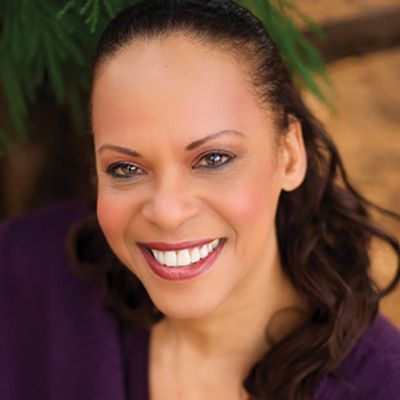
Terry Burrell talks about her trepidations over "non-traditional casting" when she got the offer to understudy both stepsisters, how proud she was when Phylicia Rashad took over as the Witch (and later when Vanessa Williams starred in the revival)... Read More
From the show: Giants in the Sky
Guests
Featured Shows
About
Terry Burrell talks about her trepidations over "non-traditional casting" when she got the offer to understudy both stepsisters, how proud she was when Phylicia Rashad took over as the Witch (and later when Vanessa Williams starred in the revival). Join host Ben Rimalower for this candid conversation exploring how Sondheim and Lapine went Into the Woods.
Transcript
This transcript was automatically generated and might contain errors.
[0:00] Ben Rimalower: Broadway Podcast Network presents Giants in the Sky: How Sondheim and Lapine Went Into the Woods.
[0:06] Ben Rimalower: With me, Ben Rimalower.
[0:08] Ben Rimalower: Today's guest, Terry Burrell, original understudy and replacement Lucinda.
[0:14] Ben Rimalower: Hey guys, thank you so much for listening. I really appreciate all the great reviews and ratings you've been leaving and how much you've been sharing it on your social medias and tagging me, tagging Broadway Podcast Network. Please keep it up because we're at that crucial point as a podcast where we, speaking for myself and all of you really need to get the word out there to get to the next level. So please keep doing what you're doing. And if you haven't been doing that, how about doing it right now?
[0:44] Ben Rimalower: Once upon a time.
[0:50] Ben Rimalower: Terry Burrell opened the original Broadway production of Into the Woods as the understudy to both stepsisters, eventually taking over the role of Lucinda. Her other Broadway credits include Three Penny Opera, Thoroughly Modern Millie, Swinging on a Star, Honky Tonk Nights, Yubi, and Michael Bennett's original production of Dream Girls, in addition to playing Julie in Hal Prince's London production of Showboat. Off Broadway, she has starred in And the World Goes Round, Almost Heaven, Taking a Chance on Love, and Lady Day. Her many regional roles include her Helen Hayes Award-nominated portrayal of Queenie in Duke Ellington's Queenie Pie, her own show, The Solo Ethel Waters Tribute Ethel, and The Witch in Into the Woods.
[1:39] Ben Rimalower: When did you first become aware that there was this thing Into the Woods?
[1:46] Terry Burrell: Mmm. Um, actually, I became aware of it when it was about to go to Broadway because they had done a workshop of it, I think, in California. Um and um I was submitted for it, and um I went in. I don't think I knew what they were looking at me for at the time. Uh actually, let me let me let me dial that back a little bit. I was submitted for it and I went to an initial audition at some audition place, and then I got a call back, and I think the first time I went in, they mentioned something about the witch. I didn't know what it was. Yeah, then I got a call back, and I think at the callback, it was for uh the stepsisters, and I actually understudied uh the both both stepsisters before I actually took over the role, like maybe a year later. Yeah, and then they had to hire two people to do the job that one person did.
[2:47] Ben Rimalower: Is that true?
[2:53] Terry Burrell: Yeah, why is that?
[2:56] Ben Rimalower: I don't know. Maybe they just wanted to cover themselves by then they had made enough money. You know, look, I mean, some of these things you you gotta pay people, so maybe well cheaper to pay one person, yeah, thanks, and I could handle it, you know.
[3:09] Ben Rimalower: Yeah, and going into this, were you like a Sondheim nerd already? Did you know the other shows? Had you seen Sunday in the Park with George? What was your like context?
[3:20] Terry Burrell: I had not. I I certainly knew who Stephen Sondheim was. Yeah, um, I had never had an opportunity to do any of his music um in a show, and no, I hadn't seen those things. You know, a lot of a lot of my time was spent on the road doing. So uh even today, and I mean I'm living in Atlanta now, but um there's there's a small window of opportunity to go into New York and see things. Yeah. When I do, I I I can do that, but yeah.
[3:50] Terry Burrell: In a way, out of town you might see more than if you were here. I mean, I was thinking actually, because Sunday probably overlapped with Dream Girls too much for you to even get to it.
[4:00] Ben Rimalower: Probably, yeah.
[4:01] Terry Burrell: I mean, I didn't do Dream Girls on the Road. I did it in New York.
[4:04] Ben Rimalower: Yeah, yeah.
[4:05] Terry Burrell: But I mean you would have been you would have been working every night when they had yeah, I I didn't even think about that. That I would have done Into the Woods um after the Dream Girls.
[4:17] Terry Burrell: Yeah, so it's probably on at the same time. And um, so and did this was for the Broadway, not the summer workshop right before Broadway.
[4:26] Terry Burrell: It was actually the actual production. It was the actual production, you know, and I believe at that time the reason one of the reasons why I was able to audition was that Actors Equity at that time were really uh encouraging um Broadway producers and directors to uh include people of color. You know, and you could do that with a show with Into the Woods, because I mean come on, we're talking about, you know, fairy tale characters. So I mean we think that now, but I mean, even today there is all those people freaking out about The Little Mermaid. I mean well a fish.
[5:06] Terry Burrell: Yeah, that's American culture, yeah. And and when you when the characters that you promote are of one ethnic, you know, uh one one ethnicity, it's very difficult for people who are not as open to uh accept that. You know, listen, that happened with The Wiz. I don't know if you remember because you're kind of young.
[5:37] Ben Rimalower: Thank you.
[5:37] Terry Burrell: But when The Wiz opened on Broadway, it almost closed because people thought that how dare they take that iconic story and make put all these black people in it. When they made the commercial, and people saw that ease on down the road, how wow? I mean, it was on Broadway for five years, and it couldn't have just been black people that made it popular.
[6:04] Ben Rimalower: Listen, this is I'm a I was a little white boy who was obsessed with The Wiz. Yeah, that I think that was one of my first shows that I saw. I loved it.
[6:15] Terry Burrell: Um, but okay, so uh say was there, did you experience in the at the time of Into the Woods any kind of negative reaction to you being cast in that? And was that something that you saw at first hand?
[6:29] Terry Burrell: Well, um, look, the fact that this was not something that was automatic says something about themselves, but you gotta give them credit, you know. I mean, producers have to think about the bottom line, and that is are people gonna have a problem with someone playing a stepsister or whatever that's a person of color. Um, I think uh somebody in the cast, I don't remember who exactly had overheard some uh girls talking about it, some other she was at an audition and they were upset about it. Um, and she addressed it. But you know, who cares? So what you want to say? I mean, when Felicia Rashad took over as the Witch, you couldn't get a seat.
[7:18] Ben Rimalower: Yeah.
[7:19] Terry Burrell: Standing room only. And I will tell you that whenever I was on as the stepsister, and even when I did take over the role, when there were black people in the audience, they always signaled me at the end of the show. They always gave me a thumbs up. You know, but it wasn't just me doing it. I mean, to offer me the role had to be a decision that management made as well. Yeah. So obviously, if they had gotten really negative feedback, I don't know that they would have done it as easily as well.
[7:49] Ben Rimalower: I mean, also the thing is I guess um, in a way, it was braver offering you that role than Felicia because she was already a big television star. So they had that to compensate for their husband.
[8:03] Terry Burrell: That's who they were coming to see.
[8:05] Ben Rimalower: Yeah, sure.
[8:06] Terry Burrell: Yeah. Um, so okay, so uh, and was this the first time in your career that you were given what they would have called a non-traditional cast part?
[8:17] Terry Burrell: Let me see. Up to then, um, probably so. Probably so. And then after the after that I did like Three Penny Opera, which you know, and uh I'm thinking I'm trying to think if there was anything else in between. Um, yeah, but that basically, yes, that would have been it.
[8:35] Ben Rimalower: Yeah. And what was there like a big deal made about that, or was it just kind of like a thing that happened and was sort of cool and that was it?
[8:43] Terry Burrell: There was no big deal made about it. I was not, I will tell you that I was not initially happy. I mean, when you are on the other side of the fence, you know, I always say you want to understand how somebody feels walking their moccasins, you know. Um certainly my cast members were just amazing to me. And many of us have retained a very, very close friendship even to this day. Um but uh, you know, we're as people of color, we're always asked to try to understand it from the other person's point of view. Yeah. We're all human beings, and we're talking about a show that was bound fairy tale character. So come on. What's the big deal? And to tell you the truth, when you put that light on me with my skin color and my blonde wig, who knew?
[9:34] Terry Burrell: Yeah, yeah. You know, I had somebody run up to me after the show one night, a young white guy, and he goes, Oh my god, are you one of the stepsisters? Oh, you know, but it's my job to not bring any attention to to it, just play it straight, like any other actor would play it. Um, so I was not happy about that, but uh I had a very, very good friend who had been one of the first black stage managers on Broadway when I was mouthing off about it. And he looked at me and he was very pained. And he said, Sweetheart, I understand this kind of anger, but I know that this kind of anger can eat you up alive. So you have a choice. You can be angry if you want to, it's your choice, it's your right, or you can watch, you can listen, and you can learn.
And in that moment, I made my decision. And I went back to the theater. Uh now now you have to understand that even though I felt that way about it, I never brought it to the cast. I didn't, you know, run off and mouth off and and you know, walk around with my power.
[10:46] Terry Burrell: Oh your reputation is very um happy, uh, good time, positive, energetic. Look, I can't do anything about the way they think, but I can conduct myself a certain way, and I can give credit where credit's due. And I'm sure that James Lapine had a lot to do with with offering me the role. He knew I was not happy about it. I didn't say anything to him, but you know, hi. Um, but uh I took a long time to sign that contract.
[11:14] Terry Burrell: Yeah. He knew he wasn't stupid, he knew. Um but and Stephen Sondheim had to sign off on it also, you know. And I think the way that I portrayed the character put them at ease, you know. Um, but but in any case, um what was I gonna say? I forgot where I lost my my train of thought there, but uh it it uh yeah, it was the first time, and uh it was a great experience. It was that company, and I mean, I don't work with people who are not professional.
[11:46] Terry Burrell: I mean, yeah, you dream girls, come on, sure, everybody was on it, and any other show that I ever did, but that particular company, the precision every single day was right on the mark. It was probably the most professionally run, the most professional, professionally adhered to company that I had ever worked with. Extremely consistent, extremely professional. It was wonderful. And so and sometimes things went wrong. You know, and I mean, because a show like that that had all the mechanicals in it. Yeah. Rapunzel's house sometimes wouldn't come up. Right. Sometimes Jack and the Baker got stuck in a tree. That was kind of funny watching Chip Zien's face. He was not having it. And I laughed so okay so you you you you got over enough of what you were thinking about the offer to say yes and and start the process.
And um was there did you feel right from the beginning that kind of professionalism and that you were so happy you'd made that decision right from the beginning? Absolutely I knew that it was going to be important not just for me as an individual but it was going to be important in the business in terms of seeing people of color in roles like that. Yeah. And then 12 years later when they did it again and they had Vanessa Williams as the witch you know it it was not no longer an issue.
[13:30] Terry Burrell: What I was going to say uh I remember what I was going to say that day when I made the decision to watch listen and learn I went back to the theater and I watched a rehearsal and I watched rehearsal with Bernadette Peters. You want to talk about a pro. Yeah they asked her to do something that every actor out there knew was not going to work. We know she did it they asked her to do it again she did it again. They asked her to do it a third time and Bernadette Peters big star that she was never complained, never fussed, never said, I'm tangling. She just did it until they said, okay, it's not going to work, go back to what it was before. That was the beginning of the beginning of that learning process.
How to be a real pro, how to be a real team player. Yeah. And I I not that I wasn't before, but you know, the stakes were higher. This was a Broadway show, and it was a white Broadway show. You see? So any and everybody were going to be coming to see this show. And if I was on as a stepsister, that was gonna say something else.
[14:50] Terry Burrell: Um, but the people you were working with, I mean, the writer, I mean, as brilliant and you know, um influential as Stephen Sondheim is, and certainly now, you know, we all revere him for so many, you know, decades, but this was still a new musical, one of the hardest things that anybody can endeavor to do at any time. And I know that there were like a lot of changes made in the rehearsals and previews. How was that for you? And did you make that did you have that unflagging confidence that it was going to succeed every step of the way? I knew very early on it was going to succeed. I was just sitting out in a rehearsal, just watching, and we were now in the theater. Okay, so it was leading up to previews and tech and all of that. And I'm watching the set, and I'm watching how it's getting used. I'm listening to the music, all of it, all of it. And I said to myself, oh, this is gonna be a hit.
[15:44] Terry Burrell: Yeah. And it was. I'll tell you a funny story about Steven. Um I was uh exiting the theater one day, and I decided to do it through the theater. We were still in rehearsal. With something going on on stage of some kind of rehearsal on stage. And I came through the door and stepped down, and there's like a little alcove there with curtains cut off, cut you off. There's Stephen standing there looking strained. And I said, Stephen, are you okay? Because I can I just wish, I just wish you could have heard this. Well, I was just sitting at the piano and just playing it. Which, you know, and I and I said to him, I said, well, it's your baby. And at some point you have to release it into the world and trust that it's going to be raised properly and treated with respect.
He it was so hard for him to now release that thing and listen to other people bring their game to the table. Not that he didn't have confidence in it, but it's one thing when you're hearing it in your head, it's another thing when you hear somebody else how they're playing it, yeah, how somebody's singing it, how they're interpreting the words. But that was our little private moment, and I never forgot that.
[17:17] Terry Burrell: When now you've done some work on your own as a writer. Was that um something that you related to on that level even then, or did that come to you later? That came to me a few years later, actually. I had this sense, and I don't really know where I got it from. Maybe just observance, that at some point I was going to have to make a different kind of move for myself. You know, uh, the longer you live, the older you get, especially if you're female, things are going to change. So in 1993, I wanted to write something for myself. Now, I really didn't think I was gonna write it exactly. And a friend of mine, Michael Leslie, who's an amazing performer and had been in the original production of The Wiz, came to my apartment and he said, You know what you should do, you should do Ethel Waters because she's in danger of being forgotten. And I started, I couldn't find anything on Ethel Waters because this is the days before we had Google.
[18:14] Terry Burrell: Yeah, um, there were no, we didn't even have uh uh Amazon. Yeah, but anyway, now you can find a million uh uh books about you know that her autobiography, His Eyes on the Sparrow. Anyway, I just started doing the research, and I thought I'll just do the research and let somebody else write it. Well, nobody wants to write your stuff. So I played with it for a number of years, in and out, in and out, and then finally there was just this one day here in Atlanta that Loretta Devine, who did I did Dream Girls with, was here shooting For Colored Girls and came to my house, and I was reading her what I had written, and it was terrible. It was boring. And then I and then I and then I yeah, and she started saying to me, Terry, why are you starting with her at an old age?
I'm middle aged, but I still think I'm sexy and blah, blah, blah. But I was listening to not what she was saying, but the way she was saying, and I realized how relaxed she was in her language she was using with me because we were friends and she felt safe. And I said, Well, what if Ethel could say, wanted to talk to somebody and that she felt safe with? Well, what would she say and how would she say it? And it just poured.
[19:27] Terry Burrell: And because I'm an actor, I would go back and say the words, and I would do it over and over again till it felt natural. Yeah. And then we did it at uh Walnut Street Theater, my friend in Philadelphia. Yeah. Yeah. Right. We did it in their black box. We we were selling out before I got there, which scared the living beaches out of me. Because this was her hometown. You know, and there were people who would have remembered her, and I'm thinking, oh, look, oh, you're gonna come see me in it now. Oh, and I wrote it, Terry. So, but it was you couldn't get a seat in there. And then uh my friend Ken Robeson directed it, and then we took it to Alabama Shakespeare. Then we brought it here to the Alliance Theater.
Susan Booth brought it, and the production value that they made available to us was outstanding. I mean, I felt like a rock star. And again, it was hugely successful. And I would love to do it again. People keep asking me about it, but it really takes a lot out of you. And to just take it to another theater just to do it doesn't make sense to me. I'm willing to do it again or pass the torch to someone else, but it has to be for a reason.
[20:46] Ben Rimalower: Would you direct it?
[20:49] Terry Burrell: I don't know if I have those chops. I don't know. Um, maybe maybe I could. Um, that's where I would want to do it in a smaller venue to see if I could do it justice. Yeah, you're introduced to nine people, and the same actor becomes morphs into those nine people, males and females. Yeah. I even did a character breakdown so that when I would morph into that person, I knew who they were. You know, now, anything else? I have ideas for things. I did write a piece called Backstage and Other Stories, where I talk about things that happened in the 43 years I've been in this business mostly wrong.
[21:29] Terry Burrell: Like the time I auditioned for Porgy and Bess. And I walked in and they said, What will you be singing for us today? I said, I'll be only a babino d'arro. Oh my, you know, and forgot the words, honey. And you think that I would stop. You think that I was stop and say, Oh, I'm so sorry. Can I start again? No, I made it up. Like they wouldn't know I was making up Italian. And I spoke to my friend John who had arranged the audition for me. I said, Do you think they knew? And he said, Of course they knew, Terry.
[22:03] Ben Rimalower: I hope you recreate that performance in the show.
[22:09] Terry Burrell: Well, I actually did do it. I did it here. I've done it twice. You know, I I talk about uh Dream Girls. There's a song. The time CeCe didn't show up on stage, and all I could hear was his octave. So I started singing my song, uh uh uh uh you know, that part, and he goes, uh can go on with Curtis and all the and I went, Hey Wells. Oh my god. And then he comes out on stage and goes, Don't laugh under his breath, which I proceeded to do. Just great, just just fun stuff, you know.
[22:48] Terry Burrell: Wait, now you made me think. Speaking of doing the two parts, that Florinda and Lucinda's tracks in Into the Woods are so um, they're like a mirror image, like you know, complimentary, uh yin and yang to each other. Was that very confusing when you would go on to remember what exactly which line was which and all that? No, no. Uh I I get I learned things very quickly. Um, and I had a personality for each of them. You know, a lot of the work that you do as an actor has to be done off stage. So I knew what Florinda liked.
[23:26] Terry Burrell: Yeah. I did the color. Uh, the other, uh, what is it, Lucinda? Lucinda, yeah. Um, I decided I had to decide who was smarter, who was not as smart. Um, did they read? Uh, one read, one didn't. I want to know all the answers which was which. No, because then, you know, because I'm still friends with Lauren. It's backstory. Um, and but that's Lauren as Lucinda is the one that you actually took over in. That's who I took over for. Yes, I did. And um, she she was just, you know, we don't stay in touch with each other. Yeah. But uh, but we we we talk to each other sometimes. We'll talk to each other on um, on uh, on on Facebook, you know. I'll keep up with her. Yeah. And um, she uh, she has gone on and to become a producer, and some of the shows she's worked on were the subsequent productions of Into the Woods.
I'm curious if you've seen the revivals. Did you see Vanessa Williams? Did you see it at Encores or anything? I didn't. I didn't. I haven't seen, uh, actually I did a version of it here in Atlanta. I live in Atlanta and City Springs Theater did a version of it. I also stayed in touch with Kay McClellan, too, you know. Oh, yes. I actually ran into her when she was like eight months pregnant with her first daughter, and I said, You have to come to my wedding. And she did because she she lives in Atlanta too, doesn't she? She does. And we actually met for lunch a few months ago. How sweet. And it's like no time has passed. I mean, you know, I became very close to those two women. Yeah. No. I had dinner with Jeff Bloomcrantz, and well, actually, he was supposed to come to dinner.
Uh, he was in Atlanta at one, uh, a couple of years ago, and I picked him up and took him around, you know. But I had dinner with uh Carolyn Marlowe and Kelly, yeah. So and um, because I understand you all were like really like a tight little, uh, family unit of the understudies and Into the Woods up on that fourth floor, we were we really had a great time, you know. We we do crossword puzzles and just talk, and they they would ask me questions about what the experience was like to be a person of color and things would come up one thing with me, I don't attack in any way because people don't, that's not intelligent, and I don't expect people to ever understand anything from my perspective, but I don't back away from it either.
You know, I was also born in the West Indies, and even though I grew up for the most part in New York, I say this only to say I grew up with much more of a Caribbean influence, and we think very we think a little bit differently about ourselves in these kinds of, you know, circumstances, you know, because everybody who's rich in Poe look just like you, yeah. In the United States of America, uh, if you Poe, you're usually one color. Yeah, so the experience is slightly different.
[26:41] Ben Rimalower: Yeah, I can imagine that. So I had, it's not to say that anybody else would be patient with it, but I really had no patience with that. I mean, we were 11 years away from the 21st century. Duh. Can we like get past this?
[26:56] Terry Burrell: Yeah, and yet, and yet today there's still, you know, a lot to be done. That's the human condition, and it's not just something that is that that just happens in the United States of America, it happens all over the world. Yeah, you know, people have their groups, that's how they feel strong, that's how they feel safe. You know, did did you feel um, uh, any sense of uh pride or relief or anything when when Felicia came into the show? Did that seem like a benchmark of some kind?
[27:30] Ben Rimalower: Oh, it was a benchmark, yeah. And Felicia and I go way back, yeah. Way back. So you know, as a matter of fact, when she came to see the show, I think I was on as a stepsister that day, but I went back up to the fourth floor, uh, to, you know, um, get out of costume. Felicia was there with her, I think her stepdaughter or something. She comes backstage and comes up to the fourth floor, and we're like teenage and you know, let's hugging and kissing. And I noticed that the other cast members were walking by smiling at me. Why acting like that? It didn't hit me until much later. It was because it was Felicia Rashad.
[28:17] Terry Burrell: Right. But for me, it was Felicia.
[28:20] Ben Rimalower: Yeah. Well, she had been your sister's understudy in Dream Girls, is that right?
[28:26] Terry Burrell: Or no, no, no, no. I was not her understudy.
[28:29] Ben Rimalower: Uh, she wasn't she your sister's understudy?
[28:32] Terry Burrell: Uh, I think she was, I think Felicia was, um, I know that she did The Wiz, she was somebody's understudy. I think she was an understudy in The Wiz, I'm not quite sure.
[28:43] Ben Rimalower: Yeah.
[28:43] Terry Burrell: Uh, because my sister had also started out as an understudy in The Wiz. Um, in Dream Girls, Felicia understudied the role of Dina.
[28:50] Ben Rimalower: Oh, she was Cheryl's understudy.
[28:52] Terry Burrell: So that would have been Cheryl Hines' understudy. Um, and then she they both auditioned for uh The Cosby Show.
[28:59] Ben Rimalower: I don't not while Felicia was doing the show though, she had left because she had decided that she really needed to stop doing that kind of thing.
[29:05] Terry Burrell: She was not happy.
[29:07] Ben Rimalower: Yeah.
[29:07] Terry Burrell: And it took her about a year of not working to make that decision. But you know, you have to change people's minds about you.
[29:14] Ben Rimalower: Yeah.
[29:14] Terry Burrell: Um, but I remember when she booked the role, you know. Uh anyway, she she came into the company and it was a game changer even for the show.
[29:25] Ben Rimalower: Yeah.
[29:25] Terry Burrell: You know, they were just selling out left and right.
[29:28] Ben Rimalower: Yeah.
[29:29] Terry Burrell: Um, but Felicia is just, oh my God, she's just so sweet, so down to earth. And she has a lot of dignity about her.
[29:36] Ben Rimalower: Yeah.
[29:38] Terry Burrell: You know, but uh, I have very little dignity about myself.
[29:43] Ben Rimalower: You have a different kind of dignity, a different kind of um, so did you wind up then staying for the entire run of Into the Woods on Broadway?
[29:55] Terry Burrell: I did. Um, they offered me the role of uh Florinda and here after the show.
[30:02] Ben Rimalower: Wait, it says Lucinda on IBD. Was it Lucinda?
[30:05] Terry Burrell: Probably. Well, I guess whatever. I'm the one that got my toe cut off. Lucinda, Florinda. I know them all. And um, yeah, I I yeah, I got my toe cut off. Um yes, I stayed on till the end, till the very end.
[30:26] Ben Rimalower: Mm-hmm. And um, I'm sorry, were you saying that you did another production later on in Atlanta?
[30:32] Terry Burrell: I did it a few years ago, like maybe two years ago, at City Springs Theater, and this time I played the witch.
[30:38] Ben Rimalower: Oh, I would not have been able to play that wit, uh, that role at any other time.
[30:44] Terry Burrell: Yeah, you have to really mature into that role. You have to have a little bit of life under your fingernails to understand what that role was about. But yeah, I did it.
[31:00] Ben Rimalower: And what um, what was it like seeing the show um from that other uh vantage point with so much time having passed?
[31:10] Terry Burrell: Um, a lot of it was familiar. I didn't bother to think about what the difference was between what I had played in New York, because it's two completely different things.
[31:21] Ben Rimalower: Yeah, two completely different.
[31:21] Terry Burrell: Uh, I you know, the the thing about that show, the uh, the pace was a little bit different. You know, the pace in New York was a little faster, and then I went back to see the revival, and I absolutely loved it.
[31:38] Ben Rimalower: When those giant shoes came.
[31:40] Terry Burrell: Yeah, oh my God, I loved what they did with the new Into the Woods.
[31:48] Ben Rimalower: Yeah.
[31:49] Terry Burrell: I loved being able to see the giant standing right there in front of me.
[31:53] Ben Rimalower: Yeah.
[31:56] Terry Burrell: Fantastic. And Gavin Creel was in it, and Gavin Creel and I had done um, Oh, Thoroughly Modern Millie.
[32:04] Ben Rimalower: Yes.
[32:05] Terry Burrell: Yes. Yes.
[32:07] Ben Rimalower: Yeah.
[32:07] Terry Burrell: And I stood by in that show, both for Mrs. Mears and for um, uh, for a Muzzy.
[32:16] Ben Rimalower: Oh, so uh for Harriet Harris and Cheryl Lee Ralph.
[32:19] Terry Burrell: Yes.
[32:20] Ben Rimalower: Yeah.
[32:21] Terry Burrell: And there came the day when I had to go on for Harriet, and I because I never wanted to go on for Harriet Harris.
[32:27] Ben Rimalower: Okay.
[32:29] Terry Burrell: Never. But there came that day when I had to do it.
[32:32] Ben Rimalower: Yeah.
[32:33] Terry Burrell: There was as many people that were in the audience were as many people in the wings.
[32:45] Ben Rimalower: I'm sure you had them all in stitches on both sides of the footlights.
[32:49] Terry Burrell: Well, you know, I did have preparation. Um, I just never really wanted to go on, but when that day came, and I remember Sutton Foster, uh, because the stage manager said, Terry Burrell, if you're in the building, would you come down to the office page? And she said, one of the girls had gotten sick, and Ann Nathan used to go on for Harry. She said, and the girls were there were several girls out, and she said, if she doesn't do the show tonight, you're on. And I went, Oh, she said, What do you want me to do? I said, Go have your dinner. And I'm on the stage, and Sutton Foster came back from dinner, stepped out on that stage and said, What do you need me to do?
[33:33] Terry Burrell: Oh. Okay, I will love her forever. Okay.
[33:35] Ben Rimalower: Yeah.
[33:36] Terry Burrell: Yeah. Okay. What do you need me to do?
[33:41] Ben Rimalower: Yeah.
[33:41] Terry Burrell: She showed me things that the stage manager can't show you because they're not actually doing the show.
[33:48] Ben Rimalower: Point to the numbers and blah blah blah blah blah.
[33:50] Terry Burrell: But they're just intricate things that you have to know. Um, that she helped me with. This is the same thing that Betsy Joclin told me about Bernadette Peters. That when she went on as the witch, Bernadette took her and kept saying, Come closer, look at this, see the way I put on this makeup, see the way I you have to learn the stuff that only I know from having done it.
[34:14] Ben Rimalower: That's Bernadette.
[34:15] Terry Burrell: Yeah. Uh, actually, when Felicia was playing The Witch, the body double that they had for her, uh, was out one day, and they asked me if I would do it.
[34:25] Ben Rimalower: Oh, wow.
[34:26] Terry Burrell: I mean, I had never practiced it or anything, but let me tell you something. You know, I'd watched it enough, and they talked me through some stuff.
[34:32] Terry Burrell: That's where you come on in the hood, and she's making the change in the basement and you lip sync to the recording of lines. And she's like, you know, she's anxious because they're making the potion that's gonna turn her beautiful, and she drinks it and she goes behind the tree. I've come up on a trapdoor, yeah, all the prosthetics, and she just touches me, and I just so it looks like she just went behind the tree and came out.
[35:07] Terry Burrell: Yeah, you know, I mean it was brilliant. The way they staged everything is just brilliant. So uh yeah, I got my chance.
[35:18] Ben Rimalower: Yeah, well, and then it was the pre-beat to you actually playing the role in full uh years later.
[35:26] Terry Burrell: Years later. Oh yeah. I I had to be sure that I I could do that, you know. Some like uh Joy Franz said that she had um been one of the understudies for the witch, also, and that she considered that to be the most difficult part to sing uh of anything in the show.
[35:47] Ben Rimalower: It is, and I was about to say vocally, it's very different. I mean, let me tell you something. Bernadette Peters has the chops, yeah. And other people, Betsy Jocelyn, you know. Um, I had to use my voice in a different way, but because I had gotten older, as you get older, your voice gets a little deeper.
[36:08] Terry Burrell: Yeah, and so I was able to handle it, and I took voice classes at at the uh while I was playing The Witch to make sure that I could support the sound. You know, you have to you have to be able to manipulate the those vocal cords, yeah. And thankfully, I was able to do it.
[36:27] Ben Rimalower: Yeah, having a microphone helps too, especially if it's loud.
[36:33] Terry Burrell: Yeah. Um, but you I mean, you had microphones in all the shows you did, didn't you?
[36:47] Ben Rimalower: Like I yes, yes, but in this particular case, in this theater, the theater was huge. Um, they really bumped up the sound, yeah. So it made it easier, and they put a little reverb on it, you know, which made it a little easier for the person who was singing any of the roles to do it.
[37:08] Terry Burrell: Yeah, yeah. And did you feel that the um the audience response to the show is different in the modern era, like when you played the witch compared to how it had been to the original production?
[37:23] Ben Rimalower: No, not at all.
[37:24] Terry Burrell: I think if anything, they're more enthusiastic. Yeah. Because by now they've heard about it. Yeah. And then you had the movie with uh with Merle Street.
[37:32] Ben Rimalower: Yeah.
[37:33] Terry Burrell: So, you know, even with Dream Girls, there were people who have seen the movie but never actually saw it. They're a much younger generation, yeah. They just saw the stage.
[37:41] Ben Rimalower: Absolutely, yeah. So, you know, when you're doing film, it goes out into the world in a much larger way.
[37:47] Terry Burrell: Yeah, and they're much more familiar with it, so they come ready to enjoy it.
[37:53] Ben Rimalower: Yeah.
[37:53] Terry Burrell: Um, very enthusiastic. And you know, there are people that are real Sondheim freaks, yeah. They they know the music.
[38:01] Ben Rimalower: Yeah, they do.
[38:02] Terry Burrell: So you know, they're gonna be sitting out there singing it, you know. Um, and it's you know, it's taught on a college level, yeah. So those younger uh actors and uh actors of male and female actors are going to be familiar with um with Sondheim, yeah.
[38:24] Ben Rimalower: They love him.
[38:26] Terry Burrell: He's an interesting individual, yeah. The way he writes is very interesting. You have to you you have to dig deep. As the witch, I had to dig deep.
[38:37] Ben Rimalower: What Rapunzel meant to me.
[38:39] Terry Burrell: Yeah. What was that really all about? You know, because the witch is wild. She's a wild thing. She is really truth.
[38:51] Ben Rimalower: So, you know, she's not, she's not filtering anything.
[38:57] Terry Burrell: And she has no patience. None with these. And I had to think beyond that. Who was she? You know, when she becomes ugly, what was she?
[39:09] Ben Rimalower: What did that cost her?
[39:11] Terry Burrell: At the time that she was made ugly. Now, this is not in the script or anything like that. She would have been at in the prime of her life. She would have been at her most fertile.
[39:22] Ben Rimalower: So she was denied the opportunity ever to have children.
[39:29] Terry Burrell: Of her own. Yeah. And somebody asked me, do you think that she had a partner? I said, yes.
[39:34] Ben Rimalower: And he was a vampire.
[39:38] Terry Burrell: Why not? Why not? Why not? Why, why would it ever have been the vampires never existed? Or fairies or any of those things.
[39:47] Ben Rimalower: Um, and she was denied the opportunity to ever be a mother, and yet, as a female, I know how strong the directive to have children is.
[39:57] Terry Burrell: Whether you choose to have them or not, doesn't matter. There is a biological directive to have babies. She would have had that same biological directive, and here she's denied that.
[40:10] Ben Rimalower: And even though she's ugly and she aches and she hurts and she creeps, and she probably didn't smell very good.
[40:19] Terry Burrell: I don't know how hygienic she was. You know, she still had that mothering instinct, yeah. Because that's what that all was all about with the baker and his wife.
[40:35] Ben Rimalower: All right.
[40:36] Terry Burrell: You owe me that child. Yeah. And she she comes for that child. She's truth. You gave your word. Give me that baby.
[40:45] Ben Rimalower: But she she was never taught how to mother.
[40:48] Terry Burrell: Yeah. You see? So Rapunzel becomes this. I don't know, this thing. This piece of tchotchki, I guess.
[41:01] Ben Rimalower: You know, she she can't let it go.
[41:05] Terry Burrell: She can't let her go. And there are parents that are like that. They can't let their children go. And yet you must prepare your children as a parent to let them go into the world because you're not going to be around forever.
[41:17] Ben Rimalower: So how do they survive?
[41:18] Terry Burrell: You can't hold on to them. It's not fair. She would not have seen it that way. So anything that interfered had to be killed.
[41:28] Ben Rimalower: Yeah.
[41:31] Terry Burrell: And and she loses her. She does lose her. She does lose her because of human beings.
[41:39] Ben Rimalower: Yeah.
[41:40] Terry Burrell: So even more anger. You know, I was uh looking at something the other day about the animal kingdom. And uh they said, Who's the deadliest animal on the planet?
[41:51] Ben Rimalower: And it turns out human beings, and they had some videos showing they would just play a tape of humans just having a conversation, and first they they had there was some rhinos, there was a giraffe, there was something else.
[42:06] Terry Burrell: They played the sound of a lion roaring, and the hippos are like, yeah, it's a lion, yeah. They played the sound of human beings having a conversation, and they ran for their life.
[42:16] Ben Rimalower: You should look it up.
[42:17] Terry Burrell: It's very interesting.
[42:19] Ben Rimalower: That's very interesting.
[42:20] Terry Burrell: Um, and the and the and then they did the same thing with the giraffe. You if you saw how that giraffe took off, human beings just having a conversation.
[42:30] Ben Rimalower: Okay, we're the deadliest animals on the planet.
[42:33] Terry Burrell: Wow.
[42:34] Ben Rimalower: Yeah. Well, but we make good music that we do.
[42:40] Terry Burrell: Yeah. Well, Terry, I I can't thank you enough. It was a wonderful time in my life and continues to be that, and it's on my resume.
[42:49] Ben Rimalower: And it bought my apartment and I love that.
[42:53] Terry Burrell: And I have friends, genuine friends, to this day. And uh, you know, I and I I don't I I was aware, I was very aware of what the situation was politically for me, but I didn't I made the choice not to walk around in a uh uh a cloud of anger about it because that doesn't really fix anything, yeah.
[43:18] Ben Rimalower: Um but I I was not gonna back away uh from how I felt and why I felt that way.
[43:24] Terry Burrell: And if anybody had asked me, I would have explained it.
[43:28] Ben Rimalower: What would you have told them?
[43:30] Terry Burrell: I would have said, you can't understand what I feel like unless you put yourself in my perspective to be in a company that is that is all people of a different color and to be given them to be given the opportunity to um apply their trade, uh to learn their craft, and I'm not.
[43:53] Ben Rimalower: And why?
[43:55] Terry Burrell: And why can't I say, you know, I mean, what did you think that I was gonna walk out there and do? What did you think I was gonna sound like? I'm an actor, I'm a trained actor, I'm a professional.
[44:07] Ben Rimalower: At least give me the opportunity.
[44:09] Terry Burrell: This is why you audition people.
[44:11] Ben Rimalower: Yeah, but you know, um, I did in my way get they could because there were times when I had to go on.
[44:18] Terry Burrell: Yes, so they they got they had the opportunity. Let me give them credit, let me give management credit.
[44:25] Ben Rimalower: They did offer me the role, yeah, after all, and I don't think they got any backlash, and if they did, I don't think it was anything that was serious.
[44:35] Terry Burrell: But they could have done it from the beginning and they didn't. You have to do things at the level of your understanding then, yeah, and that was their level of understanding, and I would like to think that the kind of person that I was, and uh the kind of uh creative person that I was uh allowed them to relax and see the opportunity and see see see it to give me the opportunity and see that they're there, you know, that that could be done.
[45:07] Ben Rimalower: I mean, they did have Suzanne Douglas, yeah.
[45:10] Terry Burrell: Unfortunately passed away a few years ago. Yeah. She did start off as the understudy to the witch, and she did do the workshop.
[45:16] Ben Rimalower: Yeah.
[45:17] Terry Burrell: Um, but she left. Yeah, you know, um, before uh I don't even think she ever had a chance to go on, you know, before she left.
[45:26] Ben Rimalower: Yeah.
[45:27] Terry Burrell: But yeah, I I'm grateful for the opportunity. You know, it did put me in a different, slightly different category and have people look at me a different way.
[45:37] Ben Rimalower: Yeah.
[45:39] Terry Burrell: So I I would like to look at you all the ways. I think uh you're wonderful.
[45:47] Ben Rimalower: Um and I hope that you'll come uh back to New York and do stuff, lots of things soon, and including your Ethel Waters show.
[45:55] Terry Burrell: That would be wonderful. What I need is a production team. That's what I need.
[45:58] Ben Rimalower: Yeah.
[45:59] Terry Burrell: You know, I can't do it on my own. No. And I have not pursued it, but um, when I feel the need to do that, I will, and I'll go after it.
[46:08] Ben Rimalower: Yeah. Well, I'll be there.
[46:10] Terry Burrell: I'll be there opening night.
[46:11] Ben Rimalower: Ooh, I love it.
[46:13] Terry Burrell: Um, thank you so much, Terry. You're terrific. And uh thank you for listening to Giants in the Sky, how Sondheim and Lapine went into the woods on the Broadway Podcast Network.
[46:30] Ben Rimalower: Look out for episode 32 with Steven Dolginoff, Jack in James Lapine's blocking exercises.
© Broadway Podcast Network, All Rights Reserved