

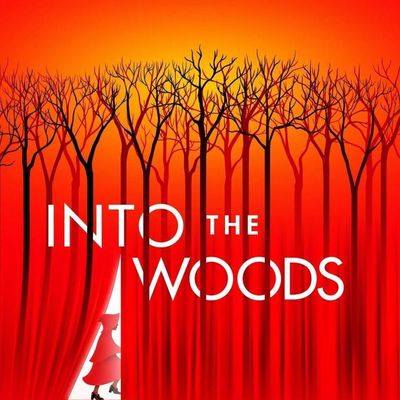
Joshua Ellis shares the secret to good press photos and confesses to his nightmare typo in the opening night Playbill. Join host Ben Rimalower for this candid conversation exploring how Sondheim and Lapine went Into the Woods... Read More
From the show: Giants in the Sky
Featured Shows
About
Joshua Ellis shares the secret to good press photos and confesses to his nightmare typo in the opening night Playbill. Join host Ben Rimalower for this candid conversation exploring how Sondheim and Lapine went Into the Woods.
Transcript
This transcript was automatically generated and might contain errors.
[0:00] Ben Rimalower: Broadway Podcast Network presents Giants in the Sky: How Sondheim and Lapine Went Into the Woods with me, Ben Rimalower.
[0:08] Ben Rimalower: Today's guest, Joshua Ellis, Broadway press agent.
[0:12] Ben Rimalower: Once upon a time.
[0:17] Joshua Ellis: I created, developed, and executed the public relations for Into the Woods, along with dozens of other Broadway and Off-Broadway productions, including David Merrick's 42nd Street, Lena Horne's The Lady and Her Music, August Wilson's Fences, Yul Brynner and The King and I, Sandy Duncan and Peter Pan, Frank Langella and Dracula, The Elephant Man, Mornings at Seven, Big River, and seven productions with the Royal Shakespeare Company, including The Life and Adventures of Nicholas Nickleby.
[0:46] Joshua Ellis: Simultaneously, I was the press representative for the Roundabout Theater Company, and later on director of communications for the La Jolla Playhouse.
[0:54] Joshua Ellis: For two years, I did publicity for Ringling Brothers, Barnum and Bailey Circus, and for five years, I was Barry Manilow's personal press agent.
[1:02] Joshua Ellis: I was on the founding steering committee of Broadway Cares Equity Fights AIDS.
[1:07] Joshua Ellis: And in 2017, my show, Call My Publicist, The Starry Education of a Broadway Press Agent, won two United Solo Theater Awards.
[1:22] Ben Rimalower: Let's start at the very beginning.
[1:25] Ben Rimalower: Um, before Into the Woods came onto the scene. Tell me about your experience.
[1:32] Ben Rimalower: I know you were already a press agent, as they used to say in the old days by trade. But even just as a lover of musical theater, what was your relationship to Stephen Sondheim before Into the Woods?
[1:49] Joshua Ellis: I grew up in Philadelphia.
[1:50] Joshua Ellis: And my first experience with Sondheim was the tryout of Anyone Can Whistle.
[2:00] Joshua Ellis: So that was 1964.
[2:03] Ben Rimalower: Yeah.
[2:03] Joshua Ellis: And I thought it made no sense. And I thought you had to be more grown up to understand it.
[2:11] Joshua Ellis: But then at the end of the show, the audience seemed to not understand it either.
[2:16] Joshua Ellis: So it made a whole lot better. Um, it was very confusing. I had no idea what it was about.
[2:24] Joshua Ellis: Um, I was keenly aware of the fact that there were three leads who were not particularly comfortable as musical theater stars.
[2:36] Joshua Ellis: Um, remember, this is like the only town that it tried out, and this is Angela Lansbury's first time doing a musical, and there were two other shows in Philadelphia at the same time where the performers really knew how to do it, and the other two shows were Funny Girl with Barbra Streisand and High Spirits with Beatrice Lillie and Tammy Grimes.
[3:04] Joshua Ellis: Ah, that was the context, and I thought, well, they're really good, you know. They know how to do a musical, and these three people I thought didn't.
[3:18] Joshua Ellis: So besides it being confusing, it was also not particularly well done.
[3:24] Ben Rimalower: Did you not have any sense of like, well, if Angela Lansbury keeps at this, she could do something good in musicals?
[3:34] Joshua Ellis: I wish I could say yes, but I can't.
[3:36] Ben Rimalower: Wow, all right.
[3:39] Joshua Ellis: Um, I also saw her first performance as Mame, also in Philadelphia.
[3:46] Joshua Ellis: And um, what's astonishing about her is that, and she has spoken about this, you can see it on YouTube, that she had to learn how to be Mame, not to play how to play Mame, but how to be Mame.
[4:02] Joshua Ellis: And she had all the acting stuff down, but she didn't know how to carry a musical.
[4:12] Joshua Ellis: It was more like I'll get from this scene to this scene to this scene. And in the process of going from Philadelphia to Boston to New York, she absolutely got it.
[4:25] Joshua Ellis: That first performance, if I was a producer, I'd really mean shitting myself. It was so clear that Beatrice Arthur and Frankie Michaels, who played younger Patrick, were Winter Garden ready.
[4:40] Ben Rimalower: Yeah.
[4:41] Joshua Ellis: Angela Lansbury wasn't. But by the time I went to the Winter Garden, oh, was she ready?
[4:49] Ben Rimalower: Okay.
[4:50] Joshua Ellis: She really, and she said she had to learn to be a star. And that's what she learned in Philadelphia and Boston.
[4:59] Ben Rimalower: Okay.
[5:00] Joshua Ellis: So she really did not have star quality.
[5:02] Ben Rimalower: No.
[5:03] Joshua Ellis: Although, you know, I'm looking at it through the eyes of a 15-year-old.
[5:07] Joshua Ellis: So um, how accurate is it? But I did have theatrical instincts. I mean, I knew when I was seeing good stuff.
[5:18] Ben Rimalower: Okay, well, so the show didn't make sense, and the three leads were not ready to carry a musical, Anyone Can Whistle.
[5:25] Joshua Ellis: Yeah.
[5:26] Ben Rimalower: Did you have some sense of the songs being of a high quality?
[5:33] Joshua Ellis: No.
[5:34] Ben Rimalower: No. Um, so what was, uh, when did you come to be a fan of Stephen Sondheim?
[5:41] Joshua Ellis: Oh, that's much, much later.
[5:43] Ben Rimalower: Okay, so we'll have to go through, okay, there's Do I Hear a Waltz.
[5:47] Joshua Ellis: Wow.
[5:49] Joshua Ellis: So y you know, and he's only half the team creating it. And then I also saw the national tour of Forum.
[5:59] Joshua Ellis: So I got to see him in his more audience-pleasing mode.
[6:05] Ben Rimalower: Was did that the audience members that were pleased not include Joshua Ellis among their number?
[6:12] Joshua Ellis: No, no, no. I had a really wonderful time at Forum.
[6:15] Ben Rimalower: But you weren't sold on the score.
[6:19] Joshua Ellis: Part of it, but not all the way through. No, I mean I love Comedy Tonight. I mean Jeff loved that one. But I mean I'm not sure I got to appreciate it right away.
[6:31] Ben Rimalower: Cool. And then we leap to I guess Company.
[6:35] Joshua Ellis: Yes.
[6:36] Joshua Ellis: And um, the context is I'm twenty-one years old and I live in Philadelphia and it's sophisticated and very New York-y and I do not understand it.
[6:49] Joshua Ellis: But differently than I didn't understand Anyone Can Whistle.
[6:52] Joshua Ellis: Yeah. It seemed like the audience was laughing at stuff and I had no idea what they were talking about, you know.
[7:00] Joshua Ellis: Every time I see him I think of the Seagram's building.
[7:03] Ben Rimalower: Yeah.
[7:03] Joshua Ellis: I've never heard of the Seagram's building.
[7:05] Joshua Ellis: Yeah. You know, it's uh, it was and I thought, he's thirty-five years old, for goodness sake. I mean, can't he make up his mind?
[7:17] Joshua Ellis: But of course I was looking at 35 from the other end, you know. So um, I saw it really early in its run. Dean Jones was still in it, the whole cast was in it.
[7:30] Joshua Ellis: And I admired it, but I didn't get it. And but over the years I kept seeing it back at the Alvin and then tours and stuff and Summerstock.
[7:49] Joshua Ellis: So, and obviously the cast album and it all started when I started to learn about it is when I started to fall in love with it.
[7:59] Ben Rimalower: When did you move to New York City?
[8:01] Joshua Ellis: 1973.
[8:03] Ben Rimalower: So Company had already closed when you got here.
[8:06] Joshua Ellis: But I mean, if you live in Philadelphia, New York is not that far away. I mean, I was here every ten minutes.
[8:10] Ben Rimalower: Right.
[8:13] Joshua Ellis: So I saw everything.
[8:16] Ben Rimalower: So had you already fallen in love with Company before Follies opened?
[8:22] Joshua Ellis: Oh yes.
[8:23] Joshua Ellis: And I say, oh yes, because by this time I'm like, well, how can I really show my cred about really loving Sondheim? And two friends and I got tickets to see the first performance of Follies.
[8:45] Joshua Ellis: The big bonus being that you could see Angela Lansbury and Pretty Belle that afternoon and Follies that night.
[8:53] Joshua Ellis: So we saw Follies as virgins, which is to say we knew absolutely nothing about it other than a reunion of ex-Follies girls.
[9:04] Joshua Ellis: I mean we didn't know about the girls upstairs. We didn't have historical background. And but so what we saw was like the first time that they were doing "Who's That Woman" in front of an audience. I mean like a paid audience.
[9:22] Joshua Ellis: Yeah. Um, and we were just blown away. I like totally blown away. And uh, oh, I wrote him a fan letter, and so did my two friends I went with, and uh we found out what room he was staying at at the hotel, and we slid it under the door.
[9:43] Joshua Ellis: Wow, lest we it does it gets lost in the mail, and uh my two friends got replies from Sondheim and I did not.
[9:57] Joshua Ellis: Oh, on both of them, on both of their replies, he wrote, please extend my gratitude to Mr. Ellis, who did not have the foresight to give me his return address.
[10:13] Joshua Ellis: So from the very start, I was learning lessons from Stephen Sondheim.
[10:18] Ben Rimalower: Yes, you were like, okay, uh duly noted, you know.
[10:25] Joshua Ellis: I uh, well, you know, you stick a letter under a door. I don't think of like putting the return address on it. It's not like it had a stamp, you know, it was just—
[10:31] Joshua Ellis: Yeah. But we were just kids, and that's what we did.
[10:37] Ben Rimalower: Okay, so um, and I was crazy about Follies. I um, again I wasn't so sure about the relationships because I think they're pretty more mature relationships.
[10:52] Joshua Ellis: Yeah.
[10:53] Joshua Ellis: I love the show biz of it. And I love the staging of it and it was all glamorous.
[11:00] Joshua Ellis: And I I liked in my mind's eye I have constructed a Follies that has "Can That Boy Foxtrot" and "I'm Still Here" because I like them both so I just put them both into the show.
[11:01] Joshua Ellis: In my mind's eye they're both in the show. Listen, Carlotta should have two songs.
[11:26] Ben Rimalower: I'm with you.
[11:27] Joshua Ellis: I'm all with it.
[11:28] Ben Rimalower: Okay and then um, I really liked "Uptown, Downtown" more than "Lucy and Jesse."
[11:35] Joshua Ellis: And I loved her costume more because she had a pleated dress and when she spun around the pleats the inside of the pleats were a different color so the dress was as schizophrenic as she was which I thought was just a brilliant touch.
[11:54] Joshua Ellis: But by the, you know, by the it was more glamorous, uh, you know, as um Lucy and Jesse but I thought boy Florence Klotz really gets this she's like oh I sh she's her design is a metaphor for the show.
[12:14] Joshua Ellis: You know how astonishing is that to behold? So anyway, so yeah by that time I was like clearly in fan land.
[12:25] Joshua Ellis: You know, um and then the same two friends and I did the same thing with A Little Night Music. So by this time we were like ready to join the parade.
[12:41] Joshua Ellis: And were you already working as a press agent at that point?
[12:44] Ben Rimalower: No, that was '72, is that right?
[12:48] Joshua Ellis: Or am I wrong? Is that right? '72?
[12:52] Ben Rimalower: Yeah.
[12:52] Joshua Ellis: Yeah, and I moved in '73. So pardon me. My last bit of looking at the whole Broadway scene through a big glass window and hoping to someday be on the other side of that window. But very much, you know, uh, and I wasn't one of those, you know, I'm gonna call him Steve though I've never met him and he's never asked me to call him Steve kind of he was just Stephen Sondheim, you know, not Mr. Sondheim and not Steve. No, Stephen Sondheim.
[13:29] Ben Rimalower: I get it, yeah. Um, so then you lived here when A Little Night Music opened.
[13:37] Joshua Ellis: Yes.
[13:38] Ben Rimalower: And did you fall in love with that?
[13:41] Joshua Ellis: Uh, not at first. I think that took a little time too. Um, so, um, I mean it wasn't like I wasn't like a, you know, I was an appreciative person.
[13:59] Ben Rimalower: Yes.
[14:01] Joshua Ellis: And then, um, when, uh, was your were you immediately working as a publicist from that moment?
[14:10] Joshua Ellis: Well, you have to apprentice for three years.
[14:13] Ben Rimalower: So you were you were immediately apprenticing?
[14:13] Joshua Ellis: Astonishingly fast, yes. Yeah. My first apprentice musical was Mac and Mabel. So, uh, I got my first taste of David Merrick, Jerry Herman, Michael Stewart, our champion all at once, not to mention Robert Preston and eventually Bernadette Peters.
[14:39] Ben Rimalower: Oh, right, because she did not begin the process as Mabel.
[14:42] Joshua Ellis: Oh no, she was Mabel number three.
[14:46] Ben Rimalower: And the first it was, uh, wait, let me see if I can guess. Uh, I think I know this. It's like, uh, was it Penny Fuller?
[14:54] Joshua Ellis: No, Penny Fuller was spoken to about it, but she was never cast in it. And Penny is now a friend, so we've talked about this. Ah, yes. Okay, so she's so I don't count her as the three. I only count the three that were actually in a rehearsal room. And so, okay, who was that?
[15:16] Joshua Ellis: Marcia Rod.
[15:18] Ben Rimalower: Marcia Rod.
[15:20] Joshua Ellis: Yes. And actually I'm I'm saying the wrong thing because she was not in the rehearsal room. She was on my tip sheet to be at the first rehearsal. But when we actually did the event, it was Kelly Garrett who was there in the room. Huh. Without Merrick not telling us why.
[15:41] Ben Rimalower: Interesting.
[15:43] Joshua Ellis: I'm handing out press releases and what? I don't know Kelly Garrett.
[15:49] Ben Rimalower: Oh, she had like I think her big show on Broadway was she did a review of, uh, Sammy Kahn's material.
[16:00] Joshua Ellis: And she didn't last long either. So, okay, well then you, um, okay, so anyway, um, yes, it takes a certain amount of time to get into the union, and my, my, my, and you have to work on a show that runs a certain amount of time. So if you work on Mac and Mabel, Mac and Mabel closes, you haven't gotten all of the weeks you need for that year, so you need to find another show that you can leap on to and get credit for that one.
[16:32] Joshua Ellis: And that one, luckily for me, was Pippin. Not the original production, but not the original cast, some from the original, some not. So anyway, so and then I got into the union.
[16:46] Ben Rimalower: And um, did you work closely with Bernadette on Mac and Mabel?
[16:53] Joshua Ellis: No. No, although, okay. When my mother died, I found some old letters, and like I wrote like I just came home from an interview at Sardi's with Bernadette Peters and Eugenia Shepherd. Do you remember Eugenia Shepherd?
[17:12] Ben Rimalower: No, she was the fashion editor and writer at the New York Post.
[17:18] Joshua Ellis: And even though it was just the Post, she was a big trendsetter. Huh. I mean, her obituary in the New York Times would make you think Eugenia Shepherd was at the New York Times. So she was a big deal.
[17:33] Ben Rimalower: Okay.
[17:34] Joshua Ellis: Clearly, with no lasting reputation. Other than she's a lyric in a song called Haute Couture in Skyscraper.
[17:47] Ben Rimalower: Oh that's, uh, Francisco.
[17:51] Joshua Ellis: Her little, her little, do you have the album of Skyscraper?
[17:54] Ben Rimalower: I think I did back in the day.
[17:57] Joshua Ellis: But you don't have the CD like ready to like go, oh Josh made me want to listen to Out Gator.
[18:03] Ben Rimalower: Well, I was, I'm sure I can find it online.
[18:06] Joshua Ellis: Okay. I'm just saying to me fame is getting your name as a lyric in a Broadway show. You know, I mean, I think that that was like I remember like meeting certain people and going, you know, they were mentioned in Drop That Name and Bells are Ringing, you know, so that they must be famous.
[18:26] Ben Rimalower: Mm-hmm.
[18:27] Joshua Ellis: Well, that is something. So anyway, yeah, so but I didn't have real dealings with her. At first it was a short run and the press was far more interested in Robert Preston. But did you have a sense this is a great talent she will be a big star? She was fantastic from her first performance and it was the perfect match of actor and role and as David Merrick said in his David Merrick voice, has that broken wing quality we've been looking for all along, broken even when she was doing the up numbers in act one there was a certain vulnerability about her, um, that was ultimately they did I don't think that the creators knew what to do with it but she had it.
[19:23] Ben Rimalower: Yeah.
[19:24] Joshua Ellis: Well she had that, um, I Won't Send Roses reprise and Time Hill's Everything are both so vulnerable and beautiful, gorgeous, just gorgeous. But you know, but the ending is like I used to joke about the ending it was if Dolly came down the staircase at Harmonia Gardens and she's sitting there at the table with Horace and has a stroke and drops dead.
[19:50] Ben Rimalower: Okay you just don't want it to happen that way.
[19:50] Joshua Ellis: So she had it was such a bad ending for her which was un, you know, it's you don't want the lady who did those songs not to mention look what happened to Mabel in act one and Mabel comes in the room in act two you don't want her to die.
[20:18] Ben Rimalower: No, absolutely not like it's not a, I don't know.
[20:21] Joshua Ellis: It was no two ways about it. So okay, well getting off of Jerry Herman and back to Steven Sondheim.
[20:27] Ben Rimalower: Yes.
[20:27] Joshua Ellis: Um, so you had scant experience with Bernadette but you came to love her work at least, um, and then, um, a couple years later, not many Sondheim shows later she is working with Steven Sondheim and Sondheim's new collaborator James Lapine on Sunday in the Park with George.
[20:48] Ben Rimalower: Right.
[20:48] Joshua Ellis: Now we I have to bring up something that I don't like to bring up, uh, but I will bring it up nonetheless. What's the original press agent of Sweeney Todd oh fired after the first day of rehearsals.
[21:02] Ben Rimalower: Wow.
[21:03] Joshua Ellis: So to say that Harold Prince and I were not on the same page barely covers the topic.
[21:11] Ben Rimalower: So what was the um disagreement between you two?
[21:17] Joshua Ellis: I mean was it personal? I'll tell you exactly what it was, okay? We had worked with David Merrick for a while by then and David Merrick and I discussed everything together. So I figured, well, why should I not gonna be shy with Hal Prince.
[21:34] Ben Rimalower: Yeah.
[21:35] Joshua Ellis: I'm not gonna be asked would you mind if I suggest something, you know I just discussed it. And I don't think that he, I don't think that he liked anyone who questioned his decisions.
[21:48] Ben Rimalower: Mm-hmm.
[21:49] Joshua Ellis: And, um, even though your job was to work with him on the press campaign for the show. He wanted a yes person.
[22:01] Ben Rimalower: Ah.
[22:01] Joshua Ellis: And that's who he had. He had Mary, um, Mary Bryant show after show and that's who he wanted.
[22:12] Ben Rimalower: Mm-hmm.
[22:13] Joshua Ellis: And I don't want to be a bitch about Mary Bryant but she was never hired by any other producer so it's something about she, she gave him total and complete faithfulness, you know, and the joke in the business was every time Hal Prince calls she stands up before she answers the phone and salutes him.
[22:36] Ben Rimalower: So and I can't, I couldn't compete with that.
[22:40] Joshua Ellis: Yeah, um, I'm gonna break this really brief okay because yeah. I got invited to do another show with Hal Prince about ten years later, and I thought, Well, I'm not gonna get fired from this show again. I'm gonna just meet him and see if we can work things out. And if we can, great. If we can't, well there it is.
[23:01] Joshua Ellis: And, uh, it was the original Kiss of the Spider Woman, the one that was at Purchase.
[23:08] Ben Rimalower: Yes, with Lauren Mitchell.
[23:10] Joshua Ellis: Right. So, um, so I met with Hal Prince and I said, Well, well, here we are, X number of years later, you know, I sensed that you wanted everything done your way without question.
[23:25] Ben Rimalower: Exactly.
[23:30] Joshua Ellis: I said, So you don't want me to say anything or make suggestions.
[23:36] Ben Rimalower: Exactly.
[23:38] Joshua Ellis: I said, Well, okay, I I'd like to propose something.
[23:43] Ben Rimalower: Yeah.
[23:44] Joshua Ellis: I would love to be able to watch Hal Prince direct a show. I would like to be able to come to any rehearsal I wanna come to. I will not make suggestions, I will be in the back, I will simply watch.
[23:58] Ben Rimalower: Wait, were you making like artistic suggestions about the show on Sweeney Todd?
[24:03] Joshua Ellis: No, I was before the first fucking rehearsal.
[24:06] Ben Rimalower: Yeah, yeah, yeah.
[24:07] Joshua Ellis: No, no. I just, I just thought by this time in my career I wanna watch the process.
[24:13] Ben Rimalower: Yes.
[24:14] Joshua Ellis: I wanna see the process of Hal Prince directing a show.
[24:17] Ben Rimalower: Totally.
[24:19] Joshua Ellis: I'm not gonna get any other entree than this. I'm gonna ask 'em. And no. The suggestions I made were things like, When do we do press day on TV?
[24:29] Ben Rimalower: Yeah, right, exactly.
[24:31] Joshua Ellis: Your job. It was your job to make those suggestions.
[24:33] Ben Rimalower: Right.
[24:33] Joshua Ellis: I mean you're making Chris short suggestions, not oh, what about if Mrs. Lovett blah blah blah.
[24:40] Ben Rimalower: No, of course I wouldn't do that. Jesus.
[24:44] Joshua Ellis: Okay, so um anyway, so, uh, he said yes.
[24:51] Ben Rimalower: Yeah.
[24:52] Joshua Ellis: I went to, I was, it was a fascinating experience. And I'm glad that we made peace. And it was like, okay, fine. You know, I didn't get Sweeney Todd, but I did in fact get Into the Woods.
[25:05] Ben Rimalower: Which would have been at the time a bigger commercial success.
[25:10] Joshua Ellis: Okay, well let's, um, so but okay, so but Sweeney Todd, were you bitter after that had happened?
[25:18] Joshua Ellis: Oh, only for like thirty years.
[25:21] Joshua Ellis: Well, in much less than thirty years, Sondheim was working with a new collaborator in James Lapine. So why it was it was about Hal Prince. But so uh but so then Sondheim had a new collaborator and working on this in a very different vein on this show. I'm curious what how you felt about "Sunday in the Park with George." Um I guess by this time I'm more discerning about how the audience liked it. Not just how my I am, but like I'm now more like I can't turn off the press agent button, as it were. And I sense that it was an excellent artistic success that was not really going over very well with a majority of the audience. And um I was keenly aware of that discrepancy so then when did you become aware that there was a thing called "Into the Woods"?
Uh let's see um well I was working on "Big River" with the Dodgers and it was gonna be their next big show yeah and they did not just automatically give me the show they wanted I had to pitch myself to do it which meant that I had to I if I wanted to do it I'd have to go to San Diego and see it on my own dime and present a uh an idea of how I would publicize and market the show which is what I did and it to me it was it all happened for me at the Saturday matinee I saw it at the Old Globe. Yeah and again I'm very aware of children's of audience response and I realized who's having the most fun at this Saturday matinee kids they are having the best time and I am pretty sure that they were not little Stephen Sondheim fans.
You know they were just kids. Yeah and they loved it they got it they laughed at the right places they understood the pieces that some that we thought needed to be explained. We were afraid that it wouldn't be explained enough for anyone's audience, let alone children. So um I thought that if I if I got the job, it needed to be a two-pronged marketing and press creation. One is for like the diehard Sondheim fans, the ones who get the advanced story in the New York Times, the homage to Sondheim, and then the other one was hey, this show is fun. This is you can really enjoy it. The subtext of that is you'll have more fun at this than you did at "Sunday in the Park with George." I didn't say that, but that was that was between us what the subtext was.
[29:03] Joshua Ellis: Yes, because we had already worked together on "Big River," again, one of those shows that I would say it was not instantly a New York favorite. But it wasn't an easy sell, particularly the pre-opening. So yeah, we talked about it. And it's uh I wasn't denigrating the show. I'm just saying it's like we had to make people know that they can relax and enjoy this one. It's delightful. And who were the people you were having those conversations with? I assume it was the Dodgers, Michael David and Rocky. Ross O'Landisman. Yeah. Um uh Sherman Warner, um Nancy Coy from Sereno Coin. Um Ed Strong. It wasn't that big a room. You know, and it was you know it was the conference room at Sereno Coin. Were you the only publicist?
You mean did I do it on my own? Yeah. No, I had a whole staff. That all um were worked for you and other shows also. Uh-huh. Um because for example like "42nd Street" was still running. Right, right. So you had to have a lot of you know like people think oh you work on this show and then you work on this show. I mean you're present on all of them and they're up coming and going and they're opening and closing and so forth. So and um but "Big River" had closed. Oh yeah. Um so the Dodgers could focus on "Into the Woods." Right. And I can't remember they had other shows too but I can't remember like where "Gospel at Colonus" fit into that. Right. So um anyway so now I pitched it to them as I think that this will actually be easy and fun to do.
There's no reason why it can't be fun to do. Why must we make it serious because it's a Sondheim musical therefore it must be treated entirely seriously. I mean it's no, it doesn't. It doesn't mean you disrespect it. It means that you find ways within it to make it accessible. Although to be honest with you, I had no idea how hugely accessible it was or was going to be in the years to come. I mean that that I got the fact that children who were brought to the theater will love it. But I had no idea like in one day there would be Disney would produce a movie version of it. That children in schools do "Into the Woods Junior." And they love it because they know it. It's it and and not they don't know they're not going, Oh yeah, burn to dead, you know.
They're just going, We we like the characters or I played the baker, you know, that kind of thing. You know, it had like a kind of oh, I played Curly in "Oklahoma" kind of thing. Yes. Yes. It's much more accessible than I ever imagined at the time.
[32:41] Joshua Ellis: Um, but you did think that there was a potential for it to be more accessible than previous Sondheim shows, and you were gonna market you said a two-track strategy to take. Right. I mean I remember specifically saying to Rocco, um I can't make I have nothing to do with the quality of the show, but I'm pretty sure that I can make it into a hit. And that's I don't mean that in an ego way. I meant like I think we have the tools by which we should do this, not oh, hire me because I have this magical solution. Yes. But it was when you work with people and they're in a collaborative nature, you can say things like that, and it makes the conversations get better and better. Because one of those people said, You have anything to do with the boot that was hanging, you know, from the side of the okay.
It was not my idea, okay? But it was definitely Michael David's idea, okay? And I don't like to be one of those people like I was in the room therefore I created it, kind of okay. Um but I do believe that I was the one who said, What can we do to make this fun? And the idea that you would walk up to a theater and see a big boot hanging off the side of the theater, and you saw it was a funny boot because you saw the other piece of boot on top of the theater, so it looked like the giant was literally coming off the marquee. I mean, it was it was fun, and it became kind of like a New York landmark, yeah. And that's what you want, so you end up with other people doing pictures in front of it, or uh remember they did a commercial, not the show, like somebody created a photograph of it, and that became like a set like if you went to like a souvenir place where there were all those Broadway ones, you know. Yeah, um like independent of it wasn't like our merch, it was like New York merch. Totally, and that's you know, and when that happens, you know that you're in a different realm.
[34:54] Joshua Ellis: Yeah. Now it seems to me like that's an idea that David Merrick himself could have been proud of. Well, I have to say that David Merrick inspired me to do a lot of outrageous things. Yeah. Plus, it was David Merrick. I if you have and I would say I could give him ten ideas and he'd like one. Yeah. If I gave him ten a week, that's still we had a backlog of like and he was ne he was the kind of person who if you gave him an idea, he would like build it up and build it up and wasn't afraid to spend money because sometimes you have like a producer who goes, Yeah, well, if it's publicity, I want to spend zero on it. Right. David Merrick was like, No, if we spend this amount of money, we'll get more publicity.
So anyway, so that was the goal was joy. Yeah. That was and it was a joyful experience to work on. What were there any other sort of quote unquote crazy ideas in the promotion of "Into the Woods" besides the boot? I'd rather you talk to Nancy Coyne about it because yes, the radio and TV commercials were deliberately so. And Steven was in on them. But I I don't want to tell her story. I I w I'd prefer you to speak to her and get her version of the story.
[36:30] Joshua Ellis: Were there um you mentioned we talked about David Merrick, obviously, in this context, but another big thing that was happening in Broadway in this era was the British invasion. And um in the season before "Les Misérables," uh "Phantom," uh pardon me, uh let me start that again. In the season before "Into the Woods," "Les Misérables" had opened, uh, which is one of those really long, you know, uh running um while they didn't have the boot on the theater, their logo all over the city was you know, kind of in that spirit. Was there anything like that done with "Into the Woods"? Um I'm trying to I'm thinking that it's how we did the pictures for the show and how we the visual representation of it and how like um James was pretty terrific about letting me stage the photo call.
It did not res it was not the show, it was I needed to get all five of the people above the set above this the title into a picture, and they both had two separate identities. So it was like all five of them and all five of them, but as different characters, okay? And that doesn't exist in the show. It doesn't, they're not, and if they were they'd be too far apart and all that kind of stuff.
[38:05] Joshua Ellis: So it was like stuff like that, and you go, well, what's the benefit of that?
[38:10] Okay.
[38:10] Well, when they finally did the TV version, okay, one of those pictures is on the cover of the box.
[38:18] Yes.
[38:19] You know, so how how is it a practical tool?
[38:22] It's a practical tool because you want all of them.
[38:26] And you don't go, oh, it's a fabulous scene.
[38:29] It's the dramatic piece of the show, and you go, but Bernadette's not in it.
[38:33] I mean, you know, put her into the fucking picture, you know, and James was fine with that.
[38:38] Some directors are not so fine with that.
[38:41] Interesting.
[38:42] Well, I love those those photos of the original Into the Woods production.
[38:48] So I'm so happy that that was um they're all they're all posed.
[38:54] Yeah.
[38:54] But they had to be done posed, like David Merrick taught me to do it.
[38:59] They can't look like they're wax works.
[39:01] Okay.
[39:02] We have to get them into character.
[39:04] So when you shoot it, even if it's not a moment in the show, they're not just posing like it was a penny arcade, and you put the quarter in, we get all five people come into the what do you say to the actors in that photo shoot to achieve that?
[39:21] I have a million different things.
[39:23] Okay, I have done it so many times.
[39:26] I want all your tricks, Josh.
[39:27] But you know, like I'm standing on stage, okay.
[39:30] My favorite was Mornings at Seven.
[39:32] Okay.
[39:36] I'm going off on so many tangents.
[39:38] Okay.
[39:38] Yeah.
[39:39] The women really loved each other and treated each other like sisters, but as the characters as sisters, so they didn't like me intruding upon making them move to a different place.
[39:55] They would be like, but we're not.
[39:57] I don't, I never get on on SC's porch, you know, that kind of thing.
[40:05] And so I got them all on the porch, and Nancy Marshan said, Well, what do you want us to do?
[40:12] And I said, I'm going to do my damnedest to make you laugh.
[40:16] And she said, Oh, well, I'll do my damnedest not to.
[40:19] So it was like because little contest.
[40:23] And it there was a picture from that, and I go, it is my absolute favorite mornings at seven picture not because I came up with it but because Nancy yeah like you just have to give her enough to make her do whatever she did better than anyone else but she would then say well it just happened and you go well no you're a wonderful actress and you made it happen but she would go like no no and but if you looked at the picture you'd go I mean something was happening and you can tell it in their eyes because if if their eyes shine it's a really good picture.
[41:07] If their eyes don't shine the the picture's not doing its job anyway but that's it's a tangent but I mean so uh what what would be the into the woods version of that uh there's a picture of Bernadette kind of I'm I'm doing this from memory now but yeah she's like talking down to the people yeah the whole group and then she's above them okay but the only way to shoot that is to make Martha swap even higher than she is so it was like ladder upon we don't have a larger we need height you know you can't Martha can't shoot it from below and have it look like she's shooting it from above it's only interesting from above yeah.
[42:00] That that kind of thing.
[42:02] Totally.
[42:03] Okay.
[42:03] Now we talked earlier about the logo of the show.
[42:07] Yeah.
[42:08] Should we talk about that now?
[42:10] Okay.
[42:11] Um again, this is like I can take credit for suggesting something.
[42:22] But the execution was absolutely out of my hands.
[42:27] Okay.
[42:28] I brought into the ad meeting the original logo of Funny Girl, which is my favorite theater logo, because the title is the show.
[42:41] Okay, and the show is the title.
[42:43] I mean, the letters Funny Girl are her dress and the arms sticking out.
[42:48] You know, it's totally integrated.
[42:52] And I said, well, my favorite kind of logo is one where the title is in fact the logo.
[43:02] Um as opposed to like separate letters.
[43:09] I'm not saying it's not, it just happens to be my favorite logos are the ones that are integrated into the artwork.
[43:18] And it was Heidi Landisman who came up with the idea of having the trees.
[43:27] I mean, she literally drew it.
[43:29] Yeah.
[43:29] Then Sereno took it and turned it into something else.
[43:33] And the little people that are standing underneath the big S.
[43:40] Yeah.
[43:41] Were from an a different piece of artwork that they moved over to it.
[43:45] Oh, like another just for everyone listening, um, Heidi is um one of the producers of Into the Woods, but she also is the designer of other shows.
[43:57] And the set design, yeah, a set designer.
[44:00] She did not design the set for Into the Woods, but she did design the uh poster artwork.
[44:07] Correct.
[44:08] And uh clarifying that, yes.
[44:10] And so when you say that she moved the characters over from another piece.
[44:16] So she didn't, the ad agency.
[44:18] Yeah, pardon me, the ad agency did.
[44:20] Does that mean that there was a different attempt among the many attempts that was presented at a meeting, and one of them featured those characters, and then they were sort of cut and pasted onto this one?
[44:32] Yes.
[44:33] Interesting.
[44:34] Um, and uh so you got your way because the one that they okay, I got my way is such a pretentious way to refer to it, okay.
[44:45] All I did was make a suggestion based on a personal preference.
[44:49] Well, you must have been happy, that's all I'm saying.
[44:51] Well, of course I was happy, yeah.
[44:53] You know, but only because literally because it did what it needed to do, and I know, and this is again merrick stuff.
[45:02] Can you appreciate it across like when you see it at a s at a train station, yeah, and it's four tracks over, can you still read it?
[45:13] Yeah, it's very legible, it's a very useful logo.
[45:19] And you're not just looking for something that looks good in the producer's bathroom, you know, but which is where most window cards end up.
[45:28] Yeah.
[45:29] It's a it's a it's one of the a tool in our toolbox.
[45:35] Talk to me about we discussed your first experience with Bernadette Peters, which was on Mac and Mabel, where you said that the um sort of energy publicity wise was much more focused on Jerry Herman and Robert Preston and Goward Champion and David Merrick.
[45:55] Um here you are, uh, I guess it's like you know, 25 give or ch take years later, and um the biggest star other than I guess Steven Sondheim on Into the Woods is Bernadette Peters.
[46:11] Right.
[46:12] And so how did that uh when you were talking about these two tracks, one is the sort of sontimeness of it, and the other is the sort of family fun times of the show.
[46:23] Um, what how did the sort of uh publicity for this Golden Globe Award winning, you know, uh Hollywood and uh Broadway leading lady Bernadette Peters figure in.
[46:37] Okay, first of all, she was the last one to join the Broadway cast.
[46:41] Yeah, right, weeks before they started rehearsals.
[46:44] Right.
[46:44] So it wasn't like we had a long range plan.
[46:47] Yeah.
[46:48] Bernadette Peters comes in.
[46:50] When she came in, it seemed to be a foregone conclusion that we were going to treat it like an ensemble cast, or at least ensemble stars, so that she was not just Bernadette Peters, she was Bernadette, she was the person who got mentioned first, but she's not the only person above the title.
[47:12] I mean, she's sharing it with a group of people who play a group of characters.
[47:18] Yeah.
[47:19] Um I think that we treated it more like an an ensemble.
[47:27] And the the fun part is like when do you release pictures of her as the witch?
[47:33] Right.
[47:34] You know, and you go, well, if you distribute them too early, you're giving away the show.
[47:40] And I'm I'm very big on or was very big on, like, don't give away the show with pictures outside the theater.
[47:48] If people get married in act two and you see them married, don't stick the picture outside.
[47:56] It's giving away the plot.
[47:57] You know.
[47:59] So it was like we did not use the pictures of her as the witch until after pre post-opening.
[47:59] Post-opening.
[48:08] And so before then you had pictures of her in the glamorous look from Act Two or just her head shot or what?
[48:15] Oh no, no, the glam pictures.
[48:17] Yeah, from you know, when she's looking great.
[48:20] Yeah.
[48:21] But you didn't do the old crone photos until after opening.
[48:25] No.
[48:26] Well, maybe I'm trying to think, did wait.
[48:29] I no, I don't think we did.
[48:31] But but I could I could be wrong, and I'd say, okay, I just forgot, you know, it's been 36 years.
[48:38] Now let me ask you a question.
[48:40] Um, how much before Bernadette was cast were you hired as the press agent for the show?
[48:49] Pretty long time before.
[48:50] So were you involved in that summer workshop right before rehearsal started?
[48:55] I I went to it, but I I wasn't involved in it.
[48:59] But you went you saw Betty Buckley as the witch.
[49:02] Yeah.
[49:03] And so um, first of all, just from a professional standpoint, you talk about Bernadette being billed first, uh, but being one of five people above the title and not, you know, uh the star in a sort of exclusive way.
[49:21] Um, was that equally true with Betty uh when the idea was that she would play the witch, or did it shift at all?
[49:29] I I have no idea.
[49:30] Because when you do a workshop, you're not exactly planning billing yet.
[49:35] You know, it's except that it was just a couple weeks before previews started.
[49:40] Okay, I all I can say is I don't remember it being coming up as an issue.
[49:46] And how what do you remember about Betty's performance?
[49:48] Do you remember it being different from Bernadette's in any specific ways?
[49:52] I want to be honest with you.
[49:53] I don't remember much about it.
[49:55] And I don't know why, but I don't.
[49:58] Do you not remember much about that workshop at all, or just Betty in specifics?
[50:05] I am pretty sure that I knew the show so well from the old globe.
[50:13] Yeah.
[50:15] And I just don't remember.
[50:18] I mean, I I just I mean, I don't want to give you false information.
[50:22] I don't I just don't remember.
[50:24] Okay, so taking Betty and the workshop out of the equation, having um seen the show at The Old Globe, where it was really an ensemble show, and Ellen Foley was the witch, and then you get the job and it's going to Broadway and Bernadette Peters is going to play The Witch.
[50:43] Joshua Ellis: Were you not at all tempted to want to make it about Bernadette being a star? Wasn't that like a real, uh, you know, piece in your arsenal and your toolkit, a feather in your cap, a jewel in the crown?
[50:58] No, not a no. Because you go, what's your plan here? Okay. If you're thinking of it as an ensemble, and she and her personal press agent buy into the fact that this is what we want to do, then it works like magic. It's easy. And I'm pretty sure that that is exactly what's happening with, uh, Merrily We Roll Along now.
[51:24] Okay, do you think Stephen Colbert really wanted all three stars of the show last week? Okay, last week, okay. Yeah. Um, I'm pretty sure that they probab—um, this is just my guess. This is just like me.
[51:43] Just your years of expertise. Okay, well, of course they want Harry Potter. I mean, that's the given, okay. Yeah. And I'm pr—pretty sure that they probably said, if you want him, you have to take the other two. And that's not an uncommon decision to make in the theater when you're working with somebody who's incredibly generous of spirit.
[52:14] Yeah. It's—and it doesn't happen when a person is ungenerous of spirit. Let's put it that way. But Bernadette's just—she's just a pro. And she did it because of Sondheim and Lapine.
[52:30] Yeah. What are we thinking? Did she just—the script just happened to like come across her desk and she just happened to read it? I mean, it's right. She's already Bernadette Peters, and nor do I think as a press agent that I am going to, as you called it, like the feather in the gap and all that kind of stuff. She's already what she is.
[52:52] She's already a star. So use her when you can. Don't use her—or no, I should say, use her when you can solo if that's in its best interest. But for the most part, make it a group effort.
[53:12] But like, so I mean, I get when—like if I put myself in the shoes of the Merrily We Roll Along publicist and the Colbert show says, "Hey, we'd love to book Daniel Radcliffe," and the publicist says, "Well, we'd really like you to take all three stars," right? You know, and maybe they even play hardball and say it's that or nothing because it's better for the show to have all three stars.
[53:37] But certainly there are going to be opportunities where you don't get to send them all, where you have to—it's better for the show to get some publicity and they're only interested in Bernadette Peters.
[53:50] Right. And if it's—the show is selling out, yeah, like Merrily We Roll Along, you can play hardball. Right. They know if you need to sell tickets. You know, it's—but Into the Woods was not selling out.
[54:05] Right, but it was—it was an easy thing at the time to do some Bernadette Peters solo stuff and some ensemble stuff. But we did enough quote-unquote ensemble stuff that those people in the ensemble weren't exactly left on the—you know, left on the sidewalk.
[54:24] No, well, it helped that Joanna Gleason was having a star-making personal triumph in her role and other people—I mean, yeah, I mean, like she didn't get the Tony nomination and award because she was just a good team player.
[54:40] No, but that was all later. I mean, the show opened in November and the Tonys and the nominations were in April, so that's a long stretch where you're—you might know how great she is, but you're selling the show based on what the audience knows coming in, right?
[54:41] Um, you're selling the show on what the press knows about it.
[55:07] Okay. So then they are part of it. Right. So it wasn't like I had to say, "Oh, keep your eye on, you know, on Joanna Gleason and she's the one you should be looking at."
[55:21] And I didn't—first of all, it would be horribly unfair to do that.
[55:26] Yeah, and denigrating to the other actors who were in it. And when a person has a star-making role, the press agent can help along—you know, you can move it along, but you don't quote-unquote make them a star.
[55:43] You know, you're—but the more energy there is around their performance, aren't you taking advantage of that to the show's benefit to promote it? Wherever you're manipulating all the time to say, "How can I do this the best given this opportunity we have?"
[55:43] There—it could be a telethon because people would go, "Oh, the telethon, who wants to do the MDA telethon?"
[56:08] You know, and I remember—I—it's like, I remember you, Brenner, I did not want to do the telethon. And I said, "Well, okay, I just want to find out what the ratings are."
[56:19] Okay. So I go and I find out that if you do it, yeah, at seven o'clock Eastern time on the Sunday, that is when you will get the best ratings because at the time it was on all the channels at the same time.
[56:35] Okay. So I go back there and I go, "Well, you know, it does have an audience—I'm making these numbers up, okay? It has an audience of a hundred million. Are you sure you don't want to do it?"
[56:45] Well, maybe if we do it at seven o'clock we can do it. You know, so it's all negotiated.
[56:53] You know, um, it's what works best under the set of circumstances that you've been given.
[57:04] The other part is that, I mean, Joanna knows how to do an interview, Chip knew how to do an interview. They were all—you know, that's like—it's not just that you stick them with an interviewer, that's only half of it.
[57:16] They have to—they have to really shine, yeah, during the interview where the interviewer goes, "Well, they were so boring."
[57:23] I mean, you wouldn't think that somebody so good on stage could be so boring in their dressing room.
[57:28] Yeah.
[57:29] So then what happens when you get the information that spring or whenever you found out in February or March that Bernadette would be leaving so soon, in fact, before the Tonys?
[57:41] Well, thank you for reminding me of that because I didn't remember what the chronology was.
[57:47] Yeah. And, um, the energy becomes, okay. First of all, it means that we can't use the same pictures now.
[57:57] Right. It's front and center and the other one. Yeah. Who is the replacement? Who's the replacement going to be?
[58:05] What's their Sondheim or Lapine connection? Yeah. Like what's unique about that particular thing?
[58:13] And is that worth publicizing? Or in the case just going, okay, it has its own momentum now. We're not going to—we're not gonna talk about it.
[58:24] So, but did I understand the show what did not really have enough momentum that where they could relax?
[58:31] I mean, you had to figure it out. We never could relax.
[58:34] Yeah. This was not one of those—I mean, I've worked on those. You know, just go, "Well, that's not true."
[58:42] You have to keep spinning it, okay? It doesn't just spin by itself like a top forever and always.
[58:47] You have to constantly move things along. But, um, she's leaving, so she's leaving and you deal with the reality of the next person.
[58:58] Yeah. I mean, the surprising thing for me with Into the Woods was how glorious Cleo Laine was in the national tour.
[59:07] I mean, she was absolutely astonishing and fabulous, and not to denigrate Bernadette, but no, Cleo Laine really delivered the goods.
[59:23] To me, she was my—I mean, I guess I could say she was my favorite, but that's—I don't play favorites, but she was in fact my favorite.
[59:31] Well, let's assume they're all wonderful in different ways. What is it that Cleo brought to the role that we might not realize not having seen her do it?
[59:46] She's instantly a great jazz singer and instantly an Earth Mother.
[59:54] And the Earth Mother kind of works in a kind of odd way against character and with character.
[1:00:04] And she's able to be believably wicked and deliciously wicked.
[1:00:12] And in just her own way.
[1:01:05] Yeah, it was like, where does she put 'em? You know?
[1:01:14] But—and I think I told you the best smelling actress in the history of the theater is Bernadette?
[1:01:20] Yes.
[1:01:21] What does she smell like?
[1:01:24] Uh, the height of spring.
[1:01:30] Wow.
[1:01:31] I mean, I just—I mean, she was like—you could say you could blindfold me and I'd find her.
[1:01:38] I mean, it was that unique.
[1:01:41] She just smelled great.
[1:01:43] I mean, what do you say? You work on the show, you find little, you know, just like little things.
[1:01:49] Okay. Amazing.
[1:01:52] Um, and did we want to talk about writing the Playbill?
[1:01:56] Because the Playbill obviously plays a large part.
[1:02:00] Please tell me.
[1:02:01] Sorry.
[1:02:01] Okay.
[1:02:03] As is Stevens, but Stevens, I can't say it in the past tense yet.
[1:02:08] As was Stevens, um, way—he wrote a song for Bernadette Peters really, really, really late in the preview process.
[1:02:19] So we were out of the rehearsal room. We were already at the Martin Beck.
[1:02:24] And we had a song called "Boom Crunch."
[1:02:27] Yeah. He took it out and he put in "Last Midnight."
[1:02:33] Mm-hmm.
[1:02:34] And the problem was that the Playbills were already printed.
[1:02:38] Ah.
[1:02:39] And I thought, well, you know, you could just put a sheet of paper in and say, uh, here's the revised list of songs.
[1:02:48] But I thought that was really, really chintzy.
[1:02:51] I mean, it's a new Stephen Sondheim musical. The first musical since Sunday in the Park with George, the one that won the Pulitzer Prize and the Tony.
[1:03:00] I mean, you know, so no, I am not gonna work on the show and stick a—a sheet of paper in.
[1:03:06] Yes.
[1:03:07] So I called Playbill and explained what the situation was and said, is there any chance that you can reprint the opening night Playbills?
[1:03:17] Which is not just the opening night. You have to have it for all the critics' performances, yeah.
[1:03:23] Joshua Ellis: Or the opening and the opening and all the second night press and the third night press.
[1:03:28] Ben Rimalower: Yeah.
[1:03:28] Joshua Ellis: We're talking about I'm gonna guess around 10,000 playbills. And that's a really, really expensive proposition.
[1:03:36] Ben Rimalower: Yeah.
[1:03:37] Joshua Ellis: And it's so late in the game. So um I spoke to Arthur Birch, the publisher, and explained what the problem was.
[1:03:46] Joshua Ellis: And he said, we normally would just say no, but because it is Sondheim, we'll make an exception and we will reprint the whole playbill. So it's not there's no insert. That new page with Last Midnight is in the playbill.
[1:04:04] Ben Rimalower: Thank you, Playbill.
[1:04:05] Joshua Ellis: Thank you, Playbill. So these are the days before I guess faxes, and I spell it all out to the you can hear where this is going.
[1:04:19] Ben Rimalower: Yeah.
[1:04:20] Joshua Ellis: The typesetter. And uh it sounds just fine.
[1:04:28] Ben Rimalower: Okay.
[1:04:29] Joshua Ellis: So we get to the play, we get to the theater the afternoon of the first critics' performance, which I I don't remember. I guess it was a Wednesday matinee. It could have been a Sunday matinee for all I know.
[1:04:42] Joshua Ellis: And there are piles and piles of playbills in the theater, um, tied up with twine, and on top of them is a little sheet of paper that says opening night, which means you and they do that with every show, or they did then.
[1:05:01] Ben Rimalower: Yes, you know absolutely those are the opening night playbills for all the critics performance.
[1:05:07] Joshua Ellis: Don't they have like the gold sticker on front the front?
[1:05:10] Ben Rimalower: Not then, nothing.
[1:05:12] Joshua Ellis: Okay. So I tear open the the the twine and I turn the page to the song list, and it says Lost Midnight.
[1:05:26] Ben Rimalower: Oh damn it.
[1:05:28] Joshua Ellis: Okay. And I go so close and yet so far. I think, well, I'm going to have to do something I really really don't want to do.
[1:05:41] Joshua Ellis: Call Steven Sondheim and tell him.
[1:05:44] Ben Rimalower: No, no.
[1:05:45] Joshua Ellis: Okay, which is not my choice.
[1:05:49] Ben Rimalower: No.
[1:05:49] Joshua Ellis: But you couldn't you couldn't farm that off on someone else. You have to take responsibility.
[1:05:56] Joshua Ellis: You know. The name on the office door was the Joshua Ellis office. God damn it. What was what was required of me, but who lost midnight?
[1:06:06] Ben Rimalower: Okay.
[1:06:07] Joshua Ellis: So um I call him up and say, Steve, uh, there is a problem with the opening night playbills, but I think I have two solutions for it.
[1:06:22] Joshua Ellis: Okay. Instead of Last Midnight, they've written Lost Midnight and 10,000 playbills. Here's how we can rectify it.
[1:06:33] Joshua Ellis: This afternoon, might you rewrite a new song for Burned Death? Last Midnight?
[1:06:39] Ben Rimalower: Last night, okay.
[1:06:42] Joshua Ellis: Or my staff and I will go to the theater and make the O's into A's with fine point sharpies ten thousand times.
[1:06:54] Ben Rimalower: And he says, get out the sharpies.
[1:07:01] Joshua Ellis: So that's how you know it's an opening night playbill. And if you would like to, uh, I will I will resend because I remember sending it to you last time.
[1:07:10] Ben Rimalower: Yes, no, I have them.
[1:07:11] Joshua Ellis: That's wonderful. Okay, so it's like it's not a make it up story.
[1:07:17] Joshua Ellis: It's like it really did say Lost Midnight. Incredible.
[1:07:21] Ben Rimalower: So uh that was like I think my favorite story out of it.
[1:07:28] Joshua Ellis: Broadway history.
[1:07:29] Ben Rimalower: Okay, I wanna talk about uh something else about Steven.
[1:07:33] Joshua Ellis: Yeah, I'm not sure that people really talk about it is how much a um a man of the theater he was in all aspects.
[1:07:44] Joshua Ellis: So I I mean, not just writing the music and writing the lyrics, but it's a h it's something that happens on most news shows, though mainly musicals, is when you're in previews, the people who are working on the show stand in the back and watch the show.
[1:08:03] Joshua Ellis: And it's really fun, and simultaneously, I I s I suppose when you're in that place and you've seen the show enough times, you react too quickly and you will react too loudly.
[1:08:21] Joshua Ellis: And he very specifically said, when we have the critics in the house, I do not want anyone back there.
[1:08:30] Ben Rimalower: Now, how many playwrights have I worked with? How many composers have I worked with? How many lyricists?
[1:08:35] Joshua Ellis: The notion that he was that aware of the whole environment.
[1:08:43] Joshua Ellis: Yeah. That it wasn't just okay. I I want the critics to watch the show. I don't want them to be thinking about, well, what why is there so much more applause in the back of the theater or more or more laughter or more anything?
[1:08:59] Joshua Ellis: And it is, in fact, anticipatory applause, and it isn't anticipatory or comp comp or compensatory.
[1:09:07] Ben Rimalower: Right.
[1:09:07] Joshua Ellis: Like, oh, if I don't laugh, the audience won't hear the audience laughing enough.
[1:09:12] Ben Rimalower: Right.
[1:09:12] Joshua Ellis: So you you think you're doing it to the aid of the show, and he thought it was a distraction.
[1:09:20] Joshua Ellis: But I think that that kind of attention to detail was just to me astonishing.
[1:09:28] Joshua Ellis: That had to have been partly a product of his experience on uh Merrily We Roll Along in the original production.
[1:09:36] Joshua Ellis: I'm gonna guess it was probably built into him over years and years and years of the shows.
[1:09:43] Joshua Ellis: I mean, who knows what happened on Allegro? You know that he knows who knows, you know.
[1:09:50] Ben Rimalower: I don't know.
[1:09:51] Joshua Ellis: I mean, maybe something happened and he picked up on that.
[1:09:54] Joshua Ellis: Yeah, with somebody that has such a long history, yeah, who knows where they learned all the lessons that they learned about it might not even be from his own work, it might be from his young years, as you said on Allegro when he was Hammerstein's little buddy.
[1:10:10] Ben Rimalower: Maybe it was when Hal Prince first produced The Pajama Game, Sondheim sat in the back with the all the in crowd laughing and they felt he saw the critics looking annoyed.
[1:10:20] Joshua Ellis: I mean, who knows?
[1:10:21] Ben Rimalower: Right.
[1:10:22] Joshua Ellis: But uh to me, it's like in a business where I have come to appreciate real pros, the ones who were like they get it and then they get it on top of getting it.
[1:10:36] Ben Rimalower: Yeah.
[1:10:37] Joshua Ellis: That that's what he was.
[1:10:39] Ben Rimalower: Yeah.
[1:10:40] Joshua Ellis: Which is not in any way to diminish his contributions in all the other areas, just the fact that he had that going along too.
[1:10:49] Ben Rimalower: Yeah.
[1:10:50] Joshua Ellis: But I guess in a way, those things go together because I think the excellence of Steven Sondheim um has to do with that kind of um I don't want to say perfectionism because that's so trite, but it's it's a taking responsibility for everything that's being put out there for the audience to experience the show.
[1:11:16] Ben Rimalower: Yeah.
[1:11:17] Joshua Ellis: And the other thing, and I'm I'm I'm not sure if I won't even say this, but I'll say it and you can decide, you know.
[1:11:23] Joshua Ellis: Um he he threw a party in his townhouse for the casting company of Into the Woods.
[1:11:31] Ben Rimalower: Yeah.
[1:11:31] Joshua Ellis: Pretty early on. And what surprised me is that he was incredibly nice.
[1:11:38] Ben Rimalower: Yeah.
[1:11:38] Joshua Ellis: But he was so shy with his own guests.
[1:11:42] Ben Rimalower: And that that was my biggest that like they're they're your guests in your house.
[1:11:49] Joshua Ellis: You know, like if like where would the relaxation come if if if not there?
[1:11:57] Ben Rimalower: You know?
[1:11:58] Joshua Ellis: Maybe he just I mean no one forced him to throw it. You know, it it was his own choice.
[1:12:05] Ben Rimalower: Don't you find that in general though, that some people just don't know how to host a party, like regardless of their intentions of having it, they don't have that gene to play that role in that moment.
[1:12:19] Joshua Ellis: No, my experience has been just the opposite.
[1:12:22] Ben Rimalower: Really?
[1:12:24] Joshua Ellis: I think I've worked with a lot of life of the parties.
[1:12:27] Ben Rimalower: Yeah, I guess you have.
[1:12:28] Joshua Ellis: But you know, um Yeah.
[1:12:34] Joshua Ellis: Uh I I definitely know, I mean I no, I I I mean even David Merrick, who by the way you think well, boy, if he threw a party for a company, that would be um he that would be really serious stuff.
[1:12:53] Joshua Ellis: And on the contrary, he was more comfortable with cast members than he was with anyone else.
[1:12:59] Ben Rimalower: Yeah.
[1:13:00] Joshua Ellis: He liked being with the chorus.
[1:13:03] Joshua Ellis: And they liked him. They were not intimidated by him.
[1:13:07] Ben Rimalower: No you think, oh, well, I'm just a correction in 42nd Street and he's David Merrick, you know?
[1:13:14] Joshua Ellis: Mm-hmm. That wasn't it.
[1:13:16] Joshua Ellis: It w he was more you know, of the company.
[1:13:21] Joshua Ellis: Did a Richard Rogers with how he was on the King and I revival in seventy seven.
[1:13:27] Ben Rimalower: I mean, you know, it's like how close would he be to the company?
[1:13:31] Joshua Ellis: I guess he was of the age where he just liked to spend Wednesday afternoons in the wings watching the show.
[1:13:39] Joshua Ellis: He had a really warm relationship to the cast.
[1:13:44] Ben Rimalower: King and I 77 was Yul Brynner and Constance Towers.
[1:13:48] Joshua Ellis: Right.
[1:13:49] Ben Rimalower: That's the one that Angela Lansbury went into for a couple of weeks.
[1:13:54] Joshua Ellis: Ah, yes.
[1:13:55] Ben Rimalower: Your favorite.
[1:13:57] Joshua Ellis: By then she was a musical comedy uh superstar.
[1:14:02] Joshua Ellis: I can't begin to tell you the joy it was working with her and what a total and complete pro she was under the worst of circumstances.
[1:14:14] Ben Rimalower: Yeah.
[1:14:15] Joshua Ellis: Hey, anybody can be nice when the show is selling out and you're the toast of the town.
[1:14:20] Ben Rimalower: Right.
[1:14:21] Joshua Ellis: But that that was not the case, and she was still gracious and loving and professional and just I can't begin to tell you how astonishing she was.
[1:14:36] Joshua Ellis: On stage and off stage, but more so off stage because I was invariably giving her bad news.
[1:14:43] Ben Rimalower: I mean, how do you feel?
[1:14:45] Joshua Ellis: Like I'm the one who has to go in there and say, you know, like she'll say, How's the house tonight? And you go, uh well, it's a little thin.
[1:14:56] Ben Rimalower: You know, you mean what what you know, what's but like she took it like a pro, and I I was like sweating thing and she'd say, like, it's okay.
[1:15:06] Joshua Ellis: It's just okay. You know, we do the show and we enjoy doing it, and that's why we're in this.
[1:15:15] Ben Rimalower: Well, that's professionalism at its core, right?
[1:15:20] Joshua Ellis: Yeah, and it spoils you from the ones who were like, can only give a good performance if there is a full house.
[1:15:27] Ben Rimalower: And if there is and I work with them too.
[1:15:30] Joshua Ellis: Yeah.
[1:15:31] Ben Rimalower: You want to name any names?
[1:15:33] Joshua Ellis: Of course not.
[1:15:41] Ben Rimalower: Thank you for listening to Giants in the Sky, how Sondheim and Lapine went into the woods on the Broadway Podcast Network.
[1:15:48] Ben Rimalower: Look out for episode 35 with Nancy Dusot, Replacement Witch.
© Broadway Podcast Network, All Rights Reserved