

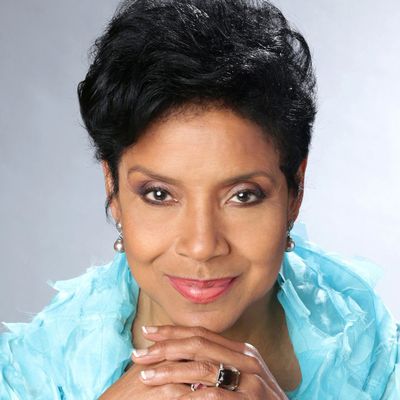
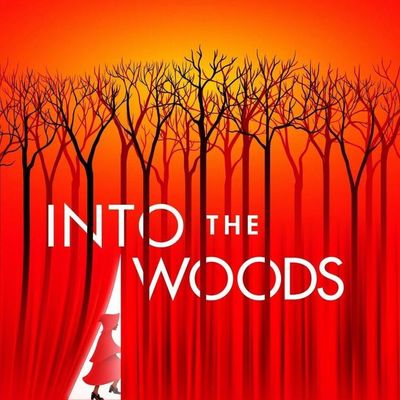
Phylicia Rashad recalls her happiness at being asked to audition for Into the Woods and recounts her embrace of the challenges of performing Stephen Sondheim's songs. Join host Ben Rimalower for this candid conversation exploring how Sondheim and Lapine went Into the Woods... Read More
From the show: Giants in the Sky
Guests
Featured Shows
About
Phylicia Rashad recalls her happiness at being asked to audition for Into the Woods and recounts her embrace of the challenges of performing Stephen Sondheim's songs. Join host Ben Rimalower for this candid conversation exploring how Sondheim and Lapine went Into the Woods.
Transcript
This transcript was automatically generated and might contain errors.
[0:00] Ben Rimalower: Broadway Podcast Network presents Giants in the Sky, how Sondheim and Lapine went Into the Woods with me, Ben Rimalower. Today's guest, Phylicia Rashad, Replacement Witch.
[0:12] Phylicia Rashad: Once upon a time. Phylicia Rashad was the first cast replacement in the original Broadway production of Into the Woods when she succeeded Bernadette Peters in the role of the witch, memorably performing selections from the show in a medley at the 1988 Tony Awards. She has won two Tony Awards for her performances in Dominique Morisseau's Skeleton Crew and Lorraine Hansberry's A Raisin in the Sun and was also nominated for August Wilson's Gem of the Ocean. She has also starred on Broadway in Cat on a Hot Tin Roof, directed by her sister, Debbie Allen, August: Osage County, Cymbeline, Jelly's Last Jam, Dreamgirls, The Wiz, and Ain't Supposed to Die a Natural Death. Her many off-Broadway credits include Michael John LaChiusa's Bernarda Alba at Lincoln Center Theater and several productions with the Public Theater, including Tony Kushner's production of Helen and Terrell Alvin McCraney's Head of Passes, for which she won the 2016 Lucille Lortel Award, as well as plays early in her career with the Negro Ensemble Company.
Best known for her role as Claire Huxtable on The Cosby Show and as Ruth Lucas on the CBS sitcom Cosby, she received the NAACP Image Award for Best Actress in a Comedy Series for both of these roles and has been nominated for two Emmy Awards in addition to numerous other laurels for her performances on film and television over several decades. She has received honorary doctorates from Brown University, Spelman College, and the University of South Carolina and spent the last few years as Dean of Howard University's College of Fine Arts.
[1:56] Ben Rimalower: Before this show, Into the Woods, came into your life, did you have an awareness of the show? Had you seen it? Had you heard about it? What was your relation to it prior to being an actor in it?
[2:12] Phylicia Rashad: I had seen it and I liked it. I enjoyed it. I thought it was brilliant. Yeah, it was, the writing needless to say, James Lapine had directed it and it was, I'm trying, I'm going back in my memory to that very day when I saw it and I just thought it was wonderful. What a weaving of tales, what a weaving of those fairy tales that we all used to, I don't know if children still are privy to this, I don't know if people still share these fairy tales with their children, but I loved what was happening in Into the Woods. Into the Woods, careful the things you say, careful you do, careful the tales you tell, children will look to you. Yeah, I loved it. I loved the performances. Oh my goodness, when we talk about artistic excellence, I mean, there it is.
There was, and here it is again. Yeah, truly. And so, and just for context, I mean, you know, so you'd started off in these Broadway musicals and well, I guess you'd started off off-off Broadway, but you had done Dreamgirls and The Wiz and now you were on the biggest TV show in America, in the world, and several years into that success, had you been itching to get back to Broadway? Were you coming into town to see shows a lot? Did you still have a place here? What was your relationship?
[4:15] Phylicia Rashad: I was still going to the Broadway theater to see shows, but I was working in theater and so what I was seeing was kind of limited, but there were things that I had seen that I wondered if I'd ever have the opportunity to perform on Broadway again and at that level of artistic challenge and excellence. I'm speaking specifically of having seen the opening night of Fences. Yes. I'm speaking specifically of having seen My Sister's Sweet Charity. Yes. I'm speaking specifically of work of this caliber because my work in the Broadway shows before, well, I was in The Wiz, yes, and that original production was incredible. Yeah. I mean, it's, I don't think enough has been written about it or documented about that original production.
When I see these books and films about Broadway musical, the history of the Broadway musical, I don't see The Wiz represented at all to my liking. And I write to people and I ask them, well, what happened? Why are you acting like this? Never happened because it changed the Broadway musical. The Wiz did change the Broadway musical. But so I was looking at work like that and wondering after having worked on television in such an iconic show and people begin to identify you with the character they see you play every week and they don't tend to see you beyond that. Thank goodness in theater, the casting is a little bit different. Yeah.
[6:10] Ben Rimalower: And had you even had the thought, I mean, if you're working on, I mean, I guess in those days, a TV series, you did like 26 episodes in a season. I mean, you were very busy that you could squeeze in a run in a play in your hiatus time. Was that even on the table?
[6:35] Phylicia Rashad: Well, I hadn't thought about it, but that's what happened with The Wiz. Yeah. I mean, with Into the Woods. Into the Woods. Yeah. That's exactly what happened. There came a time when there was a strike in television. Oh. There came a time when there was a strike and we had, let's see, knowing that this was going to happen, well, there was not a lot we could do. We finished out our season with two shows in Los Angeles and we returned to New York and then came the offer to audition, careful not words, but the offer to audition for Into the Woods. And I said, oh, yeah, I'll do that. And I did. And I was very happy. I think it was within half an hour, I received a call that said they would like for you to take over this role.
And okay, so it's kind of going to work like right away, you know, I in it. And there I was. And it was mind boggling to me because it wasn't just returning to Broadway, okay. It was going into a Stephen Sondheim musical. Yeah. Okay. I mean, you know, come on now, what are we talking about? I was speechless, you know, but I was so, so happy.
[8:23] Phylicia Rashad: So I started going to class because I had voice classes. This was something I continued all the while I was working in television, all the while we were in production with The Cosby Show. I still had my classes that I took, my vocal classes. But now, as opposed to taking them once a week, I took them every day. I was in class every day while I was working with Into the Woods. Again and again, from the best of the best that the study never ends. It never ends. And thank goodness it never ends. But that's what I did. That's what I knew I had to do to really be on par with the work itself and to be able to serve the cast and the work itself. I had to commit like that. And I love that kind of commitment. If you're going to get in, get in.
[9:27] Ben Rimalower: I mean, it would seem to me that this score, though, would not be a big departure from singing that you'd already been doing your whole career. I mean, you know, it's very, you know, humbling to hear you talk about, you know, the study and all that, but it seems like it was something you were well prepared to do already.
[9:48] Phylicia Rashad: Yeah, I was. Otherwise, they wouldn't have cast me. Yeah. Yeah, they would not have cast me simply because I was on a television show. They would never. Yeah, nowadays that happens more. But maybe that was a high bar. That would never have happened. Yeah. First of all, I found out later some particulars about the invitation to audition. Oh, originally, I had not been considered because they didn't know they meaning those creative directors with that show. Yeah. With that particular production did not know that I sang. Wow. They didn't know they knew me as Claire. They didn't know they knew me as Claire Huxtable. Yeah. Yeah. And they didn't know that I sang. They didn't know about. They didn't know about my work with interesting that they didn't know that I sang, but they didn't. Yeah. They wouldn't have known because I was in the chorus. I was.
[10:59] Phylicia Rashad: I was in the chorus of The Wiz. Who pays attention to somebody in the chorus? Big mistake. But they didn't know about that. They didn't know that I had had musical training from the time I was six years old. They didn't know that. How could they have known? So it was a pleasant surprise that I could sing.
[11:26] Phylicia Rashad: And what was the audition? The audition wasn't coming in singing a song that you prepared from your repertoire. No. The audition was coming in and learning. It's The Last Midnight and performing it. And you know, other people have said who played the role, including on this podcast Joy Franz, who was of course the stepmother, but was one of the understudies to The Witch. She said that that is the hardest part to sing in the whole show. And she cited specifically that song, The Last Midnight, as being a very big challenge musically.
[12:09] Phylicia Rashad: Well, the thing about Sondheim's writing, which I really love, is that all the movement of thought and all emotion is in every interval of a song. And that's how I learned it. I mean, where there's dissonance, there's dissonance for a reason. You know, I thought, you know, I learned it that way. I didn't think about it being musically challenging. What was challenging was with the limericks, the way he writes.
[12:49] Phylicia Rashad: Yeah. You have to stay ahead of every phrase. Yeah. While you're singing one phrase, you have to somehow be prepared to go to the next one, or you're going to get caught in something because it moves quickly. It moves so quickly.
[13:10] Phylicia Rashad: I really enjoyed that book. You're making me remember how much I enjoyed The Witch. Oh, it was good. Well, so many of us got to enjoy a little piece of your work in that because when you came into the production was before the Tony Awards that year. And so a little bit of it was preserved in that medley that you all performed that night. Was that something that was sort of part of the package of you coming into the show, that that was still going to be happening?
[13:41] Phylicia Rashad: Oh, I didn't know anything about that when I came into the show. I wasn't thinking about that. But I'm sure they were happy to have your presence as part of that. And was that something? Nowadays, there's so much sort of star casting on Broadway. And I mean, now all these decades later, you're as well known for being one of the legends of the theater as you were a television star at that time. But there's so much crossover now, and the marketing teams work so hard to get that word out to the fans so they can get more people into the theater. It seems like this was before that time period. Did you see that as happening at the time?
[14:30] Phylicia Rashad: Did I see what is happening? That they were reaching out to the fans of you from television to expand the audience of Into the Woods. If they had thought like that originally, they would have just extended the invitation for me to come, I think.
[14:47] Phylicia Rashad: Yeah. But someone informed them, oh, she sings. And they were going around about whom they would audition, you know. Someone put my name out there and they said, well, no, she sings. That's how that happened.
[15:07] Phylicia Rashad: As I'm recalling, the box office was all right. Yeah. To really pick up as I was getting ready to go back into production. And they asked me to stay. Yeah. I wondered, how could I do that? Yeah. In the studio and then come and do this at night? And, oh, no, I wouldn't last very long. Because I had a young child to take care of, too. My daughter was quite young at the time. She was not quite two. She was just before her second birthday.
[15:48] Phylicia Rashad: So I had to decline. But I hated leaving because I really loved being there. Yeah. Well, you've come back so many wonderful times. Another guest of the podcast was the casting director, Joanna Merlin, the late, great Joanna Merlin, sadly. And she was talking about something that for many of our listeners, it would be surprising now. But that this was considered such a groundbreaking, nontraditional casting to cast a Black woman in this show that had opened, you know, other than an understudy with this white cast.
[16:27] Phylicia Rashad: And, I mean, it sounds absurd, I think, maybe even to young people today. There's no reason that we would think of the witch as being white or not white on the paper, on the page. But was that something that – did you feel you were breaking ground to go into this show at the time?
[16:47] Phylicia Rashad: I hadn't thought about it. Yeah. I mean, it was somewhere after I got in there that it was brought to my attention that there had never been an African-American in a lead role in any Sondheim production. That was somewhere after I got in there. And I thought, oh, okay. Just like that. Okay. You know, okay. Good. Okay. And I still have to learn my songs.
[17:22] Phylicia Rashad: Yeah. You know. Yeah. This is okay. Well, you know, I'm happy we crossed that bridge. Yeah. Yeah. I mean, in some ways it seems like it would not be a big deal to us today. But in other ways, they still seem hung up on those categories. And even in the role of the witch, it feels like because you played it now so many productions, I mean, they cast an African-American actress in that role. It's like, oh, Felicia did it. It's okay. You know.
[17:54] Phylicia Rashad: And that's – I mean, the last two Broadway revivals were, you know, and, you know, we wished that maybe we would see that in some of the other roles, too. It's like they're scared to break new ground, you know. People are always scared of one thing and then another.
[18:14] Phylicia Rashad: Yeah. Yeah. Maybe, you know, maybe we can keep continuing to cross bridges and cross that one, too.
[18:23] Phylicia Rashad: Yes. Yes. Here's to that. So another thing that you did here in Into the Woods that I don't believe you'd done before was to replace an actor because you'd been in the original casts of Dreamgirls and The Wiz. And was that a rushed process for you? Because I know that for all the many roles that you've created on Broadway, you wound up doing other replacement memorably in Jelly's Last Jam and in August Osage County. Was that something that is a different thing you have to get the hang of, that sort of condensed process?
[19:00] Phylicia Rashad: Okay, so my original employment on the Broadway stage in Ain't Supposed to Die a Natural Death and The Wiz in Dreamgirls was as an ensemble member who was an understudy. It began with Ain't Supposed to Die a Natural Death in which I understudied four roles and rehearsed four roles every week.
[19:20] Phylicia Rashad: Yeah. With the understanding and intention and readiness to perform any one of them at the drop of a hat. So no. I mean, when I was in The Wiz, I showed up one day and you're on. Yeah. When I was in Dreamgirls, I showed up one day to work and you're on. So, you know, I, no, I just, it's part of theater. That's what it is. The theater is like this.
[20:14] Phylicia Rashad: And the show must go on. Yeah. So you have to be, you're going to be part of the show. Be part of that that makes it possible. Inevitable that the show will go on.
[20:34] Phylicia Rashad: Yeah. I suppose also maybe television is a good preparation for that because you're getting new scripts every week. And, you know, where theater actors are used to having a month or two months to work on a show, you're prepared to learn lines and put together the work like that.
[20:55] Phylicia Rashad: You have to be. Yeah. You have to be able to, because of my training and experience as an actor, you have to be able to invest in it. So you're not just on stage saying lines and moving from one spot to the other. You must engage with the actors who have been doing this every single day, and you must engage with them in such a way that they are confident they can move through this performance with you that you're all together.
[21:32] Phylicia Rashad: You know, they're not trying to cover for me. Naturally, whether we're working with understudies or with a regular ensemble theater, things happen in theater, all the time. Unexpected things happen in the middle of a scene, all the time. And we work together to move through them together.
[21:57] Ben Rimalower: That's what I love about theater. You know, it's collaboration. Yeah, in real time. Collaboration in real time. And, you know, I noticed all these years later, you were so easily able to quote back the lyrics of "Children Will Listen." Clearly, this piece, you know, imprinted upon you in this deep way. And I'm curious, at the time, did you have a sense that the show would have the kind of legacy? I mean, even when we talk about Stephen Sondheim, I think that prior to "Into the Woods," it was more of a cult favorite composer, esoteric, small reach. And I think "Into the Woods" has expanded that so much over the years. And was that clear in that original production while you were doing it, that it would have that impact?
[22:53] Phylicia Rashad: Well, it was a Sondheim musical. And I can't think of a lot of them that don't. "Sweeney Todd," "Sunday in the Park with George," come on, "Assassins." His "Follies," this is, you know, this is what his work does. It just does that. So it wasn't a, I never thought about it. I, what I, what I'm thinking, when I'm engaged in a work, I seldom am I thinking about what it will mean 10 years from the time I'm doing it. I'm so invested in doing it in the time that I'm in it. That's where my focus is.
[23:35] Ben Rimalower: Yeah. Well, I'm sure the audience appreciates that. And, you know, you speak so fluently about all these Sondheim shows. I'm curious if there were other Sondheim roles that you ever would have liked to play or would still like to play. Is that something that's on your list?
[23:56] Phylicia Rashad: No, no, I just, I just love the music. Yeah. I just love the music. I do.
[24:12] Ben Rimalower: Are there other Sondheim songs that are particular favorites of yours?
[24:17] Phylicia Rashad: "Here's to the Ladies Who Lunch." Yes. I love it. I love it. Uh-huh.
[24:28] Ben Rimalower: Well, I would love a Phylicia Rashad version of that.
[24:32] Phylicia Rashad: Absolutely. Thank you.
[24:36] Ben Rimalower: Do you do many concerts? I mean, I know that your voice is still strong. I've heard you even just in interviews, casually belt out a little bit. I can see it's all there.
[24:50] Phylicia Rashad: Oh, no, I haven't had time for that.
[24:53] Ben Rimalower: Yeah, yeah. You're a busy actor.
[24:58] Phylicia Rashad: I've been deaning, you know?
[25:00] Ben Rimalower: Yes, yeah. I know that Howard University has a lot of use for you as well. But I did come across the "Josephine Baker Superstar" album on YouTube.
[25:15] Phylicia Rashad: Okay.
[25:16] Ben Rimalower: Well, I loved it. I thought, I mean, where was the rest of the Phylicia Rashad disco career? I needed that.
[25:22] Phylicia Rashad: Well, now.
[25:30] Ben Rimalower: Well, now.
[25:36] Phylicia Rashad: That was an interesting juncture in life. I love it. That was interesting.
[25:45] Ben Rimalower: Yeah. Well, you know, when you're done being a dean, you know, if you find the time to do more concertizing, I know that your Broadway fans will eat up that, any singing that you want to do.
[26:02] Phylicia Rashad: Thank you very much. Ladies who lunch or otherwise.
[26:07] Ben Rimalower: And I'm curious if you've been back to see any of the subsequent productions of "Into the Woods" over the years.
[26:14] Phylicia Rashad: I saw "Into the Woods" on Broadway with Vanessa Williams.
[26:19] Ben Rimalower: Oh, yes. Wonderful.
[26:20] Phylicia Rashad: But James Lapine directed that one as well. I saw that. I did not see the one at Signature. I'm sorry that I missed that because I know that that was extraordinary.
[26:31] Ben Rimalower: Yeah.
[26:33] Phylicia Rashad: Now that's one that I really, really would have loved to have seen. I'd like to see it in these settings like this. But I understand that your cast was impeccable.
[26:47] Ben Rimalower: You're talking about the one at City Center?
[26:52] Phylicia Rashad: No, the one for which I did the voiceover.
[26:57] Ben Rimalower: Oh, at the Signature Theater in D.C.
[27:00] Phylicia Rashad: Oh, yeah. Virginia.
[27:02] Ben Rimalower: Yes. Oh, pardon me.
[27:03] Phylicia Rashad: Outside D.C.
[27:04] Ben Rimalower: Yeah. Yes, you were the giant in that production.
[27:10] Phylicia Rashad: Yes, I got to be the giant.
[27:12] Ben Rimalower: Oh, now I want to see that one, too. And it is done so often. I mean, it seems to be the most perennial of all the Sondheim shows. And I think maybe because of the family themes that, you know, and children can relate to the... Even if the kids today don't know the fairy tale characters like we did, that's still something that's more accessible. But I'm sure there'll be more opportunities to see it. Maybe they can recycle your giant voiceover for the next one as well.
[27:46] Phylicia Rashad: Oh.
[27:50] Ben Rimalower: Are there any other musical projects that we would be interested in seeing? I mean, I know that you're doing a lot of musicals. I know that you're doing a lot of musicals. Are there any other musical projects that we would be interested in that haven't come to fruition? That have been sort of, you know, you've been so busy with all the straight plays on Broadway and all the television and film stuff. But for the musical theatre fans of Phylicia Rashad, are there any things that we should have almost rans?
[28:30] Phylicia Rashad: No. No. No. No. Not at the moment.
[28:34] Ben Rimalower: Well, we'll continue to hope for that. Is there anything else that you particularly remember? You talked about being invested, you know, each night in doing the show. How that's such the joy of theatre. Anything can happen. Are there individual occurrences during your run of "Into the Woods" that stick out in your mind particularly?
[28:58] Phylicia Rashad: Something happened offstage in my dressing room. As I said, my daughter was approaching the age of two. The great Condola Rashad. The great Condola Rashad. So she was with me and she had fallen asleep. And when she fell asleep, I put the makeup on for the witch. And I blackened my tooth. And I put on all the weird witchy makeup on my face and the wig. And she woke up. And when she saw me, she screamed. She was scared out of her mind. And I said, no, no, no. It's mommy. It's mommy. And that made her scream even louder. And I was saying, oh, God. But I just kept talking to her, you know. And I said, see, it's just makeup. And I had to take a few pieces off and say, see, it's mommy. It's really mommy.
She was a little girl. She was, I think she was two. I think this was for her third birthday, as I'm recalling. Yeah, she was two. And she loved the cow. She would watch the show and she loved the cow. Milky White, she loved the cow. She loved that part of the story the most. And she used to listen to the recorded album every day. Wow. She wore that, it was in a CD. She wore that thing out. She loved it. She absolutely loved the music. Yeah, she did. You're making me remember all these things.
[31:58] Phylicia Rashad: Oh, so cute. And how about anything specific about working with Stephen Sondheim or James Lapine?
[32:15] Phylicia Rashad: Stephen was always very supportive. And he corrected some phrasing. And I appreciate it. Yeah. And he wrote me a very lovely note. As I was leaving. And James Lapine was, he was just a gentle man who was a joy to work with.
[32:40] Ben Rimalower: Well, that's nice. Listen, people have a lot of stories of harsh criticism from both of those guys. So they must have loved you to have been kind.
[32:50] Phylicia Rashad: I don't think that they were ever anything less than upfront with their opinions. But no surprise.
[32:58] Ben Rimalower: Well, thank you so much. It is so incredible to get your perspective from that time. I know it was so long ago. But just even the little tidbits are a pleasure to hear from you.
[33:14] Phylicia Rashad: Thank you so very much for inviting me to join you today. I wish you the best in this new year.
[33:20] Ben Rimalower: Thank you so much. The same to you, to you and your family. And I will look forward with bated breath to the next time I get to see you on Broadway again.
© Broadway Podcast Network, All Rights Reserved