

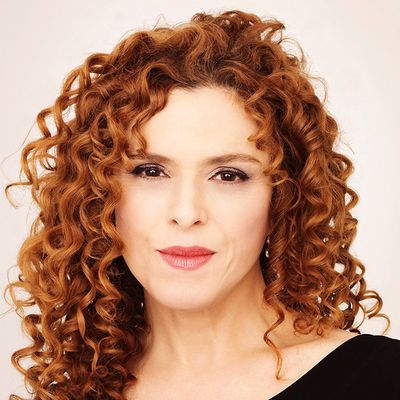
Bernadette Peters opens up about when she first fell in love with Stephen Sondheim's songs and how James Lapine pulled her back from the broad comedy she initially brought to the role of the Witch... Read More
From the show: Giants in the Sky
Guests
Featured Shows
About
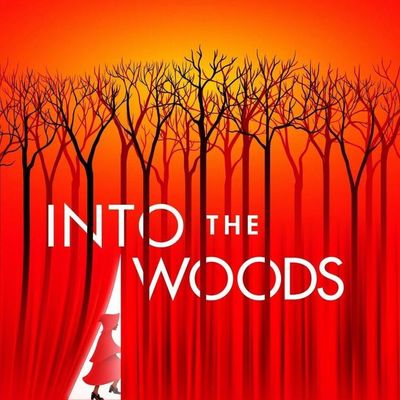
Bernadette Peters opens up about when she first fell in love with Stephen Sondheim's songs and how James Lapine pulled her back from the broad comedy she initially brought to the role of the Witch. Join host Ben Rimalower for this candid conversation exploring how Sondheim and Lapine went Into the Woods.
Transcript
This transcript was automatically generated and might contain errors.
[0:00] Ben Rimalower: Broadway Podcast Network presents Giants in the Sky, How Sondheim and Lapine Went Into the Woods, with me, Ben Rimalower. Today's guest, Bernadette Peters, the Original Witch.
[0:12] Ben Rimalower: Once upon a time... Bernadette Peters created the role of the Witch in Into the Woods on Broadway. Her extensive resume can no doubt be recited at will by most of the listeners of this podcast. She also created the dual role of Dot and Marie in Sondheim and Lapine's previous collaboration, Sunday in the Park with George, and went on to star in Broadway productions of Sondheim's Gypsy, Follies, and A Little Night Music, as well as the Carnegie Hall concert version of Anyone Can Whistle, City Center's Sondheim-Wynton-Marsalis collaboration A Bed and a Chair, and most recently the West End hit, Sondheim's Old Friends. She's got three Tony Awards, having been nominated seven times for her legendary Broadway career, including performances in Hello, Dolly!, Annie Get Your Gun!, The Goodbye Girl, Song and Dance, Mac and Mabel, On the Town, La Strada, and George M., as well as her star-making performance in the off-Broadway smash, Dames at Sea.
She won the Golden Globe for her performance opposite Steve Martin in Pennies from Heaven, also co-starring with him in The Jerk. She was nominated for a Golden Globe two more times for Mel Brooks' Silent Movie and Norman Lear's All's Fair. Her other film roles include It Runs in the Family, Impromptu, Alice, Pink Cadillac, Slaves of New York, Annie, Heart Beeps, and The Longest Yard. She's been nominated for four Emmys, and her many television credits include Zoe's Extraordinary Playlist, The Good Fight, Mozart in the Jungle, Smash, Ugly Betty, Will and Grace, Ally McBeal, All in the Family, Maud, Animaniacs, Fairytale Theater, The Muppet Show, Saturday Night Live, The Sonny and Cher Show, The Carol Burnett Show, The Ed Sullivan Show, and Inside the Actor's Studio, along with television productions of the musicals George M., Once Upon a Mattress, and Cinderella.
She's a sought-after talk show guest, seen on nearly every program produced over the last 60 years, including frequent turns as a guest host on Live with Kelly and Mark, and her 33 appearances on The Tonight Show with Johnny Carson. She's recorded seven solo albums, for which she's received three Grammy nominations, in addition to appearing on over a dozen cast recordings. She toured in concert with Peter Allen, and continues to sell out solo shows at the greatest venues around the world, including Radio City Music Hall, Carnegie Hall, the Hollywood Bowl, and the Sydney Opera House. Peters is the author of three children's books, supporting her work as co-founder of Broadway Barks, and has been extremely active on behalf of several charities, including serving on the board of trustees of Broadway Cares' Equity Fights AIDS.
[3:02] Ben Rimalower: My impetus for doing this podcast was James Lapine's wonderful book, Putting It Together, which was that oral history of Sunday in the Park with George. And I just wanted that kind of granular play-by-play of the creation of that show. And Into the Woods is such a landmark show, and especially because of that incredible American Playhouse broadcast that you all did, that James Lapine directed so beautifully, preserving that production. And so many generations, that was really a gateway to Sondheim, to musical theater. And it's the internet generations. Nowadays, everything is online, for better or for worse. But all of the development of Into the Woods happened before that, and so those questions have not been answered.
And I can just tell you that for me, personally, when I was just getting into theater in middle school, and Phantom and Les Mis were all the rage, and Sondheim had this feeling of being, I don't know, intimidating or intellectual. And when I turned on Into the Woods, and there were you, who was this star that I had loved, and Annie, and The Jerk, and Silent Movie, and Fairytale Theater. I mean, it was just such an accessible experience that really was my gateway. And so it's, anyway, it takes the cake to be working on this podcast and get to chat with you. Thank you.
[4:38] Ben Rimalower: So, you know, I know I'm not alone, that for anyone looking at musical theater in the last 40 years, your name is, you know, very much linked with Sondheim, almost inseparably. But I'm curious about your relationship to him as either an artist or a person before Sunday in the Park with George and Into the Woods. I mean, you famously toured as a Hollywood blonde, and later played June in Gypsy with Sondheim lyrics in the 60s, early in your career. And I've seen clips of you in the 70s doing an occasional Sondheim song, there was Barcelona and Broadway Baby. And I'm curious if there were other intersections, you know, did you know him? Did you see him at parties? Did you see his shows and think, I gotta do one of these? Or were you considered for the original production of Follies or A Little Night Music or something? You know, where were you in the Sondheim world?
[5:28] Bernadette Peters: I think when Follies original production, what year was that? I may have still been in high school. What year was that?
[5:34] Ben Rimalower: 1971.
[5:36] Bernadette Peters: Oh, no, I was out of high school. But yeah, I would have been 22. Well, there's the young ones and the old ones. Yeah. No, I wasn't. I don't know where I was, what I was doing. But I have to tell you, the first time I got kind of swept away by his music, I was in London doing either The Muppets or I did a special there with a Beatles special, if you can believe it. And we went to see Side by Side by Sondheim with Julia Mackenzie. And, you know, and the next day, I couldn't get the music out of my head. You know, and he was, they used to say years ago, oh, you can't hum one of his tunes. Well, I couldn't get the music out of my head. It was so wonderful and still permeating and stayed that way since then.
So and then I remember I ran into him once at Joe Allen's. I was at a table and he knew somebody at the table and he sat down with us. And that was it, basically. Although I have to say there was another, I didn't meet him that night. But are you aware that he there are people that other writers that he wish he had written a song and he has a whole list of? Yeah, that was wonderful. Yeah. One is Irving Berlin, who, you know, can't get a man with a gun. And one is a song charmed by William Roy. Now, I was in a William Roy show called The Penny Pendant. Yeah. Off Broadway. And I think Steve, at that point, you know, knew about Billy because he loved that song. And he also was friends with the scenic designer.
I think his name was Ben Schechter. And I found out later that Steve had been to the show and had loved the show. And but I didn't meet him that night. So he was always the future was calling me. It looked like, you know.
[7:48] Ben Rimalower: Well, and in Putting It Together, James very generously shared the struggles that he went through to shepherd that show through like a strenuous process, of course, to a legendary triumph in the end. And several of the cast members of Into the Woods that I've talked to have commented on your good energy and your professionalism and the way that you led the company through the Into the Woods rehearsals and previews. And I'm curious, how did your experience through those ups and downs on Sunday prepare you? Was it a matter of just the confidence and trust you had in Sondheim and Lapine? Or, you know, how did that impact your experience in Into the Woods having done Sunday with them?
[8:31] Bernadette Peters: Yes, I think that was exactly it. You know, I had such a beautiful experience on Sunday that I just would, you know, do. And I learned so much about life. And I said, OK, I'm ready for my next experience. And so I said, absolutely, I would love to be in it. So and then I knew I had such confidence in what they write and, you know, what they're about. So.
[9:04] Ben Rimalower: Well, so do you remember when you first heard that their next project was going to be this fairy tale mashup musical?
[9:09] Bernadette Peters: I think they were, Steve had allegedly talked about what he was writing it, and I think he kind of hinted that he wanted me to be, you know, he was thinking of me as Cinderella. You know, I remember one or two times that passed through and then I never heard about it anymore because Cinderella ended up being a soprano. And somehow I ended up in the show eventually when I came to New York. Yeah. So you didn't see like the workshop at Playwrights Horizons when you were doing Song and Dance?
[9:43] Bernadette Peters: No, no, I didn't see any of it. Uh. And then I mean, because this has really been the great mystery to me thinking about this show that, you know, of course, for all of us who only know the finished product, you are so imprinted on this material. It's hard to imagine it, you know, not having been a Bernadette Peters role. So when I think back that they were doing their next show after Sunday in the Park with George just two years later and, you know, did it really why did it take so long? They had to go to San Diego and come back. Was there was there no talk before you got involved that maybe this could work out at some time?
[10:26] Bernadette Peters: No, none. No, I didn't even realize they were out in San Diego. You know, they were out in San Diego. And then on the way back, then I got a call from James and I just, you know, was like, yeah, I'd love to be in it. So no, not at all. Not at all. I, you know, I don't know if they didn't see me as the Witch at first and then they did. I'm not even sure why. But anyway, that's that's the way it went. It's also somebody else, R.J. Cutler, who had been James's assistant. He had thought that maybe something changed where maybe they had always wanted you, but your availability changed where all of a sudden you could do it when they hadn't thought you could before. Is that ring a bell?
[11:09] Bernadette Peters: You know, I'm not I I'm I don't remember. I don't I'm not clear on that. I don't remember that. And I wonder if I don't know. It's not ringing a bell, but it could be doing something else. And then I was free. But I don't remember that quite that scenario. I'm not quite sure. Yeah, I don't remember that.
[11:34] Ben Rimalower: That's why I'm not doing this a moment too soon. I mean, it's just everybody's memories. I mean, because I always wondered because I know you did not stay in Into the Woods on Broadway very long and you had left in the spring and you did two movies that I was a fan of at the time, Pink Cadillac and Slaves of New York. So I wondered if maybe one of those or both of those had been the reason that you couldn't stay longer in the Broadway production.
[12:01] Bernadette Peters: Yes, I left the show to go do Slaves of New York. Yeah. Because then when R.J. said that, I thought, oh, maybe Slaves. This was me trying to do the, you know, calculate. I said maybe Slaves of New York got postponed and now she could do it. And that was the deal.
[12:21] Bernadette Peters: Yeah. No, I mean, to be really honest, I don't remember them ever offering it to me before that they did offer it to me and I went into it, but I would never swear. I mean, now I need a time machine. I want to go back and tell them in that original production of Follies to get you and then Into the Woods in San Diego. But also there was like a workshop they did right before the Broadway rehearsal started. Did you, were you able to get to see that before you came on board yourself?
[12:52] Bernadette Peters: No. And, you know, again, I don't know exactly where I was. I don't know if I was not invited. I don't remember if I was out of, you know, if I was out of town, but I did not see it and was not even, I don't even think I was aware they were doing it.
[13:13] Bernadette Peters: So, you know, see, that's the thing. Nowadays, it would be on Playbill.com. We would all know everything. But then if you didn't, if you weren't involved. Right. That's right. That's right. Now there's no secrets. There's no secrets. Not at all. So also then.
[13:28] Ben Rimalower: Paul Ford was telling me that once you were joining the cast, that before the actual rehearsal started, there was like a reading at a townhouse just to get everybody together. Maybe there was a new version of the script or something, and that was the first time he remembers you being, you know, with everybody. Does that ring a bell?
[13:49] Bernadette Peters: That sounds familiar. I had to go back in my brain and try to think, oh, that photo sounds familiar to be in that setting. Yes, yes. He was adamant that it was not Sondheim's townhouse. It was some other mysterious townhouse.
[14:07] Ben Rimalower: Maybe a producer or something.
[14:09] Bernadette Peters: Yeah, yeah. Producers do have townhouses. That's very possible. But so then getting into the actual material, one of the things that stands out so much of your performance that is so honestly iconic to so many people now is the comedy. And it's such an incredible feature of the show, and specifically your performance, how much that enriches that, especially in the first act. And there's a clip on YouTube of you doing the Greens rap and other cast members doing some other of that section of the show in a rehearsal studio that maybe the press was invited to. I don't know if it was New York One or something like that, you know, probably right before you moved into the theater. And it was notable to me to see that, that it was less funny. And I was wondering if that comedy took time to develop, or was it a new direction, a new choice that you made later in the process? Do you remember what that was like?
[15:15] Bernadette Peters: Well, I, my intention was to do it very broad at first, and James, and he was correct, did not want me to do that. Because the witch actually carried the words of wisdom, especially at the end, when she sang The Last Midnight. And she was the word, she just was why, you know, why? So throughout, so as the show went on, I found where the comedy could be. And still, you know, keep who the witch was with a, rather than do it like a clown with a lot of, you know, takes, just to do it, have a sense of humor in the scenes, make the scene, you know, figure out where the sense of humor was. And yet she still is very clear and sincere about life and what it's about.
[16:18] Ben Rimalower: And then other than the comedy, do you remember other ways in which the witch evolved either, either in the script or score or just in your performance?
[16:28] Bernadette Peters: Well, I remember that Lars Ljubovic, our choreographer, the first week of rehearsal, two weeks, would tie me up every morning. Because I was supposed to be all hunched over and crippled. So every morning, he'd tie me up in ropes. And I go, oh my God, until finally he said, you got it, we don't have to tie you up anymore. You graduated.
[16:51] Ben Rimalower: Wow. Wow. And you mentioned The Last Midnight, which I know was added sort of late in previews and that you originally had this song, Boom Crunch. And Betty Buckley, who had done that workshop of Into the Woods, has talked about how much she struggled with that song and, of course, we got the wonderful Last Midnight by the time the show opened. Do you remember struggling with Boom Crunch or what was it that Last Midnight had that Boom Crunch didn't?
[17:36] Bernadette Peters: I think there might have been more wisdom in The Last Midnight than just Boom Crunch being scary and a bit vindictive. But The Last Midnight, trying to get them to give up the boy in the song and trying to just impart some wisdom on them. And then, of course, they don't do it. And she basically sort of throws up her hands and goes back down to the hell.
[18:12] Ben Rimalower: The hell or the basement of the Martin Beck.
[18:12] Bernadette Peters: Exactly. Well, and the other song that was cut that I have absolutely loved hearing people's stories about was the epic company number of Second Midnight. Do you remember that song?
[18:27] Bernadette Peters: No. Did we do it in New York?
[18:30] Ben Rimalower: Yeah. Supposedly, there's a clip from a preview of it, although I guess people said it was maybe for one performance, but it was an incredibly long, complicated group number that you certainly sang and most of the cast sang with the parents and the children. And bits and pieces of it went into eventually Children Will Listen. Because I remember that there was always the One Midnight Gone and we were all doing that with funny lines that would come, you know, especially Barbara Bray. Barbara Bray was wonderful, you know, and it was wonderful. But I don't remember the, you know, I let it go.
[19:15] Bernadette Peters: Yeah, that's probably healthy. Somebody sent me Gene Luisa Kelly, who played Snow White and was one of the understudies. She sent me a clip of it. She sent me a picture of a T-shirt, I guess, that Tom Aldridge had given out that said Second Midnight Gone after the song was cut.
[19:40] Ben Rimalower: Oh, that's funny. That's great. Second Midnight Gone. What about the other changes to the show? I mean, one thing that seems so delicate and exquisite in the final show that we know and love is the tone. You know, it's really interesting to hear you talk about the wisdom and, you know, for example, in the last midnight, as opposed to, you described the more vindictive quality of Boom Crunch. Was that something that you saw Lapine and Sondheim, you know, sort of trying to figure out as you went? Or was it more like Lapine had it in mind and just had to shepherd everybody to get there?
[20:27] Bernadette Peters: You know, to be perfectly honest, I don't know. You know, when you have such an intense song like Boom Crunch, you're just trying to be in it and make it work. And then they said, now we're going to give you a different song. And I went, oh, really? And then I said, I've almost got it. I just need to, you know, you know, by the end of the week. And he said, no, you don't have the end of the week. The critics are coming tomorrow. So you have to get it.
[20:50] Ben Rimalower: Wow. I remember when I did perform it, finally perform it, the wings were full, the cast were all in the wings, like, you know, looking out, you know, and I had to like blank them out and just stay in my lane. I mean, wow. I mean, well, we're grateful they put you through that, even if it was hard for you at the time. How about Children Will Listen? I know that that at least had not been in the earlier workshops in San Diego and all that. Was that something that came to you at all later in the process? When did he put that in?
[21:40] Bernadette Peters: I think, didn't he add that after Rapunzel died, then he added a section in there?
[21:48] Ben Rimalower: That's right. With the lament. Yeah. It's kind of like Children Will Listen. Yeah.
[21:53] Bernadette Peters: Yeah. The lament. But I do think the end had Children Will Listen in New York.
[22:03] Ben Rimalower: Yeah. Yeah. Well, and then speaking of the end, you had been gone from the show for some time when you came back to film it for American Playhouse. And one thing that I learned doing this podcast that I hadn't necessarily known before is that it wasn't just a random night in the show, that in fact, you had left and several other of the cast members had left. And I think that partly explains the kind of rock concert response you get from the audience that's so magical on that video. But I'm wondering, besides the audience, was there anything different about revisiting the show having been away for a while?
[22:42] Bernadette Peters: Oh, yeah. It's great because you know it so well now and you can just, you know, you're not hanging on every word. You understand what you've seen is so much better and you're just letting it fly. And even to that point when we did the reunion at BAM and then out in Los Angeles, that was like 29 years later where that is such a privilege to have lived 29 years more and bring all that knowledge of life back into a wonderful role. So that's a wonderful thing to do, a thrill.
[23:28] Ben Rimalower: I've heard you talk about that kind of experience of Sondheim's music and lyrics specifically before in other interviews. And it's really interesting to hear you say that in the context of revisiting a show that you created years before, you know, really drives home. I think what is so apparent to so many people is like you say, the wisdom of Sondheim's work. And I love knowing that that was something that grew for you in coming back to it. I'm also curious about that video. You're obviously an extremely experienced film and television actor. And did that inform doing different things in those film performances of Into the Woods?
[24:12] Bernadette Peters: No, because I still knew I was on the stage and I knew, I didn't think that we were in close up or anything like that. I think that, you know, when you're in a scene, I was pretty sure that we're going to have everybody in the scene, in the frame. So for me, it was just still stage work, but more focused, I think, on making what each scene was about.
[24:45] Ben Rimalower: Yeah, right. And well, the other thing I loved seeing on YouTube was that when you did that 10th anniversary concert, you sang the Witches duet with Rapunzel, Our Little World, that had been written later for Julia McKenzie in the London production. Did you love that? Did you wish that you'd had it in the first time around?
[25:02] Bernadette Peters: Well, you know, you can't look back, you know, over your shoulder. You just have to do, I was just trying to be in the moment that night. So I'm learning a new song. So I, it wasn't like, oh gosh, I wish I just was trying to make it work. And a lot of times when you have a new piece of material, it has to settle in and you only get to do it one night. So it doesn't, it doesn't get to settle in the same way.
[25:36] Ben Rimalower: Well, I hope you'll sing it again sometime and let it settle in. Pretty good on that YouTube video. You've actually done a bunch of the other character songs from Into the Woods out of context at various points. Most recently, I Know Things Now in the Old Friends on the West End. And of course, in your Sondheim Etc concerts, Hello Little Girl, and many different times in many contexts, different albums, your definitive version of No One Is Alone, including on the Sondheim 90th birthday live stream at the beginning of the pandemic. And I think about these Sondheim scores that have so much integrity where the songs really are of a piece from a particular show, whether it's Into the Woods or Follies or whichever. And I'm wondering if when you sing the Wolf's music on one occasion, does that change your understanding of singing Little Red Riding Hood's music on another?
[26:18] Bernadette Peters: Um, not really, because, uh, well, when I did the Wolf song, I did it with, uh, anything can, the Prince's song can happen in the woods, may I kiss you. So that was a whole other thing. Um, each, each song is unto itself, it's all for me.
[26:56] Bernadette Peters: I remember the first time I heard Stephen Sondheim's music. It was just so beautiful, and it resonated with me deeply. I fell in love with it immediately.
[27:26] Bernadette Peters: When I was preparing for the role of the Witch, I initially approached it with a broad comedic style. But James Lapine, the director, really helped me refine that. He pulled me back and encouraged me to explore the depth of the character.
[27:51] Bernadette Peters: It was a process of discovery for me. I had to learn to balance the humor with the darker elements of the Witch's character. Sondheim's music really guided that journey.
[28:11] Bernadette Peters: The Witch is such a complex character. She has her own vulnerabilities and desires, and I wanted to portray that authenticity.
[28:31] Bernadette Peters: I remember working on "The Last Midnight." It was one of those moments where the music just took over, and I felt completely connected to the character.
[28:51] Bernadette Peters: Sondheim's lyrics are so rich and layered. They provide a roadmap for the emotional journey of the character.
[29:11] Bernadette Peters: I think what makes "Into the Woods" so special is how it intertwines the stories of these fairy tale characters. Each one has their own arc, and the Witch's story is no exception.
[29:31] Bernadette Peters: The collaboration with James was crucial. He had a vision for the show that really brought out the best in all of us.
[29:51] Bernadette Peters: I remember the first time we did a run-through of the show. There was such an electric energy in the room. It felt like we were creating something truly magical.
[30:11] Bernadette Peters: The audience's reaction was incredible. They were so invested in the characters and the story. It was a testament to the power of Sondheim's music and Lapine's direction.
[30:31] Bernadette Peters: I think the Witch resonates with audiences because she embodies the struggle between wanting to protect your loved ones and the sacrifices that come with it.
[30:51] Bernadette Peters: There’s a vulnerability to her that I think people can relate to. She’s not just a villain; she’s a mother trying to do what she thinks is best.
[31:11] Bernadette Peters: I also loved the challenge of singing Sondheim's music. It requires such precision and emotional depth.
[31:31] Bernadette Peters: Each song is a journey in itself, and I had to find the truth in every note and lyric.
[31:51] Bernadette Peters: I remember feeling nervous before performances, but once I stepped on stage, it all melted away. The character took over, and I was able to lose myself in the role.
[32:11] Bernadette Peters: The experience of performing "Into the Woods" was transformative for me. It taught me so much about storytelling and character development.
[32:31] Bernadette Peters: I think that’s what makes theater so powerful. It allows us to explore complex emotions and situations in a way that resonates with people.
[32:51] Bernadette Peters: I feel so grateful to have been a part of such an iconic production. The legacy of "Into the Woods" continues to inspire new generations of artists.
[33:11] Bernadette Peters: Working with such talented people, both on stage and behind the scenes, was a gift. It was a true collaboration.
[33:31] Bernadette Peters: I think the themes of the show—loss, desire, and the consequences of our choices—are universal. They resonate with everyone in different ways.
[33:51] Bernadette Peters: I hope that audiences continue to find new meanings in the show, no matter how many times they see it.
[34:11] Bernadette Peters: The Witch's journey is one of growth and understanding. She learns to let go and embrace her own flaws.
[34:31] Bernadette Peters: I think that’s a lesson we can all take to heart. We’re all flawed, and that’s what makes us human.
[35:01] Bernadette Peters: I cherish the memories of performing in "Into the Woods." It was a defining moment in my career.
[35:21] Bernadette Peters: The music, the story, the characters—they all came together to create something truly special.
[35:51] Bernadette Peters: I look back on that time with such fondness. It was a magical experience that I will always treasure.
[36:11] Bernadette Peters: I think the impact of "Into the Woods" will be felt for many years to come. It’s a timeless piece of art.
[36:32] Bernadette Peters: I’m proud to have been a part of it, and I hope to continue sharing that story with audiences.
[36:42] Bernadette Peters: The legacy of Sondheim and Lapine is something that will continue to inspire artists and audiences alike.
[37:12] Bernadette Peters: I believe that art has the power to change lives, and "Into the Woods" is a perfect example of that.
[37:42] Bernadette Peters: I’m excited to see how future productions interpret the material and bring their own unique perspectives to it.
[38:12] Bernadette Peters: Each generation brings something new to the table, and that’s what keeps the work alive and relevant.
[38:42] Bernadette Peters: I think it’s important to keep the conversation going about these themes and how they relate to our lives today.
[39:12] Bernadette Peters: I’m grateful for the opportunity to share my experiences and insights about the show. It’s been a joy to reflect on that time.
[39:42] Bernadette Peters: I hope that listeners feel inspired to explore their own creativity and embrace their unique voices.
[40:12] Bernadette Peters: Thank you for having me on this journey through "Into the Woods." It’s a story that will always hold a special place in my heart.
© Broadway Podcast Network, All Rights Reserved