

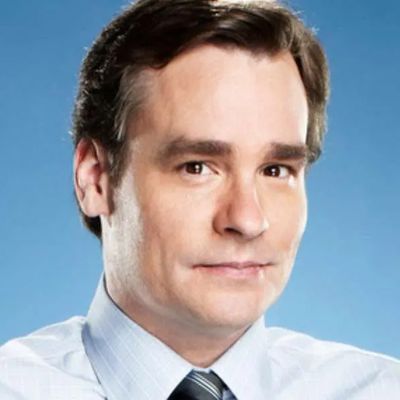
Robert Sean Leonard remembers working on the early incarnation of Into the Woods and how James Lapine told him he wouldn't be going forward with the show. Join host Ben Rimalower for this candid conversation exploring how Sondheim and Lapine went Into the Woods... Read More
From the show: Giants in the Sky
Guests
Featured Shows
About
Robert Sean Leonard remembers working on the early incarnation of Into the Woods and how James Lapine told him he wouldn't be going forward with the show. Join host Ben Rimalower for this candid conversation exploring how Sondheim and Lapine went Into the Woods.
Transcript
This transcript was automatically generated and might contain errors.
[0:01] Ben Rimalower: Broadway Podcast Network presents Giants in the Sky, How Sondheim and Lapine Went Into the Woods, with me, Ben Rimalower.
[0:08] Ben Rimalower: Today's guest, Robert Sean Leonard, Jack in the Playwrights Horizons Workshop.
[0:13] Ben Rimalower: Once upon a time.
[0:19] Ben Rimalower: Robert Sean Leonard played Jack in the workshop of Into the Woods at Playwrights Horizons, and the dual role of Jules and Bob in the most recent Broadway revival of Sunday in the Park with George. He won the 2001 Tony Award for Best Featured Actor in a Play for his performance in Tom Stoppard's The Invention of Love, and was also nominated in the same category for Candida and Long Day's Journey Into Night. His other Broadway credits include Born Yesterday, The Violet Hour, The Music Man, The Iceman Cometh, Arcadia, Philadelphia, Here I Come, The Speed of Darkness, Breaking the Code, and Brighton Beach Memoirs. In 2018, he won an Obie for Edward Albee's At Home at the Zoo, Home Life and the Zoo Story. He recently played the ill-fated Reverend Matthew Forte on The Gilded Age, and was Dr. James Wilson for all 176 episodes of House. His many roles on film include In the Gloaming, The Age of Innocence, Much Ado About Nothing, and Dead Poets Society.
[1:17] Ben Rimalower: Well, I'm very excited to talk to you because I know that your involvement in Into the Woods was really at the earliest stages of which there is the least information available anywhere. People's memories are so hazy.
[1:34] Robert Sean Leonard: Well, it's also at the earliest part of me as well.
[1:36] Ben Rimalower: You were in high school, I think, at the time. Is that right?
[1:43] Robert Sean Leonard: What year would that have been? Was it '85? I don't remember.
[1:46] Ben Rimalower: Well, maybe. So I know that you – well, I believe by a lot of sources that you were in a workshop at Playwrights Horizons in June of '86.
[2:01] Robert Sean Leonard: Okay, '86. So I was 15. Yes, I was still in high school. I dropped out at 16.
[2:09] Robert Sean Leonard: So I was in high school. I must have just done this play with Cynthia Nixon at the Perry Street Theatre called Sally's Gone, She Left Her Name. It was my very first play in New York. I had understudied a play at the Public Theatre before that, but I was definitely a kid actor. There were more successful ones, certainly, around.
[2:27] Robert Sean Leonard: And I don't recall how I got involved or even how this audition came my way.
[2:34] Ben Rimalower: Had you done Brighton Beach Memoirs before this?
[2:45] Robert Sean Leonard: Oh, God, no. I did that in '86, the summer of '86.
[2:51] Ben Rimalower: Okay, so right after.
[2:53] Robert Sean Leonard: Well, the other question is that there was a reading, just like a one-day table read, I believe in like November of '85. Danielle Furlan thinks you were there with her, but nobody remembers anything about this reading. Does that ring a bell to you?
[3:06] Robert Sean Leonard: No music.
[3:11] Robert Sean Leonard: No, I'd remember that. Danielle Furlan's crazy. I'm glad she thinks of me even when I wasn't there. No, I didn't join until the Playwrights' Workshop.
[3:20] Ben Rimalower: Okay. And so what do you remember? Did you audition for that?
[3:28] Robert Sean Leonard: I did. I don't, I recall going in. I don't know why for the life of me, I did not have a song prepared. I wasn't a singer. I didn't consider myself a singer.
[3:39] Robert Sean Leonard: And maybe they, maybe James knew me from this play that I had done at the Circle Rep. I don't know. I had done a few plays by then, but not many, maybe two.
[3:54] Robert Sean Leonard: I don't quite know how. I mean, you know, when you're 16 and 15 and 14 in New York, I always tell young actors, aside from work as much as you can, my advice is always start as early as you can, because by the time everyone flooded New York from Carnegie Mellon and all the other colleges, I'd been working for eight years.
[4:13] Ben Rimalower: Wow.
[4:15] Robert Sean Leonard: So, and also, you know, when you audition for a TV commercial or a movie and you need a 12-year-old, the room is filled. But if you're doing a play at the Perry Street Theater, who the hell wants to do that? I mean, what parent wants their kid to do that in the middle of school?
[4:28] Robert Sean Leonard: So, you know, for those kinds of things, there were always two or three or four people auditioning. And maybe it's different now, but.
[4:41] Ben Rimalower: Were your parents very generous about like driving you in and out of, because you lived in New Jersey, I think.
[4:46] Robert Sean Leonard: I did. No, they never drove me in. I took a bus from, I lived in Ridgewood, New Jersey, where I still live. There's a bus that goes up Route 17, goes to the Port Authority. It's about a half hour. So that was my life. I was on that bus for, I don't know, from two years, 14, maybe two and a half.
[5:08] Robert Sean Leonard: I moved into New York before I turned 17 illegally. I had a cousin sign a lease for me. But so two and a half years, I took the bus back and forth. And when I very beginning, Ushers would meet me, like when I worked at the Public Theater and Usher would be a player at Port Authority and bring me down to Astor Place.
[5:26] Ben Rimalower: Yeah, because Port Authority in 1985, I mean, that was the ultimate Port Authority. It was the way you.
[5:31] Robert Sean Leonard: Yeah, it was almost Midnight Cowboy time. So, yeah, I was I don't know what they were thinking. I would certainly be very uncomfortable with my daughters doing it. But I don't know. It was a different time.
[5:44] Robert Sean Leonard: So by the time James and Stephen were work shopping or starting this workshop, I guess. I must have been somewhat known to them, maybe by Daniel Sui or some other casting director, but.
[6:00] Robert Sean Leonard: I don't recall if the audition was flooded or if there are many kids there. I don't know. Were they known to you? I mean, were you like a musical theater at all?
[6:08] Robert Sean Leonard: Oh, are you kidding me? I after I saw Sunday in the Park. I, I, I couldn't stand up after the first act. I think I saw it four times.
[6:20] Robert Sean Leonard: Sunday was my baptism. I didn't know their earlier work, either James as a playwright or Stephen as everything he was.
[6:31] Robert Sean Leonard: But I was I was not an actor's actor. It's a long story, but I didn't really start acting. I started in a very small company in New Jersey, which was a theater camp.
[6:45] Robert Sean Leonard: But I wasn't a member. My mother painted signs for them and I and they used our local high school theater. And I would help her in the basement, paint the signs, the sandwich board signs that they put up in front.
[6:56] Robert Sean Leonard: And they would throw me on stage whenever they needed a kid, because the camp was for 16 to 22 year olds. And they did 10 shows, typical kind of summer stock, but not but but a camp.
[7:06] Robert Sean Leonard: So they would throw me on stage and because I was the only kid around and I started doing. So it wasn't by the time I hit New York, it was quite by happenstance. I was excited to figure this place, this world out, but I wasn't I was in no way a theater nerd.
[7:25] Robert Sean Leonard: I didn't know much about Stephen Sondheim or James Lapine at that point.
[7:29] Ben Rimalower: And so you didn't have a song to audition with?
[7:32] Robert Sean Leonard: No, which is very strange. I don't know why I didn't. I can't. I mean, I must have known what I was there for.
[7:37] Robert Sean Leonard: And I don't know why my agent, I had a very small agent, but still. So I don't know. Maybe they told me not to. That wouldn't surprise me.
[7:46] Robert Sean Leonard: That sounds like something James might do. And also, you know, keep in mind, no songs have been written. So they didn't know what kind of voice they would need.
[7:55] Ben Rimalower: Did they have you sing like Happy Birthday or something?
[7:58] Robert Sean Leonard: That is actually you must have talked to other actors as well.
[8:02] Robert Sean Leonard: And they said, thank you very much. And I left and then I was somehow cast.
[8:08] Ben Rimalower: So what do you remember about that process?
[8:11] Robert Sean Leonard: I think like you got music as it went on, if I'm correct.
[8:15] Robert Sean Leonard: Yes, it was a play. There were I'm still pretty much a novice when it comes to musical theater, even after 40 years.
[8:24] Robert Sean Leonard: But maybe this is how it always is. But I've never been in a musical from its inception, except this one time. It was a play with blocks of dialogue that were clearly meant going to be songs.
[8:38] Robert Sean Leonard: You know, Cinderella would have a long speech about who she is and why she's at the palace and why she can't leave and all those things.
[8:46] Robert Sean Leonard: So but Steve had not I don't believe he'd written a note yet. I there the very first I only remember this was Howard McGillin, who played one of the princes.
[8:58] Robert Sean Leonard: Yeah. I only remember this because I was a kid, but he turned to Mary Darcy, who played Cinderella and said, I'll never forget hearing that.
[9:08] Robert Sean Leonard: And I remember that image. I remember him saying that to her. And it was because Steve came in. I may get this wrong. God knows I could.
[9:18] Robert Sean Leonard: In my memory, the very first musical note that was played at that workshop was Steve came in and said, oh, I thought of something for Howard and Mary. Or maybe it was Patrick. Patrick Quinn played the other one. It was.
[9:31] Robert Sean Leonard: I never thought I'd wed a prince. I never thought I'd ever find you. And that was it. And it was beautiful.
[9:41] Robert Sean Leonard: And Howard or I think it was Howard turned to Mary and said, I'll never forget hearing that.
[9:45] Ben Rimalower: Wow.
[9:53] Robert Sean Leonard: I remember that. James may disagree. I don't. But that was the first musical moment I remember.
[9:58] Robert Sean Leonard: But, yeah, it was a play. And we I think for I think that might have even been the first day or the second day. I don't think it was that long a rehearsal process.
[10:03] Robert Sean Leonard: And we went on. It was you. You must know the cast. I, I remember Ray Gill played. Betty Buckley played the witch or Barbara Brinn, of course, played mom, as she always does.
[10:18] Robert Sean Leonard: Mary Darcy. I don't remember who Rapunzel was.
[10:25] Robert Sean Leonard: I don't think was even spoken the play version. Maybe she did. I don't recall a Rapunzel, but of course, Daniel.
[10:35] Robert Sean Leonard: Daniel. Yes. And the.
[10:41] Robert Sean Leonard: Stepsisters were Nancy Opal and Janice Schneider. Yes, I remember them.
[10:46] Robert Sean Leonard: Yeah. Yep. What a cast boy for a reading. I have to say only Bob Gunton was the narrator.
[10:52] Ben Rimalower: Oh, my gosh. Yes.
[10:57] Robert Sean Leonard: And let's see. John Carpenter was the mysterious man.
[11:04] Robert Sean Leonard: Oh, well, and Joanna Gleason was the baker's wife.
[11:10] Robert Sean Leonard: Of course. Yeah. Go ahead. She and Barbara were the only two that I think stayed with it all the way through.
[11:16] Ben Rimalower: Yeah. Well, so, I mean, James talked about how much he loved Ray Gill. And Ira Weitzman said there was like an elaborate ruse when they couldn't cast Ray in San Diego, that they had to sort of trick James into falling in love with Chip as the baker because he was such a different type from Ray.
[11:30] Ben Rimalower: And I know Ray went on to later do the national tour as the baker. I'm curious what you remember. What was it that made Ray? So other people have also said just how wonderful Ray was.
[11:35] Robert Sean Leonard: Ray was I love Chip Zine and I loved him in it. Ray, as a kid. Keep in mind, this is a 15-year-old's perspective over a lot of foggy years.
[11:50] Robert Sean Leonard: But what I remember most was he was extremely simple and quite befuddled in a way that Chip can be befuddled, too.
[12:01] Robert Sean Leonard: But he never seemed quite that befuddled because he's just too smart. He seems like a cookie on stage, no matter what it is, Ray really seemed like a guy hit by a truck, but he really did seem like a baker.
[12:16] Robert Sean Leonard: I kind of I don't quite buy Chip Zine as a baker. I thought he was great in the show, but I know what James meant.
[12:23] Robert Sean Leonard: Yeah, he was a baker. Yeah. And I think that made her journey a little more. I don't know. Different because she went from being. She became a very, very interesting woman by the end of the play and didn't really start as one.
[12:40] Robert Sean Leonard: And I think Ray became a very different man, not not in the same way. Joanna's you know, the baker's wife grew in a way that was astounding in that play and the baker got brave.
[12:53] Robert Sean Leonard: I remember the first time I went in to meet with James Lapine and Stephen Sondheim. It was at Playwrights Horizons, and I was just a kid, really. I was so excited to be part of something that felt so groundbreaking.
[13:23] Robert Sean Leonard: The workshop was a unique experience. We were all trying to figure out what this show was going to be. I played Jack, and I remember feeling a mix of excitement and pressure. It was a new piece, and we were all discovering it together.
[13:43] Robert Sean Leonard: James had a very specific vision for the character and the story. He was incredibly insightful and had a way of guiding us through the material that made it feel alive. I learned so much from him during that process.
[14:03] Robert Sean Leonard: There were moments in the workshop where I felt like I was really connecting with the material. The songs were beautiful, and Sondheim's lyrics were so rich. It was a dream come true to be part of that creative process.
[14:23] Robert Sean Leonard: But then, there came a point when James told me that I wouldn’t be going forward with the show. It was a tough moment for me. I had invested so much into the character and the story, and to hear that was heartbreaking.
[14:43] Robert Sean Leonard: I understood, though. The show was evolving, and they had to make tough decisions. It was part of the process, but it didn’t make it any easier to hear.
[15:03] Robert Sean Leonard: Looking back, I realize how fortunate I was to be part of that early workshop. Even though I didn’t continue with the show, the experience shaped me as an actor and as a person.
[15:33] Robert Sean Leonard: I still think about those days fondly. The energy in the room was electric, and we were all so passionate about what we were creating. It felt like we were on the brink of something special.
[15:53] Robert Sean Leonard: I remember the camaraderie we had as a cast. We were all in it together, supporting each other through the highs and lows of the workshop. It was a unique bond that I cherish to this day.
[16:13] Robert Sean Leonard: The music, the lyrics, the storytelling—it was all so innovative. Sondheim was pushing boundaries, and it was thrilling to be a part of that exploration, even if just for a short time.
[16:33] Robert Sean Leonard: I often wonder how my portrayal of Jack would have evolved had I continued with the show. It’s interesting to think about the different paths our careers can take based on those early decisions.
[16:53] Robert Sean Leonard: I’ve had a wonderful career since then, but Into the Woods will always hold a special place in my heart. It was a formative experience that taught me so much about the craft.
[17:13] Robert Sean Leonard: I think about the themes of the show often—how our choices shape our lives and the consequences that come with them. It’s a powerful message that resonates with me even now.
[17:33] Robert Sean Leonard: The legacy of Into the Woods is undeniable. It has touched so many lives and continues to inspire new generations of artists and audiences alike.
[17:53] Robert Sean Leonard: I’m grateful for the opportunity to have been part of that journey, even if it was just for a moment. It’s a reminder of the magic of theater and the collaborative spirit that drives it.
[18:13] Robert Sean Leonard: I hope that those who continue to work on the show feel that same sense of excitement and discovery that we did in the workshop. It’s a beautiful piece of art that deserves to be celebrated.
[18:41] Robert Sean Leonard: I look forward to seeing how the show evolves in the future. Each production brings something new, and that’s the beauty of theater—it’s always changing and growing.
[19:01] Robert Sean Leonard: I think about the impact that Sondheim and Lapine have had on the theater world. Their work has inspired countless artists and has left an indelible mark on musical theater.
[19:21] Robert Sean Leonard: It’s a privilege to be part of that legacy, even in a small way. I’m proud to have been associated with such groundbreaking work.
[19:41] Robert Sean Leonard: I hope to continue to contribute to the theater community in meaningful ways. There’s so much to learn and explore, and I’m excited for what the future holds.
[20:01] Robert Sean Leonard: Thank you for allowing me to share my experiences. It’s been a pleasure to reflect on my time with Into the Woods and the impact it has had on my life and career.
[20:21] Robert Sean Leonard: I encourage everyone to keep supporting new works and to embrace the magic of theater. It’s a powerful art form that can change lives.
[20:41] Robert Sean Leonard: I look forward to seeing what’s next for all of us in the theater community. There’s always something new on the horizon, and I can’t wait to be a part of it.
[21:11] Robert Sean Leonard: Thank you for having me on the podcast. It’s been a joy to discuss these memories and the incredible journey of Into the Woods.
[21:41] Robert Sean Leonard: I hope listeners take away a sense of the passion and dedication that goes into creating theater. It’s a labor of love, and it’s worth every moment.
[22:11] Robert Sean Leonard: Let’s continue to celebrate the art of storytelling and the magic that happens when we come together to create something beautiful.
[22:31] Robert Sean Leonard: Thank you again for this opportunity. I appreciate the chance to share my story and reflect on my time with such a remarkable show.
[22:51] Robert Sean Leonard: I look forward to connecting with everyone in the theater community and continuing to explore the magic of performance.
[23:21] Robert Sean Leonard: Until next time, let’s keep the spirit of creativity alive and continue to support one another in our artistic endeavors.
[23:41] Robert Sean Leonard: Thank you for listening, and I hope you enjoy the rest of the podcast.
[24:01] Robert Sean Leonard: It’s been a pleasure to share my experiences with you all. Let’s keep the conversation going about the importance of theater in our lives.
[24:21] Robert Sean Leonard: I’m excited to see where the future takes us, and I hope to be part of many more incredible stories in the years to come.
[24:41] Robert Sean Leonard: Thank you once again for having me. It’s been a wonderful experience to reflect on my journey with Into the Woods.
[25:11] Robert Sean Leonard: I hope everyone continues to find joy and inspiration in the world of theater. Let’s keep dreaming and creating together.
[25:41] Robert Sean Leonard: Thank you!
[25:47] Robert Sean Leonard: But this lens to look at it as like a mess in the best way, like a Robert Altman film and just all these sort of different things in the salad of it mixed together.
[26:17] Robert Sean Leonard: That's so interesting and so different from other Sondheim musicals that, you know, have such precision and calibration and, you know, stylistic integrity.
[26:47] Robert Sean Leonard: Have you felt that different? I assume you've seen other productions. I know you've seen the film. Were there other approaches to the material over the years that seemed to deal with that facet of it better or worse in any way?
[27:17] Robert Sean Leonard: The facet of how to tell the story or the facet of how do you mean?
[27:47] Robert Sean Leonard: Well, sort of how to, I guess, how to tell it and how to sort of choose one of those lanes to be on. So the audience knows what it is.
[28:17] Robert Sean Leonard: I mean, I asked you to qualify your quantifying, explaining your question a bit more, only to tell you actually that I've never seen another production.
[28:47] Robert Sean Leonard: Oh, interesting. I've seen a school production of it once that I really enjoyed.
[29:17] Robert Sean Leonard: Are there many? I mean, I guess there was that one that Tim Sheeter brought over from London in the park.
[29:23] Robert Sean Leonard: Yeah, I actually auditioned for that by, you know, by mail. I went on tape and sent him a tape, but I did not get it.
[29:24] Robert Sean Leonard: And I know that was unique.
[29:26] Robert Sean Leonard: Yeah. Some didn't like it and some did.
[29:37] Robert Sean Leonard: There haven't been that many. Well, there were also two Broadway revivals, one directed by Lapine 20 years ago and one just came from City Center recently.
[29:52] Robert Sean Leonard: And then there was an off-Broadway production by the Fiasco Theatre Company, where all the sets and props and costumes are found objects.
[30:09] Robert Sean Leonard: And it's a small cast, double cast and surprising. You know, it was like a very sort of strings attached kind of let's put on a show, maybe like the Fantastics or something. It was a really cool, different tape.
[30:25] Robert Sean Leonard: That had a long run, I think, and toured. So it seems like it's been around a lot.
[30:33] Robert Sean Leonard: Well, great. Well, that shows you how little I do is drive my girls to, you know, gymnastics and make breakfast at the moment. I don't know.
[30:39] Robert Sean Leonard: And I never saw that. I have never been a huge theater goer in my even in my younger years. But I didn't actually see the film.
[30:47] Robert Sean Leonard: I'm ashamed to say after throwing out my tomato at it for not including no more. But no, I didn't actually see it. But no, I've only I just know what I saw that day on Broadway and what happened to playwrights.
[31:01] Robert Sean Leonard: Yeah. Well, the playwrights is really the inception. Did you get I know there was an earlier version of Giants in the Sky that was a little more powdery that they had in San Diego.
[31:17] Robert Sean Leonard: Is that did you have that eventually in that workshop?
[31:27] Robert Sean Leonard: Yep. My friend John Sherman, Jonathan Mark Sherman, who's a playwright and a friend to everyone, apparently in New York City, says my the only thing I can say that makes him jealous is when the day Stephen walked in and pointed to me and said, this one's for Bobby.
[31:47] Robert Sean Leonard: And then he sat down and went flap, flap, flap, flap, flap, flap, flap and unflap this, you know, 37 page home. So, yes, it was an endless patter, beautiful, nutty thing.
[32:04] Robert Sean Leonard: I can't I know Giants in the Sky fairly well in my head now. So I wish I could tell you the difference. But, yeah, there was I did indeed have that day when I didn't have anything. I had, you know, the Milky White stuff.
[32:28] Robert Sean Leonard: Yeah. Goodbye, old pal. That was all I had for a long time. And then Steve came in and said, oh, this is for Bobby and played that. So and we had our scripts were enormous and we had these binders and we actually had to, you know, we and James, we did not blocking, but a little bit of movement and stuff.
[32:59] Robert Sean Leonard: Yeah. Because we had these enormous binders and that song. Oh, my God. I was very nervous about it. I was very nervous about dropping the binder in the middle of it. Lots of things.
[33:14] Robert Sean Leonard: Do you remember anything about Sondheim singing the songs for you?
[33:20] Robert Sean Leonard: Yes, I do remember him doing that. I certainly remember the those two little lines from her Prince song. Yeah, so he did always do that. He would always come in and whatever it was, he would play it for you.
[33:36] Robert Sean Leonard: Wow. Yeah. I mean, looking back on that at the time, I just thought, oh, I guess this is the way theater works. You know, I thought I'd be doing shows with Steven Sondheim the rest of my life. It was pretty special.
[34:06] Robert Sean Leonard: I don't think I, as Thornton Wilder will attest to, I don't think I was in any way remotely realizing my own existence as I was in it.
[34:18] Robert Sean Leonard: Well, you did do Sunday in the Park with George years later, a rare musical in your career, but not the only one. You also were in The Music Man. And I think you did Camelot at Westport.
[34:35] Robert Sean Leonard: Yes, I did. That's great. Thank you for knowing that. You mentioned Workshop of Flying Over Sunset. Are there any other musical theater or specifically Sondheim almost rants or things we might not know about?
[34:55] Robert Sean Leonard: No, not for me. I mean, James called me about Sunset. I think he was sort of just trying to roll out on a bunch of people. I think Kevin Kline did it after me.
[35:12] Robert Sean Leonard: No. And then he called me about Sunday. And I thought, oh, you know, I mean, Sunday was probably the most important musical of my youth. I wrote in my bio for it.
[35:28] Robert Sean Leonard: We can only have so many words. I don't know why. But so I just I didn't list any credits. I just I can't remember exactly what I wrote. But I basically just said that when I saw the original version of this, I went directly to Colony Records and bought the cassette and proceeded to literally wear it out in my Walkman.
[35:50] Robert Sean Leonard: And I just and I said, I only wish that you could do that tonight and also that you would because colonies long gone. But that was all I wrote, because I that's what I remember. It affected me deeply.
[36:07] Robert Sean Leonard: So when James called me about it, I, of course, I didn't even hesitate. But a part of me to think, oh, you know, Jules, of all people. The one guy who doesn't think George is a good artist. What a fun part to play.
[36:28] Robert Sean Leonard: This painting is ridiculous. And I tried so hard to, you know, to play different colors. And James just, you know, every time would say, no, no, no, no. And Sarno was the director. But yeah, he was in a case like him and Sarno, you know, help us out.
[36:47] Robert Sean Leonard: But no, he did not. He doesn't want many multicolors. The soft underbelly side, unexplored side of Jules, you know. But anyway, so but it was very it was great fun to do it and great fun to live in it and hear the music and the orchestra. And I thought Adelie and Jake were wonderful.
[37:22] Robert Sean Leonard: Yes. Well, so are you. You did justice to the sophistication and authority of Charles Kimbrough. So I'm glad you took on the unlikable bad guy for the team.
[37:35] Robert Sean Leonard: High praise. Thank you. Well, thank you for this. It's so great. This really was history, that workshop. And so, you know, to have have your reminiscences about it is really a great piece of the puzzle.
[37:49] Robert Sean Leonard: Well, thank you. I'm so glad. Sorry it took me so long to get back to you about it. I'm notoriously bad at this kind of stuff. But getting back to you. But it's lovely to talk about it. It was great to be here with you.
[38:01] Robert Sean Leonard: Thank you so much. Have a great day. I look forward to seeing you. And not on season three of the Gilded Age, sadly, but on many things and in many things.
[38:10] Robert Sean Leonard: Thank you, Ben. Well, you as well. Keep on keep on, you know, working ahead.
[38:19] Robert Sean Leonard: Thank you for listening to Giants in the Sky. How Sondheim and Lapine went into the woods on the Broadway Podcast Network. Look out for episode 53 with Marianne Cain, stage manager on Broadway.
© Broadway Podcast Network, All Rights Reserved