

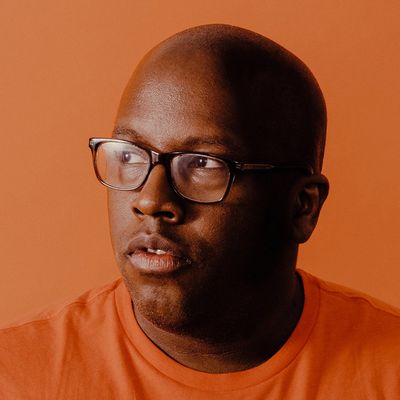
Michael R. Jackson shares how he relates to the mixed reception received by Into the Woods, muses about he might respond to the show's criticism, and reflects upon the legacy of Into the Woods. Join host Ben Rimalower for this candid conversation exploring how Sondheim and Lapine went Into the Woods... Read More
From the show: Giants in the Sky
Guests
Featured Shows
About
Michael R. Jackson shares how he relates to the mixed reception received by Into the Woods, muses about he might respond to the show's criticism, and reflects upon the legacy of Into the Woods. Join host Ben Rimalower for this candid conversation exploring how Sondheim and Lapine went Into the Woods
Transcript
This transcript was automatically generated and might contain errors.
[0:00] Ben Rimalower: Broadway Podcast Network presents Giants in the Sky, How Sondheim and Lapine Went Into the Woods with me, Ben Rimalower. Today's guest, Michael R. Jackson. Once upon a time.
[0:17] Michael R. Jackson: I wrote the book, music and lyrics for A Strange Loop, winning the 2022 Tony Awards for Best Musical and Best Book of a Musical. I was also the recipient of the 2020 Pulitzer Prize for Drama and won or was nominated for just about every other award a musical can receive. I am also the author of White Girl in Danger, produced by the Vineyard Theatre in co-production with Second Stage Theatre, and the co-author of Teeth, produced by Playwrights Horizons. I am the recipient of an Obie Award, Drama Desk Award, Jonathan Larson Grant, Lincoln Center Emerging Artist Award, ASCAP Foundation Harold Adamson Award, Whiting Award and Helen Merrill Award for Playwriting. I hold a BFA and MFA in Playwriting and Musical Theatre Writing from the NYU Tisch School of the Arts.
[1:05] Ben Rimalower: Well, Michael, I am so thrilled to chat with you. I'm such a big fan of yours. I can't believe the short span of time these last few years that you have just created these three musicals back to back to back that were just some of the best musicals I've seen in decades in New York City. And all of them, such clear work of someone who came up in the generations after Stephen Sondheim. Obviously, A Strange Loop has such a strong homage to Sondheim in the opening number and feels the most Sondheimian in its bones. But clearly, the work is of the children of Sondheim. But Into the Woods is somewhat of a generational divide show, I find, because for the younger people, it's certainly how they discovered Sondheim, whether it was for some of the millennials or whatever, watching the broadcast of the original production from PBS, or the really young people did it in Into the Woods Junior in their schools, or they saw the movie.
Of course, there have been all the revivals. And I have tended to find that the generations older, the people that I was assisting and stuff when I first started my career, did not consider Into the Woods really to be like prime canon Sondheim. For them, it was the Hal Prince shows and maybe Sunday in the Park with George; they sort of had a different feeling about. But Into the Woods, they didn't look at it the same way. And yet, over the decades that go by, it does seem to be the work that has the widest reach of all the Sondheim shows. So I'm so interested to get your take on it and just going back to kind of what was your discovery of Sondheim growing up and Into the Woods and all that.
[3:21] Michael R. Jackson: So technically, my first exposure to Sondheim would have been the West Side Story movie. Though I don't think I was really aware at the time that I saw it. I wasn't aware of, oh, this is a musical based on a stage musical. Something called a lyricist and a composer absorbed it all as just a movie. But I was obsessed with it from the moment. So I'd always heard about it. And it was one of those kind of. And there was a lot of older stuff in popular culture that I absorbed this way, where there was a reference to it somewhere else. And it was so ubiquitous that I just only knew it as that. I think, for example, a chorus line, I have a memory that they use the song One Singular Sensation in an Orville Redenbacher popcorn commercial.
And so from my mind, that song, until I encountered the musical, was just like, oh, that song from that commercial. And I feel like West Side Story was another one of those things. I bet they made a reference to it on like Animaniacs or Golden Girls or something like that. I always thought, oh, this is like this dumb movie musical of dancing gang members or whatever. And then a friend of our family gave me the movie as a gift for something I had done for her. And the moment it began, I was like, what's happening? And then all the dancing and the singing, I just thought it was the greatest thing I'd ever seen. And so I think that was my first Sondheim. And then also, I think probably I'd heard the song Maria.
I'm sure that's what it was. I heard the song Maria out in the world and then I put it in context and I loved it. Into the Woods was probably the next. And I didn't see that until my freshman year of college.
[5:32] Michael R. Jackson: Yeah. But I saw, well, actually I take it back. Next would have been Gypsy. But again, that was just like lyricist Sondheim, which I loved it. Like I saw the Bette Midler, you know, on TV. So then I think after that, it would have been Into the Woods. And that was the first time I absorbed him as a composer and lyricist. And I remember some friends of mine gathered a bunch of people in their dorm room at NYU. It was in Carlisle, Carlisle Residence Hall. And they had the VHS of Into the Woods. And I was just really taken by it. And it was the thing that made me decide to go out and find all the Sondheim that I could find. And so I bought like bought everything at once. Like I went out and bought, I think I went to Tower Records.
They used to be on East 4th Street. And I bought like Pacific Overtures, Follies, Into, I didn't get, I didn't, they didn't have Merrily We're a Little Long. But I actually didn't learn about Merrily until much later because I just didn't have it. And then I rented Sunday in the Park with George, the video from Kim's video on St. Mark's. And so I absorbed all my Sondheim at posts from Into the Woods, like very quickly over the next couple of years.
[7:05] Ben Rimalower: Just to back it up a second, because I'm actually very surprised. Like if I would have had to, you know, guess the evolution of baby Michael Jackson, like I would have assumed that part of the reason you wound up at NYU, like studying musical theater writing was because you fell in love with, what were the musicals that made you want to write musicals?
[7:30] Michael R. Jackson: So I mean, my path to musical theater writing was a little bit of a loopy one, because I loved, I did musicals as a kid, like I was in a children's theater company, and I loved musicals. My mom and I used to go and see shows that came as tours through Detroit, where I'm from. And, but I never had any sense of writing them. Like, I just, they seemed like so, like, who could write that? Like, they just were like, I felt the same way about movies. I just thought they just sprang out of the ground. Yeah, I had no idea of like, how you did write a song, let alone how you write a musical.
[8:12] Ben Rimalower: But what were those shows? Was it like Cats?
[8:15] Michael R. Jackson: No, my earliest musicals that my mom and I used to go see were like, my foundational musical to this day is Showboat. We, there was a, the national tour came to Toronto, which was, relatively speaking, not that far from Detroit. So me and my mom and my grandma took the train to Toronto for the weekend. And we saw Phantom of the Opera and Showboat in Toronto. And Phantom, I didn't understand it, like the show, I was like, I don't understand what this story is. Yeah, loves the music. So whereas Showboat, I just loved all of it. I just was like, so impressed by the how long and big and epic it was. And those songs are just like, unbeatable, like, to this day, unbeatable. And I made my mom buy me the cast album that one, like tape.
And like, and I would just play them over and over and over and over and over and over again. And then after that, it was, we saw Miss Saigon, made my mom buy me the cast album. Then we saw Raisin, the musical adaptation of Raisin in the Sun, which blew all my circuits. It's in my top five of musicals to this day, along with Showboat.
[9:42] Ben Rimalower: Where did you get to see Raisin?
[9:44] Michael R. Jackson: It came to the Fisher Theatre, I think, in Detroit.
[9:48] Ben Rimalower: Like a tour?
[9:49] Michael R. Jackson: Yeah, it was like, it was like, it was not a first class production. And it had like Adrian Bailey from like Earth, Wind and Fire was like, he played Joseph Asakwai. And like, it had some other people I can't remember, who were kind of notable names. I have the playbill somewhere around here. And I like, I would like, I loved the music so much. I made my mom buy the cast album. And then the cast album had Joe Morton on it and Debbie Allen and the kid from Good Times.
[10:25] Ben Rimalower: Wow.
[10:27] Michael R. Jackson: Had you known Raisin in the Sun already when you?
[10:30] Ben Rimalower: No. So I hadn't read, I think I read that like the next year when I was in high school, or like, or maybe, or maybe I just read it. Like I, I think I basically read and saw the musicals around the same time. And I just, I, the score to Raisin is just, is so criminally underrated. It's so good. The lyrics are so, so good. And those orchestrations are so, so, so good. I just, I always try to get people to pick that, pick that score up and listen to it. It's so great. So those were like the musicals I really absorbed in that time. And then like, I think we saw like Aida, the opera and like Porgy and Bess and Rigoletto. And then beyond that, like there were things like I saw the movie, which I still have to this day, not seen all of it, the movie of Guys and Dolls.
And like, whatever was like, if it was on TV and I could watch it, that was a kind of the only way I would absorb any of those, anything else unless, oh, and then I saw Rent. That was another one I saw during that period because a tour of it came to Detroit. But yeah, but Sondheim, I was kind of late to him, relatively speaking. And it wasn't, he wasn't like my main entree into musical theater. But once I got into it and then was studying it, he became very important to me.
[12:01] Ben Rimalower: And what was it like? What did something change in your conception of what musical theater was when you were watching Into the Woods and buying those, you know, Follies and Pacific Overtures CDs?
[12:13] Michael R. Jackson: Well, I was just always impressed by his storytelling and word choice, like through lyrics like that.
[12:28] Michael R. Jackson: He had such an economy of language, but he knew how to really delineate character and create complex thoughts and ideas within his lyrics, and was a real puzzle master. I'm not a puzzle master lyricist in that way, but I learned, for me, the thing that I take as an influence from Sondheim on my own work is treating each lyric as though it's a three-act play. And that's something that he does better than probably anybody. And I always was so into the wordiness. I mean, I probably take that from him too. I'm a very wordy lyricist. And I just was so impressed with how he just has a whole point of view through these characters that has a real clear beginning, middle, and end.
[13:25] Ben Rimalower: That's interesting. I don't think of you as wordy. I just think of you as literary even, but not wordy. But it's interesting to hear you say that in the context of because the first two shows of yours that I saw were A Strange Loop and White Girl in Danger, both of which you wrote book, music, and lyrics for. And then, of course, Teeth, which has been such a great sensation off-Broadway in this last year, you and Anna Jacobs co-wrote, and then you wrote the lyrics and she wrote the music. How was that for you? I know the way it works in this industry, these projects get planned and then takes years to come to fruition. But was that something that you were eager to experience as an alternate thing? Or was it like Sondheim where you had to do that at the time to get on the project?
[14:22] Michael R. Jackson: No. So that was all planned from the very beginning. Anna is a super strong book writer. And also, the idea itself was one that we were so going to have to transform what the film was, something that needed to be on stage, that I think it really required the two of us to really beat out all of the book together. And I love collaborating. That's actually my first sort of skill is collaboration before anything else. And so there was no problems with that for me. And it made sense for that project.
[15:05] Ben Rimalower: That's so amazing to love collaborating. What a gift to have, you know, for a game musical. I mean, in a musical theater, you have to have that skill. Because once you get into doing it, there's so many people involved who are part of the storytelling, the lighting design and the set design and everything. It's all part of it. It's all storytelling. And you have to like have a point of view on it.
[15:32] Michael R. Jackson: Yes, you do. Well, so some people had some points of view about Into the Woods. You know, Frank Rich, who had been such a champion of Sondheim's throughout his career and, you know, and so I think was really probably instrumental in keeping Sunday in the Park with George running on Broadway as long as it did from all the sort of coverage that it got in The Times and then wrote this bad review of Into the Woods, which was not a unique response to the show. There was a lot of negative feedback on the work. And obviously...
[16:11] Ben Rimalower: I'm still here with that.
[16:12] Michael R. Jackson: Sorry, say that again?
[16:13] Ben Rimalower: I'm still here with that dynamic.
[16:15] Michael R. Jackson: Yes, well...
[16:16] Ben Rimalower: On my second thought. Like, I very much relate to Into the Woods, by the way. And tell me more about that. That's so... When I think of the criticisms of Into the Woods, they're not criticisms I would levy against anything I've seen of yours. So I'm curious why that is.
[16:31] Michael R. Jackson: Well, I mean, they're not the same criticisms. But like, I very much think of White Girl in Danger as being, quote unquote, my Into the Woods, just for very superficial reasons. It's a lot of characters. It's set in a kind of meta-theatrical story world. And there was a lot of... There's some of what people had to say, which was like, not to be surprised. It's like, they wanted another strange loop, which has always sort of happened on a lot of sophomore efforts, when you have like, a really successful first thing. And there's other stuff. But like, I just feel a kinship with Sondheim in that.
[17:14] Ben Rimalower: Yes. Well, you know, when you win the Pulitzer for one show, it's hard to get them on the second one. But, well, you know, a lot of the stuff people have said about Into the Woods has to do with the second act, you know, which, you know, I showed somebody the video of the Broadway production recently, and they said they loved the first act, they thought they didn't need the second act. But then you're like, well, the second act's the point, you know, what?
[17:43] Michael R. Jackson: Yeah, I mean, and this is another, like, this is another place where I feel like a kinship about that. Because I just think that sometimes artists, like, artists get dinged for like, trying to do too much. And I think that that's, what is the point? Like, if the, like, if you don't, like, if you're not, like, I think stories have a beginning, middle, and end. So like, you're trying to, like, illustrate something, you also you set certain things up. So you have to pay it off.
[18:31] Ben Rimalower: Yeah.
[18:32] Michael R. Jackson: So that that's, to me, just like, I feel I'm like, team Sondheim, second act Into the Woods.
[18:32] Ben Rimalower: Yes. You know, I mean, I certainly feel with, you know, they wrote so much stuff about people have written so many things in the years since the original Into the Woods production opened. What does the giant represent? Was it about AIDS? Was it about nuclear proliferation? Was it about climate change? You know, and the thing that I felt watching the revival in 2022 and 2023 was just kind of the hellscape that the modern world feels like the second act really felt to me, just very accessible. You know, it didn't feel like a dark vision of something, you know, in a fantasy, it felt like just, it's just so familiar, these people kind of dodging all these, you know, dangers left and right. But I always do feel in the end of the show, it's like there's no more, which, you know, it's easy to make an argument for that being the best song in the show.
But then there's No One Is Alone, and then there's Children Will Listen. And it's kind of all these, like, inspirational power ballads, one after the other. And, you know, it's after 10 o'clock or whatever, and it's getting long. And having been doing this podcast and going through all these different early drafts of the show, and where did they cut this and add that? And, you know, what version of No One Is Alone started? And I, you know, I can't help myself constantly trying to fix the show. And I've never been able to, I don't have my idea of it. But I'm curious if there's anything specifically that you have thought critically about Into the Woods, either that's missing from it, or that there's that you that shouldn't be there? Or, you know, have you had a take on that?
[20:21] Michael R. Jackson: So I actually have thought about this, weirdly enough, after I saw the last revival.
[20:27] Ben Rimalower: Yeah.
[20:28] Michael R. Jackson: And I'm trying to remember, like, I'm trying to, I want to say this, like, in as precise a way as possible. But like, I think the thing for me that's missing is they, they don't, they didn't, I don't think they've really quite figured out how to just overtly say what, like, what it, what it was all about. Because that's the thing that allows all these people all these years to say, it's A, it's Snoops, it's this, it's that, it's this, it's that. And I think that, like, they, not that they need to wrap everything up in a bow. But there, there was an ultimately a point of view underneath, that's implied to me, by a lot of what is set up in a storytelling, that just needs to rise to the surface.
And like, one big, one of those big things that I never had thought about, until I saw this revival, which to me that this, the revival, had its own point of view sort of dropped on top of it, was that, like, these, this is gonna sound so, this is gonna sound so weird, what I'm gonna say. But like, I got this, this weird feeling that this piece, subconsciously, is about, like, kind of mainstream liberal attitudes toward, like, toward politics. Because they, because they, in the end, they just sort of, like, kill the giant's wife. And like, they're just kind of like, oh, well, like, it's like, and we'll just never speak of this again. It feels like they don't, there's no accounting for, there's, like, all this talk about, like, the choices that you make, and how they have all these repercussions. But that's, like, the one thing that there is no repercussion for. It's just sort of, like, we murdered someone who we actually did wrong.
[22:48] Ben Rimalower: Yeah.
[22:48] Michael R. Jackson: We don't have to, like, be accountable for that in any way. But, but that itself, to me, is an image of, like, the whole thing.
[22:57] Ben Rimalower: Yeah.
[22:58] Michael R. Jackson: And I sort of wish that there was, like, a song.
[23:04] Ben Rimalower: Well, it's kind of there, and that the witch is, like, right. Like, she is right.
[23:08] Michael R. Jackson: Yeah.
[23:09] Ben Rimalower: Like, it doesn't zoom out from that.
[23:12] Michael R. Jackson: That's an interesting way to put it.
[23:13] Ben Rimalower: It kind of obscured the whole thing.
[23:16] Michael R. Jackson: You're making me want Daniel Fish to direct a production of Into the Woods.
[23:22] Ben Rimalower: I love Daniel so much, but I don't know that I need that.
[23:27] Michael R. Jackson: But, you know, because I certainly, I did Oklahoma in high school. I've loved the show, known it for so many years. I never, ever imagined it that way. And I feel like it addressed exactly what you're talking about.
[23:40] Michael R. Jackson: So the funny thing about that is, like, Daniel's Oklahoma is my Oklahoma. Like, I had never seen any other Oklahoma.
[23:44] Ben Rimalower: Wow, that's so funny.
[23:47] Michael R. Jackson: I'd never seen the movie, never seen the show. So I only know that. And I, and I sort of, in general, and this is, like, no shade to that Oklahoma or to anybody else. I, in general, had begun to get a little weary of trying to modernize and make relevant works. I just wrote an op-ed in the New York Times about this with regards to Wicked. And I sort of, I, I'm a big fan of, like, of figuring out what things were in their time. Because to me, those things in their time can be relevant today. But you just have to, like, draw the connection.
[24:40] Ben Rimalower: Yeah.
[24:41] Michael R. Jackson: You know what I mean? And I think you can do that through the history. And with something like Into the Woods, I'm just sort of like, it's like, it's a very, it's fairy tales.
[24:56] Michael R. Jackson: The Legacy of Into the Woods is a book that is about the story of people who have implications to them and certainly them all together has an implication about who these people are and like what their relationship to us might be. But we have to be not afraid of what that mirror might be. And I think that's what's so important about the book is that it's about people who are not really bad people. They're all, like, they're flawed, but they're not heroes. They are, but they do reflect the world that they live in. And so in that regard, I think that is sort of similar to how Oklahoma ends, where you just sort of have a layer on it. But I think it would be great, the thing that's missing is for Sondheim and Lapine to have created whatever that, the expression of that reflection was.
I would be less into, like, somebody, I don't know, doing a production of Into the Woods where it, like, ends with, like, a, like, a 2016 presidential campaign or something like that. Like, those kinds of things, like, always make me so upset.
[26:29] Ben Rimalower: Yeah.
[26:33] Michael R. Jackson: Now, is that just for, you know, musical comedy, or would you feel that way about, like, a Shakespeare production as well?
[26:39] Ben Rimalower: Yeah.
[26:42] Michael R. Jackson: I'm really sort of turned very violently against all of these, like, like, things that, like, it's, now it's, it's now.
[26:47] Ben Rimalower: Yeah.
[26:50] Michael R. Jackson: Because I just don't think that the, well, the reason why I don't, to me, why that rarely works, in my opinion, is because it distorts what the actual thing is. And, like, I don't think that it distorts the comparison or from whatever the historical makeup of the original thing was to today, but I find that people are often so ignorant about the actual politics of today.
[27:37] Ben Rimalower: Yeah.
[27:40] Michael R. Jackson: That the line that you think you're drawing doesn't work.
[27:42] Ben Rimalower: Yeah.
[27:46] Michael R. Jackson: And so I think that it's more instructive to understand the history of a thing, and then represent that. Now, if you want to, like, dress that up, like, if you want to present it in a different way, feel like certain works of art have a very specific meaning that it needs to be understood, and is not, like, oh, this is what it means. Not, oh, here's this alternative take on it that the text cannot really support.
[28:24] Ben Rimalower: Yeah.
[28:27] Michael R. Jackson: Well, okay, so talking in terms of different productions and what they bring to a show, we talked about seeing the revival of Into the Woods, I don't know, did you see, like, the revival off-Broadway by the fiasco theater company that did that?
[28:39] Ben Rimalower: I saw that.
[28:43] Michael R. Jackson: Oh, yeah.
[28:46] Ben Rimalower: I saw that.
[28:49] Michael R. Jackson: That was the one that Roundabout did?
[28:52] Ben Rimalower: Yeah, it was, like, at the Laura Pels.
[28:55] Michael R. Jackson: No, I did not see that, when I saw their Merrily We Roll Along.
[29:00] Ben Rimalower: Oh, yeah, same company.
[29:03] Michael R. Jackson: I didn't see their Into the Woods. I think I saw, like, a clip of it. Did they do that in Shakespeare in the Park?
[29:09] Ben Rimalower: No, I didn't see that.
[29:12] Michael R. Jackson: Which one was Donna Murphy the witch in?
[29:16] Ben Rimalower: In the Park.
[29:19] Michael R. Jackson: Okay, so I definitely didn't see any of their Into the Woods then.
[29:22] Ben Rimalower: So, okay, well, that kind of defeats the next question, because I was curious what you thought the sort of James Lapine directorial contribution was to Into the Woods, comparing these productions, you know? He had directed the revival with Vanessa Williams in it, and he had directed the revival with Vanessa Williams in it, and he had directed the revival with Vanessa Williams in it, too, but then these were opportunities to see the show sort of minus that element.
[29:47] Michael R. Jackson: Oh, yeah, so I did see the Vanessa Williams revival, but I have no memory of it.
[29:59] Ben Rimalower: Well, that was Lapine also, so it was ‑‑
[30:02] Michael R. Jackson: I don't remember how different it was.
[30:04] Ben Rimalower: I don't remember how different it was.
[30:08] Michael R. Jackson: Yeah, it almost feels like somebody is trying to specifically avoid doing what was done before as opposed to just, you know.
[30:17] Ben Rimalower: Yeah, and this is like, I don't know, I just think some things, if it's not broke, don't fix it. It's do the show. People want to see the show. But, you know, I'm also not a director, so I ‑‑ I don't know if I'm a director, but I think that writers have a really valuable perspective on directors because, you know, you experience them. You truly know more than most people how the director advances what's on the page to the stage, you know, and obviously that can be sensitive in one's own work, but over time, I think, you know, you appreciate what they do maybe better than anyone. Certainly better than other directors. What about in terms of specifically your feelings about Into the Woods as a piece? Is that something that's evolved? These feelings you have about, you know, kind of this take on it, you know, that they're sort of this, you know, incomplete indictment of, like, you know, liberal politics. Is that how you felt at 19?
[31:24] Michael R. Jackson: Oh, but this is also the thing that's so interesting. Is that I only ever absorbed that musical as just being about those characters. I did not think it was an allegory. I did not think that it, like, I didn't map any present-day figures onto it. I just was, like, I was just following the breadcrumbs that Sondheim and Lapine left for me, and, like, all from beginning to end. And that was it. And it wasn't until I saw a production that I felt was trying to point me more toward here's an allegorical present-day representation of it.
[32:16] Ben Rimalower: Yeah.
[32:20] Michael R. Jackson: I was, like, oh, right, what was the second act?
[32:25] Ben Rimalower: Yeah.
[32:28] Michael R. Jackson: And so, but that was just the, that was, like, but I also think that I started to think about that, too, because there's been more and more and more works that are trying to do that. And it's just in the air of how we look at these shows. And so I feel like a, I feel like a, I feel two ways about it. One is that I'm often against these kinds of interpretations. But then I'm also sometimes see other things in the text that I didn't see before. Also because I'm also an author. And so I'm very aware of when I'm writing something of what I'm responding to. So, like, if I'm responding to something in my work, then clearly other writers are as well. So, but I for me, I still, even when I'm doing that personally, I try to be delicate about it.
[33:38] Ben Rimalower: Yeah.
[33:41] Michael R. Jackson: And not so overt.
[33:44] Ben Rimalower: Are there things in Into the Woods specifically in the writing that you feel like you're trying to resonate with? Is there anything that it took those years of you as a writer to see or to resonate with?
[34:02] Michael R. Jackson: Hmm. No, I mean, I just was sort of all in from the beginning, like I never questioned really any of it. I think, well, let me think about that. I don't know. I don't know. I have never fully understood the song Children Will Listen. Or like it's never felt like the most, like based on what I've seen, like it never felt like the thing that the whole thing was leading up to. It's a very beautiful song. And I think that's what I've always been trying to resonate with it. But it was always, every time I've seen the show, I always get to that song. And I'm always a little like, okay, sure.
[35:01] Ben Rimalower: Yeah. That's how I feel. I mean, I pretty much think that they wrote it because they had cast Bernadette Peters last minute and she needed like a big number. And so they cast Bernadette Peters in the Broadway show and they felt they had to serve that. You know, have you listened to the song that was cut in previews called Second Midnight, not to be confused with the little Second Midnight that's there now, which is just the, you know, slotted screen.
[35:39] Michael R. Jackson: One midnight gone.
[35:42] Ben Rimalower: Yeah.
[35:45] Michael R. Jackson: And it's on one of the restored CDs or Sondheim box sets and it has a lot of children to listen, especially like that extra verse that you might know, like Barbra Streisand sings and Ruthie Henschel and whatever, but it's like this big group number with sort of the kids versus the parents singing about parental relationships and the specifics of their relationship with their parents and their parents and their parental relationships and I guess they felt that it was like this, it slowed down act one too much to have it there, but one of my fantasies I kept having when I was like how do you fix the show was should that have been the big number at the end, you know, to sort of sum up all those themes, but I think it goes back to what you were saying about what is the show about or what's the show about, and I think it's about the relationship between parents and children or between the individual and society, and they didn't know how to make those one thing or tie it together or choose, and I think that's why we get no one is alone and then children will listen and it feels like a hat on top of a hat.
[36:55] Michael R. Jackson: Yeah, yeah, but it just, there's a specific line that made me change my mind about the second act.
[37:01] Ben Rimalower: Yeah, yeah, because after the giant dies, Rapunzel says something to the, is it to the baker's wife?
[37:12] Michael R. Jackson: You mean little red or cinder?
[37:13] Ben Rimalower: Yes, little red says something to the baker's or to Rapunzel about them, but we killed—
[37:21] Michael R. Jackson: Wait, but the Rapunzel is dead before the giant—
[37:24] Ben Rimalower: No, no, no, it's not Rapunzel, who is she talking to?
[37:24] Michael R. Jackson: What is said about the giant after... Oh, the wolf's not the same as the wolf's mother. After they killed the giant. Oh, I guess I can... There's like this one line that sort of like ends, it's like, well, that's that. And I've never noticed it, but I can't remember exactly what it is. It's like, where Little Red is like, but we, we did this bad thing. And then it's Cinderella. Cinderella says, like, basically, she just starts singing "Children Will Listen." Or no, she's not singing... "No One Is Alone." "No One Is Alone." Yeah. And it's just sort of like this weird kind of like, we should never speak of this again.
[38:08] Ben Rimalower: Yeah.
[38:09] Michael R. Jackson: We murdered someone for like an unjust reason. But we're the good people.
[38:15] Ben Rimalower: Yeah.
[38:16] Michael R. Jackson: And that was, I never had noticed that before. That was what I was trying to say before. And I was like, oh, that's actually interesting. That like, we've been made to sort of empathize with these people. And they're sort of into the woods to go to get what we want. And like, and, but they at the last moment, they don't really... they're like, sometimes you just have to like, do a bad thing. Get away with it. You know? And I just always thought that was interesting.
[38:50] Ben Rimalower: I mean...
[38:50] Michael R. Jackson: They just didn't think about the whole thing. But you would think that's a production that pointed that up, would not respond to this problem properly.
[39:00] Ben Rimalower: Well, I don't know that it could, because there's no text to support it.
[39:04] Michael R. Jackson: Yeah.
[39:07] Ben Rimalower: That's the problem. Is that like, it just goes to "No One Is Alone." And it, but, and there's a way in which you could, I suppose, lean into in the singing of that song, that Cinderella is kind of not all a good person while she's singing it.
[39:30] Michael R. Jackson: Yeah.
[39:31] Ben Rimalower: Like, that's just a lullaby to make us feel good.
[39:36] Michael R. Jackson: Well, she's kind of gaslighting her.
[39:37] Ben Rimalower: Yes. Right. Like, it's a kind of lullaby to make us feel good about the fact that we are complicit in like a murder.
[39:44] Michael R. Jackson: Yeah. But it, I don't know. I mean, I guess a production, I don't think, but there's not enough text there to support that that's what the authors were trying to do.
[39:57] Ben Rimalower: Yeah.
[39:57] Michael R. Jackson: They weren't trying to do that.
[39:59] Ben Rimalower: No.
[40:00] Michael R. Jackson: In that moment, that's what I observed, is that they kill this giant, and then they just sort of brush it under the rug.
[40:08] Ben Rimalower: Yeah. I mean, I guess the other problem is that because the song does sort of passively acknowledge what you're saying, it can't be like a disingenuous attempt to like shut the kid up, because it sort of pays, you know, kind of lip service to, you know, which is, you know, giants can be good, you decide what's right.
[40:29] Michael R. Jackson: Yeah. But it would have to say like, people, sometimes you must kill.
[40:39] Ben Rimalower: Might makes right.
[40:42] Michael R. Jackson: Might makes right.
[40:46] Ben Rimalower: Wow.
[40:47] Michael R. Jackson: To kill your enemies tonight.
[40:48] Ben Rimalower: Yeah.
[40:49] Michael R. Jackson: Victor goes to spoils, you know.
[40:53] Ben Rimalower: That's so interesting you say might makes right, because it reminds me of that little red in the first act, you know, she gets all like, kind of like Maga-y when she, after the wolf is killed, and her granny makes her the coat, and she's got the knife for protection. And it's sort of like a big joke, but it really is just a parallel of what they all do after the giant.
[41:13] Michael R. Jackson: Right. I mean, and that's, and that to me is interesting. Like, it feels implicit in everything that we've seen, but it's just never explicitly stated.
[41:22] Ben Rimalower: Yeah. Yeah. Wow. Okay. Thank you for that.
[41:26] Michael R. Jackson: But I also think that if they had done that, I think the audience really would have hated it. Because I don't think that a liberal audience wants to see that quality reflected back in them, reflected back at them.
[41:38] Ben Rimalower: Yeah.
[41:41] Michael R. Jackson: Well, I don't know. It's all changing, though. I mean, who knows what audiences are going to want in two years, in five years? I mean, it's, I think...
[41:48] Ben Rimalower: Yeah. I mean, God, help me. Like, I'm always worried about that.
[41:53] Michael R. Jackson: Yeah, well, yeah. But I mean, I think, I don't know, I think you're going to have a lot of converts. I mean, you know, when I talked to you for my other podcast a couple years ago, it was during the first Trump administration, you know, and we were like, well, my podcast co-host Daniel less so than I, but I was very much like, you know, resistance, cringe, like, let's, you know, if I just tweet enough bad things about that asshole, then like, everything's going to be okay. And you were like, I don't know, you know, he's a clown, but like Bush was a war criminal. Like, I think, you know, you might be, you might be, like, you know, jumping at the wrong thing. And I think a lot of a lot, I think a lot more people are frustrated with the sort of fecklessness of, you know, establishment, liberal political leadership.
[42:46] Michael R. Jackson: It's a real, it's a real problem. It's like a real problem, like, like, like a huge, huge problem. And certainly, I feel as an artist, like, I'm like, feel a little bit like a weathervane, like more than ever in this climate, because I, I'm just, I always just want to represent whatever I think is true and real. And to me, part of what is true and real is that on the sort of liberal left side of the quadrant, culturally, politically, at this moment, there's a lot that needs to be reckoned with that hasn't been reckoned with, and I'm not sure will be reckoned with. And as an artist, I just want to, I sort of want to show that.
[43:36] Ben Rimalower: Yeah. Even if that's like, not a popular thing to do.
[43:48] Michael R. Jackson: Yeah. And I sort of I'm like, it's also why I'm like, wildly curious to see what will happen at the Kennedy Center. Because and I actually like I have a MAGA friend, really, like, who like is involved there in some way or no. And I was like, invite me to the opening night, I want to see like, what it is, just as an observer, like, I obviously, I'm not a conservative or anything. But like, I want to know, what are these people? Okay, you wanted all this power. And you believe, you know, corrupt, evil, Hollywood and theater and art, whatever. And you believe that you know what the art should be. So what's your curation? Like, like, seriously, like, in a real way, are we going to see like, country music and family opera?
And no shade to country music and family opera. But like, what? And the January 6 choir? Okay. Yeah. So what is it? You have to act art. Art isn't easy. Anyway, you look at it. Even if you're a MAGA person. You still have to actually do the same work. You have to like, program it, you have to raise money for it, cast it, you have to recast it, you have to pick the directors, you have to, you have to like, go into tech, the set budget, how much does it cost? Like, it's all the same problems. And so I'm very curious, like, is that Rick Grinnell guy, is he gonna program? What's what? Or are they just gonna do nothing? Is it just for them to sit around a boardroom table? Like, I don't know. But I'm like, I want to I want to see what they're going to do.
[45:32] Ben Rimalower: Yeah, I'm leaning toward country music and phantom. I don't think they have the appetite for the infrastructure for like, creating stuff, you know, I don't I don't either. I actually think that and this is what I told my MAGA friend, I was like, conservatives have nothing on this issue.
[45:46] Michael R. Jackson: Yeah.
[45:46] Ben Rimalower: Because it's hard. It's actually fucking hard.
[45:52] Michael R. Jackson: Yeah. Did you see "Here We Are"?
[45:57] Ben Rimalower: I did.
[45:58] Michael R. Jackson: I mean, because speaking of, I mean, the sort of, you know, corrupt liberal establishment, did you was that a more, I mean, obviously, that show, you know, was incomplete and had its own issues. But I mean, did that, were you interested in Sondheim's turning his attention toward that and that work?
[46:19] Michael R. Jackson: This is a hard topic. I, so it's kind of hard to talk about because I'm unclear on where Sondheim began and where the production picked up and like, how much piece together versus what, how much he intentionally had there. So there's like that, just on a practical level, there's that.
[46:42] Ben Rimalower: Yeah.
[46:49] Michael R. Jackson: But then within what is there, I, I have to say, and this is also I'm, I'm, I know of the movies, but I've never seen any of them. But I found myself having this thought while I was watching it, that there's this sort of attempt to critique or satirize sort of bourgeois liberal pieties or whatever, and sort of very wealthy people. And yet I was like, this is, this is happening in the shed, in this like very shiny, expensive, like place. And, and the, and the sort of, the satire of it for me falls a little flat because I couldn't, I couldn't, I didn't believe, I like didn't believe, I didn't believe it. Like, I didn't believe there was a, there was, there was a missing, satire has to really stab the goat, you know? And I, as much as I love Sondheim and, and this is, I'm sorry, the, the writers, the playwright, David Ives.
[48:17] Ben Rimalower: Yeah.
[48:17] Michael R. Jackson: I was just sort of like, I just found myself questioning, how much do you all really know about like radical politics or radical anything? Like it all, the way it was sort of represented in like Michaela Diamond's character, I was like, this is ridiculous. Like this is how this, this bears no, I have some far left friends and they would laugh at this. Like, this is how radical left Marxists, you know, they'd read the books. They like, no, they're serious about, about that stuff. So I just found myself not really, I was just sort of like, this is, this is like a weird bourgeois thing in and of itself, but it's also a kind of son eulogy to Sondheim in a way. And so I didn't want to be too harsh about it. But like, if when asked to like, analyze what I'm seeing, the actual, what it is, I just was sort of like, I don't believe this.
[49:23] Ben Rimalower: Like, I don't believe the thing that's underneath it.
[49:25] Michael R. Jackson: Yeah, I think that's...
[49:26] Ben Rimalower: Even if I enjoy certain, you know, performances or whatever.
[49:30] Michael R. Jackson: Sure.
[49:31] Ben Rimalower: The actual thing itself, I was just sort of like, hmm, this, no far left anything was harmed in the bourgeois, you know, mainstream, liberal, anything was harmed in the making of it.
[49:49] Michael R. Jackson: No, no.
[49:52] Michael R. Jackson: Hi, everyone. It's Michael R. Jackson. I'm the host of the Broadway Podcast Network. And I have a question for you. I'm curious, do you see work that is the opposite of that? Do you see things happening where you think, this is dangerous, this is exciting, somebody is, you know, kind of turning things upside down? Well, pretty much at this point, all I see is Broadway. So, no. The answer is, no, I don't. There's probably something happening somewhere in New York that I haven't seen that. I wouldn't be able to see as much off-Broadway as I would like, just because I'd have to see all these Broadway shows as a Tony voter. But also, I think it's really difficult in theatre, and especially musical theatre, in this era.
And this is something I've been really reckoning with, even in my own work, as I'm trying to continue to push the boundaries, is I actually think that the form itself is a little bit of a box. I think musical theatre is a liberal art form. And the structures, everything from the I Want song to, you know, the sort of, the two-act structure, everything about it is always pushing you toward a certain kind of resolution and a certain kind of ending, and the way the music is used and the relationship between the audience, it's hard to mess with that. Yeah. Especially within the economic model of it. And since the economics of making theatre and musical theatre, especially, are so expensive and have gotten even more expensive in people's attention spans, trying to challenge the audience within our particular form is really hard.
And I don't even know if there's a lot of people even trying to do it. Yeah. I mean, I'm trying to do it in my own little way, but it's hard. I've had great difficulty post A Strange Loop, which I feel kind of got grandfathered in to a moment of great decline and difficulty. But I think artistically it's possible to do and to try to go push the boundaries. But the producing model is a beast. Can I ask you what you're working on now?
[52:43] Michael R. Jackson: So I'm taking a little bit of a break in that I don't have any production slated. I have no... Well, there's an asterisk to that. I'm not going into rehearsal for anything. No workshops are coming up. I'm really more than anything right now sort of in my laboratory and just sort of in a Strange Loop fashion back where I started in the beginning in a new loop of trying to figure out what do I actually have to say and what stories do I want to tell. And weirdly enough, or not so weirdly, sorry, I'm jumping all over the place. So I recently left, as you know, I recently left Instagram and Facebook. And I did that because I felt like I was being inundated because I've been on social media for almost 20 years.
I started to reflect on that. And I was just kind of like, this is not helping me. And especially in the last few years it's just gotten to be too much. And it's actually sort of put me in a state of paralysis, like artistic paralysis where I could not do anything other than what I'd already had written, really. And I was like, I want to work on new projects and I think the only way I can really do that is to clear away the noise. And the second I deactivated my accounts the ideas began to come back. So there's a commission that I got a couple of years ago that I've been slowly returning to and working on and I actually finished the whole song after not having written a new song for years. And it's an idea that's actually kind of about all of this. And it's going to be more experimental than anything I've ever done. It's going to be, quote unquote, Brechtian.
[54:58] Michael R. Jackson: But I'm also wanting to, in my sort of style I want to infuse it with accessible music and use the music as I like am trying to sort of structurally do some other things. So I'm working on that. Would you not call all your previous music accessible?
[55:19] Michael R. Jackson: No, no, it is. But I'm saying that I'm trying to bring that accessibility to a more challenging form. At least in my mind. And it'll evolve, so we'll see. But I'm working on that and that piece is basically about our content creation world of content creation and a world of internet brains. Amazing. And sort of what happens when one person sort of wakes up and is like, I want out of this algorithmized world. Yeah. And then I am working on a libretto for an opera that will I can't say too much about it, but that'll happen next year sometime, somewhere. Stay tuned for that. And then beyond that I'm just sort of pitching and stuff for TV and film and trying to like hang on to my health insurance.
And I'm really wanting to write music. I started my career out by just doing concerts at the Laurie Beechman and Nova and Joe's Pub. And I used to just write songs just for the sake of writing them. And I really want to get back to that because I also feel and the commission I spoke to is also about this is I feel that music has changed in like ways that I feel sad about. And I'm hanging on to something formally in music that I think is still powerful in songwriting. And so I'm trying to just tap back into my sort of songwriter origin and power and like really hold on to that. But like show sort of where I am today with the form of songwriting. And sort of like yield to vibes.
[57:47] Michael R. Jackson: I will not yield to vibes. I want to write songs. I think that songs can be you can mess with the structure in a lot of different ways, but they still to me need to be recognizable. And something that people can carry with them. And so that's it's a little old fashioned, but I'm trying to mix the old and the new. So I'm working on songs.
[58:20] Ben Rimalower: Listen, I love all your songs. I love that they do that and I can't wait to hear this new stuff. The only other thing I wanted to ask you was I imagine you must have had some personal relationship with Sondheim.
[58:32] Michael R. Jackson: So I met him exactly twice. I met him first when they were doing Assassins at Encores. I got to meet him very briefly in passing. Anne Kaufman had made that happen. It must be said our mutual friend Aaron Markey was an amazing squeaky from. Oh my God. Aaron and Victoria Park. Oh my God. So good. I was like, please put Aaron Markey in all the musicals from now on. The last time I met him. No, I didn't meet him. He came to see A Strange Loop at Playwrights Horizons. And I saw him like across the room and I was like anxiously like, what was he? What did he think of it? Like, I don't know. And then I ran down the stairs because I knew I'd always heard he always leaves shows like pretty quickly. And I ran down the stairs to try to meet him.
But I like I saw him walking out the door and I was going to like yell. I felt too nervous to do that. So then I didn't. So I just sort of like saw him and his husband partner. Are they married? They're married. Yeah. They like went out and then I was like, oh, I don't know. At some time after that. I've won an award like the Whiting Award, I think it was. And then it came back to me from the Whiting Award people that he was glad that I had won that award. He said they made a good choice, whatever. And then during lockdown, everybody was spreading their like that's Sondheim. When I was 18 or whatever, and I thought to myself, oh, I should like contact him or whatever. And so I got his email address and I wrote him to thank him for what I had heard he had said about A Strange Loop winning the Whiting Award.
And then he wrote me an email back saying that he really enjoyed A Strange Loop and couldn't wait to see what I did next. And then he died like two months later. So I only actually met him that one time, but I saw him.
[1:01:17] Ben Rimalower: Well, I'm so happy that you reached out so that you have that email.
[1:01:20] Michael R. Jackson: Yes. Yeah, that's wonderful. Well, Michael, thank you so much for this. This is absolutely fascinating. You are always just brilliant and incisive and your work is so original and thrilling and very accessible and challenging in all the best ways. And I can't wait to see the rest of it. And I'm grateful to your time. Thank you.
[1:01:44] Michael R. Jackson: Thank you for having me.
[1:01:47] Ben Rimalower: Absolutely. Thank you. Well, I hope I see you soon and we'll look forward to the next show.
[1:01:50] Michael R. Jackson: Yes, for sure. For sure. Okay. Take care.
[1:01:53] Ben Rimalower: Take care. Thank you for listening to Giants in the Sky. How Sondheim and Lapine went into the woods on the Broadway Podcast Network. Look out for Episode 67 with Sarah Bareilles.
© Broadway Podcast Network, All Rights Reserved