

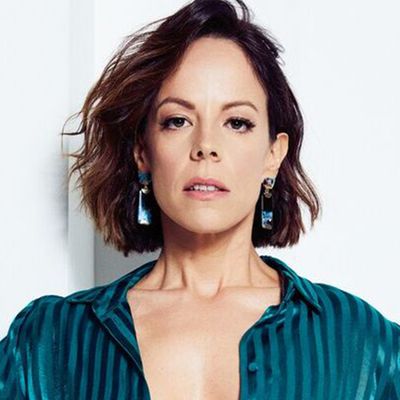
Beetlejuice star Leslie Kritzer has done a few shows... Something Rotten, Elf, Sondheim on Sondheim, A Catered Affair, Legally Blonde, Hairspray, BUT MOST importantly... She is a student of the Dan Tracy school of video production... Read More
From the show: Guys Who Like Musicals
Guests
Featured Shows
About
Beetlejuice star Leslie Kritzer has done a few shows... Something Rotten, Elf, Sondheim on Sondheim, A Catered Affair, Legally Blonde, Hairspray, BUT MOST importantly... She is a student of the Dan Tracy school of video production. Leslie just wants Dan to like her more than he likes other people. Call Dan for all your video needs. Leslie Kritzer sure did! We're so stoked that Broadway's most hilarious leading lady is with us this week. We catch up with Leslie from her attic/ closet voice over studio in New Jersey where she has been holed up for the past year. We get to chat about her love for Alex Timbers, and her comedic roots, but also her early days in high school when she almost ended up outside the 7/11. Joe and Leslie commiserate about "being one bad decision away from being a f*** up" and how a great teacher can really change your life. Leslie is as hilarious as she is insightful.
Transcript
This transcript was automatically generated and might contain errors.
[0:00] Dan Tracy: Welcome to Guys Who Like Musicals.
[0:01] Joe Carroll: Welcome to Guys Who Like Musicals.
[0:03] Dan Tracy: We're coming at you live from Leslie Kritzer's roof closet.
[0:09] Leslie Kritzer: Attic.
[0:12] Leslie Kritzer: With my sister sitting behind me. She left her apartment because she lost her job. So she's like, "Can I store stuff at your house?" This is all in your voiceover closet.
[0:21] Dan Tracy: That's the funniest way that anybody you get on the Zoom and you're like, "I'm in my voiceover closet." You don't even call it a voiceover studio.
[0:26] Joe Carroll: Like, at least like in our house, our voiceover studio is the closet, but we call it the voiceover studio.
[0:36] Leslie Kritzer: You're like, "No, this is a closet." We're in a closet. So I mean, it's kind of a nice start, I guess.
[0:42] Dan Tracy: Have you been doing some voiceover stuff during the pandemic? Is this has this been, do you spend a lot of time in this crawl space?
[0:53] Leslie Kritzer: Well, I mean, in the beginning, I was, I mean, oh man. In the beginning, I had, I was doing a lot of CarMax. I was like the voice of CarMax for a whole year, which by the way, I booked that on my iPhone.
[1:02] Dan Tracy: Wow.
[1:08] Leslie Kritzer: Yeah. Because yes, that, I mean, I'm telling this because also it's like if people are like, "Well, I don't do voiceover, I never really can get into it." That was me and my agent at my agency, the voiceover agent, was like, "Just try it. Just get back." I'm like, "Uh, I spent 15 years trying to do voiceover all on and off." And he's like, "Just whatever." Fourth audition. I recorded on my phone because I didn't have anything yet. This is way before the pandemic, maybe a year and a half ago. And I booked it on my phone, and it turned into like a big thing.
[1:38] Leslie Kritzer: So then I upgraded because I had to start not only recording in the city, but also recording at home, and then the pandemic hit, and then everyone did a mad rush to do this, which is outfit any space. I mean, if you're making Buku Bucks, people bought like the brick, you know, studios that you can build, and they're like amazing. People just upgraded their microphones, you know, got the external thing for this microphone and figured it out because the voiceover business was still going, and it's one of the ways you can make money and still do this.
[2:18] Leslie Kritzer: So it was like a mad dash. Everyone was like, "What do I buy? What do I do?" So, you know, I set it up or did a lot of recording. I did a bunch of stuff here, some stuff at a neighbor's booth that's an engineer that also couldn't work at the time. They're opening now. The studios are opening back up slowly. But everything was sort of renegade. So we just, I had to figure out, you guys, I had to figure out stuff that I never in a million years knew about source connect and crossing things and all of this stuff. But I did when the need is there, and you're like, "I gotta make money and I can make money, I'm gonna learn." So I did, and yeah, it's been great. It's a little slower now, but you know, the voiceover world's so weird, it's very small. So I've been very happy to book the ones that I've been able to do.
[3:08] Leslie Kritzer: And it seems like it's getting even smaller and smaller. I can't, the amount of times I'm like, "Is that Jason Bateman recording like a local car commercial?" I'm like, "What is happening?" Uh, yeah, it probably is. Taylor Swift is doing a national commercial. I'm like, "There's no, there's no jobs for anyone anymore. You really have to be famous." It's crazy.
[3:28] Joe Carroll: Yeah, and on the auditions, they'll be like, "We want an Amy Poehler, Mindy Kaling, Viola Davis." And you're realizing that the reason why they're saying that is because they had those people and they don't want to pay them. That's why. So they want you to sound like, but I've literally gotten auditions where it's like, "We want a Viola Davis." I'm like, "Then hire someone of color. Don't ask me to be Viola Davis." And or pay Viola Davis, but sure, like hire us because those people want way too much money and we're cool. We need it.
[3:57] Leslie Kritzer: Like, yeah. Totally. We need it. They don't need it. My mom still, she'll text me or call me whenever she hears a celebrity doing a commercial or a voiceover spot like that. And she gets so angry. It's like you should be.
[4:07] Joe Carroll: She should be.
[4:13] Leslie Kritzer: Exactly. And I'm like, I appreciate that, mom. But I can't, I am not Matthew McConaughey. I'm not, you know, I would love to sell cars, but um, they don't want my face. But maybe they want my voice at some point. We'll see.
[4:26] Joe Carroll: Leslie, who are we talking to this week? Let's give the people a little bit more information about the genius woman here.
[4:32] Dan Tracy: Sorry, people. Leslie Kritzer is with us. We're so thrilled. Beetlejuice, Something Rotten, Elf, Sondheim on Sondheim, Legally Blonde, A Catered Affair, Hairspray, Robert Bridegroom, one of my favorite things that I ever saw. I love it.
[4:44] Joe Carroll: I really wish I saw that production.
[4:48] Leslie Kritzer: Um, bunch of off-Broadway stuff, a bunch of cool TV stuff, Difficult People, Kevin Can Wait, Younger, Vinyl, Law and Order. Are you embarrassed yet, Leslie?
[4:57] Leslie Kritzer: Because usually when we—
[4:57] Joe Carroll: No, I was actually just thinking as you're, I was like, "Oh, I worked. Those are jobs I had." That's awesome.
[5:08] Leslie Kritzer: So an actor is saying his lines, and then out of nowhere, he just starts singing.
[5:16] Joe Carroll: Bob Six Sivity.
[5:24] Leslie Kritzer: Don't cry for me.
[5:34] Joe Carroll: We have a million questions and you know, stuff to stuff to go over.
[5:38] Dan Tracy: Awesome. I mean, I would love maybe if we just start right at the beginning, because I think that, well, I guess it's like the end, but the most recent beginning is Beetlejuice. That, I mean, our first question is always like, let's do a deep dive on one of your projects and talk about the way that that came about. And also, I would love to know how that came about, but also how it ended, unfortunately. I mean, that was such a horrible—it was, it was y'all were catching the fire. The spirit had caught and then—
[6:05] Leslie Kritzer: Yeah.
[6:10] Dan Tracy: Yeah, and we were moving. Were you actually, when you were there, was the plan to move?
[6:15] Leslie Kritzer: We have a theater. I mean, we have a theater. It was gonna get announced. We were, we were gonna—we were about to—am I allowed to say this?
[6:25] Leslie Kritzer: Who cares?
[6:26] Dan Tracy: Um, we were weeks like—
[6:26] Leslie Kritzer: Who cares, really? Like, really.
[6:34] Joe Carroll: No, but Joe, we're a real podcast.
[6:35] Dan Tracy: This is the one.
[6:36] Dan Tracy: Yes, please.
[6:36] Leslie Kritzer: No, no, sorry, sorry, sorry, sorry, sorry. We're a real podcast.
[6:42] Leslie Kritzer: Um, we were weeks away. I mean, you want me to start it, but do you want me to start at the end of the day?
[6:43] Joe Carroll: Yeah.
[6:44] Leslie Kritzer: Yeah. Whoever's listening to this, leave a review.
[6:50] Joe Carroll: Sure, that'd be great.
[6:51] Leslie Kritzer: Yeah. You want to do that?
[6:52] Dan Tracy: Okay, so we were closing in June. Our last show was March 10th. It was a Tuesday. And we were weeks away, a month away from live capturing the show that they were going to either do on Netflix or HBO. It was all set. We were planning our vacations around it. It was like a real, real deal thing. We had whole dates.
[7:16] Leslie Kritzer: Um, so we were basically gonna do what Hamilton did. Obviously, not a $76 million price on it. I don't know what it would have been, but, but um, yeah, so we were gearing up to do that. We had a theater, we still, there's like still that is still an ongoing conversation, but that's where we were at, and it was an insane. I mean, the fans, the—I don't even want to—I don't want to say hype because it wasn't hype, but at a certain point it was just people loved it, and that was it.
[7:48] Leslie Kritzer: Um, but it grew so much over months and months, and we had no idea that was coming. So when it closed, it's so crazy to look back that week before we stopped, everybody stopped, because I remember going to get my hair colored, going into Green Reed. It was Saturday morning, went early before two shows, and things were starting to like disappear from the shelves. Like I remember this like PRL, and then what like you couldn't get the PRL, and then you couldn't get the wipes, and then, but we had them at work and they had them backstage, but no masks at the time. And we were just going to work, like, "All right, everybody, just wash your hands," and then it turned into like, "All right," and then it turned into um, "Yeah, there's uh, Tuesday we did our last show."
It was an awesome show. It was an awesome show, and I actually remember I was talking to my friend Dana Steingold, who was in the show also, and we were remembering how awesome a show it was. It was just a great crowd.
[8:44] Leslie Kritzer: And that was—we were on this crazy new five show weekend schedule where our days off now are Wednesday. So we had our day off, and I was in the midst of my day off, and they called and said, "Yeah, there's not gonna be a show tomorrow." And then it just turned into every day there's not gonna be a show, and then nothing, right? The 13th, I think was the day when the mayor called it, but it was late. And funny story, I have a picture of it, I don't know where it is. We had a huge poker game here on Friday night. Like all the Broadway people that live out in Jersey where I lived, we had like 11 person, my husband plays poker, 11 person from my cast, there's people out here, all playing poker. We have a—that picture, and we didn't realize on that Friday, you know.
[9:31] Leslie Kritzer: So we last show's Tuesday, Wednesday, Thursday, Friday. We're like, we think this is gonna last like a week, maybe two weeks. Okay, but we're fine, right? Like, we didn't understand contagious this, that we didn't really get it. So we have that picture of that Friday night. It's like a bunch of us sitting around playing poker going, "That was full on a super spread." Like we couldn't have gotten half of Broadway out here infected by our poker game. Um, and then after that, it was like, it was like you guys know. I mean, it was just done. And then when it was announced that Broadway would be, God, it's so long ago.
[10:09] Leslie Kritzer: Yeah, what's it January, you know? Right, and this was called about uh Broadway coming back June 7th or whatever it was, and we were closing June 6th. That's when it really hit. We were like, "Ah, damn." Like, we didn't get to close our show, and now we have to go and get our stuff. Going and get our stuff, that was weird. We had 20 minutes in the building, timed intervals to run in, grab whatever we could. This was two months later, after March 10th. I mean, that was—I videoed it because I was like, "I'm gonna want to see this someday. This is like a weird thing that I'm coming to my dressing room and grabbing whatever I can in 20 minutes."
[10:49] Leslie Kritzer: Um, the place that, you know, you're there every single day. Yeah. Um, so you just run in, run out, and then we finally had a—then they had loadout. And then someone tragically passed away at our theater during tech, which was uh loadout to prepare for the next show to come in eventually. Um, which was so weird, also, and our crew was there. So it's just like it—it’s just been a long road.
[11:17] Leslie Kritzer: Um, but that said, there is hope for it to come back. I don't think it'll be in the first wave of shows to come back. I think the big heavy hitters will come back first. But we're hearing positive, and by positive, I'm talking like a year from now, if it comes back.
[11:33] Joe Carroll: Opening a year.
[11:34] Leslie Kritzer: That, I mean, what an unbelievable story. But also there, that little glimmer of hope. Like, I'll take that. Like I'll take any of that.
[11:43] Dan Tracy: And I mean, it was such a—an incredibly—it was such an incredible story in sort of contemporary musical theater, you know, a show that had this almost like Wicked kind of had this, like, po where like it wasn't, it didn't really catch, it didn't really catch, and then all of a sudden it became a phenomenon.
[12:03] Leslie Kritzer: Like, if you know it, Beetlejuice could do that, possibly, you know?
[12:08] Joe Carroll: And it started and it did.
[12:10] Leslie Kritzer: And it did. I mean, it did. It did. So, like, you know, we went out of town, and I'll start now. Like, if I'll give you some how detail if you want to know how I got involved in the show, it's because of Robert Bridegroom, because I worked with Alex Timbers on Robert Bridegroom, and then we, you know, I mean, he's the best.
[12:31] Leslie Kritzer: The reason why I love him so much is that he really lets actors do what they do best and doesn't get in the way, but then comes and tinkers and you respect him so much because he gets you and what you do best.
[12:44] Leslie Kritzer: Um and he always chooses people um that are great to work with for the most part. I mean, it's always a great working environment. So we had a great time doing that show, and then he said, Hey Leslie, um Do it the two of the L.
[13:01] Leslie Kritzer: I can't do it. I can't do it. You with the headphones, but it's the hair and the and the thing. Yeah. Yeah, I was like, hey guys, hey guys. Um have you worked with him, Joe?
[13:09] Joe Carroll: I have. I did Moulin Rouge with him.
[13:11] Leslie Kritzer: Um you did Moulin Rouge.
[13:12] Joe Carroll: I was in I did it in I did it in Boston and and I did the out of the the development labs. And anybody who's worked with Alex does it's the great, you know, he's like six four, but walks around like he's five eleven, you know, and so he's uh really hunched over. He's got his the the hair behind the ears and the he always wears a baseball cap, even though he's got like the best head of hair on Broadway.
[13:33] Leslie Kritzer: Anyway, yeah, it's so we came in one day in rehearsal in DC, all dressed up like him for Halloween.
[13:39] Joe Carroll: Oh no, for his birthday, I think.
[13:41] Leslie Kritzer: No, it was for Halloween. We all dress everybody in the company had to wear a jeans, a button down, a hat, walk in like this. He was mortified and loved it at the same time.
[13:51] Joe Carroll: So that's brilliant.
[13:53] Leslie Kritzer: So during um so so after uh Robert Bridgroom he called me, he's like, Hey Leslie, so um, I don't know. I'm I'm doing this reading of uh Beetlejuice. I just want to know if maybe you'd be interested in doing Delia. And I was like, Yeah, of course. Um our first like just reading. And I was like, yeah, and I, you know, growing up, I've seen the movie. I wasn't like a huge fan. It kind of scared me when I was little, so I was like, Yeah, it scared the crap out of me. So I was like, I'm not into this, but obviously Catherine O'Hara, I'm a huge fan and idolized her forever.
[14:30] Leslie Kritzer: Um so I didn't even watch the movie again because I had to stay far away from her because she's just she's had so much influence on me anyway. So I just know her. I'm just obsessed. So we we did a couple of readings, then and I kept staying with it from the beginning. I mean, we did readings and then we did labs. Um, and then you know, full on stage labs and all of that, and and then that was it. And you know, we got to go to to DC and I stayed with it the whole time. There's a like a come a small group of us that have been with it the entire time, so which is very cool. And yeah, um, but yeah, I was very lucky that he just brought me along for the ride and it was great. So that's how that happened.
[15:18] Joe Carroll: I I I it's that's so cool. I wonder when you're building something as sort of create out of this is a horrible way to describe it. I can't wait to hear the question.
[15:28] Leslie Kritzer: Okay, there won't be a question, Dan. This is like how it works with me. Like I'll just ramble on about how great Leslie is and then we'll be done.
[15:35] Joe Carroll: But the the like when you're building something that insane with that m uh there's not pyrotechnics, but there's so many like crazy costumes, cra there's magic, there's there's all of this this stuff that has to happen. Like when that comes into a process, yeah.
[15:50] Leslie Kritzer: What at what point does that come into a process and how much like when you're sitting at a music stand just like making stuff up? Right, you know, how mu how did that how did that work for you guys? Is there somebody like reading stage directions, or is it like, hey, just sort of picture this like there will be fire at this point?
[16:05] Leslie Kritzer: There, so uh Alex does that. Um and like he'll they developed the stuff with the special effects people really early on. So there would be like little sketches of things, the sandworm coming on stage, the big sandworm. We didn't get to see any of that until our first day of rehearsal for DC, where they gave a huge presentation. But like there'd be little what Alex loves to do is during the labs, he'll have sound in the room with us doing special special sounds, thunder, whatever. He loves that. He loves planning that stuff.
[16:39] Joe Carroll: Yeah.
[16:39] Leslie Kritzer: Yes. He he likes having it there. And Callan Hughes, who um does like a lot of the sound effects, he also brought them along for the whole process. Um they got their Broadway credit because he loved how they did the timing, they worked so well in the room that he kept them on through DC. It was kind of amazing. He really does care. Like these things matter to him.
[17:02] Joe Carroll: Right.
[17:03] Leslie Kritzer: Um so that was a really big opportunity for them as well. And anyway, so go to okay, so like little things like that, it's it's very um collaborative. So, you know, it's uh Alex Brightman, myself, um, Adam Danheiser, like all of us, especially the people who are doing a lot of physical comedy, we throw it all out there. I mean, when we're at the table read, yes, the some of the stage directions, because our writers, Anthony and Scott, um, are comedy people, so they put a lot of the stuff in there, and then Alex would add stuff.
[17:36] Leslie Kritzer: So we would, Timbers would add stuff. So when we're sitting at the table, it's more basic, but once we got up on our feet, even in labs or or just staged readings at at music stands, yes. He would all the sound stuff was there. So it started really early that we were able to throw things against the wall. We started using props with the sta the stands. I don't even know if I was allowed. I did it anyway. I didn't care. Um just because I'm like, I have to have a crystal. Like I don't want to talk about a crystal and not have it. So I just would bring it from home. I like my bag of crap. Um because I just want to have fun and I have more fun with the real thing.
[18:12] Leslie Kritzer: So he's always open to that. Little moments would start coming out. Like once we started to have real set things in like when rehearsing for DC, everything was there. All of the stuff, like bouncing couches and tables and chairs. He was really, he wanted to really stage everything and and especially since there's so much physicality for us to be able to really do it as many times. And then, you know, we just throw throw stuff at the wall and see what's stuck. And that's the beauty of working with him, because um at least in the comedies that I've done with him, he's just like, What do you think we should do here? And I'm like, what about this? And he's like, Great. And then he'll make the idea even better.
[18:58] Joe Carroll: That's awesome.
[18:59] Leslie Kritzer: Like he'll add on it. Like I was like, oh, if by I I don't remember what, I don't remember an example, but there was always something. He's like, why don't we add it? Why don't we make it not a fan, but like a turkey feather or like something, and then you rip it off. Like, you know, it's yeah, it's it's just always like it just flows and it's like a yes and now I know that I know that Alex Brightman has a huge I mean, I don't know what his improv background necessarily is as far as training, but I know just from knowing him and doing readings together that he's always making shit up.
[19:31] Joe Carroll: He's a fan of the podcast. He's been on our show.
[19:33] Leslie Kritzer: Yeah. Did you have that kind of background? Did you have experience doing that kind of work before? Or are you just kind of like a fuck it? I'm gonna I'm gonna do a big kind of person or actress.
[19:45] Leslie Kritzer: I mean, I, you know, I've I've done some improv training, but I think it's like I've always been this way. I always I'm always that person in shows that has ideas that has dialogue that has and I also write too, so I I feel like my my wheels are always turning and I come in and I see something. I've just I don't know, there's a part of me I think you can train and you can do all that stuff, and I think part of it you're born with it too. Like it's just part of you've been doing it since you were a kid, and it's really no different. Like when I talk to kids in like in uh talkbacks, I say, you know, what you do in the privacy of your room when you're acting stuff out, that's what we do in rehearsal.
[20:21] Joe Carroll: Right.
[20:22] Leslie Kritzer: We're but we have an assigned characters and lines, and then we make stuff up, and then it gets, you know, kind of trimmed down.
[20:29] Joe Carroll: Right.
[20:30] Leslie Kritzer: So I I think it's a it's a mixture. I I I wanted to be more in like a UCB world. I I never got up to like the top level and then I got on a team because I was doing musicals.
[20:41] Joe Carroll: Right.
[20:41] Leslie Kritzer: Right. Right, right. I I was in hairspray, I replaced Shoshana Bean in hairspray. She left to do like more music stuff after her first year there, and we went to school together and I replaced her, but I was downtown after the shows watching other people's shows at UCB and like and I would take class, but I had a I personally I had to choose, and so I chose that. And now all those people are in LA.
[21:05] Joe Carroll: Right.
[21:07] Leslie Kritzer: All of them.
[21:07] Joe Carroll: Right.
[21:08] Leslie Kritzer: All of them are like some some are happy, some are not, but it's kind of cool to see like where everyone went.
[21:14] Joe Carroll: Yeah. I took classes there for a little while, and it's amazing now to see, oh, that's the guy I used to see in shows like as little recurs in every single show in New York or LA. Like, oh, I used to see him on this team.
[21:27] Leslie Kritzer: What team was that?
[21:28] Joe Carroll: Yeah.
[21:28] Leslie Kritzer: What team was it?
[21:30] Joe Carroll: Exactly.
[21:32] Leslie Kritzer: Um I think the crossover between like musical comedy and improv in that way. There's like a great Venn diagram between the two.
[21:40] Joe Carroll: Yeah.
[21:40] Leslie Kritzer: You know, um, and especially someone like yourself. Who were your who were your heroes growing up? Did you were you somebody who was like a huge fan of of like comedy and and like like TV in that kind of comedic world, or were you a more of a like a you know, um like Carol Channing and you know, like crazy cr I don't know, like crazy silly musical theater people.
[22:01] Leslie Kritzer: I mean at a certain point I discovered Faith Prince and Guys and Dolls, like my junior of high school, because I was like, I can do that. That's what I I love that because the album came out in like ninety-five or ninety-four, and I was doing musicals in high school at that time, so I was like, Oh, this is what I want to do when I started like deep diving into cast albums or whatever. So like Faith Prince was one, but I always love Bed Midler. Like always from just because Yeah, it's like that's a crossover in the sense of just as a performer.
[22:34] Leslie Kritzer: Um and then of you know, my parents, my father was a musician, so like we grew up with great music, but I always love Judy Garland. I always love like Ella Fitzgerald, like you're talking like singers and and then some that were actors. But the comedy stuff, I mean, I grew up, I don't know how old you guys are, but the sitcoms that we grew up watching, I mean, some of the best comedic sitcoms ever done, you know, all in the family, and like there's the list goes on and on, right? But then stand-up was a big thing growing up too, because you're there used to be shows like on VH1, they had like stand-up comedy spotlight, and I used to watch Roseanne and uh who else? Like eight million people always watch like Eddie Murphy, and like I grew up watching stand-up a lot, and because my dad also liked it.
[23:24] Leslie Kritzer: And so the I was more influenced by like Lily Tomlin, Gilda Radner, um, comedic actresses and stand-up, mostly m male stand-ups. I was drawn, Robin Williams, obviously another actor and stand-up comedian, but um it was kind of a it was kind of just a a mix, but I was always drawn to it, and then musicals became like a I studied classical piano for many years, and then I thought I was gonna do classical voice, and I was like, what is happening? That's not that's like this part of me. I'm this whole other thing.
[23:57] Joe Carroll: Right.
[23:59] Leslie Kritzer: And I started doing musicals in high school, and that's how it just in my high school, I didn't audition in the city or anything. And that's kind of how it started happening. And I found that CD, Faith Prince, and then I was like, Where'd you go to school? She went to CCM. Oh, I want to go to CCM, and I went to C CM. Then like years later, she played my mom on Broadway, and that's really crazy. So it's like there was, I don't know. I look back, I go, wow, I was 17 and I was like, I'm gonna go to school for musical theater. Yep, it's happening.
[24:28] Leslie Kritzer: Were your parents into it? Um, they were going through a terrible divorce, so uh it they were totally into it. Um it was a positive thing, but it was kind of the craziest thing. They're like, we hate each other, and I'm like, I'm going to school for musical theater. They're like, fine. Great. Go to the street. We have bigger problems. Right. Go. You do that. Um, you know, they were they were supportive, but it was a crazy, it wasn't like, oh, our daughter.
[24:53] Leslie Kritzer: It was like, get out of here, save yourself.
[24:57] Joe Carroll: Gosh.
[24:58] Leslie Kritzer: From this Jersey horrible ending to your high school career.
[25:03] Joe Carroll: Oh my gosh.
[25:05] Leslie Kritzer: I actually wrote a show, a solo show called Beautiful Disaster about my senior year of high school that I almost didn't graduate because it was a really bad time. I literally did not graduate. I graduated with a D average, you guys, like on the skin of my teeth, so that I could go to school for musical theater. Cause I was a mess. I mean, I could have gone two ways in life, like 7-Eleven hanging out at 43 years old or doing what I've done. It could have gone either way.
[25:32] Joe Carroll: And what was the difference?
[25:35] Leslie Kritzer: What was the difference?
[25:36] Joe Carroll: Yeah, like what was it that stopped you from going down the wrong path?
[25:42] Leslie Kritzer: I sort of like I had this epiphany, and I have to credit my teachers because teachers have had a huge influence on me ever since I was younger about applying yourself and like we see something in you, why don't you whatever? I just I had this epiphany. I think I talked to my guidance counselor at the time, and she was like, What are you gonna do? Like, you're kind of ruining this. Like you have so much going for you, you're just giving up. And I think because my home life was really rough at the time, it was just really, really difficult, and my mom wasn't well. That I came into this dark place, and then I through a series of events, probably some teachers and also my dad kind of going, like, you gotta get yourself together.
Like, you're talented, you could do this. I was like, and that's what I wrote the show about. I was a kleptomania, I was stealing. I mean, I was trouble. And I said, you know what? You're right. Like, I can my love, the thing that made me happy was theater, was doing shows, was being in whatever I was doing in school and or chorus, whatever. That was the only good thing at the time. And so I just said, You're right. I'm gonna do this and I'm gonna pass. I got like a 900 on my SATs. It was a mess. And I was like, I'm gonna I'm gonna and so my teachers worked with me. They said, Okay, this is gonna be like really hard, but you can do this. You can pass and you can graduate high school and you can go to the school.
So I had terrible grades, but I passed, and then CCM was like, we don't give a f about your grades. We and I, you know, I like got Barbara Ansonmi, who is a composer, she lived in my town, and I was like, I need to like do this. I mean, we didn't have internet, we didn't have phone like cell phones, everything was in books about colleges, you know. It wasn't like so I had to get auditions, I had to go to Cincinnati and audition. Like, I had to figure it out, and I did. My parents did help me. I did, and then, you know, I got in and they gave me some money, not a lot. It was a state school, so it wasn't too expensive. But I did it, and then next thing I knew I was in a van driving with my in a van down by the river.
Down by the river. Down by the river, van down by the river, driving to Cincinnati, and he's dropping me off at my dorm, and it's like, you know, I just put it in my mind. I was like, I gotta get out of here. Otherwise, I'm gonna just go down this road. And it was not, it wasn't good. Like I wasn't like, I was like partying like high school kids party. But it was just it was a mindset. It was like I had the goods, now I just had to apply myself, and so I didn't do it alone. I mean, definitely the teachers got behind me and they were like, You're gonna do this, like let's go.
[28:44] Joe Carroll: Wow. That's an awesome story.
[28:45] Leslie Kritzer: That's an awesome story.
[28:46] Joe Carroll: I kind of feel the same way, except like I wasn't in trouble. I just was like spiritually in trouble. Like, did you feel like that, Joe? There was something about it that I was like, I gotta get out of here and like make something of myself, you know. My sister and I talk about this a lot that we like, we were this close to being fuck ups. Like, we were we were on the edge. And I love that story, like those moments where like you look back at your life and you're like, I could have ended up at the 7-Eleven, right? You know, hanging outside the 7-Eleven, and instead, this is where I ended up, and I'm so great. Like for me too, it was teachers, it was a support staff, it was like people who saw you, like saw your struggle, and you know, you wanted to be an adult at 17 and 18, and you were, and you're going through stuff, and yeah, somebody looks at you terrible stuff, and somebody grabs your hand and is like, like, come on, like snap out of it. You're gonna be you're we gotta go, you know.
[29:44] Leslie Kritzer: Yeah, I don't know. And to my parents' credit, I will say, even though they were both a disaster, um, to their credit, they did for me pull themselves together because it's terrible when you know, and if anyone's listening to this that's gone through a terrible divorce, when it's real bad, um, and you know, they did at points they were like, okay, like we're gonna think about you now.
[30:09] Leslie Kritzer: And um 'cause they're just kids raising kids anyway. That's one of my favorite quotes ever is like, we're all just kids raising kids. Nobody knows what the fuck they're doing. So even though your parents, you know, you're you're like mom and dad, get it together, and they're like, But I somebody hold me for a second.
[30:22] Joe Carroll: Right.
[30:22] Leslie Kritzer: And we're mad.
[30:23] Joe Carroll: Yeah, yeah.
[30:24] Leslie Kritzer: Yeah. We're pissed. Our lives didn't turn out the way we thought. And you guys are have your whole life ahead of you and you're like, but we need you to fight us 'cause we're dying over here.
[30:34] Joe Carroll: Right.
[30:36] Leslie Kritzer: And in retrospect, look, you know, and then you know, we get old and we realize exactly that that like they're just parents, like they're just kids having kids and they're just trying to figure it out.
[30:46] Joe Carroll: Right.
[30:46] Leslie Kritzer: And I have a great relationship with both of them now. And so it's all good. It worked out.
[30:52] Joe Carroll: Really interesting.
[30:52] Leslie Kritzer: I always find it amazing how many times I've heard people who are genius comedians who have had hard upbringings and how that is as paralleled because you just force yourself to see the world a different way. I'm wondering what is the greatest challenge that you've had in your illustrious long career?
[31:14] Leslie Kritzer: I think to mentally stay, I don't want to say mentally stay sane, but to also like just career wise not give up when it's gotten really hard. And it's gotten really hard. There are times where I was like, Wow, the things I've been told about myself, like, you know, oh, you're just, oh, if it was only 10 years ago, or oh, it's past your time, or oh, you know, we don't know what to do with you. You know, like those are small things, right? Like to kind of keep believing in yourself and keep going when you're like, dude, can I do this anymore? How long can I do this? Do I do anything better? Can I, you know, just and this is not as much now, but for a long time, that was, I think, especially like in my early 30s and like it was or my late 20s, it was really, it was hard.
I think also balance. So, so trying to find balance in a career with like like my life and work and what's important. You know, I made the choice not to have children. I don't think it's because my career was more important. It just didn't, it just wasn't a fr in the front of our minds, both of us, my husband who's a musical director. But I wrestle with that too. I wrestle, I'm like, oh man, should I have done that? It's not like it's too late, probably too late to have it naturally. It's risky. It's never too late to adopt, but you know, it's like things as you get older, I'm 43, you start to like really reevaluate what's important. And especially now, I've really reevaluated what's important to me through this year. My husband calls it the gap year.
[33:10] Joe Carroll: Um I think, yeah, balance and just mental health.
[33:16] Leslie Kritzer: Balance and mental health.
[33:17] Joe Carroll: That's really interesting.
[33:18] Leslie Kritzer: Go ahead, Joe.
[33:19] Joe Carroll: Yeah, no, I just like that that it's the gap year, not like because some people, ooh, it's the last year, it's the this year. It's like, no, like a gap year isn't is a time for self-reflection and a time for growth and a time for space. It just means that you're like not necessarily going to do eight shows a week, you know.
[33:35] Leslie Kritzer: I don't know.
[33:36] Joe Carroll: Right.
[33:36] Leslie Kritzer: It's kind of a positive spin on it.
[33:38] Leslie Kritzer: I've learned a lot this year. I've learned I've I think I've done things that I have never been able to do, but also I've been able to to have some sort of growth, like real growth in a way that I have never been able to when I'm fully working and I'm Uber focused on eight shows a week or the rare lives. You said that you write, you said, are you writing? That's very cool.
[34:03] Leslie Kritzer: Yeah. I've written a bunch of solo shows and, you know, I love when people like I've written pilots. That's what Dan and I do. We have written, we have written. We've written pilots that four and a half people have read. Read mine. No, actually that's not true. I've written many scenes that people have written, read. Yeah, I love to write. That's another thing. I'm doing more of that now, and it's kind of like moving in that direction. But again, it's taking yourself more seriously and not just like, oh, I'm just a musical theater person. Like that's not it's never really what I've been, but once you keep doing it, like you just sort of put yourself in a box and it's you find out it's not useful when you really can do other things, and not just because of like, oh me, I can do other things, but because you just love like you really want to, like doing more TV and film or doing whatever it is, voiceover, like, okay, I'll and then oh, you know, just not like keeping yourself so locked into one.
But it's a totally a response to people telling you that they don't know what to do with you. So you're like, oh, I'll tell you what to do with me, I'll be exactly what you want me to be. And then you realize that didn't really serve you. What they were really doing was killing the thing that made you awesome, you know.
[35:25] Leslie Kritzer: And then you have to like rediscover that.
[35:27] Joe Carroll: Well, and that's I it and to go back to your to your question, Dan, and I don't know if I answered it completely, but like, yeah, people were telling me what I should be for so long. And then when I broke out of that and started making my own work and doing a bunch of stuff that I've done at Joe's pub and stuff, my aunt like videos that I've made and whatever, I was like, well, this is this is part of me too, and this is who I am. So I'm gonna go do my thing. When you feel like hiring me for your show, great. And then I think once I also I started doing more of that, I think that's probably I don't know if Alex saw me. He saw some stuff I did online, but but also probably from other shows. But people start to see you there, and they're like, Oh, I never knew you did that, or I never knew you were do characters or whatever.
So and and they'd never it's funny when the thing about opportunities in in the business that the traditional business is that they don't give you the opportunities unless you've done it, but you can't do it unless you've done it, and so then how do you do it? It doesn't make any sense.
[36:36] Joe Carroll: Right.
[36:36] Leslie Kritzer: It doesn't make any sense. This business makes no sense.
[36:41] Joe Carroll: Um none.
[36:43] Leslie Kritzer: So then you just make character videos with your, you know, home set up and Alex Timbers thinks you're funny.
[36:50] Joe Carroll: Yeah.
[36:51] Leslie Kritzer: And or you like do some weird off Broadway show and and you're actually whack a doo, but you're doing exactly what you do.
[36:58] Joe Carroll: Right, right.
[36:58] Leslie Kritzer: And he's like, Who is that? I wanna work with that person.
[37:02] Joe Carroll: To that show, Robert Bridgroom. Had he so had he seen you before, or did you just come and do an audition and just be a looney tune and so I did this show off Broadway. It was really fun, really wacky. He came to see it. He was like, Oh my god, perfect, blah, blah, blah.
[37:20] Leslie Kritzer: Like, just liked me in it, right? And he called my agent. He's like, I'd love to have um a Zoom call or a FaceTime call at the time. No one used Zoom then. Hello. Right. FaceTime with Leslie and just talk to her Skype or whatever. And he's talking, he's like, I'm gonna redo this thing. It's so nice to meet you. I'm gonna redo Robert Bridgroom. We're gonna make it like Mumford and Sons, and it's so cheesy and weird, but I love it. And Alfred Yuri's gonna work on it, and like I so see you as you know, slow me and da-da-da-da. And I was like, Great, oh okay, cool. And then he was like, but I want her to audition. So he so when he caught I thought he was gonna just be like, give it. I I was like, Oh, oh, I guess you're giving me this job.
Then he said, No, I need her to come in and audition. So at the time, I don't know what got in me. I was going through like a weird, like, I hate the world moment. I'm like, I want to get out of this in business. So mad. I was like, I don't want to audition for this. Like, I don't feel like audition. I'm so mad, so angry. And then Aaron's like, yeah, yeah. My agent's like, yeah, you don't need to audition for this. I'm like, yeah, I don't want to. And then I was sitting on a train and I was like, who do you think you are? Like, it's Alex Timbers. You have never worked with him. You are an idiot. You are auditioning for this, and you're gonna shut your mouth and you're gonna go in and do it. And if you know what, you don't get it, who cares?
And if you get it, it could be the greatest thing ever. And that's exactly what happened. I went in. I had a great time. I didn't care because I was like, who knows if I'll get this or not, but I'm here to like get out of my own way. And also to show Alex Timbers that like I respect him so much. And I got it. It's another just it's just I had a very I had it the same experience this past week where I again said, I'm not gonna audition for this is ridiculous. I'm not right, I'm not this, and I got the job. Right. Because I just I got out of my way. Half of it's getting out of your way. It's getting out of your way of what you think you know. You don't know anything half the time. Yes, we're very smart.
We all have a lot of like experience, but like I'm not the deciding factor. If I put myself on tape for something, they're the ones that decide. So just do your work and stop like getting whatever. I love that. I have to relearn the that lesson all the time. And so I'm saying it out loud to whoever's listening to his mom. Yeah, we're listening. Uh this is super helpful for for Joe and Dan. Get out of your own way, make that recipe. Yes. Get out of your own way.
[39:54] Joe Carroll: No, well, actually, it's so funny that she said that because my mom's a chef. She owned a catering company. No. Uh that went under during the pandemic. And so she's like, she's she's like, we're we're working on a cookbook together. We're like trying to like do the thing. So I'm like, so she listens to this one, mom. Let's let's go. Get out of your own way. Get that, get it out there. People need people need your stuff.
[40:15] Leslie Kritzer: That's so good. Oh, I love it. Well, Robert Bragg, you guys made a cast album, the Robert Brigham Off Broadway cast album is available on Spotify and everywhere else. It is so good. Um we're we'll get into the end. We're gonna let you go. Um this has been so so wonderful. Um so we just have a couple things we finished up with. One, what is the most influential musical in your career? Um could be something you've done, could be just something you loved. Um, you know, what was something that gotta be guys and dolls with face pr Faith Prince, right? Was there anyone else? That's one of them. Uh the I and I'll I won't choose one that I'm in. I'll just choose one that I love. Um oh god, I had one.
Uh I I I love Avita. This is gonna be crazy. I love Evita because I loved seeing a central, strong, powerful female driven show. Um, and I saw it when I was in high school and it sort of changed my Montclair community theater. But it was an unbelievable production, and I'll never forget it. And it just was like, oh yeah, like we can women can be strong, and it doesn't matter what the show is about, but it was just power and a powerhouse show. And I was like, I want to do that too. Like uh Faith Prince, but I'm gonna do that. So hell yeah.
[41:29] Joe Carroll: Oh, I love that. Yeah, I mean, it's the representation matters. You have to see you have to see, you know. I mean, I can go into Sonnheim Deep Dive, but Well, I mean, we could do a whole, I mean, after doing Sunheim on Sondheim, we could do a whole we could do an hour on that, you know. Um, damn it. He's so good. And Dan, why did we why do we make this an hour? We could have just who's the guy, who's that horrible guy that has the four-hour podcast? Say his name. Don't say his name. Okay, moving on.
[41:57] Leslie Kritzer: I have a question. What would be what would be your advice to young Leslie's? Dan, you just like hit me. You like, it's like went right to my little heart. Oh my god. Your little heart. It's gonna grow through sizes. Well, because all the kids are they're going through so much right now, you know, and I hear from them on Instagram. They they write to me. I opened a P.O. box, by the way, for these the Beetlejuice fans that didn't get to see the show. They or they had playbills, they never got to get signed. I opened a P.O. box just in my town, and I said, Write to me, I will write you back, I'll sign your playbills. Whatever you had that you wanted to give or whatever, I can send you. And so I've been doing that.
One of the most fulfilling things this entire time I've gotten. They know me at the post office. That's how much stuff I've gotten. So uh it's been amazing. Just kids, all kids. Anyway, to answer your question, um, possibilities are endless. And um the world needs the world needs your humor. So make them laugh. And don't stop making them laugh. Because it's it's a gift.
[43:04] Joe Carroll: That's amazing. I wish somebody told me that.
[43:09] Leslie Kritzer: Really? Seriously. I just tried I just tried to be so serious. We were just talking about this with another guest. I just tried to be so serious. I just want people to take me seriously. I just so want it to be good that I forgot that just like making people laugh is good enough.
[43:24] Joe Carroll: It is.
[43:26] Leslie Kritzer: Yeah, like making people happy is actually what we're doing. It's you know, like really there is also time to break people's hearts, but like, you know.
[43:39] Joe Carroll: Yeah.
[43:39] Leslie Kritzer: Well, I th I find with the high school students, and we've talked about this on the show too, that like there's so much trauma in their lives and in their world that like they don't they put up the barrier that then they're not going to, like you were saying earlier about you know what what you do in your bedroom when you're goofing around pretending that making up voices and characters in your bedroom by yourself, they're never gonna show the world that because they're too afraid because they've been so conditioned with all of the trauma and all of this fear and all of this judgment, you know.
[44:08] Leslie Kritzer: Well, and they think we're so far away from them, right? They look at us on stage or on TV or whatever, and they think, oh, that can never be me. And that's when I s when I talk to kids in these talkbacks, I was like, we are the same. We're just we're we're we did exactly what you guys do now when you're in your shows or chorus, whatever. It's just that we've grown up, we've kept doing it, and we happen to get up here, and we're very lucky that we did. It's not always this, right? But we're we're the same. We're the same. We're just in different stages of this. But if this is what you love, keep doing what you love. Stay in the love of it and the joy of it, especially now when you're young. And do everything, everything. Yeah, don't say no to anything. Yeah, exactly. Don't say no to anything. I love that.
[44:54] Joe Carroll: That's so good. Uh and then my question that I always ask is what's what what is your unreachable star, which is such a cheesy musical theater reference. But you're like, you know, what is what are you put pointed towards a million miles in the distance? Like, um, like aspiration.
[45:09] Leslie Kritzer: Yeah, it's something you want to do. Um, I really want, I mean, it would be awesome to have a production company where I can be a part of producing and involved in new work, um, film, television, theater, where I can just be a part of a vessel to get other people's stuff, whether it's mine, but also other people's things as a producer behind that to kind of um get things out in the world that people need to see stories, other stories other than the ones that are in my head that I think are important, but others that I'm inspired by and be just like a baller in that way like a female producer and creator and collaborating with some of the best people in the world. I mean that would be the dream.
[45:54] Joe Carroll: Hell yeah.
[45:56] Leslie Kritzer: Hell yeah. Act two can't wait to see act two well and Dan thank you so much for all your help. Dan's given me so much information about like leveling up my lighting and everything and you you I'm just such an awe of you're just amazing.
[46:21] Joe Carroll: Dan's not either this is you fit right in. If it's a little bit of a little bit of making fun of Joe a little bit of stroking Dan's ego that's what we do here on guys what we do here. Dan is doing many things right now he has he's wearing many hats he is still helps me manage my hats.
[46:37] Leslie Kritzer: He does Joe I have a feeling you're fine. You don't scare me a little bit Dan I like that you're a little scary and I I kind of like it keeps me it's like okay I just want him I want I want Dan to like me. That's it.
[46:49] Joe Carroll: Me too joking and I'm not joking.
[46:51] Leslie Kritzer: I'm joking and I'm not joking. I have that is the the realest thing.
[46:56] Joe Carroll: The dude was the best man at my wedding he's my best friend in the world and I'm scary absolutely scared of him.
[47:02] Leslie Kritzer: Right that is fantastic you know he's not gonna hurt you. You know he's like the best guy in the world you just want him to like you more than other people I think I just learned something about myself today.
[47:16] Joe Carroll: That's great. I'm gonna awesome I'm gonna take this with me into my journal.
[47:20] Leslie Kritzer: Yes. Unbelievable. Because I can't imagine that anyone would care what I think.
[47:25] Joe Carroll: That's amazing.
[47:27] Leslie Kritzer: No. No, that is so not true. That's what I look at the oh my god. I watch your videos. I'm like, I want to know everything he knows.
[47:36] Joe Carroll: And I want him to show.
[47:37] Leslie Kritzer: I'm gonna show him that I'm gonna be better.
[47:42] Joe Carroll: Well, when you were talking about growth earlier, I was like, you know, she's not joking, everyone. Like she's she wanted to learn how aperture and exposure works, like really in depth. She bought herself a fancy camera so she can make better content. Like that's awesome.
[47:55] Leslie Kritzer: You shouldn't have done it.
[47:57] Joe Carroll: I shouldn't, I shouldn't have bought the camera first.
[47:59] Leslie Kritzer: I know. Remember, you said I'd tell everyone don't buy the camera. You don't have to buy a camera first.
[48:03] Joe Carroll: You don't, but I did.
[48:04] Leslie Kritzer: But you had that money like that, too. So you were like, let's do it.
[48:07] Joe Carroll: I was like, you can learn.
[48:11] Leslie Kritzer: You wanted to take on the new hap, new hobby. That's my thing. Don't buy a camera unless you're gonna like invest the time into a new hobby because otherwise you're just gonna be disappointed. But you want to learn, and that's done. And apparently you care what I think, which is hilarious.
[48:26] Leslie Kritzer: I do, Dan. I I'm not joking. I really do. I'm a I'm a fan, and I think you're I think you you're just you have a gift, and you have a like you have a laser focused thing that I like it, and I understand it. A lot of times when people are talking on videos and stuff, I'm like, I don't, but you explain, you're just really good. You're good.
[48:45] Joe Carroll: That is all.
[48:48] Leslie Kritzer: And that's all the time we have today.
[48:50] Joe Carroll: That's all the time we have, Dan. Dan's favorite episode in the can.
[48:55] Leslie Kritzer: What a Dan's favorite episode.
[49:03] Joe Carroll: Thank you for listening to guys Who Like Musicals. We are now part of the Broadway podcast network. Woo! We are hosted by Dan Tracy. That's you. And Joe Carroll. That's me. We're produced by Ryan Kincaid, and Matthew Mucha is the social content manager. You can find us on Instagram at Guys Who Like Musicals, on Twitter at MusicalGuys, or the old fashioned way at www.guysholike musicals.com. If you'd like a chance to be featured on the Ask the Guys segment of our show, please call 203 900 7990 and leave a message with your question. As always, thanks for listening.
© Broadway Podcast Network, All Rights Reserved