

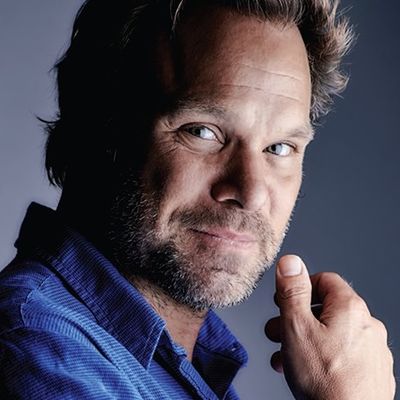
NORBERT LEO FREAKING BUTZ IS HERE!!!! 11 Broadway shows. Dirty Rotten Scoundrels, Rent, Wicked, My Fair Lady... Have you seen Bloodline? Just stop what you're doing and watch the Dirty Rotten Scoundrels Tony performance and then binge Bloodline... Read More
From the show: Guys Who Like Musicals
Guests
Featured Shows

About
NORBERT LEO FREAKING BUTZ IS HERE!!!! 11 Broadway shows. Dirty Rotten Scoundrels, Rent, Wicked, My Fair Lady... Have you seen Bloodline? Just stop what you're doing and watch the Dirty Rotten Scoundrels Tony performance and then binge Bloodline. We can't keep it together this week. Joe is fan boy mess.
This was one of our favorite conversations yet. This week we talk with Norbert about how singing in bar bands can be the best vocal training, that time he wept in Jason Robert Brown's bathroom, how the biggest job you ever have might be the least rewarding, and the genius of Jack O'Brien. We talk about his leap from stage to screen and what he learned from Sissy Spacek and Linda Cardellini while working on Bloodline.
We have looked up to this man for so long (if you can't tell by Joe's rambling) and we're still blown away that the man spent so much time with us. He was generous, vulnerable, and a WELL of knowledge. his best advice? Don't take any fucking advice. Listen in this week!
Check this out for a resume... On Broadway. My Fairy Lady, Thou Shalt Not, Big Fish, Dead Accounts, Catch Me If You Can, Enron, Speed-The-Plow, Is He Dead?, Dirty Rotten Scoundrels, Wicked, Rent. Most recently, Butz stars in NBC’s Debris series and nabbed a lead role as Rex Foster in the Disney+ adaptation of Tim Federle’s YA novel Better Nate Than Ever. Other TV credits include playing Dr. Byron Hale in David Zabel and Ridley Scott’s PBS series Mercy Street, performing the role of Kevin Rayburn in the Netflix series Bloodline, and playing Paddy Chayefsky on the FX limited series Fosse/Verdon.
His film credits include Peter Hedges’ Dan in Real Life, Vera Farmiga’s Sony feature Higher Ground, Craig Zisk’s The English Teacher, and writer-directors Geoff Moore and David Posamentier’s Better Living Through Chemistry.
Transcript
This transcript was automatically generated and might contain errors.
[0:00] Dan Tracy: I have a couple questions before we get started.
[0:02] Joe Carroll: Yeah, Dan.
[0:03] Dan Tracy: What's your question?
[0:04] Joe Carroll: Number one, should I throughout this interview, should I play it cool, or should I speak how my heart actually feels in the nerdiest musical theater way possible throughout this interview?
[0:16] Dan Tracy: Should I just like be like, cool, like welcome our guest, and like not really not really say that the first song I ever sang in a voice lesson was "Dancing Through Life"?
[0:26] Joe Carroll: I think you might want to rein it in.
[0:28] Dan Tracy: That's great.
[0:30] Joe Carroll: I just I just might want to rein that in just like for your life.
[0:34] Dan Tracy: Like whether it's me or not, just like I don't know your dating situation or your marriage situation.
[0:43] Joe Carroll: Right.
[0:44] Dan Tracy: Yeah.
[0:44] Joe Carroll: Cool.
[0:45] Dan Tracy: Great.
[0:46] Joe Carroll: "Dancing Through Life" has not aged as well as other musical theater hits from Wicked.
[0:55] Dan Tracy: Um that's a hot take, and I couldn't disagree more.
[0:58] Joe Carroll: Oh, really?
[0:59] Dan Tracy: "Dancing Through Life" is a bop.
[1:01] Joe Carroll: Why don't we get we'll get into all of that shit, man?
[1:05] Dan Tracy: We're off to a great start.
[1:07] Joe Carroll: So an actor is saying his lines, and then out of nowhere, he just starts singing.
[1:19] Dan Tracy: With the sound in Jimmy.
[1:23] Joe Carroll: Don't cry for me.
[1:34] Dan Tracy: Well, sometimes Joe comes in hot with the like, hey, I'm obsessed with you.
[1:38] Joe Carroll: And then people are kind of like, um, yeah, they're a little off put.
[1:42] Dan Tracy: Got it.
[1:42] Joe Carroll: Yeah.
[1:42] Dan Tracy: Yeah.
[1:43] Joe Carroll: Thanks.
[1:44] Dan Tracy: So I'll just I'm gonna rein it in. Like you told me, and I'm gonna just like very cool.
[1:47] Joe Carroll: So meet you.
[1:49] Dan Tracy: I was watching um I was watching "Waiting for Guffman" again a couple of weeks ago, and like that moment where um Catherine O'Hara and uh and Fred Willard is she's talking to Christopher Guest, and she's like, he's taught me to to bury all of my instincts, and it's been the best thing that's ever happened to me.
[2:10] Joe Carroll: That's like what you were asking.
[2:11] Dan Tracy: Just bury all your instincts, Joe.
[2:14] Joe Carroll: Okay, just perfect Joe.
[2:15] Dan Tracy: Just do me a favor, don't be you, right, just great be someone else for a second.
[2:21] Joe Carroll: Great.
[2:21] Dan Tracy: We're gonna be trying to be cool here.
[2:23] Joe Carroll: Not a big deal is the first time we've had a two-time Tony winner on the show.
[2:28] Dan Tracy: It's just we're so happy you're here.
[2:32] Joe Carroll: We're sorry, that's too much.
[2:32] Dan Tracy: I'm gonna take it back.
[2:35] Joe Carroll: We're we're moderately happy.
[2:37] Dan Tracy: We're moderately happy that you're here.
[2:40] Joe Carroll: We have loosely followed your career.
[2:43] Dan Tracy: Yes, very loosely.
[2:44] Joe Carroll: Have just a couple of couple things you've done, couple things you've done, just done a couple things.
[2:49] Dan Tracy: Got it.
[2:49] Joe Carroll: We have a couple questions.
[2:51] Dan Tracy: People, humans of the world, welcome to Guys Who Like Musicals.
[2:51] Joe Carroll: Welcome to Guys Who Like Musicals.
[2:56] Dan Tracy: Norbert Leo Butz is in the house.
[2:59] Joe Carroll: Wow.
[3:01] Dan Tracy: Wow.
[3:01] Joe Carroll: You're in your house, and we're in our houses.
[3:04] Dan Tracy: And you're here with us, people.
[3:06] Norbert Leo Butz: I am.
[3:07] Joe Carroll: Good morning, fellas.
[3:08] Dan Tracy: Good morning.
[3:09] Joe Carroll: We are so good.
[3:10] Dan Tracy: We are so so good.
[3:12] Joe Carroll: Yeah.
[3:12] Dan Tracy: Fantastic.
[3:13] Joe Carroll: Trying to trying to play it cool.
[3:14] Dan Tracy: Just trying to be cool.
[3:15] Joe Carroll: Just trying to be somebody else.
[3:17] Norbert Leo Butz: Nice.
[3:18] Joe Carroll: Trying to be somebody else this morning.
[3:21] Norbert Leo Butz: You're already failing.
[3:22] Joe Carroll: I know.
[3:23] Norbert Leo Butz: I know.
[3:23] Joe Carroll: Because I can't tell my guest that he like made me want to get into musical theater in the first place.
[3:28] Norbert Leo Butz: And that he completely changed.
[3:29] Joe Carroll: Sorry, sorry.
[3:30] Norbert Leo Butz: Easy.
[3:31] Joe Carroll: No, no.
[3:32] Norbert Leo Butz: No, he likes to hear it.
[3:33] Joe Carroll: That's okay.
[3:34] Norbert Leo Butz: That'll work for me today.
[3:35] Joe Carroll: I've had a very low self-esteem morning.
[3:37] Norbert Leo Butz: And uh so as you were saying, Joe, continue.
[3:42] Joe Carroll: Oh, I mean, listen, you told me at the start that I'm not allowed to do this, but I'll just jump in that that from I I have so many when you talk about the iconic moments of things you've seen from you sitting in a Broadway theater, "Dirty Rotten Scoundrels," "Catch Me If You Can."
[3:58] Norbert Leo Butz: I love "Dead Accounts."
[4:00] Joe Carroll: Oh my god.
[4:00] Norbert Leo Butz: I'm I'm from I'm born in I was I'm I'm born in Dayton, Ohio.
[4:04] Joe Carroll: So the whole Cincinnati, all this stuff from "Dead Accounts."
[4:06] Norbert Leo Butz: Like I have I have been so blown away by you by you and your career.
[4:13] Joe Carroll: And I mean, like I was joking about from at the at the top, like that "Wicked" soundtrack, we still wear it out.
[4:20] Norbert Leo Butz: That was what we all, you know, we're you know, 12 years old, 10 years old listening to that.
[4:25] Joe Carroll: I can do this.
[4:27] Norbert Leo Butz: Let me just stop you right there.
[4:29] Joe Carroll: Shit.
[4:30] Norbert Leo Butz: It was going well.
[4:31] Joe Carroll: It was going well.
[4:32] Norbert Leo Butz: I was that's it for me.
[4:33] Joe Carroll: I was that's all the time I had I was feeling the love.
[4:36] Norbert Leo Butz: I was basking in the glow.
[4:38] Joe Carroll: And then this is what I get from "Wicked" from all of you guys, right?
[4:42] Norbert Leo Butz: Who are like a generation or two younger than me.
[4:44] Norbert Leo Butz: When I was eight years old, I had to do I I had to do um uh a love scene uh in a pilot for HBO.
[4:54] Norbert Leo Butz: Um, it was my first um gay male love scene, and I had never done that before.
[5:00] Norbert Leo Butz: And uh like really never done that before.
[5:02] Norbert Leo Butz: It was brilliant script, a great director, and uh wonderful actor, and it was sensitively done, and I had to just go for it with this um much younger man.
[5:11] Norbert Leo Butz: And uh there was some serious making out, there was some serious groping.
[5:16] Norbert Leo Butz: Uh I got through with the scene.
[5:18] Norbert Leo Butz: This kid was about 21 years old, and after we got done hardcore making out, like beard burn all over my mouth, everything, he said, Oh my god, I can't believe I just made out with the guy that I listened to when I was six years old on "Wicked."
[5:34] Norbert Leo Butz: And I felt like I felt like the grossest, pervious, most disgusting.
[5:43] Norbert Leo Butz: I don't know. Like, so all of you guys who are like, oh my God, when I was 12, you were my hero.
[5:50] Joe Carroll: And then it just that's where I gotta stop you right there.
[5:54] Norbert Leo Butz: Got it.
[5:54] Joe Carroll: Because, all right.
[5:55] Norbert Leo Butz: So let's not bring age into it.
[5:57] Joe Carroll: All right.
[5:58] Norbert Leo Butz: Sure.
[5:58] Joe Carroll: You got it.
[5:59] Norbert Leo Butz: You got it.
[6:00] Joe Carroll: Absolutely.
[6:01] Norbert Leo Butz: Very fair.
[6:02] Joe Carroll: Totally fair.
[6:04] Norbert Leo Butz: Continue with the praise though.
[6:08] Dan Tracy: Well, let's just start.
[6:10] Dan Tracy: Let's there's a lot of stuff to cover here.
[6:12] Dan Tracy: And I think it's, you know, I I didn't know that you were the first replacement for Roger in "Rent," which totally tracks.
[6:12] Norbert Leo Butz: Totally tracks.
[6:20] Dan Tracy: Didn't know that.
[6:21] Dan Tracy: But I like as soon also, you know, knowing Don't tell me, don't tell me how old you fucking are when I was my friend.
[6:30] Norbert Leo Butz: Don't definitely went when I was in second grade.
[6:33] Dan Tracy: When I was born, "Wicked" premiered.
[6:37] Norbert Leo Butz: No, no, we're not that young.
[6:39] Dan Tracy: But um no, just thinking of I would have type I would have dreamcast you as Roger.
[6:47] Norbert Leo Butz: And then when I was kind of digging back into your life, it's like, of course, that's where you started, and you were super young, and that was your name.
[6:53] Norbert Leo Butz: I wasn't that super young.
[6:55] Norbert Leo Butz: I I wasn't super young.
[6:56] Norbert Leo Butz: And it's why I'm I think I'm older than anybody.
[6:58] Norbert Leo Butz: You know, I just turned 54, so I think people are like, um, wow, I thought you were younger than that.
[7:03] Norbert Leo Butz: Because I was kind of a late bloomer.
[7:05] Norbert Leo Butz: Um, you know, "Rent," I I I didn't even move to New York until I was 28.
[7:10] Dan Tracy: And you went to grad school, right?
[7:11] Norbert Leo Butz: In Alabama.
[7:12] Norbert Leo Butz: I went to grad school and I I got married, and I was I was actually kind of heading toward like an academic career.
[7:19] Norbert Leo Butz: Um, I was I was a performing actor, uh, doing a lot of regional theater, but I also had a teaching gig at Auburn University down in in Alabama.
[7:30] Norbert Leo Butz: I had done my master's down at a place called the Alabama Shakespeare Festival.
[7:34] Norbert Leo Butz: I know that is an oxymoron.
[7:35] Norbert Leo Butz: Um Alabama and Shakespeare.
[7:38] Norbert Leo Butz: It's um but um yeah, so I was down there and and that's what I thought I was gonna do.
[7:45] Norbert Leo Butz: I was gonna I had finished my master's and I was teaching and was maybe uh and still sort of like I said, doing professionals down at Alabama and Atlanta, my hometown of St. Louis, like you know, equity shows with New York directors and great great plays, not musicals.
[8:01] Norbert Leo Butz: I I was really focused on like a like a classical acting background.
[8:06] Norbert Leo Butz: That's um music, rock and roll, playing, gigging.
[8:11] Norbert Leo Butz: That's all a part of my story too, separately from theater, like growing up as a kid in St. Louis and and sort of being musical from a young age.
[8:22] Norbert Leo Butz: Um I kind of came in, came to New York with a with a lot of musical some skills, but my education is is really all in in theater and acting um and no musical theater.
[8:36] Norbert Leo Butz: So "Rent" was my first professional musical.
[8:38] Norbert Leo Butz: Um wow, yeah.
[8:40] Norbert Leo Butz: I had and I had done, I don't know, 20, 25 professional productions by that point.
[8:46] Norbert Leo Butz: I did do a production of "Big River" at a regional theater, but I played Tom Sawyer who doesn't sing.
[8:51] Norbert Leo Butz: He he just does the one song, "Give Me a Hand for the Hog."
[8:51] Norbert Leo Butz: Give me a hand, you know, and I had to do this.
[8:56] Norbert Leo Butz: Um I had to do the the bone, the hand boning.
[9:02] Joe Carroll: Yeah, yeah, yeah.
[9:04] Norbert Leo Butz: Um so yeah, "Rent" was uh just like right place at the right time.
[9:09] Norbert Leo Butz: It really was like a zeitgeisty moment.
[9:12] Norbert Leo Butz: That's exactly when I landed in New York.
[9:14] Norbert Leo Butz: I had this kind of really diverse acting background, and then I was moonlighting really all through my 20s, undergraduate school, graduate school, um in bar bands, singing uh open mics.
[9:31] Norbert Leo Butz: I did it.
[9:31] Norbert Leo Butz: I busked.
[9:32] Norbert Leo Butz: I lived for a year in Boulder, Colorado, and and busked on the Pearl Street Cafe, you know.
[9:37] Norbert Leo Butz: Um I busked um in my hometown of St. Louis, and so I was and I was starting to write songs, so I I was really torn.
[9:45] Norbert Leo Butz: I'm like, God, do I musical theater?
[9:48] Norbert Leo Butz: It was like I did the musicals in high school, they were the only plays we did.
[9:53] Norbert Leo Butz: Um but when I went I went to Webster University for my BFA, and um I they had me sing in my audition, and I was accepted into the musical theater program, and I was a musical theater major for a week.
[10:09] Norbert Leo Butz: And uh I think I probably sang.
[10:12] Norbert Leo Butz: Um I remember the monologues that I did, isn't that so funny?
[10:17] Norbert Leo Butz: Oh, yes, I sang uh "Corner of the Sky" from "Pippin" because my brother had done it.
[10:23] Norbert Leo Butz: So my thing with musicals is I'm one of 11 kids.
[10:26] Norbert Leo Butz: I have seven brothers and three sisters, and my oldest brother uh did the high school musical, and I'm number seven, so I'm growing up, and he's 10 years older than me.
[10:36] Norbert Leo Butz: I'd go see all my older siblings in the school play, very Catholic, very, very strict Catholic background.
[10:43] Norbert Leo Butz: So I always say, I only know the musical if one of my siblings did it in high school, and one of my siblings did "Pippin," and I'm like, you know, whatever, eight or nine, and I just remembered loving that song.
[10:56] Joe Carroll: Yeah.
[10:56] Norbert Leo Butz: Um, so yeah, I sang that, and I did musical theater for a a week, and it's you know, I don't know what your guys' educational backgrounds, it's a double major, you know.
[11:07] Norbert Leo Butz: It's you know, theory, voice, piano, but I was already a piano player, so I started playing piano when I was a real little when I was like 10 and studied pretty, you know, consistently till I was through with high school.
[11:20] Norbert Leo Butz: So I was a pretty solid piano player.
[11:23] Norbert Leo Butz: I understood all theory.
[11:25] Norbert Leo Butz: I was already singing and sort of doing vocal competitions in high school, actually studying like classical music, like you know, the the little Mozart and the Lieber and some of the art songs and singing and different.
[11:39] Norbert Leo Butz: So I thought I would be like uh a music major, like a classical music major, maybe.
[11:44] Norbert Leo Butz: Um so when I got to college, I I was like, I don't need to do all this music.
[11:49] Norbert Leo Butz: I know all this.
[11:50] Norbert Leo Butz: I felt way beyond the kids who were like couldn't really even read music that well and like couldn't play the piano and couldn't really harmonize and weren't that great of singers.
[12:02] Norbert Leo Butz: But I didn't I didn't know shit about acting.
[12:04] Norbert Leo Butz: I was like, oh, that's what I don't know about.
[12:07] Norbert Leo Butz: I actually am a pretty confident musician, but um so I switched, and so long story short, after doing uh, you know, being a singer really my whole life, it wasn't until I got to "Rent."
[12:19] Norbert Leo Butz: And "Rent" landed at a really fortuitous time for me because all like from 24, 23 till 28 when I moved to New York, I was getting really serious about like guitar playing and right trying to write rock and roll and and kind of folk songs and kind of Americana stuff.
[12:36] Norbert Leo Butz: I had a couple guys that I had a group with down in Alabama.
[12:39] Norbert Leo Butz: So I'd been singing in bars and clubs um like three or four nights a week.
[12:45] Norbert Leo Butz: Like I do that after we would finish the play we were doing. Like we'd go and do like the 11 to 3 a.m. slot. And so when I got to New York, I had this voice that could like when you're singing in bars, your voice has to really cut through, you know, a smoky crowd, and you know, people could still smoke inside. So I kind of had this that that edge or that grit or that non-musical theater sound. I had this kind of interesting tonal blend where because of like kind of you know, I was a correct singer. I I had really studied. I was actually studying privately from when I was 13, 14, 15 with like a classical music guy. But then my love of kind of like rock and roll and soul music and um and even country um added that kind of bar edge, I guess, that that bar band edge to my voice.
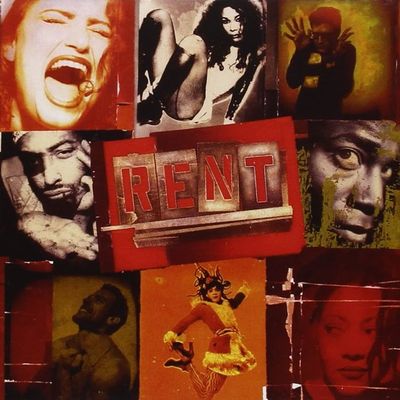
And so it was and that's what Rent was. They were looking for guys that could sing it technically, right? Eight times a week, because that shit is so hard. Um and and what had happened the air uh Anthony Rapp and Adam Pascal were both um I moved to New York after Redhead opened about three months before I moved to New York. Um, their voices were really, really shot, you know. They had the off Broadway and then the record, and then this huge, you know, it was the Hamilton of the time. And their voices were really um taking a beating because those guys, you know, Adam and Daphne and and even Adina, none of them had theater backgrounds, you know, none of them had that eight show a week. They were true rock and pop singers.
So I don't know, I just had the right mix, and so I got really lucky, and I was Adam and Anthony's, I was Adam's um standby. So I did Sundays and Wednesdays for him. And then I was just an off-stage that's called a standby, right? Yeah, I think so. Yeah. And then six months into that contract, the original member uh Gilles Chesson, who played Squeegee Man, left the show. So then I was the squeegee man and then did Roger every Sunday night. And um, and then they started having me cover Mark. So Rent got really nutty for me because I was squeegee man, and then I was kind of the first cover for Anthony Adam up. So I would do like Mark in the afternoon and Roger at night, and singing those harmonies opposite myself.
Wow, was really really tricky. Like, where am I? Yeah, anyway, that was a long answer. But yeah, Rent was was really pivotal for me. It was I got stupid lucky. I got that show six weeks after landing in the city, the the biggest show in 20 years on Broadway, an open contract. Uh, I was a really valued company member because I because of the regional theater background, I was I was flexible, I was malleable, I could do a lot of different stuff. And then the vocal shops I had, and so I stayed there for a long time, and uh that was a year and 10 months I did that show. You know, I already had a baby, and we got pregnant with our second, and um, so I was like, oh, that was a big change in my mind is that this thing that I thought I was gonna be like an academic and try to scrape together, oh shit, you can make a living doing this.
And I went from like no money to making more money than my dad and having to figure out how to protect myself eight times a week and do that shit. So it was it was huge for me, that show. And everything I in my career, I always I always talk about Rent probably more than anything else, because everything truly, if I track back, has just kind of flown flowed from that that first gig. I mean, I really do mean that. It's just, you know, I was in Rent, and then uh uh Rob Marshall and Sam Mendes were putting together the first national tour Cabaret after Alan Cumming had done it on Broadway, and I got that tour, and that's what made me leave Rent, and then you know how you know how it goes. It's just like it's an it's an accumulation of trying to do the gig in front of you as best you can and hope that it snowballs and yeah.
[17:11] Norbert Leo Butz: I feel as it looking back at those Rent people, I mean this is probably jumping forward quite a bit, but but the Wicked experience when that started, had what were you did they just ask you to do a reading or something? Or did you like you had a I have a I have kind of a specific question. Did you do that first universal reading in LA with Gavin Creel?
[17:31] Norbert Leo Butz: No, no, no. No, I think I was the last person literally uh hired for Wicked in New York. Um I it's so interesting with Wicked. Like again, that just totally came from I was doing Last Five Years actually. Right at the Mineta Lane downtown, and Joe Mantello came to see it, and um, and I got sent a script uh for an audition for the San Francisco Theatre Town. And funnily enough, um I had read the novel Wicked. I don't think many people actually had. I had actually read it a few years before while I was in Rent. Girl who played Mimi opposite me, lovely, lovely woman named Marcy Harriel. Um she took over for Daphne, I took over for Adam. And um she was uh a really avid reader, and so was I. So we trade books back and forth, and she handed me Gregory Maguire's Wicked like 1997 or something, like three or four years before I it was even you know an idea, or that I knew it was an idea, and it's that book really blew me away.
I remember stopping and starting it a few times. It's super dense, and I'm not like I don't do a lot of uh sort of you know sci-fi fantasy or any of that kind of stuff. I don't know if you guys have read the novel, but it's it's a slot, it's brilliant, but it's dense, man. I mean, McGuire, like a lot of great fantasy, he creates uh uh different realities, kind of a new language, he creates new cultures and new ethnicities and and um uh the plot is really really it's it's amazing. So I had this really strong image in my mind about Wicked. It was this really, really subversive novel about you know fascism and a lot of things. When I got the script for Wicked, it was not nearly done. Um it I think all I got were sides first and maybe like act one.
And I remembered like not really liking it. I remember I I remembered going, I just I I passed on the audition. Wow. So this would have been 2000 and when was Last Five Years, maybe 2001. 2002, 2001? 2001. It was right after 9-11. So yeah. Uh maybe like winter of 2002. Sure. Um and I I remembered passing on it. Um just because I was like, I I can't really do much with this. I think they just need kind of like a kind of a stud muffin kind of a guy. There wasn't really anything on the page. And so I passed.
[20:17] Norbert Leo Butz: Um, and then like full disclosure, like um, then I went through some uh, you know, some personal uh some tough times. My wife and I split up and I had two small kids and um Last Five Years closed early. Um another musical I had done was a big bomb called Thou Shalt Not. Um I had done a couple TV things, and I it was a real fallow period for me. I'm like, I need a job, I really needed a job. So they came back around and asked me to audition again several months later, and that time I went in. Um I read with um I read with Kristen and Adina. Wow. And um, and Dee and I were already friends from Rent, so that felt real good. And uh Kristen and I just sort of hit it off. It was kind of like a chemistry read, and and they hired me uh for San Francisco.
Um, none of us had Broadway contracts though. Um, I mean, I guess the girls did, but I didn't. Um, and uh, you know, I just thought I was gonna be fired all the time. It it was it was the the show was was kind of a mess in San Francisco, um as as all shows are when they're those big behemoths, you know. Uh it was over long, it was unfocused, uh the supporting characters were really getting lost in translation. Um they you know, I had fought for, you know, Fierro in the book um is actually uh he's he's not a leading man. He's he's uh he's a much sort of darker, uh stranger character. So what they did for the musical was they combined two characters, kind of this college vapid party boy who he became, but Fierro in the book is actually um this winky prince um who's from uh uh uh and winky would have been um sort of a strange kind of um eastern influenced culture.
So he's he had in the book uh tattoos all over his face. Um he he spoke a different language, um, so he had this really weird dialect. He was extremely shy. Um the girls loved him because he was like sort of mysterious and he looked like a bad boy, but it was more a cultural sort of fear of him. Um, and he's this sort of quiet, troubled um uh sort of magnetic, kind of charismatic stranger that comes to Shiz University. Um and I I can do strange, um, but I I don't do sort of like typical, you know, like I I'm just not that dude, you know. I'm five'eight, I look like fucking John C. Riley's younger dumb brother, you know.
[23:15] Norbert Leo Butz: Um as one reviewer con kindly said in my uh one of my Rent uh uh reviews, they came to re-review the show. Uh and this is when you have to start thinking about not reading your reviews, but uh Norbert Butz sings the role uh uh amazingly well uh with an operatic fervor and uh something something tenor. Uh unfortunately he has a face for the radio though.
[23:42] Joe Carroll: Um that would have been the end for Joe.
[23:49] Norbert Leo Butz: If Joe gets out of no, he's out. Listen, there was I I I've talked about this on this show before though. There do never I I was in Frozen with Patti Murin, and Patti Murin says that that reading um like uh blog posts like the Broadway World or uh YouTube comments is like emotional cutting.
[24:09] Joe Carroll: Oh, totally, yeah.
[24:10] Norbert Leo Butz: And and there was a there was a YouTube comment after I did a uh uh Today Show thing when I was in Cinderella, and I read like the a couple horrible things about myself, like doing 10 minutes ago on the Today Show, and I was like, oh my god, oh my god.
[24:26] Joe Carroll: Oh yeah, people hate and then like I think it was Dan and my you know, wife and friends, like don't listen, don't you don't turn it off, turn off the comments, don't read, don't read the reviews.
[24:35] Norbert Leo Butz: Well, like anyway, it's so funny.
[24:37] Joe Carroll: Yeah, yeah.
[24:38] Norbert Leo Butz: I mean, that's one thing, like getting on the chat rooms and doing that shit. But I'm always of the philosophy where it's like people are like, Oh, don't read you, don't ever read your reviews. I've developed this, tried to develop this process where I don't actually read them, but I need to know what they're about.
[24:53] Norbert Leo Butz: Are we gonna have a fucking run or not? You know, right. So my agent or manager calls, I've done this for years. They'll call on opening night and be like, You're gonna have a nice run, or it's not going, or it's not going our way, you know.
[25:08] Joe Carroll: Um I don't who who wants to sit and have the stress of like, you know, do uh you know, are they terrible?
[25:16] Norbert Leo Butz: Um anyway, right, right. So Wicked was an interesting thing. So in San Francisco, I was kind of advocating for that that weirdo that I read in the book. And I think there's a couple of pictures online of me with this.
[25:29] Norbert Leo Butz: I really fought hard to get this tattoo. But in the huge theater, it was very sort of Mike Tyson-y looking. In the theater, it just looked like I had like I looked like the elephant man as Firo. It was like a sort of a scarring kind of, yeah, and so they were like, get rid of the makeup, and then the song wasn't working. His first big song was this song called "Which Way is the Party?" And it wasn't working, and I remember we were in our final weeks of preview, and Steven Schwartz invited me over to his apartment on a Saturday morning, and he had three different song ideas for a replacement, and he was like, "This is it," one, and he would play me the song. I'm like, "That's cool." He's like, "I'm going for a Hall & Oates sound here," and then he played another one, and then he played, he goes, "This is the one I really like."
And he goes, I think he had used a riff from The Police from "Every Little Thing She Does Is Magic." It's kind of what gives it that slightly kind of off, not reggae, but he was kind of going for like a ska type of a bouncy kind of rhythm. Yeah. And I liked it right away, and so we put that into the show. Like that's how autotitles are, right? Like they put this new song in with like four performances left. Wow, but yeah, so Wicked was tricky, and then I thought I would be fired, like half the cast was replaced, and I was like, "I'm gonna be fired." Because they never quite, the rewrites were so constant, you know. So Wicked was a real challenge because I hadn't worked on anything that scale before.
Rent tripped into, through tragedy, tripped into being the, and obviously the quality of the songs made it what it was. Wicked was sort of like built from the ground up, and you guys know it's like that's really, really hard to get those huge, huge shows together.
[27:51] Joe Carroll: Well, I was gonna ask because I remember the interviews from like the San Francisco and from I remember when it was opening on Broadway, and people were saying it was the most expensive musical ever made at that point. And the, you know, kind of people were betting against them because it was this behemoth. But I was wondering if you knew that the show would be successful at all while you were there, because obviously you're only there for a year or two in the beginning. Did you know it would still be playing 25 years later at that point?
[28:23] Norbert Leo Butz: No. I thought we were looking at like an epic, epic bomb. And I really did because in a lot of ways, those two women are so ridiculously unique and incredible. They were gonna be fine no matter what happened to the show. Their talent was so obvious. But we know that a great show, it just can't be built, it can't survive on just one tour de force in the middle of it. You know what I'm saying? It can't last. And to the producer's credit, they kept on working and working and working and figuring out that balance between the girls. I think what happened with Wicked was that it became a show about sort of empowerment for young girls through friendship and that type of thing. And that's really not what the book is about.
In the book, Glinda is a very supporting role. It's a big political allegory, but like I said, really dense, way more heady. And so Mark Platt, I think he did a great job, you know, because he knew he was gonna have to market this somehow. And so I do think that the supporting characters did eventually sort of get sacrificed for that central conflict storyline, yeah. Good girl, good girl, bad girl, bad girl, um storyline. So it was in some ways in Wicked, I just felt hamstrung all the time. I kept wanting to do more, and the role kept getting smaller and sort of less specific, and then what it really did just want was just like, you know, a tall, great-looking guy who could fill out those white pants and, you know, sing the notes.
So I always felt like an, I always felt like a dickhead. I felt like such an asshole in Wicked. I'm like, you know, I'm a character actor. So when if someone's like, you know, your job is to look good, I'm just a nervous wreck, because as I said, you know, I'm kind of, you know, I'm like two points higher than like a Danny DeVito, really at the end of the day when you think about it. Like man. No, I mean, let's fucking call a spade a spade. Like it's like, you know, yeah, I, you know, I am what I am, you know. I'm like a short, stubby, you know, balding. I listen, I love myself. Don't get me wrong. Don't not hear what I'm not saying. But I always felt sort of like the leading man, you know, like romantically, I just always felt like such an idiot doing those parts.
[31:24] Dan Tracy: Well, I think—
[31:28] Joe Carroll: Go ahead, Dan.
[31:28] Dan Tracy: No, I was just gonna say you're like it from everything that you've told us, it you're like a rock star at heart, though. You're also like you're an actor who is a, it feels like, you know, music is such a part of you, but also like you're a character actor. There's that adage that like every leading man wants to be a character actor, they get to play better parts and stuff. But I mean, Dirty Rotten Scoundrels, then coming a few years-ish later, I would have been able to say that that feels like you get to embrace everything that is character and also technically, you know, like lead the show.
[32:00] Norbert Leo Butz: Yeah. I mean, you know, before we started this conversation, just saying everything really has just, you know, organically led to the next thing. I got Dirty Rotten Scoundrels because I only did Wicked for two weeks after we opened. I had a serious neck injury. I ruptured two discs in my neck on stage at the Gershwin. I had to have an emergency spinal fusion. I have a titanium rod and six screws that keep my neck attached to my thoracic spine. Yeah, that's—I got seriously injured during Wicked and was out for three months. And in that three months, they had replaced me with Tay Diggs, and I was feeling much, much better. I had all this time to kill. And I got the call about doing the workshop of Dirty Rotten, and it was a week-long workshop, and I just had a ball.
It was my first time meeting Jack O'Brien. Sherry Scott and I were great friends, obviously, from doing The Last Five Years and Rent together. It just felt like kind of coming home. And see, yeah, and so like I was telling you about that whole time in my twenties when I was in doing regional theater, I was doing—I did a lot of comedies. I did like even like classic farces. Like in graduate school, we had to do a Molière and Fey Do and those types of things. We had Comedia classes and Dirty Rotten Scoundrels was, yeah, man, it's one big vaudeville riff. Very improvisational in nature, you know, kind of a no-holds-barred farce. And I was up for it, man. I think I responded to it so strongly because I felt so hamstrung in Wicked. I'm like, "Fuck, I wanna contribute, man. I want to like have an effect on the play, you know." I felt like I just didn't have any effect on Wicked.
[33:59] Joe Carroll: Yeah.
[34:00] Norbert Leo Butz: And so I think that was like a lot of bottled up ambition and a lot of like, um, and I had a great director and great, great fellow actors. So that was just a gift, man. And I was just ready to go for it. And when the workshop went so well, they offered me the out-of-town and the Broadway contract. So I had to actually leave Wicked a couple just a few weeks early. They let me out of my contract so I could go to—and then I—so it's interesting about Wicked, it's by far the most famous thing I've ever been a part of in terms of stage work. But it's the shortest time I've ever performed anything. So I did San Francisco, we did a month of previews, I broke my neck, I was out for three months. My contract was only 10 months to begin with, so I only did that show really for like six months.
I came back after my injury, and then I left to go do Dirty Rotten. So Wicked is interesting to me because I didn't do it for very long, but I did meet my wife doing that show, and so Wicked was really here. Was the great thing about Wicked. It was a lot of drama, you know, a lot of drama. And the money, the expectations, all of it, right?
[35:23] Joe Carroll: Right.
[35:23] Norbert Leo Butz: Creative team that really struggled to find out what it was. And I meet this girl who just, you know, knocks the wind out of my sails. We had a mutual friend from college that sort of reintroduced us. And then we found ourselves on the first day of Wicked together. I was in the middle of a divorce and we became great friends, and then we just fell wildly in love. So Wicked for us was like so delightful because we just stayed in our own little cocoon, you know, in, you know, kind of in each other's dressing rooms on two-show days and ordering food and just like that heady time of falling in love. And we didn't have to go to the Tonys, we never got asked to do the press stuff. We know it was sort of great. We just got to have an old-fashioned hot show man, and it was awesome. Good, absolutely it was—it got me through that whole experience, yeah. So here we are 14 years married later and a 10-year-old daughter.
[36:22] Joe Carroll: Wow, yeah.
[36:23] Dan Tracy: Brilliant, amazing.
[36:24] Joe Carroll: Oh my gosh. That's amazing. Well, I just on to just back to, you know, I'm not allowed to nerd out. I've done pretty well for the last half an hour since I started off really horribly. I've been missing it a little bit actually. Just that Dirty Rotten Scoundrels, I got a rush ticket to see it. I didn't know anything about it. I sat in like the second row or wherever, like one of these really, you know, first row, second row. And just the experience of like what I knew of musical theater, I didn't know that contemporary musical theater could be funny in that way. I didn't know that the—like, you know, for me it was the high school shows and it was the classics or it was whatever. Right. And to see you guys just especially, and it makes sense that it was improvisatory because you're just like you're up there, it was unbelievable fun. And one of my, I would say top five or ten moments in a theater, just watching you run around like a rock star comedian. So I'm done. I'm done.
[37:23] Norbert Leo Butz: 2005 Tonys was like a beacon in my—from here where I am now back there is a straight line. Like I remember that it's Spamalot, Scoundrels, Piazza, Spelling Bee. I remember your performance the first one.
[37:39] Joe Carroll: It wasn't that—wasn't that an incredible year for best musical nomination?
[37:43] Norbert Leo Butz: Really amazing year. I felt really super honored to be in there. And I actually still remember watching your performance on the Tonies.
[37:52] Norbert Leo Butz: Yeah, man. Scoundrels was a huge growing experience for me. I don't know if you guys have worked with Jack O'Brien or a director like that.
[38:05] Dan Tracy: Yeah, Dan does, yeah.
[38:06] Norbert Leo Butz: I did that on a music tour.
[38:07] Dan Tracy: Okay, yeah.
[38:08] Norbert Leo Butz: So like you know what I'm talking about, like you know how well I guess here's what I would say.
[38:15] Norbert Leo Butz: You're um Joe, you were talking about kind of like the freedom that we had, and because I I wasn't really trained on musicals, I don't think I had in my mind a way that they're supposed to work, or a way that you're um I I uh so maybe that kept me from maybe certain tropes, or I I don't know. Um, but also having a director like Jack, who was the artistic director of the old globe, right? And so he had done with this huge, huge, huge resume of a ton of classical work and new plays and language plays. And I'd kind of come from that same world. When you have a director like that, who is so smart, and he would kick my ass. He was really hard on me.
[39:00] Norbert Leo Butz: Yeah, he doesn't let you go. He doesn't. That wasn't a good show, was it? And you're like, 100%. Even more than that. He would come into my dressing room and say, I am not having you. Norbert, you gotta step up. Um what he meant by that was he was so right on in a farce, like a crazy comedy like that. Even think of great movie comedies. They're not super funny for the first half hour, 45 minutes. You can't get out there being like, look at me, I'm funny, I'm funny, I'm funny. He would be like, You're not funny. The play is funny, you're not funny.
[39:43] Norbert Leo Butz: Right. He would really come down hard if you were gilding the lily. He he's super smart about winding the jack in the box. So and and this is true of all classic farces, like and like a Molière, Fado, Noises Off. Think of the great farces, it's all set up, set up, set up, set up. You gotta know the characters, you gotta believe in the stakes of the play. You gotta really believe these are real people in a real situation. Then you can blow it all to hell when people re have to pursue the money, this the girl, the sex, the power, the whatever, right?
[40:19] Norbert Leo Butz: Right. Um, but it's set up, set up, set up. So his understanding of the architecture of how a comedy works was he was real strict about that. If you laugh, I I I started to be able to get all these laughs, right? You get a laugh, and then you Christian Borrell is the best at this of anybody, right? You can get a laugh, then you can get a laugh before the next line, then you can get a third laugh before, you know what I'm saying? You can just uh Kristen Chenowith, these type of genius comedic actors. And I could do that too.
[40:55] Norbert Leo Butz: And I was starting to do that, and Jack would come and kick my ass because laughter is a release. So in a let's go with a farce. Yeah, you got a rope of tension. Every time you laugh, it loosens it. And a farce, you gotta ratchet, ratchet, ratchet, ratchet. You can let it go naturally. And the script was so funny, we didn't have to fuck around too much with it. Like it was like the Yazbek's lyrics. I mean, like every other line is hilarious, you know. Same thing with Jeffrey Lane. So if you're adding on on top of that, it dragged his whole show down.
[41:30] Norbert Leo Butz: And I really learned, um, and it was a steep learning curve for me. I have a really addictive personality, and getting laughs can be a kind of chemical buzz. Um and I really got uh felt um uh victim to that. And he he shaped me up, man, and got it to the point where there was a balance of he he understood uh the kind of maniacal lengths that we were going to, the characters were going to, but he kept me in line, and and I think it it just saved my ass in that show.
[42:10] Norbert Leo Butz: I give all the credit to Jack in that show. He's such a genius. When I when I booked that job, we were playing softball with Aaron Tavate, and he was like, just do yourself a favor, and when you sit down for those group note sessions, just record them. Because he's gonna drop some kind of 10 minute like monologue about the mystical, the you know, the mystery of being an actor that's gonna change your life. And he did that every day. And he's gonna be a good thing.
[42:36] Norbert Leo Butz: All the time so good. I mean, and he was teaching in my show 10-year-olds how to act. It was unbelievable. Like he's the best. He didn't, it wasn't so much that he could teach our company how to act, but what he could do was offer um metaphors that were so useful to me. He had that would crack me up. He had this idea early on, and um he would say, I want everyone to feel like they're in the wrong play.
[43:06] Norbert Leo Butz: In other words, I've come on to the play, and I think I'm in, I think I'm doing Glengarry, Glenn Fucking Ross, right? I'm in a mammoth play. And I keep looking around, going, isn't this the right play tonight? But it's dirty rotten scoundrels, right? And so you're trying to figure out why did I rock and walk into the wrong space? Um, or like uh, you know, uh Joanna Gleason playing the like super airhead rich lady. He was like, I want like iconic, right?
[43:33] Norbert Leo Butz: He was like, I want you to feel like you're in Tennessee Williams summer and smoke, like a a dramatic, tortured you're in summer and smoke, and you walked in to do the play, and you're on the wrong fucking stage. And how did I how did I get where are we? Um, and that's funny. That's a funny idea to pursue. Right. And it keeps you real honest, it keeps you real active. And it was so it was stuff like that with Jack.
[44:03] Norbert Leo Butz: I was like, oh, right. And then you know too, Dan, like, because of his his classical background, he would be like, you're you're stressing the wrong word here. Right. He he would say, if you stop in the line here, you gotta drive it through to the end. Yep. So I actually have Jack come and see anything I do. Like I had Jack come and see my fair lady to help me out with I mean Bart Shear doesn't need any help. He's amazing.
[44:29] Norbert Leo Butz: But whenever Jack comes, I say, come in, and he would say, It's all great in this one speech. You've got I missed the because what's the point you're trying to make? You're that's right, the target word is at the end of the line. You're taking two pauses before you get there. That kind of knowledge from a director is gold, man. It's gold. I don't want anybody to tell me when to fucking move, how to say a line, what my character is.
[44:57] Norbert Leo Butz: I've done all that work, I'm a smart actor, I know what my fucking job is. I need help to make it better than I'm ever gonna make it on my own. And that's who Jack is.
[45:06] Joe Carroll: Absolutely.
[45:08] Norbert Leo Butz: And it's that technical stuff too, that's like almost of a different era. Like it's not realism, it's really a different thing that we don't do as much anymore.
[45:18] Joe Carroll: Totally, totally.
[45:20] Norbert Leo Butz: I've worked with mostly really good directors, but you guys know this. It's like if you don't have anything use really useful for me, it's it's just better if you leave me alone. Like, like offer useful things, or le get out of my way.
[45:35] Joe Carroll: Right.
[45:35] Norbert Leo Butz: And and Jack is just all useful things. Everything.
[45:39] Joe Carroll: Yeah. Absolutely.
[45:41] Norbert Leo Butz: Um this is so good, man. Man, I because I could do another one. Are we are we done? Are we done yet? Are you out? Okay. Mommy, can I go home now?
[45:50] Joe Carroll: You can absolutely go home.
[45:52] Norbert Leo Butz: I'm so sorry. Is it snack break yet?
[45:56] Joe Carroll: Dan, this is my nightmare. The guests want to the guest wants to leave.
[46:00] Norbert Leo Butz: Okay.
[46:00] Joe Carroll: Oh boy.
[46:01] Norbert Leo Butz: I'm I'm kidding. I'm kidding. In all seriousness, we just there is a question that Dan and I are both really interested in. Um just the the transition and the and the work from stage to screen.
[46:15] Joe Carroll: Um did you I I think uh that you I I want to make sure that this is true before I just jump into it. But did you work with Bob Krakower?
[46:23] Norbert Leo Butz: Uh Bob Krackauer, the film coach. Yes.
[46:26] Norbert Leo Butz: Oh very, very briefly. Um just one or one or two sessions. I I uh not just Bob, uh something else I think I've done in my career that I think is kind of rarer. And I think it's because I was an acting teacher for a few years before I became a professional actor.
[46:42] Norbert Leo Butz: Um, and I thought that's what I was gonna be. I when I even when I was in rent, um even up until like last year, I still take acting classes, and so um I think I have kind of studied or or or done classes uh with a lot of just like when I was rent, I was doing classes at HB Studios. I just like I I'm interested. It it it fascinates me.
[47:05] Norbert Leo Butz: So yeah, I did a like a weekend with Bob or a day, um and and got a lot of a lot out of it.
[47:15] Joe Carroll: Yeah.
[47:16] Norbert Leo Butz: Yeah. Because we're both sort of Dan and I are both disciples of his in this way, but you know, making the transition from theater to to screen.
[47:24] Norbert Leo Butz: Yeah, and it seemed like at least the story that Bob tells, he was like, You went in, you got into the class and had not done a lot of TV at this point, but had already done an enormous amount of theater and won a Tony Award and been nominated and and various things. That like there was there was something in this medium of pictures that he talks about that sort of unlocked a world for you that then led to more TV work in the way that like, you know, I mean, uh we could nerd out about bloodline, we can, you know, all of these things that you've done.
[47:54] Joe Carroll: But I mean, what was that? That did did something was there a light that turned on or a shift that that really opened that for you?
[48:00] Norbert Leo Butz: I do Bob is an excellent teacher. Um, and I knew that even from doing like, you know, I think we worked you know, a few hours uh uh over the weekend together, but I watched a lot of people work and uh I I did get on and I I did learn a lot from him in that short time.
[48:17] Norbert Leo Butz: Um I don't he wasn't teaching me anything new. I think right away I reconnected with what I already knew about the camera, which is um yeah the um the the way that it doesn't lie in the way that when we're on stage, you know, I had a great movement teacher in college who who always used to say the body doesn't lie.
[48:38] Norbert Leo Butz: So like an actor walks on stage and like how what is that sixth sense that we have that an actor walks on stage and you're like, I don't believe that actor. I don't believe that. Like you don't even know them from Adam. You're like that actor's not in the right play, or oh God, look at that actor has that terrible um spine thing. Is that a character choice? Oh god, I don't think I think that's something with that actor's like the body doesn't lie, or somebody walks out for an audition, and how can we smell the fear in their body, right?
[49:05] Norbert Leo Butz: We see them not breathing. And the same thing with the camera, because all although it has to do with the eyes, you know, it it just will pick up every every falsehood, every single one.
[49:18] Joe Carroll: Right, right.
[49:19] Norbert Leo Butz: And so Bob talked a lot a lot about that. And it gets it all gets back to this greater idea of um of listening, um, which is really right, listening and and reacting. And I guess I just maybe always was doing that on on stage.
[49:41] Norbert Leo Butz: And I don't know how to explain it, but I was not natural on a camera. And the learning curve, you guys, there are so many fucking terrible pilots out there that nobody has seen that I have done. There are so many commercials that are like hopefully running in like Dubai that nobody will ever see. There are a thousand on camera auditions that I I would be mortified if anybody saw the thing about working on camera that's really tough.
[50:11] Norbert Leo Butz: Like, think about it. Like when we were in college and doing some, you're on stage every day. Every day your body is learning how to exist in this medium with camera work, especially when we do theater, it's like every few months or a couple times a year, you get to like do a guest. There's no day in and day out just to get familiar with that fucking thing to demystify it.
[50:35] Norbert Leo Butz: And I think that the change that really started to happen, I think it was bloodline because that was the first time. I mean, look, I I had always like everybody else, I I booked the Law and Order once a year, or you know, the guest spot or the commercial, or um, and every time you get back on a set, you just feel like a dickhead all over again.
[51:01] Norbert Leo Butz: Like, what am I doing? Again, because right, it's been so long. You're like, uh, what do I do? Right. And after Big Fish bombed, I really did a kind of a reassess of just sort of the Broadway paradigm of you know, workshop, out of town, workshop, wait around for six months, workshop, you know, do the show, bomb, bomb, close, move out of the theater, close, you know. Oh my god. Um and uh and that started to not really work for me anymore. I've got three kids and all the rest of it. Um and I had been turning down, like seriously considering TV work that didn't shoot in New York. If something shot in New York, I would try to book it, but I was turned I was saying no to almost everything. And I finally just like have the guts and I said yes to Bloodline after I, you know, I did a couple of auditions.
I luckily got hired, and I remembered it was a my wife and I, you know, three seasons, five to six months each, living in Florida, flying back and forth and by back and forth, you know, and it was doable. And the great thing about it, it was way out of my comfort zone. And I was really out of my comfort zone on that set. I'm working with like major, major movie and TV geniuses, you know. And here's me, like, you know, and I had such a huge learning curve. It was like the biggest learning curve for me working on a set, being so disciplined from the theater. So, like the crew used to make fun of me on Bloodline because it'd be like picture up, and there would be Norbert, like ready to act, like ready.
And no other fucking actors are even close to thinking about coming to the set yet. Like Ben Mendelsohn would have this thing where he'd be in his trailer. He played a lot of video games to kind of Sissy Spacek was brilliant, but she uh she moves really slow. Uh they're all so slow. They would come and kind of I thought they would be mumbling their lines. I remember whenever I would do a scene with Sissy um or Linda Cardellini, they speak so quietly that they're like the super quiet actors, and I've got this fucking, you know, voice, right? And they would always be like, So what do you think I'm gonna do this thing tomorrow night? I'd be like, What? I can't hear you. I can't hear you. I'm sorry, can we cut?
I didn't hear the line. She'd be like eight inches from me, and it'd be like, Do you really think I'm you know, she's wearing a lavalier mic, right? But what I learned, and I think a lot of theater actors think that TV and film actors are, you know, I don't know, uh entitled or not skilled. It couldn't be further from the truth. What I learned from those actors taking their time, getting to set, saying, wait a minute, we'll go when I'm ready. They take back the space. Right. The camera needs you guys know this too, a total relaxation, even if it's a pumped-up energetic scene, right? That that mental relaxation. And so Kyle, Sissy, uh, Sam Shepard, these these brilliant, they understood the camera so well, and they understood this idea that the camera comes to them.
We show up in the theater on the front foot, like I'm gonna, I'm gonna put this on camera. They don't. They meander onto the set, you know, start rolling. Uh let's go again. Let's go in. They keep it like this. And what we were trained, like like Russians, we're like, let's let's nail the scene, let's do it 20 times, let's do it full out every time. And what I was missing was starting the scene, owning the space, um, taking a real big um, real big pause. Cause remember I said the camera doesn't lie, so all that extraneous nervous movement, right? Too much moving, touching your face, you know, too camera doesn't want all that, right? It doesn't need all that. It needs it needs needs the truth.
It needs what the writer has given you and the most direct way to do it. Anything else it doesn't want. So it was a big learning curve. And and I felt uh in, you know, in the theater, we're we're tuned like a metronome, you know, it's half an hour. Copy that, 15 minutes, got it, right? Places everybody places do your job now, do your job now. You know, you don't like think about coming down the stairs at five after places, but on film sets, um, because we we do, we have to bring it out there to that audience, but a camera you bring it to you. I'm still really learning my way around this, but um, and then the other thing in the theater, we run a marathon, you know, and right in the in camera and TV work or film work, it's sprinting.
So it's not that those actors aren't incredibly skilled, they are able to hyper focus um for for for very short periods of a time, like real focused, right? Um, and then walk away from it. I did a movie with Steve Carell years ago, and watching him between takes was he's he's not a funny guy, he's not uh a wild and crazy guy. He's really, really he's a great guy, really sweet, but he's very internal. He would have these days, he's in every frame of the film. Between takes, he's not cutting up. He sits, he's not like super weird about it, but he just sits and modulates his internal clock, you know what I'm saying? In the theater, we're like jumping around backstage. Um it's a different thing.
It's like what an Olympic sprinter does, you know, before going up, just like focus, stillness, breathing, so that he could get on, and then he would fucking kill it every take. He would be so funny, but he's not spending any energy between those takes. He's right chill, internal, um, focused, um, kind of builds a bubble around him. And most of us theater actors, we show up on sets like I'm so fucking happy to be making some money. I better find I and I and I want to do good, and I want to do more of this. God, let there be more of this, and I'm gonna nail it every time. And that's the absolute wrong way to start. Right, totally.
[57:30] Joe Carroll: Oh my god. That is can we write a book based off of this interview?
[57:36] Norbert Leo Butz: Of advice could uh if you would ghost write it for me, yeah.
[57:44] Joe Carroll: Listen, you just dictated it for the last like you know, this this last hour.
[57:48] Norbert Leo Butz: Yeah, we have AI for that. I can just plug it into a program.
[57:52] Joe Carroll: Are we already turn?
[57:55] Norbert Leo Butz: We're at an hour.
[57:56] Joe Carroll: We're at an hour, yeah.
[57:58] Norbert Leo Butz: Fuck an A. See, here's the thing about the podcast. If you just jump on and do all the talking, that shit is over like so quick.
[58:08] Joe Carroll: Oh my god. No, this was awesome. If we could just like sneak in a couple of our tried and trues, just because I think it's very valuable. What would you describe as your greatest challenge in your career? And you can it doesn't have to be a long answer.
[58:23] Norbert Leo Butz: Oh, yeah, that's super easy. The greatest challenge in my career has been parenting.
[58:31] Norbert Leo Butz: Parenting, um parenting and and adulting and mar and marriage, and finding uh sweet spot between having this crazy life of uh of a wandering uh player and uh and trying to find consistency and um and consciousness while while you're parenting. It's a hard it's a hard balance to strike. Um we in in this business, you know, we we finish a show, especially if it's something like Dirty Rotten Scoundrels or you know, something high energy. We come home, we're up, you know, we've had people throwing roses at our feet and you know, praising us, and you know, and or not or writing terrible things about you, as Joe, as you've mentioned, you had some not so nice things written about you. I have definitely had my share.
So you have the all this stuff in your mind, right? All this adrenaline, all these chemicals, and then it's seven o'clock the next morning, and you know, you've got a kid who has not their math homework and will not eat breakfast, and it's raining. And oh fuck, I have an audition at three. Who's gonna get the kid? Like I guess in a way, I guess, and I'm learning to get better at this. This I don't know, I guess the word is multitasking or sort of compartmentalizing. I used to be completely captured when I was working on something uh in my career, like totally captured. I love that about what we do. I love having a part and getting lost in it, all the research and just nerding out on everything.
I just love it. I love the whole process. And we're churning that stuff all day long. You know, you start getting ready for your show from the minute you wake up, right? What's left in the voice today? And what am I gonna eat? And should I what kind of exercise should I do today? And uh God, I gotta get that scene right tonight. So it's all there. How do you balance that with like your kids? It's so crucial that they have you, you know, that they have you present. So um finding that balance, man, has been has been the trickiest part, I suppose. Not to mention just like the financials, just like oh god, how do I make this work? You know, I gotta take this gig because uh I don't really like this material, but then this is that I just have I have one through college, one in college, and then a 10-year old.
So it's like, you know, it's a lot of that, you know, it's adulting. It's scary, scary for me to look at 11 Broadway shows, two Tony wins and a couple nominations and dozens of TV shows, and thinking that you're still worried about money. So I'm getting a little cautious, um, to be honest.
[1:01:41] Joe Carroll: Um also just quickly, what what advice would you have for your young self for for if you could go back?
[1:01:49] Norbert Leo Butz: I love this question. My advice to my younger self or to any one young actor is do not take anyone's advice to your younger self.
[1:02:02] Norbert Leo Butz: Fuck advice is what is my advice. And I mean that sort of facetiously, but sort of not. One thing a lot of actors are, including me, to our core are people pleasers. We are like a dancer with a Russian master teacher, or like a martial arts student with your sensei, or us with our directors, right? We um, especially when we're young, how many times did somebody say to you, you know what I think you should do? You know the types of roles I see you playing? Do you know? Here's what you need to do. You need I'm gonna give you a name of somebody, and I think you should do that. What I and I would do that. I would be like, oh, this I want to be like that, so I should do what they said. I was so susceptible, I think, to advice um and malleable too, wanting to please different people.
And there has to come a time when you're like, I don't know what the right fucking thing to do is. I don't know how to make this work. My instinct wants to do this, and I'm gonna do it. Like, you know, uh, it uh asking advice is is I I'm I of course I'm I'm generalizing there are certain things you just gotta you gotta get second opinions on, right? Or third opinions on, but a lot of it people want to know tell me who I am, you know what I mean? Tell me who I am, and no one obviously no one can do that, and it's actually destructive to your you, your what you have to give to to the business, right?
[1:03:41] Norbert Leo Butz: Um if you if you try to fit yourself into squares or circles, that was I took way too much advice. I think it's why I was in college until I was fucking 25, 26 years old. Seriously, I was like, um, there was a sense that you know, you know, my my parents were really were really nervous about me being an actor. So, you know, you know, a master's degree would really help you have something to follow, yeah. I think that's probably right. So I I think I look back and I there were things that I did that were done out of, oh, that's the thing I should do. When at a deeper level, it's sort of like I think I know what I want to do, man. Um you know, so that's so good. I've never directly tied the feedback loop of stage actor to director before, but we are kind of taught at a young age that like I'm gonna do a good performance, and then my director's gonna tell me it was a good performance, and then it's a good performance.
[1:04:39] Joe Carroll: 100% it's like no, it's follow your own path, completely agree.
[1:04:44] Norbert Leo Butz: 100%. There are so many people we have to ask permission from before we can get the job, before we can excel in the job. Um, and it's it's where's that moment where you kind of you know take them take a second, say, what the f what do I what do I want, man? I really do know what I like. I know what I think I'm good at, I know. Um, so um, and it's advice on everything from you know, you should really uh have you thought about you know getting a personal trainer? I think if you have you know, it's everything like that, you know. Um I don't have a personal trainer. I I think I have just kind of a regular dad bod, and I've been getting sort of like way more work, I think, because I'm just like me, as opposed to like um if I had taken everyone's advice and you know gotten myself all cut and chiseled, maybe I would have been a better Fiero. But um maybe I wouldn't have gotten to play Freddy and Carl Hanratdy and Kevin Rayburn and do you know what I'm saying?
[1:05:53] Joe Carroll: Right, right.
[1:05:54] Norbert Leo Butz: Yeah, it's exactly and then the second part of what you said was like there's that feedback loop, and what you're all you're doing is preventing yourself from what you could become. Totally. Because you're allowing what other people are saying to shift what you're gonna become instead of just really. I don't know if that's true for everybody. I don't know if it's true, but it was definitely true for me. I had a really tough dad, like a really, you know, an intense uh uh authority authoritarian sort of dad, ex-marine, and so like um, you know, I think it was wired in me to kind of uh for for that kind of approval. And that shit has to go. It has to go, man. You gotta please yourself with your work.
[1:06:36] Norbert Leo Butz: I we had this interview with Cher. She was like, I don't give a fuck what people say about me. She goes, I answer to three people. God, my mother, and myself. And I was like, right on, Cher. Right on. Seriously.
[1:06:49] Joe Carroll: Yeah.
[1:06:50] Norbert Leo Butz: Yeah. That's awesome. That's awesome.
[1:06:53] Joe Carroll: So our last question we ask everybody is what's your unreachable star? It's our unreachable star question. You've done so much in your career, so much in your life. Is there something you're pointed towards, something you'd want to accomplish?
[1:07:03] Norbert Leo Butz: Hmm. No, I I mean the honest answer is is no. Yes, and that something once a day comes up that I think I'd like to, you know. Um I think I'm ambitious for new experiences. I think I'm ambitious for uh, and I'm curious to keep on learning how to do this, but I just simply and I've tried to lie my way into this because I'm it's just the truth. I have no dream role, I have no dream production, I have no dream actor to work with, I have no dream director to work with. I mean, it's just the truth. Um, because I think I've been doing this so long. I I guess I say that because I've gotten my dream roles sometimes, and some of them were just terrible experiences, and I've tripped into things that like what I don't know anything about this writer or this role or thing that were so uh rewarding to me and changed my life. Accidents that just fell.
[1:08:08] Norbert Leo Butz: Um so for me, it's just better if I just kind of stay in a flow and and um like I said, keep keep my instinct honed. So that means like when I read something or I get sides for an audition, right? It's like try to let go of the the fancy names that are on the list on the breakdown and try to let go of the money you think you could make and just look at that scene and those words. Um and um and and be honest. Do they does anything happen when I read it? Does like am I laughing out loud? Am I going, oh shit, am I turning the pages like this? Am I you know what's happening literally in my body when I'm reading this stuff? Is nothing happening? It's like a big whatever burger. That's all really important data, do you know, in terms of uh it's the most important data.
[1:09:07] Norbert Leo Butz: The most um I I say this a lot, like I didn't know anything about Jason Robert Brown's. I didn't know anything about the last five years. He had seen me in rent, they were looking for somebody for this autobiographical musical. He had heard me sing um at this some songwriter's convention or something, and uh he wanted me to come in for Jamie, and he said, Would you come over to my apartment? And he was like, I'll be honest with you, you're my first choice. I really, you know, um I wanted to, so we had a little work session on two two or three of the songs, and I I literally didn't know him. I was meeting for the him for the first time I'm in his upper west side apartment, and he plays me two songs from the show.
He plays me um the song that was before Six a Goddess that that uh um uh the Irish Girl song. Yeah, yeah. Um, and then he played Nobody Needs to Know. And I I think I had told you guys my my marriage was sort of falling apart. I was divorced not long after I did the last five years. Um and I didn't even know this guy. And I asked him where his bathroom was, uh, after he just j he just played music. And I went to his bathroom and I lost it. I just started to to shake and to sob and like get your shit together. What's happening? And that is gold. Right. That's gold. If you get something like that, you fucking pursue that as far as you can. That first impulse is is I think so many actors get tripped up, right?
Um, and then they start to intellectualize the closer you can stay, in my experience, to that first, you know, kinetic response to material um is your that's your guidepost, you know, that's your north star, and you just keep going toward that. Cause it's really all you have to hang on to. You might get in there and the director sucks, and the other then your fellow actor is nuts, and right, you know, it closes early or Ben Brantley hates you or whatever, right? You know, if that initial thing is like and it's rare. We we we get it like so few. Um something because the money's good, or you do something because the director's good, or because the next one is a and we have to do all those things, right? We have to do all those things. Right. Of course, right. But but you also want to hang your hat on the work because if you can't, then if the rest of it goes away, then what do you have?
[1:11:44] Joe Carroll: Yeah.
[1:11:44] Norbert Leo Butz: I I I mean, Dan and I we just did this workshop of of I think we can say that, right? Should we not? We did a workshop of a thing of a couple of a thing. Of a movie that's gonna be they want to make a musical. I don't know if we can. Yeah, yeah. Um, but yeah, well, we can say we just did a workshop, right?
[1:12:01] Joe Carroll: Yeah, yeah.
[1:12:02] Norbert Leo Butz: Captain America the musical.
[1:12:03] Joe Carroll: Okay.
[1:12:04] Norbert Leo Butz: There you go. So awesome. Super excited. Sounds amazing. No, honestly, we can say it's a golden girls musical. Uh Dan and I are playing the uh the couple next door. We're the couple next door uh for the ladies. Um no, um uh we just did this thing, and I felt that way about it, Dan. It was just like um, you know, I don't know if this is ever gonna turn into anything. I don't know if I'm not even right for this part, whatever, but like there's a spirit here, there's a kernel here that I I can get real energized about what this thing is trying to say, the sound of this thing, the you know, I can I can get behind this. Um that's gotta come from yourself. It can't come from anything, you know.
[1:12:48] Joe Carroll: Right, and that's what I was so struck by working with you, and I came right to I called Joe right away, and I was just like, I I couldn't believe how invested you were in the table read, the rushed table read, which was super weird because people were coming and going in the middle of it in like that first big monologue you had, and people weren't really paying attention, but you kind of used all of that with I was so affected by how kind of invested you were in the present of that, and I will take that with me. And I think because you know you've done so much and you've had all of these opportunities, but then to be that invested in this thing that doesn't have there was no money, there's no guarantees. I don't even know if it's good, you know.
[1:13:34] Norbert Leo Butz: Yeah.
[1:13:35] Joe Carroll: Who knows if anything is good, right?
[1:13:37] Norbert Leo Butz: Right, right.
[1:13:37] Joe Carroll: What is good?
[1:13:38] Norbert Leo Butz: But you were so invested in those small things that it was such a good reminder, and like, well, that's a good thing.
[1:13:42] Norbert Leo Butz: Oh, that's so sweet. Can I go now?
[1:13:45] Joe Carroll: Well, that's that's all the time we have.
[1:13:53] Norbert Leo Butz: That is the greatest. I think that's the best end to a podcast.
[1:13:56] Joe Carroll: Oh, that's so sweet. Can I go now?
[1:13:58] Norbert Leo Butz: Yeah, can I go down? Can I go play outside?
[1:14:00] Joe Carroll: My wife.
[1:14:02] Norbert Leo Butz: You can go play outside.
[1:14:03] Norbert Leo Butz: My wife always does that. Like, we actually just finished this project together, and it was like this the days were so long. And she always does this thing where she goes up to the director and she's like, um, excuse me, can't can I go home now? I have to eat, I have to have a sandwich. I need a sandwich. Can I go can I go home? Like right when you're in the middle of like the town out of 12.
[1:14:21] Joe Carroll: Right.
[1:14:22] Norbert Leo Butz: Can I take a nap?
[1:14:25] Norbert Leo Butz: So um uh thank you. Thank you for being here. Um Mr. Butz is starring in uh NBC's Debris, and he has just nabbed a lead role in a new Disney Plus series called Better Nate Than Never.
[1:14:39] Norbert Leo Butz: Yeah, I just finished this film for Disney. Um the great Tim Feder Federley, who wrote this hilarious sweet book about this little this gay 13-year-old kid who's obsessed with the theater, and he's from this working class Pittsburgh house of which I play the father, and my and my wife plays my wife in the movie. So it was our first time. Like we work together all the time on auditions, and we've done readings together, but not since wicked have we like been in the same project. So we had so much fun. Um I said, honey, so cool. This is either gonna be a blast or we're gonna be divorced by New Year's. Or the end, right? And it was the former, so we had the best time.
[1:15:24] Joe Carroll: Oh my God. Well, that's amazing. We can't wait to check that out.
[1:15:27] Norbert Leo Butz: Can't wait. Super cool. Thank you so much for being here.
[1:15:30] Norbert Leo Butz: Dude, my pleasure. You guys are awesome.
[1:15:41] Dan Tracy: Thank you for listening to Guys Who Like Musicals. We are now part of the Broadway podcast network.
[1:15:48] Joe Carroll: We are hosted by Dan Tracy.
[1:15:50] Dan Tracy: That's you.
[1:15:50] Joe Carroll: And Joe Carroll.
[1:15:51] Dan Tracy: That's me.
[1:15:52] Joe Carroll: We're produced by Ryan Kincaid, and Matthew Mucha is the social content manager. You can find us on Instagram at Guys Who Like Musicals, on Twitter at Musical Guys, or the old fashioned way at www.guyslikemusicals.com. If you'd like a chance to be featured on the Ask the Guys segment of our show, please call 203 900 7990 and leave a message with your question.
[1:16:14] Dan Tracy: As always, thanks for listening.
© Broadway Podcast Network, All Rights Reserved