

“A day of peace.A day of pride.A day of justice. We have been denied. Let the new day dawn, Oh, Lord, I pray... We'll never get to heaven. Till we reach that day.” If you don’t know RAGTIME, get in the car, drive three hours and listen to every word... Read More
From the show: Guys Who Like Musicals
Guests
Featured Shows

About
“A day of peace.A day of pride.A day of justice. We have been denied. Let the new day dawn, Oh, Lord, I pray...
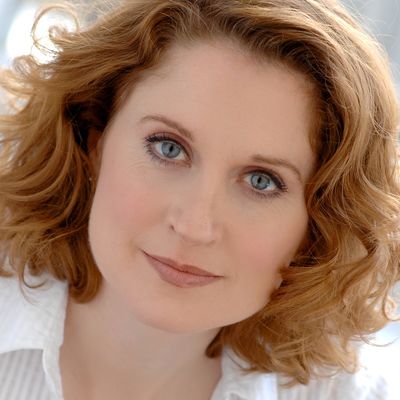
We'll never get to heaven. Till we reach that day.” If you don’t know RAGTIME, get in the car, drive three hours and listen to every word. CHRISTIANE NOLL IS HERE!! She is a Tony nominee for the 2009 revival and Dan’s theatrical Mom. She (before COVID) was Cynthia Murphy in DEAR EVAN HANSEN on Broadway and was also seen featured in the original cast of Jekyll and Hyde. Joe was Younger Brother in college and it was the first time Dan saw Joe on onstage, it was love at first sight. Ragtime is an epic, powerful, Goosebump inducing show that is as relevant in 1975 (when the book was written) as it was in 1998 as it is in 2020. Go out and tell your story .. let it echo far and wide.
Transcript
This transcript was automatically generated and might contain errors.
[0:00] Dan Tracy: Hi.
[0:01] Joe Carroll: Hi.
[0:02] Dan Tracy: Welcome to Guys Who Like Musicals.
[0:03] Joe Carroll: Welcome to Guys Like Musicals.
[0:06] Dan Tracy: I'm glad to be with Guys Who Like Musicals. This week we are talking to Christiane Noll, and we are talking about what show, Joe.
[0:14] Joe Carroll: We're talking about Ragtime.
[0:34] Dan Tracy: So an actor is saying his lines, and then out of nowhere, he just starts singing.
[0:41] Joe Carroll: Boxing civilian.
[0:49] Dan Tracy: Don't cry for me.
[1:08] Joe Carroll: We're talking about Ragtime, which was the first time I saw Joe Carroll on a stage.
[1:12] Dan Tracy: Oh man.
[1:12] Joe Carroll: And I was...
[1:14] Dan Tracy: I was Younger Brother, uh, my sophomore year of college at University of Michigan.
[1:19] Joe Carroll: Oh, that's fantastic.
[1:20] Dan Tracy: Absolute peak.
[1:21] Joe Carroll: It was an absolute peak.
[1:23] Dan Tracy: That's it.
[1:25] Joe Carroll: Pretty much any time someone does that show, I would say that's probably true.
[1:29] Dan Tracy: Yeah.
[1:29] Joe Carroll: Yes.
[1:29] Dan Tracy: Yeah, this is one of my favorite shows, and I told my mom that we were doing Ragtime. I just got off the phone with her. I was like, "Mom, we're doing Ragtime this week." And she was like, "Yes," because I also think it was a peak for her.
[1:39] Joe Carroll: For me.
[1:40] Dan Tracy: Right, right. I love this freaking show. Um, I'm so we're so grateful that you're here. I don't want to make you uncomfortable, but I would almost I would almost move to say that we have a legend in our midst.
[1:54] Joe Carroll: It's like you're all I like yes, yes.
[1:56] Dan Tracy: Would you say that, Joe?
[1:57] Joe Carroll: I would say for sure. This is one of those very rare occurrences where we have a Tony nominee in our presence.
[2:04] Christiane Noll: Yeah, this is something you're making me feel better because COVID has sort of knocked it out of me.
[2:10] Dan Tracy: So okay, go ahead.
[2:13] Joe Carroll: Yeah. Yeah, we'll just nerd out about you and Ragtime for the next hour. But we're so grateful that you're here. And you know, we're gonna get to a million different things in this hour, but we're so excited because you played Mother in the Ragtime Revival, and as Dan has mentioned, got a Tony nomination for that role. So you know the material very intimately, and yeah, we're very we're just we're thrilled. We're thrilled you're here.
[2:37] Christiane Noll: Thank you. Thank you, Joe. That's kind of you.
[2:40] Dan Tracy: A little more about Christiane and some of the things she's worked on and her illustrious career. She went to Carnegie Mellon. She played Ellen in Miss Saigon on the national tour for four years. She originated the role of Emma in Jekyll and Hyde on Broadway. She had some great reviews for some City Center productions and a Paper Mill production. She's a good one.
[3:06] Joe Carroll: I wanted to see that 1776 so bad.
[3:09] Christiane Noll: Oh, that was wild.
[3:10] Joe Carroll: There were some really good videos of, like, you know, press videos.
[3:18] Christiane Noll: I love it.
[3:19] Joe Carroll: That was very controversial. She won the Ovation Award for the National Tour of Urinetown, and she's currently playing Cynthia Murphy on Broadway after originating the role on the tour.
[3:32] Christiane Noll: Although not technically currently because of COVID, but technically currently.
[3:32] Dan Tracy: Technically currently prior, prior, prior pandemic, pre-pandemic.
[3:43] Joe Carroll: Right. PP.
[3:43] Dan Tracy: My buddy was calling this those times BC, before COVID.
[3:43] Joe Carroll: We have our BC.
[3:43] Dan Tracy: That's better than PP. I like that.
[3:43] Joe Carroll: And then Dan, how do you know Christiane?
[3:43] Dan Tracy: I can't go without mentioning Christiane playing my mother in the lab of October Sky, a musical which never got to see another production after our lab, which was in the director who was kind of one of the big flag waivers and I think movers of that she passed. So yeah, that was a rough going, but oh god, I loved that show. That was such a good show.
[3:43] Christiane Noll: So much.
[3:43] Dan Tracy: But you know, they were doing a series like the producing team was doing a series of readings, and you know what the one right after us was because it had all the same stage management team, all the same everything? Do you know what it was?
[5:25] Christiane Noll: What a group.
[5:26] Joe Carroll: No.
[5:27] Dan Tracy: Beetlejuice. So guess what they decided to produce? It's like, eh, yeah, right. But that was just a great show. That was a great three weeks, and I will never forget your encouragement. I had I actually got to see you over Christmas break in Ragtime, and it was a short run, which we'll get into. You guys were robbed of a longer run because it was a brilliant production, but I looked up to you like you wouldn't believe, and then all of a sudden you were playing my mother. It was crazy, and I will never forget kind of your kindness and understanding and leadership in that room.
[5:56] Christiane Noll: It was really awesome.
[5:58] Dan Tracy: You were there in Jill Pace and Jeremy.
[5:56] Christiane Noll: I loved that show so much.
[5:58] Dan Tracy: So good.
[5:58] Christiane Noll: And the material and that character that, I mean for me in particular, I loved the character.
[6:05] Dan Tracy: Yeah.
[6:05] Christiane Noll: I thought she was just a hoot. And there were so many strong female characters. I think that's why I really loved October Sky so much, is because yeah, there were some really great male characters, but so many really well-written female characters.
[6:19] Dan Tracy: And it's like, oh, we could use this, but yeah, but alas.
[6:24] Christiane Noll: Onward and on.
[6:26] Dan Tracy: So let's talk about Ragtime.
[6:28] Joe Carroll: Let's talk about Ragtime.
[6:29] Christiane Noll: Yeah.
[6:30] Dan Tracy: Yes, let's do it.
[6:32] Christiane Noll: Oh man.
[6:33] Dan Tracy: Yes.
[6:33] Christiane Noll: Please.
[6:34] Dan Tracy: So we did the Kennedy Center production was in 2009.
[6:40] Christiane Noll: And we started rehearsals in March.
[6:46] Dan Tracy: March, because I gave birth to my daughter in February.
[6:52] Christiane Noll: Oh my God.
[6:54] Dan Tracy: Oh my God.
[6:55] Christiane Noll: Yeah.
[6:56] Dan Tracy: And uh, yeah.
[6:59] Christiane Noll: And I called my agent.
[7:00] Dan Tracy: I'm like, okay, she's out.
[7:02] Christiane Noll: Tell them she's out.
[7:03] Dan Tracy: We're ready.
[7:04] Christiane Noll: Oh, I'll be there.
[7:05] Dan Tracy: I'll be there.
[7:06] Christiane Noll: Yeah.
[7:06] Dan Tracy: So we started rehearsals for the Kennedy Center six weeks after I gave birth.
[7:11] Christiane Noll: That's a Broadway baby thing.
[7:13] Dan Tracy: I think that baby's like Broadway baby.
[7:15] Christiane Noll: They know they're like, okay, like mom, mom has to go back to work.
[7:19] Dan Tracy: The dad has to go back to work.
[7:20] Christiane Noll: Like, yeah.
[7:21] Dan Tracy: Okay, so even how she, you know, when we were conceiving, it's kind of like, okay, I looked at my schedule.
[7:26] Christiane Noll: Okay, okay, we could either have we could either do it now, we have to wait till November.
[7:30] Dan Tracy: You know, like it was like so it was really stupid.
[7:34] Christiane Noll: But yeah, that that I I credit, um, I credit any success that I had with that role um being because I was complete mommy fog because I couldn't think about anything else.
[7:48] Dan Tracy: I just was just so I just took everything as it was coming and didn't pre-plan anything.
[7:54] Christiane Noll: And that's turned out to be the best thing I could have done for mother because so many weird things are coming at her all the time that and that she doesn't judge and she doesn't know what she's doing.
[8:04] Dan Tracy: She just kind of, oh, okay, take that.
[8:06] Christiane Noll: Oh, that's that.
[8:07] Dan Tracy: Oh, all right, I'll handle this.
[8:08] Christiane Noll: But she doesn't let it overwhelm her, and she just like one step in front of the other.
[8:12] Dan Tracy: Oh my gosh.
[8:12] Christiane Noll: Yeah, yeah, it was pretty awesome.
[8:14] Dan Tracy: Did you just cry during "Our Children" every night?
[8:17] Christiane Noll: Like I don't know how he'll get to that later because that's one of my favorite songs in the show the show.
[8:23] Dan Tracy: That like how as a new mom to sing that, yeah.
[8:29] Christiane Noll: You know, like well, that well, what was harder was I I stood um, I had the the the fake baby.
[8:38] Dan Tracy: I held at all I would walk into rehearsal and go and pick up the fake baby because when I was home, that's all I was doing was holding the baby and just rocking her back and forth and and just had her on me at all times.
[8:51] Christiane Noll: And so I just was like, Well, I picked up the baby.
[8:55] Dan Tracy: I'm like, because I should be holding the real one, but I'm not, so I'm here, and I would just be like rocking in the back of the rehearsal room.
[9:03] Christiane Noll: And so when we finally ran um "Daddy's Son" in the room when I got to watch it, I was a wreck.
[9:14] Dan Tracy: Yep.
[9:14] Christiane Noll: "Daddy's," I I when she's like, and I buried you in the ground.
[9:19] Dan Tracy: I'm like, I mean, you know, my emotions were on my sleeve as it was.
[9:23] Christiane Noll: It's like, how would you do that?
[9:24] Dan Tracy: And Marcia Milgram Dodge was like, okay, we're gonna do that a few times.
[9:28] Christiane Noll: And she came up and she's like, okay, you can't, you can't keep breaking down.
[9:30] Dan Tracy: You have to like I get it.
[9:33] Christiane Noll: You got it like, okay, okay, that a few times, I'll be okay.
[9:36] Dan Tracy: Another few times I'll be okay.
[9:38] Christiane Noll: You know, so like the there was like a whole week that everything was triggering me.
[9:42] Dan Tracy: And she's like, Okay, you got you just have to find your way through this.
[9:45] Christiane Noll: I'm like, I will find my way through this.
[9:47] Dan Tracy: Yeah.
[9:47] Christiane Noll: But yeah, Archie, Arch, what was great about "Our Children."
[9:51] Dan Tracy: I mean, it didn't, it didn't become about the kids as much as it was about feeling something for Tata and being able to share this emotional connection and love and watching someone express love for his child and seeing that and also so sharing that um and and just not and wanting to be able to just hold his hand and you know, all of the things, even though he was sort of, you know, barely kind of a uh a a stranger at that point in the play, but not really, you know, but just feeling such a connection and just not knowing what to do with all that.
[10:30] Christiane Noll: And that is what was heartbreaking.
[10:32] Dan Tracy: It's like you're talking about "Our Children," but you're actually talking about something else.
[10:36] Christiane Noll: Yeah, which was what made that that uh that odd for me anyway.
[10:40] Dan Tracy: That the way we did it, that that was that was such a a wonderful, wonderful exploration.
[10:46] Christiane Noll: That's amazing.
[10:47] Dan Tracy: Was that your first uh sort of experience with the show?
[10:50] Christiane Noll: Had you uh had you seen the original?
[10:51] Dan Tracy: Did you know the source material at all?
[10:53] Christiane Noll: I was at opening night of the original.
[10:56] Dan Tracy: I got to I got to because that was back um right after "Jekyll" opened, so I was almost fancy, not really fancy, but kind of fancy.
[11:06] Christiane Noll: So I got I got to go to the opening, which was amazing, and I you know was just loved it and was floored by it, and knew a bunch of people involved with it and were so excited and thrilled to be to be present for it and just thought, oh, this is amazing.
[11:26] Dan Tracy: But even that show, I mean, it ran it it ran, but not as long as it is it could have or should have, right?
[11:33] Christiane Noll: You know, and and uh which was puzzling to me because it was just such an extraordinary experience, but you know, we go through I guess different phases with with musicals in terms of what it is we're looking for and what we need or what the general public needs from uh walking into a a theater, and you know, there I'm sure you guys have an opinion about this, that maybe with post post-COVID PC the the way that we look at producing shows and what they do for us, like you go back to the golden age, there were tons of shows coming through every season.
[12:15] Dan Tracy: It you know, if you ran for six months, like you would capitalize at that, and then you gotta run.
[12:22] Christiane Noll: That was great.
[12:22] Dan Tracy: You do 200 performances, and then you get out and you move on, and you then you do something else.
[12:28] Christiane Noll: It wasn't shows were not meant to run three, five, twelve years.
[12:34] Dan Tracy: Like that that wasn't the point.
[12:36] Christiane Noll: The point was to get the stories in and to so that and do it in a way where people could, you know, buy a ticket and go to the theater two, three, four times a week.
[12:46] Dan Tracy: Like and and and be able to afford it and be a part of it.
[12:50] Christiane Noll: So that it it was part of our our consciousness.
[12:54] Dan Tracy: And you know, "Ragtime" certainly original and then the revival certainly kind of had fell into a place of well, you know, it it's an expensive show and it was huge.
[13:06] Christiane Noll: And so we you know we're gonna bring it because it's such an a moving piece of theater and it was such a beautiful production.
[13:12] Dan Tracy: So we're gonna move it whether whether that was the right thing to do uh from a business point of view or not.
[13:19] Christiane Noll: You know, I don't think I think everybody kind of put that aside because they were so moved by the piece, which was a testament to the writing and to what we were doing.
[13:27] Dan Tracy: I mean that was I couldn't feel badly that it didn't run longer because I mean except that I was like well you know can't you can't we can't you do something people should see this but you know that we're that was I think where things started changing in terms of how we're selling it and what people are looking for in terms of how long the show runs I don't know what you think about that.
[13:50] Dan Tracy: Yeah, it's interesting. We've talked a lot about shows pre-1990, and a show running for 894 performances, 834 performances like the original Ragtime would have been an incredibly long run.
[14:03] Joe Carroll: You know, at that time, shows like Fiddler on the Roof running seven, eight hundred shows, that was a hit.
[14:08] Dan Tracy: And now we're in this place where shows stay open for 10 years, 20 years, and the result of that is that there's no urgency for the audience to see a show.
[14:18] Joe Carroll: Right.
[14:19] Dan Tracy: So if the shows were turning over faster, I think maybe you're right that people would make an effort to see theater more instead of people only seeing one show every year or two shows every year.
[14:30] Joe Carroll: And obviously, it's an affordability problem as well, like you said, but that's an interesting point.
[14:34] Dan Tracy: But I remember when Ragtime was happening and people saw what the reviews that we got and just the word on the street was so wonderful. And the crew and the musicians were helping us pass out pamphlets, like the cast.
[14:56] Joe Carroll: We were doing the passing out in Times Square.
[15:01] Dan Tracy: The people, like we, everyone was like, we so believed in this. We were the ones that were doing the publicity and passing these things out so that people wouldn't even know we were there. Like it was the weirdest, it was so weird.
[15:15] Joe Carroll: And we thought, well, you know, a lot of my friends and people within the business thought for sure, oh, this is gonna run for at least a year. I'm gonna wait until the spring, you know, and I'll do, you know, I'm not gonna worry about exactly what you're saying. There wasn't an urgency because it was a foregone conclusion. Oh, this is beautiful. This is gonna happen.
[15:31] Dan Tracy: But you know, it's a different world now. So it was very weird, but a beautiful, beautiful piece of theater, regardless. And let's cover, Joe, let's jump in to try and talk about some history and how we got to 2009 and let's get to it.
[15:54] Joe Carroll: Okay. Ragtime is a musical with music by Stephen Flaherty and lyrics by Lynn Ahrens and a book by Terrence McNally, the team that got together then to do Anastasia very recently, and it's based on a novel written in 1975 by E.L. Doctorow.
[16:11] Dan Tracy: It also was made into a movie a few years later, but the musical is obviously not based on the movie. The original production of Ragtime opened January 18th, 1998.
[16:26] Joe Carroll: It was the first production at the Ford Center for the Performing Arts, which is now the Lyric Theatre where Harry Potter is.
[16:34] Dan Tracy: Yes. And they called it the Ford Center, like Ford put money into it because of the Model T Ford in the show and all of that.
[16:44] Joe Carroll: That's kind of how they got a tie-in.
[16:46] Dan Tracy: Yeah, kind of right.
[16:48] Joe Carroll: Wow, that's Henry Ford, Henry Ford, and they call it Ford Center, yeah.
[16:52] Dan Tracy: Some very serious product placement.
[16:55] Joe Carroll: Very serious. Honestly, I wonder like what came first then. Like my question to that is like, did some—did we're Alex and I are watching New Girl right now, the TV show, because it's just like fodder and fun and we just need to laugh, you know.
[17:10] Dan Tracy: And there is so much Ford product placement.
[17:13] Joe Carroll: It's written into the show. We're literally, it's they're like, This is the new Ford Flex. And it's like, and they're like, I love driving it. It has a great, like, you know, trunk space or whatever. It's so blatant. So part of me goes like, did somebody from the Ford Motor Company come to Ahrens and Flaherty and be like, okay, I need you to write a song about the Model T Ford?
[17:31] Dan Tracy: Because that number in the show, I mean, like the car is everything.
[17:31] Joe Carroll: Like the car is his, you know.
[17:37] Dan Tracy: Yeah. But I wonder if they were like, okay, no, we need a song. We need a full song about it.
[17:42] Joe Carroll: I yeah, I wish I could talk about, but I can't imagine that's amazing. But I mean, I don't know. I don't know. I think it just worked out. I think it probably—I think the chicken came first. I imagine they wrote the show and then realized, hey, we could maybe get some.
[17:56] Dan Tracy: Oh, we should call.
[17:58] Joe Carroll: Yeah, right. I'm sure. Definitely. It played Ragtime played 834 performances, 27 previews. It was directed by—closed January 16th, 2000. It was directed by Frank Galati, who at the time had directed a brilliant production of Grapes of Wrath and went on to do Susan Cole and Pirate Queen.
[18:18] Dan Tracy: And it was choreographed by Graziella Danielle, who choreographed The Visit and Pirate Queen and directed and choreographed the Annie Get Your Gun revival in 1999, and we talked about last week, which is our straight line from last week.
[18:31] Joe Carroll: Where, yeah.
[18:33] Dan Tracy: Chicago on Chicago.
[18:35] Joe Carroll: Uh, yeah, yeah, she was a real original Huniac in Chicago. I did a workshop with her and our guest last week, Tyler Haynes. So check it out. Again, we're a real podcast.
[18:44] Dan Tracy: This is a real podcast.
[18:46] Joe Carroll: She's awesome.
[18:49] Dan Tracy: Yeah, and it's really beautiful. You know, some of that staging of those original opening numbers, which we're gonna talk about, you know, some of those Fosse-esque musical staging numbers are just like so iconic from this show, and we're gonna have to cover all of that.
[19:05] Joe Carroll: But quickly, the revival opened November 15th, 2009 and played 65 performances tragically before closing on January 10th, 2010. It was directed by Marsha Milgram Dodge, and it starred our beloved mother, Christiane Noll.
[19:19] Dan Tracy: Wa woo.
[19:20] Christiane Noll: That's you.
[19:21] Dan Tracy: That's me.
[19:22] Christiane Noll: That's you. The awards and considerations and critical response, the original review written by Ben Brantley was, I would say, lackluster.
[19:34] Joe Carroll: Yeah, I think I recall that.
[19:36] Christiane Noll: Yeah.
[19:37] Dan Tracy: Yeah, he said, this is a show without a subconscious, a parade that never strays from the well-paved surface of Main Street. The feeling he had about it was that it had all of this glitz and glamour, but there was nothing really underneath, which is not—I don't think fair. I can't imagine watching, listening to this show and feeling that.
[19:57] Christiane Noll: I mean, I think the hard part about this show is it's so big. There are so many stories and characters, and a lot of times we get sidetracked into these numbers that are built in maybe to like add some levity or some character stories that we're not sure how it all the way plays through to what Colehouse's story is or to what Mother and Tata's relationship is. So I think it's just kind of like maybe it was too much. I don't know.
[20:20] Dan Tracy: Yeah, that's a tapestry, certainly. I mean, I think the original version, you have Audra and Stokes' performances that really brought made the Colehouse storyline kind of pop out a little bit more than the others, I think, just by the sheer magnitude and the presence of those two extraordinary actors. I mean, there's a lot of incredible people in there, obviously.
[20:45] Christiane Noll: Right.
[20:48] Dan Tracy: Marin and who was Tata? Was that Peter Friedman?
[20:48] Christiane Noll: Peter Friedman.
[20:55] Dan Tracy: Yeah. I mean, they were all amazing, but because of those two, I feel like it maybe it wasn't a triangle. And I feel like the show is successfully told when you realize that these are three equally important stories and how they intertwine and what that means. But it's a mammoth undertaking to do such a large show.
[21:30] Christiane Noll: But I've seen regional productions of it. And I did a workshop with some high school students over in central Pennsylvania outside of Harrisburg. And I got, you know, I was amazed to talk these kids through the end of Act One and get them to really connect with what that means for them personally, you know, have just the injustice, and this was only a few years ago. So it was a big thing, and these kids, like they were transformed when they really personalized it, you know.
[22:09] Dan Tracy: And I sometimes wondered, you know, is it more rewarding for people who were doing it than it is for people who are sitting through it? And I don't know if that is also part of it. What do you think, Joe?
[22:23] Joe Carroll: Because you did it.
[22:24] Christiane Noll: That's a very interesting point.
[22:27] Joe Carroll: Because for the people in it, I mean, it was one of the greatest theatrical experiences of my life.
[22:32] Christiane Noll: It but it is long. I mean, it's like it's three hours. It's an epic, yeah.
[22:38] Joe Carroll: Yeah, it's an epic. Every other song feels like, you know, that is the—every other song feels like a showstopper. They're all epic, they're all big. You almost don't get a chance to breathe.
[22:53] Christiane Noll: Or they all have some sort of real emotional impact.
[22:56] Joe Carroll: Yes, listen to this extreme emotion that I'm feeling about all of these things. So it is a little relentless in that way. And I wonder if it is like for, you know, I would love to hear from people who have just seen it in that way because I loved the record, and I just think it is a great thing to listen to in this time, and we'll get to, you know, all of the things that have aged well and the things that haven't, but yeah, it is like you get all the music on that original cast album. It's three, you know, it's almost three hours long.
[23:28] Christiane Noll: So I wonder.
[23:30] Dan Tracy: Yeah, it's a good point. I don't know. I don't know, because I've loved everything about it and loved being in it and loved being a part of that story. But if somebody showed up on a Wednesday matinee, you know, is that it too much, maybe? I don't know.
[23:31] Christiane Noll: I don't know.
[23:43] Dan Tracy: I don't either because I was like, surely you guys are—are we all feeling something? Aren't we all like, oh, you know?
[23:53] Christiane Noll: Yeah.
[23:54] Dan Tracy: I have some thoughts on that that I think I'm gonna save for when we get to talking about how the themes aged and stuff. Because I think obviously we can't talk about this show and not talk about the debates in the presidential election and some of the things that are happening culturally because it feels like if we revived this today, it may run forever because it feels like this story has never gone away. But we'll talk about some of that as we keep going.
[24:17] Joe Carroll: For now, let's talk about some Tony Awards. The original production was nominated for 13 Tony Awards, question mark. It says 12 on Wikipedia, but this quote said 13, so it's 12 or 13, and Lion King was nominated for 11, and Lion King won Best Musical that year.
[24:37] Dan Tracy: So when we talk about shows that the industry decides, you know, Lion King wins, and now Lion King is still open.
[24:44] Joe Carroll: It's still open.
[24:46] Dan Tracy: And it's just, you know, it's like the timing of what season you open in. Like, hope you don't open with Hamilton.
[24:52] Joe Carroll: Right.
[24:53] Dan Tracy: Good luck.
[24:54] Joe Carroll: The story of Waitress the Musical.
[24:55] Dan Tracy: Very good.
[24:56] Joe Carroll: That got a decent run too.
[24:58] Dan Tracy: We did.
[24:59] Joe Carroll: Exactly. The original production won Tony Awards for Best Book, Best Score, Best Featured Actress, Audra McDonald winning her third Tony Award at the age of 28.
[25:11] Christiane Noll: And it won Best Orchestrations.
[25:13] Dan Tracy: Yeah, don't gloss over that. She was 21 years old. I'm gonna go back to it when we talk about casting.
[25:18] Joe Carroll: Okay.
[25:18] Dan Tracy: But Best Orchestrations, it won as well. The revival was nominated for six Tony Awards.
[25:24] Joe Carroll: Yeah.
[25:26] Dan Tracy: And our guest had one of them.
[25:28] Christiane Noll: Yeah.
[25:30] Dan Tracy: That obviously this wasn't your first original production. It wasn't the first role you originated in a Broadway show, but it was your first Tony nomination. Like, what was that like? What does that feel like? How was that experience? Especially having closed the show, it must have been just such a roller coaster.
[25:46] Christiane Noll: Well, I remember I have to back up a little bit because I remember Michael Kaiser, who was head of the Kennedy Center coming into my dressing room, and they were very, very kindly gave me this awesome little dressing right off the stage because I said, you know, mama's gotta pee every between every scene. And sorry, I can't run downstairs, you know. So please, and they're like, okay. So, you know, and so he came in to visit, and it's like this was right after we had opened and said it's a beautiful show and we love it, and you know, we're don't just have a good time with it. This is—we're so happy to have produced it. It's not gonna go beyond this. But you know, I'm inviting some friends from New York in case you hear that so and so is in the audience.
Don't get all freaked out because it's too big a show, there's no way it's too expensive, you know. But I feel so strongly about it. I wanted my friends to see it. So, and then he came back a week later and it's like they want to move it. And I fell on the floor. I'm like, I literally fell on the floor. I'm like, are you kidding? What happened? Should they be smoking crack if they wanted to move this?
[27:04] Christiane Noll: And he's like, I they they were weeping. And one of the producers that came down, I'm not gonna say who it was, but one of the producers who came down did not really like the original. And he's like, he was a puddle when he sat through hours. So he's like, I and and he's like, I can't that it had never been moved like this. So it really just became about um going with his heart, and and so he was very instrumental in moving it. Um fast forward, now we're on Broadway. A lot of the Kennedy Center cast comes with us, and the kids did. Um, and then you know, we're running, and that's exciting. We get extended, and then or sorry, we get our closing notice, and then they decide to extend us one extra week because people were like, wait a minute, wait a minute, wait a minute.
Right. And the kids were just so distraught, thinking, what do you mean we're closing? When I said, no, no, no, no, no, no, no. No, you we don't get to feel sad about this. This was amazing. This was supposed to be a very short run at the Kennedy Center. We got extended a lot down there as long as they could possibly have us down there. I said, this is gravy. This is this peep, this does not happen. You know, we're getting into onto Broadway the back door. You know, this is not supposed to happen. This is because we've done good work. So you just enjoy this. Let's, you know, no tears. This is this is one, just soak it in. This is wonderful. And we closed and that went away. And then you know, awards season was starting to come up.
And I was like, you know, I I've been in this business long enough to know when stuff is when if if you don't make it to the spring, if you make it to the spring, then chances of getting a nomination are go up significantly. But if you don't make it to the spring, you know, don't, don't again, no tears, because uh no one's gonna feel bad. You know, it's not gonna happen. Right. So when my my phone started buzzing that morning, I was I I just sort of collapsed on the bed, like really in many ways relieved because I believed that the that the work that we all did on that show was worthy of acknowledgement, and it was a special piece, and yeah, not everything can run. And and that's a whole lot that's not part of my contract, like it's not my job description to to to know the ins and outs of that.
Right. So, but I know what we were doing in in the Neil Simon Theater every night was really special, and that the theatrical community shared that was really uh so heartwarming and just like, oh, you know, it's because it's very easy to be to be jaded and every you know, goes, oh that because it the the Tonies in many ways are a business proposition. You know, what show like you were saying with with Lion King, what shows are we going to promote? What shows do we and every once in a while, like you look at something like Beetlejuice. Here's a show that was that's rent, that's it was running. But they, you know, they had made other arrangements to get another show into the theater, so they closed, but they were they were making, you know, a lot of money.
So there's no reason for that that should have closed, you know. But they had a huge fan base, and they still do, and you know, it's it's it's I think it was really um really special and to to go to the Tony's that's the pump, that's you know, it's the party. Yeah, that was the year of Green Day, was sitting in front of us, you know, and and my husband and I just decided to because I knew there wasn't a chance in hell I was gonna win because this was we closed in the you know, if I was still running, maybe I would have had a shot, but that wasn't gonna happen. And there's a movie star running against me. So I knew you know, I knew I knew what my my uh fate was going to be. So we just had a good time and just were like, you know, woo screaming and just really grateful to be there. And and I still uh I still feel that way. It was it was really amazing.
[31:23] Christiane Noll: I was your wife. It's never recorded to want more. You won my sky, my moon, and my stones, and my ocean. We can laugh and go back to before. We can laugh to be four so good. It's so like it's just beautiful and simple and powerful and like just like I one so I don't know, Dan.
[32:24] Christiane Noll: Well, it was funny. I have to tell you, because it's so not, and I'm not trying to un you know, I'm I'm very bad at being like, oh no, I don't uh, you know, because I get uncomfortable. But but what was how how many times have you watched the Tonies and seen somebody, especially theater people who are used to filling the house with their energy and their presence, get so excited with the moment. They're in Radio City, which is huge, and so they feel like they and they get so excited and that they just blow it. Not and I don't mean like they they mess it up. I mean it's just like blah and they you go, yeah, oh god, easy, easy. You know, they they like they they can't get they just can't the the the excitement of the moment gets the better of them and then takes them beyond what what anybody should be allowed to do to themselves.
And I so I was like the whole time I'm like, okay, it's just you, it's just you just breathe, just breathe, just wear your feet, just breathe, just just bring it down. Bring it down and the whole time I'm like you're catatonic come on you still have to think something like feel something like do something come on your catatonic this is terrible right like i was just sat there like oh no this is because i just didn't want to be like you know and spit and stuff but right oh my god you know it was it it had a different feel than it would have been but it was I was very grateful and it's all good it was well and it was amazing and the original like the original that Tony performance was it is like everybody who is everybody's on the stage everybody's running around yeah you know and and to see like okay this is our version this is what we we wanted to take almost feeling like you guys made that statement to just have you stand there and very simply very movingly belt that tune that it's like this is we we're we're bringing it back down you know yes ragtime can be like huge but it also is is about humans it's about connection it's about this woman's journey and I I one of my favorite images just the opening image and the the closing image of you know you know goodbye my love to to then have you know to then have you know I don't know I'm just I'm nerd sorry this is I'm labeling now but like but that's that's I mean that's why you guys you guys want to talk about uh the show I mean it it is it is a it it moves you and I mean that but the the choice to do that was all Michael Kaiser that was Michael Kaiser's doing you know he he can't he's like I wanted you to be able to finish this experience to bring it full circle because when a show closes like everyone gets upset oh well because that same year you you didn't see um Finney and Rainbow represented and they had uh many um nominations as well but when a show closes and there's no there's not a budget who's gonna pay for it right because you actually people don't realize you have to pay to be on the Tonys it's not like oh you've been nominated here we invite you no you got to pay to be there so it and that goes into the budget of the show.
[35:41] Christiane Noll: So if there's no there's no budget right because the show's closed then a lot that's why you know fans don't realize that and right so that that Michael Kaiser came through and was like no I he said this to me I mean yes for the show but he was like I want you to be able to see this through and I was like that's so cool. Come on what a gift thank you you know okay thanks I mean just that's like that I mean there you know people believing in what you do and and the power of what you're what you're setting forth and you know like yeah it was it was it was just such a gift in in so many ways and I I loved it I really loved it.
[36:24] Dan Tracy: Amazing wanna talk a little bit about some casting and and maybe you can share with us how you became involved in that production okay to begin with.
[36:33] Christiane Noll: As a young actor I've always been I've had a confidence about me um that I don't really know where it came from but maybe it's a little delusional as well that I just never uh gave anyone the opportunity to say no um and I just there was a foregone conclusion that um I was going to be successful and I was going to do these things and not because I was better than everybody else but because this was just what was going to happen. I don't know where that came from. And the older I've gotten the more that I I think unfortunately that has sort of dwindled a little bit because you start realizing like well who are you to think that you know but when we I was doing a uh production down the signature theater in DC and there were a lot of um it was uh called a show called Ace and there were a lot of um local actors that were in that production and the Kennedy Center was having their local auditions far before they were having um auditions in New York because they wanted to see what local hires they could get before they were looking elsewhere.
Right. And so that all of the people were like oh we gotta do you know we're gonna go do this and I because they're doing they're doing this and I sat there in the dressing room and I was like oh well that's my show I'm doing that like I just and I mind you I was pregnant now like I was six or seven months pregnant at this point. And I was like no no no no I'm that's I'm doing this. Like I did I have never felt as confident I as I had been in my life. I had never felt this confident that this was my show. And I called up my agent and I was like okay so the county center's doing ragtime I want to do it. So you can call them here you call them and tell them I want to do it and they're like, oh, we'll see if we can get you an audition.
I'm like no no, no, no, no, no, no. No, I want to do this. You don't get it. I'm this is I'm doing this. Which is, yeah, you're laughing. It's just it's the most ridiculous thing you've ever heard, right? Yes.
[38:45] Christiane Noll: So I love that. So they so they called up and they're like, okay, we got you an audition. I'm like, oh okay, fine. But you know, and at this point I knew, you know, I knew Lynn and Steve, and I I knew Marsha a little bit. And and um I walked in and they were like, they saw, you know, I was pregnant and they were all like, oh God, because I was very much showing at that point. And you know, I I was crawling around doing the the garden scene, crawling around my heads and knees with this big mommy belly, and they were just like, Are you are you okay? I'm like, Yes, I'm just bright and it's fine. You know, and and I was fine, you know, because the whole thing was sort of absurd, uh, and I I was finding humor, I guess that um has not typically been found.
Not that I go looking for for humor, but that's the weirdness of me. Like, if you I am not a Leslie Kritzer, you know, I am not someone that if you need someone who's a funny, funny chick, that's who you know, that's where you're I'm not that person, but I'm someone that can find humor in in the everyday, in the in things that are do not typically you go, oh I never I never thought of her mother as being funny. I'm like, are you kidding? She's hysterical. You know, but but that's because I'm weird. And so I love that. So, you know, they they uh they offered it to me. Of course, of course, they all get me. But you know, it was so dumb. And that, like I said, after they were the yeah, that was the the this the second call that I made when I when I gave birth. It was like okay, there's so much there. I I want I want that confidence.
[40:34] Joe Carroll: We talked about this on the show a lot, and Dan and I talk about it endlessly, you know, that like that that almost 22 to 18 to 24 year old, like I can do anything, right? Feeling it just it starts to get beaten away.
[40:45] Dan Tracy: Yeah.
[40:49] Joe Carroll: And it's so good in this in for everybody for all things to just like not no, I'm gonna do this now. I'm going to this is what I'm gonna do. And to have that confidence, yeah. I want it back.
[41:00] Dan Tracy: I want it that's amazing. There has to be some kind of work ethic or some kind of belief that allows you to kind of let go and to own a performance that allows it to transcend. But we used to talk about on the show all the time, it's a kind of about like a an alignment thing. Like your performance pre having your child would probably not have been the same as the performance post having a child. And your experience carrying a young infant around every day of your life and then doing that on stage probably is why this really transcended for you. And it's just like kind of such an ethereal. It was the right the right uh role at the right time.
[41:34] Joe Carroll: Yeah, yeah, exactly. It came in when it was supposed to, yeah. Um let's talk about some more casting.
[41:40] Dan Tracy: Um pretty iconic.
[41:43] Joe Carroll: Audra McDonald and Brian Stokes Mitchell together.
[41:47] Dan Tracy: Yeah.
[41:48] Joe Carroll: Insane. Audra wins the Tony for this. This is her third Tony Award at the age of 28. And it put her in a category with Gwen Verdon, Shirley Booth, and Zero Mostel for accomplishing that feat in five years.
[42:02] Dan Tracy: Yeah, it's amazing. She's gone on to win six Tony Awards, and obviously everyone knows who she is, but I have to tell you, it was so it's so funny. Cause like I and I can really laugh about it now because the latter part of my career post Ragtime, post having a child, post having you know emotions that just finally came to the surface.
[42:24] Joe Carroll: Because I I used to have to try to contrive tears. I couldn't cry to save my soul as a young actor. I just couldn't figure out any of it. And then I had a baby and it was like oh okay and so every everything since then like that's what I do.
[42:40] Dan Tracy: I play moms that are a wreck.
[42:43] Joe Carroll: Like that that's moms that cry. That's that's what I do. And so but I remember watching um the opening night of Ragtime and watching Audra um I guess it must have been during new music when she's sitting in her thing and hearing him play.
[43:02] Dan Tracy: Yeah.
[43:02] Joe Carroll: And she's just listening and all she's doing is just sitting there and all of a sudden like you know tear comes down and she's not saying anything like but she's just like present you know which now I'm like oh yes she's in the scene she's you know part of what of course it like but at that time I'm like how is she doing that?
[43:24] Dan Tracy: Because I couldn't cry like how how the of course she won the Tony she can cry on cue which is you know idiotic but yeah that's that's my we're gonna talk when we talk about music we're gonna talk about goosebumps and that's one of my goosebum scenes is like that scene where she gets up from that balcony and oh my god it's it's unreal um killer obviously also Brian Stokes Mitchell and that baritone and that range and that presence, like unreal.
[43:55] Joe Carroll: I also go ahead.
[43:56] Dan Tracy: No, I was just gonna say, I remember when I heard it for the first time. It's one of those voice, he's one of those voices where like I remember where it was. I remember where I was. I remember getting that CD. The they had at first they had like a like a like a highlights record, and they had like like a highlight CD, and then and then there was the the full one, and I remember getting the highlights. I was in the car with my mom. We played this, and it was like what who hold on, you know, and then you're you know, you're listening to Wills of a Dream, and then it's Sarah Brown Eyes, and then you get and again, and then you get to make them hear you, and you're like I've never heard I I remember being like, How does a human being hold a note that long?
[44:37] Dan Tracy: And he still sounds like to the depths of your toes, like you just he still when he's gonna be.
[44:45] Joe Carroll: Oh, yeah. God, it's just that everything it's he's it's it's so soulful and full and yeah, yeah. I saw him at an audition one time. I was sitting, we were going in for the same role.
[44:53] Dan Tracy: No.
[44:55] Joe Carroll: And we we were sitting outside of a chair.
[44:58] Dan Tracy: You got it, right?
[44:58] Joe Carroll: Yeah, and yeah, exactly. I got it, and you know, some pilot, and and uh and he walked in in a suit and just like sat down in a chair, like going in for something else. And I I I couldn't handle it.
[45:11] Dan Tracy: Like he sat two chairs away, and I like got all weird and I started sweating, and then I had to go into my audition and I wanted to say something to him.
[45:20] Joe Carroll: Brian Stokes Mitchell's outside, did you know?
[45:23] Dan Tracy: Yeah, I was like, I was like, how do you like do I say something? No, I don't say anything.
[45:27] Joe Carroll: I always turn to him and go like no, I always be like, Do you turn to Rodent Stokes and stuff?
[45:35] Dan Tracy: Hey, I'm Joe. Um, you're not gonna believe this, but huge angle, hello.
[45:43] Joe Carroll: Totally, totally.
[45:44] Dan Tracy: And then, yeah, yeah, absolutely, still that way.
[45:47] Joe Carroll: I'm still that way. A lot of people's a little cooler than I am.
[45:51] Dan Tracy: I definitely would have been like, dude, oh my god, you remember when you were in Ragtime?
[45:56] Joe Carroll: That was awesome.
[45:57] Dan Tracy: That was awesome.
[45:59] Joe Carroll: Totally.
[46:00] Dan Tracy: Um exactly how we operate.
[46:02] Joe Carroll: Also, I love that Peter Friedman was Tata and Peter Friedman.
[46:06] Dan Tracy: I was like, how do I know that?
[46:07] Joe Carroll: And he's Frank in Succession.
[46:09] Dan Tracy: Yeah.
[46:10] Joe Carroll: Has obviously had an illustrious guest star and and now has gone on to play regulars on uh the path and on succession, and he has a beautiful voice. Tata was actually like the dark horse favorite part of the show for me when I saw it at school.
[46:23] Dan Tracy: This kid named AJ Holmes played Tata, and I was like, hadn't really paid attention to the character much, and and then all of a sudden he just has such some of those songs in the beginning, that scene with his daughter, it's just like making her Broadway debut in the original as the little girl.
[46:40] Joe Carroll: As a little girl.
[46:41] Dan Tracy: That's one of those crazy. You're like, like I knew that, but then you're like doing the research.
[46:46] Joe Carroll: Like yeah.
[46:48] Dan Tracy: Oh yeah, that guy.
[46:49] Joe Carroll: Yeah.
[46:50] Dan Tracy: Um, yeah, amazing. Um, this is a fun section that we like to do, which is like our dream casting.
[46:55] Joe Carroll: So if like you had any, you know, a lot of people have played these roles in very in concerts and various, you know, sort of iconic things. But if anybody pops into your head, Dan and I will go first. But if anybody that you, you know, you're like, ooh, wouldn't it be cool if um I think that you know, I think the uh one of the obvious choices for me was Josh Henry to play Cole House.
[47:13] Dan Tracy: I think that is just a must at some point.
[47:16] Joe Carroll: Um, I was looking up one of the concerts that they did, I think it was a it was a benefit concert. Shoshana Bean played Emma Goldman, and I thought that was like that's spot on.
[47:26] Dan Tracy: Um I really, and I really want um Dan Tracy, his younger brother.
[47:31] Joe Carroll: I think he I think he's got like two more years to do that.
[47:35] Dan Tracy: I'm gonna be father.
[47:36] Joe Carroll: Father pretty soon.
[47:37] Dan Tracy: I'm gonna be father pretty soon.
[47:39] Joe Carroll: Um and then and then again, just like the I think what's interesting about the show is like the age, the sort of relative age of everybody, because you could cast like you can cast your 28-year-olds as as Sarah and Colehouse. You can cast parents like you know, in their mid-20s, like you know, or you can cast them, you know, kind of older. And I I think that like I just would love to see what Danny Bernstein would do with Tata.
[48:04] Dan Tracy: Oh, like that's has he ever played it, do you think?
[48:09] Joe Carroll: Like even in another like in a regional production somewhere. I'm curious.
[48:14] Dan Tracy: Um Dan, do you have what are what are some of yours?
[48:18] Joe Carroll: Um I would say I would like to see the entire cast of Jagged Little Pill and Ragtime. Like, you know, like Celia's cinema.
[48:28] Dan Tracy: You know what I mean?
[48:28] Joe Carroll: Derek Clemens.
[48:31] Dan Tracy: Yeah.
[48:31] Joe Carroll: Because there are some really interesting types of show that I think would do very well.
[48:36] Dan Tracy: Well, Elizabeth's done it. She did she did it up at in Bershir, I think, right? Didn't they do a thing up there?
[48:41] Joe Carroll: I feel like I would have to double check that.
[48:44] Dan Tracy: Um, I trust you.
[48:47] Joe Carroll: I'm pretty sure.
[48:48] Dan Tracy: Yeah.
[48:49] Joe Carroll: Pause she's she's an obvious choice there.
[48:52] Dan Tracy: Um I'm trying to think if uh and honestly, because like like AJ Holmes, our friend from college, uh, he was a um he was in the Book of Mormon for a long time.
[49:04] Joe Carroll: He was an Elder Cunningham, and now he's he's two years, one year older than me.
[49:08] Dan Tracy: So he's probably the 3132.
[49:10] Joe Carroll: And like is is Primo age-wise, you know, if he grows his beard out, I'd love to see him do it again and do it for real because it was it was one it was the role it it completely stole the he was he was Tata's one different yeah he was Tata.
[49:24] Dan Tracy: Danny Bernstein has not played Tata ever.
[49:27] Joe Carroll: Yeah.
[49:27] Dan Tracy: To my research.
[49:28] Joe Carroll: You know, we always talk about Saleya Pfeiffer.
[49:30] Dan Tracy: We're always like putting Saleya Pfeiffer into something, but she'd obviously be a great um Sarah.
[49:35] Joe Carroll: So you know.
[49:36] Dan Tracy: Yeah, it should be awesome.
[49:37] Joe Carroll: Should be awesome.
[49:38] Dan Tracy: Also, actually, Brittany Coleman did it at Michigan when Michigan.
[49:44] Joe Carroll: And she's in everything too.
[49:45] Dan Tracy: She can still do it.
[49:46] Joe Carroll: She's done a bunch of she was supposed to do Mrs. Doubtfire.
[49:49] Dan Tracy: Yes.
[49:50] Joe Carroll: Um, and then uh right before, you know, BC.
[49:52] Dan Tracy: BC before.
[49:53] Joe Carroll: But AC apparently they're still on.
[49:55] Dan Tracy: So yeah.
[49:56] Joe Carroll: Fingers crossed for them.
[49:57] Dan Tracy: Let's talk about this 26 piece orchestra and this score.
[50:02] Joe Carroll: Let's get into it.
[50:04] Dan Tracy: Yes.
[50:04] Joe Carroll: Yes.
[50:05] Dan Tracy: This is my favorite part.
[50:06] Joe Carroll: Real instruments.
[50:07] Dan Tracy: Real instruments.
[50:10] Joe Carroll: Yes.
[50:11] Dan Tracy: Lots of stuff.
[50:12] Joe Carroll: We had 19, which is still big.
[50:15] Dan Tracy: Yeah.
[50:16] Joe Carroll: That's still that's still big.
[50:17] Dan Tracy: Yeah, that's amazing.
[50:19] Joe Carroll: Yeah, this this score, I would say that so we'll the first section of this we is our goosebump test, which is just the thing that gives you goosebumps every time you hear it. And every this whole frickin' show.
[50:27] Dan Tracy: There's a lot of them.
[50:29] Joe Carroll: Yeah.
[50:30] Dan Tracy: Like, from the opening, you know, player piano stuff to all I I just I knew music until we reach is just relentless.
[50:42] Joe Carroll: It's like every single, it feels like every single song starts and halfway through, you're like, oh my gosh, this is the greatest thing I've ever heard.
[50:48] Dan Tracy: Yeah.
[50:48] Joe Carroll: Back to what we're talking about earlier. I don't know if that's because I got to be in it, or if that is in fact true for every listener, but for me, you know.
[50:56] Dan Tracy: I think it's true.
[50:57] Joe Carroll: I think it's true.
[50:58] Dan Tracy: Um, so my first one um is just the other we're we've talked about the new music already a little bit, but the opening of new music, just that the the little tinker on the piano.
[51:16] Joe Carroll: And just the idea that like that number in my head, of course, not structurally, but like in my head, that number could be the end of act one.
[51:23] Dan Tracy: It is such a huge, like triumphant, huge ending.
[51:29] Joe Carroll: Yeah.
[51:29] Dan Tracy: And you're like, is act act one is over?
[51:32] Joe Carroll: No.
[51:33] Dan Tracy: Oh no, no, some shit has to happen.
[51:34] Joe Carroll: Yeah.
[51:35] Dan Tracy: No, it's clearly not.
[51:36] Joe Carroll: It happens.
[51:37] Dan Tracy: Yeah, some shit happens.
[51:38] Joe Carroll: Um the slowdown in the opening number.
[51:43] Dan Tracy: Duncan.
[51:47] Joe Carroll: Which I do with my hands every time.
[52:06] Dan Tracy: Singing your feet.
[52:08] Joe Carroll: Singing the dream, no, no, no, no, no.
[52:08] Dan Tracy: No, no, no, no, no.
[52:23] Joe Carroll: I become a classically trained conductor, and I'm just in the car, just with my arms, waving around like an idiot.
[52:28] Dan Tracy: I can't help myself. Goosebumps from the top of my head down to my toes.
[52:33] Joe Carroll: Um, the next one is when mother says, I'll take her.
[52:39] Dan Tracy: It's a book goosebump test, but when you say I'll take her, um, when she decides to to you know take care of Sarah and the child.
[52:48] Joe Carroll: Yeah.
[52:48] Dan Tracy: Yeah.
[52:49] Joe Carroll: That's another big one.
[52:50] Dan Tracy: Um the the end of the funeral.
[52:55] Joe Carroll: Yeah.
[52:57] Dan Tracy: When they take that quarter rest and the cast breathes together before they sing pray.
[53:54] Joe Carroll: Yep.
[53:57] Dan Tracy: Yep.
[53:58] Joe Carroll: And then just a full company of the thing.
[53:59] Dan Tracy: Of course everybody's saying it going.
[54:02] Joe Carroll: Right.
[54:03] Dan Tracy: Except fathers in the back going.
[54:07] Christiane Noll: Yeah.
[54:08] Dan Tracy: Oh God.
[54:09] Christiane Noll: Yeah.
[54:09] Dan Tracy: Um I get I have goosebumps just talking about them. Those are definitely my favorites.
[54:14] Christiane Noll: Well, and it works. I you know, there was a high, again high school in New York City sang the end of that number. And I just watching it, just weeping for what it meant to these kids. This was, you know, in New York City high school and who what their lives must be and what say I mean it it's just it's such a powerful, such a powerful score. I mean they really did it and like you were saying I mean I love that James Moore got to he worked on the original and then he got to be the guy in chief for ours and that was that was uh that they were gonna do you know 19 pieces.
[55:03] Dan Tracy: Yeah I can't believe that they did 20, 20 six what did you say 26 to start and they paired it down often does that happen.
[55:03] Christiane Noll: They paired it down to 24 at one point um so they doubled like one of the reed players and you know one of the woodwind players like somebody that well any sort of play banjo right there's I live for the banjo.
[55:27] Dan Tracy: There's banjo in that section I was talking about.
[55:29] Christiane Noll: Yeah yeah exactly what it would be like the 30 second note like yeah yeah um is there one for you that uh you know uh that is super goose mumpy um well uh um daddy's son and yeah uh yeah they and and new music is just how it builds um and it goes from you know the single piano and single voice to every person on the stage and how we you know we added it everybody cut sort of coming in in different levels from different existences um yeah yeah the the opening number is is always exciting and the the way we uh uh filmed it staged it um that the curtain went up and we were all there on that set but and that was a cool thing because then everybody had to be at places together so you didn't have to build build in the faux okay here we are as a company coming together and we're gonna have circle and whatever you know because everybody has everybody has different feelings about that depending on what their process is you know but because we all had to be there everyone was there and and we got to we were all there in time to watch um Houdini get strapped up and you know hauled up so we were all sort of giving him energy you know for that to be elevated above the stage and then we were all there just realizing can sort of checking in with like what we're about to do together.
[57:04] Dan Tracy: I mean that was it just it just it's epic but such a tapestry and and it's very easy um I think that's when I was saying is it good for people who are doing it because it's easy to go okay here's the immigrant story here's the Harlem story here's the new Rochelle story and you have all of these disparate people but it really became it becomes a tapestry and how they really are intertwined and overlapping and and and what they do and the music reflects that you know and and and how we're present for each other in each one.
[57:43] Christiane Noll: So um I uh make them hear you, obviously, is a is a moment.
[57:49] Dan Tracy: Yeah um uh I love um mother was in black for a year, and then I I still remember, I mean it's it's very manipulative, but baby Cole Hells coming running out, you know, and and seeing this family, like the very last moment, seeing the seeing this American family at the beginning of last century, and you know, even in the the teens of the 1900s to dare to create a family that even by today's standards, gosh dang it, would we still are having problems with people accepting what that family looked like, you know, and was and it just it it is it I feel like ragtime it talks about the problems of America and tries to face you know America as it could be and what it is and what it has been and the good and the bad and the ugly and and what it what it tries to be, you know, what its perception of is yeah, I it's uh I yeah, I think it's a beautiful, it's an amazing piece of theater.
[58:59] Dan Tracy: I love that.
[59:00] Christiane Noll: I completely agree. You've mentioned so many of the iconic songs.
[59:05] Dan Tracy: Um we didn't talk about Journey On, which has always been a song we've loved.
[59:09] Christiane Noll: Journey on such a good song.
[59:11] Dan Tracy: Um Daddy's Son, Back to Before, Wheels of a Dream. Uh hard to find one we don't like.
[59:18] Christiane Noll: Yeah, you know, favorite lyrics.
[59:20] Dan Tracy: Um I th I think that for me that Make Them Hear You to the End.
[59:28] Christiane Noll: Especially what I just well, you know, we'll talk about this more, but especially with everything that the the idea that that make them hear you and till we reach that day are still and can be anthems for the Black Lives Matter movement.
[59:48] Christiane Noll: The this lyric, your sword can be your sermon or the power of the pen. Teach every child to raise his voice, and then my brothers, then will justice be demanded by ten million righteous men.
[1:00:02] Dan Tracy: So that's the double, that's a goosebumps now.
[1:00:06] Christiane Noll: It's just like it's so time, it's it's unbelievable. That to me, that lyric just I'm like and that whole song. The first the first one of the first lyrics he says is I could not put down my sword when justice was my right. Like we should just listen to this whole song.
[1:00:25] Dan Tracy: Are you kidding? I I drop it in here, Dan. But but I I mean I I also I loved something we haven't mentioned yet, but but I mean Bobby Stuggert was my younger brother, and he was also nominated. And he, I mean, that that you know, um he with Emma Goldman.
[1:00:43] Christiane Noll: He wanted to say.
[1:00:45] Dan Tracy: Yeah.
[1:00:45] Christiane Noll: Yeah. I mean, and even just that whole play interplay back and forth, all of the, you know, and all of the things he wanted to. What does he say?
[1:00:52] Dan Tracy: I can blow things up.
[1:00:54] Christiane Noll: Yeah.
[1:00:55] Dan Tracy: You know, and then you're like, I mean, yeah, I'm getting that gives me goosebumps.
[1:00:58] Christiane Noll: Just about what that's uh Yeah, absolutely.
[1:01:06] Dan Tracy: Absolutely.
[1:01:07] Christiane Noll: I know how to blow things up.
[1:01:09] Dan Tracy: Um also I have to mention the the beginning of Wheels of a Dream.
[1:01:14] Christiane Noll: Yeah, yeah.
[1:01:15] Dan Tracy: You know, I see his face, I hear his heartbeat, I look in those eyes.
[1:01:19] Christiane Noll: I can't imagine uh how hard that hits if you're an actual parent.
[1:01:25] Dan Tracy: Um and what that would have been like for him.
[1:01:31] Christiane Noll: I see his heartbeat I look in those eyes.
[1:01:52] Dan Tracy: Oh wise they see when he is old enough.
[1:02:04] Christiane Noll: I will show him a merry car will ride on the wheels of a dream.
[1:02:24] Dan Tracy: Also, like hit me with the French horn, you know, like that they they are they are they are taking the the most romantic melody ever, putting it with a with the most romantic, like beautiful, most impossible to play instrument.
[1:02:37] Christiane Noll: Just like uh it's you. I think we mentioned all of the songs we must know.
[1:02:44] Dan Tracy: Basically, memorize the whole score. Don't skip any and kids, because this is the story of America.
[1:02:50] Christiane Noll: I like I loved um he wanted to say oh no, uh, gliding, oh the glide when he's singing his song daughter to uh gliding.
[1:03:03] Dan Tracy: Comforter, yeah.
[1:03:05] Christiane Noll: Glide with me, little one. Glide with your top head.
[1:03:14] Dan Tracy: We'll never look.
[1:03:36] Christiane Noll: That wrecked me every night.
[1:03:39] Dan Tracy: That that oh yeah, and then and then That's some good musical theater right there.
[1:03:47] Christiane Noll: Ooh.
[1:03:48] Dan Tracy: Yeah.
[1:03:49] Christiane Noll: As a parent. That one even more as a parent because you see you see a man who isn't knows things are awful, but is wanting to create as much of a positive world for his child.
[1:04:01] Dan Tracy: Oh god. It's it's still as we talk about aging, it's unbelievable to me that this show didn't get the review it deserved. It's like one of the iconic scores of the American theater.
[1:04:15] Christiane Noll: And he and Brantley writes that the you know the lyrics weren't very great, and there wasn't any heart. It was all just flashy. I was like, how how did you see that? I mean, I I think my biggest takeaway is that it was a recent day. You know what I mean? Like this reviewers. It's like a couple bad years there in the like late, you know, mid-2000s, where he, you know, yeah, in late 90s is really lion king, yeah.
[1:04:40] Dan Tracy: Lion King the the the night before, and he was like, Right, right.
[1:04:45] Christiane Noll: Um, but I think you know, up until recently, Americans weren't willing to talk about and face the racial injustices of our history. And to me, this show is talking about how 1909, 1999, 2009, 2020, it's all the same story. It's always been, it's just different lead characters. And now we're willing to accept these storylines and have a certain uh maybe now we're we're willing to kind of have well, not everybody, that's the problem. But but yeah, that it is just as real I know I think it's just as relevant now because people not everybody is accepting our history.
[1:05:28] Dan Tracy: And that's the thing that's so crazy is the notion that um that a less than positive look at uh how white people have behaved or what the how they have lived their life in terms of their comparison to the people around them who are not white and and what that means that that is it is not been favorable, but that is part of our history, you know, it is it is not to denigrate the the how wonderful this country, the idea of what this country has always tried to be, maybe not successfully, I dare say, not successfully, but there has always been an attempt to be more than than what has you know happened, and the idea that we still are are fighting the idea of acknowledging steps that we have taken that have not been uh you know putting white people in such the best light.
[1:06:37] Christiane Noll: Oh no, we didn't do that, or it's because of, or well, that was a different time, or I mean, all of those things. It's like, no, that that happened and that and that's important. And owning that part of it, knowing that part of it is how do how do you move forward? I mean, my daughter is even now trying to explain what's going on now. You know, we we my husband did uh rag time, uh, he played uh father up at a gunquit in Maine. And so, you know, she came and sat with me watching that, and she's like, and asked, asking all sorts of questions. Well, and I, you know, me having to say, yeah, we're still dealing with that. Well why are we still dealing with that? I said, exactly. Why, why, why indeed?
Well, why don't we learn from our history? Why don't we acknowledge our history? I said, because people don't want to look, don't want to see the bad parts or what they construe as being bad, or how the you know how that and how that makes them feel about themselves. They they don't want to look at that because they don't know how to how to deal with that rather than just being this is yeah, it's it's ugly, it's not pleasant, you know, don't erase it because it makes you uncomfortable, for goodness sake.
[1:07:49] Dan Tracy: I mean, that's just like she says, take it, learn from it, move forward and try to be better.
[1:07:56] Joe Carroll: Right, right.
[1:07:57] Dan Tracy: You know, yeah. And that, you know, that's the and Ragtime. I mean it takes a turn. You know, you look at the Coalhouse story. I mean, that whether you what you think of his story in terms of protesting, turning into rioting, turning into demolition, turning into his own demise, you know. You know, I mean, it just it pushes all sorts of buttons about what that means. If it were done today, I would be fascinated to see that in some really interesting hands and how that story would unfold and what that means.
[1:08:40] Christiane Noll: Yeah, they did it at Ford's Theater again in 2017 with a lot of those local DC actors, and some of those videos are online. I've seen some performances of like famous black tenors and things like that. Like I can't imagine how relevant that feels as a black American at this time. And it's just the modern parable for exactly what we're going through. It's so unbelievably ahead of its time. It's pretty wild to think about. Um we weren't talking about any of this stuff in 1999. Or if we were, it was in a very different way and not as you know on the forefront.
[1:09:21] Dan Tracy: Well, I remember when we were in rehearsal, um, and it was really eye-opening for me in my little bubble. Um, but Marsha wanted to go around the room because it is so much about your people. The show is about that's what it is, where you come from, defining who you are. Um, wanted to go around the room and have everybody talk about who they are, who their people are, where they're from, what you know, what they know about their background and where they come from. And it was a two-day affair of rehearsal, but really important. And it got really tense um when we got to the Harlem cast, because some people knew from where they came, some people could, you know, could say, well, I got you know my family came down from Georgia or uh and others said um my grandparents my parents we don't talk about it we don't look at it I have no history I was brought you know like and there's a lot of uh anger and aggression uh that like that and but we talked about that why there's no history and what what the black experience is coming from that and I remember Q talking about you know I you let why don't we why don't we call everybody chocolate you know Quentin Darrington because every everybody likes chocolate so why can't you know why can't we just and there's different different flavors of chocolate so you know or what I'm like but that became a conversation you know and and it was just really eye-opening and then I you know I had to sit there um being the descendant of slave owners right and having and and having to acknowledge that I mean but and but also having to acknowledge the notion of the stories that I had been told were all colored and gaslighted in a manner of trying well they took care of theirs or they built they built schools and they did this and and at first me still not quite con understanding but you know I I have you go up a few generations and there's someone owns a plantation.
[1:11:49] Dan Tracy: It was never saying, Oh, they were slave owners, but I'm but when I finally say, wait, they owned a plantation. Right. That in South Carolina, you know, or in Georgia. Um there's there's more to that story. That's not the end of the conversation. It's not just that, you know, and what does that mean? And and to really go, no, that means something. You know, don't don't don't tell me, oh, well, that was that was the way it was, that's commerce, that's how business was done. I was like, no, they owned people. And you're allowed to say, yes, that might be the way it was done, but you're allowed to say that it's not right to own people under any circumstances, in any culture, in any place. Yes, it's happened all over the world.
Yes, you can make that excuse, but that's that's not, you know, I can sit there and go, yes, that's part of my background. I can feel terrible about it, or I can go, well, that's part of my background, and tell my daughter that is also part of your background. And we don't have to that it spend time justifying it in the textbooks or I don't have to make it nice, I don't have to paint a nice picture. It was not a pretty moment in our history, it is part of our culture, right? It did happen. That is the history. It happened, right? It happened.
[1:13:19] Joe Carroll: Right, right.
[1:13:20] Dan Tracy: And the only way for it to not happen again is to be very clear about the fact that it did happen. You know, we can't learn from history if we don't know it. There's generations of people who haven't done that, and here we are today, not having fixed these problems. You know, we're talking this is uh this is a musical that is talking about the we we called it the new Rochelle. Like she didn't want to say, um, we had the immigrants, the Harlem and the New Rochelle. She didn't want to get into the specific labels of people. Um but you know, now we're in a place that was you know 11, 12 years ago. And even that, you know, now we're in a place where we need to label things. Like that is it is important to label things and to call stuff.
And that's a so but you have the immigrant experience, you have the black experience, and you have the white experience in at the beginning of last century and what and what that was. And you know we're still dealing with that. You know, so it's a historical piece, but the notion that it was being suggested that we have to have special history lessons to tra to to tell our youth the good parts of American history. You know, I was just like, wait, what? You know, and I was so excited like like the day after that happened, um, to hear my daughter be so she came down, she was so excited because her social studies class was talking about Brianna Taylor and they're doing a whole thing on Black Lives Matter and where it started and what has happened and what it what it means, and like all of I mean, I just was like, thank goodness.
And she said, because this is happening now. I mean, it's important to know you know, old his ancient history too, but but this is happening now. This we're making history now. I'm like, yeah, okay, we're we're we're gonna be able to do that. We're gonna be okay. Maybe, maybe yeah some hope yeah, right.
[1:15:21] Christiane Noll: Yeah, that's amazing. And I mean, this is this is the section where we talk about you know the things that have aged well and the things that haven't, and and and I think that I I look forward to this show being done perpetually because of that. I mean it is it's a story from the turn of the century that was written in 1975 that is adapted into a musical and that you know and now it's still it still says hey hey pay attention over here listen there's there's shit that we need to talk about there are there are many experiences you know and I I you know yeah we haven't fixed it we haven't fixed it um yeah yeah Ragtime I mean I mean I mean well I mean my goodness you have the and you you have father the who's who's the the the the white guy stuck in a different time longing longing for a different time and and going you know going I I I'm arming my family the I I don't like all of this destruction and he is I mean it is it's ripped from today's headlines.
You know he he should just take what he what he's he's getting everything he deserves he's at you know and and I mean come on yeah it's like well he shouldn't he shouldn't have acted up or he would I mean what that but that's I think that's what good theater is supposed to do. I mean you look at you look at Slave Play you look at any number of uh some recent wonderful pieces of theater that that that make you unc that make you go, oh I mean even to kill in the mockingbird and how that was mounted and what they were what they were trying to say. I wonder if in in this the you know if they were to revive it now if you know we we would get to the end and it would be it's the the show is not it not tied up in a neat little bow, but there is kind of like a you know a bit of a coda.
There's a bit of like a okay and then you know this happened and now we're gonna walk into the I kind of feel like in 2020 they would just like you know Colehouse would I mean now spoiler alerts, you know, or whatever, you know, he'd walk out and he'd get he'd be shot and the show would be the show would end. Then there would be nothing else after that curtain. It would be really interesting if it's that's kind of what you know, and it is like I d I don't know. Um that's just I'm thinking about that now because I think that these these the show is timeless in that way, unfortunately. I think those are the things that have aged the best and the worst that we can't, you know. Of course, it you know, we're not gonna say like, you know, okay, this book was written in the 70s and it's 2020 and we figured it out. You know, nope. I think that's kind of the best and worst part of listening back to this, just feeling how incredibly timely it is, like you said.
[1:18:18] Dan Tracy: Well, this is amazing. I so great. Thank you so much for talking with us about it.
[1:18:25] Christiane Noll: Thank you for taking your afternoon. I got a long road trip tomorrow, and I'm gonna listen to this damn thing again. Because if you're on if you're in the car for three hours and you don't want to listen to Hamilton again, this this is this is a wonderful journey to go on. Um Yeah, if you haven't if you haven't heard this show before, it's definitely one where you can just press play and just start at the beginning. Go after it. And you won't miss too much, actually, because it's a lot of it is still there in the score.
[1:18:56] Dan Tracy: So well, it's it's it's through almost through composed in terms of there aren't many book scenes that are not underscored. And that the idea of the scoring, I mean, music you know, new music. It and I mean it it permeates it is the thread that you know sort of hooks the whole thing together. So yeah, yeah. Push piss play.
[1:19:23] Joe Carroll: That's perfect.
[1:19:24] Dan Tracy: That's perfect. Christian, thank you so much.
[1:19:26] Christiane Noll: Thank you so much.
[1:19:27] Dan Tracy: Sure, thank you. This was amazing.
[1:20:41] Dan Tracy: Thank you for listening to Guys Who Like Musicals. We are produced by Dan Tracy and Joe Carroll, your hosts. You can find us on Instagram at Guys Who Like Musicals or on Twitter at Musical Guys. For more information about us or our show, please visit our new website at guyselectmusicals.com. You can find our merch store, our Patreon page, and more. Thanks for listening.
© Broadway Podcast Network, All Rights Reserved