

In this episode, we explore the rich history and architectural grandeur of America's oldest operating theatre - the Pasadena Playhouse - with its artistic director, Danny Feldman... Read More
From the show: Half Hour with Jeff & Richie (Post-Show Broadway Discussions and Interviews)
Guests

Featured Shows

About
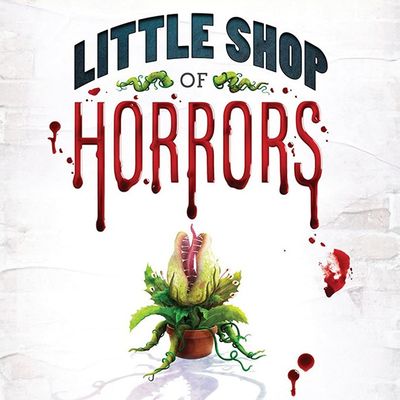
In this episode, we explore the rich history and architectural grandeur of America's oldest operating theatre - the Pasadena Playhouse - with its artistic director, Danny Feldman. From his early dreams of being a pianist and a thrilling stint with the Pussycat Dolls, to his current role as a successful theatre producer, Danny offers a deep dive into his journey and the Playhouse's transformative evolution into a beacon of inclusivity. He gives us a backstage view of the revival of Little Shop of Horrors and discusses the Playhouse's 2023 Regional Theatre Tony Award. We also delve into the Playhouse's innovative youth programs, including a cutting-edge production of Into the Woods that merges the lines between high school and professional theatre, and explore the impact of the pandemic on youth as well as theatre's potential as a therapeutic channel. Don't miss out on this unique opportunity to get an insider's view of America's oldest operating theatre - tune in, subscribe, and share this exciting journey with your friends and fellow theatre enthusiasts!
If you liked this episode, don't forget to subscribe to this podcast and leave us a review.
Share your thoughts with us on this episode below:
On Instagram: @halfhourpodcast
On TikTok: @halfhourpodcast
On our website: www.twoworldsentertainmentllc.com
Transcript
This transcript was automatically generated and might contain errors.
[0:08] Richie Grasso: Welcome to Half Hour with Jeff and Richie.
[0:10] Jeff Malone: I'm Jeff.
[0:11] Richie Grasso: And I'm Richie. And today we have a very special podcast interview with Danny Feldman on today's show.
[0:17] Jeff Malone: Danny is the producing artistic director of Pasadena Playhouse. Welcome, Danny, to Half Hour Podcast.
[0:23] Danny Feldman: Hey guys, how's it going?
[0:25] Jeff Malone: Good.
[0:26] Richie Grasso: Welcome, welcome. I'm gonna give our listeners a little bit of a background on the Playhouse. So I'm gonna do my notes.
[0:30] Richie Grasso: So Pasadena Playhouse, the official state theater of California, is internationally recognized for its significant role in the development of American theater, one of the most prolific theaters in the country. The Playhouse has staged thousands of original productions since its founding in 1917, including premieres of works by Tennessee Williams, Eugene O'Neill, Susan Lori Parks, and hundreds more. Under the leadership of producing artistic director Danny Feldman since 2016, Pasadena Playhouse's productions and community programs are centered on its founding idea of being a living force in its community, making theater for everyone. Today, the Playhouse continues to advance the American theater and serves as a hub for the top theater makers of our time. I hope I got everything in there about it.
[1:13] Jeff Malone: I think I wrote that actually.
[1:15] Richie Grasso: So I was like, oh, that sounds so familiar. But yes.
[1:18] Jeff Malone: There we go. Lovely.
[1:19] Richie Grasso: Good job. Wonderful, wonderful. So welcome. Danny, welcome to the podcast.
[1:25] Jeff Malone: Uh, we would love to start this podcast episode off with you just telling us a little bit more about yourself, how you got started in theater, and also maybe your educational background.
[1:35] Danny Feldman: Yes, okay. So I have a very strange journey, which makes the argument that there are no straight lines in careers. Um, and actually informs a lot of how I hire people and think of that today. So I grew up here in Los Angeles and was really culturally shaped by national tours, Phantom of the Opera, iconic moment in my career and shaping that. Um, but I actually was a pianist. So I studied piano since I was in second grade. And I think for some magical thing in my head, I was gonna be a professional pianist, which I wasn't quite good enough to be a professional pianist, and that's not exactly a great career, obviously. Uh, maybe for some. Not for me.
[2:20] Danny Feldman: Okay. So, uh, but I was a pianist, and somewhere along the line, aside from my love of attending shows that my parents were fortunate enough to take me to, I was asked my junior year of high school to play piano for the student production at my high school, El Camino High School, of a play called Spoon River Anthology, which had a couple songs in it. And at the last minute, like a week before the show, they were like, We need someone to accompany, to be the accompanist for it. And you know, I had some friends in the drama group, and they were like, You play piano, you do it. And that was really my first entrance into theater making on that side. Um, and I really fell in love with the sense of community and common purpose and friendship.
[3:04] Danny Feldman: Um, and then the drama teacher, who is currently a donor and subscriber at the Pasadena Playhouse, came to me and said, We are doing Pippin next year, which would be my senior year, and will you music direct it? And I was like, Yes. And then I immediately was like, What is music direct? Right. No after saying yes, right. And so I learned and I went to my piano teacher and I was like, What is this? And I basically started studying music direction as a senior in high school and trying to figure out what that was and teaching voice and plunking out the parts and running the little student band to play for it. So sort of a wild, crazy on-the-job training and figured it out.
[3:48] Danny Feldman: Um, and then I, uh, my pursuit of trying to be a pianist, I guess still at the time, I got into UCLA in the music department. And, uh, the music department at the time did, there was no theater musical theater department in the theater program. So the music department had a school-wide musical, and I was the accompanist for that. And I really learned on the job for that. My first year, Carol Burnett came and directed a production of Once Upon a Mattress, and I was the accommodation and associate music director.
[4:17] Jeff Malone: That's amazing.
[4:18] Danny Feldman: So, like, like in that world a lot. Um, and then a bunch of friends started producing shows on their own. And long story short, they were sort of like, Do you want to help us? And I was like, sure. And they're like, You seem to know how to balance a checkbook. Will you do the books? And I again was like, I don't know what the books are, but yes, let's do it. And that is how I really started on the producing side of it.
[4:42] Danny Feldman: Um, cut to, you know, a lot of student musicals and producing plays. There was a musical you guys might know called Bear, B-A-R-E.
[4:49] Richie Grasso: Oh, yeah, I love that show.
[4:50] Danny Feldman: I was the original producer on that with our group, and we produced it here in LA at the Hudson Theater. I was a sophomore in college when we did that, and I was, you know, doing the payroll on my kitchen table in between going to my music theory classes.
[5:05] Danny Feldman: Um, so I was always sort of involved in that, did a bunch of shows, and then, um, when I graduated college, it was like, What the hell am I gonna do next? Um, I had a short stint, which we do not need to talk about here, although I was the vocal director of the Pussycat Dolls, which was a show, a stage show, a burlesque show at the Roxy before it was the band.
[5:24] Danny Feldman: It was a lot of Robin Anton and those people. So that was my like in-between college and the real world gig.
[5:30] Jeff Malone: Yeah.
[5:30] Danny Feldman: Um, where it was all played to track, and I was like putting in, you know, Carmen Ferrero, I don't know, all these people I had to teach how to sing the lead tracks and all of that. And then I got into company management. I got hired to be the company manager of a theater called Reprise Theater Company, which doesn't exist anymore. That was basically like on quarters in New York out here in LA.
[5:49] Danny Feldman: Um, and that was really where I fell in love with musical theater and went all the way from company manager to executive director, kind of got sick of that and was like, it's time to go to New York. Everyone should be in New York at one point in their life if you want to do theater. Moved to New York without a job, without a plan, without anything, and suddenly became the executive director of Philip Seymour Hoffman's Off Broadway company called Labyrinth Theater Company.
[6:12] Danny Feldman: Within my first year there, we were transferring a show to Broadway. Um, I can't say that, well, I can say the name of the show, but we won't believe it. But it was The Mother with the Hat.
[6:21] Richie Grasso: Oh, yes, I know what you're talking about.
[6:23] Danny Feldman: Yeah, yeah. Okay, that was, we gotta be careful. That was the play. Um, had some experience within, you know, my first year of New York producing a Broadway show, which was insane, and then, um, was there for a while and then came back.
[6:35] Danny Feldman: Um, the headhunter said, You want to come to the Pasadena Playhouse? And my first response was absolutely not. I don't want to move back to LA, and that place is kind of messy. Um, and they talked me into it.
[6:46] Danny Feldman: I guess oh, I'm here now, and um, we won a regional Tony a month ago.
[6:51] Richie Grasso: So which I on my desk.
[6:53] Jeff Malone: Yeah, oh, I was hoping we were gonna see it.
[6:55] Danny Feldman: Yeah, you gotta see it.
[6:57] Jeff Malone: There it is.
[6:58] Danny Feldman: Wow.
[6:59] Jeff Malone: Wow, how amazing.
[7:00] Danny Feldman: And yes, so Tony is so amazing.
[7:02] Richie Grasso: Congratulations on you.
[7:03] Danny Feldman: It's incredible, so unexpected and crazy.
[7:07] Richie Grasso: And two hours just talking about what you just said the last three minutes.
[7:10] Danny Feldman: So it's amazing. Like, I love, I music directed a production, a student production. I was in the University of Michigan, a theater program, and I music directed a student production of a few years back.
[7:22] Richie Grasso: So I'm familiar with the work.
[7:23] Danny Feldman: It's amazing. I love that show.
[7:25] Richie Grasso: Oh, so many things. There's so many things just from what you just said.
[7:29] Danny Feldman: Oh, Pussycat Dolls, let alone, right?
[7:31] Richie Grasso: I have funny stories about that.
[7:32] Danny Feldman: Going immediately to like, were you working with the Pussycat Dolls when they would be like on MTV?
[7:37] Danny Feldman: Um, it was before, so yeah.
[7:39] Danny Feldman: So I guess it, I mean, it really started as like a burlesque show, right? I mean, that's what it was.
[7:42] Richie Grasso: Yeah.
[7:44] Danny Feldman: Well, I always remember like from Behind the Music or whatever when like Christina Aguilera would like go in, or like Carmen Electra would go in.
[7:51] Danny Feldman: They were our guest stars.
[7:52] Richie Grasso: I I worked with both of them.
[7:54] Danny Feldman: Yeah.
[7:55] Danny Feldman: And a lot of people don't realize like before like the actual pop group of the Pussycat Dolls, like all of that existed before.
[8:01] Richie Grasso: So it's that's right.
[8:02] Danny Feldman: I I love hearing about that.
[8:03] Danny Feldman: I love it. I still have the bootlegs of the, uh, score that we, the soundtrack that we used for another time.
[8:10] Richie Grasso: Yes.
[8:10] Danny Feldman: So you had actually already kind of answered my next question was a little bit about Labyrinth Theater Company and coming from New York back to LA. So I that's awesome, and I love to hear about that.
[8:20] Richie Grasso: And it's been when was that 2016 you said?
[8:22] Danny Feldman: That was late 2016. I started the job in like October 2016.
[8:25] Richie Grasso: So it's been, you know, it was a theater that was really struggling, and then, um, and and turnaround, a really important turnaround for a historic theater.
[8:33] Danny Feldman: Um, and then a pandemic in the middle of it.
[8:35] Richie Grasso: So it's been one thing after another here.
[8:38] Danny Feldman: So, um, I feel like we've earned our Tony a lot of it.
[8:41] Richie Grasso: Yeah, of course.
[8:42] Richie Grasso: Amazing. We had, um, we were we were out at the Pasadena Playhouse, uh, right before the pandemic.
[8:48] Danny Feldman: For Little Shop.
[8:50] Richie Grasso: Oh, yeah.
[8:51] Richie Grasso: Because we saw Little Shop there.
[8:52] Danny Feldman: Uh, so I would show you the one of the puppets is right.
[8:55] Danny Feldman: I'm staring at it. We I can't get up and show you, but we have, uh, yes, that was a really special production.
[9:00] Danny Feldman: We we had we were in LA right before the pandemic. It was like fall of 2019. We saw a little shop of horrors there, and we had saw it in New York as well.
[9:06] Richie Grasso: So we were like, wow, what are the odds that these two major cities are doing two major revivals of the show at the same time?
[9:11] Danny Feldman: But like night and completely different.
[9:14] Richie Grasso: It's so different, and both amazing in their own way.
[9:16] Danny Feldman: And so we always still talk.
[9:19] Richie Grasso: Like, I'm not kidding, like every few months, we're like, that there's a prime example of a show that's gone so well, two very different ways.
[9:25] Danny Feldman: Like we we always bring that example up before.
[9:28] Danny Feldman: Yes, I love that show, and it was a formative show for me, and it was really exciting to do it and work with a bunch of artists to say, what if we approach this like this was a world premiere?
[9:36] Danny Feldman: And that was really our entrance to the piece.
[9:38] Danny Feldman: What how can we do this in a way that speaks to today?
[9:41] Danny Feldman: Um, and that's why we had a very different production of it.
[9:45] Richie Grasso: Well, it felt it felt that way too, because it was also like I had never seen a stage production of Little Shop until that production, and also to see someone like MJ in the role.
[9:55] Richie Grasso: It was like, whoa, this is really good.
[9:57] Danny Feldman: I I mean I had watched the movie plenty of times.
[9:59] Richie Grasso: Yeah, yeah, yeah.
[10:00] Danny Feldman: You know, that doesn't compare.
[10:01] Richie Grasso: But and the puppetry approach was very different, right?
[10:03] Danny Feldman: It was just it was a very unique, it was it was some working with some what I love doing best, getting really exciting artists today to sit in a room and play and figure something out.
[10:13] Danny Feldman: So that's what they did.
[10:14] Danny Feldman: And my other two really fun, like silly odd Pasadena moments were really quick.
[10:19] Danny Feldman: One for first of all, the uh, the architecture of that building is like absolutely stunning.
[10:23] Danny Feldman: And I remember walking in being like, We were in the orchestra, but like if you went down and looked up and uh in the balcony, I was like, the ceiling?
[10:30] Danny Feldman: Like, like, what can you tell us about just this building's architecture alone? It's like stunning.
[10:35] Danny Feldman: So when it was built, it was built, it was designed by a guy named Elmer Gray, who also built or designed the Beverly Hills Hotel, and he was one of the prominent architects in the West Coast at that time period.
[10:46] Danny Feldman: The building was built in 1924, opened in 1925. So it's one of the oldest still operating theaters in America, right? If you think about the Broadway theaters' age, this ranks with them, if not older than some. And it was completely when they built it, this community was like, we want the best theater and the best community theater in the world. And so it was built at that standard and that level. The Variety reviewed the first play when it opened, and the review basically said the play was crap. But the building is the most state-of-the-art theater in the world at the time, in terms of the fly system, in terms of the backstage. And it really was. We've done some upgrades. I wouldn't say we're the most anymore, but it's a beautiful historic building in sort of Spanish colonial style.
Yeah, it was made really with love by the community. It was the first theater in America ever to be built by money raised from its community. So they went door to door to raise the money to build it. And so it's always been deeply rooted as a community-centric thing where community members would be able to perform on the stage. And you know, it was before Actors Equity, right? This was the theater itself, the company was founded in 1917. The building 1924. But it is, and that ceiling actually looks like it's tile ceiling, but even back then they knew we have earthquakes in California. And so it's actually made out of burlap. And it's painted, it's painted burlap. And it's yeah, to keep things from falling on people's heads if there's being and the other most like this is like so odd, but I'm definitely gonna be like, oh my gosh, I can't believe you're bringing this up.
We went, we were in LA, and we're like looking out to Pasadena, we drive, we actually rented a car, we drive, we park, we get dinner, and like walk and it's like this beautiful night. We're like early, but we're like, let's just walk the streets a little bit. And maybe you can do this, but I think I saw a literal wolf. Do you have like wolves there? We like saw a fox or a wolf. I don't know. It was in the middle of the street. Coyote, coyote. Coyote, maybe? Can you tell me nothing about coyotes in Los Angeles? Yes, we do. And it was walking right near us. And I was like, oh my gosh, I'm so from New York because I don't remember seeing this in New York. We're in the hills, right? We're like LA is in the basin where there's hills right near us, and Pasadena is part of LA, and we have coyotes, and they're not really afraid of people, I have to say, because they're used to that.
It was like the sun was out. It was like a block away from us. Like, Jeff, I don't know what's going on right now. But anyway, I just that's my memory of Pasadena Playhouse. Completely off to the bottom. I was saying it was like the wild west. We are the wild west over here. No, I'm kidding. But anyway, I just had to say that. So we're like completely off topic. I think the audience probably wants to know a little bit more about what kind of not about the coyotes.
[13:27] Richie Grasso: Right. No, but could you tell us a little bit more about what actually goes into being the artistic producing director of such a great theater in this country?
[13:38] Danny Feldman: Oh, I love it. I'm gonna clear my throat for a second because I just swallowed water. Of course, no, you're gonna Okay, good. Sorry, I hold that in. Good. Thank you for the kind words. But no, so and so I'm not only the artistic director, I'm the producing artistic director, which a lot of theaters have a management leader and an artistic director, and I've been in that situation many times. This situation is unique because I do both of them. So my responsibilities, the thing that I have to do and report to my board on, I do oversee the fundraising, I oversee the marketing, I oversee all of the management, but also all things artistic. So it's a pretty big job in terms of the task list, let's just say.
Oh, this one's too political, or this is too this, or this is that. We all do have a point of view. We're not just trying to entertain people, but we're trying to bring artists together to create change in the world, and that's in our communities. So I feel a great deal of responsibility of not only doing that, setting that idea. And for me, that founding idea here in this building that I really responded to and made me take the job, is this was always about being a theater for everyone. This was about not sort of taking the elitism out of the American theater, of which there's a lot. Sorry to say something truthful and maybe drop a bomb on a podcast, but it's okay.
[15:17] Richie Grasso: That's okay.
[15:17] Danny Feldman: Well, you're um we love the truth. We love truth bombs. I love it. I love the truth. I think, you know, we're all in a bubble often, right? We're in all of our country and world and everything. And I think theater in particular, there's a bubble there, and part of it is not everyone feels like they belong. And some of it is the kinds of stories we're telling have not particularly been inclusive of certain groups of people for a long period of time. And so that's really how we approach with our mission here is how we believe in the power of theater, not just to bring joy to people, but to spark creativity, to bring people together, particularly that right now, when we're all so divided in so many ways and in our own bubbles.
And theater is this like magic empathy tool that you get folks together to experience something as a community. And then on the education front, also the power of becoming a theater maker and exploring that from a young age all the way up. And so that's really the powerful idea here. And I feel a great privilege and a great sense of responsibility of running a theater with such an important history and a major history, and how we look forward, how do we take those principles and ideals? And saying we're a theater for everyone meant something very different today than it did in 1925 or 1917. And what did what does that mean today? And so opening up casting ideas, MJ Rodriguez, George Salazar, even in our Sondheim celebration that we just finished, you know, we had two leads of color in the Sondheim musicals like the first time a dot, you know, in Sunday in the Park.
And it's absurd to me that we're still having these conversations, but it's important that major institutions have commitment to making sure everyone feels welcome in their theaters. And those seats don't go unnoticed because now you're a recipient of a Tony Award, which is like brilliant and amazing.
[17:01] Richie Grasso: And that's my next question for you is, well, for those of you who don't know, the Pasadena Playhouse was the recipient of the 2023 Regional Theater Tony Award. So tell us a little bit about what that means to you and the Pasadena Playhouse. And now, how does that set you now for the future of the Playhouse now that you've?
[17:13] Danny Feldman: Yeah? That's a great it was a lovely surprise. I don't know how else to say it, but like you it's literally like one of those things like you just get a call one day. There's no application process. Wow. It was giving mind of my own business. It was the day after A Little Night Music opened, and I was taking a day off because I hadn't had one, and I got a call from Broadway. It said on the phone, Broadway is calling you. And it was Charlotte St. Martin from the Broadway League. Sure. Oh, you won the Tony Award. So it was pretty wild. It's amazing to get the recognition of that. It's amazing to get the national spotlight, right? And the international spotlight. Particularly it’s particularly resonant and meaningful because in Pasadena Playhouse's history, we've had bankruptcies, the building was almost knocked down five times.
It was boarded up from the late 60s all the way into the eighties. So this is a theater that has really had a lot of ups and downs and always been brought back by a community and we're scrappy over here, right? We won't let this get to our heads. We're pretty scrappy. And in particular, when I walked in the door in 2016, it was really bad. We had really, really big financial problems and debt, and it took a lot of folks, staff, board, volunteers, ever donors coming together to say, let's do this, let's invest, let's go big. And then we brought on artists and we're like, Dream big, let's be risky, let's do big things, let's rethink Little Shop of Horrors, let's do all of these things. So, to so many of us who have been really sort of clawing our way out of a hole and trying to prove to our community and the world and the LA theater community we're viable and come check us out.
Getting a recognition like this and a big old spotlight on us was pretty astounding and great. And it really only doubles down our commitment to growing and to sustaining in a particularly challenging time for regional theaters. It was very meaningful when we, you know, you see there's theaters announcing closures, there's theater announcing cutbacks and layoffs and all of this. And we're feeling those same headwinds. We are we’re not immune to that, but we're also really guided by our vision and our excitement for becoming a theater for everyone in more real and fuller ways.
[19:27] Richie Grasso: Yeah, it's amazing. And speaking on vision for that, what kind of goes into selecting a season for Pasadena Playhouse?
[19:36] Danny Feldman: That's like the hardest question, Jeff. Everyone asked that, and I've never actually had a really good answer of it. I'm not gonna lie. I number one, it's like so we are the state theater of California. It was a designation we were given. And I, you know, interpret that as this isn't a place where you'll just see new plays. This isn't a place where you'll just see revivals. This is a place where there's a little bit of something for everyone, and the through line is the quality, the artistic excellence, the boldness. So I'm always looking for things that oppose each other and that live in the same space but are surprising and adventurous and exciting. And I have very eclectic taste. I love Mamma Mia.
There, I said it out loud. I love Mamma Mia. I think it's a really fun night of the theater. I also love edgy new plays that I see that I don't quite understand what they are always, right? And I and everything in between. And so I hope to bring that here. That's sort of what we work on doing. And if you look at our past seasons, you look at this upcoming season that starts in the fall, it is a little bit of everything in terms of new plays, in terms of a world premiere, in terms of a classic play, reborn in a new way, and you know, a great musical Jelly's Last Jam, which don't get me, I could do a whole podcast on that show. Oh yeah. But basically it's really like all of this kind of put together, all of this sort of journey together of really exciting experiences that feel familiar to some people but not to others. And I think that's also how you expand your audience and make way for the next generation of theatergoers.
[21:03] Danny Feldman: And it it it totally makes sense. And regional theaters are so vibrant and important to the success of theater in America in general. And I know that there's this like theater goes from community schools, community theaters, all the way up to regional.
[21:17] Danny Feldman: I mean, Broadway, off Broadway, international. But tell me a little bit more about how do you see Pasadena Playhouse supporting the future of theater specifically in the LA area and what that's doing to that area of theater.
[21:29] Danny Feldman: Yeah, absolutely. I mean, we're going through it in LA theater. We have, you know, three or four large theaters; we're one of them. I mean, we consider mid-size, but we're large in context. Um, and then the 99th seat theater scene, which is where I first produced Bayer and a lot of other shows, um, has really been hurt and hit very hard, not just by the pandemic, but by a change in the equity rules and guidelines about the business model and what you pay actors, and also by a California, boring California law called AB5, which essentially says you can't just write checks to people as independent contractors anymore. You have to pay them salary employees. All three of those things hit together, and we have seen a dramatic reduction in theater in LA.
And that is very harmful to that's where really interesting, edgy boundary-pushing work can happen in our smaller theaters. That's where early career artists can nurture and play, and we can see them and bring them up to here. So our pipeline has been shattered. Um, and there's a big question about how do we nurture next generation theater artists in LA and not lose them to New York or other places when the opportunities are shriveling up here. And what can we do with that as a larger institution? How can we help with that? And we're very committed. The majority of our artists always are Los Angeles based. A lot of regional theaters, wherever they are, have to bring people in. We want to invest in our local community.
Um, and so the dominant number of creative people in our shows. Um, I think on A Little Night Music, we hired over 100 people who are employed just on that show locally. Oh, yeah, so we are an economic driver, but also really seeding the next generation of theater professionals.
[23:02] Richie Grasso: That's amazing. That is really amazing. What are the future now, Jeff?
[23:05] Jeff Malone: Oh, yes. I always like to know like what's coming up. Jeff has been a good idea. We know you announced your season recently. What was that?
[23:13] Danny Feldman: Yes, a couple weeks ago, yes. Um, what else is in store for Pasadena Playhouse? And do you have any upcoming events or big announcements that you want to make?
[23:24] Danny Feldman: That I want to give you guys like the exclusive of exclusive. I have a lot of announcements.
[23:29] Danny Feldman: Okay. Well, aside from our really exciting season, which I won't go into now, but that I'm very excited about it. Um, we are, you know, we're really doubling down on the idea of theater for everyone, and one of the areas we have not really um exceeded in in the future in the in the past is really working on young people and making sure that there's things for young people to come see professional theater for them to see aimed at them, and as well as we're doing, you know, a musical theater boot camp this summer for a summer camp. But in that world of theater education and in um high-quality professional productions aimed at younger people, we need it's time we invest in a major way in the future because that is what is gonna sustain our field that we all care about so much. So we're gonna make some moves there, announcing in the fall. That's all I'll say about that.
[24:16] Richie Grasso: That's okay. It'll be very exciting.
[24:18] Danny Feldman: Yeah. Um, and the other thing is this year or last year, what kicked off our whole Sondheim Festival was the most extraordinary project we've ever done here, which was um a massive production of Into the Woods. It was done at our sister theater just down the street, the Pasadena Civic Auditorium, so over 3,000 seats. But it was a six-month project, and it was all of the Pasadena Public School High Schools participated. And any kid can audition. That's okay. And then there were committees of students that did the sets, did the costumes, were in the orchestra, and they all worked with professional theater makers that did shows at the playhouse, came together for six months, and they made a production of Into the Woods through their imagination.
They got to make the decisions, they got to perform in it, they got to do the lighting and all of that stuff. Um, and then we did two performances; over 10,000 people saw it. Um, all of their peers, elementary school, middle school kids, and then their parents and hearing Into the Woods, a show that I'm sure you know very well and that I know very well, um, hearing watching an audience experience that most of them for the first time ever being in a theater and rising to the seeing their own children and friends and family um rise to a challenging piece like that, that actually is saying a lot in the world, was one of the most thrilling experiences I've ever had. Um, and so that is part of our effort to have community-made theater, right?
Whether you call it community theater in the bad word for it, is amateur theater, we don't like that at all. But we are really investing in how do you be a home, not just for the people like MJ Rodriguez and George Salazar and all of and those who put their 10,000 hours in, but how do we serve the full spectrum? Because we believe everyone could be an art maker, anyone can be an artist and perform. And so just like those high school kids did, um, we're now looking at what's the next step of that program. Um, and we'll have an announcement about that in the future. I won't tease any more of that. But a theater for everyone, right?
[26:04] Richie Grasso: There you go.
[26:05] Danny Feldman: It's so important.
[26:05] Richie Grasso: It's so important because right now kids are really needed in theater, especially with the pandemic happening. We see it even here. Like we have to re-ignite the fire and getting kids interested in the theater.
[26:18] Danny Feldman: In to theater again, because it's like where are you?
[26:21] Richie Grasso: And not and not just that, Jeff, but the but if you look at all of the stats and the reports that have come out of pandemic and the major uh uh mental health toll it is taken on students, particularly middle school kids or that age, it's really profound from pre-pandemic to now. And we have a whole we have generation now coming through that um we don't quite understand what that impact was. I mean, we're seeing it when we're in schools right now working on it. There is a learning gap, there's a pandemic gap. It is very, very real, not just in education and you know what I'm learning, but in social emotional learning. And theater is a huge ability to bridge that gap and teach in different ways and capture attention in different ways.
So that is very important to us here for our community, for the LA community, for the theater community as a whole. It's super important time. And thank goodness for you to pushing that department of your playhouse and making sure that that's thriving.
[27:14] Danny Feldman: It's so, so, so important. So thank you for that and all the working.
[27:17] Richie Grasso: Um, almost out of time.
[27:20] Danny Feldman: Yes.
[27:21] Richie Grasso: But I we have one more final wrap-up question. We ask everyone this at our podcast. Um, we would love to know some funny, silly, maybe it's not funny or silly, but just a behind-the-scenes story of production that you either worked on a Pasadena Playhouse, something that you could tell our listeners something like that maybe you wouldn't hear on the mainstream.
[27:39] Danny Feldman: That's something fun like that. I've never talked about before. So I will tell you a story. And I thought about this of like what can who can I name and who can't I name? But I'm gonna do this one anyway. So we recently did last season, um, Holland Taylor, the great Holland Taylor. Yeah, um, her Broadway show Anne, which I don't know if you ever saw it on Broadway.
[27:56] Richie Grasso: Yeah, oh yeah, yeah.
[27:57] Danny Feldman: We remounted it here. She had never done it in Los Angeles. Um, and she has become a friend, and it was like, we're gonna do the LA run. We were supposed to do it right before the pandemic, or right out right when the pandemic interrupted it. And so when we came back, we were like, we gotta do it in our first season, we're gonna do it again. Holland's like, I gotta do it while I still can remember it, and let's just do it. So we're doing it. It was very challenging because um we use the Broadway set. So the Beaumont Theater where it was on Broadway, nothing related to the shape of the Pasadena Playhouse. It's a thrust, it goes for like miles back. No, no, no. Different thing. So we so the set was living in a trailer in Texas, and it was a very tight timeline of how we would get the set here, get the automation package, you know, the things to make it move automatically.
So it was complicated and it was like tight window, and it was on a truck, and we had all these problems with the truck, and we're like, is the truck coming? Where's the truck? The truck's in San Diego, why are you in San Diego? That's not the right direction. Chaos, chaos, chaos, chaos. We're ready to go. Holland's nervous, she's rehearsing in the rehearsal room. It's like, I don't know if I'm gonna get my parts. The truck pulls up. Um, and I was like excited to see it. I came, I had my coffee, I was like, Woo, the truck's here. And I'll never forget, like right by where I'm sitting talking to you. I walk around the corner, and our staff lifts up the gate, and it's like everyone goes white, and someone looks at me and like starts shaking their head, like, no, no, no, no, no, no. This is what so the performance was supposed to start in a week.
We were a week away from first performance, and the theater where it was stored or it was stored in a yard in Texas, they sent the Christmas Carol set from another theater. And everyone was like, I'm not telling Holland, or you tell her, I'm not telling Holland. Right, right. Oh my god. And the group decision was we're not gonna tell Holland. So then we're in rehearsal. So our team did like Herculean work to try to coordinate an emergency, da-da-da-da-da. And the truck got here. I don't know how he did it. He probably broke laws, but they got here in three days. We rejiggered the schedule, we did the whole thing, we made it to opening night. Holland never knew. She was in rehearsal, and she kept saying, Oh, you know, the podium I talk at.
That's here, right? It came with the set. Where is it? Can I go down to the stage and see it? And our producer, everyone's like, it's on the truck still. Well, the truck still. Because we did not want to lie to Miss Taylor. But it was like, it is on the truck. The truck is in Texas, but it is on the truck. And we tricked her the whole time. And then it was maybe closing night or pretty much towards the end of the run. We told her because none of us wanted to hold that. And she actually was so astounded and started hysterically laughing of how did you keep this from me? Like something pretty big. And it was insane. So anyway, that is the story of the Christmas Carol. We were like, do we do it on a Christmas Carol set? What do we do?
[30:40] Richie Grasso: Yeah, or do you just do a Christmas Carol?
[30:43] Danny Feldman: Do we do just a Christmas Carol starring Holland Taylor? In June, right? It was like May or June of last year.
[30:50] Richie Grasso: So anyway, that wasn't the story.
[30:52] Danny Feldman: I love it.
[30:53] Richie Grasso: That's an amazing, funny way to wrap this up. We love it.
[30:56] Danny Feldman: We love it.
[30:57] Richie Grasso: We love it.
[30:59] Jeff Malone: Well, um, listen, I wish we could talk for hours and hours. We'll have to have you back at some point.
[31:01] Richie Grasso: We'd love to go and going.
[31:03] Danny Feldman: But thank you all so much for listening to today's episode of Half Hour. We really hope you enjoyed listening today.
[31:08] Jeff Malone: Yes, we hope you enjoyed our conversation with Danny. Uh Danny, if any of our listeners want to learn more about you and the Pasadena Playhouse, where can they find out more information?
[31:17] Danny Feldman: Pasadena Playhouse.org.
[31:19] Richie Grasso: Join us.
[31:20] Danny Feldman: There you go.
[31:21] Richie Grasso: Love it.
[31:21] Danny Feldman: We love it.
[31:22] Richie Grasso: We love it.
[31:22] Jeff Malone: Amazing.
[31:22] Richie Grasso: And to all of our listeners, if you have any suggestions for future episodes of people you'd like to hear us talk to, we'd love to hear from you. You can connect with us on Instagram and TikTok at Half Hour Podcast.
[31:33] Jeff Malone: So thank you so much for joining us today, Danny, and we can't wait to see what's in store for you and the Pasadena Playhouse.
[31:39] Danny Feldman: Soon.
[31:40] Richie Grasso: Yay.
[31:40] Danny Feldman: Thank you both.
[31:41] Richie Grasso: Yay.
[31:42] Jeff Malone: So signing off for now, I'm Richie.
[31:42] Richie Grasso: Sing ta-ta.
[31:47] Jeff Malone: And I'm Jeff.
[31:47] Richie Grasso: Bye-bye.
[31:47] Jeff Malone: Bye.
© Broadway Podcast Network, All Rights Reserved