

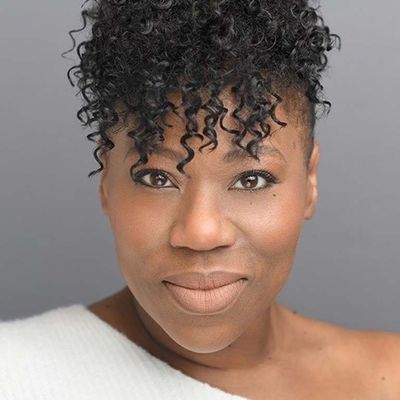
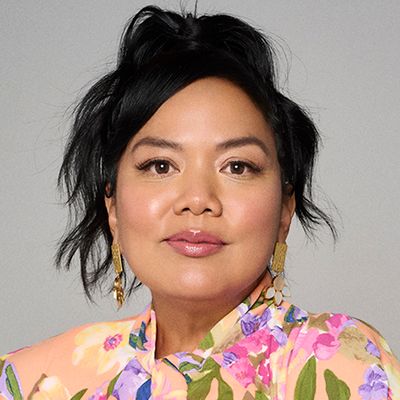
In this week's episode, we have the pleasure of sitting down with the incredibly talented Melody Butiu, known for her captivating performances in Broadway's HERE LIES LOVE. Join us as we delve into Melody's remarkable career, exploring her experiences both Off-Broadway and on the grand stages of Broadway itself... Read More
From the show: Half Hour with Jeff & Richie (Post-Show Broadway Discussions and Interviews)
Guests
Featured Shows
About
In this week's episode, we have the pleasure of sitting down with the incredibly talented Melody Butiu, known for her captivating performances in Broadway's HERE LIES LOVE. Join us as we delve into Melody's remarkable career, exploring her experiences both Off-Broadway and on the grand stages of Broadway itself. Together, we unravel the profound meaning behind this extraordinary show while also sharing some delightful industry anecdotes that will leave you laughing and inspired. If you're a fan of Broadway and crave an intimate glimpse into the world of theatre, this episode is a must-listen. Tune in now and let Melody's captivating stories and infectious passion for the theatre transport you to the magical world of Broadway.
Follow Melody on Instagram (Click Here)
If you liked this episode, don't forget to subscribe to this podcast and leave us a review.
Share your thoughts with us on this episode below:
On Instagram: @halfhourpodcast
On TikTok: @halfhourpodcast
On our website: www.twoworldsentertainmentllc.com
Transcript
This transcript was automatically generated and might contain errors.
[0:08] Jeff Malone: Welcome to Half Hour with Jeff and Richie, a Broadway podcast.
[0:11] Richie Grasso: I'm Jeff.
[0:12] Richie Grasso: And I'm Richie.
[0:13] Jeff Malone: On today's show, we have a very special guest today, Melody Butiu.
[0:18] Jeff Malone: Melody is a highly accomplished actor and singer, known for her dynamic performances in film, television, and theater.
[0:25] Jeff Malone: She's best recognized for her engagement in the immersive disco musical Here Lies Love on Broadway, where she plays Estrella.
[0:32] Jeff Malone: This role earned her a Lucille Lortell Award nomination for Best Featured Actress.
[0:36] Jeff Malone: Her career also includes a Broadway debut in Dr. Zhivago and appearances in several films and TV shows like Easter Sunday, This Is Us, and NCIS: Los Angeles.
[0:46] Jeff Malone: Offstage, Melody is a proud beach resident, an enthusiastic cook, and once a game show winner, which I can't wait to ask her about.
[0:52] Richie Grasso: Sure.
[0:54] Richie Grasso: Yeah.
[0:54] Jeff Malone: Please welcome to our podcast, Melody. Welcome.
[0:56] Melody Butiu: Hi, thank you for having me.
[1:00] Jeff Malone: Yes, it's so wonderful having you here.
[1:04] Jeff Malone: So we would love to dive right into your experience with Here Lies Love. But before we do that, can you let our listeners know a bit more about you and how you got started in the industry?
[1:14] Melody Butiu: Oh my goodness. Gosh, I've been doing this for a real long time. I started, you know, when I was in elementary school, I would audition for the school plays, but I would get really nervous reading lines. And so the teachers would tell me, oh, you don't speak, basically. Oh no, no. Um, but I love to sing, so they would give me the solos. So even just in those little school productions, I was given singing parts but not speaking parts. So I grew up thinking that, oh, I sing, but I'm not a good speaker. And when I was in high school, I would do the musicals, and even then, like I was cast in musicals but not plays. So I just never really thought of myself as an actor actor. And then when I was in college and grad school, I really started exploring storytelling, and I was with an Asian American theater company called Here and Now, and we would perform in different colleges around the country, and that's where I really found my passion for storytelling beyond music.
And then I got my master's degree at UC San Diego, so I've just been doing it ever since. Um, I'm based in Los Angeles, but the times that I've been here in New York, it's been to do some really incredible shows, including Here Lies Love.
[2:40] Jeff Malone: Yes, and so that's why I definitely want to dive into Here Lies Love. We saw it about a few weeks ago, and I know it's got a long journey with basically 10 years or so since the Off-Broadway, and it's been through a lot in the 10 years. So can you just tell us a little bit about how you got involved in the Off-Broadway run and what it's been like these last 10 years to getting here on Broadway today?
[3:02] Melody Butiu: Yeah, absolutely. Actually, my involvement or my knowledge of the project even goes beyond the first production when David Byrne was writing the music. A friend of mine, Ralph Pena with Ma-Yi Theatre Company sent me the breakdown, and I was living in Los Angeles, and he said you should audition for this. And when I saw the breakdown and I saw the description of Estrella, I was like, oh, I'm supposed to play her. And this was all the way back in 2005. So they were preparing for a concert at the Adelaide Festival in Australia, and they were casting it. And so I flew out to New York and I auditioned for it, and then I got it. And because he was still writing the material, I flew out and sang on some of the demos.
When the actual festival came about, they changed producers, their budget changed, so I ended up not going to Australia, but I was still on the demo. So that led to the concept album, which then led to the original production at the Public Theater. They had done three workshops prior, and I was based in LA that whole time, but you know, every time my manager reached out and was like, oh, what about Melody? And they're like, oh, not this time. So every workshop that came about, they were like, oh, we're really just looking locally and maybe next time. And so when the production was auditioning, I was like, you know, I'm gonna fly to New York. I'm just gonna be in the room, I'm gonna audition. And then it happened. So it was full circle, and now that we're on Broadway, it's like another 10 years, it's another full circle, and I'm just incredibly grateful to continue to tell this story.
[4:52] Jeff Malone: What was your experience like doing the first production of Here Lies Love?
[4:59] Melody Butiu: It was, I mean, I knew that I wanted to work with David Byrne. I knew that I wanted to work with Alex Timbers. And even when I auditioned, like the music was great. When we initially auditioned, we were given a monologue, which was actually taken from a documentary, and it was a monologue of Imelda and her kind of the way her kooky brain works. But that wasn't yet actually part of the script. So then when I got it, I was thrilled to bits, but I was also like, what did I sign up for? What is this disco musical about Imelda actually going to be? Yeah. You know, I just knew that I wanted to surround myself with people that I respect and admire, and the fact that we do get to tell this very specific part of Filipino history was incredibly important.
And so to share space with so many Filipinos and people who have shared history, even with different experiences, have that history in mind, have those family experiences. It really was such an incredible family that we built together, and that we got to tell this story was just, it was still and continues to be one of my favorite experiences.
[6:25] Jeff Malone: So you were first part of the concept album or like the demo album?
[6:30] Melody Butiu: The demos, yeah, yeah.
[6:31] Jeff Malone: Okay. And then the first time you were in the show was in the Public in 2013?
[6:35] Melody Butiu: Correct.
[6:36] Jeff Malone: And then if I have this right, you did Seattle as well?
[6:41] Melody Butiu: I did Seattle as well.
[6:42] Jeff Malone: And then in 2014, there was a commercial production, but it was also at the Public. It was just different producers.
[6:49] Melody Butiu: Um, so I did 2013, 2014, and then Seattle Rep.
[6:55] Jeff Malone: Okay, that's pretty cool that you've been with it the whole time. Which kind of leads to this: how has the show really evolved during those three different journeys to, and obviously to where it's now on Broadway, and how have you seen some of the changes over that course of time?
[7:13] Melody Butiu: Absolutely. I think, you know, the material itself, like the songs haven't changed a lot. There's maybe a new verse here or an edited verse here, but the show itself is essentially the same. But the way we present it, the world that we live in now is so different. And I feel like it hits in a very different way than it did 10 years ago. You know, fascism and authoritarianism is really taking hold all over the world. A lot of democracy, like you see how fragile it is, where rights that we assumed we have are slowly being taken away. That is much more apparent now than when we initially did it. And I feel like the way that we're telling it in this new space, expanding it and opening it up. I do also feel like we worked really hard, or the creative team also worked hard in clarifying the story, clarifying the point of view with the media, with the visuals, and in really clarifying where we stand as far as being an anti-Marcos show and a pro-people power revolution show, as opposed to just being an observer.
[8:08] Jeff Malone: You know, it's really great that you say that because that was one of the things that we saw in the Broadway production of this where real images were being used and like real footage or like real tapes, and we were like, we were like, because we didn't see it when it was at the Public, so we don't really know what we can compare it to, but I was like, that was really cool that they brought some of those elements in because you feel more connected with the people of the country. Because at times we were kind of like, are we supposed to feel bad for Imelda? Or are we? And then we're like, no, like she seems like she kind of is a really bad person at times. And we want to be more connected to the Filipino people. And I think that the show got that right. So I don't know if that was the same when it was at the Public first.
[9:23] Melody Butiu: I think there were definitely a lot of those elements. A lot of the documentary footage, a lot of the news footage, those were in the past productions, but I feel like the way that they use it and the way they use the headlines and text also helps to clarify what's going on. Like when you see the atrocities during Martial Law, the way that they dismantled the Supreme Court, the lives that were lost, the number of people that were tortured or jailed or killed, that those numbers and those images are shown just to help to really kind of clarify the point of view. Because if you hear the song on its own, it sounds like they're singing propaganda, and you don't know if the singers believe the propaganda, you know, like it's kind of this state of shock that happens after the riots and bombs and you know the things that are going on in the country that that song comes through. And so if you're just listening to it and not in it or experiencing it or seeing the images, you might not necessarily know what the point of view of that song is.
[10:31] Melody Butiu: So I do feel like those kinds of things are being clarified. The music and the imagery definitely helps because, like we have said, I went in completely blind. I kind of wanted to go in and not really know. I know roughly what this was about, but I didn't know a lot of specifics. And so there are a lot of moments where, oh, look at this person. I feel sympathy for the—oh wait, now I feel sympathy. Oh wait, and then you see the revolution and the people, and you're like, oh my gosh, and just this something about the use of actual imagery and video and audio mixed with this musical storytelling that I'm like, oh my gosh, it all comes together so seamlessly. I'm so impressed.
[11:05] Jeff Malone: Yeah.
[11:06] Melody Butiu: And the fact is I do talk to Filipinos who feel conflicted, you know, who know the history, who come in knowing the history, and feel like, what are they doing with this image of Imelda? Like, why are they setting it in this party? And I feel really conflicted and no, I don't want to dance, you know, that kind of thing. And that's because they know the history, you know. But I think the point of the show is to take you through all those emotions to really show that they were very popular when they were elected. They were a very populist-leaning presidency and campaign, and people really felt like they had their best interests at heart. They were charming, they were beautiful, they represented—there's a myth in the Philippines of strength and beauty, and they represented the balance of strength and beauty, and that's what they kind of led with, and people felt like, oh, they are destined to be our leaders, you know.
And so the point of the show is to let the audience get swept up in that, get swept up in the cult of personality, and then, you know, have kind of the rug pulled out from under them and see like, who have I been dancing with this entire time, and then having to confront that. And I think that's what makes that kind of switch so powerful because it's the person you've been rooting for all of a sudden. You're like, wait, what are they doing? You know, and having to confront that as an audience member who has been cheering for them is more powerful than just saying, look how bad these people are from the very beginning. You know, giving them a sense of humanity isn't about empathizing with them, it's about understanding how vulnerable we are as people to either become that ourselves or to buy into that.
[13:02] Yeah, because look what could happen in this musical. Like, so we were fortunate enough to be on the floor to really fully experience this. So you're down there and you're watching all this happen, and you're like, oh no, we really are supposed to feel like we're part of this and watch them and connect with them. And yeah, and having that taken away right from under your feet, you feel it. Like I'm kind of getting chills right now, just thinking about the experience that I felt from it. Because I was like, wow, this is a journey that you're really getting taken on through this whole show, which was great.
[13:36] Jeff Malone: Yeah, which kind of leads to the music and lyrics. They're so incredibly powerful, they're evocative. How do you personally connect with the music and lyrics that were written for the show?
[13:48] Melody Butiu: Oh my gosh. I mean, it really—so much of it is taken from that. David was inspired by speeches that actual people gave, by interviews, by books and accounts that he read. Even "God Draws Straight" is like, the lyrics are taken from accounts of actual witnesses at the Edsa Revolution. And so knowing that, and knowing that that imagery and those ideas and those perspectives are infused into the lyrics, you know, they say that yes, it is set in the disco. It is unlike anything Broadway has ever seen as far as an immersive experience, but it also has so much heart. And the story, like it is a roller coaster of emotions that takes you through in 90 minutes, you know, that history that you go through.
And so, as a performer, to know that this isn't just about having a good time, that we are sharing this history and sharing these moving moments in this very specific history is like, you know, someone had asked me, you know, do you ever get bored singing the songs, you know, or do you—and it's like, I can't afford to, you know, it's like there's a mission, you know, almost with telling this story that there's no phoning it in. I'm moved every night. And even when we were doing it at the Public, David would come to the show often. He would be in the audience dancing and singing along. And he wrote it, and he was like, you know, I wrote this, and I'm still really moved by the story. You know, I'm still surprised by it.
And he wrote it, you know, and that's how I feel. It's like I know where the story is going every day, and yet I'm incredibly moved because every day you have different people in the audience and you see how it's affecting them. And when you see, especially, you know, how diverse our audience is, when you see Filipino families and multi-generational Filipino families put up the Laban sign, which means fight, which was the symbol for the political revolution, it's—it moves me every time. And so I'm grateful every time I get to tell that story.
[16:19] Jeff Malone: And this story is growing in terms of not only the journey that has been here in America, but it went to London. I know it had received Olivier nominations there. Now we're in a transformed Broadway house, and it's commercial now, it's in a huge space, and a lot of people are seeing it. Like, the next question would be for you: what are you hoping now, as it's grown, that audiences are taking away from it? They're leaving the show, and they're—what do you want them to be, you know, taking with them as they leave?
[16:48] Melody Butiu: I want the show to start conversations. I want it to spark curiosity. I know that while there are audience members who do know the history, there are so many who have no idea. Like you said, you came in not knowing anything about the show or the history. So I want people to walk away going, I want to learn more, I want to find out what happened. Is her son really the president now? You know, and people do. They Google. I had a friend who was like, wait, her son is the president, you know, and I'm like, yeah, that's happening right now. And so I—and to really take into account, you know, how fragile our democracy is and how important our voice is. Those are the things that I want people to walk away from and to think about and to talk about.
I want those conversations to happen. When I mentioned the multi-generational Filipino families who've been coming, a lot of them, you know, their parents when they immigrated to the U.S., they didn't talk about their experience in the Philippines. It was like, okay, it's a new chapter, let's move forward, we don't want to talk about the past, you know. And their conversations have started within those families where they're like, I never knew that my parents went through that or I didn't even know that my mom was at Edsa at the revolution, and then they start sharing those stories. To me, those are the ripple effects of having that experience in the theater.
[17:43] Jeff Malone: Yeah, it's such an important thing to have coming out of this show. Like, that's like our main thing from this podcast too is like we love talking about the pieces that we see right after we leave and did they spark, you know, us wanting to have a bigger conversation, which it clearly did because we wanted to talk to someone from "Here Lies Love" and someone who's been part of this whole process. So like, it's so great to hear from you and what your experience with this is. But I'm also curious, are you finding with the audience that you talk to after who is having a bigger response? Are the people that are fully immersed in the show or people that are kind of viewing from the mezzanine? Because I'm curious because we didn't see it from up there.
[19:07] Melody Butiu: Yeah, you know, I don't always have the opportunity to ask where people are sitting or have seen the show, but some of them do volunteer it. And so I remember even just the other day, there were a couple of gals who were like, this is our second time seeing the show. We saw it from the mezzanine, but we were like, oh, we have to come back again. We have to see it from the floor, you know. So it does really excite people to come see it from different perspectives, and I think seeing it from the floor does make you feel fully immersed. But if you're just more comfortable seated or you want a little more of a bird's eye view, then you'll still have a different experience in the mezzanine and even in the rear mezzanine because in the rear mezzanine, they have those kind of jumbotron screens.
Okay, so they see the actors' faces up close for a lot of the show. And I have people who have come up to me and said, you know, I saw it on the floor, but I saw it from the rear mezzanine for the first time. And I mean, watching your face or watching people's faces and seeing like what they were going through was so exciting because when you're on the dance floor, you see them, but it's just like a different perspective.
[20:25] Jeff Malone: Yeah, for us too, like just being there, we were kind of like mostly center a lot of the time during that center platform. So you're very up close and personal with the actors, and that actually kind of leads to another thing I did want to ask you because you're in this immersive theater now and you're performing around people.
[20:43] Melody Butiu: Are you finding you know challenges with being all around this theater? There's people around you, you have to kind of see them, and um it's an interactive performance. So I wanted to know like how is that for you? Um, you know, when when we were first starting previews, they were kind of limiting the number of people on the floor because they really wanted to give us the chance to get used to the moving platforms and moving through the audience. Um, and then and then and then the audiences on the plat uh on on the dance floor, then we're allowed to grow. And you know, so sometimes it is just a matter of just logistics of like moving your way through the audience. Um, you know, we do a lot of live camera work, like with Marcos, and you know, every once in a while you'll have someone who likes to throw up bunny ears or you know, try to like be a little silly in front of the camera.
So you just kind of gotta like take it and keep like keep moving on, you know, that kind of thing. Um, and then uh and then you know it is sometimes it's just it's just like when you see when you see um people's faces, because like for me, even if I have friends in the audience, I don't always clock where they are, like in on the dance floor. And then it's like I know they're out there, but I don't see them until it's like towards the end where more of the lights come up. Um, and then at that point, then you're like seeing people who have gone through this journey with you and are are witnessing the revolution with you, and and that's very powerful. Um, so so yeah, it's it's different every night, you know, trying to get people to dance with you like during the during the line dance and things like that, and getting people to like follow the directions and stuff. But um it it's always it's it's it's interesting, and every and every audience is a little bit different.
[22:38] Richie Grasso: And then in the rehears, I had one last thing I wanted to add. Yeah, in the rehearsal process of this, did you have to bring in like a fake audience for like the immersive part of part of things? Because how'd you do it?
[22:49] Melody Butiu: We we had, I think it was like four or five run throughs in the rehearsal space before we moved into the theater, and for those we had invited, we had had invited guests. So not quite as big as um as it is on the floor, but we had would we would have like maybe 50 to 75, and then maybe closer to 100, like as we were going through the run-throughs to give to give people a chance to feel what it's like to move through the to move through an audience, to connect with an audience, to tell the story to an audience in front of us. So that was definitely part of the rehearsal process, but not early on. It was more towards the end of the rehearsal process before we moved into tech.
[23:33] Jeff Malone: So we have a lot of young aspiring performers who listen to our podcasts and work with us, and a lot of times they're told to be prepared for anything in the theater. And now that we see so much immersive theater, especially on the Broadway stage, I would just love to know more tips and advice that you could give young aspiring performers entering the Broadway scene where there's not a fourth wall anymore, like in your show. And what advice do you give them?
[23:56] Melody Butiu: Absolutely. Um I you know, the big thing for me is to always feel like you're engaged, to feel like you're present. Um, but one thing we really discovered, especially during the preview process was um while it is easy to get kind of fixated or connected to the person that's one or two feet in front of you. Uh if you do that too much, it it cuts out everyone else from this space and makes everyone else who's watching from further back go, what's going on over there? Oh, I'm you know, I they're missing what's happening. So you you do want to be really mindful while it's very exciting to have people write right in front of you uh to open up and and include everyone in the space because then it makes them feel like you're that you're talking to them and that they're part of it and they can see what's happening.
[24:48] Richie Grasso: Totally makes sense.
[24:49] Melody Butiu: Yeah, I love that. I love that. And I maybe we'll be seeing a lot more immersive theater on Broadway. I don't know.
[24:53] Richie Grasso: I think it's a it's coming.
[24:55] Melody Butiu: It's coming. Yeah. But we're I mean, I think what I think Here Lies Love does is like it doesn't even necessarily just it's not just redefining theater, it's just expanding what's possible. You know, there are always going to be classics and incredible performances and incredible traditional theater and and and remounts and and and things like that. But this is just expanding what is possible in theater and what's it what's possible uh as an for an audience experience as well.
[25:23] Richie Grasso: Totally, totally great way to put that.
[25:25] Melody Butiu: Yeah.
[25:26] Richie Grasso: Um and what one final question we like to ask all our uh uh guests on our podcast is if there's any fun behind the scenes moment, memory, it could have been from the off-road way or Seattle or here, something that fun like that our audience would want to know that maybe they don't hear in mainstream media, and they're gonna get a quick little fun behind the scenes story from you here. So any, it could be anything.
[25:45] Melody Butiu: You do the the thing with this this family, especially with an all-Filipino cast, so much of the Filipino culture is like surrounded by food, you know, and how we express our love with food. So there's so many potlucks, so many celebrations. Any reason we have to celebrate, there's like there's food, there's singing, there's like such a joyful kind of camaraderie and fam uh uh family feeling with with everything that we do with the cast. Um but I do and and but then that also leads to a lot of silliness. So uh as you know, Leia Salonga um recently ended her guest run with us, and we we are looking forward and hoping that she will return at some point, but she's in London right now. And to say goodbye, we have a fight call every day.
Um, and during that fight call, we run through um this piece called Riots and Bombs, where there are riots happening, there's pro police brutality, people are coming out with protest signs, and we're yelling different things in protest. But because it was Leia's last day, everyone came out and they were just yelling, Leia, Leia, we love you, Leia. And like I came out with like a Here Lies Love poster. I was like, sign my poster, Leia, we miss you. And she was just like standing in the middle watching these riots and bombs happening with everyone yelling, Leia, Leia, Leia, and it was hilarious. And then we sang happy trails.
[27:12] Richie Grasso: Oh, I love that.
[27:14] Melody Butiu: That must have been so nice. You guys are the best for doing that for her.
[27:18] Richie Grasso: Yeah, I love it. That's crazy. I love stories like that. I think that's always fun to go to end with something like that. And we do have to get going, but I do have to ask you one question that I brought up. And if you have like 30 seconds you want to talk about this really quick, tell us about you winning a game show.
[27:32] Melody Butiu: Oh my god. I need to know whatever you can tell. I'm dying to know more about this.
[27:36] Melody Butiu: Okay, so Wayne Brady used to host a show called Don't Forget the Lyrics. Yeah. And my my friend Eddie had auditioned for the first season, and he asked me to be his backup. Um, which is because it was set up kind of like Who Wants to be a Millionaire. So I was like his backup, and I helped him win. Um, I helped him win, I think $25,000.
[28:00] Richie Grasso: Oh, wow.
[28:01] Melody Butiu: And um, and because we were such goofballs, we were singing Brick House because we were such goofballs. The producers were like, we want her to come back as a main contestant. And so I came and uh so I joined the show and I won $25,000 on Don't Forget the Lyrics.
[28:21] Richie Grasso: I was gonna say the music, was there one specific song that got you was there one specific song that got you the win?
[28:29] Melody Butiu: Oh, there was a song that got me the win and the song that got me the loss. So the song the song that got me to the $25,000 level was Cats in the Cradle. Oh god. And I almost locked in the long the wrong lyric because I said Little Boy Blue and the Man on the Moon. And then they were like, are you ready to lock that in? And I was like, yeah, man in the moon. And then so I changed the lyric, and then that won me $25,000.
[29:00] Richie Grasso: Wow.
[29:01] Melody Butiu: And then the next level was $50,000. And that was I think it was my my Sheria Moore. But I missed it because I said, um, I said, you're the only, I think I said you're the only one my heart beats for, and it's you're the only girl my heart beats for. Oh my gosh. But he says one later in the song. So I just I I psyched myself out, and and they were like, wah wah. But still, $25,000. Not not a not a bad payday for a game show.
[29:38] Richie Grasso: That's awesome. I love it. I love it.
[29:41] Jeff Malone: Um, so we're getting ready to wrap up here, and that's all the time we have. I can't believe how fast that flew by. I wish I could keep going.
[29:47] Melody Butiu: No, my goodness. It was wonderful. But thank you.
[29:50] Jeff Malone: Yeah, thank you all for so much for listening to today's episode of Half Hour. We really appreciate it.
[29:55] Richie Grasso: Yes, and we hope you all enjoyed our conversation with Melody. So, Melody, where can our listeners find you if they want to learn more about your work or connect with you?
[30:04] Melody Butiu: Oh, um, I'm on Instagram at the MelodyBootyo, B-U-T-I-U. Um, MelodyBootyo.com, which I need to update that website. Um but then also you can um find tickets to Here Lies Love at HereLies Love Broadway.com.
[30:22] Jeff Malone: Amazing. And we're gonna link all of those in the description too for everyone.
[30:27] Richie Grasso: Cool.
[30:28] Jeff Malone: Great. Thank you.
[30:30] Richie Grasso: Yes, yes, and to all our listeners, if you have any suggestions for future episodes, we'd love to hear from you. You connect with us on Instagram and TikTok at half hour podcast. Also, if you'd like to check out our full review and thoughts of Here Lives Love, you can go back and listen to our past podcast episode all about that, and which is linked in the description of this podcast episode as well. So thank you so much for joining us today, Melody. We can't wait to see what's in store for you next. So I'm Jeff.
[30:55] Richie Grasso: And I'm Richie saying ta ta for now.
[31:00] Melody Butiu: Thank you, Melody.
[31:01] Jeff Malone: Thank you.
[31:02] Melody Butiu: Bye.
© Broadway Podcast Network, All Rights Reserved