

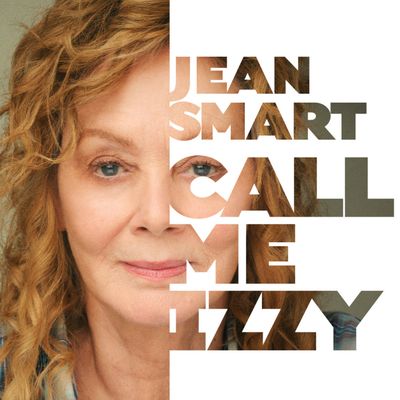
In this episode, we review the Broadway play Call Me Izzy at Studio 54, starring Jean Smart. We discuss the play’s themes, Smart’s performance, and the challenges of the one-woman show format. Our conversation covers the playwriting, direction, and how the production design shapes the audience experience... Read More
From the show: Half Hour with Jeff & Richie (Post-Show Broadway Discussions and Interviews)
Guests

Featured Shows
About
In this episode, we review the Broadway play Call Me Izzy at Studio 54, starring Jean Smart. We discuss the play’s themes, Smart’s performance, and the challenges of the one-woman show format. Our conversation covers the playwriting, direction, and how the production design shapes the audience experience. We also examine audience etiquette and share our thoughts on the show’s Tony Awards potential.
Follow and connect with all things @HalfHourPodcast on Instagram, TikTok, and YouTube. Share your thoughts with us on our podcast cover post on Instagram
Transcript
This transcript was automatically generated and might contain errors.
[0:00] Jeff Malone: Welcome to Half Hour with Jeff and Richie, the podcast where we explore the latest shows we see, sharing our insights and opinions on the storylines, performances, and everything in between.
[0:09] Richie Grasso: In today's episode, we're discussing the Broadway production of Call Me Izzy, playing at Studio 54 in New York City.
[0:15] Jeff Malone: Whether you cannot catch the show in person or you want to expand your thoughts after seeing it, this episode is for you.
[0:20] Richie Grasso: And as always, we want to inform you that this episode will contain spoilers.
[0:23] Jeff Malone: So if you're ready to dive into this production, stick around with us.
[0:26] Jeff Malone: I'm Jeff.
[0:27] Richie Grasso: And I'm Richie, and we're thrilled to be your hosts for the episode.
[0:29] Jeff Malone: But before we start the conversation about Call Me Izzy, here are a few words from our advertisers.
[0:34] Jeff Malone: Welcome everyone to a new episode of Half Hour with Jeff and Richie.
[0:37] Richie Grasso: Today we're discussing Call Me Izzy.
[0:40] Jeff Malone: Six-time Emmy Award winner and Tony Award nominee Jean Smart returns to Broadway for 12 weeks only in a darkly comedic story about one woman in Roll, Louisiana, who has a secret that is both her greatest gift and her only way out.
[0:52] Richie Grasso: It is a moving portrait of a woman who resists being silenced by embracing her tenacity, humor, and fiery imagination.
[0:59] Jeff Malone: Written by Jamie Wax and directed by Sarna Lepine, Call Me Izzy is a can't-miss theatrical event.
[1:04] Richie Grasso: And though Roundabout Theatre Company owns Studio 54, Call Me Izzy is not a Roundabout Theatre Company production.
[1:10] Jeff Malone: Okay. So let's get into our Broadway hot take for Call Me Izzy.
[1:14] Richie Grasso: I feel that Call Me Izzy is the perfect way to kick off this 25-26 season, as Jean Smart is really setting the bar high in the acting category this year.
[1:26] Jeff Malone: I agree. Jean Smart's acting blows me out of the water with just such verve and energy.
[1:34] Richie Grasso: She is so incredible in this role.
[1:40] Jeff Malone: I don't really know if I was a big fan of the direction of this actually and the way this was executed on the stage, but I will say that the way it was written and acted was really strong.
[1:48] Richie Grasso: All right, let's get into it. So, guess what, everyone? This is our first true episode of the 25-26 Tony Awards season.
[1:57] Jeff Malone: So it's already starting. We are with the first, and I hope this gets remembered next year because this is very early in the season.
[2:03] Richie Grasso: We have a 12 months until next year's Tonys, and this is the first considered eligible show.
[2:08] Jeff Malone: And this is like literally the same thing that happened last year with Home.
[2:11] Richie Grasso: Yeah.
[2:12] Jeff Malone: So and Home was not remembered in really the Tony Awards this past year.
[2:17] Richie Grasso: So and you know, along the way, we'll have things coming out this summer or fall, and we'll see how things go.
[2:23] Jeff Malone: But I think when you see things like this and you see someone like Jean Smart coming to Broadway, it's clear that Jean Smart read the script, liked it, and wanted to do this, right?
[2:32] Richie Grasso: And I think that that's important to say because Jean Smart is in Hacks, she's got a ton of awards. I don't know her very well. Actually, this was my first time ever seeing her act.
[2:40] Jeff Malone: I'd never seen her in any of the shows she's been in.
[2:43] Richie Grasso: So I kind of went on this with a very clean slate. And I think her choosing this show to tell this story, this plot is so important to tell.
[2:53] Jeff Malone: It's very sad, it's very prolific. And I think Jamie Wax's writing is very groundbreaking and important in this way because we're talking about a woman's relationship with her spouse, with society, and with herself, and it's all told from her perspective.
[3:07] Richie Grasso: Yeah. So the one-woman show aspect of this, I think is strong. I think it's written strong that way, and I think Jean Smart is really compelling in the role.
[3:16] Jeff Malone: Yeah, I feel like in the writing of this, you know, and we'll get into the production more because I feel like we have more thoughts in that as well. But this is a one-woman show, and I think there's intention behind like why is it a one-woman show?
[3:32] Richie Grasso: I think there's more around like the whole storyline of like it's showing her empowering herself as this woman who's in this abusive marriage, and like we don't need the other actors written into the story, they're there as characters, but not performed.
[3:50] Jeff Malone: And I will say something about that because there's a part of me that feels like when I see a relationship drama like an Arthur Miller or like a Tennessee Williams, I do like to see the relationship between those two people, and I can say, oh, oh my gosh. And I can see a relationship building and forming and growing and changing.
[4:09] Richie Grasso: When you don't have that, I can see how this is a woman show. However, there is a part of me that is kind of missing that. I understand there's like this looming spouse that we never see that is this bearing presence on her that she can't escape, and yet we don't see him.
[4:27] Jeff Malone: I do there is a part of me that wishes we did. I'm not gonna lie, I understand the point of it being a woman show. I just wonder if she had something to play off of, maybe if that would have changed the piece at all.
[4:38] Richie Grasso: Totally. And I in the writing of it though, I feel like it's more of like I'm sure if we read this, it's the internalized speaking and not needing to know what those other people are doing, right?
[4:54] Jeff Malone: Yes, of course. And there's so many other characters that are mentioned too, besides the spouse. I was just wondering if like if we just had someone play her spouse at some point, yeah, how that would have been right.
[5:05] Richie Grasso: No, I'm in agreement with you in that. And I feel like, you know, there's a structure here around poetry, and it's the major plot point of this that she is a writer and you know, she's telling her story through poetry, and we get to these moments in the writing here where it's like seen and then ends with her and one of her poems.
[5:28] Jeff Malone: Right. How do you feel like that really kind of stuck in the writing?
[5:34] Richie Grasso: I thought that was great in the writing because the poetry led the plot, it led her to the poem being submitted to the interactions with other people finding out her spouse finding out about it, destroying it, or having to hide in the bathroom and write it. That was very, very clear.
[5:50] Jeff Malone: It almost in a way reminded me, and this is a very different story, but it had Matilda-esque vibes to me that this girl is trapped. It's a very different story. But a woman being trapped with this talent and not being able to express that.
[6:05] Richie Grasso: And I thought Jean did that well because then we're also set in this rural town. How many people maybe can relate to someone like Jean Smart's character? Unfortunately, because it's such a tragic story.
[6:16] Jeff Malone: Yeah. But I think the poetry landed well here.
[6:19] Richie Grasso: Right. And with it though, you have to put yourself into this now trailer park style home and understand like what she's kind of overcoming, but also like, do you feel like it's 1989?
[6:34] Jeff Malone: Okay, cool. Do you feel like we're getting that in the text?
[6:40] Richie Grasso: I think at times, but I it also left it somewhat ambiguous, like it could have been any time period, because a lot of times, like some people's bathrooms aren't updated for many years, so it could have been the modern times.
[6:52] Jeff Malone: And I almost thought at times we were in the modern times. I would have never necessarily thought we were in the late 80s.
[6:58] Richie Grasso: Right. And but I I'm trying to understand more like, you know, we have a setting point here. It almost feels like it didn't need a setting time period because it was like, all right, but I guess when you look at it, you're like, or what is actually happening in the world that it's actually relating to, and like, do we resonate it with like do we resonate with it today?
[7:19] Jeff Malone: I definitely feel like people resonate with this today. I think this definitely moves people. I think that's why it doesn't even need to have a time set on it, right?
[7:27] Richie Grasso: And I think, you know, talking about plot, I do want to talk about the ending because we're gonna talk about the production in a second, but if we jump to the ending for a second, yeah.
[7:35] Jeff Malone: You hear all this happening going right? It's a one-act show, it's gripping, it's compelling. She's really obviously carrying the whole show, right? By herself.
[7:42] Richie Grasso: We get to the end, and she we think she's left him, and she's at the bus stop and she's leaving. And then this truck pulls up, or this bus pulls up, or some vehicle pulls up.
[7:54] Jeff Malone: And I think what was the coolest moment was the way that was lit and shown with the sound effect. There she is at the bus stop, blackout. And I think one of some of the times the greatest plays leave the audience to say, what happened?
[8:07] Richie Grasso: And we could think that that was the bus picking her up to leave, or we could think it was her spouse telling her to get back in the car, right? Or it could have been a friend. I mean, I think you and I were that was probably the most gripping part of the play because yeah, she's leaving.
[8:22] Jeff Malone: She tells us that she leaves a note for her husband that she's leaving and that she's moving on. Now, this is where I think the setting comes into play. It's 1989. You're not calling an Uber or anything like that. You have to go take the bus. You're in rural Louisiana. Where is she going?
[8:40] Richie Grasso: She's probably going to where the competition people are that she won the competition from because they came to visit her and now she's trying to get out. She was told she can get out, but you're left here with wondering like, does she make it out?
[8:59] Jeff Malone: And it's almost like one of those things, like, oh, you really want to know because like you want her to get out of this relationship, but it's hard because you're like, okay, he may have found her.
[9:10] Richie Grasso: Yeah. Or she's getting on the bus and she's going to start her new life.
[9:14] Jeff Malone: And I think that's, you know, that part of the writing of this, I think was great. Because, you know, is the poetry a tragic ending, or is it a new beginning?
[9:26] Richie Grasso: Right, exactly. And that's why I think the play, the playwrighting and the concept here, and just her performance of it was great. But I know we're gonna go into some of her more of her performance, and I do definitely want to talk about the direction and the design as well.
[9:37] Jeff Malone: Right. So let's take a quick break, and when we get back, we'll go into the direction, the actor performance, and the design of this piece.
[9:44] Richie Grasso: Alrighty, and we're back. So we're now gonna talk about this production as a whole. We'll get into the direction, the actor performances, and the design.
[9:52] Jeff Malone: So, where do you want to start things off?
[9:53] Richie Grasso: Well, let's start with Jean Smart.
[9:55] Jeff Malone: Yeah, this woman is accomplished, she's a wonderful actress. She knows exactly what she's doing in the piece. She knows when to hit the comedy and when to hit the drama.
[10:02] Richie Grasso: She's compelling, she can hold her own.
[10:05] Jeff Malone: Yeah, she's got Emmy Awards, she uh six-time Emmy Award winner. She's a Tony Award nominee. Could she be Tony nominated again for this?
[10:12] Richie Grasso: Sure, I can't. Possibly, but she's gripping, she's compelling. And to me, she is the strongest part.
[10:17] Jeff Malone: Yes, I do think that the writing is very strong too, but I think she is the piece.
[10:21] Richie Grasso: Definitely. She is the whole piece to me. Listen, I have not seen Jean Smart in a ton of things. I know of Jean Smart. Everyone tells us, like, hey, you need to watch Hacks.
[10:30] Jeff Malone: We don't watch Hacks. Maybe we'll start watching Hacks.
[10:33] Richie Grasso: But I think that she, and after seeing her performance in this, I probably will watch this TV show now that everyone tells us we need to watch. But you know, I feel like she really created this whole narrative for her role here around like being this woman who is in love with poetry, who it's her escapism from this terrible life that she's living in this kind of forced life, because when we learn about her in the piece that this was kind of like a forced marriage almost.
[11:07] Jeff Malone: Right.
[11:08] Richie Grasso: And having to live that, it's all she knew. And needing to get out of it is the bigger thing. And learning that there is a bigger world out there, there is a bigger journey for her out there. I think she really gets that to come across.
[11:23] Jeff Malone: Totally. Totally. You know, it's very southern. She puts on this look. It's almost like she is in the line of being part of the trailer park crew.
[11:34] Richie Grasso: And I think she portrayed it well.
[11:37] Jeff Malone: Yes. Now, will I say that the direction and the design helped to support her? Yes and no.
[11:42] Richie Grasso: Yeah.
[11:42] Jeff Malone: If I talk about the direction for a second, Sarna Lepine. We know Sarna Lepine's a great director. I feel like this direction was not quite the way I would have directed it.
[11:54] Richie Grasso: And that doesn't mean this was bad.
[11:55] Jeff Malone: I just look at this and I say, I don't know. To me, there was a lot of like we're in a completely bare blank stage with this little bathroom.
[12:03] Richie Grasso: Right.
[12:03] Jeff Malone: Then we're in the side of the kitchen, then we're in the bus stop. Everything seemed really like stiff, moving the scenery from scene to scene. We would end a scene, we would literally watch her walk off.
[12:15] Richie Grasso: Music plays, music plays, she's doing a costume change, we're waiting, music plays, music plays, and then she walks back on.
[12:22] Jeff Malone: Could we have had a song playing with a lyric? Could we have had something going on? Like things just kind of came on and off in the black backdrop kind of moved and split, and it just seemed odd to me for something that could have maybe flowed a little better, could have incorporated projections, could have kept us pulled down.
[12:40] Richie Grasso: I wasn't a big fan of the way this was directed. That's just how I feel.
[12:44] Jeff Malone: Well, I think a few things here. One, with the script and the writing, and it's kind of is it on the nose? I don't know. But is it a similar story that we've heard before or maybe have seen before?
[13:00] Richie Grasso: Yes.
[13:00] Jeff Malone: I don't find that the source material really is like the most original source material out there. You know, I think Jean Smart is really at the heart of this production right now, and taking this on is a big deal. But taking that and trying to give it new life is where I think Sarna struggled.
[13:20] Richie Grasso: Yes.
[13:40] Richie Grasso: So it's just, you know, Izzy on the stage, but the ghost around her. She's interacting with no one. So to have that, it almost felt like it maybe needed to even go more in being closed off and putting her in these more shadow box style things. And what if that shadow box was the moment of poetry? Like we went back and forth too much between like, hey, we're in the bathroom, now we're in the dining room. Hey, now we're in the kitchen. Now we're it just didn't add anything. We could have incorporated more flow of scene to scene. She could have been leaving one, going to the next, and the lights change and the music play. And we feel filmic, it feels transcendent, it feels dreamlike. Or maybe it's a rough, sad moment.
But to watch her walk on and off and on the set change, it just seemed elementary. And also, would that work in a small space? Sure, but you're in Studio 54, so you're in this big large space. And it didn't seem like the set designer then really worked to that strongest potential of the direction as well. It was lit well, her costumes were fine. I just thought the scenic that bathroom seemed so like okay, we'll put the bathroom front and center. Like it just seems so okay. We couldn't have put it to the side, we couldn't have made it abstract, we couldn't have really like tightly lit it really tight so she feels really tight in the bathroom versus just kind of sort of tight in the bathroom. Things like that.
[15:06] Jeff Malone: I'm in agreement on that because I feel like maybe the direction should have led kind of like lean or kind of focused more on what was actually happening in the poems, and how was that portrayed on the stage? Like lean into that. Could we have seen the poems projected? Could they have been recited with her voice during the scene changes? Right. Could we have had a radio sound of a song of that time period playing with lyrics that kind of have to do with like I thought there could have been more imagination with it instead of just a very what felt like a stiff telling of this piece?
[15:45] Richie Grasso: Right, because I feel that there was a missing piece into the euphoricness that we should have had with the poems. She should have transcended into another world. We could have seen her happier in her poetry sessions versus her telling us the story of her other parts of her life, maybe. Right, but I think that's where like you kind of say, like, what is escapism? And that is where she escaped. She escaped into her writing. And just going into the bathroom didn't feel euphoric enough to me. It felt like she's just in the bathroom and she was writing. And I think that worked in the first scene. But like as she learned how to develop her writing and develop her stories, like take that to the next level.
[16:29] Jeff Malone: Yeah.
[16:30] Richie Grasso: And bring us something there. You know, and I think there were some good moments in the lighting design with this because you know, we did have moments of change in between, like scene, which was bright and moving, but in the poetry it was blue and muted. You know, so yeah, I just feel like overall it seemed like we have to put Gene Smart up on Studio 54 and tell this story. And I don't know if all these designers really put more thought into it other than just let's get it up on the stage.
[17:01] Jeff Malone: Right.
[17:01] Richie Grasso: Is what it felt like.
[17:03] Jeff Malone: Well, right. I think if we're gonna talk about something here, I do feel like that is riding on the coattails of the three big plays that were just on Broadway when you had Goodnight and Good Luck with George Clooney, you had Glenn Gary Glenn Ross with like Kieran Colkin and Bob Oldenkirk, uh, and then Othello with Jake Gyllenhaal and Denzel Washington. So it's like, hey, we're also now gonna bring Call Me Izzy with Gene Smart and like everyone loves Gene Smart right now. But like, but like is the timing right of this play? I think people are coming to see her.
[17:36] Richie Grasso: Right.
[17:36] Jeff Malone: And they're seeing a new piece. And I think the timing's fine. Any any time I think is fine to put a star on.
[17:41] Richie Grasso: Yeah, but summer's hard.
[17:42] Jeff Malone: Summer's hard.
[17:43] Richie Grasso: Summer Blockbuster is hard.
[17:45] Jeff Malone: But a lot of things are closing right now, so there's a chance that more people might go to this with every show that announces a closure.
[17:50] Richie Grasso: Yes, but we're already like two weeks into the run, and this is a twelve weeks. So 10 more weeks. It's really a summer run. And we'll see what happens with it. You know, I think like it's getting traction. People are going to see it. It's not doing terrible in the box office. So, you know, we'll see.
[18:10] Richie Grasso: Well, I do want to talk a little bit about some of the box office, some Tony talk, as well as what we thought about our experience at the show. So let's take another quick break, and when we get back, we'll move on to those chats.
[18:20] Jeff Malone: Okay, we're back. I think could Gene Smart be Tony nominated for this?
[18:24] Richie Grasso: Sure. I see that. I think she could. I definitely. You know, if I'm looking at the Tony committee and what they did last year, like Mia Farrow was nominated last year from The Roommate. That was an early play in the year. So, you know, is it something that Gene Smart gets? Totally. Does she deserve it? Totally. I think she is really giving a great acting performance, and we don't fully know what's coming in the season.
[18:45] Jeff Malone: Right.
[18:45] Richie Grasso: So it's too early to tell with a lot of that. It's crazy to think we're already talking about the Tony Cerx year, too.
[18:50] Jeff Malone: Well, that's what we do.
[18:51] Richie Grasso: Well, does it get best play nomination?
[18:53] Jeff Malone: It could.
[18:54] Richie Grasso: And speaking of the play, like I also wanted to mention this earlier, Call Me Izzy. I think that's an impressive title because she kept saying Isabel Isabel, and she just wanted to be called Izzy, right? So there's this whole theme about like her identity, her self-worth, and her not being respected enough to say call me Izzy, not Isabel or Bell, whatever that she was saying in the piece. So I think the title of the play works, the play. Could it get a best play nomination? Sure. Could it get could it get Gene Smart a Tony nomination? Sure. It'll just depend on the season. It's so early to tell. I think right now it would get everything because we don't have anything to compare it to. But slowly along the way, we're going to get more and more plays, definitely announced. I mean, we already have things lining up.
[19:36] Jeff Malone: And well, MTC and Roundabout and some of these other places already have plays coming on second stage.
[19:42] Richie Grasso: You know, and I also want to talk about our experience there. We it was it was interesting because when we were sitting there, there was people there was a I don't know. I'm usually very attuned to noises and sounds in the theater. I don't know about you. We talked a little about this. There was more coughing going on in that theater that specific night we were there than anything. And I understand people are coughing, you need a throat lozenge or you need to get water, and you don't want to get up because then can you sit back down? There's no intermission. I get that, right? But part of me, there was someone, there was one person coughing so much near me. People were like trying to tell her, Do you need something?
Like, and it was very distracting from the piece. And for a one-woman show where you could only rely on this one person say, I did miss things here and there. And is that me being like, Okay, Richie, get over it. People cough during a show, like whatever. Sure. But I will say, like, that was my experience. Unfortunately, I left there needing to be like, wait, that was the plot point, right, Jeff? Because I couldn't hear that whole scene because someone was having a coughing fit next to me.
[20:34] Jeff Malone: Yeah, I just wish if you listen, I get a dry throat in the theater a lot. You're sitting, you're breathing, and you're not really talking, you're just kind of sitting there watching. And so I always try to have a throat lozenge or some water with me because I do clear maybe you've heard on this podcast everyone listening. I clear my throat a lot. That's just something that I deal with. So I know that.
[20:51] Richie Grasso: Yeah, and it wasn't like someone out of a coughing throat and then it stopped. It was the whole 90 minutes.
[20:56] Jeff Malone: It was the whole time.
[20:57] Richie Grasso: I mean, is it just me? It was that was my experience.
[20:59] Jeff Malone: No, it was a pretty big thing because we also were dealing with people around us, like huffing and scuffing because of this one person.
[21:07] Richie Grasso: Yeah, people were getting jolting in their seat and being annoyed. It's really hard. It's hard because you can't tell someone to leave, you can't say, but you almost want, I think someone did offer them a throat lozenge, like, which is so nice, but like you can't tell people, and you're in a dark, serious show with no, it's not a musical with this noise and music. Where I think it's hard is people are spending a lot of money.
[21:32] Jeff Malone: And I think this goes for so many other things other than just coughing in a theater. If you are having a coughing fit, you need to remove yourself. I mean, come on. I know it's not just you in the theater, right?
[21:43] Richie Grasso: And and and listen, Studio 54 is very hard because if you're in the orchestra, there is no easy way, especially if you're sitting.
[21:52] Jeff Malone: Exactly.
[21:52] Richie Grasso: So I guess I would rather you disrupt people for 10 seconds than disrupt the whole show. And it goes for so many other things. It goes for drinking a cup that has ice in it. It has uh it goes for eating snacks. Like I I was talking to someone recently, and they were like, snacks should not be sold in the theater. I we saw a show where someone took out a sandwich and was eating the sandwich in front of us in the theater. I don't understand that. Can we sit? You know, listen, producers and writers have done uh the modern audience a little bit of a favor by shortening these shows. Tennessee Williams wrote three hour plays, right? We're looking at 90 minute no intermission shows. Can we turn off our phones, sit quietly, not talk, clear our throat a little sure, you know, laugh, of course, make audible sounds, but to cough consistently for a whole show. I, in a way, almost equate that to talking.
[22:39] Jeff Malone: Yeah, because it's this noise the whole time.
[22:42] Richie Grasso: Yeah, and I was like, I feel so bad for that person. I'm not trying to be disrespectful if they have a medical condition. Okay, that's difficult. But are there solutions? Could we have gotten water or throat lozenges? Or can an usher be? You know, in the Lincoln Center theater, there is a huge, huge bucket of throat lozenges.
[22:57] Jeff Malone: Yeah, have you noticed that?
[22:58] Richie Grasso: Yeah, there's the Ricola station, and you can I grab a bunch every time because I'm like, I'm saying like most Lincoln Center shows are long. Grab grab a throat lozenge. Why can't we just have throat lozenges passed? An usher could have passed one to her. But also they are the non-noise-making wrappers.
[23:12] Jeff Malone: Yes.
[23:12] Richie Grasso: So the paper wrappers, right? Versus the plastic. Right. And I don't know. I I even look at that as is there a house manager around that could have helped. Or said, listen, if you come with me, I'll get you some water. I'll make sure you get back to your seat at a scene change. Right. Like that's what I'm wondering why the ushers and staff are what they're not doing, especially if there's no intermission to sell bar staff. You know, there's security and stuff. Could we work on that a little more?
[23:36] Jeff Malone: Yeah.
[23:37] Richie Grasso: It's the last thing we're thinking. I just wanted to mention that because the play was wonderful, but it did derail me a little bit. It did change our experience at it because it was also every time that Gene Smart went into her poetry monologue. And there was just coughing and coughing, and it was which was like important parts of the piece. I don't know. Like, I mean, obviously, we're venting about this on the podcast, but it's like a known thing, like like people are gonna get annoyed. There is a missing etiquette for the people around you. It's not just about you. And like, are we being like entitled and selfish right now talking about this?
[24:11] Jeff Malone: No, but I hope not.
[24:12] Richie Grasso: No, we're not. We're being realistic. If I was coughing, I would be so embarrassed that I did not get up and leave and go clear my throat or get some water or figure out something else because I know that I'm disrupting everyone else in that field, especially when it's a serious piece. And if it's a comedy, people are laughing and people kind of cough through laughter and they, oh my god, that was so funny. And the energy is that not with a serious play.
[24:35] Jeff Malone: Yeah, so it's hard.
[24:36] Richie Grasso: It's hard. It's hard, but you know, and bringing it back to the piece, you know, there were a lot of moments in this piece that I think are moving and show like what it is like to see someone that is struggling through something and not leaving a relationship or not leaving a friendship or not you look at it in so many different ways and you say and look at this piece and you say I know someone like that and I think it leaves you with the question is like what do you do because there's a character in the show obviously not seen but it is the friend who submits Izzy's plays who gets Izzy maybe out of this relationship and she's doing so much to say like hey you gotta get out here's your easy way out and it makes you think and leave you with that question of like what would you do?
[24:37] Jeff Malone: What would you do for Izzy?
[25:38] Richie Grasso: Right. You know it's great to think like that Jeff and I really I love plays that make you think like that.
[25:43] Jeff Malone: Right.
[25:44] Richie Grasso: It's really important stuff. I love that.
[25:46] Jeff Malone: Yeah so oh my gosh just about out of time what are our final thoughts on Call Me Izzy? Listen, I think this is a great way to start off the season. It was the same way that we had last year you know we had Home which was another thing piece for us and now we have Call Me Izzy this year. I love starting with a play um and I am very excited to see what else this next season is going to bring you know I think that if you really like Gene Smart and you want to go see a think piece like this, I think this is a great show to go check out, you know, while you have some time over the summer.
[26:19] Richie Grasso: Totally. I think she's wonderful. I think this piece is great. It's a there's not a lot of new things this summer, and a lot of things have closed or are closing in a few weeks. So go check out a new piece like this. The next new Broadway show we get, I think, is Mamma Mia. So, like you have a little bit of time in July to go check out this as the new season starts, right? But it is wonderful. You should try to get a ticket if you can. We'll have some off-Broadway things to talk about soon.
[26:39] Jeff Malone: And some interviews and some interviews that we're working on.
[26:41] Richie Grasso: We're bringing you, we're bringing you the fun stuff.
[26:44] Jeff Malone: Exactly. Well, that does wrap up our discussion for this episode. And we hope you enjoyed our deep dive into Call Me Izzy on Broadway. And remember, we want to hear from you. Continue the conversation with us on Instagram and TikTok at Half Hour Podcast.
[26:55] Richie Grasso: And drop us a comment on Spotify and let us know your thoughts on Call Me Izzy. Please also leave us a review. Your reviews mean so much to us. And remember, you can subscribe to our channel for all past and future episodes. Until next time, I'm Jeff.
[27:06] Richie Grasso: And I'm Richie saying ta-ta for now.
[27:08] Jeff Malone: Bye.
© Broadway Podcast Network, All Rights Reserved