

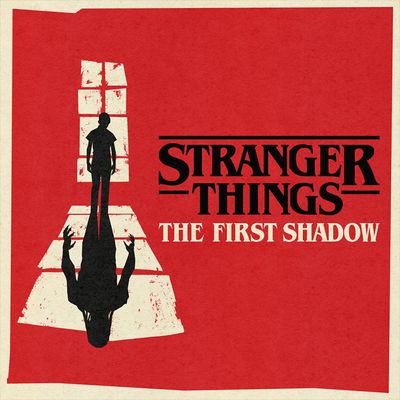
In this episode, we dive into the Broadway production of Stranger Things: The First Shadow at the Marquis Theatre. We break down how the play brings 1959 Hawkins to life, its ties to the original Netflix series, and what makes this prequel stand out on stage... Read More
From the show: Half Hour with Jeff & Richie (Post-Show Broadway Discussions and Interviews)
Featured Shows
About
In this episode, we dive into the Broadway production of Stranger Things: The First Shadow at the Marquis Theatre. We break down how the play brings 1959 Hawkins to life, its ties to the original Netflix series, and what makes this prequel stand out on stage. We talk about the show’s jaw-dropping special effects, standout performances, and why the design team deserves a Tony nod. Plus, we share our own experiences in the audience and debate whether the play works for both die-hard fans and newcomers.
Follow and connect with all things @HalfHourPodcast on Instagram, and YouTube. Share your thoughts with us on Stranger Things: The First Shadow on our podcast cover post on Instagram.
Transcript
This transcript was automatically generated and might contain errors.
[0:00] ⚠ About 2 minutes of audio could not be automatically transcribed.
[2:30] Jeff Malone: Let's do it. So we know that this is a prequel to the STRANGER THINGS TV show. The STRANGER THINGS TV show is still going. I think we're waiting on one more season to wrap up, season five. And it's set in the 80s. This is set in 1959. And then also in the 1960s, right? Sure. There's a little jump ahead towards the end. So we're basically talking about the end of the 50s into the 60s, where the parents of these children from the TV show are now younger in high school before they've had their children. So Harry Potter did this, but as a sequel to the Harry Potter books with the Cursed Child. That's like when the kids are adults and they have their own kids. This, we're doing a prequel. I'm always a fan of like, take these epic films and TV shows and do prequels or sequels, because it lets you think a little.
Well, look at Wicked, for example, right? It lets you just think outside the box a little bit. We don't need to retell the exact same story on a stage live when there's already films for this. Let's do prequel versions of this or sequel versions. So first off, the prequel idea totally works to me. Would you agree?
[3:30] Richie Grasso: Well, for sure, because if you watch the show, you already know that so much of what's happening in this stage production is kind of shown to us in the actual television show. So in the last season, we're learning a lot about Henry Creole and what he does with his family during that time. So we have the flashback scenes. I think we had a full episode at one point, too, because one of the characters, Max, goes in and sees what's happening with Henry as a child, because we've already been introduced to, and there's going to be a ton of spoilers in here. So we're just going to reiterate that now before we get right to filth, but we've already been introduced in the TV show to Vecna. So now we're learning who number one is as a child, Henry, and how the shadow is coming forth.
So I think it works. It makes perfect sense, because this is not made up. This is already in the show. And I think what the creators are doing so well is they're taking it and they're now adding more scene to it. So instead of it being a television show, which maybe they will, a season, they've put this into this stage play.
[4:42] Jeff Malone: And it's the same writers, right? So we have the Duffer brothers, Jack Thorne and Kate Trefri, originating this original story, and it is by Kate Trefri, and obviously based on the Netflix series. So I think another thing, too, is even the beginning, the first five to seven minutes of the show was like how most of the episodes start with something happening and then goes to credits. And that was even set in the 40s, before the 50s, where something with these creatures came on a World War, maybe it was World War II, a war boat. So we had the 1940s epic opening to the show, which felt like a TV show. That in and of itself was incredible.
[5:19] Jeff Malone: Right. And for the Stranger Things fans, we talk about having nostalgic moments in here, like we're getting introduced to the Demi Gorgons early on. And you're having that jump scare moment is what I think we want. And then we're now meeting the cast and we're meeting them all as kids and like teenagers, let's call them, which is fun because like we meet their kids in the first season. And here's a little bit of something like everyone's kind of saying, like, we have to kind of go back to season one and look and see, does it actually relate to what's happening here? Because all of this darkness is happening with Henry, and it feels like the parents don't know in the seasons. But like, I'm trying to go back now because it's been so long, like how many years have we been watching Stranger Things?
And like, I mean, obviously, a pandemic was in there and then a writer strike and so long. So everything keeps getting prolonged from us and this show. It's like, if you go back and you watch it, oh, does it actually relate? Or are they just like hoping we didn't pick up on that? But I think that there's smart integration of these characters. And there's a part of me that wonders, could you sit and watch this play without knowing the TV show at all and then go watch the TV show? Could you almost do that? I actually know someone once who said they had never seen The Wizard of Oz and saw Wicked and then went to watch The Wizard of Oz. And that's got to be very interesting.
[6:49] Richie Grasso: Yeah, they probably watch it from a completely different point of view. And so you wonder, like, although there is the other side of me that says you really should know the TV show in order to fully grasp this play. I would think that too.
[7:02] Jeff Malone: Yeah, because I think it also helps with the performances that these actors are giving on that stage because you say, oh, OK, like, for instance, like Joyce, you know what her character is and why she brings that with her into the future. I think there's a lot happening there. And like, why are certain families targeted by this, the shadow?
[7:23] Richie Grasso: Right.
[7:24] Jeff Malone: You know? Right. And I think it's setting us up in that way. I also think from a writing perspective, you know, sometimes with big spectacle-y things, what can fall to the wayside is a story and a plot. And there's a part of me that says, no, this was well acted. This was well written. We had good plot that was able to be followed all the time. I thought the special effects came frequently enough where we weren't in long book scenes where things were just dragging. I mean, because this show, at the performance we were at, it was just about three hours. They're saying it's 2.45. It's running a little closer to three. Doesn't feel like three hours, though. It feels like you're in there for like an hour.
[7:58] Richie Grasso: Yeah.
[7:59] Jeff Malone: Because it's just flying by in the best way. And the special effects mixed with good acting, mixed with good design and flow and direction, of course, puts this way up there for me.
[8:10] Richie Grasso: Yeah. I think the play is actually good.
[8:12] Jeff Malone: Yeah. I think that they have trimmed a lot of the fat if it was its own season. So like, we're getting to the point of it. And I'll go back to what I said earlier. It's an expanded version of scenes that we had already seen. I think we actually like the dinner scene where Henry actually attacks his family is like almost identical to what we have in this. And when you bring those special effects into this show, it's just like out of this world. I don't think it's making up for a bad story, though.
[8:44] Richie Grasso: Correct. Just like with Harry Potter, I thought the same thing. I didn't think those special effects were making up for the bad story. Sometimes Broadway will do bells and whistles style things to kind of distract you from maybe a basic plot, which is unfortunately with some of these musicals that come to Broadway now. I know this is not a musical, but I think that the plot worked well here. I also wonder if Netflix and the producers are sitting and watching, like, what's next? Do they do another Broadway show like this? We had heard a rumor that maybe they would do another one or two sequel shows like this leading up to the 80s. Or do we just say, nope, it ended and then we go to the TV show? Or maybe there's a prequel, maybe the TV show ends and the next Broadway live production is a sequel? I don't know.
[9:25] Jeff Malone: Well, maybe it's if they have more to say in between the 50s, 60s into the 80s.
[9:32] Richie Grasso: Right.
[9:32] Jeff Malone: And if they do have more than maybe that is something that they do want to do. I look at this, though, and I'm totally drawing a blank.
[9:48] Richie Grasso: One thing that I thought was really interesting with the show was that, and I could be looking into this a little bit, you know, interestingly, I don't know, but when you watch season one and the things are starting to happen, there's this feeling from Joyce and Hopper, like, what's going on in our town? Like, as if it never happened before. Meanwhile, this prequel is leading you...
[10:11] Jeff Malone: That they clearly went through something like this 20-30 years prior. So are we supposed to suspend disbelief a little bit and pretend that what they're doing in Season 1 Episode 1 is not, whoa, what's going on in our town? Because you would think if this was all linear like this, that when this happens, when their kids are around, someone like Joyce would be like, oh my gosh, I gotta call Hopper. Remember this happened 20 years? I don't know, you know, unless… But that's why I think some people are trying to see if there is a loophole in here where, like, it doesn't really make sense. Like, they're looking at it and they're saying, no, like, they never acted like they did. But I always felt like when you look at all of the parents, they have some sort of an idea.
And I think they're going to play a very big part in the next season when it actually happens. Yeah, and that could all tie it together. I'm not saying there's a plot hole here right now, but you never know, right? Yeah, you'll look at it from that perspective. But I do want to go on to some of the direction and these actor performances and the design of this whole piece. So let's go over there now. But before we do, here's a few messages from those that make the show possible.
[11:17] Richie Grasso: Okay, and we're back. So to shout out some of this design team, we had direction by Stephen Daldry, who's done a ton of shows, both in New York and London, co-directed by Justin Martin. And we have set design by Miriam Beuther. We have costume design by Bridget Riefenstuhl, light designer John Clark, sound designer Paul RDT. We had some original music and arrangements by G.J. Wald. And then we have video and visual effects designer is 59, and illusions and visual effects designers of Jamie Harrison and Chris Fitcher. And this is interesting when you see these other designers on board, where they fall into Tony nomination potential. Because what I've seen Tony administrators doing more and more lately is ruling video and audio, not audio, video and special effects falling under scenic design, which means that could be two or three or four people, right under that the scenic design kind of includes the video.
[12:08] Jeff Malone: Yeah, the audio sounds as all sound design, you know, and putting those because we don't have a special effects Tony. Well, I wonder if that is a big question that might start happening soon, because we're getting more and more shows that are not traditional scenic design. And we're getting into this whole projection land and special effects land that I wonder if it's going to get some sort of a recognition. You wonder that at the Tony's eventually, because some people are going to say no, we want a special effects award now because scenic traditional scenic design should still be honored and nominated for what it is. And what I would say is the I thought the turntable effect of this show totally works.
We know that from the Les Mis days, it was an epic thing in the 80s when a turntable was introduced to Broadway stage, you can move people literally and figuratively through scenes pieces on and off. And I liked this bare stage with a bunch of pieces coming on and off thing. I like that it totally worked. It never felt bare. It always felt full. There was so many different pieces coming in and out. I thought it was lit impeccably well, I should say, when we would go to blackouts, it was like LED lights going off instant blackouts that lights up with sound effects. I mean, that stage management team must be so, so busy backstage calling all these cues.
[13:27] Richie Grasso: Yeah, how many cues do you think? Oh, gotta be thousands, I would think, right? Because we're just calling so many different, not only physical pieces coming in and out, there's a lot of lighting, there's video, there's sound with timing of video and audio and special effects on top. There's a lot of tech direction that's happening here. And you have to kind of praise Stephen in getting some of this figured out, because there are automation tracks, there is the round turntable. But there are some pieces that cast members need to move on and off, and they're doing a really great job of incorporating it into the scene of what they're actually doing. And it's choreographed.
[14:07] Jeff Malone: It is choreographed. And speaking of choreography, I thought it was nice that there was this slight musical theater-esque feel of like, well, we're on Broadway, so let's not ignore that. And when they brought those Las Vegas girls in and had that little mini with the singer, it was like, I know this is not a musical, but why not pay homage to the art form space that we're literally occupying? Like, if you're going to do something in a Broadway stage and not a theme park and not a cruise ship and not a national tour, but you're going to sit on a Broadway stage, play into that feeling of like, oh, her mother in the past was a dancer in Las Vegas and have the costumes come out. It didn't detract from the plot. It didn't. I actually loved that aspect.
[14:45] Richie Grasso: Yeah, no, I think it was great. And I do think, yeah, what you're saying of paying that homage to musical theater was smart. And it almost felt like it could have been a musical. I know that would take away from what we actually want here. So it's more of a play with music, but they're doing so many technical things that are happening on that stage. But we have additional choreography built here as choral mess with movement direction and choreography by Lynn Page. So we had other creative team members here executing so much of that. You know, it says movement director and choreographer. It's not just the choreo. It's literally direction of movement that had a whole nother designer on board.
[15:26] Jeff Malone: Yeah. Because you, it's only so, I mean, you need a, it takes a village to put something on like this, let alone how many ensemble members in the show. No, this cast is huge. I mean, I haven't seen a play with a cast this size in so long. Musical is one thing, but for a play, you felt like you were in a village of people. You felt like that stage had a whole town. And they did not hold back in it. And before we get into like awards with them, like, what do you think of some of their actual performances in here? And like who stood out?
[15:49] Richie Grasso: I mean, they were all really great. I didn't think anybody had missed the mark here. But who really stood out to me was I thought Allison J who played Joyce was impeccable in her acting. I thought she was incredible. She brought this vision of like, I'm going to be like the woman from the TV show. Her name is Winona Ryder. I'm going to be like Winona Ryder, but I'm also not going to imitate her exactly. I'm going to imitate her character.
[16:16] Jeff Malone: Imitating the character. I think that's a perfect way to say it because I think she found the youthful side of what Winona Ryder is in that show. And you immediately knew it was her.
[16:23] Richie Grasso: Yeah. That's hard. Yeah. Right. And not only that, but I also thought we had Henry Creel played by Lewis McCartney. That is physical acting. Like he's got to be exhausted after that. The way you have to make your body move like that and carry the show through. You're all over the place with the show. When the special effects moments are happening and he's having those moments, his body is just, it takes a very skilled actor to do that. Not just thrash and shake, but actually feel like that.
[17:01] Jeff Malone: And I think what's interesting with his character of Henry, it's like he has this role that is kind of like not compared to anything because Henry is only really seen for like one moment as a child before he turns into Vecna. So because of that, he gets to kind of create this image of how we're going to perceive Vecna now. And you feel bad for him.
[17:08] Richie Grasso: You do. No, I know. And I think that's important to remember that that family story coming to the town and the family. I thought the parents were great. I mean, listen, I really didn't think anyone missed the mark here. I thought they all were bringing their presence so strong to these characters. And there's a lot of characters in the show. I thought all the acting was great. Could some of them be Tony nominated? Sure. I think this whole thing has Tony award nominations written all over it.
[17:57] Jeff Malone: Right. And no big names really, besides like T.R. Knight being in here playing Victor Creel. And with that, I liked seeing him because you almost feel like he's in Stranger Things.
[18:14] Richie Grasso: Yeah. You almost think that he was, right? Yeah. I know it's not. And I'm probably getting confused with like who plays Bob in the TV show.
[18:26] Jeff Malone: Oh, yes. I know you're talking about.
[18:33] Richie Grasso: Yeah. Different.
[18:33] Jeff Malone: But I think another thing.
[18:39] Richie Grasso: Sean Astin.
[18:39] Jeff Malone: Oh, yes. Yes. Yes.
[18:42] Richie Grasso: Another interesting moment here is these special effects.
[18:46] Jeff Malone: Yes. I thought the opening scene with the Demogorgons in that boat that just appeared and then the guys walking through the audience. And like, I was like, oh my gosh, we're immediately immersed in the special effects. And then when the cat was breaking the limbs, the mother at the end of the limbs are bringing within like the breaking of it, though. But the sound design of it all is also like it makes you feel that irkiness, that like scariness, the flying through the ceilings, any aerial moments, you couldn't see strings or ropes like you didn't really know how that was being done. Just tons of special effects throughout here, which really is at the par of and exceeds the special effects of the Harry Potter that's currently on.
[19:12] Richie Grasso: I think so. I mean, Harry Potter was groundbreaking on this way, too. But this and you're you know, every 10 or 15 minutes, you're going to get more special effects and it comes and it comes all the way to the very end of the piece. It gives the horror movie, scary TV show crowd what they want.
[19:31] Jeff Malone: Yeah. And we don't really get a lot of that on Broadway. So someone and this is like an interesting probably question for everyone, but also for you now is where do you think a traditionalist will look at a show like this and be like, no, no, no, that's theme park. Maybe with some of the like excessive scene changes and special effects and the constant movement of the piece to like stay awake, keep your eyes open, like we're going to do this now. Like when you see theme park shows, they're like short, quick songs moving to that. So we're going in and out. And so there is a little bit of that. However, I appreciate that because it is so long. I didn't feel like any of the book scenes were like, wow, we're sitting and watching, you know, a Tennessee Williams scene now for the next 20 minutes. Like, no, nothing felt like that. So maybe people would look at this as like, oh, it's moving so fast. They have so many costumes and so.
[20:23] Jeff Malone: We're moving through this blah blah blah instead of maybe just that is one slight critique I would give is it does move so fast but I actually don't mind that at all because I think the fast pace with a show that is two hours and 45 minutes long needs to move especially if you're getting a TV crowd in here. It's not gonna be the long day's journey and tonight, you know, we know that. So I think that's the only thing maybe some people could look at this and critique like that maybe we don't get enough time to get to know these characters because there are so many of them. But I think if you've seen the TV show, the writers are trusting that you know these characters enough that you don't need full, full, full big Joyce scenes.
You're just going to get enough of Joyce and of course she's directing and producing the school play in the show because that's what I think Joyce would have done in high school, you know, things like that. I think the way they wrote this book though is it's not about those characters yet those characters are future, right? And we barely get most of it about them in the future either. Yes, we've had some stuff with Joyce, we've had some moments with Hopper, but like the other parents like they, you know, I actually think we're learning more about Bob and his sister, right? More than anything because there is some sort of a connection between Henry and Patty that we don't really see. We only know that Joyce dates Bob for a little bit in the future and I also think that they know that this is really just about the Creel family and that's who we're really learning about.
We're learning about why this upside down falls under Hawkins. Well, Hawkins, yeah, yeah, we are learning why the upside down falls under Hawkins, right? Exactly. So great, great stuff all around. I want to get to what these Tony nominations potentials can be and I want to talk a little bit about our experience at this show.
[22:06] Richie Grasso: Oh yeah, because we have a story. So let's hang tight. We're going to go to some commercial break. It's for some ads from our sponsors and we'll be right back.
[22:20] Jeff Malone: Okay, we're back. So to wrap this up, we have the Tony Award nominations that are going to be written all over this. I think you're going to get a lot of Tony Award nominations for this. I do think it's going to win some things. I think this makes the other new plays of the season shake in their boots a little bit because I do, while I honestly do, I see this winning a ton of design. Yes, I don't know if this wins best new play because it's so different from a traditional best new play, although it is a drama. I do wonder if Omeri still has the leg up on the best new play over this. We're talking about two completely different shows, but that's what's hard in the play categories. We talk about this all the time.
I think like how do you compare Stranger Things and Omeri to each other and some other plays? They're all so different. I mean, but when yes, there are some more straight plays out there that are very easy to compare, but this is like thriller. Like also we don't really get a lot of that on Broadway of a thriller, thrilling, scary. I mean, there were a few jump scare moments. I jumped a couple times. You definitely are not getting that in every show, right? So I think it'll do great in the Tony Award nominations at the least and hopefully win a few. I 1000% think that this Henry Creel should be nominated though for by Lewis McCartney. Yeah, here because, and I could even maybe go as far as saying like maybe Joyce Maldonado, yeah, who Allison J, let me see here, Allison J, she maybe could be like a supporting role here.
It really just comes down to what they get pushed in for and I think Stephen Daldry getting a best director nomination makes complete sense here and all the designers. Yeah, truly don't leave one out. I think all of them are deserving. The costumes too, you're talking about a period piece here. They all had to be costumed in the 50s like that. It was a wonderful costume design, I thought. Yes, and scenic design. And I look at something like this, so because we've had a few moments where plays have been nominated for choreography, and I wonder if there's enough in this that they would nominate. I wonder, it depends on what other musicals have choreo in it that they have to kind of consider as well, right?
[24:35] Richie Grasso: In terms of experience, we had gotten to the theater and it was about like 7:25 and we were in the lobby and we're like, oh maybe we'll go get a drink. This was a 7:30 curtain and we were told by the ushers there, please take your seats. The show is starting right on time. If you are not in your seats at the start of the show, you will be watching the first 10 minutes of this show from the monitors in the lobby. I was like, okay, that's normal for shows, but usually the average show starts what, eight minutes after? So I'm thinking 7:38, maybe even 7:40. But we were like, let's, there was a line, so we said we trusted the ushers. They were really pushing everyone to get to their seats. So we got to our seats and by 7:32, the lights went out.
Yeah, and there was seemingly a lot of empty seats around us. Yeah, I was like, where is everyone? And it was like lights out because actors are in aisles and they needed to clear the aisles and we had a big epic scene. And about 10 minutes after that epic 1940s war boat scene, we go into like the quote-unquote credits and we start to tell the plot. And as soon as the plot starting, droves of people, like I've never seen before at a Broadway show, are going to take their seats in the dark, talking loud, crossing through aisles, like 50, 60 people coming down the aisles to their seats. And it was very off-putting. I know this is one of the earlier previews that we were at. From talking to people, it seems like they fixed that problem and they're not going to do that again and they are going to start pretty close to on time, but not as quickly as they did.
I know they're on a time crunch. It's an almost three-hour show and they're trying to tighten it up. But when you're talking about, first of all, the getting into the Marquis Theatre and up the escalators and around the corner and through the lobby, it's not the easiest theater to get into. It's up a flight of stairs.
[26:10] Jeff Malone: Well also, and they only have you going in one entrance, yeah, so there's just funneling people. You're dealing with a lot of tourists and people coming to the shows traditionally go to Broadway shows. So you have to take a lot of factors in, but it was difficult. But there's many issues that happened that night and that have been publicly talked about about this night that we were there because there was an issue that happened in the lobby that affected people getting into the theater fast. Yes, because there was some another event because we're talking about a big hotel here with other event spaces. It's not just the Broadway theater, so you have to take in consideration like what's going on in this hotel and how are you trafficking people into the lobby.
I think there was some sort of a capacity issue that was happening in our lobby because you have to remember people come down into that lobby. It's not just for the theater. You can come down from the hotel lobby. Anyone can come around and there was a big tour group that was just standing in the middle of the lobby and it was creating a big traffic issue. So, but because of that, like everyone's saying like who called them to like start the show? It shouldn't have started even though there were so many people waited five more minutes to get most people in their seat. So then it was difficult because people are talking very loud. I'm trying to follow the plot. The story's still going on. So again, it's not ideal.
I heard it was going down in the mezzanine and in the orchestra. It was like it wasn't just in one specific section. They'll iron a lot of this out. It's got a long preview. Hopefully they'll get into a better flow with this and they'll maybe open the theater a little earlier or get people to their seats a little longer.
[27:41] Richie Grasso: Yeah, definitely. But also, like I don't want that to take over this podcast episode here because the show was really great and I think that from my own experience here, it met me in so many other places of like the book, the special effects and I'm so sorry when that shadow comes down. Oh God, it is scary.
[28:05] Jeff Malone: No, that's scary. It is like listen, if you have kids and you're thinking about bringing kids, think twice because I do agree with their warning that like they're not letting a 16-year-old, anyone under 16 into this show without an adult, right? So anyway, oh my gosh, wow, we're just out of time. What are your final thoughts on Stranger Things: The First Shadow?
[28:24] Richie Grasso: Do you think I liked it? I think, do you think I liked it? I loved it. It was great. I highly recommend it. It's a standout. I'm going to teeter-totter back and forth on this, on if the actual Broadway community is going to well receive a show like this. I think they should, but you know, we've been seeing things that come from the West End that kind of get slammed. I don't know why, but they like to do it. And I think go for yourself though, especially if you're a Stranger Things fan because I think that that's what's going to be needed at this show because the traditional Broadway fan base is not really going to like this. But you never know because I'm a very, I'm very traditional with Broadway, but you like the show.
[29:06] Jeff Malone: But I like the show and I also can see the future of this is every broad new Broadway show need to be like, no, but this is certainly paving the way for big commercial theater to be successful with a clear high, but it's clearly has a high budget and I think it's going to run a long time. I do. I think it's going to run a very long time and we may not be in the Marquis Theatre again for a while unless we're going back to see this show. But my overall thoughts is I really, really enjoyed it. I thought it was well executed across all departments and I think everyone should go see this. Yes, even the people that don't know the TV show because you'll be mesmerized by how what you can do live on a stage.
It just supports the live theater entertainment industry, right? Someone did ask me, they were like, oh, do I need to watch the TV show to go see it? I'm, but I like don't really like scary things. And I said like, I think if you watch the TV show, it helps though more for you to understand what's going on. I don't think you have to think as much, right? If you know what's going on exactly and then you would hear in the audience sort of like, oh, and they'd say the doctor, oh doctor, you know, things like that. So yeah, but it was great. I highly recommend.
[30:07] Jeff Malone: That does wrap up our discussion for this episode. We hope you enjoyed our deep dive into Stranger Things: The First Shadow. Remember we want to hear from you. Continue the conversation with us on Instagram at @HalfHourPodcast. Drop us a comment on Spotify and let us know your thoughts on Stranger Things: The First Shadow. If you enjoyed our show, please leave us a review. Your feedback helps us bring more theater to you. And remember you can listen to past episodes and stay tuned for upcoming ones as well. Until next time, I'm Jeff.
[30:29] Richie Grasso: And I'm Richie saying tata for now. Bye.
© Broadway Podcast Network, All Rights Reserved