

Discuss on Reddit ➤ Support the Show ➤ Get ready to do the whole combination away from the mirror and unpack your headshot, as we’re heading straight onto Michael Bennett’s “A Chorus Line!” As one of the longest running musicals of all time, there’s lots to unpack this week!.. Read More
From the show: Jim and Tomic's Musical Theatre Happy Hour
Featured Shows
About
Get ready to do the whole combination away from the mirror and unpack your headshot, as we’re heading straight onto Michael Bennett’s “A Chorus Line!” As one of the longest running musicals of all time, there’s lots to unpack this week! Jimi and Tommy discuss how this show created the first musical theatre workshop, why the lyricist hated the show’s biggest song and muse over whether you can alter something so iconic. A-5-6-7-8!
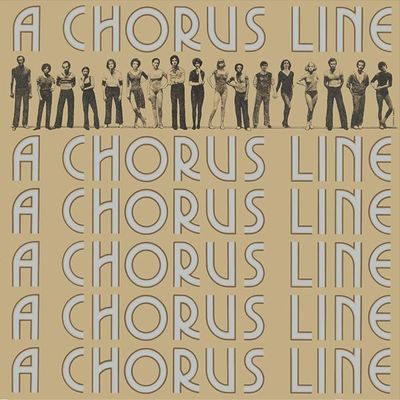
A Chorus Line (Original Broadway Recording)
SHOW NOTES
Before you do anything, listen to the cast recording and watch the amazing documentary: “Every Little Step,” especially if you’re an aspiring director! Listen to Jimi’s plea and watch this to see how casting’s done properly!
If you want to find out more about the creation of the show and those early recording sessions, look no further than this fantastic book: “On the Line: The Creation of A Chorus Line”
If you’re interested in the ins and outs of how royalties work with workshop casts then check out this article which details what went down with “Hamilton” last year.
What do you think about revamping iconic musical choreography? Have a look at the MUNY production and see what you think about Denis Jones’ attempts.
Have you been in “A Chorus Line?” Did your choreographer give the show a revamp? Let us know! Head over to Reddit and tell us all about it!
If you’re interested in how the lyrics were developed for “A Chorus Line” listen to this NPR interview all about him.
What’s your dance routine mental cheat sheet? Come and tell us on Twitter!
Also if you’d like to, feel free to send us an email at jimandtomic@gmail.com!
A HIGH SCHOOL LEVEL QUIZ QUESTION
In 1985, this musical – conceived and created by a big-league lyricist and librettist and that proved to be a British hit – tried out in a US High School instead of heading straight for Broadway?
Transcript
This transcript was automatically generated and might contain errors.
[0:00] Tommy: Have you ever been led through like the viewpoints ringer?
[0:04] Jimi: I've never done any practical work.
[0:06] Tommy: No.
[0:06] Jimi: Oh my god.
[0:07] Tommy: How have you? This was like literally my fifteenth time.
[0:11] Jimi: Really?
[0:12] Tommy: Yeah. And it is, you know, my personal acting philosophy is very pragmatic. It's like you have a face and a body and a voice, and you move through the space using that. And like you can think things if that helps you get to the places, but that's not what the audience sees. They see your face, they hear your voice, they see your body. And like so, whatever you do to get there, fine, whatever. Um, which is what, like, not to discredit something like viewpoints or like method acting or whatever that helps other people get in those places.
[0:47] Jimi: Um viewpoints, yeah. It's a bit of a cult.
[0:52] Tommy: Yeah.
[0:53] Jimi: Just a tiny bit, but you know, if you want a sponsor's viewpoints, we'll take it, I guess.
[0:59] Tommy: Yeah. Uh we can we'll feature the ghost of Ann Bogart on our podcast.
[1:06] Jimi: We'll devote like a whole a whole week. Anne Bogart April. Does that work?
[1:11] Tommy: No.
[1:12] Jimi: And Bogart April. Man, put it on your calendars, folks. We don't know what we're doing yet, but and Bogart April, it's coming up. We've got just under a year to prepare, will we?
[1:24] Tommy: Somebody get us another drink. Welcome to Jim and Tomic's Musical Theatre Happy Hour, your weekly podcast with Dance Belt and Dandelion and Burdock.
[1:34] Jimi: Listeners, you need to know the first thing Jimmy did was apologize to me about this sentence.
[1:40] Tommy: I know. And I and I'm gonna apologize to you too, listeners. Dandelion. Do you I mean, do you have it? Do you even have it? Dandelion and Burdock?
[1:48] Jimi: Is that like Yeah, it's it is a drink.
[1:50] Tommy: That sounds like the Scottish drink of the fairies in the Highlands.
[1:54] Jimi: I I mean I can kind of is. It's actually more it's more English than Scottish.
[1:58] Tommy: Okay.
[1:58] Jimi: Um, and it's kind of like uh I guess it's a tiny little bit like Dr. Pepper with like more aniseed in it.
[2:07] Tommy: Huh. Okay.
[2:08] Jimi: It's not good.
[2:11] Tommy: That doesn't sound appealing.
[2:13] Jimi: No, but some people love it. And I think it's it's it's pretty much like black.
[2:18] Tommy: Huh.
[2:19] Jimi: Um it's a scary-looking drink, too.
[2:24] Tommy: Yeah.
[2:25] Jimi: Get a good swig of that while you're in your dance belt.
[2:29] Tommy: I don't know. Um right, I'm intrigued about this, Ron. What are you drinking today?
[2:35] Jimi: Um today, my drink is filled with broken shards of glass. I find it really helps um me experience the full bodied flavor of my beverage.
[2:52] Tommy: Of your dandelion and burdock. Excellent. Um, well, mine is mine is just full to the brim of the the sweat from my brow and the sweat from others' brows. Um lots of sweat.
[3:05] Jimi: That made a lot more sense than mine.
[3:08] Tommy: I don't know though. I don't think either of us really win. But I mean, yeah, is uh off the top of my head, is there any beverages mentioned in it at all in the whole show?
[3:17] Jimi: I don't think so. I mean, once we figure out the sh once we tell people the show, this will become very obvious. But this show, I think, is either a set designer's dream or nightmare.
[3:28] Tommy: Yeah.
[3:29] Jimi: There's nothing.
[3:30] Tommy: Yeah.
[3:32] Jimi: Yeah. Um so well, hey, Tommy, what is it?
[3:37] Tommy: Well, our quiz question from last week was about my favorite gay bar in Chicago, where on Mondays they play musicals. Because why not? Um and people shout back at the musicals like you would do at Rocky Horror or a showing of the room. And when they play the finale to this musical, all the patrons chant fall, fall, fall, fall.
[4:00] Jimi: Yeah.
[4:02] Tommy: When one of the performers eventually falls down. What show could it be?
[4:09] Jimi: It's A Chorus Line.
[4:36] ♪ Musical number: "I Hope I Get It" — performed by the cast of A Chorus Line ♪
[5:08] Tommy: So I think I'm the happiest and most excited I've ever been.
[5:12] Jimi: Do you like this musical, Jimmy?
[5:14] Tommy: Yes.
[5:15] Jimi: Would you call would you call this your favorite musical?
[5:18] Tommy: I mean, it for me, it literally goes Wonderland, A Chorus Line, that's it.
[5:22] Jimi: As it does for many of us, Wonderland is high up there. Um Is it my favorite? No, but it's consistently on my top ten. Like it's never left, so therefore, it's you know, yeah, yeah.
[5:37] Tommy: I I don't I try not to pick favorites, but this is a I find few flaws with, you know, right. Like it's it's it's condescending to call something a perfect musical, but I think this comes really close to just being exactly everything it needs to be, and nothing more and nothing less.
[5:59] Jimi: Yeah.
[6:00] Tommy: Yeah.
[6:01] Jimi: I'm so excited to talk about it.
[6:03] Tommy: I am like, this is uh, it's like a weird dream come true, even though I've never had the dream of talking about this, but like I don't know. I'm so I'm like weirdly giddy.
[6:14] Jimi: Yeah, exactly. Um, so let's talk about it. We have music by the wonderful Mr. Marvin Hamlisch, Marvin Hamlisch, who's written a whole bunch of stuff. We have lyrics by Mr. Edward Kleban, and we have the book by Mr. James Kirkwood Jr. and Nicholas Dante.
[6:30] Tommy: Dante Don't Dante.
[6:32] Jimi: Dante, who knows? And I uh I scared myself.
[6:37] Tommy: That was cute.
[6:39] Jimi: I was scared because the show is directed and choreographed by Michael Bennett.
[6:44] Tommy: Yes, and you should be scared and imposed. It's kind of a scary, scary imposing human being. Um this show played forever. It opened in the summer of 1975 and closed in 1990.
[7:00] Jimi: Yeah, man.
[7:01] Tommy: Yeah, yeah. Which is for for a show like this, for a show that's not something like Phantom of the Opera, that's not something that like Les Mis, this is not a big epic narrative tale. This is especially when it came out in 75, you know. This is art. Not that the other things aren't art, but like this is art with a capital A.
[7:21] Jimi: Yeah.
[7:21] Tommy: Um it's real, man. It's like real.
[7:24] Jimi: It's more more to say it's not like touristy. Um, it's not really terribly feel good. That's a long run for this kind of show.
[7:34] Tommy: Totally. It's it f it's like it's like a proper piece of theater.
[7:38] Jimi: Yeah.
[7:38] Tommy: Yeah.
[7:39] Jimi: It's like a musical play in art.
[7:44] Tommy: Yeah, totally. Absolutely. Absolutely. Um we got over here shortly after in 1976. Um it beasted all the awards. I think it won like nine Tony's, including Best Musical.
[7:57] Jimi: Yeah, it won nine Tonys Director. Of the of its nominations, apart from some shared actor noms, the only one it was nominated for that it lost was Best Costume Design. Um so it was almost a sweep.
[8:09] Tommy: Yeah, yeah. And also, you know, I've got stuff to say about that because I would say the costume design really, yeah.
[8:16] Jimi: But that's fine. It's fine. Um, so what is A Chorus Line, Tommy?
[8:23] Tommy: Oh man. A Chorus Line, I would qualify A Chorus Line as one of the first okay. One of the first you're gonna be angry at me about this. I think A Chorus Line is one of the first musicals to be properly about an idea, as opposed to a narrative story. And the reason I think you're gonna be angry at me about this is because Hair came out in '67. Um But also, when did Company come out?
[8:53] Jimi: Um 70.
[8:55] Tommy: And you've said that in a video. You can't you can't go back and then that's true. I might have dug myself a whole lot. I'm gonna save you from yourself as well.
[9:04] Jimi: Yeah, company 70.
[9:05] Tommy: Okay, maybe not the first. Well, company.
[9:11] Jimi: Yeah. No, let's no, let's talk about it. Let's talk about it. Wait, so are we ready to talk about things?
[9:16] Tommy: Well, no, Tommy. I'm gonna put it in a pin. I'm gonna chuck that pin forward in 10 minutes.
[9:21] Jimi: You put that pin up there. Let's talk about what the show is.
[9:24] Tommy: Exactly. Let's do that first. Because that is that's an interesting discussion, what you've got there in that little pin.
[9:31] Jimi: Yeah. Um, A Chorus Line is um a show that is an audition um to be part of uh Broadway director Zach, um, his new show, uh, and it's about what the dancers have to do to basically get a part in that show.
[9:56] Tommy: Yeah, and it's a chronicling of that audition process, and to the I think the wrench that fictional director Zach throws in the works is that he really wants to know the personal lives and personal stories of these dancers, which then come to life in a way that only musical theater can do.
[10:17] Jimi: Exactly. Um, because he's got a few small roles um that demand a bit of acting, and he kind of doesn't expect them to be actors because they're dancers, which is a whole kind of kettle of fish in those days. Um, and so he just wants to find the real them and to see if they can just be human. He doesn't want them to perform, he wants them just to bring it down, yeah.
[10:40] Tommy: Um, and and be human. And we delve.
[10:43] Jimi: And the personal stories and personal trials and tribulations of pretty much everyone in unique and individual ways.
[10:52] Tommy: Yeah, exactly. You do find out about some more than others, but everyone gets a good a good dollop.
[10:59] Jimi: Yeah.
[11:00] Tommy: Of character in there. And we see all the way from the the first kind of cattle call style cut-down all the way through to the actual casting. There's nothing like it.
[11:12] Jimi: Yeah, and then it culminates in the final number one, which is we will absolutely talk about this because the ending of the show, I think, is one of the most melancholy in the world. Um but after hearing the moving, unique, diverse, like absolutely riveting individual stories of all these people. They all come on stage in the same costume and dance in unison in a chorus line with no personality and none of that there, as you would.
[11:46] Tommy: Yep. Exactly, as was the reality, but that's it's what they do for love.
[11:52] Jimi: Yes. Um yes, sir. Okay, I think let's get straight into this because we've got a lot to talk about today. Um, so a musical about an idea. Let's talk.
[12:09] ♪ Musical number: "At the Ballet" — performed by the cast of A Chorus Line ♪
[13:33] Tommy: I might be unpacking this a little bit in my mind.
[13:36] Jimi: I think that's fine. That's fine. These are good moments.
[13:39] Tommy: To its to its success, A Chorus Line maybe did a musical about an idea, the concept musical successfully and marketably for the first time. Company did not play for very long. Hair was bizarre. Um A Chorus Line is was a pop culture success. Um and is about there's not a protagonist. There's not, you know, we we certainly certainly characters have arcs, but we're not following that traditional mountain storyline. It's not rising axe action, climax, falling action, all that junk. It's like this is different.
[14:20] Jimi: In a way that I would say, even like where Company pioneered that idea and Hair had the kind of like bizarre late 60s, early 70s tribe musical going for it. Like company still is a series of vignettes, is a series of individual short plays with kind of the ghost of Bobby floating between them. Whereas A Chorus Line is very truly uh like a montage that's about the whole, you know, the whole gestalt of the whole thing and how it all feels together, and we're not, you know, there is no Bobby in A Chorus Line.
[14:58] Jimi: There is no like one person who thematically ties all these things together. It's going to an art gallery instead of looking at one individual picture.
[15:09] Tommy: Yeah, yeah.
[15:10] Jimi: No, I totally I would totally give you that. I would 100% give you that. I think I don't know, I feel it's this is it's interesting because someone on Reddit recently um uh was discussing about me liking stuff in the 70s, um and it's it's so true. I adore it. I adore it because I feel like not only was it the first time a lot of things happened, you know, we've just mentioned three stunningly sensational musicals, yeah. But it's kind of stuff that we've never seen again.
[15:42] Tommy: Yeah.
[15:46] Jimi: Do you know what I mean? Things yeah, that's true. And certainly things that like we've pulled bits and pieces out of, but and we'll we will talk about this later. Um, you know, you see revivals of a chorus line, and it there's something it's missing. There's some energy from the 70s that is not there that like we just grasp somehow, even if it's exactly the same show and you're copying the choreography one for one.
[16:10] Tommy: Yep.
[16:11] Jimi: Yeah. Yeah. And it is really interesting, especially with the 2006. Like, why didn't the 2006, you know, play for uh what 15 years, 16 years? Um who knows? Who knows? Um like so I mean uh the idea of the the the show as an like being a musical about an idea, I don't know, because I think what it really really is is just it's extremely human. Um whereas with something like um company, less so with hair, which is definitely just a big quote question mark, right? Um with something like company, the the humans there are less human, they're much more they're not caricatures, but they're more archetypes, I guess, is that the right word or avatars or something like that. If not characters, yeah, yeah, exactly.
[17:02] Tommy: Um whereas, and we'll get into the origins of the show in in a little minute, but um with chorus line, it's it's so human. Like it's it's the humanest of human. We're talking like domestic suburban storylines here. It's like empathy the show, like cannot help but like people love this show who have never once stepped foot on a stage or even thought about it. Um which I think speaks to it highly. And I will say, I do think a chorus line would have never happened had company and hair not happened. I think there is a some very specific progression and through lines you can draw in that small subsection of musical theater history from like the late 60s through the end of the 70s of like experimentation and growing and building, and like there are you know, there are all these tiny acting troops and acting cabals in New York that are experimenting with new things that the grand result I think we see is a chorus line.
[18:05] Jimi: It is I do also think it's kind of a capstone on an era of a particular kind of musical theater. Like we haven't seen a tribe musical like that until you know shit and pour one out for a great comet. Um like it's you know era at that point.
[18:23] Tommy: Yeah.
[18:24] Jimi: Um yeah, and I guess it's it's interesting to know Michael Bennett was the choreographer for company. Like, was he seeing something? You know, he was there in the front line. Was he seeing something and being like, God, this is really kind of cool. This is because one of the things, so Michael Bennett always talks about the fact that um so he started off as a dancer, he was a gypsy as well. And oh, just as a preface note, when I say gypsy, I'm talking about the dancing from theater to theater.
[18:50] Tommy: Good.
[18:51] Jimi: Not a derogatory. Yeah, we might need to do some vocabulary searching in the future there. So yeah, so that's he started off um as a dancer, then got into choreography with uh company, Promises Promises, and then what he always said is he always wanted to be a director. I think he said it's Tony Speech. Yeah, um, that he always wanted to be a director, and this was his first time. Yeah, um, and you can totally see that thing of where he I can just see him being in company just being like, this is really good, yeah, but I've got more. Like I can do better. Do you know I can I can give it a lot of it? There's a bigger picture, which, you know, when when we write our co-thesis together, maybe we'll finally put all these pieces together.
But of the grand progression of musical theater from the kind of like separate, you know, it used to be a point where like you had a director who directed the acting scenes, and then the singers might learn their songs on their own, and they might even be different people in the show, to seeing the integration of, you know, director across the whole thing, or like director choreographer, and like d slowly doing these kind of integrated musicals in that kind of sense.
[20:07] Tommy: And this is you know, this is a one small turning point on that grand progression towards the kind of contemporary musical we have now where it's a big mishmash.
[20:18] Jimi: Exactly.
[20:19] Tommy: Yeah, because I feel like you it's really easy to compare to someone like um Jerry Robbins, uh, who's you know another massive director choreographer. Um, but where I feel that they really differ is that I feel like Jerry Robbins is there to really deliver a show and a really good spectacle, you know, something like West Side Story is just like a feast, like a music theater feast. Whereas I feel like with Michael Bennett, um, because you know, other big thing he did was Dream Girls. Um I feel like what he is really into is telling a story.
[20:50] Jimi: Yeah.
[20:51] Tommy: Do you know what I mean? The the real director's job, he's is there to tell a story.
[20:54] Jimi: Yeah.
[20:55] Tommy: Um it seems there's more because like I would certainly never say that the choreography in West Side's story is inappropriate, but the you know, when you know we're like in the second dance break of cool or something, I wonder how much we're serving the content of this emotional journey we're going on right now. Um certainly we're we're creating something there, but you watch a chorus line and it's you know it's you you can't see the pieces in the puzzle anymore.
[21:28] Jimi: Yeah, exactly, exactly. You just see them either fighting or you see them being awkward, or you see them uh it's just it's just so good. It's so good. Like, I don't I'm so excited. This is weird. I don't know. This is a sad moment in my life. I uh it's a happy moment. Musical theater is amazing. That's why we do a musical theater podcast.
[21:49] Tommy: I was talking about sad as in like Alan Partridge. You won't get that reference, but laugh.
[21:55] Jimi: No, but I laughed out of courtesy.
[22:05] Tommy: Time to break out. It's a mess. It's a mess. Time to go! Time to go!
[22:18] Jimi: Too young to take over.
[22:21] Tommy: Too old to ignore team.
[22:24] Jimi: I'm almost ready.
[22:27] Tommy: What?
[22:28] Jimi: What?
[22:29] Tommy: There's a lot.
[22:31] Jimi: I am not certain all 12!
[22:37] Tommy: Hello 13, hello now. So let's talk a little bit about how it all began.
[22:42] Jimi: How in the beginning.
[22:45] Tommy: Um again, it's really interesting.
[22:48] Jimi: It is really interesting.
[22:50] Tommy: Yeah.
[22:50] Jimi: As as I think the best pieces of art are, you know, I think the best the best pieces of art start out as accidents.
[22:58] Tommy: Yeah, totally.
[22:59] Jimi: No, I completely agree. Completely agree. Um, so basically, um we let's go back, we're in the 70s, um, and dancers are dancing away, uh, but kind of not really getting I guess the recognition that they they want, they're kind of getting bad badly treated by equity, by directors. They're they're still kind of propping up the the leads. There's a separation there, and this is this is where my history's not too great, but I wonder when that happened because you know, not that like dancers in musical theater were ever exalted, but it does seem like a 60s 70s thing.
[23:43] Tommy: Yeah, I think so.
[23:44] Jimi: Because like, I mean, I guess um something like West Side Story might not be the best example, but I guess if you were if you were uh um a jet girl in West Side Story, you're propping up the scenery. Do you know what I mean? In the same way, if you were a shark boy, you were pretty much propping up the scenery as well.
[24:02] Tommy: That's true.
[24:03] Jimi: Um I think it just stems from from the origins of musical theater. We're not that far away from it when it was you know, vaudeville, and it was oh, look at these lovely pretty dancers, look how much they're adding, blah blah blah blah. Um so what um basically it was uh a guy called Tony Stevens, um and a lady called Michelle Peacock, um basically decided to get a group of dancers together to form effectively like a rep company um where they were gonna like make their own work, basically, make things that would suit them and suit dancers, um, and they invited along how very 60s, 70s of them.
[24:48] Tommy: Right, exactly, exactly.
[24:50] Jimi: Um and they so they invited along kind of all of their the dancer friends that they would know from auditions or from other shows. Um and we're talking like some really, really big names here. Um, and among them was Michael Bennett. Um, and he well, basically, so one of their first sessions, um, they kind of got together uh and uh I think Tony Stevens like led them through this like dance class, and they were all a bit like this isn't what you know, this isn't what we were wanting. We we come to here to like change things, and now we're just dancing again. Um and they start to get a little bit pissed off. Uh and then Michael Bennett walks in with Donna McKechney, um and a class.
[25:36] Tommy: Yeah, exactly.
[25:37] Jimi: Just how we I um but that also kind of pissed them off as well because these were all chorus kids, um, and he was Donna McKechnie who had you know just starred in Promises Promises. Um but uh basically he sat them all down in a massive circle. Um and it's interesting because we're talking about adults here. Uh they had some like really crappy red wine. Um they got kind of high because it's the 70s, so we're allowed. Um, and basically he got them to tell their stories and he recorded them. Um and it started off with him getting them to just like go around a circle, say where they're from, what their name is, what their stage name is, how old they are, um, and literally from that moment a chorus line was born.
[26:28] Tommy: Yeah, and it's um it's not hard to connect the dots. I mean, other than writing the music and a little editorializing here and there, what you're watching is perhaps that workshop.
[26:42] Jimi: Yeah, yeah, oh, complete. Um, like the the way it kind of worked, um, I mean, so after the after I think there ended up being a couple of sessions where where you taped them, but after that first one, apparently it was like this mad like group therapy session, and uh they were you know, they were crying and people were really opening up here, um, they all kind of left in that way that you do when you have these things where you're just like everyone was changed that day.
[27:15] Tommy: Yeah.
[27:15] Jimi: Um and they didn't know, I mean, at that time they didn't know that it was going to become a show. Michael Benton just had kind of had this idea that it could be. Um, and obviously it eventually did. He took it to his producer, um, and yeah, after I think listening to it for a couple of hours, was like, yes, let's do it. Um, and on on they went, basically. Um and it's it's some of it is literally verbatim. This in many ways is the first kind of verbatim musical.
[27:48] Tommy: Yeah.
[27:48] Jimi: We've not, I mean, I say verbatim musical, like there's 50,000 of them, but right I can name you maybe one. Uh but it's something that yeah. It's interesting to me that it didn't start a trend. Because there's plenty of verbatim and derived like plays and theatrical works that you know, can't throw a stone without hitting one. Um, but you don't there seems to be this conceit that musicals have to be really particularly created and structured and can't come out of you know the accident of existence. Um and because everyone's forgotten the chorus line. I don't know.
[28:30] Tommy: Yeah, I don't know.
[28:31] Jimi: I don't know either. I mean, because the I guess like the first verbatim or the next verbatim musical that I can think of um is London Road, which you know came to the National Theatre in 2008 or something like that.
[28:50] Tommy: Right, exactly, exactly.
[28:52] Jimi: Um I mean, I must say I'm excited to for us to do our London Road podcast, because that's another one that Joey's very happy about. Um but and it's you know, they they take verbatim theatre to the nth level. But that this was the start. This was the first time that this had ever really been done with musical theatre. Um and it totally worked.
[29:12] Tommy: Yeah.
[29:12] Jimi: Um so it's really interesting, um kind of finding out a little bit about how it all went down with um legalities. Because obviously once it all started kicking in and once things started taking shape, um basically uh what everyone can I think everyone sort of waived their their story uh for a dollar.
[29:42] Jimi: Um, which is so silly. Um but uh I think once it started to pick up speed a bit more, um the and once they started doing their workshop, because that was the thing, um, this was the first time a show ever did a workshop.
[29:58] Tommy: Yeah, yeah. Crazy, which I find again so interesting.
[30:02] Jimi: Like this is something that we now just it's commonplace, like a show will workshop, yeah, it will invite the press. There's all whole sorts of industries based around musical theater workshops now, literally, yeah, exactly.
[30:14] Tommy: Exactly. And so here we are workshopping musical for the first time. Um, and nobody kind of knew how that would impact things, you know. Here's here are people who are originating roles technically, not on a stage but in a room, um, and uh I think from from once the show would open on Broadway, um Michael Bennett himself gave uh like a cut to everyone from that original workshop from his own paycheck, which was huge, so it's fine. Um but that's really really nice.
[30:50] Jimi: And so that you know, here we are getting into the legalities of workshops, which we we've kind of seen recently with Hamilton, I think kind of kicked up a little storm about yeah, there's been I mean Was it Hamilton? Hamilton, ever they've held a magnifying glass to everything, so I wouldn't be surprised. But there's been you know, this sort of it's it's interesting to talk about where a piece of art begins, and because yeah, United States artistic and copyright law is so strange in a lot of ways, um, how that all kind of pan like I don't think you would have such ease creating something like a chorus line in 2017, um without some really hefty legal papers. Maybe that's the reason there isn't more derived musical theater, it has nothing to do with creativity, and it has more to do with you know complex authorship like lawyers.
[31:48] Tommy: But then I guess, because you know, like like we said, with verbatim plays, there's you know, there's a gazillion of them. Yeah. And they all exist, and you know, and did just not everyone and who's who's you know, contributed to that. So I guess it's just like you sign that waiver, you signed that waiver.
[32:06] Jimi: Yeah. Um so whether I don't know, all these people with musicals come to be said, be brush, like, no, get that out of my face, you know that my story. This is mine and mine alone. Who knows? Um, but yeah, I just think is is a kind of origin story of a musical is fascinating. It's already breaking ground and it's not even opened yet.
[32:25] Tommy: Yeah, you know, that's just yeah, oh, so special. Yeah, well, and it speaks to you know, the you read about other kind of concept musicals and producers raising an eyebrow or theaters being like, is this gonna work? And it does very much seem like people were like, Oh yeah, okay, this is a good idea. This is something we should do. This seems like it will be successful and popular and new and interesting and different, and yes, let's do it.
[32:54] Jimi: Exactly. I think that's it. I think in the 70s, people were just much more up for saying yes and not thinking like, yes, but how much is this gonna make me? Or maybe what's the you know, what's the angle, what's your hook? Um, then you could just be like, Michael, I understand you're extremely talented. Go for it. Do you know? I mean, oh, you've got Marvin Hamlet, she's won Oscars, yeah, go for it. Just do it. Like, let's get back to those days, please.
[33:21] Tommy: Do you know what I mean? That's how it should work.
[33:25] Jimi: If only. Maybe doing this podcast will prompt that. Maybe someone will listen out there and realize.
[33:35] Tommy: Yeah, I know. We're being very selfless. Time and space manipulation.
[33:40] Jimi: Yeah, I'm still I've still yet to win a Tony.
[33:43] Tommy: Yeah. Oh.
[33:46] Jimi: Well, maybe tomorrow.
[33:48] Tommy: Um, maybe. Who knows? But it is a thing. Yeah, someone again, someone on Reddit uh said that we was it uh like caused shows to open. Like we caused we caused City of Angels to open regionally.
[34:01] Jimi: Yeah. You're welcome. You know. It's totally confirmation bias, but don't tell Jimmy. It's fun to think about it this way.
[34:08] Tommy: No, exactly. I know. What is it called? The Bayerk? What's the theater Meinhof because it's no that's sort of thing?
[34:16] Jimi: It's confirmation bias. You notice when it happens, and then all the music all the podcasts we've done about musicals where nothing happened, no one was.
[34:22] Tommy: Isn't that Bayer Meinhof?
[34:24] Jimi: No, that's when you learn about something and then immediately start hearing about it all the time.
[34:28] Tommy: Every time. That's the kind of the same thing.
[34:30] Jimi: Yeah, which means for most people right now, they're gonna hear about Bader Meinhof for like the next week.
[34:34] Tommy: And I think I missed it. But it's something like that.
[34:37] Jimi: Yeah, it's something like that. Um, and so that's like the Mandela effect and all that nonsense.
[34:42] Tommy: Yeah, the the Bernstein Bears.
[34:45] Jimi: Yeah, yeah, which a pile of crap. Although I must say, the first time that I found out about that, I was obsessed. And I was like, oh my god, we have multiple universes, no collapsing. And then I realized it's a pile of shit.
[35:02] Tommy: It's like to die. Left the theater and called the doctor for my appointment to buy. Tits and fancy pair, tightened up to death.
[35:43] Jimi: So Tommy straight fun fact, guess who's been in a chorus line.
[35:47] Tommy: Um are they in this Skype call?
[35:55] Jimi: Yeah. It was me, wasn't it?
[35:57] Tommy: It wasn't me. By the way, this is where I find out that you played, you know, Connie at one point.
[36:03] Jimi: I I had a free starring role as mere number two.
[36:09] Tommy: Who'd you play in the chorus line?
[36:11] Jimi: So I played Larry. Um, and I was also uh dance captain and assistant director. In many ways, by the way, chorus line was the thing that made me wanna direct.
[36:24] Tommy: Ooh.
[36:25] Jimi: Chorus Lane everything. Kind of. You know? Kind of. Um, so yeah. Um, and I think that is one of the reasons why I love it so much, because not because like just because like I owe it so much, but just because um it it really it was the first show that I was able to like properly sink my teeth into.
[36:53] Tommy: Yeah. Um of course because it had that little creative element to it.
[36:56] Jimi: Yeah. I mean, the it's you know, we talk all it all the time, but this is this is an every theater person's dream because it's a theater person's show about theater.
[37:06] Tommy: Yeah, yeah. What's what's not to love exactly exactly.
[37:09] Jimi: So it is just like chalk full of these completely like we said already, relatable, but also interestingly timeless characters.
[37:19] Tommy: Yeah.
[37:20] Jimi: I have thoughts.
[37:24] Tommy: Yeah. I mean, there's definitely elements, and I can probably anticipate what you're even gonna say. I don't think this I think this show on its face is very timeless. Um I often think about that on like very explicit kind of levels. Like, there aren't any rotary phones in this show.
[37:42] Jimi: Like there are very there are no plot devices in this show that are dated. Um no one needs to wait for their facts to arrive. Like you get things like that that you know can date a show. Um it's more, and as I mentioned, and who knows, maybe we'll talk about it an hour later, um, but revivals of the show don't do well. And so to me, I think the characters are timeless, I think the situation is timeless. I think the original production will live forever, but something about attempting to recreate that gets lost, which to me is anti-timeless, but I don't, you know, I can't put my finger on it.
[38:22] Jimi: I don't know what that word is.
[38:24] Tommy: Anti-timeless, I think, works.
[38:26] Jimi: Yeah. I'm gonna yeah, let's keep it.
[38:30] Tommy: Done. Um, yeah, I know what you mean. I do know what you mean. But I think the thing that I find really interesting is that if you watch any footage from uh The Closing Night on Broadway, and it's it's the same. If you're like, oh my god, this is literally been running for 15 years, and like the amount of like changes that have gone through in fashion and like kind of personal attitude um between 1975 and 1990, like oh my goodness.
[39:00] Jimi: Yeah. And it's so strange to kind of watch it and be like, it's like a weird time capsule almost.
[39:05] Tommy: Well, and I think that's one of the problems with this show. I also think this is the contemporary problem of some of the touring productions that are going through America of rent right now. Um we're we're in the time period dip for those sorts of things.
[39:21] Jimi: Um like for something like rent, nowadays is very explicitly set in the 90s. Um it has to be about the 90s, but was it was contemporaneous, it was just about the time it was written in.
[39:34] Tommy: Um and we're just on the cusp now where rent can finally be a period piece again, um where we're not singing about the issues of today, we're singing about the issues of then.
[39:46] Jimi: Um I think there's an in-between point for some shows where it needs to get far enough away from its time period so that it becomes relevant again. Um but I think I wonder maybe if one of the difficulties of a course line is that because it is so timeless, like I envision a designers meeting where we have a long extensive conversation of whether or not we dress people in 70s looking clothes, you know?
[40:16] Tommy: Yeah. And I don't know the answer to that.
[40:20] Jimi: I don't I know.
[40:21] Tommy: Yeah. Because I think if you think if you look at the 2006 revival, and if you look at their design, or certainly the costume design, yeah, they really go easy on the 70s.
[40:34] Jimi: Yes. Um I think it's just with uh someone like Bobby, who's wearing his his sweater and shirt, I feel like that's very 70s there.
[40:44] Tommy: Yeah.
[40:45] Jimi: Um and Zach always looks a bit 70s in a kind of similar uh outfit.
[40:52] Tommy: But everyone else can do what I mean, and certainly in that production, you're like, hmm, yeah, that's interesting. But weirdly they stick, they stick to really similar colors, they stick to similar um like pieces as the original.
[41:07] Jimi: Umce wear at the end of the day.
[41:12] Tommy: Yeah, it is dance wear, and dancewear hasn't changed much, and like certainly in 2017, the 70s are back. Um, you know, especially like that kind, you know, we're not talking harem pants and shiny shoulder pad zootsuits, like yeah, you know, it that we're not going all out there, like this is pretty low-key 70s.
[41:33] Jimi: But then like the question I have is does this show need to be set in the 70s?
[41:40] Tommy: Probably not.
[41:42] Jimi: Yeah, I mean, uh, that's the thing, like we said, it's a timeless story.
[41:45] Tommy: Yeah.
[41:46] Jimi: Um, the only I mean, literally the only thing stopping that from happening are the references.
[41:51] Tommy: Right.
[41:52] Jimi: You know, yeah, like the there are some subtle uh contemporaneous references. Robert Goulet, um June Allison, yeah, like uh, I don't know, do you still have trailways buses?
[42:06] Tommy: Uh probably not.
[42:07] Jimi: But so then, like, but then I think, you know, the the underlying question is, and this is yeah, let's let's we're we'll jump around a bit, but let's talk about the revival a little bit. Um you do the revival, because the original production was so well lauded and was so big.
[42:26] Tommy: How much do you recreate that?
[42:31] Jimi: And how much do you do your own thing? And then, you know, there's certainly a motivation for your show to be a recreation of the last show that was so successful for the people who saw it or the people who heard about it, but then there's something dishonest about that because the original show was not made to be a copy of anything.
[42:50] Tommy: Yeah, yeah, that's really true.
[42:53] Jimi: Um yeah, well, I mean, I guess like the case studies to look at are uh the 2006, uh, which was choreographed by uh Bayark Lee, who's the original Connie, um, and worked you know closely with Michael Bennett all through his career, um, and it's kind of helmed, you know, she's helped the tours, she's helmed most of the professional productions.
[43:15] Tommy: She knows the show.
[43:17] Jimi: She does, um, and she is fantastic.
[43:21] Tommy: Um, like she is a marvelous exposure woman, eat nails the amount of times I see that now because of her.
[43:29] Jimi: Um she sticks very true to the original, you know, it's that original step kick, kick leap kick turn again.
[43:38] Tommy: Um then recently, and very recently, uh, we had is it the money, the Muni?
[43:47] Jimi: The Muni, I think, but I've mispronounced Muni Hoya and a whole bunch of other ones. So who knows?
[43:52] Tommy: Original theaters, why are you so difficult to pronounce?
[43:57] Jimi: Yeah. Just call yourself like the theater.
[44:01] Tommy: Anyway, the big ol' outdoor theater for their uh 99th anniversary season uh did a production of a chorus line, and one of the kind of key things about it was that it was completely revamped choreographically.
[44:18] Jimi: Uh and I guess it's you just you look at you look at the two of them and you work out what works, what doesn't work.
[44:28] Jimi: Yeah. Because I think I don't know the dance in it is very 70s.
[44:37] Tommy: Well, it's all I think the dance in it feels sacrosanct, like you it feels you it's the choreography in a show about can you change it? I mean, clearly you can, but like should you is a hard question to even ask, you know.
[45:04] Jimi: I would be nervous to bring that question up in a production meeting.
[45:08] Tommy: Yeah, absolutely. And you know, like pro takes proper balls for the guy who's like, yeah, I can do it.
[45:15] Jimi: Do you know what I mean? To be like, yeah, because are you saying it better or are you just saying I can do it differently?
[45:20] Tommy: Right. And then why would you do it differently? Because the original is so great. Like it's interesting, because if you watch the trailer to the Muni one, um it just looks weird. You're just like, you're not doing it right.
[45:32] Jimi: I mean, there's like beyond it goes beyond choreography too. Because like the 2006 Broadway revival, um, like he I don't know there are no recorded taps in I can do that. And I believe I don't know if he didn't tap, but certainly not in the recording. Um and it really bothers me.
[45:57] Tommy: Right. Yeah, yeah, yeah. It really bothers me. And I don't usually get that with revival recordings. I'm usually like, oh, oh, different. How fun. How exciting. But with a chorus line, I notice the little changes, I notice the little differences. I noticed that the 2006 dancer singers are somehow better singers than the 1970s dancer singers, which is not a surprise.
[46:17] Jimi: And I love Except in the case of Charlotte Dambois going down the octave on those stage and movie people.
[46:25] Tommy: Yeah. There's a couple changes that are maybe for the best. But a lot of them, I'm like, I don't know if this is better. But it's, you know, I also normally detest that kind of like, oh well, it's not the original, so it's not good.
[46:43] Jimi: Yeah, exactly. I know. Um, and because I when um like Hoffers Scheckter started to choreograph um I was like, yes, this is the best thing ever. And I love what he did because he went to you know the nth degree with it. He totally transformed it.
[47:01] Tommy: Yeah. Um whereas I feel like this one at the Muni certainly, yeah, it's still just jazz. You know, I mean, it's still you know, he's not transformed it, he's not taking it to a different place. Like they did interesting things, but right.
[47:19] Jimi: And I think it speaks to the structure of the show. Because Fiddler is a great example. The dance in there, or maybe as we mentioned, West Side Story, is an expression of the underlying story, an interpretation of it another way in another way to like feel it. And so already we're going through one lens to get there.
[47:41] Tommy: Like Fiddler on the Roof is not a story of dance. Um because so much of a chorus line is explicitly and viscerally tied to the existence of dance, it becomes a part of the story. It feels like changing the dance is like rewriting the lyrics.
[48:03] Jimi: Yeah. Yeah, totally. And I guess weirdly, if you do change the dance too much, you would have to rewrite the lyrics because the choreography is written into the lyrics. That's how explicitly it is, you know?
[48:17] Tommy: Yeah, exactly. You're never gonna get different choreography for that opening number because it's in the script.
[48:24] Jimi: Yeah, uh-huh. And that's the thing is it's like I do find this quite interesting. Is that how far can you push it using just you know, step kick, kick leap, kick touch again? Like, what does that mean and how can that look? And obviously, it can look a gazillion different ways.
[48:39] Tommy: Yeah, um, but I think I don't know, I guess that's quite fun for a choreographer and a director is to work out what your step kick kick kick touch looks like.
[48:50] Jimi: Yeah, exactly. And then just being like, Do you know what? Let's just do the original because it's just great. Um so I don't know what does this mean? Does this mean does this mean you can't change it? You shouldn't change it. I think it puts if you're gonna change it. It puts a chorus line in a very interesting place.
[49:17] Tommy: You know, the other side of the coin is Bet Midler and Hello Dolly. Um which oh the back of my mind is telling me, but I don't actually remember. Wasn't Hello Dolly not eligible for is there a choreography revival category anyway?
[49:32] Jimi: Um no. I think it's best choreography. It's just choreography.
[49:38] Tommy: I might be wrong on this, but I seem to remember some hub of not true, Jimmy. No, I take that all back because Hoffish Hector was nominated and didn't. I think it's all it's just all the choreography categories. Just everyone, yeah.
[49:49] Jimi: It's not individual. And I might be wrong on this, but I seem to remember some hubbub about Hello Dolly not being eligible for choreography because it's just the same.
[49:59] Tommy: Um Right, okay. And for something like Hello Dolly, I'm very like, okay, sure, that's fine. I don't really need a reinterpretation of the waiter's gallop, you know.
[50:13] Jimi: Yeah. I don't I don't need a reinterpretation of elegance. The original stuff is probably exactly just fine. And I will absolutely enjoy it. Um whereas like a chorus line, I'm torn in very very in two very distinct directions. Between like I would absolutely love to have been there in the 70s to see it, so please get me as close as possible with the thing you're doing.
[50:38] Tommy: Yeah. Yeah.
[50:40] Jimi: To on the other end, this is such an interesting and fantastic show, and I would love to see someone who can very accurately you know, like do a very good and heartfelt job of reinterpreting the dance that's a part of this show and elevating it or changing it or trying it or challenging it. Um I don't know what I want more.
[51:03] Tommy: I know, it's really tricky. I think I would like to see like a half a Schecter treatment of it, just for someone to go in and just m really shake it up and throw everything out and s and like turn the expectations on their head.
[51:17] Jimi: Yeah, just kind of make it a bit weird, maybe.
[51:20] Tommy: Yeah, yeah. It's the sort of show that could do that. You know, it may not it might totally fail, but like half of it exists in limbo anyway. So but it is like so many of these shows, we're never gonna see a chorus line on the moon. Like there's no uh sadly.
[51:40] Jimi: It's just waiting to be done, you know. I guess here actually here's the the plea of the podcast. Um if you're a like amateur group, right, has ever done it, uh, and you mixed it up and you think it's worthy of my eyes, should come and show it to us.
[52:03] Tommy: But don't you dare show it to us if you change the words tits and ass, because that is one of my biggest pet peeves in all of the theater.
[52:13] Jimi: Yes. Yes, it's so is that like just the t just tits. We've all got them.
[52:20] Tommy: Yeah. Some more than others. You know, we can't all be Val.
[52:27] Jimi: Sadly.
[53:39] Tommy: So one of the one of the characters I kind of want to talk about in putting on our lovely contemporary spectacles right now is Paul.
[53:47] Jimi: Yes.
[53:48] Tommy: Um so for those of you who don't know the show Paul three of Yeah, exactly. And no less, please. Um Paul is a young um actor who kind of throughout the whole show has been very reserved and very shy. Um, you know, he clams up when Zack asks him to kind of give a story in eat. He's like, Why do we have to do that? I don't want to, I don't want to talk about my life. Like, this isn't what I want to do. Um, and then his story kind of comes as one of the kind of big climaxes in a way of the show.
[54:28] Jimi: Yeah.
[54:28] Tommy: Um, it's it's the last story that you hear that isn't Cassie's kind of this is it's not a traditional story arc, but were it a traditional story arc, Paul's would be the climax.
[54:40] Jimi: Yeah, definitely. You know, um, it's the it's the kind of mystery yeah that's been brewing throughout the show, and it comes out and it comes out as this like four-page monologue, uh, which is so sensational. Have you seen Jason Tam's audition?
[55:00] Tommy: Yeah, in every little step.
[55:01] Jimi: Oh, yeah. First of all, preface here, go watch that. You need to watch everything about the show. Every little step is a different way. If you can't watch all of every little step, Google or YouTube, or we'll put it in the show notes, probably.
[55:13] Tommy: Yeah, yeah, exactly. Jason Tam's audition. Um and he does Paul's monologue, and then of course, gets the part, which you will absolutely understand once you watch his audition.
[55:23] Jimi: Um it's breathtaking, yeah.
[55:28] Tommy: So the plot is that what Paul has gotten a job as a drag queen at a nightclub and hasn't told his parents. Um basically, uh-huh, like when he was young, um he the one thing he always struggled with was uh being a man, he didn't know how to be a man.
[55:48] Jimi: Um he wanted to get into dancing because he always knew he always liked that, and he would go, oh, you hear like he would go to 42nd Street with his dad and he'd go down to the front of the theater, and other guys would touch him, and that was how he knew he was gay.
[56:04] Tommy: Um, but he just never knew how to be a man. Um, so he starts uh trying to get into show business, um, and they say to him, 'Well, you're too short to be a boy, um, so you could be a pony.' And he says, 'What's a pony? They say, 'Well, it's a girl.' And so they ask him to show him his legs, and uh they end up shaving his legs, and he becomes yeah, a drag queen in this show.
[56:33] Jimi: Yeah.
[56:33] Tommy: Um this kind of like CD, you know, dirty burlesque style show. Yeah, and he does. I mean, you know, he loves it.
[56:42] Jimi: Exactly.
[56:45] Tommy: Um, and you find that uh he's just about to go on tour, I think, um, and uh his parents are there in the show. Uh and he like you know his heart falls yeah. They've I believe they were supposed to meet him after the show, but they've arrived too early, and he sees them in the audience while he's in drag.
[57:09] Jimi: Yep.
[57:10] Tommy: Um, and is as he passes his mom, he tries to kind of hide and he passes mum and she says, 'Oh my god.' Um, but they watch the show, and afterwards they stick around. Um, and his mum says, you know, like take care of yourself, make sure you eat. Uh, and his dad says to the producer, um, take good care of my son, and that's the first time he ever gets called that by his dad, and then it breaks down, and everyone else breaks down because it's perfect.
[57:42] Jimi: And when you watch Jason Tam's audition, everyone watching the audition breaks down. Like, I think it's one of the most moving pieces of non-sung um writing in musical theater.
[57:55] Tommy: Yeah, oh 100%. 100%.
[57:57] Jimi: Um, and again, there's I don't think there's anything really like it in musical theater. You know, I mean, to that extent, to that depth and honesty. Um, and apparently it's it's pretty much verbatim to Nicholas Dante, who wrote the book, um, or one of the book writers, sorry, it's his story.
[58:14] Tommy: Um, and it's pretty much verbatim to do that. So I can't I mean just like hats off to this chap for being this vulnerable and and honest, yeah, um, with his beautiful story. Um, but I so one of the things that I I kind of wanted to talk about with it um is how that story kind of looks in the 21st century because obviously we you know it's the 70s and now we're here in the the 10s.
[58:42] Jimi: What do we call this decade?
[58:43] Tommy: Uh the the zeros were the teens are the the the teens are they are we in the teens?
[58:50] Jimi: Let's call it the teens.
[58:51] Tommy: We're in our teens. This feels funny. It feels like it every day, every day is a new adventure. I don't know what tomorrow holds. I feel all sorts of feelings about yeah, it feels like my teenagers.
[59:03] Jimi: Yeah, it sounds about right. Um, so we're in the teens now, and um I just find it really interesting this idea of him uh when he says I didn't know how to be a man, and he is able to embrace uh his life in the theatre as a female performer.
[59:22] Jimi: Um and I just find it really I don't know, kinda interesting to think like, wow, I wonder how this fits into you know like what we know today about transgenderism and I have a how do you interpret Paul's parents' reactions at the stage door?
[59:45] Tommy: Make sure you eat, take good care of my son.
[59:48] Jimi: Yeah. Um like positively, I guess like it's I think it it comes as a surprise to him.
[59:56] Tommy: Yeah.
[59:57] Jimi: Um this is kind of the moment I almost feel like this was his defining moment where he was like, This is okay that you do this.
[1:00:06] Tommy: Yes.
[1:00:07] Jimi: Um yeah. But it's it's inter you know, he doesn't say he doesn't you know, Paul's dad doesn't say it to him, he says it to the producer, take good care of my son.
[1:00:19] Tommy: Yeah.
[1:00:19] Jimi: Um, and I think that's important to note. But I think the thing that moves him so deeply is because it it comes as such a surprise to him.
[1:00:34] Tommy: You know, he was dreading this and he was hiding this for so long.
[1:00:38] Jimi: I mean, I've seen it played both ways in middle of the road. I've also seen it play, you know, it's like make sure you take like it's the sort of thing you say before you never see someone again.
[1:00:49] Tommy: Um and there is no explicit acceptance or unacceptance, maybe depending upon interpretation. And I think it's why it's a well well-written monologue, is because there's interpretation and ambiguity, and that's beautiful, and like I think it's the sort of thing where like the actor might decide a thing but not play it fully so that the audience is still, you know, feeling maybe both ways, like that's what makes good theater.
[1:01:16] Jimi: Yeah, for sure. And you don't know whether he's crying at the end because it's so emotional that you know, because he's so sad because that was the end of their relationship, or whether he's crying because it was the exceptions that he always wanted. It's it's that kind of ambiguity is there as well.
[1:01:33] Tommy: Yeah. Um and then to your point, I do think this, you know, the parallel of this kind of ambiguity and fear, and maybe acceptance or maybe rejection in the 70s for gay men, is there's a big parallel in the trans community nowadays.
[1:01:53] Jimi: Um yeah, totally. That is totally you know, and like please, no one should ever change this monologue. But it's how how fascinating that that is a human feeling in a specific part of you know our existence that like this, it's really specific. It's really you know, it's it's not the like there's not anything general about it, but to see it come back in a couple different ways in some big societal ways, yeah.
[1:02:26] Tommy: Is neat, I don't know, is moving it makes me feel things, Jimmy.
[1:02:34] Jimi: Exactly, exactly. Gosh, that monologue is so good.
[1:02:37] Tommy: Yeah, also good luck to anyone ever performing Paul because it's so long.
[1:02:41] Jimi: Yeah, it's just and like learning things, yeah.
[1:02:44] Tommy: It's so long and it's moving in itself, but you gotta wait for it to be moving, and yeah.
[1:02:49] Jimi: Yep, yep. Just a treat. I say a treat. Go watch it. Pause the podcast. Go go go watch it.
[1:02:59] Tommy: Yeah, yeah, somehow. Uh let's briefly talk about the movie.
[1:03:03] Jimi: I don't want to talk about the movie too much. Um yeah, just we're gonna be real brief.
[1:03:10] Tommy: Well, but let's be real brief. The movie's not good.
[1:03:12] Jimi: I mean, it's it's not it's not great.
[1:03:16] Tommy: But it like fills a hole.
[1:03:18] Jimi: Yeah, it's so it came out ten years later, 1985. It was directed by Richard Attenborough. Um interestingly. Um said that it was uh a film about uh young actors trying to get a job to which um the actor playing Sheila was like, Exque me.
[1:03:42] Tommy: It's definitely not yeah, um, so that just goes to show when your director doesn't even know what the play's about.
[1:03:48] Jimi: Yeah. Um I think interestingly, maybe this is an answer to our question. A chorus line the film is set in 1985. Um so they do contemporize it, but by a decade, which is like maybe not enough time. Um not that keeping it in the 70s might have saved it, but they do they update a bunch of the music, and I think that's a big problem.
[1:04:11] Tommy: Um, like not like the songs stay the same, but the underscoring is uh uh just uh well.
[1:04:17] Jimi: The songs don't stay the same. That's one of the things that pisses me off.
[1:04:20] Tommy: Yeah, because they get rid of montage and they change it to this bloody surprise song.
[1:04:25] Jimi: I had to so weird.
[1:04:27] Tommy: It's so strange. It's really, really, really strange, and I don't understand why they did it because montage, as we're we'll go into in a second, I think is perfect.
[1:04:38] Jimi: Yeah, um, so yeah, I don't know. I mean, watch it because it will it will take a box, but watch it knowing that that isn't a chorus line.
[1:04:48] Tommy: That's not the show, yeah. But do watch it knowing that in at the very very end, when they pan out and there's like a hundred dancers on stage. In about the third row from the bottom on the right, there's this poor, poor short girl who in the long kick line section just runs out of breath and falls down.
[1:05:09] Jimi: Yeah. I mean, they do it a lot, they do it for a long time.
[1:05:13] Tommy: Yes, they do. Because it goes through all the like headshots as well, and they're still kicking.
[1:05:17] Jimi: I'm gonna I'm gonna ruin your world, Jimmy. Um is it just like a gif?
[1:05:21] Tommy: Uh well, about maybe one or two names into the credits, after they've finished the crane out, they actually it just bounces back and forth. So it hits a at the top of a kick and then it goes in reverse for a couple kicks, and then it goes in forward for a couple kicks, and then it goes in reverse for a couple kicks.
[1:05:38] Jimi: That's the sort of thing if you're not looking for it, you'd never notice, but now that you know, yeah, it helps it.
[1:05:44] Tommy: Help me to prove the lives to wrong. Give me the chance to look forward to saying, Hey, listen, they're playing my song.
[1:05:56] Jimi: Give me a chance to come through. All I ever needed was the music and the mirror and the chance to die.
[1:05:59] Tommy: All I ever needed was the music and the mirror and the church to die.
[1:07:31] Jimi: Let's talk about the music.
[1:07:33] Tommy: Let's talk about the music.
[1:07:37] Jimi: It's one of the It's I mean In a musical it's quite good. How can you go wrong?
[1:07:42] Tommy: It's like the second best part of the show from the dancing.
[1:07:45] Jimi: Um maybe it's well one of my favorite parts of the show.
[1:07:50] Tommy: Yeah, definitely. There's heaps of good in there.
[1:07:54] Jimi: So I think, do you know what? I think um let's start with a big in, first of all, the biggie. Uh I think what I did for love is one of like the biggest musical theatre songs of all time.
[1:07:58] Tommy: Yes.
[1:07:58] Jimi: I think what I did for love is the appropriate, honest showbiz song. I spend a lot of my time um because I live in musical theater analysis world. Like what imagery do you use to represent the concept of musical theater?
[1:08:25] Tommy: It's hard because they're all so different, and you get into more like stagecrafty things, which I don't think are totally appropriate. And even then that's kind of hard. I don't really think a bunch of lights on a catwalk accurately represents musical theater. Or even a marquee of light up lights, although that is our logo, but like that's about as close as I think you can get in like a general way, or like curtains.
[1:08:50] Jimi: Um and I feel that way about the the old fashioned microphone, weirdly enough, right?
[1:08:58] Tommy: Yeah.
[1:08:58] Jimi: Or that one clip art of like bizarrely shaped stage lights that shows up on every stagecraft syllabus I've ever seen. Um Google it. Um but I feel that way about a lot of traditional theater, musical theater songs. Things like um uh another opening, another show. Um, there's no business like show business. Um like even more contemporary examples, show people from curtains, like it's like, oh, isn't it so fun to do musical theater and whoa, the show must go on? Ha-da-da-da-da-da.
[1:09:33] Tommy: You know, and like one. A musical from something wrong, exactly.
[1:09:37] Jimi: Like kind of a newbie.
[1:09:38] Tommy: Yeah. Don't don't get me wrong, I love them to death, but there's there's a uh like a an implicit dishonesty there. Um because I think there's no business like show business is not really the most accurate description. Um like there are other things like this that give people the same kind of passion and are as last-minute feeling or important feeling.
[1:10:05] Jimi: Um but what I did for love talks about the sacrifice, but also understanding that it's kind of silly to think of it as a sacrifice.
[1:10:17] Tommy: Uh-huh.
[1:10:20] Jimi: Yeah. You know, it stands closer to like something like applause from applause. Um still is closer, closer to show people, but more on the what I did for love's size, if we're if there's a spectrum there.
[1:10:34] Tommy: Um that's what that's a great that's a great comparison, actually.
[1:10:37] Jimi: Yeah, there's there's more honesty there, I think.
[1:10:43] Tommy: Yeah.
[1:10:44] Jimi: Well, I think that's it. I think it's the just the most like pure, honest song ever. I just think it's just like it's just like it it says everything it needs to say.
[1:10:56] Tommy: Yeah.
[1:10:56] Jimi: Um but one of the things I think that's the funniest thing is the producer and the lyric writer think it's awful. They hate it.
[1:11:04] Tommy: They absolutely hate it.
[1:11:06] Jimi: So Edward Cleveland um has in his um Last Will and Testament. I have I have the copy here. Um I don't, but I do have the quote. Um so at his funeral, um, or at his um memorial service, this was read out. He said, anyone who wants to play an instrument or to sing any songs or music, with the exception of the composition What I Did for Love, which I do not wish to be performed at my funeral, should also be allowed.
[1:11:37] Tommy: How funny who wrote the lyrics to that?
[1:11:40] Jimi: That's hilarious. There is um on a on a tangent, there's a fabulous musical that is perhaps a direct result of Edward Cleveland's Last Will and Testament. Um, called a Class act that is constructed out of his trunk songs and some of Course Line songs, and is it's a it's uh post-mortem autobiography musical.
[1:12:03] Tommy: Yeah. It's really good. A class act is fantastic, and I'm very excited for us for us to do that.
[1:12:08] Jimi: Yeah, and it's got a lot of good insight into a course line. But yeah, I wonder, you know, I'd love to ask them why. I do think a lot of it is um what I did for love does that pop song thing, where like we know what it's about, but if you take it out of context, it could be about anything.
[1:12:23] Tommy: Uh-huh.
[1:12:23] Jimi: Well, that's the thing, is it's it it can be taken out of contact context. Um, and that's why Marvin Hamlish wanted it in, and that's why Marvin Hamlish wrote it. Um was because he what it the song needed a hit.
[1:12:36] Tommy: Yeah.
[1:12:36] Jimi: Um and normally I'm like dead against all this stuff of being like, come on, if it's not meant to be there, it's not meant to be there. Don't just gimmick eyes it for Broadway. Um, but I'm fine with what I did for love because I think it's great. I think it's a fantastic tune.
[1:12:49] Tommy: There is, I'd love to our our second thesis um about musical theater songs where they take away context a little bit to make it more of a pop song. Things like contemporary examples like Defying Gravity.
[1:13:03] Jimi: Um if you just if you don't know Wicked and just listen to Defying Gravity, it could be, you know, a Lady Gaga song.
[1:13:11] Tommy: Um like it's just Losing My Mind lies in every pop hit.
[1:13:16] Jimi: Uh let's let's talk about let it go.
[1:13:18] Tommy: Um let it go, let it go, can't hold it back anymore.
[1:13:21] Jimi: Like, that's not about old Snow Queen.
[1:13:24] Tommy: Um I I think I am one with the wind and sky is as close as it gets to being explicit explicitly about the story.
[1:13:32] Jimi: And of course, is wonderfully appropriate in context, and you can, you know, the can the contextualization around the whole thing is what makes it make sense.
[1:13:39] Tommy: But the same thing with um what I did for love.
[1:13:43] Jimi: Yeah, totally. So I don't mind that it's a bop because hey, it's a bop to end all bops.
[1:13:50] Tommy: That's true. Um, and it's like it's it's so important in the show.
[1:13:54] Jimi: Yeah, and it's empowering in the show, yes. Like that it is literally it encapsulates everything the show is trying to say. Now, one of the I mean, the main reason why they hate it is because it doesn't forward the story.
[1:14:08] Tommy: Yeah.
[1:14:09] Jimi: That's the reason why I hate it. And like, sure, that's fine, but I feel like it's the defined, you know, if there was a song in the show called A Chorus Line, it's you know, title track, it is what I did for love. The show itself could be called What I Did for Love.
[1:14:22] Tommy: Yeah, that's true.
[1:14:26] Jimi: It wouldn't have sold as well, but it would definitely wouldn't have. Um, but yeah, it's it's it's perfect. You know, apocryphy, um, it's called a chorus line as opposed to chorus line, so it's listed first alphabetically in Broadway listings and ticket listings.
[1:14:46] Tommy: Um definitely a story that gets told.
[1:14:52] Jimi: Fun fun facts. Um, so obviously it's Enver Fringe time at the moment. Um at the start of the Edinburgh Fringe guide, you will always find a show called like ah, another comedy show with like 12 A's, and there's always a fun competition to see who can have the most amount of A's uh to to win, basically, and be first listed.
[1:15:18] Tommy: And to those people, I say, you're sad.
[1:15:22] Jimi: So there you go. Um, excellent. Let's talk about one, Tommy. I think one, uh, one is such a fascinating song. Um because one is at least in the context of the show from the show that they're casting.
[1:15:38] Tommy: Um strangely, it's just a chorus number.
[1:15:42] Jimi: If you try to analyze it too much from the perspective of the show that they were maybe casting and performing that they never give a name to, it doesn't actually make any sense. Um, but of course, that's not the point.
[1:15:52] Tommy: Um, and we we hear one twice in the show.
[1:15:57] Jimi: First when they learn it, and then as the finale. Um I think the one of the first fascinating parts to me about one is the part where the lyrics drop away and they start singing their like dreamlike dance moves.
[1:16:11] Tommy: Oh my god.
[1:16:13] Jimi: Oh my god, it's so bloody good. It's so good. And it's like the perfect simple embodiment of a thing, you know. I'm not a dancer, but I've been in musicals.
[1:16:22] Tommy: I do that, you know, step flap, heel heel, brush, heel toe, heel kick.
[1:16:26] Jimi: Like exactly. I've got that in a piece of underscoring for under dolly or for Hello Dolly in my mind right now, and I will never forget it.
[1:16:35] Tommy: Mine is mine, this will sound weird, but I know it is bad bad bada ba da ba-da ba.
[1:16:44] Jimi: I'll never forget that till the day I die.
[1:16:46] Tommy: Yeah, and there are these little, and it's it's so it's part of what makes this such an empathetic and human kind of story. Is like that's a that's a solution you ran into, that's a solution I ran into.
[1:16:59] Jimi: It's one I would imagine neither of us were explicitly taught.
[1:17:02] Tommy: Um but it's something that you do in this kind of context, and something that like someone who has never seen a musical, never been on stage, where this is a totally alien concept to them, at that point in the show where there's like they start whispering their choreography to themselves, yeah.
[1:17:18] Jimi: You're like, oh yeah, that totally makes sense.
[1:17:20] Tommy: Uh-huh.
[1:17:21] Jimi: Well, I mean, that is it's really set up from the very get go with the first lines being step kick kick leap kick touch again.
[1:17:28] Tommy: Yeah.
[1:17:28] Jimi: Um so you're already thinking of dance moves. Okay, cool.
[1:17:31] Tommy: Yeah, so when they're going into it and using their own ones, yeah, um, it doesn't feel alien.
[1:17:36] Jimi: Yeah.
[1:17:37] Tommy: Um, but that number is first of all, so challenging.
[1:17:42] Jimi: Oh, yeah.
[1:17:43] Tommy: So challenging.
[1:17:45] Jimi: It's so difficult. Um, second of all, uh yeah, just so weird.
[1:17:54] Tommy: Yeah, do you know like it's a weird little number to stick in there?
[1:17:57] Jimi: Yeah.
[1:17:57] Tommy: Um because it's I kind of the framing for the number is obviously that they're learning it in the rehearsal, um, but it's also used as a kind of a background to Zach and Cassie's kind of face off where they're uh kind of breaking down, he's asking her, Why are you doing this?
[1:18:19] Jimi: Why you're too good for the chorus?
[1:18:21] Tommy: Um, because she's just kind of been popping her head too much all over the place.
[1:18:25] Jimi: Right.
[1:18:26] Tommy: Um, and he kind of makes her look at them and they go all manic, um, and it's very rigid and militant.
[1:18:33] Jimi: Um, and he's like, You don't want this, and she's like, No, I do, because everyone's special and it's us, a whole thing.
[1:18:40] Tommy: So then on on that very militant mechanical topic, how do you feel about the reprise of one, the finale?
[1:18:47] Jimi: Where it's part of the show.
[1:18:49] Tommy: Like this goal.
[1:18:52] Jimi: Yeah.
[1:18:53] Tommy: I want to know what you feel about it.
[1:18:55] Jimi: I just think well, I just think it's I think it's so special. I think it's really special because again, the song doesn't mean anything.
[1:19:02] Tommy: Right.
[1:19:03] Jimi: And it like purposefully doesn't mean it. Like, it's like there's 12 layers of not meaning anything here because it doesn't mean anything because it's not from a show.
[1:19:13] Tommy: First of all, it's it's not from a chorus line, the show that we know.
[1:19:16] Jimi: Um, but it doesn't mean anything to really galvanize this fact of all these people have just been fighting, like sweating blood to try and get into this lane where they're singing something that doesn't mean a single thing.
[1:19:32] Tommy: Do you know?
[1:19:33] Jimi: I mean, it's not changing anyone at all.
[1:19:36] Tommy: Yeah, um, and it's so vapid.
[1:19:38] Jimi: Yeah.
[1:19:39] Tommy: And I think that is magical.
[1:19:43] Jimi: One of the uh you know, like when you're a child and you'd like turn on and start remembering things about existence in life, and then I have a similar experience with musical theater later in life.
[1:19:56] Tommy: Yeah.
[1:19:56] Jimi: Um like starting to remember the times where I saw a piece of musical theater and had a conversation about it and had an opinion about it, beyond just like kind of it letting it wash over me as a you know 10-year-old.
[1:20:08] Tommy: Um one of the first visceral arguments I remember having with one of my best mates in high school, um, was about the ending of a chorus line and whether or not that's a happy ending.
[1:20:21] Jimi: Um nowadays, as like a teacher of theater, I would say, well, you know, it's the reason we're arguing over this is the best part of this ending and means they did it well.
[1:20:32] Tommy: But I do think like it's a song called One in a Story about Indivals, which is militant and mechanical and all the same, and like they got these big fake smiles on their face, and they's something very dystopian about it.
[1:20:47] Jimi: Um and it like it also fades out.
[1:20:51] Tommy: Like there's a lot of things that make it really creepy.
[1:20:53] Jimi: Um but also we've been watching this, you know, America's got talent reality competition of who's gonna make it till the final thing, and we've been following these people all along and really nervous as to who step forward or who steps back, and if we're gonna switch it this time, and like yeah, how exciting they really need this job, and they got it, and we made it to the end, and this is what they wanted, and is it what they wanted?
[1:21:20] Tommy: You know, like exactly because they just blend in all of a sudden, yeah.
[1:21:25] Jimi: It doesn't matter who got what, yeah.
[1:21:27] Tommy: Um also I think I one of the things that I find really interesting about the show, um, and I think everyone knows this story.
[1:21:33] Jimi: So originally um they would choose on the night who won basically who got the odd who booked the gig, um, and uh it would it would change every night.
[1:21:47] Tommy: Um but audiences hated it because Cassie wasn't winning, um and they need to see Cassie winning, and as soon as they put that into the show, and as soon as he fixed the the lighting, um, you know they were getting sound innovations every night, which is perfect.
[1:22:05] Jimi: Um but I do think it's really interesting because some there are some of my favorites who don't get in, yeah.
[1:22:12] Tommy: And I um I do just kind of get filled with a little pang of like uh yeah, and I wonder how they chose like how they decided Mark's gonna get in, Val's gonna get in, Gregory's not gonna get in.
[1:22:26] Jimi: Do you know what I mean?
[1:22:27] Tommy: Christine's not gonna get in, especially someone like Christine, she's so beloved, but she's so lovable.
[1:22:31] Jimi: And I think that's that's the fun part.
[1:22:33] Tommy: I've one of the discussions, and I might have brought it up on the podcast.
[1:22:36] Jimi: We've done so many of these already.
[1:22:38] Tommy: Um but uh I remember a very heated discussion we had in in theater college about other kinds of tangential performances that aren't theater, um, things like you know, church functions or especially sports games.
[1:22:52] Jimi: Um, you have people doing a thing and people coming to see it in a place, there's a lot of similarities there.
[1:22:59] Tommy: Um, but you know, you can also just you you're already thinking of the differences in your mind.
[1:23:06] Jimi: What is it that make people so passionate say about sports teams and sporting events that doesn't quite translate to theater?
[1:23:18] Tommy: You know, people buy season tickets to football all the time and have teams that they root on all the time, and why don't we get that in theater?
[1:23:26] Jimi: And I think part of it is in sports, you very explicitly don't know the ending, and so you're there to see how it ends.
[1:23:34] Tommy: And like in theater, we're gonna tease the ending at you, or you might know what it is, or you know it might end happily ever after.
[1:23:40] Jimi: But one of the fun things about a chorus line, um, one of the interesting things about a chorus line, which also I think adds to the success of spelling bee, that's probably the podcast where I talked about it.
[1:23:49] Tommy: Um you're following a competition, you're following, and there is some pretend of like, I don't know how this is gonna end up, and you've seen the whole like you should be able to judge the audition as accurately with all the same information as all the characters in the show, and there's there's something really moving about that.
[1:24:14] Jimi: Yep.
[1:24:15] Tommy: Yep.
[1:24:16] Jimi: Um, I want to like leap on something you said earlier, pounce upon it, tear it to shreds.
[1:24:22] Tommy: Um when you compared it to American Idol.
[1:24:25] Jimi: This is much better than American Idol, right?
[1:24:28] Tommy: So it really, really is.
[1:24:30] Jimi: So this is this is a little shout out.
[1:24:32] Tommy: This is a little shout out to all of the um of like the fledgling directors out there.
[1:24:38] Jimi: Okay, this is Jimmy's plea on behalf of a chorus lane the musical.
[1:24:44] Tommy: Um watch every little step.
[1:24:47] Jimi: Yeah.
[1:24:48] Tommy: If you're wanting to direct or choreograph or or kind of even just cast a show, watch every little step because that's what good casting is.
[1:25:01] Jimi: That's how you should be behaving.
[1:25:03] Tommy: Yeah.
[1:25:04] Jimi: Um, it is not about put doing your best Simon Cowell impression.
[1:25:08] Tommy: It's not about scaring your auditiones.
[1:25:11] Jimi: Oh, yeah.
[1:25:12] Tommy: It's a hundred percent about making them feel nurtured, about making them feel special.
[1:25:17] Jimi: Yeah, they're exposing themselves to you, yeah, and you need to create the most comfortable place because that's how you're gonna get something out of them.
[1:25:27] Tommy: Yeah, you're not gonna get anything out of someone who's petrified of you, 100%.
[1:25:32] Jimi: Useless.
[1:25:32] Tommy: Yeah.
[1:25:33] Jimi: If if there's if there's room up on that soapbox with you, um, yeah, there is come up.
[1:25:39] Tommy: Thanks, step, step, step.
[1:25:41] Jimi: Um I see this in educational theater all the time, and it drives me bonkers.
[1:25:48] Tommy: Like, you know, I I think there are a lot of high school drama teachers out there who are on a bit of a power trip.
[1:25:48] Jimi: I think there are a lot of teachers out there who are on a bit of a power trip.
[1:25:57] Tommy: Um, it comes with the territory.
[1:25:59] Jimi: Um, and auditions, educational auditions, should you should put as much thought into that as you put into the rest of the show.
[1:26:12] Tommy: Because, you know, all of those things that Jimmy mentions, like making sure you get the best performance out of people and doing these things, you know, to make sure you're nurturing and building this um artist, but also you're working with children, and this, you know, this destroys people.
[1:26:32] Jimi: Auditions are some of the most stressful experiences in people's lives.
[1:26:39] Tommy: And if you forget about that for a second, or even go in with the like ha ha ha, and now I will line you up and walk up and down with a clipboard.
[1:26:48] Jimi: Like, who do you think you are?
[1:26:51] Tommy: Stop it.
[1:26:53] Jimi: Um that's the um I had a my high school director, she would always say, We are here with the same problem trying to solve it.
[1:27:04] Tommy: There's a show in three months, I need a cast, you might be that cast, and we're all working towards the same goal.
[1:27:13] Jimi: And yeah, it drives me bonkers when people do anything else.
[1:27:18] Tommy: Exactly.
[1:27:19] Jimi: And I don't get like I just I don't understand what you get out of it.
[1:27:25] Tommy: Like it doesn't feel good to be mean to someone, like yeah, no.
[1:27:28] Jimi: I I think you're exactly right.
[1:27:30] Tommy: I think it's because being mean to people in an audition makes good television, which is why it's American Idol, and then too many people have watched these things and have decided that's how the professionals do it.
[1:27:41] Jimi: Yeah.
[1:27:42] Tommy: Um they tried to fight in every little step, they tried to fight for that.
[1:27:42] Jimi: They tried to fight for it to have uh an element.
[1:27:49] Tommy: Um, but the producer was just like absolutely not.
[1:27:52] Jimi: Like it's not how it's done.
[1:27:54] Tommy: That's not how we do things on Broadway.
[1:27:56] Jimi: Yeah.
[1:27:56] Tommy: People might tell you that, like, oh, it's so cutthroat, you know, everyone they won't even look at you, da-da-da-da-da.
[1:28:03] Jimi: And you obviously see all this stuff on TV, but that's because it's on TV.
[1:28:06] Tommy: Right.
[1:28:07] Jimi: That's because it doesn't mean anything.
[1:28:09] Tommy: It adds more drama to it that way.
[1:28:10] Jimi: But exactly save the drama for the stage.
[1:28:13] Tommy: Like, uh-huh.
[1:28:15] Jimi: And don't just don't foster that because it's not it's not good, it's not conducive to anything.
[1:28:21] Tommy: Don't be that, don't be that person.
[1:28:23] Jimi: Be the good, be the good guy.
[1:28:25] Tommy: Yeah.
[1:28:25] Jimi: You know what I mean?
[1:28:27] Tommy: So there.
[1:28:28] Jimi: There you go.
[1:28:29] Tommy: Because yeah, how god, like, how many how many kids do you know that have said, Oh, I'll never audition again.
[1:28:36] Jimi: It went so awfully.
[1:28:37] Tommy: Oh.
[1:28:37] Jimi: And it breaks my heart.
[1:28:40] Tommy: Exactly.
[1:28:41] Jimi: Like in the choir that I work with, um, when we were auditioning, you know, we had people who literally were adults here, adults who hadn't auditioned for like 10 years because they had a bad audition or someone mistreated them.
[1:28:56] Tommy: Yeah.
[1:28:57] Jimi: And from a creative standpoint, it's not on.
[1:29:01] Tommy: It's not on, ladies and gentlemen.
[1:29:03] Jimi: It's not on.
[1:29:05] Tommy: I like your Scottishisms.
[1:29:09] Jimi: Do you not say that?
[1:29:09] Tommy: It's not on.
[1:29:10] Jimi: It's not on.
[1:29:11] Tommy: I only say it when I'm talking about it being dark in a room.
[1:29:15] Jimi: Oh, okay. I didn't really know that that was a Scottishism.
[1:29:18] Tommy: I'll take it. I like it.
[1:29:20] Jimi: It might be a British like a UKism.
[1:29:23] Tommy: Um, I like it. I'm gonna use it, but I don't know if I've ever heard people in America say it's not on.
[1:29:28] Jimi: Yeah, that is off.
[1:29:31] Tommy: You're so off, but yeah, use it.
[1:29:35] Jimi: Not on. It's not on.
[1:29:36] Tommy: Um, briefly we should talk about montage because I think it's important in the history of musical theater.
[1:29:41] Jimi: Montage did it first, Stephen Sondheim. Take that.
[1:29:45] Tommy: Um, I mean that very honestly. You listen to Montage and then listen to the beginning of Into the Woods and listen to Weekend in the Country, and like this is the first Sondheim song that is Sondheim as we know it, not written by Sondheim.
[1:30:01] Jimi: Um, massively player number.
[1:30:05] Tommy: Yeah, exactly.
[1:30:06] Jimi: Exactly. Oh my god, that's exactly what it feels like.
[1:30:09] Tommy: Yeah.
[1:30:09] Jimi: It's like you get to play with all of your characters at once.
[1:30:11] Tommy: Yep.
[1:30:12] Jimi: It's that moment in like the Avengers where everyone comes and lands down and we start fighting together.
[1:30:17] Tommy: It's just just like that.
[1:30:19] Jimi: Exactly. And it's certainly, you know, we are morphing things here. Like there are like think about Quintet from West Side Story, but like that was special.
[1:30:31] Tommy: Um and was a bunch of reprises all bunched together. Whereas Montage is a new piece where everyone's singing about the same thing or different things that gives you a feeling that isn't particularly about an individual character or an individual character's exposition, but it also is about that too.
[1:30:49] Jimi: Because it's filled up exactly you like you introduce, you know, tits, when am I gonna grow tits? And like I, you know, I hope he doesn't call on me, and like all these things surrounded by everything else, which makes it like that's the murder mystery bit. It's like where the clue is in the background, and it makes it feel so much more clever when it comes out later.
[1:31:08] Tommy: Ah, montage is great. There's so much, and in that lyric as well. There are just so many interesting little tidbits. And if someone would like to tell me what life is an ashtray means, then please tell me.
[1:31:14] Jimi: Life is an ashtray.
[1:31:22] Tommy: Maggie sings that. Why does Maggie sing that? What does that mean? Does it just mean life is crap?
[1:31:27] Jimi: Maybe. That's how I would interpret it.
[1:31:29] Tommy: Yeah. But it's but it means more than that. Like life is an ashtray isn't just life is crap, is like life is the detritus of cigarette smoke. It's a metaphor.
[1:31:39] Jimi: It's the same way, like, um, you know, life with dad wasn't much of a picnic, more as a come more like a more as a cup as you are. Like there's something more in that than like it's not just that life with dad wasn't a picnic, it's a come as you are. As like come as you are isn't, you know, that's a uh maybe obtuse saying about a very particular kind of party gathering, but all yeah, yeah.
[1:32:05] Tommy: It's that's the deep metaphorical uh Edward Cleveland lyrics in this that exactly are funny. But I just love that life is an ashtray. Also, pedidal. That's a word.
[1:32:17] Jimi: Yeah, that's in there. I every time I listen to montage, I hear something new.
[1:32:25] Tommy: Oh, yeah, it's all in there. That's I mean, I guess like having done the show, I kind of know what's all in there, but just keep listening. It's all there, it's great.
[1:32:32] Jimi: Um finally, of our music in our music section. This has been about 40 minutes long this section.
[1:32:38] Tommy: Yeah, exactly.
[1:32:39] Jimi: Um, we don't even need to talk about it long. Music in the mirror.
[1:32:44] Tommy: Yeah, how does anyone do that?
[1:32:46] Jimi: Yeah. Probably the climactic song of the show up there with Paul's monologue.
[1:32:50] Tommy: Yeah, so yeah, it's kind of like the dance monologue in many ways. Do you know what I mean?
[1:32:56] Jimi: Um, so this is Cassie's number, um, where she basically just pours it all out for Zach to be like all I ever needed was the music and the mirror and the chance to dance for you.
[1:33:13] Tommy: Yeah.
[1:33:14] Jimi: Um it's it's again, it's in a way kind of like what I did for love. It's that confessional that any dancer can appreciate, just that moment where you get to just dance in the mirror and experiment and play um and just enjoy dance.
[1:33:30] Tommy: Yeah, um is so so special and so important.
[1:33:34] Jimi: Yeah. But how the hell do you go from like a five-minute long dance break to belting, you know?
[1:33:41] Tommy: You know, eating nails to then play me the music like without like yeah.
[1:33:47] Jimi: Exactly. It's insane. I will also say A Chorus Line is a master class in how to title your songs.
[1:33:57] Tommy: Um this is where I might slight pour one out for him, friend of the show, Dave Malloy. Um there's something to be said about giving a song a memorable enough name that relates to the content of the song that also does not give away the heart of it.
[1:34:19] Jimi: The textbook example is Dance 10 Looks 3. There's a very important reason that song is not called Tits an Ass because tits an ass is a laugh line. And if it was in your program when you walk in, you don't get that impact.
[1:34:34] Tommy: But Music in the Mirror does the same thing in a different kind of way. It's a song about it's it could be called um, you know, all I ever wanted, um, or like give me a dance. Like, there are a bunch of lyrics that are perhaps more explicitly descriptive of the content of the song, but you wanna you wanna hide it a little bit.
[1:34:56] Jimi: The music in the mirror is obtuse and is you know, just enough to get you interested and help you remember it. And this whole, you know, sing is the same way, At the Ballet is the same way. These are songs that are about that, but really about something else.
[1:35:11] Tommy: Yeah, we haven't even talked about At the Ballet.
[1:35:13] Jimi: I know. Oh my god. We're gonna it's all so good. The whole show's great. We, you know, uh hit us up in the Reddit, we'll talk to you more about it. It's all fabulous.
[1:35:22] Tommy: We haven't talked about the tap combination and all of the but the tap combination's so important because that's like the drama, and oh no, is it gonna work again?
[1:35:32] Jimi: I know, but just uh I'm just having flashbacks to learning that. And it's the most that I must say, in terms of book raising, yeah, it's one of the well, no, but it's also really good.
[1:35:43] Tommy: So it's so tedious, it's so tedious to watch because it's the same routine, like 12 times. You do get the occasional fun line from Connie.
[1:35:51] Jimi: Um and then it climaxes. And I'm like, let's not spoil it. Let's keep let's keep it. Because even if you listen to the cast recording, you wouldn't know what happened.
[1:35:58] Tommy: You wouldn't know.
[1:35:59] Jimi: Yeah, and if you watch the movie, you're just gonna be disappointed by how bad it is, and you're gonna forget. Um, you'll never know.
[1:36:06] Tommy: You'll just never know. Sorry.
[1:36:08] Jimi: Um, but yeah, oh my god, the tap.
[1:36:16] Tommy: I think the grand paradox of this show is how much choreography is in the audition that is not in one.
[1:36:26] Jimi: Yeah, exactly.
[1:36:28] Tommy: Yeah, I know.
[1:36:29] Jimi: I know, because I'd love to see this show and you know the show that they the audition for.
[1:36:34] Tommy: Yeah.
[1:36:35] Jimi: And just the fact that the audition, you know, in God I hope I get it. How that then fits into the same show as one as the tap combination.
[1:36:47] Tommy: Which is very 30s.
[1:36:48] Jimi: Yeah, exactly.
[1:36:48] Tommy: In the ballet.
[1:36:50] Jimi: In the 70s, because it's still ostensibly set in the set. Like, what is this piece of this is the I said it earlier. When if you analyze it too much, the musical they're in doesn't make any sense.
[1:37:02] Tommy: Yeah.
[1:37:02] Jimi: Maybe that's it actually like the best musical. I wonder, like, I wonder if someone out there is gonna do it, give it like the Rosencrantz and Guildenstern are dead synthesis. Do you know what I mean?
[1:37:11] Tommy: And one day we'll see. Like, I don't know what it could be called. Something weird, something stupid. It'll be called She's the One.
[1:37:19] Jimi: Um it could be called She's the One, actually.
[1:37:22] Tommy: Obviously, because that's the finale number, and yeah.
[1:37:25] Jimi: Yep.
[1:37:25] Tommy: Or he's the one because that's what the girls sing.
[1:37:28] Jimi: That's true.
[1:37:28] Tommy: But that's maybe just it's called the One.
[1:37:30] Jimi: The one.
[1:37:31] Tommy: One.
[1:37:32] Jimi: Singular sensation.
[1:37:35] Tommy: And also how iconic is oh my god.
[1:37:37] Jimi: Right, need to stop.
[1:37:39] Tommy: Welcome to our five of the Jim and Tomic Chorus Line podcast.
[1:37:43] Jimi: Exactly.
[1:37:44] Tommy: I'd be totally down for that.
[1:37:46] Jimi: Oh my goodness. It's so good.
[1:37:52] Tommy: And point me towards the moral.
[1:37:58] Jimi: We did what we had to do can't regret what I did for what I did for what I did for me as we'll remember and point before to not write tomorrow.
[1:39:05] Tommy: We did what we had to do.
[1:39:15] Jimi: Oh my guess and regret what I did for what I did for laid for So me, Christmas has come.
[1:39:45] Tommy: And gone and gone.
[1:39:50] Jimi: That was A Chorus Line.
[1:39:52] Tommy: That was A Chorus Line.
[1:39:53] Jimi: You're gonna have to wait till the sequel.
[1:39:55] Tommy: A Chorus Line 2: Electric Boogaloo.
[1:39:57] Jimi: I cannot wait.
[1:39:58] Tommy: Oh my god, what happened next?
[1:40:00] Jimi: Something like that.
[1:40:02] Tommy: Or like uh the dude that like A Chorus Line, the teen years, and it's like a glee.
[1:40:09] Jimi: Oh god, I hate to give people ideas.
[1:40:11] Tommy: It's like glee, but auditions, and that's absolutely something that Ryan Murphy is working on right now.
[1:40:16] Jimi: I'm sure.
[1:40:17] Tommy: Um, but I think it should be set in the 90s.
[1:40:21] Jimi: Ooh, that'd be fun.
[1:40:22] Tommy: Yeah, that would be fun. With just like Saved by the Bell slightly exaggerated 90s too.
[1:40:29] Jimi: We can like poke some fun, be like, hey guys, I got a cellular phone.
[1:40:34] Tommy: It's like the size of a shoe.
[1:40:35] Jimi: Oh my god, dude.
[1:40:37] Tommy: Yeah.
[1:40:37] Jimi: Yeah, excellent. Done.
[1:40:39] Tommy: Um, you're welcome, TV executives.
[1:40:42] Jimi: Again, again.
[1:40:44] Tommy: Um, you've got a quiz question for us.
[1:40:49] Jimi: I do. Are you ready? So obviously, we've just tackled one of the biggest musicals of all time.
[1:40:54] Tommy: Yes.
[1:40:54] Jimi: Um this one's gonna be a little bit different.
[1:40:58] Tommy: That's one way to put it.
[1:41:00] Jimi: Yeah. Um, so Tommy in 1985, this musical conceived and created by a big league lyricist and librettist, and I mean big league.
[1:41:13] Tommy: That's true, and it also was a British hit, it tried out in a US high school instead of heading straight to Broadway. What is the musical?
[1:41:28] Jimi: And good luck with that one.
[1:41:31] Tommy: Yeah, I know. Good luck. I mean, like, see, I'll be really interested to see.
[1:41:35] Jimi: It's true. You know, I will say, every time I'm like, no one's ever gonna figure that out. Someone immediately.
[1:41:40] Tommy: Yeah.
[1:41:40] Jimi: And every time I'm like, this one's so easy, everyone's like, well, I don't know. So, you know.
[1:41:44] Tommy: Which is weird.
[1:41:46] Jimi: Yeah, I guess so. Um, but yeah, so good luck.
[1:41:49] Tommy: Yeah.
[1:41:50] Jimi: Uh as usual, if you want to get in contact with us, I'm MusicalMash on Twitter and Musical Theatre Mash on the YouTubes.
[1:41:56] Tommy: And I am Asan Hendricks across all social media platforms. And of course, check out our show Twitter, Jim and Tomic, or our website, jimandomic.com, which has a link to the Reddit discussion, and all the wonderful show notes and videos we've talked about during this podcast.
[1:42:09] Jimi: And you can talk about us.
[1:42:10] Tommy: Talk about talk to us about this on Reddit.
[1:42:14] Jimi: Or us.
[1:42:15] Tommy: You can talk about us, but talk to us about us if you are.
[1:42:18] Jimi: Or talk to the YouTube video about us.
[1:42:22] Tommy: No, don't do that. I don't want the Jim and Tomic sent me here comments that show up on No, don't do that.
[1:42:27] Jimi: No, yeah, please don't do that.
[1:42:29] Tommy: Please don't do that. Um, but what you can do is tell all of your friends about us. I got this great music you're gonna say everyone's going back to school. Guys, I found this great musical theater podcast over the summer. Let's have a party and listen to it.
[1:42:44] Jimi: Yeah.
[1:42:45] Tommy: Um drop us an email. We've been getting quite a lot of emails recently.
[1:42:48] Jimi: We have.
[1:42:49] Tommy: It's been hard to keep up with, which is great.
[1:42:51] Jimi: Yeah.
[1:42:52] Tommy: It's real nice. So they're sweet. So it's been hard to keep up with.
[1:42:55] Jimi: I mean, I just let Jimmy deal with it.
[1:42:57] Tommy: Yeah, but that's fine, because I'm glued to my phone.
[1:43:02] Jimi: Um, and ladies and gentlemen, everything in between, we will see you next week.
[1:43:10] Tommy: Goodbye.
[1:43:21] Jimi: Are you holding a carrot?
[1:43:23] Tommy: Yes.
[1:43:26] Jimi: Okay.
© Broadway Podcast Network, All Rights Reserved