

Featured Shows
About
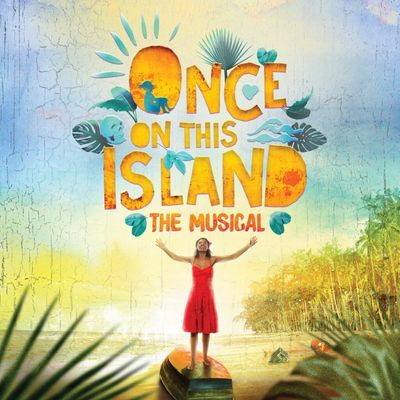
Brave the storm and come and hear the story of Ahrens and Flaherty’s beautiful musical, ‘Once On This Island.’ With its current Broadway revival this show has gained a new life, so come and listen to the boys this week as they talk all about how Michael Arden’s production has reinvigorated the gender roles and turned ‘Once On This Island’ into a much more feminist piece, they have some cheery chat about how different societies deal with death and give their thoughts about this year’s Tony nominations!
Once On This Island (Broadway Revival Recording)
SHOW NOTES
We can’t quite believe this is our first Ahrens and Flaherty show! If you’re into your academic texts about writing teams then this is a great resource for finding out more about this incredible duo!
For a bit of a different viewpoint on the introduction of Haitian vodou culture to the Americas, look no further than Neil Gaiman’s ‘American Gods’ - and if you’re more of a visual learner then check out the Amazon series!
It’s difficult to find protest for ‘Once On This Island’ but here is one article which talks about the difficulties of the story portrayed through the current revival. What do you think?
What are your views on race/cultural portrayal in amateur theatre? Is there anything you think schools and amateur groups could be doing more of to promote equality? Let us know over on Reddit!
Jimi would like to take this opportunity to profess his love for Alex Newell and all that he does. From ‘The Glee Project’ to now he’s a constant superstar! Check out this hugely groundbreaking performance on ‘Glee’ where Alex was one of the first portrayals of transgender teens of colour on network television!
Jimi would also like to take this opportunity to talk about another one of his icons, Mitch Grassi of Pentatonix and Superfruit fame. Again, smashing gender barriers with one of the best voices Jimi’s ever heard.
Here’s a great video with Dane Laffrey, set designer of the revival, talking about his influences for his incredible set design.
A MOO-TIFUL QUIZ QUESTION
The film version of this musical proved that Gene Kelly was afraid of cows. What is it?
Transcript
This transcript was automatically generated and might contain errors.
[0:00] Jimi Hendrix: So I saw everyone's favorite Broadway twink last night.
[0:04] Tommy: Um, well that could be one of many people.
[0:08] Jimi Hendrix: Yeah, but I bet you could make a list of like six.
[0:11] Tommy: Yeah.
[0:13] Jimi Hendrix: I can name—I would just name all my favorites. Anyway, who are you talking about?
[0:16] Tommy: Uh, I don't—I want you to guess.
[0:18] Jimi Hendrix: Was it AKB?
[0:20] Tommy: It was not AKB.
[0:22] Jimi Hendrix: Would you count him as a twink? That's the question.
[0:24] Tommy: Uh, I mean, I think if we're in like roles, if there's like a category of roles that AKB would be considered for, this person is also in that category. Thus, Broadway twink.
[0:35] Jimi Hendrix: I mean, my favorite is Barrett Foa, but I don't know who he is.
[0:39] Tommy: No, not Barrett Foa.
[0:41] Jimi Hendrix: Um, Hunter Parrish?
[0:43] Tommy: He's not Broadway.
[0:45] Jimi Hendrix: Not Hunter Parrish.
[0:47] Tommy: Uh, has a tangential connection to our current show through the director.
[0:55] Jimi Hendrix: Oh, Andy Mientus.
[0:57] Tommy: Andy Mientus. He is starring in the Who's Tommy in Denver right now.
[1:02] Jimi Hendrix: Oh yes, you told me that.
[1:04] Tommy: It was awesome.
[1:06] Jimi Hendrix: Was it really good?
[1:07] Tommy: It was really good.
[1:08] Jimi Hendrix: Double turntables are so in right now.
[1:11] Tommy: Of course they are.
[1:12] Jimi Hendrix: All it takes is that the one that's a little bit more than things that we can do.
[1:14] Tommy: I don't know. Somebody get us another drink.
[1:18] Jimi Hendrix: Welcome to Jim and Tomic's Musical Theatre Happy Hour.
[1:22] Tommy: Your weekly podcast with heels and hangovers.
[1:26] Jimi Hendrix: Do you like that one?
[1:26] Tommy: The script, Thomas.
[1:28] Jimi Hendrix: I wrote that one.
[1:28] Tommy: That never happened.
[1:29] Jimi Hendrix: He did.
[1:30] Tommy: That literally never—I think this is the first.
[1:32] Jimi Hendrix: And it's a great one.
[1:33] Tommy: I like both heels. I don't like hangovers, but I can relate.
[1:37] Jimi Hendrix: I will say the two do not go well together.
[1:41] Tommy: Um.
[1:44] Jimi Hendrix: Again, can relate.
[1:47] Tommy: Production of Rent, all I'm saying.
[1:50] Jimi Hendrix: Um, so hey, TT.
[1:52] Tommy: Yeah.
[1:53] Jimi Hendrix: What are you drinking?
[1:55] Tommy: Um, I got in front of me a mango IPA.
[2:01] Jimi Hendrix: Ah, stole the one drink from you in the whole show, not even a drink.
[2:07] Tommy: I had a backup.
[2:09] Jimi Hendrix: I had a backup.
[2:10] Tommy: Because you're a planner.
[2:12] Jimi Hendrix: Yep, I have—I do think about these things.
[2:15] Tommy: Um, I'm drinking some milk straight from the goat.
[2:21] Jimi Hendrix: Ugh.
[2:22] Tommy: Oh.
[2:22] Jimi Hendrix: It's tasty.
[2:24] Tommy: Don't knock it till you've tried it, mate.
[2:26] Jimi Hendrix: This is a weird question. Have you ever seen a goat in real life?
[2:30] Tommy: What?
[2:31] Jimi Hendrix: Yeah.
[2:31] Tommy: Okay.
[2:32] Jimi Hendrix: Have you never seen a goat?
[2:33] Tommy: No, I have. But like the—so in what context have you seen a goat?
[2:38] Jimi Hendrix: Like so many, like petting zoos mostly.
[2:42] Tommy: Okay.
[2:42] Jimi Hendrix: But then I feel like farms.
[2:44] Tommy: Okay. How often do you go to a farm?
[2:47] Jimi Hendrix: Well, we're the—we're British. Where do you have farms?
[2:51] Tommy: I'm from the Midwest. We're made of farms.
[2:53] Jimi Hendrix: Yeah, but we've got like country farms.
[2:57] Tommy: I don't know. I feel like I've been to lots of farms.
[3:03] Jimi Hendrix: Blair Drummond Safari Park.
[3:06] Tommy: This is something that only Scots will understand.
[3:09] Jimi Hendrix: No, it has the best petting zoo.
[3:12] Tommy: When they make a poster about our podcast and they quote us, I want your quote to be, "I feel like I've been to a lot of farms."
[3:12] Jimi Hendrix: I feel like I've been to a lot.
[3:23] Tommy: Why do?
[3:24] Jimi Hendrix: I don't think—is that a strange—do you not go to farms often?
[3:27] Tommy: I've been to farms. I've seen goats. I've been to farms.
[3:30] Jimi Hendrix: Uh-huh.
[3:31] Tommy: That'll be—how dare you? That'll be your quote. I've seen goats.
[3:36] Jimi Hendrix: Um, genuine question.
[3:39] Tommy: Uh-huh.
[3:40] Jimi Hendrix: Do you go to pumpkin patches?
[3:42] Tommy: Yeah, absolutely.
[3:44] Jimi Hendrix: Like Halloween. Like that is my—one of my favorite American things.
[3:48] Tommy: Oh, is that? Oh, I guess. Can you grow pumpkins in that climate?
[3:52] Jimi Hendrix: Probably not. I don't know. Probably.
[3:54] Tommy: Well, I don't know. Maybe. Or maybe a bit too wet. I don't know what they like. But we certainly don't have—they're just so cool.
[4:01] Jimi Hendrix: Yeah.
[4:01] Tommy: Oh. What a lovely thing. Have you ever been in a corn maze?
[4:05] Jimi Hendrix: No, this is it. You get corn mazes every year. It's so much fun.
[4:10] Tommy: It's not really that fun like as a just a pure experience, but the whole surrounding experience is fun.
[4:16] Jimi Hendrix: I find a corn maze kind of scary.
[4:19] Tommy: No.
[4:20] Jimi Hendrix: Do you not feel like you're in Signs?
[4:22] Tommy: No. You're just surrounded by a bunch of tourists with a bunch of going stale corn around you.
[4:29] Jimi Hendrix: Oh, okay. I grew up in the illusion for me. I grew up in the Midwest. We have nothing but corn and soybeans for miles.
[4:37] Tommy: Excellent.
[4:38] Jimi Hendrix: And goats, apparently. So here we go.
[4:41] Tommy: Um, speaking of have seen goats.
[4:44] Jimi Hendrix: You've seen goats drunk from a goat's teeth. Have you had goat cheese?
[4:48] Tommy: Just for the record.
[4:49] Jimi Hendrix: Oh, love it. One of my favorites. Make some really good meals with goat's cheese.
[4:54] Tommy: Excellent. And next on my goat theme questions.
[4:57] Jimi Hendrix: No.
[4:57] Tommy: Um, but speaking of livestock.
[5:03] Jimi Hendrix: Yes.
[5:05] Tommy: Well, I have last week's quiz question, which, if you don't know the answer, is a strange transition.
[5:13] Jimi Hendrix: Exactly.
[5:14] Tommy: It's kind of rude. Last week's question, we asked, what show stars quote unquote actors named Effie, Dina, and Lorell, but has nothing to do with Dreamgirls?
[5:27] Jimi Hendrix: And some people got it.
[5:28] Tommy: Yeah, good for them.
[5:29] Jimi Hendrix: I thought this was one of our hardest to date.
[5:31] Tommy: I think it's absolutely difficult. What show was it, Jimmy?
[5:35] Jimi Hendrix: It is Once on This Island.
[6:10] Jimi Hendrix: Such powerful, such temperamental gods rule our island.
[6:25] Tommy: Hey, Papa Gay!
[6:28] Jimi Hendrix: Slide human object wrote me a garden. Please ask Way, don't flood my card and fool.
[6:52] Tommy: We die.
[6:55] Jimi Hendrix: We pass to the music of the car.
[7:03] Tommy: The music of the breasts through the green plantain.
[7:09] Jimi Hendrix: The member of the replanting go if the gods decide to send to the average moves. We know the gods are happy when they read the thing. They're angry when the river starts to overflow. And since we never know, we shouldn't, we should, we touch through the air. We touch to the water. The cart of weight and we take no chairs. Our heart, our feet move along and to the music of the boss, we die.
[7:09] Tommy: We should explain this quiz question right away straight. The chickens in the show are named after the dream beat. They are the names of the chickens, yeah, yeah, yeah. There's also a couple of goats in the current Broadway revival. There are, there's some bell peppers that get cut live on stage. We'll talk about that in a minute. Um, so Once on This Island by the great Stephen Flaherty and Lynn Ahrens.
[7:09] Tommy: Yes indeed, our first Ahrens and Flaherty.
[7:09] Jimi Hendrix: Is that true?
[8:40] Tommy: Yeah. How have we gone that so far?
[8:44] Jimi Hendrix: Well, they've got a lot of great stuff.
[8:47] Tommy: They do actually, they do—yeah, I don't know. Do you know how they met?
[8:53] Jimi Hendrix: They met working on Schoolhouse Rock together.
[8:56] Tommy: Yeah.
[8:56] Jimi Hendrix: Of all things, they got—I think they've got a beautiful story. In fact, straight off the mark, there is a great academic text about their history, which I'll put straight in the show notes because it's actually a really good read. It's very interesting.
[9:15] Tommy: Um, a lovely peer.
[9:18] Jimi Hendrix: Yeah, a good stalwart of, I think, like contemporary musical theater, not in style, but in time period.
[9:24] Tommy: Um, absolutely.
[9:26] Jimi Hendrix: I mean some of the greatest.
[9:29] Tommy: Absolutely.
[9:30] Jimi Hendrix: Um, super popular high school shows of all things, which I'm sure we'll talk about.
[9:35] Tommy: Well, interestingly, like for you, but not really for us.
[9:38] Jimi Hendrix: Really?
[9:39] Tommy: Alright.
[9:39] Jimi Hendrix: Yeah. Once on This Island is based on a novel.
[9:42] Tommy: Yeah, it's called My Love, My Love or The Peasant Girl by Rosa Guy.
[9:45] Jimi Hendrix: Mm-hmm.
[9:46] Tommy: Um, it debuted on Broadway in 1990, um, and then opened on the West End in 1995. It's currently quite successful.
[9:55] Jimi Hendrix: Yeah.
[9:55] Tommy: Um, it's currently on Broadway at Circle in the Square. It's up for Best Revival at this year's Tonys.
[10:01] Jimi Hendrix: Um, it never—it didn't win any Tonys in its opening run.
[10:05] Tommy: No, none whatsoever.
[10:06] Jimi Hendrix: Um, it did—it won the L.A. Ovation Award for Best Musical, but that was it.
[10:10] Tommy: Yeah.
[10:10] Jimi Hendrix: Um, yeah. So now it's got its chance this year.
[10:14] Tommy: Best revival.
[10:15] Jimi Hendrix: It really does.
[10:16] Tommy: It really does.
[10:17] Jimi Hendrix: Maybe chat a bit later, get it on the t-shirt.
[10:19] Tommy: Yeah.
[10:20] Jimi Hendrix: Um, about its prospects.
[10:22] Tommy: Yeah. Uh, but yeah, tell—talk to me about Once on This Island, T. What is it?
[10:25] Tommy: Oh, Once on This Island is a great show. Once on This Island is, at its core, it's a cross between The Little Mermaid and Romeo and Juliet.
[10:33] Jimi Hendrix: Um, which then was reflected in the novel My Love, My Love. Um, it's set in the French Antilles on some Haitian island and is a story. Uh, it is a story within a story. They're telling the story to you as it happens about two different worlds never meant to meet that live on this island, the dark-skinned natives of the island and the mixed-race, richer upper class of the island and exactly and how Timon, one girl from the darker-skinned people there goes on a journey that the gods of the island send her on.
[11:22] Tommy: Yeah.
[11:23] Jimi Hendrix: That seems fair.
[11:24] Tommy: That was beautifully summarized.
[11:26] Jimi Hendrix: Thank you.
[11:28] Tommy: Um, yeah, well, after that gorgeous summary, let's just—I feel like that's a strange place to dive straight into.
[11:36] Jimi Hendrix: We're going deep right away.
[11:38] Tommy: I know, it's gonna happen.
[11:40] Jimi Hendrix: But that's fine. There's a lot to talk about with this show.
[11:42] Tommy: Yeah.
[11:43] Jimi Hendrix: So the Zigda.
[11:44] Tommy: Let's do it.
[11:49] Jimi Hendrix: Don't single me out.
[11:51] Tommy: And then forget me.
[11:55] Jimi Hendrix: Oh god, oh god!
[11:58] Tommy: Let me fly.
[12:01] Jimi Hendrix: Set me to places where no one can put me has been alive.
[12:09] Tommy: Show me away.
[12:12] Jimi Hendrix: Get me to arise like this to the face.
[12:15] Tommy: Tell me to wait.
[12:17] Jimi Hendrix: Well, I'm waiting.
[12:20] Tommy: Waiting, waiting for us to go—waiting for—did you start our transition with Bazinga?
[12:43] Jimi Hendrix: I did.
[12:44] Tommy: I don't even watch it.
[12:45] Jimi Hendrix: I've never even seen an episode.
[12:49] Tommy: Genuinely, I've just seen it on a t-shirt and I thought that's entertaining.
[12:52] Jimi Hendrix: That's—I don't know if we can be friends anymore.
[12:55] Tommy: Why do you like it?
[12:57] Jimi Hendrix: No, I hate it.
[12:58] Tommy: Alright.
[12:59] Jimi Hendrix: Well, I just said I didn't watch it.
[13:01] Tommy: Big Bang Theory is everything that's wrong with the world.
[13:04] Jimi Hendrix: Um, I think that I've heard a lot of people say that, so there you go.
[13:09] Tommy: Um, anyway.
[13:11] Jimi Hendrix: Anyway.
[13:11] Tommy: Um, let's talk about race, Jimmy.
[13:16] Jimi Hendrix: Let's talk.
[13:17] Tommy: We love it.
[13:18] Jimi Hendrix: Oh man. I mean, I guess, like the thing is, one of the unavoidable things with this show is talking about race. It's a key part of the huge part.
[13:28] Tommy: Um, I think comes with the standard disclaimer. You, Jimmy, and I are both very white, and we are about to attempt to talk scholarly about experiences that we do not have.
[13:41] Jimi Hendrix: Um, like I think we attempt to do so with sensitivity at all times, but we'll invariably mess something up.
[13:49] Tommy: But yeah, always learning.
[13:51] Jimi Hendrix: Always.
[13:52] Tommy: Yeah.
[13:52] Jimi Hendrix: Always, always learning.
[13:54] Tommy: Um, so yeah, I think one of the kind of key things to start with is Once on This Island kind of represents a community that doesn't have any other representation in popular musical theater.
[14:08] Jimi Hendrix: Uh yeah.
[14:09] Tommy: I'd say that's pretty fair.
[14:11] Jimi Hendrix: Um I couldn't give you another.
[14:13] Tommy: Wait, um at least in a you know, there are certainly we've talked about the whiz.
[14:19] Jimi Hendrix: Um, you know, we've we've talked about um black representation in musical theater in a couple different areas before.
[14:27] Tommy: I do think very specifically, so this this musical, despite being a fictional tale, is very chorally based on the Haitian Revolution.
[14:37] Jimi Hendrix: Um the Haitian Revolution was in the late 1700s, early 1800s.
[14:42] Tommy: Um the and they tell you this history in the musical.
[14:45] Jimi Hendrix: It's the sad tale of the bosoms, pardon my French.
[14:49] Tommy: Um they the French conquered, colonized these islands in the Caribbean, um enslaved basically a lot of the native African dark-skinned people there.
[15:04] Jimi Hendrix: Um and then the slaves revolted and kicked the French out.
[15:08] Tommy: Um, and it is to date the only sovereign nation that can declare its sovereignty stemmed from a slave revolution.
[15:18] Jimi Hendrix: Yeah.
[15:18] Tommy: It was really, it was one of the the kind of uh earliest like changes.
[15:26] Jimi Hendrix: Yeah.
[15:26] Tommy: Certainly in the US.
[15:28] Jimi Hendrix: Yeah, absolutely.
[15:29] Tommy: Um 1804, I think.
[15:32] Jimi Hendrix: 1804 is I think it's but it's something about that.
[15:34] Tommy: No, that's pretty close.
[15:35] Jimi Hendrix: Um, yeah, 1804, 1st of January 1804.
[15:38] Tommy: There you go.
[15:39] Jimi Hendrix: Um, you know, they kicked the French out.
[15:43] Tommy: Um, but this I don't know, uh like kind of bizarre social construct seemed to precipitate out of the Haitian Revolution.
[15:56] Jimi Hendrix: Um the island kind of delineated itself into two different populations.
[16:03] Tommy: Um population being the darker skinned natives, and one population being the descendants of the you know, the children of the French and the native people.
[16:15] Jimi Hendrix: Um with their skin the color of coffee mixed with cream.
[16:20] Tommy: Um the the less politically correct term, which I say now because there's a quote I want to pull later, is mulatto.
[16:27] Jimi Hendrix: Um I think mixed might be more appropriate nowadays.
[16:30] Tommy: Yeah but this kind of two class, two caste system developed in the place.
[16:36] Jimi Hendrix: Um, and it's an interesting sociological study because they came from a system where there were two classes, right?
[16:46] Tommy: The white people and the black people expelled the white people and then happened to kind of regress into this two class system again for whatever reason.
[16:56] Jimi Hendrix: Absolutely.
[16:57] Tommy: Um that really informs a lot of the show.
[17:01] Jimi Hendrix: Yeah, and I think scholars better than us could tell us, I'm sure why that happened.
[17:05] Tommy: Yeah.
[17:06] Jimi Hendrix: Um, but I don't I don't doubt that an element of it is that sense of um, you know, when you remove the top, something has to go in its place.
[17:06] Tommy: Yeah.
[17:06] Jimi Hendrix: You know?
[17:19] Tommy: Um and so there would no doubt be some kind of delineation there.
[17:24] Jimi Hendrix: Um yeah.
[17:27] Tommy: Uh but I in terms of sort of going right back to it, like, um, what I meant about in in terms of representation of this community, I do mean the uh the sort of Haitian Haitian voodoo culture, yeah, basically.
[17:39] Jimi Hendrix: Absolutely.
[17:40] Tommy: Um there's there's nothing like that, and it does have a very distinct place in American history um you know in terms of how it's how it's influenced because the the first time I was ever introduced to it um was have you ever read American Gods?
[17:56] Jimi Hendrix: Uh I I am acquainted with it but have not read it.
[17:59] Tommy: Yeah um so a kind of spoiler alert uh if you've not read American Gods basically um it tells well it tells many different stories but one of the uh key features of it is it um these sections called Coming to America where um it talks about how obviously America's a smorgesborg smorges board of um cultures religions yeah um and it's about how people brought their religion to America in various different guises um one of the bigger ones being um obviously coming from the African slave trade um and it talks not hugely but in a little way it talks about kind of the origins of of voodoo yeah um in uh in the US yeah um and it's still prevalent today there's you know I mean there are still in some of the southern states there are still uh you know people who practice this absolutely round around New Orleans and Louisiana their whole populations and I will I will say additionally I think um it is a I think a lot of times in uh pieces of literature that come out of Western culture, there is um like this is not a word, but an exoticization of other cultures, if you will.
[19:25] Jimi Hendrix: Uh huh.
[19:26] Tommy: Um that like, oh, oh, how interesting this foreign ideal, you know.
[19:31] Jimi Hendrix: Oh, look at look at the different people.
[19:33] Tommy: Aren't they interesting and quaint?
[19:35] Jimi Hendrix: Um this musical doesn't do that.
[19:38] Tommy: It doesn't minimize um this kind of Haitian voodoo culture.
[19:42] Jimi Hendrix: Where I would say things like, absolutely the king and I does.
[19:47] Tommy: Yes.
[19:48] Jimi Hendrix: Um but even contemporarily, I would argue something like the Book of Mormon does about um, you know, uh some forms of African culture.
[20:00] Tommy: Um Mormonism.
[20:03] Jimi Hendrix: And part of it is because it's a it's a satire and it's supposed to be elevated and you're supposed to laugh at it, and that's the whole, you know, Matt Parker Tristone idea is like, yeah, am I allowed to laugh at this?
[20:12] Tommy: Is it supposed to be funny?
[20:13] Jimi Hendrix: Yeah.
[20:14] Tommy: But like Saltaleca City, um, the fact that we're laughing at like your misunderstanding, or the whole when they they reenact the um the story of the prophet Joseph Smith, and like, oh, how silly that the natives got this wrong and you're laughing at them.
[20:32] Jimi Hendrix: Once on this island has none of this.
[20:34] Tommy: And I think that is a like sleeper cell revolutionary bit to this piece of Western literature, fully Western literature.
[20:44] Jimi Hendrix: Yeah.
[20:44] Tommy: Definitely.
[20:45] Jimi Hendrix: It feels like um it feels like a really nice uh children's book.
[20:51] Tommy: Yeah.
[20:51] Jimi Hendrix: You know, I mean, it's very it's a very simplified, very condensed version of what is an extremely intricate culture.
[20:59] Tommy: Right.
[21:00] Jimi Hendrix: Um and it's just a nice easy way for people who might have no idea about it to learn something.
[21:05] Tommy: Yeah, and it's um I would say it is so um it's so subtle that like nothing against my mother, but my Irish Catholic mother could go and see this and not and not entirely feel ostracized by it, and not feel like she's you know, thrown into this obscure culture world.
[21:28] Jimi Hendrix: It's inviting, it's welcoming, and it's not minimizing.
[21:33] Tommy: No, not at all.
[21:34] Jimi Hendrix: And I'd say it's it's right there in the actual story of the of the show that it's it's about telling stories and sharing with other people.
[21:43] Tommy: Right.
[21:44] Jimi Hendrix: One of the last lines is go forth and you know exactly tell this story.
[21:48] Tommy: Um so I think that's uh so key to it that and you can tell that when Aaron's and Flaherty were writing it, yeah, that that is a huge part of it is that it was supposed to be a bit of an education, I guess.
[22:01] Tommy: Yeah.
[22:02] Jimi Hendrix: So and a celebration.
[22:03] Tommy: This is this is a question I have, and clearly we are not the ones to decide this, but I'm gonna ask you this question, Jimmy.
[22:10] Jimi Hendrix: Aaron Aaron's and Flarty are both decidedly white.
[22:13] Tommy: Yeah, they really are.
[22:14] Jimi Hendrix: They wrote this show about a black population, about a black culture.
[22:20] Tommy: Yep.
[22:21] Jimi Hendrix: Is that okay?
[22:22] Tommy: Well, so here's the thing.
[22:23] Jimi Hendrix: We've talked about this before.
[22:25] Tommy: Right, of course.
[22:26] Jimi Hendrix: Um, and uh I think Scots for Boys was the time I said it most eloquently.
[22:31] Tommy: Uh-huh.
[22:32] Jimi Hendrix: So feel free to go back and look at that.
[22:35] Tommy: Cut that clip back in.
[22:36] Jimi Hendrix: Yeah, just face it back in.
[22:38] Tommy: Um No, I I think um it's by no means the most ideal situation.
[22:46] Jimi Hendrix: Um, and in many ways it's not something that should be happening.
[22:50] Tommy: Um but uh what I will say, um there's almost a sense of uh if not them, then who?
[22:59] Jimi Hendrix: No.
[22:59] Tommy: I realize that was a sweeping statement.
[23:01] Jimi Hendrix: I'm not saying that there are not uh black composers out there.
[23:05] Tommy: Obviously there are but um we know there's a race problem uh that is uh what's that word?
[23:12] Jimi Hendrix: Insidious.
[23:13] Tommy: Yes.
[23:14] Jimi Hendrix: Um in our lovely world of musical theater.
[23:17] Tommy: Uh and especially back in the 90s, you know what I mean?
[23:21] Jimi Hendrix: Yeah.
[23:22] Tommy: Not not at all.
[23:23] Jimi Hendrix: Um, so it's much easier for white duo Aaron Flarity to get a show onto Broadway than it would be for a black composer.
[23:34] Tommy: Right.
[23:34] Jimi Hendrix: Um it's that disgusting truth of the of the matter.
[23:38] Tommy: Um and so you do kind of get this question of well, is it better to have something than nothing?
[23:45] Jimi Hendrix: And I would say when the content's good, yeah, absolutely.
[23:45] Tommy: Yeah, absolutely.
[23:51] Jimi Hendrix: I think, yeah, you put it well.
[23:52] Tommy: I agree.
[23:53] Jimi Hendrix: Um but it is it's a it's a discussion I've seen pop up in other places, and I I do I do find fascinating.
[23:59] Tommy: Um like also the question, is it okay for them to do this is a non-starter?
[24:05] Jimi Hendrix: Because you know what they did.
[24:06] Tommy: Uh exactly, they did, and it's it's very successful, you know, and um you look you just have to look to uh how black audiences feel about this show, um, and as far as certainly from what I've been reading, um, it's there is an overwhelmingly positive response to it.
[24:27] Jimi Hendrix: Yeah.
[24:28] Tommy: Uh which is great.
[24:29] Jimi Hendrix: You know, if you take something like, for example, Miss Saigon.
[24:31] Tommy: Right.
[24:32] Jimi Hendrix: Um they're uh obviously they're they're they had a very tricky start.
[24:38] Tommy: They did they made some big mistakes, yeah.
[24:40] Jimi Hendrix: Um and that kind of propagated uh a much more fraught racism debate.
[24:48] Tommy: Yeah.
[24:49] Jimi Hendrix: Um around that show.
[24:50] Tommy: Yeah.
[24:51] Jimi Hendrix: Um there are a lot of Asian communities who really disapprove of it and disapprove of what it says.
[24:58] Tommy: Um there are still Asian communities who are very for it.
[25:02] Jimi Hendrix: Yeah.
[25:02] Tommy: Uh but for something like um Once in This Island, I feel like it's just an overwhelming sense of yes.
[25:08] Jimi Hendrix: Yeah, there's so much positivity.
[25:10] Tommy: I mean, I don't know if you've come across any in your research, but in all of my research about this show, I have not been able to find a single instance of any group raising protest about this show.
[25:21] Jimi Hendrix: There was there was one article that I don't agree with.
[25:26] Tommy: We'll talk about it uh when we get into talking a bit about themes.
[25:30] Jimi Hendrix: Uh-huh.
[25:30] Tommy: Um but it did kind of try and uh play the race card, but I don't really know.
[25:38] Jimi Hendrix: I think I feel like it was just clickbait.
[25:41] Tommy: Okay.
[25:42] Jimi Hendrix: Do you know what I mean?
[25:43] Tommy: I d I can't see where the argument comes from.
[25:46] Jimi Hendrix: I am interested to hear because you know, as uh our disclaimer goes, this is not our experience.
[25:52] Tommy: And so I do I do wonder, you know, what what am I missing?
[25:56] Jimi Hendrix: But so this perhaps leads into an issue that I hold near and dear to my soul and my heart on like a questioning level.
[26:08] Tommy: Umce on this island is a hugely popular high school show in the United States.
[26:16] Jimi Hendrix: Um, like on those yearly lists they do of the top 50 shows, it is always in the top 10 without fail.
[26:23] Tommy: Well it's got a huge cast, simple songs, you it's a storytelling piece, so you can do it in a gym wearing colorful t-shirts.
[26:32] Jimi Hendrix: Um it is built at its core in ninety-five percent of its ways as a high school show.
[26:40] Tommy: Yeah.
[26:42] Jimi Hendrix: But with a capital B, or maybe even in all caps underlined and in italics, it is a show written to be performed entirely by black people.
[26:52] Tommy: Yeah.
[26:53] Jimi Hendrix: And most schools that have theater programs in America are d don't have black populations.
[27:03] Tommy: I have seen this change and improve over what, my now maybe seven professional years in educational theater.
[27:12] Jimi Hendrix: Um, you know, put bluntly, there are more black kids doing theater, um, for whatever reason.
[27:19] Tommy: Yep.
[27:20] Jimi Hendrix: But going into it, when I was studying in college, like looking at high school programs across the nation, they're not a lot either in schools that are predominant predominantly black or in schools that serve the mixed populations, the white kids do the theater.
[27:35] Tommy: Exactly.
[27:36] Jimi Hendrix: You know, it speaks to the systemic issues, it speaks to all these things.
[27:39] Tommy: But so then how do all these schools do once on this island?
[27:42] Jimi Hendrix: And I have, and this is a long quote here, um, but it's the author's note at the beginning of the MTI published script for Once on This Island.
[27:51] Tommy: Um, it's like on page five, and it says regarding casting amateur productions. Once on this island is based on the cultural, religious, and racial divisions found in Haiti between the mulatto ruling class and the dark-skinned rural peasants.
[28:03] Jimi Hendrix: Our original production in New York was strictly cast along these racial lines, and the text makes references in several places to skin color.
[28:11] Tommy: We think the power of the story has a great deal to do with the issue of prejudice within the race, as well as with issues of wealth and class.
[28:18] Jimi Hendrix: We strongly hope that the casting of future companies will reflect our intent as far as possible.
[28:23] Tommy: However, we understand the potential casting difficulties which may arise for some amateur theater groups, as well as their desire, in some cases, to present interracial productions.
[28:33] Jimi Hendrix: To this end, we've supplied certain specific text alterations, which might allow a greater flexibility in making casting choices, while still maintaining the core ideas of prejudice and the separation of people because of their differences.
[28:47] Tommy: Our best wishes for a successful Joyce production, Lynn Ahrens and Steven Flaherty.
[28:52] Jimi Hendrix: Yep.
[28:53] Tommy: It's such a tricky one.
[28:55] Jimi Hendrix: I don't know how I feel about this, Jimmy.
[28:57] Tommy: I don't know how I feel about it.
[28:59] Jimi Hendrix: And before I knew that this author note existed, I didn't know how I felt about this.
[29:03] Tommy: When I first listened to the cast album, I didn't know how I felt about this.
[29:06] Jimi Hendrix: When I became a theater teacher, I didn't know how I felt about this.
[29:08] Tommy: And like every year when we go through play selection, I don't know how I feel about this.
[29:13] Jimi Hendrix: Absolutely.
[29:14] Tommy: It's something we talk about a lot over here because while you know, race and getting non-white people to be involved in theater is tricky for you guys.
[29:31] Jimi Hendrix: Yeah.
[29:32] Tommy: Even trickier for us.
[29:33] Jimi Hendrix: Oh, I'm sure.
[29:34] Tommy: Particularly in Scotland.
[29:36] Jimi Hendrix: Right.
[29:36] Tommy: Where the population demographics are completely different.
[29:41] Jimi Hendrix: Yeah, it's a numbers game.
[29:43] Tommy: Absolutely.
[29:44] Jimi Hendrix: So there are just shows that you don't even consider because it's just not gonna happen.
[29:50] Tommy: And you always get this debate of people being like, yeah, but I'm like, yeah, but it doesn't matter.
[29:56] Jimi Hendrix: Right.
[29:56] Tommy: And I think Utty is one of these shows that it just doesn't work like it's there in the language of what Ahrens and Flaherty are saying here.
[30:09] Jimi Hendrix: Yeah.
[30:09] Tommy: And they say that in some cases to present interracial productions.
[30:14] Jimi Hendrix: Yeah.
[30:15] Tommy: That is interracial, that is not all white production.
[30:18] Jimi Hendrix: Which I think, and see the thing is I have seen all white productions.
[30:24] Tommy: Yeah.
[30:25] Jimi Hendrix: Yeah.
[30:25] Tommy: It's the same, um it's the same with Hairspray.
[30:28] Jimi Hendrix: Yeah.
[30:28] Tommy: Hairspray's probably one of the biggest ones that we have over here that treads the line, and there is another, I can't remember what it is, but there is another author's note in the Hairspray script that kind of doesn't excuse it, but it sort of says, yeah, you can do this.
[30:45] Jimi Hendrix: Um, it just never works.
[30:49] Tommy: No, it never works, yeah.
[30:51] Jimi Hendrix: There's no point.
[30:53] Tommy: The thing I do think is like so in my mind, I draw a hard line with Hairspray.
[30:53] Jimi Hendrix: I draw a hard line with Ragtime.
[31:01] Tommy: Yeah.
[31:02] Jimi Hendrix: I probably even draw a hard line with The Wiz.
[31:06] Tommy: Yeah.
[31:07] Jimi Hendrix: The line is softer with Once on This Island.
[31:11] Tommy: Right, interesting.
[31:13] Jimi Hendrix: And part of it is because of this author's note, and they do the changes they'd list. There's a whole page, um, it's just one page, but it's like eight changes.
[31:25] Tommy: Yeah.
[31:26] Jimi Hendrix: In the whole show, which I think whereas like if you do Hairspray with a, you know, less than black cast, right?
[31:35] Tommy: You're not making script changes to accommodate that.
[31:39] Jimi Hendrix: No.
[31:40] Tommy: Right.
[31:41] Jimi Hendrix: So they, you know, Ahrens and Flaherty have gone out of their way to make this more on the okay side.
[31:50] Tommy: But it then immediately undermines so much of the core of the show.
[31:56] Jimi Hendrix: Absolutely.
[31:57] Tommy: It's just in a sense that it's not in our culture.
[32:02] Jimi Hendrix: Yeah.
[32:03] Tommy: Do you know what I mean?
[32:04] Jimi Hendrix: We can't sing from any sense of authenticity because we don't know.
[32:09] Tommy: Because it's entirely inauthentic, yeah.
[32:11] Jimi Hendrix: Yeah.
[32:12] Tommy: Um, and I guess, I mean, obviously you're gonna be like, it's a fing high school.
[32:16] Jimi Hendrix: Right.
[32:16] Tommy: What does it matter?
[32:17] Jimi Hendrix: But it's just, I don't know.
[32:19] Tommy: It's just, but like that's where it starts with.
[32:23] Jimi Hendrix: So then here's where my high school brings goes on the other side of it. What a fan it's, uh, I might have mentioned this.
[32:30] Tommy: One of the best productions of Fiddler on the Roof I ever saw was performed by a Catholic school.
[32:35] Jimi Hendrix: Yeah.
[32:36] Tommy: Right? Because you have to step outside of your own cultural boundaries and literally empathize with the other because the person you're playing is the other.
[32:49] Jimi Hendrix: Um, you know, Catholic and Jewish differences aside, I see huge educational potential in bringing this show to, you know, a Midwestern or Colorado white student group as a study piece, right? As a like, let's talk about a culture that's not yours in a really deep way.
[33:15] Tommy: But where does it cross that line?
[33:17] Jimi Hendrix: I guess I would just be like, I wouldn't trust high school directors, no offense to you.
[33:17] Tommy: No, absolutely.
[33:17] Jimi Hendrix: I wouldn't trust high school directors, like, let's use this as a learning experience.
[33:25] Tommy: Okay, let's go in and we're gonna study Haitian culture.
[33:28] Jimi Hendrix: Yeah, I don't know.
[33:29] Tommy: Do you know a lot of high, I mean, I don't know if you've been on YouTube recently, but like I saw a video of this show where Papa Gay was in like a bowler hat and like a gangster from Guys and Dolls.
[33:41] Jimi Hendrix: Like, ah, we're not doing this right.
[33:44] Tommy: Yeah, exactly.
[33:45] Jimi Hendrix: We're not in Haiti anymore.
[33:47] Tommy: There's an accidental erasure going on here.
[33:50] Jimi Hendrix: Yeah, it's total erasure.
[33:52] Tommy: I mean, they won't be singing it in authentic accent, they won't be singing it playing the music with authentic instrumentation, you know what I mean? It's losing all of its authenticity by the second, and it just becomes a story set on a beach, like it does.
[34:09] Jimi Hendrix: Yeah, just do a Little Mermaid and be done with it.
[34:11] Tommy: Exactly, exactly.
[34:13] Jimi Hendrix: Um, it's one of those things as well, there are plenty of shows.
[34:13] Tommy: Yeah.
[34:13] Jimi Hendrix: There are plenty of shows that they're, um, it's endlessly tricky.
[34:16] Tommy: Yeah.
[34:16] Jimi Hendrix: It's endlessly.
[34:24] Tommy: Uh man, I was hoping I was hoping I was gonna be able to land on an answer.
[34:28] Jimi Hendrix: No, it's one of those ones like I know it's kind of in your grey grey line.
[34:34] Tommy: Yeah, it's not in my, it's not in mine, it's firmly, uh, yeah, I can't, I can't get by it.
[34:41] Jimi Hendrix: I don't know, maybe just because it's not something that we would really ever do.
[34:48] Tommy: I have known productions of it to happen, they've been very good.
[34:52] Jimi Hendrix: Um, but it's just not, it's not right.
[34:54] Tommy: Yeah.
[34:56] Jimi Hendrix: It's hard.
[34:57] Tommy: Oh yeah.
[34:58] Jimi Hendrix: I can't, do you know what? I can't think of any, think of any like predominantly race-driven show that I'm like, yeah, do you know what? That one wouldn't be as bad? Do you know what I mean?
[35:08] Tommy: I'm thinking of The Scottsboro Boys, I'm thinking of Parade.
[35:13] Jimi Hendrix: Yeah.
[35:13] Tommy: Or like you say, The Wiz.
[35:16] Jimi Hendrix: I'm looking at the wall again.
[35:17] Tommy: Um, there are hair.
[35:20] Jimi Hendrix: Like I mean, you just, if you have a bunch of white girls singing "White Boys Are So Pretty," it doesn't really have its impact anymore, does it?
[35:29] Tommy: No.
[35:29] Jimi Hendrix: Don't even.
[35:31] Tommy: Don't even.
[35:32] Jimi Hendrix: Yeah.
[35:33] Tommy: There's just too, I mean, it's just too much soda.
[35:35] Jimi Hendrix: Well, so this, um, I saw The Who's Tommy yesterday.
[35:42] Tommy: Mm-hmm.
[35:42] Jimi Hendrix: Have you s, have you ever seen it performed?
[35:45] Tommy: Not performed. I've seen, well, I've seen the recorded version.
[35:51] Jimi Hendrix: Okay.
[35:51] Tommy: But I've never seen it live.
[35:53] Jimi Hendrix: So Tommy grows up throughout the show and three actors play him, right? There's a, uh, like a young child version, a medium child version, and then the adult.
[36:01] Tommy: Um, this production made first made the choice that Tommy's parents, uh, his, um, were both, well, I actually don't remember.
[36:13] Jimi Hendrix: Um, the young, the young kid was a tiny little white boy, the medium kid was a medium-sized little black boy, and the adult guy was Andy Mientus.
[36:23] Tommy: Right, okay, yeah.
[36:24] Jimi Hendrix: And the idea is that they're all the same person.
[36:27] Tommy: Um, and that they grow up through it.
[36:29] Jimi Hendrix: And like clearly, you know, we are making some anti statements through this.
[36:36] Tommy: Because Tommy's not a show about race.
[36:38] Jimi Hendrix: Um, not at all.
[36:40] Tommy: In any explicit way.
[36:41] Jimi Hendrix: Um, and so instead we're making a statement about theatricality, about like, it don't matter what you look like, you can play this role.
[36:50] Tommy: Um, it was intra, you know, I went to a six-thirty Tuesday performance of this.
[36:56] Jimi Hendrix: Um, I like, I mean, my boyfriend weren't the youngest people there, but we were probably 35 years younger than the average age of the entire audience.
[37:08] Tommy: Yeah.
[37:09] Jimi Hendrix: And when Tiny Tommy turned into Medium Tommy and went from being a tiny white boy into a medium black boy, there were murmurs in the audience, and it had nothing to do, like the transition was very clear, he was in the same costume, it was very well staged, and I don't think the theater-going audience who signed up to go see The Who's Tommy in central Denver is particularly, you know, latently racist.
[37:39] Tommy: Um, I really don't feel that.
[37:42] Jimi Hendrix: But still, there's this murmuring going on.
[37:46] Tommy: Like, I find all of this fascinating in a theatrical context, you know.
[37:50] Jimi Hendrix: I just, I love that in a show like The Who's Tommy, the like, well, that's not believable.
[37:56] Tommy: Right, yeah, come on, it's the thing.
[37:58] Jimi Hendrix: And then Tommy's dad takes him to like a drug den to cure him of his deaf, dumb, and blindness.
[38:04] Tommy: Like exactly.
[38:06] Jimi Hendrix: But that's the thing.
[38:07] Tommy: But so like those people who murmur over that wouldn't bat an eye going to see their white grandchildren's production of Once on This Island.
[38:19] Jimi Hendrix: Not at all.
[38:19] Tommy: They'd love it.
[38:20] Jimi Hendrix: But I find like my reaction is entirely opposite, you know.
[38:25] Tommy: When one on Once on This Island, I'm like, no, why'd you do that?
[38:29] Jimi Hendrix: But in Tommy, I'm like, ah, great, great choice.
[38:32] Tommy: Yeah.
[38:33] Jimi Hendrix: It's paradoxical in my brain.
[38:35] Tommy: I don't understand it.
[38:37] Jimi Hendrix: Yeah, I'll never understand.
[38:42] Tommy: You are part.
[38:55] Jimi Hendrix: You were part.
[39:08] Tommy: And managed to end your ones who lose such.
[39:22] Jimi Hendrix: The ones who felt so short.
[39:28] Tommy: The ones who came before you.
[39:35] Jimi Hendrix: The others yet to come.
[39:42] Tommy: And those who you will teach it to.
[39:48] Jimi Hendrix: And those you learned it from.
[39:56] Tommy: You are part of the.
[39:57] Jimi Hendrix: So Jimmy, I think we should move to perhaps a less difficult and complex issue like race.
[40:05] Tommy: Race.
[40:06] Jimi Hendrix: Um, you know that race, a simpler topic.
[40:13] Tommy: Like gender.
[40:14] Jimi Hendrix: Good old gender.
[40:16] Tommy: Hey, we've not really talked much about gender.
[40:18] Jimi Hendrix: It's been a while.
[40:19] Tommy: I, uh, if I guess head fake.
[40:22] Jimi Hendrix: Yeah, maybe.
[40:23] Tommy: Uh, certainly we've maybe talked about gender identity, um, and certainly sexual orientation, and these all fall under a giant vague umbrella.
[40:31] Jimi Hendrix: Um, I want to make a vague umbrella.
[40:34] Tommy: Um, it like stops some of the rain.
[40:37] Jimi Hendrix: Um, maybe, um, I didn't expect if you asked me before like if we did the show last year before the Broadway revival, uh-huh.
[40:48] Tommy: I don't think I would have thought of gender as like a big topic about it.
[40:52] Jimi Hendrix: No, not all.
[40:54] Tommy: Not at all.
[40:55] Jimi Hendrix: Because I've listened, I've listened to this for a long, long time.
[40:57] Tommy: Yeah.
[40:58] Jimi Hendrix: Um, it's always felt like a little fairy tale.
[41:02] Tommy: Um, but I don't know what it is about this recent production which has changed my whole view.
[41:09] Jimi Hendrix: And the cast recording as well, just it's like changed my whole view on the show.
[41:13] Tommy: And they've like made some specific choices centered around gender and gender identity that like have then made me question other script choices that exist outside of that that are gender in this show, you know?
[41:28] Jimi Hendrix: Yep.
[41:29] Tommy: Um specifically, this new Broadway revival bends two of the god roles, right?
[41:39] Jimi Hendrix: Um, Alex Newell plays Asaka, traditionally a female role.
[41:45] Tommy: Um, Alex Newell uses male pronouns but is gender fluid.
[41:49] Jimi Hendrix: Um, and Merle Dandridge plays Papa Gay, traditionally a male role.
[41:54] Tommy: Uh, Merle is decidedly female.
[41:57] Jimi Hendrix: Yeah.
[41:58] Tommy: And it's interesting.
[42:02] Jimi Hendrix: Totally.
[42:02] Tommy: Um, but also kind of just makes perfect sense.
[42:07] Jimi Hendrix: Do you know what I mean?
[42:07] Tommy: Yeah.
[42:08] Jimi Hendrix: Um like they're gods.
[42:10] Tommy: Yeah.
[42:10] Jimi Hendrix: They can be a reach of question, you know what I mean?
[42:13] Tommy: Yeah.
[42:13] Jimi Hendrix: Uh and it is really interesting. So the way that kind of Haitian voodoo gods work, personally from what I've studied in the past week.
[42:28] Jimi Hendrix: Are that they are very characterful beings and have a lot of personality.
[42:35] Tommy: Yeah.
[42:37] Jimi Hendrix: And they do have distinct genders, but there's so many of them, and within each kind of grouping, um, there's so you know, there's it doesn't really matter if they're male or female.
[42:49] Tommy: Right.
[42:49] Jimi Hendrix: Do you know what I mean? That doesn't really affect what they do. They're just exactly um, they'll still do the same things.
[42:56] Jimi Hendrix: So it to me, it it kind of dramaturgically, it makes a lot of sense.
[43:01] Tommy: Yeah.
[43:01] Jimi Hendrix: Um, and the thing is, is if you have someone like Alex Newell that exists in your world, use Alex Newell because he's the best.
[43:10] Jimi Hendrix: And the interesting thing is the dual choice um with we use this term in high school theater a lot um about a breeches role, um, where you cast a girl as a guy in breeches and the decision is that this character remains male in identity.
[43:31] Tommy: Yeah, and it is just a female playing a male, but we're not trying to make like you put their hair up under a hat, you're not trying to make any commentary about this.
[43:40] Jimi Hendrix: It's Peter Pan.
[43:42] Tommy: It's Peter Pan, yeah.
[43:43] Jimi Hendrix: Um, and whatever the probably poorly termed Breach's role name is for a female role, that is the Alex Newell as a soccer choice, right?
[43:55] Tommy: Yeah, it's entirely in drag, so much so that it seems uh poor choice to call it drag, you know, if you're just simply female, not even presenting as female, but like just purely feminine.
[44:07] Jimi Hendrix: But then Merle as Papa Gay is also decidedly female in presentation in this role that before was a male role.
[44:16] Jimi Hendrix: And to have them both at the same time is is, you know, it explodes the gender discussion for the show.
[44:24] Tommy: Oh, so much.
[44:24] Jimi Hendrix: And I think it is it all comes down to Merrill Dandridge and that decision, because that is the thing that makes it it feels like a female-led story nice.
[44:35] Tommy: Um that women are at the heart of it.
[44:39] Jimi Hendrix: Yeah.
[44:39] Tommy: Um Agwe's there, but he don't really do it.
[44:42] Jimi Hendrix: I always do feel bad for him.
[44:44] Jimi Hendrix: He's all hit and like in the high school productions, he's always the kid who like you need to give a lead to, but you don't really want to.
[44:50] Jimi Hendrix: Their songs are early on, so like you can get Agwe's song out of the way, and then Agwe doesn't really do a lot after Rain.
[44:58] Tommy: Oh, it's a great song.
[44:59] Jimi Hendrix: And you can have your you can put your poor singer in it.
[45:01] Jimi Hendrix: Um, hey, this just so I could put it in the show notes.
[45:05] Jimi Hendrix: Mitch Grassey, you know Mitch Grassi?
[45:07] Tommy: From weirdly enough.
[45:10] Jimi Hendrix: No, I can't.
[45:11] Tommy: It's tronics.
[45:12] Jimi Hendrix: Okay.
[45:13] Jimi Hendrix: Uh he there's uh he played Agwe in a high school production, and there's video footage of that.
[45:18] Tommy: I'll put that in the show notes.
[45:20] Jimi Hendrix: That's amazing.
[45:20] Tommy: Extremely good.
[45:21] Jimi Hendrix: I think he's one of the best singers on the planet.
[45:23] Jimi Hendrix: I'm sure he could he could easily be in Osaka.
[45:26] Tommy: Yeah.
[45:27] Jimi Hendrix: I'm excited to watch that.
[45:28] Jimi Hendrix: But I think you're absolutely right that Papa Gay as a female presenting role, especially with how much Papa Gay interfaces with Timoon over the idea of will you sacrifice yourself for this man.
[45:45] Tommy: Yep.
[45:45] Jimi Hendrix: Absolutely modifies the narrative of this show.
[45:50] Tommy: So much.
[45:52] Jimi Hendrix: So much.
[45:53] Jimi Hendrix: Um and you know what? I mean, if you if you think about it in terms of how they're telling story, they're telling the story to this young girl.
[46:00] Tommy: Right.
[46:00] Jimi Hendrix: Um, I mean, it becomes instead of just like fun fairy tale, it becomes like warning story, or like you know, it's you almost imagine that it's like a story that mothers pass down to their daughters to help them become stronger women.
[46:16] Tommy: Yeah, yeah, no, for sure.
[46:18] Jimi Hendrix: I mean, so let's talk about Timun as a feminist con briefly.
[46:23] Tommy: Yeah.
[46:23] Jimi Hendrix: Because in the pure if you're reading this musical as a book.
[46:27] Tommy: Yeah.
[46:28] Jimi Hendrix: I think Timoon is a s is a strong character for sure, but doesn't have a lot to say as far as her um efficacy as like a strong independent woman in the love story of this show.
[46:40] Tommy: Well, see, this is it.
[46:41] Tommy: This is this is it.
[46:43] Jimi Hendrix: I I can't tell if I agree or not, because there's I go back and forth so much.
[46:48] Tommy: Um You go first, okay, and then I'll try and so on its surface.
[46:55] Jimi Hendrix: Timun falls in love with a man who she meets when he can't speak, when he's basically dead.
[47:02] Jimi Hendrix: She's very much in love with the idea of him, a stranger in white in a car, but has no reason to fall in love with him.
[47:11] Jimi Hendrix: They have their one, you know, oh god, it's my least favorite song in the show.
[47:16] Tommy: Um Forever Mine.
[47:17] Jimi Hendrix: No.
[47:18] Tommy: Forever Yours.
[47:19] Jimi Hendrix: No.
[47:20] Jimi Hendrix: The one um We'll race away in a car.
[47:27] Tommy: See, you don't know it because you skip it on the CD.
[47:29] Jimi Hendrix: Is it no?
[47:30] Tommy: I don't.
[47:30] Jimi Hendrix: It's a the Daniel one.
[47:32] Tommy: Yeah.
[47:32] Jimi Hendrix: The Daniel one.
[47:33] Jimi Hendrix: And Papa Gay swings in is like, mine!
[47:35] Tommy: And then it gets much better.
[47:37] Jimi Hendrix: Yeah.
[47:37] Jimi Hendrix: But like that, that song, that's the only time they have to actually fall in love on a legitimate level.
[47:44] Jimi Hendrix: And it is just barely surface level.
[47:47] Jimi Hendrix: She's in love with the idea of, you know, it's it's Ariel falling in love with the land, not falling in love with Prince Eric.
[47:56] Jimi Hendrix: Um I want to be away from this place.
[47:59] Jimi Hendrix: I'm infatuated with the idea of humans with oh, you know, what do you call them feet?
[48:04] Jimi Hendrix: Um, like I'm infatuated with the people on the other side of the gates on the other side of the wall.
[48:09] Tommy: Um, which, like, this is a, I think a negative female trope that has existed forever.
[48:17] Jimi Hendrix: You're in love with the idea of this category of man, and you pick the first one that crashes in a car on your doorstep.
[48:24] Tommy: Yeah.
[48:25] Tommy: Right?
[48:25] Jimi Hendrix: And that follows through through through the show.
[48:28] Jimi Hendrix: And in the writing of the show, with Papa Gay as a male figure coming into Tamoon is like, will you sacrifice your life for this man?
[48:39] Jimi Hendrix: Um kind of forwards that.
[48:42] Jimi Hendrix: But then when you flip Papa Gay on its head and turn it into a female presenting role.
[48:48] Tommy: Yeah.
[48:49] Jimi Hendrix: It adds so much more strength to that.
[48:52] Jimi Hendrix: It de-genders, degenderifies it, makes it more about the concept of love.
[48:59] Jimi Hendrix: It lets me forgive the quick love story a little more as just a storytelling device.
[49:04] Jimi Hendrix: We only have so much time to fall in love over, you know, our 95-minute musical or whatever.
[49:10] Jimi Hendrix: Um and then especially when Papa Gay comes back the second time, you know, trade your soul back for his, and she's like, no, no, I do love him, I will trade my soul for his.
[49:24] Jimi Hendrix: It it makes it so much more powerful in a way that I didn't even know you could do until the revival, you know?
[49:32] Tommy: Yeah, I absolutely.
[49:34] Tommy: Um yeah, I yeah, I think I totally agree with everything pretty much.
[49:40] Tommy: Um I think for me, one of the things is it becomes it becomes less of a so if you take someone like um Papa Gay.
[49:52] Jimi Hendrix: See, I'm gonna refer to her as she because in my head it's you know it's Merle.
[49:56] Tommy: Right.
[49:56] Jimi Hendrix: Um, like to me, you know, she's always referred to as the antagonist, she's always referred to as the baddie.
[50:03] Tommy: Yeah, I'd never really feel like that.
[50:05] Jimi Hendrix: No.
[50:06] Jimi Hendrix: Um, I always feel like she has uh a very balanced point of view.
[50:13] Tommy: Oh, absolutely.
[50:14] Jimi Hendrix: I think that's the moral they want, and Papa Gay was gentle when she, you know, led her to her rest.
[50:20] Tommy: Yeah, Papa Gay maybe we'll talk about this later with grander themes, but like it is there, I think there is a direct comparison to how um the Greek gods live in that culture that like as I put my foot in my mouth last time about Hades, but like Hades isn't a bad guy, no, right?
[50:40] Jimi Hendrix: Neither is Papa Gay.
[50:41] Tommy: Not at all, and I think that's it, is in if it was a if it was a man, you know.
[50:46] Jimi Hendrix: I mean, the music is very dark and and stirring, right?
[50:49] Tommy: And it would feel like he is the baddie, yeah, he's trying to stop their love.
[50:54] Jimi Hendrix: But for this, it's almost like she's trying to give Timun a choice.
[51:00] Tommy: Yeah.
[51:00] Jimi Hendrix: Um, and kind of help Timon realize uh you know what what she really needs, I guess.
[51:08] Tommy: I don't know.
[51:09] Jimi Hendrix: Um it's it's it's I don't know.
[51:13] Tommy: I find it kind of tricky.
[51:15] Jimi Hendrix: Well, and one of the things I enjoy about it, and we're we're doing it right now, um, and I think it's it's important to acknowledge in its full capacity, but like we're talking about traditional gender roles and gender stereotypes, right?
[51:31] Tommy: Yeah, and referring to them and capitalizing them and using them as storytelling devices, right?
[51:36] Jimi Hendrix: Right.
[51:36] Jimi Hendrix: We like this position as this role as a girl better than as a guy, and we're making assumptions about even what that means, right?
[51:47] Tommy: And I would say if you asked us out of context, in our, you know, hashtag woke state that maybe we are or aren't in, um, we wouldn't, you know, we'd be much more reticent to dive into traditional gender roles.
[52:01] Jimi Hendrix: Um, but I think it is interesting to see traditional gender roles and gender stereotypes capitalized on as a storytelling device in a contemporary, you know, uh uh liberal accepting kind of way, like in this show.
[52:23] Tommy: Yeah.
[52:23] Jimi Hendrix: Because right alongside all of this, Alex Newell is playing Asaka just as full-on woman, right?
[52:32] Tommy: Yeah.
[52:32] Jimi Hendrix: And all of that together, some somehow in my brain makes it more okay to fall into some of the traditional gender role storytelling devices that happen with Papa Gay and Tamoon and Daniel.
[52:47] Tommy: Yeah.
[52:48] Jimi Hendrix: Where I might feel less okay with it without Alex Newell around, you know.
[52:54] Tommy: Yeah, yeah.
[52:56] Jimi Hendrix: There is so the article, the article that I mentioned before um kind of slates it, uh, and slates the story.
[53:06] Jimi Hendrix: Um and it kind of says that you're you're going along with Timon for this whole ride, um, and then she dies, Daniel doesn't really get his come up ins.
[53:17] Tommy: Yeah.
[53:17] Jimi Hendrix: Uh, and then it's all about, you know, she's gone, and that's that's fine.
[53:22] Jimi Hendrix: You have to kind of pass it on.
[53:23] Jimi Hendrix: And they're trying to argue that the um idea of like, you know, pass on this story isn't enough to make up for the fact that you've just killed your protagonist who doesn't really get what she wants.
[53:32] Tommy: Yeah.
[53:33] Jimi Hendrix: Um like I can kind of see what it's talking about, but to me, I don't know, to me, it just goes a lot a lot deeper than that.
[53:43] Jimi Hendrix: I I fe I always kind of feel from the start that there's a lot more to it than just she falls in love, uh, and she lives happily ever after.
[53:53] Tommy: It felt like you know, it kind of never felt like it was going that way.
[53:56] Jimi Hendrix: Right.
[53:56] Jimi Hendrix: Um it always felt that there was something more it's right there at the start, yeah.
[54:01] Tommy: Um, where uh you know, she has this kind of struggle of well, why did you save me?
[54:07] Jimi Hendrix: Yeah, why me?
[54:09] Tommy: Um that's a big question that I think a lot of people ask, yeah.
[54:13] Jimi Hendrix: Is you know, why me?
[54:15] Jimi Hendrix: And then the way it ends is you kind of find out roughly why.
[54:19] Tommy: Why?
[54:19] Jimi Hendrix: Because of all this, yeah.
[54:21] Tommy: I do.
[54:22] Jimi Hendrix: I do wonder, because there's some line, and I'm gonna misquote it, but like when they're you know, at the beginning, like and proved that love could conquer over death, basically, when they're starting.
[54:34] Jimi Hendrix: Um I wonder if it is worth it to end game this show just a little more, right?
[54:42] Jimi Hendrix: Because they don't say, and then she dies and doesn't get what she wants.
[54:47] Tommy: Yeah.
[54:47] Jimi Hendrix: Um and like, not that they need to say that so overtly, but it it I don't know.
[54:53] Jimi Hendrix: I don't know if this is the right answer, but I would love to workshop the show once, like telegraphing a little more that Timun isn't going to get Daniel.
[55:05] Tommy: Yeah.
[55:06] Jimi Hendrix: You know.
[55:07] Tommy: But it's not like I never really at any point do I feel like she should get Daniel.
[55:11] Jimi Hendrix: Like, Daniel isn't a great guy.
[55:13] Tommy: Um this is where I'm gonna bring up Miss Saigon.
[55:15] Jimi Hendrix: Yeah.
[55:15] Tommy: Uh, because I feel like there's weird parallel, even you know, they came out at the exact same time, but's in it now.
[55:21] Jimi Hendrix: Too many parallels, ball the broth.
[55:22] Tommy: Yeah.
[55:23] Jimi Hendrix: Um, like it it feels very similar in terms of story.
[55:28] Jimi Hendrix: You've got this not a white savior, right?
[55:32] Tommy: Um, but a mixed race savior um coming in.
[55:36] Jimi Hendrix: More privileged savior for sure.
[55:38] Tommy: Exactly, exactly.
[55:39] Jimi Hendrix: Um kind of coming in, but then has this other woman on the side who is the other woman that ends up having to tell uh Timoon about it.
[55:51] Tommy: Right.
[55:51] Jimi Hendrix: Um it's the plot of Miss Saigon, yeah.
[55:54] Tommy: Um in many ways.
[55:55] Jimi Hendrix: But in the end, and Miss Saigon, Miss Saigon won the Tony, and this Saigon lost Will Rogers Folly won Follies won.
[56:01] Tommy: But exactly.
[56:02] Jimi Hendrix: And but Will Rogers Follies are a very similar narrative to this as well.
[56:08] Jimi Hendrix: Uh but no, the uh the idea being that um for a lot of people, not me, a lot of people, Chris is the hero. And you do kind of like, ah, what a wonderful man. And he kind of saves the day at the end and he's getting off the. To me, I just I don't care if Chris is there or not. For me, it's just all about Kim.
[56:27] Tommy: Right.
[56:30] Jimi Hendrix: In the same same way with this, I don't care about Daniel. One jot.
[56:34] Tommy: Yeah.
[56:35] Jimi Hendrix: For me, it's all about Timun. But um But Timun does care about Daniel, right?
[56:41] Tommy: Exactly.
[56:41] Jimi Hendrix: So this this is this is where I think it's a little bit tricky. Um, and I think uh I mean, you know, they're not gonna rewrite it, I think at this stage, that's always fine. Um, but I feel like I would like more of uh a discussion with uh like what's her name oh what's her name? Sorry I've got them all there. Uh Erzu Lee and Papagay and Timun having us kind of sit down chat together being like, so what do you really want? You know, what what do you mean by like why why are you pursuing this man?
[57:08] Tommy: Yeah, exactly.
[57:14] Jimi Hendrix: This one in particular kind of thing. Um because for me, I don't know, I always like to think that Timun falls in love with Daniel so easily because she feels that this is a message from the gods. You know what I mean? It's something that's just happened, he's just kind of shown up, and it's like, oh well, yeah, I've saved him, this can be the one.
[57:31] Tommy: Yeah, and if you are searching your whole life for why am I here, right? Uh you look for signs like that and you kind of run with them.
[57:39] Jimi Hendrix: Right. And I just feel like it might be nice at some point, yeah, if uh she's like, well, maybe this isn't what I want.
[57:46] Tommy: Yeah.
[57:47] Jimi Hendrix: Well, you know, this is this is a question I have though, because it is it is interesting to see Timun misreads her purpose, right?
[57:57] Tommy: Yeah.
[57:58] Jimi Hendrix: The gods, first of all, you know, plucked from the waters by Asaka and sheltered in a tree by Azuli. The gods didn't save her in that moment so that eventually she could be this parable. At least as far as the main story goes.
[58:15] Tommy: Yes.
[58:15] Jimi Hendrix: Instead, they just save her for no reason. And then she has her I Want song, I Want a Stranger in White, and the gods heard her prayer and they laugh about it. They're like, what a ridiculous thing. And then it becomes a challenge among the gods to decide whether love can conquer death. And they set her up and she says, Oh gods, I understand. You saved me, so I can save him. No, they didn't. They saved her because you're their plaything. Because they're using you to settle a score.
[58:46] Tommy: And so it is interesting to see, you know, that this is why I make the Greek reference. There's something very Greek about that, which to me, the fact that these two parables, you know, presumably I don't think this is entirely a Haitian parable at its core. It certainly has tenets of Haitian culture in it. But the fact that these ideals and these tropes develop divergently um makes them it's divergent evolution.
[59:16] Jimi Hendrix: Let's talk about a biology term.
[59:18] Tommy: Beautiful.
[59:19] Jimi Hendrix: Or wait, convergent evolution. That's the right thing. Uh what's the one where the two things turn into the one thing, even though it convergent evolution?
[59:29] Tommy: Yeah, convergent, yeah.
[59:30] Jimi Hendrix: Yeah. Um, where it's it's like convergent evolution and storytelling. Um where both of these tropes, both of these storytelling devices, both of these concepts developed very separately.
[59:44] Tommy: Um, definitely.
[59:49] Jimi Hendrix: Uh so yeah, I think though at the heart of it, um what certainly what the revival portrays. I don't know if it's in the cortex. I I can't really decide that or not.
[1:00:02] Tommy: Yeah.
[1:00:02] Jimi Hendrix: Um, but this production definitely with Michael Arden, what he's done is is create created this beautiful feminist story.
[1:00:11] Tommy: Yeah.
[1:00:12] Jimi Hendrix: Um absolutely. Not which is it's great.
[1:00:14] Tommy: Not to mention, and we have a revival section where maybe we'll talk more about it, although this might be a five-hour podcast at that point.
[1:00:20] Jimi Hendrix: It's looking like it, who but just like recasting it fully with Haitian culture in mind and some contemporary Haitian ideals. This revival, I have a couple friends who went to see this thing.
[1:00:33] Tommy: Um and they called it one of the most moving pieces of theater they've ever experienced.
[1:00:39] Jimi Hendrix: Yep.
[1:00:40] Tommy: Yep, yep, yep.
[1:00:41] Jimi Hendrix: Um so well done, Michael Arden.
[1:00:45] Tommy: Smart little nugget you.
[1:00:57] Jimi Hendrix: Come on, mama!
[1:00:58] Tommy: But you can make it the room!
[1:01:01] Jimi Hendrix: Because I am a liking you and whatever you need, number will provide Ow, wow, wow, wow, wow, wow!
[1:01:17] Tommy: Mamma Wheelcov!
[1:01:21] Jimi Hendrix: Yeah, yeah!
[1:01:28] Tommy: Whoa!
[1:01:39] Jimi Hendrix: Your son!
[1:01:45] Tommy: To give her child the air!
[1:01:47] Jimi Hendrix: Whatever you need!
[1:01:49] Tommy: Mamma will!
[1:02:00] Jimi Hendrix: Right, we're almost out of the woods of the themes.
[1:02:05] Tommy: It's the most thematic show that's ever existed.
[1:02:08] Jimi Hendrix: Listeners, Jimmy was worried we weren't gonna have enough to talk about.
[1:02:12] Tommy: I know.
[1:02:13] Jimi Hendrix: My goodness.
[1:02:14] Tommy: Also, I don't think I've said it. I'm extremely sleep deprived.
[1:02:17] Jimi Hendrix: Yeah, what it's like 4 a.m. in in uh Scotland right now, right?
[1:02:21] Tommy: It may as well be. When does the sun because you guys are in the Arctic Circle, so doesn't are you in like the 12 months where you get like 24 hours of sun or 24 hours of not sun right now?
[1:02:33] Jimi Hendrix: Your geography knowledge is disgusting. Um, like we uh we'll get the sun will start coming up around four.
[1:02:44] Tommy: AM?
[1:02:45] Jimi Hendrix: AM. Yes.
[1:02:48] Tommy: That's ridiculous.
[1:02:49] Jimi Hendrix: That is ridiculous.
[1:02:51] Tommy: And then it'll go down around like eleven, ten, ten, eleven.
[1:02:54] Jimi Hendrix: What does it look like in the winter then?
[1:02:57] Tommy: Dark.
[1:02:58] Jimi Hendrix: It's quite dark.
[1:02:59] Tommy: That's insanity.
[1:03:00] Jimi Hendrix: Wait, I think what do you have? You're you're north.
[1:03:03] Tommy: No, no.
[1:03:04] Jimi Hendrix: Sunrise, sunset.
[1:03:05] Tommy: I always make it.
[1:03:06] Jimi Hendrix: Sunrise, sunset, made moves by an hour and a half, two hours over the course of a year.
[1:03:12] Tommy: Sun rises.
[1:03:13] Jimi Hendrix: Oh no, it's very, very different for us.
[1:03:16] Tommy: That's insanity.
[1:03:17] Jimi Hendrix: Like I knew that was a thing because I joked about it at the beginning, but I don't think I quite conceptualized how that would impact a person's life.
[1:03:24] Tommy: Yeah.
[1:03:25] Jimi Hendrix: So it's quite funny because if you're ever out late. So see, for example, at the fringe.
[1:03:29] Tommy: Yeah.
[1:03:30] Jimi Hendrix: You see so much daylight, it's wonderful because you often go home while the sun is either rising or has fully risen.
[1:03:38] Tommy: Um because you've been up so late.
[1:03:39] Jimi Hendrix: That's crazy.
[1:03:40] Tommy: You all m the the the window covering industry must be booming in Scotland.
[1:03:46] Jimi Hendrix: I know.
[1:03:47] Tommy: Everyone has to have curtains.
[1:03:48] Jimi Hendrix: Yeah.
[1:03:48] Tommy: Because we just can't cope.
[1:03:50] Jimi Hendrix: Yeah.
[1:03:50] Tommy: We just can't cope.
[1:03:51] Jimi Hendrix: Anyway, it's dark right now.
[1:03:53] Tommy: So there we go.
[1:03:54] Jimi Hendrix: And I'm tired.
[1:03:55] Tommy: That's all we need to know.
[1:03:56] Jimi Hendrix: And if I don't make any sense, it's because of that.
[1:03:59] Tommy: Anyway.
[1:04:00] Jimi Hendrix: So as a nice before you fall asleep topic to talk about, nice and uplifting. What do you say we talk about religion and death?
[1:04:07] Tommy: I think we definitely should.
[1:04:09] Jimi Hendrix: And you say uplifting. I have things to say about that.
[1:04:13] Tommy: Anyway.
[1:04:14] Jimi Hendrix: Um, yeah, before we kind of leave the obviously we we started to touch upon the gods and how how they fit into this tale. Um but I think one of the things I've noticed, I kinda wanna I wonder what you think about this.
[1:04:26] Tommy: Yeah, is the weird kind of uh mirror with the Bible.
[1:04:32] Jimi Hendrix: Okay.
[1:04:33] Tommy: What do you mean?
[1:04:34] Jimi Hendrix: So in the sense that obviously in in Uti, it's uh, you know, like like we've just said, the gods are are playing around and they kind of have their own score to settle.
[1:04:46] Tommy: Yeah.
[1:04:46] Jimi Hendrix: Um, but there's no doubt that Timun does kind of end up as a sacrifice for the greater good.
[1:04:55] Tommy: Interesting.
[1:04:56] Jimi Hendrix: And that she does become a parable.
[1:04:59] Tommy: Right.
[1:05:00] Jimi Hendrix: Yeah.
[1:05:00] Tommy: Um obviously in the Bible, yeah.
[1:05:03] Jimi Hendrix: Uh there's quite a big prominent character called Jesus Christ.
[1:05:06] Tommy: Yeah.
[1:05:06] Jimi Hendrix: Um I've heard I'm acquainted.
[1:05:08] Tommy: Yeah.
[1:05:09] Jimi Hendrix: Um, who dies uh on a mission from God uh in order to uh kind of save the people.
[1:05:21] Tommy: My sticking point is the difference between literally the Western monotheistic god and all polytheistic god beliefs.
[1:05:33] Jimi Hendrix: Um because I think one of the big differences is that when you have one god, he is good and uh all all knowing and everything he does is perfect, and when you have many gods, they become fallible.
[1:05:43] Tommy: Um Jesus is predominantly infallible and knows that he is the savior.
[1:05:53] Jimi Hendrix: Um I do okay, I do see connections in like Jesus' uncertainty of his purpose and Timun's uncertainty of his purpose of her purpose.
[1:06:04] Tommy: I think I find Timun's more exhilarating than Jesus's.
[1:06:08] Jimi Hendrix: We've talked about this in Superstar, but I think that Jesus' story is boring.
[1:06:13] Tommy: Um I find this interesting because she doesn't know, because she gets it wrong, because she's fallible, um, whereas Jesus is much less so.
[1:06:24] Jimi Hendrix: Yeah.
[1:06:25] Tommy: No, I'm not I'm I'm not trying to say that Timun is actually a parabolic figure.
[1:06:31] Jimi Hendrix: But it's just an interesting parallels there because they are they are very religious texts.
[1:06:36] Tommy: Absolutely.
[1:06:37] Jimi Hendrix: Um I think there is definitely of these two characters that kind of follow a similar path.
[1:06:44] Tommy: Yeah.
[1:06:46] Jimi Hendrix: I mean, I guess it's not that, but in in terms of the the kind of higher original.
[1:06:50] Tommy: But they go on some of that.
[1:06:51] Jimi Hendrix: They go on a journey.
[1:06:52] Tommy: It is interesting.
[1:06:56] Jimi Hendrix: Man, have you this have you read the Da Vinci Code?
[1:07:01] Tommy: I have.
[1:07:02] Jimi Hendrix: Great.
[1:07:02] Tommy: Of course.
[1:07:04] Jimi Hendrix: I think there's a bun there's a bunch of really awful literature and plays that like conceptualize Jesus as being in love with.
[1:07:04] Tommy: There's a bunch of great ones that conceptualize him as being gay, which I find fascinating.
[1:07:17] Jimi Hendrix: Um part of the Da Vinci Code conceit is that, you know, Jesus is not this celibate paragon of masculinity, but is in fact a lover just like every other human in the world.
[1:07:32] Tommy: Um it is the sort of thing.
[1:07:36] Jimi Hendrix: I don't know.
[1:07:37] Tommy: This is just coming to us coming to me right now, so who knows how well thought out this is.
[1:07:41] Jimi Hendrix: Um but I think, you know, I'm I was raised Catholic, and then being gay makes that less of a uh compatible thing, as I think we've talked before.
[1:07:50] Tommy: Um but I I I maybe maybe one of the problems I have with Catholicism is the concept of unconditional love for God, um, as opposed to unconditional love full stop.
[1:08:05] Jimi Hendrix: Yeah.
[1:08:06] Tommy: For humanity, for the other, that you are like capable of that.
[1:08:10] Jimi Hendrix: Which I think the story of Once on This Island portrays more fully in a way that I I could get on board with more.
[1:08:18] Tommy: You know, feminist discussion aside, but the idea that the concept of love can conquer the concept of death.
[1:08:28] Jimi Hendrix: That Timun can be unconditionally in love with another being, regardless of how awful that being is and how betrothed that being is.
[1:08:39] Tommy: Um like that gives me a wonderfully optimistic, wholesome portrayal of humanity.
[1:08:49] Jimi Hendrix: Whereas, like, you know, let's let's talk about Jesus' motivations.
[1:08:55] Tommy: Um either unconditional love for God or unconditional love for humanity.
[1:09:02] Jimi Hendrix: Um both of which seem terribly selfish.
[1:09:06] Tommy: Um I don't think any love is selfish.
[1:09:10] Jimi Hendrix: Like the whole like love is the opposite of selfish, right?
[1:09:13] Tommy: You give yourself to whatever.
[1:09:15] Jimi Hendrix: So unconditional love for God is like, I give all my love to you, imaginary bearded man in the sky.
[1:09:22] Tommy: Um, or like unconditional love for humanity for a humanity that clearly doesn't love you back because you know they put you on that dang cross.
[1:09:31] Jimi Hendrix: Um I don't know, seems selfish.
[1:09:35] Tommy: I don't know.
[1:09:36] Jimi Hendrix: You you you burst a balloon in my mind in an interesting way, and now I'm watching the confetti fall.
[1:09:41] Tommy: Yeah, exactly.
[1:09:43] Jimi Hendrix: That's what I like to do.
[1:09:44] Tommy: And then I'll leave and leave you in an existential crisis.
[1:09:47] Jimi Hendrix: Um yeah, I don't know.
[1:09:49] Tommy: I mean, uh to be honest, it's not like a huge part, it's just something that I'd kind of say, uh, this is uh weird familiarity.
[1:09:56] Jimi Hendrix: It's interesting to think about, I think, especially in the context that like this is a it is a westernized or western friendly tale of like things that are decidedly non-Western in a bunch of ways.
[1:10:11] Jimi Hendrix: Yeah. And so it's a secret way in to some of those themes and some of those ideals.
[1:10:15] Tommy: Totally.
[1:10:16] Jimi Hendrix: You know, that that is exciting to me. That is interesting to me.
[1:10:20] Tommy: Yeah.
[1:10:21] Jimi Hendrix: Um I do want to talk about death.
[1:10:27] Tommy: So it's funny you laugh. So this is something that I, as I'm aging, and I'm reading more, and I'm becoming a big old intellectual.
[1:10:37] Jimi Hendrix: Yes.
[1:10:37] Tommy: Um, I find very fascinating. Um is kind of how uh how different cultures um and different people uh uh kind of have a relationship with death, yeah.
[1:10:55] Jimi Hendrix: Um, and I mean death is in dying, not the person, right? Um not papa gay, or papa gay, or Hades or whoever your death symbolism is.
[1:11:04] Tommy: Yeah, or death from the Terry Pratchett novels.
[1:11:07] Jimi Hendrix: Do you Terry Pratchett talk to me about Terry Pratchett? Do you get him over there?
[1:11:10] Tommy: We get him over here. Have I read him? No.
[1:11:12] Jimi Hendrix: Oh, you should. Don't start, don't do them in order.
[1:11:16] Tommy: It never works.
[1:11:17] Jimi Hendrix: Okay. It's your main thing. The best books are the death books.
[1:11:20] Tommy: Um anyway, no, I'm not some big old death fiend. Uh you know, I mean, I don't know. Probably for the best. My golf days are behind me.
[1:11:30] Jimi Hendrix: Um, but there's something very interesting about it.
[1:11:34] Tommy: Yeah.
[1:11:34] Jimi Hendrix: Um now, why am I bringing it up with uh Wonder Silent? So it all comes down to again this production uh with the circle of the square.
[1:11:42] Tommy: Yeah.
[1:11:42] Jimi Hendrix: Um, one of the key features of it is that uh it all the cast are on stage at all times, all taking part in the action.
[1:11:50] Tommy: Yeah.
[1:11:51] Jimi Hendrix: Um death is always present, yeah.
[1:11:55] Tommy: Death is always present now.
[1:11:57] Jimi Hendrix: Now in Haitian culture, um, the Loa, the the gods, the kind of like in between gods, uh, that the that our characters are in in this show, um, they revere death.
[1:12:10] Tommy: Yeah, do you know what I mean? They really, really do.
[1:12:12] Jimi Hendrix: It's not something that everyone should be afraid of, it's not the worst thing that can happen, it's something that can be embraced, um, and uh something that you know you're not necessarily looking forward to, but there's so much hope within it.
[1:12:29] Tommy: Um so I think it's they have this thing. Um I really apologize if I'm bastardizing this, but uh it I think it's like when you die, uh huh, your soul goes into um the water, uh, or anywhere, I think it's anywhere that has an echo, which I love.
[1:12:50] Jimi Hendrix: Oh, that's um that's beautiful, yeah.
[1:12:52] Tommy: For a year and a day.
[1:12:54] Jimi Hendrix: Okay.
[1:12:55] Tommy: Um, and then after that, your soul gets released um and it can become part of the world again.
[1:13:01] Jimi Hendrix: Yeah.
[1:13:02] Tommy: Um and so this they have this like year in a day celebration after you've died for that length of time, and it is a joyous thing of like, ah, they're coming back into the world again.
[1:13:13] Jimi Hendrix: Yeah.
[1:13:14] Tommy: Um I just think that's so beautiful. Um, you know, over in the West, we have this very strange relationship with death.
[1:13:24] Jimi Hendrix: It's very, very odd.
[1:13:26] Tommy: You're constantly terrified.
[1:13:28] Jimi Hendrix: Yeah.
[1:13:28] Tommy: Um, it it really is the kind of worst thing that can ever happen. Um, and it's uh it's something that from a very very young age is kind of drilled into you as oh, is a it's a dark old thing.
[1:13:47] Jimi Hendrix: Yeah, um, and you know, we obviously have the concept of heaven and hell. I'm not even Catholic, and yet that has formed the entirety of my life.
[1:13:58] Tommy: Yeah, do you know what I mean?
[1:13:59] Jimi Hendrix: Yeah, I still think about oh, I shouldn't do that because of hell, this thing that I don't even believe in, yeah, exactly, right?
[1:14:07] Tommy: Yeah, um, and it's just I don't know, it's it's something, and I like the fact that as I'm I'm getting older, I'm kind of reading more and understanding that there are other ways to think about it, and yeah, it is something that you can kind of embrace a bit more.
[1:14:24] Jimi Hendrix: Yeah, um, and one of the biggest pieces of literature that that have shown me that is the His Dark Materials trilogy.
[1:14:30] Tommy: Okay.
[1:14:31] Jimi Hendrix: Have you read them?
[1:14:32] Tommy: No.
[1:14:32] Jimi Hendrix: Oh, we can't actually be friends anymore. The podcast is over.
[1:14:37] Tommy: You need to read them.
[1:14:38] Jimi Hendrix: So without a shadow of a doubt, uh, his dark materials is the best piece of fiction I've ever read.
[1:14:44] Tommy: Really?
[1:14:44] Jimi Hendrix: Ever. Nothing will ever top it. I read it every day.
[1:14:48] Tommy: Yeah, um, I have been doing so over the past probably seven years.
[1:14:51] Jimi Hendrix: Yeah.
[1:14:52] Tommy: Um, before that, I've been the first time I read it, I was 12 years old. It's just a part of my life now.
[1:14:56] Jimi Hendrix: Yeah.
[1:14:57] Tommy: Um, and to me, it feels biblical.
[1:15:01] Jimi Hendrix: It is a kind of thing that I go to when I need to have questions.
[1:15:06] Tommy: Yeah.
[1:15:06] Jimi Hendrix: Um, and I know that's so silly because it's a piece of fiction, it doesn't matter.
[1:15:09] Tommy: We all do that.
[1:15:10] Jimi Hendrix: Exactly.
[1:15:11] Tommy: So is we all have our things, so is the Bible.
[1:15:14] Jimi Hendrix: Absolutely.
[1:15:15] Tommy: Um, so yeah, so his dark materials has many themes, a myriad of themes. Um, it's kind of mostly known for its conflict with religion, okay, um, and how it discusses religion, uh, like the film The Golden Compass.
[1:15:31] Jimi Hendrix: Okay.
[1:15:31] Tommy: Um did you see that?
[1:15:33] Jimi Hendrix: I did on a snow day in college. I made hilarious jokes.
[1:15:37] Tommy: Um lucky you. Um, one of the reasons why they didn't make any more was because the first one was really bad.
[1:15:45] Jimi Hendrix: Um yeah, well that, but also because the church were like, uh-uh-uh-uh-uh-yeah, you can't.
[1:15:51] Tommy: So they just had to like rinse it of all of the meaning of the whole story.
[1:15:55] Jimi Hendrix: Right.
[1:15:56] Tommy: Um it's not anti-religious, it's not anti-tur, it's not anti-Catholic, it's not anti-religion, it's just a discussion.
[1:16:03] Jimi Hendrix: It gives you both sides in equal measures.
[1:16:05] Tommy: Perfect. Anyway, uh, the way it talks about death is the thing that's interesting. In the third book, um, the two main characters travel into the world of the dead, uh-huh.
[1:16:15] Jimi Hendrix: Um, which is a kind of abstract uh cross-section of everyone's concept of what the world of the dead is.
[1:16:24] Tommy: Yeah, um, it's a place where dead people go.
[1:16:26] Jimi Hendrix: Yeah. Do you know what I mean? That's that's what it is.
[1:16:29] Tommy: Yeah.
[1:16:29] Jimi Hendrix: Uh and so they go there. Um key features of the stories as well is um in in Lyra's world, uh-huh, which is very similar to ours but with slight differences.
[1:16:31] Tommy: Uh-huh.
[1:16:42] Jimi Hendrix: Um, each person has their demon, um, which is a reflection of yourself, whether it means your it's your personality, whether it's your soul, it's just something that is an extension of you, uh huh, and that you carry with you for your entire life.
[1:16:58] Tommy: Um, it's just a part of you.
[1:17:00] Jimi Hendrix: Yeah.
[1:17:01] Tommy: Uh when they go into the world of the dead, they realize that there's another part of them um that they haven't seen because it's not in their it's not a part of their world.
[1:17:13] Jimi Hendrix: Uh-huh.
[1:17:13] Tommy: Um, and that is your death uh um and you carry your death with you your entire life um the people that they meet in the world of the dead uh talk about it and they basically say that no it is there but just because it's not a part of your culture your death has been hiding from you yeah um and they teach them how to meet their death and how to talk to their death uh um and you know Lyra and and Will the other main character being Western children right have this instant fear yeah this instant recoil from oh my gosh but you're you're my death is horrible yeah um but when they speak to the other families uh who are well acquainted with their deaths they're either just there it's just something it's like oh yeah cool um or there's an older woman there and she's extremely close to the death and her death is extremely close with her um and they're kind of thick as thieves uh um is she embraces it and is just so relaxed yeah about the fact that she's getting old and that she's dying yeah because she has her death there with her to keep her company uh and take her through that um and to me it's just like one of the most beautiful yeah thoughts and most beautiful portrayals of death uh uh that I've kind of ever encountered um it's just it's just fantastic yeah um and it really just made me think about like oh yeah the only reason I think it's scary is because you've been told.
[1:18:48] Tommy: You've been told to.
[1:18:49] Jimi Hendrix: Yeah.
[1:18:50] Tommy: Yeah.
[1:18:50] Jimi Hendrix: It is I I find it fascinating humans' discussion of death based on different cultures and how we contextualize it and you know, um like, depending upon your outlook, either like justify it or calm ourselves in our mind, or get really worked up about it and scared about it.
[1:19:13] Tommy: Um the have you ever we're we're, you know, two tracks south of the show right now, the the brain train has left.
[1:19:21] Jimi Hendrix: I've got I've got one c I've got a way back.
[1:19:24] Tommy: That's all right. But have you ever heard of the fable of the dragon tyrant?
[1:19:25] Jimi Hendrix: The dragon tyrant.
[1:19:30] Tommy: No, I have not. If if this part makes it into the podcast, there's a great animated version of it by a YouTuber called CGP Gray.
[1:19:38] Jimi Hendrix: Um it's based on a a philosophical article written by like a contemporary philosopher in a medical journal.
[1:19:46] Tommy: I think it's the Journal of Medical Ethics or something. Um but the idea is once upon a time there was an ancient kingdom where on top of a hill lived the dragon tyrant.
[1:19:55] Jimi Hendrix: Um and the dragon tyrant, this huge dragon, demanded a sacrifice. Every day, one percent of the population must be delivered to the dragon's teeth, else the dragon will wreak destruction upon the land.
[1:20:10] Tommy: Um, you know, heroes attempted to slaughter the dragon tyrant to no avail. There's nothing they can do. So finally the society decided, all right, we will just deliver every day, one percent of the population will be delivered to the dragon tyrant. You never know who it's gonna be, and you know, we're gonna deliver them to the dragon tyrant.
[1:20:29] Jimi Hendrix: And eventually economies developed around this. You know, they built a train line that went to the dragon tyrant's mouth.
[1:20:36] Tommy: Um, there are people employed to be like dragon tyrant counselors who would go to your house and like, yes, your loved one, you know, they're they're on their way to the dragon tyrant, and we will accommodate for you. And you know, we there's a pension that has been given to you to help you accommodate in this difficult time.
[1:20:52] Jimi Hendrix: Um, the population still didn't dwindle, like it's only one percent. People thrived and it just became a part of life and became a part of society.
[1:21:01] Tommy: And people taught that, like, you know, our purpose is because our life is so short, we must make the most of it and do what we can before we too will be delivered to the dragon tyrant on this train to this station.
[1:21:12] Jimi Hendrix: Um, and then one day, some budgeting scientist and budgeting scientist, you know, technology has developed, and we may have discovered a material that can kill the dragon.
[1:21:25] Tommy: We're not quite sure if it's gonna work. It's gonna take decades of research. It may entirely fail, but we think we may have figured this out.
[1:21:33] Jimi Hendrix: And there's a whole bunch of societal implications about like, well, but the purpose is to be delivered to the dragon tyrant, and you know, this is the natural order of things. How must we?
[1:21:42] Tommy: Um, but then all sorts of society I'm don't do the story any justice. But they develop a missile made of this brand new material, um, and the king is there at the countdown for the missile that may or may not kill the dragon tyrant.
[1:22:00] Jimi Hendrix: And one of his assistants runs up and goes, Wait, my wife, my wife is on the last train to the dragon tyrant. We must fire it now.
[1:22:07] Tommy: And the king is like, we can't. We must wait till the prescribed time. And I'm so sorry. If only we had started research a second earlier, a day earlier, your wife might be saved.
[1:22:19] Jimi Hendrix: And then they launch the missile and it kills the dragon and totally upend society because now we must no longer. And it is an interesting philosophical discussion of like death as an inevitability or death as an option.
[1:22:36] Tommy: Um I find all of the discussion fascinating.
[1:22:40] Jimi Hendrix: Absolutely.
[1:22:41] Tommy: I yeah, I've thought about that a few times because it's it's weird when you're young, when you're really young, the immortality thing is is all you want.
[1:22:49] Jimi Hendrix: Right.
[1:22:50] Tommy: Do you know I mean you just think, well, of course, who wouldn't want that?
[1:22:53] Jimi Hendrix: Yeah.
[1:22:53] Tommy: And then as you get older, you're like, I can't wait sometimes.
[1:22:57] Jimi Hendrix: Well, we there's there is contemporary research that the person who will live past 200 years might be born today.
[1:23:05] Tommy: Wow.
[1:23:06] Jimi Hendrix: Based on medical science and medical technology.
[1:23:09] Tommy: Maybe.
[1:23:10] Jimi Hendrix: And like so that and it's it's it raises all sorts of interesting ethical questions and yeah.
[1:23:16] Tommy: Environmental questions.
[1:23:17] Jimi Hendrix: But like, I don't know, to me, at the moment, that is scarier to me, right, than the prospect of dying at the age of 65 or 80.
[1:23:28] Tommy: Like I can't think of anything worse.
[1:23:31] Jimi Hendrix: Yeah.
[1:23:31] Tommy: No, but you know the potential of death as not an inevitability, which I I think maybe if we're gonna slowly yank it back, is core to a lot of death um mythology that exists in the world, is that your death is not a permanent, you exist either in heaven or as a story, or as reincarnation, like your existence continues beyond your own, you know, human self.
[1:24:04] Jimi Hendrix: Um is like a deeply rooted core human desire. Um that we use religion and a billion other things to like justify and you know make ourselves feel optimistic about.
[1:24:18] Jimi Hendrix: "Once On This Island" is one of those justifications, one of those feel-good stories about hopeful possibilities.
[1:24:31] Tommy: It definitely is.
[1:24:32] Jimi Hendrix: It's kind of always there. I think that's the thing is, you know, she's aware, and all of the islanders are aware that it's just gonna happen.
[1:24:44] Tommy: Yeah.
[1:24:44] Jimi Hendrix: And yeah, I think it's a nice, it's a weirdly comforting thought.
[1:24:52] Tommy: Yeah.
[1:24:53] Jimi Hendrix: Do you know what I mean? You're not trying to hide from it, yeah, you're just accepting it.
[1:24:57] Tommy: Yeah.
[1:24:57] Jimi Hendrix: No, absolutely. And that was unwrapped comforting.
[1:25:00] Tommy: I am a tree holding away the storm.
[1:25:08] Jimi Hendrix: Here in my arms, I'll keep you safe and even the gods won't dare to cross this line where my life is forever.
[1:25:31] Tommy: And you, um, silver, and the storm will turn to sun eye that let me see.
[1:26:10] Jimi Hendrix: Sure as this night leads to a sky, sure as my heart led me to be with you.
[1:26:27] Tommy: Surely the gods meant this to be a sign that my life is forever and you are gonna fool.
[1:26:49] Jimi Hendrix: I think you can hold back.
[1:26:53] Tommy: This boy is mine.
[1:26:55] Jimi Hendrix: I am his dye.
[1:26:57] Tommy: I want that to hell.
[1:26:59] Jimi Hendrix: Sure is a gray.
[1:27:01] Tommy: You must accept one here.
[1:27:11] Jimi Hendrix: Take mine for his.
[1:27:27] Tommy: Do you know what is Jimmy?
[1:27:30] Jimi Hendrix: The whole company goes.
[1:27:37] Tommy: I think this is the most difficult line to deliver in all of musical theater. Full stop.
[1:27:43] Jimi Hendrix: I know.
[1:27:43] Tommy: It's I think so.
[1:27:46] Jimi Hendrix: Right, we're talking about the revival now.
[1:27:48] Tommy: Yeah.
[1:27:49] Jimi Hendrix: I'm saying that because they've had that transition. I think the revival, from what I've heard and what I've seen, does it right where no one else has.
[1:28:04] Tommy: No, because it's so difficult.
[1:28:06] Jimi Hendrix: It's so difficult.
[1:28:07] Tommy: It's so difficult.
[1:28:07] Jimi Hendrix: It's come on, Ahrens and Flaherty.
[1:28:09] Tommy: I'm not even gonna say, I'm not even gonna say difficult. It's so stupid.
[1:28:14] Jimi Hendrix: Do you mean the concept of her becoming a tree?
[1:28:17] Tommy: I think.
[1:28:18] Jimi Hendrix: Or just the way it's delivered.
[1:28:18] Tommy: I think the concept is beautiful.
[1:28:21] Jimi Hendrix: Okay, good. And I think the concept is heavy and fraught with imagery and hope and foreshadowing. And I think the delivery, or at least the scripting, is so inconsiderate of how heavy and important that moment must be.
[1:28:42] Tommy: Yep.
[1:28:43] Jimi Hendrix: Because you've from the moment Urele starts singing, "Oh T Moon," like you are crying, you are bawling. This is the most intensely emotional experience you've had all night. Like I listened to the cast recording and it still brings tears to my eyes.
[1:29:02] Tommy: Yeah, yeah, yeah.
[1:29:02] Jimi Hendrix: It is so moving, and it is a beautiful progression of like, and you know, she gave herself up and they went to the walls and they threw out the coins, and the gods were gentle, and they led her into the ocean where she gently died. And oh, we've been building to this moment where she sacrificed herself. And the gods transformed her into a tree.
[1:29:27] Tommy: Like, what the fuck.
[1:29:30] Jimi Hendrix: But right, okay. In defense of the revival.
[1:29:34] Tommy: Oh, uh, no defense needed, but...
[1:29:34] Jimi Hendrix: Well, all I mean is I think at this point. So do you know what they do at this point in the show?
[1:29:43] Tommy: Yes.
[1:29:44] Jimi Hendrix: Right. It makes it is grand enough that it equates to what's happening with the line.
[1:29:50] Tommy: It's not just that it's grand enough. Uh, do you think a spoiler alert is worthy?
[1:29:55] Jimi Hendrix: Do you think it's...
[1:29:57] Tommy: I, yeah.
[1:29:58] Jimi Hendrix: Okay. I mean spoiler alert. Spoiler alert.
[1:30:01] Tommy: If you're gonna go see "Once On This Island," hit skip forward a whole bunch of it.
[1:30:04] Jimi Hendrix: Um, but there's basically a downed telephone pole that's been sitting on stage the entire show.
[1:30:11] Tommy: Uh-huh.
[1:30:11] Jimi Hendrix: And it lifts up with Timun on top of it. Basically, right?
[1:30:15] Tommy: I think that's a good story.
[1:30:17] Jimi Hendrix: Yeah, that's exactly it. Um, it's almost like a Chekhov's gun moment.
[1:30:21] Tommy: Right.
[1:30:22] Jimi Hendrix: It's been there the whole show.
[1:30:23] Tommy: The whole time.
[1:30:24] Jimi Hendrix: Yeah. And then it's because oh, it's the tree, and it's oh yeah, I can't. And it's quite in it, and she just died on top of it, and then she comes to the show. And she looks great. Her costume at the end is made up. And then she's up in the air as they sing around her.
[1:30:38] Tommy: Yeah.
[1:30:38] Jimi Hendrix: Yeah. It's fabulous. So I don't mind it in the revival.
[1:30:42] Tommy: Right.
[1:30:43] Jimi Hendrix: Anywhere else.
[1:30:44] Tommy: No.
[1:30:45] Jimi Hendrix: No. I've been to shows where that's a laugh line.
[1:30:49] Tommy: Exactly.
[1:30:50] Jimi Hendrix: And it's such a shame that it is. Because it kills the momentum.
[1:30:54] Tommy: It's I've told you about my most tragic high school experience on stage ever. As Jack in the tree, and like, you know, the steward killed my mother. Well, I'm going to kill her. Like, I want to deliver it with that emotional intensity that every high schooler wants, but instead it's a laugh line.
[1:31:11] Jimi Hendrix: Yeah.
[1:31:12] Tommy: It's murderous. I hate that shit.
[1:31:14] Jimi Hendrix: Yeah, I know. It's such a shame. Especially for an actor.
[1:31:17] Tommy: Yeah.
[1:31:18] Jimi Hendrix: But they figured it out in the revival.
[1:31:20] Tommy: I think they did. Finally. Um, yeah, let's, while we're on the topic, let's just talk a bit about the set design. Um, here.
[1:31:26] Tommy: Fun fantastic.
[1:31:36] Jimi Hendrix: It's like it's genius. So Dane Laffrey is the set designer for this. Um, I don't know what else he's done.
[1:31:44] Tommy: What else has he done, Dino?
[1:31:45] Jimi Hendrix: I don't know if I'll find out, shall we? He, oh, okay, so he did "Mikado" and "Spring Awakening" as well.
[1:31:51] Tommy: That makes sense.
[1:31:52] Jimi Hendrix: That makes perfect sense. Um, oh, he's done loads. Good on you, pal. As a lot of set designers have done.
[1:31:59] Tommy: Yeah, exactly.
[1:32:01] Jimi Hendrix: Um, so really smart, and I think in many levels, this is like kind of if you are a set designer, it's a good moment to geek out.
[1:32:12] Tommy: Oh, yeah.
[1:32:13] Jimi Hendrix: Um, because basically there is a huge storm that takes place on the island. Uh, that's where the story begins. Um, but they saved T-Boon, they put her in the tree. Um, so the whole setting is kind of a wreck.
[1:32:26] Tommy: Yeah.
[1:32:33] Jimi Hendrix: Um, there's real water on stage, there's real fire, there's sand, there are boxes. At one point they start cooking.
[1:32:45] Tommy: Yeah.
[1:32:45] Jimi Hendrix: Um, it's just so beautifully functional of this idea of um kind of plowing on through.
[1:32:54] Tommy: Yeah.
[1:32:54] Jimi Hendrix: Well, and the um, the entire production design is informed by this. Like even everyone's costume is either made of like what looks like secondhand or lost clothes, or yeah, in the case of the gods, like manufactured really from trash, from like actual trash, but intentionally so, like all of Ruzuli's costume is like medical detritus. She's got like a stethoscope belt, and it's all sorts of like ivy tubes that make up her crown.
[1:33:27] Tommy: Um, it is so deliciously intentional in a way that makes the story so much more authentic.
[1:33:38] Jimi Hendrix: Um, I don't know if you've seen any of the clips of like the Tony Award performances of the 1990 production.
[1:33:45] Tommy: Yeah.
[1:33:46] Jimi Hendrix: It kinda looks like, and pardon me, but it looks like a white person was like, "Aha, islanders! I shall travel to Party City." Do you know what Party City is?
[1:33:57] Tommy: Do they have it?
[1:33:58] Jimi Hendrix: Yes, I do. "I shall travel to Party City and go to the tropical themed party section and purchase all of the items there, because clearly that is what the show should look like."
[1:34:09] Tommy: Yeah.
[1:34:10] Jimi Hendrix: And it is disgustingly insensitive.
[1:34:13] Tommy: Yeah, exactly.
[1:34:14] Jimi Hendrix: There's no authenticity there.
[1:34:15] Tommy: No.
[1:34:16] Jimi Hendrix: Um, but I think it's just smart, and like it again, it kind of comes as this idea of death.
[1:34:21] Tommy: Yeah.
[1:34:21] Jimi Hendrix: Um, right from the start, it's full of destruction.
[1:34:24] Tommy: Yeah.
[1:34:24] Jimi Hendrix: Um, it should be something people should be mourning.
[1:34:27] Tommy: Right.
[1:34:28] Jimi Hendrix: Because so much has gone wrong.
[1:34:30] Tommy: Yeah.
[1:34:30] Jimi Hendrix: Um, but instead it's all about getting by and making do and telling a beautiful story. Instead, it's all of these adults being like, "This child is sad. We must tell her a story to tell her that it's all gonna be okay."
[1:34:43] Tommy: Yeah, "Once On This Island," here is the story.
[1:34:46] Jimi Hendrix: Right.
[1:34:47] Tommy: Yeah, absolutely.
[1:34:48] Jimi Hendrix: Oh, it's so, I just think it's just really smart. Um, especially kind of in this, again, in this day and age of natural disasters, you know, um, we've seen a lot of it firsthand of something like Katrina.
[1:35:04] Tommy: Yeah.
[1:35:05] Jimi Hendrix: Uh, it's devastating. But a big part of it is, you know, we look to, well, how do we get back?
[1:35:14] Tommy: Right.
[1:35:15] Jimi Hendrix: The resilience of humanity.
[1:35:17] Tommy: Absolutely.
[1:35:18] Jimi Hendrix: Yeah. And that isn't really in the story.
[1:35:21] Tommy: No.
[1:35:21] Jimi Hendrix: Do you know? I mean, that the, but it is done so well that it feels like it should be, you know.
[1:35:26] Tommy: It just feels like it is.
[1:35:28] Jimi Hendrix: Like there's like there should be no other way to do the show now.
[1:35:31] Tommy: Exactly.
[1:35:32] Jimi Hendrix: Exactly.
[1:35:32] Tommy: Like it feels like that's what it is about, is coming back together in how we get on through.
[1:35:38] Jimi Hendrix: Yeah.
[1:35:38] Tommy: Um, so beautifully weaved into all the themes. Um, really, really great. The other thing as well is the instrumentation. Um, so oh, orchestrator's name is Anne Marie Malazzo. Sorry if I've said that wrong.
[1:35:53] Jimi Hendrix: Um, but uh she's the orchestrator and um is used, uh, you know, uh all this different kind of rubbish and trash uh as instruments.
[1:36:08] Tommy: The first thing you hear in the cast recording is so cool.
[1:36:11] Jimi Hendrix: Um, are these empty rubber pipes that get swung around really vigorously and create this kind of haunting, chilling wind sound almost.
[1:36:20] Tommy: Yeah.
[1:36:20] Jimi Hendrix: Um, and right from the start, you're like, this is cool.
[1:36:24] Tommy: Yeah.
[1:36:25] Jimi Hendrix: Because it gives you, I don't know, it gives you a strange islander vibe, I guess. Um, but also a bit of the surreal and it launches you right in there. I think this is a thing I think I will struggle the rest of my life to articulate, and falls into the hashtag this season sucks. Um, but the productions design for this show is so thoughtful and intentional. Nothing was done just because, nothing was done just because it looks cool, nothing was done just because we can. Everything is so deeply rooted in the storytelling, and I miss that in my musical theater.
[1:37:08] Tommy: Exactly.
[1:37:10] Jimi Hendrix: Yeah, man. Because it just makes it so much more important and moving. Because then I trust you, right? Even as Joe audience member, not as me. But like if I can pick out one thing that I see that you've done intentionally because it relates to the story, I trust that you're thoughtfully trying to tell me something. That you've put some time and effort and thought into this, and I'm a broken goddamn record, but like so many shows nowadays don't do that, and it doesn't instill that trust.
[1:37:49] Tommy: Um, and then why bother?
[1:37:52] Jimi Hendrix: Exactly, I just feel like set designers are gifted people, like they do some amazing things, and when you get set designs that work, yeah, and by that I don't mean, you know, the tracks work really really well. But that are like when you've got, yeah, the, when they just make sense, yeah. When it is ingrained in the, when the set design tells as much of a story as your book, yeah, that's when it's perfect, like that's when it's great.
[1:38:19] Jimi Hendrix: And I really do feel that Once on This Island is nailing that this season.
[1:38:25] Tommy: Oh, absolutely.
[1:38:26] Jimi Hendrix: I think absolutely nailing it. This speaks to, I wonder if it is endemic of my philosophy or if my philosophy is derived from this being a tech theater teacher. Um, but I grow prickly and uh, angsty and difficult to work with when I meet, and it happens all the time in educational theater, but when I meet educational directors who talk about reusing set pieces, and I understand it's a practicality, and I certainly work in a world where I build modular platforms and flats and things that can be reused and repainted, but I never want an audience to know that this set uses a bunch of pieces of that set. I never want this piece to look like that piece repainted. Oh, I remember that door from this previous show. Oh, you know, oh remember that dress from Hello Dolly? Now they're using it in My Fair Lady, ha ha yeah. I hate that. It drives me bonkers because if it was appropriate for the one show, it should be entirely inappropriate for this show.
[1:39:34] Tommy: Yeah, and totally it happens all the time, drives me bonkers. It happens on Broadway right now, not that they're reusing set props, but you know, there are plenty of set props. They're just doing the same things, yeah.
[1:39:43] Jimi Hendrix: You could just say, Oh, that worked really well for that.
[1:39:47] Tommy: Exactly.
[1:39:48] Jimi Hendrix: Like, you know what? You could probably perform all of Escape to Margaritaville on the SpongeBob SquarePants set, so true.
[1:39:56] Tommy: Right? It's so so true. That's awful.
[1:39:59] Jimi Hendrix: Um. Yeah. Yeah, it's just a shame. And so I do feel like I I'm just we haven't really talked much about the Tonies other than just to slate it.
[1:40:07] Tommy: Yeah, I think we're avoiding it.
[1:40:09] Jimi Hendrix: I know. The revival, the revival category will be interesting. It's the only thing I'm hopeful and interested about.
[1:40:16] Tommy: Yeah, I totally am. And I think because as well, because there's only three of them.
[1:40:21] Jimi Hendrix: Yeah. I'm just very like, oh, it's a close race.
[1:40:24] Tommy: It's a very close race.
[1:40:25] Jimi Hendrix: Yeah. And I really hope that Once on This Island doesn't get forgotten about.
[1:40:29] Tommy: Yeah.
[1:40:31] Jimi Hendrix: I don't think it will, but I can't tell. It's so it's so hard to predict nowadays. I mean, I'm gearing up to make video really gearing up's the wrong word. I'm like girding your loins.
[1:40:42] Tommy: Exactly.
[1:40:43] Jimi Hendrix: That's great. I'm girding my loins for the videos I am like, you know, mentally contractually obligated to put out this season. There's just nothing to talk about. Um but what? My Fair Lady, Once on This Island and Carousel.
[1:40:56] Tommy: Carousel, yeah.
[1:40:58] Jimi Hendrix: If it's not Once on This Island, I'm gonna have some very serious all cap words on Twitter.
[1:41:03] Tommy: Yeah. Mark my words, America.
[1:41:06] Jimi Hendrix: And the United States and the rest of the world.
[1:41:08] Tommy: Yeah.
[1:41:10] Jimi Hendrix: Yeah. But hey, when does justice ever happen?
[1:41:15] Tommy: No.
[1:41:16] Jimi Hendrix: Uh no, it does sometimes, so let's keep our fingers crossed.
[1:41:19] Tommy: No, but there's no point for j it's the only one. Like, even in Best Musical, the band's visited has already gotten its due, and I don't think it's gonna win Best Musical.
[1:41:27] Tommy: But critics are like, yeah, well, no, it's I just I feel like they just feel like they can't legitimately say that it's gonna be SpongeBob.
[1:41:34] Jimi Hendrix: Right, but it's probably gonna be SpongeBob. And I'm oh like I'm I am like fortifying my brain for all the I told you so comments I'm gonna get on like a series of videos. And to be like I still don't like it.
[1:41:46] Tommy: I know.
[1:41:50] Jimi Hendrix: That's the thing is I'm trying to force myself to like it.
[1:41:52] Tommy: Yeah.
[1:41:53] Jimi Hendrix: Um but it's I I think it goes beyond just you know enjoying the cast recording.
[1:41:58] Tommy: Yeah, I think it just it's what it stands for, and I know that's awful.
[1:41:58] Jimi Hendrix: No no, that's it's not even forcing yourself to like it. I'm trying to force myself to listen to it. Um I really like the David Bowie song.
[1:42:10] Tommy: No, no.
[1:42:11] Jimi Hendrix: I'm gonna say it to the Hills. It's not good.
[1:42:14] Tommy: It's not good.
[1:42:15] Jimi Hendrix: It's not good, even disregarding because of what it is.
[1:42:19] Tommy: Yeah.
[1:42:20] Jimi Hendrix: It's just I like the David the David Bowie song is musically interesting.
[1:42:26] Tommy: That's fair.
[1:42:26] Jimi Hendrix: I just think it's just I I've never been a SpongeBob fan. I don't really care, I don't really understand the characters.
[1:42:33] Tommy: I um I am a mild SpongeBob fan, and I don't it really yeah.
[1:42:41] Jimi Hendrix: I am I am sad and disappointed about the world.
[1:42:43] Tommy: I know. Please God, Once on This Island win best revival, so I have something to look at.
[1:42:49] Jimi Hendrix: It would just be really good. And I just feel like the cast love it so I know all the casts love their shows, but uh I think the guys really love this.
[1:42:57] Tommy: Yeah.
[1:42:57] Jimi Hendrix: Um talking, and what I must say though, is um I don't think there are too many snubs this season. I'm really disappointed that Alex Newell didn't get nominated for best supporting.
[1:43:08] Tommy: Yeah.
[1:43:09] Jimi Hendrix: Do you know what I mean?
[1:43:10] Tommy: He deserved it.
[1:43:11] Jimi Hendrix: I think he really does. I've been following Alex Newell since the Glee Project, because we all know that I'm an out and out gleek. Um, the second he was on my screen watching that show, I was like, this person is electrifying, and I've never seen anyone like that before. This is amazing. Um gave me confidence. I'm like, you're like 20 years younger than me. Um I know that's not true, but you know, a lot younger. Um like you're you're wanting me to be a better person.
[1:43:37] Tommy: Yeah.
[1:43:37] Jimi Hendrix: Then he went on Glee and changed everything for the better. It was incredible.
[1:43:44] Tommy: And now he's on Broadway, and we're just like, this is so great.
[1:43:47] Jimi Hendrix: And I just think he's so talented.
[1:43:49] Tommy: Yeah, I think he's incredibly talented.
[1:43:51] Jimi Hendrix: I think he's an incredible mover, I think he's an incredible uh actor. And of course, the pipes don't even need questioning.
[1:43:59] Tommy: God, absolutely.
[1:44:00] Jimi Hendrix: Do you know what I mean? It takes a lot, it like it to portray that character on TV when there was never a character like that before. There was never a high school trans student who is living out in proud.
[1:44:14] Tommy: Yeah.
[1:44:15] Jimi Hendrix: Ever. Like just the never happened. The confidence alone, but then to just like even go through with the role. But to like embrace it and portray it as fully and thoughtfully and ah the confidence was just unshakable. It was incredible. Um, and I really hope that it helped a lot of trans kids out there.
[1:44:37] Tommy: I'm sure because me not even being a trans kid, it helped me.
[1:44:41] Jimi Hendrix: Yeah, like it was incredible. Yeah, um, and I just think he deserves lots of applauded.
[1:44:47] Tommy: Yeah, because he does it so well.
[1:44:48] Jimi Hendrix: And like it's so it's so legitimizing because it's just it's not like that's why the gender portrayal in this is so great, because it's not a big deal, which makes it such a big deal. Nobody gets it, nobody cares.
[1:44:58] Tommy: Right.
[1:44:59] Jimi Hendrix: I'm sure bloody half the audiences don't even realize.
[1:45:02] Tommy: I'm sure there are all sorts of tourists from Oklahoma who are like, no, she was great.
[1:45:07] Jimi Hendrix: She was great. Who is she? And then they Google her on our way home and they're like, What? Oh my god.
[1:45:11] Tommy: I know.
[1:45:12] Jimi Hendrix: Um, no, I just I forever will love Alex Newell.
[1:45:16] Tommy: Yeah.
[1:45:16] Jimi Hendrix: Um, and I hope this is a great start of a Broadway career. I don't know. I don't know. I would I would die in that like millennial I love this kind of way.
[1:45:26] Tommy: Um, totally.
[1:45:27] Jimi Hendrix: And it just yeah, I just want to see more.
[1:45:30] Tommy: Yeah.
[1:45:30] Jimi Hendrix: Give me, give me more. Um, so yeah. Yeah. That was a snub for me. But that's okay.
[1:45:36] Tommy: That's alright.
[1:45:37] Jimi Hendrix: You've got a Tony in our hearts, Alex Newell.
[1:45:39] Tommy: Absolutely.
[1:45:41] Jimi Hendrix: The only one that matters.
[1:45:43] Tommy: Because apparently none of the other ones matter anymore.
[1:45:45] Jimi Hendrix: Jim and Tomic Tony.
[1:45:46] Tommy: Yeah.
[1:45:47] Jimi Hendrix: Oh man, we're gonna we're I I don't even know. You know, like picture the archetype that Frank Sinatra paints himself as um while he sings my way, drunk at a bar in like the heyday of the rat pack.
[1:46:07] Tommy: Yeah.
[1:46:08] Jimi Hendrix: Just like so utterly smashed that there's nothing positive about the world, but you're like, ah, but things are fine. That's gonna be me at the end of the Tony Awards.
[1:46:19] Tommy: Excellent.
[1:46:20] Jimi Hendrix: Get excited. I wonder how they'll finale it.
[1:46:23] Tommy: With Sara Bareilles and Josh Groban.
[1:46:26] Jimi Hendrix: They're just they're just gonna cut to like Steven Sondheim at home, angry, like throwing popcorn at the TV.
[1:46:34] Tommy: Yeah.
[1:46:35] Jimi Hendrix: Maybe though they maybe this will be the first year they don't declare a winner.
[1:46:39] Tommy: God.
[1:46:40] Jimi Hendrix: Because that happened. Do you see that?
[1:46:41] Tommy: Don't get my hopes up, Jimmy. Don't get my hopes up.
[1:46:45] Jimi Hendrix: Was it was it the critic's choice? What was the awards that were like there's no winner this year?
[1:46:50] Tommy: The the pulse is excuse them sometimes. And no, it wasn't that I said I say to the article, I can't remember what it was. I'll try and find it. But there was an article um, and it was saying that there was this award that didn't offer any awards this year to any shows. And I'm like, well, that says it all.
[1:47:08] Jimi Hendrix: Don't tease me like that. It's gonna be SpongeBob, and I'm gonna I'm gonna throw it. I mean it will. It's all good. Uh anyway.
[1:47:16] Tommy: The revival's it will hopefully also be Once on This Island.
[1:47:19] Jimi Hendrix: Yes. Because otherwise I have nothing to live for.
[1:47:23] Tommy: No. No, that's not true.
[1:47:26] Jimi Hendrix: Yeah, what a show. Tell the story.
[1:47:28] Tommy: Life is wild.
[1:47:29] Jimi Hendrix: Tell the story. Tell the story. Love is wild.
[1:47:39] Tommy: Story.
[1:48:03] Jimi Hendrix: So I hope that you will tell this tale tomorrow. It will help your heart to mister and believe. And for game for out of what we live and leave our lives become the story that we There is an island where rivers bunchy with a sea sparkling in the sun and the same jewel abend field island with the poorest of heads made with Grand Hom. And on this island we tell the story.
[1:49:29] Tommy: That was Once on This Island.
[1:49:31] Jimi Hendrix: That was once, twice, three times on this island. There's that one lyric. Uh some one two live for. And I just want them to replace the lyric live with the word three.
[1:49:48] Tommy: Some one two three four.
[1:49:54] Jimi Hendrix: Right. That's true. Yeah. I don't know if it would improve the show, but it would make me feel better.
[1:50:00] Tommy: Maybe, yeah, just get in touch with Lynn.
[1:50:02] Jimi Hendrix: Yeah. She'll she'll motivate. Hey Lynn.
[1:50:06] Tommy: Cute fist under my chin, leaning sideways, blinking my eyeballs.
[1:50:11] Jimi Hendrix: Nickels, nickels, nickels, yeah.
[1:50:13] Tommy: Um, nickels.
[1:50:16] Jimi Hendrix: Yeah.
[1:50:17] Tommy: What a never mind.
[1:50:18] Jimi Hendrix: Charlie Brown.
[1:50:19] Tommy: No, I don't know what that means.
[1:50:21] Jimi Hendrix: Um. So, you've got a quiz question.
[1:50:25] Tommy: I do. I do indeed.
[1:50:28] Jimi Hendrix: Hey, Tommy.
[1:50:29] Tommy: Hey Jimmy.
[1:50:31] Jimi Hendrix: It's another statement. But it seems to be what we're doing. Quiz statement. Uh did you know that the film version of this musical proved that Gene Kelly was afraid of cows.
[1:50:45] Tommy: I did know that, but only recently.
[1:50:47] Jimi Hendrix: Exactly. What could that possibly be?
[1:50:51] Tommy: Oh man, if it's anything like our last one, no one will know.
[1:50:55] Jimi Hendrix: Um I bet you everyone knows this anyway. Man, what those are always the worst when we're like, oh, we thought this was so yeah.
[1:51:03] Tommy: Um if you want to get in contact with us, I'm MusicalMash on Twitter or Musical TheatreMash on the YouTube's.
[1:51:10] Jimi Hendrix: And I am Asm Hendricks on Twitter and YouTube as well. And you can get in touch with us both over at our show Twitter at Jim and Tomic. Or you can head to Jim and Tomic.com, which has the Reddit discussion, the show notes, and all sorts of other fabulous things.
[1:51:25] Tommy: Yes, indeed. We also have a Patreon link there. Um if you feel like donating to us, that would be absolutely wonderful if you would like. And of course, tell your friends, and of course, of course, we'll see you next week.
[1:51:38] Jimi Hendrix: Yes, goodbye now.
[1:51:40] Tommy: Toot de loom.
[1:51:54] Jimi Hendrix: I don't know, I wanted to say something different, and then I panicked. I feel like this is gonna become another like week on week thing as Tommy's saying a different thing, and now now we have toot the loom in the world.
[1:52:06] Tommy: What corner have I boxed myself into?
[1:52:08] Jimi Hendrix: No one knows. Right, I'm going to bed.
[1:52:11] Tommy: Alright, good night.
[1:52:12] Jimi Hendrix: Bye Brian.
[1:52:13] Tommy: Bye.
© Broadway Podcast Network, All Rights Reserved