

Discuss on Reddit ➤ Support the Show ➤ Crack open those spandex dungarees as we head over to the beautiful Greek islands and talk all about the super-smash hit ‘Mamma Mia!’ In a bid to drive Tommy over the edge, the boys are once more going head-to-head over the merits of this show... Read More
From the show: Jim and Tomic's Musical Theatre Happy Hour
Featured Shows
About
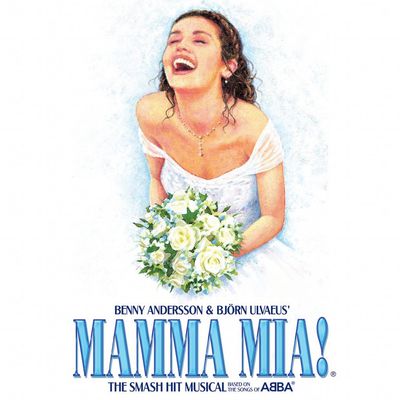
Crack open those spandex dungarees as we head over to the beautiful Greek islands and talk all about the super-smash hit ‘Mamma Mia!’ In a bid to drive Tommy over the edge, the boys are once more going head-to-head over the merits of this show. They talk all about what has made it such a phenomenon, Jimi explains away the mysteries of the Eurovision Song Contest and the guys finally open up about their opinions on jukebox musicals.
Mamma Mia (Original Cast Recording)
Do you say ABBA or ABBA? End the debate over on Twitter!
If you are yet to listen to ‘My Dad Wrote a Porno’ then get right on it now and find out exactly why Cher is The Duchess in the movie sequel.
The Eurovision Song Contest is a sight to behold for anyone, anytime. Here’s the winner from the last competition. Compare that with another classic from the UK here. Camp for all!
‘Mamma Mia!’ was so important in the healing process post-9/11 and was one of the first shows to re-open. Here’s an article where Meryl Streep talks about her relationship with the show and how it helped her family cope with the tragedy.
If you were wondering how ‘Mamma Mia! Here We Go Again’could possibly shoehorn in ‘Waterloo’ into the main narrative then look no further! Featuring the IMMENSELY adorable Hugh Skinner (any W1A fans out there? Speak to Jimi.)
Here’s the article with the brilliantly sassy quote that talks about how an immensely fun and unapologetic experience ‘Mamma Mia!’ is. We’ve managed to go 65 episodes without talking about Jukebox Musicals properly. But the time is now, come on over to Reddit to weigh in on the endless musical theatre debate!
What do you make of Lisa Howard and Susan Blackwell’s exchange over ‘Escape to Margaritaville?’
JIMI’S BIG QUATEMENT MOMENT
Jimi fought tooth and nail to get a line in our next show, that he has mentioned on a couple of previous podcasts. The line is: “This’ll wake them up!”
Transcript
This transcript was automatically generated and might contain errors.
[0:00] Jimi: Did I tell you I'm on a fitness kick? I was on it last week as well.
[0:02] Tommy: Good for you!
[0:03] Jimi: So I don't know why I told you this. So, and do you want to know the funniest part of it all?
[0:07] Tommy: Yes.
[0:08] Jimi: Guess who's inspired me to do this?
[0:10] Tommy: Uh... hmm... Patti LuPone. Default answer.
[0:15] Jimi: No. No. Tyler Oakley.
[0:23] Tommy: Welcome to Jim and Tomic's Musical Theatre Happy Hour.
[0:26] Jimi: I said that very sincerely.
[0:28] Tommy: How dare you be sincere in this podcast?
[0:32] Jimi: Quite odd. Anyway, your weekly podcast with shakes and shenanigans.
[0:37] Tommy: I do enjoy that shakes could be either a drink or a dance move.
[0:42] Jimi: I got the shakes.
[0:43] Tommy: Or a symptom.
[0:45] Jimi: Yep. God, I do love a milkshake.
[0:49] Tommy: Oh man, have you ever... I only recently had went to a Shake Shack.
[0:55] Jimi: Are you aware of the existence of Shake Shack?
[0:56] Tommy: I have dined in the... I think it was JFK Airport Shake Shack.
[1:02] Jimi: All right.
[1:03] Tommy: And I had the chicken burger.
[1:04] Jimi: Congratulations.
[1:05] Tommy: And it was disappointing. But yes.
[1:07] Jimi: Did you have a milkshake?
[1:09] Tommy: No.
[1:12] Jimi: That was so expensive.
[1:15] Tommy: Yeah, it was decidedly underwhelming. Sorry, everyone.
[1:19] Jimi: Yeah. But a chocolate frosty from Wendy's.
[1:23] Tommy: Yeah.
[1:24] Jimi: Hi. Anyway, what are you drinking today?
[1:28] Tommy: A chocolate frosty from Wendy's.
[1:31] Jimi: That makes sense.
[1:32] Tommy: Right? No. No, it doesn't.
[1:35] Jimi: No, I'm drinking the water from Aphrodite.
[1:43] Tommy: That has been underground for a long, long time.
[1:46] Jimi: Oh, I know, right?
[1:46] Tommy: That will be silty.
[1:48] Jimi: It's so gross. It's like when you see the sprinklers go off in a building.
[1:53] Tommy: And it's all that, like, black sooty water.
[1:55] Jimi: Yeah, exactly.
[1:56] Tommy: Yeah. I don't know why they dance around it.
[1:58] Jimi: You're drinking that. Why are you drinking that?
[2:00] Tommy: That's probably why they all get all slow motion and drugged out.
[2:04] Jimi: Just because it's just filled with, like, arsenic and hallucinogens.
[2:10] Tommy: Yeah. Well, I'm drinking Ouzo.
[2:15] Jimi: Ouzo?
[2:15] Tommy: Opa.
[2:17] Jimi: Ah, this is a Greek thing.
[2:20] Tommy: Yeah.
[2:20] Jimi: Got it.
[2:20] Tommy: Yeah. Have you ever had Ouzo?
[2:23] Jimi: I have not. Is it good?
[2:24] Tommy: Oh, no, it's just pure alcohol. It's like rubbing up.
[2:29] Jimi: So, see when alcohol gets to that percentage, right?
[2:32] Tommy: I think Ouzo is high.
[2:36] Jimi: You know, how do you tell the difference?
[2:38] Tommy: It all just burns.
[2:40] Jimi: Yeah, it all just tastes like burning.
[2:41] Tommy: Yeah.
[2:44] Jimi: It's like moonshine. Do you have moonshine?
[2:47] Tommy: We only have moonshine because we have country.
[2:50] Jimi: Yeah, I mean, I think you can buy it. I don't know how authentic it is.
[2:54] Tommy: It's not like a toothless old man behind a, I don't know, shed.
[3:01] Jimi: Why is he behind the shed? Why not make it...
[3:04] Tommy: Is it not illegal?
[3:06] Jimi: Depends on if you have a license or not.
[3:08] Tommy: Oh, okay. Fair. Well, this guy definitely does not.
[3:12] Jimi: That's why he's behind the shed.
[3:14] Tommy: Yeah, he's behind the shed.
[3:16] Jimi: Oh, um, yep.
[3:23] Tommy: We've lost the plot. Do you want a quiz statement?
[3:26] Jimi: I do. Just get it back on track.
[3:29] Tommy: This musical shares its poster title font with Nirvana's album covers.
[3:33] Jimi: That's a strange question, but people got it.
[3:36] Tommy: Which was amazing.
[3:38] Jimi: It's so good.
[3:38] Tommy: It was one of those, like, I never would have thought about it, but the moment I looked at it, I was like, oh yeah, that's totally right.
[3:44] Jimi: Absolutely. Yeah, absolutely love it.
[3:46] Tommy: And that musical is, of course, Mamma Mia!
[4:15] Jimi: I don't know how, but I suddenly lose control.
[4:19] Jimi: There's a fire within my soul.
[4:23] Jimi: Just one look and I can hear a bell ring.
[4:27] Jimi: One more look and I forget everything.
[4:31] Jimi: Mamma Mia, here I go again.
[4:35] Jimi: My, my, how can I resist ya?
[4:39] Jimi: Mamma Mia, does it show again?
[4:43] Jimi: My, my, just how much I miss ya.
[4:46] Jimi: Dance up and down this party.
[4:50] Jimi: Who's to say we've parted?
[4:53] Jimi: Why, why did I ever let you go?
[4:57] Jimi: Mamma Mia.
[4:58] Tommy: I like how you said it with a question mark.
[5:00] Jimi: Yeah. Was that a question mark? Mamma Mia?
[5:03] Tommy: Yeah, it was.
[5:04] Jimi: In the middle of Mia.
[5:05] Tommy: Mamma me, and then ah.
[5:07] Jimi: Ah, yeah, anyway.
[5:11] Tommy: So, guys, we have entered the world of the Jukebox musical.
[5:15] Jimi: We've put it off as long as we possibly could.
[5:18] Tommy: Why are we doing this?
[5:19] Jimi: And here we are.
[5:20] Tommy: Because it needs to be done. It's a hot topic.
[5:23] Jimi: Hi, it is. The movie's coming out, just came out.
[5:25] Tommy: Is it out? The Mamma Mia 2, Electric Boogaloo?
[5:28] Jimi: To yesterday?
[5:30] Tommy: Yeah, today? I think it releases.
[5:32] Jimi: Tomorrow, it's tomorrow.
[5:33] Tommy: And I think it's like Saturday where we're at.
[5:37] Jimi: I'm probably going to go see it, actually.
[5:40] Tommy: I think as will I.
[5:44] Jimi: Okay, so Mamma Mia, music and lyrics.
[5:48] Tommy: I wanted you to say this.
[5:49] Jimi: Oh, well.
[5:50] Tommy: By Benny Anderson and Bjorn Ulvaeus of ABBA fame.
[5:58] Jimi: Okay, ABBA, ABBA.
[6:00] Tommy: Oh, for goodness sake.
[6:02] Jimi: We have only one way of saying it.
[6:04] Tommy: I don't know why we're doing it.
[6:06] Jimi: ABBA. The sound is ah, ABBA.
[6:10] Tommy: But you see, that sounds like both of them to me.
[6:14] Jimi: What? I can't say two things at once.
[6:16] Tommy: It's like Lonnie and the other one.
[6:18] Jimi: Oh, yeah.
[6:20] Tommy: What do you hear?
[6:22] Jimi: What do you hear? ABBA or ABBA?
[6:24] Tommy: I mean, it's ah, ah. Say ah. Ah.
[6:28] Jimi: See, I have a wider ah than you, right?
[6:30] Tommy: Yeah. How would you say musical theatre mash?
[6:33] Jimi: Musical theatre mash.
[6:35] Tommy: ABBA.
[6:37] Jimi: But I have the Chicago A. ABBA, right?
[6:39] Tommy: Which is incorrect.
[6:41] Jimi: All right, I'll say ABBA.
[6:43] Tommy: Yeah, goodness gracious.
[6:45] Jimi: Booked by Katherine Johnson, who's not from ABBA.
[6:49] Tommy: She's not from ABBA.
[6:51] Jimi: You can't keep saying ABBA.
[6:53] Tommy: It's going to be a long podcast.
[6:55] Jimi: Anyway, obviously musical lyrics by Benny and Bjorn.
[7:01] Tommy: It is based on the songs by ABBA.
[7:05] Jimi: Of their career, yeah.
[7:07] Tommy: Yes.
[7:09] Jimi: So, it opened up on the West End in 1999.
[7:15] Tommy: And it is still playing.
[7:17] Jimi: I think it is 8th?
[7:19] Tommy: Still there.
[7:21] Jimi: 7th in the longest-running West End shows.
[7:23] Tommy: It is the 7th longest-running West End show that is still open.
[7:26] Jimi: And it's still got to play for like three more years before it's going to catch up with Cats.
[7:30] Tommy: But it's getting there.
[7:32] Jimi: I think it 100% will.
[7:34] Tommy: Cats is one of the few it can kick off the list.
[7:36] Jimi: And then Blood Brothers.
[7:38] Tommy: But everything else is still open.
[7:40] Jimi: Yeah.
[7:42] Tommy: So, yeah.
[7:44] Jimi: A long, long time.
[7:46] Tommy: Go see it right now.
[7:48] Jimi: And it opened on Broadway in 2001.
[7:50] Tommy: And ran for like 5,000 performances.
[7:52] Jimi: And is the 9th longest-running Broadway show.
[7:57] Tommy: And the longest-running jukebox musical in Broadway history.
[8:01] Jimi: It is.
[8:03] Tommy: Maybe also one of the first Broadway musicals.
[8:05] Jimi: That seems like an unfair statistic to count.
[8:09] Tommy: That what?
[8:11] Jimi: That it's the longest-running jukebox musical on Broadway.
[8:14] Tommy: Because it was also maybe the first jukebox musical on Broadway.
[8:19] Jimi: It kind of pioneered the art form.
[8:23] Tommy: Yeah.
[8:25] Jimi: It was the first that was like, wow, this is a thing that makes a lot of money.
[8:27] Tommy: Yeah.
[8:29] Jimi: And kind of opened the floodgates, unfortunately.
[8:31] Tommy: Yes.
[8:33] Jimi: So, there had been others.
[8:35] Tommy: But this was the one that was like, interesting.
[8:37] Jimi: Which we will 100% be discussing.
[8:39] Tommy: I think that coined the term.
[8:41] Jimi: But, yeah.
[8:43] Tommy: Super popular.
[8:45] Jimi: Adapted into a movie with Meryl Streep and Pierce Brosnan.
[8:47] Tommy: And Christine Baranski.
[8:49] Jimi: And a bunch of other people.
[8:51] Tommy: And the movie releases now.
[8:53] Jimi: With Cher!
[8:55] Tommy: With Cher.
[8:57] Jimi: How did this happen?
[8:59] Tommy: Have you seen the photo of Cher and Meryl Streep kissing on the red carpet?
[9:01] Jimi: Yes.
[9:03] Tommy: Because they're the best.
[9:05] Jimi: I enjoy all of the gay memes that have spawned out of it.
[9:09] Tommy: And it's like two gay camps have suddenly collided.
[9:11] Jimi: And no one knows what to do about it anymore.
[9:13] Tommy: It's just exquisite.
[9:15] Jimi: Just before we move on. Because I don't know how much we'll talk about Cher.
[9:19] Tommy: But, um.
[9:21] Jimi: Have you ever listened to My Dad Wrote A Porno?
[9:23] Tommy: I have!
[9:25] Jimi: The podcast.
[9:27] Tommy: Don't you think Cher, in this movie.
[9:29] Jimi: 100% is
[9:31] Tommy: the Duchess?
[9:33] Jimi: Oh.
[9:35] Tommy: It's been a long time since I've really listened to My Dad Wrote A Porno.
[9:37] Jimi: So, the Duchess was the one who, um.
[9:41] Tommy: Belinda was at the auction.
[9:43] Jimi: The Duchess was the one who bought her at the auction.
[9:45] Tommy: And Cher was the one who bought her.
[9:47] Jimi: The Duchess was the one who bought her at the auction.
[9:49] Tommy: Brought her in the horse box.
[9:51] Jimi: Hosed her down.
[9:53] Tommy: For people who have never listened to
[9:55] Jimi: My Dad Wrote A Porno.
[9:57] Tommy: Don't you dare give them context!
[10:01] Jimi: They don't deserve it because
[10:03] Tommy: they've not listened.
[10:05] Jimi: That's true, they should go listen to it.
[10:07] Tommy: That's why podcasts were invented.
[10:09] Jimi: To be listened to.
[10:11] Tommy: I will now, whenever I listen to
[10:13] Jimi: My Dad Wrote A Porno, picture Cher.
[10:15] Tommy: Please do, because that will change everything.
[10:17] Jimi: Because originally in my head it was Helen Mirren.
[10:19] Tommy: Now, it's going to be Cher
[10:21] Jimi: and Mamma Mia! Here we go again.
[10:23] Tommy: Interesting. I wonder how often
[10:25] Jimi: Helen Mirren has been replaced with Cher.
[10:27] Tommy: Probably more times
[10:29] Jimi: than you think, Tom.
[10:31] Tommy: Probably more times than Helen Mirren wants to admit.
[10:33] Jimi: I'm just going to fly out
[10:35] Tommy: some fun statistics right in your face.
[10:37] Jimi: About just how
[10:39] Tommy: successful Mamma Mia is.
[10:41] Jimi: Mamma Mia has been seen by over
[10:43] Tommy: 30 million people around the world.
[10:45] Jimi: Each and every night
[10:47] Tommy: 17,000 people
[10:49] Jimi: around the world get to watch it
[10:51] Tommy: live on stage because it's
[10:53] Jimi: everywhere. It was something like
[10:55] Tommy: the first show in Russia
[10:57] Jimi: to perform for
[10:59] Tommy: seven days.
[11:01] Jimi: Not as a whole, but
[11:03] Tommy: as a week.
[11:05] Jimi: It's
[11:07] Tommy: crazy how successful
[11:09] Jimi: it has been.
[11:11] Tommy: I'm like one of the Royal Caribbean
[11:13] Jimi: boats.
[11:15] Tommy: That's the thing.
[11:17] Jimi: I don't know if I'm
[11:19] Tommy: pulling a statistic out of my butt,
[11:21] Jimi: but I think it is
[11:23] Tommy: the most performed.
[11:25] Jimi: I don't think there's any other show that has
[11:27] Tommy: as many productions going.
[11:29] Jimi: Certainly going at once.
[11:31] Tommy: Didn't the movie break a bunch
[11:33] Jimi: of film records in the UK?
[11:35] Tommy: It is Meryl Streep's most successful
[11:37] Jimi: movie.
[11:39] Tommy: I'm going to sigh a lot through this podcast.
[11:41] Jimi: It is the
[11:43] Tommy: fifth highest grossing film
[11:45] Jimi: of 2008.
[11:47] Tommy: How is this
[11:49] Jimi: so popular?
[11:51] Tommy: It's crazy.
[11:53] Jimi: That's what we'll be picking apart as we
[11:55] Tommy: go through.
[11:57] Jimi: Tell us about what happens.
[11:59] Tommy: There's no plot
[12:01] Jimi: in this show.
[12:03] Tommy: It takes place on a fictional
[12:05] Jimi: Greek island.
[12:07] Tommy: 20 year old
[12:09] Jimi: Sophie is getting ready to
[12:11] Tommy: get married and doesn't
[12:13] Jimi: quite know who her dad
[12:15] Tommy: is.
[12:17] Jimi: Had surreptitiously
[12:19] Tommy: discovered her mother's
[12:21] Jimi: diary and discovered
[12:23] Tommy: that it's one of
[12:25] Jimi: three men, Sam, Bill,
[12:27] Tommy: or Harry.
[12:29] Jimi: Without telling her mother, she invites all
[12:31] Tommy: three of them to the wedding
[12:33] Jimi: with hopes of finding out who her father
[12:35] Tommy: is so that he could
[12:37] Jimi: take her down the aisle.
[12:39] Tommy: Hilarity
[12:41] Jimi: and disco music ensues.
[12:43] Tommy: Absolutely.
[12:45] Jimi: It's
[12:47] Tommy: going to be one of those.
[12:49] Jimi: Man, I didn't
[12:51] Tommy: think you were going to like this show as much.
[12:53] Jimi: We'll talk about why I like it.
[12:55] Tommy: Okay.
[12:57] Jimi: We'll talk about why I like it.
[12:59] Tommy: We're not going to talk about that first though.
[13:01] Jimi: Okay.
[13:39] ♪ Musical number: "Lay All Your Love on Me" — performed by Unknown performer ♪
[26:09] Lay all your love on me
[26:17] ⚠ About 13 minutes of audio could not be automatically transcribed.
[39:26] ⚠ About 13 minutes of audio could not be automatically transcribed.
[52:35] Jimi: Was a producer on Chess, I want to say. That sounds right. Yeah, and so it obviously worked with Benny Bjorn, and then Judy then approached Philida or Catherine, I think Catherine next, to be like, because yeah, that's what it was, because Catherine had written plays before, she'd never done a musical, and she was like, I think you'd be great for this. And then, I don't know how Philida came on board. But yeah, basically, this kind of dream team was assembled in working towards this. And I think it's so important that women were at the helm of this, because I think it could have been bad and very misdirected otherwise. And this all goes down to ABBA. Okay. So ABBA is a very kind of interesting band.
So they were married to each other, if that makes sense. Yeah. Who was married to who? I think Benny was married to Annifred. Okay. And Bjorn was married to Agnetha, I think. Yeah, you got a 50-50 chance. We'll go with that. Anyway, so they were together. And obviously, a lot of their songs are about love, and the different natures of love and blah, blah, blah. But they were all very written from a male's point of view. Yes. And not the most necessarily respectful male. Yeah. In the way that I think a lot of pop songs just kind of fall into, a lot of male-written pop songs. Yeah, exactly. And then it was just kind of a bit odd as well, that at the same time, their wives were singing them. Right.
Yeah. You know? Yeah. A bit strange. So the one that I always think about, and to put in the context of Mamma Mia, and why these women did such a wonderful thing with it, is they kind of flipped the script on a lot of the genders of who was singing what. And the big one, I always think, is S.O.S. By starting that with Pierce Brosnan. I can't remember the character's name. No, that's why I keep saying Pierce Brosnan. Harry? I don't know. Is he Harry? I think, no, Harry's Colin Firth. Doesn't matter. Anyway, Pierce Brosnan. Right. Because who else do you hear? Yeah. He really is the definitive recorder of this song. Exactly. He's then becoming this kind of desperate character of wanting her and trying to plead with her to take him back, that I'm still wanting ya, hen.
And just by adding that, it just changes the script a bit. It stops it from being like, oh, I am a sad woman and I just want love. To a completely different viewpoint. And I read an interview recently. It was one of the guys who played Harry on Broadway, and it was just when the show was closing. Yeah. And he was talking about basically the fact that he's really happy that he gets to play a bit part. Yeah. In this show, because that's what the men are, they're just foils. Yeah. Whereas normally that role is filled by the women. Yes. And like the rest of musical theatre. Yeah, exactly. Pre-Mamma Mia. Yeah, totally. So like traditionally, that is how it's done. Yeah. Whereas the gals have totally flipped the script on this.
Yeah. And have put these really strong women at the core. Yeah. And in moving and important songs like S.O.S. And also in Does Your Mother Know? Which is just an upbeat tuner to get us out of a sad song into another sad song. And we just need a moment to laugh in the middle. But still flip the script. Because isn't Does Your Mother Know? sung by Bjorn? Bjorn. Bjorn, pardon me. But a male voice, right? I think so. Yeah. And flipped in to be like a really powerful bit funny women's song. Totally. And like throughout that happens over and over and over again in the show in like big important ways and like not important ways too. And I think that the not important ways then become equally as important.
Yeah, totally. Because it's relentless. It's just like it is, you know, like I think another one is Lay All Your Love On Me. That's another one where he's just like, I'm devoted to you. Yeah, right. You know, I mean, it's like, great. Yeah, that's it's just so nice to see that relationship where the guys are just like really into their women. Yeah. And the women don't have to be fighting for them all the time. Yeah. And there's not like it would be so easy to put in, you know, women fighting for the attention of the same man in this show. Yeah, exactly. One of those scripts. Yeah. Three women going for one get something like that. Right. Like there's a whole and like even as written, there's a million places you could slot it in, but it never happens.
And that's so, you know, it's such a wonderful thing. Absolutely. Now, this is something that I want to kind of discuss with you is I've seen, obviously, there's a lot of talk about Mamma Mia because of the film, which is great, because it means we can really do a lot of research. But there's kind of two camps. And this is from female authors. So we've got one camp that's seeing the women in the show are just really broad. They're kind of graphic. Yeah. A bit gratuitous and not very ladylike, shall we say. Then there's another camp who are saying like, this is a bunch of normal women. Yeah, absolutely. This is a bunch of normal women. Can we go through the history of musical theatre? Picture Guys and Dolls, like Luck Be a Lady Tonight, the title song, when you meet a guy, he's probably whipped that he's doing it.
Men in musical theater have been equally as crude and lewd for forever. Why can't women be? I think even crude and lewd is hyperbole, maybe in both camps. But yeah, that is powerful and important and speaks to the themes of this show. She doesn't get married in the end. Yeah. As a big old F you to like, why are we falling into this traditional thing when it's not for us and, you know, wasn't for my mother? And, you know, and like when we spent all this time getting ready for it, but screw that. Yeah, absolutely. There's so many moments of just like, F you to tradition in general. Like, yeah, there's no, you know, the fact that Sophie's like, oh, well, don't know who my dad is. That's fine. I'll just have three dads.
And everyone's like, yes, that is great. Yeah. I mean, however, however many times like Christine Baranski is like, cause I don't know her name either. You know, whether talking about her five husbands or her plastic surgery and like, you know, get it. Yeah. You do you. Like, absolutely. Awesome. Absolutely. Screw the rest. And like, I think it is, I find it almost insulting that some of those plot points seem revolutionary because if you flipped the genders, they would be like so boring. But it took this long for any, maybe not any piece of art, but a musical to put some of these things forward and give, you know, this is certainly a girl power show in a way. It really, really is. And it's great because like, you know, I see my mom, for example, hanging out with her pals and having a great time.
Yeah. It's all this chat. Yeah. I mean, it's all this chat and I think that's so good. And it, you totally get why these groups of women are going and loving it because I do think there is this element of like, finally, I get to see myself on the stage. It's not this like beautifully, perfectly poised and presented aspect of a female that nobody can actually really relate to. It's just, you know, three women making dick jokes. Yeah, exactly. I do love it. I do wonder. So I have this question for you because I'm running through this in my mind. In this show, how many relationship moments are female initiated, if that makes sense? Are you talking Bechdel? No, I'm not actually. Oh, okay. I'm talking.
So like, there's lots of talk that like Sophie's kind of in charge of the wedding with Sky. She wanted this big white wedding. She's also the one who like might call it off and then does, you know, not uncall it off and then recall it off. Right. Yes. The, you know, in Does Your Mother Know? You know, certainly, I don't know if that the character even has a name. He does. It's, it begins with a T, I think. Right. The boy. Tommy. Probably. Perfect. Great name. But like, while he might be the initiator, Christine Baranski certainly has the power in that song. I do wonder then, if Pierce Brosnan asking Donna at the end, if they want to get married, is the right ending for this show? Like, could you could you tweak it just a little bit somehow, so that Donna can ask him?
But um, yeah, I know what you mean. But then I like the fact that it's just in Donna's hands. And it's just very, I guess, she gets the chance to say yes or no. Yeah, because it's not the, it's not the sweeping, like, da da da da da. And the only option she has to do is say yes. Right. Do you know what I mean? It is, in fact, totally unexpected. Yeah, she's almost like, the way she says it, it's almost just like, yeah, yeah. Like, which is it's not like, oh, yes, I will. But all my dreams have come true. Yeah. It's just like, let's keep singing ABBA. Exactly. Well, yes, that too. I do think that's that's important. I think that's also the power, you know, how many musicals end in a wedding. But most musicals that ended in a wedding, you could probably watch the first 15 minutes and point at the people you think are going to be married at the end of the show.
Yeah. And with Mamma Mia, you'd be wrong. Exactly. Which exactly, you know, there is something. And that's the nice thing about this is it doesn't end with a wedding, right? It just ends with a girl going off and having some great independent times away from her mother. You know what I mean? I think the show ends with a Megamix production that ends in Waterloo. Very, very true. That's what I meant. And I am convinced of this and have yet to find supporting evidence. But I think when they were writing, they were like, all right, we found a way to get the song Mamma Mia in. We found a way to get the song Dancing Queen in. And they're like going through ABBA's like top hits. And they're like, oh, God, we got to put Waterloo in somewhere.
How do we do it? Like, did they hang a picture of Napoleon on the wall? Like, how are we gonna? And then like, you know what? Just put it at the end. Just it'll all be done. And then we'll sing Waterloo. Yeah. I mean, that's the thing is like, at that point, you're totally ready because you're like, come on. Yeah, exactly. When's Waterloo happening, please? Yeah. You know, so I'm fine with that. And I'm glad they didn't try and shoehorn in some French battle. It is in the sequel, though. Oh, well, who knows? Maybe when they travel back in time, they
[1:05:44] Tommy: Travel all the way back to Napoleonic time.
[1:05:48] Jimi: No, they don't. I don't think it works. But the singer of it, I really love, Weird Coincidence, he was also in the London production of American Psycho.
[1:05:56] Tommy: Very Weird Coincidence.
[1:05:59] Jimi: Very Weird Coincidence. We made that happen again. That was us. But yeah, so I think that's, again, another one of the reasons why I like this show is because it is doing a lot of things that other shows aren't doing. And it's something that is totally accessible, you know? And that's great.
[1:06:25] Tommy: I just, I really do want to read this quote because I think it's amazing. It was from an article. I can't remember where. Sorry. It'll be in the show notes. So it says, it, meaning Mamma Mia, posits a transgenerational pansexual paradise that's so deeply queer that when one of the characters come out of the closet late in the movie, the revelation seems superfluous. We've just spent the last 90 minutes singing ABBA while line dancing on docks and snorkelling flippers. And you're telling us you're gay? Big whoop. I love that.
[1:07:03] Jimi: I love that. I do think, and like, there are plenty of problems I have with the show, but my biggest one, is that Bill?
[1:07:08] Tommy: I think that's Harry.
[1:07:14] Jimi: Harry. Whichever one comes out. I hate it. It's like a gay joke. I hate it so much.
[1:07:22] Tommy: So I know what you mean, but also it's, it's not, it's not as severe because it isn't like, and I'm gay! Singing a song about being gay. Gay, gay, gay. It's just like, oh, but the way I've got a partner and he's here. Do you know what I mean? Like that's, that's, it's just, it is, it is exactly as that says, where it's just like, I'm gay, but people are like, wow, I'm off to just sing Dancing Queen.
[1:07:54] Jimi: Right. It's like, have you noticed everyone here is shirtless and covered in water already? Like, it.
[1:07:59] Tommy: Exactly. You must have had a great holiday.
[1:08:01] Jimi: It looks like a scene out of a gay club already.
[1:08:04] Tommy: Like.
[1:08:05] Jimi: Totally. So I actually think it's funny because like in, back in my self-hating homophobic days, I remember that happened. I was like, of course, gay character. Do you know what I mean? Like, sure.
[1:08:15] Tommy: After sitting through all of Mamma Mia.
[1:08:25] Jimi: Exactly. Like they're everywhere. Um, so yeah, but you know, like that's the thing, but now I'm like, yeah, stuff it. Why not? That's great.
[1:08:33] Tommy: Yeah.
[1:08:33] Jimi: That's totally great. And it isn't.
[1:08:35] Tommy: I do enjoy that. It is not like, and now I will sing Dancing Queen.
[1:08:40] Jimi: It's no gay or European.
[1:08:41] Tommy: Yeah. Yes. Yes. Thank God. Um, okay. You've convinced me.
[1:08:49] Jimi: Great.
[1:08:49] Tommy: About that. About that point.
[1:08:50] Jimi: I'm doing so well. Slowly but surely I'm going to make you like everything.
[1:08:55] Tommy: I'm going to wake up tomorrow and there's going to be a VHS of Cats, like sitting on my coffee table. I'm going to be like, where did this come from? And like, I'm going to hear like a British teeheehee from Andrew Lloyd Webber as he like swoops out of his, with his cape down the hallway.
[1:09:08] Jimi: Exactly. That's exactly what's going to happen.
[1:09:11] Tommy: It's also how Andrew Lloyd Webber laughs. So.
[1:09:15] Jimi: Yeah, I think it is. Um, so yeah. So Mamma Mia.
[1:09:22] Tommy: Oh, well done.
[1:09:26] Jimi: Oh, fine. Can we talk about jukebox musicals so I can be angry again?
[1:09:29] Tommy: Yes, sure.
[1:09:59] Jimi: I don't like jukebox musicals, Jimmy.
[1:10:11] Tommy: Yeah, I know. It's so tricky. It's so, so tricky.
[1:10:15] Jimi: Yeah. Yeah. Because we are in an art form of adaptation.
[1:10:21] Tommy: You know, that's all. Yeah. Yep. Yep.
[1:10:23] Jimi: And like, so then where, where do you draw the line and how do you create your borders? And you can't, clearly. But I wish, I don't know. And like Jersey Boys is an interesting foil for me because I don't enjoy Jersey Boys either. Particularly.
[1:10:39] Tommy: Oh, interesting. I, I, I find it interesting.
[1:10:42] Jimi: Have you seen it?
[1:10:44] Tommy: I have seen it, actually. I saw it on tour in Chicago with like, it was like over maybe like December time.
[1:10:52] Jimi: And so they were like, they were running like five swings.
[1:10:55] Tommy: Everyone was on their own holiday break. Right. Okay.
[1:10:57] Jimi: And so like, a lot of the show was kind of a joke to them too, which peeved me a little bit. Because I was like, come on, I paid money to come see this. But that's another story.
[1:11:10] Tommy: Like structure wise, I enjoyed Jersey Boys as its structure. I like the music.
[1:11:16] Jimi: I am just kind of against it as a concept, which I know is an awful standpoint to have.
[1:11:22] Tommy: I do. I think I do sit in these standpoints because a lot of musical theater is a zero-sum game. And for every Mamma Mia, for every Jersey Boys, for every SpongeBob, that's one fewer Great Comets or, you know, whatever's going to happen next.
[1:11:37] Jimi: I think that is where some of my perhaps unjustified mild rage comes from at shows like this. I'd much rather another Great Comet than SpongeBob per se. And because there are only so many theaters on that dang street. Although you can't count SpongeBob in this discussion.
[1:11:55] Tommy: True. Because it's not a Jukebox musical.
[1:11:57] Jimi: But... Donna Summer, the musical.
[1:12:00] Tommy: Donna Summer, the musical. Beautiful. And like, these became a thing. Like, Mamma Mia launched a genre.
[1:12:09] Jimi: But so this is the tricky thing, because you've already said three that I regard as like, things I really enjoy. Like, I really enjoy Jersey Boys.
[1:12:14] Tommy: I loved it. I saw it on the West End and I thought it was incredible.
[1:12:20] Jimi: I didn't really know any of the music. And I saw it quite early on as well.
[1:12:24] Tommy: So I hadn't even like, listened to the Jersey Boys cast recording.
[1:12:35] Jimi: Yeah.
[1:12:35] Tommy: I mean, to get to know Frankie Valli and the Four Seasons' music.
[1:12:38] Jimi: So I kind of went into it as if it was just a show.
[1:12:43] Tommy: Yeah.
[1:12:43] Jimi: And it totally worked. And the music was amazing.
[1:12:48] Tommy: And the book's good.
[1:12:50] Jimi: Yeah. No, I agree.
[1:12:50] Tommy: It's really good. Like, it is the one that I always say, that is my favourite Jukebox musical. Because I really, really loved it.
[1:12:58] Jimi: Yeah.
[1:12:59] Tommy: I do very honestly think, and I've been trying to unpack this in my brain for a long time. I do think, perhaps like my irrational hatred of Andrew Lloyd Webber, I have a very much irrational dislike of...
[1:13:11] Jimi: It's just an instant...
[1:13:12] Tommy: ...Jukebox musicals.
[1:13:13] Jimi: Yeah.
[1:13:13] Tommy: I think so. I think it's something I would share with you just because it's so...
[1:13:19] Jimi: It is starting to saturate the genre.
[1:13:22] Tommy: Yeah.
[1:13:22] Jimi: There's more Jukebox musicals now than there ever have been.
[1:13:26] Tommy: There's a great infographic that I'll put in the show notes, kind of showing the different genres of musical theatre being produced.
[1:13:36] Jimi: And the Jukebox musical one just gets bigger and bigger and bigger.
[1:13:41] Tommy: I think that's it. I think it is a macro dislike, is that I don't particularly dislike any of these individually, and could absolutely point to the things that I like in them that I also like in other pieces of musical theatre.
[1:13:56] Jimi: Yeah, yeah, yeah.
[1:13:57] Tommy: But I intrinsically like more original art more.
[1:14:04] Jimi: I think it is more creative, more unique, more purpose-created.
[1:14:08] Tommy: Like, I think that it is possible to create a musical that is just as popular, and just as fun, and just as catchy, and just as successful as any of these Jukebox musicals originally.
[1:14:25] Jimi: I think it's a little more difficult.
[1:14:26] Tommy: I think it takes a little more commitment to art.
[1:14:29] Jimi: And that also, in my brain, increases the quality of it.
[1:14:34] Tommy: And I know that this is somewhat of a fallacy in my mind.
[1:14:37] Jimi: It's like when bad rehearsal processes put out good products, and that you don't want to like the good product because you know the rehearsal was bad, but that still doesn't make the product actually any worse.
[1:14:52] Tommy: It fits in the same category in my mind, that I know these things are incongruent somehow.
[1:14:54] Jimi: But I think it is something I will consistently be trying to unpack.
[1:15:04] Tommy: And I will say, different from my dislike of Andrew Lloyd Webber, I'm not terribly alone in this particular feeling.
[1:15:13] Jimi: There are plenty of people who equally don't enjoy Jukebox musicals as a concept.
[1:15:19] Tommy: Yeah, totally.
[1:15:21] Jimi: And I do agree, because I think there is an element of laziness to it.
[1:15:25] Tommy: And I think that's the thing.
[1:15:28] Jimi: When I go to see something that's completely and utterly original, this has been created from scratch, one, based on an idea.
[1:15:37] Tommy: It's not based on anything whatsoever.
[1:15:40] Jimi: And that is very rare.
[1:15:41] Tommy: And it is very difficult to do, particularly with a musical, to do well.
[1:15:45] Jimi: But when that happens, I'm just like, holy moly, this is incredible, because you've pulled this out of nowhere.
[1:15:48] Tommy: Like you've kind of shuffled through the fabric of time and everything that makes up everything and managed to pick out this completely of your own volition.
[1:16:00] Jimi: And that is just so impressive.
[1:16:02] Tommy: So in that own right, it's like, well, already you're onto a winner because you've done something that's really amazing.
[1:16:06] Jimi: I feel a Jukebox musical, because it's using this music that is already known and loved.
[1:16:13] Tommy: For me, you're actually starting further back.
[1:16:22] Jimi: Yeah, I think that's filled with caveats.
[1:16:27] Tommy: And I think this is a reason why I like my macro dislike for this, because it depends on how much care you then put into the story you're going to put around that thing.
[1:16:40] Jimi: Exactly.
[1:16:41] Tommy: Yeah, that's what I'm meaning.
[1:16:43] Jimi: But the problem is, we're now watching this pattern develop.
[1:16:47] Tommy: And because Jukebox musical, even I would wager in Mamma Mia's world or in Jersey Boy's world, maybe not from the author's standpoint, but probably from the producer's standpoint, does come out of some laziness there.
[1:17:01] Jimi: Totally.
[1:17:02] Tommy: Now, people are seeing that, people are seeing that that's popular, and we get Escaped Margaritaville.
[1:17:08] Jimi: Yeah, exactly, exactly.
[1:17:10] Tommy: And that makes me nervous for my art form.
[1:17:14] Jimi: That is what I was meaning, is that they're starting a lot further back, and therefore I'm going in being like, you've got a long way to go to impress me.
[1:17:22] Tommy: Whereas I go in to see an original, I'm already impressed.
[1:17:26] Jimi: Do you know what I mean?
[1:17:27] Tommy: You're up on a stage, I'm already impressed right now.
[1:17:30] Jimi: Whereas with them, I'm like, I know all these songs, so what else have you got?
[1:17:34] Tommy: That's what I'm kind of waiting and seeing.
[1:17:36] Jimi: And then very rarely do they have anything for me there.
[1:17:40] Tommy: Right.
[1:17:40] Jimi: Can they bring you back from there?
[1:17:42] Tommy: And I do think the other problem that some Jukebox musicals fall into is, you know, it's the reason people saw Bruce Springsteen on Broadway.
[1:17:53] Jimi: You're, you could, it's another excuse to go see this concert, and so you don't really care about that extra stuff that you want to see, right?
[1:18:01] Tommy: Yeah.
[1:18:01] Jimi: There are plenty of people who went to see Mamma Mia just because they like ABBA songs.
[1:18:06] Tommy: Yeah.
[1:18:06] Jimi: And hopefully they were pleased and delighted by the wonderfully written, nice in-between pieces.
[1:18:12] Tommy: Did you see all those nice things I said about this musical there? It was really nice.
[1:18:15] Jimi: Thank you.
[1:18:17] Tommy: Um, but like, if that stuff was daft or stupid, they might not care as much.
[1:18:25] Jimi: Yeah, totally.
[1:18:27] Tommy: For example, We Will Rock You.
[1:18:29] Jimi: Yes.
[1:18:29] Tommy: Yeah.
[1:18:30] Jimi: Like, We Will Rock You is just puns.
[1:18:32] Tommy: Yeah.
[1:18:32] Jimi: And Britishisms.
[1:18:34] Tommy: Yeah.
[1:18:37] Jimi: Laced around Queen's music.
[1:18:39] Tommy: Exactly.
[1:18:39] Jimi: Like, that is literally all it is.
[1:18:42] Tommy: Yeah.
[1:18:43] Jimi: You know, maybe.
[1:18:52] Tommy: Yes. Decent book, but only decent. But it's, but it's Elvis songs. How can you not like Elvis songs, right? For the record, by the way, I really don't like Elvis. You heard it here first, everyone. I really don't like it. Don't come at me about my dislike of ABBA and forget that Jimi doesn't like Elvis. Right. But there, I Can't Help Falling in Love. Great. The only reason that musical should exist. Yeah. But yet, for example, we've just had started on Broadway Head Over Heels. Right. Which is the Go-Go's. Yes. Yeah. And I was like, so I saw it today and I was like, okay, this is interesting. And it looks like it's just there to be like, can't be fabulous. Yeah. And like, I genuinely, I can't see the other point.
And I know I just said earlier, like, it's great to just go to the theater and enjoy that. I'm like, absolutely. Yeah. But I do, I do. Yeah. I want more. I think there, there is another part that's missing that I'm really struggling to articulate. I do think jukebox musicals create a different kind of book. And I mean, like capital B book, like the story of the musical beyond just like the words between the music. Yeah. That is lazier and less interesting. And in my mind, if you don't mind, less artistic. Like, I think it's easy. You know, I picture someone out there listening to this and it's like, well, Jimmy and Tommy just don't like pop music, which is not true, but also absolutely not true.
But also is an, is a thing to fall into. Or, you know, the musical theater audience doesn't like pop music and doesn't like pop music coming into the musical theater. Like I was, I was a pop music fan before I was a musical theater fan. Yeah, absolutely. I love all sorts of pop music, but I do think like on the topic of jukebox musicals, have you ever seen Crazy for You? Yeah, exactly. Exactly. Such a stupid book, very funny in moments, but stupid and unimportant and uninteresting. And like even less so than the kind of Mickey and Judy save the animal hospital movie that it's, you know, taking inspiration from. And I think that style of writing happens when you come at a show from this direction, because you're no longer asking the question, which comes first, the music of the lyrics.
You're now asking the question, how do we create a frame that's going to exist around these songs we want? And it, it just makes for a different kind of story writing that is filled with like bits of unnecessary frivolity that really like they, they push my buttons in a bad way when I watch theater.
[1:24:01] Jimi: Well, it's one of those things, I think, I think you kind of start to hit on a good point there where, you know, Cole Porter was doing this shit in the thirties, right? Like that was the very beginnings of music and theater. Yeah. So why is this something that we're still doing, but yet hasn't been perfected? Right. And I do know, I mean, why are we still making these shows that are cobbling together a plot that isn't working? That's been going on for 80 years. Exactly. And Crazy For You came out before Mamma Mia and wasn't called a jukebox musical. Because, you know, I think mostly because you don't listen to Gershwin songs on a jukebox. Well, that sets their standards as opposed to the collection of an artist.
Right. But like, conceptually, it still came to be in the same sort of way. Well, yeah, the songs weren't written for Crazy For You. Right. I mean, and like, I don't like that either. And like those early Cole Porter musicals with all the names that I'll never remember are equally as fluffy and stupid. And I didn't, you know, I don't like them either. Right. For whatever this difficult to define reason is, which is perhaps less adjacent to my fear of jukebox musicals pushing out the original art from Broadway. Like, I do think there is something else, something in between the lines, in the weaving of these sorts of things that really does put me off. Or like, not push my buttons in a way that even something that's super adapted, like Wicked, still I'm very much okay with. Because book, music, and lyrics were co-conceived at the same time. There is just, there's like, yeah, there's a certain level of artistry you can see has gone into it.
[1:28:01] Tommy: Yeah. Yeah, I do. I totally agree. I do totally agree. But it's one of those things. They make a fair buck. Yeah, they do. And they keep plenty of people employed. And you can't say no to that. Yep. So that's the thing. They're not going to stop. Yeah. In fact, I imagine they'll just get more and more. Yeah. You know what I mean? I do. I wonder if we will see a, you know, a dichotomy at any time, if like jukebox musicals will start separating themselves out. Or like, if, you know, they will ever be uneligible for Tony Awards in particular ways. I just, I can't see it happening. Like it's, I've just come up with this analogy in my head, but I feel like jukebox musicals are like the cornstarch.
No, not the cornstarch. Jukebox musicals are like the, oh bugger. What's that sugar called? The really bad one. Hydrogenated corn. No, what is it? What is it? It's the, what is that? You do know, you know what I'm talking about? Bad sugar in the foods. High fructose corn syrup. That's it. So I feel like jukebox musicals are the high fructose corn syrup of the musical theater genre. They are easy to churn out. They're a lot cheaper to make, but they're very comforting and they give you a lot of game back. Do you know what I mean? But they're probably bad for the food industry as a whole. And the way it works, the way it worked with high fructose corn syrup is people are now starting to catch on to the fact that actually it's really bad for you and it causes obesity.
Which, you know, Escape to Margaritaville is closing. It is. It absolutely is. But, you know, Head Over Heels is just opening. And then Cher show's coming in a couple of minutes. Which I've heard good things. Who knows? They also said good things about the Donna Summer musical. That's true. That it opened. I have heard good things about Jagged Little Pill though. I've heard fabulous things about Jagged Little Pill, but at least that seems pretty original. This is another distinction I want to make. I have nothing wrong with, say, Chess. You know, not particularly. Jagged Little Pill is the music of Alanis Morissette. Is it? I thought it was more original than that. No. I'm now less excited. You have sucked the excitement out of me.
But then it's weird because I'm a big fan of Alanis Morissette, so I'm like, sure, I'll take it. That, I'm sure, is why I've heard great reviews of the Cher musical. The Cher Experience. Yeah, exactly. Because that's the thing. I feel like there probably actually are artists out there whose music would translate quite well to a stage. I'm thinking Kate Bush. Yeah. Right? Now, I'm a damn dirty Kate Bush fan. Right. And her music does have a sense of drama to it. Yeah. And also a sense of narrative to it.
[1:30:56] Tommy: Yeah. That's, I guess, that's the other thing. What about concept albums? What about your American Idiots of the world? Do those count? Well, I do think it has something along the lines of, because like, I would put American Idiot, you know, which I would even put less in a concept album world than something like Tommy or, you know, heck, Evita. Like these things that have started off as big concept albums, but at least they have the stage somewhere in mind with their conceit. I don't think American Idiot ever did. I think it was just because that's, that is, that is a kind of feature of rock is, you know, like, yeah, the Pink Floyd have done it. Yeah. But at least American Idiot was its own self-contained album.
It wasn't like Green Day's greatest hits, the musical. Yeah. Yeah. Yeah. Yeah. You know, cause that, yeah, that kind of through thought was already there. Yeah. Because of the time it was composed too. Cause like Green Day kind of made albums like that along that kind of thing. But then I do also wonder, like, what about something, you know, why don't we have more waitresses? Sarah Bareilles, pop music icon, famous for her own music. Just write a musical, you know, come into, come into this world.
[1:32:01] Jimi: Well, interestingly enough. So we have, I don't know how much he comes onto your radar, but we've got Gary Barlow over here. I don't know Gary Barlow. So Gary Barlow was in Take That. Okay. Who big British band definitely came over to your side for a wee spell. He wrote Finding Neverland. Oh, okay. Then he wrote another musical called The Girls, which is based on Calendar Girls. Don't know if you've seen that. Uh, yes. I think I've listened to The Girls too as well. Oh, right. Great. Um, so he wrote that and he's now just written a musical called The Band, which is a jukebox musical of his music. Interesting. And I'm like, this is an interesting folding here. Yeah. Like we're kind of breaking out of the category in a way, which like, this is also the problem with musical theater categories anyway.
Our sample size is so tiny for all these things. It's hard to pull any patterns. But, um, Gary Barlow has come out and has said that he actually doesn't really like jukebox musicals and he also thinks they are quite lazy. And so he's come at The Band from a point of view of, I don't want to make this a bad jukebox musical. And I've heard pretty decent things about it. The story is all right. Um, but again, in a similar vein to Mamma Mia, like it's basically about, um, a group of, uh, young girlfriends who, um, I think are just huge, big fans of Take That. And then it's about how they kind of grow up and how their lives have changed together and things, you know what I mean? Just like a nice sisterhood camaraderie.
And I feel like Gary Barlow has been quite smart there because the biggest fans of Take That are, um, I would say those characters in themselves, exactly like thirties to fifties women. Um, so by writing a musical that is specifically aimed, you know, with them at the center of it, that's just smart. Um, and, you know, he's done interesting arrangements of his own music, you know, so there, I think there are lots of great areas in the jukebox musical world. Um, but you know, Jimmy Buffett escapes to Margaritaville can get to absolute F because it's not adding anything. It's not adding anything to the pile. Right. Yeah. It's not, I mean, testament to this fact. Did you, I don't know if you've seen the Side by Side by Susan Blackwell with Rona Lisa Peretti.
I don't know her actress name. That's so mean. You're not going to know, but we can look it up. Just look it up. Yeah. Lisa Howard. Um, so she did a Side by Side by Susan Blackwell with Susan Blackwell. Um, and it's, and she's in, uh, escapes Margaritaville and it's just so bad because they barely talk about the show. They're literally like, Oh, it's so fun. Yeah. Uh, anyway, so other stuff. Yeah. And it's fascinating because you're like, you can't even like, you're in a show and you can't even say, you can't even sell it. You can't even bullshit it. That's a, the, I'm trying to, it's a, it's an article I have in my research file that I bring up when I'm doing projects on other things. Um, but it's about originality and musical theater. And I wonder if I can find it, we'll put it in the show notes. Um, because it's from a while ago, but it, um,
[1:32:01] Tommy: They interview a couple cast members of the Footloose Musical who are talking about, like, they got into this thing and were like, you know, this thing's not original and, like, the book of the Footloose Musical is not good. It's, like, actually kind of poorly written. But the show did really well in spite of some, like, real poor reviews. And it is interesting to see the cast members of the show, like, not rallying around their show, but still being like, but, you know, it's popular and it's paying my bills and I'm not, you know, raring to get out of it anytime soon. It's like, it's like whenever Fred Flintstone, you know, puts the bird's beak down on the record player and the bird sits up and goes, ah, it's a living. Like, yeah, that's, you know, that's some of our Broadway actors now. And that sort of thing, that makes me sad on the inside, right? That's a thing that I think adds to my macro distaste for jukebox musicals.
[1:33:04] Jimi: Yeah.
[1:33:05] Tommy: Is that it's not often, you know, I don't, I don't think everyone involved in Mamma Mia was like, yeah, ABBA music, it's the thing we need to bring to the people, you know?
[1:33:23] Jimi: Well, I don't think Mamma Mia is the one to be picking on right now, is all I would say. I think there's better examples. But yes, I would, I would say that there probably have been some actors and some cast to do that. Like, for example, one of my friends, I'm not going to name any names. Oh, I think she's just finished the tour now, was on a tour with a jukebox musical. And when she was, when she was staying at mine, just kind of talking about, like, I mean, it's nothing special, paying the bills. She was like, don't, please don't come see it because you're, you are going to hate it. Like, there's nothing to enjoy. I guess that's, that makes me sad. It's my frustration with humanity. It's like, why can't you just like the art?
You know, it's really how I feel. Like, why, why can't you just like the good art? And clearly I understand there's a million problems between the beginning of that sentence and the end of that sentence. I know. But still, I just want them to like the art, Jimmy.
[1:34:32] Jimi: I know. And instead, people need to keep making the art.
[1:34:35] Tommy: It's true. It's true. And they need to stop making the shart.
[1:34:42] Jimi: Yep. Make art, not shart.
[1:34:50] Tommy: Is that our first piece of merch? You know, I don't know if I could wear the shirt to work, but some people could. Just saying. So, yes. Anyway, what I'm excited about is all the discussion that I hope that we'll have about this. Because it is, some people are like, you're a big old dirty snob.
[1:35:06] Jimi: Yeah.
[1:35:07] Tommy: No, and I will accept that. And I am.
[1:35:12] Jimi: Yeah. So am I, to an extent. I think maybe not. Not to my level of snobbery.
[1:35:19] Tommy: You're in the box. I'm like the grand circle. But yeah, you know, I mean, because I like, there are things that I do love, you know, like almost like guilty pleasures almost.
[1:35:29] Jimi: But actually, Mamma Mia, isn't it? It's just a pleasure.
[1:35:36] Tommy: But, you know, there are some people who will be like, I hate all that arty pish. Give me a man after midnight.
[1:35:44] Jimi: Beautifully done.
[1:35:45] Tommy: Thank you. Thank you. So good. It's gonna be stuck in my head for months now. I mean, why the hell not? It's incredible. Madonna sampled it.
[1:35:56] Jimi: Madonna?
[1:35:57] Tommy: True. Madonna. The thing I am most excited about, Jimmy, is I am not the person in the world who hates ABBA the most. The person in the world who hates ABBA the most is Empty Room, my yellow text friend from various pieces of Watch With Me and The School Theater Mash, hates ABBA. For years, we joked that we were going to bring her into a room to tell her that we were going to watch something else, but instead put ABBA and then put that video up on the channel. Unfortunately, that plan has now popped. But I'm going to visit Chicago very soon, and we're gonna go see Here We Go Again.
[1:36:36] Jimi: That's so exciting. But you're not gonna tell her. Does she listen to this?
[1:36:39] Tommy: She doesn't listen to this. I think she'll figure it out. But we're gonna do it anyway. We went to see Twilight II together. It'll be like that.
[1:36:44] Jimi: I fully support that. I think I'm gonna love it. I've seen a lot of clips.
[1:36:51] Tommy: Yeah. And I'm really excited. Do you think Meryl Streep is dead? This is my question.
[1:36:56] Jimi: Yeah, what the hell's going on? Why did she not? But also, actually, in a weird way, I'm like, well, mad respect.
[1:37:03] Tommy: Yeah.
[1:37:04] Jimi: You're not being like, Meryl Streep and Cher. Meryl Streep.
[1:37:09] Tommy: Right. And, you know, I'm sure this was like a day of shooting for Meryl Streep. I'm sure that's it. And it's like in the script for that reason. Here's your $4 million check.
[1:37:18] Jimi: Right.
[1:37:19] Tommy: But I don't know how people get that. That might be a lot or not that much. I have no idea. Here's all your money. But I quit into it. They're not like, you know, like, right. It's just.
[1:37:31] Jimi: Yeah.
[1:37:32] Tommy: Yeah. She's there. Of course, there's Donna. It is an interesting it does seem like based on the promo and the posters that I've seen. It is interesting to me that it seems like they went to great lengths to get everyone back, but also aren't paying them to be in the whole movie. Like, you know, like there's a whole flashback scene so we don't have to pay Colin Firth and Pierce Brosnan.
[1:37:47] Jimi: Like.
[1:37:48] Tommy: Yeah, exactly. Exactly. But still, they're in it. Instead of just completely writing them out. I love that.
[1:37:55] Jimi: That's an interesting choice.
[1:37:56] Tommy: Pierce Brosnan apparently had singing lessons.
[1:38:01] Jimi: So, you know, Tony?
[1:38:02] Tommy: Probably. Yeah. They're going to be like, you know what? It's a movie, but we'll give him a Tony anyway.
[1:38:06] Jimi: We'll give him a Tony because it is an original movie.
[1:38:10] Tommy: Well, God, can you imagine this? Like there have been circuitous routes on in musical theater world before, like Hairspray movie to musical to movie again, but to go like musical to movie to movie sequel sequel back to stage.
[1:38:25] Jimi: Yeah.
[1:38:26] Tommy: Now, because the only other time that I think that it's ever.
[1:38:30] Jimi: Oh, no, it didn't start as a stage.
[1:38:32] Tommy: Well, there you go.
[1:38:33] Jimi: What were you going to say?
[1:38:34] Tommy: It was Shock Treatment, which is a sequel to Rocky Horror.
[1:38:39] Jimi: Yeah, but it didn't. It started as a movie, didn't it?
[1:38:42] Tommy: It started as a movie. Yeah. So there you go. And I actually don't think Shock Treatment ever came to the stage. And I don't think Mamma Mia 2 is going to come to the stage either.
[1:39:03] Jimi: I don't either. I mean, the thing that I love about it so much is that they're repeating songs.
[1:39:09] Tommy: Oh, yeah. No, it's going to be like, well, you have to have Mamma Mia again. Mamma Mia. Here we go again.
[1:39:16] Jimi: Exactly. Wink, wink.
[1:39:17] Tommy: And just like it's almost like in a cool, like musical theater dramaturgy way.
[1:39:24] Jimi: Yeah.
[1:39:25] Tommy: It's almost like when Donna sang it in the first Mamma Mia, it was actually like a kind of Merrily We Roll Along style reprise because she'd already sung it. We're seeing the whole show backwards.
[1:39:36] Jimi: I do. Genius.
[1:39:37] Tommy: Can I tell you, I think one of the strangest things for the show and like I get it from a like long distance looking at an art squinty kind of way, but like up close analyzing the details of it. The main plot points of the show are like Sophie trying to find out who her father is. It's called Mamma Mia.
[1:40:06] Jimi: Yeah, man.
[1:40:07] Tommy: It's about the women.
[1:40:09] Jimi: There's a shit about those men.
[1:40:36] Tommy: True.
[1:40:37] Jimi: Tommy, that was Mamma Mia. You did it, pal.
[1:40:58] Tommy: I survived. I made it. That's Evita Mamma Mia.
[1:41:02] Jimi: What are we going to do next?
[1:41:03] Tommy: I don't know. We got all the ears going.
[1:41:09] Jimi: Can I do? We didn't. Did you just say we've got all the ears going because Evita. Mamma Mia. Just things that end in A.
[1:41:18] Tommy: End in E-A. E-V-I-A?
[1:41:20] Jimi: Oh, shh. I was never very good at math. Do you speak English?
[1:41:32] Tommy: Wow. Do you know what my favorite part of the Mamma Mia movie is?
[1:41:39] Jimi: Is it?
[1:41:40] Tommy: Nope. Although that's a close second. My favorite part of the Mamma Mia movie is the Greek chorus, but not the Greek chorus, but the chorus of Greeks.
[1:41:47] Jimi: Yes.
[1:41:48] Tommy: Who show up during money, money, money. And in some ways are also a Greek chorus. And in some ways are also great.
[1:41:52] Jimi: They are a Greek chorus.
[1:41:54] Tommy: Yep. They're great. There's some great moments in that. So funny. So good.
[1:42:02] Jimi: Yeah. And actually the choreography and the stage show for that number is really good. The choreography in the movie is tolerable.
[1:42:06] Tommy: Damn right.
[1:42:16] Jimi: Hey, you have a quiz.
[1:42:17] Tommy: This one's a statement too. This is equipment.
[1:42:21] Jimi: It's equipment. Tommy, you're going to like this next show.
[1:42:25] Tommy: I'm so excited. Okay. This has been a long time coming. I think so.
[1:42:30] Jimi: Okay. So here, interesting equipment, guys. I, yes, me, Jimmy fought tooth and nail to get a line in this next show that we're going to be talking about. I've mentioned it on a couple of previous podcasts. And that line is, this'll wake them up.
[1:42:53] Tommy: Wonderful delivery. Clearly you can see why you did get the line eventually.
[1:42:57] Jimi: Constantly nailing it.
[1:42:58] Tommy: I do. I do also think the content of the line very much gives away the subject matter of the show.
[1:43:04] Jimi: Absolutely. It's all there.
[1:43:05] Tommy: A lot. You know, you're saying with Hello Dolly all hinged on the curtain seller.
[1:43:08] Jimi: Yeah.
[1:43:09] Tommy: This all hinged on worker.
[1:43:10] Jimi: I know you said curtain seller and meant a wallpaper hanger, but that's fine.
[1:43:15] Tommy: I just see like a bar. You said there was a bar or like a pole.
[1:43:21] Jimi: I am amazed with how vividly you remember all of this story.
[1:43:26] Tommy: But that's, is that right?
[1:43:29] Jimi: Nope.
[1:43:30] Tommy: Oh, I just, I must've said like wallpaper hanger.
[1:43:35] Jimi: Wait, what were you?
[1:43:36] Tommy: Wallpaper hanger. And in my head I heard hanger, which meant bar. I've since put curtains on.
[1:43:45] Jimi: That's how that works.
[1:43:46] Tommy: Also just like it's Hello Dolly. There's probably curtains like everywhere.
[1:43:50] Jimi: Yeah, it's true.
[1:43:51] Tommy: Anyway. If you want to get in contact with us, I'm musical mesh on Twitter and musical theater mesh on YouTube.
[1:43:59] Jimi: And I am as in Hendrix on Twitter and our show Twitter collectively is at Jim and Tomek. So is our website, jimandtomek.com, which has a link to our Patreon, where you can support the show and our Reddit discussion where you can talk with Jimmy. And I do read the comments. I just don't have fingers so I can't type.
[1:44:14] Tommy: I'll honestly get some great discussions.
[1:44:19] Jimi: Yes. Really. I like, I just love it.
[1:44:26] Tommy: Yes. Please tell your friends all about it. Feel free to go and drop us a little review or just even a teensy little star rating, wherever you listen to your podcasts. It really helps us a lot.
[1:44:39] Jimi: Absolute amundo.
[1:44:40] Tommy: Okay. And we shall see you next week. Bye-bye everyone.
[1:45:03] Jimi: Great. Awesome.
© Broadway Podcast Network, All Rights Reserved