

For our 50th episode, we welcome Broadway's Farah Alvin who breaks down her time as a "Hollywood" kid and her incredible Broadway journey! Little Me host and Broadway Workshop director, Marc Tumminelli sits down with his friend and collaborator Farah Alvin for a fantastic chat where they breakdown Farah's childhood performance career and so much more... Read More
From the show: LITTLE ME: Growing Up Broadway
Featured Shows

About
For our 50th episode, we welcome Broadway's Farah Alvin who breaks down her time as a "Hollywood" kid and her incredible Broadway journey!
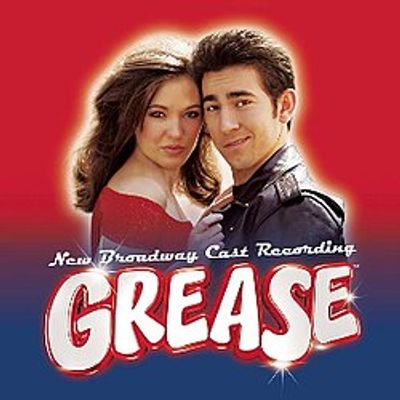
Little Me host and Broadway Workshop director, Marc Tumminelli sits down with his friend and collaborator Farah Alvin for a fantastic chat where they breakdown Farah's childhood performance career and so much more. Farah tells the Little Me audience about growing up in Hollywood and her very early days of playing nightclubs and gay bars, stopping the show with her amazing vocals! Farah shares backstage stories about performing for Bill Clinton at the Kennedy Center, recording the concept album of Frank Wildhorn's Jekyll and Hyde, being part of the MSG production of A Christmas Carol, making her Broadway debut in Grease!, working on I Love You Because, her upcoming album On Vinyl and her special connection to the iconic E.T. movie poster.
Produced by Marc Tumminelli and The Broadway podcast Network
Transcript
This transcript was automatically generated and might contain errors.
[0:01] Farah Alvin: While you were skipping stones, building forts and flying kites, I was missing school and all my Saturday nights. Other kids were climbing trees and rolling down hills; I was singing songs to pay my family's bills. Little me, growing up Broadway. Little me.
[0:22] Marc Tumminelli: Hello, friends. It's Marc Tumminelli, and this is my 50th episode of Little Me: Growing Up Broadway. I couldn't think of any better way to celebrate than with one of my favorite people on the planet. My guest today is an award-winning vocalist and actress whose partial list of Broadway credits includes It Should Have Been You, Nine, The Look of Love, Saturday Night Fever, and Grease. Her off-Broadway credits include Window Treatment, Goldstein, Last Smoker in America, The Marvelous Wonderettes, and I Love You Because. She has starred at major regional theaters, including Paper Mill Playhouse, Goodspeed Opera House, Signature Theater, Cape Playhouse, Jiva Theater, and Alabama Shakespeare. And she has performed as a soloist with Symphony Orchestras all over the United States and Canada. And her solo show was named The Best Cabaret Show of 2019. Please welcome one of my dearest friends on earth, Farah Alvin.
[1:13] Farah Alvin: Yay!
[1:14] Marc Tumminelli: Yay!
[1:15] Farah Alvin: Hello, thank you for having me.
[1:17] Marc Tumminelli: Hi, Farah. How are you this morning?
[1:19] Farah Alvin: I'm great, Marc. How are you?
[1:21] Marc Tumminelli: Good! 50 episodes. Like, I'm so excited that you're my 50th.
[1:25] Farah Alvin: Mazel Tov! I'm very proud of you. I've been enjoying listening to Little Me and hearing all of everyone's early successes and drama.
[1:33] Marc Tumminelli: Yeah.
[1:34] Farah Alvin: It's really fascinating, actually.
[1:37] Marc Tumminelli: Um, before we get into the excitement of what's coming up for you, which is gonna be your incredible studio album, which I can't wait to talk about, I want to go way back. Let's talk about, tell the people where you grew up, what was happening to little baby Farah Alvin. Was she just like belting around the house? Give me, give me the 411.
[1:55] Farah Alvin: Okay, so I was born and raised in Los Angeles, California. And I was always, I used to say Hollywood adjacent. So my parents worked in the movie industry, but they worked, my father was a famous movie poster artist. So we're gonna get to that.
[2:10] Farah Alvin: Right. So, you know, we were the—he spent a lot of time in all of the major movie studios. He knew lots of fancy directors and things like that, but it didn't have anything to do with the performing end or even the sort of the part of a film that you might see. Although we were, you know, very—he was very involved in sort of the studio system at the time. And um, the joke has always been that I came out of the womb performing. We had this sunken living room in our house where the—you entered and it was like a wood floor and then two steps down into a carpeted living room, and that was just my stage. So I realize now that I'm a mom that not all children tell parents, guests to sit down and listen to them do a show.
I didn't know that until I was a parent myself. So that was just sort of normal. I was very extroverted, and I had excellent intonation as a very small child, and then my mom would play for me, you know, instead of kids' music, she would put on her records for me to fall asleep to. So I would listen to like Judy Garland at Carnegie Hall and the Barbara Streisand albums, and that was just kids' music to me.
[3:29] Farah Alvin: So she was just making you a gay man.
[3:31] Farah Alvin: Basically, yeah. I mean, so that was the goal, apparently. So she's like crafting her perfect, you know, Pygmalion-style gay male child. And so one of my signature songs as a very small child was Judy's version of Chicago from the Live at Carnegie Hall concert where I would do the whole breakdown at the end. So literally, like four-year-old me would be like, "Chicago, Chicago, my hometown. Chicago, Chicago. Let me see down. That's my breezy town." I mean, I had the whole thing as though that was just—I just thought that's how the song went. Anyway, cut to. I really wanted to perform. Lots of my friends in LA were kid actors; they were on TV shows, they did commercials. That was just sort of like an after-school project for lots of people.
And I really wanted to do that, but I was very tall. So I'm sure it's been discussed on this show before that, you know, you always have to be older to play younger because older child actors can work longer hours than younger child actors. So you want a 15-year-old to play 10 because the 15-year-old can work a full day.
[4:49] Marc Tumminelli: Yeah.
[4:50] Farah Alvin: So I started doing like open mic things. Is that what your mom started having you do at 10?
[4:55] Farah Alvin: Yeah, yeah. So I started to, you know, I was taking lessons, I took dance class, I took singing lessons, I was in acting class with like lots of, you know, all my friends that were in acting class were all on shows, and it was just sort of, you know, I—not me. Um, but I was studying at this sort of professional level, but there was sort of nowhere for me to be because I was so much bigger than all of the other kids my age. And also at the time, this was like the early 80s, and um, kids—little girls on TV were very quaffed. I used to say they all looked like Margot on Punky Brewster. Do you remember that character?
[5:33] Marc Tumminelli: Yes.
[5:34] Farah Alvin: Like every girl actor looked like Margot, like perfect blonde hair with like perfect bangs curled, and I was just this sort of—Margot had that little headband always.
[5:44] Marc Tumminelli: Yeah, the little headband.
[5:45] Farah Alvin: She was like a little headband. And her hair was so blonde it was white. Like it shined in the sun.
[5:52] Marc Tumminelli: Yes.
[5:53] Farah Alvin: And that was just not me. I was like, you know, dirty elbows and knees. I just was just some more, you know, kid kid. And so I don't know, that there wasn't—I just didn't fit. And uh, but the advantage of that was that my mother, in an effort to find a place for me to not only perform but also furthering my mission to become a gay man, um, started taking me to any place where there was an open mic. So at age 10, I remember we would go on a school night sometimes out to the gay bars, to the piano bars in Hollywood, and I was not allowed to be there because I was underage. So they would let me stand in the kitchen, and then they'd say, "Farah Alvin," and I would go and sing a song.
[6:34] Marc Tumminelli: And then what would you sing?
[6:44] Farah Alvin: So, uh, this—I remember singing Johnny One Note, which was my sort of audition song until I was about like 25. Um, and I sang lots of standards and like Motown stuff. I sang like my—not my girl, that didn't track. Uh, there was a—oh, uh, my guy. "Nothing you could say could say me away." So I would do stuff that was sort of like not—I wasn't in there singing like my way, you know, like um, and but then over time.
[7:18] Farah Alvin: I think they would have loved that. That's the thing is that what started to happen is I, you know, as you know, this is a weird thing to say about yourself, but as I—I sort of am a sort of—I'm an old soul and I always have been. So at some point when I would sing something that was not necessarily appropriate um for a person my age, I remember singing God Bless the Child for a long time. And it was this very like people would cry, like they kind of didn't know what to do with themselves because it was a sort of otherworldly experience, uh, this sort of adult voice and also adult understanding uh coming out of this child person.
[8:02] Farah Alvin: So I did eventually—I went and did an open mic at this club called The Rose Tattoo, and um the owner was uh this woman, and there was a restaurant upstairs, and the bar was downstairs, and I was singing at the open mic, and she came running down the stairs when she heard my voice, and she was like, "What is that? Who is that?" And she introduced herself to me and she was like, "You're incredible." I think I was 12. And she said, "Would you like to do a show here?" So I did a solo show where I talked about all of these.
[8:36] Marc Tumminelli: No way, no way.
[8:37] Farah Alvin: I did. My mom helped me write it, and we got a really good music director, and you know, he helped me put arrangements together, and I did my first solo show. I—God knows what I talked about. I mean, I was thinking like, grades, how about that? I mean, I don't know what I was— I don't know what I was like had to say that was relatable in any way, but yeah, my mom helped me do my patter, you know. And it was that very kind of like your first cabaret show uh patter that's like, "This, I really like this song because," you know, um, that people still do today, regardless.
[9:14] Farah Alvin: I tried to make—I try to make them not do that.
[9:16] Marc Tumminelli: I know you try to make them not do that.
[9:18] Farah Alvin: Um, but at the time, I mean, it was just sort of, you know, what do I—how do—what do I say to get me to the next song? Anyway, that's where I started. And then um, when I finally kind of caught up to my height, um, I was able to start auditioning for real things. Um, I won a lot of competitions and things in the LA area. There's this thing called the Music Center Spotlight Awards. This—I won the Spotlight Awards when I was 15. I think it was a sophomore in high school. And a lot of really wonderful people have come through there. Like Misty Copeland won the Spotlight Awards for Dance and Lindsay Mendez won a few years after me for um musical theater vocals, and you know, lots of incredible classical and uh contemporary uh artists have come through the thing.
It's at the Dorothy Chandler Pavilion, and I—I won that competition and got representation, um, which had just sort of always eluded me again, because it was sort of like someone would be like, "Well, I'll represent you, but what are you gonna do?"
[10:17] Farah Alvin: So um, I started auditioning when I was still like a junior in high school, and then my senior year, I booked a show that um got me my equity card.
[10:30] Marc Tumminelli: And that was Fame.
[10:32] Farah Alvin: Fame in the musical. It was the American premiere of Fame. It had been a huge hit in Sweden. And I was playing the play version of Doris Schwartz, which is Serena Katz. Um, and many other super talented people have played Serena.
[10:50] Farah Alvin: Um, Janet Metz is a Serena. Um, Jen Gambitese is on the recording.
[11:00] Marc Tumminelli: Yes, very close.
[11:01] Farah Alvin: Yes. Um, so I—I mean that was a surreal experience. And I wound up because I was almost done with my senior year, and I had been taking like AP classes and stuff like that. So I was kind of ahead. I finished—this was 1994 before people had emails, and I finished my senior year on correspondence. So I went, I did my homework and I mailed it to my teachers.
[11:27] Farah Alvin: Like went to the post office. Yeah, the legit like in a big envelope put my history paper and then I mailed it, and then they graded it and mailed it back, and I got my diploma in the mail.
[11:38] Marc Tumminelli: And so there's like no question, this is what you were going to do. That like the second you could move to New York, you would start with the case.
[11:45] Farah Alvin: Yeah, there was no question, correct. There was no question that that's what I wanted to do. I didn't know that the path would happen quite at the speed that it did. Um, because after that point, um, I spent a year, I was at that point, it was like I was a senior in high school when I started working, and I thought, well, you know, do I go to college now? Do I interrupt the momentum that's happening of working?
[12:10] Farah Alvin: I mean, what 17-year-old plays a lead in a new show and gets, you know, uh gets their card? So I just felt like, oh, this seems like a weird time to stop doing what I'm doing. And so while I was making that decision and trying to figure out where and if I was gonna go to college, um my I did the uh I was cast on the the Jekyll and Hyde concept album the big double C V with Carolie Carmelo Linda Edder and Anthony Warlow correct which was like making the rounds many years before that show opened on Broadway and everyone was talking about it.
[12:44] Marc Tumminelli: Yeah.
[12:45] Farah Alvin: So when I was in high school the concept album that was just Cole Wilkinson, I think Cole Wilkinson and Linda Edderts that's a one CD. What single CD with the ugliest logo that has ever been made for anything. It's like a wolf and a man in a circle it is I just it's like seared into my brain of like oh this certainly can't be what they put out on a CD for they'll change that. They'll change that.
[13:11] Farah Alvin: Um they had done a production of it I think at the Alley Theater in Houston and then this was this big double concept album which was really revolutionary at the time to kind of six has basically since done that. Like the show six has sort of been like here's all the music so that when you arrive the day that the show opens you're fully memorized. And Jekyll and Hyde was kind of the first show to do that. And so I was I auditioned for that I got cast and it was me and a bunch of just all of these who are people who I think of as Broadway luminaries but they're really like lot lifelong gypsies that were in the company it was Willie Falk who was the original Chris and Miss Saigon. It was um Brad Oscar who b before producers and before that all happened for him Christine Petty who was like a forbidden Broadway legend at that time, um, you know, Bill Knowlte, all these people who I had just been doing it.
And I was in the midst of trying to decide what I was gonna do next. And every single person was like, oh, you just have to go to New York. Like, don't, like, that's silly. Like, you're if you're in this with us, you're good enough. So just go, just go to New York.
[14:23] Marc Tumminelli: And you were still in high school when you're on when you recorded.
[14:25] Farah Alvin: It was the year after I was in high school. Um myself, Jason Howland was the music who wrote Little Women was the associate music director on that. And Jason was like 20. Like he was a hot second, and he was and he was so mad at me that I came in to be the younger person on the thing. I'm sure other people have talked about this, but like you you do have this weird pride of being the baby when you're the only, when you're the the kid adult for a while. Um and oh, I had it, I had it a lot. And then you don't. And then you don't. And then you don't. And then one day you're like, oh, there's other people here that are a year younger than me. And then one day you're the oldest person in the company, which has happened to me quite recently. So fun.
[15:08] Farah Alvin: Yeah, if you make this my my take on it is like if you make it long enough in this business, you get to be the oldest person.
[15:14] Marc Tumminelli: Now, did you sing for Bill Clinton at the Kennedy Center?
[15:17] Farah Alvin: I did, yes. So I won this award that's now called the Young Arts Award. It's a national competition.
[15:23] Marc Tumminelli: Oh, yeah, young arts is a very, very big deal.
[15:25] Farah Alvin: Yes. So I won the first place position as a young arts awardee. And then the first and second place people are nominated to become presidential scholars in the arts. And so I was nominated. You have to then also be like a good student and a good Samaritan, and you have to write an essay about all the reasons that you're special. And a hundred and twenty one uh there's a let me think, it's like a hundred and ten or a hundred and one academic scholars and 20 art scholars from all over the country um are selected to come to Washington, DC and be participate in this special presidential scholars week. So I was a presidential scholar in the arts the year I graduated on correspondence, and I got to go to Washington, DC, and Bill Clinton was president at the time.
I have a like literally like a snapshot of like Hillary Clinton uh like at a podium, like talking to us, and Janet Reno spoke to us, and like uh it was this really incredible experience. And you know, we got to shake the president's hand and the the art scholars, all the performing art scholars, like the the visual art scholars did a thing at the National Gallery, and all of the performing art scholars did a concert at um the Kennedy Center.
[16:38] Farah Alvin: So it was like very so cool. And what like an informative experience for a young person to see sort of like the government at work or something. I don't know. It was interesting, you know what it what it was was it felt like um I yeah, it wasn't it was informative. It was it was it felt very special just to sort of be I think the minimum requirement for the academic scholars was like the minimum requirement requirement was that you got like a perfect score on your SATs. So it was sort of yeah. So it was like just kind of being around all these very intelligent people and then going like, oh, I guess, I guess I'm I guess I'm good, you know, I guess I'm special. I I mean it's hilarious to so many people who all the world has heard of in the arts, like Tony Yasbek was a presidential scholar, and my friend Leonard House, who's this character actor you've seen in everything, he was a scholar in the arts the year after me, and like Desmond Richardson, all these like incredible people.
And then I'm like, hi, I'm doing a cabaret show. So um I think it's funny to me, but I I it it was uh at the time a very uh extremely validating experience because it's one thing to be special, like in your hometown, even if your hometown is Los Angeles, which is like a pretty major um creative environment. Um, but it's another thing to be recognized nationally, and again, like by your future peers on a project that's going to New York and have people be like, yeah, you're you're the kid. You're gonna do it.
[18:11] Marc Tumminelli: Before we talk about you making your Broadway debut, which was not long after you arrived in New York, I want to touch down on your dad because um, as you mentioned, he's like one of the most successful movie poster illustrators that worked in Hollywood, like in the history of the movie business. And so I'm sure it was very exciting, you know, to kind of see that happen around you. But your dad sort of created the artwork for movies like Blade Runner and Gremlins and Goonies, The Color Purple, Little Mermaid, Batman Returns, Beauty and the Beasts, Aladdin the Lanking, Space Jam.
[18:42] Farah Alvin: I mean, it could Harry Potter and The Philosopher's Stone.
[18:45] Marc Tumminelli: I don't know about that.
[18:46] Farah Alvin: So he didn't, he did some like other like um, not the movie poster for Harry Potter, but uh did like other types of art around that. But everything else, he did what's called the key art, which was the movie poster art. So the when we were children, uh young people, you used to see like you'd go to a movie theater, and in the theater, you'd see a poster for movies that were going to be there. And the movie poster was an advertisement for what was going to be the movie. And it kind of what my dad did was this sort of very unique and special thing, which was his the way he used to say it was um I'm what was it? The the promise of a good experience. So what it was was his his artwork was this sort of storytelling a little bit about what the movie would be.
And his style, along with a couple of other illustrators from that era, really became this iconic. Um the images are more memorable for people than the movies themselves. And one of them the biggest movies that he designed and a very iconic poster is the E.T. movie poster, which of course everybody, everybody on earth can close their eyes and imagine what that looks like. I think even people far younger than us, like that movie is such a big deal.
[20:12] Marc Tumminelli: Now I need you to let's go on the record and tell people something that they do not know.
[20:18] Farah Alvin: My favorite Alvin fun fact, tell the people. Okay, so my father was hired to do the movie poster art for ET. Uh, the studio would not release any images of E.T. at all. They would not let him know or anyone know what E.T. looked like at all. And the only thing they would give him eventually was um uh a script, which he read and a reference for what the ET hand looked like. So, with this information, my father decided to do a recreation basically of um the Sistine Chapel, uh, which was knowing that there's this moment in the movie where E.T. touches Gertie's hurt finger and heals it, and so he knew that from the script, and he had the hand, and he was like, That's what we're gonna do, creation of man.
And so he decided to illustrate that and he needed a hand model reference for the child and Drew Barrymore and I are the same age so she was like six I think seven when that movie came out when she shot it and so I was the hand model for the kid's hand in that poster so I had to stand and pose and then he my dad took like a hundred Polaroids of my hand and then drew from my hand model reference and so that's my hand in the ET so you are the hand in the ETU poster it is my favorite Farah Alvin fun fact.
[21:49] Farah Alvin: It's my left hand there's the finger oh my god that's so cool have you have you explained that to your child no I don't think he would get it and my my kid is like my father is deceased and so like my there's this there's so much for my child to absorb about what the images are that his grandfather created so like sometimes my kids bit my kid's comic bit is like when something is like crazy he does a fake pass out um so like when someone you like would you believe and then he'll be like and you're like this is out he's really working on his bits right now anyway um he uh he's seen et and I think we were like do you know see this poster like because we have a picture of it at home that grandpa John made this poster and that was enough like already that was like enough the brain exploded.
[21:49] Marc Tumminelli: Yeah what a what a fun thing to get to uncover as a kid be like my grandfather made all of this cool art and that Goonies poster man that was like the Goonies poster is also iconic and then what's fun is not everything a lot of the studios would not allow him to sign his name but even when they did my dad wasn't like I did this so he had like this huge signature so we used to do this very sometimes just an A for Alvin and then other times like a very well kind of what's like um printed like block printed Alvin is in certain posters hidden certain places so in the ET poster it's right on the curvature of the earth if you look very closely you can see it there and um there are other ones in Blade Runner it's in on the edge of one of the buildings and and then I showed up in other posters too so the original Princess Bride poster they reformatted it at a point and put the two lovers um Buttercup and Wesley in it but the original format was this beautiful Maxville Parish style environment where um you know like that looks kind of like the world the fantasy world that they're in and then at the center of it is the grandfather reading to the little boy and that's me also.
[21:49] Marc Tumminelli: Oh my god this is amazing all right back to Broadway this is a really fun segue fun to you moved you moved to New York and within three months you book your first probably show which was the then hot hot hot hit revival of Greece with Rosie O'Donnell so slight close we're very close so within three weeks I booked my first New York production like my first production contract which actually was not Greece but was the Lynn Aaron's Alan Mankin Christmas Carol that was at MSG.
[24:19] Farah Alvin: Oh my god, I didn't realize that was first. I thought that was after. That was first, so legit. I didn't know anybody. I was like, I think this is how I get to the studio on the subway. I walked into a room full of people.
[24:31] Farah Alvin: I had been in New York for less than a month. And you know how, like, I don't know, you know how on the first day of a Broadway show, like, no, on the first day of a show, typically, you know, this business is very small.
[24:43] Farah Alvin: And so people have worked together before and they all know each other. And Christmas Carol had happened at MSG the previous year in 1994. Um, but they didn't love it, like the writers didn't love it.
[24:54] Farah Alvin: And so they decided to do some rewrites and some recasting, and they basically were treating it like an all-new show, except that like a good portion of the people were also returning from the previous year, and they knew each other from show business.
[25:07] Farah Alvin: So I'm like standing there like a corpse, like I don't know what, I don't know anybody. Am I allowed to talk to anyone? Why do they all know each other? And this woman walks over to me and is like, Are you Farah?
[25:17] Farah Alvin: And I was like, Yes, and she goes, Hi, I'm Susan Stroman. It's so nice to finally meet you. And I was like, what is happening? So first day of rehearsal on a new show, the writing team often sings through the score, and like Alan Menken and Lynn Ahrens sang through the score.
[25:36] Farah Alvin: Uh, they sang all the songs. It was a truly mind-blowing experience. So that was a great experience to do before you have to do a Broadway show, eight shows a week, like to do 20 shows a week at Madison Square Garden and kind of get used to that.
[25:51] Farah Alvin: Like we were about to have. It was like boot camp. It was really hard in that respect, but also I was very blessed that so many of the people in that company were also just these, again, Broadway veterans, people who work all the time.
[26:04] Farah Alvin: We had Ben Vereen was our Ghost of Christmas Present, and um, uh, Terry Mann was our Scrooge, um, both lovely, lovely human beings. Um, but um, more than more so than them, the other people who were in the ensemble with me were people who had been in 15, you know, 20 Broadway shows.
[26:23] Farah Alvin: So when I was like, Am I, you know, I, I am I allowed, my shoes hurt, you know, and I would think, like, I don't, I don't know, can I say something? And they'd be like, girl, you gotta go get your shoes fixed. Like, that's not your job.
[26:35] Farah Alvin: And okay. So like I had these people who were fostering a sense of integrity around me, which was really, really special and important at the time. Because then I spent a year unemployed afterward, you know.
[26:46] Farah Alvin: But then I got the national tour of Grease the following year. And that then led me to my official Broadway debut. Um, I was still only 20 years old when I joined the Broadway company.
[26:57] Farah Alvin: And um, I came in after playing Jan on the road. I came into the Broadway company understudying Jan and Miss Lynch.
[27:06] Marc Tumminelli: Of course.
[27:07] Farah Alvin: Naturally, tell the people why you had to understudy Miss Lynch.
[27:11] Farah Alvin: Because I was the tallest girl. Makes me laugh every time.
[27:14] Marc Tumminelli: So who were like some of the notable celebrity standouts that you got to work with in Grease? Because that was a, that was the Weisslers pre-Chicago when they were like first starting to figure out if we put in Linda Blair, we can run three more months, and then we'll put in Linda Blair's who I saw in Grease on Broadway.
[27:34] Farah Alvin: And so then you saw me too, because I, yeah, you were, you are in my playbill, Farah.
[27:39] Farah Alvin: Um, Linda, Linda was a really nice woman, is a really nice woman, I'm sure.
[27:45] Farah Alvin: The billboard, and let me tell the people in case they don't know. The billboard in Times Square had a picture of Linda um that was Rizzo.
[27:54] Farah Alvin: As Rizzo, and at the top of it, the head was a cube that spun around, like watch my head spin because she was in The Exorcist.
[28:03] Marc Tumminelli: Yes, that was what was above Howard Johnson's in Times Square, yeah.
[28:08] Farah Alvin: Yes, it was a great ad campaign though. Pink everywhere and all the people having a good time.
[28:13] Farah Alvin: It was her head spinning. It was bold.
[28:15] Marc Tumminelli: It was bold.
[28:17] Farah Alvin: Um, we, I will tell you that the, let's see, well, interesting people that we, that I did the show with, both on the tour and on Broadway.
[28:26] Farah Alvin: Um, Tracy Nelson uh was my first Rizzo. And she's, you know, people may not know her. If you Googled her, you'd be like, oh, Tracy Nelson.
[28:34] Farah Alvin: She worked a lot as an actor in the 80s. Um, but her father was Ricky Nelson, who's literally mentioned in Grease.
[28:42] Farah Alvin: And so Ozzie and Harriet Nelson were her grandparents. So she was this part of this like 1950s legacy.
[28:50] Farah Alvin: Um, so that was a trip to have her, like, there's literally a line in the show about how cute Ricky Nelson is.
[28:56] Farah Alvin: So it was like a very surreal thing. And Tracy is an amazing person and just a very grounding, wonderful energy.
[29:02] Farah Alvin: Um, I did a show with Peter Scolari, Donnie Most, Jasmine Guy, who was awesome.
[29:09] Farah Alvin: Um, Joe Piscopo, um, the late Jeff Conaway, who um played Pinky in the movie and played Vince Fontaine when we did it on Broadway.
[29:21] Farah Alvin: The most iconic uh Rizzo performance and just celebrity stunt cast besides Linda Blair was um, uh Lucy Lawless, who played Xena Warrior Princess.
[29:34] Farah Alvin: Yes, of course, and it was the most iconic for me.
[29:36] Farah Alvin: Uh, I mean, at the time, because a lot of times, listen, everybody's gotta work. I appreciate everybody like reviving their career, but for the most part, a lot of the people that we had as celebrities in the show were people that were famous either during the period of time that Grease sort of took place or adjacent to it, or you know, a while ago and they were kind of like trying to figure out a way to boost things.
[30:04] Farah Alvin: Oh, Donnie Most. Did I say that? He was Donnie Most. Never forget.
[30:10] Marc Tumminelli: Don't forget Donnie Most.
[30:10] Farah Alvin: Um, but um, Lucy had really, like, Xena had like just stopped being on TV.
[30:19] Farah Alvin: It was like a really big show then.
[30:20] Farah Alvin: It was huge. This is 90, I want to say like 98 around there, 97.
[30:25] Farah Alvin: And so her fans were rabid. They were rabid. They were completely insane for her.
[30:33] Farah Alvin: And there's this part in a show uh where Rizzo barks at Cha-Cha, like Cha-Cha is like, I, and Rizzo goes, woof, woof, like back at her, like that's, that's the script.
[30:46] Farah Alvin: Anyway, um, that's the, you know, on the page. That's what's typed out.
[30:50] Marc Tumminelli: Yes.
[30:51] Farah Alvin: And so all of the Rizzos did something sort of different with it because it's a hard joke to land.
[30:57] Farah Alvin: And Zena, I mean, Lucy would go do her Xena warrior cry.
[31:04] Farah Alvin: So Jen Cody as Cha-Cha would be like, I or something.
[31:07] Farah Alvin: And Lucy would go, ooh, which was her like war cry on the show.
[31:12] Farah Alvin: And the audience would be like, ah! I mean, they completely lost their minds.
[31:20] Farah Alvin: And we were like doing a cha-cha, like because we're at the dance.
[31:24] Farah Alvin: So all of us on the ensemble would be like doing a cha-cha.
[31:26] Farah Alvin: And what my scene partner Bill Roland and I, we decided, my dance partner, we would count how long the show would stop for.
[31:33] Farah Alvin: And it would sometimes stop for up to a minute, just cheering for the crazy war cry.
[31:38] Farah Alvin: That was an intense uh stunt cast, yeah.
[31:41] Marc Tumminelli: What an interesting first Broadway show, official Broadway show. I'm sure.
[31:44] Farah Alvin: Um now, of course, you went on to do lots of rabbi shows like The Look of Love and Nine and It Should Have Been You and Saturday Night Fever.
[31:52] Farah Alvin: Um, and there, and Reuben and Clay's Christmas Spectacular. You, you, you never quite stop, but I have to talk about I Love You Because real quick.
[31:59] Marc Tumminelli: Yes.
[31:59] Farah Alvin: Because that's our connection.
[32:01] Marc Tumminelli: Yes.
[32:01] Farah Alvin: And much like that teacher or that woman who owned the bar who stopped in her tracks.
[32:07] Farah Alvin: It's actually we have the exact same story. I was um working for the producer uh Fred Crusoe, and I was working all day, and so I would not really see the show at night.
[32:19] Farah Alvin: And then one night I was still there, like dealing with some concession, something, and I heard you singing the second song in the show, and I literally froze in the lobby, and I was like, who is this woman?
[32:31] Farah Alvin: And I went in and watched the rest of the act, and it was the most exciting voice I'd ever heard.
[32:38] Farah Alvin: And I still stand by it. It is so, it's like you and Linda Eder, my loves.
[32:51] Farah Alvin: Even though you're such a dork, and I don't feel the way I should, even though I should stop.
[33:00] Marc Tumminelli: Well, here I go.
[33:04] Farah Alvin: I love you in a way.
[33:07] Farah Alvin: I didn't even know I could.
[33:12] Farah Alvin: That show was such a great showcase for you and who you are, and it felt like it was almost written for you.
[33:19] Marc Tumminelli: Yes.
[33:19] Farah Alvin: And there's, you know, young people around the world have listened to that cast album, and there's a great love for that show.
[33:25] Marc Tumminelli: Can you just tell me a little bit about uh sort of working on I Love You Because?
[33:28] Farah Alvin: Yes.
[33:29] Farah Alvin: Well, it wasn't, it was a turning point in my career.
[33:32] Farah Alvin: Uh, it went from being a kind of ensemble player in more mainstream things to being a leading player in more uh independent, slightly more creative work, which then sort of informed the rest of my career and my career decisions after that.
[33:52] Farah Alvin: Um, so I, I, there is without getting into too much detail, I had had, there was a path that was sort of turning for me right at that time.
[34:01] Farah Alvin: I had been doing readings and workshops of I Love You Because there was a funny story about that too that I'll tell you in a second, just because it's sort of all those you're always in the right place at the right time kind of things, you know.
[34:11] Farah Alvin: But uh, you know, there was a potential opportunity for a career as an ensemble player in a very long and a show that's still running today.
[34:19] Farah Alvin: Um, I was like, I want to play the lead in this new off-Broadway show.
[34:24] Farah Alvin: I want to create this. And it, it did, it changed my career.
[34:28] Farah Alvin: It also changed like my whole orientation to how I wanted to be a performing artist.
[34:32] Farah Alvin: I was so fortunate in these stories of having success very young to say, like, oh, I did that, you know, I did this.
[34:38] Farah Alvin: I was, you know, in a Broadway show.
[34:40] Farah Alvin: Susan Stroman was the first person I met in a New York rehearsal room.
[34:43] Farah Alvin: I, I, I was in a Broadway show when I was 20 years old.
[34:47] Farah Alvin: I, I sort of checked those boxes, uh, so fortunate to have done so so early, that then I had this sort of sense of, well, what else can I do?
[34:56] Farah Alvin: What's next?
[34:58] Farah Alvin: And so uh, creating new things was the path forward for me.
[35:02] Farah Alvin: I had met Josh Cunningham and Ryan Saltzman when they were in grad school at NYU.
[35:07] Farah Alvin: NYU has one of the best grad, maybe one of the only graduate musical theater writing programs in the country.
[35:14] Farah Alvin: And I had been going there and doing new work there for people for, you know, many years already.
[35:20] Farah Alvin: It's sort of like singing on demo after demo after demo.
[35:20] Farah Alvin: Demo after demo after demo.
[35:25] Marc Tumminelli: Yeah.
[35:25] Farah Alvin: Yeah, yeah, yeah.
[35:27] Farah Alvin: And yes, and establishing relationships with like lots of people.
[35:31] Farah Alvin: So I'm friends with people that I know through that program from coming in and being an actor for hire, are like, you know, come people who are really important, I think, in the world now, like Joe Iconis and Michael R. Jackson and Nathan Tyson and Chris Miller.
[35:46] Farah Alvin: And I mean, I know all those people.
[35:48] Farah Alvin: I did, I did Nathan Tyson's first year 20-minute project before he wrote his thesis with Chris.
[35:56] Farah Alvin: Like I've known these people since they were like, I think maybe I'm a musical theater writer.
[36:00] Farah Alvin: So I met Ryan and Josh that way.
[36:02] Farah Alvin: And uh, I did a very, very early draft of a song for Marcy and Austin.
[36:09] Farah Alvin: Like they were like, what if we did a contemporary Pride and Prejudice?
[36:12] Farah Alvin: It was like a side project.
[36:14] Farah Alvin: They had heard me sing for someone else.
[36:16] Farah Alvin: Will you come in and sing this?
[36:18] Farah Alvin: And then lots of other people played Marcy for a long time. Um, I think it was their thesis, and I wasn't available for it. There were lots of other reasons that I didn't do it. And then eventually they said, "We're doing it at NAMT. Would you be interested?" NAMT is the National Association of Musical Theater Producers. It's a big conference where people do new work. Um, our director, Dan Cuttner, who was attached to the project by the NAMT thing. I show up to rehearsal for NAMT, and he goes, he had a similar experience of like, you know, wait a second. When he hears me and he goes, "Oh my God, I just saw you play Fanny Bryce in Kansas City." So we're in rehearsal, and Dan says, "Wait, I, you know, his wife went from Kansas City and happened to be visiting her parents, and they happened to go see me play Fanny Bryce."
And he turned, I guess, immediately to the producers and was like, "Hot, make sure she's contracted for this show. Like, do not let her get out of your hands. This woman is a comic genius, and she's an extraordinary singer." Like he had just seen me do one of the hardest comic and also sort of tragic comic roles in the theater with all of my voice. And he was like, "Oh my God, like that's who we need." So, you know, sort of weird, like I just wanted to play Fanny Bryce, and it turned out that the director of my next project happened to see me in that and had nothing to do with why I was at I Love You Because. But it's a really special. I loved working on that show. I'm still obviously, I'm at you, the most important relationship I made there.
[37:55] Marc Tumminelli: That's my favorite thing I've heard all day.
[37:57] Farah Alvin: Well, that's true.
[37:59] Marc Tumminelli: 10:15 a.m.
[38:00] Farah Alvin: That's so true. Um, but Colin Hanlin, my co-star, is still a wonderful friend of mine, and um, I'm still friendly with Ryan and Josh. And what's amazing is just listening, you know, to people do the material from that show, bringing it in now that when I teach college and they bring it in, it's in their book. You know, it's really special. I feel like I, uh, it told me a lot about the kind of work that I wanted to do, and it's made a very lasting impression. We call it, as it says, a cult following, is what we call it.
[38:28] Marc Tumminelli: It does have a cult following, and you know, obviously, you are so incredible on all of the cast albums that you appear on. Like, you know, we all listen to Marvelous Wonderettes to hear you belt so high, so high, so high. And the hardest show ever. Um, and obviously all of your Broadway musicals, and it's all very exciting. I want to just quickly touch down on your solo album Someday, which I love very much.
[38:52] Farah Alvin: Thank you.
[38:52] Marc Tumminelli: Is there, and it's all songs you wrote, and they're great tunes. Like you're an excellent songwriter.
[38:58] Farah Alvin: Thank you.
[39:14] Marc Tumminelli: Set me free.
[39:18] Farah Alvin: Set me free.
[39:22] Marc Tumminelli: Set me free.
[39:27] Farah Alvin: Is there any plans to sort of have a release of that so that people can get that on their Spotify's and iTunes music?
[39:35] Farah Alvin: I, you know, it's something that we, I am very recently considering. I never, when I did that album, there was no iTunes. There was no, I mean, I did, I, there was nothing. I independently produced a record thinking like I'll have all these CDs that'll sell at my gigs, and then like nobody uses a CD, and like I don't do gigs anymore. So, um, uh, at the moment, there is no, um, there's, there is no way to download Someday, but, uh, but I'm being influenced by you and by others to try and we're gonna get that out happen on a streaming platform. There is one way right now, actually, to get a copy of Someday, a physical copy of Someday, and that, um, so, um, we, I'm currently segue raising money in a crowdfunding way to record a new album that is all music that people know and love, uh, all music from the 70s, which has been the thing I've been doing lately. Um, I've had these two very successful shows that are one-person shows that Marc Tumminelli himself directed and helped us contain this guy.
[40:48] Farah Alvin: Uh, and um, you have two shows, one called On Vinyl and one called B Side, which is also available to come to your theater if you'd like to book Farah Alvin and Michael Holland and maybe even a full band. We can come and do those shows at your theater or cabaret space. But these two incredible shows that encompass some of the greatest music of the 70s, um, will now be sort of refined down to this incredible studio album, which will be a really big thrill for everybody. So tell me about what you expect for that album, what you want to have happen, and then we'll tell the people how they can help make it happen.
[41:22] Marc Tumminelli: Yeah, so you know, when we did the On Vinyl show, uh, to a person, every person walked out of the room saying, "When can I buy the album?" The music is so iconic and feels like it's part of everybody's experience, daily experience in childhood. I was just at a physical therapy the other day, and "Eres Tu" came on the radio, and my physical therapist, who's also like, you know, a young person in her early 30s, maybe even her 20s, knew every word, sang along. And so there's songs that are just so in our blood because they're great songs. And then with Michael's arrangement and my interpretation of things, they have this very sort of new spin. We're not reinventing the wheel, we're not doing this with like a crazy dance beat.
We're just doing great versions of these songs, which already feel very personal to me and to so many other people. So by doing a studio album, we'll really be able to flesh out the sound. So multiple tracks of vocals, which is something that your brain expects to hear on these tunes and more instrumentation than just what we are able to do live. And um, and then you'll be able to listen to it every single day. So that's been, uh, the goal. And um, where we set a very modest goal of $12,000, which is really a baseline of like that would be doing the album on the cheap, but would enable us to do a lot of really good stuff. So our goal is really to exceed that so that we can add more amazing instrumentation, more studio tricks, um, more production value, and even more songs potentially to the finished product, which will be streaming and which will also be available on CD. And if we exceed our goal enough, we're going to do a vinyl print of On Vinyls.
[43:13] Farah Alvin: Which we have to do. We have to do a vinyl print of On Vinyls. We just have to do it. So we are super close actually to meeting our initial goal right now on our Indiegogo campaign. Um, and um, but I would really love to have it be the best possible version, and that really just requires more funding. So that's kind of where we are right now.
[43:34] Marc Tumminelli: Well, to all of my listeners for my 50th anniversary episode, it would make me so happy if you went to igg.me/at/onvinyl. Um, it'll also be in the show notes and all that fun stuff. And just donate 5, 10, 20, 35, 1000. $1,000, whatever.
[43:52] Farah Alvin: Um, we also have $1,000, whatever you have. Whatever it's not just in your pocket change. What is it about this music that you're so drawn to it? I mean, obviously, I know it's the soundtrack of your childhood, but what do you think it is about these songs that they live on and that this is a one slightly generation right before mine, but it's the music I gravitate to as well. So I just want to hear what Farah's thoughts are on that.
[44:17] Farah Alvin: It's such a good question. I think what I discovered is that a lot of people gravitate to this music of all ages and all walks of life. I think at the end of the day, it's just really good music. It's well crafted. And the thing, so great melodies, great chord changes, great lyrics. But I think the thing that makes this music really special, especially the tunes that we selected to put into our show, is that the songs are personal. They feel personal, they feel confessional and truthful. You know, I know Marc is obsessed with my version of "Poetry Man," um, which I love "Poetry Man." BB Snow song. And I, it's so, you feel like you're there in the room with the storyteller. So there's this, I think this storytelling quality that all of these great songs have that feel, you know, they don't feel like, "Oh, you know, it'll be a great..." There was something about, I actually teach pop music, teach other people how to sing it all the time.
And there's something, you know, when you listen to a song like, um, you know, from the earlier 60s that feels very like, "This'll be a hit. Let's do these words because this is hook, this is hook is good." And like there's some of that in the 70s, and there's certainly some of it in my show. But more than that, there's just a lot of songs that feel like this only this person could have written this song. You know?
[45:39] Marc Tumminelli: Yeah.
[45:40] Farah Alvin: Um, so I think that that's what makes it really special is this truthfulness. And then that's the kind of performer that I am. So it's a good marriage. And you with Michael Holland is really a special thing. He is a musical genius, and I love working with him.
[45:54] Marc Tumminelli: He laughs so hard if you call him a musical genius.
[45:57] Farah Alvin: No, but he is.
[45:58] Marc Tumminelli: I agree.
[45:59] Farah Alvin: I agree. He plays the piano and it sounds like 13 instruments. I'm like, "Wow, are you doing this?" He's so remarkable, and his arrangements of these songs are truly brilliant without changing ever the intention. It's just lifting up the material. It's so, he's so special.
[46:15] Marc Tumminelli: I agree. I mean, I feel so, so lucky that we were that he was even available to hire him for this. We had only worked on a couple of things together before. And when Marc and I came up with the concept of the show, Marc said, "Who do you want to music direct?" And I, he was the first person that came to mind. I just didn't know if he'd be available. And truthfully, I didn't know him very well. And we, I've just been so fortunate that we're like, we have a very sibling-like relationship. So we immediately just have a connection and a way of communicating with each other that is that's useful and productive and um, respectful and gets the job done, which is what I, Marc knows, like I really like to do.
I'm like, "Okay, now what? What's next?" So, and Michael's in my, it's gonna be such an exciting album, and I'm so thrilled that we can kind of start working on it because I think we're at a place where we have certainly raised enough money that we're making this happen. I'm sure everyone could just like just push us a little bit further on the other side. We're, I mean, for me overwhelmed. The big incentive right now is that like to be able to do, I guess there's a shortage on vinyl. There's like lots of production shortages in the world, and I guess there's a shortage of actual vinyl records or the ability to make them right now. So it is a, it's a definite extra expenditure. And um, that to me, I just, I can't, it can't not happen. I want people badly to be able to be like, "This is my album on vinyl on vinyl." It just has to be to put a needle, I have to put a needle on a record right and hear your voice. It's gonna happen.
[47:48] Farah Alvin: And the goal too is that that album will not sound like me doing a cabaret show. The album will sound like this is the, you'll feel hopefully like the same way you feel when you listen to the original version. That's what we're aiming for. Except it's me.
[48:01] Marc Tumminelli: Well, I can't wait to make it happen.
[48:03] Farah Alvin: I can't wait everyone for everyone to hear it. Um, also I do have to also let the people know that you are the greatest nutritionist on earth and all of the talents that you have.
[48:12] Farah Alvin: Oh my god. But you have helped so many people find success with their bodies and their, uh, you know, the way they feel about food and their relationships to food. And uh, I can tell you everyone that you've helped me immensely in that world as well.
[48:26] Farah Alvin: Thank you. And uh yeah, that's my side hustle. That's side hustle too. I just want to sell all the Farah album things because they're so they're I I deal in a currency of Farah Alvin. It's the greatest, it's the greatest gift. So um check out the Indiegogo, check out farahalvin.com for all information about upcoming shows and also the um how to get the Indiegogo if you don't have the link and uh Nourished with Farah Alvin, which is also a great way to change your life very easily. Thank you. Um we have to do obsessed and quick fire questions. So Farah Alvin, what are you obsessed with?
[49:02] Farah Alvin: I'm obsessed with Elizabeth Holmes and Theranos. Totally obsessed. I I I'm seconding this. I got to the Theranos very late. Oh. And I uh only watched it two weeks ago, the documentary, and now I am watching the daily news coverage. Constant updating. I mean, it's like I feel like I've got like a Google alert. This girl duped everybody, but in the wildest way possible. She's so insane. And in a way, also that, like, literally, when you hear like the consequences of her duping, you're like, what? Like, it's truly like it is mind-blowing, mind-boggling. And there's this one moment, I'm to talk about it. And I wish I knew the woman's name. I feel a terrible person. I don't, I can't recognize her name, but in the documentary, the HBO documentary.
I think there's another one too, which I haven't seen yet. But the HBO one, there's this woman who was like the science technology professor at Stanford University. And Elizabeth Holmes was like, this is what I want to do. And this woman was like, that's a great idea, but that's not possible. And she was like, no, no, it is. And she was like, no, it's not. Like, here's why, and gives her like a thousand reasons. She's like, great idea. Go back to the drawing board, keep working on it. And Elizabeth Holmes, like, didn't like that answer. So she just was like, then went to like these rich guys and was like, I'm cute. And I don't know what she, it wasn't quite quite, I'm cute. It's like this weird.
She's definitely not cute. But she definitely like duped these old white guys with. She's like, I have an idea. She's the lowest voice. It is of lower than Countess Luanne Dayless Upps. It is, it is a wild situation. If you don't know what we're talking about, just go. Go with it. It's, I mean, yeah, literally Google it. Also, slightly obsessed with Nexium still, but I'm really onto Theranos now. We're we're just moving on. Have you watched Lady in the Dale? I talked about it last week on the podcast, but you have to talk about the uh the woman who uh created the Dale car, the three-wheel car. Um that was also a very big dupe. Uh it's fascinating. It's on HBO. My Obsessed This Week is Enlightened with Laura Dern, which I totally had slept on.
And then after watching Mike White's White Lotus, we went back to watch Enlightened. And it it Laura Dern is Chef's Kiss. Yes. What an actress. Um check out Enlightened. All right. Ready for the Broadway Workshop Quick Fire Questions?
[51:25] Farah Alvin: I don't know if I'll ever if I'll ever be ready, but okay. First audition song we covered this, but just say it again. Johnny One Note. First Broadway show you saw? Uh Miss Saigon. I saw uh the National Tour of Cats was my first like big show, but on Broadway, Miss Saigon. That's a good first project. Yeah. Um favorite Broadway show that you were not in. Oh God, what a hard question. Uh I'm a mm-mm, I'm um oh, title of show. Great. Um artist you would like to work with that you haven't. Oh, I want to work with um uh with the Cohen brothers. Something that you have turned down that you had second thoughts about. Oh. Yeah, I'm gonna pass my. That's like a therapy session. I can't. What revival would you like to star in?
Um, I wanna star in um, MAME. Great. Mame is coming up a lot these days. Um I mean, I've got a few more years, but you know, who else? Yes. Who um do you like to who do you talk to the most from your Grease days? Oh, um I'm still really close to um my ensemble mates. My I there were three of us that had to do this weird thing in the bathtub in Sandy's in in Rizzo's bathroom or Marty's bathroom where we sang backups on Freddy My Love and my friend Joanna Young. We're still really close and we talk really regularly. I love that. What is something that you did a workshop or reading of or whatever that didn't come in that you're super sad about? Oh my god, Date of a Lifetime, tragedy. That was so good.
So good. We just I got to see you do that. This didn't happen, and now I'm definitely too old if it does come in. Have you ever seen Little Abner? What a fascinating question. No. I don't think anyone has. I really don't know anyone who's ever seen a production. I know that I Googled it not that long ago because I was like, what is this show? Because is it based on a comic or like a comic cartoon? I don't think anyone on earth has seen the last one. Let's do it. Go-to album for a car trip. Um, oh, uh, not so much with my kid anymore, but the first Tenacious D album. It's a lot of swearing, so we can't do it with a little one anymore. Um, what 70s song would you like to sing with Patti LuPone?
Oh, um, could we do like a handoff of something from Evita? Could we do like New Argentina? She takes a verse, I take a verse. Could we do that? Yes. We we definitely can do that at my my funeral. Um what TV sitcom would you like to be? What TV sitcom family would you like to be a part of? Oh, I for any year, any decade. Yeah, um, the Keatons from Family Ties. You know what? That's everybody's answer. It's the best family. Either that or uh my I I think the Malcolm in the Middle family. Because those people were hilarious and crazy. If you can go back in time and see any Broadway show, what would it be? Oh, um. Um, I would have loved to have seen Raul Julia in Nine. I think that would have probably been transformative.
Uh most memorable singular performance you've seen. Uh revival of a dance piece called uh the Garden of Earthly Delights. It was truly the the in the first second, literally the first moment of First Like You, I turned to my husband, I said, This is the best thing I've ever seen in my life, and to this day that is still true. Name one musical you're okay with never seeing again. Um Sideshow, no offense. Gun taken. Um are you into true crime? Not at all. Upsets me. Bad dreams. Funny Girl movie or Funny Girl musical? Funny Girl movie. I mean, there is an answer. There's a correct answer. It is. It is. Yeah, the movie. Um, what musical would you like me to direct you in? What's a new question? Amazing question.
Um let me think about that one. Um, because I think that we need something that's funny. Yeah. How about um hmm? I I would like to direct you as Margaret White in Carrie, which is not funny, but that's what I want to do. I mean, that would be uh indulgent and amazing. I'll take it. Sure. I'm just putting out the world. Favorite quarantine TV binge. Um what did we really get into at the beginning of a quarantine? Uh I don't know. It's all been so depressing, hasn't it? I don't know. TV is the bright spot in my quarantine. Um what did I have to ask? Dan, what did we watch at the beginning of quarantine? What TV binge were we doing? We were watching something like every night. We've blocked it out.
All right. Oh Ozark. Okay. Ozark. Ozark. Yes. All right. Have you ever left a show in intermission? You don't have to tell me what it was. Uh no. No. I won't I won't do it, and I won't fall, I won't allow myself to fall asleep in the theater. I have wanted very much to leave shows at intermission, and yet have felt like the actors deserve my time. Well, you didn't see Amazing Grace, but I did see Lestat. You did. No, I didn't see Amazing Grace. I didn't I saw both acts of Lestat. I mean, it was kind of impossible not to say after that end of act one. Um also my best friend was in it, and um she had a big dance, she's not a dancer, and she had a big dance solo at the top of act two. So I really wanted to see the dance.
Um, what movie can you watch over and over? Um, I used to say Annie Hall, and now I I can't. Now that feels weird. Feels weird. Um, so now just Annie. Not that either. Um, I know I I'm not I'm probably giving up my gay man cards. You're my only guest who's never been an Annie at some point in their life, maybe never. I oh that that's what I want you to direct me in. I want to play Miss Hannigan. All right. So will you direct me to Annie and just have all of the little girls from your thing? Okay, four casts of little girls will sell so many tickets. Excellent. Um, I would really like to play Miss Hannigan. Um, I'm trying to think movie I can watch over and over again. This is such a weird one, but it's always good is well, two.
They're both from the 90s, and the one is Gosford Park. Have you ever seen that movie? Yes. I always forget what happens. So then I'm like, what? I'm so pulled in. And then um the the other is this really wonderful independent film called Big Night that I've probably seen more than anything else that stars Tony Shalhoub and Stanley Tucci. It's a gorgeous so good. And the last question is what advice do you have for young performers? Uh be yourself. The best. Be yourself. That's who the world wants to meet and see and hear from.
[59:01] Farah Alvin: You can find me on my website, which is farahalvin.com, and you can find me on Facebook uh under Farah Alvin, and you can find me on Instagram under Farah Alvin. And I don't do any other social medias because I can't handle any more.
[59:16] Marc Tumminelli: So you're a very busy person.
[59:17] Farah Alvin: I have stuff to do. Um, you can also find me at Nourished uh with Farah Alvin on Instagram and then Nourish with Farah Alvin if you're interested in nutrition and I do a free consultation. Can't beat that.
[59:28] Marc Tumminelli: Oh my god, free. And what's free in 2021? Nothing.
[59:31] Farah Alvin: Nothing.
[59:32] Marc Tumminelli: Um, guys, thank you so much for listening. And also uh check out that Indiegogo Farah. I you know I'm your biggest fan, and um, I'm so excited to make this album with you. And uh thank you everybody for listening to the first 50 episodes of Little Me. We are actually back next week with something very special, which I just remembered. So um check in next week for that. And uh, Farah, you have a great day.
[59:55] Marc Tumminelli: Farah, I can't thank you enough for being here. Tell the people where they can follow and find out what's going on with Farah Alvin.
[59:55] Farah Alvin: Thank you for joining me for Little Me.
[59:56] Marc Tumminelli: Thank you, Marc. I love you, and I love Little Me.
[59:59] Farah Alvin: Love you. Bye.
[1:00:02] Marc Tumminelli: Thank you, listeners. This podcast is produced by Alan Seales, Dory Barenstein, and the Broadway Podcast Network and edited by Derek Gunther. For more information on the Little Me podcast, go to bpn.fm slash little me. And follow me on Instagram at Marc Tumminelli or on Twitter at that toonelli. And for more information on workshops, classes, and everything Broadway Workshop, go to Broadway Workshop.com. Thank you for listening.
© Broadway Podcast Network, All Rights Reserved