

Rickey Minor is one of the most successful musical directors in the business. His work on The Tonight Show, American Idol and world tours for Whitney Houston, Christina Aguilera, and Beyonce have solidified his spot as one of the biggest names in the music industry... Read More
From the show: Living the Dream with Rory O'Malley
Featured Shows
About
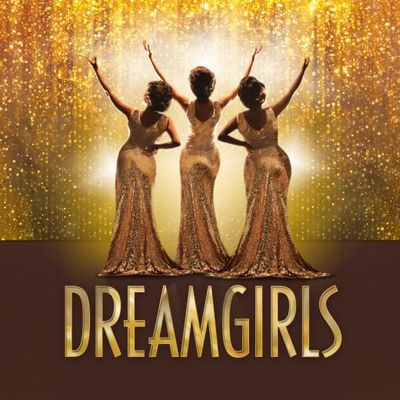
Rickey Minor is one of the most successful musical directors in the business. His work on The Tonight Show, American Idol and world tours for Whitney Houston, Christina Aguilera, and Beyonce have solidified his spot as one of the biggest names in the music industry. Rickey grew up in Los Angeles and ended up walking away from a full ride college education to pursue his dream. His rise from playing in the band for DREAMGIRLS to leading the band on American Idol is an incredible American dream story.
Transcript
This transcript was automatically generated and might contain errors.
[0:01] Rory O'Malley: You're listening to episode number 62 of Living the Dream with Rory O'Malley.
[0:06] Rory O'Malley: Audition, side job, swimming upstream. Believe it or not, you're living the dream.
[0:12] Rory O'Malley: Hello, dreamers, Rory O'Malley here. Thank you so much for listening to Living the Dream. If you like the podcast, please tell all your friends, subscribe to it, rate it, review it on iTunes, all of the above. I really appreciate you listening. You're the reason why we can keep having these conversations with really interesting people.
[0:31] Rory O'Malley: My guest this week is Rickey Minor. He is a music director, a very, very talented and wonderful music director who you might know from The Tonight Show with Jay Leno. He also was the music director for American Idol. He also worked with superstar artists on their tours, including Whitney Houston, Christina Aguilera, Ray Charles, Alicia Keys, Beyoncé. I mean, come on. This guy is the real deal. I had the pleasure of going to his home and seeing the pictures of all of these wonderful people and getting to hear even more stories than we could fit into this podcast. He is unique in that he has a lot of wisdom and has seen a lot of really talented people at their height. And also because of American Idol, he's seen people just getting started.
His mom actually moved him from Louisiana, where he was born with his, I think he said five siblings, to Los Angeles. And he came up in Los Angeles in the music scene. We begin our conversation talking about the photo of him, his freshman year at UCLA, playing with his band, a little overdressed for the student union gig that he had on the mall at UCLA. Please enjoy my fascinating conversation with the very talented Rickey Minor.
[1:58] Rory O'Malley: Okay, here we go. So we were talking about you, your show at your school and how you had your sister with your only audience.
[2:04] Rickey Minor: Yeah, yeah. She was, uh, yeah, she was the only one there. But you know, like you learn from those things and you learn how to make decisions and not take the first thing that comes. You know, like that was our first opportunity to play at the school. We never played there again, right? You know, and I'm not saying that's the reason. But the bottom line is that, you know, find out everything you can about the situation and then make a determination if it's right for you.
[2:33] Rickey Minor: Right. And I was just so gun-ho on playing on the campus, but that wasn't the right way, and we were dressed silly. I mean, if you look at it, it was like, what are these buffoons up there, you know, kicking a leg?
[2:45] Rory O'Malley: I think you look pretty good, but...
[2:45] Rickey Minor: Well, I don't know what the setting...
[2:48] Rory O'Malley: Well, listen, it's college students. It seems like freshman year, and yeah, you know, yeah.
[2:54] Rickey Minor: So it was a good experience. But you know, those things lead you to find out discovery, and I would say never don't be afraid to try things, you know, and don't be afraid to change your mind.
[3:07] Rickey Minor: Yeah, that's the big one. You know, like I, while I was at school, in my junior year, I decided I want to play music. That's all I could think of. And my grades were going fine, but I left. I literally drove off campus. I mean, as far as the school's concerned, I probably just dropped off the earth.
[3:26] Rickey Minor: Wow. I never checked out, I never even went back on campus until recently I did something with Debbie Allen. You we're talking about years and years going by. So, but I was a math computer science major. I just stopped, you know.
[3:40] Rory O'Malley: Because you were, because you knew this was your call.
[3:47] Rickey Minor: And I felt, I just started crying. Wow. And I drove to school and I'm in the parking lot, and I just drove out and went straight to Watts to my mom's apartment there in the projects and said, I'm, you know, my eyes were red, and she says, Are you okay? And I said, No, I said, I'm leaving school, and I want, I need to play music and I need to move back in for a little while to figure things out.
[4:19] Rickey Minor: Right. And uh, first one in my immediate family to go to college, and um, and she said, Whatever makes you happy.
[4:30] Rory O'Malley: Wow. That's amazing, right?
[4:33] Rickey Minor: And uh, so I moved in for about two months, and I found a little back house in Watts, like a little, it was a tool shed, and they literally turned it into just a studio apartment with the, you know, running water and bathroom, and that was it. And then they put a little, a little door, made a little doorway where and they just put beads up to separate the, that's the bedroom with a twin bed, you know, just like, and the closets, you know, just put a rack in there.
[5:03] Rory O'Malley: Right. I lived there for five years.
[5:06] Rickey Minor: Wow. Well, I did Dreamgirls living there.
[5:08] Rory O'Malley: Okay, now let's get into that. You have some Broadway history and it's Dreamgirls, which is a pretty, yeah, you're gonna have history with a Broadway show, that's the one.
[5:17] Rickey Minor: Yeah, yeah, I lived there, and after a year, I got my first gig with Gladys Knight and the Pips. So now I'm 19 years old and I'm working with Gladys Knight and the Pips. I met this girl trying to get a record deal. Um, and I was, by now I'm at the end of my Whitney Houston thing, is that when that started?
[5:31] Rickey Minor: I'm at the end of the Gladys thing.
[5:39] Rory O'Malley: Okay.
[5:39] Rickey Minor: And it's Whitney Houston who's trying to get a record deal.
[5:43] Rory O'Malley: Wow.
[5:43] Rickey Minor: And I'm 22 and I'm, I work with Gladys, so I'm feeling like I'm like, I'm the man.
[5:47] Rory O'Malley: Right, right.
[5:48] Rickey Minor: You know, and she says, I said, What have you been doing? I'm, you know, modeling, but, you know, I want to be a singer. And I was like, in my mind, I was going, yeah, right. You and I'll, everybody wants me to sing. I work with Gladys Knight. She said, What's it like working with Gladys? And it was, you know, she was a little despondent because no one showed up that first showcase.
[6:00] Rory O'Malley: Really?
[6:00] Rickey Minor: No one showed up. Because it was groups at the time. It was Shalamar, it was Earth, Wind and Fire, it was Casey in the Sunshine Band, it was all these bands. And nobody's like, a girl? Right, just gonna stand there and sing, who? We'll put a band around her, but no.
[6:19] Rory O'Malley: Right.
[6:20] Rickey Minor: Anyway, I mean that happened, and then the Dreamgirls gig came up, and I got a call from a buddy of mine who used to live in New York and said, Hey, my friends are playing, they play, you know, they're doing Dreamgirls, they're having auditions and they're having problems finding a bass player. And I told him that, you know, I'll call you because you usually really go down there. You just go down there today, tell them I sent you.
[6:45] Rickey Minor: You know, because then it wasn't like cell phones. So I went, I so I got my bass and I drove down there, I knocked on the door, and they were having auditions. And it was a callback. They had already gone through like a dozen guys.
[7:00] Rory O'Malley: Because he's in Los Angeles.
[7:01] Rickey Minor: In Los Angeles. When it moved from New York, the first place it came to was LA.
[7:04] Rory O'Malley: Right.
[7:05] Rickey Minor: So I auditioned and got the gig. Wow. And you know, the thing was they wanted someone to play that had a feel for this kind of music, but could also read. And a lot of the guys, you know, especially a lot of inner city guys didn't know how to read.
[7:22] Rory O'Malley: Yeah.
[7:22] Rickey Minor: They could play from church or whatever. But I started reading when the first instrument I played was flute in the marching band, just trying to get out of gym.
[7:33] Rory O'Malley: Yeah, so...
[7:33] Rickey Minor: But many a career has started to try to get out of gym.
[7:39] Rory O'Malley: Exactly.
[7:39] Rickey Minor: So I've been marching band and in the concert band, I played bass clarinet, but I didn't start playing bass until I was 14. So through that time, I could always read. And I saved Coke bottles and saved up money and called, picked up the yellow pages. Uh, that's a, that's a book for those who don't know. So it's a book that the telephone company sends with phone numbers and advertisement. It's like, uh, it's like Google.
[8:07] Rory O'Malley: Yeah.
[8:07] Rickey Minor: So anyway, I went and I looked up bass lessons and, or music lessons, and I called the first school that would allow me to pay, and I saved up money and I took the bus with my bass under my arms, and so I wanted to really learn how to read bass stuff and really understand music and theory and all these things. So I was ready for that gig. And so the point there is that you never know what's coming. So make sure you know that you're ready.
[8:34] Rory O'Malley: Okay, yeah, the opportunity's gonna come.
[8:38] Rickey Minor: You just preparation, yeah.
[8:40] Rory O'Malley: Yeah, to be ready for it.
[8:41] Rickey Minor: So you started working on the show. Is that a very different experience for you being eight shows a week?
[8:47] Rickey Minor: Yeah, yeah. Well, the eight shows a week wasn't the hardest. The hardest thing was that a show like that, still in LA in 1983, was a big deal. But a show with this style of music, out of still out of 30 plus musicians, there was only four musicians in the orchestra that were black. They were basically one in each section. So Snooky Young, who is a world-famous trumpet player and played on The Tonight Show with Doc Severinsen and played on tons of records, a legend. He played trumpet in there. There was, so he played in the brass section. The saxophone player was Jerome Richardson, who also played with Quincy and Clark Terry and Basie and all these things. So these guys were again legends. And then the other guy was a professor, a violinist.
And he was another world-class guy. I ended up studying orchestration from him. And so it was just the three of us. But I was the youngest, and no one knew me. I came out of nowhere, and there were a lot of A-list players who auditioned.
[10:00] Rory O'Malley: Right.
[10:01] Rickey Minor: And some of the players, they worked together a lot. And so they knew that we, they were gonna come in and do this gig together and be able to hang and make money. And so what was hard for me is the, being somewhat ostracized and not being accepted. And a couple of times, you know, they even tried to get me fired, but there was nothing they could do because I never, I was always early. I stayed during the lunch break practicing in the pit. I never, I didn't do anything, right? And I was always focused, you know, where some people would read books in between if they had bars missing. I was like, no, I was counting bars every night on the odd chance that I might blank out and make a mistake. So I was fortunate that they came around and basically the contractor just told him, hey, leave the kid alone, or all you guys who are bothering him will be fired.
And he just brought him in the room with me and said, the kid minds his own business, he's practicing. And those legend guys would stay at lunch and play duets with me and read with me and kind of help me along. So, you know, people want to help you.
[11:10] Rory O'Malley: Yeah.
[11:11] Rickey Minor: And no matter where you are in life, there are mentors. All you have to do is reach out and ask, and then do the work.
[11:17] Rory O'Malley: Yeah.
[11:17] Rickey Minor: And that was the lesson for me. Just do the work. Don't worry about the noise.
[11:22] Rory O'Malley: Yeah.
[11:22] Rickey Minor: It's always going to be noise.
[11:24] Rory O'Malley: Yes, there will be.
[11:25] Rickey Minor: So don't worry about the noise. Do the work. I feel like, you know, we've talked a little, we're and we're gonna tell some of these other stories that you told me that are so high stakes. You've been in so many high-stakes situations. This is, that's nothing compared to what some of the other things and situations, especially in TV and, you know, the kinds of talent that you've worked with. You always are so calm. You have an inner peace to you, and maybe that is part of it, is that you have the preparation that you're ready, that you know that no matter what's gonna come at you, that you've always had that preparation.
[12:01] Rickey Minor: What though some people don't operate like that, you know what I mean? Some people are just, even when they're successful, are crazy all the time. Why do you think it's different for you? And why is that important?
[12:11] Rickey Minor: Well, it's really important because you're going to be remembered always. I don't care who you are, you're gonna be remembered. Now it's up to you what you're remembered for. So you can be remembered as the person who's difficult, the person who's always late, you know, but I tell my guys, I don't do late. Like I fire people from being late. I just don't do it. Because there's too much at stake. And so the excuse of traffic, this, that, and the other, there are a lot of excuses, but it boils down to poor preparation.
[12:44] Rory O'Malley: Right.
[12:44] Rickey Minor: And so that part of it is making a decision to be the best version of yourself. Right. So that involves me, in order for me to be the best version of myself, then and do my job, my job is to add value, period. If I'm there, it should make a difference. I need to make a difference. So, and that requires me to inspire my team to be their best self. So all of that leads to me adapting this philosophy that I would be the thermostat and not the thermometer. That I would regulate how things feel for us. Because that would allow the music to be the star. I don't need to be the star. I just need to facilitate. I'm a facilitator. I make things happen and I bring people along and I hire the right people.
And then there's a commitment to excellence. We won't let it go until it's the best that we can do given the time we have. So if you do that in your mind that you're going to be the best version of yourself, then daily you're improving because you're not settling for or phoning it in or just being average.
[14:06] Rickey Minor: You know, I mean, I'm not the best at anything, uh, in my opinion, but I do my best. So that's not for me to judge if I'm the best. That's never for me. If someone says, oh, you're the best or you're one of the best, whatever, that's what they think. And I'm grateful for that, but that's not my goal. I don't want to be, you know, what I want, if there's anything to be remembered by is that I always did my best and I was honest, right in that moment. And kind. I don't give anybody any attitude, but I don't take it either. So I make a decision that maybe this is not for me. And I don't judge the person because people are in different spaces at different times. And I've worked with people who were just so stressed out and didn't really know how to handle it, and so they may have said something to me that wasn't right.
So I take a step back and I wait for the opportunity to have a conversation. Because if someone has a problem with me, it's literally their problem. So I don't talk to someone else about it. If you and I have something, then what is it for me to call someone else and start talking to them about what you know what he said, you know what he did? And so all that gossiping doesn't get you anywhere. No, you're direct, calm. Let's get the job done. Yeah, let's get the job done. And if there's something to talk about though, then say, hey, after this is over, you have time for a conversation, maybe we can get together for lunch or something, and really be able to talk about what it was. Like, well, yeah, it's you know, because what you did was disrespectful in front of the group you have or in front of the client, right?
And I'm not gonna call you on it and try to cause a big scene. Right. Because I have a job to do. The thing that we met doing, it was huge, I mean for me, huge. I know that for you. No, no, so let me just make it clear. Okay, everything I do is important. Yes. Taking the trash out, changing the baby diaper, it doesn't matter. Dying, it's important. Yes. And so there's nothing more important than the thing you're doing right now. Right. But that's also why you're not sure. That's why something that is so high profile as that was doesn't shake you or rattle you because it's just as important as doing chores at the house. Yeah. Yeah. Uh, but for me, I was a bit of a hot mess at times, and you always reined me in.
You were always able to say, hey, we're just gonna get this work done, because I was asked to help out. Right. And you know, we don't have to get into who was there, but there were just a long list of people who I've idolized my whole life. Yeah, no, I'm getting chills just thinking about it because every opportunity to serve is huge, especially if you get a chance to use your art to celebrate someone else who has inspired you. Yeah. And so working with these high profile, high legend people, they're where they are because the art made a way for them to express it, and then people got a chance to feel it. Yeah, you know, I mean it's one thing to hear music or see a movie or whatever, but it's all about vibrations and what you feel.
Yeah, and so if you're supposed to cry at a given moment in a movie, and that actor has you bawling for days and days thinking about what happened, they've done their job. Yeah. Yeah. Let's talk about how you went from Rickey the bass player as a part of a band or in the orchestra pit of Dreamgirls to Rickey the music director or Rickey the leader in the music industry. When you got back into the music industry, was it Whitney Houston that was the first person that you started working with?
[18:11] Rickey Minor: So you felt after Dreamgirls, no, the next day I got a call from, I actually was doing a rehearsal at the musicians union and that drummer said, hey, what are you doing? And I told him I just finished the gig and he says, I want to work with Lou Rawls and he's looking for a bass player. Are you interested? And I said, yeah, I made the call and I was on the road that next weekend. So I mean, it's been, uh, it wasn't something that I did, it's just I think in staying in the flow, things open up and doors open up because a lot of things don't come to you because, well, you're not ready for it. Right. So it's accepting that there are jobs that I didn't get, and I realize now that I wasn't ready for it.
I mean, I auditioned for the Crusaders, the Jazz Crusaders, and I came in and I played, and the guy said, hey, listen, you know about the Texas Shuffle, you know? And I was like, no. He said, well, you should, you're from Louisiana, you should know. He said, look, go and you heard this guy, Marcus Miller? I said, yeah. He said, go listen to him and come back in six months. And I was with Gladys at the time. So I came back six months later, and I didn't get the job. And so years later, time went on, and I ended up doing Dreamgirls and doing Lou Rawls and then doing Whitney. And I got the call while I was doing Whitney, I just finished the tour, and the same thing. I come home and I get a call from another bass player saying, hey, can you cover me on this Al Jarreau gig to Europe for three months?
Because I got some sessions that I can't go. And yeah, I'm doing the gig and guess who's opening up? The Crusaders. So the guys come to me and they go, man, you sound good. Where are you from? And I said, I'm from LA. I auditioned for you guys. You did? Well, man, whatever you've been doing, you keep doing that, man. You sound good. So I'm saying it comes back around. And I really wanted the Jazz Crusaders because in my mind, I'm a jazz musician. Right. But I was doing more pop gigs, and people weren't hiring me. So once I got the gig with Al Jarreau, then people started saying, oh, you know, and that's when I met Herbie Hancock, and I started doing like film dates and stuff with him. And it's, you know, the things that you want.
I mean, I'll say Rumi has a quote that says what you seek is seeking you. And it's so clear because what you want is looking for you, but you have to do the work. And I wasn't ready for those gigs. If I had gotten that gig with the Crusaders, then I would have gotten fired because I wasn't ready. I thought I was, yeah, and I thought I paid my dues. Right. You know, I mean, I'm 20. Right. You know.
[21:15] Rory O'Malley: You've seen it all.
[21:16] Rickey Minor: I've seen it all.
[21:18] Rickey Minor: Yeah. Daydreamers, just taking a quick break to remind you about our special offer from Gold Star. Go to Goldstar.com backslash Rory. Enter the promo code Rory and you will get an additional ten dollars off your first order. That's Goldstar.com backslash Rory and get that sweet, sweet ten dollars off. And it supports the podcast. All right. Now back to the cast.
[21:48] Rickey Minor: Yeah, but that's a kind of what we have to do. That's what the process that we have to go through to learn how to deal with rejection and deal with being just open to whatever the universe brings to you.
[21:58] Rory O'Malley: Yeah.
[21:59] Rickey Minor: And what a wonder that moment for you is when you have that all come together. I mean, yeah. I mean, and there are jobs that I didn't get. I auditioned for Lionel Richie, and this is during the Lou Rawls thing before I went back to Whitney. I had about five gigs that were potential gigs for me. Right. And Lionel Richie and I got to the final call, me and another guy, the other guy got the gig. Bob Dylan did a session, he was gonna go on the road, it just didn't happen. The Al Jarreau thing, the gig, the guy who got it, you know, I didn't get it. It was the other guy got it, so that went away. And then there was a Jeffrey Osborne that I got the gig for him. And, uh, but then the Whitney thing call and the Jeffrey Osborne thing turned out that Whitney opened for Jeffrey Osborne, and during the tour it flipped.
She was the headliner because everyone was walking out because she had become this mega star. She was an opening act and in the course of three months that tour flipped and she was the headliner and he was the opening act.
[23:13] Rory O'Malley: Wow.
[23:14] Rickey Minor: So when I got the call, this is the first time that she's headlining. So for me, it was clear take the Whitney gig.
[23:22] Rory O'Malley: Yeah.
[23:23] Rickey Minor: But they waited for me to find out about these other gigs, you know, which, you know, to this day again just a godsend. It's just like the universe really putting all the stuff in line. And of course later on I've done many records with Lionel. I ended up playing on records, doing TV specials with him and everything. And so my relationship was, but had I gotten the gig with Lionel, this conversation about the Whitney or any of this other stuff may not have happened because based on that relationship with her starting in 1980, well originally starting in '82 but in '89 becoming music director, that whole thing just switched everything because Beyoncé 15, Usher 14, Brandy 12, Christina 14, all of these upcoming acts, even Adele at 19, you know, knew me from Whitney.
Everyone knew me from my association with her and Faith Hill, and everyone in the industry. And then that led to me meeting the producers Ken Ehrlich and John Cassette from the Grammys, having performed on the Grammys with Whitney, to when I came off the road, they knew that I was a guy that could get it done and that I could do pop, country, hip hop, jazz, whatever it was. And so I became music director for the Grammys. And after leaving Whitney. So being music director for a TV show wasn't really happening where they had one band because people want their guys. They want their, you know, you want your people.
[25:01] Rory O'Malley: Yeah, I understand that.
[25:03] Rickey Minor: But it became a thing where if there was only enough room and it was a live show, there's not enough time to bring out and plug in a new drum set and new guitar, you know, during every commercial. So anyway, they gave me a shot at it. And I kept doing that sort of thing, and I became a guy who wanted a person that they could call to do these kind of things and then awards shows and those things. But people like Beyoncé and, you know, Adele, Rihanna, you know. I mean, she was 15 when I met her, and the work, but it was the Whitney work, you know, that people, I mean Christina sung "Run to You" for her audition for Disney. She so and Britney sung, I forget which one, I forget which song was she, but they both sang a Whitney song for their audition for Disney. So to work with me meant that I could impart some of the things that I learned from Whitney. Not that I taught Whitney, but that I learned.
[26:07] Rory O'Malley: Well, I think that you and Whitney really complimented each other and came together at such an important moment. And clearly, you know, I contacted you after seeing the Whitney documentary and your contribution to that is so beautiful, heartfelt, and amazing.
[26:28] Rickey Minor: What was the experience for you?
[26:33] Rory O'Malley: Let's talk about some of that good stuff because I know that so many of the people listening are still the crest Christina Aguilera's or Britney Spears, those they're the same people, you know, who loved Whitney so much. What was that like being a part of the rise of Whitney Houston?
[26:49] Rickey Minor: You know, I think that when you're in it, you don't see it. Yeah, you don't see it. You're going about the daily task of living. Like, I mean, you can't really even talk about your own growth in life because you're in it. You're not seeing. When people see you and they go, wow, you know, I haven't seen you in 10 years, or your career, they watch your work, and you can't really define what each of these opportunities did. And so in this case, we were just trying to do the best we could with the work. But I mean, the national anthem, I mean, we didn't set out to do, you know, if you set out to write a hit, then look at it, then you should probably look at it not happening because your focus is wrong. Right. So our intent was to do the best work we could, but looking at it, the rise and the fall, you know, because that is what life is. We like a loaf of bread, we it rises and then it kind of settles in.
[28:00] Rickey Minor: So the ride was fast. It was, you know, it was amazing. That here we are working on something, and then the next thing you know, we're on an HBO special doing it with an orchestra or whatever the thought was behind it creatively. And it allowed me to try things out and learn from it. And, you know, those lessons I carry with me now, you know, and in my relationship with the artist. And because I'm not there to teach them anything, I'm there to help them to help guide them right to their true self, to their best self.
[28:40] Rickey Minor: Yeah, yeah. But they're honest on that day. They're honest on that day. Honest, because you may not have the note. So here's an alternate note that you can try, try this. How does that feel for you? Yeah. And so I'm giving you options to do. And then you're gonna pick what's best for you.
[28:54] Rickey Minor: Yeah. And hopefully you'll do the things, rest and all the other things that you need to do. Can we talk of the specific situation of the national anthem with Whitney? And I thought that was so fascinating, how quickly that had to come together.
[29:10] Rickey Minor: Well, yeah, I mean, it's so we were in the middle of doing preparing for an HBO special. Okay. And I get a call from Whitney's dad saying Whitney's doing the national anthem, get in touch with these people and find out, you know, what they need. And so I meet with Whitney and we just talk on the phone, and she says, I really like how what Marvin Gaye did, you know, on there, it was different, you know.
[29:40] Rickey Minor: And so I looked at it and basically he just had a drum machine going and he sang wherever he felt. Right, you know, and so I said, okay, well, if I put it in four or four time, then that'll give her one beat extra per bar. And so instead of a waltz, it's now in four. One, two, three, one, two, three, one, two, three, one, two, three, four, one, two, three, four, and gave it as an extra beat.
[30:09] Rickey Minor: And so she liked the idea, and we thought about gospel chords, and then I called over actually who was my teacher at the time, John Clayton Jr., as an upright player, bass player, and he was playing with the Amsterdam Symphony principal bassist, but he also played with Count Basie and kind of like the big jazz guys. So anyway, he ended up doing the arrangement, and I took that arrangement with me, and we recorded it onto a DAT tape right at a rehearsal, had one hour to record it, and then I took that tape and brought it back, and Whitney recorded her vocal, and she had never heard it.
[30:51] Rickey Minor: And then she came in and she basically what you heard was the first take, with the exception of I think "Rock is Red Glare." And you know, it's a lot better now, but with all the slap back in the stadium, there's no way to rehearse the sound of the crowd, yeah, and there's no way to rehearse the flyover, which is like a sonic boom.
[31:12] Rickey Minor: Yeah, you know, so I had to rehearse it too, and she said, okay, well, okay, so should I sing it live or because we did a rehearsal because they let you do whatever you want to do. Really? But she had been sitting there all day after the sound check, and it was cool, it had gotten cooler that night, and we're sitting in, you know, we're not out in the audience, we're sitting up in a room, you know, just sitting waiting for her to go down and do it.
[31:40] Rickey Minor: Yeah. So I said, look, just practice it and sing it. And, but in C, and I said, you know, you have to really sing it. Like I mean, sing it. I don't mean lip sync. Sing it. Yeah. And whether that mic is on or not, that's not really what matters. But sing it exactly the same way because if the mic goes out, then I have nothing.
[32:02] Rickey Minor: Right. I can't turn it on and you and you're like moving your mouth. Right. So I said, so that vocal you did was excellent. So we're gonna use that vocal, but sing it. So let me see you sing it and sing along with the thing. Sing it with it with the track.
[32:20] Rickey Minor: Yeah. And we rehearse that. I want you to sing it. I mean, really sing it. Because in any case, if it comes on or somebody unplugs it or something happens, then you need to be singing. Same emotions, same notes, you gotta hit it.
[32:34] Rickey Minor: Yeah. Anyway, you know, it was a lot of controversy that she was lip-syncing and she wasn't lip-syncing, she was singing. I just chose to use that vocal that was on track. But to prove a point, we did the HBO special, and I had her start it a cappella. We opened the HBO special with her singing a cappella the first verse.
[32:56] Rickey Minor: Wow. And then that shut down all the critics. Yeah. Shut it down. Yeah, yeah. Because I mean it wasn't because it was like the whole Milli Vanilli thing. It wasn't like it was somebody else's voice. It's clearly her voice.
[33:07] Rickey Minor: Yeah. Very clearly. Well, that's the most iconic rendition of the national anthem. And it's also you changed what was possible in singing the national anthem and giving it that change in meter. I think was something that really changed what people are allowed to do with feeling in the national anthem?
[33:28] Rickey Minor: Yeah, I mean it happened 10 years later. I started getting calls again to do it. So I ended up doing Backstreet Boys and Beyoncé, Jennifer Hudson, Faith Hill, America the Beautiful, Mary J. Blige and Marc Anthony America the Beautiful, and I became music director for the pregame ceremony for a couple of years as well.
[33:51] Rickey Minor: And so I had a guy who tried to get out of gym. Yeah, yeah. It's important. I mean, if you're gonna get out of gym, make it worthy. Yeah, yeah. But now I'm exercising more than I ever did.
[34:03] Rickey Minor: Yeah. Because I like it, because I like feeling great. But I, you know, I mean, like when you're a kid and you're young, you get bullied, you get all these things, you know, and you're just trying to figure it out.
[34:14] Rickey Minor: Yeah, just to figure out how to just it's can I be me? Can I exist? You know, yeah, absolutely. So you have this great thing going on with Whitney Houston at what was such a phenomenal career, and obviously I would recommend everyone go to the documentary. We don't have to get into the depths of where it goes, but it had to have been such a difficult time for you because not only were you connected to her professionally but emotionally very clearly you cared about her personally.
[34:48] Rickey Minor: Yeah, um, and when you have that kind of a relationship with another artist, and there's nothing you can do, it can make you feel very helpless, I'm sure. How did you create boundaries or figure out a way to move forward after all that happened?
[35:05] Rickey Minor: Well, I think that having someone in your life that you care about, and we have it in our family and our friends and in all our relationships, both business and personal. And I think that it comes to you crystal clear. It's just whether you're ready to act on it.
[35:30] Rickey Minor: Yeah. And so it was time for me to leave, and there were more signs than just that. I had things in my personal life that meant that I should stay home and not travel anymore. Right. And I had no real notion of what exactly I would do, but I knew that the time had come after 20 years of being on the road for me to not be on the road anymore.
[35:52] Rickey Minor: Right. And that was a difficult decision. And I spoke to Whitney about it, and I had a young son at the time, and she said, Look, I get it, you know, I'll make the around your schedule. We'll figure it out how to, you know, you can we can do three weeks on, and then you go home for three weeks, and you know, but no tour can sustain like that.
[36:13] Rickey Minor: I mean, you know, you can't it costs a lot to keep a tour together. So anyway, that decision to leave was to try to save myself, you know, because there are things in your life where you don't feel whole, you know.
[36:32] Rickey Minor: Yeah. And it's not I didn't have any emotional problems or drug problems or alcohol or anything. I just something was pulling me to say your time here is done. Right. Which is okay. And it's hard to leave.
[36:45] Rickey Minor: It's hard to leave a company. It was a great gig. I mean, I had a retainer, I had all the platinum cards and all the expense budget and yeah, fly first class everywhere and private. I mean, you know, yeah, why are you leaving? Right, you know, and I can't really even answer that because I don't know.
[37:07] Rickey Minor: Right. It's just you feel it. So then once I left, it was hard for me to watch her go through the difficulty, especially when it came to paparazzi when people and the rag mags, yeah, you know, because they don't really know her, but they're but and you know, she would say they like they love to tear you down, you know.
[37:31] Rickey Minor: Well, and they also don't treat that as a health issue. It's more of a time to mock or to tear someone down personally when this is a health issue and the documentary is wonderful. You are so great in it and clearly have a love and respect for her, and I'm just very grateful that you shared all that you shared in it and that you were able to tell that story.
[38:02] Rickey Minor: Yeah, it's important and look, she's my sister, yeah, you know, and she would say things like, you know, we've been through the thick and thicker, you know, and then so that but musically and the vibration, I mean there's we she was the singer of our generation.
[38:28] Rickey Minor: Yeah, you know, she was one of the major influences and every young girl that can sing always goes to her, yeah, and say, and so if it's Adele, Ariana, Rihanna, I mean whoever it is, there's some there's a Whitney story in there.
[38:46] Rickey Minor: Yeah. There's a Whitney story. The sound that you created with her has inspired a generation of singers.
[38:52] Rickey Minor: Yeah. I think that another thing that you've been a part of that has inspired another generation of singers is American Idol. You've also seen so many people who are starting their career or trying to start go in front of America and put themselves out there. What was that experience like for you working on American Idol?
[39:14] Rickey Minor: Um it was exhilarating to see that much talent up close and to have a hand in helping them to showcase their gifts and their art.
[39:29] Rickey Minor: That being said it was very difficult to watch them, you know, be eliminated. Because some of them you become close to in the sense that they want it so badly and you want to help them but this business, especially the entertainment business, it's just not made for everybody.
[39:54] Rickey Minor: It's not gonna happen. It's not gonna happen and that's a hard thing for someone to hear, you know, and but you know, I speak at and do master classes at several colleges and you know the one thing that's important for everyone to hear is say more than 99% of you won't make it.
[40:21] Rickey Minor: Yeah. As a career for it. And most people would hope to have one opportunity to play or even meet one artist, you know. And I don't know, you know, if I knew how hard it was, if I would have left college to do this.
[40:38] Rickey Minor: But I followed my inner voice and I was willing to take the chance. There's nothing says that it had to be me. It's nothing at all.
[40:45] Rickey Minor: No. You know, again, it was the universe and God and whatever you believe in that allow things to happen at opportune times and you were ready. There's so many variables.
[41:00] Rickey Minor: I mean it's a meeting. I didn't say the story about the Whitney part of it, is that I was working with Gladys Knight in Boston and this young singer Stephanie Mills from The Wiz and the great actor and singer was playing at Berkeley College of Music across the street.
[41:19] Rickey Minor: The drummer with Gladys used to play with Stephanie. He said, let's go over there. And I'm friends with Stephanie's guys. Let's go and to their sound check now, you know, they're over there. And we went, and the guy who's a music director was the guy who called me about Whitney and says they got this girl singing my church trying to get a record deal.
[41:39] Rickey Minor: There's nothing you can't write a story like that. You can't make these things happen and go, yeah, okay, now I want to meet someone who's gonna help me go the next thing.
[41:49] Rickey Minor: Yeah. So life happens the way it's supposed to happen, but it's what you do with the opportunities.
[41:56] Rickey Minor: Yeah. You're gonna get them. Right. You're gonna get them. Are you prepared? And is it for you? Don't be afraid to change your mind. I mean, I'm happy. I was a math major, but I changed my mind and I was willing to accept what happens after that.
[42:10] Rickey Minor: But I mean, to this day, I mean, you know, if need be, I mean, I'm a Virgo, so I love to clean. So I'll wash cars, I'll clean houses. I mean, I love the idea. But it's not, no, but it's not even just because I want to have something to do, I'll do something else that I love to do. That's the point. And we're all super gifted and talented in so many areas. Don't get fixated on I'm gonna do this because this is my dream to be on Broadway.
[42:40] Rickey Minor: Well, that's exactly this is what I'm saying. You have been able to adapt in the music industry so many times and to change your career based on what was being presented to you and be of service to people and to your art.
[42:54] Rory O'Malley: Yeah, you know, and that to me is so inspiring and speaks to no matter what you do creatively, that's so important.
[43:02] Rickey Minor: Exactly. And so I mean, do you know what what's the next thing? I mean, I've been writing and creating some shows and doing a couple of things and you know, but really what I'm doing next, I have no idea.
[43:16] Rickey Minor: Yeah, but I'm okay with it. Yeah. Because it's gonna show itself to me. It's gonna appear right there and say, here I am, let's go.
[43:24] Rory O'Malley: When did you start to trust that? Was there a was there ever a time that you I I only in the last like five to six years when I'm unemployed, have I been like, you know what? Enjoy this because it's actually not gonna be forever. Whereas before I was, you know, running around with my hair on fire.
[43:41] Rickey Minor: Was it something that was always that way for you that you were able to trust that that was gonna be?
[43:45] Rickey Minor: Well, I think it's probably because I've never really been out of work. So I don't know. I don't know. You know, I mean seriously, I mean I don't know. I can't do it. Because the work that I do now requires a lot of prep work.
[43:58] Rickey Minor: Yeah. So I might not be on set. I might not be in the studio this very moment. But there's like five or six shows coming down the pike. So I have work to do in some of these shows I'm executive producing or producing, or even if I'm music director, I'm playing or I'm conducting. I mean, there's a lot of work to be done.
[44:16] Rickey Minor: So, you know, like now with the Kennedy Center honors just was announced, and this is my fourth year, I think fourth or fifth, I'm not sure. I think the fourth.
[44:26] Rickey Minor: Yeah. The third eighth. Yeah. Yeah. I think fourth year doing it. So I mean, but I'm saying that those are big shows, and shows like the Emmys I did last year and Grammys and Super, all that stuff is big stuff.
[44:38] Rory O'Malley: Yeah.
[44:39] Rickey Minor: It takes a lot of prep time. So where it may not seem like, you know, like to my mom, I'm actually not working right now. But she knows there's a lot of work going to, but she wants to say, what can I turn on the TV and see you on right now? Not, you know, rehearsals and schedules and budgets and such.
[45:01] Rory O'Malley: Yes.
[45:01] Rickey Minor: What can she talk about to her friends?
[45:04] Rory O'Malley: Right.
[45:04] Rickey Minor: And tell them to see you.
[45:05] Rickey Minor: Yeah, I and I I as I can give you my calendar for now to mid next year. There's a whole bunch of holes in it, but you know, that that's the business. But and then you went into you also were the band leader for The Tonight Show, which was a completely different experience, I'm sure. What was that like?
[45:20] Rickey Minor: Well, dream gig, hashtag dream gig for life. I mean, if you could land one of those jobs like that and be in the creative position where they trust you to do the music that you like, so our library increased in just four years.
[45:38] Rickey Minor: We had 2,000 additional songs that we ended up playing. And if I heard something on the show from Train or from Alice Cooper or or Herbie Hancock or whoever was on the show, the next night we were playing it.
[45:54] Rickey Minor: Wow. And it was part of our repertoire. See CeeLo Green. I mean, whatever it's theme, whoever was on. And then we got a chance to play with a lot of them because they had worked with me before.
[46:03] Rickey Minor: So Plaza do Domingo, great, I'll play with Rickey. Or so I'll play with him because it helps the record company. It helps them not having to fly in everyone. We know the drill. We can go in and rehearse it that morning, play it that night.
[46:15] Rickey Minor: And plus our regular repertoire, we had a system. But it was a great pan gig. It was a lot of respect. And eight weeks vacation, you know, and you're at home.
[46:28] Rory O'Malley: Yeah.
[46:28] Rickey Minor: You're at home. And you can really pick some of the things that you like to do during your time off, and you can actually schedule vacation.
[46:34] Rickey Minor: I mean, now if you know, they say you know the deal now. I mean, you want you want you want to make get a job, you get a job, schedule vacation.
[46:42] Rory O'Malley: Yeah.
[46:43] Rickey Minor: Oh yeah. Oh yeah, it's it's funny how we kind of I've I've stopped living in that fear because I'm like, you know what? If that is the case, if I do get a job and I have to reschedule a vacation or something happens, then I'll that's what I'll do.
[46:57] Rickey Minor: You know, you'll deal with it as it happens. I feel like one of the reasons that you've been able to adapt and you've done so well in this career, and you've taken those chances and you've left Whitney when you knew you were being called to do something else or something more, is where you started and where your family started.
[47:18] Rickey Minor: That you have I I've talked to a lot of artists whose parents were immigrants or families made big decisions to survive, you know, to make something of a life for their kids they took those big chances so I go back to you having you said you had a conversation with your mom when you left college to say I'm going to become a musician and she said yes go do it that's a really big deal that a lot of parents who probably hadn't taken that chance to move.
[47:53] Rickey Minor: Well here's the thing you know my mom was a single parent with five kids by the age of 25.
[48:00] Rory O'Malley: Wow.
[48:00] Rickey Minor: So she had worked hard to provide for us and we came out with my grandmother you know who worked as a housekeeper for Steve McQueen and sent money back every month until she could send enough money for us to move here.
[48:14] Rory O'Malley: Wow.
[48:14] Rickey Minor: And that took about a year. So my mom was holding down the five kids in the little place we lived in in the dirt road there in Louisiana but you know it is you know would I have stayed in school I don't think so I would have figured it out.
[48:35] Rickey Minor: Yeah you know but to have your mom support you in that but that doesn't mean that if you either you get to support or you don't that doesn't mean that it that you shouldn't go for it.
[48:46] Rickey Minor: Because a lot of 'cause a lot of kids don't. It's all you though.
[48:49] Rickey Minor: Yeah I know I know kids who whose parents want them to be doctors and lawyers and they are but they they're not happy with their lives.
[48:57] Rory O'Malley: Yeah.
[48:57] Rickey Minor: And and what and what they did with it. But there are some that are though that still play, you know.
[49:02] Rickey Minor: Like actually, my doctor was one of the guys I met my general doctor up until a few years ago. My whole, you know some some thirty years or so.
[49:14] Rickey Minor: Right.
[49:15] Rickey Minor: It was my doctor because we met.
[49:17] Rickey Minor: Oh wow.
[49:17] Rickey Minor: And and but he plays piano on the weekend.
[49:20] Rickey Minor: Uh-huh.
[49:21] Rickey Minor: So he's he has the best because he needed security. His dad was a doctor.
[49:24] Rickey Minor: Wow.
[49:26] Rickey Minor: So he needed he he felt that the music business is the variables is too many variables. I can't.
[49:32] Rory O'Malley: Well, it like you said, it's not it isn't for everyone.
[49:35] Rickey Minor: It's not for everyone. If you need stability and you need to know, I'm gonna go to the same place every day. Every you know, this is I'm gonna eat this.
[49:42] Rickey Minor: You know, I mean, Jay Leno was was when it came to food, he would decide what he was gonna eat for lunch for the year.
[49:52] Rickey Minor: And then he wouldn't change it until until the next year. Because all these decision making, so I'm gonna have hamburgers every day. I'm gonna have pizza for a year.
[50:01] Rickey Minor: I mean, you know, and and I'm gonna wear jeans because I I get a chance to work on my cars. I don't have to worry about if I get it dirty or not.
[50:08] Rickey Minor: So I got a closet full of jeans, jeans shirts, jeans pants. I ain't gotta worry what shirt's gonna match this. Just put it on.
[50:15] Rory O'Malley: Right.
[50:16] Rickey Minor: I mean, so he has he had the perfect job for him.
[50:20] Rickey Minor: Yeah, because he didn't want to to dress up, it just never would have worked out.
[50:23] Rickey Minor: And yeah, he was just I'll tell you he is one of the nicest guys ever.
[50:30] Rory O'Malley: Wow.
[50:30] Rickey Minor: And still to this day will call up every now and then just to check in.
[50:34] Rory O'Malley: Yeah.
[50:35] Rickey Minor: And if you see him on the street, I don't care who you are or what you do. He's got he's got a smile for you and a hello.
[50:41] Rory O'Malley: Yeah.
[50:41] Rickey Minor: Yeah, I went once to The Tonight Show just in that I wasn't even up front to watch you, but I it I was with Josh Gad, right, who was my one of my best friends, and we sat in the dressing room and he came in and said hello to Josh and said hi to me.
[50:56] Rickey Minor: Couldn't have been nicer.
[50:57] Rory O'Malley: Well, I came in to say hello to Josh too.
[50:59] Rickey Minor: Where were you? Were you in the bathroom all the time?
[51:02] Rickey Minor: Because I did I but because I followed Jay's thing. So I would come in, Jay goes in first. I go in and just say welcome and say my who I am and just welcome to the show, you know.
[51:13] Rory O'Malley: Well, Josh was on a few times, so maybe it wasn't the time I was there.
[51:16] Rickey Minor: Yeah, maybe maybe so.
[51:18] Rory O'Malley: Hmm.
[51:19] Rickey Minor: Well, yeah, you might have been you might be. You don't want to be the pasty redheaded guys in the corner.
[51:25] Rickey Minor: Well, there were a few of them though. So I don't know, maybe we were.
[51:28] Rickey Minor: Like we followed, yeah, follow Josh Ron.
[51:30] Rory O'Malley: Um, I want to wrap up here, and I'm so grateful for you giving me the time. But you have had a major change in your life. You have a new daughter, you have a wonderful wife, you have a great family.
[51:41] Rory O'Malley: Uh how have you been able to keep that balance of working so hard and how much time you have to put into the projects you work on and having this family?
[51:50] Rickey Minor: And is it something you continually learn new ways to do? I'm I'm always the student. I am I'm I'm I'm I'm sharing if that's if that's what a teacher does, then I do that.
[52:02] Rickey Minor: But I'm looking to learn. And so how each person is different, so I try to just communicate honestly and try to be supportive in in all the roles.
[52:17] Rickey Minor: And so my hope is to be the best son, the best father, the best brother, the best friend that I can be in every moment. So that means carving out Rickey time.
[52:34] Rickey Minor: So I do walking, meditation, yoga, an hour to me every day. I give myself back an hour. Um, and then it's the family and what my family needs immediately.
[52:49] Rickey Minor: And then the work gets all the rest of it, and then I have to make sure I get some rest.
[52:55] Rory O'Malley: Yeah.
[52:55] Rickey Minor: So I make sure I I work hard at staying balanced. And I I'm I had this disease that goes rampant in life, is called the disease to please.
[53:08] Rickey Minor: And I wanted to make everybody happy. That was my goal. I was gonna not let anyone down. Yeah. I was gonna say yes to everything and I was gonna do for everyone.
[53:18] Rickey Minor: But it takes a physical toll because people will, you know, they're emotional vampires and they will they will unload their whole problems on you.
[53:28] Rory O'Malley: Yeah.
[53:28] Rickey Minor: And then they'll go out after they finish, they'll go out and have a great time and go out to dinner, and you can't even get out of bed now. You're just so depressed.
[53:35] Rickey Minor: So I think that it's a matter of setting boundaries.
[53:40] Rickey Minor: Yeah. And and knowing that everyone's worth your time, but not everybody's ready for it. So be okay saying no.
[53:48] Rickey Minor: You know, learn learn to say no and and mean it. And and learn to be honest, even if you think that the person because advice is what you ask for when you already know the answer, but wish you didn't.
[54:06] Rickey Minor: Uh, you know, I really want to buy this new suit, uh, but I mean I my my bills are due. So I'm waiting for someone to go, you work hard, you deserve it.
[54:16] Rory O'Malley: Yeah, yeah, yeah.
[54:16] Rickey Minor: So if I don't get the answer, I'll say, All right, we'll see you later. And I'm gonna keep calling until somebody's gonna say, Yeah, yeah. It's okay to go to Vegas this weekend and have a good time, you know.
[54:25] Rickey Minor: You you you deserve it. So I think it's just a matter of of uh you can't be honest with anyone until you stop lying to yourself.
[54:34] Rickey Minor: So the goal is to try to be honest with yourself. And if the relationship is toxic, then it may be time to sever the ties, no matter who it is.
[54:46] Rory O'Malley: Well family or friends.
[54:48] Rickey Minor: I I feel like it's so appropriate that you are saying that you are always the student, because in just a short amount of time working with you, I learned so much.
[54:59] Rickey Minor: You were the teacher to me, and to the group of people that we brought together for that event. We all just kept talking about how we were learning how to be better professionals, better artists, and enjoy ourselves more in such a short amount of time.
[55:16] Rory O'Malley: So you really have a profound effect on the people and artists that you work with.
[55:22] Rickey Minor: And I s I'm so glad that you got to share a lot of that wisdom with my listeners today. So thanks for having me, Rickey.
[55:28] Rickey Minor: And it is with great intent. I want to go to bed every night empty and wake up full the next day and give it all away again.
[55:36] Rory O'Malley: It's awesome.
[55:37] Rickey Minor: Thanks, Fun. Audition, side job, swimming upstream. Believe it or not, you're living a dream.
© Broadway Podcast Network, All Rights Reserved