

This Valentine’s Day we’re talking about love, self-love that is, with Broadway actress turned meditation guru, Emily Fletcher. While performing, Emily found herself unable to sleep, turning grey in her 20’s and rocking in a corner from the stress of her job... Read More
From the show: Mamas Talkin' Loud
Featured Shows

About
This Valentine’s Day we’re talking about love, self-love that is, with Broadway actress turned meditation guru, Emily Fletcher. While performing, Emily found herself unable to sleep, turning grey in her 20’s and rocking in a corner from the stress of her job. Then she found meditation. Knowing that so many people could benefit from this practice she created Ziva Meditation, and has now trained over 20,000 people in meditation, written a best-selling book “Stress Less, Accomplish More” and is a mom to a 20 month old little boy. Join us as we talk about how we, as mothers, can’t pour from an empty cup, how being stressed affects not just ourselves but our families as well, and how practicing meditation is not only loving yourself but loving your life.
Find more info about the podcast via BroadwayPodcastNetwork.com/mamas.
Produced by Dori Berinstein and Alan Seales.
Edited by Derek Gunther.
Transcript
This transcript was automatically generated and might contain errors.
[0:00] Cara Cooper: Hi everyone, thanks so much for listening to this special Valentine's Day episode of Mamas Talkin' Loud.
[0:05] Jessica Rush: I'm Jessica Rush.
[0:52] Cara Cooper: And I'm Cara Cooper.
[0:52] Jessica Rush: And today with our self-love self-care episode, we have Broadway dancer turned creator of Ziva Meditation, Emily Fletcher.
[0:52] Cara Cooper: You guys stay tuned for it because I've done this meditation course and it is a game changer. You won't regret it.
[0:52] Cara Cooper: Uh uh oh, uh uh oh.
[0:52] Cara Cooper: Uh oh, Mama's talking loud.
[0:52] Cara Cooper: Mom is talking loud, mom is talking tough, mom is talking to being good with good enough.
[0:52] Cara Cooper: Mama's talking life, mom is talking proud, mama's talking trash.
[0:52] Cara Cooper: Mama's talking live Hi everyone.
[0:52] Jessica Rush: Welcome to this episode of Mamas Talkin' Loud.
[0:51] Cara Cooper: I'm Jessica Rush.
[0:52] Cara Cooper: And I'm Cara Cooper.
[0:54] Jessica Rush: And today we have Emily Fletcher with us.
[0:56] Emily Fletcher: Hey!
[0:57] Jessica Rush: Welcome.
[0:58] Cara Cooper: So excited.
[0:58] Jessica Rush: This is an episode that I am personally super excited about because I really need some meditation in my life.
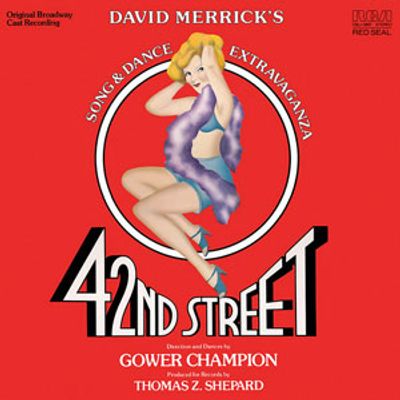
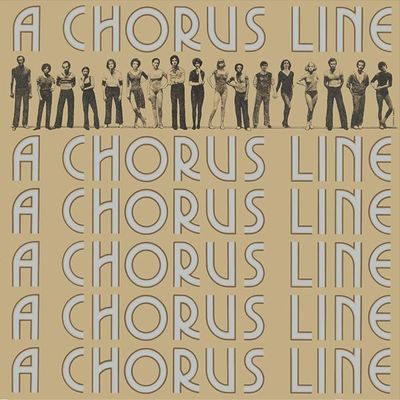
[1:05] Jessica Rush: But I'm getting ahead of myself. Emily has been on Broadway in A Chorus Line, Chitty Chitty Bang Bang, 42nd Street, Chicago.
[1:12] Jessica Rush: She was, you know, a busy, busy Broadway gal. Um, but she is now the founder of Ziva Meditation, uh, which is the leading expert in meditation for performance.
[1:23] Jessica Rush: Uh, and she also has a book called Stress Less, Accomplish More.
[1:27] Cara Cooper: That's it.
[1:28] Jessica Rush: And uh it debuted at number seven of all books on Amazon, which is insane.
[1:33] Cara Cooper: That was amazing.
[1:34] Jessica Rush: And I'm just super excited to learn from you because I know that I need some of this in my life.
[1:40] Jessica Rush: And of course, Emily is a mom.
[1:42] Emily Fletcher: Yes.
[1:43] Jessica Rush: Welcome.
[1:44] Emily Fletcher: Thank you so much for being here.
[1:46] Emily Fletcher: My proudest accomplishment.
[1:47] Cara Cooper: There at the end.
[1:48] Emily Fletcher: There you go.
[1:49] Emily Fletcher: Yeah.
[1:49] Cara Cooper: And mom. Tell us about your sweet boy.
[1:52] Emily Fletcher: Oh, his name is Jasper.
[1:54] Emily Fletcher: He is magical, amazing, smart, strong, kind, funny.
[2:00] Emily Fletcher: He's starting to put together sentences.
[2:03] Emily Fletcher: He's almost 20 months, so he has a pretty robust vocabulary.
[2:07] Emily Fletcher: Like we have the first 100 words book, and he's like, bam, bam, bam.
[2:10] Emily Fletcher: Yeah, yeah. He loves it.
[2:11] Emily Fletcher: I think he definitely has a fixed mindset, not a growth mindset, which is mildly troubling.
[2:17] Emily Fletcher: Like he if you read that book, uh, I think it's called Mindset by Carol Dweck.
[2:22] Emily Fletcher: I don't remember. We'll fact check it.
[2:24] Emily Fletcher: Um, anyway, there's like people who have growth mindsets and fixed mindsets, and growth mindset people don't mind failing, they like learning, they're okay with being wrong.
[2:31] Emily Fletcher: Uh fixed mindset people like to get it right, they like to be the straight A student, they like to know what they know.
[2:36] Emily Fletcher: And I am for sure a fixed mindset.
[2:38] Emily Fletcher: Like I love being the smartest girl in the room.
[2:41] Emily Fletcher: And that's my child.
[2:42] Emily Fletcher: I didn't know that, but that is.
[2:43] Cara Cooper: We literally were just talking about this.
[2:45] Cara Cooper: How our kids, when they aren't good at something, they just want to give up.
[2:49] Cara Cooper: They're like, well, then this isn't the thing I'm gonna do.
[2:51] Cara Cooper: I'm gonna do something else.
[2:51] Emily Fletcher: That's right.
[2:53] Emily Fletcher: Like we have the little blue truck books.
[2:54] Emily Fletcher: I don't know if you know those.
[2:55] Emily Fletcher: He loves it, it's his favorite.
[2:57] Emily Fletcher: And then I just like there was a Spanish copy in the in our playroom, and so I secretly stole it from my playroom.
[3:02] Emily Fletcher: I'm gonna return it.
[3:03] Emily Fletcher: Um and they said it was fine.
[3:06] Emily Fletcher: I could it's borrowing like a library.
[3:08] Emily Fletcher: Yeah, anyway.
[3:08] Emily Fletcher: I'm reading him the little blue truck, but in Spanish, and he hates it every time he closes it and throws it on the ground because he doesn't know the words.
[3:14] Emily Fletcher: I'm like, buddy, you're one, right?
[3:16] Emily Fletcher: You're gonna have to get good at learning.
[3:18] Emily Fletcher: You don't know everything.
[3:21] Cara Cooper: Oh my gosh.
[3:22] Cara Cooper: Yeah, oh that age is so magical.
[3:25] Cara Cooper: I love that age.
[3:27] Cara Cooper: The time from like I would say like 18 months to three.
[3:30] Cara Cooper: That was actually, we didn't have terrible twos.
[3:32] Cara Cooper: So, you know, I loved that time.
[3:34] Cara Cooper: That was they're putting so many things together and just the thoughts and the way they begin to express themselves.
[3:42] Cara Cooper: Like and the things that come out of their mouth, yeah, exactly.
[3:44] Cara Cooper: Exactly.
[3:46] Cara Cooper: Oh my gosh.
[3:46] Cara Cooper: Well, tell us, Emily, take us back because I know.
[3:49] Cara Cooper: So I just want to say, I when I was pregnant, I came to Emily for a Ziva meditation.
[3:56] Cara Cooper: And um, it was a game changer.
[3:58] Cara Cooper: And it definitely, I remember when I walked in, you're like, being when you're pregnant is like the perfect time to start to meditate.
[4:03] Cara Cooper: And I do remember I have to tell a very quick story because but it has to do with meditation.
[4:08] Cara Cooper: The day just I woke up, I I had been meditating, and within two days of beginning my meditation journey, my husband was like, Oh, oh, I see a difference.
[4:19] Cara Cooper: Like he truly did.
[4:21] Cara Cooper: Now I have fallen off the wagon and then I get back on, and then I fall off and I get back on.
[4:24] Cara Cooper: But it definitely makes a difference.
[4:25] Cara Cooper: But when I went into labor with Elliot that morning, I had woken, I woke up and I felt like a little weird, like crampy.
[4:34] Cara Cooper: And I went and took a shower and then I came back.
[4:37] Cara Cooper: No, I meditated first.
[4:39] Cara Cooper: I woke up and I meditated and I kept being pulled out of it.
[4:44] Cara Cooper: Like I couldn't, I I would get these cramps, which I now realize were labor contractions.
[4:51] Cara Cooper: Um, but they weren't like at the same amount of time, you know, apart, and they were here and there, but I kept trying to meditate that morning and I kept being pulled out of it.
[5:00] Cara Cooper: And now I know it's because I was in labor.
[5:02] Cara Cooper: But I just think that was so interesting, you know, and I definitely think that she's a very chill kid in regards to I mean, she's emotional, but she's very easygoing in a lot of ways.
[5:12] Cara Cooper: And I wonder just sometimes, like, because I'm not, um I mean, my husband is, but I wonder about when I meditated when I was pregnant with her, like what that sent sort of down within my body, and just I'm such a stress person that um it has to have helped.
[5:12] Emily Fletcher: It has to have helped to just sort of calm my body while I was you know growing her.
[5:34] Emily Fletcher: Yeah, it's huge.
[5:35] Emily Fletcher: There's actually a book called Origins by a woman who won I I want to say a Pulitzer, but we can we can fact check that.
[5:42] Emily Fletcher: She has a TED talk as well, and she talks about how every single thing, every meal that you eat, every meditation that you do, all of your surroundings when you're pregnant are sending postcards to the fetus.
[5:53] Emily Fletcher: And it's it's trying to educate this human on what life is gonna be like once they exit the womb.
[5:59] Emily Fletcher: And so they've done now two pretty massive um research, they're not experiments, but just studies, uh, basically after 9/11.
[6:06] Emily Fletcher: So it's thousands of women who are pregnant in New York City at the time, and the effect of that stress and trauma on those kids, and then also there's a famine in Denmark, somewhere in Europe.
[6:19] Emily Fletcher: Yeah.
[6:19] Emily Fletcher: Yep.
[6:20] Emily Fletcher: And there was thousands of women who were experiencing a famine while they were pregnant.
[6:23] Emily Fletcher: And so they looked at the effect of that stress and trauma on those kids.
[6:26] Emily Fletcher: And the first time we've had in recent, you know, uh recent history where science has, you know, has studied more complex tools.
[6:34] Emily Fletcher: Um, we've been able to study lots and lots of women who are pregnant.
[6:37] Emily Fletcher: Anyway, long story short, this is no surprise to anyone, but stress is very, very impactful to the baby and to the mom.
[6:44] Emily Fletcher: It can lead to low birth weight, it can lead to early delivery, it can lead to cognitive impairment.
[6:49] Emily Fletcher: Um, because when you're stressed, your body is flooded with adrenaline and cortisol.
[6:53] Emily Fletcher: And then the baby is preparing for a stressful world.
[6:56] Emily Fletcher: And now conversely, when you meditate, your body's flooding with dopamine and serotonin, which are bliss chemicals, and so the baby gets to soak in that bliss.
[7:03] Emily Fletcher: And so it's like, oh, world is fine.
[7:06] Emily Fletcher: I'm safe, I'm gonna be okay.
[7:08] Emily Fletcher: I can adapt, I can learn.
[7:10] Emily Fletcher: And um, it's so and also something that I learned is that when you're pregnant, is the best time to adopt a new habit as an adult because your brain is changing so much.
[7:20] Emily Fletcher: Do you know you guys have you had the matrescence woman on?
[7:22] Emily Fletcher: This is a woman who wrote a book called Matrescence, which is basically saying that when you're becoming a mother in that postpartum period, your brain is changing as much, sometimes more than it did in adolescence.
[7:31] Cara Cooper: Wow.
[7:32] Emily Fletcher: And so anyway, she's she's making some waves in the space, and then there's a meme going around that's like postpartum depression is just a totally normal reaction to the circumstance.
[7:41] Cara Cooper: Right.
[7:43] Emily Fletcher: For real.
[7:45] Cara Cooper: I mean, yeah.
[7:46] Emily Fletcher: Um let's be honest.
[7:47] Cara Cooper: So, what led you to tell us your journey of how you found meditation and created Ziva?
[7:53] Emily Fletcher: And yeah, were you meditating while you were performing?
[7:56] Emily Fletcher: I mean, you're gonna go into all of it, but I'm super curious about it all.
[7:59] Emily Fletcher: I was meditating during my very last show.
[8:01] Emily Fletcher: So I was on Broadway for about 10 years, and my last show, which was the Chorus Line Tour, I was meditating, but Chorus Line Broadway, I was not meditating.
[8:01] Emily Fletcher: And Chorus Line Broadway was the worst job I've ever had in my entire life.
[8:13] Emily Fletcher: I still have stress dreams about it.
[8:14] Emily Fletcher: And then I learned to meditate.
[8:16] Emily Fletcher: I had four days off in between Broadway and the tour, and that's when I learned to meditate.
[8:19] Emily Fletcher: And then Chorus Line tour was the best job I've had until Ziva.
[8:23] Emily Fletcher: Um anyway, my job on Broadway was to understudy Sheila, Val, and Cass.
[8:27] Emily Fletcher: No, not Cassie.
[8:28] Emily Fletcher: Thank God it's not understudy.
[8:31] Emily Fletcher: I understudied.
[8:32] Emily Fletcher: That's my stress dream, by the way.
[8:34] Emily Fletcher: It really is.
[8:36] Emily Fletcher: But I've never been taught it.
[8:40] Emily Fletcher: Last night, interestingly, I had a dream about Chicago that I got thrown back on as Hunyak, because that's what I played in Chicago.
[8:47] Emily Fletcher: But I was wearing no makeup, no red lipstick, I was wearing like a mom outfit.
[8:51] Emily Fletcher: I had my kid with me, and I was on stage, and they were like, You have to leave.
[8:55] Emily Fletcher: What are you doing here?
[8:56] Emily Fletcher: You're sexy.
[8:57] Emily Fletcher: Like, you gotta go.
[9:00] Emily Fletcher: Anyway, uh, my so Broadway, I was understudying Val, Judy, and Sheila.
[9:07] Emily Fletcher: There it is.
[9:08] Emily Fletcher: And I was a very good Sheila.
[9:09] Emily Fletcher: I was basically hired to be Sheila.
[9:11] Emily Fletcher: I was a decent Judy.
[9:13] Emily Fletcher: I was a terrible Val.
[9:14] Emily Fletcher: And that's when I got on the city.
[9:15] Emily Fletcher: It's a TNA one, just for those who don't know.
[9:17] Emily Fletcher: And it's a mask girl.
[9:19] Emily Fletcher: And I'm like five nine.
[9:20] Emily Fletcher: I used to be a model.
[9:21] Emily Fletcher: Like, no one's believing that I got a boob job and suddenly I started working.
[9:24] Emily Fletcher: You know, it was just like it didn't, it just was not a good fit.
[9:26] Emily Fletcher: I couldn't sing it.
[9:27] Emily Fletcher: Like, it just didn't make any sense.
[9:29] Emily Fletcher: And I got and I was on all the time, halfway through the show all the time.
[9:33] Emily Fletcher: And so that anxiety, that stress led to me like rocking myself in fetal position, listening to Eckhart Tolle on repeat, having not full-blown panic attacks, but that anxiety led to insomnia.
[9:42] Emily Fletcher: Couldn't sleep through the night for 18 months.
[9:44] Emily Fletcher: Started going gray at 27 years old, which is not a great look on an actress.
[9:48] Emily Fletcher: And uh, not there's anything wrong with going gray, but you know, maybe not in your 20s when you're on Broadway show, girl.
[9:55] Emily Fletcher: Uh and then I started getting sick and injured.
[9:59] Emily Fletcher: And so I just thought, like, this is not my dream.
[10:01] Emily Fletcher: You know, I thought it was gonna be Martinis with Liza at Sardi's, and instead it's girls complaining about their bunions eating tuna fish out of a can and me having like panic attacks.
[10:11] Emily Fletcher: Which is more of the reality for anybody listening.
[10:13] Emily Fletcher: It is not Martinis with Liza at Sardi.
[10:16] Emily Fletcher: That is all real, what you're saying.
[10:19] Emily Fletcher: And so anyway, this amazing woman was sitting next to me in the dressing room.
[10:23] Emily Fletcher: Her name is Dion Zanotto.
[10:25] Emily Fletcher: If anybody knows her, she's now in Australia, she's now a meditation teacher.
[10:28] Emily Fletcher: Um, but she was crushing it.
[10:31] Emily Fletcher: She was understudying five leads, including Cassie, and crushing.
[10:36] Emily Fletcher: Every song this woman sang was a celebration.
[10:38] Emily Fletcher: Every dance she danced was a celebration.
[10:40] Emily Fletcher: She'd be like, oh, it's so easy.
[10:42] Emily Fletcher: Every bite of food she ate, she'd be like, oh, this is sensational.
[10:46] Emily Fletcher: And she is, in fact, Australian, as you can probably tell by my bad Australian accent.
[10:49] Emily Fletcher: And at first I thought it was just because she was an Aussie.
[10:52] Emily Fletcher: And I'm like, oh, all of you Aussies are happy.
[10:54] Emily Fletcher: And then I was like, no, this is extra.
[10:56] Emily Fletcher: I said, what do you know that I don't know?
[10:58] Emily Fletcher: And she said, I meditate.
[10:59] Emily Fletcher: To which I promptly rolled my eyes and was like, oh God, one of you.
[11:02] Emily Fletcher: And then I just kept sucking at my job, going gray, having insomnia.
[11:06] Emily Fletcher: And then I felt so embarrassed about my performance.
[11:08] Emily Fletcher: And I, this is fun because I can go into this, people will understand this.
[11:11] Emily Fletcher: Um, you know, it's just so embarrassing to be on stage in a leotard in a down light with 2,000 judgy gays in the audience, sucking at your job, knowing that you're sucking.
[11:22] Emily Fletcher: And then the stress of sucking just makes the performance worse.
[11:25] Emily Fletcher: And it was just this downward spiral.
[11:27] Emily Fletcher: And so, anyway, long story short, I learned to meditate.
[11:30] Emily Fletcher: It cured my insomnia on the first day.
[11:32] Emily Fletcher: I slept through the night for the first time in 18 months on the first day after I started my class.
[11:38] Emily Fletcher: Then I stopped getting sick.
[11:39] Emily Fletcher: I didn't get sick for eight and a half years.
[11:41] Emily Fletcher: I stopped going gray. I'm 40 now. I have like two gray hairs. I was legitimately going gray in my 20s. And I stopped getting injured, and then I just started enjoying my life and my performance. And I thought, why does everyone not do this? So I left Broadway. I went to India and I started what became a three-year training process to teach. I was not in India that whole time. I'm not that hardcore, but my training was very hardcore. It was thousands of hours of apprenticing, it was hundreds of hours of transcribing books by hand in Sanskrit. It was about 18 hours a week of meditation. And it was and so it was not a joke. And anyway, since graduating, it's been the best thing I've ever done. I've taught 20,000 people to meditate. Amazing. My book has sold 50,000 copies of the city. Yeah, that's damn girl. Paperback is coming out on February 18th. Awesome. And we are deep. Oh, this is exciting. We're deep in research and development for a kids' course.
[12:31] Cara Cooper: Oh, and you said the thing about sleep, and I mean it's different, but I have an autistic daughter and she doesn't sleep very well. We're really, really battling it. And I was like, if there is a way I could teach her meditation, maybe that would help. I don't know. How old is she?
[12:44] Emily Fletcher: Six.
[12:45] Cara Cooper: Six. Okay, perfect. So we're gonna have three different age groups. The Ziva Kids is gonna be four to seven, preteens will be eight to eleven, and then the teens will be 12 to 16. And I'm deep, deep in research and development. We're working with an Emmy Award-winning writer from Sesame Street. We're working with a Harvard professor of childhood education. We have two doctors, including Dr. Shafali, who's been on Oprah eight times. So I'm really I think this is gonna be the world's best kids' meditation training. Amazing. And what an incredible tool to arm your children with going out into the world. Like whenever like if life is getting stressful and you feel like you can't handle it, you have this tool to lean on.
[13:20] Emily Fletcher: Yeah. Um, which I personally need to learn more about. So educate us a little bit more on what meditation can do for you, what the process is. Obviously, you're not gonna teach us how to meditate through this podcast, but for someone curious about it who knows nothing about it, how would you describe that process?
[13:39] Emily Fletcher: Yeah. So when I started teaching however many years, nine years ago, it was I had the luxury of taking people from zero and being like, oh, this is meditation. And so I could just they could come to it with virgin eyes and a virgin experience and be like, go from nothing to oh, this is meditation. Now I actually have a harder job where I have to take people from thinking that meditation is an app on their phone and educate them into this other possibility. Right. You know, for me, meditating with your phone is like having an AA meeting in a liquor store. It's like, why on earth would you try and meditate in the belly of the beast? I don't know about you guys, but I have a you know mild social media addiction.
And so it's like you pick up your phone to meditate, you're like, oh, goodbye. 20 minutes gone. So anyway, um, the style of meditation that I teach at Ziva is a trifecta of mindfulness, meditation, and manifesting. So the three M's. And most of the apps, the YouTube videos, the drop-in studios are teaching what I would call mindfulness. And mindfulness is great, it is powerful. I would call it the art of bringing your awareness into the present moment. So anytime someone tells you to just, well, you could meditate in one breath, just take a breath. There's that's mindfulness. When people say, Oh, cooking is my meditation, they're saying, I'm mindful when I cook. When people say that exercise is my meditation, they're saying, Oh, I'm present when I'm doing exercise.
All great, all relaxing, yes. But mindfulness is very good at dealing with your stress in the now. It's a state change. Like my boss yelled at me, I got thrown on midway through the show, I got really stressed, I did 10 minutes of headspace when I got home, I feel better in the now. State change. The meditation portion of the Ziva technique is getting rid of your stress from the past. It is a trait change, it is healing you on a cellular level.
[15:22] Emily Fletcher: Now, what do you mean stress from your past? I mean every single time you've ever launched into fight or flight, it's left an open window on your brain computer. And by the time we're about 20, the average adult has about 10 million of those open windows on their brain computer. They're called premature cognitive commitments or PCCs. And those things are making us stupid, sick, and slow. And stress is being called the black plague of our century. Uh, according to Harvard Medical School, stress is responsible for 90% of all doctors' visits. And that's not just like, oh, I got mud on my pants from the bus today. That's not one day's stress. It's the accumulation, it's the backlog of stresses in our nervous system.
That's what's slowing us down. And that's where Ziva really gives you this massive return on investment. So you're investing your most valuable resource, which is your time. You know, I mean, if you're a working mom, come on, time is like more precious than gold. And so I'm asking you to not spend your time. I am asking you to invest your time in meditation. And I think that only a ding dong would spend their time, but only a ding dong would not invest their time. So what I'm promising Ziva is a return on your investment. So you give me 15 minutes twice a day, you're gonna have three more hours of productivity. You're gonna have much more efficient sleep. You're gonna get sick less often. Your sex drive is gonna be higher.
You're gonna have increased creativity, more intuition, you're gonna be in flow state more often. You'll be more fertile, your recovery time will be faster, your memory will be stronger. You can increase your IQ by 12 points. Like it's you can increase your brain elasticity. Like brains of 50-year-olds show up as brains of 30-year-olds after years of meditation. You can decrease your chances of being hospitalized by 47%. Like it's out of control how many things meditation can do for you. And I know that I sound like a used car salesman, and most people are like, how can meditation do so many things? It's like, well, the better question that we need to be asking is how can stress mess so many things up?
[17:13] Cara Cooper: Whoa, well, even just you talking about stress, just like I felt my shoulders creeping up because it's just so much a part of the ether of our world. There's no escaping it.
[17:22] Emily Fletcher: Yeah. So I like when you talk about 20 minutes, I'm like 20 minutes to escape from it all. That sounds like a vacation. Sign me up. You know?
[17:30] Cara Cooper: Yeah. And I'm gonna do a really bad sales pitch right now, because I wish that it was an escape. You know, I wish that meditation was an escape. And some of it is, you know, there are some, if you want to, and that's why people love the guided stuff on their phones, because it's like, oh, someone can just, someone with a hot English accent can whisk me away and have me think about waterfalls, and that's great. But again, that's more of a state change. What Ziva's doing is that it's giving you almost like a nap sitting up, which sounds nice, and that is nice. And you are flooding your brain with dopamine and serotonin, which does feel nice. But here's the paradox that happens. Once your body feels safe enough, once it knows that it can access that safety internally, will hold on to your effing hats.
Because then that lifetime of stress starts coming up and out. And that's my job. That's my job as a teacher is to help you through that. I've been through it myself. I've helped, like I said, 20,000 people through it. It doesn't scare me anymore. And so I just like to be honest about that because if people are coming to it just for an escape, then they're very sorely disappointed because they're like, wait a minute. I didn't, I don't want to feel my feelings. I don't want to process my parents' divorce. I don't want to, you know, I don't want to forgive my sister. And then you're like, sorry. Like the only way out is through.
[18:41] Emily Fletcher: That's right. There's it's better out than in. The only way around is through. And so there is a period, it's not forever, but for a lot of folks, for the first few weeks and sometimes even months, it gets a little messy.
[18:52] Jessica Rush: Yeah. Well, it's something that I think is really interesting and what I learned, and it's so it's fun to sit here right now and watch Cara sort of hear all these things, having been through this myself and know just how great it really is. Like how it's it was life changing. And when I do it, like I should on a regular basis, I feel different, you know. Even when I just can do 20 minutes once a day, if I can start my day with the meditation, I approach the whole day in a better place. I know that I can feel it firsthand, and it's wild, but you know what's interesting is that when people think about meditation, you think about, and you've spoken to this, but about um in class, but like clearing your mind and clearing your thoughts.
You don't clear your thoughts. Like I have to say, just now when you talked about like taking the vacation away for 20 minutes, I could probably count on just two hands the amount of times where I was so deep in a dive that I did feel like I went away. Because for the most part, I sit there for those 20 minutes, and my thoughts are constantly going, and I'm constantly trying to get back to my mantra, and I feel like, well, what did that do? You know what I mean? Like I sat here for 20 minutes, and all I did was like think about what I need to do in my to-do list and blah blah blah blah blah and tried to keep coming back to it. But there are, I mean, in those moments, whoa, you guys really windy.
It's the wind is really picking up out there. Also, like in the sky, it feels like we're in the middle of the storm. It's really different. Um, we're on the 40th floor, you guys. So this like rainstorm is crazy. Um, no, but I what I feel is I try to think about that there still must be something to those days, like those days when I really can't, where it feels like I haven't done anything that that still counts, right?
[20:46] Emily Fletcher: Yeah. So let's do some real-time triage.
[20:49] Cara Cooper: Oh no.
[20:50] Emily Fletcher: Okay. But also for helpful for anyone who's ever meditated and felt like a failure. Anyone who ever thought that the point was to clear their mind and they sat down and like, well, I was just thinking about my groceries and my kids and my show and my auditions, and so this is gonna be probably engraved on my tombstone. We meditate to get good at life, not to get good at meditation. We meditate to get good at life, not to get good at meditation. And you yourself just said, when I do it, it's game changing. When I do it, my husband notices a difference. When I do it, my kid is more relaxed than I am. When I do it, life gets better. And yet I hated the effing meditation.
[21:27] Cara Cooper: Right.
[21:28] Emily Fletcher: So we meditate to get good at life, not to get good at meditation. It's not a vacation. It's a purging, it's a catharsis. And thoughts are an indicator that stress is leaving the body. And I noticed how many times you use the word try when you were talking about your experience. I'm just sitting there and I'm trying to meditate. I'm trying to come back to the mantra, and I'm trying to go deep, and I'm trying this and I'm trying that. Well, we gotta get a little Yoda here, and we gotta say, do or do not. There is no try. You meditate or you don't meditate. We don't try to meditate. Just like you don't try to go to sleep. You don't try to meditate. You just sit there. You sit there like a lazy person.
I mean, this I'm talking to Jessica now specifically because she's been through the training. So she has the tools, she knows what's happening. And now the trick is really effortlessness and ease, surrender, and trusting your body. And what I've found is that when you have those shallow, thought-filled active meditations, the more you resist them, the more you try to go deep, then you turn the mantra into an anchor. I'm sorry, a propeller, keeping you flow floating on the surface, feeling like you're failing, versus if you just sit there and let it be an anchor, then it de-excites the nervous system, and that cycle starts just as it's designed.
[22:34] Emily Fletcher: Okay. All right. The other thing I want to just, in case people are freaking out about 20 minutes, in the book and in Ziva online, the practice is 15 minutes twice a day. It's gone down. Although the other thing I want to offer is that let's say, because well, it's just that for parents, for new parents, especially, the program is catch us catch-can. You take all the rules that you learn in the course and you throw them right out the window, and you just do it. If it if you just had coffee, who cares? If it's too late at night, who cares? If you just ate, who cares? Like you just do it. Let it be messy. Five minutes is better than no minutes. You know, you remember you saying that just get it in. Yeah, you were like, once you have a kid, like just in new mom, anytime you can do it. That's right. I mean, that's the mantra for new motherhood in general. Like, just get it in whenever you can because there is no, I just want a real talk here.
[23:22] Emily Fletcher: When I after I had my son, I didn't meditate for a month. A whole month. What? Me, Emily Fletcher, a meditation teacher to 20,000 people, one whole month because I had a brutal postpartum. And if I had 20 minutes, my body would just fall asleep. Like that I could not sit up and meditate. And I actually think my body needed to be stressed. I think I needed that cortisol and adrenaline through because I was in a war zone. I can just stay awake 24 hours a day. I had to be, I had to be stressed.
[23:47] Cara Cooper: Yeah.
[23:47] Emily Fletcher: So that's a really great segue. Because one thing I wanted to ask you was have you noticed a difference pre-Jasper and after Jasper with your meditation, with your own practice, just sort of, you know, how that's affected you or I mean it definitely changed, certainly in that first month. And then after my second month, I think I was meditating once a day. And then I went back to work two months after he was born, and then I got back into twice a day. I have the amazing luxury of having a nanny, and so I usually meditate either before he gets up or after she gets to work. And so, or my mom was with me for the first four months. So when my mom would come over, then I would meditate. But a lot of people are not in that situation.
A lot of people choose or don't choose, but don't have help. And so I get that it's really tricky. And I think if you're a single mom, like God bless you. I think if you are have twins or both, you know, two small kids, I think it's much more challenging. I think three adults to one child is a great ratio for me. I'm a big fan of that. That ratio. And so it's honestly like once I got through postpartum, it's been relatively easy for me to commit. Um also I meditate at work, you know. So when I'm working, I'm meditating with a group, and when I have my staff meetings, like we take a break at 4 p.m. and we all meditate together. And so I think if you have a job job, like meaning that you leave the house, it's actually easier to meditate at work than it is to meditate at home oftentimes, especially if you're a solo caregiver.
Um the other thing is you could just utilize naps, you know, as soon as they go down for a nap, you meditate. Even if it's only 10 minutes, you do 10 minutes, then you shower, then you clean the house. Great. You're gonna enjoy the shower and clean the house more efficiently if you have meditated first.
[25:31] Cara Cooper: Did yeah.
[25:32] Emily Fletcher: Did you feel when you were pregnant? How was that?
[25:35] Cara Cooper: Great.
[25:36] Emily Fletcher: Yeah. I had a dreamy, dreamy pregnancy. It was I loved it. I love, love, love being pregnant. I miss it. It was so fun. I felt great. It was ideal. And I meditated two, sometimes three times a day. Because when you're pregnant, you can meditate more because your body's burning up so much energy growing a human. And so you can you can't meditate too much when you're pregnant. And I think that was I got pregnant really easily. Like fertility was a dream, pregnancy was a dream, labor and postpartum is where I walked through the fire. I think everybody's gonna walk through the fire at some point, either fertility or pregnancy or labor or postpartum, or once the kid is born. Um, but for me, it was labor and postpartum.
But the other thing I'll say is that I launched the book when Jasper was seven months old. So I was breastfeeding through a book launch, and you know, you mentioned that the book debuted it's a number seven out of all books on Amazon. That was not an accident, that was 11 months of very hard work. I mean, my team, we had like a 17-tabbed spreadsheet. I reached out to everyone I know. I was on every podcast. I was live streaming all day. I mean, it uh begging my friends to mail, like it. We hustled.
[26:41] Cara Cooper: Yeah.
[26:41] Emily Fletcher: And so to be nursing every three hours through that book launch was the hardest thing I've ever done. Oh my gosh. And I was very aware of the hypocrisy when I was like, I'm stressed right now. Well, I'm releasing a book called Stress Less. Accomplish more. And so I just had to kind of laugh at it and be like, this is a chapter of my life. It's not gonna be forever. Yeah. I'm willing to hit it hard right now. And then, you know, thankfully, my life has gone back into balance, you know, after that. Um, but that's also great for listeners to hear that like it wasn't all rosy while you were doing it, that you know, it there were some sacrifices.
[27:14] Cara Cooper: Yeah, and when I started the book, I started the book way before I got pregnant. So you can't you can't time those things sometimes. So uh they were both immovable deadlines.
[27:23] Emily Fletcher: That's a good way to put it. You you said you can't meditate too much while you're pregnant. Can you meditate too much when you're not?
[27:31] Cara Cooper: Yes.
[27:31] Emily Fletcher: So a lot of people are like, well, can I just do it if if twice a day is good, can I do it five times a day? Yeah. And the answer is no, because like I was saying, the meditation portion of Ziva is getting rid of that stress from your past, so it can very much create a healing catharsis, almost a purge and emotional and physical detox. And if you start doing more, then you're crying in the corner and you can't leave your house. It's like that unstressing that detox happens too fast. And then you're not good at life. And the whole point is to get good at life. Right. And so you you don't want to go too fast. The exceptions to twice a day would be if you're pregnant, sick, flying, or not sleeping.
[28:08] Cara Cooper: Okay.
[28:08] Emily Fletcher: So because those are all very, you know, hard physical demands.
[28:11] Cara Cooper: Yeah.
[28:11] Emily Fletcher: Mm-hmm. Crazy. Not sleeping. That's so good. I mean, I remember you talking about how you when you meditated when you fly. I remember when I really wish I could meditate when I fly, but I have a child to deal with.
[28:23] Cara Cooper: Yeah.
[28:24] Emily Fletcher: Um, so there's no none of that. And sleeping when you ask the biggest change, it's flying. Because when I fly with my son, I I used to jet lag used to not be a thing for me. Like I could go to Australia, no jet lag. Now when I fly with him, it's a nightmare. I'm like, how does anyone do it?
[28:38] Cara Cooper: I know.
[28:38] Emily Fletcher: It's it's crazy. Because I remember you saying that you would get on the plane and start meditating, and you would meditate like the whole six-hour flight cross-country.
[28:46] Cara Cooper: Sometimes, yeah.
[28:46] Emily Fletcher: Which is crazy and amazing. I mean, my gosh.
[28:49] Cara Cooper: Yeah, yeah.
[28:50] Emily Fletcher: Well, I would do like 20 minutes into a nap, and then I'd wake up, you know, maybe watch a TV show, meditate into a nap, like just luxury, Bill. And now it's like stickers. Oh my god, please. Bubbles. If I've I think I've flown by myself twice since one back and forth to a place without children, and I'm like, this is amazing.
[29:09] Cara Cooper: Yeah, yeah.
[29:09] Emily Fletcher: Yeah. I get to be on a on a uh a moving object where no one else needs me. All I have to do is watch TV and read books and sleep. Like this is I could just do that and not go on vacation.
[29:21] Cara Cooper: Right.
[29:21] Emily Fletcher: Just fine. I think I saw Laura Bonanti, our mutual friend, post. She was like, five minutes at Starbucks alone feels like a day at the spa.
[29:28] Cara Cooper: Right.
[29:29] Emily Fletcher: Yeah, but that's my Lisa Gaida once said. She's like, you know, you're a parent when a trip to the dentist feels like a vacation.
[29:36] Cara Cooper: Yep.
[29:38] Emily Fletcher: That is real life, real life for sure. Um, how do you balance being a mom and running Ziva? I mean, you said you have an you have a nanny, which is I'm sure beyond helpful.
[29:47] Cara Cooper: Yes, but I feel like I interrupted you. You were gonna tell a flying story.
[29:50] Emily Fletcher: No, that was it. I was gonna talk about how you had said that you would. I can't meditate when I fly because I always have Elliot with me, it seems like.
[29:56] Cara Cooper: Okay, but um, no, I just remember you saying in class, like that you were like, I meditate it, I start meditating, and then I keep going, you know.
[30:04] Emily Fletcher: So yeah, no, that was it.
[30:05] Cara Cooper: Oh, so how do I balance?
[30:07] Emily Fletcher: Yeah.
[30:08] Cara Cooper: What was the question?
[30:09] Emily Fletcher: How do you balance I'm just making sure I'm balancing the right thing?
[30:13] Cara Cooper: Yes, motherhood and running.
[30:16] Emily Fletcher: I mean, you've built this, you've built this brand. I mean, it really is amazing. You've been on like, I mean, I know you've been on Good Morning America and the Today Show and everywhere, and you've taught people like Google and you've taught people. I mean, you're making it happen, girl. I mean, like hardcore, and it's amazing. And how does that balance out? Or the the juggle and the struggle.
[30:36] Emily Fletcher: Yeah. To be honest, it's been a lot easier than I thought. I was when I was pregnant, I was scared that I was gonna have mom guilt all the time because I love what I do and I love my company. I mean, Ziva is a child. I have birthed this thing from nothing, and I love it. And I think it's really important, and I know that it is my my life's work, it is my mission on this planet. And of course, Jasper is the love of my life, and I want to spend every minute with him. And so thankfully, it doesn't feel like mom guilt, but it does feel like I have two loves. And so when I'm at Ziva, I'm I'm actually more productive because I'm just like, let's go, let's go, let's let's execute. Because then I'm running home to be with him because I'm so excited to see him.
And then when I'm with him, to be honest, like I'll occasionally feel the draw to my phone of like maybe I should just check this email, maybe I should just check in. And sometimes I give into it, but largely I'm having so much fun with him, like I'm so present with him that I'm able to really be with him.
[31:33] Cara Cooper: Yeah.
[31:33] Emily Fletcher: Um, now my schedule, um, he's sleep trained, like he sleeps about Dream case is nine to nine. Theoretically, it's nine to nine, which is I've chose later because I work at night, not to similar to Broadway folks. But if he slept seven to seven, I would never see him. And so we go nine to nine, and then I normally get up around eight, and so I'll meditate, brush my teeth, shower in the morning, and then be with him at nine. Usually my nanny comes, uh sometimes I'll have her come like at nine or ten, and then she's there until seven. Um, and so but I the cool thing is I oftentimes work from home. So I'm like in between podcasts, in between meetings, I'm just going and playing with him, or like seeing him in between.
So I'm not gone out of the house from nine to seven. So that's really great. Um, to be honest, I would love like Dreamcase Magic One scenario, I would like for it to be more uh fluid. Like I don't love, I know that for someone else's health and sanity, you have to set the hours, you know, where it's like, you know, you're any sort of child care, like they have to know they have to own lives. But for me, nine to seven is it's a too many hours. I don't want to be away from him for nine to seven, but my work is so weird. I work on the weekends, I work at night, kind of always working and never working. So that's been a little tricky. Like I'd love to have 24 hour care, but I could just be like, hey, can you just peace out for the next six hours?
[32:49] Cara Cooper: Yeah, totally, totally.
[32:50] Emily Fletcher: I mean, yeah, because you are Ziva. I mean, that's so if if you're not out there putting putting the word out, then I mean, yes, your book is helping now, and there are things on the team. You have a team of people, but you are the you are Ziva. So if you're not doing it, it's not happening. And people aren't seeing you. So you have to go do all the things.
[33:10] Cara Cooper: Did that come? Did creating Ziva come immediately after you learned meditation? Were you like, I'm gonna create a thing, I'm gonna create something that people can learn from, or was that a slower process?
[33:22] Emily Fletcher: Well, pretty quickly after I learned, I mean, when I saw how quickly it cured my insomnia, I I was I'm that kind of person like once I find something that works, I want to shout it from the rooftops, I want to share it with everyone. And so I did very quickly know, oh, I'm gonna teach this. Okay, I just thought it would be way later. And then I went to India, just actually I think this is a cool story. So my second city on the course line tour, I was in Los Angeles, and I knew there was a bunch of meditation teachers in Los Angeles. So I was doing some searching and I found someone, I said, Hey, do you have any group meditations this week? He said, Yeah, Wednesday night, come on over. So I show up 6 30.
I drive from downtown LA to Venice, which is not as short. And I show up and it's just him and his girlfriend, and they're like, Come on in. I'm like, well, this is not the group meditation experience I was really looking for. And uh I said, I have my my purse on my lap, I'm meditating one eye open. Right, and finally, once I realize they're not like serial killer people, I like drop close my eyes, I drop in. Afterwards, I open my eyes and I see this. I don't know if it's a photo or a painting or what, but it's a bridge with a light at the end of it. And I said, What is that? And they go, That's Rishakesh. And I was like, What's a Rishakesh? And they said, That's this town in India. We do this retreat every few years.
Are you coming? And I was like, No. And I looked at the bridge and I looked back at him and I said, Yeah, I'm gonna go. So cut to six months later, I'm in India. We would meditate at sunrise on the banks of the Ganges, and we had to cross this bridge. So the first time we're crossing it, I stop in my tracks and I see the sun rising on the other side of the bridge. It's the exact same snapshot from the photo in this guy's house, and I start sobbing crying. And I know that the me in that moment is going back to the me in Venice and saying, You have to come here, you have to teach this. And so that's when I decided I was gonna be a teacher.
[35:00] Emily Fletcher: But even still, I thought later, later, later. And so I just kept learning, learning, learning, started studying the Vedas, and then I moved to LA, and to be very honest, I moved to LA because I thought, well, I want to do more TV and film. And then when I was in Los Angeles, I ran into a teacher that I had met in India, and he was a pretty well-known meditation teacher, but he kept having this voice that was saying, act, act. Like you need to be an actor. And so he reached out to me and he was like, Hey, Emily, would you be willing to train me as an actor, but privately? Because he's like, I can't take an acting class. And so I was like, okay. So I started working with him in an acting capacity.
And then he told me he was starting a teacher training. And so I was like, I want to do it. So I call my mom, I call my boyfriend, and then the next day I started. So um, I know it sounds like I was just like in the caves in the Himalayas the whole time. And I did spend some time there, but really I was working at a vodka tasting freezer in Beverly Hills. And then like I was like slinging vodka to the real real morning right there. And then when I was, I was in like a 28-degree vodka tasting freezer, and so I it was like a vodka sommelier, but when I wasn't taking people into the vodka box, I was transcribing books by hand in Sanskrit at the hostess. Oh my god. Oh my god. Such a weird existence.
But you know what it happened. You that's the thing. It's like it was so powerful within you. The drive to do this was so powerful that you I mean, you've left an entire career that you had that you thought would be your career for life, I'm sure. And so I just think that's amazing. I mean to have something come and be pulled to it in such a powerful way and know like this is what I was supposed to do. This is the legacy that I'm supposed to leave. We talk about that all the time, like wanting there to be this like higher force that pulls you towards something. Because we're all sitting at this table because we all have been involved in theater, and that was a higher force. It was a force that pulled us to New York City to do what we did.
And I think for a lot of women in our industry, when they're looking for what they're gonna do after they do this, nothing pulls, nothing pulls in the same way that Broadway called our name, right? So it's incredible. I just get so inspired and excited when I see somebody who has found the thing that fulfills that void. You know, a little jealous. Yeah. Honestly, the thing that I am the most grateful for because had I left acting, if I was moving away from acting versus towards meditation, I probably would have mourned it for the rest of my life. And that doesn't mean I didn't mourn it. Like when I was meditating 18 hours a week, and I mean talk about unstressing, talk about detox. I mean, every sadness you've ever had starts coming up and out.
And remember this one morning I was living in LA and I was watching the Tony Awards like on my laptop on YouTube the next day, because I was I couldn't watch them live because I was working, and I was just sobbing crying. I mean like convulsing crying, just so sad at mourning the loss of my identity as an actress. And I really thought that that would be it. But then the hilarious paradox was that even after I had quote unquote left acting and I was well into my teacher training, I got a call from Bayork Lee, and she goes, Bayer, you know, everyone knows Bayer, okay, needs no extra introduction. And you know, I had played Sheila on the tour, and this is sadly after Marvin Hamlisch had passed, and she asked me to perform at his memorial concert.
And I thought it would be, you know, 200 Broadway performers in a church. And I was like, Of course, of course. And so she asked me to sing at the ballet, which is apparently Marvin Hamlisch's favorite song. And so I show up for rehearsal that morning. So first of all, there was a rehearsal. Okay. Yes. Second little, uh, we're in there, and on the God mic is Mike Nichols. Oh my god. And Mike Nichols says to me, uh, Emily, can you just bring the microphone out with you? Because we don't know what Liza's gonna do. And I was like, Liza Minnelli. And he goes, Yeah. And so I was like, Cool. And then I go up in the dressing room and we hear this voice come over the loudspeaker, and I said, Who is that?
And they said, Oh, that's Aretha's stand-in. And I was like, Aretha Franklin? And at this point, I call my husband, because he was like, No, I'm not going to a dude's funeral that I don't know. And so I call him and I'm like, babe, you're coming to this. And then as I walk out of the dressing room, there's a star on a dressing room, and it's number one, and it says Barbara effing Streisand. No! That's what that was the last thing I ever did. I was sandwiched in between Liza and Aretha. What a way to go out. Are you right? That is amazing. That's amazing. Like I'm never tapping that. Incredible. Well, we're coming close to the end, but I just wanted to touch on the self-care for mothers. Like, have you I know that on meditation is a great tool, but is there are there any other tidbits you might have to impart on those listening who are just trying to get through the day-to-day?
And you know, people say self-care, and you're like, when the fuck do I have time to go get you know a pedicure? Who's gonna watch my kid? Ba-ba-ba-ba-ba. So any insight to that? Lots of it. So I think first conceptually, we have to agree that if we are stressed, that our children are going to be stressed. If we are sad, our partners are going to be sad. Like we have to let go of this martyr idea that I can just give and give and give and give and sacrifice myself and not be happy and be exhausted and expect my family to not feel that. I mean, that old adage of like happy wife, happy life, it's true. Like you cannot pour from an empty cup. We have to fill ourselves up. And that doesn't need to take hours and hours and hours.
You know, you don't have to do a full hour-long workout and then 40 minutes of meditation plus your massage. You know, like I get it. You have to be strategic, and sometimes you have to be very economic with your time. But I love the seven-minute workout app. It is seven minutes. I used to do it. And it's high-intensity interval training. You can do it in your house with no equipment and just wake up, P, do the seven-minute workout. So, you know, for so for you, let's say, okay, well, it's 20 minutes of meditation. Well, I just kind of gave you permission to do 15. Right. So now for two more minutes, you got a seven-minute workout, 15-minute meditation. That's way better than just scrolling through Instagram and seeing like how sad you are that everyone else has an amazing life and not you.
And it's like, what are we doing? Like my No, I will sit and scroll, and then I could have been doing that. Yeah. Yeah. And so it doesn't have to take a lot, a lot of time. And like I said earlier, all the rules about meditation, you can throw them out the window, especially for new parents. Um the other thing is I'm a big fan of delegating and outsourcing, and I get that that is a luxury that I have now financially. But even before people think they have the means to delegate or to outsource, I would I would want to say I would say challenge that assumption. Is there something that you can ask your partner to do? Is there something you can ask your coworker to do? Is there a way for you to you know get with a neighbor and say, hey, can you watch the kids all go grocery shopping for both of us?
Or you know, like a way to kind of be more communal in this thing, um, so that we don't feel like we're having to do everything by ourselves. It's not natural. We should not be doing this stuff alone. We we need to be more communal. Um, and then so seven-minute workout app is good. I have a great smoothie recipe that I can share with you guys. I'm sure. You can link we're gonna link this information. Yeah, yeah. The books that you record your book first and foremost, but the books that you talked about already, but anything else that you want to share, we'll put on our Facebook page so people can reference it very easily. Yeah, yeah. And then, you know, oh, the other tip, and this is the woman that wrote Metrescence, she says, like, utilize your commute.
Like, I have never done my makeup at home. I always do it in transit. I could have been going to like a pilot audition to be a series regular for a pilot, and I would do my makeup in the car on the way. Not safe. Don't do this at all. Um, but it's like utilize the transit time versus you know, just use it. It feels like every minute of the day counts. But rather than letting that stress you out, what if you think about yourself as a superhero? You know, and being like, how economic can I be with my energy? How economic can I be with my time? Um I should have something more. I know I have more, but the seven-minute workout one is coming big and strong. Well, I think seven-minute workout is because I think that working out, I mean, Kara, Kara and I both feel this, but for sure, like for Kara, working out is like and you said it earlier.
You said workout is my meditation. Workout is currently my meditation. It's when I get all my ideas, it's when I feel the most creative, it's when I feel the lett the least stressed. And it's also I go through my day much better after I've done it. Um, it's the endorphins, it's chemical release, it's all of that. But clearly I need to get into meditation as well. Um here's the thing if meditation and exercise feels like a superpower, then like I went and did SLT, my whole team. I love SLT. It's hard and good. But I took my whole team on Monday before our staff meeting. And normally when I work out, it's like Pilates or yoga, it's not very high intensity. And seven minutes of the, you know, seven-minute workout is great, but it's not gonna give you the full endorphin rush that's you're that you're enjoying right now.
But meditation plus that hard workout, and I was like flying high. Yeah. And I got so much more done that day. Yeah, I'm much more efficient with my time. It's funny, you said something, and both Jessica and I looked at each other and like locked eyes, like, uh-huh. When you talked about when you are working and you're away from your son, how much more efficient and uh productive you are. And this is a common theme we have had with all of our guests that when you are working and you're working on something that you're passionate about and you're super involved in, the time away is so precious because that's time away from your child that you find yourself so much you are superhuman. You're able to do so much more in such a finite period of time.
But it sounds like meditation can just up the ante and just make you that much more focused. And um because your your brain gets stronger, your brain gets better. It's amazing. But there was something I wanted to say about that. This is hilarious. Like your brain gets better when you meditate, but it real talk is now the time. Okay, so I didn't meditate this morning because when you know I said my son really sleeps from nine to nine, and so I woke up actually at 8:40, and I was like, perfect, exactly enough time to meditate. And then he was awake and I saw him on the monitor, and he was just so cute that I just decided to get up and hang out with him. So I chose to hang out with them, but then my day was like a hot mess.
I left my wallet at home, so I went to pay my taxi driver and I didn't have a credit card, and then I'd use the app on my phone. Anyway, so I'm paying the price, right? But I love that you walked in and you were so honest, and you're like, I didn't meditate this morning, right? And this is what it is. So, lesson learned, everyone. Get on board, y'all. Thank you so much, Emily, for coming. This was so helpful. And I mean, I like I said, I meditation is a game changer. It really is. If it's something that you're interested in, obviously look up Emily and her book and everything. There's all kinds of things. But um, I'm here to tell y'all, it's the real deal. And like your your enthusiasm too is so contagious.
But it's like, and that's what, you know, that's what drew me to it. And it's awesome. Thank you for coming. Thank you so much. You talk about like you were like, I'm like, I use Carl Setzman, but you're not because the way that you talk about it is so impassioned. Yeah. And I mean, the proof is in the pudding. Like, I'm looking at you, you're relaxed. You're even though you didn't meditate this morning, but you are the embodiment of what you're trying to sell. So I think that, and you're not trying to sell it to us, you're trying to help everybody, and that's what comes through. So it's incredible. And I can't wait to do it. I'm so excited. I'm like, get on my phone to order that book right now. So thank you. Thank you so much.
[46:10] Thanks so much for listening to this episode of Mamas Talkin' Loud. Special shout outs to Rachel Spencer Hewitt for our fabulous graphic. Kristen Anderson Lopez, Bobby Lopez, and Justin Ward Weber for our awesome theme song. Our producers Dori Berinstein, Alan Seales, and of course the Broadway Podcast Network for bringing us to you. If you like what you're hearing and you want to keep the conversation going, you can follow us on Instagram and Facebook. And of course, subscribe and review us wherever you listen to your podcast. Thanks so much for tuning in.
© Broadway Podcast Network, All Rights Reserved