

In honor of the Tony Awards this Sunday, please enjoy this encore release of our chat with nominee (for the 7th time!) Audra McDonald, currently starring as Mama Rose in GYPSY. Make sure to follow up with Part 2 and follow the Mamas on Instagram @mamastalkinloudpod for up to date info on their return... Read More
From the show: Mamas Talkin' Loud
Guests
Featured Shows


About
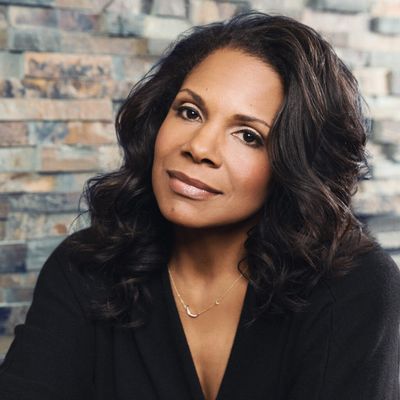
In honor of the Tony Awards this Sunday, please enjoy this encore release of our chat with nominee (for the 7th time!) Audra McDonald, currently starring as Mama Rose in GYPSY. Make sure to follow up with Part 2 and follow the Mamas on Instagram @mamastalkinloudpod for up to date info on their return.
2020: Kicking off season 2 of Mamas Talkin Loud we were honored to speak with 6 time Tony award winner and venerable pillar of the theater community, Audra McDonald.
TRIGGER WARNING: sensitive conversation about miscarriage
As a mother with 15 years between her girls, she has seen a shift in how our industry views parenthood, but knows there is still SO much work to be done. She shares with us the differences in parenting then and now, and how her older daughter is actually helping her be a better parent the second time around. As a founding member of Black Theatre United, she is working tirelessly to affect real change through civic engagement, all while balancing the life of a working mother artist, amidst a global pandemic.
Find more info about the podcast via BPN.fm/mamas.
Produced by Dori Berinstein and Alan Seales.
Edited by Derek Gunther.
Transcript
This transcript was automatically generated and might contain errors.
[0:00] Cara Cooper: Hi, everyone. Thanks so much for tuning in to our first episode of season two of Mamas Talkin' Loud. I'm Cara Cooper and I'm Jessica Rush and today we have with us the winner of a record-breaking six Tony Awards, two Grammy Awards, and an Emmy Award. She was named one of Time Magazine's 100 Most Influential People of 2015 and received a 2015 National Medal of Arts, America's highest honor for Achievement in the Arts from President Barack Obama. We are kicking off season two with none other than Audra McDonald.
[0:57] Jessica Rush: Welcome back, you guys. We are so excited to kick off season two with none other than the Queen Bey of Broadway herself. Well, Audra McDonald is here. She is here with us. Applause. I'm doing the canned applause with myself. Welcome, Audra. And thank you so much for taking the time to be with us.
[1:30] Audra McDonald: Of course. It's a pleasure and you know, I think you guys are awesome and you're out there kicking booties as mamas and performers and just to have a podcast like this or something that sort of keeps us in solidarity is a great thing. It makes you feel a little saner.
[1:55] Cara Cooper: We hear that.
[1:58] Audra McDonald: Yeah. We could all use a little bit of sanity right now, huh?
[2:04] Jessica Rush: Yeah, for sure. So, we always kick off our episodes by asking our guests about their children. We think it's something we never get asked in our industry about and so that's what we like to lead with. So, tell us about your daughters.
[2:12] Audra McDonald: My daughters. Well, my 19-year-old is in her sophomore year. She just started her sophomore year of college yesterday. Just crazy and she's doing it online. You know, because that's where we are right now and she didn't want to live in our house. So, we have a crash pad in the city. So, she and a couple of her other friends from her university decided they would all live together in our crash pad in the city so that they could get a little sort of sense of, you know, being away from home and having a college experience and I don't blame them. You know, I moved, you know, across the country. I moved from Fresno, California all the way to New York to go to college and you know, they really are being robbed of a college experience right now.
So, I was kind of all for it. You know, I really wanted them to, I wanted her to have some sort of semblance of autonomy and a bit of freedom and the great or maybe not great thing is because she was like, I gotta get out of here. I gotta have this space. Girl has texted me more times in the past week. I'm like, Jen, you wanted out. What's going on? They think they want out and then they get out and they realize, oh, my mom really knows all the things. Really, literally like last night, Will had just gotten home from work and we got, we get a text from Zoe and then she calls. Whenever she calls, I'm like, oh god because kids, they don't use, they don't call. It's text or nothing. So, when she calls, you're like, what's going on?
And she calls and she's like, mom, it's and it's completely dark. She's FaceTiming me like, why is it dark in the apartment? What's going on? She's like, this light bulb has gone out and we don't know how to, I'm like, are you kidding me? And they couldn't figure it out. I'm like, just, just, just find a lamp somewhere and light a candle.
[4:16] Jessica Rush: Yeah.
[4:22] Audra McDonald: Or not. You know, you go to that mama sort of like, what, what's wrong? And it's like, but I don't need you. I'm like, okay, fine. Uh huh. Yeah. She's good. She's good and she had her time and then my three-year-old is just, you know, it's a hard time for them too. You know, especially as we've all been quarantining and I have not sent her back to preschool. So she hasn't had any kids to play with her age and that's been devastating and so hard on her. And we just got some new neighbors a couple days ago who have twin four-year-olds and they said, oh my gosh, when they said we're not sending our kids to school and we're looking for a, you know, a bubble or a pot, I was like, are you kidding me?
Oh my gosh. Oh my gosh. I am so excited for you. I am so excited for you because same over here. Elliott doesn't have anyone. It's just us and that's exhausting. It's too much. It's exhausting, you know, and it's not, I mean, you're, of course, you're going to do anything for your kids, but it is so exhausting to like play with them in that mindset all day long because they're in that place where they want to, you know, pretend to be this and pretend to be that. And you know, they're off in 500 different directions at once and we're old and we're tired. It's like you're in a constant game of improv, but you're the person you're playing with is telling you you're doing it wrong. Like I feel like my three-year-old is like, no, it's not. Yes. And it's no, I'm doing it this way.
[5:53] Jessica Rush: Exactly. It's like, wait a minute. I mean, and the line readings they give you, I'm like, we didn't, and especially me and Will were like, really, did we give birth to a director?
[6:02] Audra McDonald: Same. Oh my God. Sally and Elliot just get together and like direct all the things. If you say, I'm like, well, I don't want to say that. She's like, you have to say it. It's like, oh, anyway, I'm speaking to the choir here. Y'all know. I mean, I just love, it's like little does she know, right? Our kids like little does she know who she's directing? She's like, mom, no, she doesn't. She doesn't. She's like, I see you in the morning before the coffee, do this for me and do it right. Or I will tell you, I will tell you about yourself. That's the amazing. We also have two step-sons and one is starting his junior year in high school and half in school, half out of school. It's very weird. They're half online, half not. And then my other, my other stepson has gone back down to college, but he's doing it online, but he's doing it in, in these. So is, is your stepson, is the one in high school, is he with you guys?
[7:01] Audra McDonald: Yeah. Yeah. He's, yeah, he is, um, not bi-coastal. What's his name?
[7:12] Cara Cooper: Bi-coastal?
[7:17] Audra McDonald: Yeah, he's bi-coastal. Anyway. But thanks for asking about my kids. How are your kids? How's everybody doing?
[7:22] Cara Cooper: Kara has had an improvement. I've had a recent improvement. I, my, uh, my, I have a seven-year-old daughter who's autistic and this was like the remote schooling that started in March was fairly brutal. Um, and she has recently been able to go back to school. Her, she's in a classroom, a contained classroom. There's only five kids in her classroom. Um, and in our district, they are allowing those kids to go five days, full day. And I feel safe. I know every other parent of every other child. We're all in constant communication. And so she is a different human. She's like a different kid. She's been in three days and she is a different kid. So, um, and I've had some relief from that. You know what I mean?
Like, you know, she, we always, my husband and I joke, we also have, uh, almost four-year-old. I think Finn and Sally Mae are really, uh, Sally James, sorry, are very close in age. Um, she's going to be, he's going to be four at the end of October. And we always joke that it's almost like we have two only children because they can't really play together. Um, because my daughter doesn't really know how to play. She's getting there. So it was like they, we had two kids that need such different things all the time. So I have recently had some relief and I was just talking to Jessica about how guilty I feel. I feel so guilty because I know so many other moms are still struggling so much. And I've had like a moment of breath and I have guilt.
[8:44] Audra McDonald: You don't have guilt. I mean, congratulations and good for you and good for them and, and, and good. I mean, wherever there is the joy. So that's cool.
[9:02] Cara Cooper: Yeah, exactly. Exactly. I'm living vicariously through you Kara. So it's all you guys had a good, you had some playmates for the summer, but that's over now.
[9:11] Jessica Rush: Well, we do. If we drive up to LA there, I mean, we're definitely in a pod with them. Like they're not playing with other people, but they’re siblings. So we'll go up and do that. But we were just for the month we were in Washington state with, um, her cousins. And what we're going to do actually is go back up for the entire holiday season for six weeks and live on their farm with them. And just like, I know it's, and the kids are six, four and two. And so, and Elliot just turned six. So it's perfect. And you know, they have an indoor pool. It's really lovely. It feels, it feels like a vacation almost. So, you know, and meanwhile, she's learning to take care of chickens and they're getting goats and, but, um, and she has kids to play with and also homeschool with. So that's great.
[9:56] Audra McDonald: Yeah. Yeah. That'll be a great thing. But when we're here by ourselves in La Jolla and those first five months, it's a lot, it's a lot day in and day out, but you know what? I mean, we count our blessings where we have them and are trying to just be in the present moment, you know, until we can, until we can go back. So, but, um, how about, uh, I want to talk to you. So, okay. Backstory. Been wanting to talk to Audra for a while because you have such, first off, there aren't a ton of mothers in our world, right? There are more than there used to be. And since you do have a 19 year old, you had a child in a time, I mean, this was, what was it? Maybe 2000, I guess. I got pregnant in 2000. She was born in 2001.
So I always find it interesting to talk to women who were in the business. I mean, this has only been in the last several years. I feel that there's been a shift in awareness and, and sort of, it's not as taboo as it once was, even though I think that we still don't talk about our children a lot. Um, but how is that to have children in such different places of your career? I mean, I know, you know, you'd already won a few Tony's at that point. And so, so you weren't like on the struggling side, but to look at it from two different perspectives, I was, I've always wondered what it was like to have that space.
[11:23] Audra McDonald: Yeah. Um, well, you know, when I had Zoe, I, um, yeah, I mean, I had one Tony's and I was, you know, somewhat established in my career, but, um, I was still at a point where I, I wasn't advocating for myself. Like I, like, I felt like, I feel like I do now. Um, and so in some ways I wasn't, I wasn't asking for things. I also wasn't being led or being advised to ask for things. You just sort of dealt with things and figured them out, you know? Um, and you know, and that means, and I, you know, I love my management, I love my agent and they've all been amazing, but in, in, in, you know, asking for what you need and dealing like with a contract or something like that, it was just sort of like, okay, I'll just, I'll figure that out.
I'll figure that out. You know, you, and, um, also I didn't have, um, a ton of friends around me that had a kid at that time. A lot of, a lot of my friends in the business, um, just didn't have kids. And, um, a lot of them were very supportive and very helpful, but you also, I just didn't have, um, that much of a community. Um, there's like two, two others that I can think of that have.
[12:42] Audra McDonald: Kids at that time of my friends. And so you feel a bit alone. And I would say, I mean, I'm not, I don't want to be dramatic and say, not supported, but I look back on it now and you know, you're not, you're just figuring it out on your own, you know, and, and not thinking that you have the right to ask for certain things like that. Now we know absolutely. And why wouldn't that be considered? And, and, you know, things like for me, starring in shows or having big roles in shows and, and sort of trying to advocate for saying, can we start at 11 and can we do a straight through day until five? That way I've got time to get my kid to school, be with her for those few hours in the morning, then come into work and then get home in time to put her to bed.
But that whole 10 to six thing, especially if you lived out of the city or anything like that, it, for parents, especially, it cuts into so much and there's gotta be a way that you can do both. You know, one, one friend I did have that, and she, it was interesting. She's, her kids are now 26 and 27, but she got pregnant when we were doing Carousel, Rebecca Eichenberger. Do you guys know her? Oh yeah. Amazing Rebecca Eichenberger. And that was the one friend I had who had had kids. And her, her oldest son was I think eight, nine months when we were doing Carousel. And I remember one morning at rehearsal going, oh gosh, it's, it's just 10 and I don't think I can, oh, I need a smoke out. Like, honey, please.
I was like, what do you mean? She's like, I've been up since 630. And I just remember going, why? She's like, I've got children. And just that first, that first sort of response of, oh, and she's like, and you'll never sleep again. And it was, and, but seeing her deal with it and, and, and just the force and the way she dealt with it and, and, and, you know, educated me. But then, so when I did finally come around and have kids, her kids were much older. So that was the one sort of soul voice I remember having in my ear at that time. That was it, you know.
[14:54] Cara Cooper: Wow.
[14:55] Audra McDonald: And her husband's a, you know, is in the union and he worked with shows too. So that was, they had the, um, that security in that way that, you know, he at least understood what her career was about and, and was a part of the business as well. But it wasn't a lot of support then. It really wasn't.
[15:09] Jessica Rush: No, I mean, I think that that's something, I mean, we, you know, not to, it's not the same, but that's why we founded the Facebook group. You know, it's like we realized we didn't have a lot of support around us. We had each other, but we, thank goodness we had each other, you know, and so we thought there's gotta be women who, so many of us are staying in the business now and continuing to work and be working artists mothers. And, um, and I just think everything is so prehistoric with regard, you know, in the union and the rules and the things. And there are so many who don't have children that I think no matter what, like you can be a great friend and you can see the struggles, but until you are in this position, trying to balance it and try to find the ways you can't possibly explain to someone what it means to miss the first day of school.
You know what I mean? Like I luckily, and I said this last season, you know, I was doing Tina and our stage manager as a mom and she was amazing. And I said, listen, it's Elliot's first day of school tomorrow. If I'm not going to be called all day. And she was like, what time does school start? And I told her, and then she asked me later on that day, she's like, when does school get out? And I told her, and she scheduled me for the middle of the day. Oh, that's all it takes. And the difference it made in my mental state to be a part, you know, to think, oh, I was heard my needs were heard, but I know it's because she's a mom. Cause goodness knows, I know companies who would have said, no, you're here 10 to six, even if you're sitting on your ass.
Right. Right. Right. And the, I think what people don't understand a lot of times is sort of like the emotional torture that it goes through that you go through. Like when you're just sitting there thinking about the fact that I'm not going to be able to be there for her first day of school. Yeah. You know, and what is that going to do to my child? And the guilt you're feeling at the same time, it's like, but I got to work. Right. Yeah. That's the other thing when people sort of, you know, sometimes I, like I lost a few friends when I, um, you know, my first couple of years of having Zoe and it was, it was, it was friends that didn't really understand that. I don't, I don't have time right now.
I'm so sorry. I didn't call you back or I'm so sorry, especially this was before, you know, cell phones and all that stuff. When I first had Zoe, or I'm so sorry that I can't go out with you after the show tonight for the sixth time that you've asked. And boy, do I wish I could just like go out and get drunk and then sleep until 10 or 11 o'clock, but you can't, you just can't. There is a responsibility that you have. And then, um, and then there's an emotional responsibility that you have. And, um, I was just talking to Will about this last night. It's like, you know, I was starting to feel guilty. I'm like, maybe I haven't been that great of a friend to a lot of people. And he was like, well, you know, I'm sorry.
You can only have so much that you have to give and you must give it to your family first. And then whatever you have left over, then you can, you know, parse out as you see fit, but you, you know, what comes first is your family. Um, and those who are close to you will understand that.
[18:26] Jessica Rush: Yeah, yeah, yeah, exactly. Exactly. But I had to learn to let go and just go, okay, that, yeah, especially right now. Yes. Yeah. I was thinking about it, especially during this time, because I think we all handle what's going on so differently. You know, we all deal with this stress and anxiety and the fear and everything that we're, that we're taking in all the input, people handle it differently. Lots of people are like reaching out to everybody. I know me, I go inward and I know that I've let like a lot of things go through the cracks, but I also know that the people who love and care about me know that about me, you know? Yeah. Those are the friends I still have. The ones were like, when you come up for air, we're here.
Yeah. And if they really needed you, I have no doubt you would be there in a second, you know? Yeah. Yeah. But just to, just to shoot the shit and like hang out on this, you're like, no, I don't, I don't have, I don't have time. And boy, but again, it's like, that would be great. Right? Yeah, exactly. I've actually had friends in the business who once they had children have actually said to me, I get it now. Like, oh, I get it. Don't ever feel bad about not texting me back immediately after I sent you a text. Like, you know, so there is for the people who do have this experience, they get there and understand. I want to talk about the, so the difference between having a child when you did and then now, besides the business, I feel like parents, well, I mean, there's a lot that goes into it, right?
How old you are when you have your first, how old you are when you had your second, I mean, you talk about it really openly. You were in perimenopause, you were doing eight shows a week, you were tap dancing, never in a million years did you think you were going to get pregnant. So I'd love to talk about how that felt on your body, but I'm also curious, I feel like parenting in general has changed over that period of time. And I want to know how that's been for you. Was it like riding a bike to have a baby again? Did your thoughts about parenting shift with Sally James or was it? I'll tell you what, in some ways they shifted and some of that shift came from my older daughter watching me parent Sally James and guiding me in some ways that I kind of messed up with her.
Wow. I have been so grateful for, I've been so grateful. I mean, you know, talk about the difference. I have one child born in 2001, another one born in 2016. So, I mean, yeah, so they were, you know, they're 15 years apart. So it is like having two only children, but my daughter has been able to guide me in ways that I, because certain things about parenting have changed, like you don't force them to kiss someone if they don't want to, you don't say, oh, go hug that person, go do it. And so my daughter is as much of a police about that, or if we tickle Sally and she doesn't want to be tickled, my daughter will say, listen to her mom. She's saying, don't touch me. And it's different if you're trying to protect her from something like that, but if she's saying, I don't want to be tickled, you need to listen to that because she needs to learn that she has control over her body.
And I was like, wow. And my other things, like I was raised to call, you know, when I was a little kid, it was, you know, my grandmother called the vagina, you're possible. So which I, you know what? So I taught that to my 19 year old. Well, not when she was 19, but I remember when Sally was starting to speak, mom, she was like, mom, call it a vagina. She needs to know what it is. So if God forbid something happened, I was like, and I know that all these things were coming down the pipe, but that she was so aware of all that. The other thing that I pass on to anybody that I can think of now is the one thing that my daughter and please, I'm not literally relying on my, but it's just because they're in a different generation.
Um, as she said to me one night, she said, mom, I said, oh my gosh, it's just my butt. And she said, mom, you know what? I love you so much. And I think your body is beautiful. She said, but in watching you over all these years, tear down your own body that taught me to do that to myself. And she's like, so I know she's like, please don't do that for Sally's sake. Sally's got a beautiful body. And my daughter has a beautiful body. And I've never said, I've always said, so you're beautiful. Your body is beautiful. You're strong. You're healthy. I've always done that. She's like, it doesn't matter what you've said to me about my body. Cause I've watched what you said about your body in front of me.
And so that's something that I'm learning to be like, okay, that's right. That's right. You know, I'm going to be healthier or anything stronger, stronger, but I don't say anything bad about myself now because, and I realized in when she told me that I started to look back at what I grew up hearing, um, and understand what my mother grew up hearing. And my daughter in some ways is helping me sort of like break the cycle on a lot of stuff, which I'm still grateful for.
[23:46] Jessica Rush: That's amazing.
[23:47] Audra McDonald: Yeah. I mean, we always say, you know, they're listening and they really are listening. And, you know, just the little asides that we even say, that's what they're listening more to than we realize. Oh my gosh, they're learning how to treat themselves based on how you treat yourself, you know? So it's been, it's, it's been like sort of the major thing. And then the other issue with, you know, the parenting in 2016, as opposed to 2001 and being 30, as opposed to being 50, I'm just tired.
[24:18] Audra McDonald: So a lot of stuff that I used to stress out about with, with Zoe, I'm like, you know, I mean, like Sally just decorated the entire couch the other day and I just went, I mean, with, you know, markers, right? Well, the couch looks different now. Whatever, you know, she drew on the wall and we did for a while. We just sort of like put a little frame around it, you know? So I'm less stressed about that stuff anymore because it's just, we got other shit to worry about, you know, in the world right now. I'm not going to worry about the couch anymore. So that's it. Sally's getting the easier version. For sure.
[25:07] Jessica Rush: We're going to take a really quick break right now, but don't go anywhere. We are going to be right back continuing this amazing conversation with Audra McDonald.
[25:26] Audra McDonald: I mean, I can only imagine what it felt like when you realized that that was happening at, what, 45, did you say? You were 45 when that was you?
[25:36] Audra McDonald: Yeah, I was 45 when I got pregnant. I was 46 when I had her.
[25:40] Jessica Rush: Yeah. That's like, and then to be tap dancing and dancing. I mean, it's, you know.
[25:46] Audra McDonald: I'm happy to tell these stories now. My life's pretty much always been a big open book. I don't care. But I had tried years before, you know, Will and I had tried to get pregnant, and we had many losses. And so we gave up. And, you know, the doctors were just like, unless you do IVF, which we were not interested in doing, they were like, it's just not going to happen for you. You're, you just, you know, your egg's done. I mean, we don't even think there's any eggs left, you know, you're gonna have to either get a surrogate, you're gonna have to get a donation, egg donation, or just, or major, they were like, I said, if I were to do IVF, they're like, we'd have to throw every medication in the book at you.
Wow. So after like, you know, I think four miscarriages, we just gave up. We're like, okay, fine. We've got three wonderful children from, you know, and we're good. It's fine. So I signed on to do, and so a year went by from our last loss, and I signed on to do the show. And, you know, everybody got sick during tech. You know, that always happens. Everybody's stuck in the theater. Everybody got like the stomach virus, and people were recovering from it. And I was like, do you, are you still nauseous now? And they're like, no, mine was only like two days old. Huh. And I was living, going around asking everybody, did you, did you? No, no, I'm better now. Mine was only like two. I'm like, yeah, yeah.
How do you know? I was like, yeah, but, and I just didn't think in a million years it would be that, you know, because of all the loss, and it had been a year since we'd given up. And so finally I was driving home one night, and I was like, I, this is like the third time I have felt the need to pee, and it's only like a 45 minute drive, and I'd stopped. I was like, so I stopped at a drugstore on the way home, and you know, I was just like, you're kidding me. You're kidding. And so then, because of all the losses I'd had, I was like, well, not gonna last. So, you know, I let Will know, and we were like, okay. So we just knew, you know, like, we just expected that it wouldn't, it wouldn't take. And especially if you're tapping, and you're dancing, and you're stressing over opening a new show, I mean, that's a lot of.
[28:16] Audra McDonald: Exactly. So, cut to, I didn't say anything to anybody, because I just didn't think it was going to last. And then, so I'm in one of our previews one night, and really early in the pregnancy, I think I had like a bit of a week since I'd found out, and we'd gotten the, you know, you go to the doctor, and you get the blood test, and they do those numbers, and like, yep. But she was, again, saying the numbers are a little low. You're probably going to lose this one. Okay, great. So I'm singing my 11 o'clock number one night on stage in previews, and I completely started bleeding, like, it was the beginning of a miscarriage. So I got a stage called My Doctor. And she said, yeah, sounds like a miscarriage.
And so it's just, I was devastated and emotional, but not surprised. And so she said, come in tomorrow, monitor it, make sure that the bleeding doesn't get too heavy. And it was just everywhere. So I went to the doctor the next day, and, you know, when they do the ultrasound, and they put that wand in, and if you guys have ever had loss, I don't know. So, you know, when they put that wand in, and they'd say, no more heartbeat, or, so she put the wand, and she was like, yeah, I can't even see anything where there was something before. I was like, yeah, okay, I figured. And then she goes, wait, wait, wait, what's over here? And she was like, something's still happening over here. And so she said, we'll keep an eye on this, but I'm seeing a flutter, there's something still happening over here.
And so she just, so it was like one of those things, like from the Princess Bride, good night, Wesley, good work, I'll most likely kill you in the morning, you know, that sort of thing. Most likely won't, this probably is not going to happen. And I couldn't, I still had to do the show. So.
[30:01] Jessica Rush: Oh, my God. How did you carry that with you while doing? And no one knew yet at the theater? Did your dresser know? Did my who know? Did your dresser know?
[30:10] Audra McDonald: No, no one. I stayed super quiet, because I just didn't think it was going to happen. And then all of a sudden, I was, I'd gotten past the first trimester, just every day, just being like, this can't, really, this is really still happening? And, and so that's when we finally had to let people know, we're like, believe it or not, so.
[30:40] Audra McDonald: Wow. Yeah. So then it was scary, because it was about trying to, you know, be careful, carry this baby, do the show, take care of my responsibility to the show. And then my responsibility to this baby. And I had been on bedrest with my first child, I was on bedrest for three months with Zoe. I went into labor at five and a half months pregnant with Zoe. And I had to go to bed and lay in bed until I gave birth to her. So from, yeah, I guess, October until February, when I had her, no, yeah, November to February, I had to stay in bed. So...
[31:15] Jessica Rush: Were you performing at the time when you were pregnant with Zoe?
[31:20] Audra McDonald: I was on my way out the door to go to a concert, to get on a plane to fly to a concert in California. And they said, no way, lay down. Yeah. And I was like, oh, so I can like, reschedule the concert for a week from now. They're like, no, you can get up in February when she's due. I was like, I'm sorry, what? So we were worried that that was going to happen again. So we had to monitor very carefully. So I had every band in the world on my belly while I was doing Shuffle Along. Wow.
[31:44] Audra McDonald: I know. If people only knew really what goes on, you know, in order to bring a baby into the world, then everybody has a different journey, obviously. But, you know, the different things that you have to keep to yourself a lot and carry. And then suffer through.
[32:04] Jessica Rush: Exactly. The emotional weight of it is tremendous. Yeah.
[32:09] Audra McDonald: Yeah. If Allie James, she wanted to be here, honey.
[32:13] Jessica Rush: She sure did. That's what we know more than anything in the world. I had one good egg somewhere, like on a shelf in the back of my ovary that was like, oh, and she was like, oh, no, I'm coming. But I'm coming.
[32:32] Audra McDonald: So, yeah, no, she's a miracle baby for us, for sure. And there was a time when, you know, because of Shuffle Along closing and me feeling like I, you know, I've let people down that I really had to, I've now put that way in the back of my head and my heart because that's a life.
[32:56] Jessica Rush: Yeah.
[32:56] Audra McDonald: That's a whole life. That is a whole soul that was meant to come to this planet and learn things and teach things. And, you know, the show is a show. But for a while, I felt a lot of responsibility about that. And that was hard.
[33:12] Jessica Rush: Well, I'm sure. I mean, I think because you're a very empathetic person, human being, and being a mother and an artist, like we're just so in tune to those around us and to our own emotions. And I'm sure. And we always, you know, a show is a family, right? Like we have these people and I can only imagine the kind of responsibility that comes with being in your position and what that must have felt like. But I'm sure that like, well, there are those who will never understand because they have not had that experience. But then there are those who love you and honor you and the experience and just motherhood in general who completely get it.
[34:03] Audra McDonald: Yeah. Again, you know, the cast and the crew, I mean, I don't think anybody like me. It was for me, it felt like, oh, my gosh, this is a whole group of people that are now out of a job. And that that was kind of hard to it was hard to shoulders like.
[34:15] Jessica Rush: I'm sure. But you know what? The way of theater is it might have been they might have gone for another couple of months and then that might have ended. Do you know what I mean? I mean, there's it's just like, yeah, I'm so glad that you've released that. I'm sure it took a minute.
[34:29] Audra McDonald: No, it did. Yeah. I have. Yes. You can't carry it. Oh, my God. No, no, no, no, no. And not not when you're trying to nurture a life. And no, you know, no. But I think that, you know, it's sort of the way family is viewed in this business is not one of with respect, I don't think very often not prioritize, especially in a business where the family, you know, you know, is the men in the theater who, yeah, they would do the shows and they'd come home. Yeah. My wife such and such. How many times do you did you meet someone when you were younger in the theater? A guy who's like, oh, yeah, my my wife used to be in the business.
[35:11] Audra McDonald: You hear that all the time. Oh, but now she's at home with our kids. But she used to be in the business. And I mean, choice is choice, what you choose to do and how you choose to take care of and raise your children. I'm not judging that. But you how many times would you see a woman who say, yeah, my husband used to be in the business, but now I'm the one doing it. And that's no, no, no flames, flames. I get like when Jessica and I were at Jersey Boys, there were tons of fathers. I mean, Crawling with Fathers, I was the first to have a baby and stay there and continue to.
[35:46] Jessica Rush: Well, and the show at that point had been running for almost 10 years.
[35:51] Audra McDonald: You can't say Jersey Boys. No, when I joined it, five years.
[35:54] Jessica Rush: No, I mean, like in the whole run of the show.
[35:56] Audra McDonald: Right, right, right, right. I mean, there's not and so many dads, dads everywhere, everywhere you look, we all had a lot of advice, which was nice. But, you know, it was just bizarre.
[36:08] Jessica Rush: Yeah, it really was. Yeah. And to be, yeah, to be the only one. I remember one person associated with Shuffle Along, when he found out it was closing, he was like, oh my God, what am I going to do? I got kids. And I remember thinking, yeah, this is awful. I got kids too.
[36:30] Audra McDonald: Yeah, not only that, but why didn't he connect the dots?
[36:33] Jessica Rush: Yeah.
[36:34] Audra McDonald: I got kids. You're having a kid.
[36:36] Jessica Rush: Yeah.
[36:38] Audra McDonald: Something is missing in that connection to me.
[36:41] Jessica Rush: Yeah, I mean, it was an emotional reaction and he was like, oh God, what am I going to do? But I remember just going and I just was like, I know this is hard, but in my mind I was like, yeah, I have kids.
[36:52] Audra McDonald: Yeah, yeah. It's the sensitivity chip, right? Remember like Jennifer Aniston said, Brad Pitt was missing it. It's like a lot of men are missing that sensitivity chip where it all gets connected. But that's part of why Cara and I started this podcast, is truly to just have more of an awareness that there are those of us who, we're not carny folk anymore, going from town to town, setting up our tents and living out of a trailer. It's like we are people, fully developed humans, raising humans and we come with children. We're not baggage. They're not baggage, I should say.
[37:38] Jessica Rush: Thanks so much for listening to this episode of Mamas Talkin' Loud. Special shout outs to Rachel Spencer-Hewitt for our fabulous graphic, Kristen Anderson-Lopez, Bobby Lopez and Justin Ward-Weber for our awesome theme song. Our producers, Dori Berenstein, Alan Seals and of course, the Broadway Podcast Network for bringing us to you.
[37:56] Jessica Rush: If you like what you're hearing and you want to keep the conversation going, you can follow us on Instagram and Facebook and of course, subscribe and review us wherever you listen to your podcast. Thanks so much for tuning in.
© Broadway Podcast Network, All Rights Reserved