

In celebration of International Women's History Month, co-host Jessica Rush sat down in studio with her co-stars & fellow 'mamas' of TINA: THE TINA TURNER MUSICAL on Broadway... Read More
From the show: Mamas Talkin' Loud
Guests

Featured Shows

About
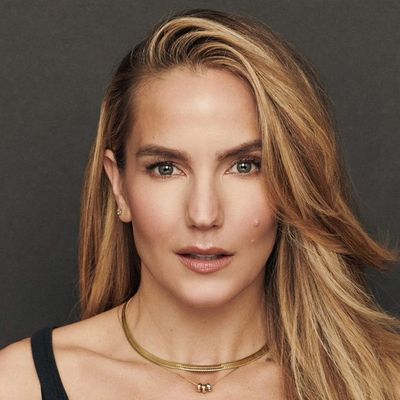
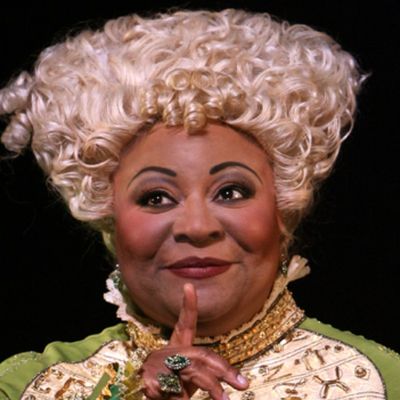
In celebration of International Women's History Month, co-host Jessica Rush sat down in studio with her co-stars & fellow 'mamas' of TINA: THE TINA TURNER MUSICAL on Broadway. Tony Award nominee Myra Lucretia Taylor, NaTasha Yvette Williams and Katie Webber graciously joined her on a two show day to share how their own motherhood journey's and relationships with the maternal figures in their lives informs the work they do on stage 8 times a week, bringing the story of this iconic, powerful warrior, Tina Turner, to life.
*clips and footage from in the studio can be seen on the @tinabroadway social media channels.
For MTL merch! https://mamas-talkin-loud-podcast.myshopify.com
Find more info about the podcast via BPN.fm/mamas.
Produced by Dori Berinstein and Alan Seales.
Edited by Jessica Rush
Transcript
This transcript was automatically generated and might contain errors.
[0:00] Jessica Rush: Hi y'all, we've got some exciting news over here at MTL.
[0:03] Jessica Rush: We now have merch!
[0:05] Jessica Rush: Oh man, Cara and I have worked so hard to design items that would be helpful in the juggle and struggle of the hashtag mom life, and we so hope you'll find something you love.
[0:15] Jessica Rush: Please check out our shop at Mamas Dash Talkin' dash loud dash podcast.
[0:20] Jessica Rush: My shopify.com.
[0:22] Jessica Rush: Or if you need something easier, just go to our Instagram profile at Mama's Talkin' Loud and shop in our Insta store.
[0:29] Jessica Rush: We've got to-do lists, insulated mugs, fanny packs, and so much more.
[0:34] Jessica Rush: We would love it if you would find something that you will use in your day-to-day life and get joy from.
[0:40] Jessica Rush: Get them before they're gone.
[0:42] Jessica Rush: Have a good one. Thanks.
[0:45] Jessica Rush: Hi everyone.
[0:46] Jessica Rush: Thanks so much for tuning in to this episode of Mama's Talkin' Loud.
[0:49] Jessica Rush: I'm Jessica Rush.
[0:50] Jessica Rush: I'm flying solo today because Cara is enjoying some much needed family time away.
[0:56] Jessica Rush: But also it makes sense because this is a very special episode.
[1:00] Jessica Rush: In celebration of International Women's History Month, I sat down in person in studio with some of the mamas and mama figures of Tina, the TINA TURNER musical on Broadway.
[1:13] Jessica Rush: It was so lovely to sit down and discuss not just how we balance motherhood and a career in the theater, but most importantly in this month of celebration to find out how their own journeys influence the way they tell the story of this iconic, powerful, amazing woman, TINA TURNER.
[1:34] Jessica Rush: Here's my conversation with Myra Lucretia Taylor.
[1:39] Jessica Rush: Here's my chat with Tony Nominee Myra Lucretia Taylor, NaTasha Yvette Williams, and Katie Webber.
[1:46] ♪ Musical number: "Mama's Talkin' Loud" — performed by the cast ♪
[2:12] Jessica Rush: Well, good morning, friends.
[2:14] Myra Lucretia Taylor: Good morning, good morning.
[2:16] NaTasha Yvette Williams: Welcome to Mama's Talkin' Loud Podcast.
[2:18] Jessica Rush: Thank you for being here on a two-show day.
[2:22] Jessica Rush: We're doing this on a two show day, everyone.
[2:24] Jessica Rush: Um, and it's been a minute.
[2:26] Jessica Rush: It's really exciting to be sitting here, to be honest.
[2:29] Jessica Rush: For me, Cara is not with us today.
[2:31] Jessica Rush: She is at Disney World with the kiddos, so it's just myself with my fellow Tina maternal figures, mothers, all the things.
[2:41] Jessica Rush: What's exciting is that we talked to NaTasha.
[2:43] Jessica Rush: NaTasha Yvette Williams is here with us.
[2:45] Jessica Rush: We talked to her on episode 13 in February 2020 in studio, one of the last in studio episodes we did.
[2:53] Jessica Rush: And this is episode 83.
[2:55] Jessica Rush: So amazing.
[2:57] Jessica Rush: If you missed a few in between, go back and listen.
[2:59] Jessica Rush: We also talked to Katie, Katie Webber, um, during the pandemic.
[3:04] Jessica Rush: Um, because she has written cookbooks.
[3:06] Jessica Rush: That was her pandemic pivot, which is also now just this entire side hustle, extraordinaire.
[3:12] Jessica Rush: Um so we've already spoken with both of them about being mothers in this business.
[3:17] Jessica Rush: And this morning, I am here with them from the company of Tina to discuss what it's like portraying mothers in this in the show, how those women help to tell Tina's story, um, the work we've done to get there, and also we'll talk a little bit about you know, just balancing it all, because life post pandemic, for myself included, has been infinitely harder than it seemed that it was before.
[3:45] Jessica Rush: I think awareness is key.
[3:47] Jessica Rush: Um but I do have to say that Katie and I, for those of you who are listening and aren't aware of this, we are available.
[3:54] Jessica Rush: We recorded this episode, so you can go watch it as well.
[3:58] Jessica Rush: Check out the Tina Broadway uh social media handle on Instagram or on Twitter.
[4:04] NaTasha Yvette Williams: We're on Twitter, yeah?
[4:05] Jessica Rush: Yeah.
[4:05] Jessica Rush: See, I had to double check.
[4:08] Jessica Rush: Because I only do the Instagram mostly, but um, go check it out there because you'll see that Katie and I uh are both wearing button-down shirts, collared button-down shirts, and all the ladies have dangly earrings except me because I did not get the memo.
[4:23] Jessica Rush: So you guys, y'all didn't tell me this before we came here.
[4:26] Jessica Rush: Um, however, let's get started because uh we do have to get to the matinee.
[4:31] Jessica Rush: There's a fight call to be had.
[4:33] Jessica Rush: Um, I am sitting here to do a proper introduction with NaTasha Yvette Williams, who plays Zelma, and um she is the mother of twins, which is a whole other thing.
[4:45] Jessica Rush: Multiple Mamas Madness was her episode.
[4:48] Jessica Rush: And she talks about auditioning how soon after giving birth?
[4:51] NaTasha Yvette Williams: Five days or something like that.
[4:53] Jessica Rush: Five days after getting the house twins.
[4:54] Jessica Rush: That's that's a whole episode in itself.
[4:57] Jessica Rush: And then we have Katie Webber, who um is mother to Ollie, who is five, who was a little Broadway star herself earlier this year.
[5:06] Jessica Rush: Um, and she is in the ensemble, and um some exciting things coming up from that.
[5:12] Jessica Rush: And then Miss Myra Lucretia Taylor, Tony nominee, for her role of Gigi in Tina.
[5:19] Jessica Rush: She is here with us as well.
[5:20] Myra Lucretia Taylor: Yes.
[5:21] Jessica Rush: Um, ladies, I just have to say, between the three of you, you have 22 Broadway shows.
[5:27] NaTasha Yvette Williams: Oh wow.
[5:28] Jessica Rush: And if you add me into it, we got 28.
[5:30] Myra Lucretia Taylor: Wow.
[5:30] Jessica Rush: So I have to say, Okay.
[5:33] Jessica Rush: No one here is under the age of 40, for one.
[5:35] Jessica Rush: I mean Katie just is at it.
[5:37] Jessica Rush: But you know, we are veterans, I would say.
[5:40] NaTasha Yvette Williams: Um very much so.
[5:42] Jessica Rush: I did learn something today about Myra before we jump into the Tina focus.
[5:47] Jessica Rush: You were the first black woman to play Madame Morable in Wicked.
[5:51] Myra Lucretia Taylor: Yeah in 2008.
[5:52] Jessica Rush: That was I didn't realize you were the first.
[5:54] Jessica Rush: I mean, I was breaking barriers and blazing trails everywhere.
[5:58] Jessica Rush: But um that was interesting that I learned this morning.
[6:00] Myra Lucretia Taylor: Yeah.
[6:01] Jessica Rush: I mean, I think there have been people who have been understudies, but I was the first, like uh on contract, yeah.
[6:07] Myra Lucretia Taylor: On the tour.
[6:08] Jessica Rush: Well, and considering that Brittany just took over as a full-time Glinda, and she is the first black Glinda, right?
[6:15] NaTasha Yvette Williams: That's uh so change is afoot, but that was 2008 you did that, and here we are in 2022 with her.
[6:22] Jessica Rush: So it took a while to say the least.
[6:25] Jessica Rush: Um, but that was an interesting thing.
[6:27] Jessica Rush: So, in telling Tina's story, um, her mother is important to her journey, but the woman who starts her out, I feel like, on the journey in our show specifically, of empowerment, of finding out who she is, of giving her the belief in herself to go out and journey towards her dreams, um, is Gigi.
[6:52] Jessica Rush: Is is her grand, right?
[6:54] Myra Lucretia Taylor: And I I love the song that the two of you do, and it's a solid moment at the beginning of our show, and then you come back throughout to be the wisdom and the guidance on her shoulder, right?
[7:07] Jessica Rush: I know Miss Myra, as a caretaker, you are a caregiver and a caretaker, you for your uncle, and I know y'all, Miss Myra gets up at like four in the morning almost every day.
[7:18] Jessica Rush: Um, as well as doing eight shows a week.
[7:20] Jessica Rush: So I I you know, we talk a lot about moms in this business, and it's not just mom centric, you know, mom encompasses a lot of things, I think, which can be the mother, the maternal energy and the mother to others in various ways.
[7:34] Jessica Rush: And that is something that you definitely do.
[7:37] Jessica Rush: Um I have to say hats off to you because whenever I always we make fun of people, you know, because they'll come in and say good morning, and it's one in the afternoon, and they have no kids and they're so tired.
[7:49] Jessica Rush: They're so tired.
[7:50] Jessica Rush: And meanwhile, we've been up since you know, 6:30, 6, who knows, you know, and have already been at soccer games and the like and all the things.
[7:57] Jessica Rush: And I have these moments where I think, oh my gosh, they have no idea how tired we are.
[8:01] Jessica Rush: And then I think about you, Myra, and I think I don't have any idea how tired she is.
[8:08] Jessica Rush: The way you do that, and I am just in awe of you and the love that you have and the commitment you have to family in the way that you show your love in that way of caretaking.
[8:20] Myra Lucretia Taylor: How oh man, that's so sweet.
[8:22] Myra Lucretia Taylor: Thank you.
[8:23] Jessica Rush: Yeah, yeah.
[8:24] Myra Lucretia Taylor: Well, it's true, it's true.
[8:25] Jessica Rush: Um, how did that influence your take on Gigi?
[8:30] Myra Lucretia Taylor: How did you call on your experiences?
[8:34] Myra Lucretia Taylor: Did you call just sort of on the feeling?
[8:36] Jessica Rush: I'd love to hear a little bit about the process you had with regard to.
[8:40] Jessica Rush: We know a lot more, I think, about Zelma, you know, from the books, uh, from the biographies, sort of who she was.
[8:49] Jessica Rush: Um, but with Gigi, will you tell us a little bit about who she is, who you may have learned that she was, and how you move forward within our process to bring her to life and you know get that Tony nomination.
[9:04] Myra Lucretia Taylor: Well, Gigi, it's just so you know, it's so kind of wonderful and painful at the same time.
[9:11] Myra Lucretia Taylor: And I think that's kind of like what happens with family, or when you like I remember when my nephew was born.
[9:19] Myra Lucretia Taylor: You know, I'm not a mom, I'm not a biological mom, but I remember my nephew was born, it hit me so hard that I loved him so much.
[9:28] Myra Lucretia Taylor: And the next thought was, oh my god, if something happens to this child, I will be destroyed.
[9:34] Myra Lucretia Taylor: And those two feelings, they just slam you.
[9:39] Myra Lucretia Taylor: And um that is a I guess that's just a part of our journey.
[9:44] Myra Lucretia Taylor: That's part of the deal of being a human being.
[9:47] Myra Lucretia Taylor: The agony and the ecstasy, the love and the potential loss.
[9:52] Myra Lucretia Taylor: And so with Gigi, it's just you know, I just love being able to kind of rise up and just have that moment of sacrifice of that you know you have you love this being so much, and you're doing everything you can to make, and you have to let them go.
[10:08] Myra Lucretia Taylor: And you know that you're gonna be up probably every night wondering if they're gonna be all right.
[10:13] Myra Lucretia Taylor: Like the line that kills me is when she sings, and if you ever think about me, it's like, what are you saying?
[10:21] Myra Lucretia Taylor: I will do nothing but think about you.
[10:24] Jessica Rush: So, I mean, it's just kind of fire.
[10:27] Jessica Rush: You got me emotional from crying right off the bat.
[10:31] Myra Lucretia Taylor: It's just it's just kind of uh it's a privilege to kind of just live in that kind of um delicious hell.
[10:39] Myra Lucretia Taylor: Um and I'm just I'm grateful to Philida for giving me that moment, and I'm grateful to her for the kind of light motif of Gigi throughout the piece that she can call on.
[10:53] Myra Lucretia Taylor: And I know in pre-pandemic days when we could meet people, it just always was just kind of um warming to me when people said you remind me of my grandmother.
[11:04] Myra Lucretia Taylor: And it was really it was people being saying, You remind me of being seen.
[11:09] Myra Lucretia Taylor: Maybe there was a time when I wasn't seen, or I was a little thing and and nobody could see me or see what I wanted to do.
[11:15] Myra Lucretia Taylor: And my grandma saw me, she saw me.
[11:17] Jessica Rush: It's about being seen.
[11:19] Myra Lucretia Taylor: Um so yeah, I'm uh I just went all around the houses, but I'm grateful, I'm grateful to be able to play this part.
[11:29] Jessica Rush: Well, that was beautiful, and you got us all crying, and I think you know, delicious hell that is.
[11:35] Jessica Rush: I love that.
[11:35] Jessica Rush: I mean, I really think I love that.
[11:37] Jessica Rush: I'm gonna quote that over next book.
[11:39] Myra Lucretia Taylor: Yeah, exactly.
[11:41] Jessica Rush: Exactly.
[11:42] Jessica Rush: I mean, I think whether you are a biological mother or you are a mother to others, or you have these moments or interactions and relationships that enable you to feel a love so deep, you know.
[11:54] Jessica Rush: We often say that being a mother is your heart is walking around outside of your body, and it's true.
[12:00] Jessica Rush: It's like I've spoken before about my anxiety.
[12:02] Jessica Rush: I didn't have the anxiety that I have before I was a mother, and Elliot was born and it went through the roof.
[12:09] Jessica Rush: And I think constantly of her, constantly.
[12:12] Jessica Rush: I always tell people you will never move through the world as carefree again.
[12:15] NaTasha Yvette Williams: No.
[12:16] Jessica Rush: Ever.
[12:16] Jessica Rush: Even when you're away, you will be thinking of your child, you know, and um, and but I love what you said about being seen, and it's so important for children specifically to be seen for who they are, to be respected, to be loved, to be supported.
[12:32] Jessica Rush: Um, and with that, what is heartbreaking to me in the show?
[12:39] Jessica Rush: If I watch it, and I usually don't, we're usually to be honest, Katie and I are usually chatting about whatever our kids did that day, stayed right.
[12:46] Jessica Rush: But when Zelma leaves, when Zelma takes Aline, spoiler alert if you haven't seen it or you don't know, Zelma left Tina, no anime at the time, her birth name, um, when she was a small child.
[13:01] Jessica Rush: 11, 10, something like that.
[13:03] NaTasha Yvette Williams: Around that age, yeah.
[13:04] Jessica Rush: Um, the idea of leaving my child is just I don't that's something I can't even comprehend.
[13:13] Jessica Rush: Can you speak to us a little bit about as a mother yourself?
[13:17] Jessica Rush: And I'm sure you probably feel I mean, we all sometimes we might want to let them go somewhere for a minute because we need a break.
[13:24] Jessica Rush: But it's heartbreaking and heart-wrenching to watch, particularly, I have to say, like when she is watching you, whether it's Sky or Juliet, or we have Ronnie right now playing playing anime, when she watches you and Phoenix, or Fierce Phoenix, Fierce Phoenix, see, see, she got that pH.
[13:45] NaTasha Yvette Williams: Sometimes I say fire, yeah.
[13:46] Jessica Rush: Yeah, but when when the two of you are leaving, and the look on her face of abandonment and heartbreak and fear, and I how how is that for you?
[14:03] NaTasha Yvette Williams: It is a gut-wrenching moment.
[14:06] Myra Lucretia Taylor: Mm-hmm.
[14:06] NaTasha Yvette Williams: And it comes so fast, so early in our piece, there's not much prep for that moment.
[14:13] Jessica Rush: Uh, you have just come into our show.
[14:15] NaTasha Yvette Williams: What?
[14:16] Jessica Rush: You've been here what, a month?
[14:17] NaTasha Yvette Williams: A little over a month.
[14:18] Jessica Rush: Six weeks, maybe.
[14:19] NaTasha Yvette Williams: Yeah, NaTasha replaced Dawn Lewis and um she is Selma.
[14:22] Jessica Rush: And because you did come in as a replacement, also, I think this is two-handed.
[14:28] NaTasha Yvette Williams: You didn't have the same rehearsal process.
[14:30] Myra Lucretia Taylor: No.
[14:31] Jessica Rush: That we did in the beginning.
[14:34] NaTasha Yvette Williams: Um, which also means so much is left to your own interpretation, your own uh figuring out.
[14:42] Jessica Rush: Can you speak to us a little bit about that? I know I just asked like three different questions, but maybe take us on the journey of that.
[14:47] NaTasha Yvette Williams: I definitely had the benefit of watching you guys, you know, prior watching Dawn and watching some of the choices that she was making. Um I had had the benefit of that, uh, so that I could build upon where she was and where she started and tried to just add who I am on top of that.
[15:03] NaTasha Yvette Williams: Uh it's very difficult. That moment is so quick and um it's so complicated and so uh laced with so many emotions that in trying to understand Zelma, um, trying to understand what could make her um walk out and the desperation that she must have been in in order to be able to make a decision like that.
[15:29] NaTasha Yvette Williams: Um so uh what I'd love to be able to do is paint a picture of her that is not just a woman who leaves her child, but a woman who chooses that or recognized that she's not the best person for her child because of the gifts of her child, because of the energy of her child, because of all the things that um she is unable to handle about uh the light, the fire that Tina, the anime was at that time.
[16:01] NaTasha Yvette Williams: Um and she just was not equipped to to mother her and to be um you know, supportive and be what she could be.
[16:11] NaTasha Yvette Williams: So she she she I won't say it couldn't have been the easy way, but it was i the most um the quickest way. The door was closer than working through um teaching and and growing this child, uh, and also the husband and the abusive relationship that she was in.
[16:29] NaTasha Yvette Williams: Um she just got out and she got out with the child, one child, um, that she felt like she could nurture.
[16:38] NaTasha Yvette Williams: Um so yes, very difficult, very complicated.
[16:42] Myra Lucretia Taylor: Yeah, and it's complicated every night, you know.
[16:45] NaTasha Yvette Williams: Yeah, I'm sure.
[16:46] Jessica Rush: I you know, I hadn't thought about and and this is my you know, I've listened to your scene in the hospital and near the end, and you talk about fire being hard to hold, and I think I hadn't given it as much thought from Zelma's perspective of how difficult it might have been to be anime's mother.
[17:10] NaTasha Yvette Williams: It's so taboo to say that like I can't take care of my child, right?
[17:16] NaTasha Yvette Williams: And particularly I think now we live in a time of so much scrutiny of people uh judging so much. There's such an awareness and a heightened focus on parenthood in general.
[17:30] NaTasha Yvette Williams: And I think about how people used to put their children in institutions that they could not take care of. You know, there are things like this, they would leave them.
[17:38] NaTasha Yvette Williams: My actually, my father-in-law's mother abandoned him to run away with a vaudeville actor.
[17:44] NaTasha Yvette Williams: So but you know, he she abandoned him when he was like six years old or something.
[17:49] NaTasha Yvette Williams: And um, and what that does to a child then on the flip side to be chosen, the choice was made to leave.
[17:59] NaTasha Yvette Williams: So not only are we thinking of it as the mother and and what she must have been going through, but then we have to think about how that affected literally the rest of her life.
[18:08] Myra Lucretia Taylor: Sure.
[18:08] NaTasha Yvette Williams: And it did affect Tina, right?
[18:10] Myra Lucretia Taylor: Forever.
[18:11] NaTasha Yvette Williams: Um, thank goodness there was Gigi that was able to give her some love and come back.
[18:17] Jessica Rush: Um I wanna switch over, we're gonna shift a little bit to Katie.
[18:22] Jessica Rush: Katie's sitting here in between you two.
[18:26] Jessica Rush: And Katie, um, like I said before, she wrote cookbooks.
[18:30] Jessica Rush: She is a holist certified holistic nutritionist, right?
[18:33] Katie Webber: Yes.
[18:33] Jessica Rush: And you have the plant forward cookbooks.
[18:36] Katie Webber: Yep.
[18:37] Jessica Rush: Um, Katie, what I've noticed, and we've never really talked about this, but Katie is like a mother in our company.
[18:44] Jessica Rush: And I think you I don't know if you feel that or not.
[18:46] Katie Webber: She's the cool mom.
[18:48] Jessica Rush: Like Jessica, I'm the mom that people are like, uh, Jess, we're messing around, we're not supposed to be messing around, whatever. Jess is gonna get on to us.
[18:54] Katie Webber: But Katie, you're the cool mom.
[18:56] Katie Webber: Definitely, not a regular mom, I'm definitely cool mom.
[18:59] Jessica Rush: Exactly, did you um you are the cool mom.
[19:03] Jessica Rush: And but I wanted to talk to you about that because we are in a state of transition, right?
[19:08] Jessica Rush: We for so long we were on the younger side of our company, maybe we were something other than what we are now, and have now that you are a mother, we are mother figures within the company.
[19:19] Jessica Rush: They look to you for guidance.
[19:22] Jessica Rush: They ask you questions.
[19:23] Jessica Rush: You know, I I'm fascinated to know if you've thought of that or also like what that has what that might mean to you and how um how do you ride the line of being the cool mom?
[19:40] Katie Webber: Because I'm not that.
[19:41] Katie Webber: I feel like we're like the yin and yang, not the yin and yang, but like the tip for tat.
[19:45] Katie Webber: Like we are, it's like I'm tapping you in because you're the cool one.
[19:48] Katie Webber: And then it's like, and then we come together and we chat and we discuss the things.
[19:52] Katie Webber: But what's it like being the the mom in lots of ways?
[19:55] Katie Webber: Also with regard to our bodies and nutrition.
[19:58] Katie Webber: Yeah, you know, helping people stay healthy.
[20:00] Katie Webber: Well, I do love that.
[20:01] Katie Webber: Um you know, I I don't I don't think of myself as the mom in the company at all.
[20:07] Katie Webber: I do Oh, sorry, I just touched my microphone.
[20:10] Katie Webber: I do um I do love to chat, you know.
[20:14] Katie Webber: I I I feel like I'm always an open door for, you know, talking about life and choices and situations.
[20:23] Katie Webber: Um that turns me on, that gets me going all the time.
[20:27] Katie Webber: Um I definitely don't think I'm cool at all.
[20:32] Katie Webber: I don't I try really hard though.
[20:35] Katie Webber: Um but you know, it's funny because I think about being 40, which isn't you know, uh on some level I feel like like a dancer ages in dog years, and I feel like I'm so old and I've been around so long, and I and I also feel better than ever, and I feel like 40 is not old at all.
[20:55] Katie Webber: But I think about when I was 25 and and actually I felt like I was that was my when I started my first Broadway show, and I felt I didn't even feel that young at twenty five.
[21:07] Katie Webber: I felt kind of older then, and I I remember looking at a girl in the ensemble who was 30 and um Meghan Socora, who is, I mean, she's queen.
[21:18] Myra Lucretia Taylor: Yeah.
[21:19] Katie Webber: But at the time, my ignorant self was like, I am never gonna be 30.
[21:24] Katie Webber: You know, in an ensemble.
[21:26] Katie Webber: Oh my gosh, she's 30, you know.
[21:28] Katie Webber: And then I also remember seeing people, you know, maybe phasing out of performing, and I would feel so bad for them.
[21:37] Katie Webber: Like, oh, they just they lost it or they're not interested, or you know, like what else is there in life?
[21:44] Katie Webber: What else could there possibly be?
[21:46] Katie Webber: And now I I do feel like I have an interesting perspective of, you know, s I I really didn't think I would be 40 in the ensemble or or in a Broadway show at all, still, you know, putting my heels on and stretching my legs and you know, doing the mega mix, you know.
[22:07] Katie Webber: Um but I feel I do feel like I enjoy talking with people about how to be a well-rounded performer and also a well-rounded human.
[22:20] Katie Webber: And it it doesn't I don't think it has to be all or nothing.
[22:24] Katie Webber: And I think it only makes you a better performer to also, you know, work on your your humanness and other things in your life and you're tending, you know, I think maybe the pandemic taught us that like tending to our personal needs, our families, our lives, our mental health, the things that I think kind of fall to the wayside when you're in this performing career and you're hungry and it's like nothing else matters but booking the job and showing up and being who other who you think other people want you to be, you know.
[22:55] Jessica Rush: So on that level, I really do love, you know, talking with with the children in the show about these things and when I say children I just mean you know exactly the 20 20 somethings for sure um I agree with that I do think what you touched on is really wise and it's something that I myself only am learning as well which is that there can be space for all of it right and I think that um for so long particularly as a mother or motherhood in general it was an it was all or nothing right either you have a kid and you leave the business or you choose to not you know um consciously choose to not have a family or or a traditional family in that way and um and I think we're still struggling with that a little bit I definitely think there's still times where people assume we won't be interested in something because we're a mom or she won't leave town you know I don't think they give the fathers the same amount of thought truthfully um but the pandemic for sure has sort of opened my eyes at least to the balance of it all and I find I find myself being torn with what I always thought I needed my life to be and and what I what I think I could also have um fulfillment from it's like but wait but if I'm not doing eight shows a week then who am I?
[24:24] Jessica Rush: What am I doing?
[24:25] NaTasha Yvette Williams: You know and um and that's a struggle that's a very that's a struggle.
[24:31] Jessica Rush: Do you ever miss Myra?
[24:33] Jessica Rush: I would love to find out from you.
[24:35] Jessica Rush: Um for the you've done also film and television.
[24:39] Jessica Rush: You do you sort of run the gamut and go back and forth.
[24:42] Jessica Rush: And do you find one more than the other you enjoy more?
[25:01] Myra Lucretia Taylor: I like it all.
[25:04] Myra Lucretia Taylor: You know, I feel like I know less about film and television.
[25:09] Myra Lucretia Taylor: But I think I've been fortunate enough to work with people who allow you to have a little more ownership over or have allowed me to have a little more ownership over those parts.
[25:21] Myra Lucretia Taylor: Um most of the time there's more money in film and television.
[25:28] Myra Lucretia Taylor: Ding ding for the amount of work you're doing.
[25:30] Myra Lucretia Taylor: So it that's a good option.
[25:33] Myra Lucretia Taylor: Um there's more exposure, certainly.
[25:35] Myra Lucretia Taylor: You know, there's some people who only feel it's you know, like, well, I haven't seen you on TV, but you know, hey.
[25:42] Myra Lucretia Taylor: I honestly I've been thinking more about when am I gonna retire?
[25:49] Jessica Rush: Ah, see, I didn't want to assume, but that was sort of what I was wondering.
[25:52] Jessica Rush: Like if you're getting to the point where you're like, you know what?
[25:55] Jessica Rush: I'm good.
[25:56] Myra Lucretia Taylor: I'm good.
[25:57] Myra Lucretia Taylor: I don't know.
[25:58] Myra Lucretia Taylor: I mean there are times when I would like to do less.
[26:02] Myra Lucretia Taylor: You know, this the schedule that we're on is is is a lot.
[26:07] Myra Lucretia Taylor: It doesn't, the older I get, it doesn't seem to allow Katie was talking about being a human being.
[26:12] Myra Lucretia Taylor: It doesn't kind of allow you to be a human being.
[26:15] Myra Lucretia Taylor: I mean, you kind of need more than one day off.
[26:17] Katie Webber: Yeah.
[26:18] Myra Lucretia Taylor: To kind of do your life and regenerate and kind of be a person.
[26:22] Myra Lucretia Taylor: Then that feeds into being a better performer.
[26:25] Myra Lucretia Taylor: But yeah, I'm thinking about mm, but no, I'll probably be doing this until I dropped.
[26:32] Jessica Rush: I was gonna say, do actors ever really retire?
[26:35] Jessica Rush: I feel like to a certain degree we don't.
[26:38] Myra Lucretia Taylor: I know I I have friends who have retired and quotes, and then I see them doing something summer stock or something.
[26:44] NaTasha Yvette Williams: Every now and then they do a little something.
[26:46] Myra Lucretia Taylor: You want to book a job, you should just retire.
[26:48] NaTasha Yvette Williams: Right.
[26:49] Myra Lucretia Taylor: Retire or leave town.
[26:50] NaTasha Yvette Williams: Or yeah, or book a vacation.
[26:52] Myra Lucretia Taylor: Yeah, exactly.
[26:52] Myra Lucretia Taylor: And then you've got it.
[26:53] NaTasha Yvette Williams: Yeah.
[26:54] Myra Lucretia Taylor: But it's true, the schedule does not leave a lot of room for the humanness.
[26:57] Myra Lucretia Taylor: And I do think that for a long time I thought it had to be only this thing.
[27:02] Myra Lucretia Taylor: And and I agree wholeheartedly that the more well-rounded of a person we are, the more we can bring to the work we do, right?
[27:11] Myra Lucretia Taylor: And the more it can influence the work we do on stage and on camera and the stories that we tell.
[27:16] Jessica Rush: Um NaTasha, I wanna ask you, circling back to Zelma, h how how did you sort of reconcile?
[27:26] Jessica Rush: I mean, you spoke a little bit about thinking of her um and how desperate she must have been and and what she went through, but as a mother and on your own motherhood journey.
[27:35] Jessica Rush: How I was wondering how has your being a mother influenced the way you portray the role as seeing as how who she is is so different from who you are.
[27:48] NaTasha Yvette Williams: Uh it it it uh it's important to to note that when I came into the role, I got some direction that Katori Hall, our writer, wanted to be sure that Selma's humanity and her love for anime was present. And it wasn't just the villainy of leaving your child. Um that Zelma was wounded. Um Zelma was in pain. And because of that pain and desperation, she made certain choices. And some of them, she thought, were for Anna Mae, for her benefit because she couldn't give her what she needed. I reconcile that every day in that we are, as parents, I think, constantly, or hopefully, if we're good parents, trying to make our children's life better than our lives are. And so we, and everything we're doing is causing them some type of effect.
Um we can uh smother them too much, and that's gonna make them be a certain way. We can ignore them a little bit, that's gonna make them be a certain way. So everything we're doing is causing some type of effect in them, and hopefully we're building better humans. Um, and so I reconcile it by understanding that in order to be a parent, I have to be a person. I have to be alive, I have to be um healthy. Zelma was not healthy. Um, so that I try to make sure that I'm making these decisions from a healthy place in that self-care aspect that I'm not really good at. Um say, when do you have the time? Yeah, that I'm not really good at, but I'm I'm working and working at getting better at that, um, so that I can make better decisions and live um a life before my children that that says to them, work is important, so is your family, so is your body, so is um the care that you give yourself, um, and make those decisions based on that.
So I reconcile all of that um by saying that I'm trying to make decisions for my kids and praying that hopefully Zelma's decisions were ultimately for Anna Mae so that that love comes through and you don't just see I love that I think it does I mean I definitely think you also as who you are as a person the warmth that you have and sort of the I um the lightness that you have um comes through through the darkness of Zelma as well I think um you know it's not easy I to play a role of of someone that people don't like right um I think they still have a lot of feelings about you.
[30:30] Myra Lucretia Taylor: Sure they do.
[30:31] NaTasha Yvette Williams: But as opposed to you being just the villain you know I think that there's um there's depth to what you're doing and who you are and so I think that in turn there's a struggle within the audience of like I want to really dislike this woman but then I also feel you know because your natural energy you know there's a struggle with me too even just bowing. You know what I mean? Because it's like what I'm sorry. You know so it is difficult and and it's different every day. So it's also maybe maybe not everybody has this experience that I also feel like watching that relationship you know maybe my mother didn't abandon me or anything like that. You know my mother is lovely. However I do think uh quite often a mother-daughter relationship is so tricky and it's loaded and whether your parent abandoned you or or you know your mother abandoned you or not.
I I feel that a lot of women, particularly, and probably men too, watch that and can relate on some level just to the nuance and the you know, it's often it can be so loaded and and it's this push pull all the time. So I think whether you had an experience that was that extreme or not, you can you can relate to it, you know.
[31:57] Katie Webber: For sure.
[31:58] NaTasha Yvette Williams: Well, Katie, you um I touched on this before, and I want to talk a little bit about your mother-daughter dynamic with Ollie, particularly as it pertains to when you're both in a Broadway show. Um for those who don't know, last fall, oh my god, it's already been it was the fall. Ollie played Little Lulu in Waitress here on Broadway, and that happened really fast. But how amazing that you and Ollie were both on Broadway at the same time. Will you tell us a bit about that experience?
[32:29] Katie Webber: Yeah, I well, first of all, it was that is something I never ever in a million years thought I would be, you know, experiencing or saying that my kid and I were on Broadway at the same time in different shows. Um, but it just kind of you know came out of the blue, and my agent was like, would she be interested? And you know, she's never done anything like this. Well, when she was a baby, I like took her for a modeling job, and it was honestly one of the most nightmarish days of my life because my child was, you know, the one screaming and crying and not doing what she was supposed to do. And I was like, never again will I ever. This is just for you know, for 200. Like absolutely no. Anyway, so um, so I asked her, is this something you want to do?
You know, and she was like, Yes. I was like, okay, okay, wait a minute though. Like, you have to say lines, you have to be on stage. There's people, they're gonna be clapping. Yes, I want to do it. I'm like, okay. Um, and it was, you know, her dad, luckily, is not in a Broadway show, so he had to be with her backstage almost every night, and I was there. Sometimes they had an alternating schedule, so I could be with her too. Um luckily her contract was only five weeks long. It felt like the longest five weeks of our life. But I will say that every day I was worried that she was gonna be like, I don't want to do it today. And every day she's like, Do I get to do Broadway tonight? And I'm like, Yeah, and actually you have two shows.
I have two shows today, yay! I'm like, oh my gosh. Oh no. So it was great. It was an amazing experience. Um I'm happy it wasn't for very long personally, and I do honestly struggle with with she's five, so she can't really know if she loves it or if she loves it because everybody around her is like, wow, you're amazing. And she gets so much praise, and you know, we're obviously trying to be like, okay, do you know, you give her it's like a dog and a treat, you know what I mean? And so I really even even now she's like, Can you sign me up for another Broadway show? I'm like, honey, if it worked like that. Um, but I also am I'm thoughtful about doing that because I I don't want her to want to do it just because she thinks it makes me happy, which I sometimes think about my experience growing up, and I I did have a strong love for dancing and performing, but I also see how part of my drive was to make my mom happy, and I'm resentful to that, we honestly.
So, you know, I really don't want to like breed that, and we still have time to do um, you know, to see if when she's you know a little bit older, if she is really interested and passionate about it. But um, overall it was an amazing experience, and you know, we'll see. We'll see what happens.
[35:28] NaTasha Yvette Williams: Well, I knew it three.
[35:29] Katie Webber: Yeah, yeah.
[35:30] NaTasha Yvette Williams: Oh yeah.
[35:31] Katie Webber: Yeah.
[35:31] NaTasha Yvette Williams: I mean, I didn't know what it was, yeah.
[35:32] Myra Lucretia Taylor: I knew I wanted to perform.
[35:34] NaTasha Yvette Williams: Yeah.
[35:38] Myra Lucretia Taylor: Um, did you know early on?
[35:41] Myra Lucretia Taylor: I you know, I don't I know I used to watch my mom. I used to watch my mother watch the TV. It was more TV. My mother worked, you know, she worked super super super hard as a nurse, but when she wasn't working, she was home and she was watching her soap operas. I'm actually named after a soap opera character, and she would be in it, like her whole face would change, and it would be the one moment of stillness because my mother works so hard at whatever she's doing, scrubbing, scrubbing, scrubbing, cleaning, clinging. The soaps come on, who that release, she'd be in it. Her face, and I would watch her watching, right? And not that they neglected me or anything, but I would be like, I want to be in the TV, right?
Right, and um I never knew that I have ever expressed it, but then I saw in little ways how my mother had supported me all along to do what and I didn't know that she was even had was paying attention like that. So I don't know. I guess we're all I guess it all worked out.
[36:44] NaTasha Yvette Williams: Yeah, yeah.
[36:45] Myra Lucretia Taylor: The stories. When those stories came on, that's my my grandmother was the same way. She was like, Don't interrupt me when my stories are on.
[36:52] NaTasha Yvette Williams: Um your kids run a Broadway show too.
[36:55] Myra Lucretia Taylor: They were in a town Broadway, yeah.
[36:58] NaTasha Yvette Williams: Yeah, they got fired for Bro.
[37:00] Myra Lucretia Taylor: No way.
[37:00] NaTasha Yvette Williams: Yeah, they started singing and long and did they really or they just got too big?
[37:04] Myra Lucretia Taylor: No, no, no. They were they were making noise and singing, trying to sing. Because they were babies. They were babies. They were four months to seven months. And they started talking at the seven months. You know, putting their hands in Josh's mouth and singing along.
[37:19] NaTasha Yvette Williams: Oh Game Best.
[37:20] Myra Lucretia Taylor: Yeah, but Nikki. So they they they were taking the phone. They had they were great. The audience loved them. Absolutely. But they were taking away from the story. So they got fired. They were upstage in the stars. They got fired.
[37:32] NaTasha Yvette Williams: Do they have any um any want or desire, do you think, to be a performer?
[37:37] Myra Lucretia Taylor: Absolutely not.
[37:38] NaTasha Yvette Williams: Amazing.
[37:38] Myra Lucretia Taylor: They don't want to do it. My daughter would do something backstage or something. She wants to care for people. Oh. But uh and my son would like to get paid to do something. But he doesn't, yeah. And it doesn't matter.
[37:53] Katie Webber: Well, Katie, when you go to work now, Ollie knows she actually understands now what you're doing. Because I remember we would FaceTime her before she was in Waitress. And so you would show her backstage or you're in the dressing room or whatever. But now on some level, she understands what you're doing.
[38:08] Katie Webber: Yeah.
[38:08] NaTasha Yvette Williams: Yeah. It's funny, you know, they're they're like the hair guy at Waitress, Waitress closed, and then he came to our show and was swinging at our show, and then he's putting my wig on. And you know, the week before he was doing Ollie's hair. And so I would FaceTime her, you know, and I'm like, look, Ian's putting my wig on now. And you know, she's like, Ian, what are you doing there? You know. Um, yeah, it's this interesting, you know, it is nice in that sense that she has an insider view, especially now since the pandemic. Like I feel like back in the day you could just kind of bring your kids into the theater in between shows and have them run around and you know, we don't have that now. So um it it is nice that we can you know, she understands on that level.
[38:53] NaTasha Yvette Williams: Yeah. It's interesting what they pick up on too because Elliot actually a couple days ago, her stomach was hurting at bedtime. And Eric told me that she said to him, um, when was the last time I called out sick? Yeah. Like, because that's the terminology we say, right? Like, I'm gonna call out on my show. We don't but she meant to be absent. When was the last time I was absent from school? When was the last time I called out sick? I was like, oh boy, oh boy, that's something. Um but well, ladies, I am so happy that we sat here and we had this conversation. And I appreciate you taking the time today, um, just for this little short, you know, bonus episode for celebrating women. That's why we're here.
I should have started with that. But we're here as we close out International Women's Month to celebrate, um, to celebrate each other and to celebrate the figures in our lives and also the story that we're telling, right? The lady whose story we are telling every six days a week, eight times a you know, eight times a week, Miss Tina Turner. She is an icon. She's incredible. I have learned so much about her. Um I I always knew her music. My parents listen, they have it on vinyl, you know, we listen to that, but um, it's a privilege to get to tell her story and to play Rhonda Graham. You know, I I realize right now in this moment that I've just been asking questions and not and not talking about my own journey as Rhonda, who is her best friend and um and what that relationship means to me and how much I adore being able to portray that uh friendship in the show.
But um Tina Tina is incredible and it is a privilege to be there. I'm sure you all feel the same way, and one of the strongest women. And we have to continue to tell these women's stories and to show the strength and the perseverance um and the fortitude that uh that so many have in the way that they move through the world and the trails that they blaze and the stories that they tell. So thank you guys.
[41:00] All: Thank you.
[41:01] NaTasha Yvette Williams: Thank you.
[41:01] Katie Webber: Now let's uh let's go to work.
[41:03] NaTasha Yvette Williams: I don't know, let's do the training.
[41:05] Katie Webber: Got a fight call.
[41:06] All: Yeah.
[41:14] Jessica Rush: Thanks so much for listening to this episode of Mamas Talkin' Loud. Special shout-outs to Justin Squiggs Robertson for our fabulous new graphic. Kristen Lopez, Bobby Lopez, and Justin Wardweber for our awesome theme song, and of course, the Broadway Podcast Network for bringing us to you.
© Broadway Podcast Network, All Rights Reserved