

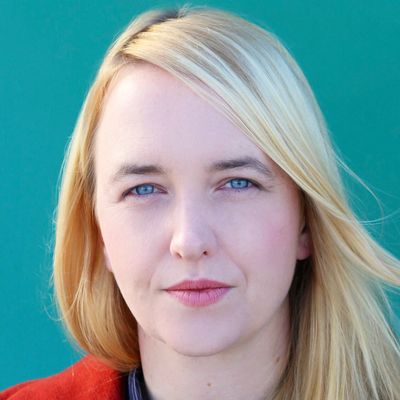
With four kids under 6, Meghann Finn and Danielle King were already rockstar #workingartistmothers as artistic director and managing producer resepectively of the Tank NYC, home to emerging artists from a wide variety of disciplines, including theater, comedy, dance, film, music, puppetry and storytelling... Read More
From the show: Mamas Talkin' Loud
Guests
About
With four kids under 6, Meghann Finn and Danielle King were already rockstar #workingartistmothers as artistic director and managing producer resepectively of the Tank NYC, home to emerging artists from a wide variety of disciplines, including theater, comedy, dance, film, music, puppetry and storytelling. Since COVID hit they have taken their superpowers to a whole new level. With theater shut down indefinitely this non-profit, and many others in our world, were faced with a really difficult decision, and these two women rose to the challenge in such a remarkable way, moving their content to an entirely online forum, giving artists not only the space and support to create, but the platform in which to share it. Their indomitable spirit and fortitude is keeping creativity alive, inspiring us all to keep moving forward through doubt, uncertainty and a future that looks far different than we ever could have imagined.
Find more info about the podcast via BPN.fm/mamas.
Produced by Dori Berinstein and Alan Seales.
Edited by Derek Gunther.
Learn more about your ad choices. Visit megaphone.fm/adchoices
Transcript
This transcript was automatically generated and might contain errors.
[0:00] Cara Cooper: Hi everyone. Thanks so much for tuning in to this mini soda of Mamas Talkin' Loud. I'm Cara Cooper.
[0:05] Jessica Rush: And I'm Jessica Rush. And today we are talking with artistic director Meghan Finn and managing producer Danielle King from The Tank.
[0:13] Cara Cooper: The Tank is a home to emerging artists from a wide variety of disciplines, including theater, comedy, dance, film, music, puppetry, and storytelling. Each year they serve over 2,500 artists, present over a thousand performances, and welcome 36,000 audience members into their space on 38th Street in New York City. And of course, both Meghan and Danielle are mothers of small children. Since the beginning of COVID-19, they have been working from home to continue to support their artists via Cybertank and so many other programs. We are unbelievably impressed by the work they are doing, and we cannot wait for you to hear more. Welcome, Meghan Finn and Danielle King.
[1:00] Jessica Rush: Ladies, Meghan, Danielle, thank you so much for joining us.
[1:05] Meghan Finn: Thanks for having us.
[1:06] Danielle King: Thanks for having us.
[1:08] Jessica Rush: We kick off every episode asking about our kids because we think we never get asked that. So let's start with that and then we'll dive into The Tank.
[1:20] Cara Cooper: Oh my gosh, see what I did there? Diving into The Tank. I have no idea. So tell us about your children.
[1:27] Meghan Finn: Well, I just wanted to say that today is a very special day because I'm wearing a shirt that is like a work shirt. And I put on makeup. It's just a very special day for me because it's the first day that I've had a single hour of child care in six months.
[1:51] Jessica Rush: That's amazing.
[1:53] Meghan Finn: Yeah, yeah. No family. We've been, my husband and I work full-time. And so today our boys started with their little school pod, and I don't even know what to do with myself. But I have a four-year-old son named Isaac and a six-year-old son named Liam.
[2:09] Danielle King: Oh wow.
[2:11] Jessica Rush: And it's your first day of freedom.
[2:13] Meghan Finn: It is like amazing.
[2:17] Jessica Rush: You look fabulous.
[2:18] Meghan Finn: Thank you.
[2:21] Danielle King: And I have two girls, a six-year-old named Emmeline. We call her Emmy, and a two and a half year old named Rosalind. We call her Rosie.
[2:40] Jessica Rush: Oh, I love Rosalind.
[2:44] Meghan Finn: It's interesting. Shakespeare, of course.
[2:47] Danielle King: That's right. Yes. There's also a very prominent physicist who I think, if I remember the story correctly, probably should have gotten a Nobel Prize, but was robbed of that recognition.
[3:05] Meghan Finn: Strong women, that was kind of what we were going for.
[3:10] Jessica Rush: Yeah, no, I love it. And my daughter has a friend named Rosalind and they call her Roz. So I just love the nicknames that can go with different names.
[3:19] Cara Cooper: That is Danielle. Danielle has two girls and Meghan, I'm just clarifying it because we can see them, but you guys can't. So two boys.
[3:28] Meghan Finn: I love that it's two of each, both of you.
[3:30] Danielle King: Yeah, we kind of, you know, when we're in the office, we're going through a lot of the similar, and even now we're in our virtual office, we're going through a lot of the similar things because both of our oldest are going into remote learning and we're all kind of navigating the same thing. So we kind of compare notes always.
[3:48] Meghan Finn: Remember, remember before?
[3:55] Danielle King: No, I don't.
[3:56] Meghan Finn: I absolutely don't.
[3:56] Danielle King: Well, but remember when we talked about the fact that this year was gonna mark, this September was gonna mark, Meghan, your entry into non-double pickups and drop-offs.
[4:11] Meghan Finn: And I was so jealous. The double pickup and the double drop-off are just brutal.
[4:18] Danielle King: Brutal.
[4:19] Meghan Finn: And look at us now.
[4:21] Danielle King: Yeah.
[4:22] Meghan Finn: Look at all of us.
[4:26] Danielle King: I'll go the distance now.
[4:28] Meghan Finn: Yeah.
[4:30] Danielle King: All I want is a double pickup and drop-off right now.
[4:32] Meghan Finn: Exactly.
[4:36] Cara Cooper: Ladies, could you take us back and tell us a little bit about The Tank and what work you guys do during non-COVID times, just so that our audience is aware.
[4:49] Meghan Finn: So my name's Meghan Finn, and I'm the artistic director of The Tank. The Tank is a nonprofit arts presenter and producer. Our mission is to remove the economic barriers from the creation of new work by emerging artists. We work with over 2,500 artists a year, typically on over a thousand performances. A big part of what we do is provide free rehearsal and performance space to artists that are just getting started. We've seen a lot of artists that come to New York City need a place where they can afford to produce their work, and we kind of give them their first break.
[5:31] Jessica Rush: I love that.
[5:33] Meghan Finn: Oh my gosh. So I mean, you are there to support these emerging artists doing this incredible work. How did lockdown go for you? How was the thought process of being like, we have this calendar of live events at our space on 38th Street? How are we going to move forward and transfer that into this virtual world?
[5:57] Meghan Finn: Which you did through the Cybertank and your annual gala and Pride Fest. You guys, you need to check out their website. They have a weekly virtual variety show, plus a full calendar of events. So how did that transition go for you?
[6:20] Meghan Finn: Well, it was, I think the thing about this whole experience was it was so sudden. The kind of change and everything was so sudden, and then the loss was so acute in terms of—
[6:29] Jessica Rush: Meghan, what was the final total of shows that you had to email projects that you had to email and say, you know, first it was like we don't think we're gonna do this for the next month, and then it was like, no, actually, we think this is gonna be a longer thing, and like it just keeps going.
[6:59] Meghan Finn: Through the end of our fiscal year, it was 273 performances we canceled.
[7:05] Jessica Rush: Oh my God.
[7:06] Meghan Finn: That breaks my heart like over and over again. It's just it's hard enough to have a nonprofit in New York City, I think, right? Particularly in the theater and bring to light all the new artists, and it's such a vital part of our community and something that we take for granted, I think a lot of the time. And what that must have meant for you guys is just heartbreaking.
[7:29] Meghan Finn: We were really concerned in the immediate about our artists. The artists had lost everything because not only their performances, but first, you know, many of the artists were working in the restaurant industry, so that went away. They didn't have a way to earn income. They lost their home, their space. The Tank is really a community art space. I describe it as we have so many artists there. It's like working in a production of Noises Off every day, backstage, and there's just people coming in and out with different props and costumes, and it's just this crazy wild energy. I mean, New York is still alive. Every sense of New York is always still alive in the backstage of The Tank where our offices are. So they lost their space, they lost their community, and then they lost the very thing that they do, right? They could no longer have a group of people come together to experience their work.
[8:44] Meghan Finn: So Danielle might can talk about it, but we were really impressed because our community of artists kind of immediately came together and Cybertank was really born of that.
[8:54] Danielle King: Yeah, it built up.
[8:56] Meghan Finn: Oh, hey, sorry, hold on. Remote life, real life.
[9:01] Danielle King: Remote learning.
[9:03] Meghan Finn: You don't mind to go attend to homeroom Zoom. I'll be right back. I'm so sorry.
[9:10] Danielle King: Okay.
[9:13] Meghan Finn: I'm guessing that was them online.
[9:15] Danielle King: Yes.
[9:15] Meghan Finn: That's Emmy. She's a bright spot in our staff Zooms. She comes in with a big smile and just takes over the whole Zoom.
[9:22] Danielle King: Love her.
[9:24] Meghan Finn: She's back. Okay.
[9:26] Meghan Finn: It's real life, mama.
[9:30] Danielle King: It's all good. This is exactly what is happening every 45 minutes on a good day.
[9:42] Meghan Finn: So Cybertank. It came, it kind of originated very organically as just a desire from some of our regular resident artists and our staff to have a place virtually to come together on a weekly basis. It started as kind of like a gathering space for public sharing and trying to process what was happening to everyone. It started to be based around certain questions or certain themes.
[10:19] Meghan Finn: Very quickly there was a real desire for people to not only come together and see short form work based on a theme and feel like their community extended into this digital space, but also to experiment and make work for this particular digital frame that is not film, it's not theater, it's completely different. We work with a lot of emerging artists and creativity. Everyone handles trauma and difficult times differently. For some people, creative practice is the way that they move through it and stay grounded; for other people, not. We've found that there were a lot of people who were yearning to have a platform for whatever it is that they were making and feeling in that moment. We've found that our audiences also are craving that as well.
[11:29] Danielle King: Thank goodness, right? I mean, it's like I think the awareness and the awakening of people to realize just how important live performance and theater and the arts are to our experience as humans, you know, that I think there's an appreciation that's coming into play.
[11:48] Jessica Rush: Um, did you guys with all that when when it first happened and everyone came together, there was this rush of energy and activity, obviously, of wanting to make and create and continue on. Have you noticed, because I noticed within myself, I pulled away. Like my husband and I are both actors, and we just we couldn't do, I couldn't bring myself to do anything. I saw everyone else doing things and I felt pressure, but I thought I can't do it. But there's definitely now been um uh, you know, the energy has tapered off some. So have you noticed that there was so much at the beginning? And is it harder for you now to have people continue to fill these spots or people just still wanting to get all their work out?
[12:31] Meghan Finn: Definitely there was that push in the beginning. There was a lot of conversation about what people should do. Um I wrote a piece that was in American Theater that was really just me. It started out as a post on social media that but it was really just me thinking about the artists and the and what they were going through in that moment and wanting to say to them, Listen, you're okay. If you need to stop making art, art the making is not who you are. You can be you we we need something else from your body right now. Your body sorry, just made me start crying. Um we need something else from your body right now. Your body needs to be uh protecting of others and and so what so now is a time to figure to to experience life in the way that you can by exploring other letting yourself absorb literature or or some or visual art or from from your home, you know, you need to find a way to get through.
Um, and then I think with all of this, it's a really about when you're ready, right? And I think right now, as we've seen kind of the press start to embrace virtual programming, some people are ready now, you know, and they're coming to us and saying, you know what, I've been sitting on the sidelines for the last six months and now I'm ready. And I wanna and and and we're the place where people can come and get and start figuring it out because it's a I'm a director and I'm telling you, it's a totally different thing to do this online. It's a such a different space. And it's and you know what? There are silver linings, like you're rehearsing from your home. So I cut you from a call and you're like, cool, I'm gonna go make a sandwich, you know.
I don't know, you know, there's certain certain things that are that just emerge from the experience, but um, but I think we've seen now that and I think the projects are getting bigger now. They're getting more kind of robust and we're and we're finding new forms because people are like, oh, people are actually paying attention and the press is starting to write about it. And um so I think there's room for everybody's feelings, basically.
[14:46] Danielle King: Absolutely. I I mean I had a similar experience to Jessica. We both pulled away, like literally just went into like a cocoon of self-protection and preservation. Um, but I think it's really interesting that you're saying that there's you know, kind of this more emerging interest. And I think it's because the longevity of this is really becoming fact. In the beginning it was like, what can we put out there quickly? How can we continue to create? And now it's the long form. We're in it for the long game. You know, how are we going to marry this virtual world possibly in the future with a more in-person world, or how is that transition going to happen? Um, and I do think, you know, like every dark time in history, we've talked about this a little bit, Jessica, that there's a there's usually a renaissance of art that comes from it.
Um, because people have lived through something really difficult. Um, and the way they process it is a lot of the times through art, whether it be in the moment or post um after it's been digested and the trauma has been reflected upon. But it does, it makes me excited to hear you talk about artists coming to you and wanting to be a part of something and get their work out there in a in a new form that is foreign to them. And you know, all this has a learning curve. You know, when we signed on to this, we're just, you know, figuring out our sign, our sound and and how to get everything set up correctly. So we're all having to kind of start from square one, which is really interesting.
[16:22] Jessica Rush: Um so switching gears a little bit, you obviously are both mothers. So before COVID happened, you were balancing parenthood with running this nonprofit, which is in and of itself uh a huge accomplishment. But how was balancing parenthood through, you know, creating this virtual platform, being home with your your family? I mean, Meghan, you said this is the first day you've had child care. I mean, I can't really wrap my mind around it. So can you tell us a little bit how that was, how you made it happen, any tips for our audience listeners?
[17:02] Meghan Finn: I don't know. Oh my gosh, tips. I don't know. It's just it's a it's a daily figure, it's a complete resetting as much as you can for me. It was a complete resetting of expectation and um how far ahead to look. And I I'm I I am a planner. I like deadlines. I like to be able to see where I'm going and the big picture and this entire experience has taught me that like living in uncertainty, um, there is a way to do that. Um it's not gonna kill me. It's not gonna kill my family um so that I don't know if I necessarily have like uh advice that would be helpful to anybody but I do think it was a ma what I am trying to do is just shift my expectations and my um long term it just a different like distance that I'm looking at right we're planning for like the next day as opposed because I'm a planner too and I just you know Cara and I both are very type A in that way and we're like all right what is tomorrow and then what is the next day and taking it one at a time and giving ourselves as much grace as we can right.
[17:42] Danielle King: Yeah I mean and I think in as the as folks in this industry there's been an evolving conversation before this right because um you know I the thinking about when I got pregnant and the kind of uh the kind of fear real genuine fear about work and even revealing that you're pregnant um there's a really uh there's a really wonderful Broadway actress who's who's a mom in the neighborhood with me and she was saying you know and she said that she she put it on on social media when she was she first got pregnant and they someone posted the American theater will miss you. I've heard that story. We had that I believe we've had her on oh okay so yeah. And it's it's uh it was so that whole um that whole thing, right?
It even though I we'd been both kind of Danielle and I are constantly talking about how to normalize parenthood, you know, for the you know as you know, and making it front and center is front and center. The last thing because they're in the meeting with us, so you know it's it's when you talk about giving yourself grace, there's also this superwoman thing, right? That has just isn't just isn't during this time. You can't you cannot fake it till you make it even right but isn't it so hard to switch that? I mean, Cara and I were literally texting about this this morning. Like I literally wrote the word supermom, you know what I mean? Like we're so it's so ingrained in us to take on all the things and be everything to everyone and the guilt we have when someone else has to pick up the slack, I mean pff we can't do it.
This is not sustainable for the long term. I my kids, you know, they watch they I mean, yesterday I I think 'cause I was doing my version of I was doing my my shift on the pod. Well so the kids were playing for a long time. I mean I think this is a that was the longest day without screen with and it wasn't a totally screen free day, don't get me wrong, but it was the first in a long time. I mean, I would have never thought that my kids would be on the screens or video games or everything. Oh I know like that would never be in the in my agenda, but I have no choice. I've had no choice. I haven't had there's nowhere else for them to go or do, you know, and so anyway, so yeah, and forgiving, yeah, you know, you just have to say, and and then of course I'm sure it comes up again and again, gotten to know my kids, right? Never spent this much time in their whole lives before.
[21:20] Meghan Finn: So there is a kind of special bizarre thing about this time because we all know that the only reason we have jobs in this industry is because we've hustled our asses off so long, right.
[21:35] Danielle King: Yeah.
[21:35] Meghan Finn: Yep. And that and part of that is we gotta have our we gotta have child care. We gotta we gotta we gotta balance and juggle so much to just be a working parent. And then to have a reason to be around our kids as much is like one of the only silver linings of this whole thing, you know, I'd say, right.
[21:55] Danielle King: Yeah. Yeah, it definitely I I think sometimes it helps me to think about the fact that when my kids are older, they're not gonna want to have anything to do with me. And I'm gonna this is some this is like something that gets kind of gets me through things, and it and it's like, okay, well, they're they're gonna just be off wherever they are, and they're not gonna wanna have like just spend a moment with me. So lucky me to be with young children during a pandemic. Take it, try to, yeah. I mean, try to remember that and and just soak in those moments, right? Like soak in the fact that you're doing imaginative play and improving all day, every day. So much singing, so much drawing. So much, so much.
I've also it's like I've also gotten to see, you know, my um my girls were not super, they were just getting like they weren't super close. Like Emmy sort of like looked at her little sister from afar for a long time and was like, great, the baby stays there, and I'm in my personal space over here, and it's a very large bubble, and the baby's just doing what the baby's doing. And now they're like besties because otherwise they don't have anybody to play with.
[23:16] Meghan Finn: Yeah. And that's been really, I don't know, who knows if that'll last, but like that's been really like it's like okay, let's grab on to that moment and keep it for a minute, and then like let's grab on to like the funny, really, really funny thing that the the toddler says or the the joke that the that Emmy says she's like an amazing joke teller right now.
[23:35] Meghan Finn: Like, let me just piece those moments together and maybe I can get through it. This isn't this isn't a tip, but it's like something that happened to me. Which is I was getting my sorry, I was getting my desk ready, right? I was finally making a place for myself to sit and work after six months in the apartment. After six months, yes.
[23:59] Danielle King: Yeah.
[23:59] Meghan Finn: And I found the stack of pictures that I had printed two years ago with the intention of putting them in the baby book that I never had actually put in the baby book. So I like did like a hack job and like cut them up and slapped them in there, but I was like, I am the best mom of the whole world. And so and you know, they have those things where you write little things you write notes about what they were doing when they were teething or you know, little anecdotes, and it says year four. Sorry. So I wrote a little note to my son about the pandemic and his experience in the pandemic and I realized that it's not gonna last forever okay it's not gonna last forever it might last a very long time but it's not gonna last forever and then one day in this book he's gonna look back at this piece of his little history and know that it wasn't forever but it's so hard to hold on to that when the date is just so intense and you know and going through remote learning and decisions about school and decisions all of these overwhelming idea things in 2020 uh it's hard to hold on to that it's not gonna be forever that we're that that's happening in their little lives so it would it's like it's just impossible decisions every single day it's just I think most of motherhood is decision fatigue in general right you have to make decisions about everything like what shoes to buy them what to pack them for lunch what jacket is gonna be right what tutor do you need for this I mean it's constant decision making and then add on top this global pandemic and every decision is so heavy every decision you make is so weighted and I think that that the decision fatigue I saw in a post probably two months ago and I was like ding ding ding ding ding that is it that is what I'm feeling right now.
[26:09] Danielle King: My god for me it's like I have to decide what we're eating for dinner every night and I've never had to do that. I'm normally at the theater. Someone else is figuring it out. I'm exhausted.
[26:20] Meghan Finn: Right.
[26:21] Danielle King: No.
[26:21] Meghan Finn: It's true. And also, like, yeah, like I used to know I had this like rhythm of how to get everybody like how to get ready for the next day at night. I had a rhythm for how to get everybody like breakfast and out the door. And then they still need breakfast, but somehow it's completely different.
[26:40] Danielle King: Right.
[26:41] Meghan Finn: Yeah.
[26:41] Danielle King: Yeah.
[26:42] Meghan Finn: Well, I've I've like lost my fit. Like there's a physical movement that I used to do every day that I have lost in terms of like a just like a choreography, and I don't have it anymore. I mean, I it's ladies, I I it's so helpful to hear y'all say that. You know what I mean? I mean, we've we talk about it to a certain degree on other episodes, but I think this is like the the first time since that we've really broken down the ins and outs and the detail of just what we're feeling in this moment. And perhaps that's because we're six months in now, you know, and we're recognizing that this is going to be our for now normal for a while. Um it's maddening.
[27:26] Danielle King: When you were talking about the photos and writing the note to your son, I I think about, I mean, we've we've documented as a family this time really well. We're taking pictures of everything that we're doing. We went for a hike, let's take a picture, you know, trying to make an event out of everything. And when I look back at the photos from the beginning of this time, it feels so different, right? So even just documenting how different it feels now, I think gives I don't I don't know if hope is the right word, but gives perspective on the fact that it isn't going to last forever. And it is an ever kind of evolving situation of uncertainty, yes, but it's not stagnant in a very bizarre way, even though it feels like it is, you know, the emotions associated with lockdown and the panic, and kind of we went into this high adrenaline survival mode.
[28:17] Meghan Finn: Yeah.
[28:18] Danielle King: We're in a different portion of that now. You know, we're still in survival mode, but it looks and feels different.
[28:23] Meghan Finn: Yeah, we got the fanny pack, and the fanny pack has the hand sanitizer in it. The mask, and the kids know the mask that they like and the ones that they don't like.
[28:31] Danielle King: Yeah.
[28:32] Meghan Finn: And you're just like, so you got the extra mask in the fanny. Like it's like you you do have it's a different, there's not the same panic.
[28:40] Danielle King: It's right now.
[28:41] Meghan Finn: And I remember in the beginning being like, Do I have I have to buy I have to get masks for the whole family? Is that I know that's something I have to do? Like I couldn't wrap my head around it.
[28:49] Danielle King: Another decision.
[28:52] Meghan Finn: All the decisions.
[28:52] Danielle King: Yeah, all the decisions.
[28:54] Meghan Finn: Well, they even, you know, like my kids will even be like, Oh, that person's not wearing a mask.
[29:00] Danielle King: Yeah.
[29:01] Meghan Finn: Or like I have we have to keep our distance. So it's just, I don't know, sadly, we've all sort of like grown and learned a little bit and been able to like figure out how to move and be in these in this world. And it just makes it with little kids, it just makes then it easier to like all that anxiety about going outside or going somewhere. Like it just alleviates that just enough to be able to actually do do something, do something and make it feel like a different day.
[29:31] Meghan Finn: Well, well, ladies, as we look toward the future, right? Um, can you tell us a little bit about what the tank has planned for what is what are the next six months look like for you guys? I mean, what have y'all decided and and how you know, how can our listeners support you?
[29:47] Danielle King: Or um, we have a couple of really large projects, and I'm just gonna talk about them. Right?
[29:52] Meghan Finn: Please do.
[29:54] Danielle King: Okay. Oh, oh, you were asking Dave.
[29:57] Meghan Finn: I got to say it.
[29:58] Danielle King: I just did it. So we are doing a an adaptation of Prometheus Bound that's being directed by Ron Ja, who's an incredible uh young director who has been in residency at the tank for the last couple of years, has directed some wonderful co-productions, and we're essentially staging it on a in an empty theater and gonna film it very cinematically. Um and it's just uh uh the uh so we're figuring it out for that. Uh we're just trying this experiment basically and doing it with remote rehearsals, choreography in the park, uh, you know, under the media and production guidelines from the state that we're we've all learned.
[30:45] Meghan Finn: Um, so it's uh it's a big try. And then um after that, we are doing a project with uh conceptual artist and sculptor named Pedro Reyes. Um that is a project called Manana Land, um, which invent visions uh envisions a utopian future where the current political uh uh traumas of the moment are behind us and what that might look like. So Manana Land is uh project that brings together a group of five very different writers, um, who Johnny Lloyd, our newly appointed director of artistic development, has has put together this team.
[31:24] Danielle King: And essentially we're making this uh experience that's going to be a uh augmented reality scavenger hunt that takes place in the five boroughs of New York.
[31:35] Meghan Finn: Um that sounds so exciting.
[31:37] Danielle King: I love scavenger hunt.
[31:39] Meghan Finn: With this app uh Scavenger.
[31:41] Danielle King: And so you're gonna be able to kind of enter Manana Land uh through these through these uh scavenger hunts that happen on your device um and see different things as you look it around look around with the device.
[31:54] Meghan Finn: So those are the big projects that we've got cooking right now. And then you know, we're continuing our cyber tank programming. We have people submitting every day. We're there's gonna be a big push. Um it's a four-year anniversary of our series Fast and Furious, which is a short form fear uh which is a short form uh work in progress uh series where artists respond to current events of the past seven days with short works. We've been doing this for four years. Wonder why. And uh and so this next month is really gonna be dedicated to programming around Fast and Furious and giving our artists a forum to uh educate one another about the the direct political actions that they're doing and also present work. So that's what we have cooking.
[32:36] Danielle King: Just a cooking I I wanna I wanna watch and join in on all of them.
[32:41] Meghan Finn: I I literally am like, oh, that's good.
[32:44] Danielle King: Oh, I want to do that.
[32:45] Meghan Finn: Even if you're in Cali, though there'll be a way to experience a scavenger hunt in your own home.
[32:49] Danielle King: So it stay tuned.
[32:51] Meghan Finn: Fun.
[32:52] Danielle King: That sounds awesome. And you guys, you can find them at the tank nyc.org, right?
[32:57] Meghan Finn: Everything will be listed on there.
[32:58] Danielle King: Everything's there.
[32:59] Meghan Finn: Oh and for any of our listeners who want to submit work, is that also on the website where they submit?
[33:06] Danielle King: Yeah, you can go to the tank and we're we operate under open open submissions for cybertank. So if you have something you really want to make and you just haven't sort of figured out how to do it, we can help you with platforms. We'll help you with marketing and press and get your work out there. So, so yeah, visit our website and you can submit your projects to CyberTank. And you can donate to support the tank.
[33:27] Meghan Finn: Oh, yeah, we'll take it. Because we we both we both decided, you know, on March 15th that we are gonna push. And even if we were covered in babies, we're gonna open this theater again. So every little dollar that you can contribute helps us support artists. We're able to pay artists with Cybertank. We're able to keep our space going. And so every every dollar we stretch it as far as we can. So thanks.
[33:51] Danielle King: In advanced.
[33:52] Meghan Finn: Thank you.
[33:52] Danielle King: Thank y'all for making that commitment and and deciding to do that and all the work you're doing. It's fantastic. And all while pandemic parenting with your small children.
[34:02] Meghan Finn: So thank you, ladies, for making time today. I love this conversation.
[34:06] Danielle King: I was I know I did too.
[34:08] Meghan Finn: Yeah.
[34:10] Danielle King: I'm inspired by you guys, truly.
[34:12] Meghan Finn: I mean, the fact that what everything that you've been able to accomplish during this time.
[34:16] Danielle King: It's possible.
[34:17] Meghan Finn: It's not easy, but it's possible.
[34:19] Danielle King: It is.
[34:20] Meghan Finn: Just give yourself a break and just get up and look in the mirror and say nothing's gonna fucking stop me, and you'll be fine.
[34:27] Danielle King: Yes, I love it.
[34:29] Meghan Finn: We can do hard things.
[34:30] Danielle King: We can do hard things.
[34:32] Meghan Finn: Thank you so much, ladies. Be well and um stay safe.
[34:36] Danielle King: Thank you too.
[34:37] Meghan Finn: Thanks for having us.
[34:45] Jessica Rush: Thanks so much for listening to this episode of Mama's Talking Loud. Special shout-outs to Rachel Spencer Hewitt for our fabulous graphic, Kristen Anderson Lopez, Bobby Lopez, and Justin Ward Weber for our awesome theme song. Our producers Dori Berinstein, Alan Seales, and of course the Broadway Podcast Network for bringing us to you. If you like what you're hearing and you want to keep the conversation going, you can follow us on Instagram and Facebook, and of course, subscribe and review us wherever you listen to your podcast. Thanks so much for tuning in.
© Broadway Podcast Network, All Rights Reserved