

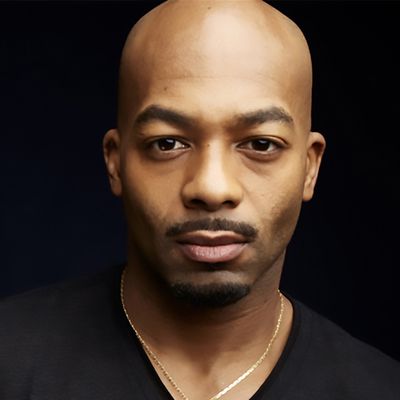
In this Artist Exploration, Brandon and Charlie discuss: Why he chose a liberal arts education over conservatory training. Differences between live performances and live TV musicals. Juggling Producing and Performing responsibilities... Read More
From the show: Mapping The College Audition: An MTCA Podcast
Guests
Featured Shows


About
In this Artist Exploration, Brandon and Charlie discuss:
- Why he chose a liberal arts education over conservatory training
- Differences between live performances and live TV musicals
- Juggling Producing and Performing responsibilities
- Dissonance between arts and commerce
- Advocacy through art
If you would like to hear more from Brandon, feel free to check out:
- https://macgyver.com/about/
- @macgyverglobal on Instagram
- Video of Hamilton Curtain Speech to Mike Pence
- Brandon Victor Dixion on CBS Morning
- Maniac Magee by Jerry Spinelli
- Alanna: The First Adventure Novel by Tamora Pierce
- The Best Man on Peacock
- @brandonvdixon on Instagram
- https://www.brandonvictordixon.com
If you have any questions about the college audition process, feel free to reach out at mailbag@mappingthecollegeaudition.com. If you’re interested in working with MTCA for help with your individualized preparation for your College Audition journey, please check us out at mtcollegeauditions.com, or on Instagram or Facebook.
Follow Us!
Instagram: @mappingthecollegeaudition
YouTube: @MTCA (Musical Theater College Auditions)
TikTok: @mtcollegeauditions
Charlie Murphy:@charmur7
Meghan Cordier:@meghanmarie2014
About MTCA:
Musical Theater College Auditions (MTCA) is the leader in coaching acting and musical theater students through the college audition process and beyond with superlative results. MTCA has assembled a roster of expert artist-educators who can guide students artistically, organizationally, strategically, and psychologically through the competitive college audition process. MTCA provides the tools, resources, and expertise along with a vast and strong support system. They train the unique individual, empowering the artist to bring their true, authentic self to their work. MTCA believes that by helping students reveal their potential it allows each school to connect with those who are truly right for their programs, which in turn guides each student toward their best college fit.
About Charlie Murphy:
Charlie is a proud graduate of Carnegie Mellon University’s BFA program. As an Actor he has performed with theaters such as: NY Public Theatre’s “Shakespeare in the Park”, The Pearl Theatre Company, Hudson Valley Shakespeare Festival, Chautauqua Theatre Company, Kinetic Theatre Company, and the Shakespeare Theatre of DC.
With MTCA [Musical Theater College Auditions -- mtca.nyc], he has been helping prospective theatre students through the college process for over 15 years. As a Teacher and Director, he is able to do a few of his favorite things in life: help students to find their authentic selves as artists, and then help them find their best fit for their collegiate journey. Through this podcast, he hopes to continue that work as well as help demystify this intricate process.
This episode was produced by Meghan Cordier and Charlie Murphy. Episode theme music is created by Will Reynolds
Transcript
This transcript was automatically generated and might contain errors.
[0:10] Charlie Murphy: Hello and welcome to Mapping the College Audition, a podcast where we explore the landscape of the college theater world and try to demystify this daunting audition process.
[0:19] Charlie Murphy: I'm your host, Charlie Murphy, director of MTCA. That's Musical Theater College Auditions. And today we have got an Egot nominatable show lined up for you.
[0:29] Charlie Murphy: Brandon Victor Dixon is on the show to share some great wisdom and insight from his years in the business as both an actor and a producer. We talk about his exciting career and some good stuff on the nature of art and commerce and advocacy.
[0:42] Charlie Murphy: Um you may notice on this episode that your very own favorite podcast host was playing injured for this interview. Uh this was right in the middle of a really rough two-week stint for me where I basically caught back-to-back diseases.
[0:56] Charlie Murphy: I had like a really tough stomach flu, and then basically as soon as I got better from that, I caught hand-foot-mouth from my daughter, who has now brought this disease home. I don't know if you've heard of this disease, hand-foot-mouth. It happens in daycares for the third time this season. Just wild.
[1:10] Charlie Murphy: Um, and sadly, that second week was also in conjunction with Elizabeth being away doing a concert. So it was a very tough week for your favorite podcast host. He appreciates the sympathies that you're all sending uh his way.
[1:22] Charlie Murphy: Um, I don't know what he's talking to third person, but that's what he's doing. Uh for those of our current seniors out there who are about to do uh New York City Unifieds, I'm just gonna say let this story be a little bit of precaution. Please be careful out there.
[1:34] Charlie Murphy: Um, our pediatrician said this is the worst winter for like normal diseases that she's ever seen. Um, even if you're not particularly COVID nervous, maybe you're you're many times boosted and you've had it recently, so you're not going to ask who cares about the disease.
[1:48] Charlie Murphy: I think it still might be a good time to practice some just good general virus hygiene with masking and hand washing. You know, make sure also that you're keeping your immune system up with sleep and you know, good nutrition and exercise and all those kind of things, whatever you can do to try to keep yourself healthy and not go through the two weeks that I've just gone through.
[2:04] Charlie Murphy: Um, and of course, that goes for all of our listeners out there, not just the ones who were about to audition for New York City Unifieds, but you know, of course, I know many of our seniors have um this upcoming audition as well. Just a little friendly PSA from your MTCA coach.
[2:18] Charlie Murphy: Um, but on our end, we're all recovering, we're thinking healthy thoughts, we're trying to plow forward with a productive 2023, and I'm wishing the same to all of you. And with that, let's jump into this episode with the wonderful Brandon Victor Dixon.
[2:38] Charlie Murphy: Well, we are honored to be joined by Brandon Victor Dixon today. Brandon is an actor and a producer and an advocate. He's a graduate of Columbia University, where he has a BA in theater.
[2:48] Charlie Murphy: Uh, he's been on Broadway’s in shows like The Color Purple, where he was nominated for a Tony, uh, Motown, where he got a Grammy nomination, Shuffle Along, along with MTCA director Leo Ash Evans.
[2:59] Charlie Murphy: Um, in Hamilton, where he replaced Leslie Odom, the Scottsboro Boys, where he got a hundred different nominations. He's been on TV in like Jesus Christ Superstar, live in concert, where you played Judas to the great John Legend.
[3:11] Charlie Murphy: He's also can be seen in Modern Love and Power. Uh, and as a producer, his company, Walk Run Flies produced multiple works, including the Tony Award winning Hedwig and the Angry Inch.
[3:20] Charlie Murphy: Um, as an advocate, he is the co-founder of the We Are Foundation, which is the nonprofit turning art into action. Uh, Brandon, welcome on the show. How are you feeling today?
[3:28] Brandon Victor Dixon: I'm well, thank you. Uh, happy to be here.
[3:31] Charlie Murphy: I am so excited to talk to you. And I'm gonna start you off with the same question I asked most of our guests, which is just to start us off, if you can, thinking back to sixteen, seventeen year old Brandon. What sort of what was your mission statement, or if you were precocious enough to have one of those, or what was your sort of plan with college and how you saw yourself getting into this industry um back then?
[3:51] Brandon Victor Dixon: Uh you know, my plan was very practical. Uh I was very fortunate. I knew from a young age that this is what I wanted to do. Um and my initial focus was Broadway’s.
[4:02] Brandon Victor Dixon: Uh so you know, when deciding about college, I knew I wanted I I I decided I needed to be either in Los Angeles or in New York or maybe Chicago because of their, you know, their theater market.
[4:15] Brandon Victor Dixon: Um and I decided on New York. Um and really it was for me it was about being in the place where the art I wanted to professionally be a part of was being created and making sure that I could go to school in an environment where I could be auditioning um and trying to break into the industry while I was in school because I didn't want to graduate and then have to be juggling figuring out how to maintain living a life while also having time to audition and learn how to audition and figure out how to become a professional and then get into a professional company.
[4:50] Brandon Victor Dixon: So that's why I wanted to be in New York and be kind of engaging in my professional education while I was engaging in my general education. And uh skill set wise, so did you know musical theater from the jump that musical theater was a goal?
[5:05] Brandon Victor Dixon: Um theater, you know. Um but I but but but in my um education I had done a lot of musicals, so I was familiar with how it worked, the sensibility, and I had a great appreciation for acting um in and acting and performance in musicals.
[5:22] Brandon Victor Dixon: 'Cause because my primary education was Shakespeare and musicals. Um so you know that that's that's where I operated probably. And you know, with choosing a BA and obviously a very academic BA, was there any consciousness to like what we'll talk about in the later half of the show a little bit more the producing and the advocacy.
[5:31] Brandon Victor Dixon: Was there any consciousness of like what you might want to do in theater other than being an actor in your education?
[5:46] Brandon Victor Dixon: No, with the educational component I ended up as a theater major but I started as an econ major. I was an econ major with a film minor um so the thing for me in I applied to Juilliard and Columbia um but I applied to Columbia early and so when I I was accepted to Columbia a week before my audition to Juilliard.
[6:07] Brandon Victor Dixon: So I canceled my audition and I went to Columbia because for me I wanted to go to a liberal arts institution as opposed to a conservatory because uh one I had interests outside of uh just the theater arts and also I understood as uh an actor and as a performer we are conduits we are vessels and we are channeling and synthesizing information, different information and different experiences.
[6:33] Brandon Victor Dixon: So the broader my education the more uh people the different kinds of people who are interested in different kinds of things that I interact with and that I get to know the greater the reservoir of information and energy I get to siphon into my artistic resource, my artistic tool and the more depth I have as a performer and as an actor.
[6:55] Brandon Victor Dixon: So that's why I did that and I was um I was an econ major initially just to give me another set of skills and to introduce me to a new genre of art. But all the while I was taking classes in the theater department and I was performing in productions on campus so I was continuing my theater education it just was not the focus of my degree um and what ended up happening is that I left school and then I I left school after my first semester senior year to go join the company of the Lion King and when I returned to the city uh to finish my degree um I did not want to go back into calculus so I let go of my econ major.
[7:08] Brandon Victor Dixon: I had amassed 96% of the theater credits through my general study. So I just pivoted to the theater degree because it was the easiest thing for me to finish out my full degree in one semester.
[7:55] Charlie Murphy: And so how does Lion King happen? Are you just auditioning with everyone else? I mean did you have an agent at that point? How did you find your way to the national tour from college?
[7:59] Brandon Victor Dixon: So the summer of my after my freshman year during my freshman year I had auditioned for an a cappella group on campus and I didn't end up joining the group but one of the members who was in it was a woman named Donna Vivino. She was the original Cosette young cassette in in La Mizarra.
[8:22] Brandon Victor Dixon: And she was like look uh I bumped into her one I know campus she was like if you're interested in doing this business I really think you should and I recommend you uh meet my my manager. That summer I met her manager and ended up you know I per auditioned for her and ended up signing with her.
[8:39] Brandon Victor Dixon: And from that point on a summer after my freshman year I started auditioning throughout the year. So I was going on auditions for you know my my my open calls to rent and uh Lion King and oh you know all sorts of things.
[8:55] Brandon Victor Dixon: Uh you're not have to be tours of uh ragtime. And so so that's how I got my first m I got a manager, not an agent, but my manager was able to get me the auditions and then that's how I went to Lion King.
[9:07] Charlie Murphy: Totally. And so then all right, so you you take that national tour, you come back, you then finish school. And then is it a pretty steady progress? Or are you one of those lucky people who basically are like, and then I did a Broadway’s show, and then it took a second off and another Broadway’s show. Were there some of those fallow periods down there where you're like, oh god, I'm not working? What is this?
[9:23] Brandon Victor Dixon: Oh, there were fallow periods. I mean, yeah, so I I came back from Lion King, I I finished school, um, but I also I uh or rather I came back from Lion King and I booked the color purple.
[9:34] Brandon Victor Dixon: So I I booked it a couple like a month or two after the Lion King, um, and started to do the out of town for that. Was on Broadway’s, did the color purple, you know, got nominated for a Tony.
[9:46] Brandon Victor Dixon: So, you know, to think things are 24 at this point, 23, 24. Yeah, yeah, yeah exactly. So uh yeah, this is 2005 on 2324, yeah.
[9:54] Brandon Victor Dixon: Um and so things are are kind of steadily progressing, certainly. Um and then you know, I went from the Lion King, I I auditioned for I booked uh uh the Ray Charles musical they were developing at that time.
[10:09] Brandon Victor Dixon: So I went out to Pasadena Playhouse in LA and started working on that. Came back from that and then started doing uh uh leap of faith. So so I got into this like reading workshop era.
[10:21] Brandon Victor Dixon: So you can't talk to me about follow periods, my brand. You're having too much good here. This is still too good. These are all these things, these are workshops.
[10:25] Brandon Victor Dixon: Well, you have to remember readings and workshops, whilst they're great because they expose you to new material and new people. They pay you five dollars.
[10:34] Brandon Victor Dixon: That's true. That is true. So you're you know, you have to you have to be living in New York City while you are not in a mainstream job, right?
[10:42] Brandon Victor Dixon: Um and what ended up happening is I I s I was developing uh the the Scottsboro Boys and the Ray Charles musical. Um we we did the Scotts World Boys off Broadway’s um in 2009. Brilliant production, brilliant thing I got to be a part of.
[11:00] Brandon Victor Dixon: Um but then both the Scotts World Boys and Ray Charles were coming to Broadway’s at the same time, and I had to pick between one. And because I had been developing Ray Charles for so long, and I was I was like I was a part of the team over here.
[11:12] Brandon Victor Dixon: They had kind of welcomed me into the creative team. I chose Ray Charles, and then the investors for Ray Charles, uh their businesses went under in 2008, uh the financial crisis.
[11:23] Brandon Victor Dixon: So that show never went to Broadway’s, and uh Scotts World Boys did, and I didn't get to go with it. So I was in this place where I had two Broadway’s shows and then I had none.
[11:33] Brandon Victor Dixon: And when I uh and the one I gave up got to go on without me. The actor who replaced me got nominated for a Tony Award. And I was just in this place of and I had been nominated for for that.
[11:45] Brandon Victor Dixon: I mean, people say it's one of my greatest performances ever. I've been I see Olivier, I see Drama Desk, I see Lucy Lortel, out of critic circle, you got a bunch, yeah.
[11:53] Brandon Victor Dixon: So to not do it and then to see it go. I mean, the show had challenges uh on Broadway’s, but the you know, the actor got nominated, and I love the actor, he's a good friend of mine.
[12:01] Brandon Victor Dixon: Like we've we've shared roles and done things before. Um, but that was a challenging period for me because also it felt like I you things had been aligned, I'd be making uh decisions according to a philosophy of life and things were moving, and and then I made a decision and things were falling apart, and I know I was period for a couple of years, you know, between 2009 and 2014, really, of not being sure what was next or how to kind of get back on track.
[12:27] Charlie Murphy: Um and are you doing any are you waiting tables? Are you doing any survival jobs? Are you mostly still like, well, I'm still working in the world?
[12:33] Brandon Victor Dixon: Well, I'm you know, because like I I was very careful to make sure that my overhead in New York City was low. I was living in the con major.
[12:41] Brandon Victor Dixon: Yes. I mean, I was live I mean, living in a studio, uh my rent was no more than a thousand dollars a month. Like I was I was very much trying, and this is even like because I I I at this point I've done I've done line king, I've done Call of Purple on Broadway’s.
[12:54] Brandon Victor Dixon: Like, so I've had periods that have been flush, but I did not expand a great deal uh of my overhead, you know, during those periods. I I held on to it because I you know, just uh to be safe, to be of uh be conscious of of and responsible about money.
[13:08] Brandon Victor Dixon: Um and so I I didn't have to do a lot of that, but I but I did do some of it, you know, throughout these periods, uh one of the jobs that I that I would do, because the thing that's tricky is if you have a job that occupies too much of your time, you're not available for auditions or and you can't go do the So I was I was a referee for adult intramural sports league here in the Brandon.
[13:33] Charlie Murphy: How did I not run into you? Zog Sports, I used to play my cards.
[13:36] Brandon Victor Dixon: Come on. So yeah, I was I was uh I was a dodgeball referee, I was a soccer referee, so you know I would just I would I I would do things like that.
[13:45] Brandon Victor Dixon: Um and every now and again, maybe I'm at private gig here or there, I could go through do things like that. Slide in a bartend here or there. But those are the the kinds of things I would do a survival job and make sure I picked up enough work that I could keep on unemployment, stuff like that.
[14:01] Brandon Victor Dixon: But consciously really trying to keep your overhead low so you're available, so you're not gonna be able to do it. Because particularly in the early on, it's just like, you know, you things can be inconsistent, and I never wanted to be in a position where I had to take an artistic job that I wasn't connected to or inspired by.
[14:17] Brandon Victor Dixon: I'd rather do a regular job than take an artistic job that does not inspire me.
[14:21] Charlie Murphy: Totally agree with that. I'd love to talk a little bit about, you know, you had such a breadth of a career. I mean, of course it helps that you booked so big so early.
[14:29] Charlie Murphy: Um, but you've really seems like I had to participate in a bunch of different kinds of shows and experiences. You know, um, I know a little bit from Leo about like shuffle along and some of the craziness of the getting new pages and constant changes and that kind of stuff, versus like a Hamilton, which I imagine you're stepping into a machine that runs beautifully and works and smoothly.
[14:48] Charlie Murphy: Is there, you know, did you really enjoy sort of new work? Did you enjoy the sort of originating Broadway’s things?
[14:53] Brandon Victor Dixon: Like, what was the most exciting artistically to work on? New work is always the most exciting thing for me to work on. Generally speaking, I'm only looking to do new work and to originate things. I'm rarely inclined to return to a role I've done before, and I'm rarely inclined to replace. In fact, I turned Hamilton down three times before I said yes.
[15:20] Charlie Murphy: And was it just the Brinks truck that got you? Or what made you decide?
[15:22] Brandon Victor Dixon: The Brinks truck certainly helped. I also had friends in the industry that were like, "You should do this." So, hell of a role. I'm so grateful that I did. You replaced Leslie Odom as Burr on Broadway’s for those who are not following, yeah. I'm so grateful that I did it. I had a wonderful time, and it was a wonderful growth experience as an artist because the playing field that Lynn and Lackamore created is just highly fertile. You know, as an actor, there's a lot of material to pull from and to create your own unique version of a thing. So yes, that was really wild.
[16:06] Charlie Murphy: Um, were there any fun Hamilton stories or any things of like the experience of what it was to step into those shoes?
[16:14] Brandon Victor Dixon: I mean, look, I think a creation that came out of Hamilton that kind of still exists today. I started a thing, um, it's not as prominent anymore as it was then, but I started a thing called Burr's Corner when I was doing Hamilton because I knew how much of a phenomenon it was and how well people knew the show. So when I got into the show, and Hamilton's the kind of show, like it's set to a clip track. So like there's no missing an entrance, and the orchestra catches up with you, or if you make a mistake, it's gone. It's over. There's no fixing it. It's going to leave the station. That's it. And I knew in this show more than any other show, because the album had been out already for a year, it's like if I make a mistake, people are gonna know immediately that I messed it up.
So I would regularly, as soon as I messed something up, I would run off stage and I would get on my IG and I'd be like, "Okay, Burr's Corner," which is like Winnie the Pooh's Corner. I was supposed to say this, but instead I said, I don't know what happened, but alright, I own it. We'll fix it tomorrow. That feels a little like Shakespeare in that way of like, you know, you could turn to like half the crowd and say, "I know, I could finish this piece. I could finish to be or not to be." I'm like, you could finish this for me, couldn't you? But I just started doing it on Broadway’s. It's fun.
[17:30] Charlie Murphy: Uh, what about that Pence moment? I was only in researching this, I was remembering, oh my god, that was you who that like I for those who remember that viral moment, um, where like when Pence comes to see the show, this is right after the election, and like you read this little speech to him.
[17:47] Brandon Victor Dixon: It just occurred to me in looking back of like Pence did have this weird moment of patriotism over party or whatever. I don't know if I can call that patriotism over party.
[17:57] Charlie Murphy: Well, I mean, he had a moment of reason over, um, I don't know, insanity, maybe the night in the theater. But I'm saying, is it from the night in the theater? Do you give yourself credit for it? That's what I want to know. I'm like, not unlike a Jefferson or, uh, you know, Hamilton choosing Jefferson over Burr or something.
[18:13] Brandon Victor Dixon: You know, that incident was very interesting and everything that followed it, I think, was very interesting as well. I mean, it's one of those things. I think it just highlights the interesting contradictory nature of some of us as Americans, or as human beings, to, you know, denounce the lifestyle or the existence of our fellow citizens while also fully wanting to participate in sharing artistic experiences with them and sharing artistic experiences that they are creating for community. It's just an odd mental dichotomy, social dissonance that we have as a society sometimes.
[19:05] Charlie Murphy: And was that like, I mean, I know that was viral for talk shows or whatever a few days or whatever. Was that a moment where like you're getting recognized by people who aren't even theater fans or people like, "Oh my god, Brandon?"
[19:16] Brandon Victor Dixon: Uh yeah, I mean, I at least I have found in general that yes, people recognize me from that. So I get recognized from shows and I get recognized from that incident. And I imagine this a little bit from NBC's Jesus Christ Superstar must have been a big moment in your career where people are seeing you who maybe aren't always Broadway’s fans, aren't always coming to New York, etc. Was that a, um, in terms of the way you approach that material, you're talking about the different breadth of your career. Was it anything different to that experience being filmed? And or maybe being different because it's filled with literal pop stars as opposed to necessarily theater people? Did you feel like that the way you approached that work changed at all?
[19:55] Brandon Victor Dixon: Um, not really, because they really designed it theatrically and they designed the process theatrically as well, like a live production. But I think it did, because you're not with Broadway’s shows, you're really working your way into it, working your way up to it. You have six weeks of rehearsal, and then there's the four weeks of previews, you're still working things out, you're sorting out your character, you're working the vocals into your voice, and then you're into the run. And before any of the only really substantial markers you have in your run are opening when you get reviews, and then leading up to awards season. You know, so those are the moments when people are evaluating you, you see.
But in one of these live performances, it's really just that live performance. It's just that. And so you need to be ready by then. You don't get a runway after opening night to kind of continue to be ready and get ready. You've got to be ready by then. So it changes the vocal conditioning of vocal preparation a little bit and the level at which you need to be at by opening, but for the most part, it was largely structured like a theatrical development process.
[21:10] Charlie Murphy: And you guys were not the production where they like aired the tech rehearsal, were you?
[21:14] Brandon Victor Dixon: No, that was my next production. But to be perfectly fair, what they do is we, well most of the time on these live musicals on TV, what they'll do is they will do a full performance on Saturday and they will tape that. So it's live and the audience is there and they'll tape that, and then they will do the live one on Sunday for the East Coast audience, and then they will comp what goes out everywhere else. So only the East Coast is getting an actual live thing. Everybody else is getting a comp performance from the night before and the live.
[21:54] Charlie Murphy: I love it. Um, alright, let's take a short break, and on the back end, we're gonna talk a little bit about producing and advocacy as well.
[22:02] Brandon Victor Dixon: Alright, we are back with Brandon Victor Dixon. Um, and I want to talk a little bit about producing. So, um, how did this all start? I'd love to hear about the founding of Walkerun Fly, which is your production company, but um, I'd also maybe love to hear a little bit about like how do you define theatrical producing or what your role is as a theatrical producer.
[22:22] Brandon Victor Dixon: For me, producing came as a natural extension of doing shows. I've just been fortunate enough to originate a number of shows. So I've been able to bear close witness to the process of what it takes to create and build a dynamic and successful Broadway’s show. And so therefore, as I've kind of grown in my art, you know, you start out wanting to learn how to command your words and your notes, and then you want to command the scene and the song, and then you want to command the character, and then you want command over the message of the show and how you all are operating at large. And so, you know, the depth at which you understand and want to implement your art just kind of grows as you grow and expand.
And so as you're trying to think about each piece, you need to be plugged into the process in a different way. Because now I'm thinking about, well, I want the piece to do this. I want the song and I want the scene to do this. Well then I want, what if the light could hit me here or what if I could levitate? What if I get, well that will cost X and that will cost this and alright I gotta convince the director to let me do and I gotta convince the... So then it became a point of art how do I make myself an official part of these processes so that I'm not having to manipulate or finagle my way that I can have a voice at the table and I can say this is what I think we should do and why I think we should do it.
And not only that, so that after two, four, three months of putting your creative material into a show, integrating your own creative material into a show and then performing it for a year and then you leave and you're no longer getting paid by that creative material but that show is continuing to generate money for years and years. You want to be a part of that. So, but producing was both about wanting to have greater influence over the projects I was a part of, creative influence, but also wanting to be able to benefit from the value of those things when that creativity is able to have success. But also, you know, I very early on in my career was able to be part of projects and walk into rooms that are rare, and I'm very fortunate in that way.
And not all of my colleagues and peers have the kind of access that I have, but they're exceptionally talented people, just as talented as I am. A lot of them are writers and creators. And so I wanted to be able to help provide those opportunities for them as well. So that's the main impetus behind taking on my initial producing partner. I brought him on because I believed in his talent and I wanted to connect him to the producers, the theater owners, the creatives that I was working with, and I wanted to give him the opportunity to show what he could do.
[25:07] Charlie Murphy: Um, and now that I'm working on my own, I continue that philosophy. I continue to try and push that philosophy forward.
[25:13] Charlie Murphy: And when you said, I love you said I can bear witness, was there a conscious effort of like getting into rooms that actors don't always get into? How did you bear witness of some of those higher level conversations?
[25:24] Brandon Victor Dixon: You know, for me, there was not a conscious effort or awareness to do it. It's something I found was happening as a result of the kinds of creative rooms I was in and the kinds of creative partners that I was in. It's about how they welcomed me. You know, people like Aubrey Lynch and Jeff Lee, who were the supervisors of the Lion King at the time. It was about how they took care of me and nurtured me through what was a very challenging process of the Lion King. I shouldn't have booked the show, and I, you know, it's almost a miracle that I survived the job in many ways, shape, or form. You know, people like Scott Sanders, the producer of The Color Purple, and Allie Willis and Stephen Bray and Brenda Russell, who wrote it, they were very collaborative artists.
They understood, they gathered a group of artists and performers whose expertise they knew had value in the creation of their project. When we went out of town for The Color Purple, Marsha Norman, the book writer, threw out acts two, and she rewrote an entire act two based on what we were all doing in the room there. They just really welcomed me into the process. And so as I continue to move forward, the Scottsboro Boys, John Cander and Susan Stroman and Tommy Thompson, they welcomed us into the process as creative collaborators. And so it's that level of inclusion, which does not always happen. Creative teams are not always like that. It's that level of welcoming and collaboration and then appreciation for the kindness and the grace and generosity I think I try to bring into creative spaces that make people want to have you around, want to work with you more, make people open the door to you when you just come to them and they say, "I know you only know me as an actor, but I have a production company now, I want to produce work."
And it's how you operate as a human being in these other spaces, as the generosity with which you operate that then will create the space for these people to say, "You know, I don't know you in that capacity, but I'm willing to let you come in the door and talk to me about your idea." Oh, I heard you want to produce, meet this person. Jeffrey Seller, the producer of Hamilton, was the first person to call me when he heard I became a producer. And he's like, "Talk to me about what you're doing. I like that project. How can I help? Here's my general manager, Andy Jones. Talk to him about..."
[28:01] Charlie Murphy: It's so cool. And just to, for a baseline definition for maybe some of our parents or students who are not as familiar with what a producer, what a production company does, what is that role as opposed to a director as opposed to a different leadership of a theatrical production?
[28:16] Brandon Victor Dixon: A producer can be very broadly defined. I think at its heart, the producer is the person responsible for the financial and administrative running of the production. So the producer is the person who's gonna make sure the money comes in, whether it's their money or not, they're gonna manage that money, they're gonna put together, they're gonna choose the director and the writer, and they're going to put together the general manager and the marketing department, and these are the pieces that are gonna make the show run. So maybe a writer comes to a producer and says, "Hey, I have a project I want to do," and may pitch it to them. The producer's like, "Okay, great. Who do we need to write the music?
Or who do we want to direct it?" And so like the producer will create great options for you, put together a creative team. "Okay, we need what's our first step? We need a reading. We just need to do it on a table. We'll do it in my living room. Okay, now we need an official equity 29-hour reading. Alright, well, I'm gonna go gather two or three investors. They're gonna come to this table read in the living room. Now that they're inspired, they're gonna put up the money, and now we're gonna do an official reading, it's gonna cost us thirty thousand dollars, and we've got five, ten people in the room. Now I've got to secure the rights to the other music that we want." But you see, the producer is the person who has to really put together all the kind of minutia, the little pieces, and create the space for the creatives to do their work.
[29:37] Charlie Murphy: And was there anything, I mean, you've mentioned the econ or the plan econ major. Was there anything sort of skill set wise you felt like you didn't have at the way you started that you're like, "I really need to learn this?" Or was it all stuff that you're like, "I can figure out how to do this?"
[29:49] Brandon Victor Dixon: I'm already equipped to do the sort of production end of things. Oh no, certainly. There was a lot that I've had to learn, and I'm continuing to learn. Um, and there are various ways to do it, you know, a lot of times I take meetings with producers who I've worked with, and I'm like, this is what I'm getting into. Can you explain to me how this aspect of profit sharing works? How does the investment share work? How's the model work here? Okay, what if I do this? What can I offer X? Like, part of it has been about you can't be afraid to ask questions. And it can be challenging. When you move into a new space, um, it can be really challenging because you have to ask questions to learn. But obviously, if you have new ideas and new projects and you're asking people for money and things, then you don't want to ask questions because you don't want these people to think you don't know what you do.
Give me a lot of money. Also, what should I do with the money? So exactly. So, you know, and for me, I've had to I have not done as much of these things as I try to encourage myself to do now. So when I talk to young people, I try to encourage them to do them sooner than I did. You know, embrace failure, embrace risk, embrace chaos, and hurl yourself into trying to do the things now because you have time to do a thing and fail. You have time to do a thing and succeed at it for a little while and then decide you don't like it and then abandon it completely and re-educate yourself entirely into a whole new thing, you know, your 20s, your 30s, it's just it's such a lot of time. And a lot of times we are careful, we're overly careful because we don't want to make mistakes, we don't want to miss X or miss Y, and so we won't do this, or we won't do that, or we'll hedge our bets, or we'll have to it. And you need to hurl yourself into the experience because there's time to make another choice if you decide you want to make another choice.
[31:32] Charlie Murphy: What about, you know, when you're producing something, let's say Hedwig, which was so successful, like, do you ever feel like a jealousy of the other half of your career? Like, do you ever feel like, hey, this is so great that the producing's going so well? Uh, what about me as an actor? I want to be stepping forward into that. Like, do you feel like they how do they balance each other out, the two hyphens of producing and acting, and or does one ever feel like it's taking from the other?
[31:55] Brandon Victor Dixon: Um, that is a good question. I have felt myself um I have felt that I have had too big a focus on the producing over the last couple of years. Oh no, that's not a note for me, let's be clear. I wasn't being like on stage, buddy. No, but what I'm saying is those thoughts, we do have those thoughts. Now I for sure. I mean, I've tried to make sure that the producing work is well integrated with the acting work. You know, I tried to so that the strengths can strengthen each other. Um, but you know, I have found for myself, I was like, you know, I have found that I put too much energy into the producing side of things, and I've needed to recalibrate and put more energy back into the acting side of things, particularly because I am not I am I am still my career is very much in development still.
Like I'm still growing and building, and my producing success is as a result of the strength of what I have built as an actor. That's that's me. That's my currency. Um, and so I always have to remember that that is the engine, that is the fuel for the producing efforts, and so that has to be primary.
[33:00] Charlie Murphy: And what does that mean? Because I love that we talked to many artists who are kind of multi-hyphenists in different ways. They do what they write or produce or do other things. What does it mean when you say, hey, I gotta put more energy toward acting? Like, what is that how does that shift in your daily life as you go? I'm gonna I'm gonna shift some resources, or how do you sort of make an adjustment like that if you feel like one is getting too much attention?
[33:22] Brandon Victor Dixon: Part of it is an internal pivot. Part of it is just recognizing, okay, you have you have been focusing on your other partners in your producing world and your partner's projects and making sure this happens here and this goes there, and um, and uh and not putting as much focus on you know, making that audition and hitting that audition and meeting that casting director and showing up at that premiere for your you know, for your acting, and I've been gonna recognize it's like I I have more traction when I am I have more traction in the producing when I'm focused on the acting because they're excited about me as an actor. They appreciate what I can do as a producer, but they're the excitement as the actor and that creates the other opportunity.
So sometimes it becomes an internal pivot. And for me, it's like if I started you you start the new thing, producing the production company, and so then you start looking for projects and partners and you focus on building those things, and producing is a long road. So it's a long period of development and and finding the resources and making sure you you you can get there. And what you'll find is that as you continue to chase that project, you maybe leave the acting a little bit behind, or you only see what comes to you as opposed to going towards certain things.
[34:38] Charlie Murphy: I was gonna say the same thing. It feels like there's something about acting that often, you know, what people aren't normally gonna turn down an amazing audition or that kind of thing that's coming to them, but often the things that you have to come to, that where you have to go, I could go to this opening night or not. I could practice my singing, I could, you know, things that are a little softer as opposed to like my email inbox which says I need to answer this thing for a production. Someone owes me this or I owe them this, or you know, some of those harder sort of life things. I'd love to talk a little bit about your role as an advocate. Um, again, not to make you just do tons of definitions, but maybe I'd love to define at least from your perspective what advocating means, what it is means to be an advocate, and maybe specifically that the We Are Foundation or the founding of We Are.
[35:20] Brandon Victor Dixon: Um, I think to advocate, which uh to advocate means to to live in the world with grace and empathy and to uh stand up for those who need support in in their fight uh for enfranchisement, for independence, for uh for social acceptance, for personal confidence, um, whomever they are, wherever they are in their journey in life, in their search for who they are versus what they were told they were when they came into this world. You know, I think that's what advocacy is really about. Uh for me, the We Are Foundation is a vehicle, uh art for me is the most exponentially transformative force in this world, you know. Um a poem, a song, a play can can change a person's perspective in a moment. Um, and so you know, the We Are Foundation is it works to use the power of art to bridge the gaps between communities by turning art into action.
And so um, and that can manifest in different ways. We came into existence during the last general election, um, to really work in uh lower income communities to connect them to local election issues, uh local electoral politics, and you know, really just the energy connection of what are the challenges in my life and my neighborhood, and how can I connect them to a functional element in the system before? Um, so that that's really what that's about. Um, but for me, you know, advocacy is a very is just a very human um role that uh we all must play, and that's a lot of what my art is about. A lot of the artistic projects I choose to engage in are about humanity and about bringing us closer together as human beings and helping us uh um really uh reach a greater level of connected human consciousness.
[37:12] Charlie Murphy: And where does the art come in? So for in terms of like um elect the election work that you're doing around the the re most recent election, w how how does or how are you advocating through art? I mean, are the students producing art, are they seeing art, or how how is the art wrapped up in the advocacy?
[37:29] Brandon Victor Dixon: Um it it manifests in different ways. But a lot of it is actually working with local community groups that are arts-based. So like in Detroit, we work at the Mosaic Youth Theater, and what we'll do with them is we'll talk to the young students about the issues that are going on in their community and talk to them about ways to affect change in those things, and then we'll create installations with different groups of local community groups that are that are um events that bring people together to talk about the issues that are going on or to meet the local politicians so they can talk to them about what are going on in the local issues. So that's that's really kind of how we use it.
[38:10] Charlie Murphy: Yep. I mean, I think so many people when they become actors or artists in general, but especially I think I know a lot of young actors say like, how I want to change the world with my art. I really want I want to make the kind of art that changes the world. How do you feel like in terms of like theater itself, that responsibility, or where do you feel like that responsibility lies uh, you know, in terms of the shows that are produced in and in terms of the actors in their productions or in terms of the messages of the shows? I guess I I'd love to hear about like if you look at a Broadway’s, or if you look at a commercial musical theater, like where are we seeing that successfully and unsuccessfully today?
[38:46] Brandon Victor Dixon: I mean, you have to define success. You know, so many things you created and never get seen. Uh you know, it it's hard to define what success is when you're talking about art. Because inherently our uh the success of art is its impact on the human being, right? Uh it's impact on the individual. Um, but for us, when we're talking about art, it's art and entertainment, right? Which means art is a business. So we're dealing with the intersection of art and economics, and they are they do not come they do not compute. Um and the more the economics uh becomes integrated with the art, the more the art becomes limited, and the more the art has limited chances to exist uh to sustain to become a success, whether that's exposure to people or generate um money.
Um so I I I don't know. I so I suppose in this day and age the most successful pieces are the ones that manage to spread social messages but also manage to uh you know achieve a level of economics that they can spread across the world and people will continue to you know you could some people would argue this, but I wouldn't uh argue against this, but I wouldn't. But you know, Hamilton can be an example of that. You know, they are they it talks a lot about social issues within the context of history, within the context of who has power, what does power mean? Uh Hamilton also manages to strip our founding fathers of the cultural mythology that we've endowed them with, and we get to see these people as human beings uh with flaws, uh but fighting for what they believe was right in the world, and and kinds of and kind of gets to show us as children as irregular human beings that we too have the power to effect changes in our discourse and our democracy to mold the kind of world and government that we want to operate in.
Um it shows like this a strange loop, uh uh which is a very which tells a very personal journey, uh, but a very personal journey that involves a lot of social struggles that many individuals are dealing with uh today. You know, uh not not just about uh our sexuality, but uh how people see us in our sexuality, who we are and our and and how our dreams manifest through that. So uh you know, success is is is hard to define. Um, but I definitely see I definitely see producers out there looking to create to produce work that is about the human condition and that and that spreads uh messages that help uh uh give us insight into other worlds, the bands visit other cultures, uh, but that resonate with our own.
[41:41] Charlie Murphy: Well, and but you're talking about in the the sort of dissonance, at least between like art and commerce in at least in the current Broadway’s structures of things. Like obviously Hamilton is incredibly successful financially, you know, successful in terms of uh basically always rent was one of the most rent was one of the most socially meaningful, but incredibly economically successful. I and I think some would argue though that a show like Hamilton was not ideal in terms of its I wouldn't necessarily make this argument, but not ideal in terms of its its impact of, you know, it in some ways it does does uh uphold supremacy in sort of the way that it's some people would argue against it. I was like, no, I'm not one of those people because I see You can't you you can't do everything in every show, you can't say everything in every zone, and you also can't say and do everything in the same way.
So for me, you know, for me, Hamilton is subversive. Uh Hamilton is an insurgent. Um and Hamilton it it it creates a playing field to discuss a lot of things. Hamilton does not, it's not an encyclopedia. So, yes, you can't just run into Hamilton and then walk away from there and and say that's American history. What you have to do is like, oh, this is interesting. I want to know more. And then when you do that, then you get into the details and you and you learn more about uh, you know, more about the Skylers and and how they're all their money is from slave owning. And you learn that Hamilton himself, you know, he he engaged in the in in the financial dealings of slave, and you you get into this stuff, but the point is to have a window into it.
[43:10] Brandon Victor Dixon: Yep. Um and for me, Hamilton specifically strips away the veneration and the mythology so that we can look at the flaws of these people.
[43:17] Charlie Murphy: Well, and it is really difficult to make you can make art in a basement that nobody wants to see that may be so incredibly politically accurate and so many have all the things you want, but then also to actually get those butts in seats. You know, it's always a miracle to get, you know, to make a Hamilton to make something like that that people want to see is its own artistic miracle. Um, all right, are we ready to play our special game?
[43:39] Brandon Victor Dixon: Our special game, this is built around the fact that I don't know if you realize this, but you're an O away from an e-got in a nominations. If we count nominations, that you're from an e-got nom, you're one Oscar nomination away, right?
[43:53] Charlie Murphy: So our special game here, we're gonna try to pitch, I'm gonna pitch you some different ideas to get you an Oscar nomination so that you can be an egot nom. Does that sound like it's gonna be fun?
[44:03] Brandon Victor Dixon: Sounds like it's gonna be a great time. We'll see what happens here.
[44:06] Charlie Murphy: Okay. So what I tried to pick was some um very easy to win categories or easy to be nominated categories. Not as much popular uh um categories here, okay?
[44:16] Brandon Victor Dixon: Um and we're we're gonna try to I'm gonna try to pitch you a best animated short film, okay? So we're gonna try to get an Oscar nomination in the best animated short film category. Here's my starting pitch. Uh a kind of a schoolhouse rock situation, but it's for like baby boomers and it like explains TikTok. Does that make sense to us?
[44:41] Brandon Victor Dixon: It's good, it's gonna have some a little beat to it, it's gonna have a little fun, but it's gonna be all like or it's like pronouns, things that like old people don't understand, and we're gonna explain it schoolhouse rock style.
[44:50] Charlie Murphy: Do you think we could get a best animated short film nomination?
[44:53] Brandon Victor Dixon: I absolutely think that's doable.
[44:55] Charlie Murphy: Absolutely.
[44:56] Brandon Victor Dixon: All right, so now I'm gonna throw them to you. I'm gonna throw a couple ideas and we'll see what you can come up with now that's gonna live in the best documentary short subject.
[45:05] Charlie Murphy: What's like the best, what's something that's happened recently that we could come up with that's gonna be, uh, we're gonna get a best documentary short subject Oscar nomination.
[45:05] Brandon Victor Dixon: Best documentary short subject. Um, we would do a documentary short on the rise of Coleman Domingo.
[45:24] Charlie Murphy: Oh, okay.
[45:25] Brandon Victor Dixon: Yes, from theater to film. And do we have this cast? We're gonna do kind of meta. So like Coleman will be playing a version of Coleman.
[45:33] Charlie Murphy: Uh-huh.
[45:34] Brandon Victor Dixon: We'll do that, but then everybody else around him will be different.
[45:37] Charlie Murphy: Okay, great.
[45:38] Brandon Victor Dixon: We'll use like some age makeup or whatever. We'll use the technology that we got. Well, Coleman, it's a short and it's not a long, you know, Coleman's rise is like, you know, Coleman's been around for a while, but his transitioning rise has been like this last eight, ten years. So like we won't like to really age Coleman. But we can really focus on the diversity of this theater, uh, this theater, uh, what's the word? This specter of the theater, who then is able to manifest in all these ways once he's exposed to the world.
[46:03] Charlie Murphy: I love it. All right, so now if that doesn't work, what what's a best adapted screenplay?
[46:13] Brandon Victor Dixon: This was my other idea. I think something in the best adapted screenplay world, where it's like, what's something that's happened? Um, could be IP that already exists, it could be a sequel to something. How are we gonna get ourselves a best adapted screenplay nomination?
[46:26] Brandon Victor Dixon: Look, I will I would say the two books that I would ever want to adapt in a screenplay. This is gonna sound random, but they are a kid's book called Maniac McGee.
[46:38] Charlie Murphy: Maniac McGee. I've never heard of this.
[46:39] Brandon Victor Dixon: Okay, what's, um, it's about this orphan kid who's like he's just like a kind of a gifted runner. He's this orphan kid, and he ends up, it's really just about him trying to find his place. And he finds himself called between the east side and the west side of this town. And like the west side is the white side and the east side is the black side. He's a young white kid orphan. And you know, he's living at kind of like a local band shell at a baseball park, and there's kind of like a the groundskeeper takes care of him for a little while until he dies in the winter, and then the kid's living at the zoo until a young girl finds him.
[47:10] Brandon Victor Dixon: So he's l he he then she takes him home. So he starts living with the Jackson family, this black girl and her family on the east side, and like people are treating them weird because they got this white kid staying with them, and he strikes up this rivalry slash friendship with like one of the black athletes in the town called Mars Bar Jac Jackson. And like, you know, so like and they they race each other, but he beats Mars Bar, so they get into a fight, so he runs out of the town, he ends up in the west side, and then he's with like a family. So it's just like it's a very interesting story about a young kid's, but also about social dynamics, and it's just like it's just like one of my favorite books.
[47:43] Charlie Murphy: You absolutely should produce this, regardless of this game and regardless of getting the Oscar, you should produce this. Newberry Award-winning book.
[47:50] Brandon Victor Dixon: Hey now. All right, and you say, and there's another one too. You said Maniac McGee and what was the other one?
[47:53] Brandon Victor Dixon: There's the other one is called Alana, The First Adventure by Tamora Pierce, and it's a fantasy book about a young woman and her twin brother, and she is being sent off to you know, like the convent to learn how to become a lady, and he's gonna be sent off to become a knight, but he wants to be a wizard and she wants to become a knight. So on the road, they cut their hair so nobody can tell them apart.
[48:19] Charlie Murphy: Uh-huh.
[48:19] Brandon Victor Dixon: And she gets taken to the castle, she disguises herself as a boy and trains as a squire, and he ends up going to the monastery to become a sorcerer. And this integrates beautifully into our schoolhouse rock explanation of gender. So it's just like all becomes one piece of art when we put it all together.
[48:37] Charlie Murphy: Yeah, there we go. Um, I love it. I think you should make both of these things. All three of the things. Make the Coleman Domingo thing too. I think, uh, it sounds like we did come up with some very good ideas, my friend. I'm just that was five minutes of pitch session. I'm just saying, like, if you're this close, you got the E, the G and the T. We just need an O Nom. That's all we need. And then you're and he got nom. That's pretty good.
[48:56] Brandon Victor Dixon: Um, I just want to wrap up in terms of, uh, you know, uh, in the past couple years, of course the business has gone through so much, and now we discover your producing is, uh, raising above your, uh, acting, which of course makes sense in the past couple years. But, um, where do you see this crazy business going? Where do you see the next five years of, you know, what has shifted and what maybe will continue to shift, um, in the next, you know, five, ten years?
[49:21] Brandon Victor Dixon: I really don't know. Um, you know, I think that, uh, the economics will really determine where the business goes. And I think that that'll be the economics of the country, our global economics. Uh, because it particularly with theater, you know, because theater is so expensive to make. Um, and the more it is, the more expensive it is to make theater, the fewer risks producers are willing to take, um, the harder it is for diversified works to break through. And the same thing in television, you know, we've had, uh, television and film, we've we've seen, um, you know, really the expansion of distribution platforms with streaming networks over the last couple of years. So you've seen an explosion of content, um, but we're starting to see a consolidation of those platforms and also particularly in the film space, um, what can and cannot make it into theaters, you know, we've lar we've for a long time been in the space of big brands, big tent poles, um, and those being the only things that can make it into theaters, and you know, we're kind of still operating in that space.
So we're gonna we're gonna have to see hopefully a market for smaller three to five million dollar films will will open up and we'll continue to maintain and you know, um, and ideally theater can become subsidized in some way so it's a bit more affordable. But those are I don't I really don't know because those are those the challenges that exist are are not getting better right now.
[50:52] Charlie Murphy: Yeah, so true. Um, all right, my last question to you is just if there's a young artist out there who wants to be a Brandon Victor Dixon human being, uh, what advice would you have to that person? What advice would you have to a young 17 year old, 19 year old, 21 year old who's thinking, I kinda wanna be Brandon when I grow up?
[51:09] Brandon Victor Dixon: Um, I would encourage them to train a lot, you know, act a lot. Make acting your number one thing you train. Uh, you know, your voice and your body, those are skills that you have to coach and develop. But you what you're doing with those skills is you are acting. So the acting needs to be your primary tool, your primary resource. Um, always keep going. Do not be afraid to ask for help. And like I said before, uh, lean into fear, lean into failure, lean into chaos. Because they're only potential things. So it's it's it's it's really it's the fear of those things that prevent you from, uh, fully embracing experiences. And if you fully embrace experiences, you're gonna succeed more than you fail. Um, and you're gonna find that whatever you gain through that, even if it doesn't, uh, end up exactly the way you want it to, you're gonna be so much better on the other side and you'll have time to start again.
[52:08] Charlie Murphy: Such good advice. Um, okay, we all wanna give you an opportunity to plug anything that you want to plug. Um, I know you're here specifically talking a little bit about MacGyver, the musical.
[52:17] Brandon Victor Dixon: Yes, I am here to talk about MacGyver, the musical on the album that we've recently recorded that will be available. I know you're gonna provide the availability information, but, uh, MacGyver the Musical is a great new musical that has been developed and that is coming to a town near you. And one of the things that's great about MacGyver, the musical, and I don't know, you know, if people aren't familiar with the MacGyver TV show from the from the 80s, really should you really should get involved. And then we've done a remake, uh, obviously that played through 2021. Um, but it's about the ingenuity of one individual. And you know, what's really cool about the show is that, you know, uh, we cast the lead role in MacGyver out of the audience for every performance.
So before the show, there's a 10-minute audition. It's just like a thing like, you know, there's something happened and the actor playing McGyver can't make it to the show tonight. So somebody from the audience has to has to play McGyver. And three or four volunteers will act a line, sing a line, or dance something, and that the audience decide by applause who gets to be McGyver that night. And, um, you know, we've had MacGyver's of all genders raging in age from 18 to 85. So it's a really cool project. Um, we've recorded a wonderful cast album that I hope everybody will check out, and, uh, and yeah.
[53:35] Charlie Murphy: Super cool. Super cool. The Best Man final chapters on Peacock streaming right now, you know. Uh, I featured in that, and I hope hopefully y'all will enjoy that as well. If people want to hear more from you, or if they just want to follow all that you're doing, where would you want them to be following you along?
[53:50] Brandon Victor Dixon: Uh, you can find me at BrandonVictorDixon.com and, um, at Brandon V. Dixon as all of my socials.
[53:50] Brandon Victor Dixon: At Brandon V. Dixon.
[53:58] Charlie Murphy: Awesome. We'll put all of that in the show notes. Brandon, thanks for the time today. It was such a joy.
[54:01] Brandon Victor Dixon: No, thank you.
[54:03] Brandon Victor Dixon: My pleasure.
[54:09] Charlie Murphy: Oh, yes. I hope you enjoyed that episode with Brandon Victor Dixon. Uh, I thought he was so thoughtful and eloquent. I mean, you can really see how his intelligence impacts his art making, both as an actor and a producer.
[54:21] Charlie Murphy: And he left lots of great nuggets for takeaway, so it's gonna be hard for me to even pick just a couple. Um, I do think there's something really interesting in going deeper about the differing approaches for film theater where you get to rehearse for weeks but only get one or two shots at it, versus Broadway’s, where you get many, many shots, versus film where you don't have as much rehearsal, and you're leading up to that filming, which is a singular thing, but you then get those multiple takes.
[54:43] Charlie Murphy: So there's something really interesting there. We could do almost a whole episode diving deep into that, and maybe we will. Um, one thing I did want to highlight from his definition of advocacy was just his use of the word grace. Um, it's something you'll hear next episode for those who listen to the college episodes with Michael McElroy from Michigan, talks about it a lot in next week, especially in sort of the EDIB conversation.
[55:05] Charlie Murphy: Um, it's just a word that's been buzzing around my head for the past few years a lot. Um, the power of grace. Uh, I think personally for me growing up non-religiously, I didn't really understand the power of that word. I would hear it kind of in the context of like graceful movement or a graceful person, and I would almost think of that as like a delicate person, or you know, it was it was positive, but it was sort of a there was a weakness to it.
[55:27] Charlie Murphy: Um, but I think understanding it in the spiritual sense of empathy and forgiveness, you know, grace to yourself and grace with others, it makes you really understand the power of that word. Um, and I think it's a great word for artists as we embark on our necessarily messy work.
[55:45] Charlie Murphy: I mean, to be able to lead with grace, meaning you're not insensitive to your surroundings, nor are you overly reactive, right? There's so much power in being able to say, I can go through the world gracefully. Um, you know, it evokes listening and empathy, of course. If you're a graceful person, you have to be able to take in others, but also a strong enough sense of self to not be washed away by others.
[56:05] Charlie Murphy: Um, so just an interesting word to meditate on here in January of 2023, thinking about grace, um, as we live our lives, especially as artists. And the last thing, I did want to highlight from our conversation was just this really smart idea of what Brandon talked about in terms of defining success.
[56:22] Charlie Murphy: Um, in this case it was about shows. You know, I asked him a super broad question about like which shows were successfully striking that balance between art and commerce was kind of the nature of my question. And I think he very smartly threw it back to me in noting, well, you have to define what is the success for that production and for those producers and for those artists, right?
[56:37] Charlie Murphy: You know, Lion King's incredible financial success is amazing, but it's very different than maybe the artistic success of Strange Loop, right? And they're judged on very different parameters and they might have had very different goals. Um, and I think this is really important as artists to try to define what success looks like for each of us.
[56:56] Charlie Murphy: I'm gonna say this especially for our older artists listening. You know, often if you're still in high school, that first big hurdle is getting into college. So I'm gonna ask you to write that mission statement for yourself about how you want to get into college. And then maybe beyond that, you have the dream of Broadway’s, or you have a sense, a more vague sense of what's coming after, but you're not totally sure what that looks like, and that really is okay.
[57:14] Charlie Murphy: Still fine if you have a better sense of that early on, but okay if you don't at 17, 18. But then as you near graduation from college, the more specific that definition of success looks like to you will be a helpful guide for you as you then meet with industry people, and like we talked about grace, it'll help you not get washed away in what they define success as, right?
[57:35] Charlie Murphy: Because I think, you know, as you're meeting with industry people, it will kind of auto-revert to making as much money as humanly possible, right? If you don't have a different definition of success, it's gonna mean financial success for the most part. Um, but I think maybe most importantly for our 24 to 30 year old listeners, there's something really important in redefining success for yourself at 27 and then at 33 and then at 38 or whatever, right?
[58:01] Charlie Murphy: Or for our 50 year old listeners, right? It will inevitably change, right? And there's power in allowing the definition of success to change, or you know, as Christa Rodriguez put it, the dream to expand, but you do still want to have some control of the steering wheel, right?
[58:16] Charlie Murphy: You're not totally just letting it change into what it once it might change into. You're able to actually listen to yourself and go, okay, right now at 33, what do I want? And what do I want to be putting my time, my energy, um, you know, my resources into, right? Redefining what that success is for yourself, it'll help you consciously invest in what you want your career to be and will help, you know, avoid your career feeling like something that's happening to you and will be a little more like something that you're actively making happen.
[58:45] Charlie Murphy: Well, that is another fantastic episode of Mapping the College Audition, if I do say so myself. Please, for the love of everything holy, have the grace to leave us a five-star rating and review in your podcast platform of your choice. You can also DM us with your Oscar nominatable ideas to at mapping the college audition and or follow MTCA on all of our social platforms, which will be found in our show notes, where you'll also find a link to our website to help with any individual college audition preparation.
[59:15] Charlie Murphy: To my young artists out there mapping their journeys, how many of you actually know what schoolhouse rock is? Have I suddenly become old? I'll see you next week.
© Broadway Podcast Network, All Rights Reserved