

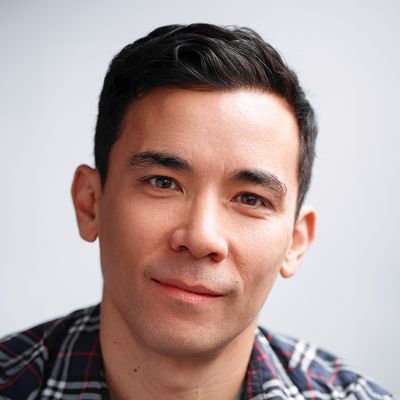
In this Artist Exploration, Conrad Ricamora (How to Get Away with Murder) and MTCA Director Charlie Murphy discuss: From tennis scholarship to stage & screen — mastering the “inner game” of performance. Process over product: Walnut Street Theatre + MFA at UT shaped his craft... Read More
From the show: Mapping The College Audition: An MTCA Podcast
Guests
Featured Shows

About
In this Artist Exploration, Conrad Ricamora (How to Get Away with Murder) and MTCA Director Charlie Murphy discuss:
- From tennis scholarship to stage & screen — mastering the “inner game” of performance
- Process over product: Walnut Street Theatre + MFA at UT shaped his craft
- Talent is universal, access is not — driving change through representation
- Launching The Right To Be There scholarship
- Reminder: “Feed clean” — protect your mental health from social media toxins
If you have any questions about the college audition process, feel free to reach out at mailbag@mappingthecollegeaudition.com. If you’re interested in working with MTCA for help with your individualized preparation for your College Audition journey, please check us out at mtca.com, or on Instagram or Facebook.
Follow Us!
Instagram: @mappingthecollegeaudition
YouTube: @MTCA (Musical Theater College Auditions)
TikTok: @mtcollegeauditions
Charlie Murphy:@charmur7
About MTCA:
Musical Theater College Auditions (MTCA) is the leader in coaching acting and musical theater students through the college audition process and beyond with superlative results. MTCA has assembled a roster of expert artist-educators who can guide students artistically, organizationally, strategically, and psychologically through the competitive college audition process. MTCA provides the tools, resources, and expertise along with a vast and strong support system. They train the unique individual, empowering the artist to bring their true, authentic self to their work. MTCA believes that by helping students reveal their potential it allows each school to connect with those who are truly right for their programs, which in turn guides each student toward their best college fit.
About Charlie Murphy:
Charlie is a proud graduate of Carnegie Mellon University’s BFA program. As an Actor he has performed with theaters such as: NY Public Theatre’s “Shakespeare in the Park”, The Pearl Theatre Company, Hudson Valley Shakespeare Festival, Chautauqua Theatre Company, Kinetic Theatre Company, and the Shakespeare Theatre of DC.
With MTCA [Musical Theater College Auditions -- mtca.com], he has been helping prospective theatre students through the college process for over 15 years. As a Teacher and Director, he is able to do a few of his favorite things in life: help students to find their authentic selves as artists, and then help them find their best fit for their collegiate journey. Through this podcast, he hopes to continue that work as well as help demystify this intricate process.
This episode was produced by Meghan Cordier, Kelly Prendergast and Socials by Jordan Rice. Episode theme music is created by Will Reynolds with Additional Vocals from Elizabeth Stanley
Transcript
This transcript was automatically generated and might contain errors.
[0:09] Charlie Murphy: Hello, hello, and welcome to Mapping the College Audition.
[0:12] Charlie Murphy: I'm your host, Charlie Murphy, director of MTCA.
[0:14] Charlie Murphy: That's Musical Theater College Auditions.
[0:16] Charlie Murphy: Check us out at MTCA.com.
[0:19] Charlie Murphy: And today we've got Conrad Ricamora on the pod for our newer listeners in these artist exploration episodes.
[0:26] Charlie Murphy: We aim to explore the paths to success that artists have forged and are still forging and tease out how their theatrical training has helped them to blaze that trail.
[0:34] Charlie Murphy: Conrad on this episode talks about his journey to success in both TV film and Broadway, and also his exciting new scholarship fund called The Right to Be There, which we will post a link to in our show notes, and I urge all of you to donate to it.
[0:48] Charlie Murphy: Um we also talk a bit about the controversy and the moment that it's sprung out of, and it's kind of inspired me to do a little little social media topper for you all to this episode.
[0:57] Charlie Murphy: Uh normally we save our takeaways for the ends, and I'm gonna talk a bit more about that in this takeaway as well.
[1:02] Charlie Murphy: But this just feels a bit too topical, so I do want to say it here too, which is can I urge you all?
[1:08] Charlie Murphy: Can we all please just take a look at our social media usage and our social media diet?
[1:15] Charlie Murphy: I mostly say this for myself, just to say it out loud, as somebody who is I'm not particularly engrossed by social media on like a personal level, but I absolutely get sucked in surrounding all of this political stuff.
[1:27] Charlie Murphy: Um, you know, I'm not the kind of person who's been like rage clicking on people's career success or we're looking at their vacation photos and getting really jealous, but you can absolutely catch me deep in a comment section.
[1:36] Charlie Murphy: Um and I'm not gonna go into the politics of the moment.
[1:39] Charlie Murphy: I really do try to keep this pod at least as partisan politics free.
[1:42] Charlie Murphy: It's impossible with an artistic pod not to talk about politics at all, but we're not gonna talk about partisan politics as much as possible.
[1:48] Charlie Murphy: But I will just say for me, this has been a rough week online, and honestly, it's been a rough year online.
[1:48] Charlie Murphy: It's been a rough few years online going back to the pandemic.
[1:57] Charlie Murphy: It's just rough out there.
[1:58] Charlie Murphy: The social media is rough.
[2:00] Charlie Murphy: And I think maybe it's just worth saying in general, especially as artists, that I don't think we spend enough time talking publicly about the ways in which our devices, especially our social media feeds, really negatively impact our psychological health.
[2:13] Charlie Murphy: And we can talk about that in general, just as human beings, how important that is.
[2:16] Charlie Murphy: But I'm gonna say, especially as artists going through this process, given how we talk about all the time how important our psychology is.
[2:23] Charlie Murphy: If you would tell yourself it's time to like eat clean, because I got a big show or a big audition process, maybe you want to think about what it would be like to feed clean, keep your feed clean with your devices as well.
[2:33] Charlie Murphy: Um, I am definitely not the right person to like tell anyone what to do or how to do it here.
[2:37] Charlie Murphy: I'm far from an expert when it comes to social the social media world.
[2:41] Charlie Murphy: But I guess I just want to say, in case anyone needs to hear it out loud, that there's nothing wrong with you if you notice how it is negatively affecting you.
[2:48] Charlie Murphy: And I think you would be smart and if it is to make changes to address whatever those negative effects are.
[2:53] Charlie Murphy: And I think that goes for all of us, whether you're an artist or not, right?
[2:55] Charlie Murphy: That all of us are more sensitive to this stuff than we sometimes want to admit, but especially as artists, it is like our job to be professionally sensitive, right?
[3:03] Charlie Murphy: We are training as empaths who take in the world and then hold the mirror up to nature.
[3:08] Charlie Murphy: So, how does that like pile of toxic crap coming through our devices not negatively affect us?
[3:13] Charlie Murphy: And then how is that gonna affect our ability to perform at the highest level artistically?
[3:17] Charlie Murphy: And the other thing I want to throw out there, and this is really the reason for this whole takeaway, the reason I wrote this down, I was like, I need to do a little topper at the beginning, is that I know we have a lot of parent listeners, and I think this message applies to all of you equally as well.
[3:29] Charlie Murphy: If you were listening to that whole thing and thought, oh, that's good, I'll tell my kid that.
[3:32] Charlie Murphy: Maybe just take a second and see if there's something for you to take to heart as well, right?
[3:36] Charlie Murphy: You gotta put your mask on before you can help others.
[3:39] Charlie Murphy: And if you're trying to support your child through a stressful process while you yourself are a ball of stress, maybe the best thing you can do is just tend to yourself a little bit, right?
[3:48] Charlie Murphy: We talk about this a lot in the later stages of the process as we get closer to that prime audition season, but it's absolutely still true now.
[3:54] Charlie Murphy: A bit of self-care for the parents can go a long way to helping your child as well.
[3:58] Charlie Murphy: Okay, that's enough of that.
[4:00] Charlie Murphy: Just a quick reminder to check our social media diets from someone whose media diet has been pure junk food the past week, and I feel like a trash bag.
[4:08] Charlie Murphy: Um, if you do feel like you just need to post something online this week, maybe it should be a rating and review for this very program where you might get me to read it on the show with a promised accent or dialect.
[4:21] Charlie Murphy: So here's John G and me.
[4:25] Charlie Murphy: Game changer.
[4:26] Charlie Murphy: MTCA has made all the difference in our college audition season, grade 12 and preseason, grade 11.
[4:32] Charlie Murphy: It's given us great insight into schools and help students create her college list and feel more knowledgeable before heading in the audition.
[4:39] Charlie Murphy: It's been a serious game changer.
[4:41] Charlie Murphy: Well, thank you, John G and me.
[4:43] Charlie Murphy: And I appreciate you hanging on to the preseason and the audition season metaphors.
[4:48] Charlie Murphy: And boy, uh my voice and dialect teacher would not be proud of what just happened there.
[4:53] Charlie Murphy: But you know what?
[4:54] Charlie Murphy: We're going with it.
[4:55] Charlie Murphy: All right, that's plenty of intro.
[4:56] Charlie Murphy: I know I'll be seeing many of you in the next few weeks as we're diving deep into mock season.
[5:00] Charlie Murphy: Really, we have three mocks in a row the next three weeks in New York City, before then we head off to Pittsburgh Unifieds, and then we're gonna begin our mock travel season where we're gonna be hitting Chicago and LA in November.
[5:10] Charlie Murphy: Oh my.
[5:11] Charlie Murphy: Um, if you're hoping to see me digitally for a bit, do check out our upcoming webinar.
[5:15] Charlie Murphy: That's this Thursday at nine o'clock Eastern with me and Amy Breslow, one of our college advisors, where we're chatting about scholarship opportunities and how to navigate those as you move into your audition season.
[5:26] Charlie Murphy: As always, those webinars are open to both MTCA families and non.
[5:29] Charlie Murphy: If anyone wants to check those out, they happen at least once a month and often more as we get into the fall and winter.
[5:34] Charlie Murphy: All right.
[5:34] Charlie Murphy: And with that, let's dive into this interview with the great Conrad Ricamora.
[5:43] Charlie Murphy: Well, we are so excited to be joined by Conrad Ricamora.
[5:47] Charlie Murphy: Uh he's a Grammy and Lucy Lortel nominee.
[5:50] Charlie Murphy: He studied at Queen's University of Charlotte before getting an MFA in acting from the University of Tennessee.
[5:55] Charlie Murphy: He's been all over your TV screens in How to Get Away with Murder, How to Die Alone, The Resident Dying for Sex, currently filming The Devil Wears Prada 2.
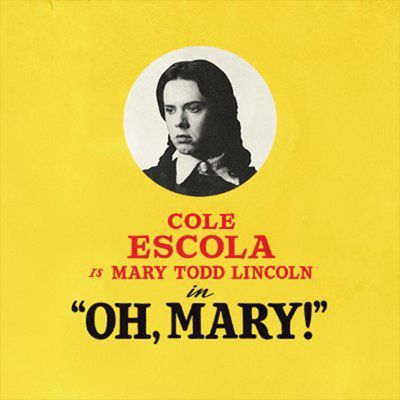
[6:04] Charlie Murphy: Uh, he's been on Broadway in The King and I, in Here Lies Love, and currently, or most recently, in Oh Mary, for which he received a Tony Award nomination.
[6:13] Charlie Murphy: Conrad, welcome on the show.
[6:15] Conrad Ricamora: Hi, Charlie.
[6:17] Conrad Ricamora: I'm feeling great.
[6:17] Conrad Ricamora: Thanks so much.
[6:18] Conrad Ricamora: I have the day off from uh filming today.
[6:21] Conrad Ricamora: So I'm just enjoying some relaxing time, catching up on rest.
[6:25] Charlie Murphy: We love it.
[6:25] Charlie Murphy: And the magic of technology, they're never gonna know this is our second time going through this because of some technical difficulties.
[6:30] Charlie Murphy: So we don't even need to talk about it.
[6:32] Charlie Murphy: We're such good actors.
[6:33] Charlie Murphy: We ruined it.
[6:34] Charlie Murphy: Um, you were starting to tell me um just a little bit about your journey to um sort of finding acting.
[6:40] Charlie Murphy: So as a young person, I noticed a tennis player, a tennis scholarship.
[6:43] Charlie Murphy: Catch me up to like what what was your relationship with what you were looking for in college?
[6:47] Charlie Murphy: And like what what were you thinking?
[6:49] Charlie Murphy: Was any part of you thinking about being an actor that young?
[6:51] Conrad Ricamora: No, when I was a little kid, I remember loving like singing and dancing, but then as soon as I hit middle school, and I grew up on Air Force bases in like the 80s and the 90s, and so like the expressive men were very much uh not encouraged.
[7:09] Conrad Ricamora: Uh so I stopped doing that and started it uh playing tennis, and that kind of took over.
[7:15] Conrad Ricamora: I kind of channeled all of my energy into that.
[7:18] Conrad Ricamora: And uh and that took me to undergrad where I got a tennis scholarship at Queen's University of Charlotte in Charlotte, North Carolina.
[7:26] Conrad Ricamora: And then I studied psychology just because I liked uh the way like I like studying performance, whether it's uh as a tennis player, because you know, athletes are performers as well.
[7:39] Conrad Ricamora: Anything that you do in front of an audience, you're is a performance.
[7:43] Conrad Ricamora: Um, and so uh, and then I took this acting class that changed my life.
[7:48] Conrad Ricamora: I was assigned a monologue from Lemon Sky by Lanford Wilson, and it was about a kid who met his estranged parent for the first time, and that was my real life experience.
[7:59] Conrad Ricamora: And I felt like I could speak with authority uh in front of an audience, and I wasn't a super extroverted person, but to feel that connection when I was, you know, normally really shy uh was something that was electrifying, and uh, you know, I've been chasing ever since.
[8:18] Charlie Murphy: So cool.
[8:18] Charlie Murphy: Boy, are you the perfect guest for this podcast in so many ways?
[8:21] Charlie Murphy: We're gonna talk about a number of different issues, but uh, we love the athlete artist uh analogies.
[8:26] Charlie Murphy: We make a lot of those on this podcast, certainly.
[8:28] Charlie Murphy: Um, and then Leo, my partner, is gonna love the tennis.
[8:30] Charlie Murphy: He always is talking about the inner game of tennis.
[8:33] Charlie Murphy: That book changed my life.
[8:34] Conrad Ricamora: Yeah.
[8:36] Charlie Murphy: I read that as a teenager.
[8:36] Conrad Ricamora: Yep.
[8:37] Charlie Murphy: So fun.
[8:37] Charlie Murphy: But really, I mean, it is, you know, sports, I think in sports and in drama, sports and acting and performance have so many uh correlations already.
[8:44] Charlie Murphy: It seems especially tennis with being a solo sport and the psychology and the, you know, you're up there all alone, you're in charge of your own your own career and getting yourself off the mat.
[8:54] Charlie Murphy: You know, it's just being a solo sport because I got so many analogies there.
[8:56] Conrad Ricamora: Oh, totally, yeah.
[8:57] Charlie Murphy: I think that uh the idea of bombing in either like as a performer, whether it's an audition or on stage or or on a tennis court, uh, you know, is is the it's the same muscle that you exercise when you go through that feeling of shame of like doing something potentially that's bad, and then get picking yourself back up and continuing to like move forward.
[9:23] Conrad Ricamora: It's it's so so true.
[9:25] Charlie Murphy: Yeah, uh it feels like yeah, yeah, I love it.
[9:27] Charlie Murphy: Okay, but we'll talk maybe a little bit more that at the end.
[9:29] Charlie Murphy: But give me a little bit of what so then in college with this spark for you.
[9:32] Charlie Murphy: Was it right after college then you go to uh the MFA?
[9:35] Conrad Ricamora: Uh no, I started working uh in community theater and then it started paying.
[9:40] Conrad Ricamora: Uh and then I like you know, got in a local agent in Charlotte and started doing like industrials and uh, you know, kind of cobbled together this little like career as a local actor in Charlotte, you know, whether it was high pay or not high paying, uh low-paying theater jobs with uh industrial like work and then supplementing that with working at a coffee house.
[10:05] Conrad Ricamora: Um and then I applied for I knew I was going to be doing this for the rest of my life.
[10:11] Conrad Ricamora: So I started looking at fellowships that theaters would offer.
[10:15] Conrad Ricamora: The Shakespeare Theater in DC offered a great fellowship and the Walnut Street Theater in the very apprenticeship at the Shakespeare Theater to see if you can believe it.
[10:25] Charlie Murphy: What's that?
[10:25] Conrad Ricamora: I I did that very apprenticeship at the Shakespeare.
[10:27] Charlie Murphy: Amazing.
[10:28] Conrad Ricamora: Yeah.
[10:28] Charlie Murphy: I I didn't get in.
[10:30] Conrad Ricamora: Uh, but I got into the the Walnut Street one.
[10:33] Charlie Murphy: That was for your career, Conrad.
[10:35] Charlie Murphy: And that's why my career is so much farther along than yours.
[10:37] Conrad Ricamora: I know I need to reapply, see if they'll take it.
[10:41] Charlie Murphy: I'll bet they'd take you now.
[10:42] Conrad Ricamora: I do think they would.
[10:44] Conrad Ricamora: Um, but yeah, no, that that was a career defining thing for me.
[10:48] Conrad Ricamora: It was do booking the uh acting apprenticeship at the Walnut Street Theater because it meant that for a full year I was going to get paid, even though it was like $300 a week, it was non-taxable.
[11:00] Conrad Ricamora: Um, and I got health insurance through the theater and a free gym membership, and I got to take uh classes at night at their theater school uh for free.
[11:10] Conrad Ricamora: And boy, I just loaded up on every single class that I could possibly take.
[11:15] Conrad Ricamora: We toured these kids' shows in the morning that were of questionable quality, but I still it was still like performing.
[11:22] Conrad Ricamora: You're still like, even if you're setting your a pipe and drape up in a cafeteria, you're still in front of an audience.
[11:28] Charlie Murphy: For sure.
[11:28] Conrad Ricamora: Yeah.
[11:29] Charlie Murphy: And I think there's something that's often true in this path where you don't discover it super early.
[11:33] Charlie Murphy: So you're not getting acting classes at you know automatically at 14, 15, 16 or whatever.
[11:37] Charlie Murphy: That I do think often you're hungrier.
[11:40] Charlie Murphy: There's just like a hunger to be like, oh my God, I get to do this like playing pretend, and it gets to be my class and I get to learn about it.
[11:45] Charlie Murphy: There's a different level of like study, I think, often when people come to it a little later.
[11:49] Conrad Ricamora: Oh yeah, yeah.
[11:50] Conrad Ricamora: No, I didn't have because I I didn't grow up idolizing theater because I didn't know I honestly didn't know it existed.
[11:58] Conrad Ricamora: Uh, you know, I didn't know Broadway existed.
[12:03] Conrad Ricamora: Uh um, so I didn't I wasn't eager or over eager to get on any specific stage.
[12:09] Conrad Ricamora: I just wanted to act no matter where that was.
[12:12] Conrad Ricamora: And I think that that worked.
[12:13] Conrad Ricamora: That helped me just kind of learn uh the craft in a way that wasn't, you know, I wasn't trying to just to to get anywhere.
[12:23] Charlie Murphy: I think a lot of young actors feel bad about themselves if they don't get like a high enough profile job or something it's like no you still have to learn for like a good 10 15 years um and then tell me so tell me about how do we get to university of tennessee how do we get to the MFA?
[12:23] Conrad Ricamora: Uh I did this show called Shakespeare's R and J that's for Catholic school boys find a copy of Romeo and Juliet I played Juliet in that production and it kind of exploded my world uh the text came alive in a new way and then I thought I want every text to feel this alive and why isn't it and so I thought, you know, this was I was about 29 at this point and I had been you know just auditioning and trying to get jobs and so I took myself I was like, you know you need to if you're gonna really be doing this for the rest of your life you need to study process and not just be trying to put a product out there.
[13:18] Conrad Ricamora: So uh I put together my audition package which meant I also was coming in on the Chinatown bus once a week to take a an audition class with Karen Kolhas at the Atlantic uh theater company which that class changed my life it it gave me so much agency over my auditions and it felt like I was able to put on a little show with my monologues instead of it feeling like I had to please people I just felt like I had like my little one person show.
[13:49] Conrad Ricamora: And so that was my like I put that package together.
[13:53] Conrad Ricamora: I got into uh Harvard ART which I think is gone now National Theatre Conservatory Brown.
[14:01] Conrad Ricamora: Also all these diminishing play programs.
[14:05] Charlie Murphy: Yeah, yeah.
[14:05] Conrad Ricamora: It's so sad.
[14:06] Conrad Ricamora: Uh UC Irvine, um, which I think is still there. Uh and then Tennessee, which I had never heard of, and I honestly didn't want to go back down to the South, uh, because I had spent my undergrad and a lot of my childhood in the South as well.
[14:23] Conrad Ricamora: And so uh, but it was there was a guy named Jed Diamond who was a master Alexander teacher and is still uh and the classes were were good. They were really good. Uh, but then I part of the program was doing having two private Alexander lessons each week. And when I I had never done that before, and when I did that, it completely like rocked my world. And I was like, it was undeniable to me that this was the best program for me. Uh so I went back down south.
[14:58] Charlie Murphy: My god, you're hitting all these podcasts. Hey, we give a process over product in there. We got choosing the right school for you, even if it's not the biggest name. There's so many good things that are happening uh from this.
[15:07] Charlie Murphy: Um, but so then talk to me a little bit about so that's an MFA, obviously, an acting training program, but now we're gonna see a mix of TV and film and really musical theater on your resume. What was the MT training a bit of? Are you taking any voice lessons? Are you taking dance? Where how are you exit you know, sort of going to end up on Broadway eventually?
[15:24] Conrad Ricamora: Honestly, it was mostly I have a natural aptitude for it. I remember I went in for one of the auditions that I was going in for early on in my career, and uh like before I went to get my MFA and uh I sat, you know, gave my music to the accompanist and you know, was telling her the tempo and singing a little bit of the song before she played anything, and she hit the first note and she was like, You have perfect pitch. Uh, because I was singing it like on key or what I don't, yeah. Anyway, I just think that I've because I yeah, and I think I had a natural aptitude for it. And so I took like a couple of like singing lessons, and then in grad school we had a singing lesson once a week. Um, that was 30 minutes, but that was it.
[16:13] Conrad Ricamora: That was it for kind of the the singing stuff. And then the movement classes was just like, yeah, it was just here and there. Yeah, it's Suzuki and viewpoints, but you're not necessarily taking high-level jazz. I wasn't in tap ballet, like, yeah, jazz stuff.
[16:30] Charlie Murphy: Okay. Well, then talk me through. So graduating there. So now you're gonna graduate, you're gonna be in your 30s, it seems like. Right. So hitting the ground running thing. So many of our listeners feel like if they haven't made it to Broadway by 24th, it's too late or you arrive at what's not the case. Um, but talk me through what is the journey to it. It seems like from the resume, now booking how to get away with murder was a really putting you on the map moment. Were there steps up into that, or how did that happen? How do we get to that point where now we're gonna be on everyone's TV screens?
[16:57] Conrad Ricamora: Yeah, uh, I mean, again, when early on in my 20s, I had taken classes at the film actor studio of Charlotte, which I I helped manage so that I could take the classes for free. Um, and there were two great teachers there, Lon Bumgarner and Marilyn Carter. Uh, and that was the begin that was really my first actor training was on camera, and so that stuff felt more comfortable to me than the theater stuff.
[17:25] Conrad Ricamora: Uh so uh going in for film and TV auditions felt uh maybe a little bit more natural than somebody who's grown up as a theater kid uh would be. I didn't feel like, you know, there's something physiologically that happens to everyone when you hear like rolling and action and like all of the yeah and I think theater people uh kind of tense up around those words um but uh because I had studied at this film acting school for so many years uh and we always heard that at the beginning of our scenes it just felt so natural to me.
[18:03] Conrad Ricamora: Um so uh so yeah uh that was that that I just went in for the audition uh David Capriolaetis uh and uh he was great and uh I was supposed to be on the pilot but Pete Nowak loved what I did and just kept writing me in until I was a series regular.
[18:23] Charlie Murphy: It's amazing amazing yeah there's something so interesting about that I do think it's really true of film acting it's it feels like a version of what we often telling our students who you know when you're working at monologue work at the college level that like some of the habits you've learned at 10 years old when you're like projecting or like you know but really sort of putting a lot out that you go it can be a lot less it can be a lot more natural.
[18:42] Charlie Murphy: But it feels like really any theater actor has to has some version of that they have to unlearn when the camera's on you and and we're supposed to be taking being letting ourselves be taken in as opposed to projecting outward.
[18:53] Conrad Ricamora: Yeah yeah trusting that it's all there like there's still work to be done but just trusting that it shows up that the camera catches it because it does it really does catch everything.
[19:03] Charlie Murphy: All right and will you tell me a little bit about the show. So so you did six seasons of that show. I I how how how many murders were committed on that I think I saw the first season but there was a lot of murders gotten away with how would it probably like seven or eight murders happen maybe more. Because there were a couple per season. What is that experience? I mean, you know, this is of course now the the first big job that we're we're doing, and it's you know, so many hopefully some great money, but uh what was the experience of like now doing season after season after season of that?
[19:30] Conrad Ricamora: Also now uh noticing that you're branching out and doing other things while you're doing you're doing the king and eye running no, it felt great to be a part of a long-term development of a character that you know when you do a theater show, it's it it starts where the first pay on the first page and ends on the last page, and then when you're doing six seasons of a TV show, you don't know when it's going to end and when your care where your character's gonna end up.
[19:57] Conrad Ricamora: Uh and the writers, once they get to know you, they start writing for you as well. And so those two, those two the character and and the actors start to merge a lot more um in a lot in a long-running show.
[20:11] Charlie Murphy: Um how are you adding bits of you? I mean, are you directly giving ideas? Are you like coming in with a yo-yo to be like, oh, my character could have a yo-yo? Like, how are you sort of subtly implying uh my character could do these things?
[20:22] Conrad Ricamora: Yeah, I think season five is when uh my character got married on on murder, and uh they were they knew that I had was a singer, and because I've been, you know, the first two seasons I was doing Here Lies Love and then the King and I while I was shooting uh the show, and they were like, Would you want to sing on the show? I was like, sure.
[20:43] Conrad Ricamora: And then they asked me like what song, and I love John Legend, and I so I suggested that song. Um, and at first Pete was like, I don't think we can get the rights, and then all of us the next day he was like, Oh, Shonda just called John Legend, who's their friends, and he was like, Oh, oh yeah, sure.
[21:02] Charlie Murphy: I've got to be nice to be like, Yeah, I'll just dial up John Legend.
[21:05] Conrad Ricamora: Um and then speaking of long-running shows, I don't want to come back to King I King and I too, but you were with Here I Love Here Lies Love for a decade, right? I feel like the first one was 2013.
[21:13] Conrad Ricamora: I I flew up to New York my third year while I was still in grad school and went into an open call, and that's how I got cast, and that was in 2012, and it was just it just made it to Broadway in 2023.
[21:29] Charlie Murphy: That is a journey with a show. And I saw that show, you were wonderful in it. Wait, my wife wanted me to tell you that she loved you in Dying for Sex too.
[21:35] Conrad Ricamora: I was supposed to that was the the uh homework assignment I got coming in today was to tell you oh thanks.
[21:40] Charlie Murphy: Yeah, we're gonna project thank you.
[21:43] Conrad Ricamora: Um but let's talk a little bit about so what tell me about King and I. So what was the experience? Maybe especially somebody who for whom Broadway was not the dream, you know.
[21:52] Conrad Ricamora: Of course, maybe it became a little bit more moral, but this should be an exciting thing. But like, what was the experience now of being like of a Broadway debut and being on Broadway when that wasn't something that at 17 years old you had an idea of what that was?
[22:03] Conrad Ricamora: I mean, it was it was so amazing to be working up because all of my scenes were just with Ashley with Ashley Park. Um, and uh to be to have this be my Broadway debut, and also Lincoln Center, although it's technically considered Broadway, it is removed from the district.
[22:26] Conrad Ricamora: It's like bougie Broadway, comfortable. Yeah, it's it felt like it felt like very cushy, comfy Broadway. The dressing rooms on Broadway are so old, and then the Lincoln Center dressing rooms have the the toilets that warm your bum and like we we were just backstage with the uh a friend was in Floyd Collins.
[22:44] Conrad Ricamora: We were backstage like this is the it's very different than any other Broadway experience I've had really. So so spoiled. Uh so that was that was it was nice. It was also nice to not be in that overwhelming section of Times Square.
[22:57] Charlie Murphy: Uh, you know, we were so we were a little bit in the in the quieter area. Um, but also to just be able to sing those beautiful songs every night. Uh it's yeah, I couldn't have asked for a better gift as a Broadway debut.
[23:12] Charlie Murphy: It's so cool. And then okay, this hit which we just finished in O'Mary. Yeah, I imagine a completely different challenge, completely different experience. What was what was the experience of getting to do that every night?
[23:21] Conrad Ricamora: Well, it was interesting at the beginning at the Lore Tell, Alex Timbers came to opening night uh off Broadway, and afterwards he was like, I had no idea you could do that. But here's the thing it's like I I'm more of an actor than a musical theater person.
[23:38] Conrad Ricamora: Right. But when you move to New York and you're an Asian American man, you get put into the Asian musicals like over and over and over again. And then uh people forget about this completely other skill.
[23:51] Conrad Ricamora: Like I played Tartuffe uh in regional theaters. I've done four different productions of Romeo and Juliet. I've done Richard the Third and uh Midsummer. Um, like all of these amazing plays that I've done.
[24:05] Conrad Ricamora: Uh just you're not playing the Asian character in Richard the Third. No, yeah, right.
[24:09] Charlie Murphy: Yeah.
[24:09] Conrad Ricamora: Yeah, yeah.
[24:11] Conrad Ricamora: And so like, but that gets lost because the on the commerce side in New York City, it because of the history of like the Asian musicals being such big box office hits.
[24:24] Conrad Ricamora: Your acting resume kind of like you have to remind people, hey, look, I've I've done all this stuff too. And so that felt great doing something like playing Abraham Lincoln and people being like, Oh, oh, okay, we didn't know.
[24:38] Conrad Ricamora: And I'm like, Yeah, if you if you give people more opportunities to show their range, they will show you their range.
[24:45] Charlie Murphy: It's yeah, it's so well said. I think and it's true with so many musical theater actors too, because it is such a difficult art form that if we know you do this, you can get labeled as ah a musical theater comedy person.
[24:56] Charlie Murphy: You're like, well, wait a second, this person also has this completely other skill set that you might even intellectually know about, but it's it's hard to get people out of the perception of like that's what you won the Tony for you're just the goofy actor who does this thing.
[25:08] Conrad Ricamora: Right.
[25:08] Charlie Murphy: Yeah.
[25:08] Conrad Ricamora: And also like swings on Bro they're always like they're always get known as being greats like it I think somebody joked with me like if you're ever a swing don't become too good at it because people will always they're so anyone will be a lead.
[25:22] Charlie Murphy: It's hard to be a swing exactly we're starting to touch on uh a great conversation which is the second half of the podcast I want to talk a little bit more about or talk about Asian representation.
[25:31] Charlie Murphy: So it's like a quick break and in the back end we're gonna talk a little bit more about Asian representation and the scholarship fund that you've started. So back in a flash.
[25:40] Charlie Murphy: All right we are back with Conrad Ricamora and I want to talk a little bit about this wonderful scholarship fund. It's called the right to be there. Will you tell me a little bit about the intention behind starting it and then we maybe can get into some also the controversy of what what uh it came out of yeah uh I have a very deep belief that talent is spread evenly but access is not and uh you know when you come from a marginalized group uh you you don't always have the same access to training let alone like you know, roles and and stuff like we had previously just talked about.
[26:19] Conrad Ricamora: Um so I wanted to create something uh that invested in the younger generation of Asian American male actors, which because I have such a specific knowledge of all of the different pathways it takes to get to making a living in this industry as an Asian American male actor, I wanted to be laser focused.
[26:46] Conrad Ricamora: I feel like and I felt like I could make the most impact with that type of scholarship. And so it's still very much coming together. It came out of the need to make some positive movement forward.
[27:02] Conrad Ricamora: And because I, you know, you taught you get into this industry. I've been in New York now for 13 years and immediately when you move here as an Asian American man, you every interview is asked you get asked about representation and diversity and blah blah blah.
[27:19] Conrad Ricamora: And you kind of I've kind of gotten to the point where it's like I want to do make some action in a in a positive way and because you just get tired of talking about it.
[27:30] Charlie Murphy: Not here though, Charlie, not here.
[27:32] Conrad Ricamora: Not here, okay, because we knew we were talking about a day. You have a sense of like which angles you might attack with that. I mean, I know certainly there's angles within the business. I know something that Telly talked about—Telly the Young was our first ever podcast guest. He was talking about like when he was a young person, he didn't really like—he didn't think like his parents didn't think like that was possible for him. He's just like, "That's just not what we did."
[27:53] Charlie Murphy: Right.
[27:53] Conrad Ricamora: His parents, like even the idea of him seeing himself in that, I guess. Yeah, what are the angles or what are the ways? How do you solve for that problem, I guess?
[28:02] Conrad Ricamora: Um, well I think it starts with your training. Uh, I feel like I've had to you you have to have such a strong foundation to stand on. Um, and because I've had so many great teachers uh through you know, since I started acting, I feel like I can walk into any room and with multiple characters and uh and move forward in a story. And so uh I want to provide that for younger people and and also you know, apart because this is still like formulating in my head. I I've never started, I didn't even plan on this. I was like, I have to do something. And so I just typed up something really quickly and put it on GoFundMe, and then all of a sudden it took off like crazy. Um, so now uh like $66,000 you guys have raised some. It's like 60 60 something thousand dollars now.
[28:56] Charlie Murphy: Yeah.
[28:57] Conrad Ricamora: Um, but my dream is to, you know, all of my friends that are in the industry. Um, my dream is to once a year uh select from applicants that can we pay for them to come to New York City and take like a week of classes with people like Telly, with people like Kelvin Moonlo, with people like BD Wong, with myself included, um, and that we do that's part of the scholarship program where they're not only taking classes, but they're building relationships with uh with mentors, and then we award a certain amount of a scholarship at the end of that week. Um, so yeah, that's that's that's kind of my my dream for it. Um, yeah.
[29:40] Charlie Murphy: It's super exciting. And can we talk a little bit about the kind of controversy moment that it came out of? So this this is uh odd for us because I know it came out of the maybe happy ending controversy, which Helen Chen is an MTCA alumni and was a podcast guest. We were all going to see the show like as this was happening, like we're bringing 300 people to go see the show. And like, oh my gosh. Um, can we just talk a little bit about what that experience in terms of the, you know, I think it was a a lot of outrage and pain in the AIPI community, especially with like it's what her real life boyfriend was going to be replacing Darren Chris, right? That feels like that was started the moment of of what was happening in uh sort of around social media and a little bit of controversy there.
[30:19] Conrad Ricamora: Yeah, again, it's more uh like the scholarship to me was in recognition of decades of pain that uh Asian American men have experienced in you know uh having access only to characters that were emasculated and stereotyped and uh not being able to sh, you know, walk on stage and walking on stage and being asked to diminish our humanity, um, and then uh being denied certain roles. Uh and so this it wasn't from any one moment. Again, it's like, you know, if if it was one moment that the scholarship came out of, I don't think that there would have been a scholarship if it was just isolated. It was more of like, okay, let's let's put some positive motion forward. And all of my friends had been, you know, posting about how painful this, you know, this controversy was because it brings up other experiences that we've gone through as well.
[31:19] Charlie Murphy: And so I wanted to address that, like the long-standing uh uh pain and inequity and and put it into a positive forward motion.
[31:29] Conrad Ricamora: Um, yeah. That's well said. Um, I I love to ask you a question. We asked a couple different people from uh all different groups and all different kinds of people sort of just their perspective on identity in theater in 2025. And I'll give sort of like, I feel like most people, you know, would agree. There's there's probably aren't exactly black and white rules of where you exactly draw the line, but like we generally agree like white people shouldn't be wearing blackface on stage. And we kind of agree that like a non-murderer can play a murderer. So you can play some lived experiences. We kind of agree on there, but but that how do you how do you sort of see theaters and how do you see casting directors and how do you see us navigating these questions of like of who can play what and and how that should be considered and how those conversations should be at?
[32:09] Conrad Ricamora: Yeah, I think that yeah, again, like you said, uh the word conversation, I do think it has to be an ongoing conversation. Uh we I think that we need to ha have an honest look st at statistics uh on Broadway and then adjust what our expectation and what our work like uh, you know, frankly, what what the work that we have to do to represent the populations that we're inhabiting. And uh, I mean, you ride the subway and you see what the the makeup of New York City is. Um, and then you go to a Broadway show and you don't, that doesn't necessarily it's not always necessarily reflected back. And I know that that takes a long time to like it's there's more things at play uh than just casting, uh, that there's you know the business side of things as well.
[33:02] Charlie Murphy: Um, but to keep having those conversations and moving uh again towards, you know, positive steps forward, uh, I think are something.
[33:12] Conrad Ricamora: I do like your question about identity though, um, because I think theater is the best place for us to come together and let go of our identities, um, and I maybe identify with somebody that is not doesn't have our same lived experience, but because we're all tied together through the same humanity, uh, we're allowed to we're we're we're able to connect in those ways.
[33:39] Charlie Murphy: Yeah, I'm just conscious of like how these qu how these conversations happen. We've had a little bit of this conversation on the pod a couple times of like on in different forums and with different kinds of people, you know. Of course, we know social media is not the best place for any of these conversations.
[33:49] Conrad Ricamora: Not super nuanced.
[33:55] Charlie Murphy: Yeah. Um, but like, you know, I remember the uh my wife was the lead in Jaggy Little Pill, and there was this big controversy around Jaggy Little Pill. And I remember my my mom, my pretty liberal informed mom who reads the New York Times, could not understand the controversy. She's was like, I don't understand, aren't aren't they both LGBTQ? Like, I don't understand what the issue is, right? Like, and I wonder what, like, I guess what would you say if we had listeners who maybe are not the most keyed into New York, Broadway, and New York Theater, like if someone were to say, wait, I don't understand the the person playing a robot. Why is this why is it is an issue?
[34:31] Conrad Ricamora: Um, I think it's again taking a hard look at the statistics of the roles that are available for let's say, you know, and having those hard conversations, which I mean, you know, I would rather people do that work themselves than me like sit here on your screen and preach to that never goes well for anyone. Um, so I would say, you know, take a look at the statistics for uh representation for um, you know, Asian American men on Broadway and the number of roles that are, you know, uh written for Asian American men or writ not written for Asian American men and and that are not including Asian American men. And then look at it through that lens of you know, how hard, how would it be for a up and coming like musical theater person to um to see that you know this uh a show that they thought represented uh an opportunity maybe for them in the future was now not guaranteed, in addition to so many other opportunities that are they're not even considered in, they're not even in the conversation for at all.
[35:53] Charlie Murphy: Um, yeah, and just and and just sitting with that and and uh allowing those those statistics to inform, yeah, inform you. What about the other end of it? So I mean that totally that totally makes sense to the person who goes, hey, I don't understand the statistics. What about to like a lot of our student listeners who I mean so many of our students will talk about representation is really important to me. This is like a big issue that I I care about and I want to to help forward that. But I think a lot of them feel like I'm not sure what I'm not sure what to do from an actor's perspective versus the creatives and the, you know, what can a young person who goes, I really care about whether it's AI AAPI representation or representation across the board, what can a young actor and artist do to sort of to help with that? To sort of, you know, it's like it's like we often talk with politics, like I can go vote every four years, but what do I do? Like if this is something that really matters to me.
[36:42] Conrad Ricamora: I would say like the thing that I did was I learned a lot of monologues from a lot of different uh, especially with Shakespeare. Like I I would say learn, because you can you can dive into different characters uh on your own by learning those monologues. Like I learned Iago, uh, I learned uh uh Julius Caesar, um, Juliet, even like, but uh so when if you are a student, I would say just go and grab a hold of the of any material you want and learn how to work on it to make it your own, and then do something completely opposite, like find contrasting things to work on constantly, especially when you're in your 20s, just constantly be working at one end of the spectrum and then okay, great. I worked on this, this song or this monologue, and then go to the other side and find something completely different.
[37:41] Charlie Murphy: Um, yeah, and then just go to as many open calls as you possibly can. Even if you're not right for it, just like give yourself go go go to the open call. You get to perform like whatever you're getting to perform.
[37:54] Conrad Ricamora: That's my advice.
[37:55] Charlie Murphy: Oh yeah.
[37:56] Conrad Ricamora: Even if you don't necessarily have full control over how they're gonna see you, you're at least giving them a chance to see you.
[38:01] Charlie Murphy: Yeah, yeah, and you're getting a chance to perform and gain experience. Again, it takes like 10 to 15 years to to master something, but you have to be putting yourself out there and doing it.
[38:12] Conrad Ricamora: Yep.
[38:12] Charlie Murphy: I love it. Um, if people want to help this specific scholarship fund, what's the best thing? Is it do you need money? Do you need volunteers? Do you need what's the thing that you go? Should it be click this link in pay some money? Or there what are the best ways for people to help the right to be there?
[38:26] Conrad Ricamora: Yeah, the GoFundMe page is still up. Uh I've just partnered with E2AC, which is entertainment to Effect change. Uh-huh. Uh the producer Diana Demena connected me with them.
[38:35] Charlie Murphy: Uh-huh.
[38:40] Conrad Ricamora: So they're a 501c3. I'm learning all of these new terminology. Oh my so uh so they're I'm gonna be incorporating the GoFundMe funds with that with E2AC soon. Um once my schedule like dies down and filming is wrapped and all of that stuff. Uh um so but the GoFundMe is still up and will be still up for the next for for the foreseeable future.
[39:10] Charlie Murphy: So I yeah I would I would say go and donate that way in the chat or in the the show notes of this very uh podcast so people can click that and give a little bit of money um any secrets you can give us about DevOares Prada anything you want to uh what spoilers I mean not to spoil the whole thing but any uh who are you we can we couldn't even say who I'm playing yeah they weren't even yeah they yeah uh you're Meryl's freak dad is what I'm gonna say it's a really complicated we talk about identity you're playing across age it's really beautiful I will say in the table read I think I'm allowed to say this that uh they hadn't cast one of the major roles yet and so they were at they were like well you know your your cast is this but would you mind reading opposite Merrill for this major role at the table read and so I like my soul my soul kind of floated above my body and watched what watched me do that which was the only way I could get through it was to completely dissociate.
[40:10] Charlie Murphy: That is so cool.
[40:11] Conrad Ricamora: I'm sure very few actors would mind getting to read opposite when given the best.
[40:18] Charlie Murphy: I love it. Well, we'd like to wrap. You've already given some really great advice uh to actors in different ways, but we like to wrap with just you know, advice to young artists out there. Though also we sometimes, because we have plenty plenty of parent listeners, we would take, if you prefer, uh, advice to parents. But basically, just if they want to become a a a younger or now older Conrad Ricamora, like what advice would you have to them in terms of how they can they can find their way to that path.
[40:40] Conrad Ricamora: Uh, I would say focus on the work. Somebody told me that my one of my earliest teachers in Charlotte said, you know, focus on the work. And there is so much noise in this industry. Uh, and it's great celebratory noise sometimes, but it has nothing to do with actually showing up to rehearsal or to um, you know, a performance to the theater every night. Um, and so I would tell a young person to read a lot of plays, grab monologues that move you, and then start expanding uh to characters that are that you think are so different from you.
[41:21] Conrad Ricamora: Um, you'll and then you'll start learning that oh, I can inject my humanity into any character. Um, and and can continue to work on your voice. And this sounds weird, but do a lot of yoga because that flexibility allows you to inhabit different uh, you know, not just it allows you to play other people than other than who you walk around in your life as.
[41:46] Charlie Murphy: Yeah, that's so well said.
[41:47] Conrad Ricamora: And and I'm gonna add on to that, keep doing the yoga because boy, in college all this yoga, I was so flexible, and then you hit your 30s, it all goes away. I'm like, I can still do yoga.
[41:55] Charlie Murphy: Oh, maybe not, maybe it's gone. You gotta get that map back out. I gotta get the map back out. I gotta get the headstand back out. There's a lot of things I had confidence in that no longer, no longer in my body. Um, Conrad, we so appreciate the time. Thanks for chatting with us today.
[42:09] Conrad Ricamora: Yeah, thanks so much, Charlie.
[42:16] Charlie Murphy: Yes, yes, yes. Loved getting to chat with Conrad, a man of much range, and I think a really exciting career in terms of like working in different mediums, which I feel like so many of our young students want to emulate, right? To be able to have done a really successful play at a high level, a musical at a high level, a TV show at a high level, a movie at a high level. I just feel like for so many people that is the goal. And you know, it's like our own personal ego, other than the awards. Just to be able to like, man, I can do this and this and this and this and have success in it. I think that's what so many people are shooting for.
[42:44] Charlie Murphy: I have a bunch of takeaways from today, so I'm gonna try to do some quick hitters first. We talked before about like the sports analogies and how those individual sports especially relate to them with the idea of like sports psychology and the actor's mindset and how those are related. Um, I often use the free throw line as my favorite version of that, being a basketball fan, but it's absolutely true in tennis as well. I will tell you as a side note, I played tennis the other day for the first time in over a decade, and I absolutely trounced one of our young fit coaches who challenged me to a match. He thought he encountered this old guy with his dad bod, and I hadn't played tennis in a while.
I was honest. I was like, I used to be good, but I haven't played in a while. And he thought he was gonna embarrass me. He's in his 20s, he's you know, got the six-pack. Sadly, mm-mm, six two, six one, six two insets. But the important thing is the psychology of watching his life drain before my eyes is what we're really talking about.
[43:33] Charlie Murphy: No, no, and I'll seriously, that's me being funny and of course braggadocious, but I do really like Conrad's comparison of like bombing in the way that he talked about it, right? We all have that experience as an actor, like when you're not fully in it and you know it's going badly, and just how hard it is to not let it go all the way dark, right? And that absolutely happens in sports too. It happened to our young coach, who I'm gonna uh let remain nameless for the sake of his ego, especially when we're talking about those like individual sports and then that experience of like being in an audition and what that experience is. You know, once a pitcher loses the strike zone and they get in your head, it's so hard to get it back, right?
We really do have to be as mentally strong as we are physically. And that speaks a bit to that conversation from the opener about how are we maintaining our psychological and emotional health going into a match or going into an audition as well.
[44:18] Charlie Murphy: Um, and I know we've talked about this before, but just another example of like the permeable membrane when we talk about the line between acting and musical theater, once you get into the real world. Again, that's not to say there's not a significant difference in training programs. There is a significant difference, or even in the skill sets that you might be able to leave school with when you're attending a musical theater program versus an acting program. But it's all to say in the professional world, for a lot of roles, there really is more of a spectrum in terms of like what those things really mean. It's not like there's acting roles and there's musical theater roles. There's like the skill set to cover a role, which I think may be the most difficult musical theater thing, that would mean like intense dance experience, high-level musicianship, and then enough acting chops to play multiple roles.
That might be like the most musical theater a role could be. We talked about that with covers, right? And how hard it is to replace them, right? And then there's the roles where it's like mostly acting and you have to sing a bit, right? On the two ends, and then there's everything in between, right? There's not a line that's distinguished, and this becomes a really musical theater role, and this is more of an acting role. It is much more of a spectrum than like a hard line.
[45:17] Charlie Murphy: You know, just as we talked about before with uh Bryce Pinkham or John Bellman, Dakin Matthews, Gabe Ebert, Sean Alan Krill. I could name another 10 just off the top of my head of people who are specifically trained as actors, but their biggest professional roles ended up being in musicals, who also were podcast guests, right? So just to say that it's totally possible. And that's actually not to make people any less excited about musical theater training and all the wonderful things that can give you, but really to say to our actors: don't close that door to professional possibilities if you don't have to, right? If you're not the strongest dancer, uh, wouldn't necessarily mean that gives up on your singing training, right? If you're not the strongest singer, can you work on it to go from pretty good to good, right? You never know what might still be possible for you. So just leave those doors open. And again, a lot of the money comes in musical theater.
[46:01] Charlie Murphy: Okay, and I think we touched this briefly in the interviews, but I'm not sure we've done it as deeply in the takeaways before. So I want to talk a little bit about that idea of apprenticeship and its value. You know, I'm a big fan of in general. I don't think it's perfect. I do think there's some issues with like internship culture in general in American professional life, and maybe some of the ways in which these acting companies that are not always amazing to their apprentices, I think that is an issue. But I do really think the specific idea of like you learn by doing and acting is so true. And it's especially true if you're able to do it in an environment which is like supported educationally for the veteran actors to teach and guide the younger actors, right?
A lot. I just watched the pit. So if anyone has watched the pit, like a lot how doctors do it with the attendings and the residents and the interns, right? That they're like learning while doing, but they're having these levels and having people watch while they do it and then have the ability to step into roles, right? It's just a really helpful way to learn, right? I talk about how this happens in school anyway, right? How much I'm a firm believer that you learn as much from your classmates as you do from your professors. That is absolutely true, even if you're all on the same level. You know, and of course, this is true, keep making sports analogy. It's true for sports too, right? That you learn as much from your teammates as you would from your coaches, right?
But in school, you know, short of maybe you get a bit of this with like seniors and freshmen that there's some levels in there, but really there isn't the same idea of levels that you would have with residents and attendings and interns or whatever, and the doctors of it all, right? For the most part, the seniors should still really be actively learning too. It's not like they're like, I'm all set at you know, 22 years old, right? And the experience that like when I got to work alongside someone like Dakin Matthews, who was doing his 12 million Shakespeare show, it's just a different kind of learning experience from someone who's had that long of a professional career, has achieved that much success when you're sitting and watching and absorbing it all.
[47:43] Charlie Murphy: So often we talk, you know, especially for musical theater majors, of like the value of summer stock and like really cutting your teeth and getting to play lead roles, how exciting that is. I'm definitely a fan of that. Nothing to discourage that. But also finding those strong apprenticeship programs where you can, you know, even if the pay is a bit less, right? Being in that forced learning environment with people who are really strong or really at the top of their careers, can be really cool too. You know, and I liked how like Conrad described it almost like going to jail, right? You could barely pay for your food, but you got a free gym membership. So you basically like spend a year getting buff and learning about theater. It really is a cool thing. Not necessarily going to jail, but the apprenticeship is a cool thing.
[48:20] Charlie Murphy: Okay, and then two more things. Maybe my favorite thing I heard listening back, which I really didn't catch the first time as I was listening through, of exactly what Conrad was saying, was just this idea, you know, he was describing doing a monologue, he doing a monologue where the character in the monologue had an experience that Conrad said was really his own experience and how meaningful that was for him. You know, for the first time he played that character, he's like speaking about this life experience that he really had, and then it really clicked for him, right? And I know we talk about material choice all the time here, but I just think this is a really great example of what I mean when I say you should choose stuff that you capital K know about, that you really know about, right?
It doesn't mean that the situation in the song or the monologue needs to actually have happened to you the way Conrad is talking about. But if there's something in the character or there's something in the writing that touches something deep in you that you really connect to, even if it's imaginatively, right? Even if you didn't necessarily have this exact experience, but maybe you had a similar experience, or there's something about this experience that strikes a chord in you, that strikes something in you, it can really unlock this magical thing that happens to actors, which we talk about called point of view, right? Point of view is such a powerful magical thing. Why do I want to see your Hamlet when there's been a million Hamlets? I haven't seen your point of view, right? And I do think that process, that unlocking of point of view, I do think it's one that often has to actively be unblocked for students.
[49:42] Charlie Murphy: So I don't know what the situation Conrad is in when it happened, but you know, I often talk about this as a coach with Shakespeare of like how satisfying an experience it is to turn on that particular light bulb for me. You know, and it really happens across the board without just expression. That's not just with Shakespeare, right? But when a student realizes that they have something to say, some way of connecting to a song or a monologue that goes beyond just the text or just or the idea of the character or how they think it's supposed to sound, and they go, Oh, this is me. I actually have something special and unique to add to this piece that may be different than how other people have done it before, because there's a bit of me in it, right?
It feels like something young people often just need like permission to fully make the leap and do, right? When they watch their favorite Broadway star make a piece of their own, they go, well, yeah, of course they're allowed to do that because it's Erica Henningson or it's Andrew Reynolds or whatever it is, right? He gets to do it, she gets to do it, right? But you get to do that too. You know, this is a bit about selection and a bit about permission to really bring all of yourself to a piece. But I really like that Conrad tracked that as a moment that unlocked future training for him, right? I think that like click happens for a lot of our students around this age as they go through the process, right?
And it's often not at the beginning of the process, often happens later in the process, right? But it's one of my favorite things about doing this each year is just watching that happen with our students, watching that click and watching them step into their own and watching them really take their own point of view. And I encourage all of you to seek it sooner than later if you can.
[51:05] Charlie Murphy: Okay, and the last thing that I'm gonna say is basically just ending where we began with social media. I really appreciate Conrad's gameness and answering some of the questions the way that he did, especially some of the questions that touched on controversy. And I also understand, you know, it may not be his favorite version of the conversation to have, right? I try to have these conversations around identity and casting. I try to have them in multiple ways on the podcast because it is a conversation that I find particularly fascinating. And I think it is relevant to all of you. I think a lot of people find it interesting, and it is kind of a hot button issue in our industry right now. But the part that we kind of glossed over, maybe this brings us back to where we started with social media and how terrible place it is.
But, you know, we kind of glossed over the idea in the conversation that social media is a terrible place to have these conversations, but it's really true, right? And it's not just the problem of social media and the lack of nuance, even though that's absolutely an issue too. But I do think we end up getting wrapped up in what I'm gonna call edge cases, or what like politicians might call like third rail issues. And I think in hearing Conrad sidestep a bit of the specifics of the controversy, you know, he's really highlighting the most important part of the conversation.
[52:11] Charlie Murphy: And it is the vast area where the vast, vast majority of artistic people would agree, which is that there should be more opportunities for AAPI actors on Broadway, full stop, right? That there is a historic lack of representation, and that more opportunities for actors of color in general, but especially for actors from the AAPI community are just indisputably a good thing, right? And the reason I think it's worth saying that obvious part out loud is that I think sometimes in focusing on the cases which maybe are the most interesting, like this, right? People can get bogged down and distracted from that larger truth, right? And again, I'm gonna try to avoid making a lot of larger political analogies, which of course I'm sure you can make for yourself.
We talk about all kinds of issues. We're talking about economic inequality or a thousand other issues you could talk about. We get bogged down, bogged down in these edge cases, these third rails, instead of going, hey, well, we really agree on this large swath of it, right? And I know a lot of people who would generally agree with that broader statement about representation, who might get bogged down arguing this specific case or that specific case. You know, in this case, whether that's from a personal perspective, because they know Helen or Andrew, or you know, whether it's about the creative team or the he's playing a robot of it all, or any of these plenty of points which you could debate.
But I think the larger point of a community of people saying, There's been a history of this, and this is just another painful example. And then having people respond back, and they're saying, well, well, here's why your latest example isn't actually as valid as you think. It's painful in multiple ways. It's not just because you're invalidating this particular experience, but it's because you're missing the first half of the sentence, right? And that's what I think the online world is particularly bad at doing, right? We argue people's political points, we argue their arguments, which is like the part of the iceberg that's poking up out of the water, and we don't necessarily hear the whole larger perspective of their experiences, which is what's lurking underneath the water, right?
And that is the part as artists that is our job to do, right? It's our job to understand the whole human being and what's behind those words, the all the words that they're saying and the words that they're not saying, right? It's what is underneath the surface, what is underneath the water is our job as artists, right?
[54:12] Charlie Murphy: So I guess to bring us all back to this full circle here, alongside with being careful with our social media diet, which we talked about in the opening, I give you all the challenge as artists to become better listeners. It's something I am constantly reminding myself, not just to listen to what people say, but to listen to what's behind it. What about their life experience makes them have this perspective? And also, like, what are they really trying to say? Are they making an arcane political point? And is that the part to respond to? Or are they speaking from a place of pain? And can I hear and acknowledge that pain rather than respond to the logic of their argument and get into an argument about the political point?
It's way easier said than done. But I do think that kind of deeper listening, it'll make you a better artist. It'll make you a better human being. And I think it can serve as a bit of a countering force to the toxicity of social media and all the shouting into the void. And with that, another episode of Mapping The College Audition, which is shouted into this particular void every Wednesday, due to the excellent producing of Megan Cordier and Kelly Prennergast with social media work by Jordan Rice. Please do follow us at Mapping The College Audition and rate and review us wherever you listen to podcasts where you can test out the limits of my accent and dialect work in these reviews. And as always, check us out at MTCA.com for help with your individual college prep needs.
Two of my young artists out there mapping their journeys. Please trust that you are enough for the right program, exactly as you are right now. Now keep striving and examine that social media diet. We'll catch you next week.
© Broadway Podcast Network, All Rights Reserved